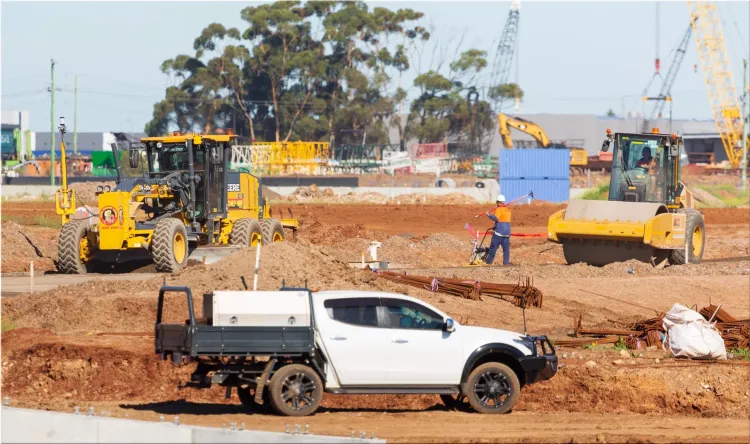
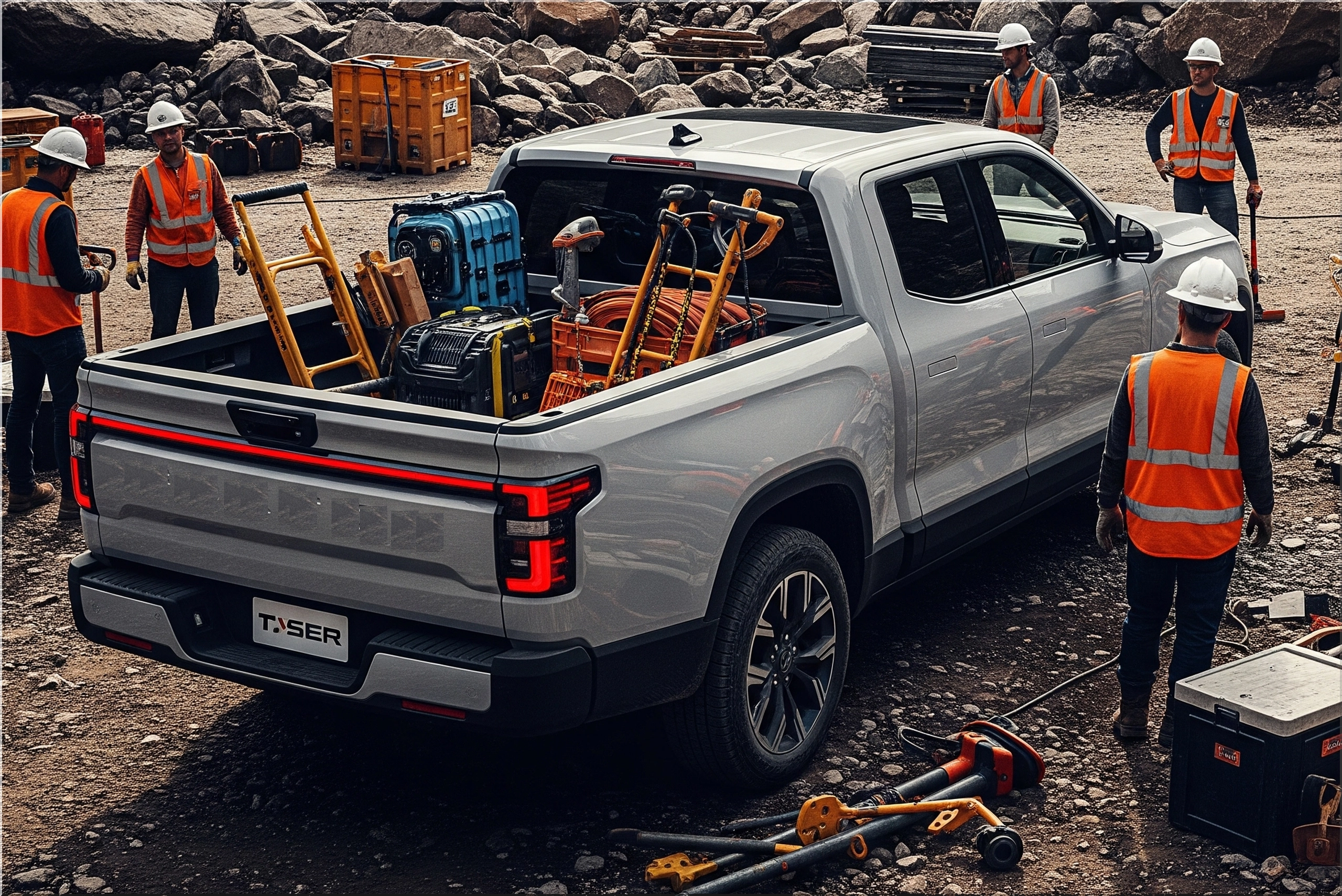
Electric vehicles aren’t just for city driving anymore. These days, they’re being put to work in construction zones, farms, parks, and other outdoor settings where weather and terrain take a toll. While they’re efficient and quiet, EVs still need protection, especially when the elements aren’t exactly friendly.
Some owners are already thinking outside the box, using coatings like boat paint to seal metal housings and keep corrosion at bay. It might sound odd, but if it works on saltwater hulls, it holds up well under wet, muddy conditions too. That’s just one example of how outdoor EV care requires a different playbook.
Here’s what to keep in mind if your electric workhorse spends more time on trails or gravel than paved roads.
Clean It, but Don't Blast It
Rinsing off mud and grit is important, but power washing around sensitive components can cause trouble. EVs have sensors, wires, and seals that aren’t built to handle intense water pressure at close range.
Use a gentle spray and take time around the wheels, suspension, and undercarriage. Look for trapped dirt and clear it with a soft brush instead of forcing it out with a hose.
Don’t Cook (or Freeze) the Battery
Out in the field, battery temperature swings happen more often. High heat shortens battery lifespan, and cold conditions slow everything down. If the vehicle’s been working hard, let it cool before charging. Try to park in shade or cover when possible, especially in summer.
And if you’re relying on portable chargers, double-check that voltage and output levels match your EV’s requirements. It’s easy to overlook, and doing it wrong can shorten the battery’s life.
Do a Weekly Walkaround
When you’re working on rough ground, parts suffer more wear and tear. Give your EV a walkaround every week. Look for things like:
- Torn rubber boots on axles
- Scratches on battery trays
- Loosened underbody panels
- Early signs of rust near bolts or joints
Catching wear early is easier than dealing with a breakdown when you’re miles from a charger.
Reinforce What Gets Exposed
Some areas around the wheels, frame, and underbody benefit from extra coating or protection. Products like undercoating sprays, rust inhibitors, or even liner-style shields can extend the life of parts that take the most hits.
If your EV’s used in wet climates or anywhere near salt (including coastal zones), reinforcing exposed metal areas is critical.
Tires and Brakes in Tough Terrain
Electric trucks and utility EVs are heavy by design. That weight, combined with rough ground, puts extra strain on your tires and suspension. Check tire pressure often, especially after working on uneven ground.
Also, don’t ignore the brakes. Even with regenerative systems, physical brake components can rust or wear down unevenly if not used regularly in outdoor work.
Final Thoughts
Using EVs in rugged settings is a smart move; they’re efficient, low-maintenance, and quieter on site. But a bit of extra care makes all the difference. A quick check here, a protective layer there, and the right cleaning habits can help your EV run strong and look good longer.
It’s not about babying your vehicle. It’s about making it last and keeping your workday moving without any surprise setbacks.

Cars and motorcycles that run on gasoline or diesel will be banned in the Amsterdam, Netherlands, starting 2030. Starting next year, diesel cars older than 15 years will be banned on the A10 road around the Dutch capital. Also, buses and vans emitting exhaust… Continue reading

BMW presents the project for the supercar of the future. Electric, connected and sporty, these are the features of Vision M Next. BMW's electric future runs fast. The announcement comes directly from Munich, where at a conference, the… Continue reading

Renault has started sales of a new generation of the all-electric Zoe 52kWh hatchback. Europeans will be the first to order their electric car at a price starting from € 20,000 (in Germany, excluding the cost of renting a battery). But they… Continue reading
The UK wants to ban the sale of new petrol, diesel and hybrid cars from 2035. Five years earlier than expected. Declared objective: reduce air pollution as part of a program that could herald the end of more than a century of dependence on the internal… Continue reading