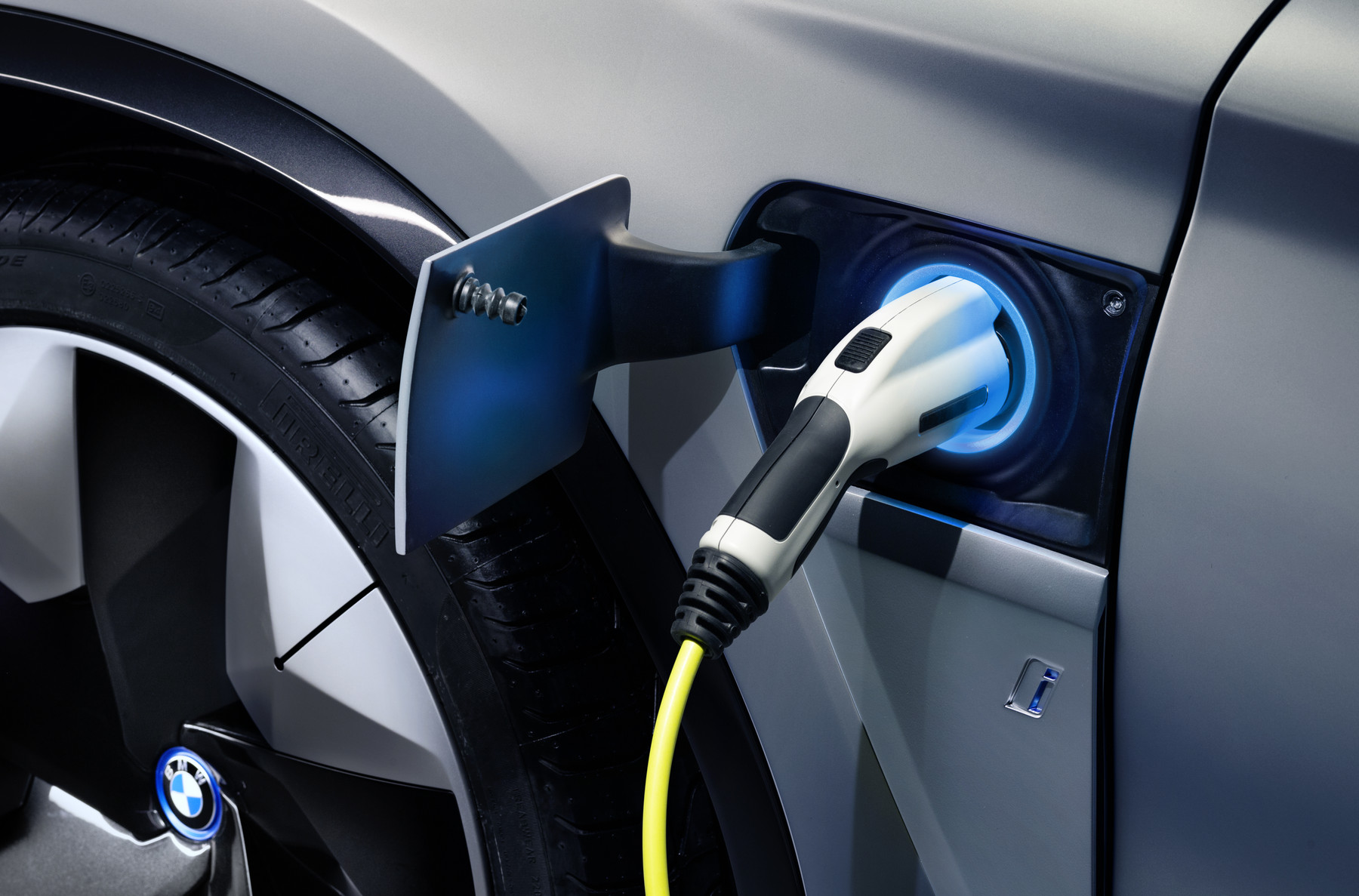
The Indian government has decided to cut VAT on electric vehicles from 12% to 5% and charging stations from 18% to 12%. In addition, the purchase of electric buses by the municipalities is exempt from VAT.
The changes will come into force on 1 August 2019. The VAT on petrol and diesel remains at 28 percent. With the tax cut, the Indian government wants to reduce the price difference between the two types of power in order to make electric cars more affordable.
However, an exemption from the registration fee for electric vehicles, which was discussed in June, was not decided. Reports are still in the room to increase the registration fee for gasoline and diesel.
However, the Federal Bureau of Indirect Taxes (abbreviated to GST) has made the condition that the vehicles have at least 12 seats eligible for the tax exemption for electric buses. The Indian government wants to promote not only renewable energy, but also clean traffic.
Renault announced excellent results in Europe on the electric car market thanks to the excellent performance of the Renault ZOE, the best-selling electric car in 2020. The Renault Kangoo ZE performed with good results as well. The… Continue reading
After years of unchallenged dominance in the electric car market, Tesla finally has some competition in the electric cars market. But, it is still challenging to make up a list of electric cars with greater autonomy and at the same time… Continue reading
In 2011, Ford took a few tentative steps towards the electric vehicle market. Now, gladly for us, Ford opened the door on the electric segment ten years later, putting timidity aside, introducing the new Mustang Mach-E. It is… Continue reading
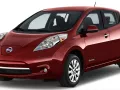
Nissan is carefully updating the Leaf, which was once the world's best-selling electric vehicle. This year, the Japanese have revised the series, but the technology has remained unchanged. For the 2022 model year, the Nissan LEAF's… Continue reading