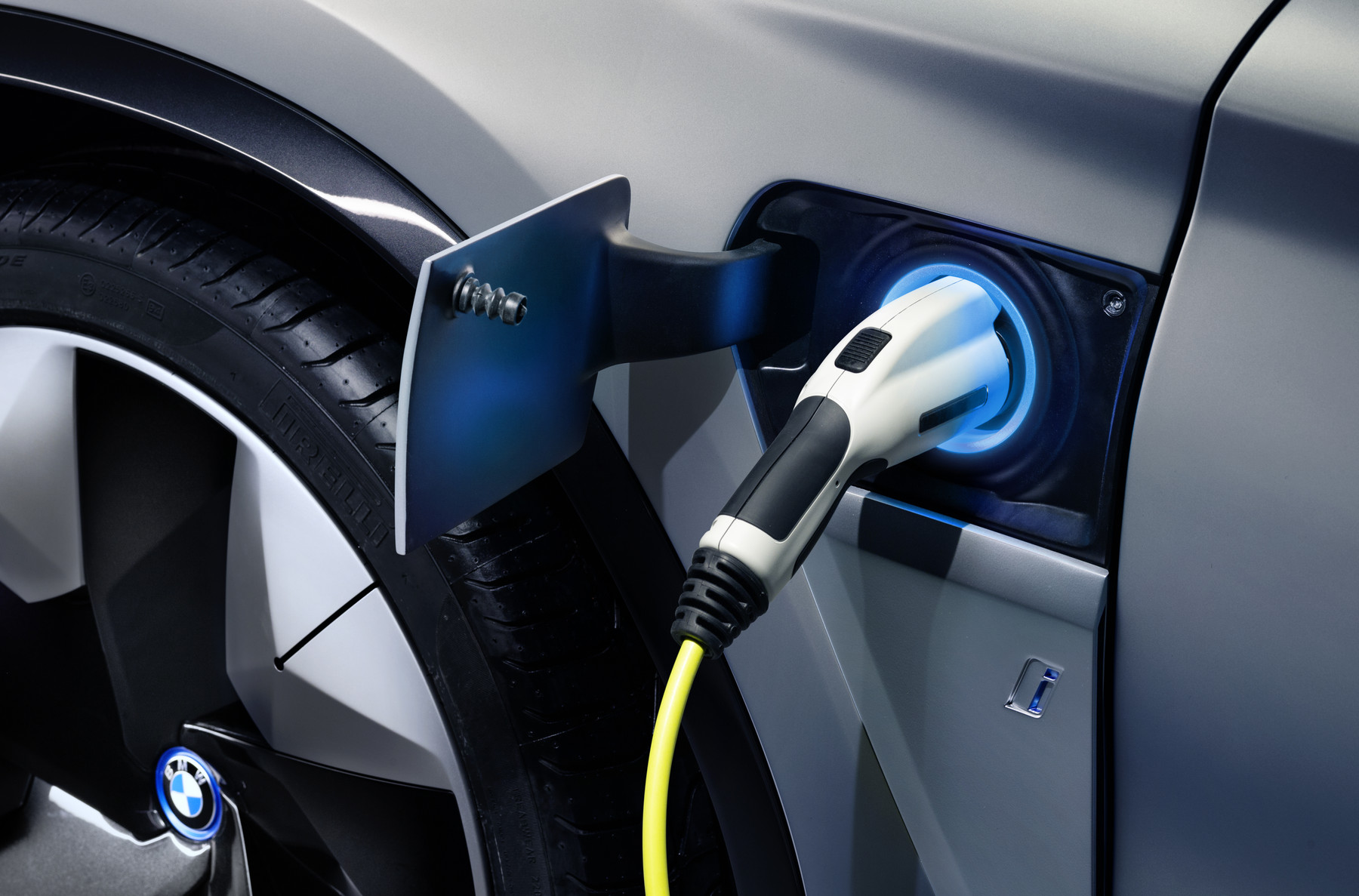
The Indian government has decided to cut VAT on electric vehicles from 12% to 5% and charging stations from 18% to 12%. In addition, the purchase of electric buses by the municipalities is exempt from VAT.
The changes will come into force on 1 August 2019. The VAT on petrol and diesel remains at 28 percent. With the tax cut, the Indian government wants to reduce the price difference between the two types of power in order to make electric cars more affordable.
However, an exemption from the registration fee for electric vehicles, which was discussed in June, was not decided. Reports are still in the room to increase the registration fee for gasoline and diesel.
However, the Federal Bureau of Indirect Taxes (abbreviated to GST) has made the condition that the vehicles have at least 12 seats eligible for the tax exemption for electric buses. The Indian government wants to promote not only renewable energy, but also clean traffic.

The new Toyota PROACE Electric van will be launched in European markets from the fall of 2020. The range includes three body lengths and two different battery sizes, with up to 330 kilometres range. Its clever design… Continue reading

The new Toyota Proace CITY Electric marks a significant expansion of the Toyota Professional product range in electrified light vans and passenger cars. This electric van makes Toyota a strong player in the segment of… Continue reading

People can now order the Fiat Scudo, which comes in a wide range of models and configurations to meet their needs. Common to these electric minivans is that it has high comfort and a driving experience like any other electric car. Moreover,… Continue reading
Hyundai has just unveiled its latest creation, the all-new KONA, and it is bigger, bolder, and more exclusive than ever before. The new Hyundai KONA boasts a significant redesign, exceptional attention to low air resistance, and an… Continue reading