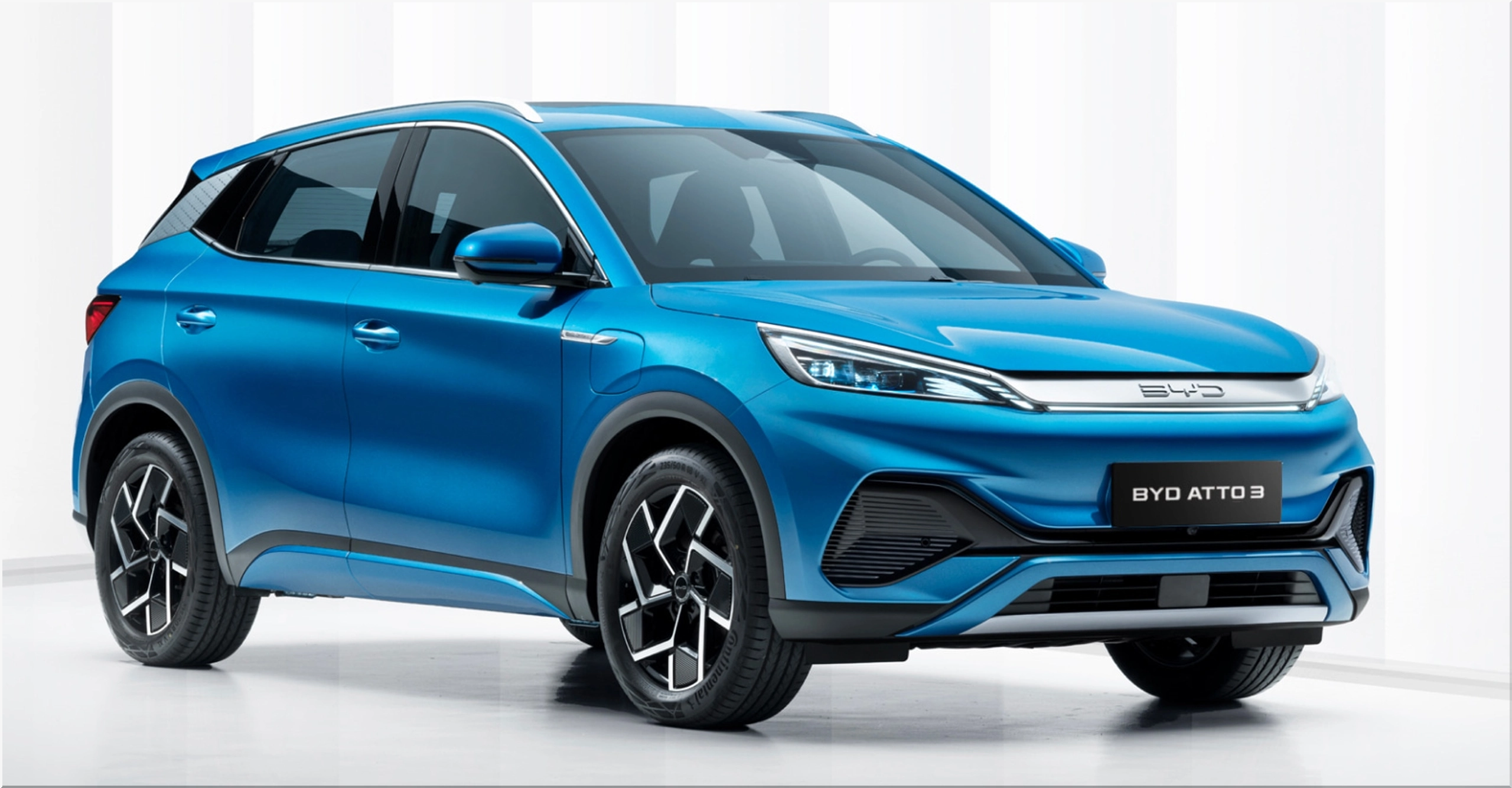
Chinese electric vehicle (EV) manufacturers have expanded rapidly across Europe with cost-competitive, tech-forward models. But now, local auto dealers are pulling back. Despite growing consumer interest in EVs, Chinese brands like BYD, Nio, and MG are failing to secure dealer trust.
This shift stems from structural issues in support, logistics, and brand identity. The result: Europe’s dealership networks are no longer a reliable growth channel for Chinese OEMs.
Contents
- EV Growth in Europe: Context
- Chinese EV Market Entry: Brand Overview
- Why Dealers Are Stepping Away
- The Service Gap Undermining Trust
- Weak Brand Recognition Among Buyers
- Dealer Demands and Market Risks
- Direct Sales: Alternative or Dead End?
1. EV Growth in Europe: Context
EV sales in Europe are rising due to regulatory pressure and growing climate awareness.
- In 2024, 22% of new vehicles sold in Western Europe were fully electric.
- Germany, France, and the Netherlands remain the largest EV markets.
- Government incentives remain influential, though subsidy cuts are reducing margins.
2. Chinese EV Market Entry: Brand Overview
Chinese automakers entered Europe aggressively in 2023–2024, banking on lower prices and advanced features to capture market share.
| Brand | Key Models | Starting Price (USD) | Competitive Feature |
|---|---|---|---|
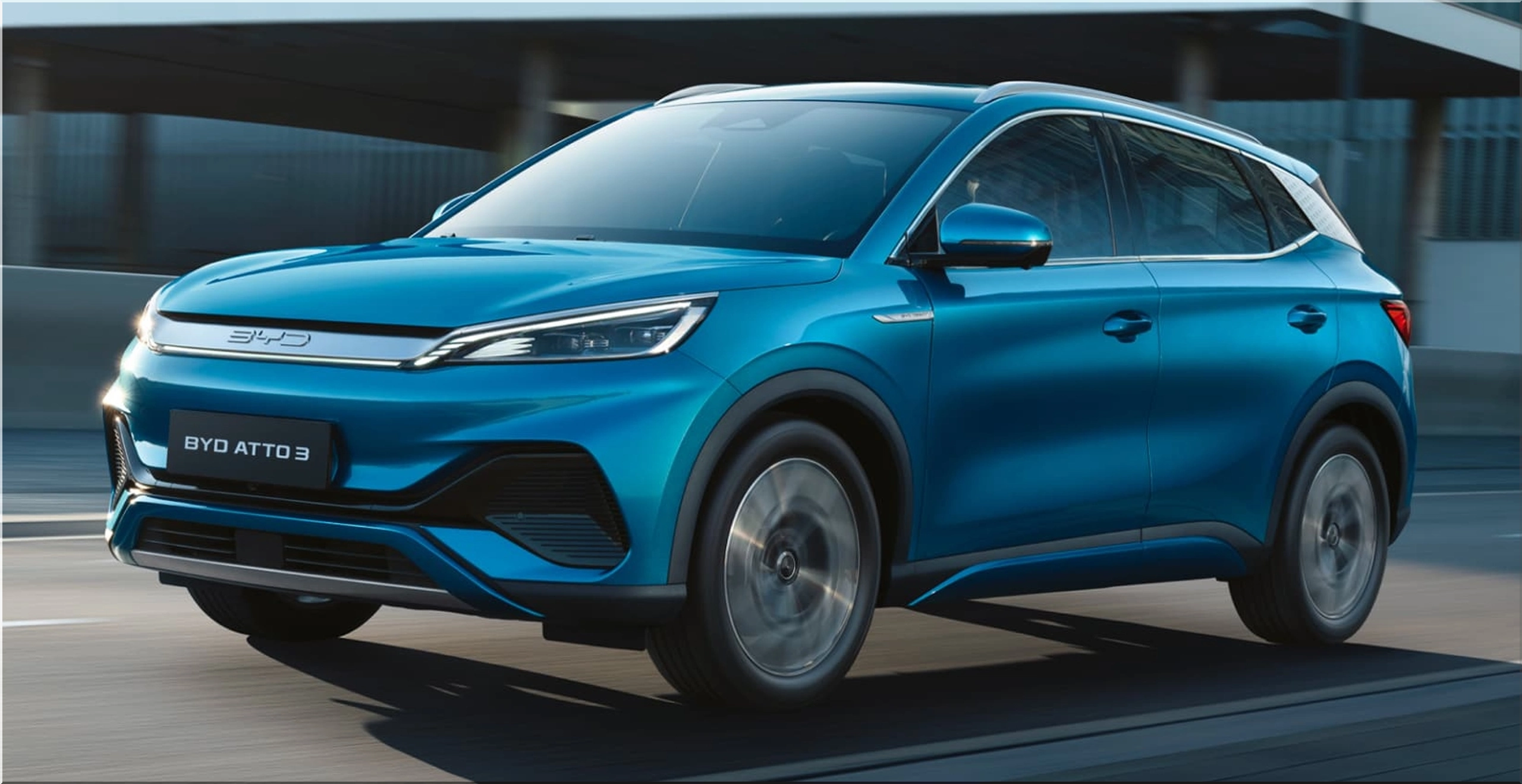
| BYD | Atto 3, Dolphin, Han | 30,000 – 65,000 | In-house Blade battery |
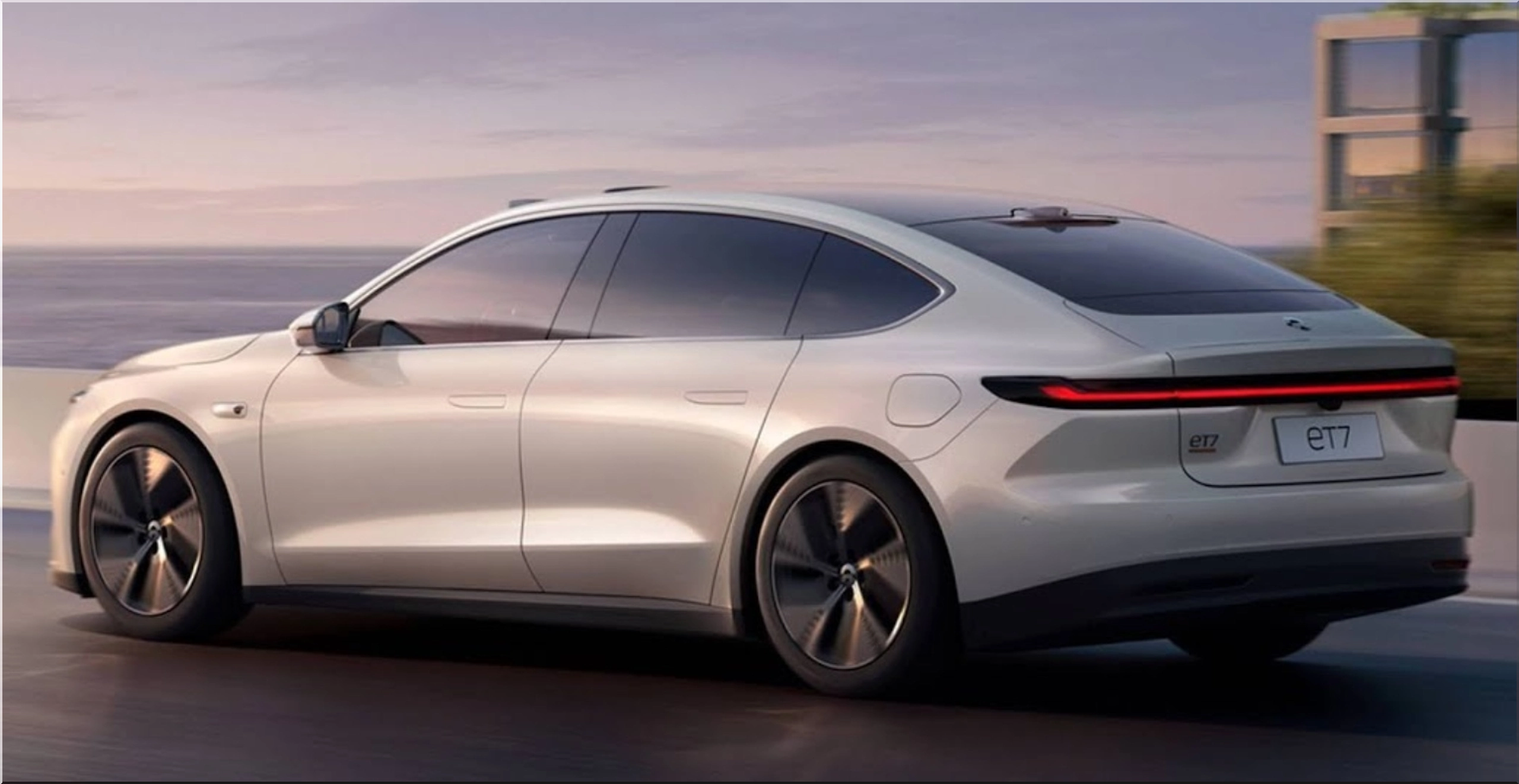
| Nio | ET5, EL6, ET7 | 45,000 – 75,000 | Battery swap tech |
| MG (SAIC) | MG4, MG ZS EV | 28,000 – 45,000 | Compact, budget-friendly models |
| Xpeng | G9, P7 | 40,000 – 60,000 | Semi-autonomous driving features |
3. Why Dealers Are Stepping Away
European dealers are scaling back relationships with Chinese brands. The core issues:
- Profit margins too low, often under 5%
- Inconsistent spare parts delivery leads to delays
- Limited marketing investment in local markets
- No established resale value for used Chinese EVs
- Centralized decision-making frustrates regional flexibility

4. The Service Gap Undermining Trust
Service quality is non-negotiable for European dealers. Chinese OEMs have not built the necessary infrastructure.
- Slow parts delivery due to lack of regional warehouses
- No certified training programs for technicians
- Delayed technical support for warranty claims
- Unreliable software updates and poor documentation
5. Weak Brand Recognition Among Buyers
Consumer trust in new automotive brands is low. For Chinese EVs, the branding gap is still wide.
- Unfamiliar brand names reduce perceived safety and reliability
- No clear resale market affects long-term value
- Limited coverage in local automotive media hurts awareness
6. Dealer Demands and Market Risks
To maintain dealer relationships, Chinese EV brands must restructure engagement models.
- Margin guarantees of at least 8–10%
- Local parts distribution centers to avoid weeks-long delays
- In-language tech support teams available in real time
- National ad campaigns to build consumer awareness
- Flexible sales targets and performance-based contracts

7. Direct Sales: Alternative or Dead End?
Some Chinese brands are shifting toward direct-to-consumer models, inspired by Tesla and Polestar.
Pros of Direct Sales:
- Control over pricing and customer experience
- Lower long-term dependency on dealers
- Faster market response and feedback loops
Cons of Direct Sales:
- High initial investment in showrooms and logistics
- Limited support infrastructure in most regions
- Legal restrictions in some EU countries protect dealer models
Final Analysis
Chinese EV brands deliver strong specs and low prices, but these are not enough to guarantee success in Europe.
Dealers control the customer relationship. Without local service, fair margins, and consistent support, they will continue to withdraw.
Key Priorities for Chinese OEMs:
- Regional service networks
- Dealer profitability
- Consumer brand trust
- Responsive, local support
Until these gaps are closed, dealer-based growth will remain limited. Direct sales offer an alternative, but they come with their own barriers.
As part of a long-term plan to become the world's leading electric SUV brand, the Jeep brand announced a detailed plan for the next generation of 4xe electric vehicles. By the end of 2025, the goal is to sell four fully electric SUVs in… Continue reading
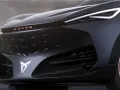
If you’re looking for a sleek, sporty and spacious electric SUV that can handle any terrain, you might want to check out the Cupra Tavascan. This stunning vehicle is more than just a dream come true - it’s a reality that… Continue reading
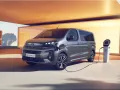
The electric vehicle market is growing rapidly as more and more drivers and businesses are looking for zero-emission mobility solutions that are efficient, comfortable, safe, and elegant. One of the latest models to join this trend is the new … Continue reading
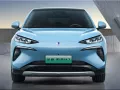
The electric vehicle (EV) landscape is evolving rapidly, and the battle for supremacy is fiercer than ever. In this electrifying showdown, two giants—BYD and Mercedes-Benz—have joined forces to unleash the Denza N7, a game-changing SUV that… Continue reading