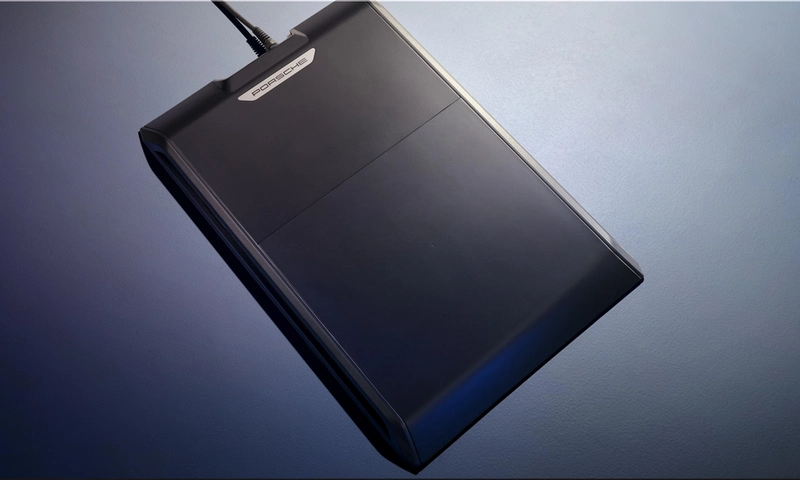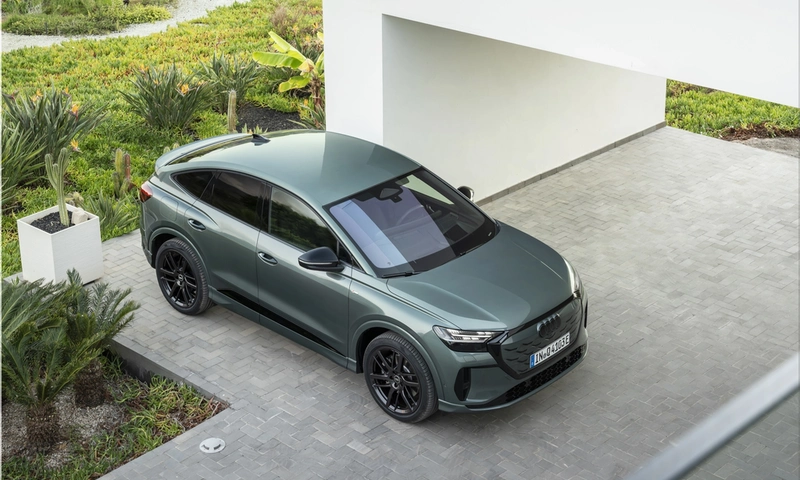
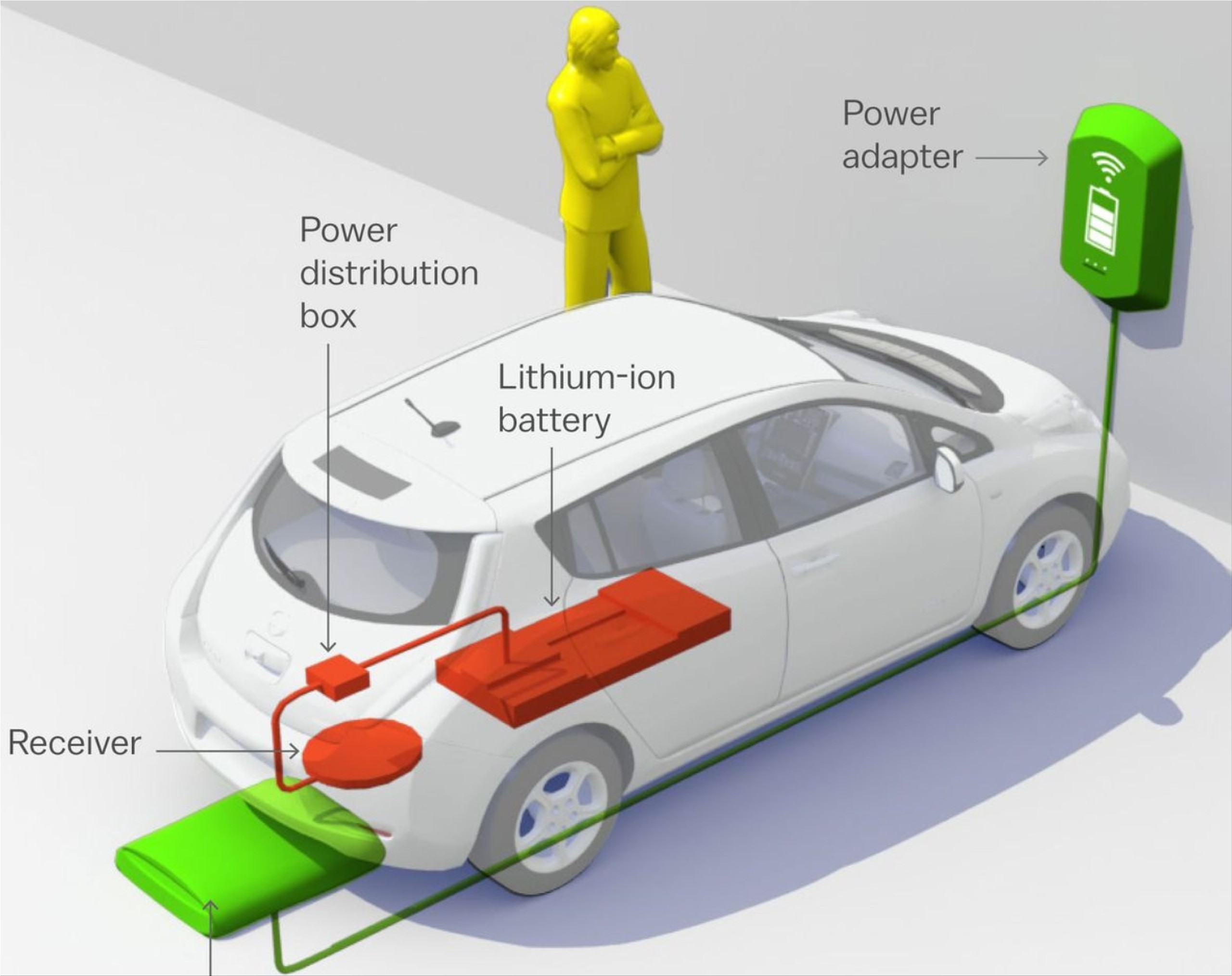
Wireless charging is a new technology that allows an electric car to charge without being hooked into a charging station. Instead, a wireless charging system comprises a ground pad beneath a parked electric vehicle and a receiving system that links to the vehicle's power electronics and battery systems. The ground pad sends power to the receiver, which charges the automobile. The charging is also managed by a control device that is located close to the ground pad.
The essential advantage of wireless charging is its simplicity, as the driver no longer needs to plug the car into the PEV (Personal Electric Vehicle) every time it needs to be charged. Other advantages include the lack of cord management, which is likely to be a concern in public charging areas where an extended charging wire could pose a hazard to the public right-of-way, or drivers may fail to return plugs to the charger frequently. In addition, it's possible that not having chargers with dangling cords in public settings has an aesthetic benefit. On the other hand, wireless charging is more expensive than current cable options. Furthermore, because electricity is transferred across the air, it is also less efficient than cable charging. However, the efficiency loss is insignificant.
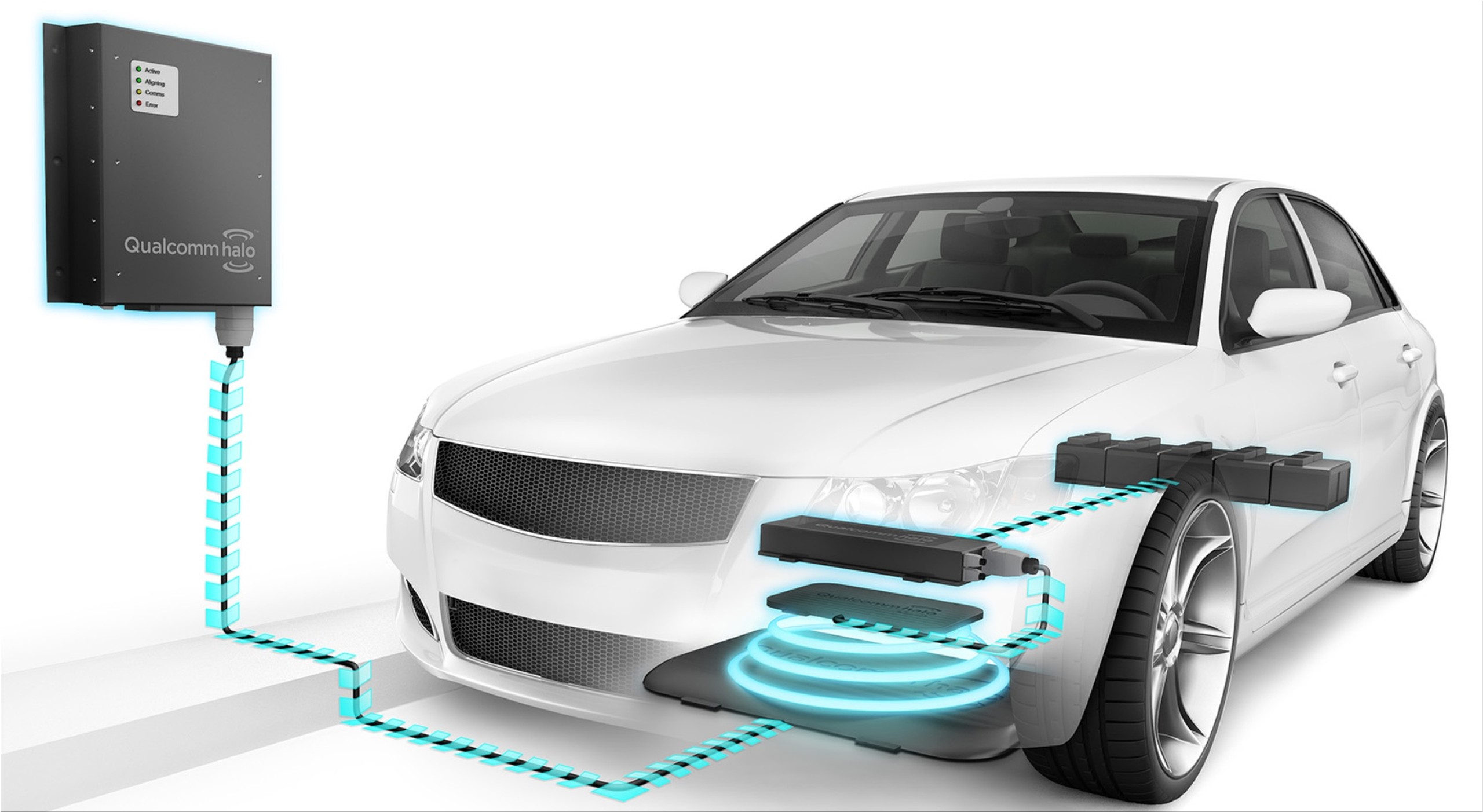
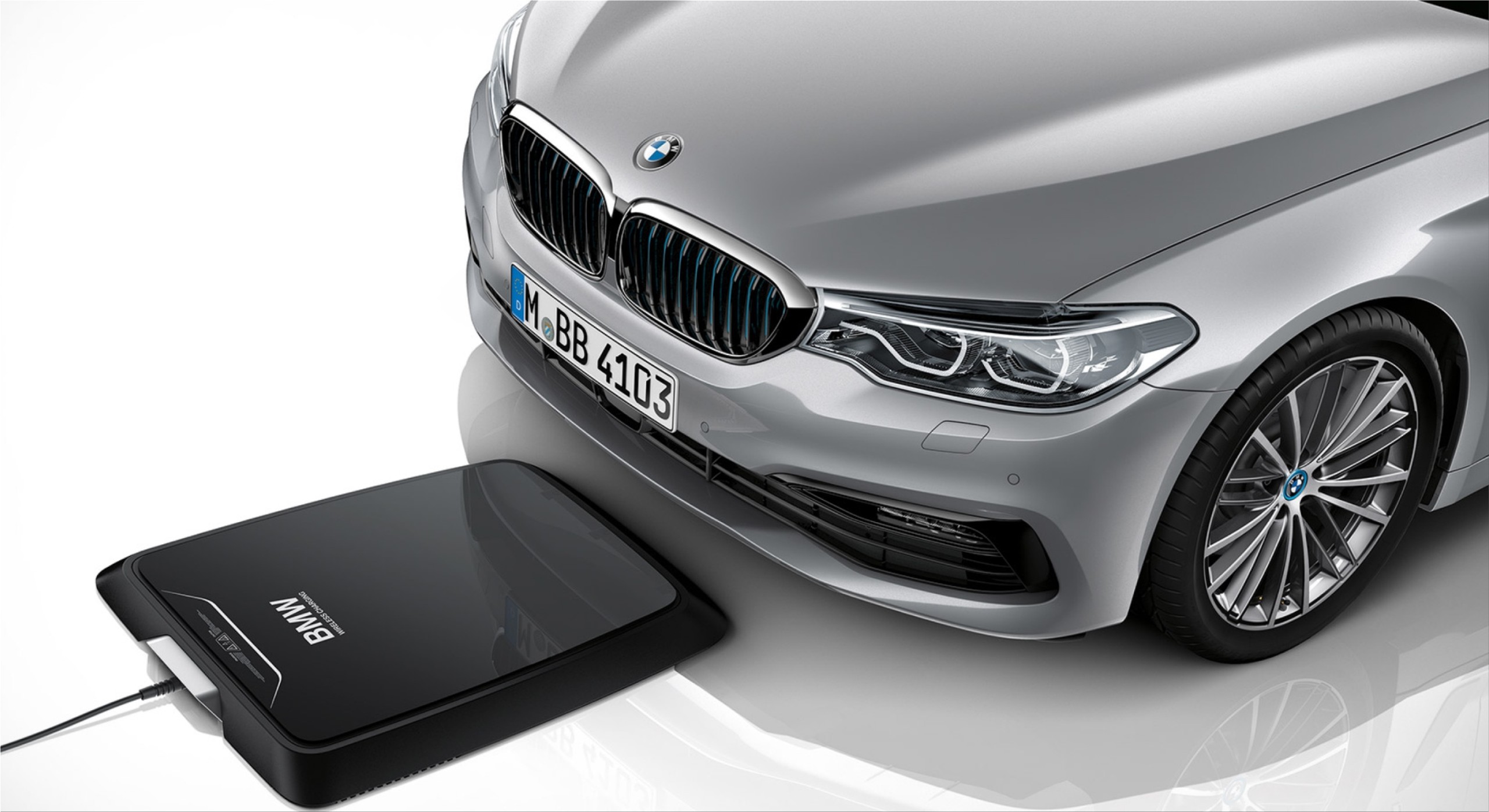
Even though aftermarket wireless charging technology has been available since 2014, automakers will primarily provide wireless charging as a factory-installed option. For some years, almost all automakers and a few tier-one suppliers have been investigating wireless PEV charging, with a few declaring intentions to implement wireless charging in production vehicles as soon as 2018. On the other hand, wireless charging is still a technology in development for commercial launch, with a slew of complex operational and safety challenges to resolve. For example, the wireless system must charge PEVs with varying amounts of ground clearance, especially if they are to be used in public charging stations. Furthermore, wireless charging stations must allow for some variation in car positioning on the ground pad. Finally, the wireless system must identify and respond to living or foreign objects in the charging field. Although technology developers are ahead of the curve in addressing these issues, a full-scale commercial launch of wireless charging of electric cars is still expected to take a few years.
Furthermore, suppose you want wireless charging to compete with the present field of conductive charging technologies truly. In that case, industry standards must be established that allow wireless chargers to be widely distributed across the PEV spectrum. The SAE is working with industry stakeholders to produce such standards. Interoperability, electromagnetic compatibility, minimum performance, safety, and testing are all specified in this standard.
Finally, developers and manufacturers will most likely need to lower costs or absorb them as part of the vehicle's purchase price for this technology to replace traditional charging. The convenience may be enough to persuade drivers to switch to wireless charging despite the higher cost, but it's unknown how widely and rapidly this technology will be adopted at this time. The first market for premium model PEVs as a home charging alternative is expected to be premium model PEVs. Wireless charging may appeal to car-sharing or taxi fleets as a means to ensure PEVs are charged without relying on drivers to plug them in. In the long run, wireless charging could be appealing in public charging applications, but this is unlikely to happen until the PEV fleet widely adopts the technology.
Another wireless charging alternative for electric cars is dynamic charging. The charging technology is placed in the pavement with dynamic charging, and vehicles receive a charge when they drive over it. This technology is not yet commercially viable, unlike stationary wireless charging. Because it would have to be installed on long stretches of road, it would be considerably more expensive than static wireless charging.
Rapid electric bus charging, once available, could assist bus fleets in overcoming the charging barrier and dealing with range anxiety. For example, electric buses might recharge their batteries via a wireless link at a rest stop or turnaround because they follow a set route. This method would also enable smaller, lighter, and less expensive battery packs to be used. Italy, Germany, South Korea, the United States, and the United Kingdom have all tried similar systems. However, the most difficult obstacle to widespread adoption is reaching a consensus on technical standards.
Image gallery:
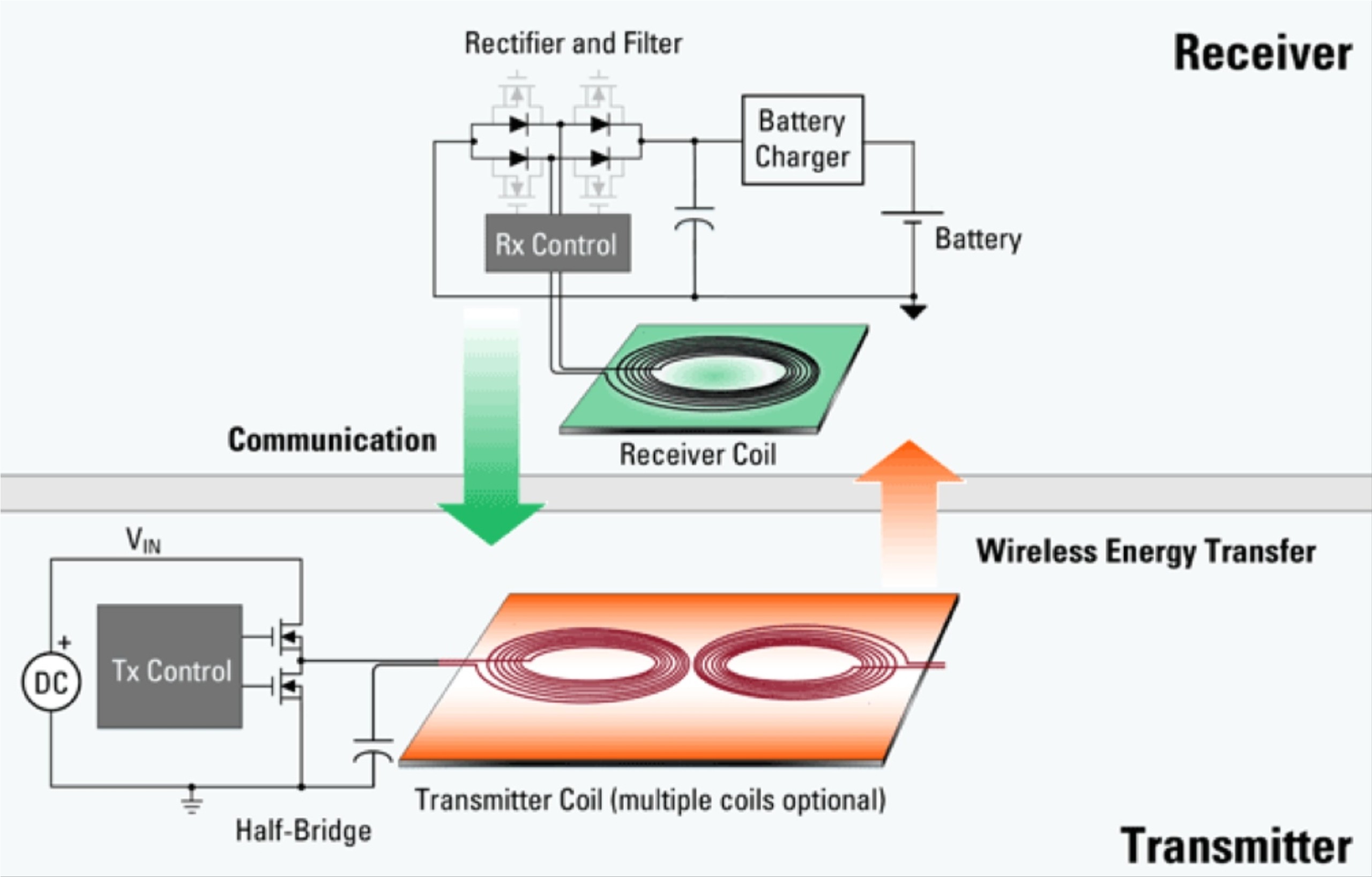
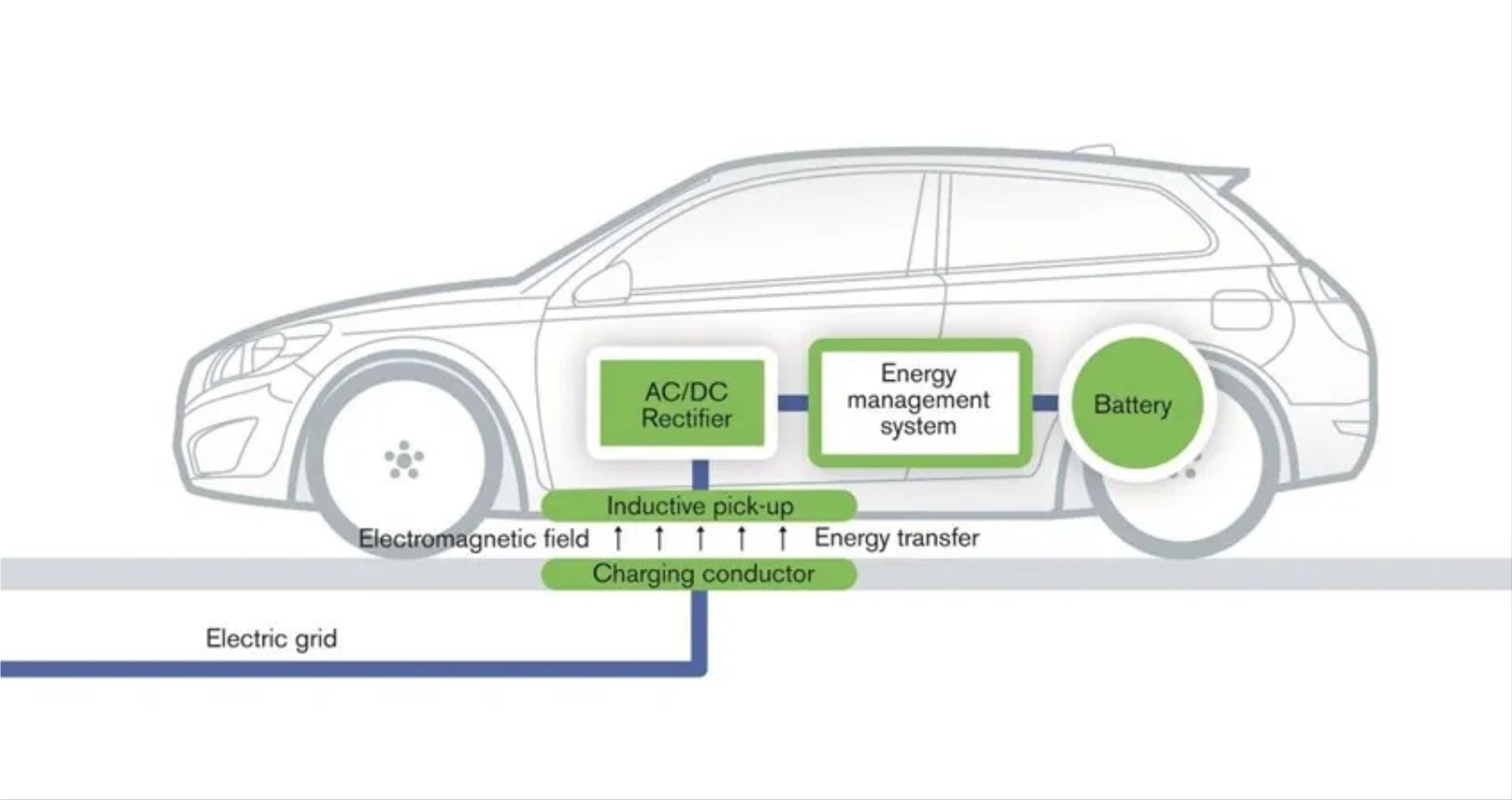
Some systems use under-the-road induction charge plates. Others choose an overhead system that makes contact via an automated pantograph, either on the bus or at the charging station, eliminating the need for a manually inserted plug. For example, in the United States, electric bus manufacturer Proterra has given license-free use of its patented charging system to encourage cooperation among companies.
For now, we must admit that wireless charging technology is still in its infancy.
- Add new comment
- 545 views