Xiaomi’s Unexpected U-Turn: What Happened?
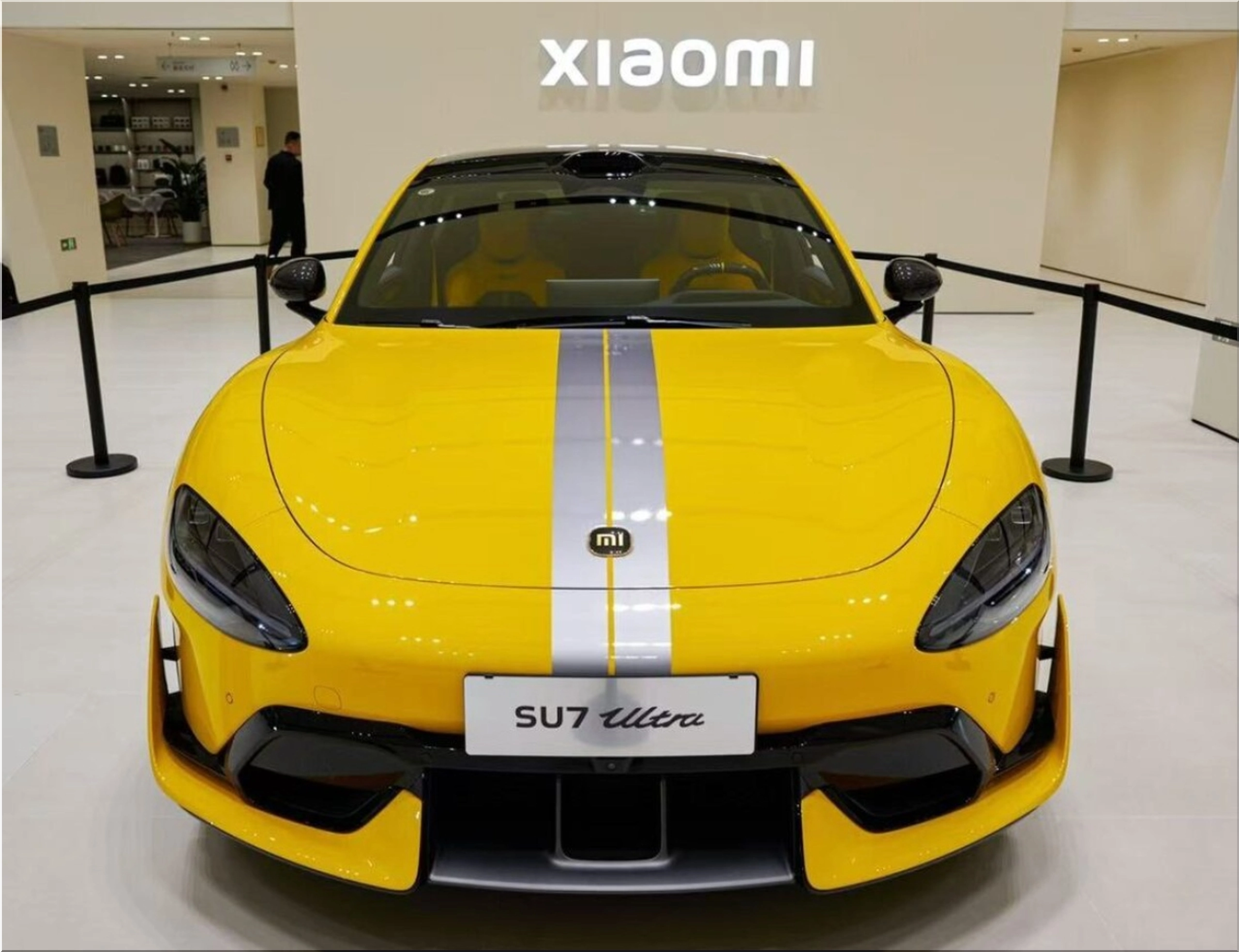
Xiaomi has reversed course on a major restriction it placed on the SU7 Ultra, following a massive backlash from its customers.
The controversy began when owners discovered software-imposed performance restrictions in their high-performance SU7 Ultra electric vehicle (EV). This triggered a flood of complaints and forced Xiaomi into a quick public retreat.
The company announced on May 3, 2025, that it would remove the performance restrictions through an over-the-air (OTA) software update—restoring the car’s full power and torque output.
What Sparked the Backlash?
Owners reported that the SU7 Ultra’s performance was throttled after a brief period of hard driving.
Key issues reported:
- Power cap triggered after continuous hard acceleration.
- Cooling system limits restricted output to less than peak specs.
- Acceleration times worsened after repeated runs.
These limitations directly affected 0–60 mph times and track-day usability, frustrating enthusiasts who had paid a premium for the Ultra model.
Xiaomi’s Original Reasoning
Xiaomi defended its move by saying the restrictions:
- Protected the battery and motor.
- Preserved long-term reliability.
- Were part of a “smart performance management system.”
The company cited thermal limits and battery protection protocols as reasons for the performance caps.
Performance Specs: Before and After
| Metric | Original SU7 Ultra Specs | Post-Restriction Performance | After OTA Update |
|---|---|---|---|
| Peak Power | 986 hp | Capped at ~740 hp | 986 hp restored |
| 0–60 mph Time | 2.78 seconds | 3.4 seconds | 2.78 seconds |
| Top Speed | 165 mph | 155 mph | 165 mph |
| Maximum Torque | 838 lb-ft | ~650 lb-ft | 838 lb-ft |
The OTA update will return the car to its original, advertised specs, ensuring no reduction in real-world performance.
Owner Reactions: Why the Pressure Worked
Buyers of the SU7 Ultra are tech-savvy and performance-driven. The backlash was organized and highly visible on Chinese social media.
Key factors behind the pressure:
- Transparency: Owners shared detailed logs of the car’s performance drops.
- Community Action: Car clubs and influencers amplified the message.
- Reputation Risk: Xiaomi, new to the automotive market, couldn’t risk losing early adopters’ trust.
This became a public relations challenge that Xiaomi had to solve fast.
Lessons for the EV Industry
Xiaomi’s misstep highlights a growing issue in the EV market:
- Software-controlled performance is under scrutiny.
- Buyers demand full access to the car’s advertised specs.
- Thermal management strategies must be balanced with customer expectations.
Car makers now face a challenge:
- How do they manage risk without alienating performance-focused buyers?
Why Xiaomi Had to Act Quickly
Three key reasons forced Xiaomi’s hand:
- Brand Image: The SU7 is Xiaomi’s flagship EV. Damaging its reputation early could impact future sales.
- Competitive Market: In China, EV competition is fierce. Rivals like Nio, Xpeng, and BYD are quick to capitalize on Xiaomi’s mistakes.
- Public Visibility: The backlash hit mainstream news. Even non-car enthusiasts followed the story.
What’s Next for SU7 Ultra Owners?
Xiaomi promised:
- OTA update rollout within two weeks.
- A new performance monitoring app that lets owners see real-time system stats.
- Optional “Track Mode” that maximizes power without future automatic throttling.
The company also stated it would improve transparency by publishing detailed technical documentation on:
- Thermal limits.
- Battery management systems.
- Software performance settings.
Market Impact: What Analysts Say
Industry experts see this as a wake-up call for both Xiaomi and other new entrants to the EV market.
Highlights:
- Xiaomi’s reputation took a short-term hit, but its quick response contained the damage.
- The case sets a new precedent: Owners expect full control over performance.
- Xiaomi’s OTA capabilities show how software can fix mistakes fast.
The Bigger Picture: EV Performance and Software Control
The incident underscores a major trend in EVs:
- Performance is now software-defined.
- Owners demand clear explanations when limits are in place.
- OTA updates allow fixes—but can also create trust issues if used to quietly throttle performance.
EV brands must now:
- Build trust with transparent communication.
- Provide real-time data access to owners.
- Balance thermal safety with peak performance delivery.
Image gallery:
Conclusion: Xiaomi’s Hard Lesson
Xiaomi’s SU7 Ultra case is a clear example of how tech-driven car brands must handle performance promises carefully.
Key takeaways:
- Advertised specs must match real-world performance.
- Software controls must be explained upfront.
- Fast, public-facing damage control is essential in today’s hyper-connected EV market.
Xiaomi’s reversal on the SU7 Ultra performance caps will likely restore trust—but the company will be under watchful eyes going forward. @via arenaev.com .
- Add new comment
- 426 views