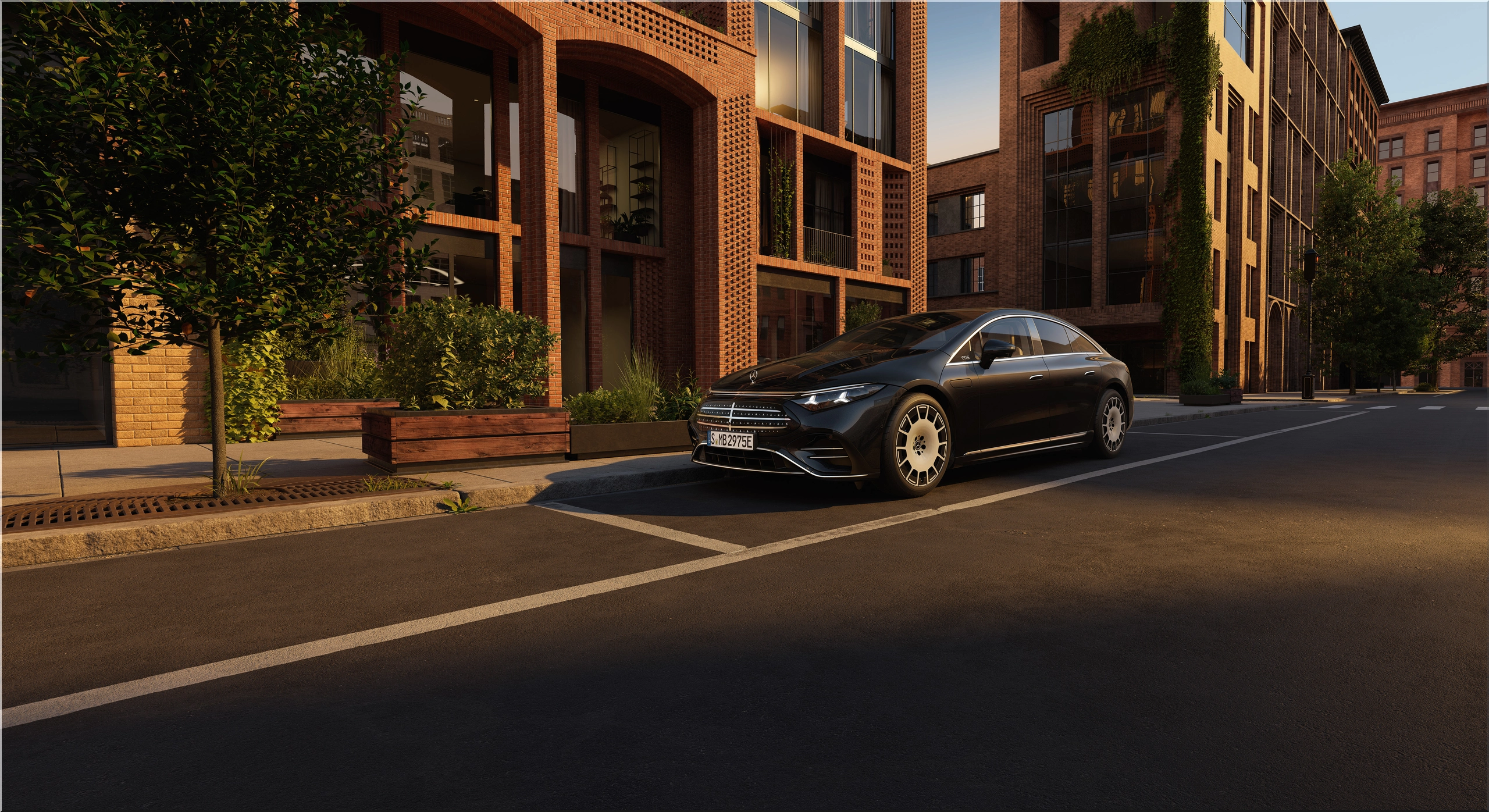
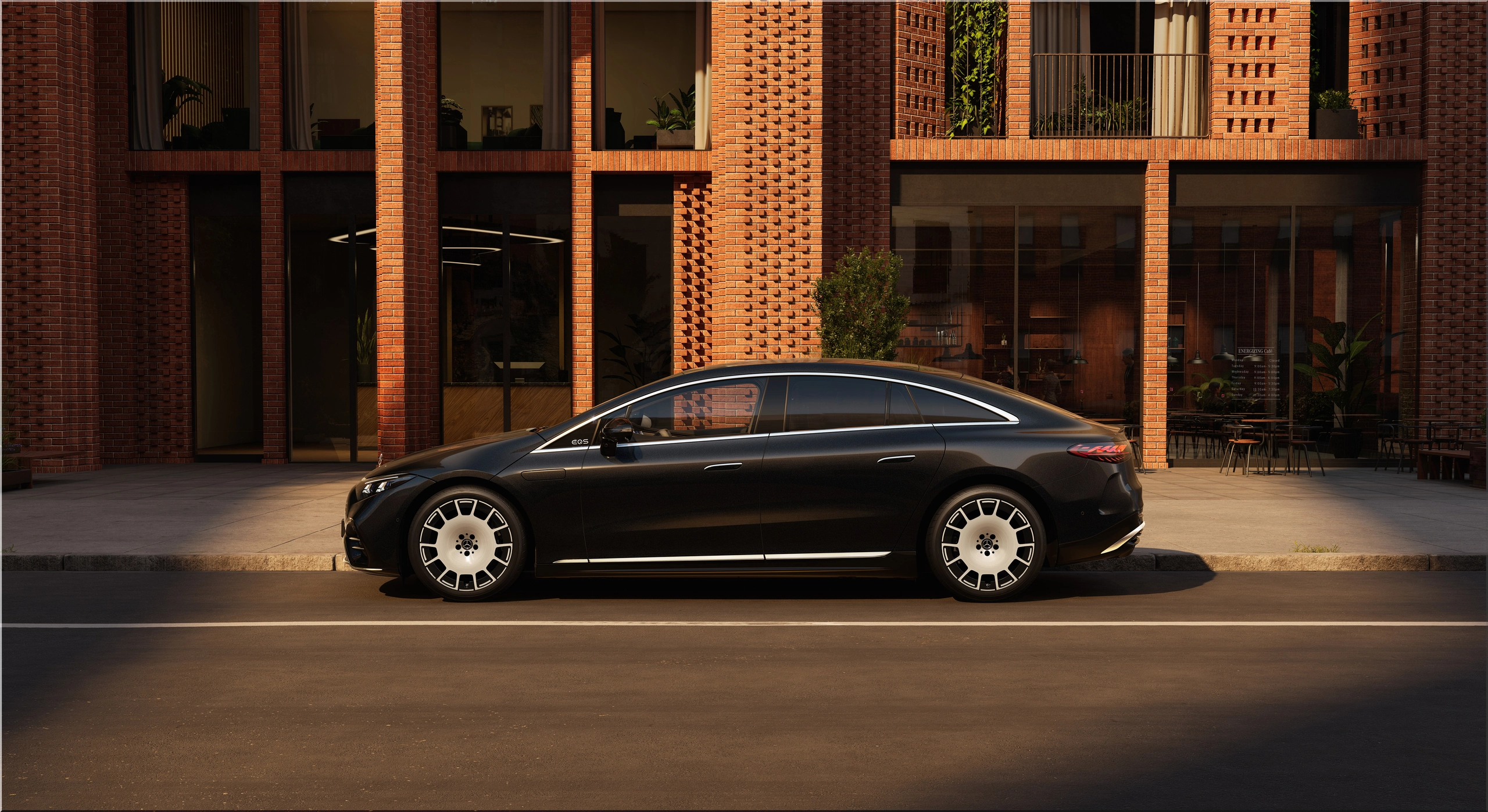
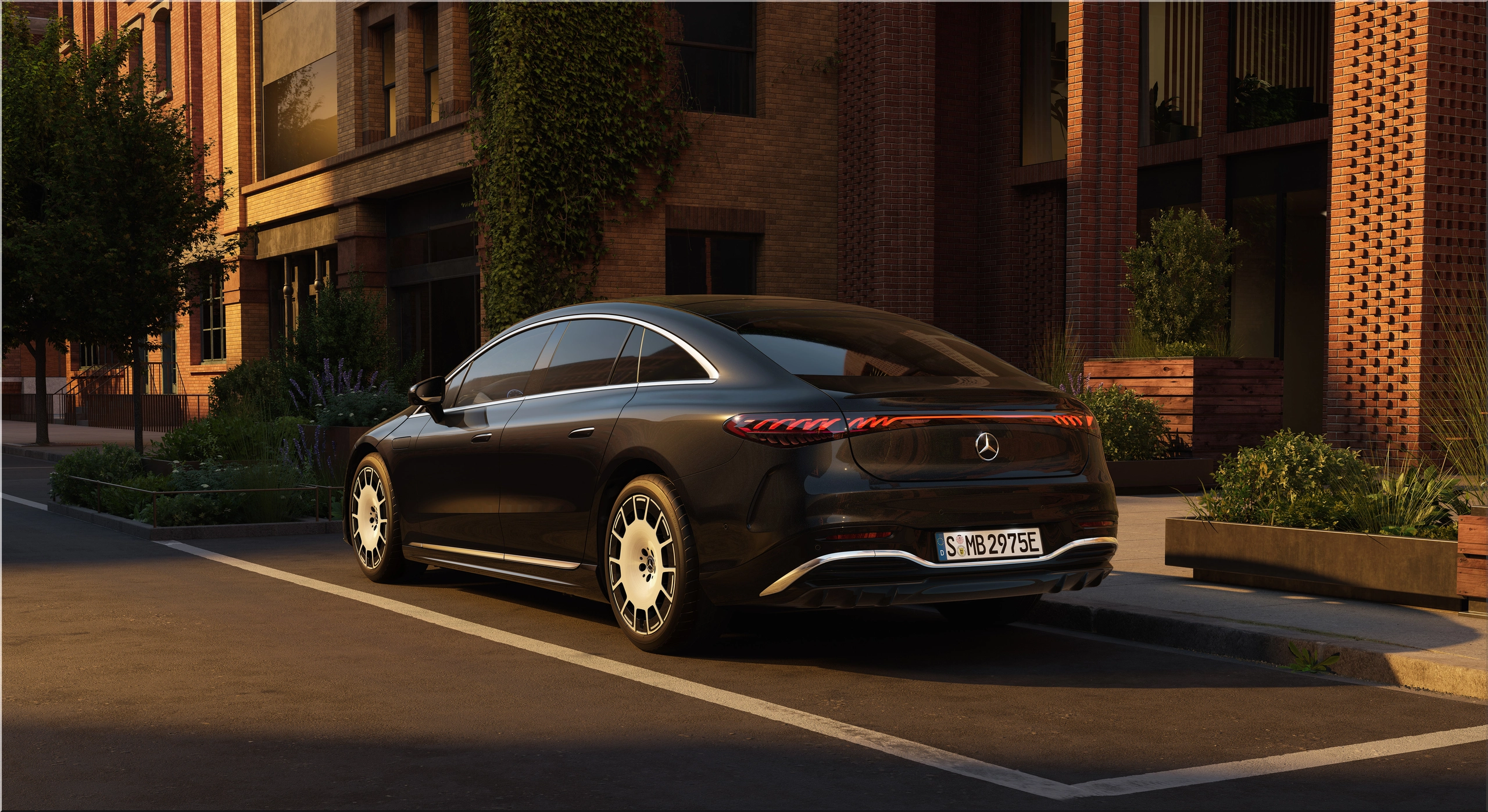
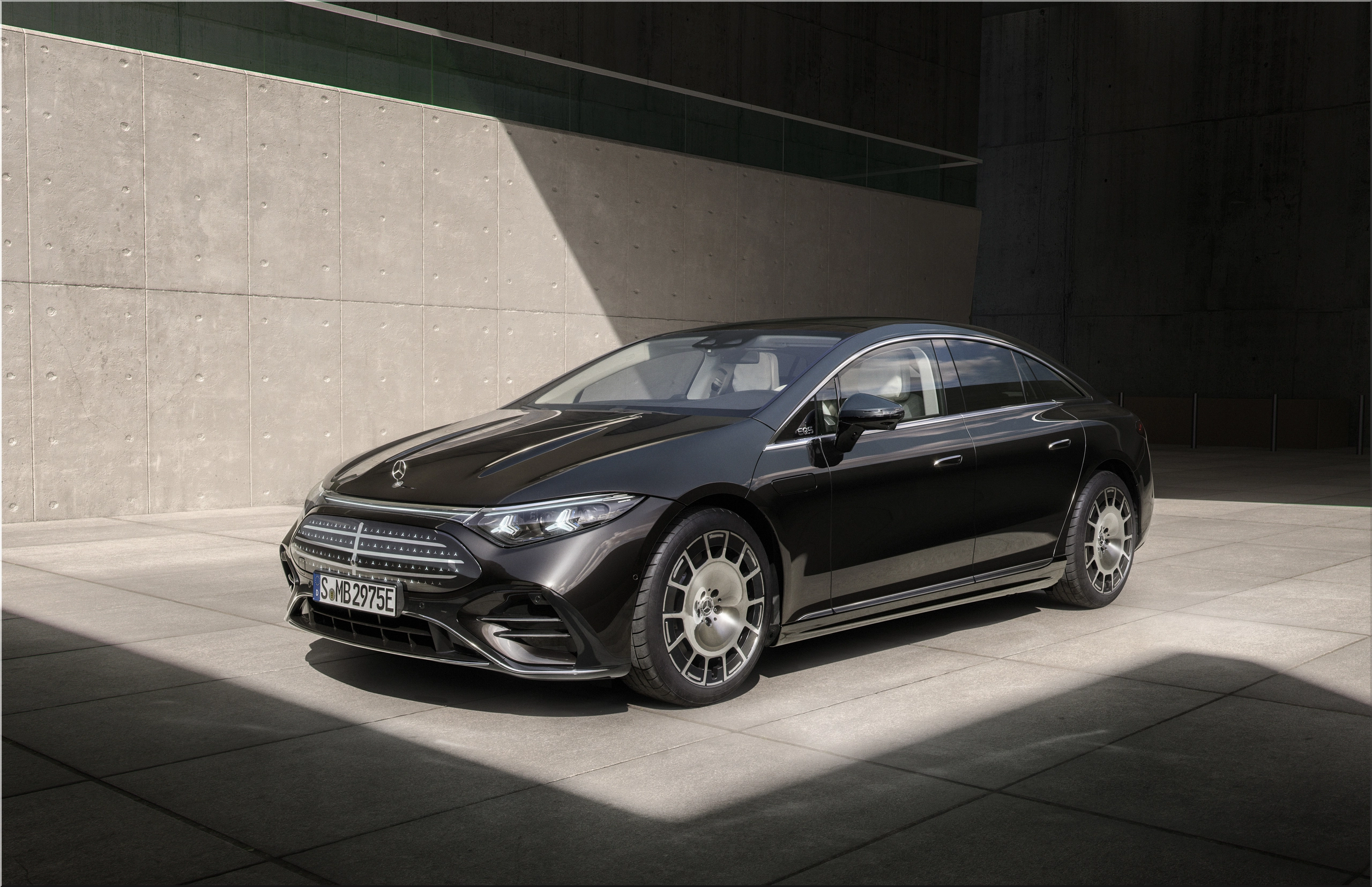
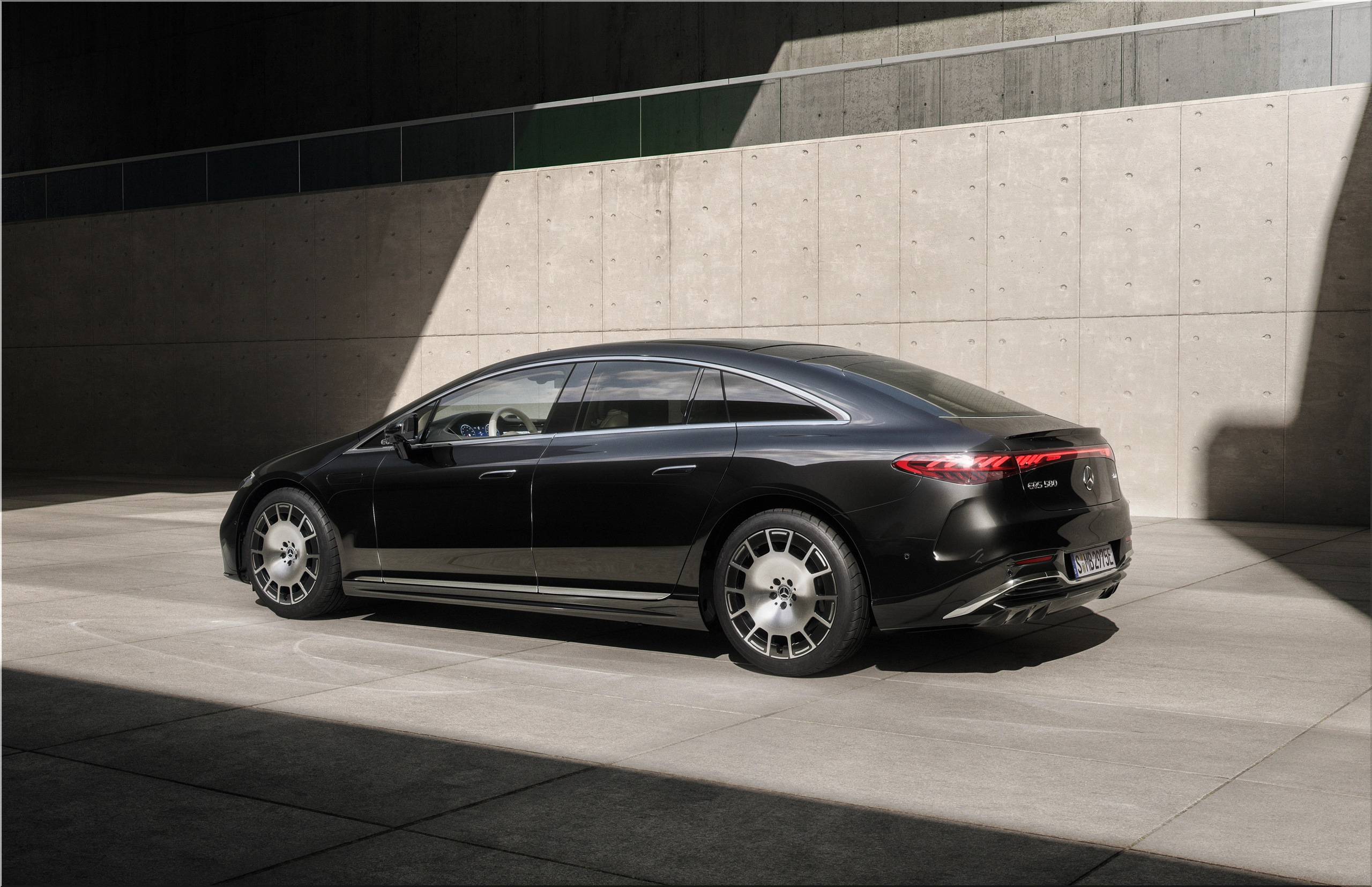
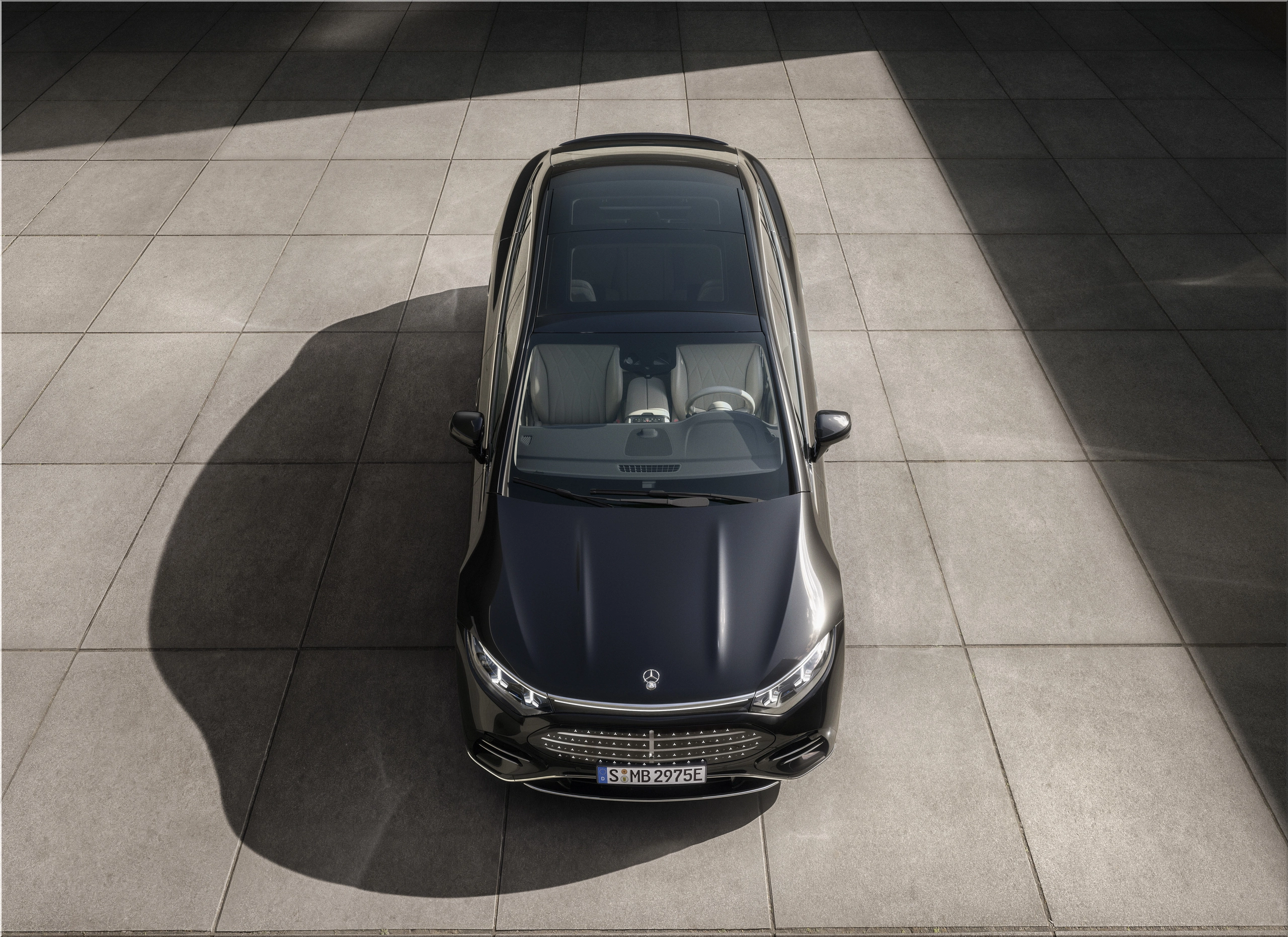
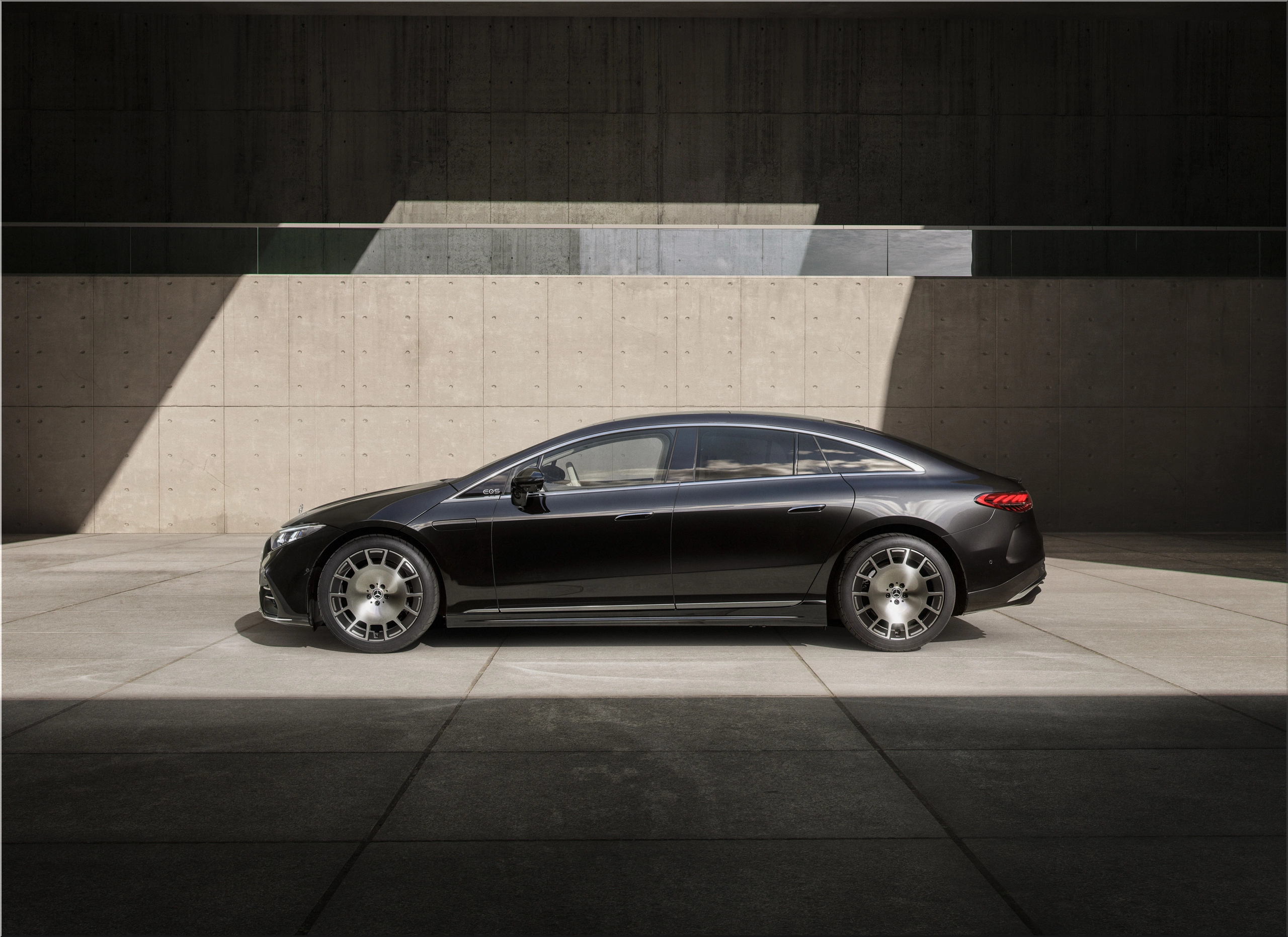
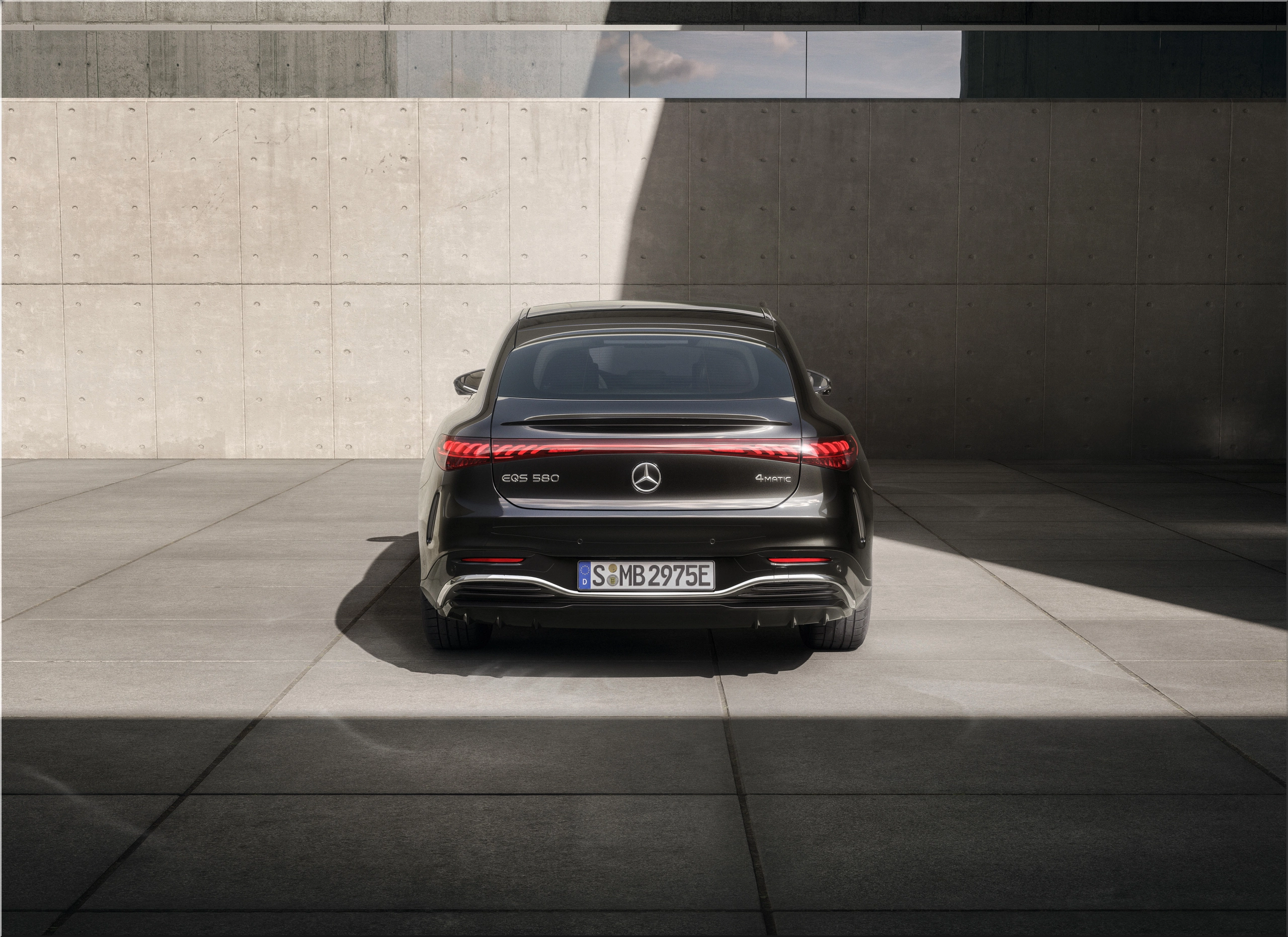
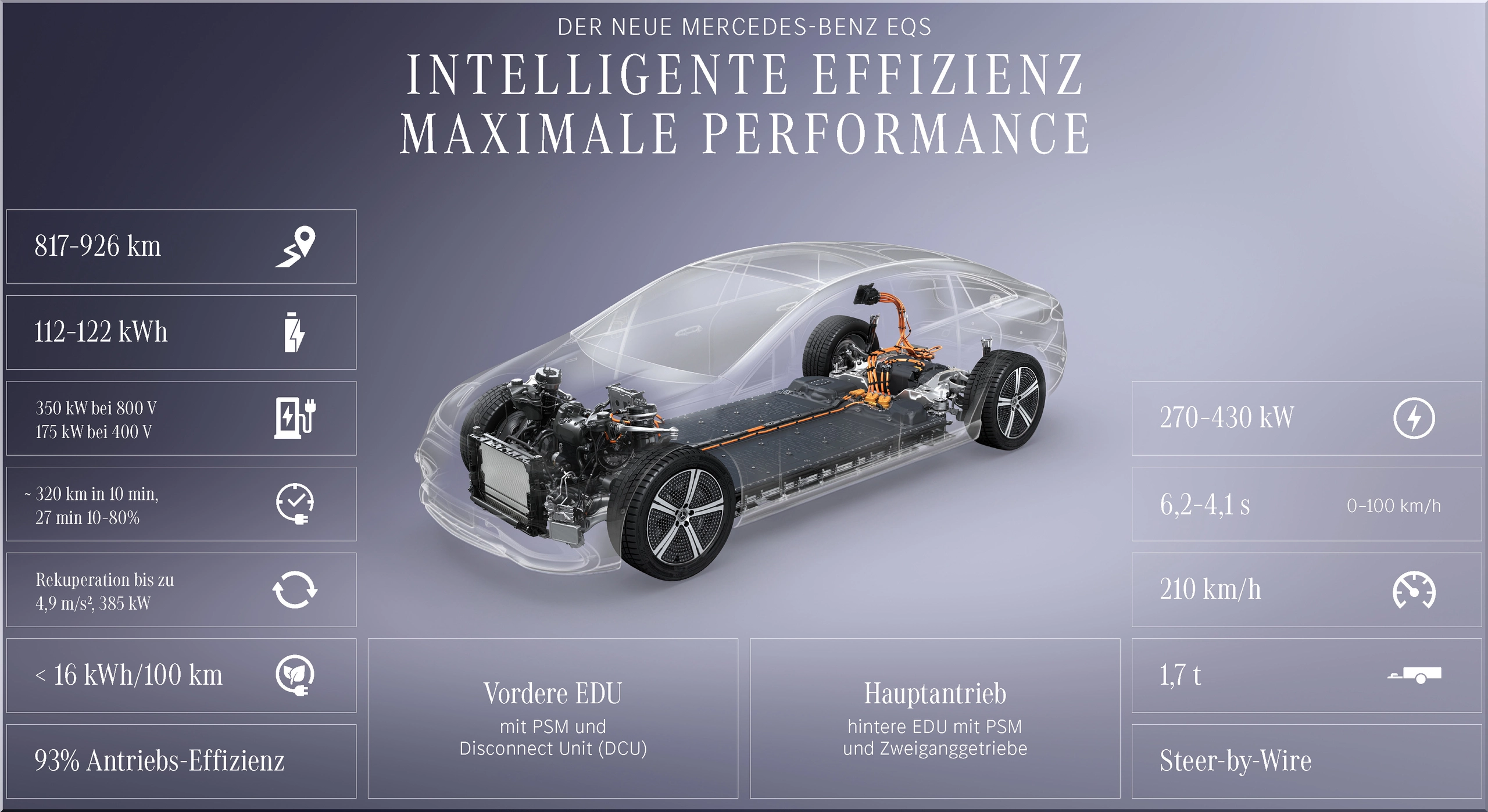
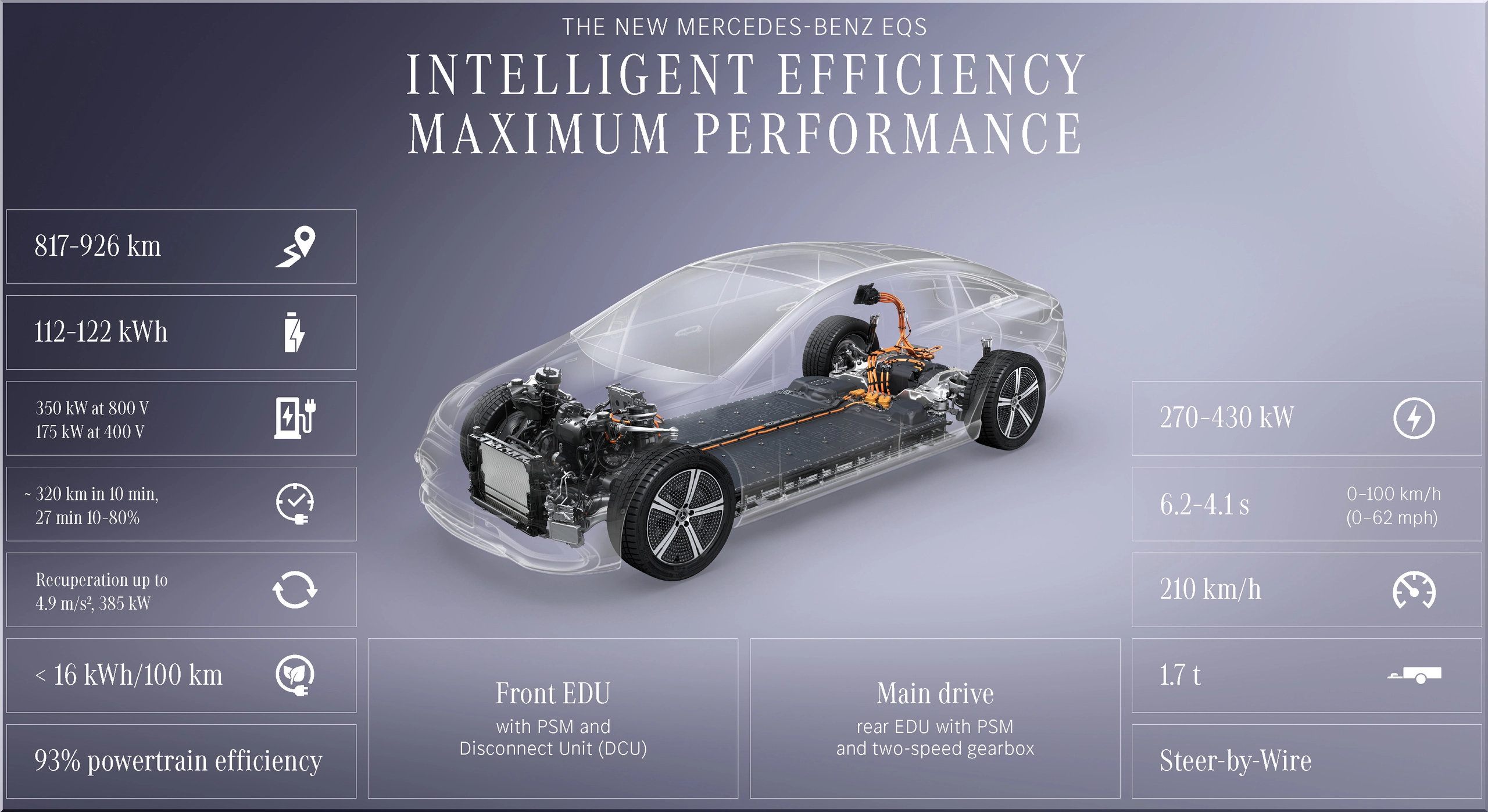
The 2027 Mercedes-Benz EQS looks like Mercedes finally listened to the two biggest complaints about its electric flagship: charging speed and real long-distance credibility. The updated electric luxury sedan moves to 800-volt hardware, gains a larger 122-kWh usable battery, adds steer-by-wire, and pushes WLTP range as high as 926 km, or about 575 miles.
What Changed On The New Mercedes-Benz EQS?
The new EQS brings a major hardware reset, not a mild software patch. Mercedes says more than a quarter of the vehicle's components have changed or improved, which matters because the first EQS suffered from a familiar luxury-EV problem: impressive isolation, underwhelming visual drama, and charging hardware that did not match newer 800-volt rivals.
Specifically, the Mercedes-Benz EQS 450+ now targets up to 926 km WLTP, or roughly 575 miles, from a 122-kWh usable battery pack. That pack keeps the same physical footprint as the previous 118-kWh unit, which points to better cell chemistry rather than a lazy packaging solution. Mercedes uses silicon-oxide graphite composite anodes to raise volumetric and gravimetric energy density, while also lowering cobalt content.
From an expert perspective, that detail matters more than the headline range figure. Better energy density lets Mercedes add usable capacity without increasing mass in a way that would damage ride quality, tire wear, and highway efficiency.
Mercedes-Benz EQS Key Specs
| Specification | New Mercedes-Benz EQS |
|---|---|
| Usable battery capacity | 122 kWh |
| Electrical architecture | 800 volts |
| Peak DC fast charging | Up to 350 kW |
| Range added in 10 minutes | Up to 320 km / 199 miles WLTP |
| Maximum WLTP range | Up to 926 km / 575 miles |
| Body style | Full-size electric luxury sedan |
| Core models | EQS 450+, EQS 500 4MATIC, EQS 580 4MATIC |
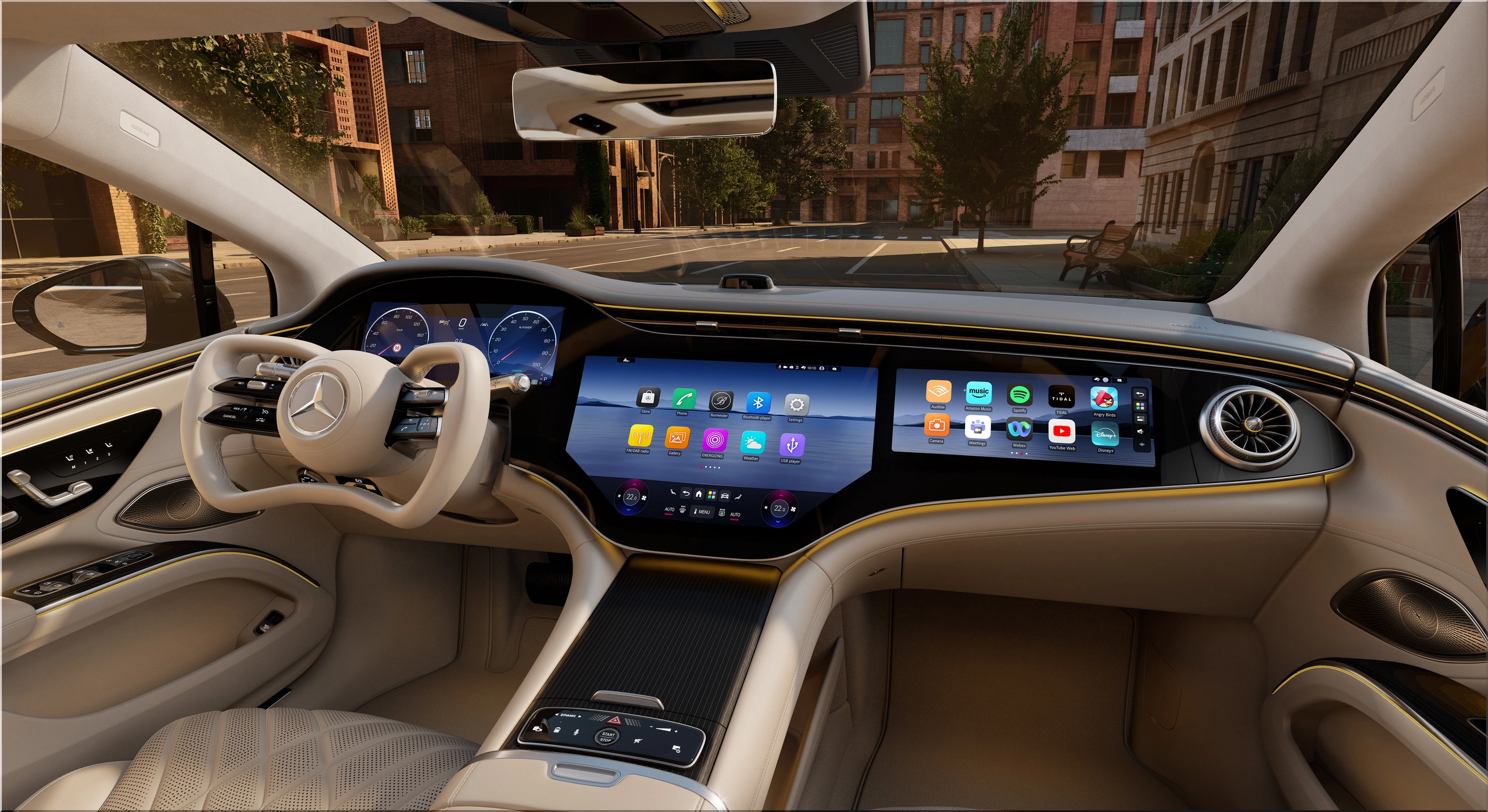
| Display option | 55-inch MBUX Hyperscreen |
| Major chassis upgrade | Steer-by-wire available |
Why Does The 800-Volt System Matter?
The 800-volt system gives the new Mercedes EQS the charging hardware it should have had earlier. At up to 350 kW, the sedan can add up to 199 miles of WLTP range in about 10 minutes under ideal charger and battery-temperature conditions.
Looking at the data, this change addresses the EQS' weakest technical point. Earlier versions topped out around 200 kW, which worked fine in 2021 but started to look soft next to newer premium EVs. In addition, the 800-volt upgrade reduces current for a given charging power, which lowers heat stress in cables, power electronics, and battery management systems.
Pro-Tip: Buyers should still judge fast charging by the full curve, not peak power. A 350-kW maximum impresses on paper, but the car's average charging rate from 10-80 percent will decide road-trip pace.
How Does The EQS Compare With Electric Luxury Rivals?
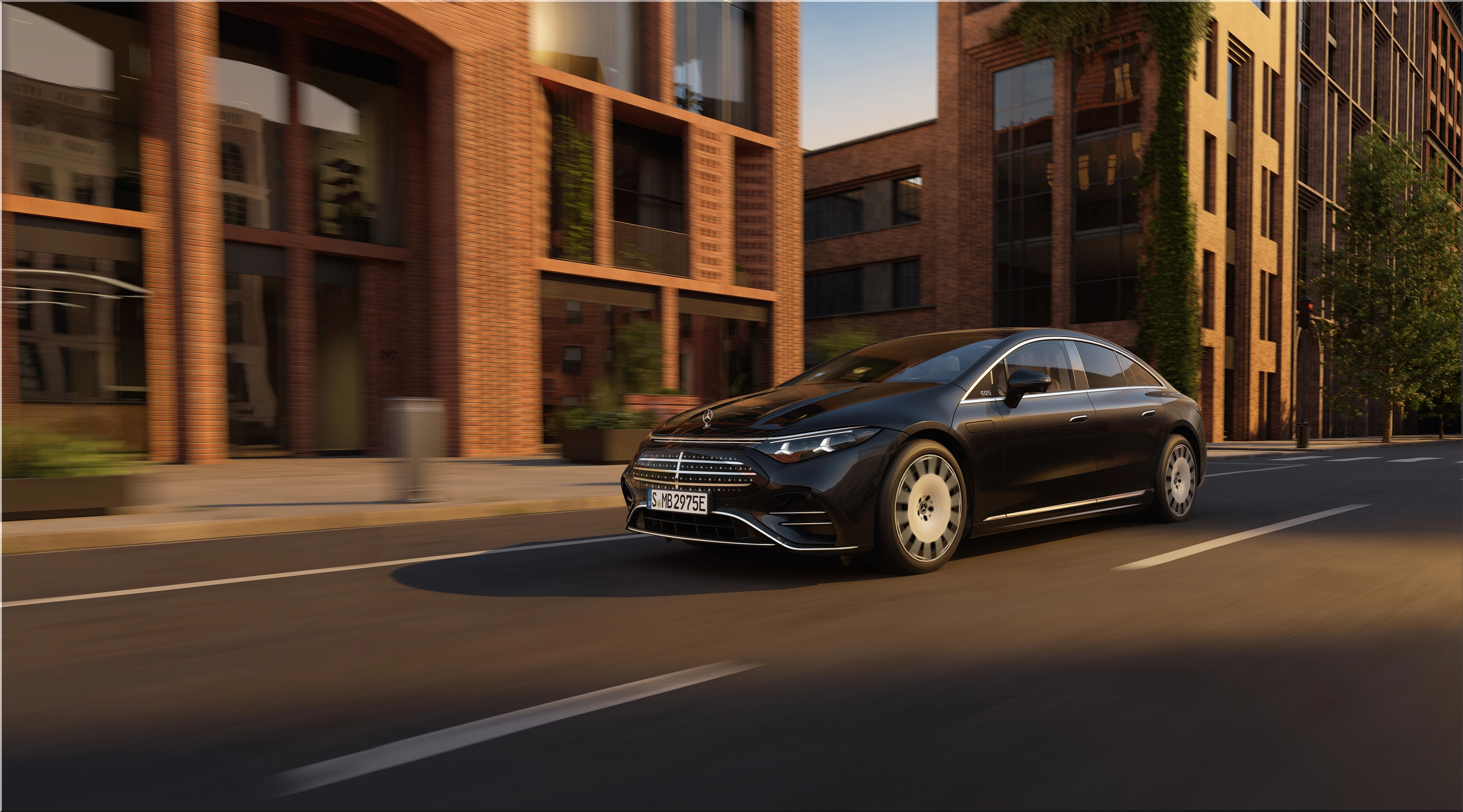
The EQS now competes less on badge value and more on measurable EV hardware. By comparison, the Lucid Air still fights hard on efficiency, the Porsche Taycan remains the driver's choice, and the BMW i7 counters with a more traditional luxury-sedan shape.
| Model | Battery / Architecture | Peak DC Charging | Range Position | Main Win | Main Loss |
|---|---|---|---|---|---|
| 2027 Mercedes-Benz EQS 450+ | 122 kWh / 800V | Up to 350 kW | Up to 575 miles WLTP | Range and cabin tech | Polarizing aero styling |
| Lucid Air Grand Touring | Large pack / high-voltage EV system | Up to 300 kW class | Strong EPA range | Efficiency and speed | Smaller brand network |
| Porsche Taycan | 800V | Up to 320 kW class | Lower range | Handling and repeat performance | Less rear-seat comfort |
| BMW i7 | Large pack / 400V class | About 195 kW class | Lower range | S-Class-style presence | Slower charging hardware |
Consequently, the EQS now owns a clearer argument: maximum range, maximum comfort, and much faster charging than before. It still does not look as athletic as a Taycan, and it still does not match Lucid's clean-sheet efficiency story in the U.S. market. But Mercedes has narrowed the hardware gap dramatically.
Is The New EQS Smarter Or Just More Digital?
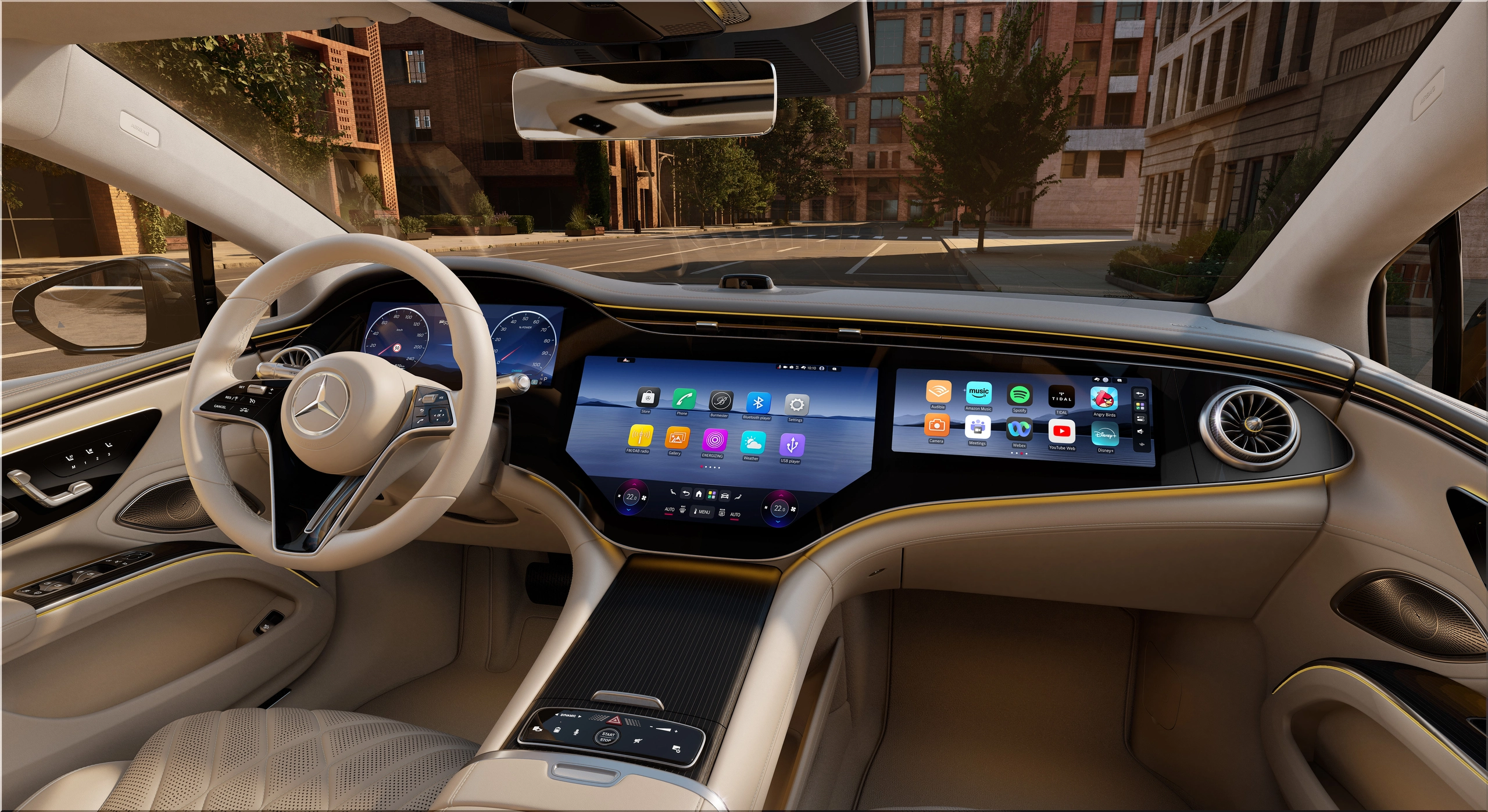
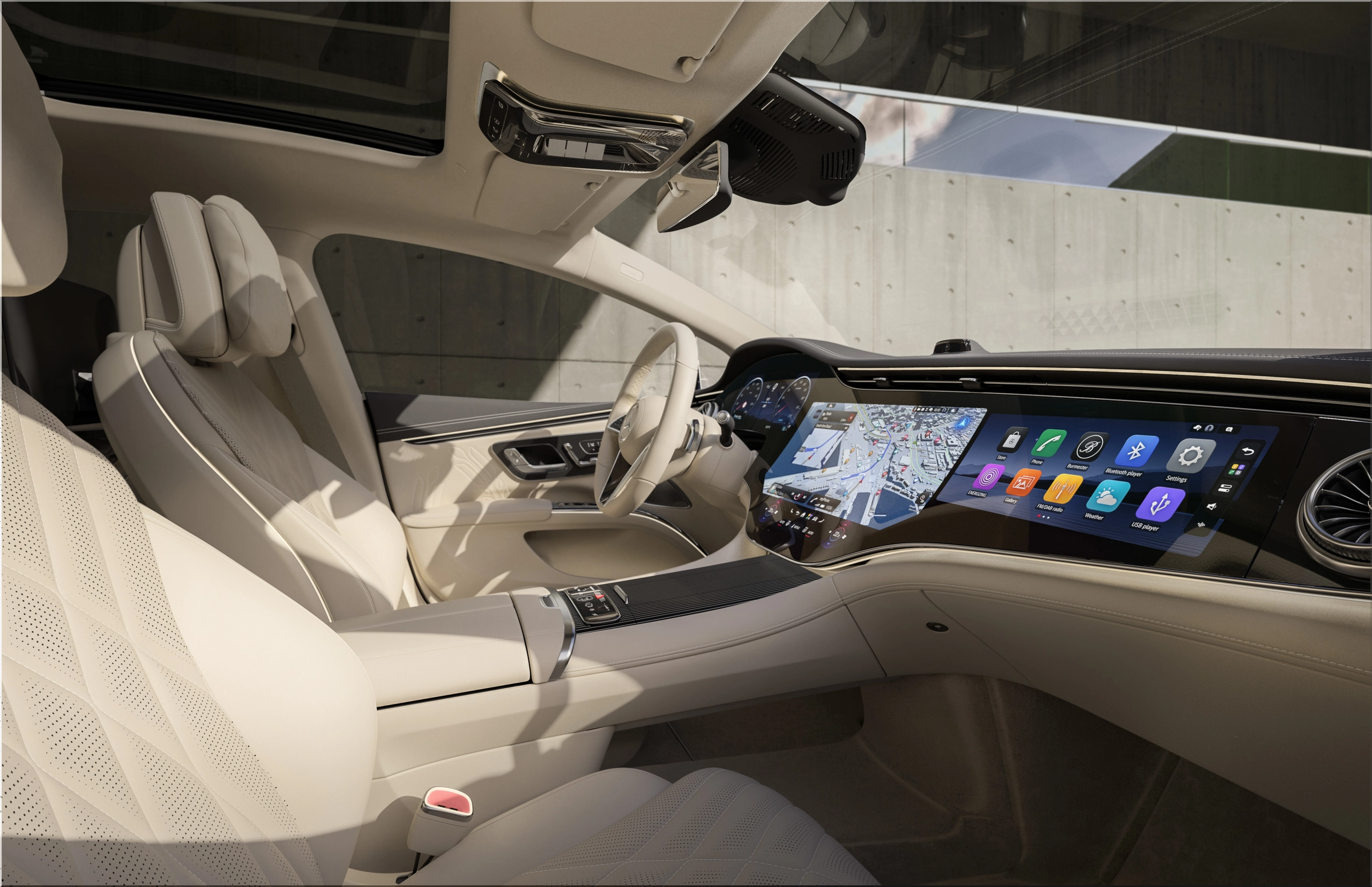
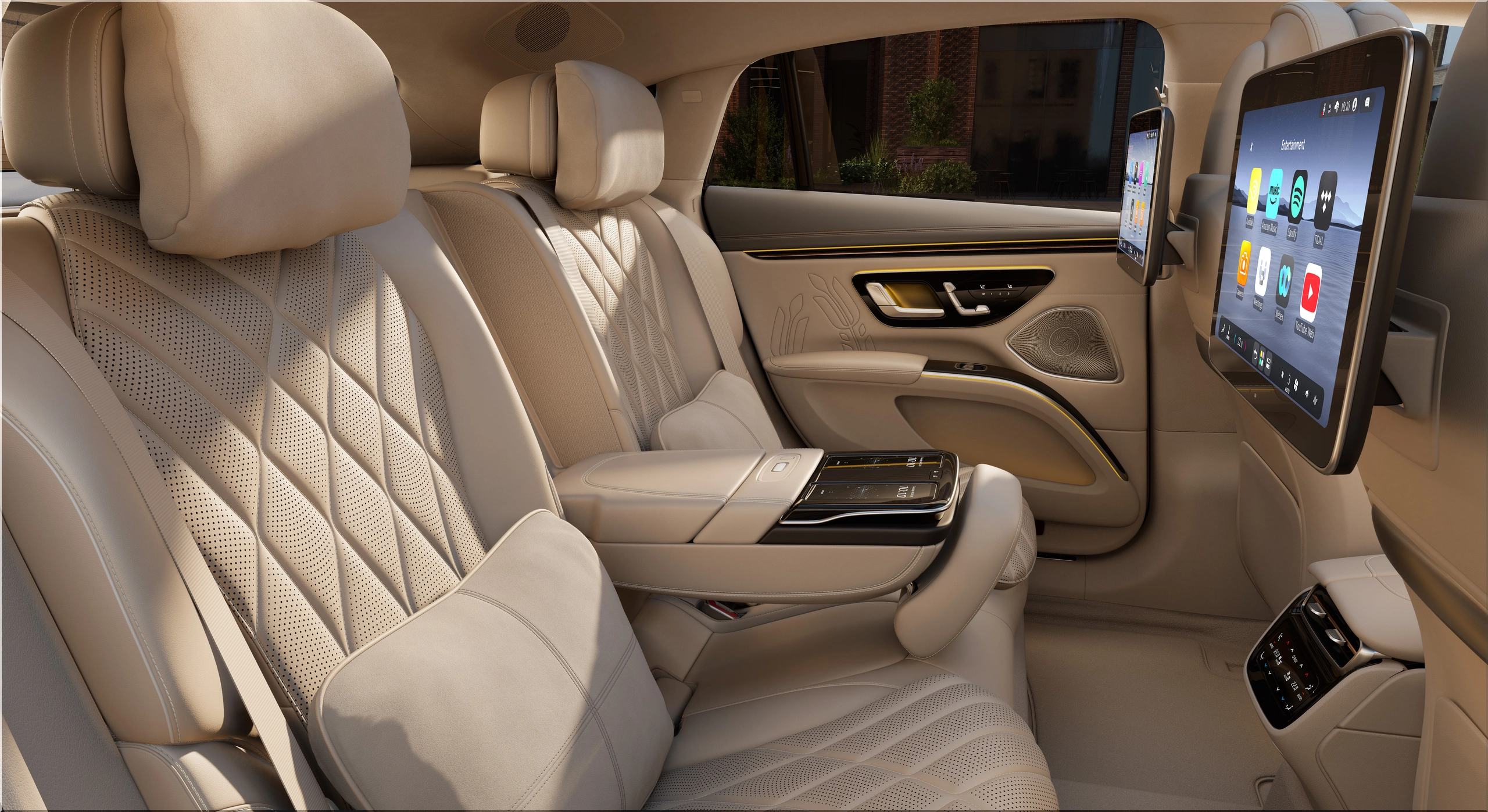
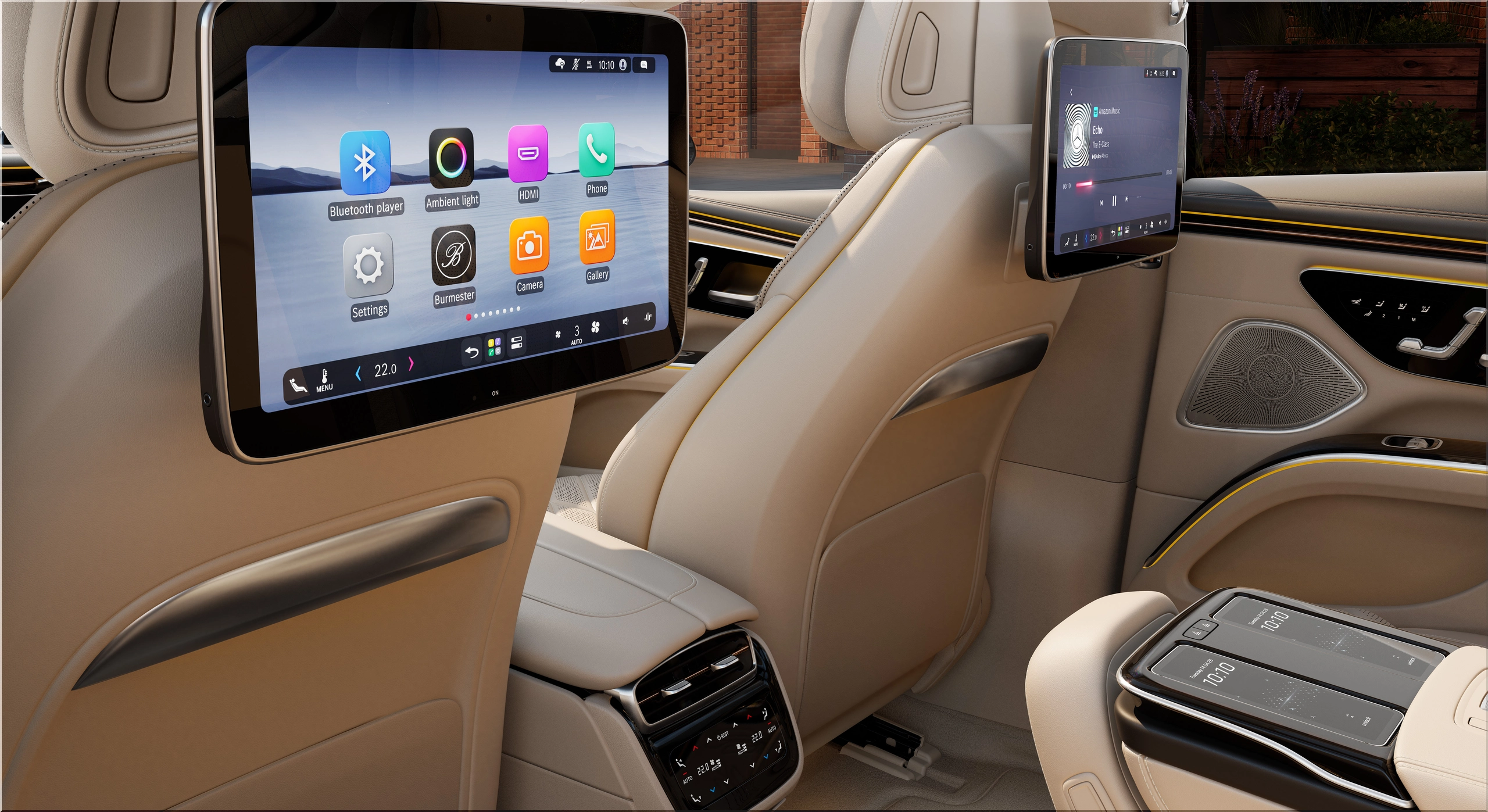
Mercedes' smarter claim centers on MB.OS, the automaker's new operating system. The system links infotainment, driver assistance, energy management, and cloud-based intelligence through more powerful chips and AI-assisted functions.
That sounds like corporate tech speak until you connect it to EV ownership. A smarter EQS should precondition the battery more effectively before DC fast charging, predict energy use with better route planning, and make driver-assistance behavior feel less abrupt. In addition, the updated MBUX system should reduce the old luxury-EV annoyance of hunting through menus for simple tasks.
What Does Steer-By-Wire Add?
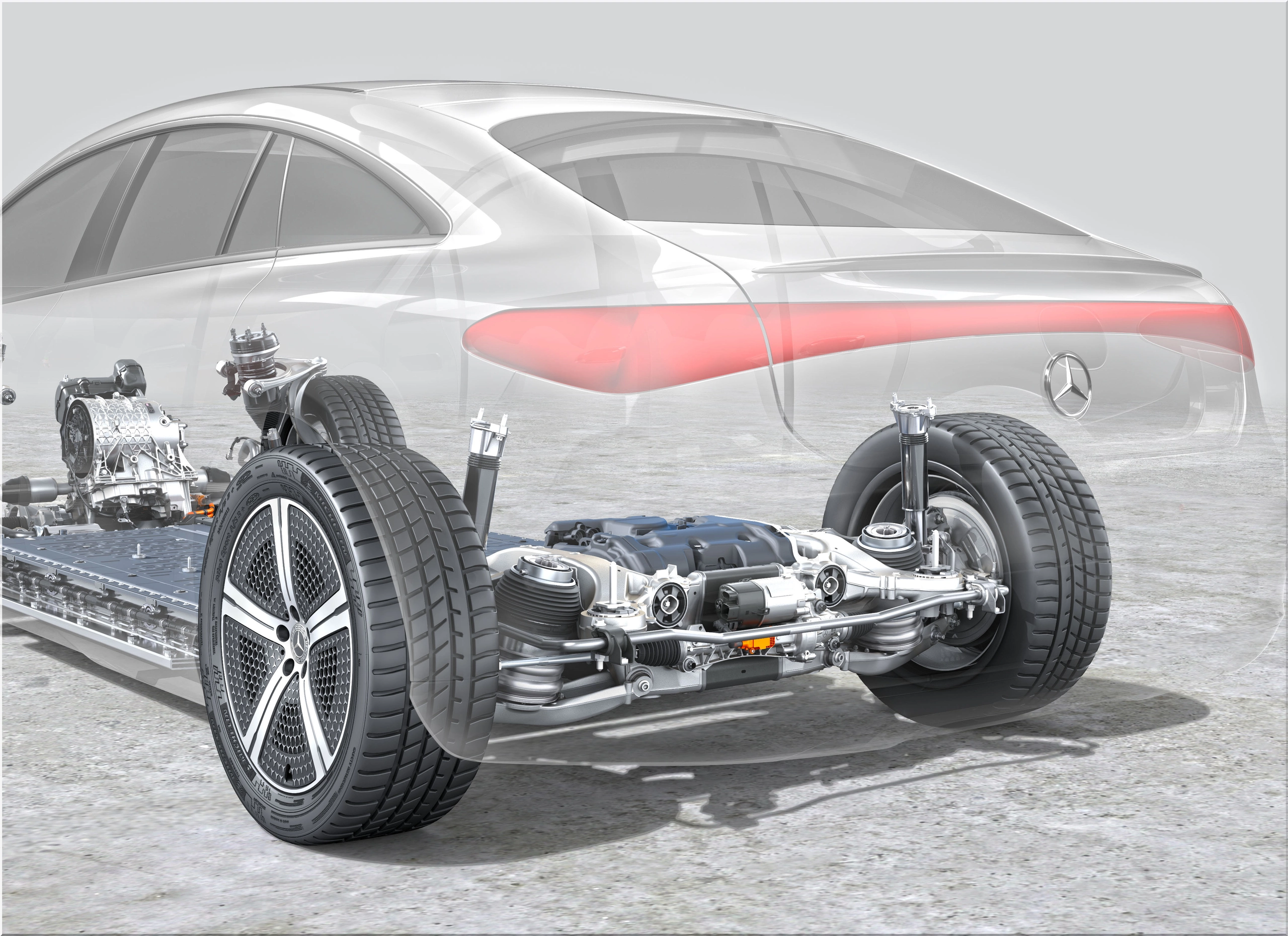
Steer-by-wire removes the mechanical connection between the steering wheel and front axle, then uses electronics and actuators to translate driver inputs. Mercedes can tune steering ratio by speed, reduce hand-over-hand movement in parking lots, and filter out unwanted vibration without dulling the entire car.
The practical upside sounds simple: less arm-twirling in a big sedan. The strategic upside goes deeper. Steer-by-wire lets Mercedes package future cabin designs differently, including an available yoke-style steering control, while giving engineers more freedom over low-speed maneuverability and high-speed stability.
Should U.S. Buyers Care About The 2027 Mercedes-Benz EQS?
Yes, but only if Mercedes prices it with discipline. The Mercedes-Benz EQS electric sedan now has the range and charging speed to justify flagship positioning, but luxury EV resale values remain a real cost-of-ownership risk. Insurance, tires, depreciation, and access to reliable 350-kW charging will decide the ownership case as much as the battery spec.
For buyers who regularly drive long distances, the new EQS finally makes more sense. The larger 122-kWh pack gives the sedan a bigger highway buffer, while the 800-volt system cuts downtime at compatible fast chargers. For owners who mostly charge at home on Level 2 Charging, the benefit shifts toward range reserve, battery thermal management, and fewer public charging stops.
What Now?
- Choose the EQS 450+ for maximum range.
- Choose an all-wheel-drive EQS only if winter traction or higher output matters more than peak efficiency.
- Wait for EPA ratings before making U.S. range claims.
- Check local 350-kW charger availability before assuming the 800-volt system will save time.
- Price-shop hard, because depreciation can erase the fuel-savings argument fast.
The no-BS take: Mercedes did not reinvent the EQS. It fixed the hardware math. That makes the 2027 EQS far more credible as a luxury EV flagship.
Alfa Romeo is a brand that has always been synonymous with passion, performance, and style. But in recent years, it has also faced some challenges in terms of sales, competition, and innovation. That’s why the Italian automaker is gearing up… Continue reading
As we navigate the ever-evolving landscape of automotive technology, the 2024 Toyota Mirai emerges as a beacon of innovation, seamlessly blending cutting-edge engineering, luxurious design, and a commitment to sustainability. From… Continue reading
The 2026 BAIC ArcFox Alpha S5 aims straight at the electric fastback sedan crowd with a simple pitch: sharp packaging, strong straight-line performance, and enough battery to stay relevant in a segment that punishes weak numbers. Looking at… Continue reading

The future Mercedes-Benz G-Class electric could be called the EQG and it could be launched in 2024, according to unofficial information published on a forum of electric car fans. The information shows that the German manufacturer has… Continue reading