A New Naming Strategy for Volkswagen
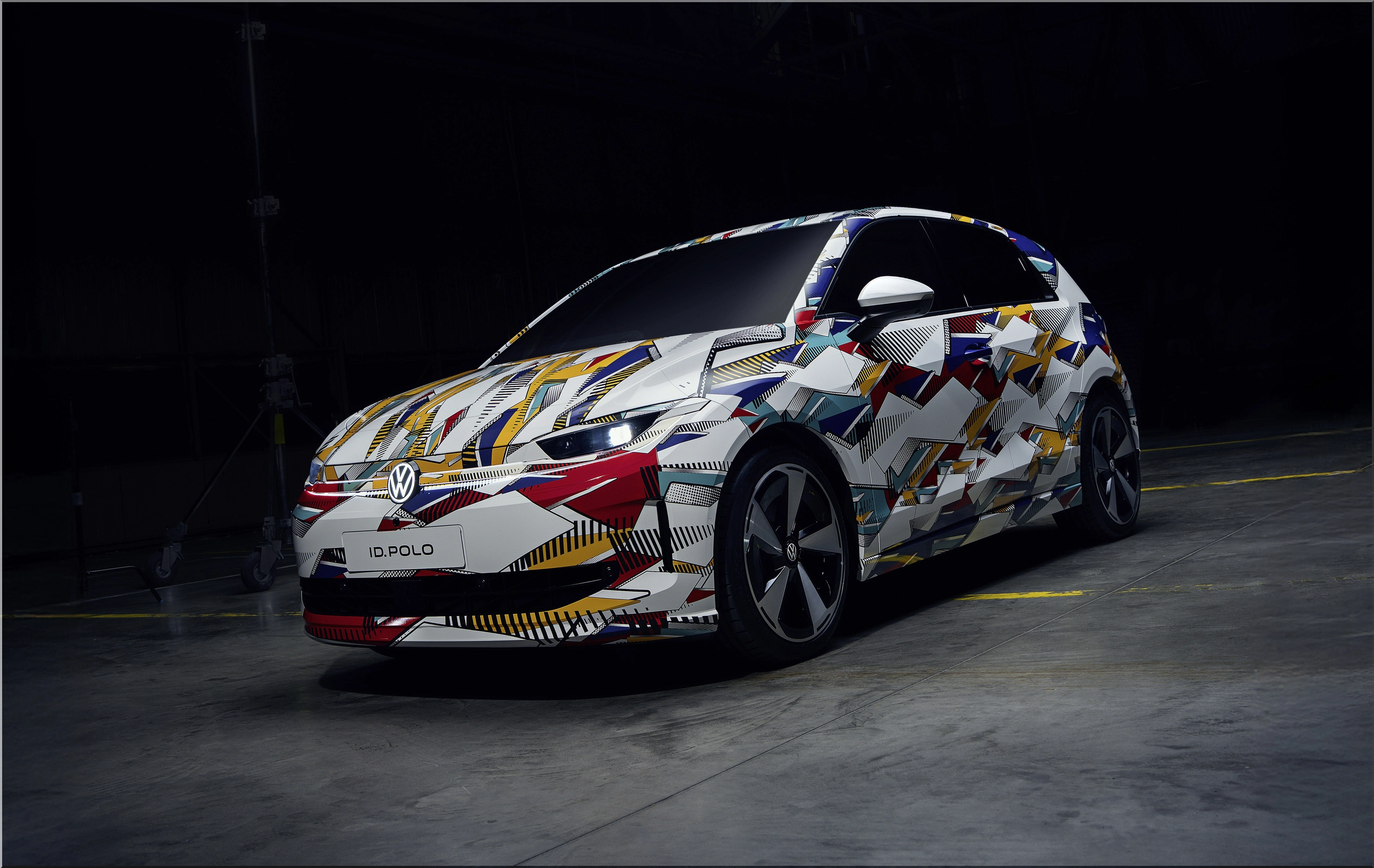
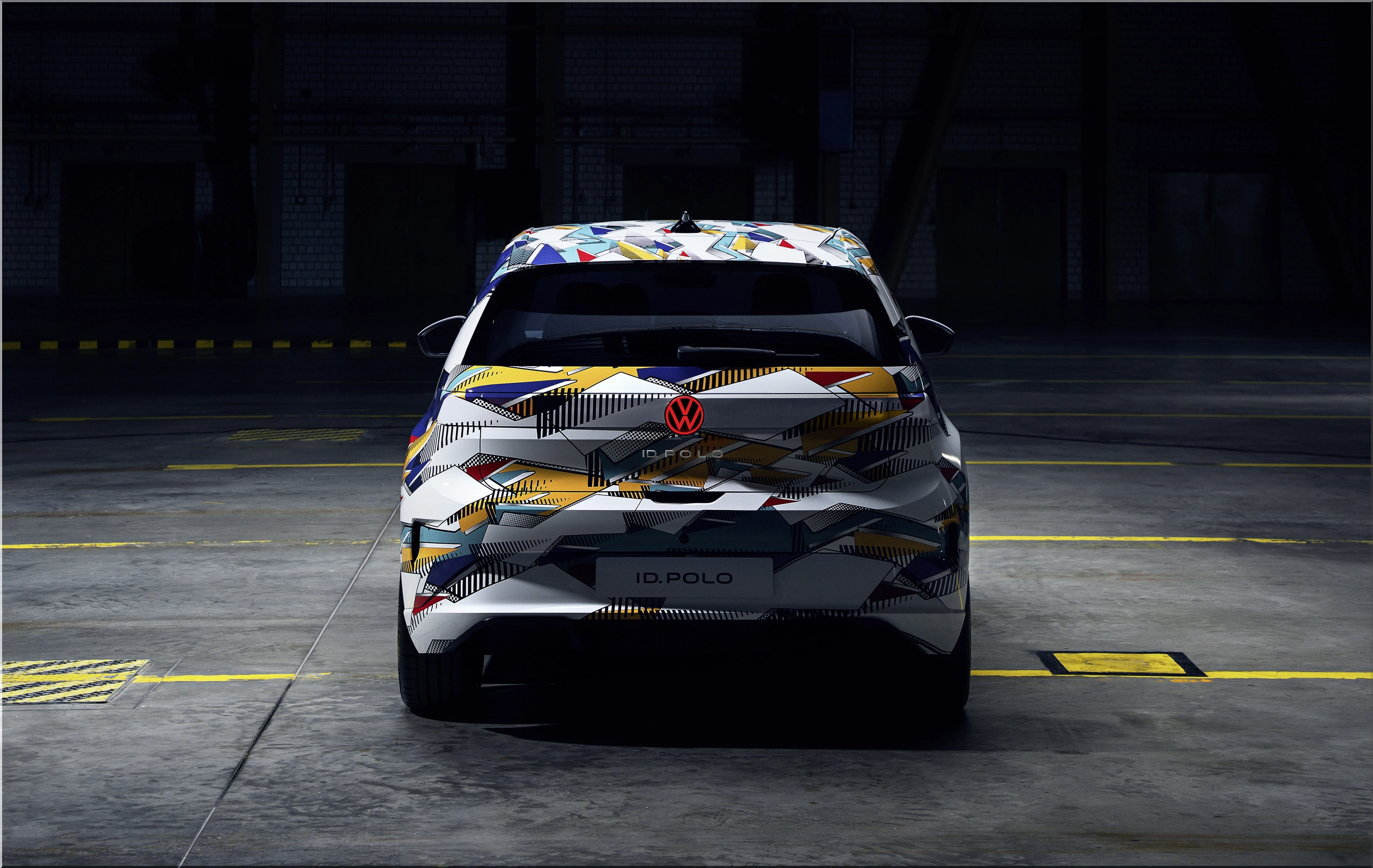
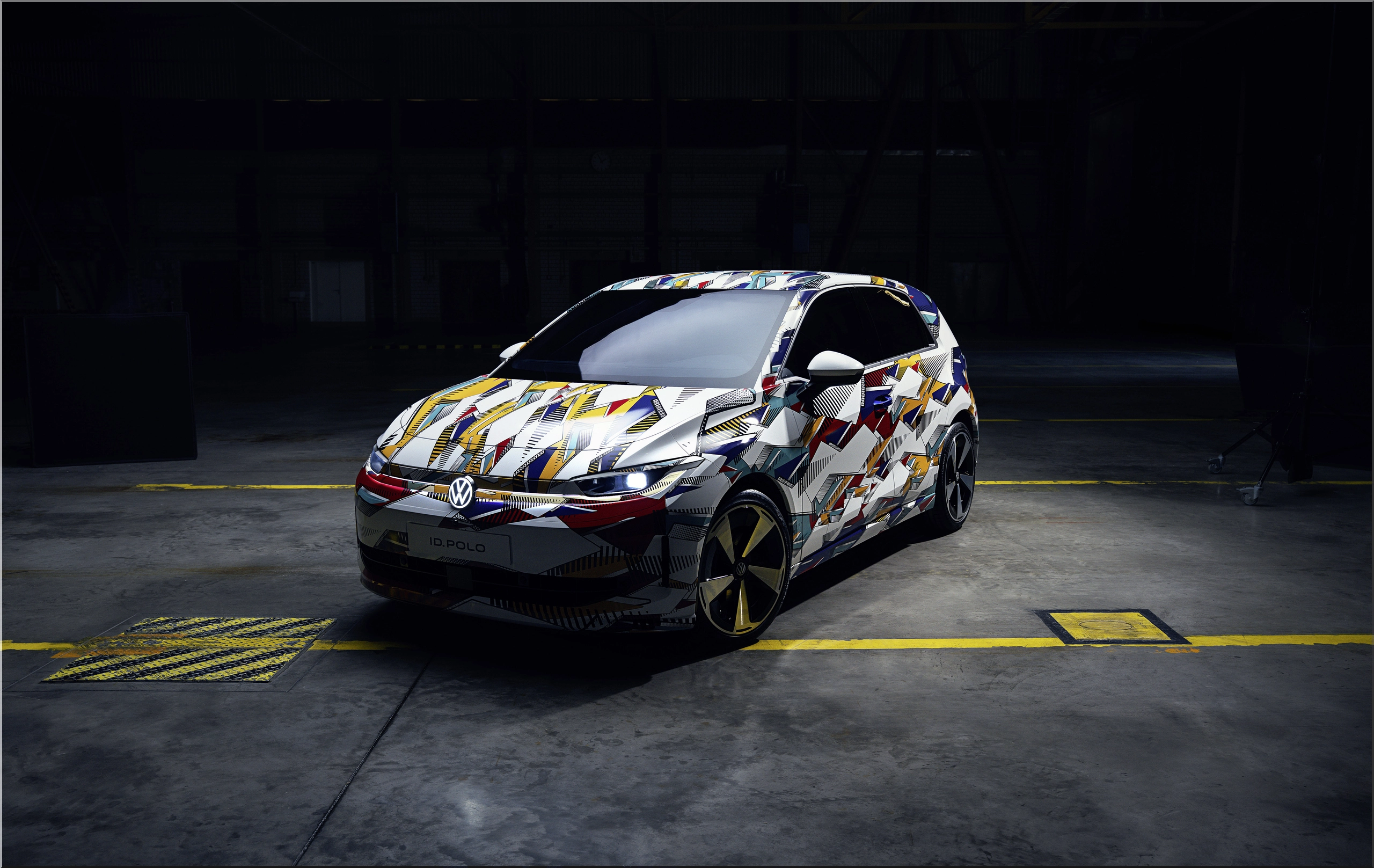
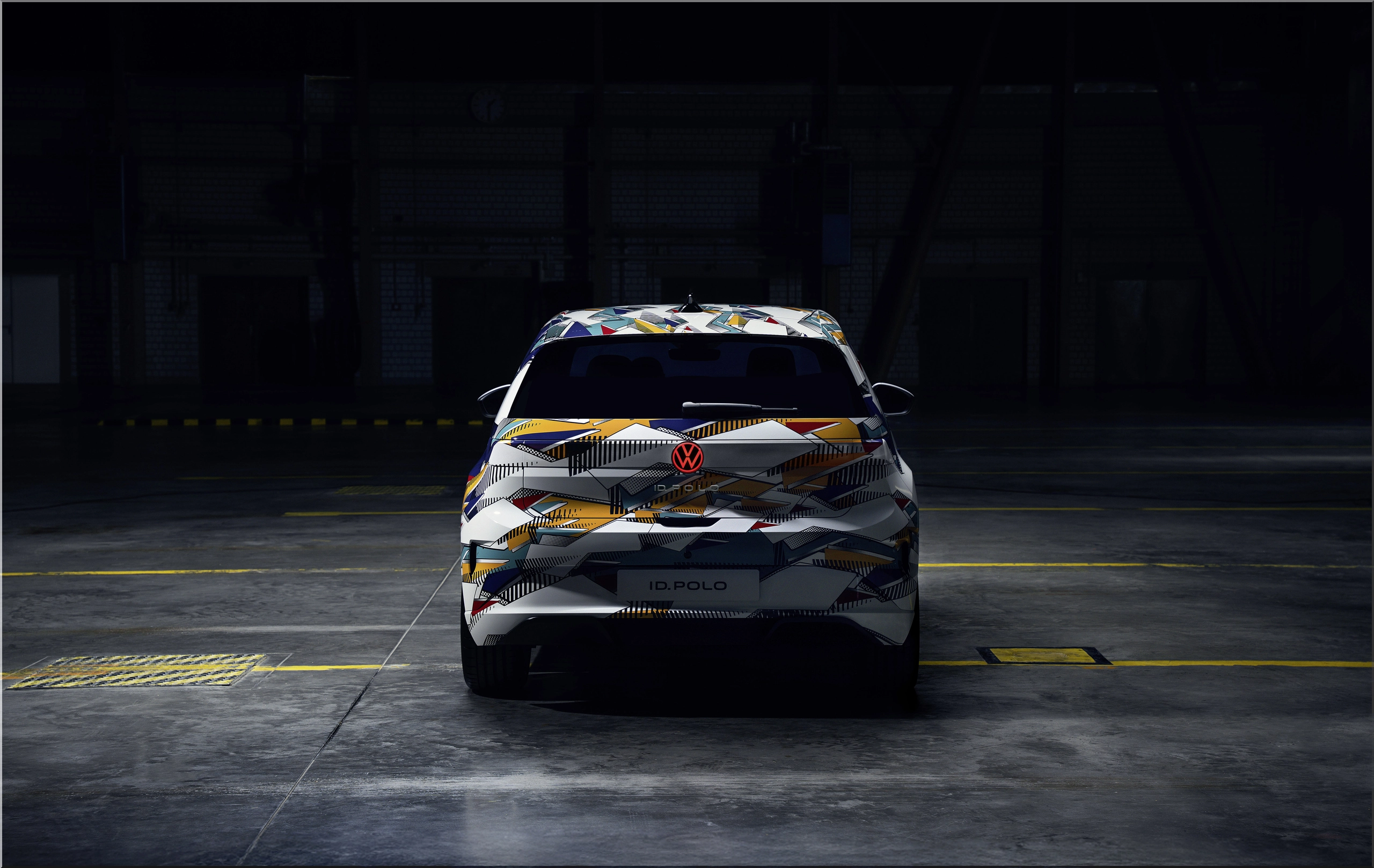
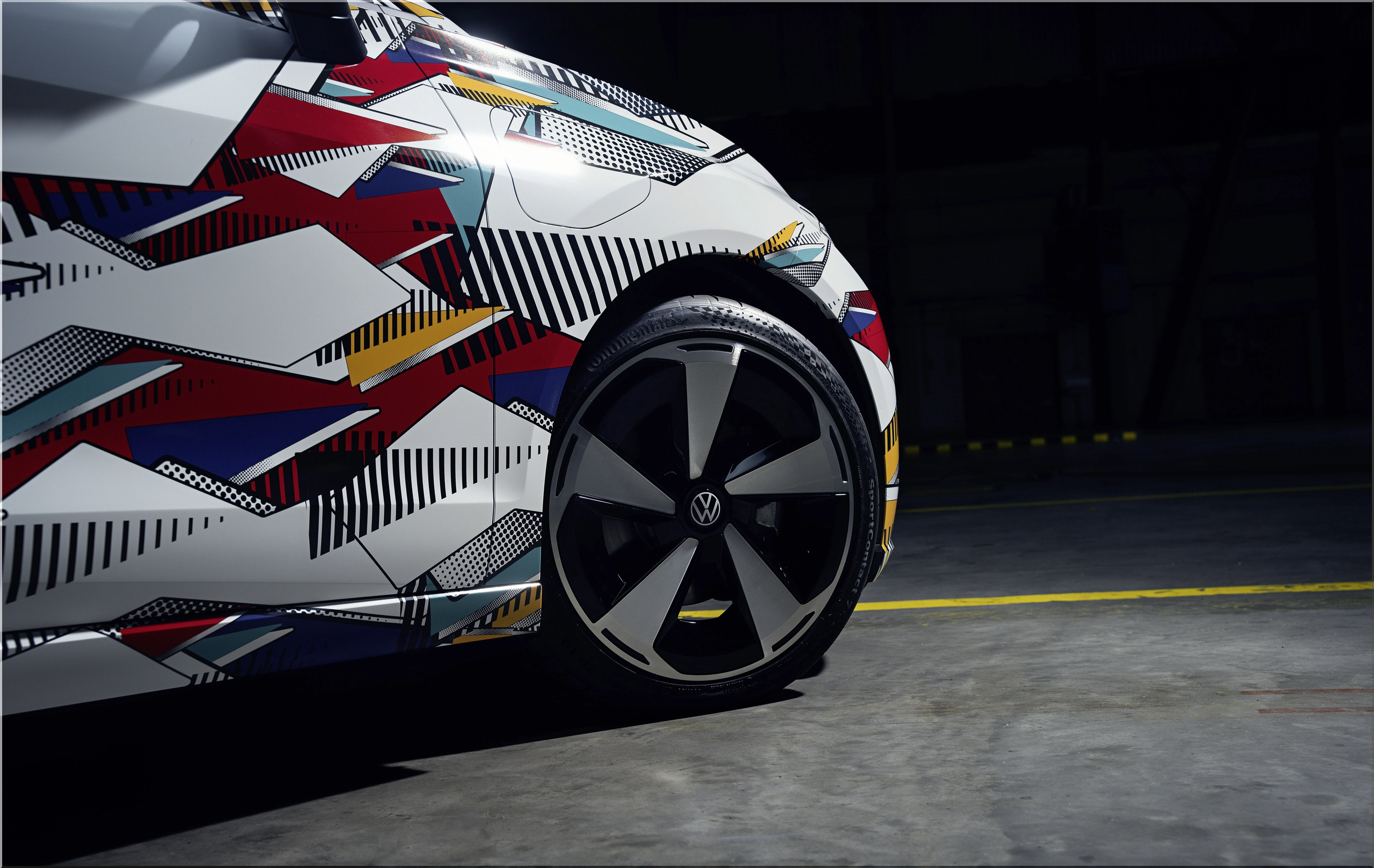
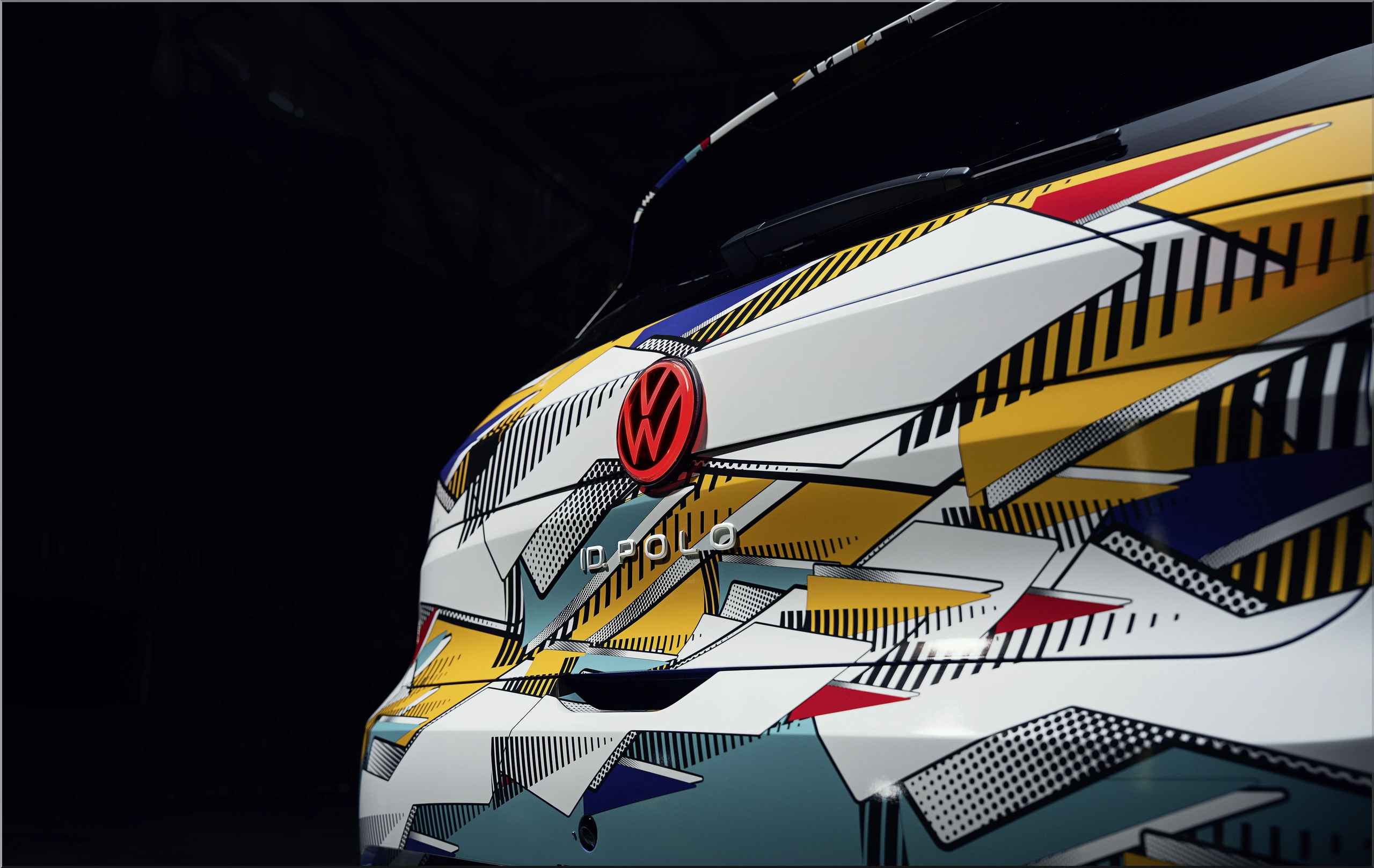
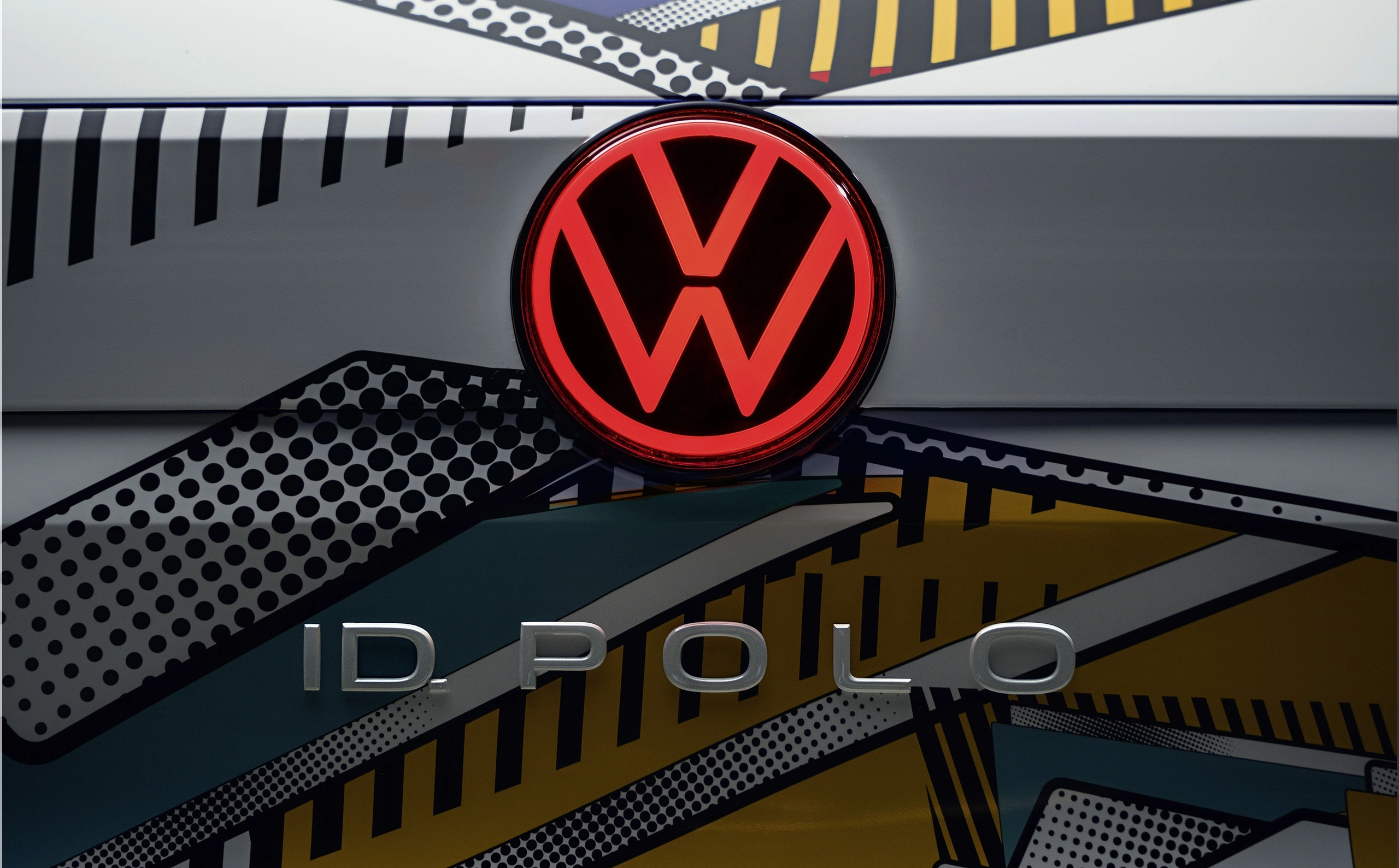
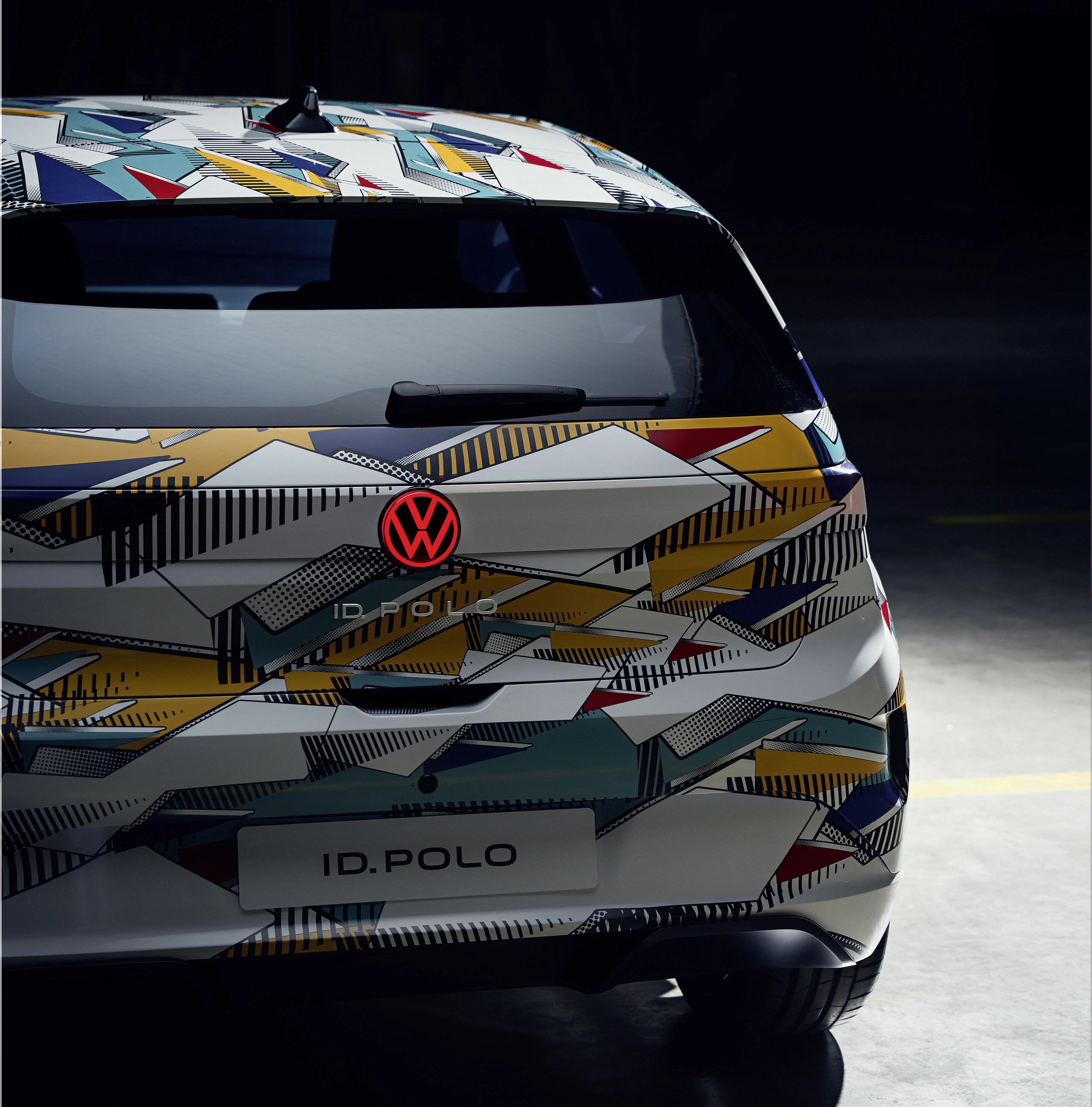
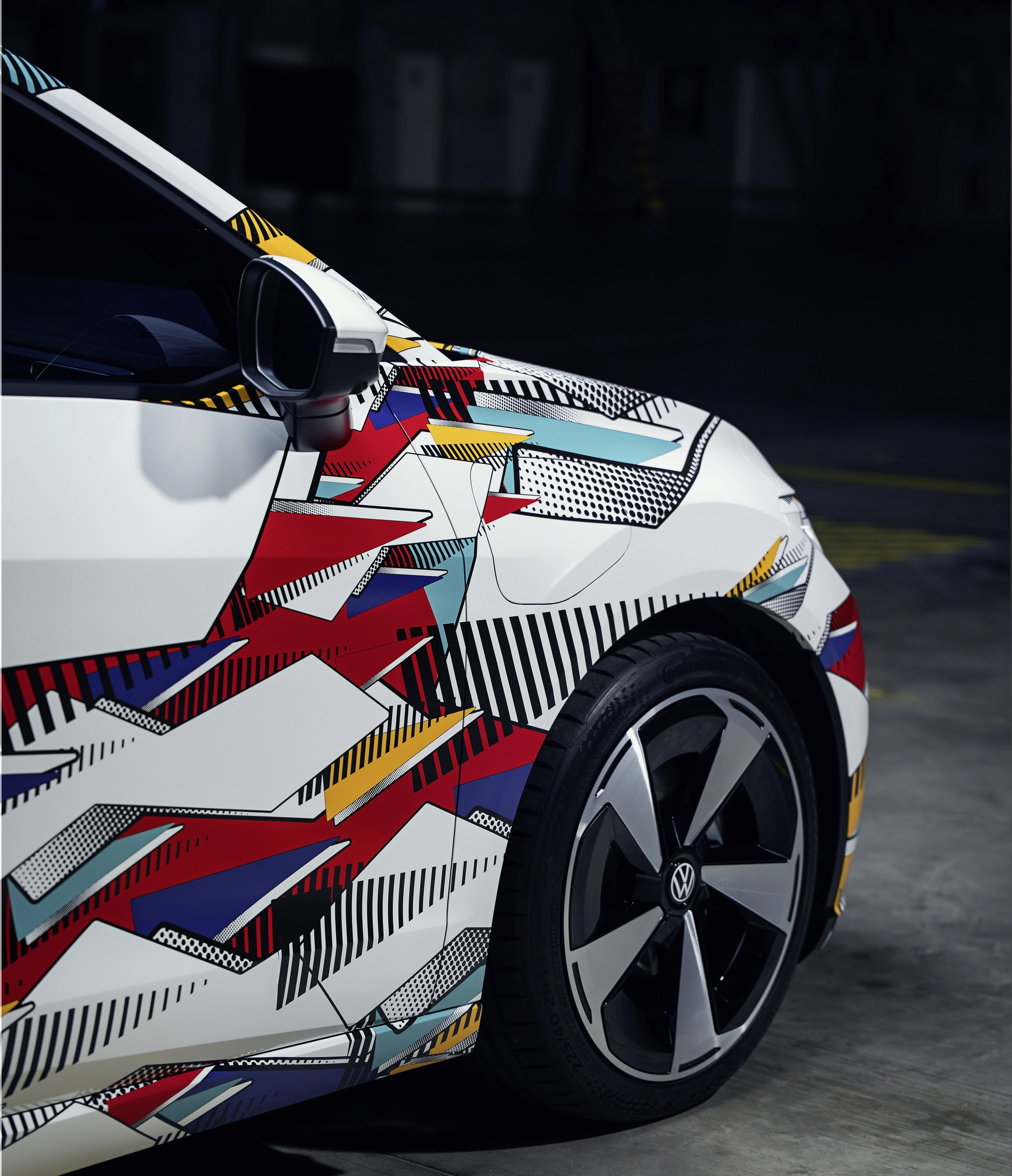
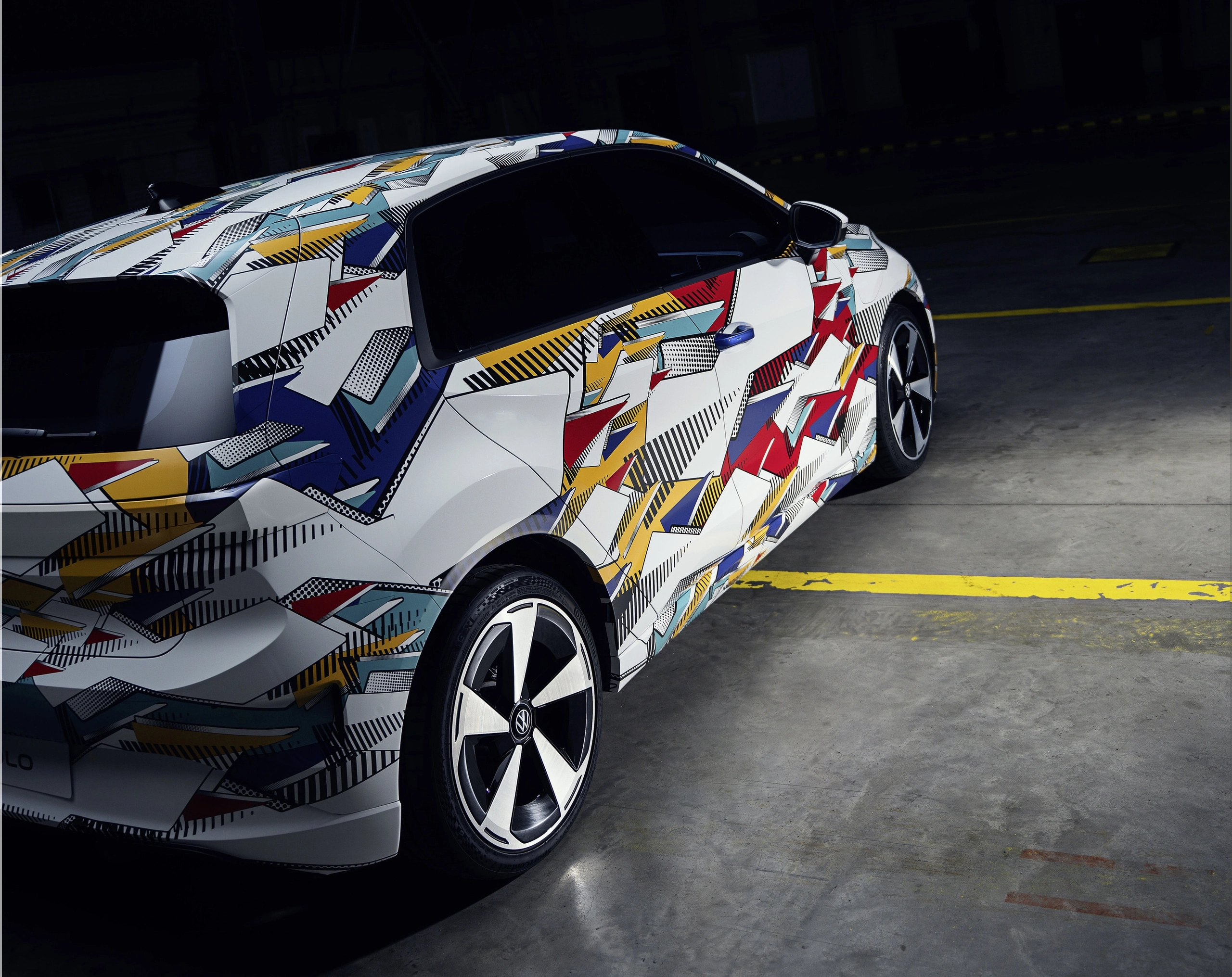
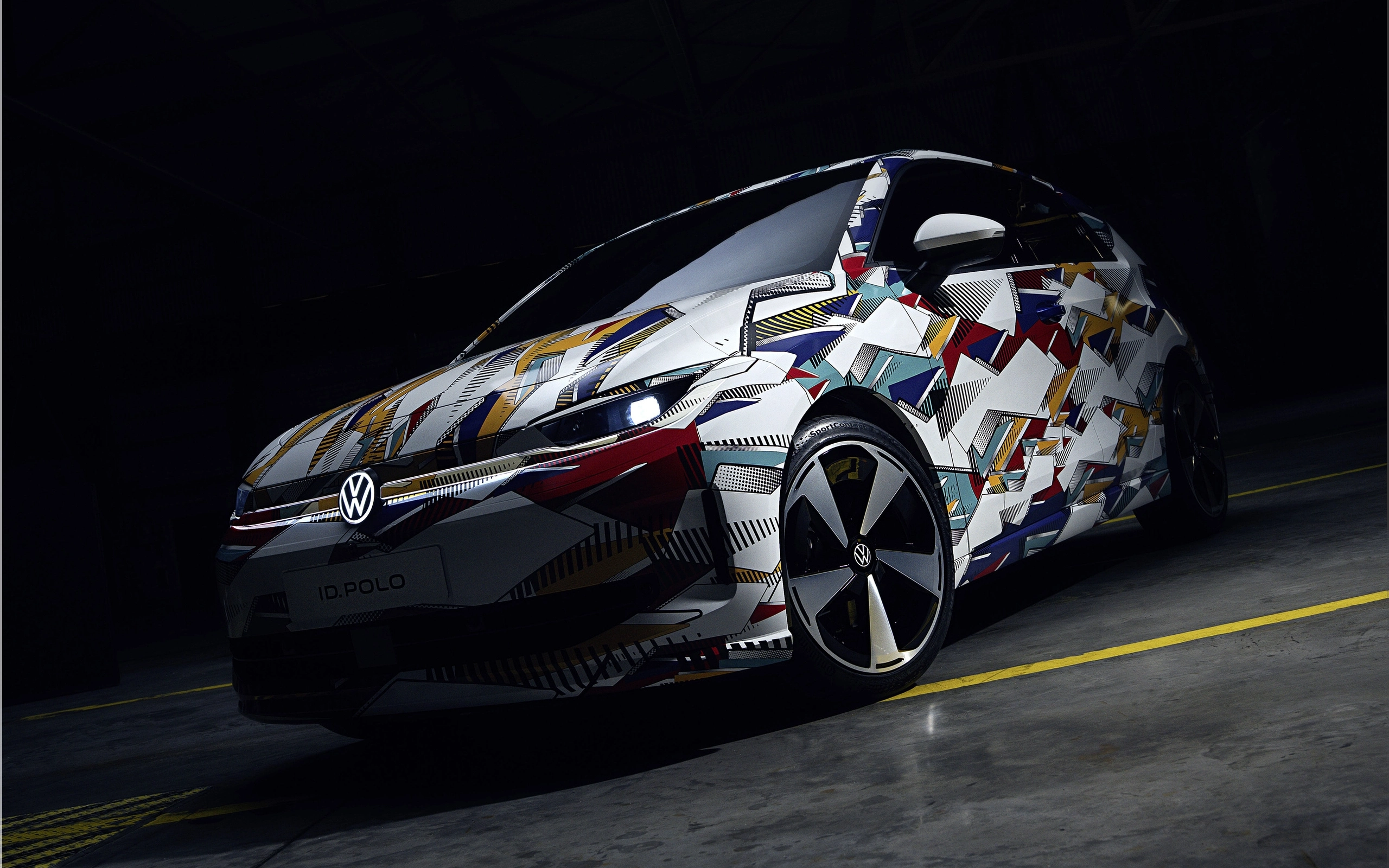
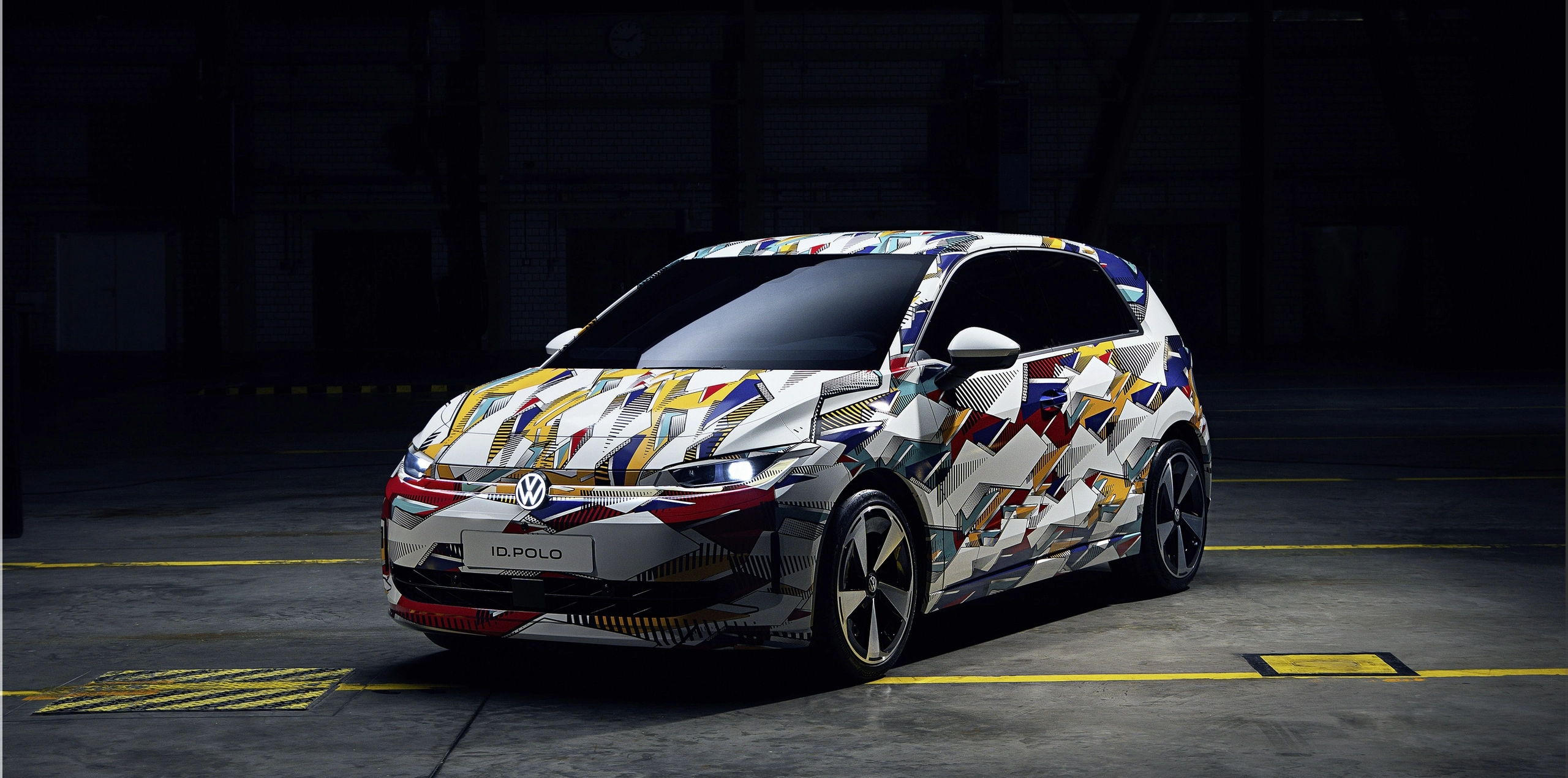
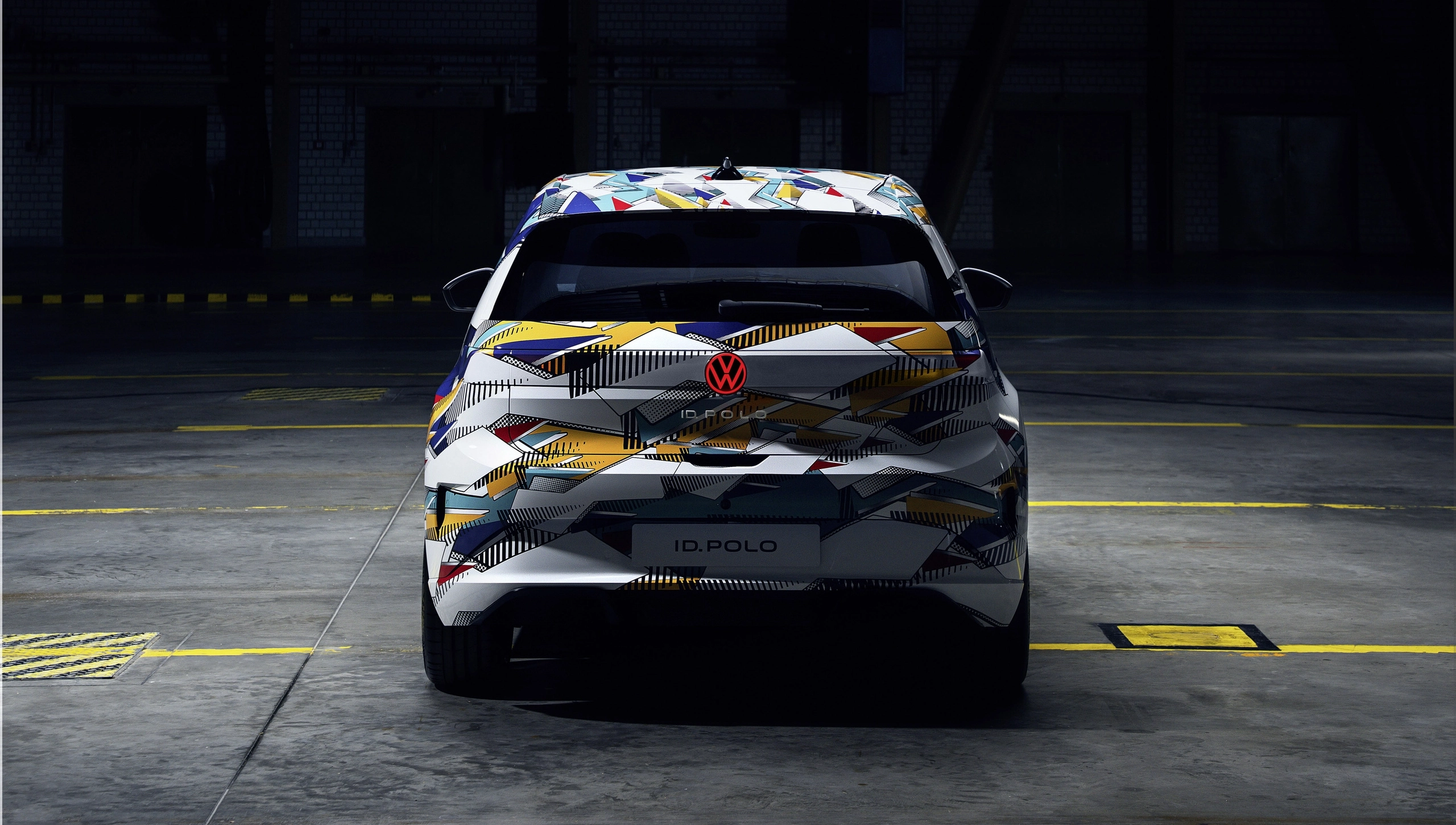
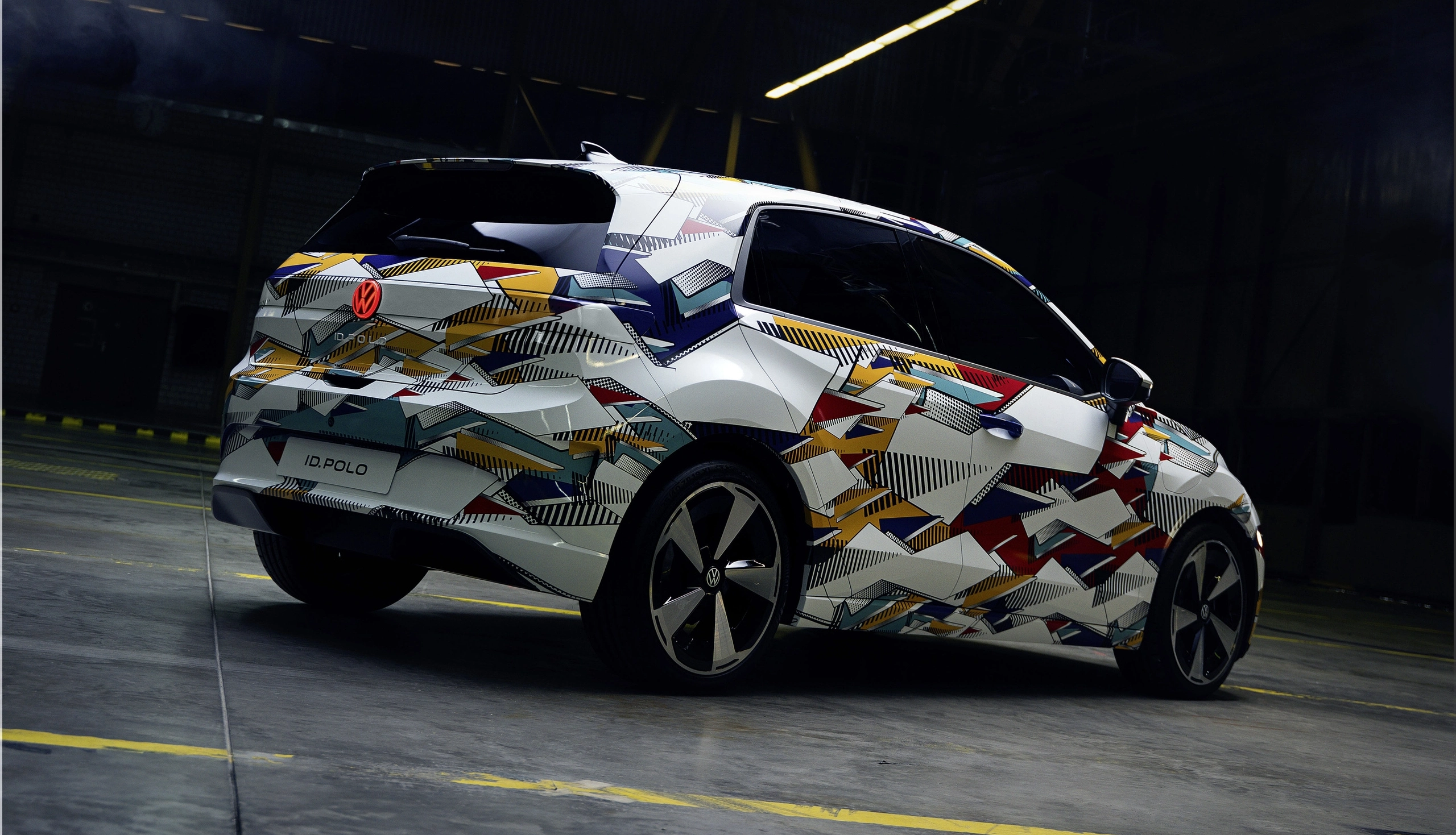
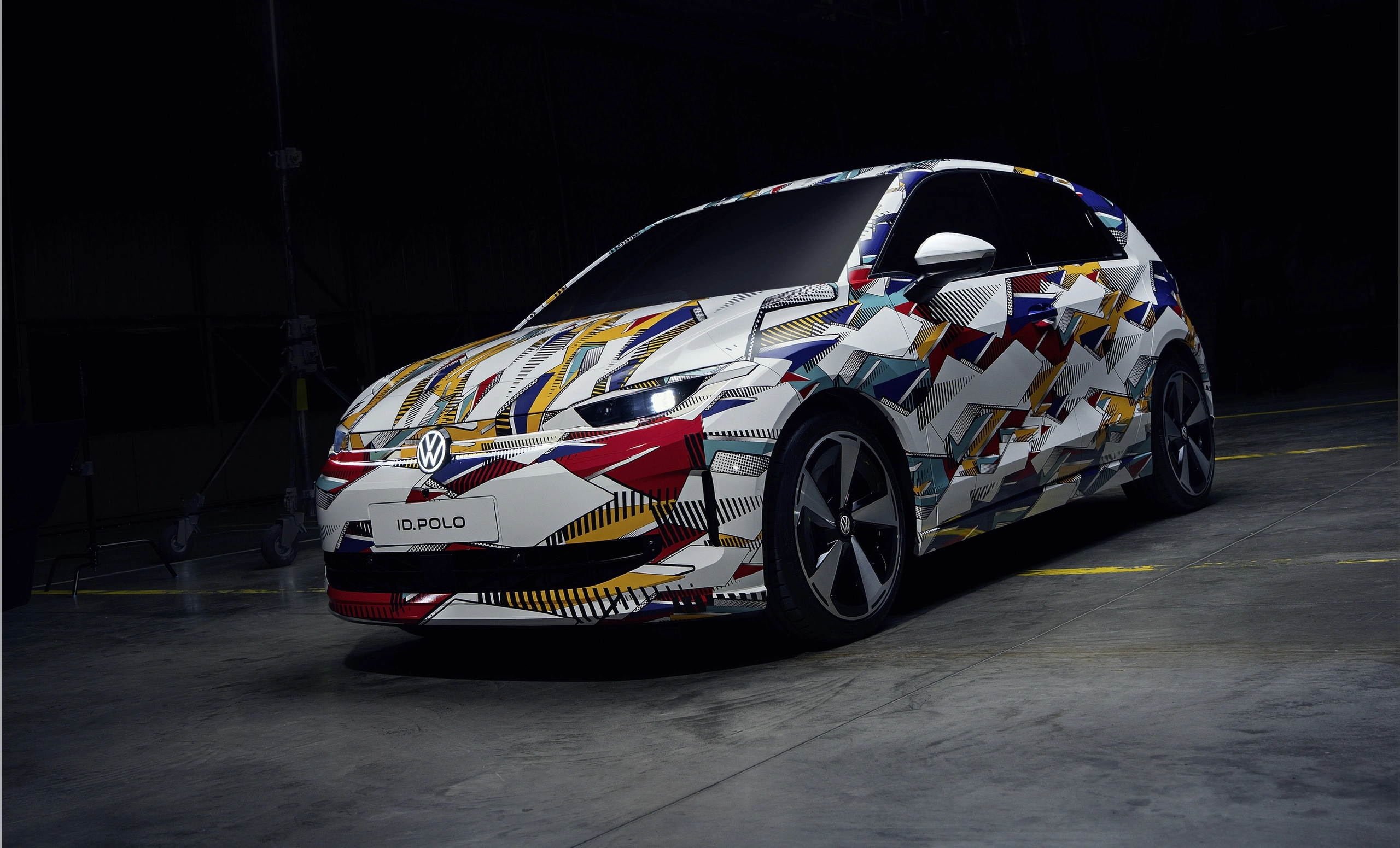
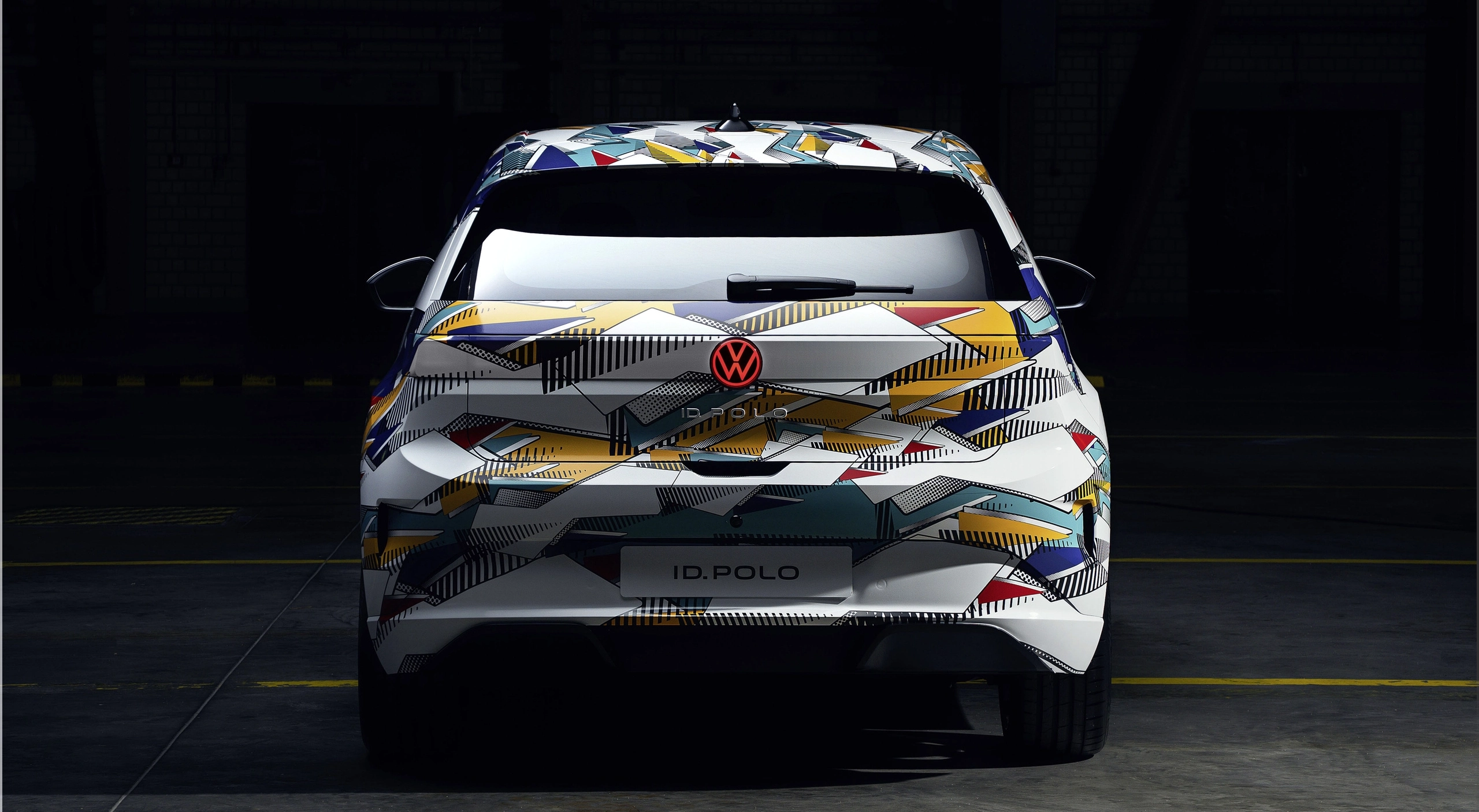
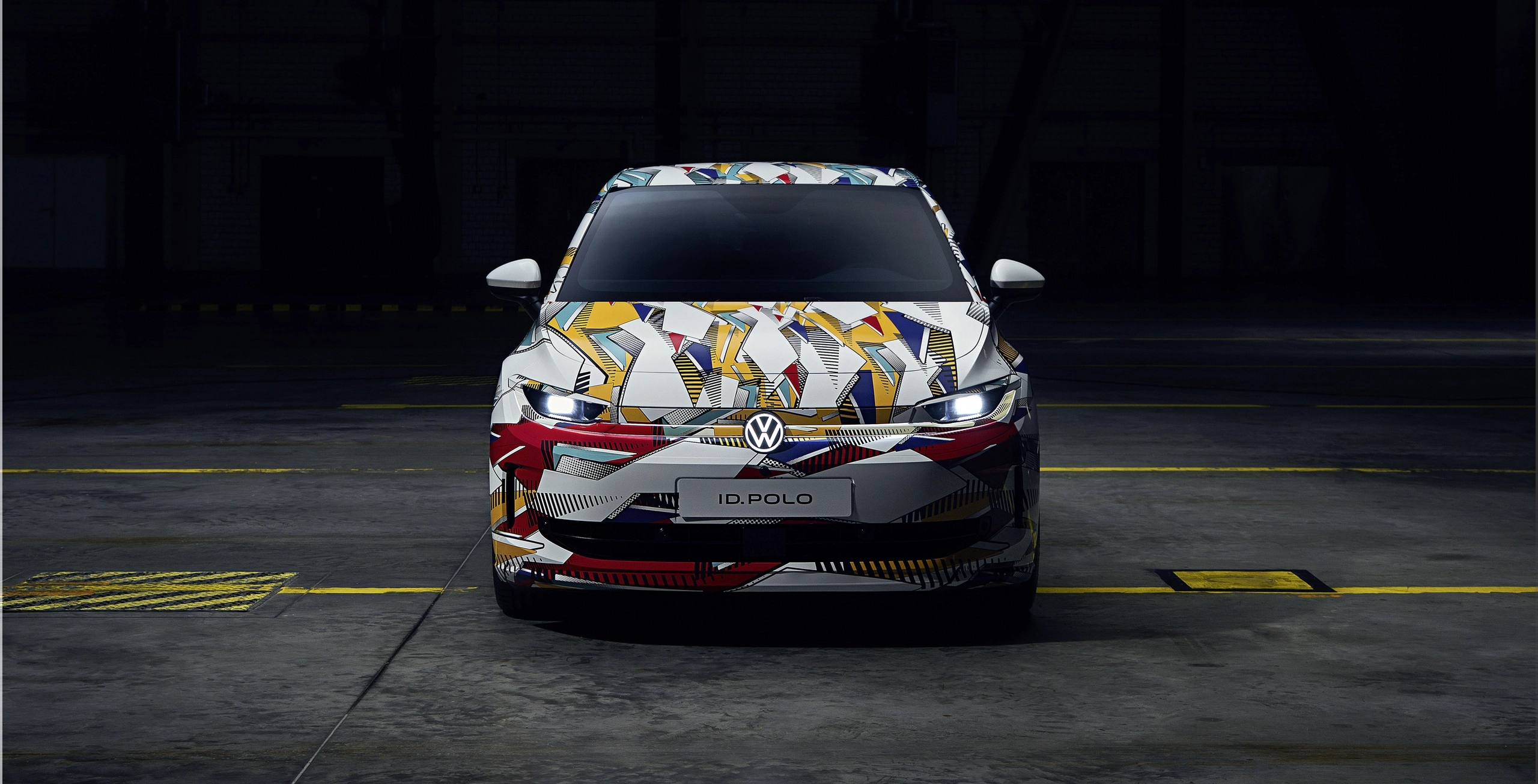
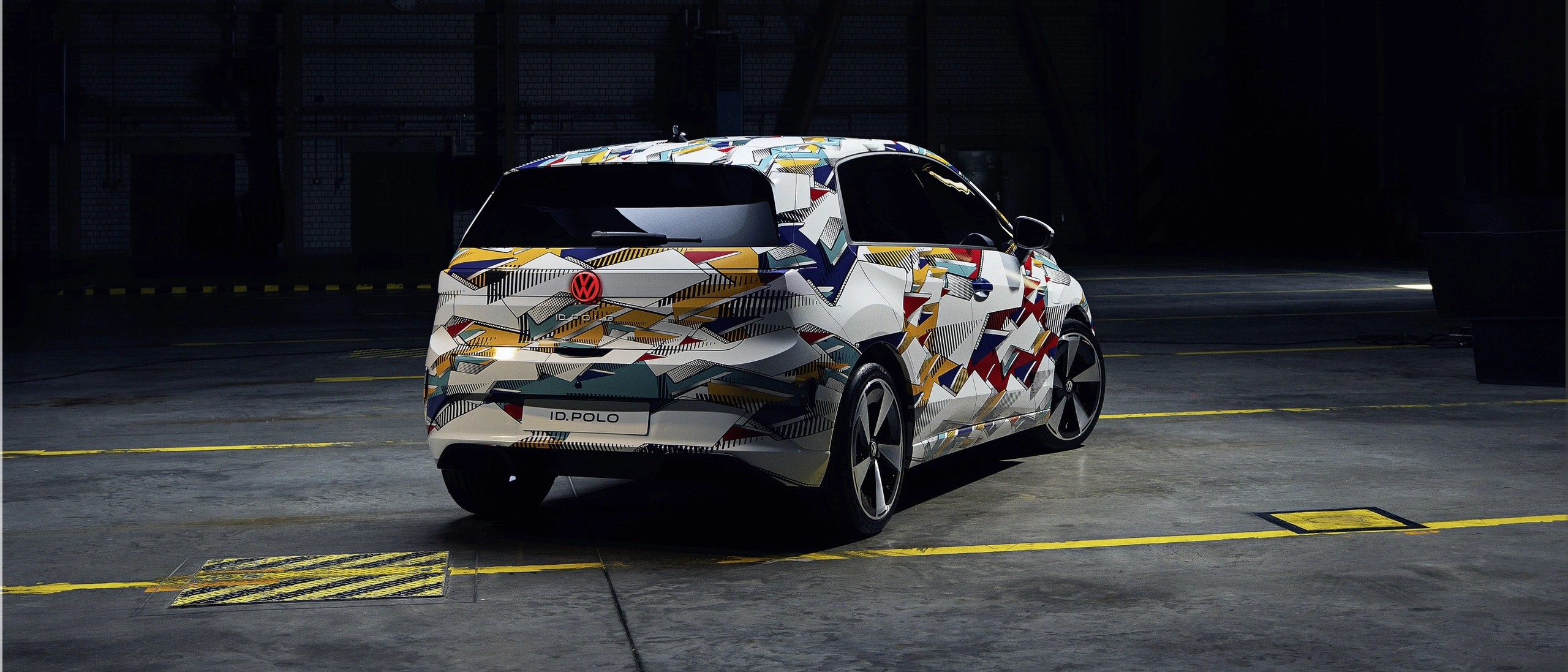
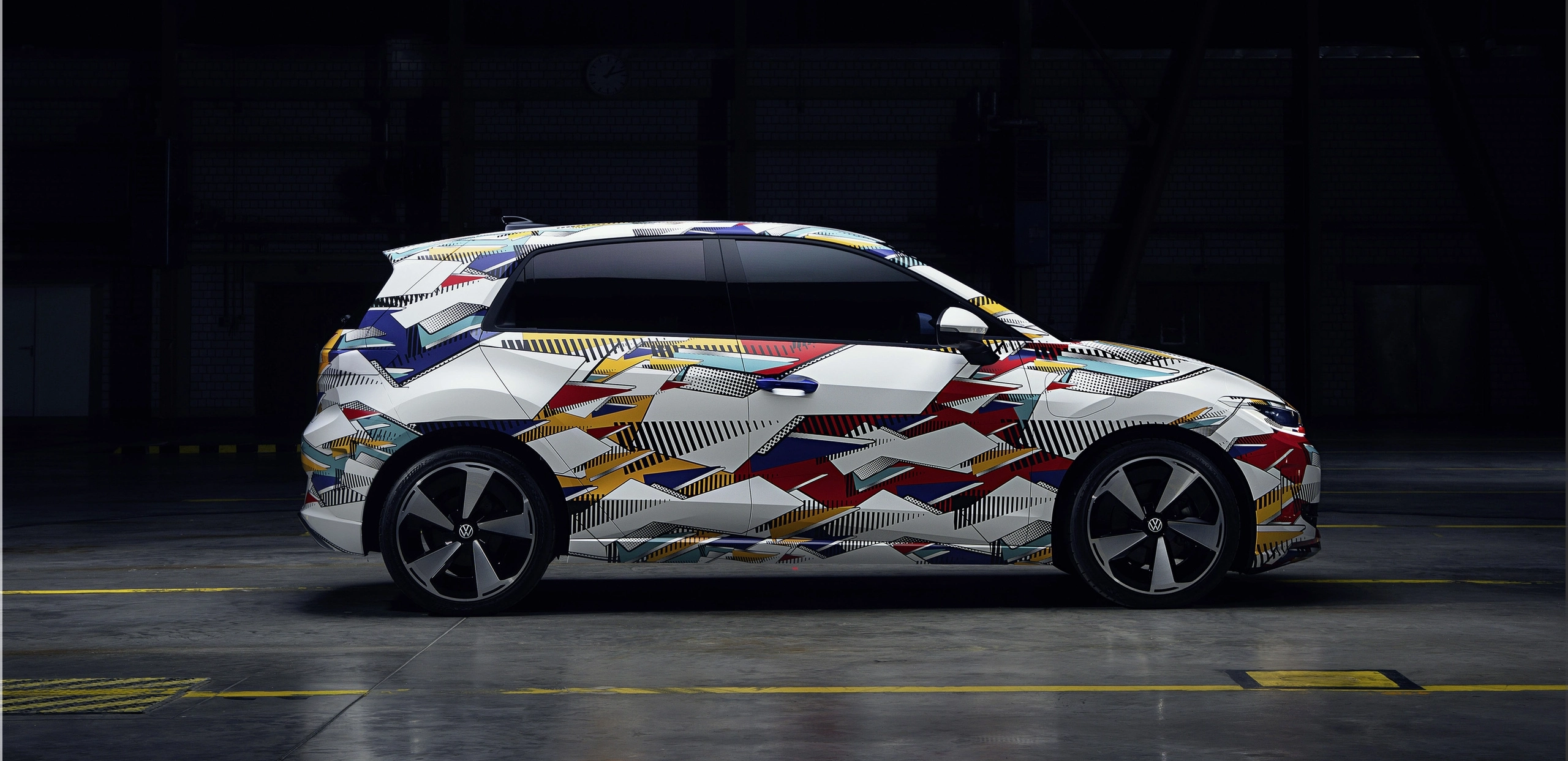
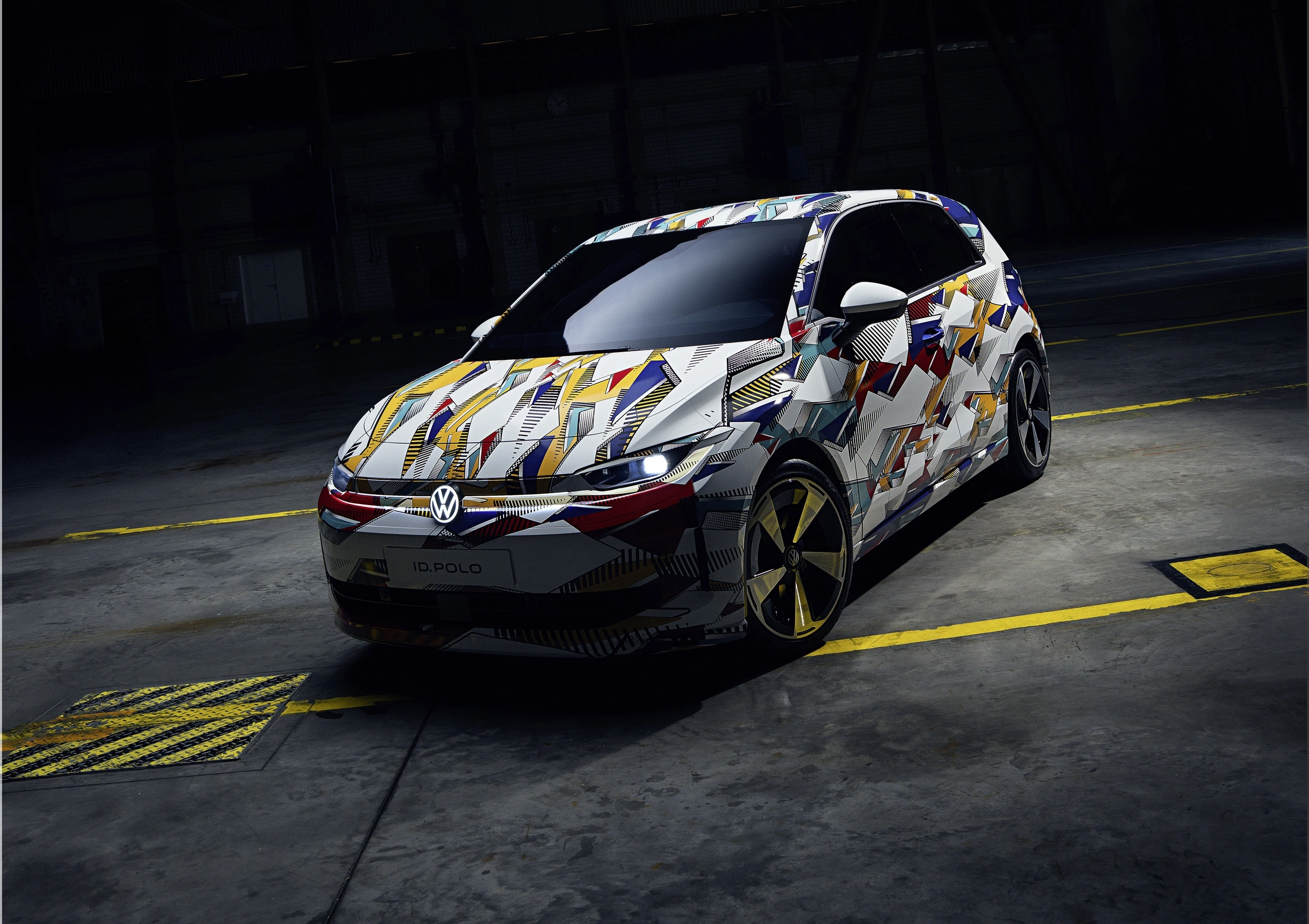
Volkswagen has introduced a new naming strategy that connects its electric ID. family with well-known legacy model names. The ID. 2all show car will enter production in 2026 as the ID. Polo, reviving one of Volkswagen's best-selling nameplates for the electric era.
This change marks a departure from the numeric ID. naming system used since the ID.3 launch in 2019. By reusing established names like Polo and later Golf, Volkswagen aims to simplify consumer choices in a growing EV lineup.
Why Volkswagen Is Changing Course
Volkswagen executives see name recognition as a key tool for mass adoption.
CEO Thomas Schäfer explained the shift: “Our model names are deeply rooted in people’s minds. The ID. Polo is just the beginning.”
Key drivers of the strategy:
- Simplification: Customers will identify EVs more easily.
- Brand equity: Strong names like Polo and GTI carry decades of history.
- Parallel sales: Combustion versions will keep their names, sold alongside EV counterparts.
The 2026 Volkswagen ID. Polo
The ID. Polo will launch in 2026, coinciding with the Polo's 50th anniversary. It targets the small car segment, traditionally one of Volkswagen's most competitive markets.
Volkswagen positions the ID. Polo as:
- An affordable entry-level EV.
- A direct replacement for the Polo’s combustion role in Europe.
- A model blending quality, safety, and innovation with new EV technology.
Volkswagen has not yet disclosed price details, but European reports suggest a starting price near $27,000–$30,000 USD, aligning with earlier ID. 2all affordability targets.
Expanding the ID. Polo Lineup: GTI Returns
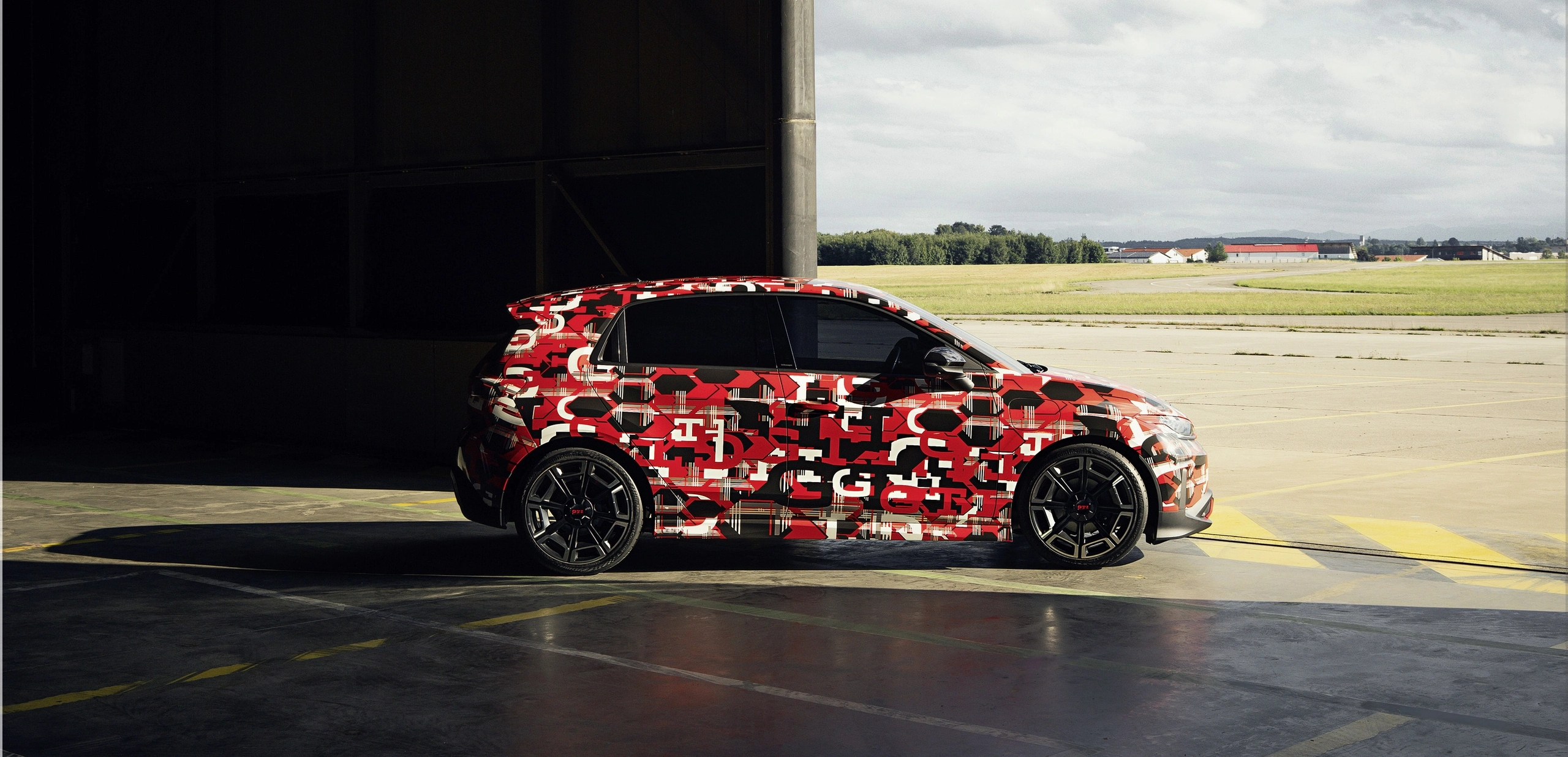
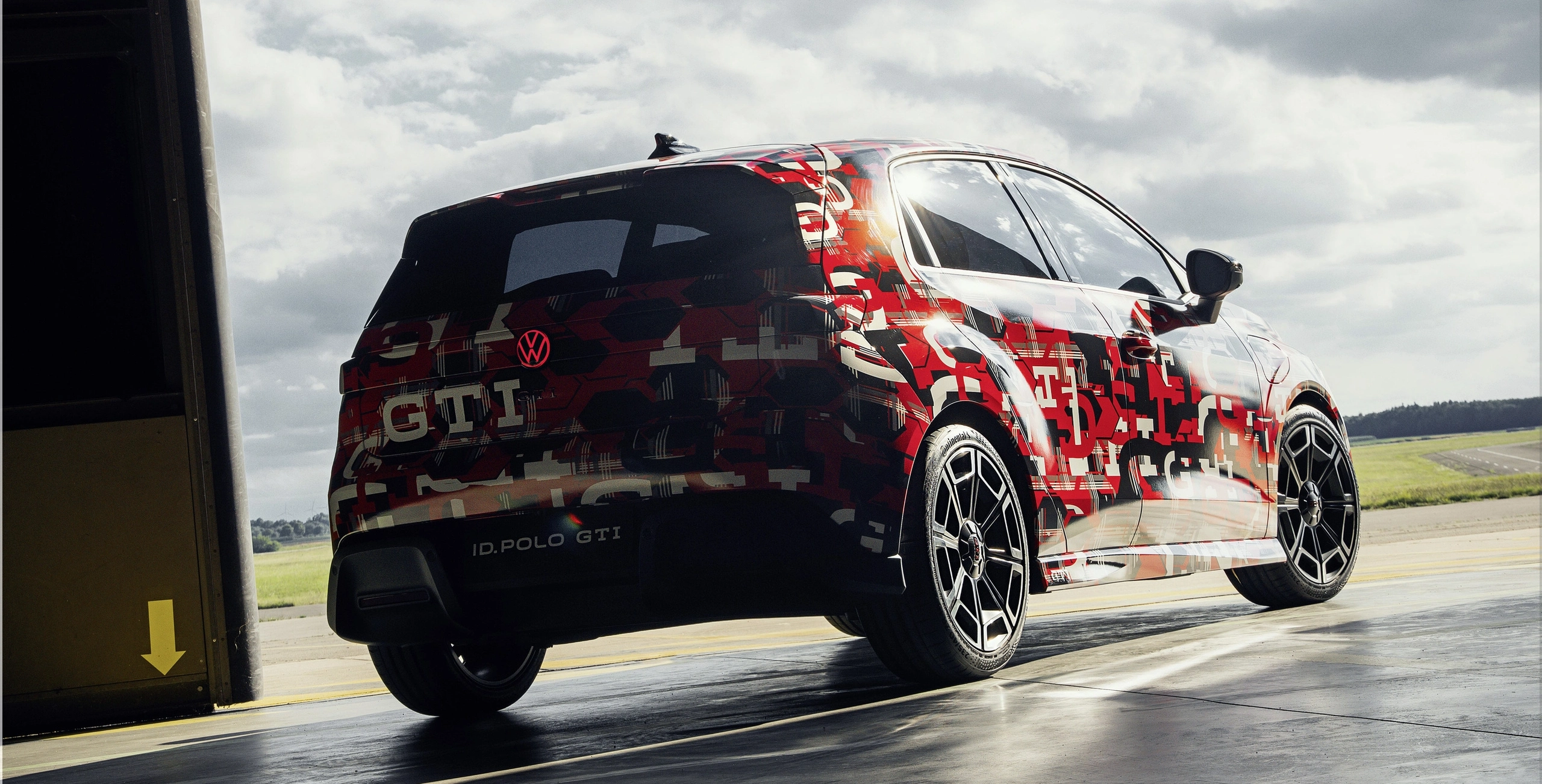
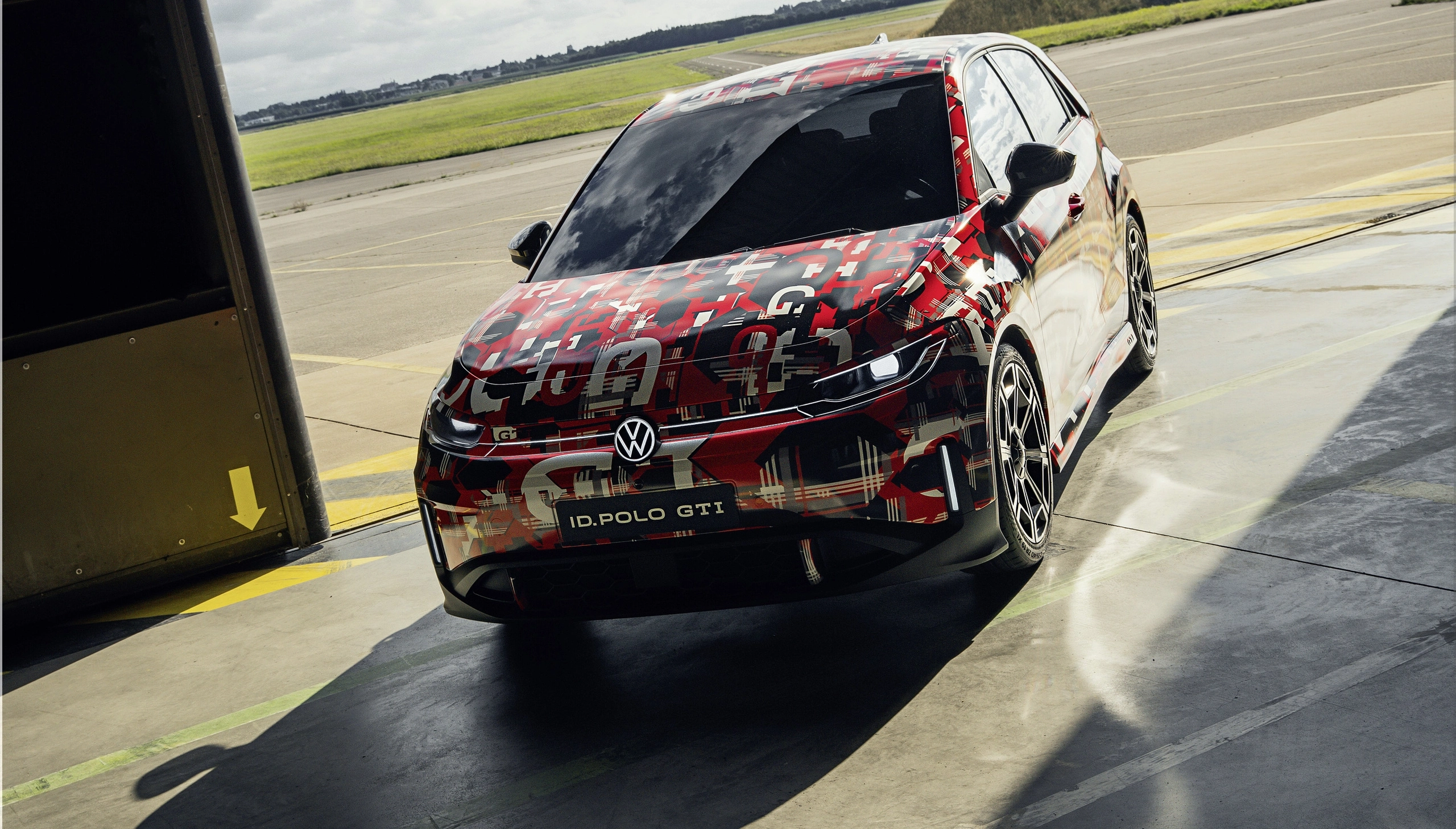
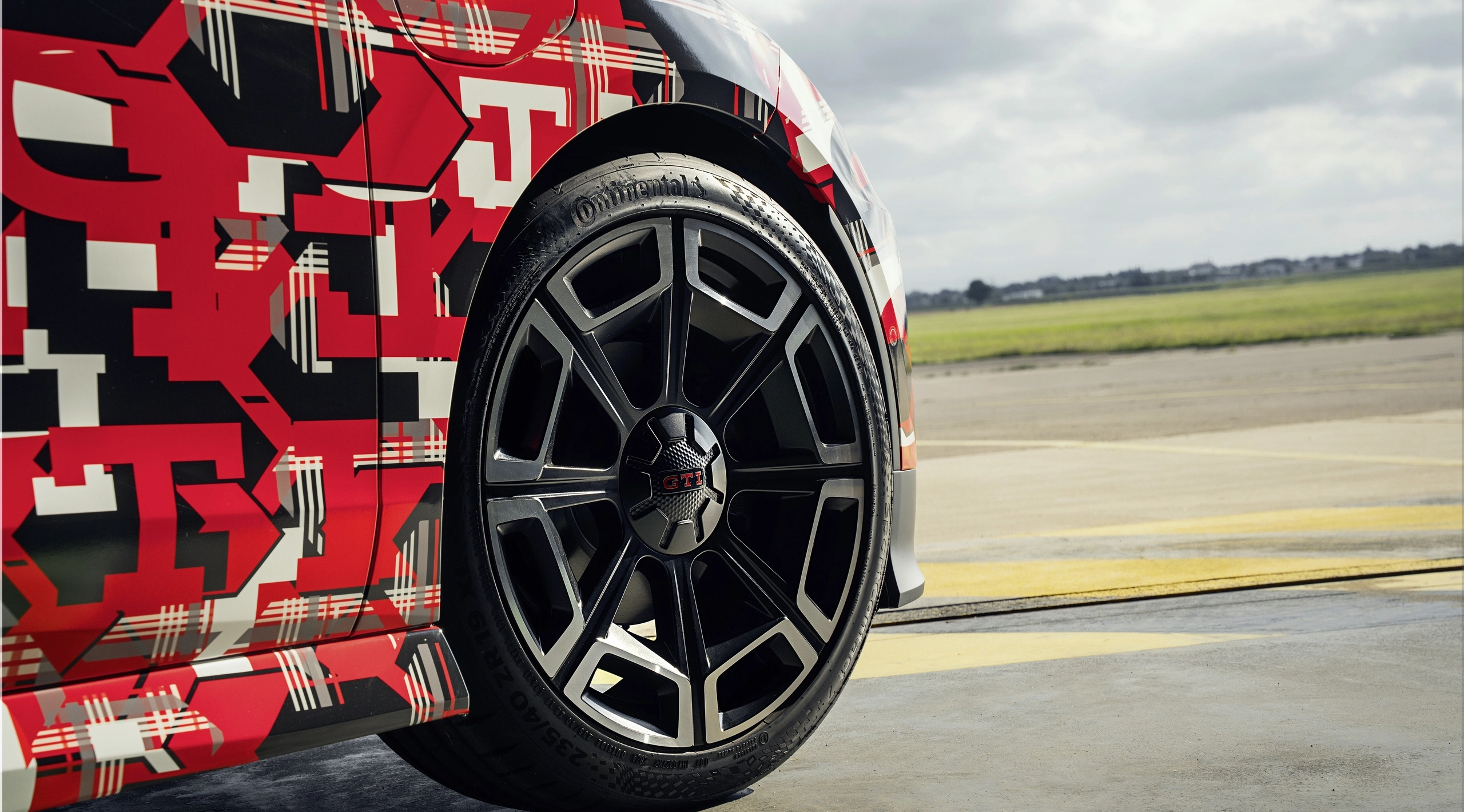
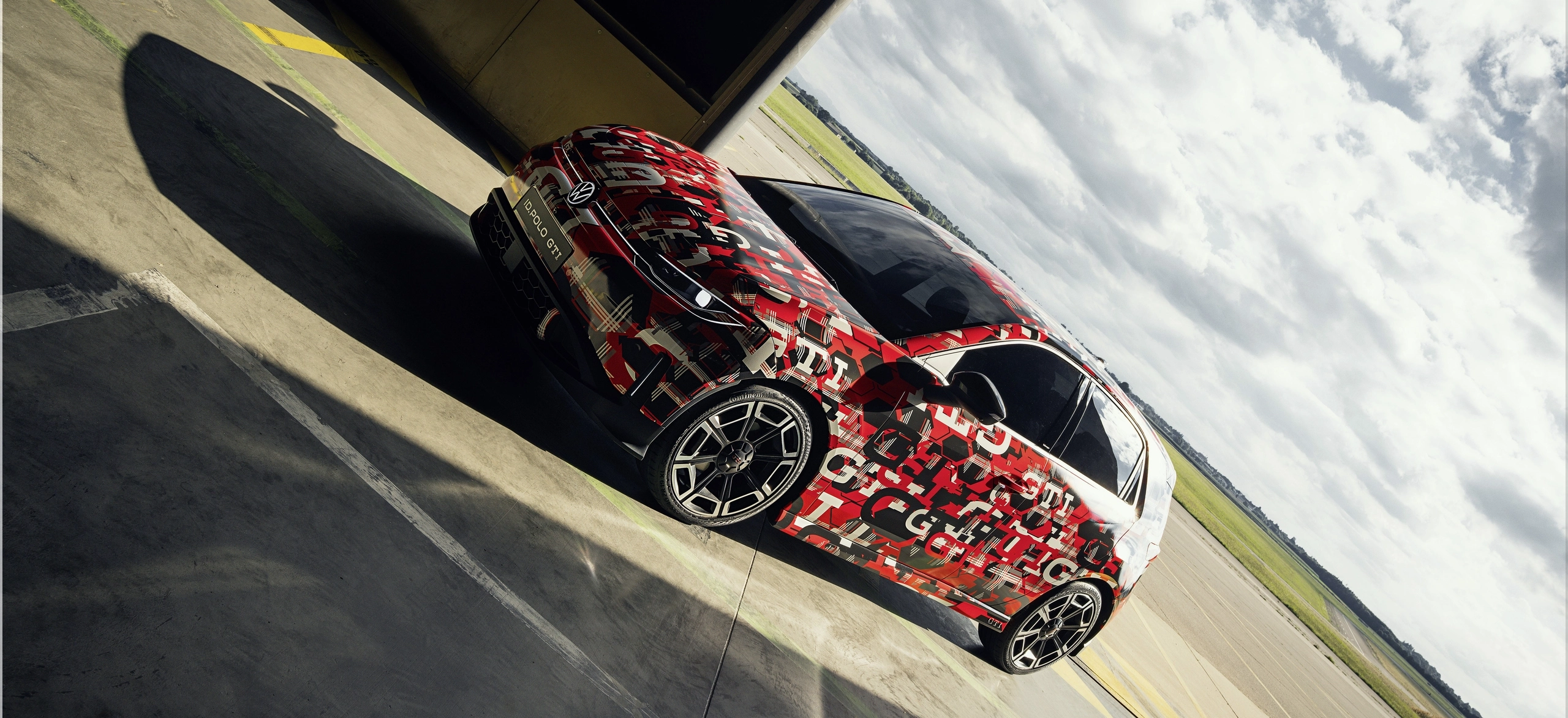
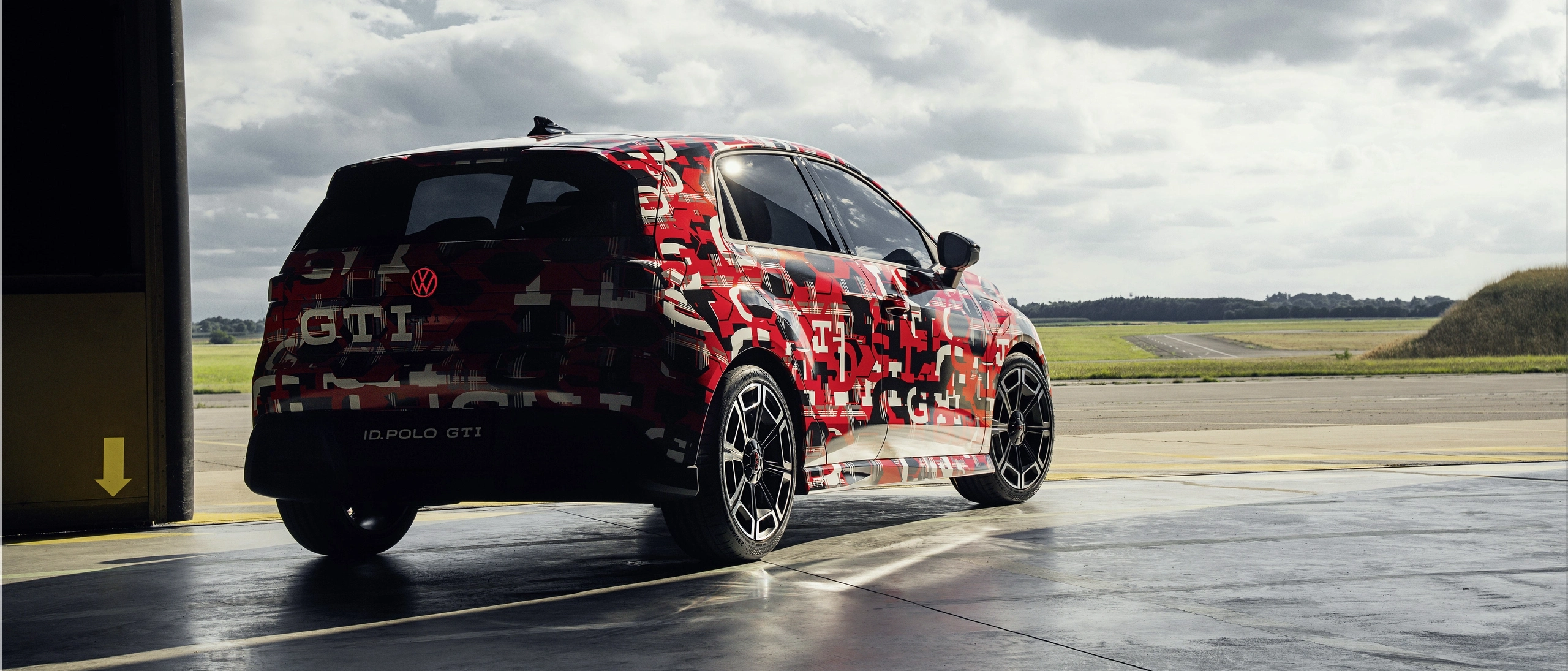
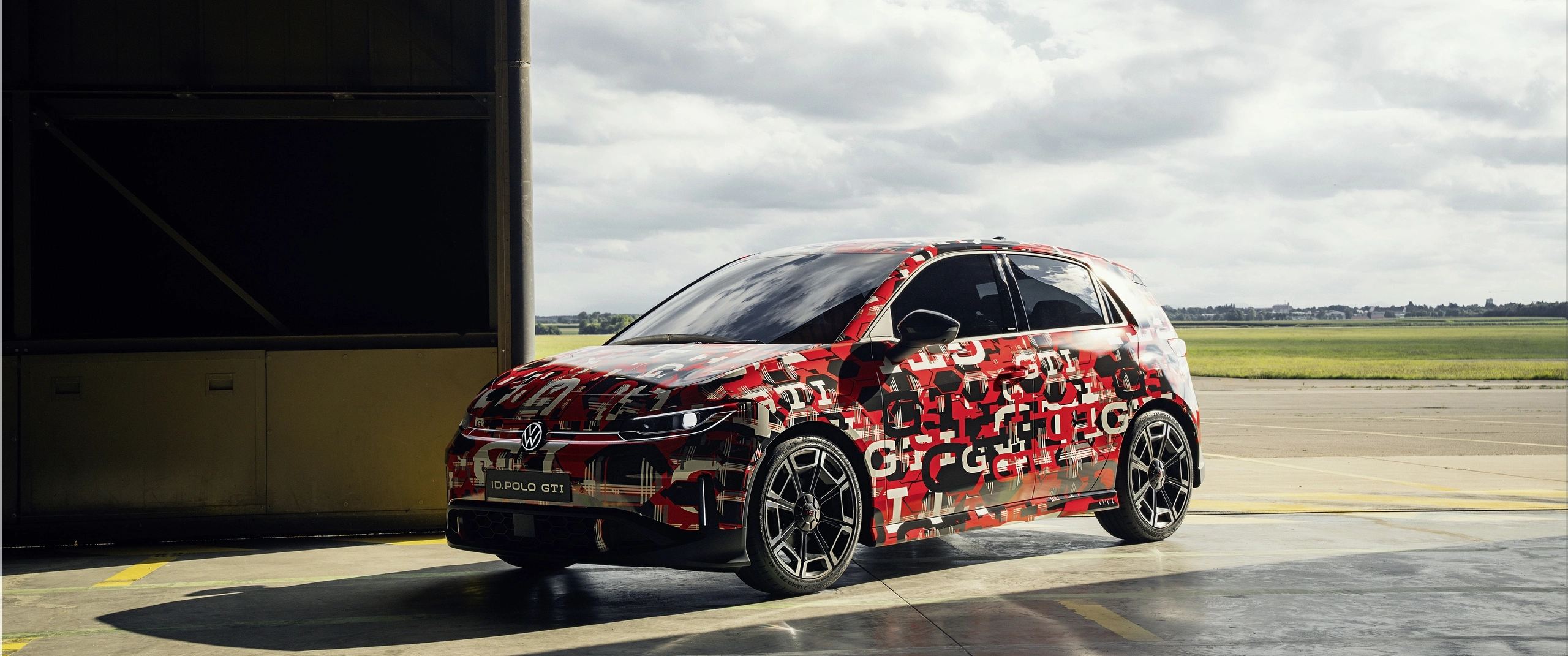
Performance branding will continue in the EV lineup. In 2026, Volkswagen will release the ID. Polo GTI, based on the ID. GTI Concept.
Expected features:
- Higher-output electric motors.
- Sportier suspension and styling.
- Focus on driving dynamics and fun-to-drive performance.
The GTI name has carried weight since its 1976 debut. Bringing it into the EV lineup helps retain younger and enthusiast customers who value affordable performance.
Volkswagen's Broader EV Plans
The ID. Polo is not the only model to gain a familiar name.
- A compact electric SUV, previewed as the ID. CROSS Concept, will enter production in late 2026 as the ID. Cross.
- The ID.3, ID.4, and ID.7 continue as flagship electric models.
- Expect future EVs named after Volkswagen’s other best-sellers, including Golf and Tiguan.
This strategy aligns with Volkswagen’s ACCELERATE plan, pushing for higher EV adoption across Europe and beyond.
Consumer-Focused Improvements
Volkswagen stressed that new models like the ID. Polo will incorporate customer-driven updates:
- Higher interior quality with soft-touch materials.
- Digital and physical controls combined for ease of use.
- Intuitive infotainment to counter criticism of earlier ID. models.
This shift responds to feedback that Volkswagen’s EVs lacked the same usability and refinement as combustion models.
Market Position and Competitors
The ID. Polo will compete directly against small electric hatchbacks such as:
- Renault 5 EV (expected around $27,000 USD).
- Peugeot e-208 (around $30,000 USD).
- Fiat 500e (around $28,000 USD).
Volkswagen’s competitive edge lies in:
- Strong brand loyalty to Polo and GTI.
- Broad dealer network across Europe.
- Economies of scale from producing EVs at multiple global plants.
The Numbers Behind Volkswagen’s Push
- In 2024, Volkswagen delivered 4.8 million vehicles worldwide.
- The ID.7 sedan and tourer lead EV sales in Europe.
- Volkswagen employs about 170,000 people globally.
With the ID. Polo, Volkswagen aims to scale volumes in the entry-level EV market, an area where price and brand trust matter most.
What This Means for Buyers
For buyers, Volkswagen’s decision means less confusion. Instead of choosing between a Polo and ID.2, they will simply choose between a Polo (gas/diesel) or an ID. Polo (electric).
This reduces complexity in the showroom and strengthens the connection between combustion and EV offerings.

Outlook: A Familiar Future
The move to rename the ID. 2all as ID. Polo represents more than marketing. It’s a recognition that familiar names help sell EVs.
Volkswagen expects this strategy to:
- Boost sales of entry-level EVs.
- Retain loyal Polo customers in the shift to electric.
- Prepare the market for the ID. Cross and other renamed EVs.
By bringing heritage names into the electric age, Volkswagen is betting on continuity rather than reinvention. For the consumer, that means more clarity and a smoother transition to electric mobility.
Volkswagen has opened German orders for the 2026 Volkswagen ID. Polo EV with a 37 kWh usable LFP battery and a starting price near $29,000. The five-door hatchback delivers up to 207 miles on the WLTP cycle, offers two power… Continue reading
Volkswagen has turned the Polo into a battery-electric hatchback with real small-car logic: front-wheel drive, two battery chemistries, DC fast charging as standard, and up to 454 km / 282 miles of WLTP range… Continue reading
Volkswagen has a long and proud history of making sporty and practical hatchbacks under the GTI name. From the original Volkswagen Golf GTI in 1976 to the latest Volkswagen Polo GTI in 2021, these cars have been synonymous with fun,… Continue reading
McLaren announced that in 2019 will be the launching of a new generation of supercars that will be equipped with hybrid propulsion and autonomous technologies. Continue reading