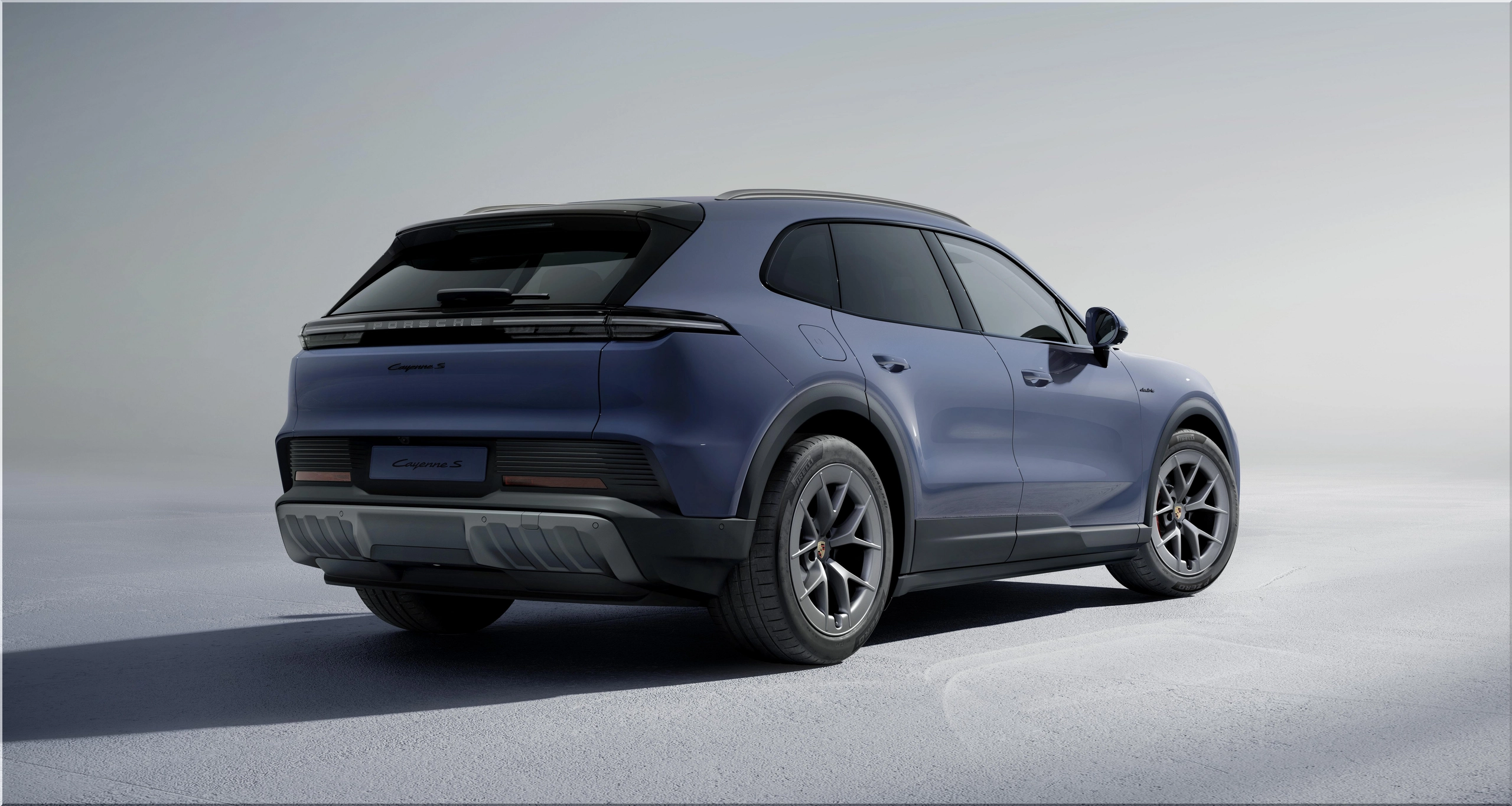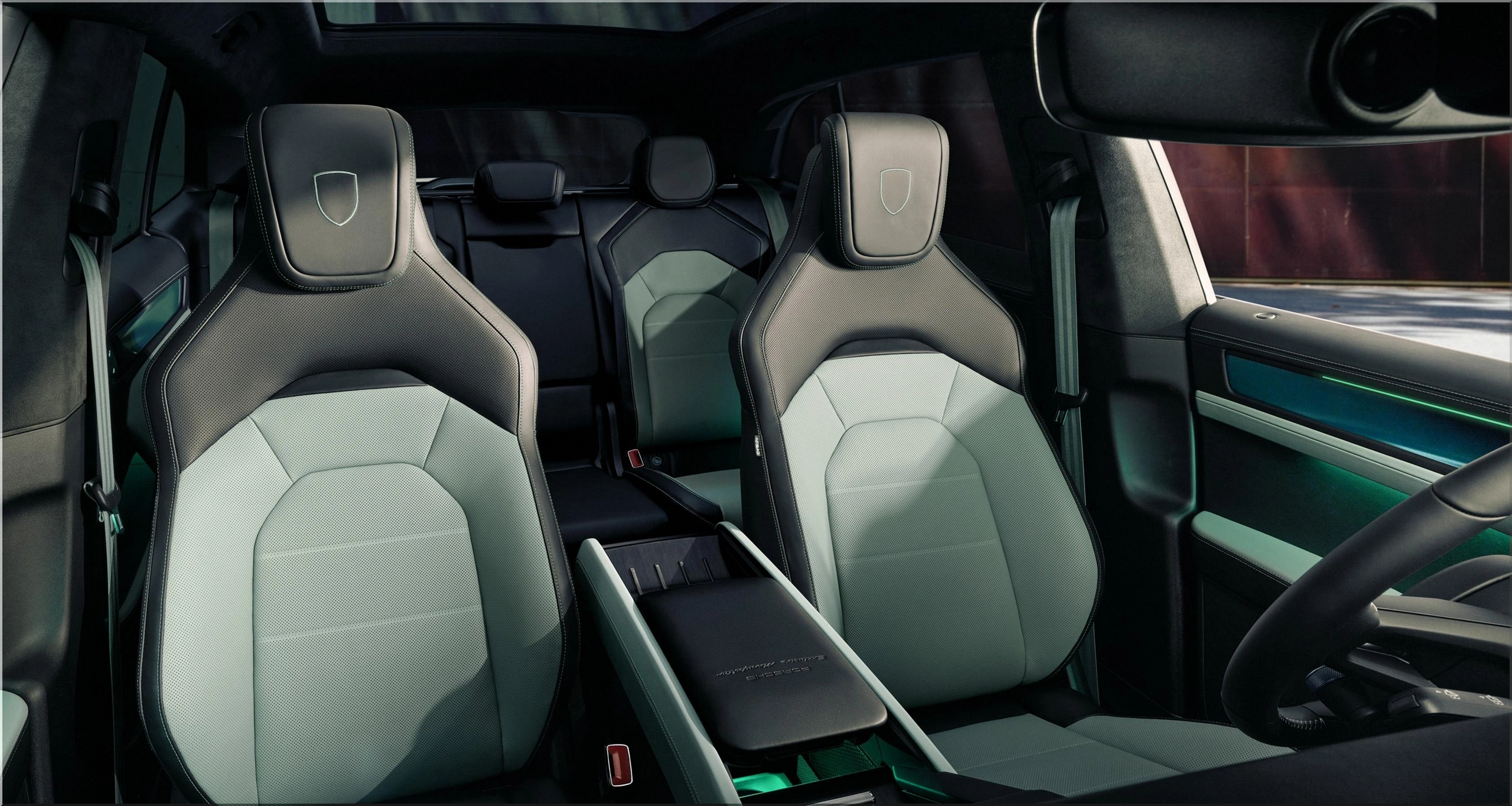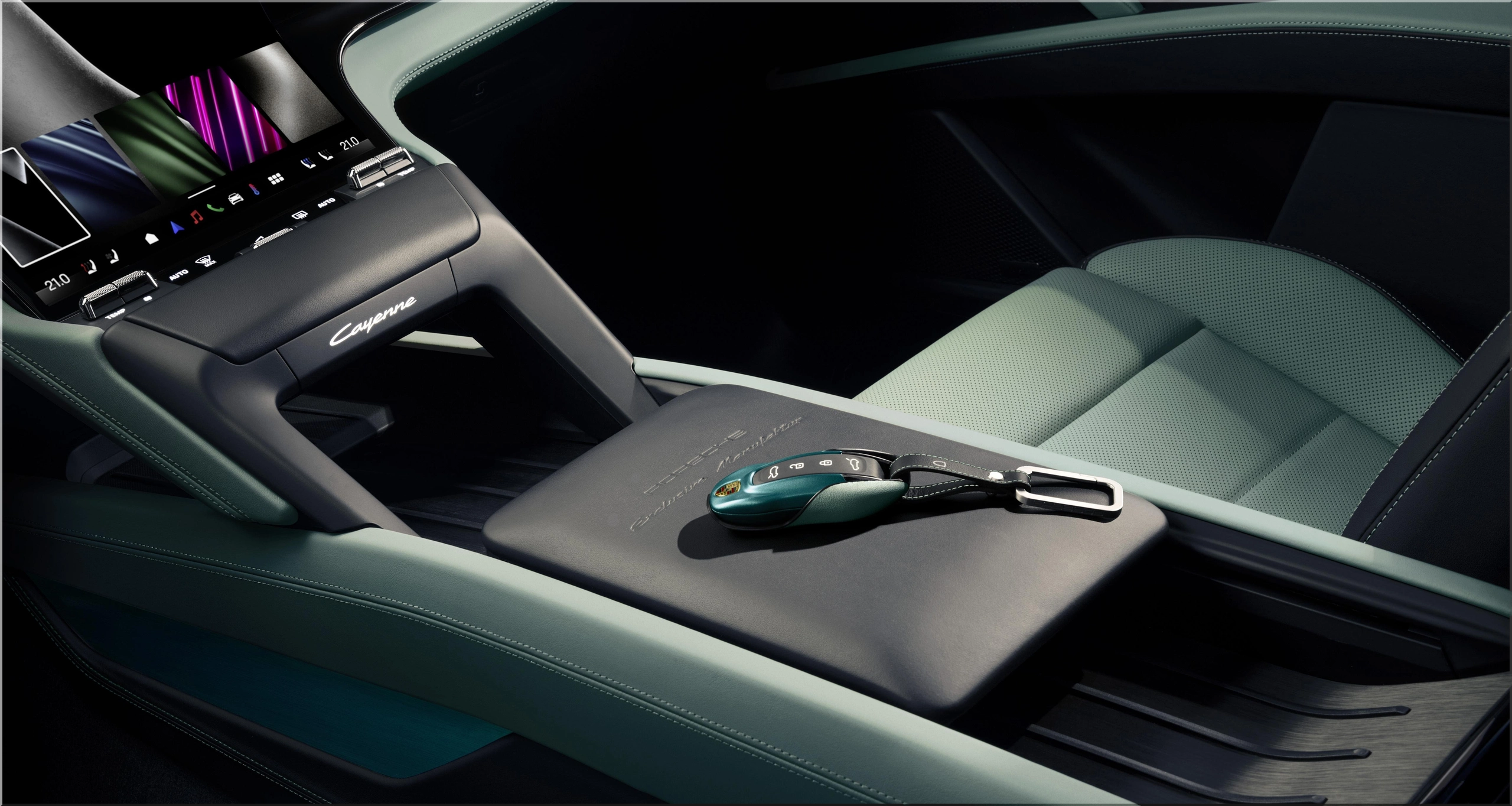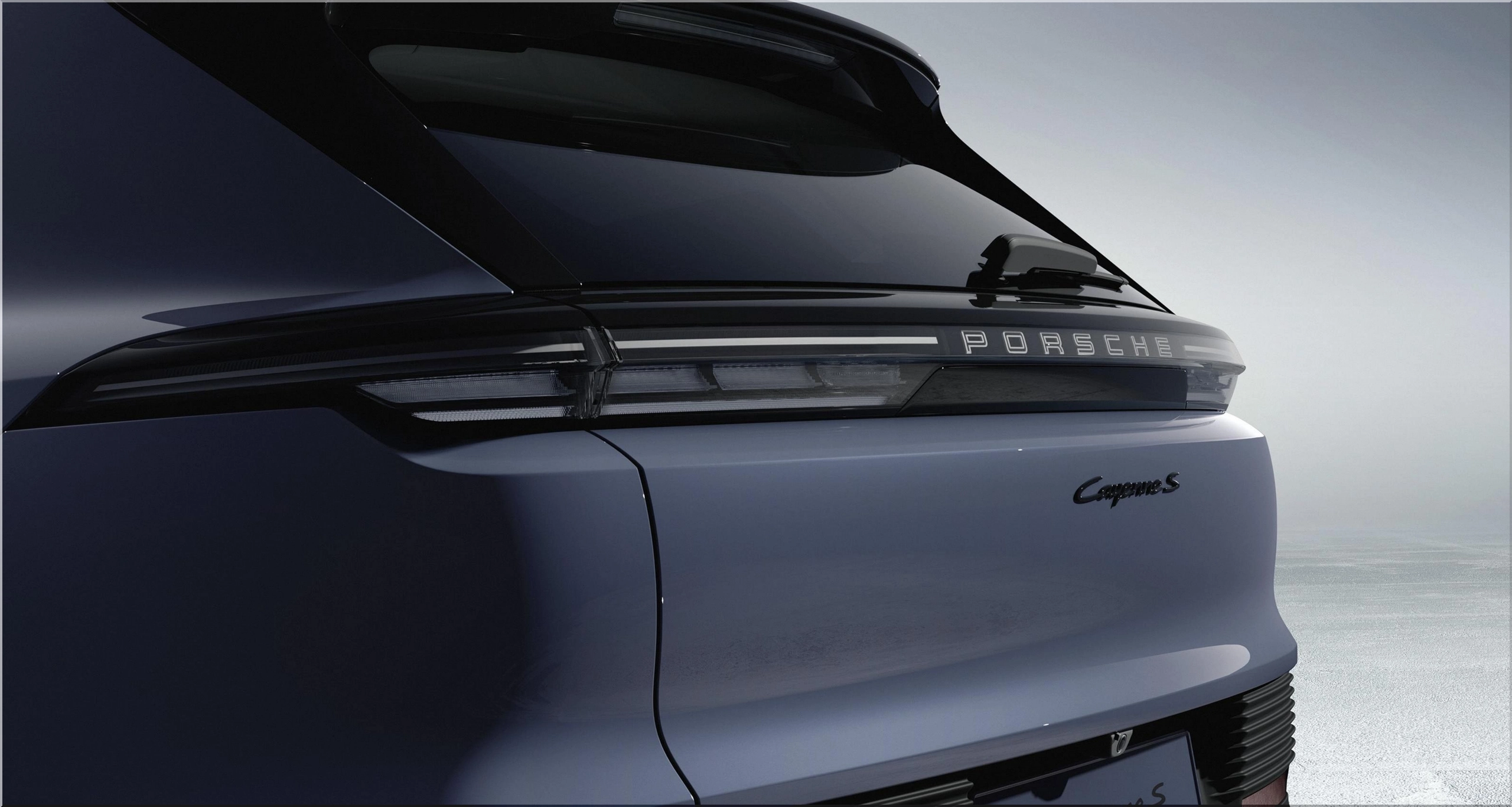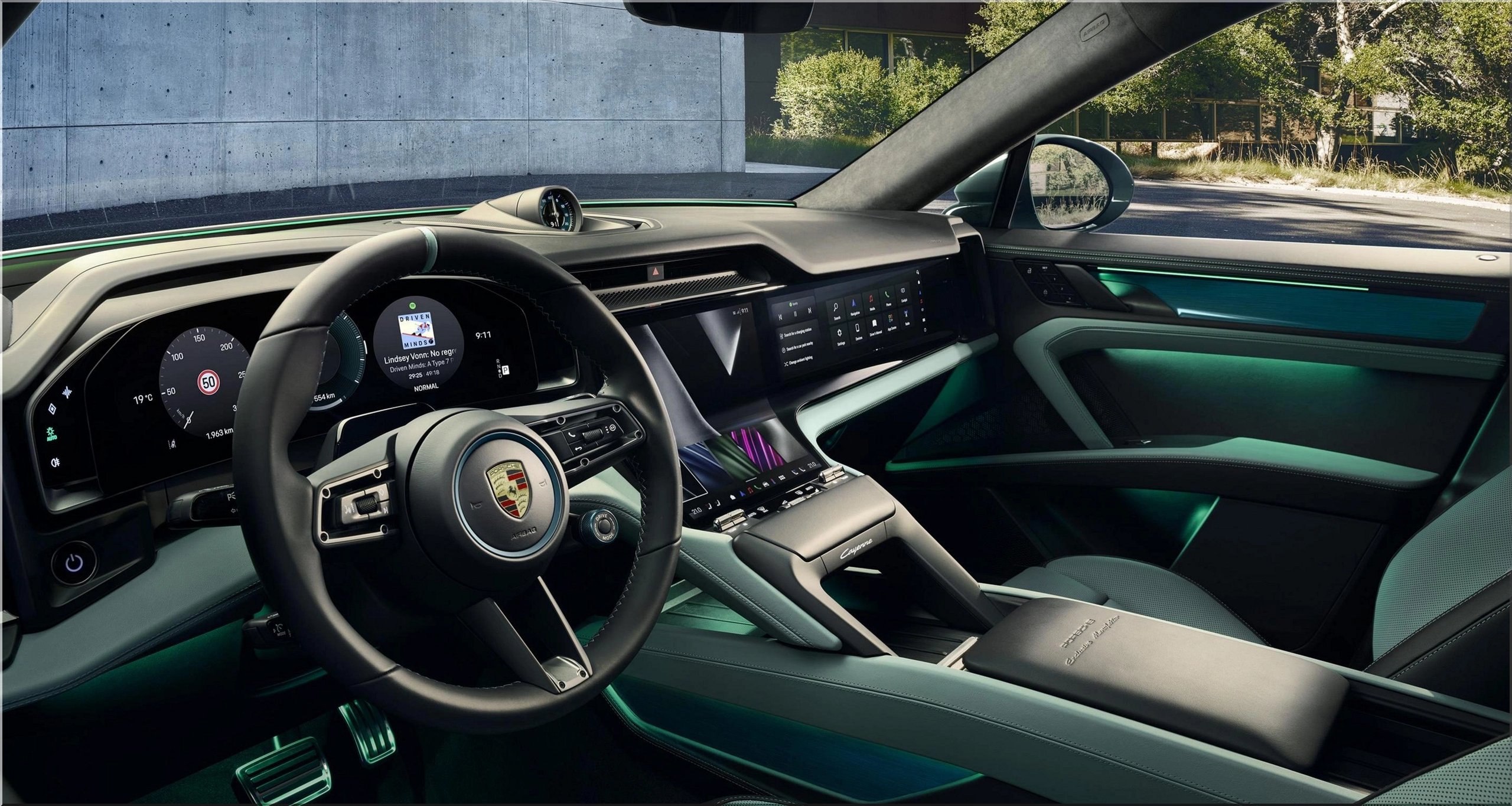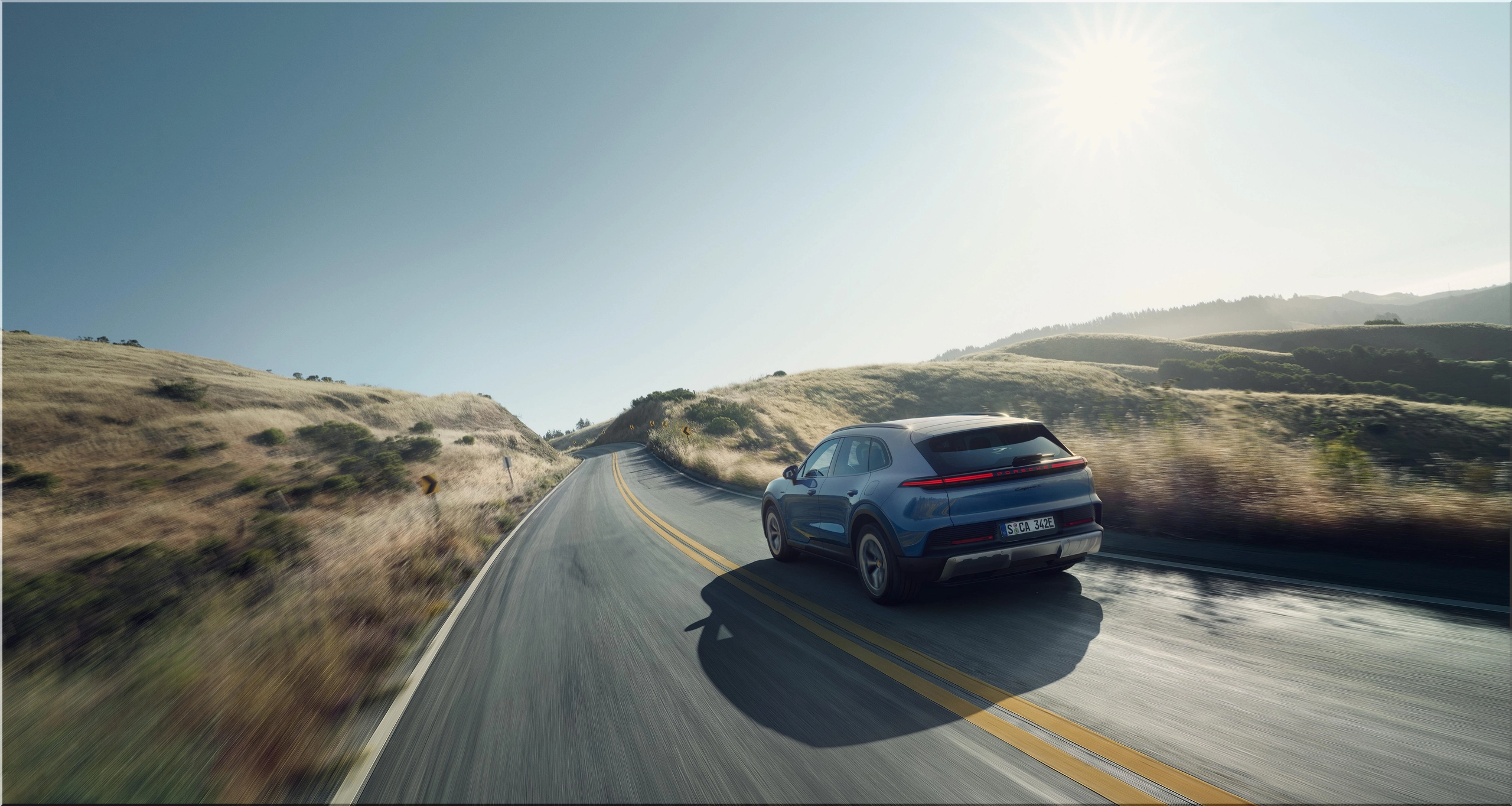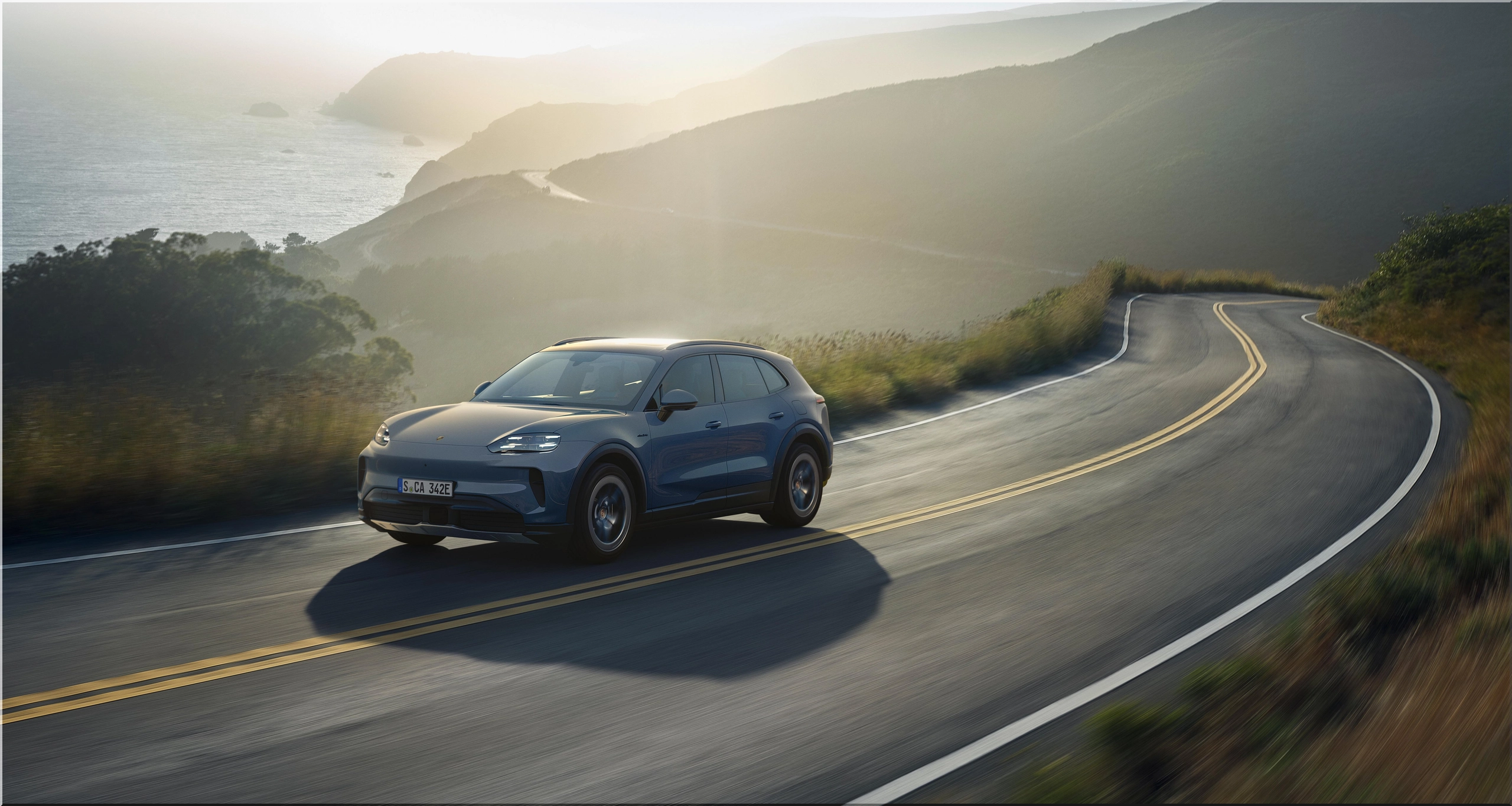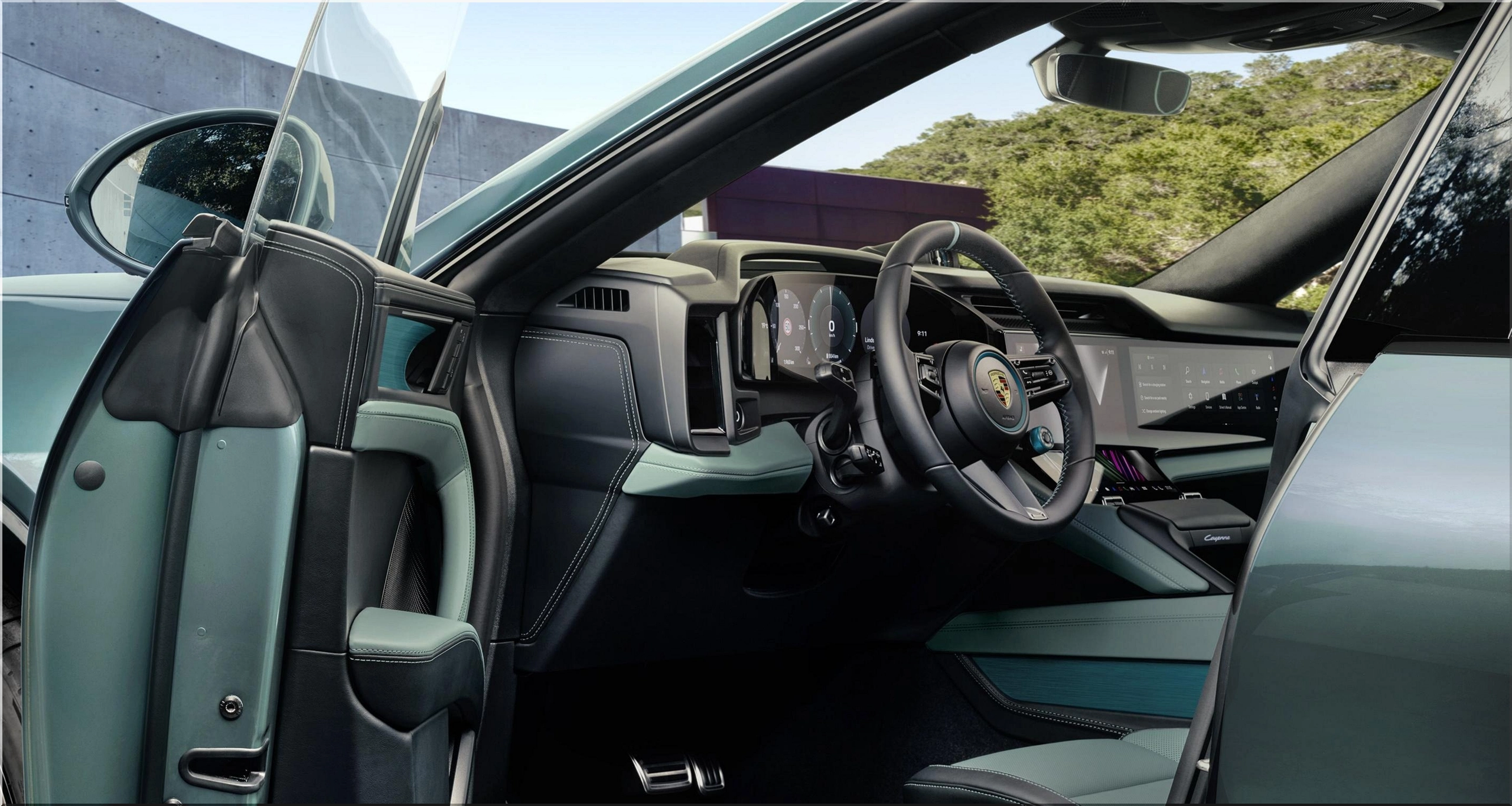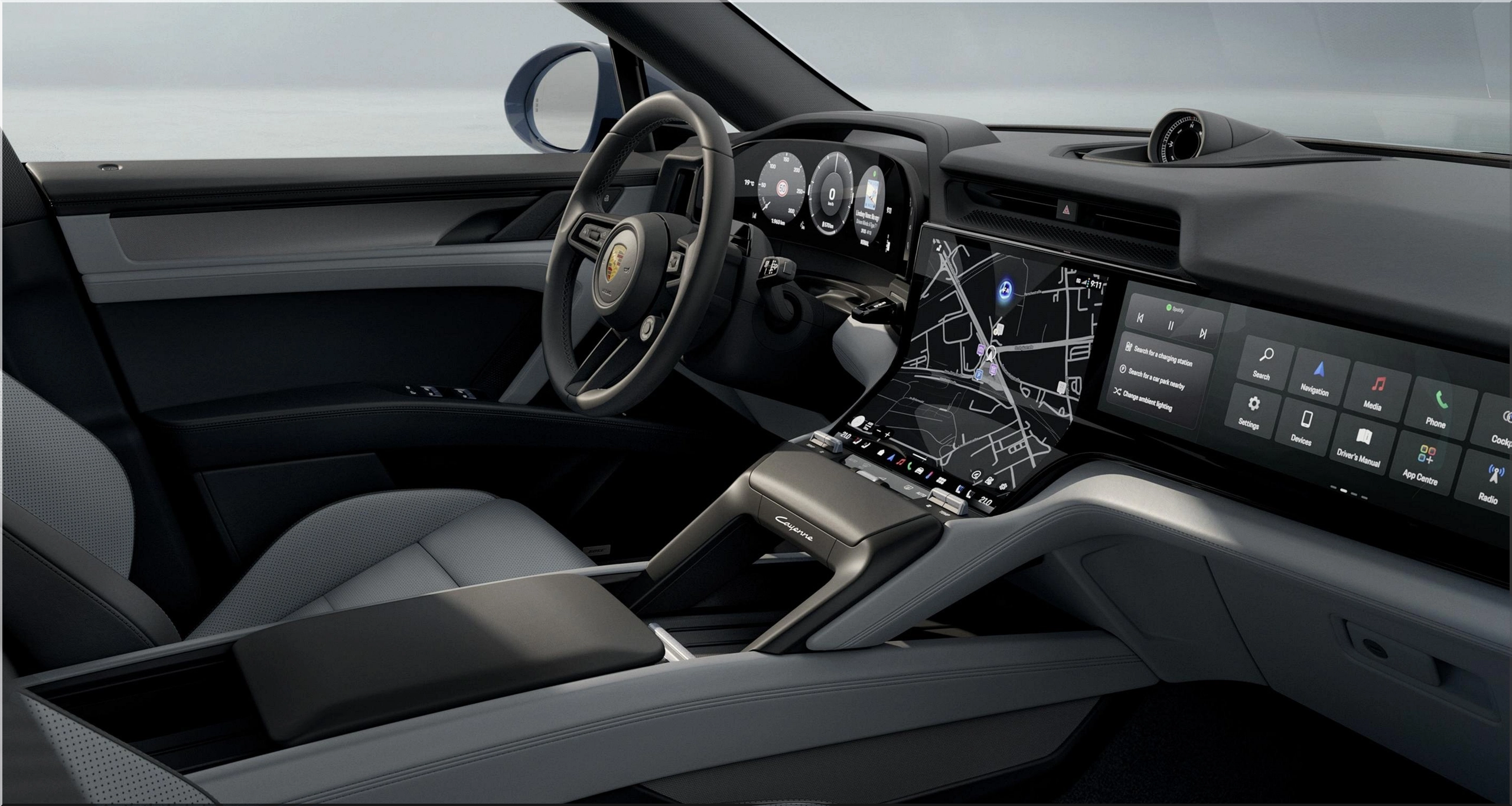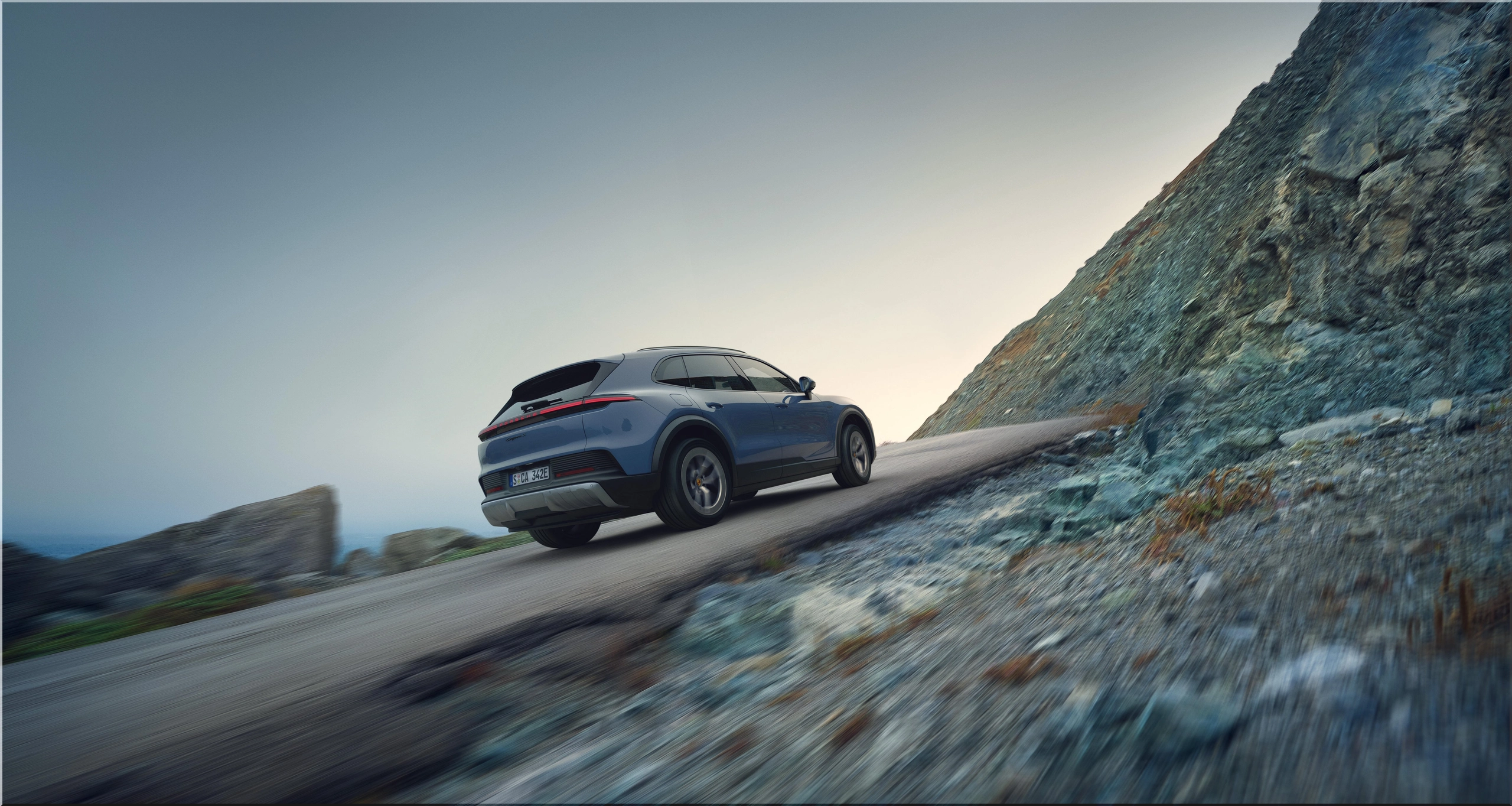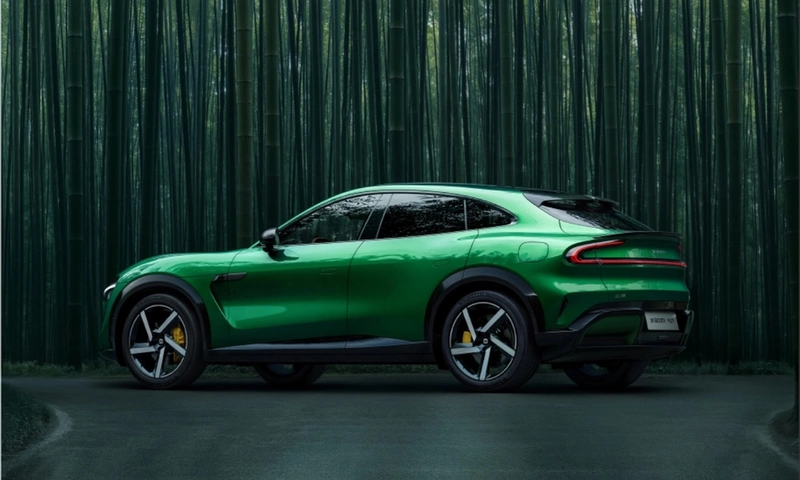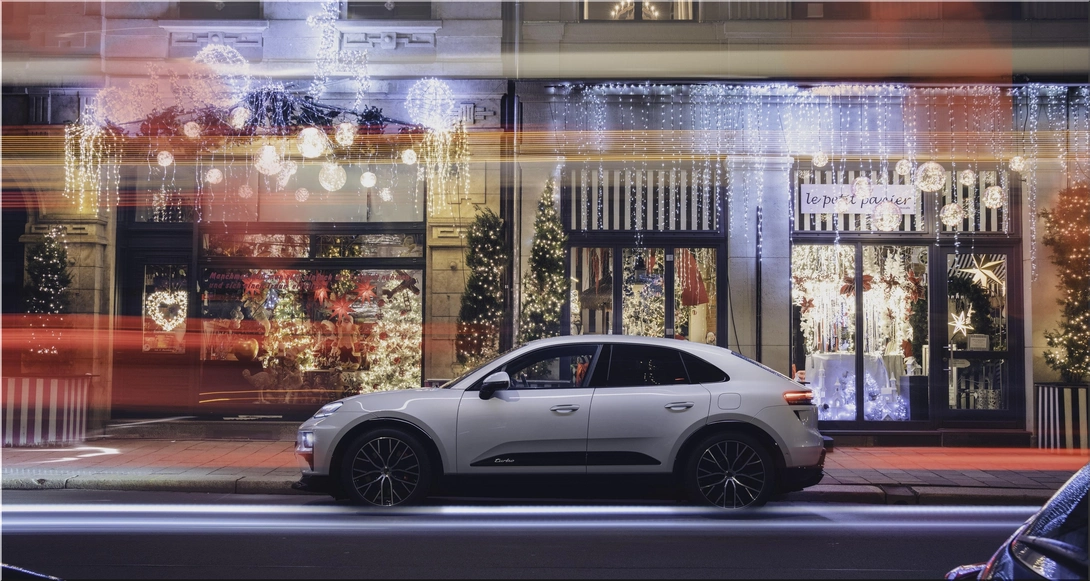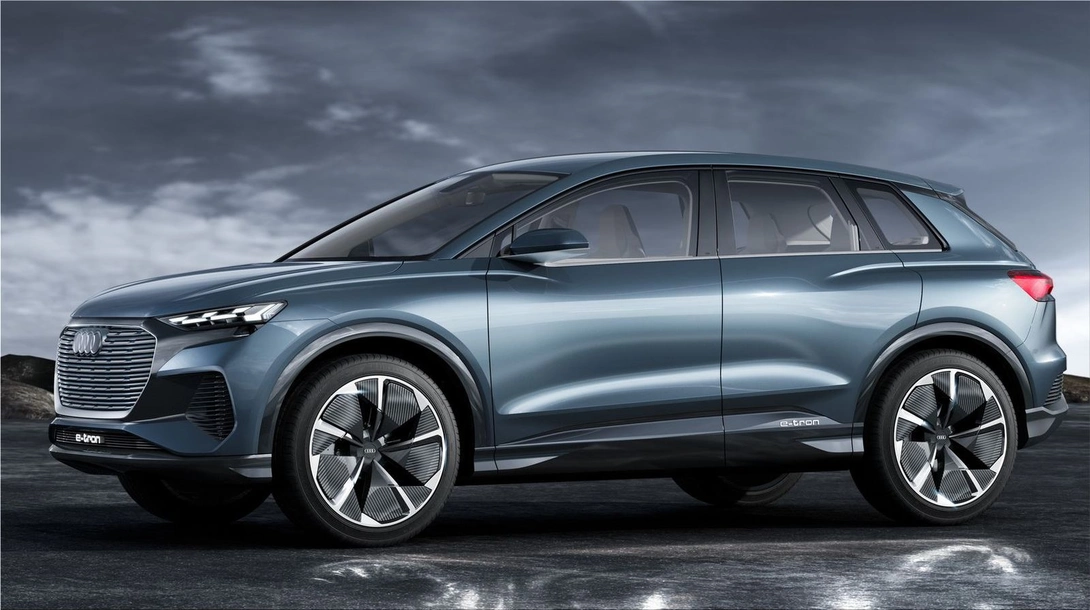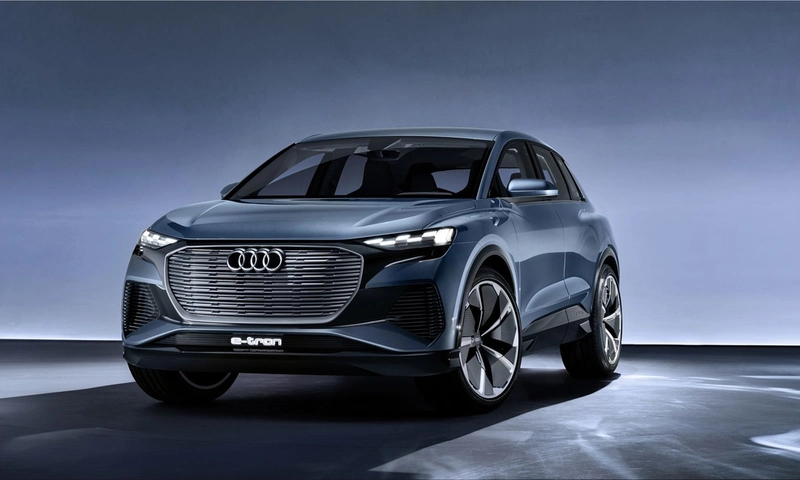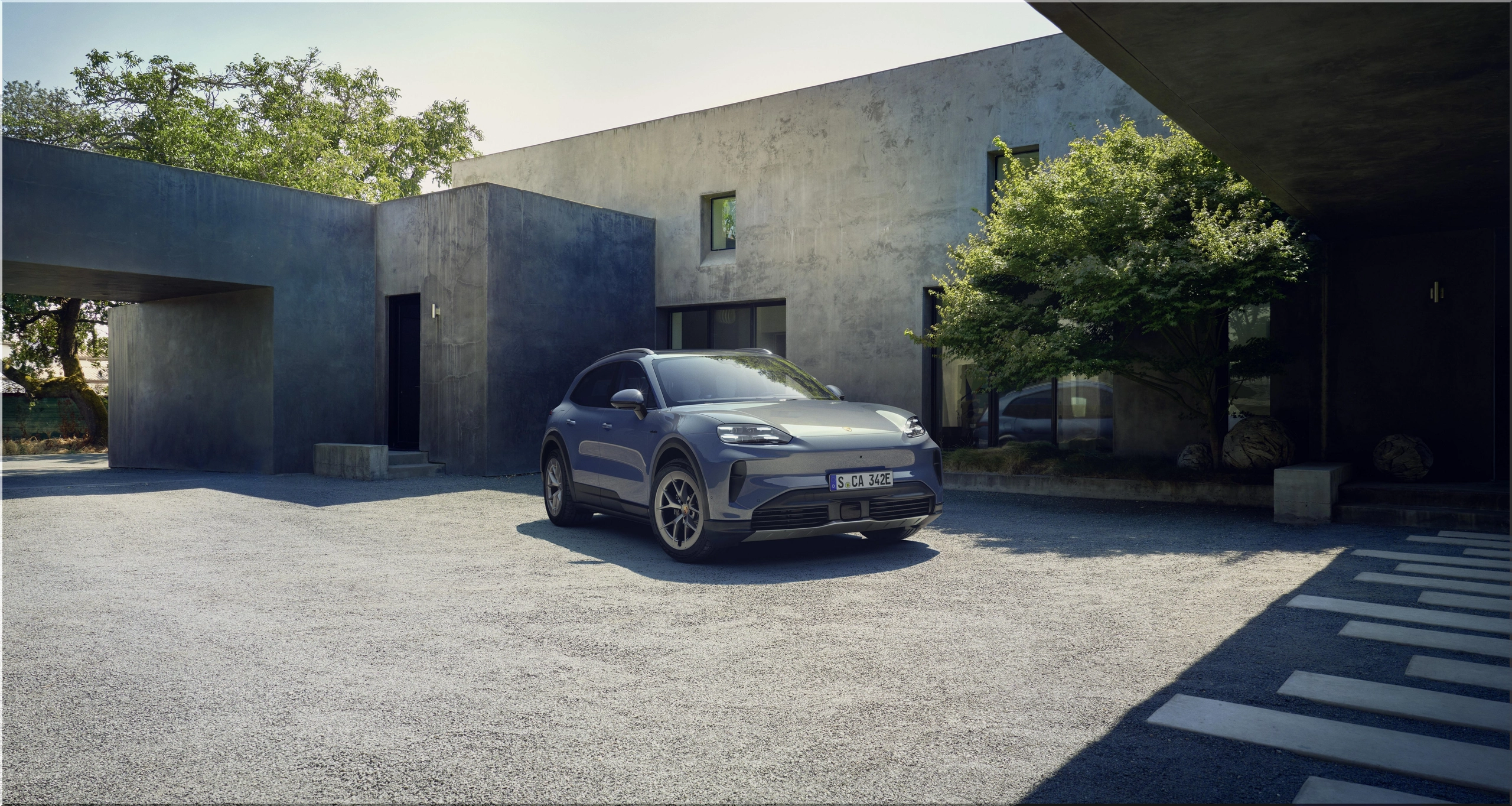
Porsche has added a third rung to its electric Cayenne ladder, and the new Porsche Cayenne S Electric looks like the one buyers will circle first. It slots between the base Cayenne Electric and the Cayenne Turbo Electric, but it does not feel like a trimmed compromise. Looking at the data, Porsche gave it the hardware that counts: a dual-motor setup, rear-motor direct oil cooling, silicon-carbide power electronics, 800-volt charging, and the option list that usually pushes buyers toward the top trim.
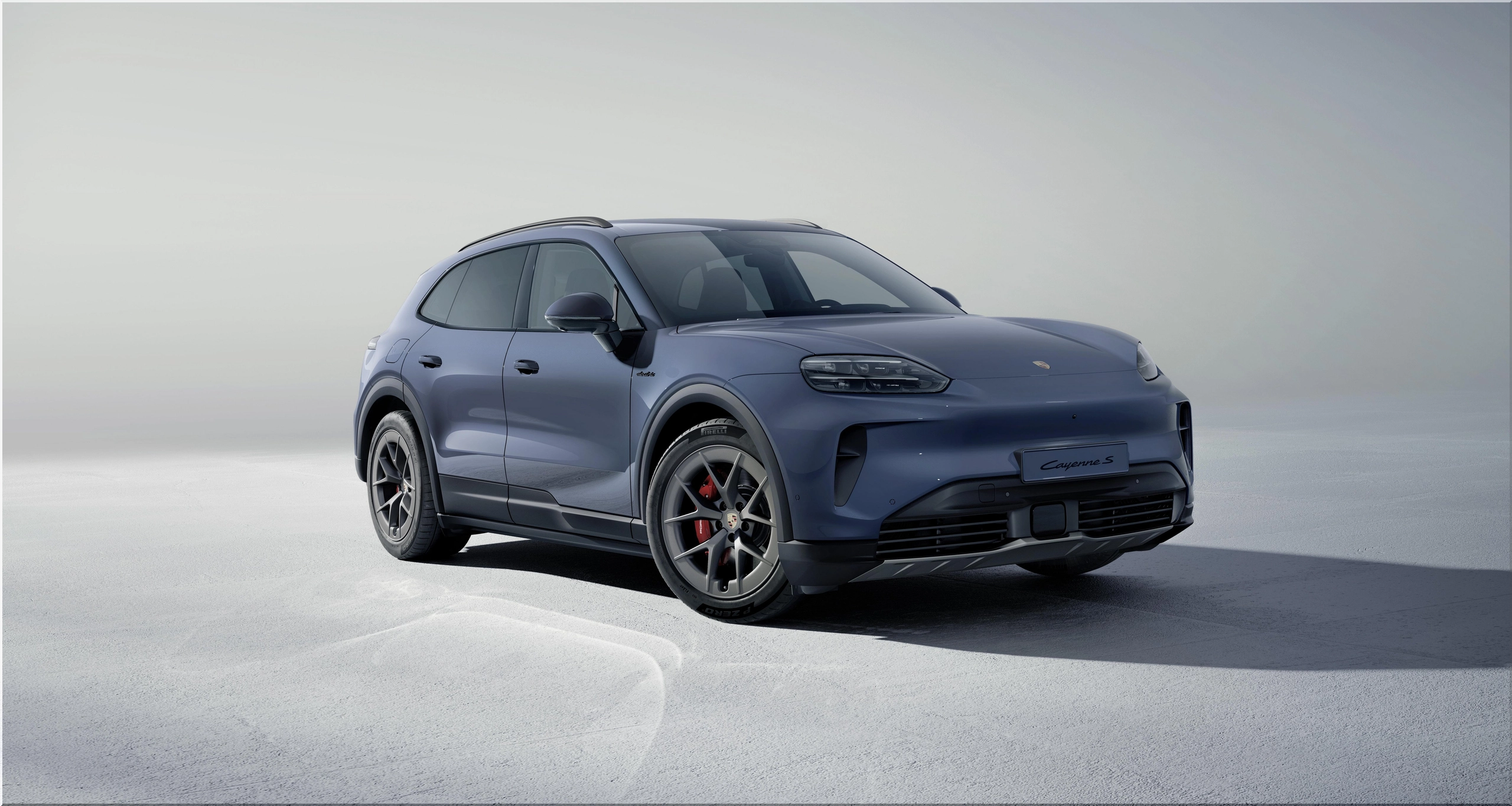
That mix matters. A fast electric SUV needs more than peak output for one launch-control party trick. It needs thermal control, repeatable performance, and charging speed that fits the badge. The Cayenne S Electric checks those boxes with a stated 400 kW, or 536 hp, and up to 490 kW / 657 hp with Launch Control, plus a 0-60 mph time of 3.6 seconds and a 155 mph top speed.
Where the Cayenne S Electric Fits in the Lineup
Porsche positioned this model with precision. By comparison, the base Cayenne Electric leans harder on range and price, while the Turbo Electric goes after outright bragging rights. The Cayenne S Electric targets buyers who want serious pace without paying Turbo money for numbers they may rarely use.
Core specs at a glance
| Spec | Porsche Cayenne S Electric |
|---|---|
| Power | 400 kW / 536 hp |
| Launch Control output | 490 kW / 657 hp |
| 0-60 mph | 3.6 sec |
| Top speed | 155 mph |
| Battery capacity | 113 kWh gross |
| DC fast charging | Up to 400 kW |
| 10-80% charge time | Under 16 minutes |
| Wheels | Standard 21-inch Aero Design |
| Starting MSRP | $126,300 |
| MSRP with destination | $128,650 |
In addition, Porsche says the SUV includes a NACS DC fast-charging port on the driver-side rear fender, a J1772 AC port on the passenger side, and a CCS adapter. That setup cuts friction for U.S. buyers because it broadens charging access from day one.
Why the Powertrain Hardware Actually Matters
The headline number grabs attention, but the rear motor hardware tells the real story. Porsche uses direct oil cooling for the rear-axle electric motor, a setup already seen in the Turbo Electric. Specifically, that system removes heat directly from the current-carrying components instead of relying on less direct thermal paths.
Consequently, the Cayenne S Electric should hold performance more consistently during repeated hard pulls, mountain driving, or sustained Autobahn-style speeds. Porsche also fits a silicon-carbide pulse inverter on the rear axle that can process up to 620 amps, which reduces switching losses and improves efficiency under load.
Why Porsche chose this setup
- Direct oil cooling helps the rear motor resist heat soak during repeated acceleration.
- Silicon-carbide semiconductors reduce energy loss and improve power density.
- A two-stage single-speed transmission supports stronger launch response and better efficiency at higher speeds.
- A 48:52 front-to-rear weight balance keeps the chassis rear-biased, which fits Porsche's handling priorities.
From an expert perspective, this is the engineering logic buyers should care about. Big output figures look good in a configurator. Thermal stability and efficient power delivery make the vehicle feel expensive every day.
Charging, Range Logic, and Energy Recovery
The 113-kWh battery carries over from the other electric Cayenne variants. Porsche developed it with six modules and 192 cells, and it uses double-sided liquid cooling. That cooling strategy supports both performance driving and fast charging, which often pull in opposite directions on lesser EVs.
The 800-volt system allows up to 390 kW DC charging, and under specific conditions Porsche says it can hit 400 kW. The brand also claims a 10-80 percent session in less than 16 minutes and up to 325 km, or about 202 miles, of added range in 10 minutes on suitable hardware.
Efficiency and charging tech
| Battery and Charging Metric | Porsche Cayenne S Electric |
|---|---|
| Architecture | 800-volt |
| Battery | 113 kWh gross |
| Peak DC charging | 390-400 kW |
| 10-80% DC charge | <16 min |
| Energy added in 10 minutes | ~202 miles / 325 km |
| Peak recuperation | Up to 600 kW |
| Braking handled electrically in daily use | Around 97% |
That last figure matters more than it sounds. Porsche says the Cayenne Electric platform can recuperate at up to 600 kW, and around 97 percent of braking events in regular driving use the motors instead of friction brakes. That reduces wear, helps efficiency, and supports smoother pedal feel when the blending logic works as intended.