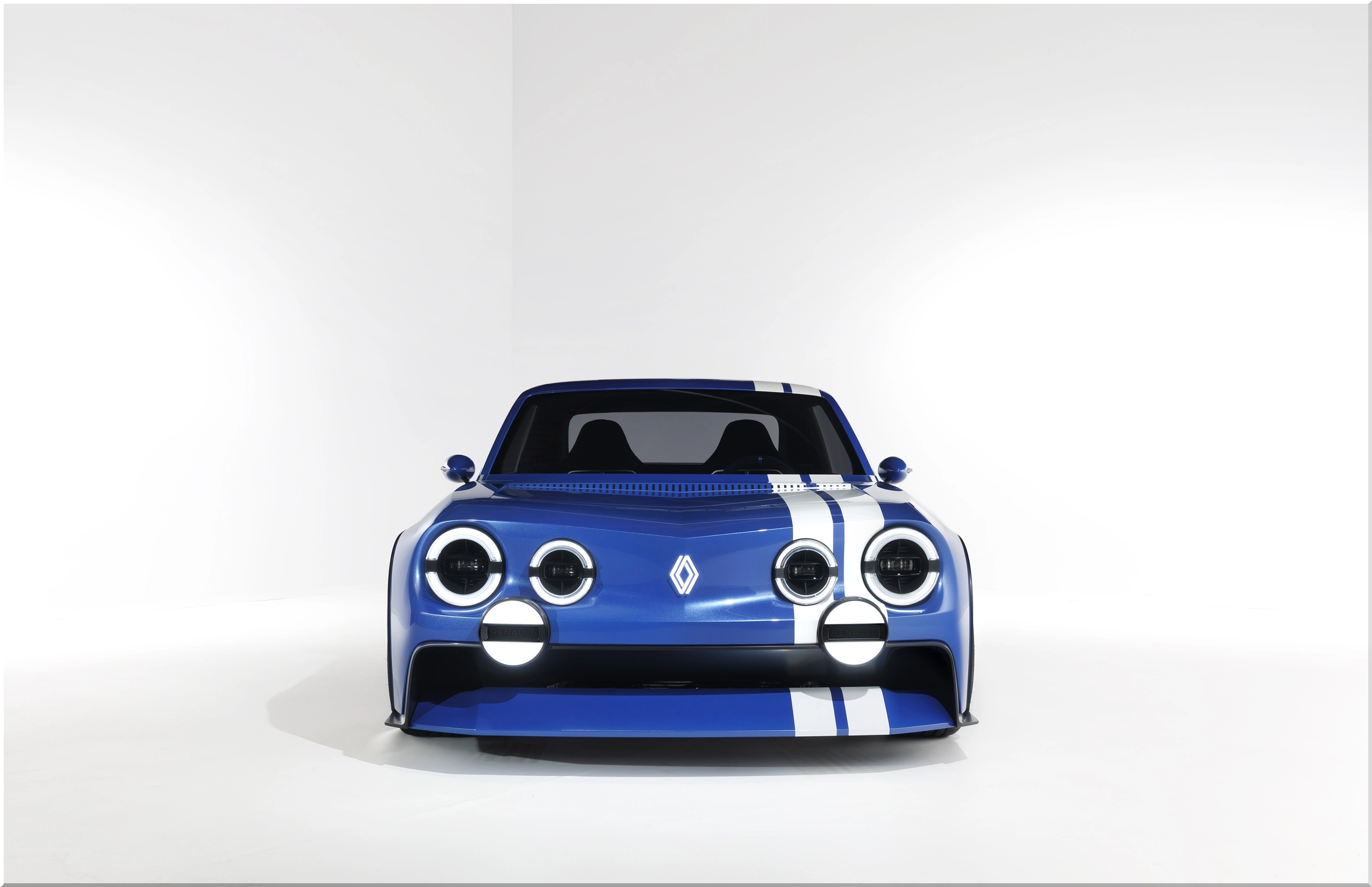
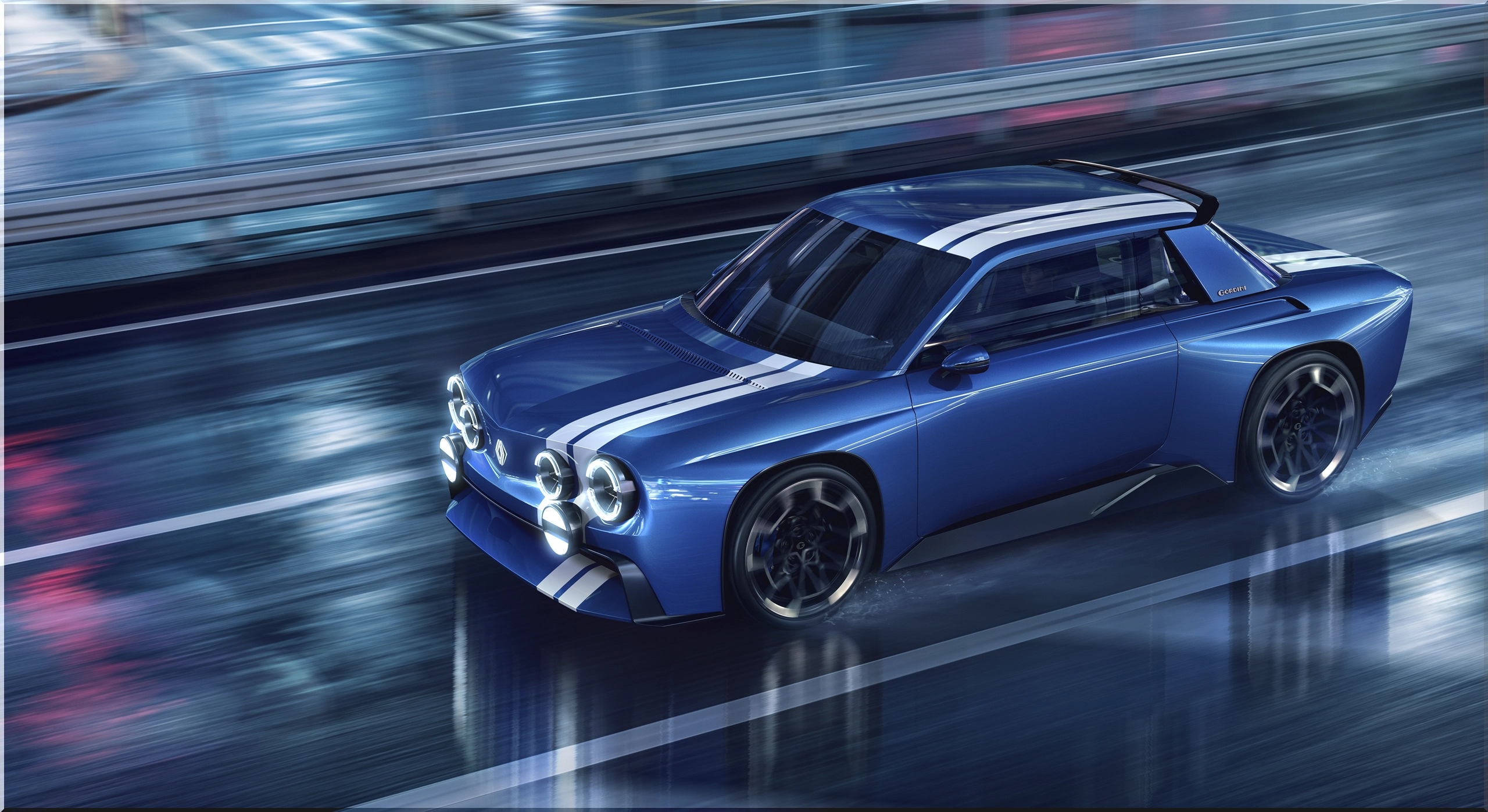
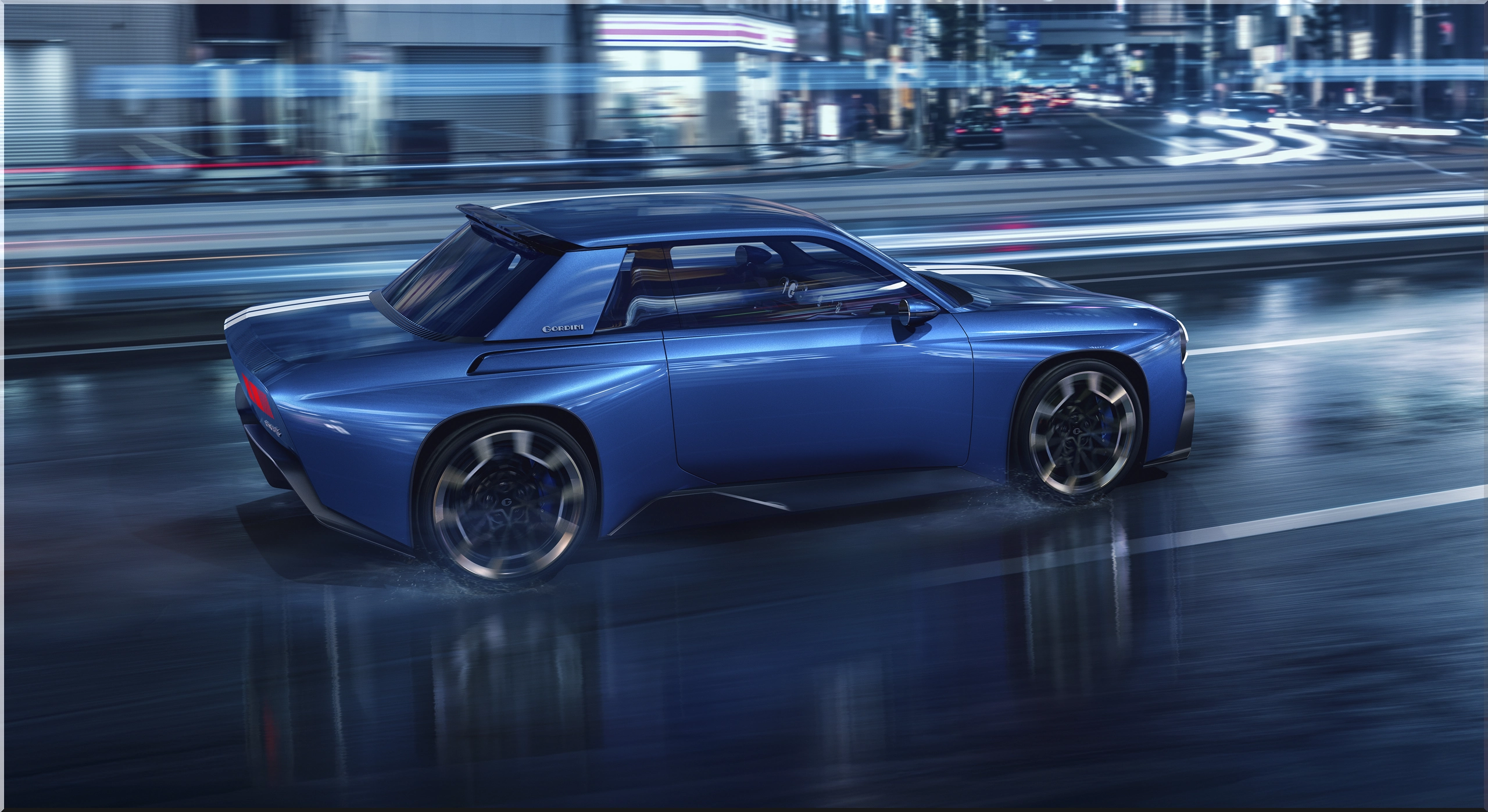
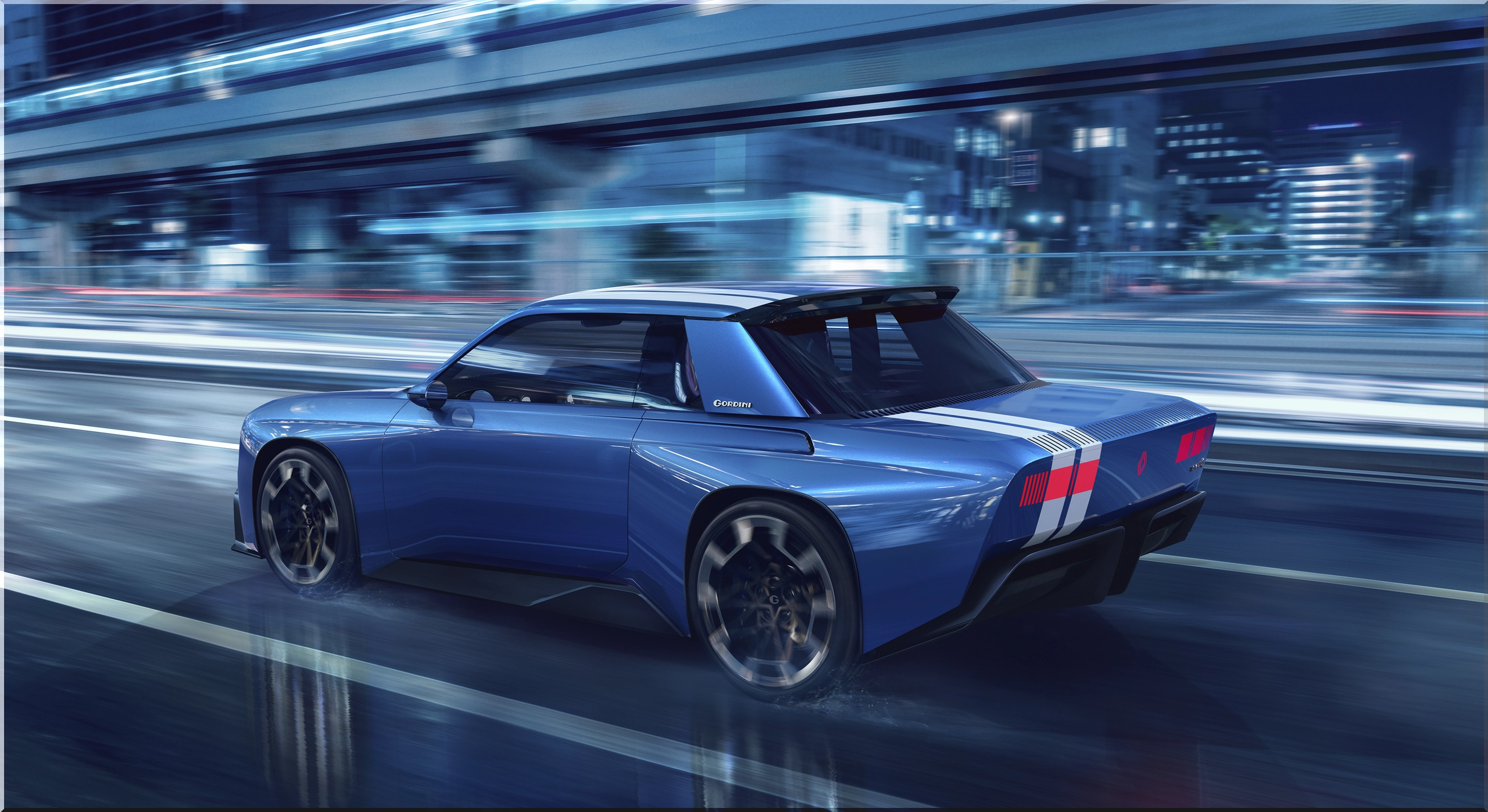
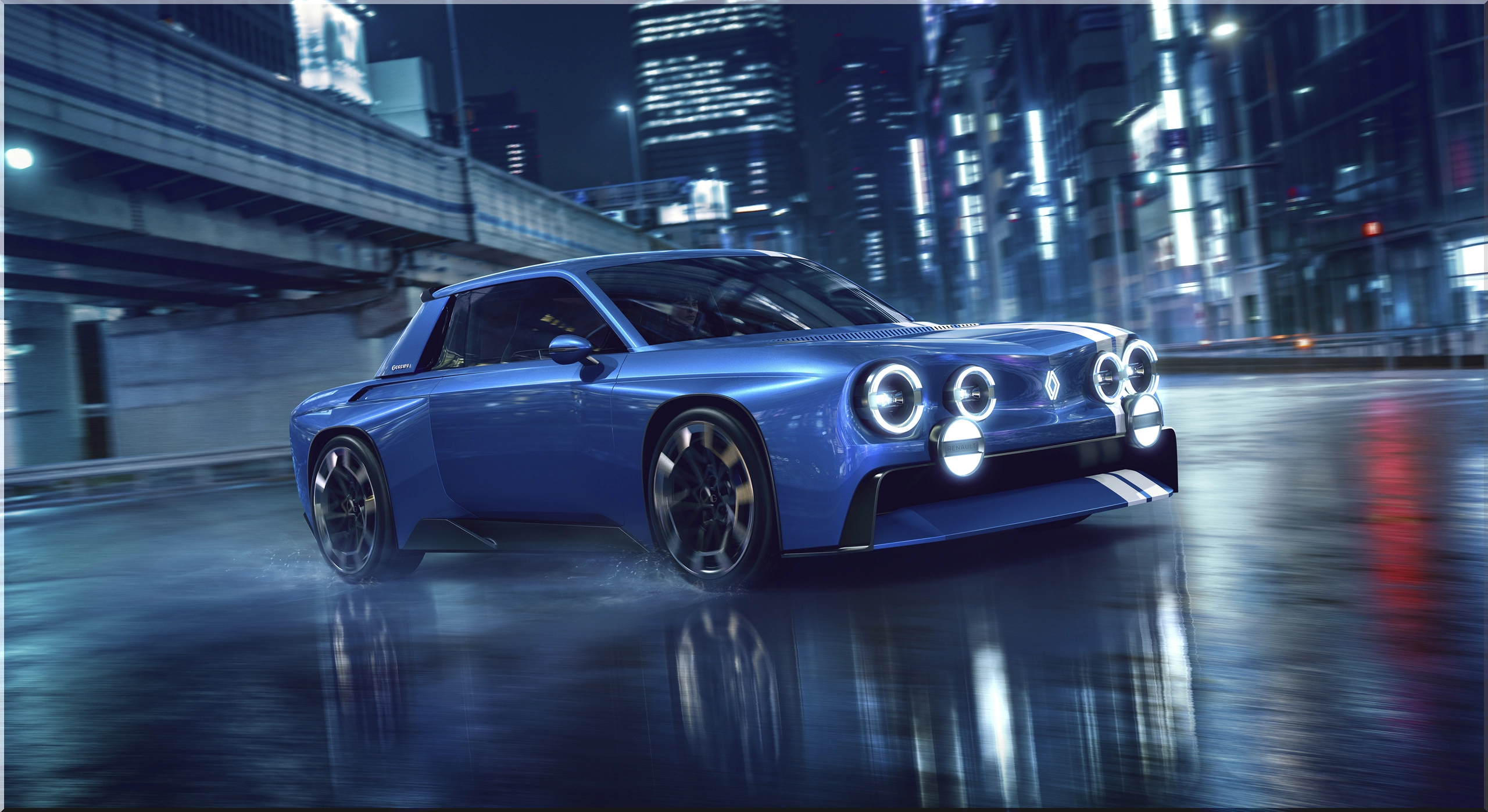
The Renault 8 Gordini Concept brings rear-wheel drive and electric power to a two-seat coupe inspired by Renault's 1960s rally sedan. Renault quotes 270 metric horsepower, approximately 266 US hp. However, the company rules out sales: this one-off tests design ideas rather than announcing a production sports car.
Image
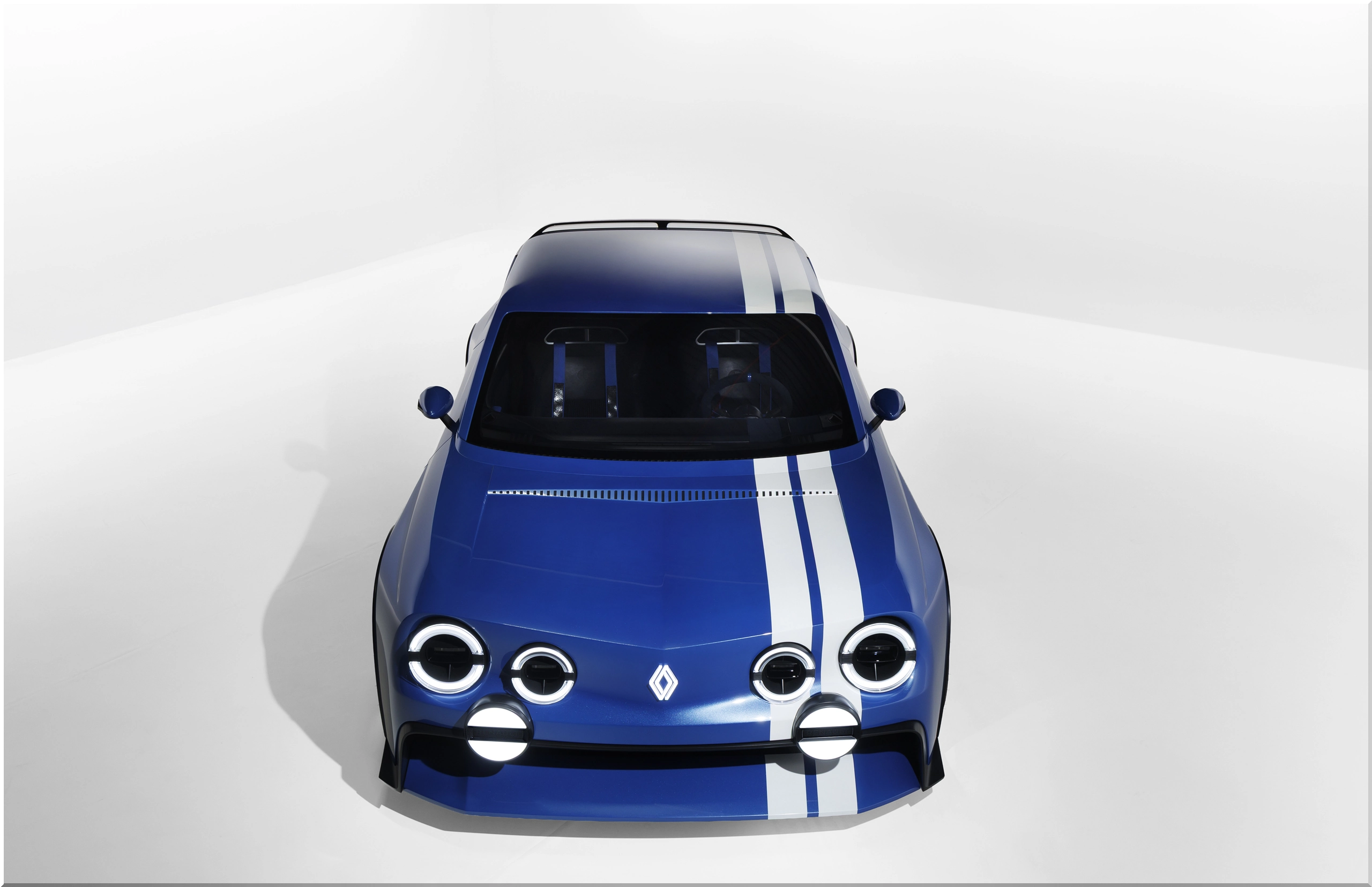
How big is the Renault 8 Gordini Concept?
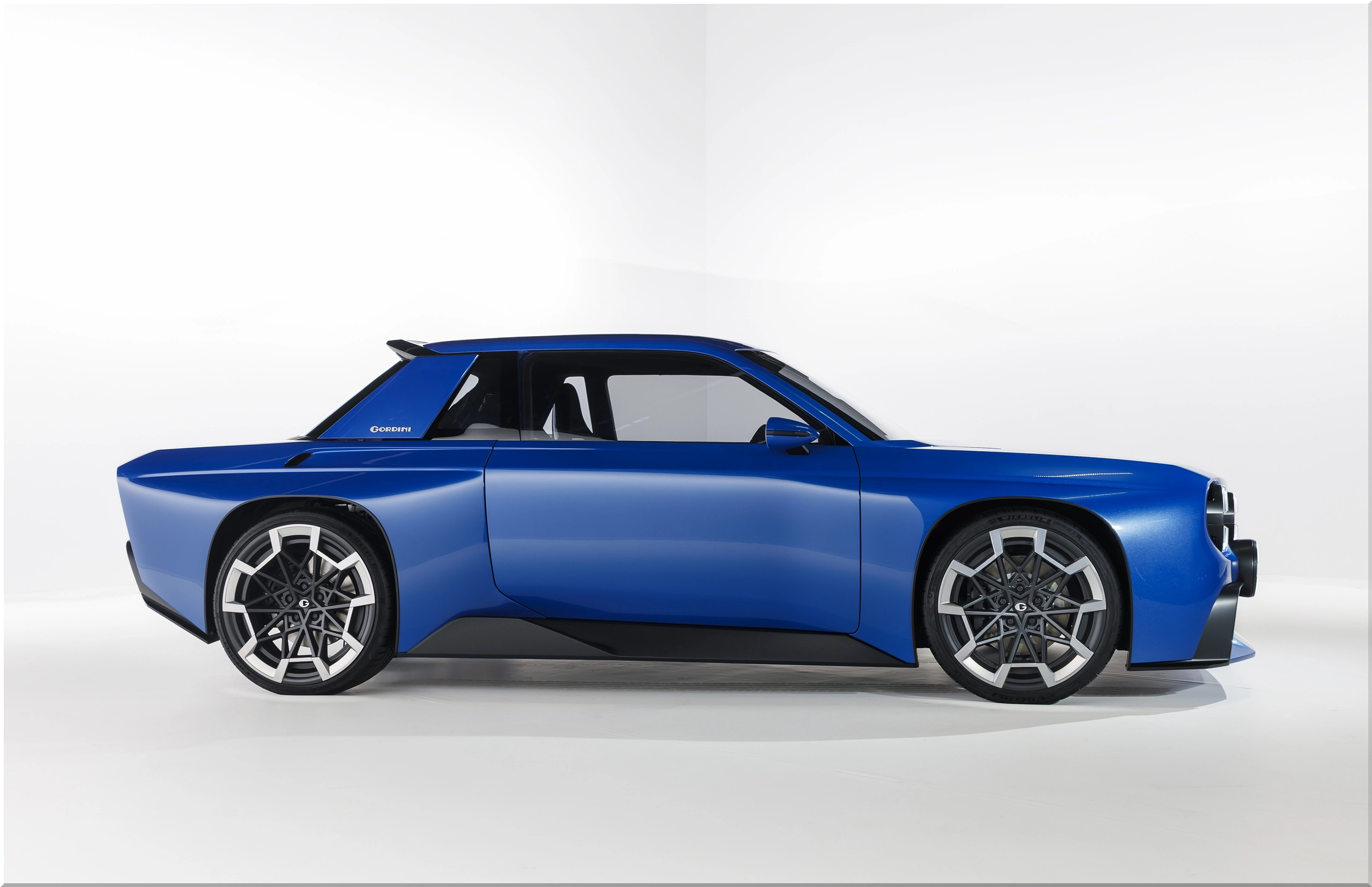
Renault gives the Gordini a compact footprint with a low roof and wide body. Its dimensions describe a sports coupe, but they reveal little about passenger comfort. Without wheelbase, seating-position, or trunk measurements, buyers should avoid drawing conclusions about legroom, entry clearance, or luggage space from exterior size alone.
| Measurement | Metric | US equivalent |
|---|---|---|
| Length | 4,120 mm | 162.2 inches |
| Width | 1,880 mm | 74.0 inches |
| Height | 1,270 mm | 50.0 inches |
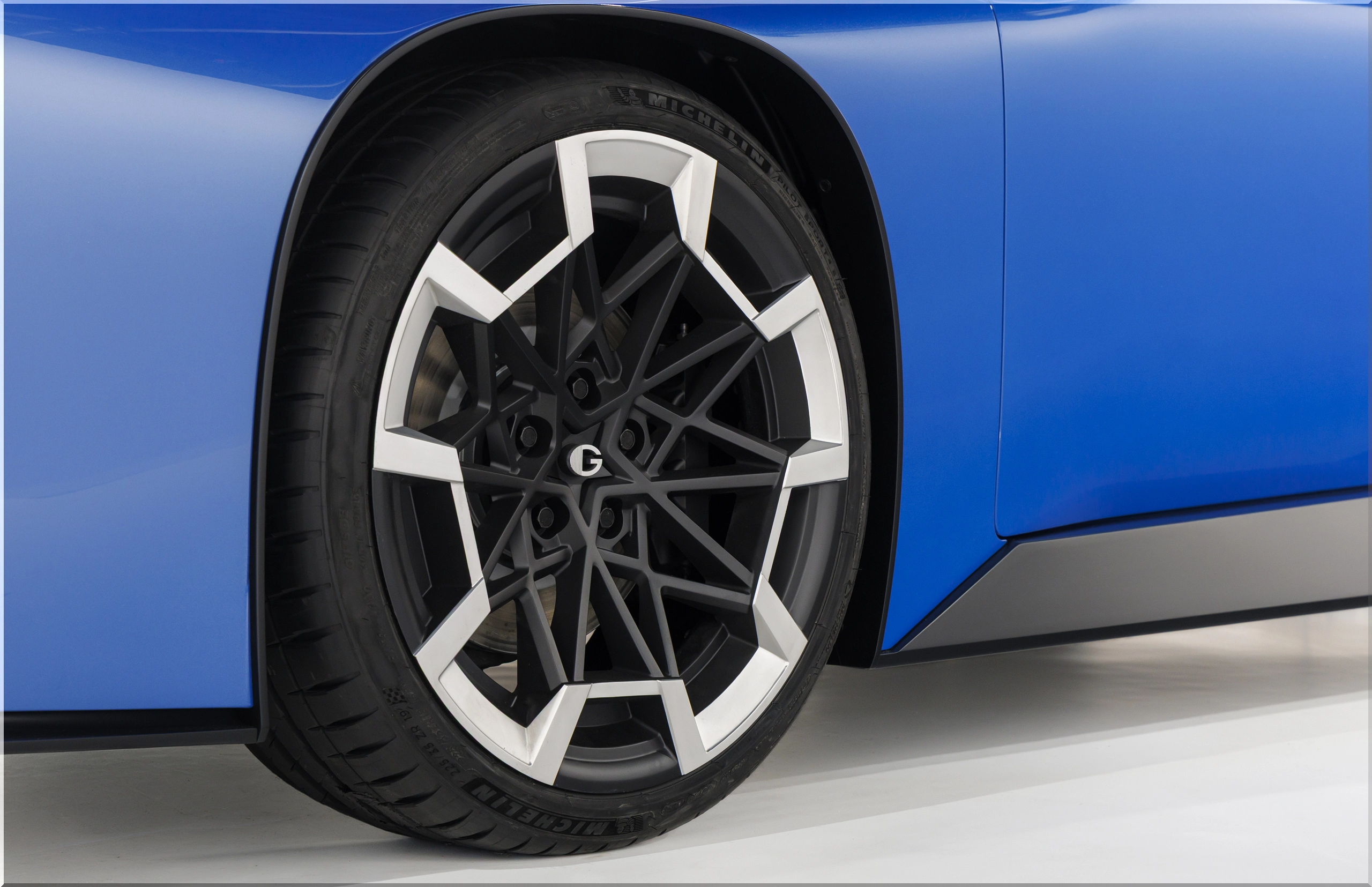
| Front wheel diameter | 482.6 mm | 19 inches |
| Rear wheel diameter | 508.0 mm | 20 inches |
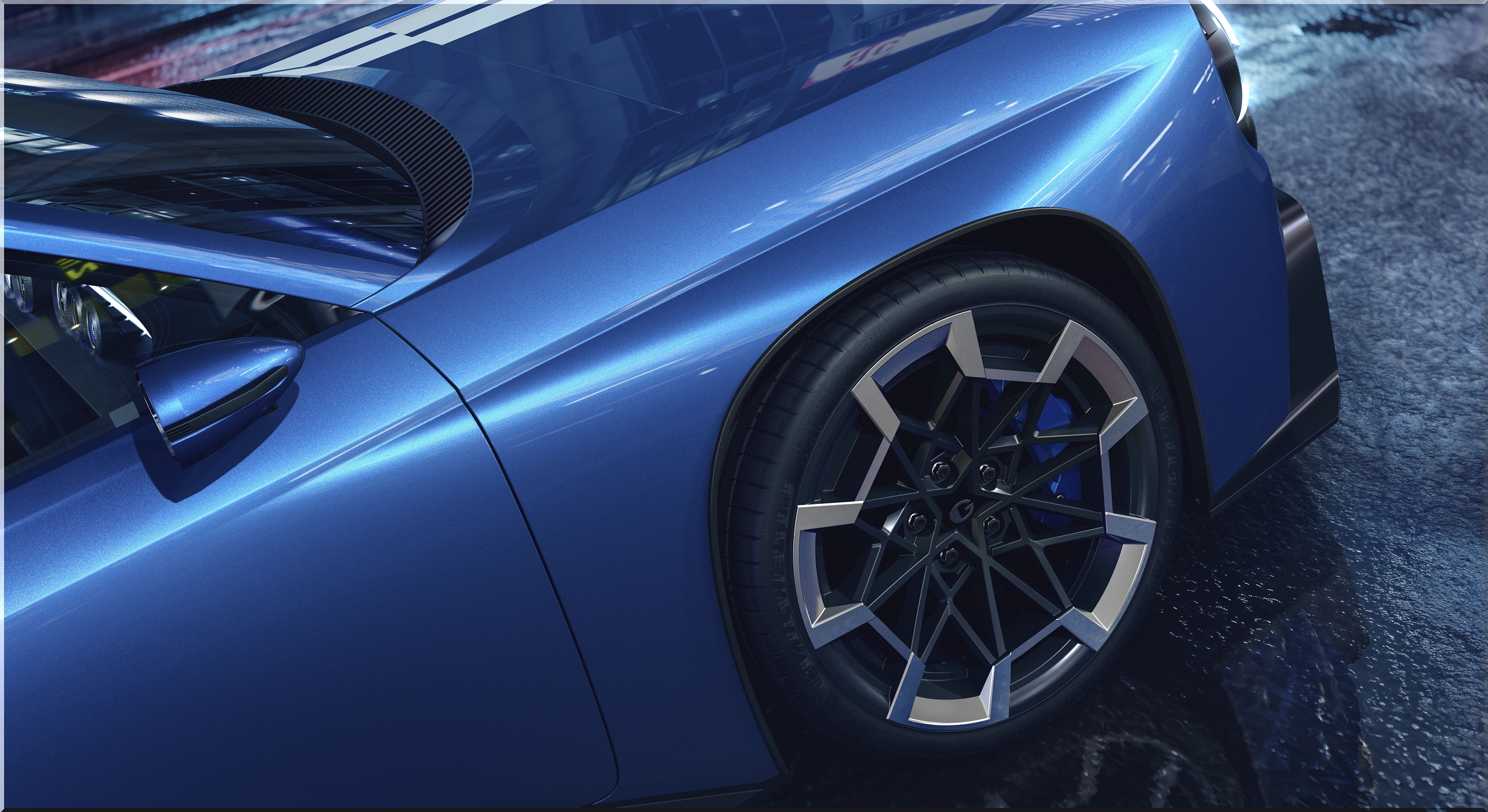
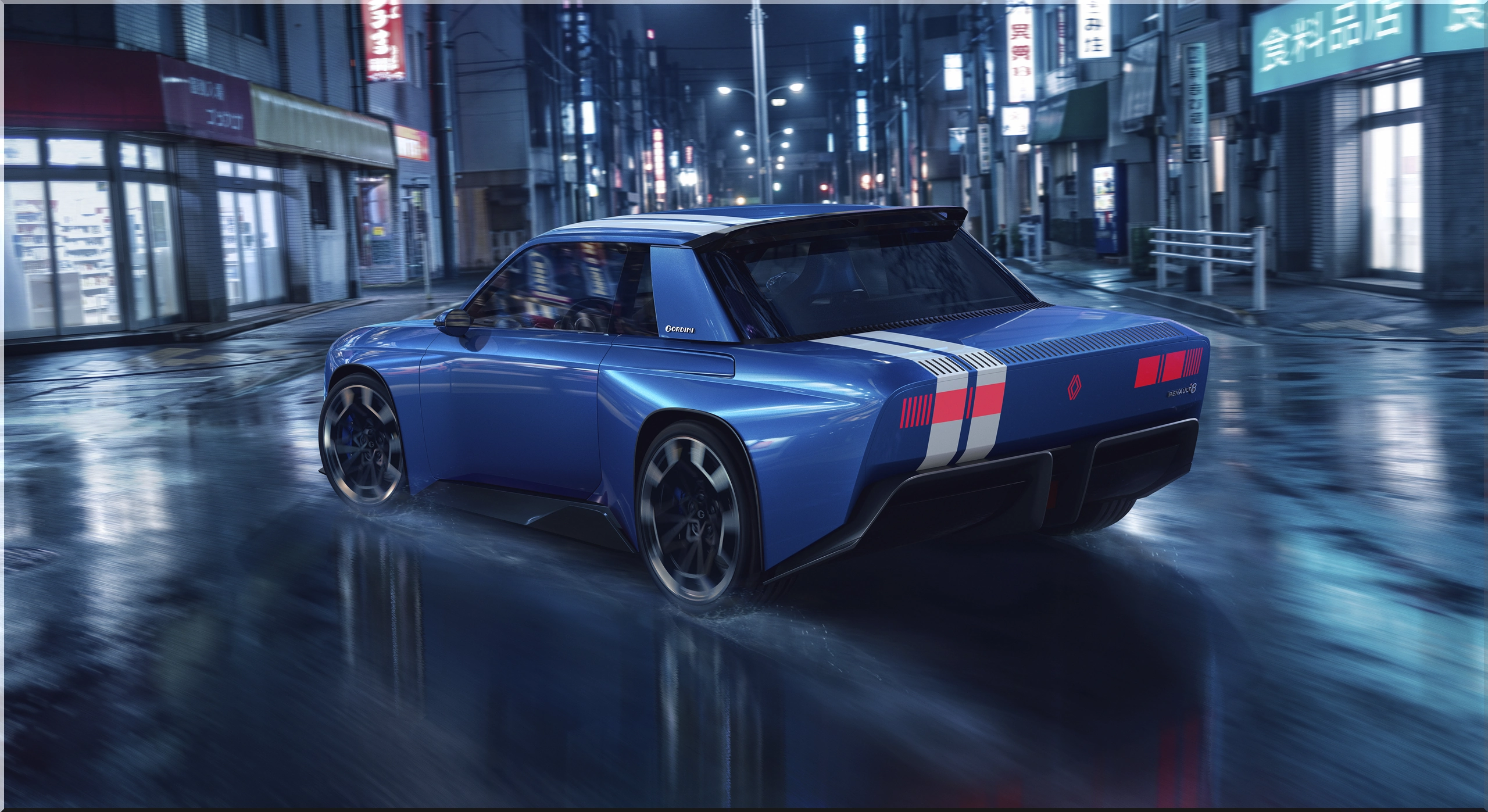
Those wheel measurements describe rim diameter, not tire diameter. Renault links the larger rear wheels to visual emphasis on the rear-drive layout; they do not prove superior traction. Tire compound, tread width, suspension geometry, and electronic controls would determine how effectively the car transfers power to pavement.
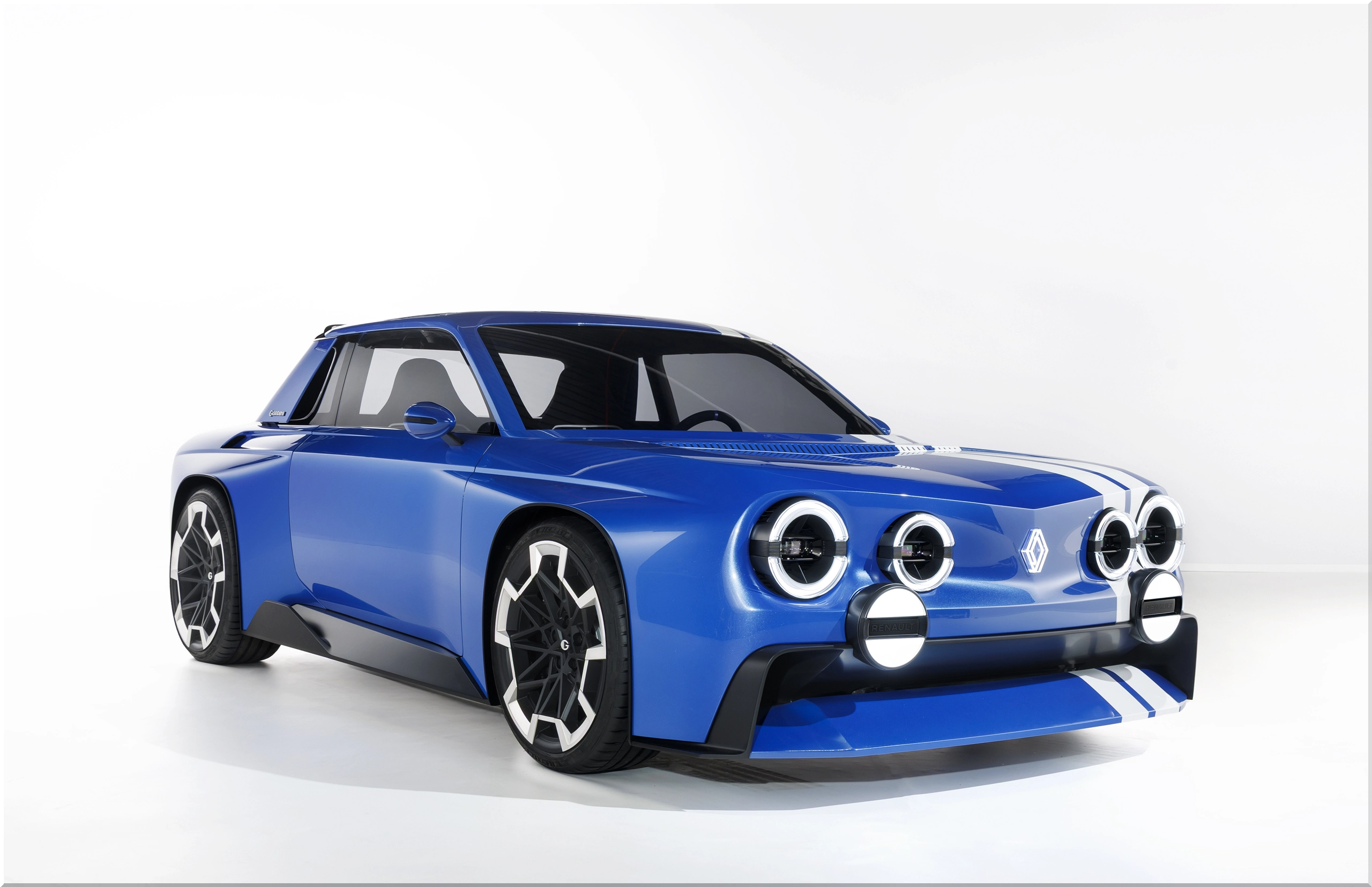
What does its electric powertrain actually tell us?
The rear-wheel-drive electric coupe keeps the original Gordini's driven axle while replacing gasoline power with an electric motor. Renault supplies an output figure but no torque curve, curb weight, or acceleration time. Consequently, horsepower alone offers insufficient evidence for claims about launch performance, handling balance, or sustained track capability.
Video gallery
Video title
Renault 8 Gordini
Renault cites 95 metric horsepower for the 1964 original, making the concept's quoted output roughly 2.84 times higher. That ratio compares power figures, not driving performance. Battery mass, gearing, tire grip, and thermal management would influence the result far more than a nostalgic horsepower comparison suggests.
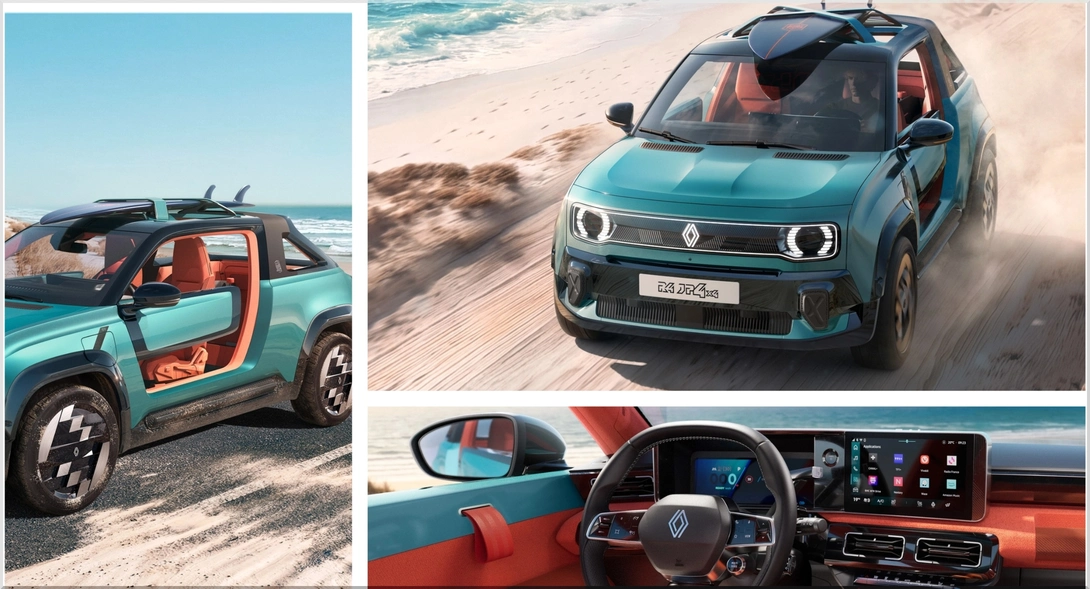
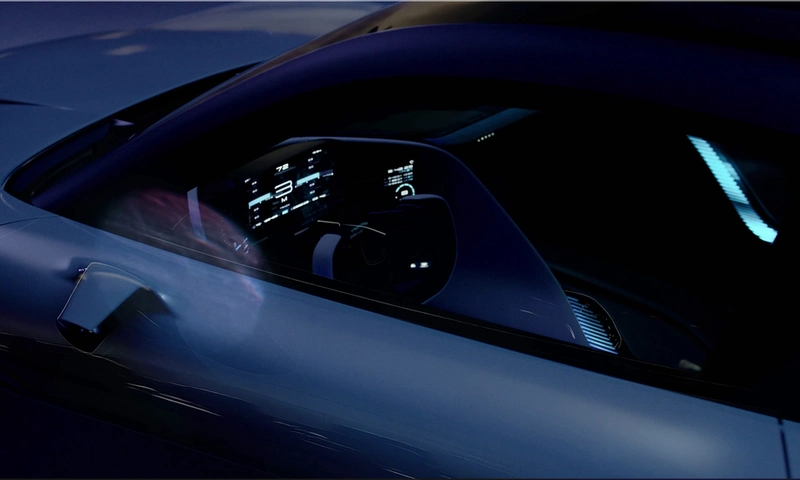
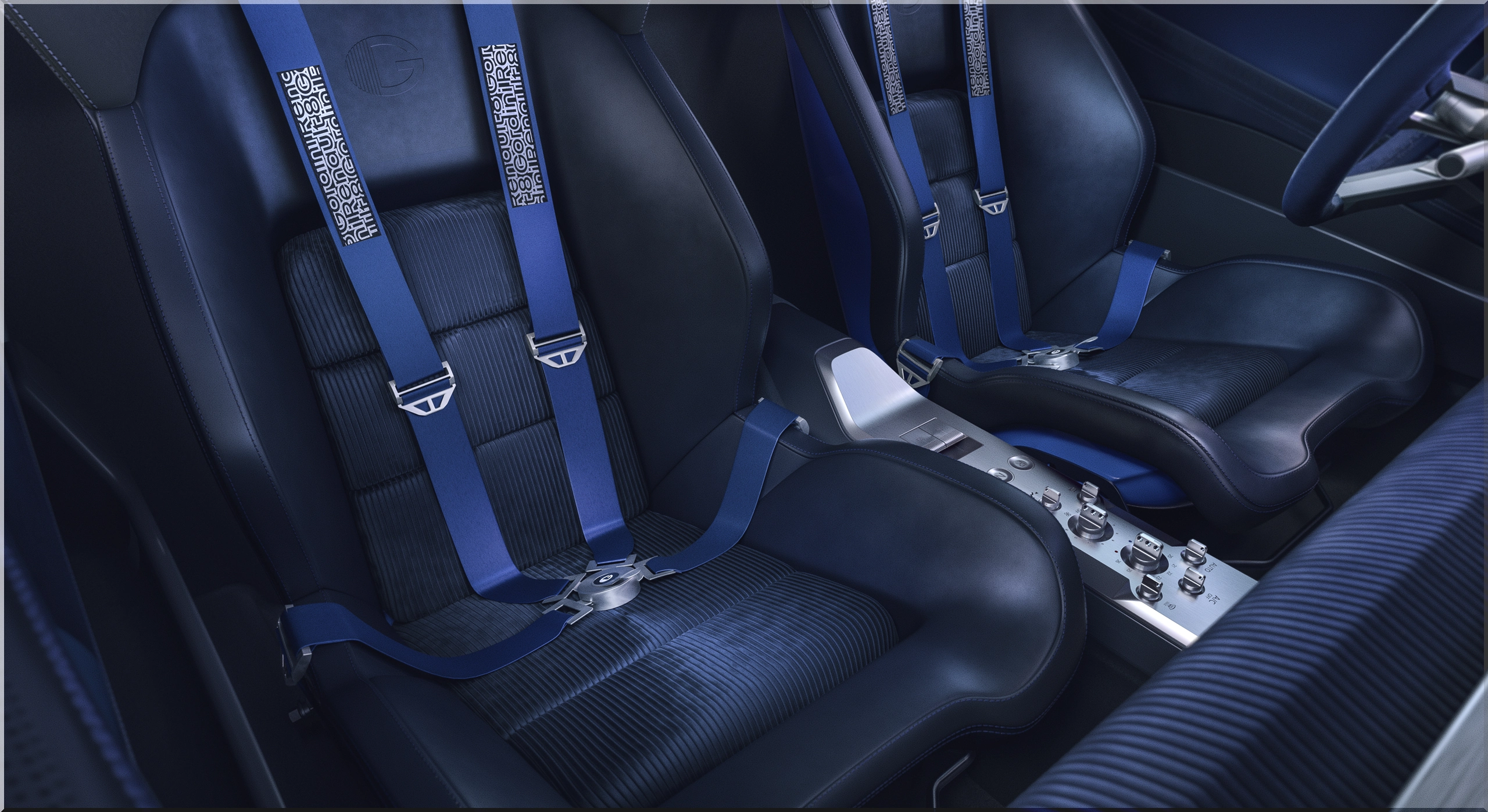
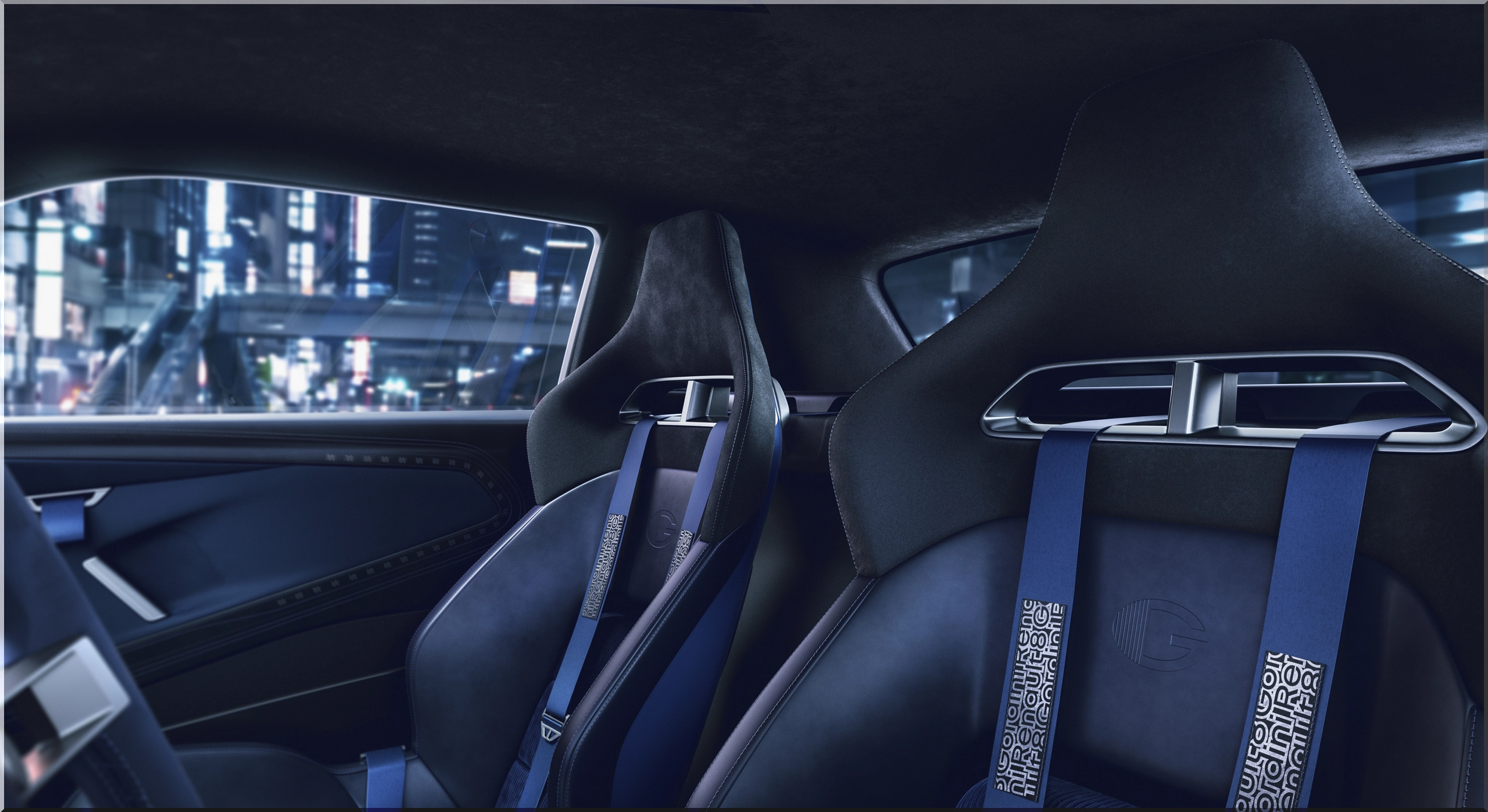
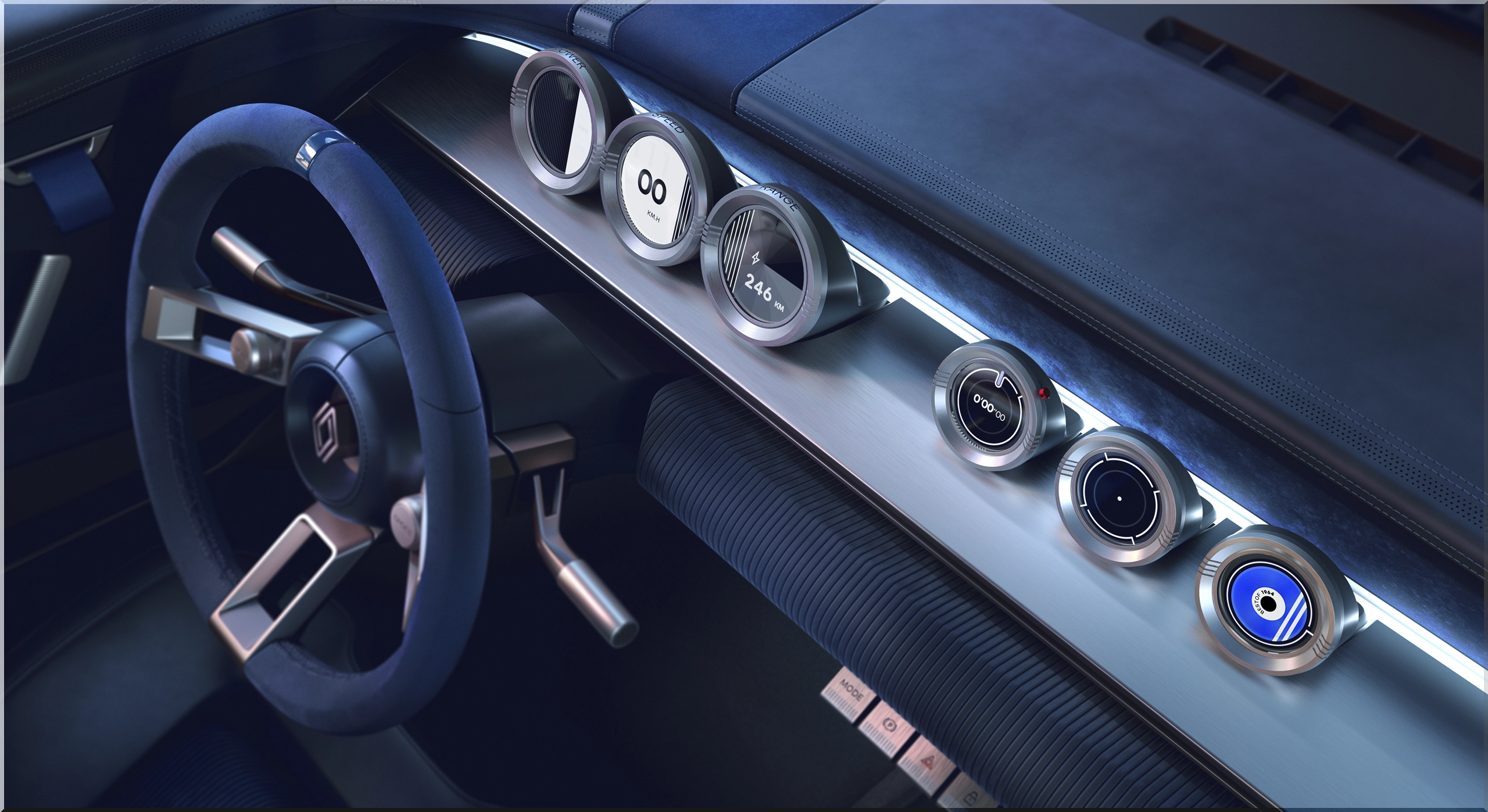
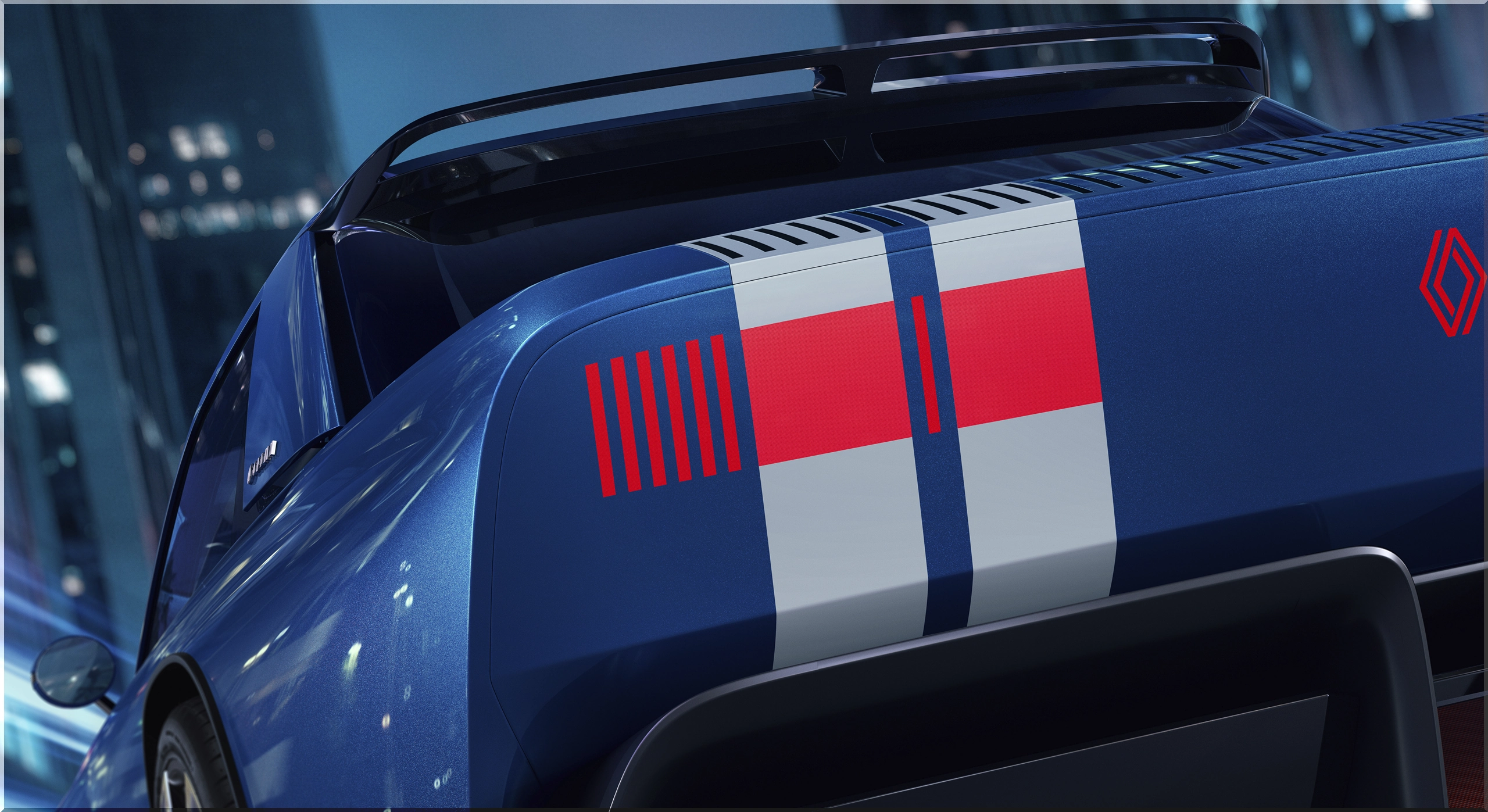
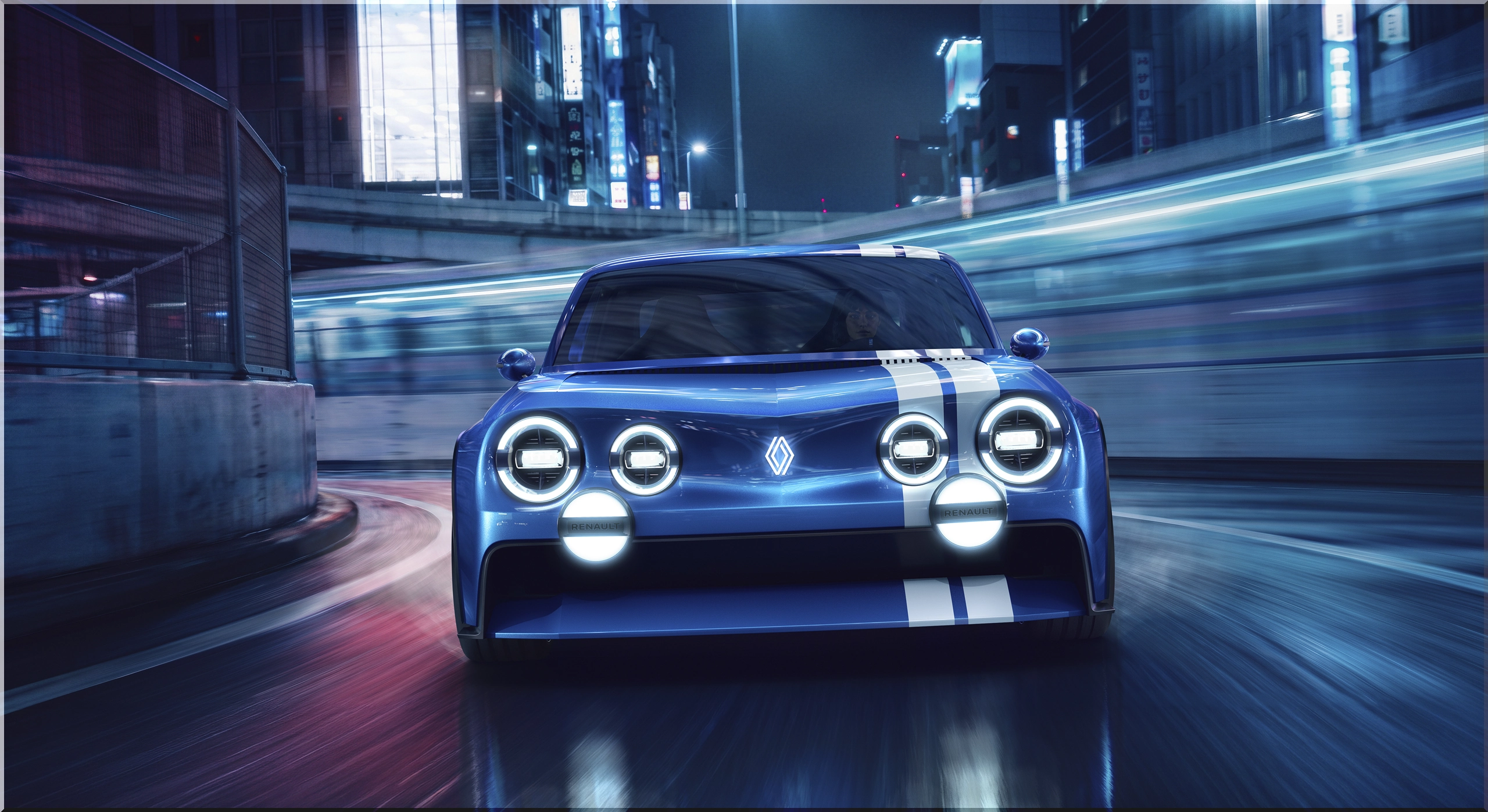
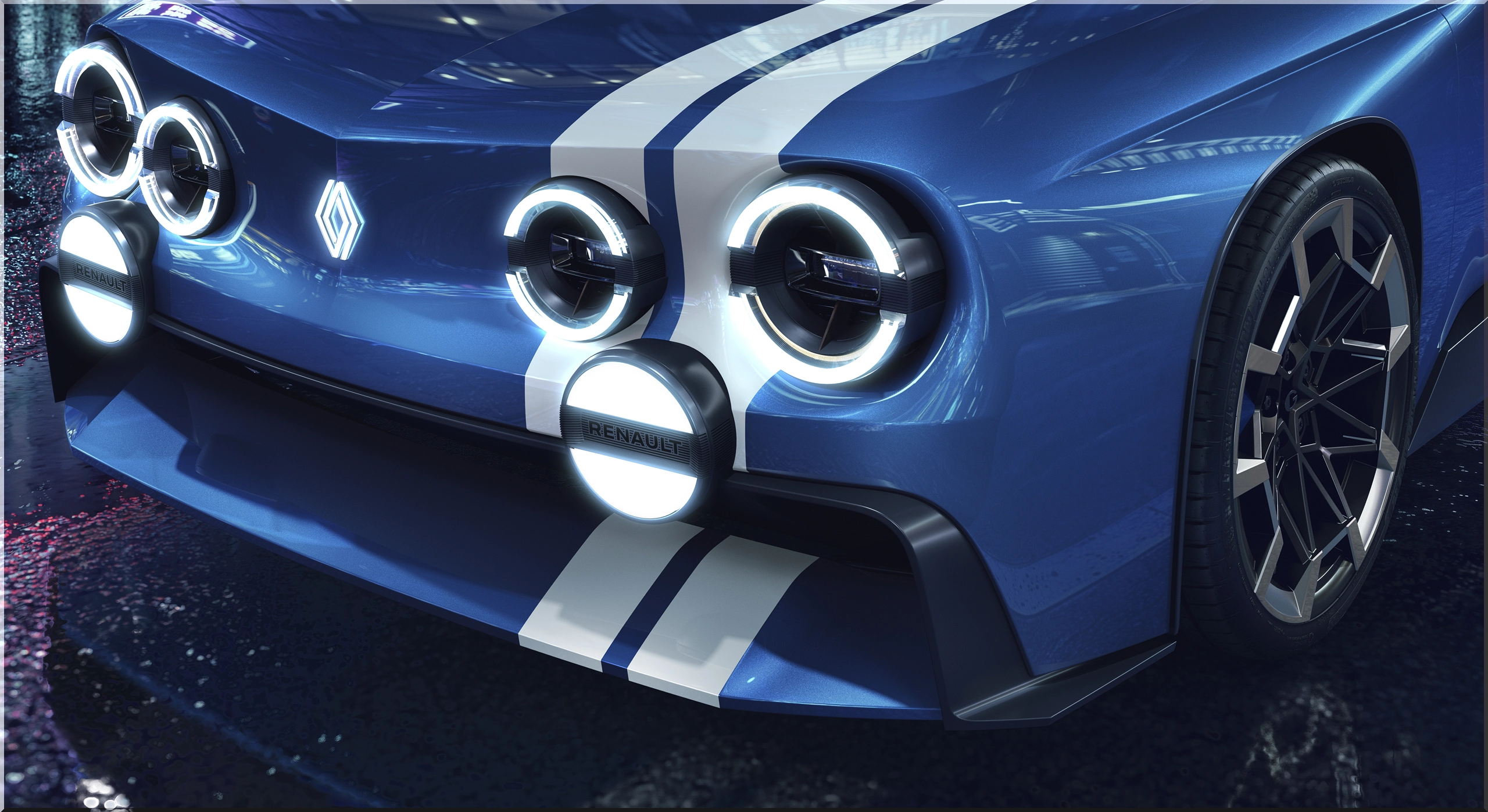
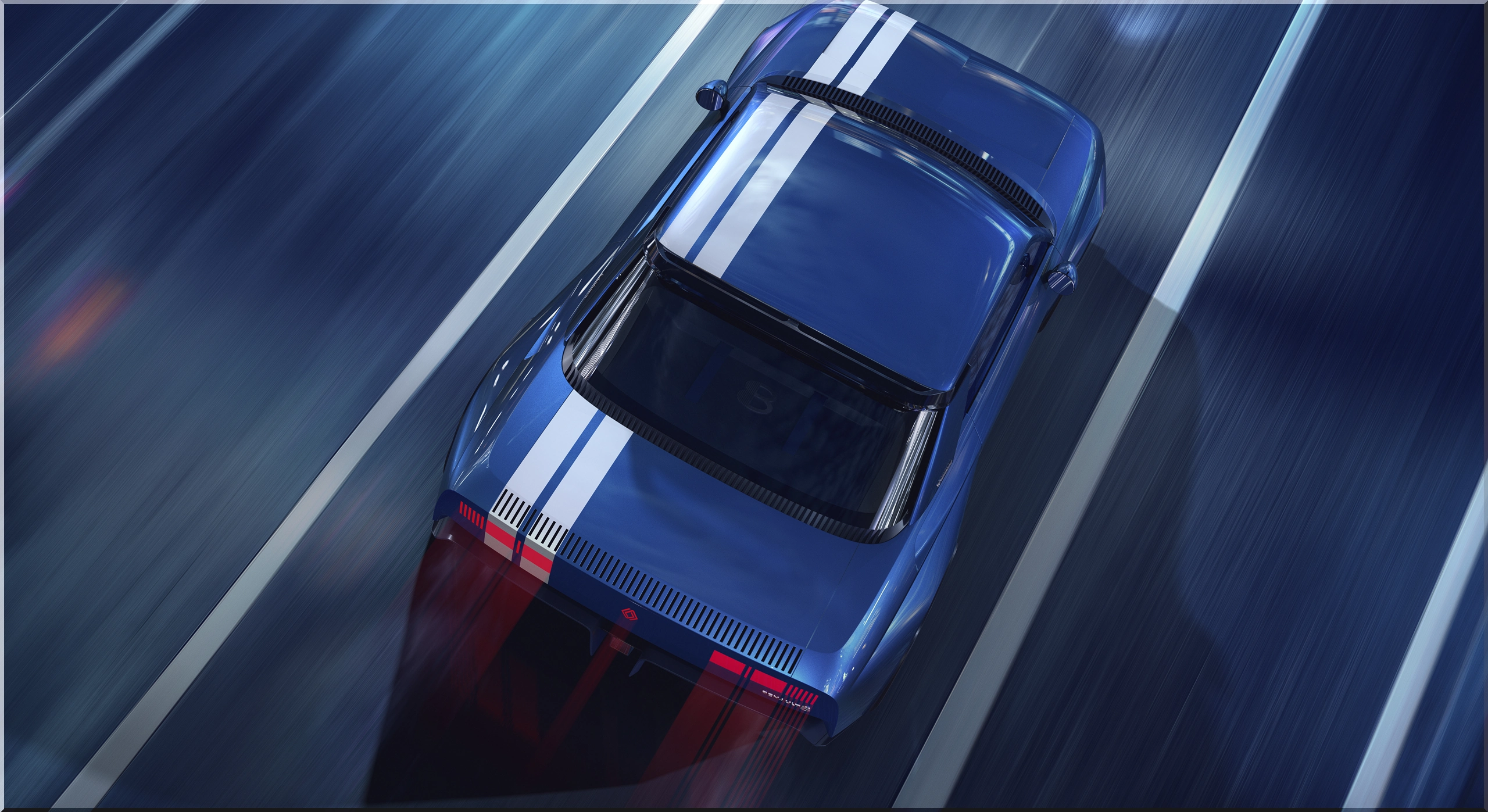
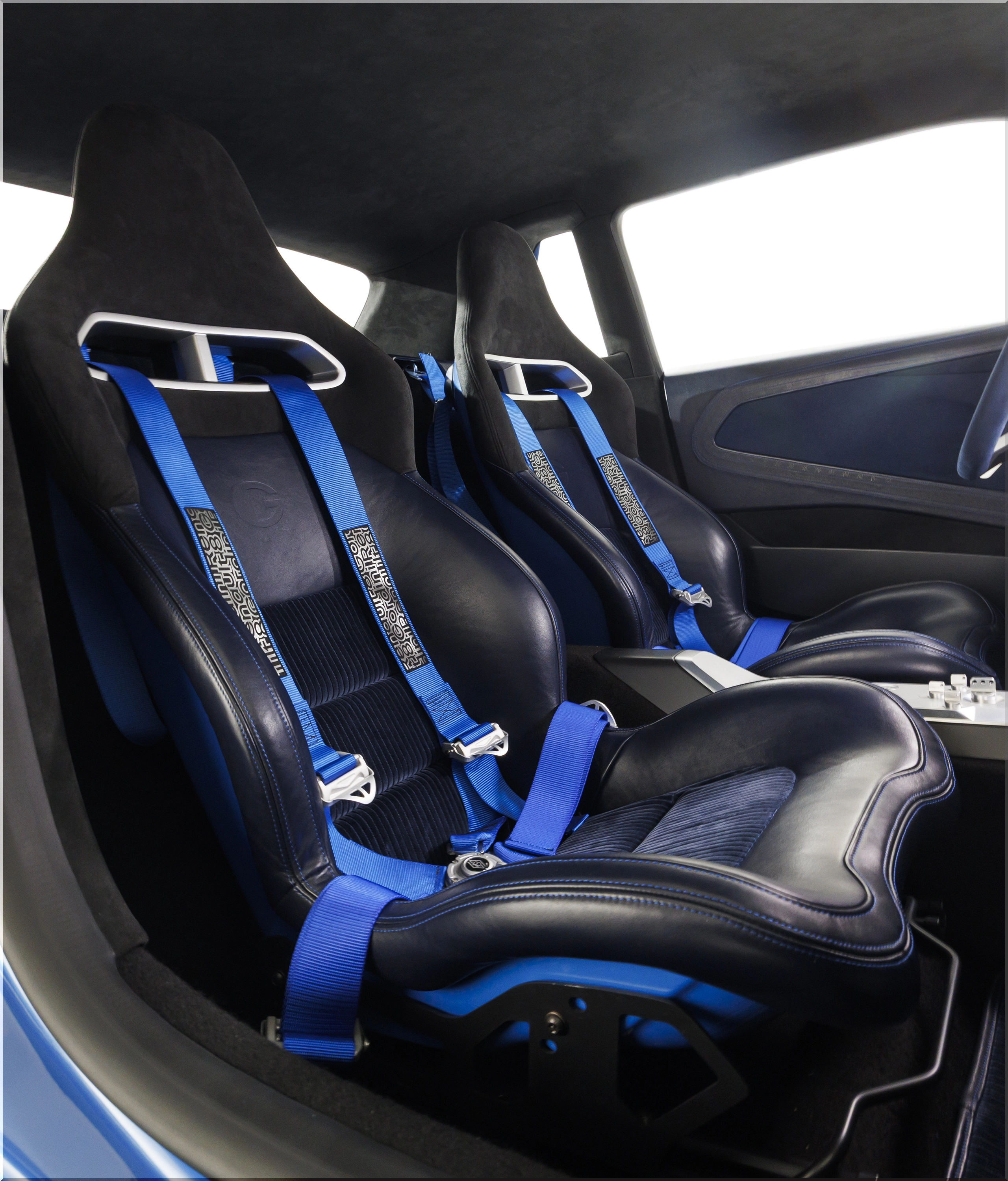
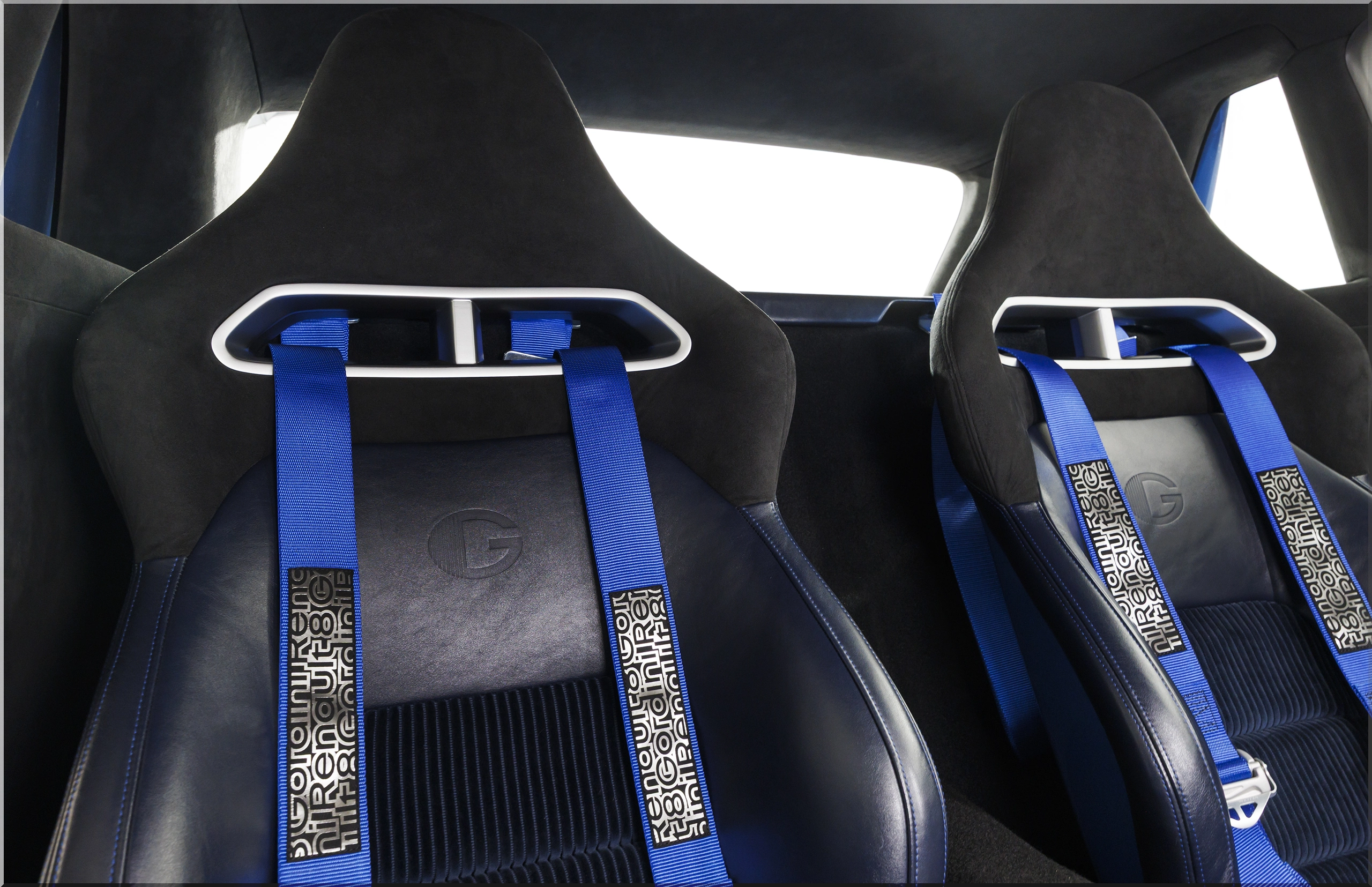
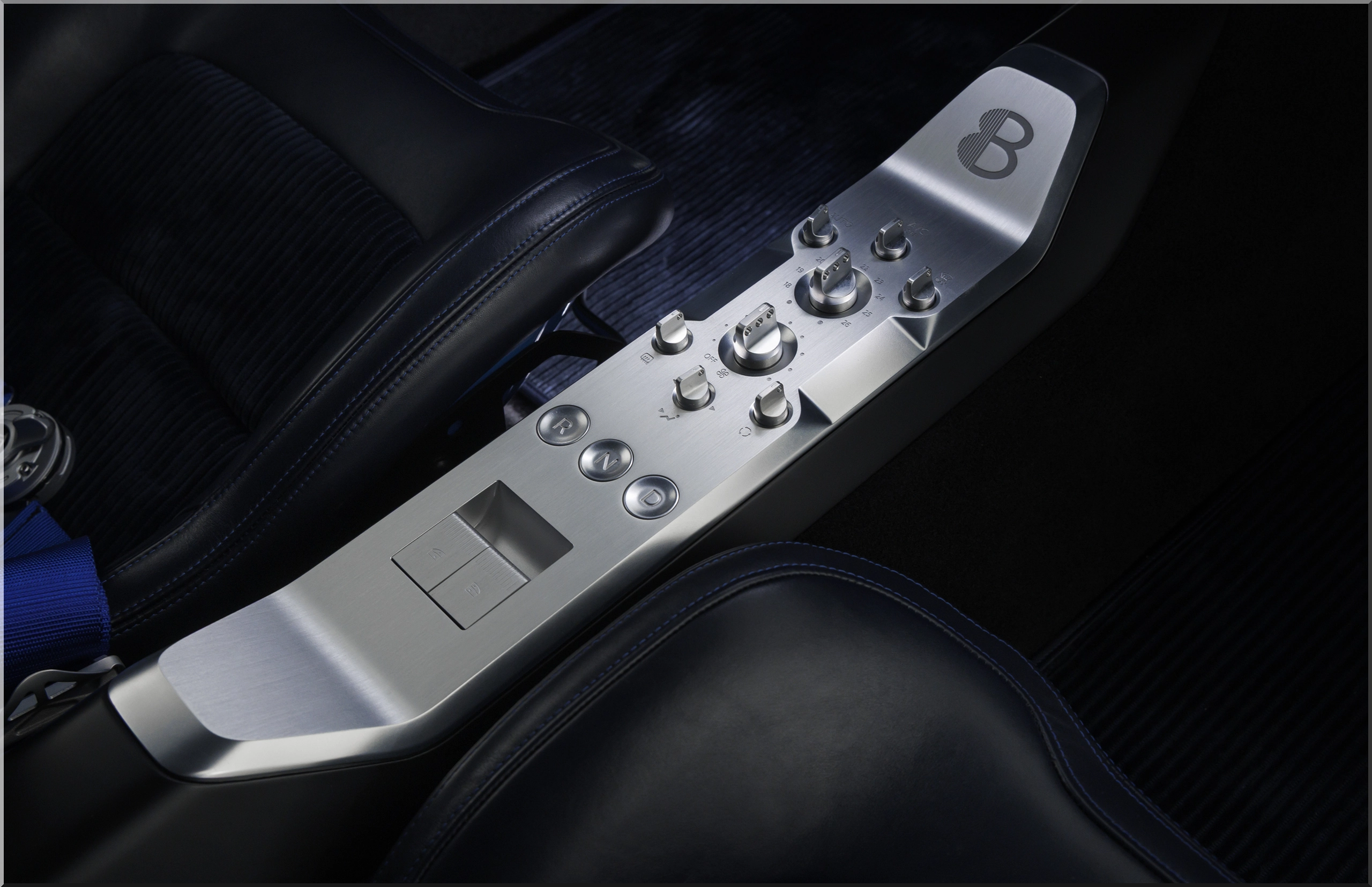
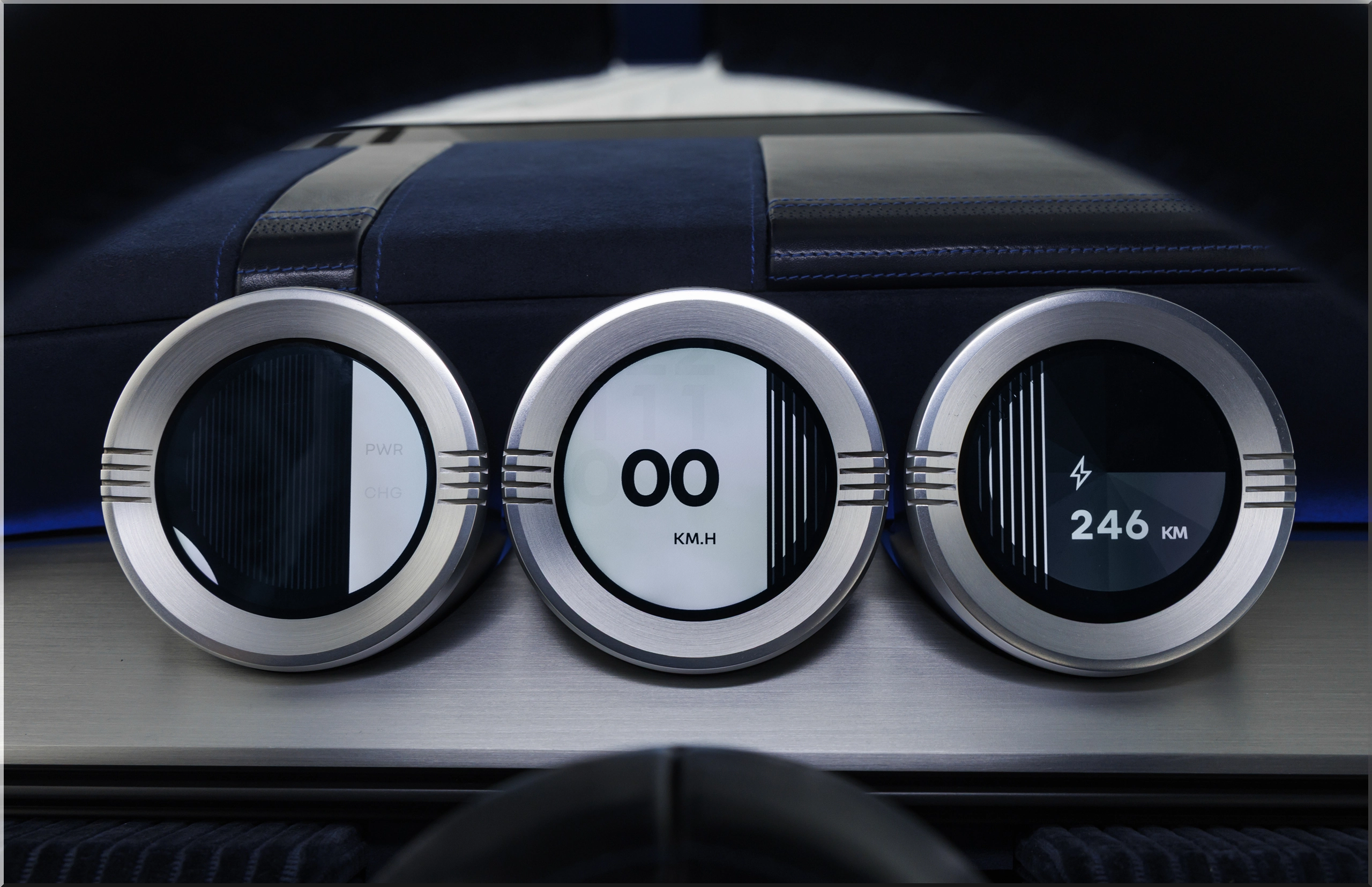
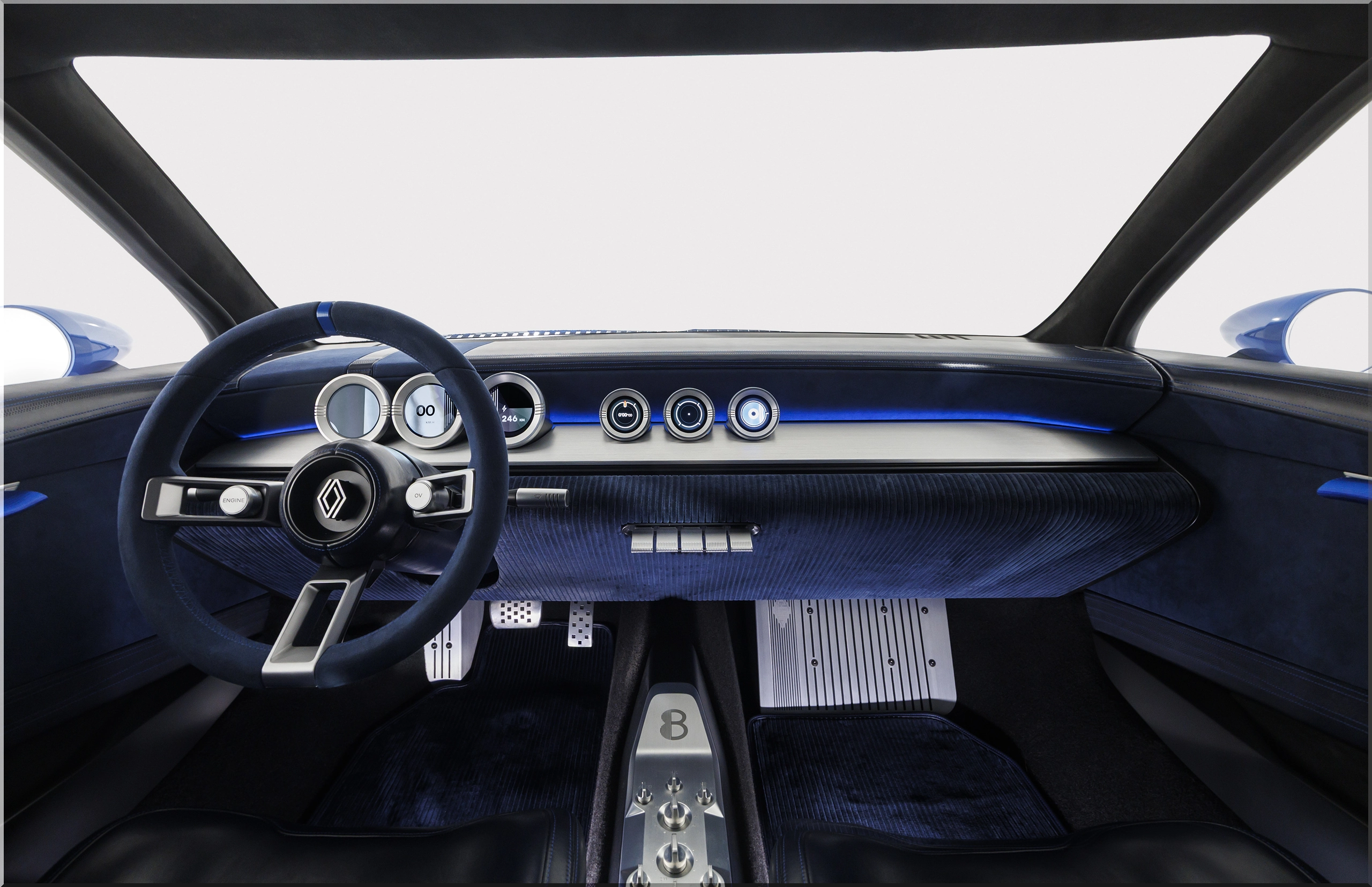
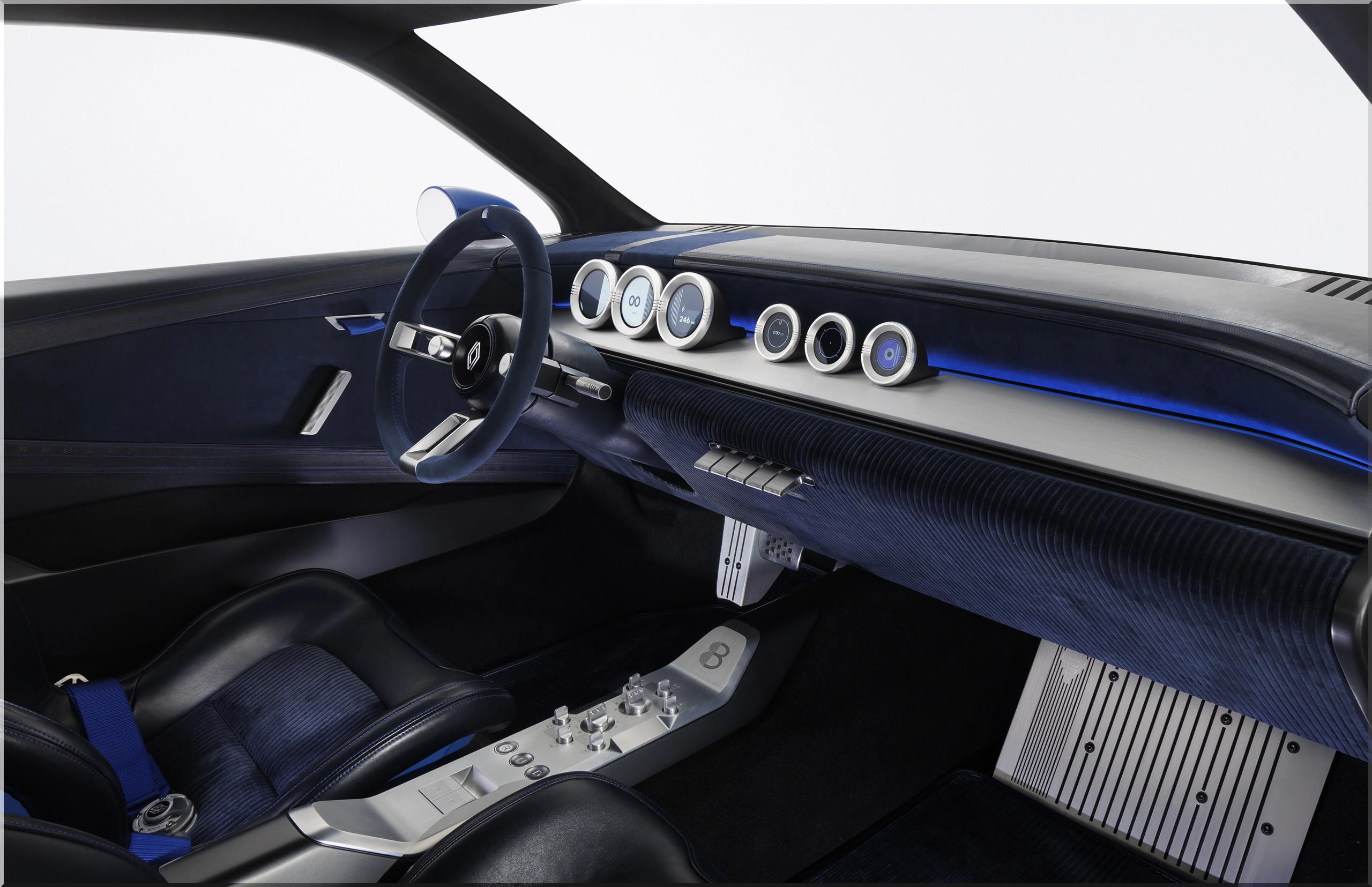
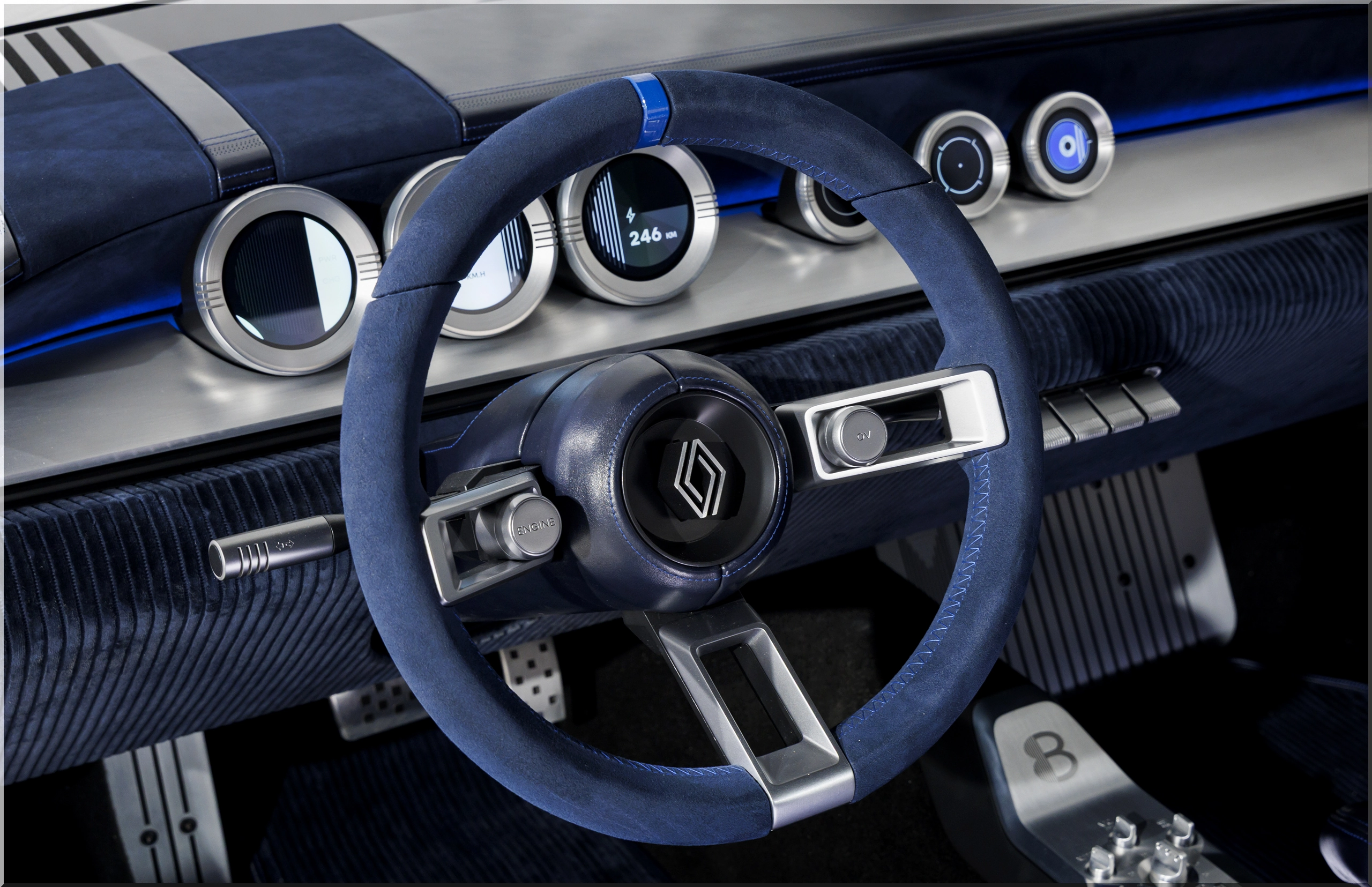
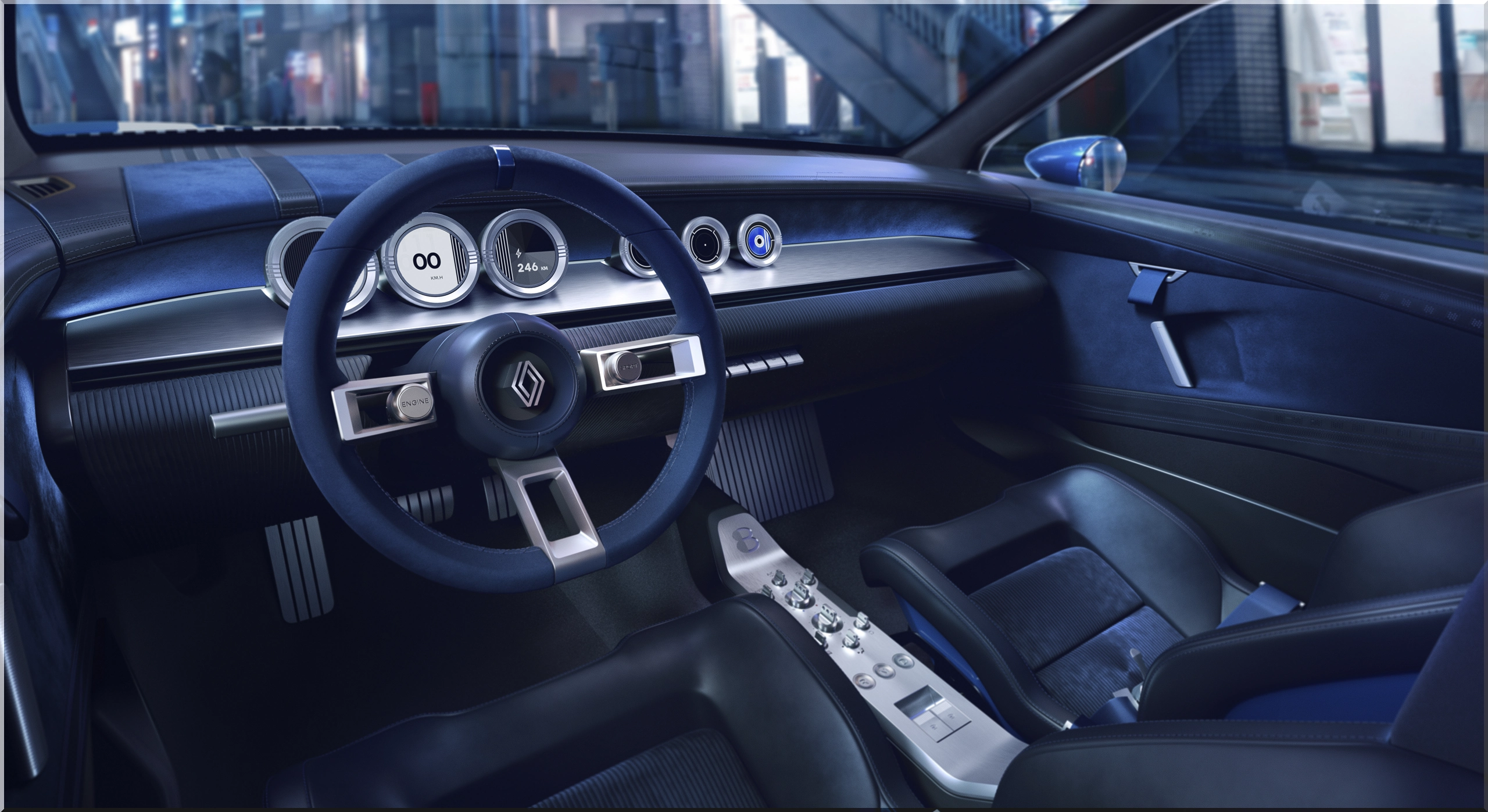
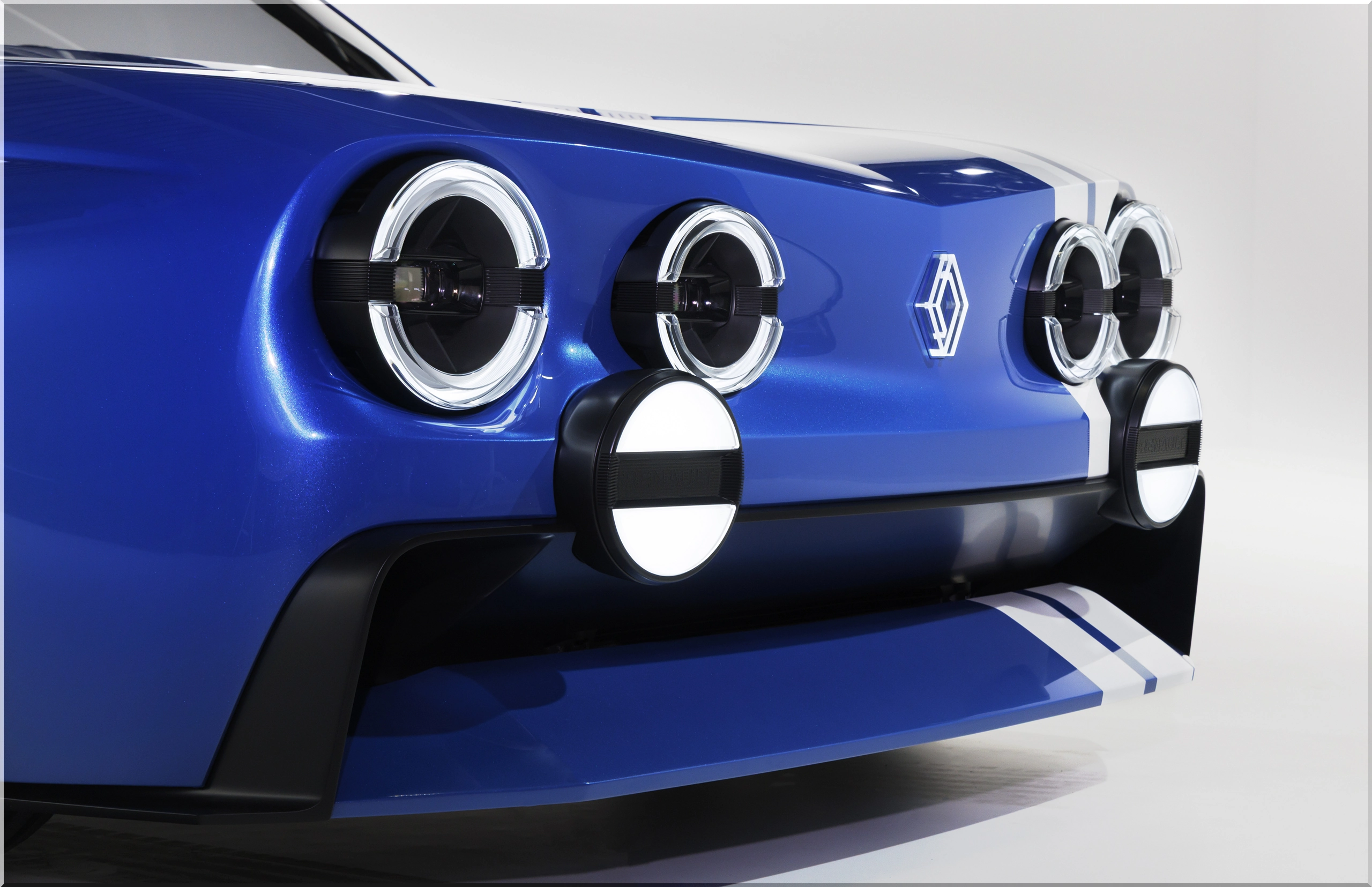
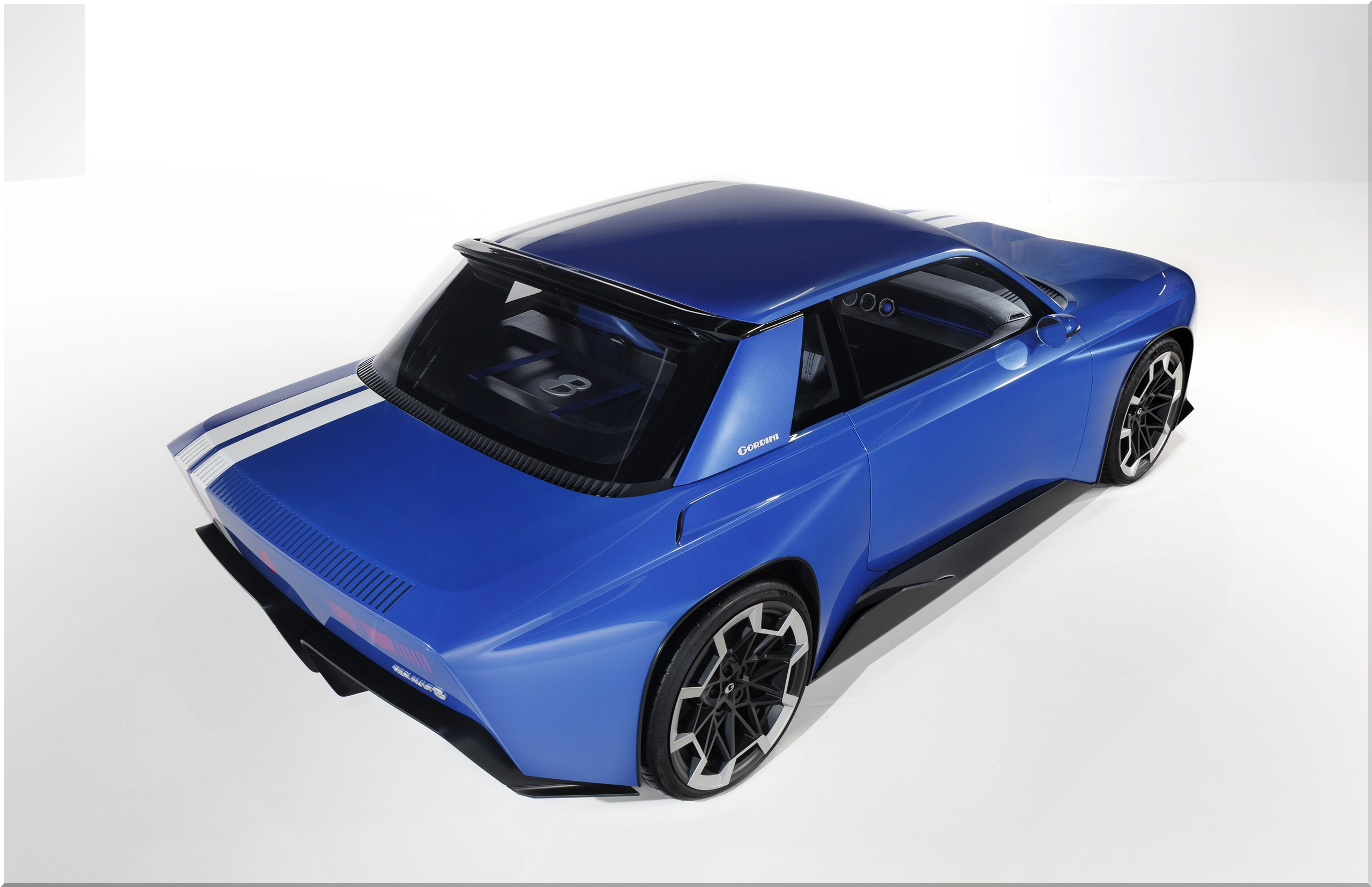
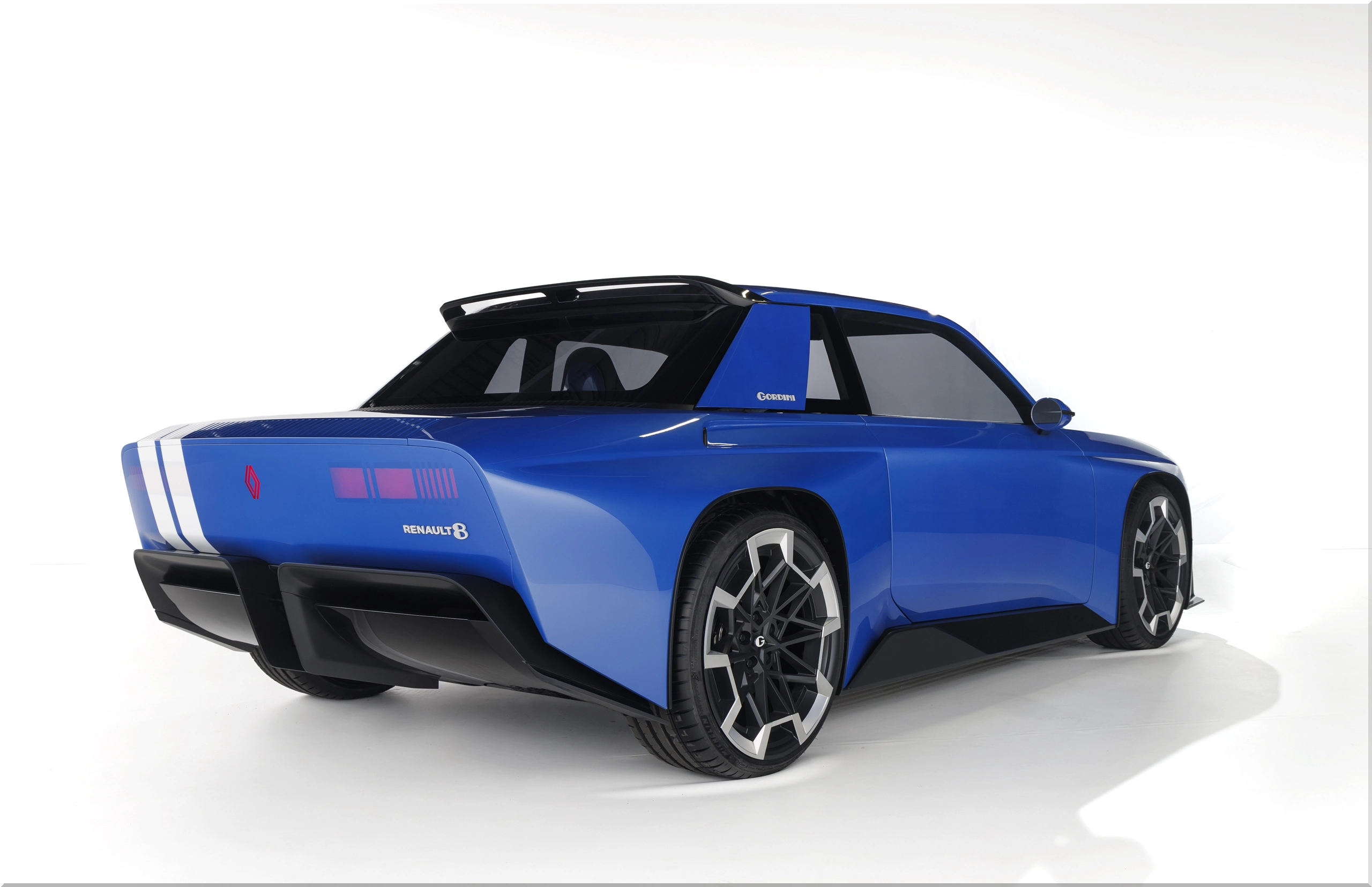
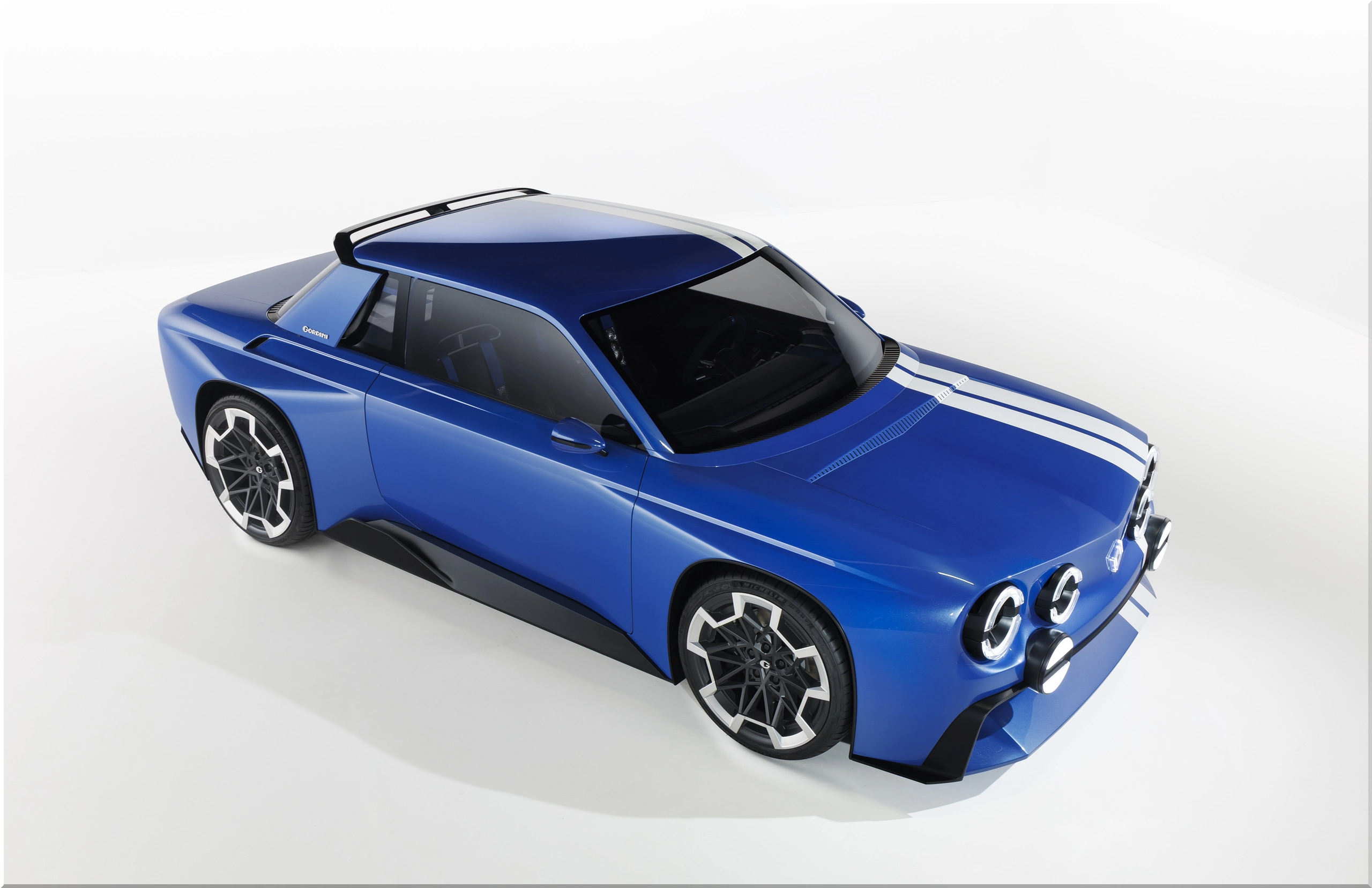
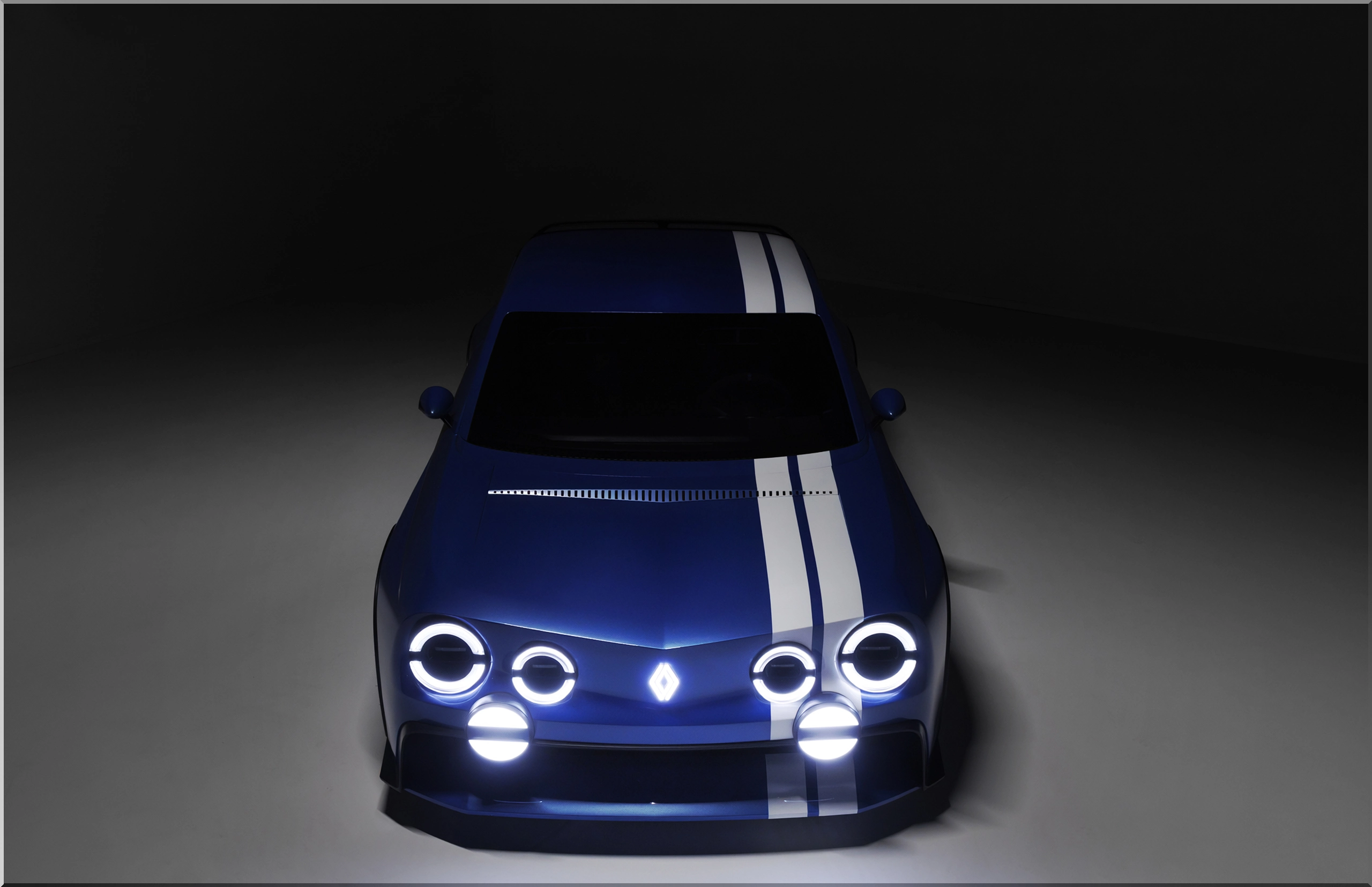
In addition, carbon bodywork, six front headlights, and twin stripes connect the concept's appearance to motorsport. Inside, circular digital instruments sit above brushed aluminum, while bucket seats use blue corduroy. I see the strongest idea in that focused instrument layout, although photographs offer no evidence of readability in direct sunlight.
| Area | Pros | Cons or unanswered questions |
|---|---|---|
| Driver interface | Separate circular displays organize information | No hands-on usability test validates the layout |
| Packaging | Two seats support a focused sports-car brief | No rear seats; Renault supplies no trunk volume |
| Performance | Quoted output supports credible sporting intent | Missing weight and thermal data prevent meaningful performance comparisons |
Image gallery:
Should US buyers wait for a production Gordini?
No. Renault explicitly rules out commercial sales, so the Renault 8 Gordini Concept price has no retail figure in USD. The project offers design direction rather than a purchase opportunity. US shoppers gain nothing by postponing a vehicle decision for a car whose manufacturer announces no production plan.
Pro-Tips for assessing electric sports-car claims:
- Request usable battery capacity and charging-curve data, rather than accepting a peak charging number alone.
- Check EPA range and local charging access before comparing ownership costs.
- Compare insurance quotes, replacement-tire costs, and depreciation once a manufacturer confirms a retail model.
Electrifying labels its battery, range, and charging figures as estimates. Renault's release confirms none of them. Its Paris Motor Show display runs October 12-18, 2026; the immediate value lies in studying its design, not planning a purchase. @ torquecafe.com.
Auto Show
- Add new comment
- 15 views