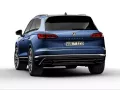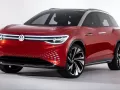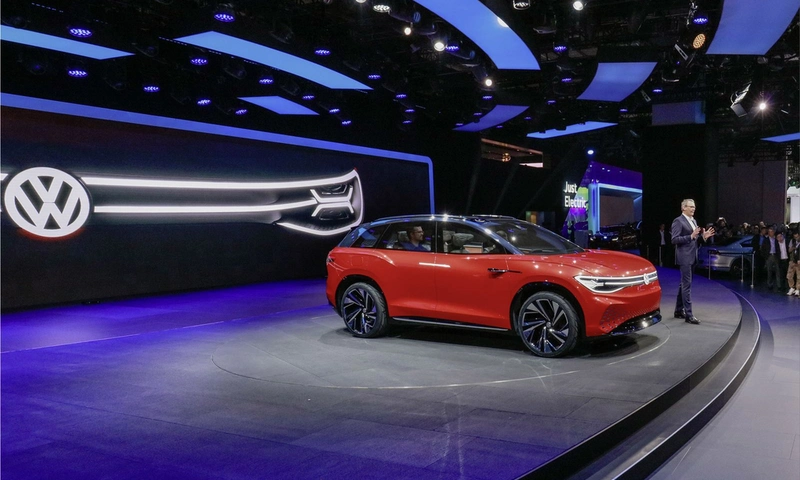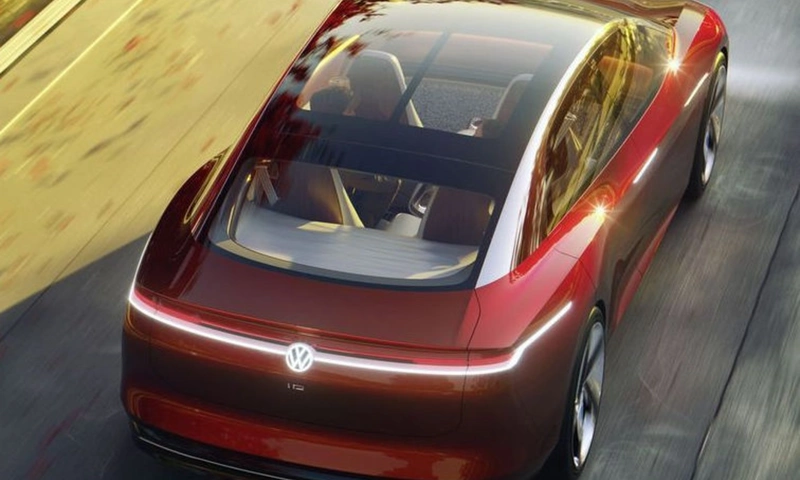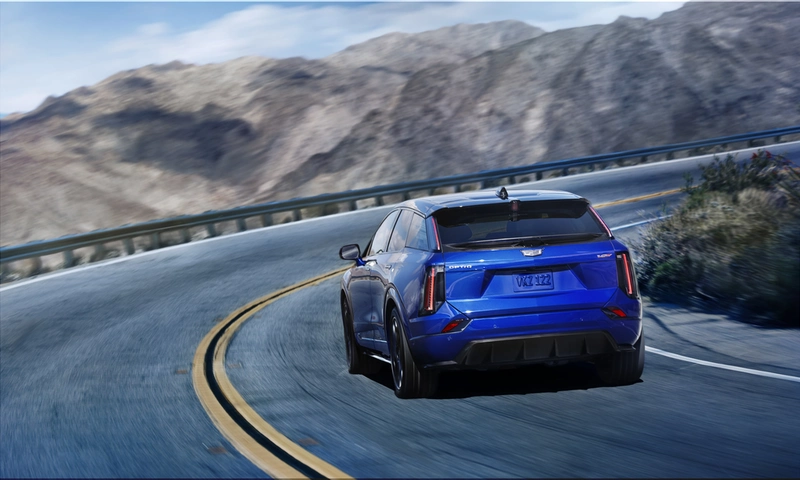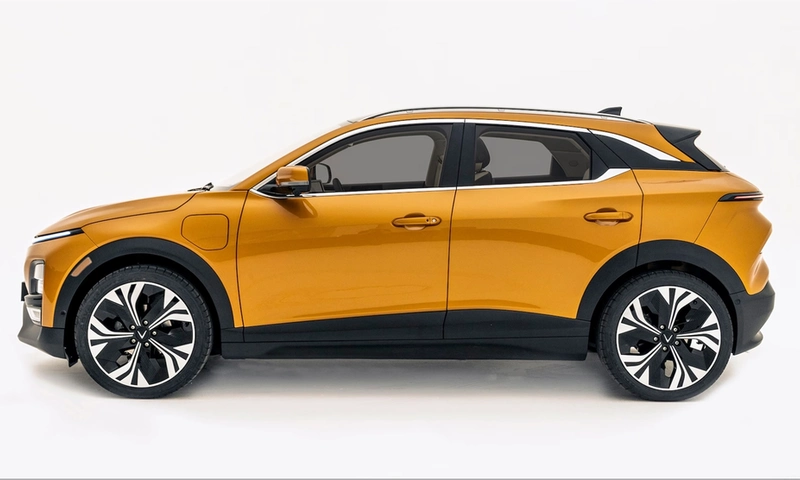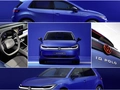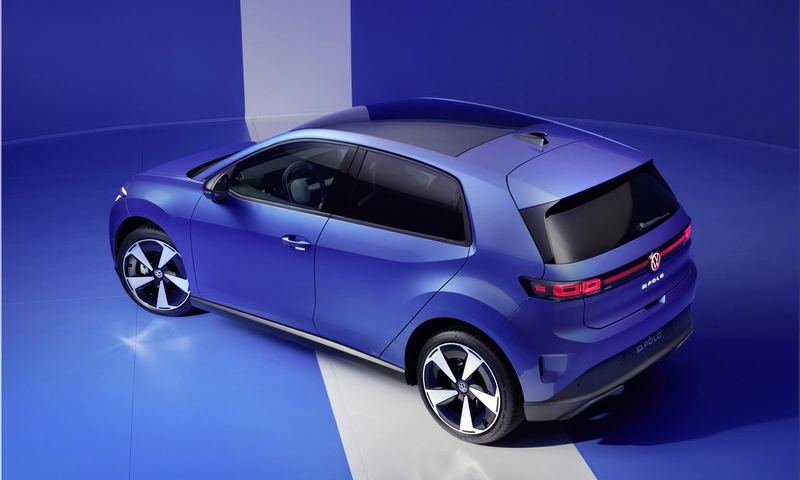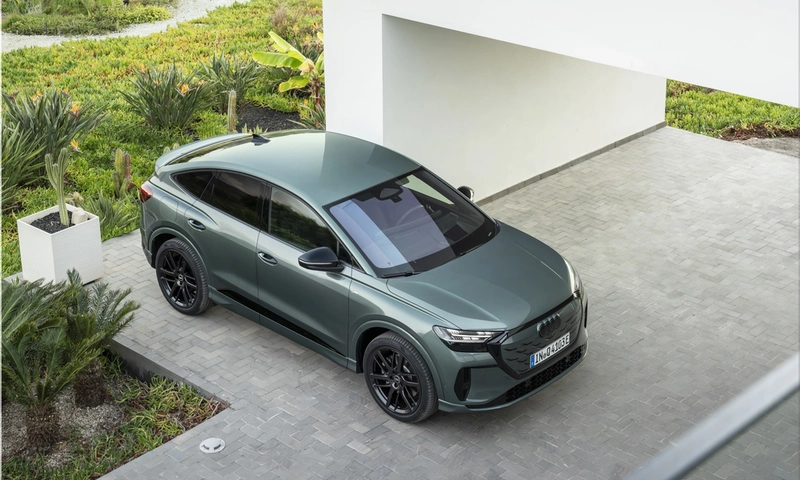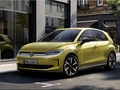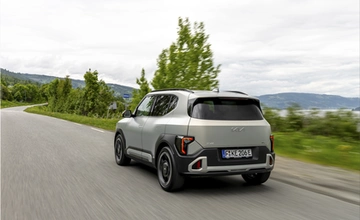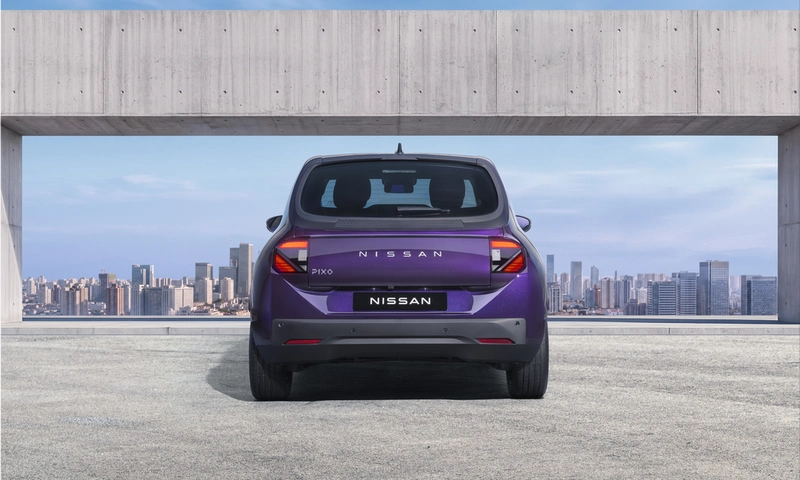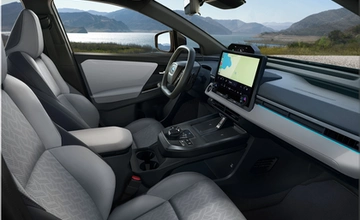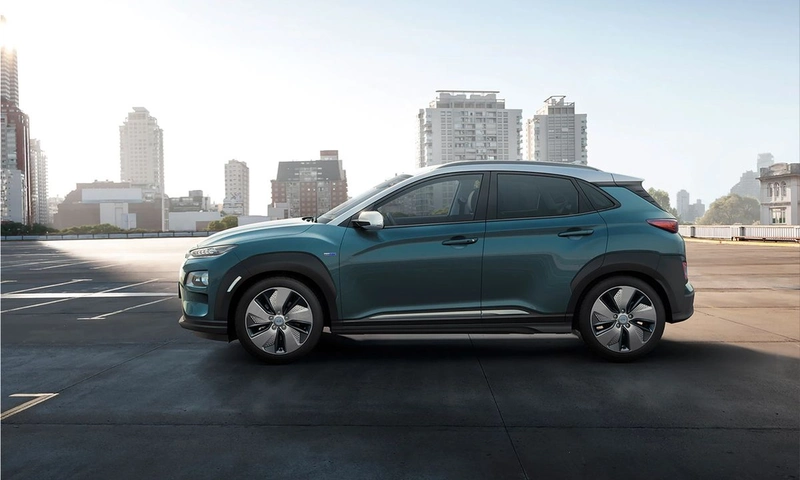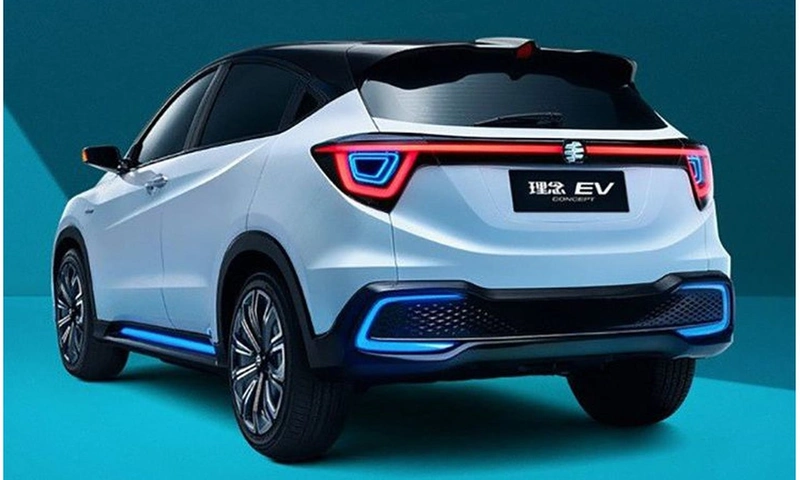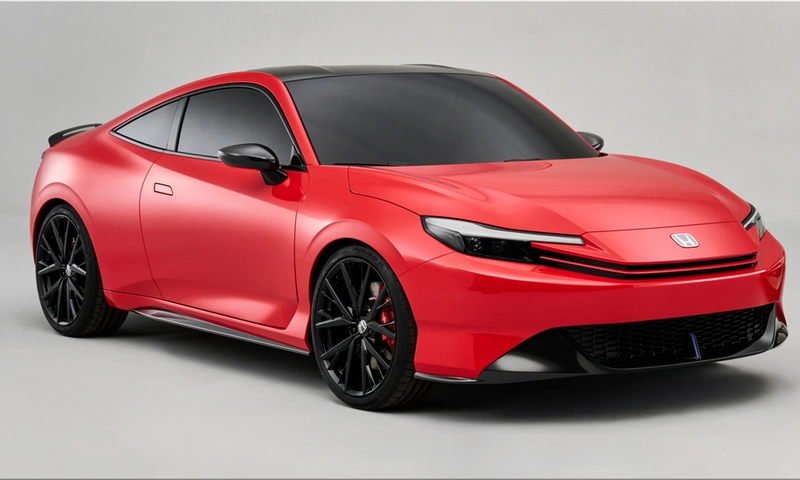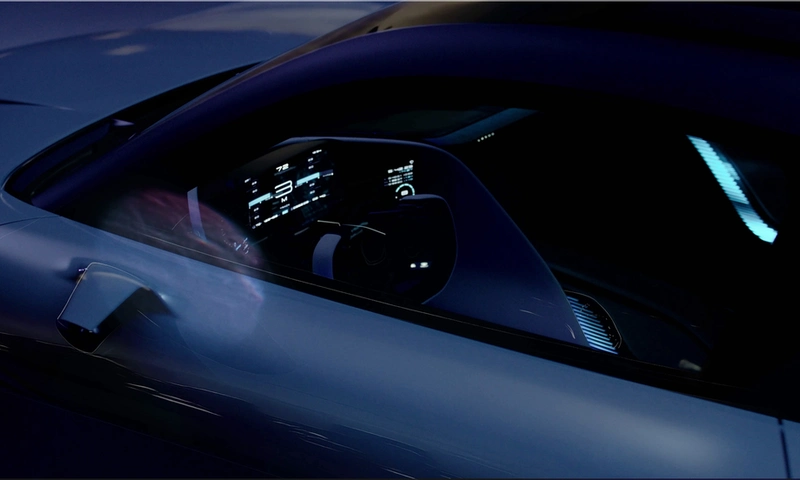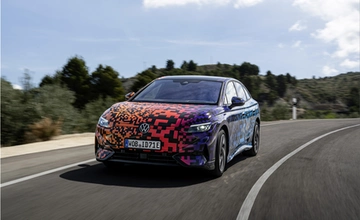
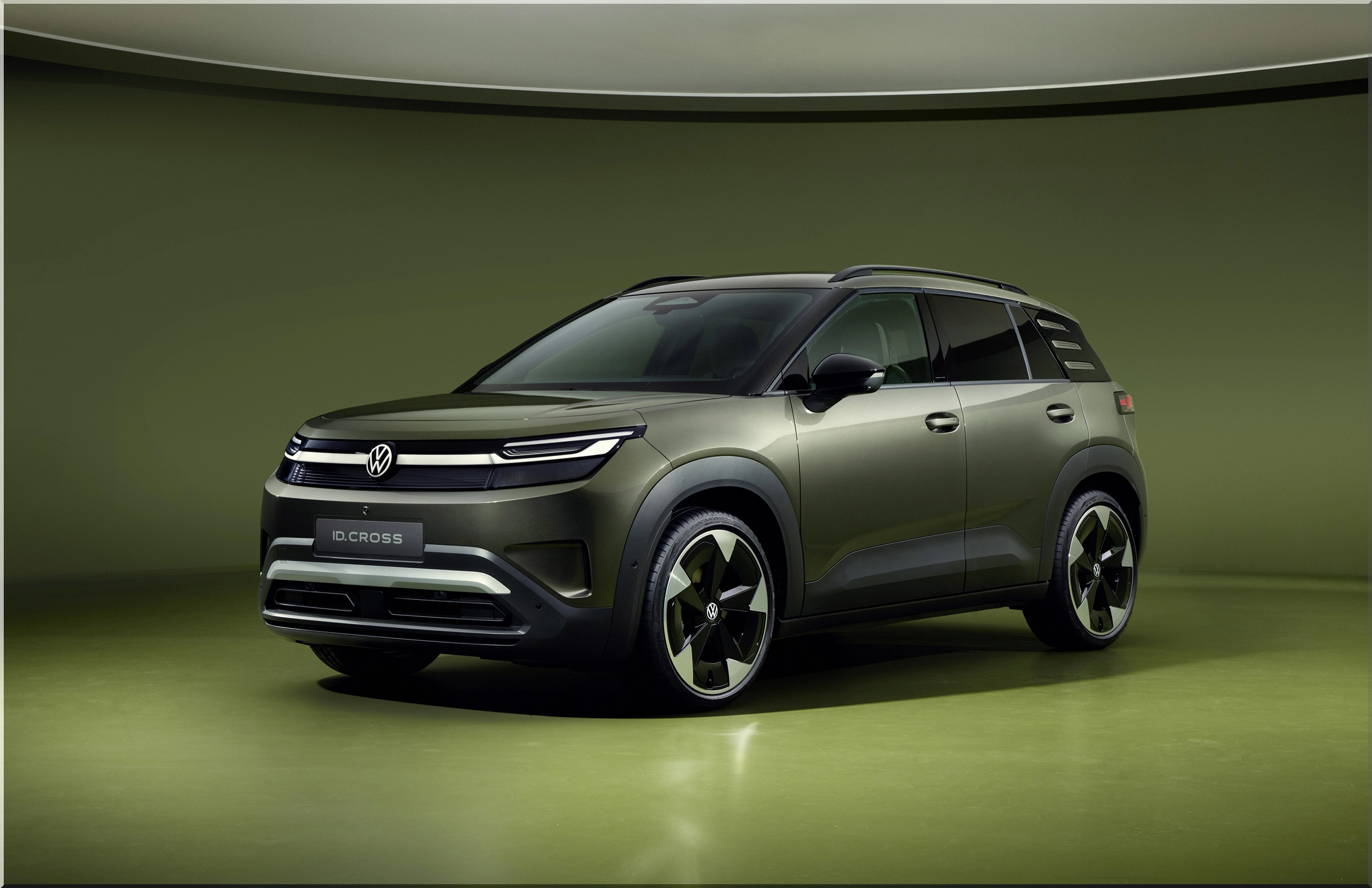
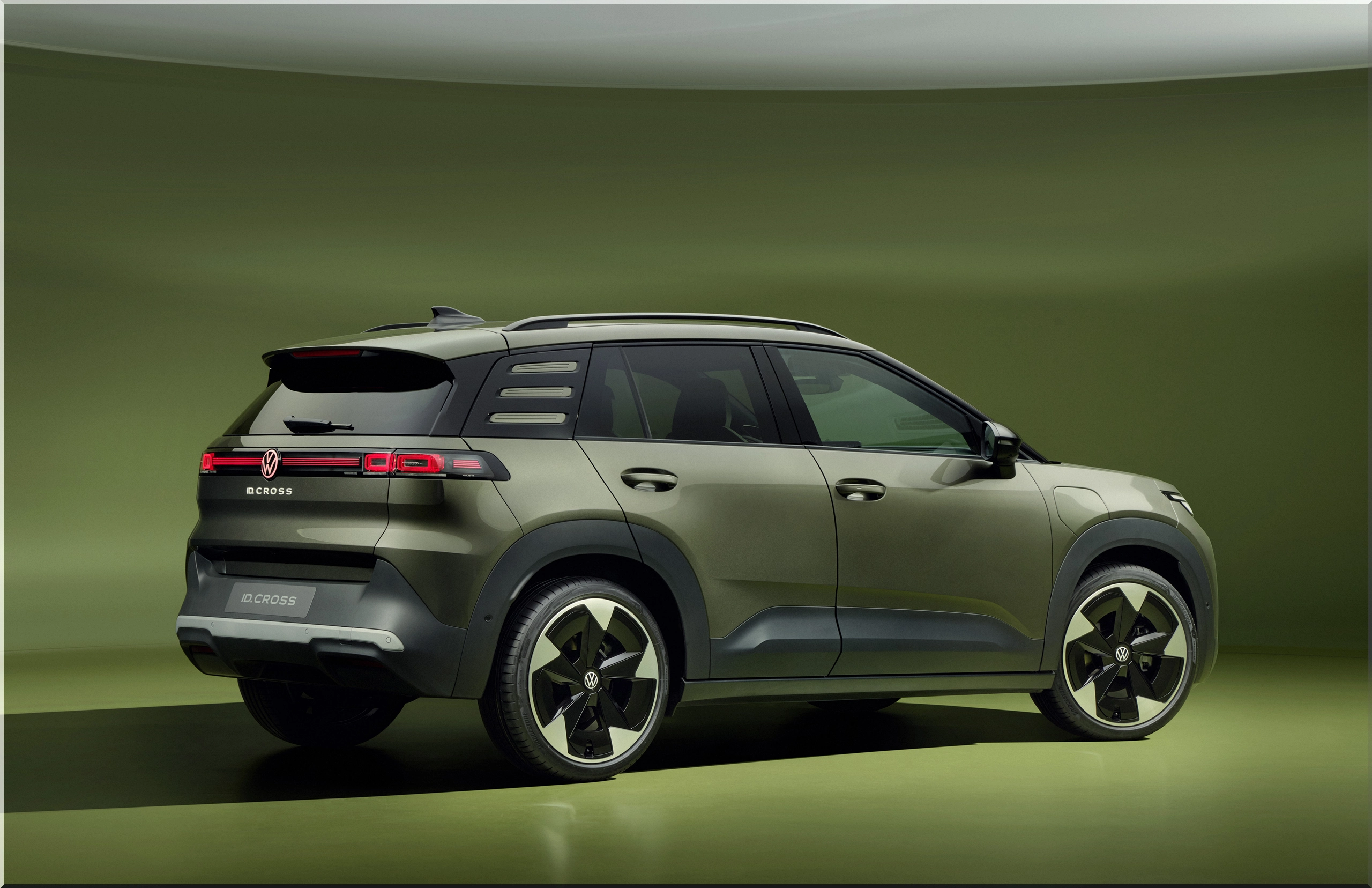
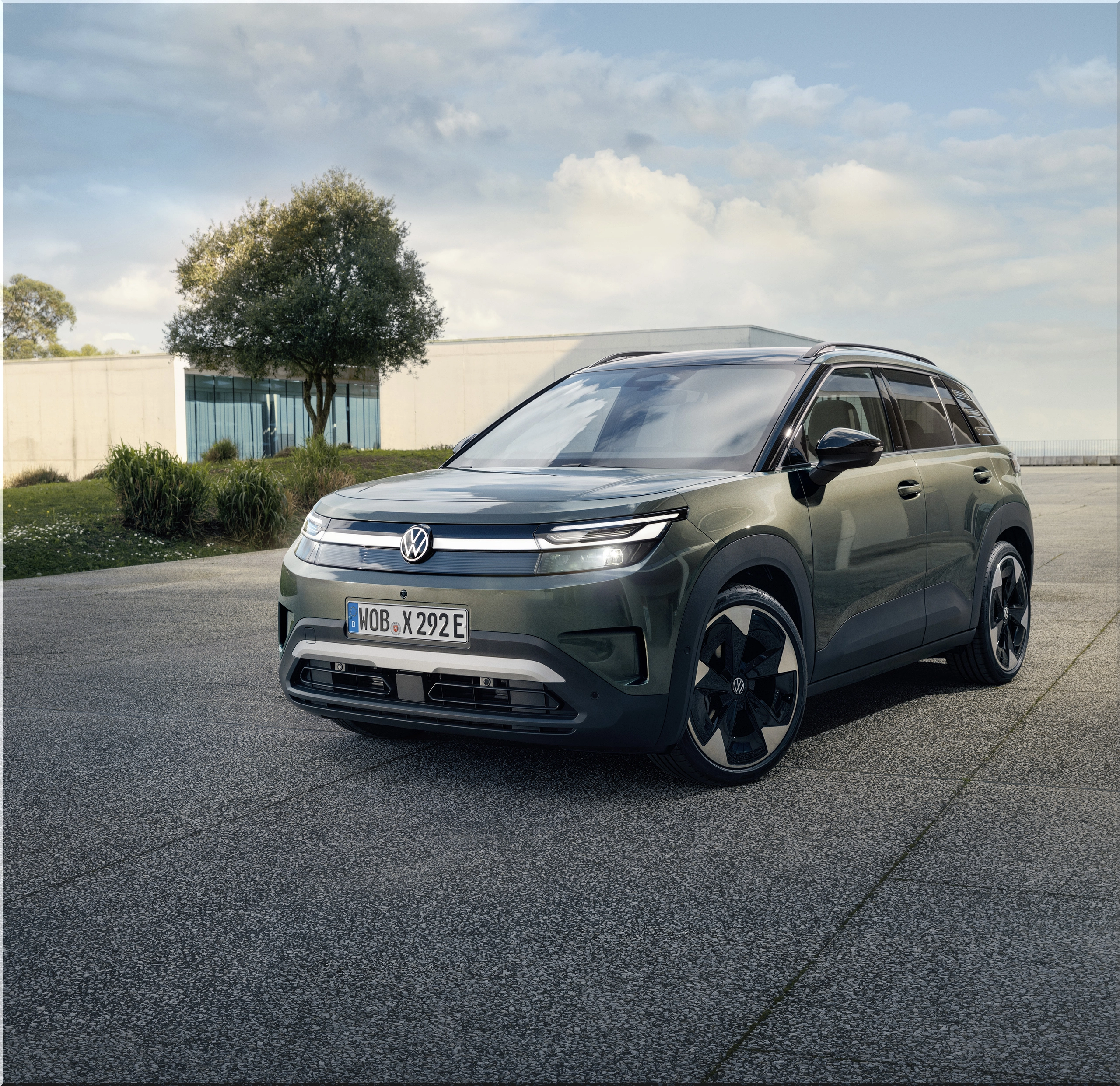
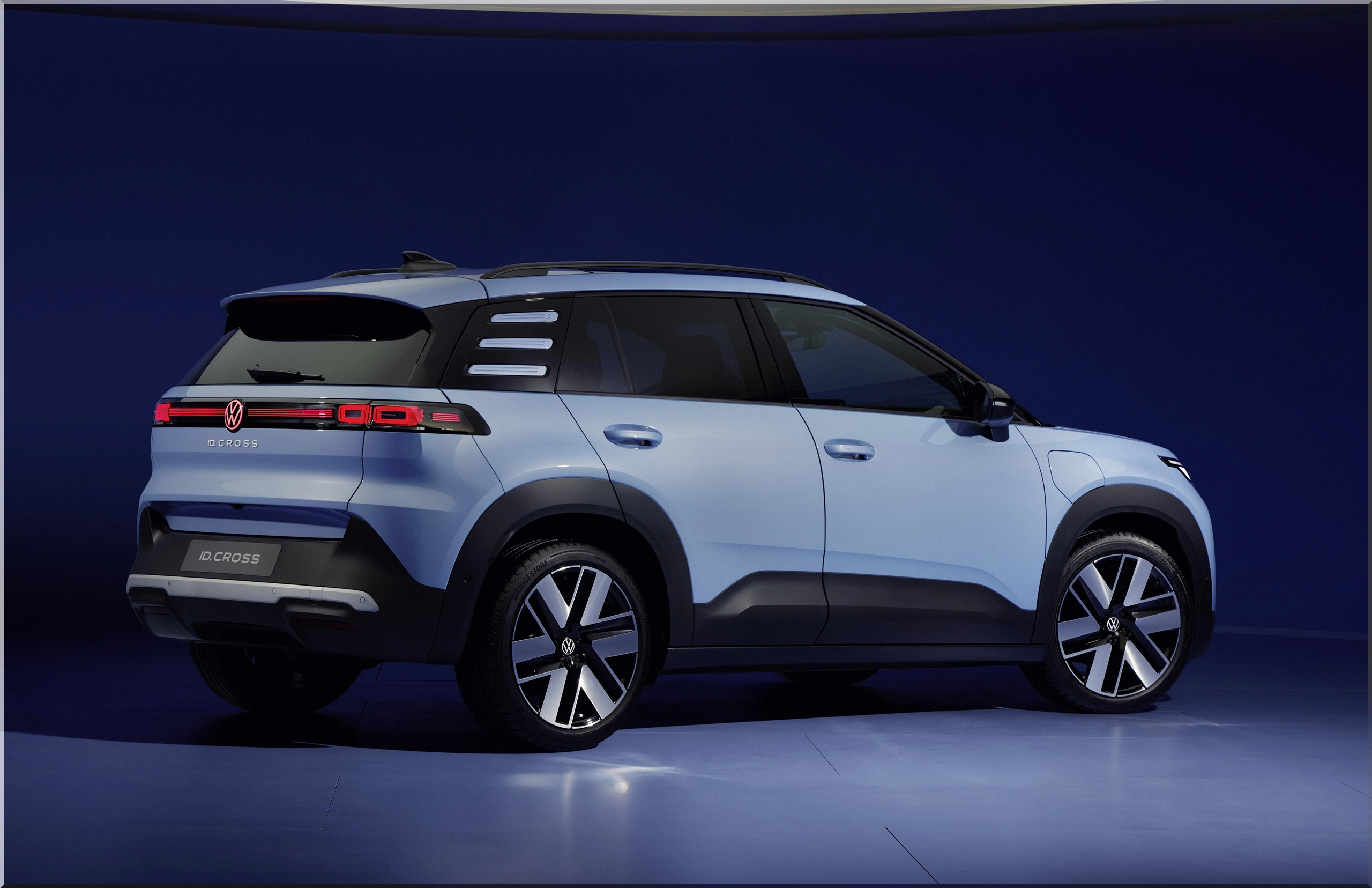
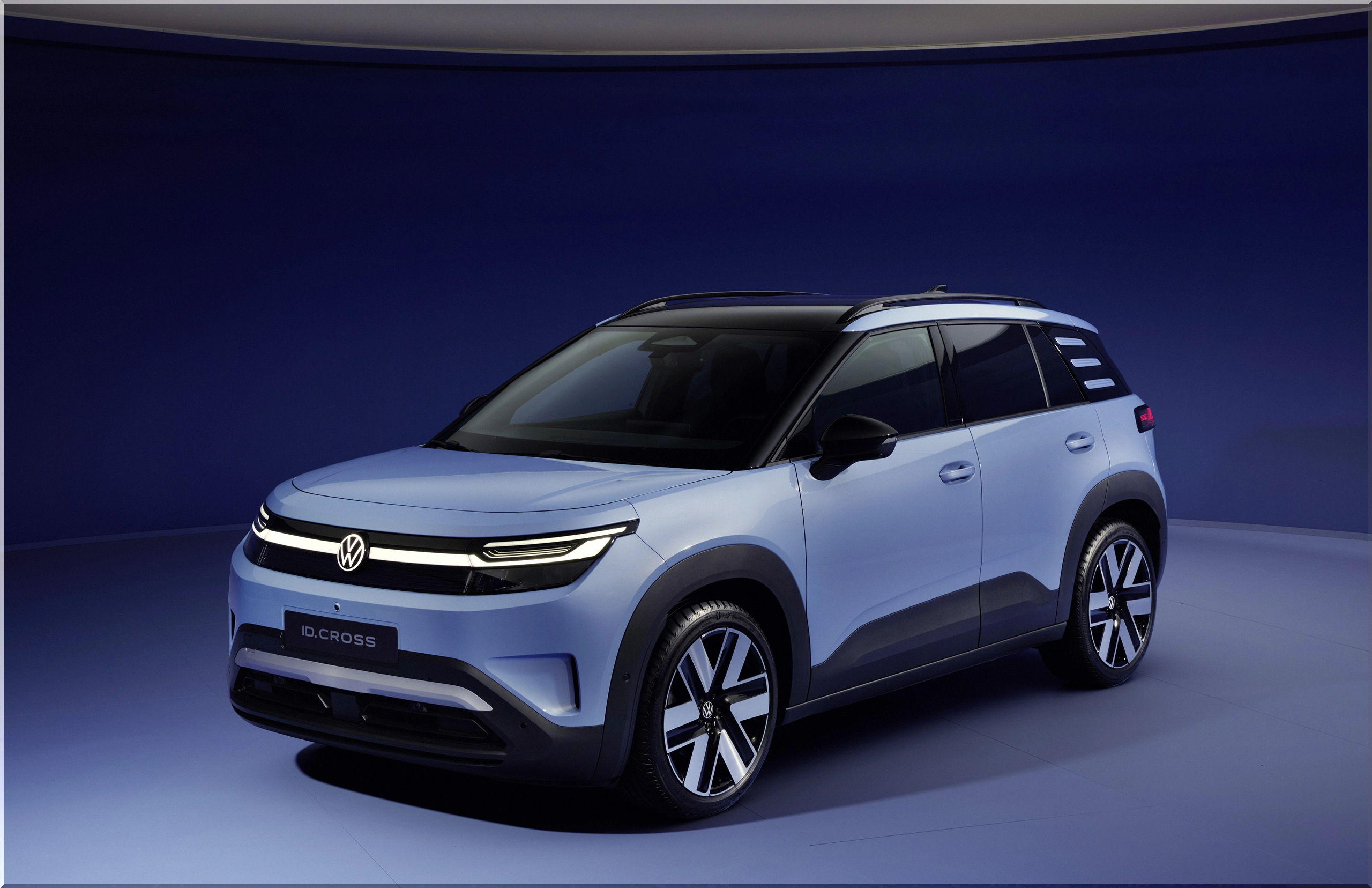
Volkswagen has opened German orders for the ID. Cross 37 kWh, starting at EUR 27,995 including VAT. The compact electric SUV promises up to 201 miles (324 km) WLTP and a 23-minute fast charge. That combination targets commuters who can charge regularly and want less money tied up in battery capacity.
How much does the ID. Cross 37 kWh cost?
Germany's entry price converts to approximately $31,424.
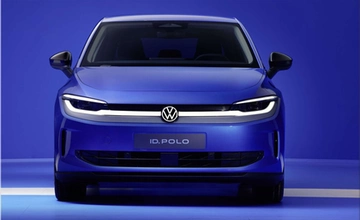
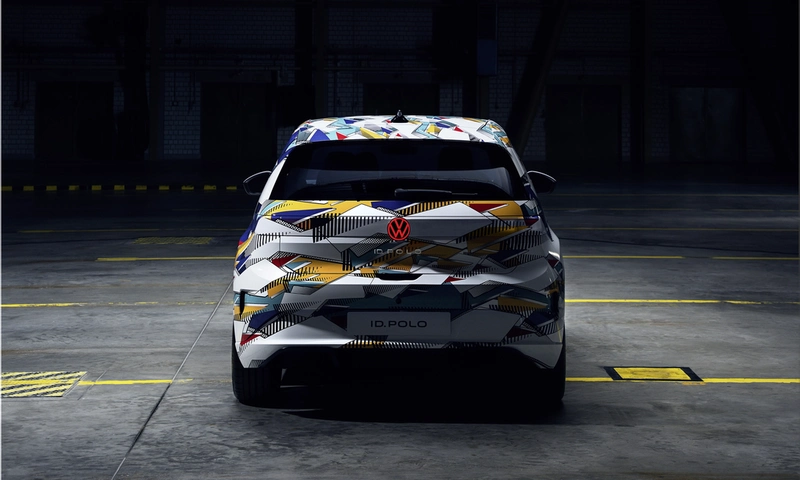
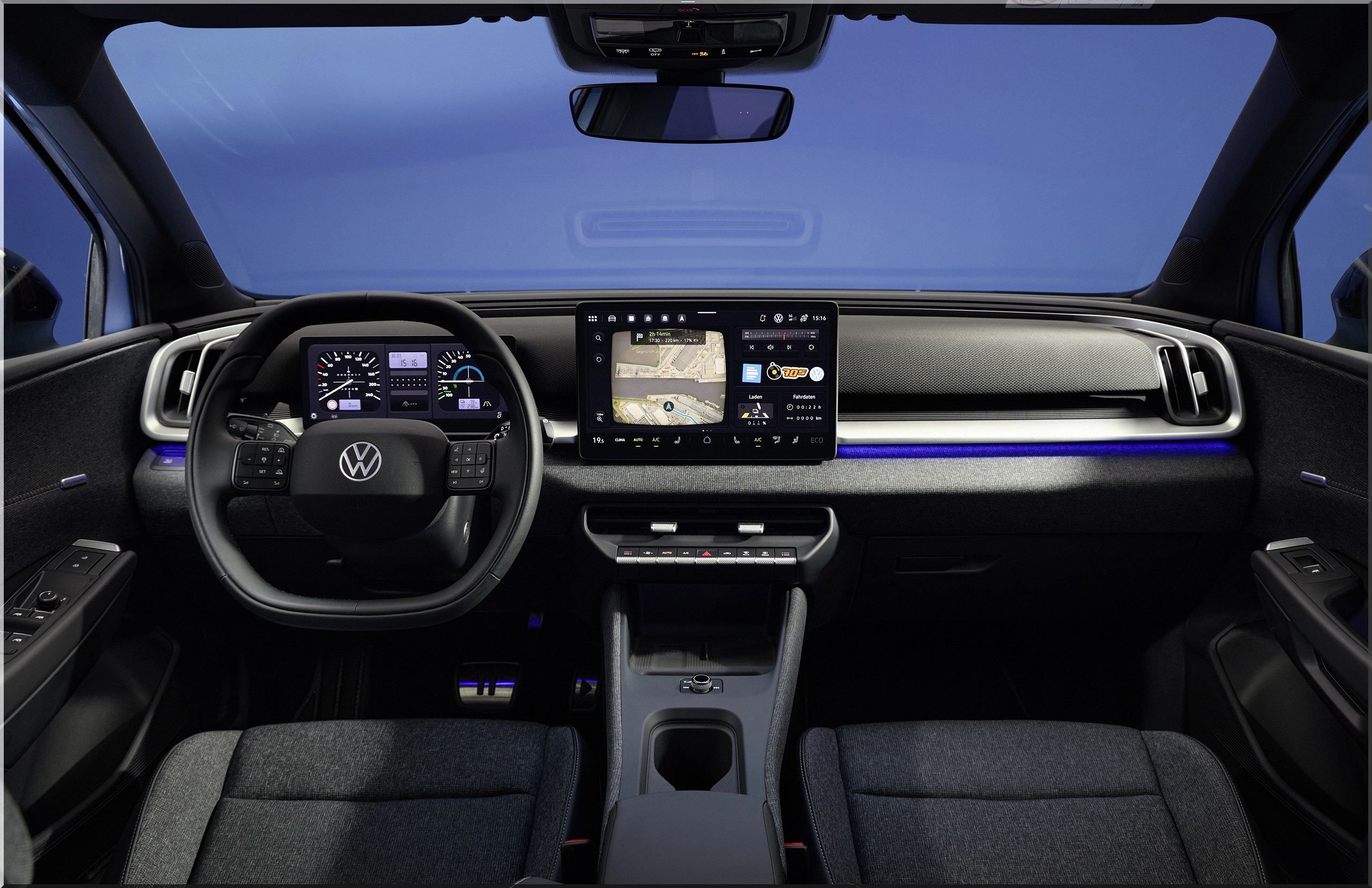
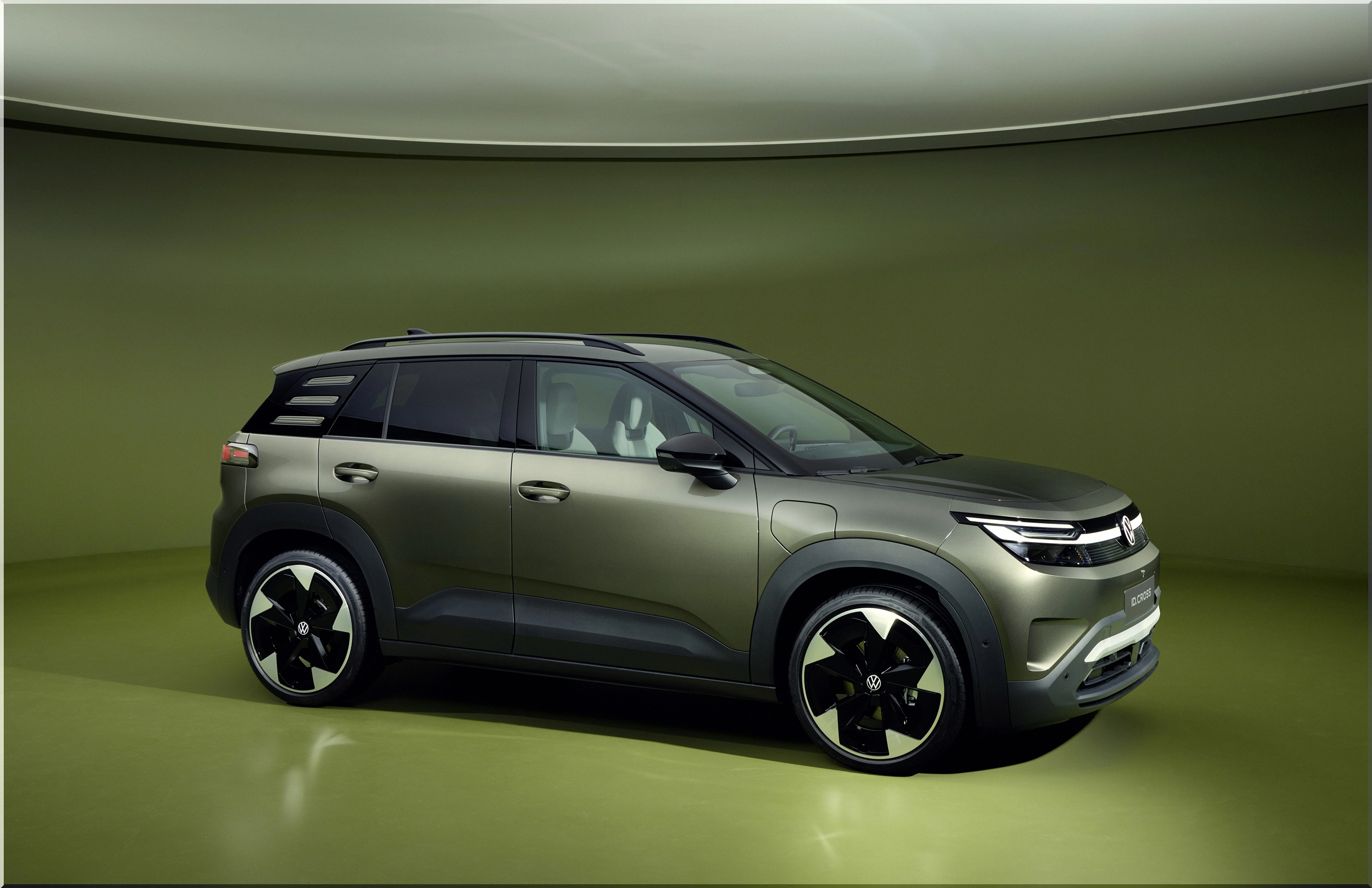
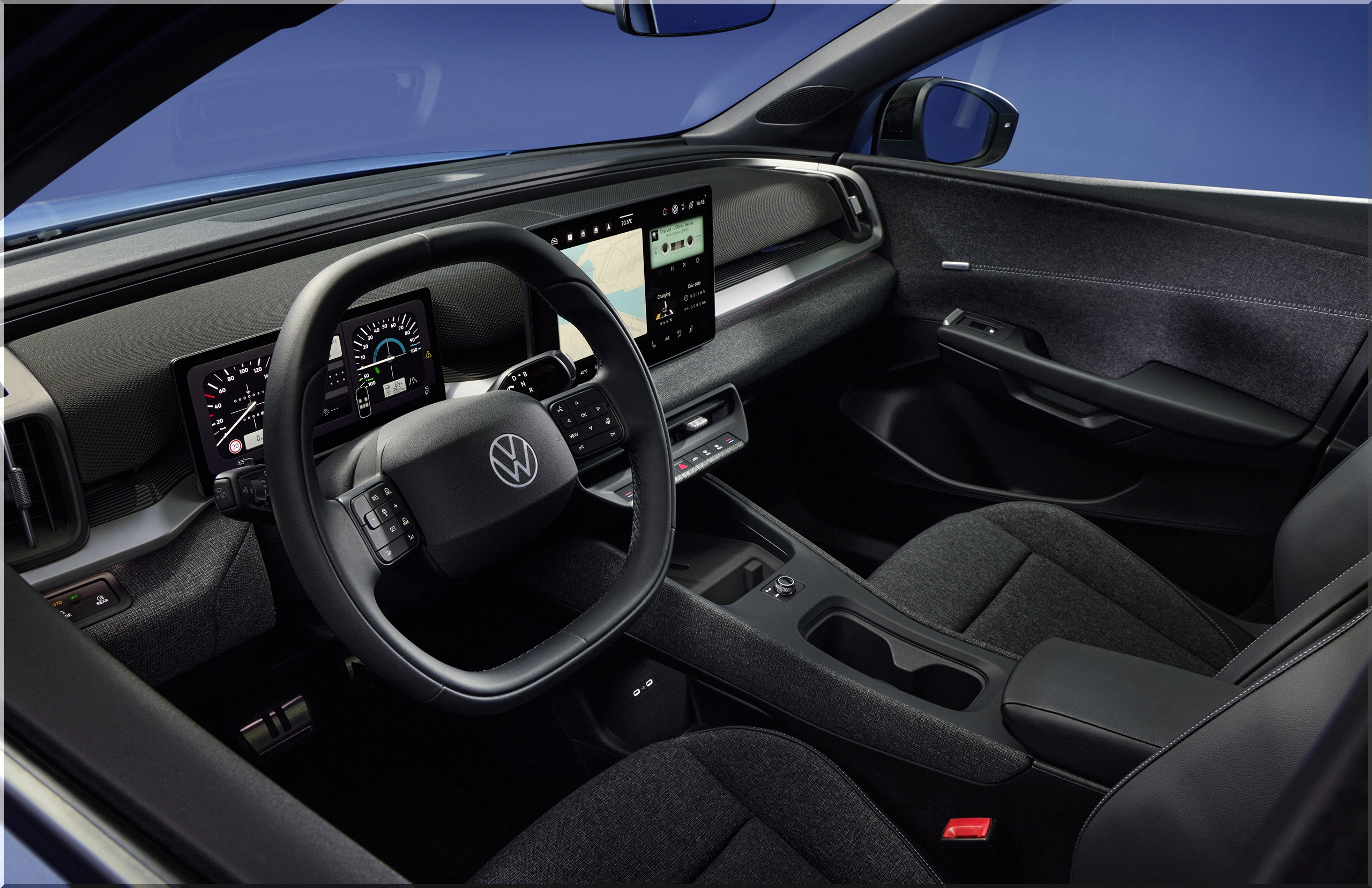
Trend includes front and rear parking sensors and App Connect smartphone integration. Life and Style add equipment, while options depend on trim. The Volkswagen ID. Polo follows a similar small-battery approach; buyers should compare the hatchback before paying for the SUV format.
How far can the smaller battery take you?
Volkswagen quotes up to 324 km under WLTP testing, rather than a guaranteed highway distance. The VW ID. Cross 37 kWh battery stores less energy than the 52 kWh alternative. Cold weather, cabin heating and sustained highway speeds can consume that smaller reserve quickly, so daily mileage matters more than the brochure maximum.
Image
| Technical comparison | ID. Cross 37 kWh | ID. Cross 52 kWh |
|---|---|---|
| Usable battery capacity | 37 kWh | 52 kWh |
| Chemistry | LFP | NMC |
| Motor output | 85 or 99 kW | 155 kW |
| Approximate US horsepower, calculated | 114 or 133 hp | 208 hp |
| Maximum WLTP range | 201 miles / 324 km | 265 miles / 427 km |
| Peak DC charging | 90 kW | 105 kW |
| Claimed 10-80% charging | About 23 minutes | About 24 minutes |
LFP means lithium iron phosphate; NMC means nickel manganese cobalt. The chemistry choice supports a lower-cost entry model, but battery size alone cannot establish insurance costs, depreciation or lifetime savings.
- Favor 37 kWh for predictable daily trips and dependable charging access.
- Compare 52 kWh for frequent highway travel or longer gaps between chargers.
- Include electricity tariffs and insurance quotes in the ownership budget.
Does 90 kW charging make road trips practical?
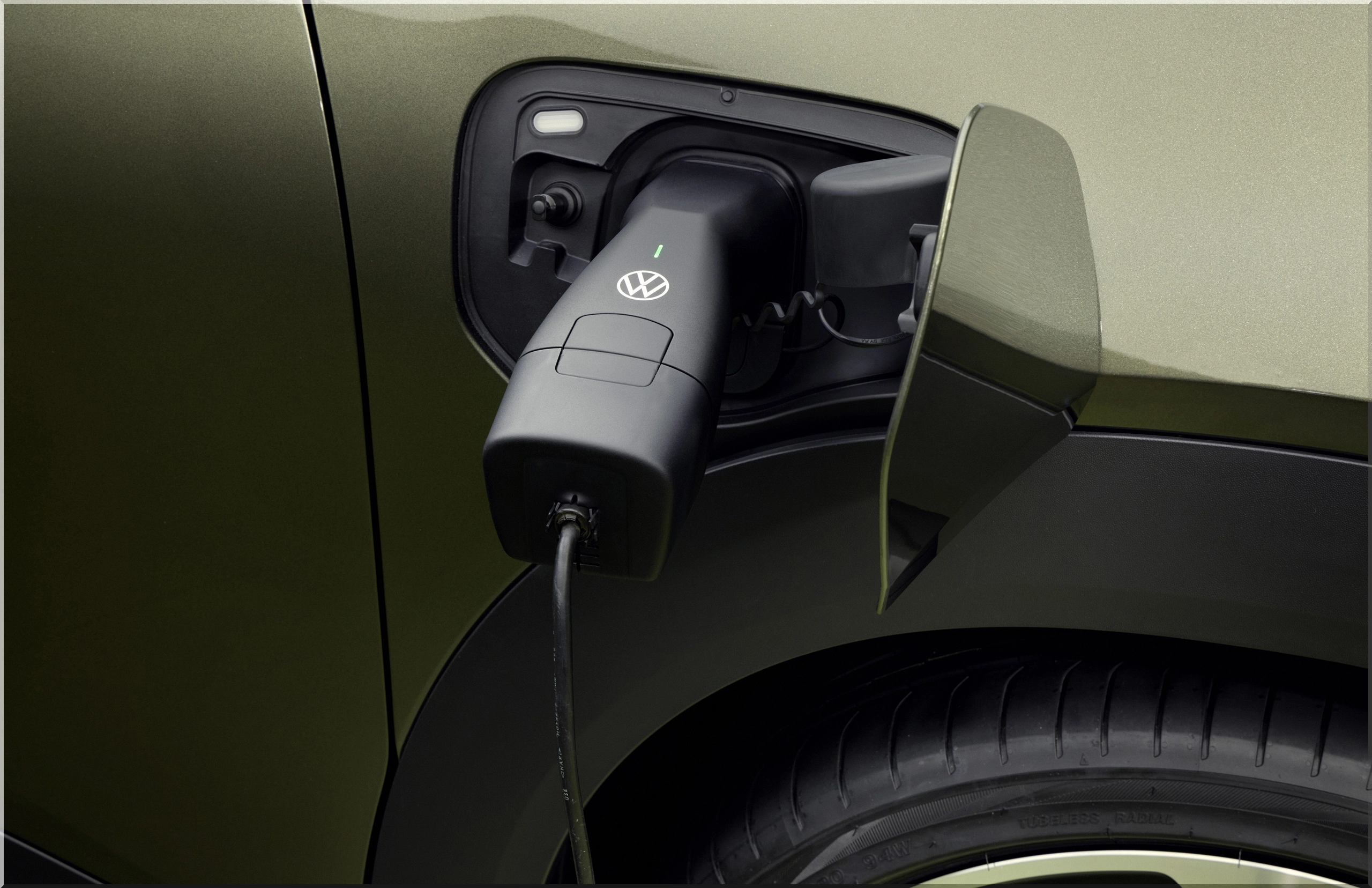
Volkswagen claims a 10-80% charge in about 23 minutes under suitable conditions. That session adds approximately 25.9 kWh, or 70% of usable capacity. Dividing energy by time gives an average near 68 kW before charging losses, which explains why a 90 kW peak never describes the entire stop.
At the advertised WLTP maximum, that charging window represents roughly 141 miles of theoretical range. Highway driving can reduce it. Level 2 charging at home or work makes this smaller pack easier to live with because overnight replenishment avoids repeated public-charger visits.
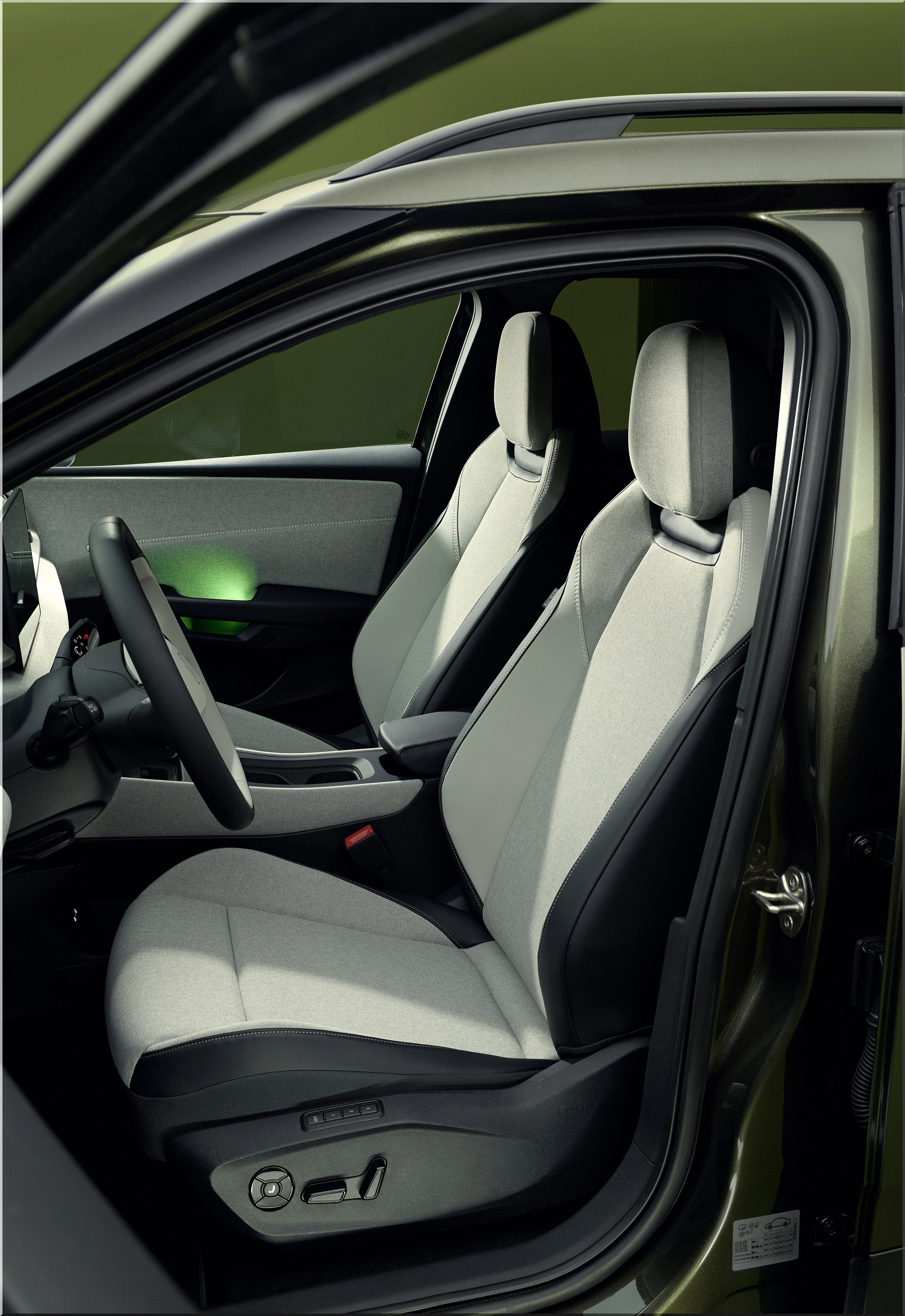
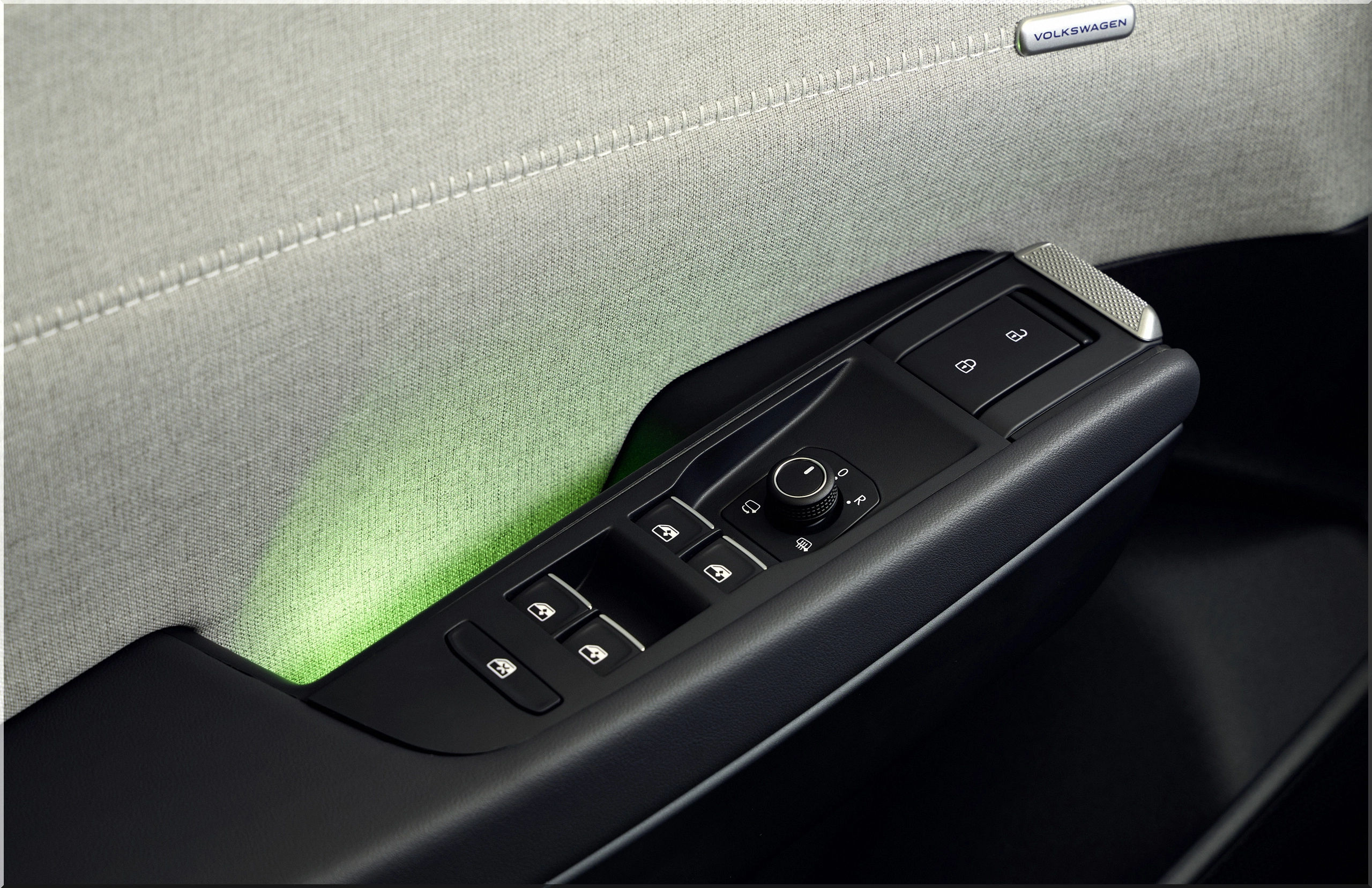
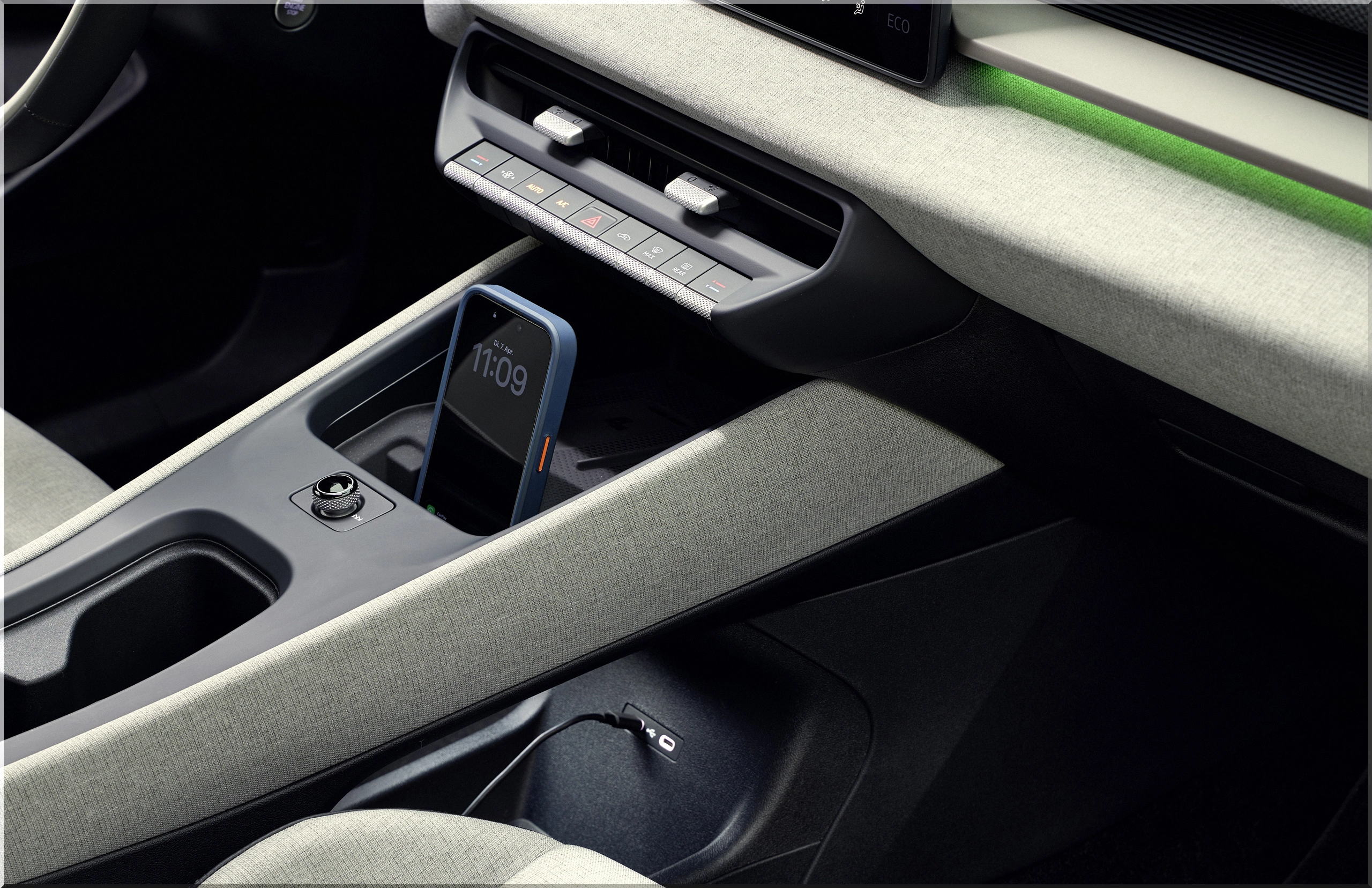
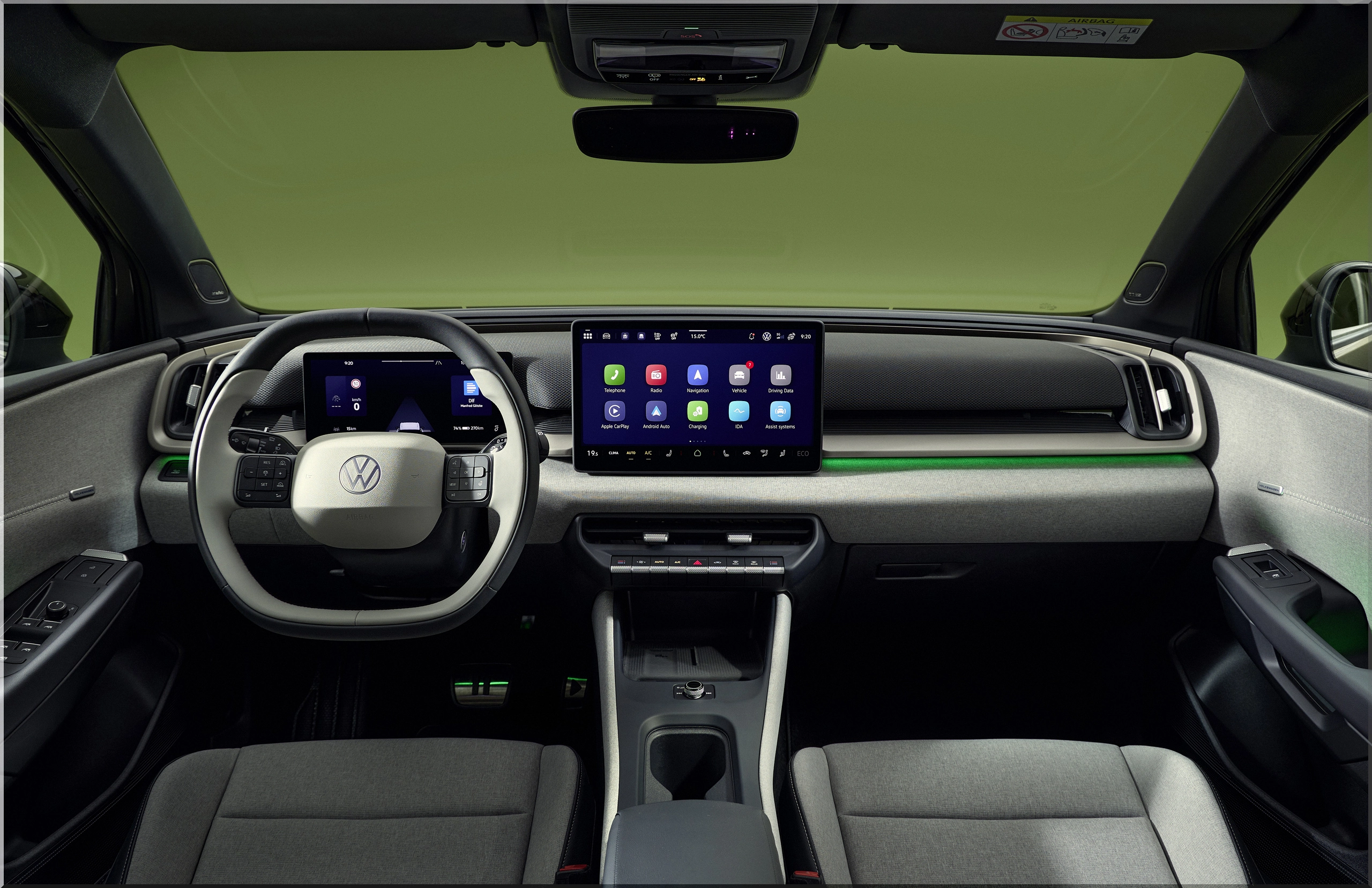
How does it compare with three affordable electric SUVs?
The Renault 4 Urban Range, Opel Frontera Electric and Citroen e-C3 Aircross offer close alternatives. Volkswagen claims more WLTP range despite its smaller pack, while both Stellantis models advertise higher peak DC power. These figures compare European specifications; they do not establish real-world highway rankings or equivalent charging curves.
| European version | Published battery capacity | Maximum WLTP range | Peak DC charging | VW's numerical advantage or shortfall |
|---|---|---|---|---|
| ID. Cross 37 kWh | 37 kWh usable | 201 miles / 324 km | 90 kW | Reference |
| Renault 4 Urban Range | 40 kWh | 194 miles / 312 km | 80 kW | 12 km more range; 10 kW higher peak |
| Opel Frontera Electric | 44 kWh usable | 190 miles / 305 km | 100 kW | 19 km more range; 10 kW lower peak |
| Citroen e-C3 Aircross | 44 kWh | 190 miles / 306 km | 100 kW | 18 km more range; 10 kW lower peak |
Manufacturer specifications vary by version and publication date; mile figures use calculated conversions. Buyers who need more range should also shortlist the Kia EV3. Compare complete vehicle prices and route coverage before assuming that the smallest battery always offers the strongest value.
Image gallery:
Should you order the 37 kWh version without home charging?
I would first price a normal week of charging and map a backup station. A low purchase price cannot compensate for expensive electricity and inconvenient detours. If reliable workplace charging covers your routine, the smaller pack can still fit; frequent highway travel calls for more reserve.
| Pros | Cons |
|---|---|
| German entry price below EUR 28,000 | German pricing establishes no US availability |
| Standard DC charging and parking sensors | 37 kWh leaves less energy reserve than 52 kWh |
| Claimed 23-minute 10-80% stop | WLTP figures cannot predict winter highway range |
Pro-Tips: Check battery-care habits against the current owner's manual. Treat an ID.3 endurance test as context rather than a forecast for this different battery. Confirm trim equipment and delivery charges before signing.
- Add new comment
- 4 views