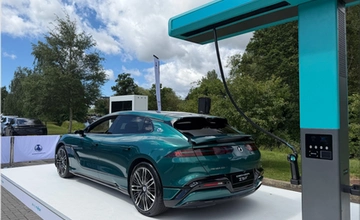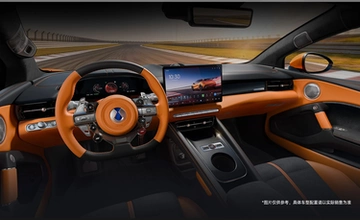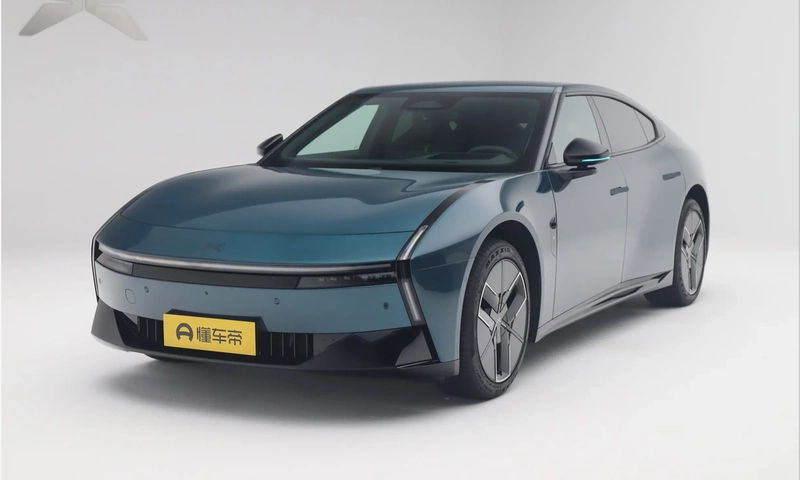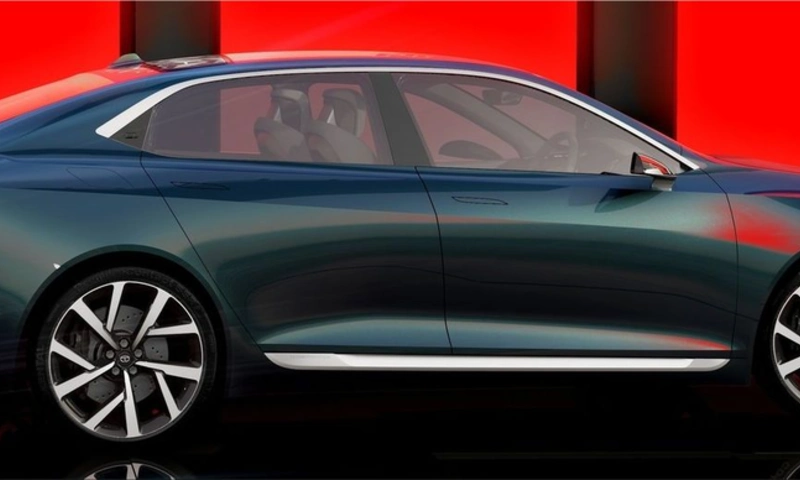
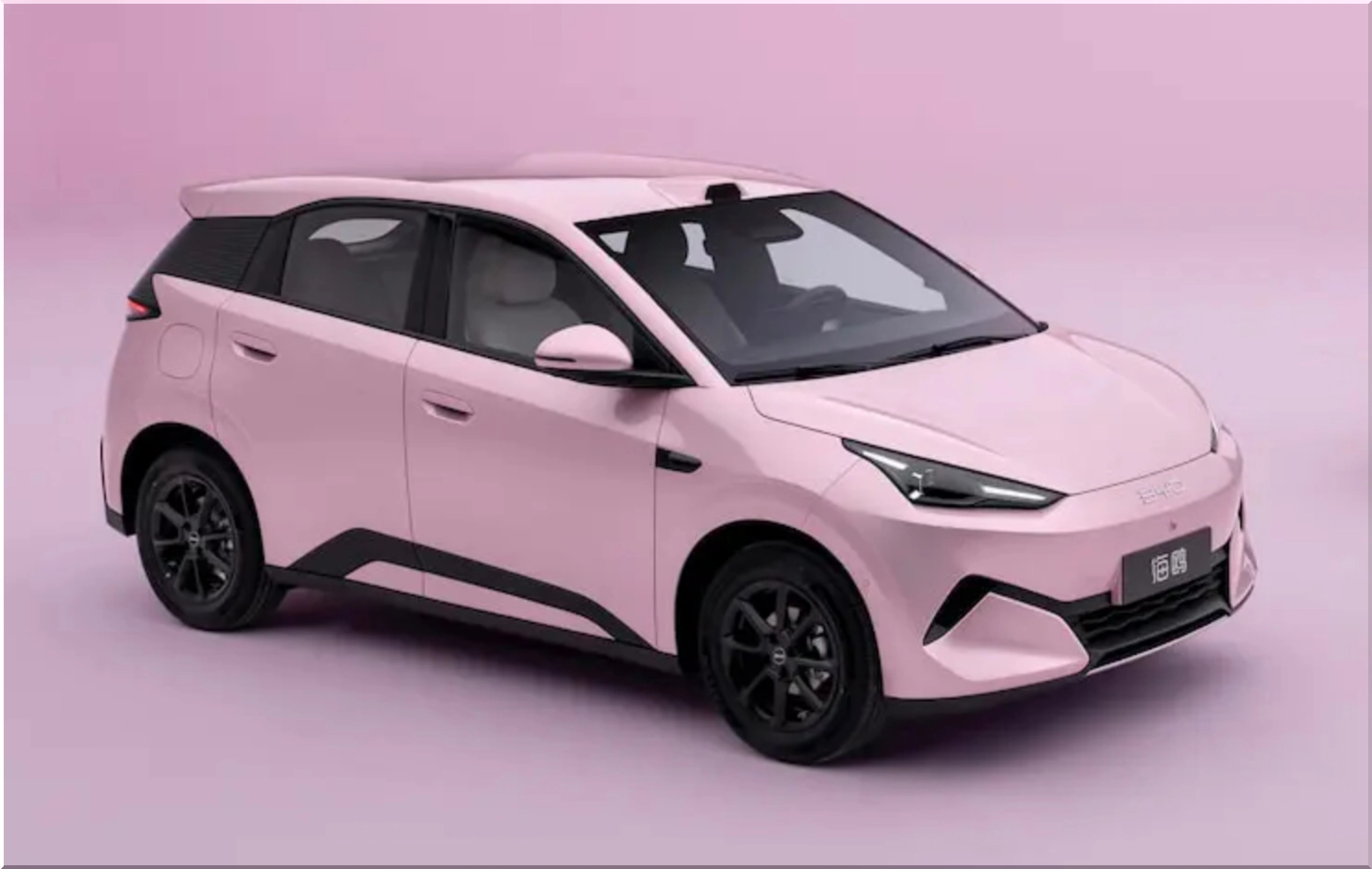
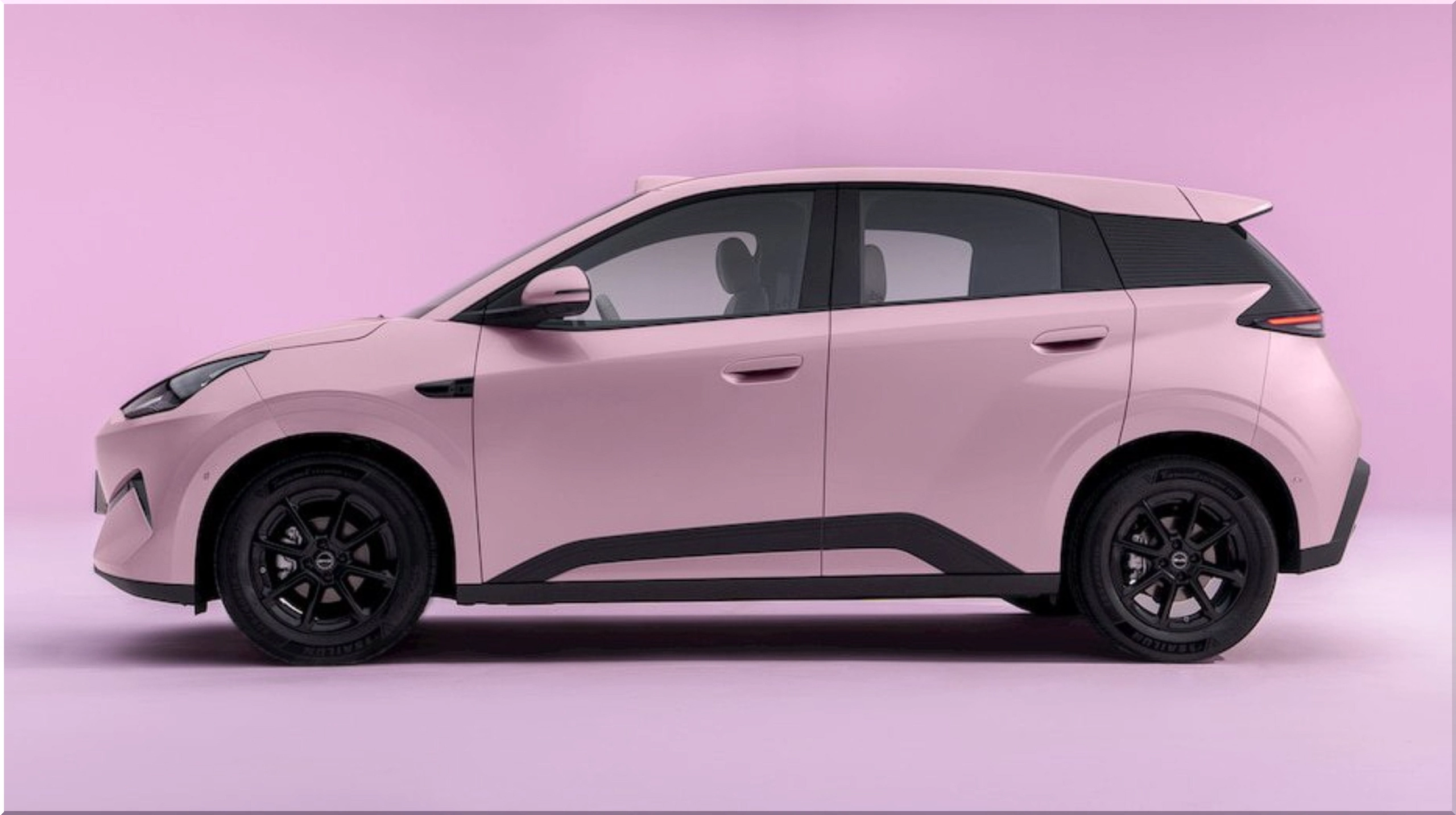
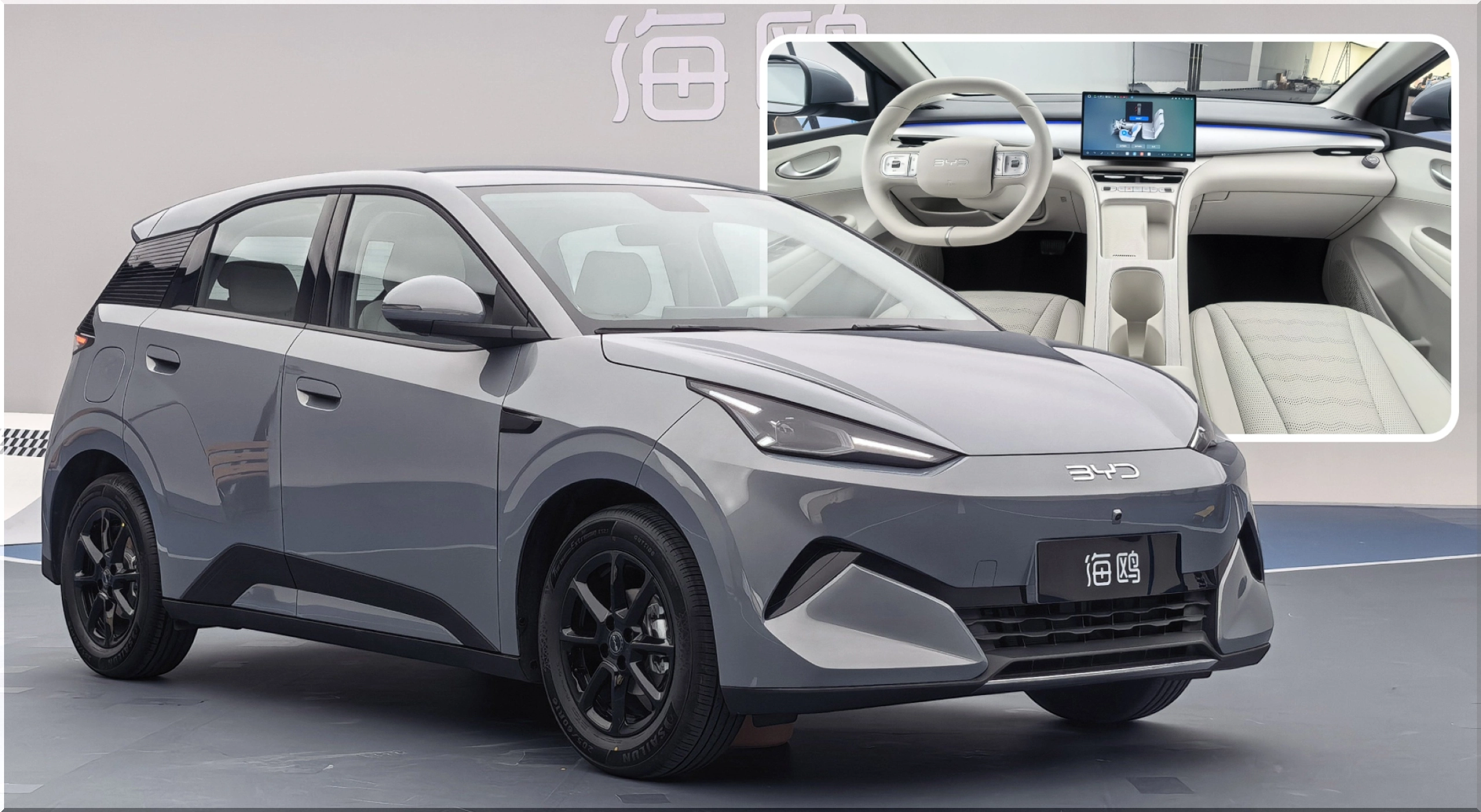
The second-gen BYD Seagull completed a manufacturer-run tire blowout test at 140 km/h, or 87 mph, in China. Reports describe the electric hatchback maintaining its direction after a device rapidly deflated its front-right tire. The demonstration supports BYD's stability-control claim, but it does not establish performance across every road condition.
Image
What happened during the BYD Seagull tire blowout test?
BYD Ocean Series general manager Zhang Zhuo shared the demonstration on October 27. CarNewsChina reports that a device punctured the front-right tire at multiple points after the Seagull reached the target speed on a straight. The hatchback continued along its course while slowing, rather than abruptly veering off line.
Video gallery
Video title
second-gen BYD Seagull
That distinction matters. A sudden tire failure changes the forces acting at one corner of the vehicle, creating a directional-control problem rather than merely reducing acceleration grip. Electronic stability control can counter unwanted rotation through individual-wheel braking and power reduction. Bosch describes that general operating principle; the supplied BYD coverage does not disclose the Seagull's precise control sequence.
My take: I'd treat this as an encouraging demonstration, then look for independent repeat testing. The reports do not establish stopping distance, steering correction, or repeatability on wet pavement, curves, and uneven surfaces. They also do not establish which trim performed the test.
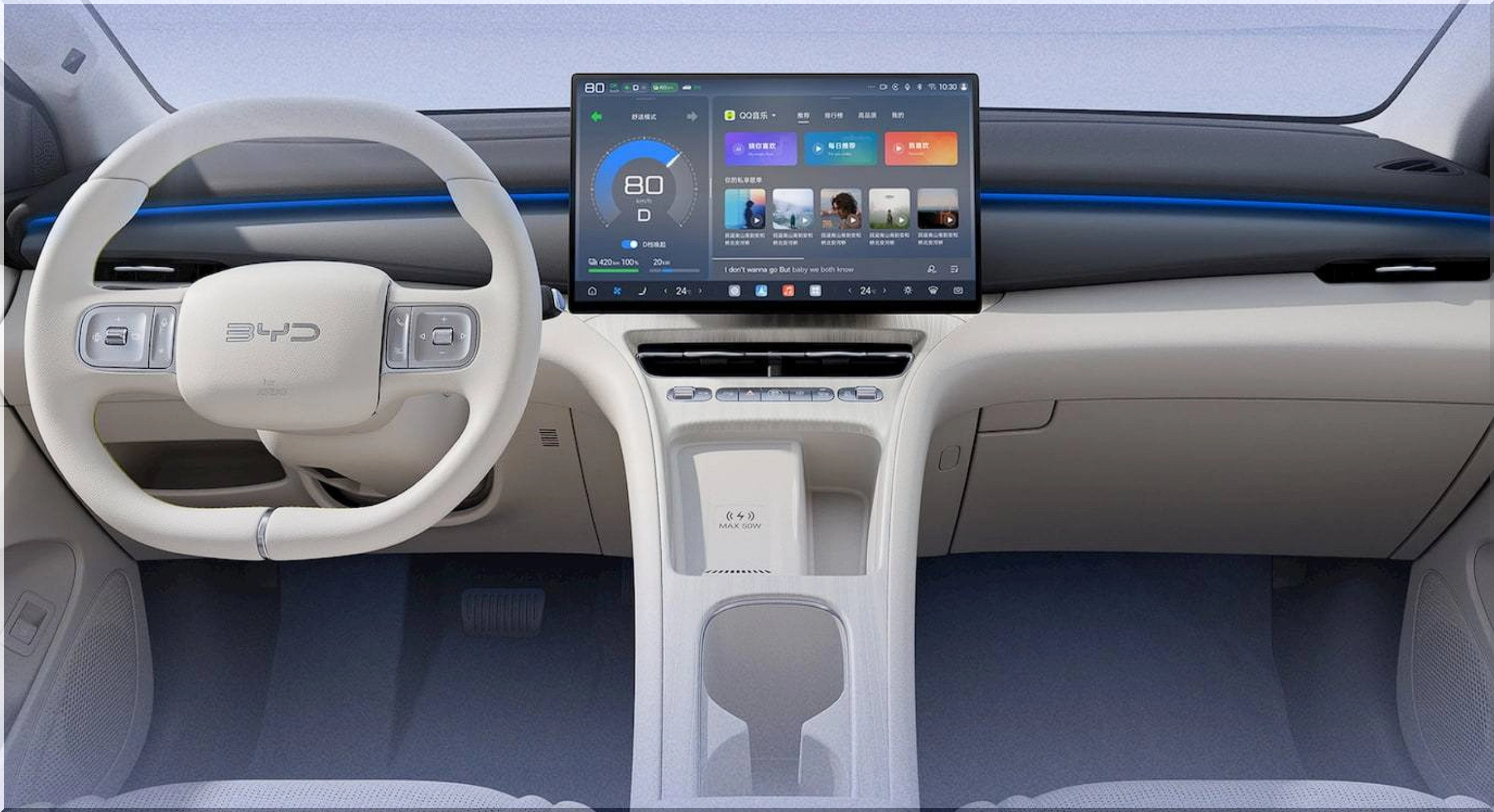
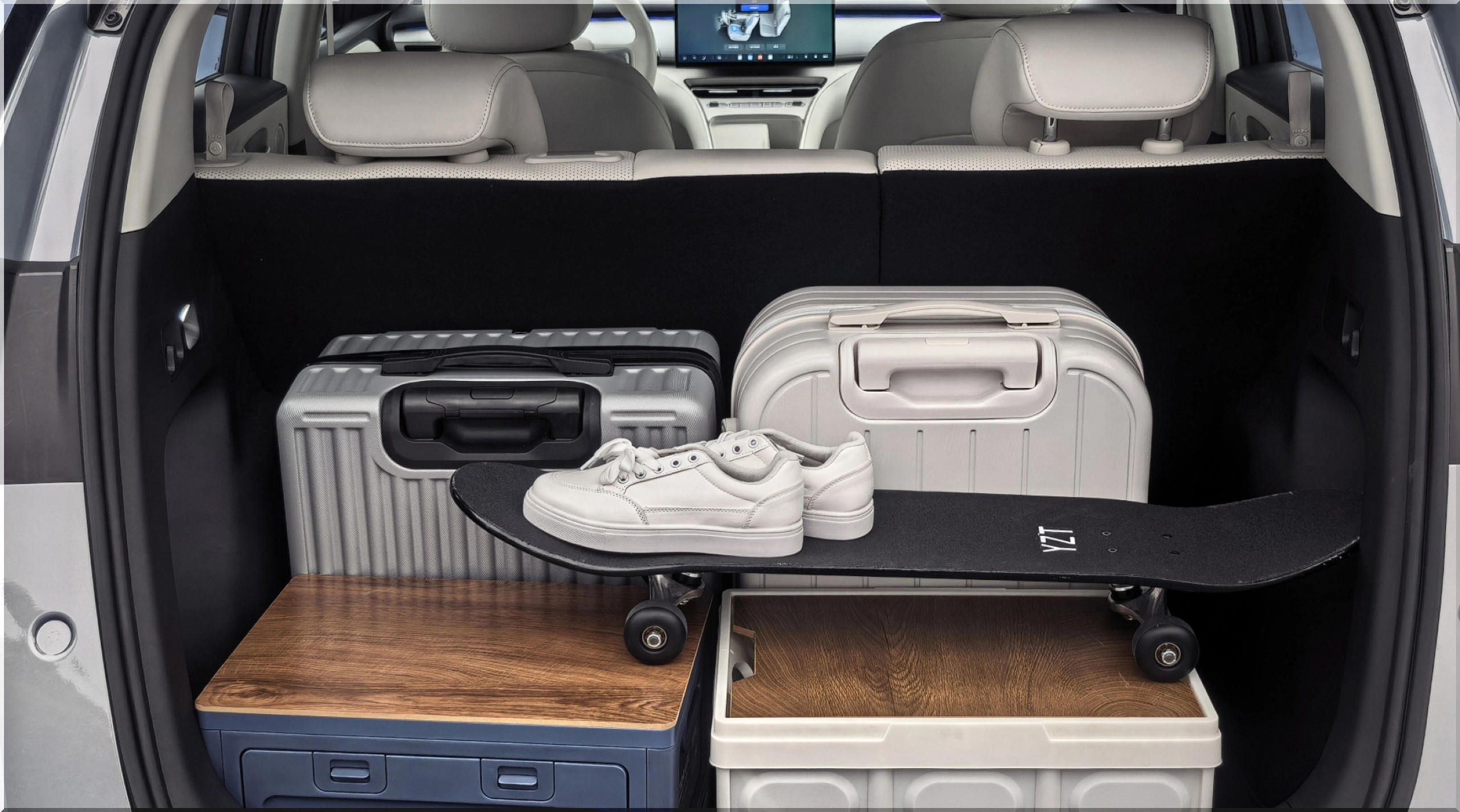
What else changes on the second-gen BYD Seagull?
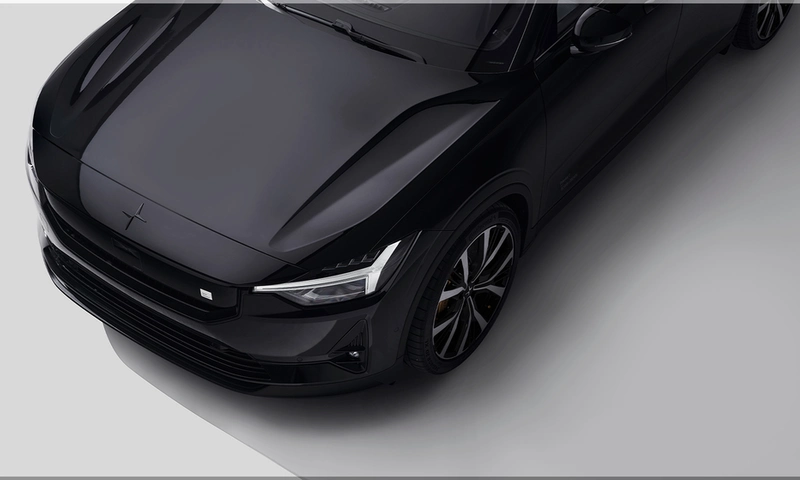
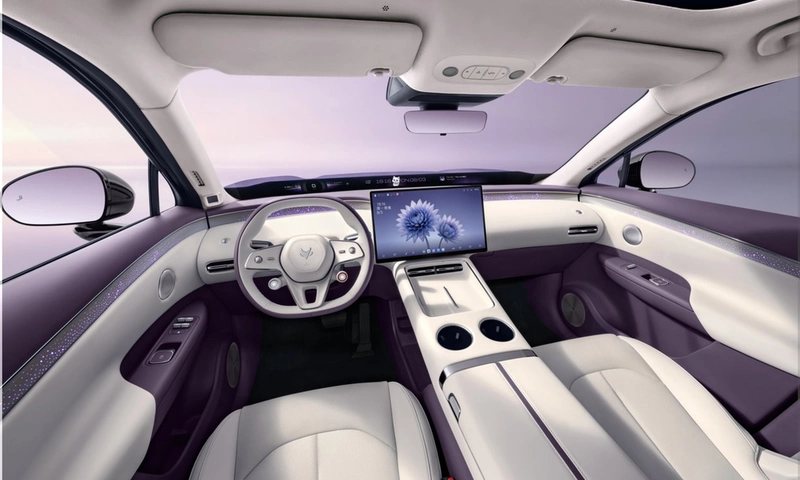
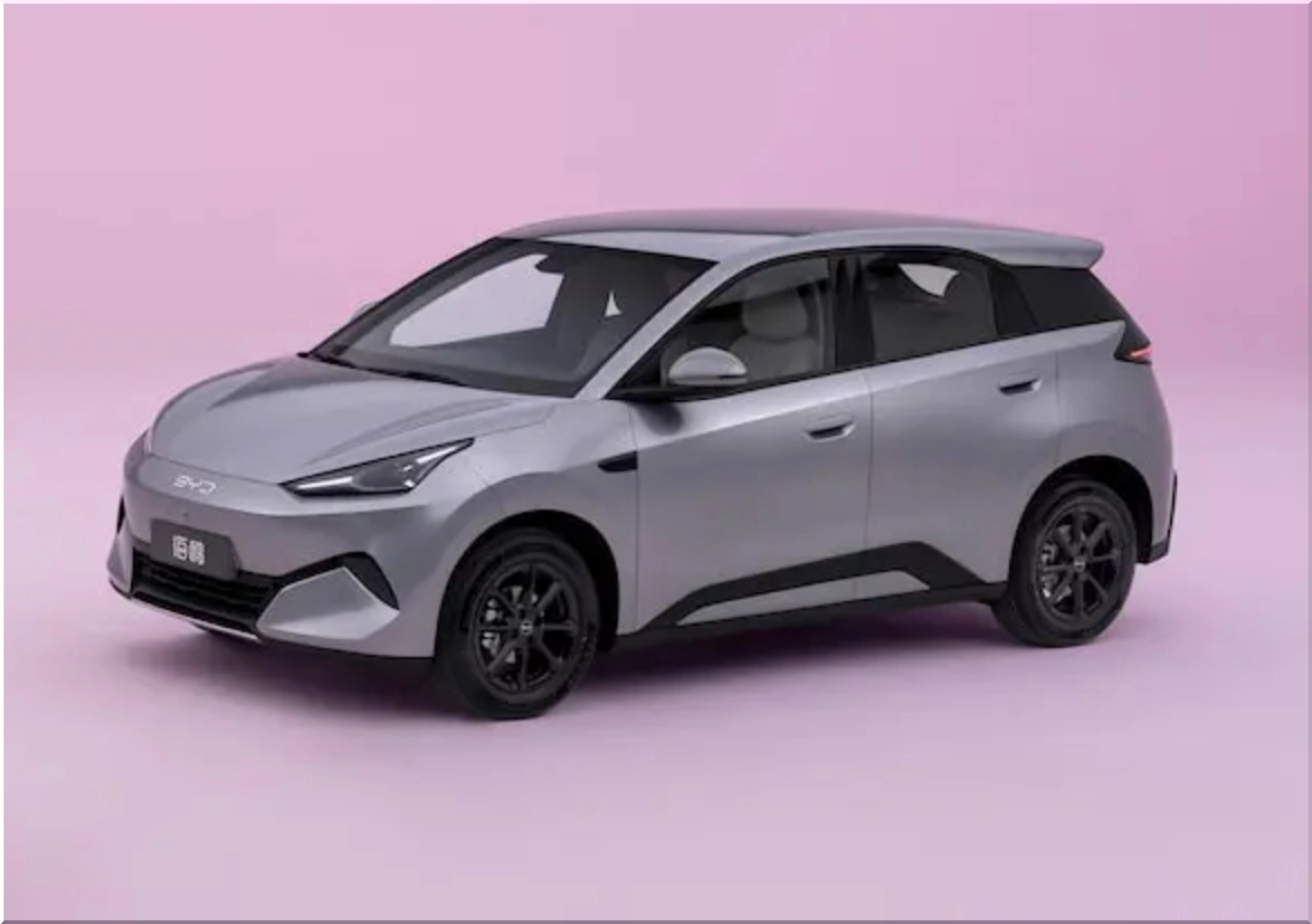
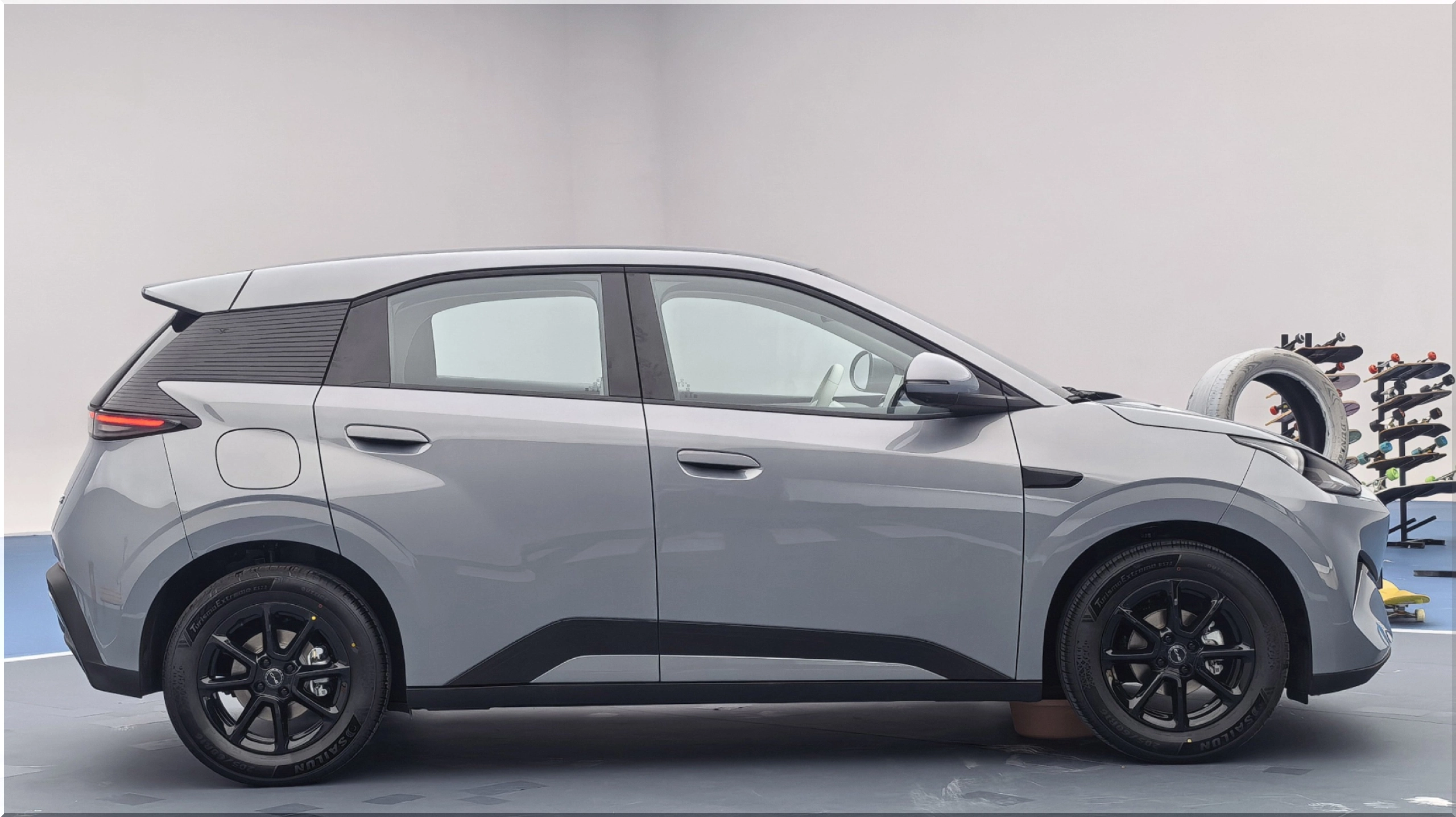
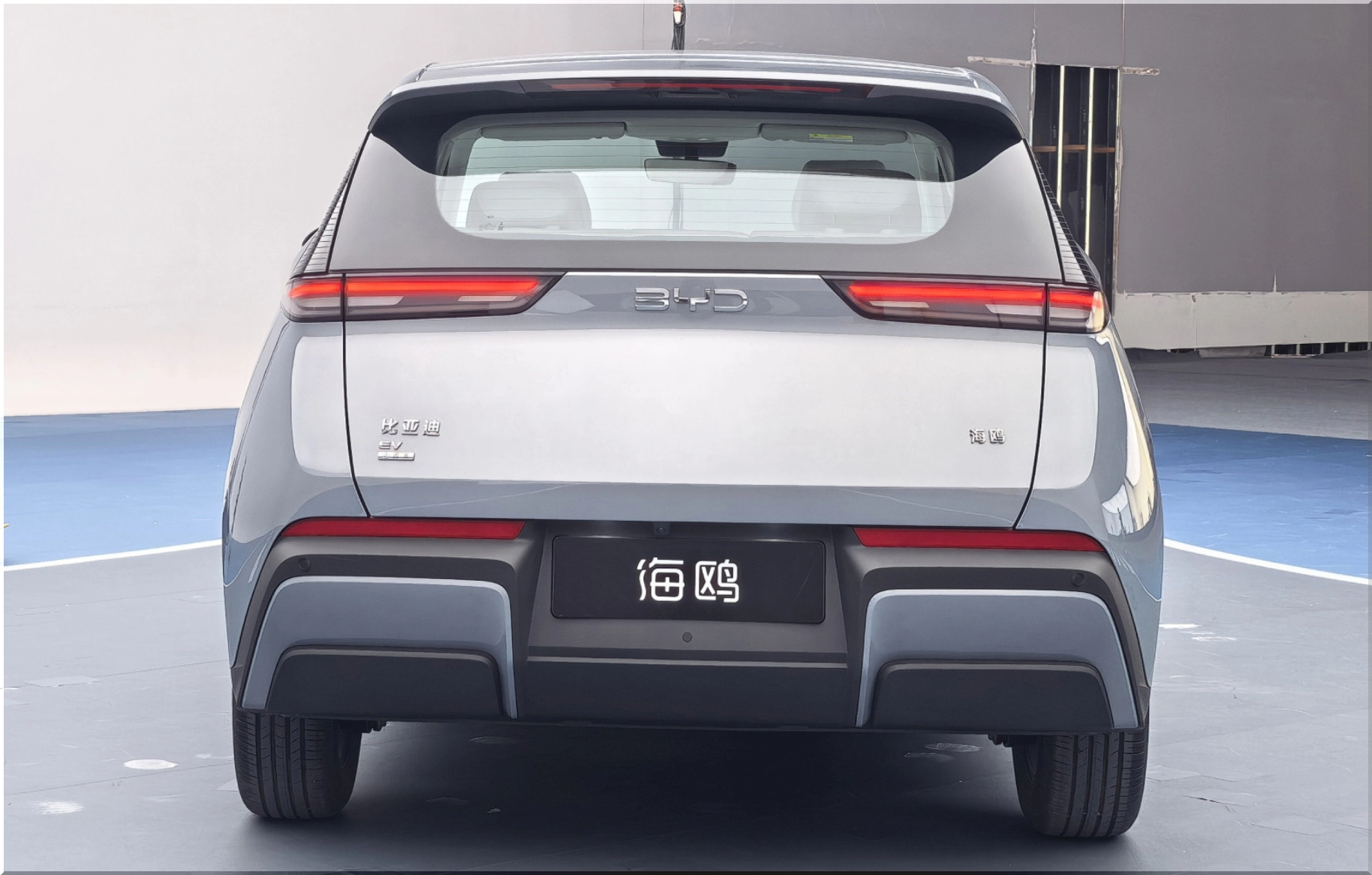
The redesigned BYD Seagull electric hatchback grows into a larger five-seat package, with reported Chinese pricing from approximately $9,900 before trade-in incentives. Launch coverage lists two battery sizes and reserves Flash Charging for the three higher trims. Buyers should separate those specifications from the entry-price headline.
- Dimensions: 165.6 inches long, 71.3 inches wide, and 61.8 inches tall, equivalent to 4,205 x 1,810 x 1,570 mm.
- Wheelbase: 104.3 inches, or 2,650 mm; BYD adds 5.9 inches between the axles versus the outgoing model.
- Power: Reported motor options deliver 85 or 95 kW, approximately 114 or 127 hp.
- Battery and range: 30.1 or 39.2 kWh LFP packs accompany Chinese CLTC ratings of roughly 199 or 261 miles. Those figures do not represent EPA range.
- Storage: A 94-liter front trunk adds approximately 3.3 cubic feet of space.
In addition, the reported switch to multi-link independent rear suspension gives the redesign a chassis change beyond its longer body and added seat.
Image gallery:
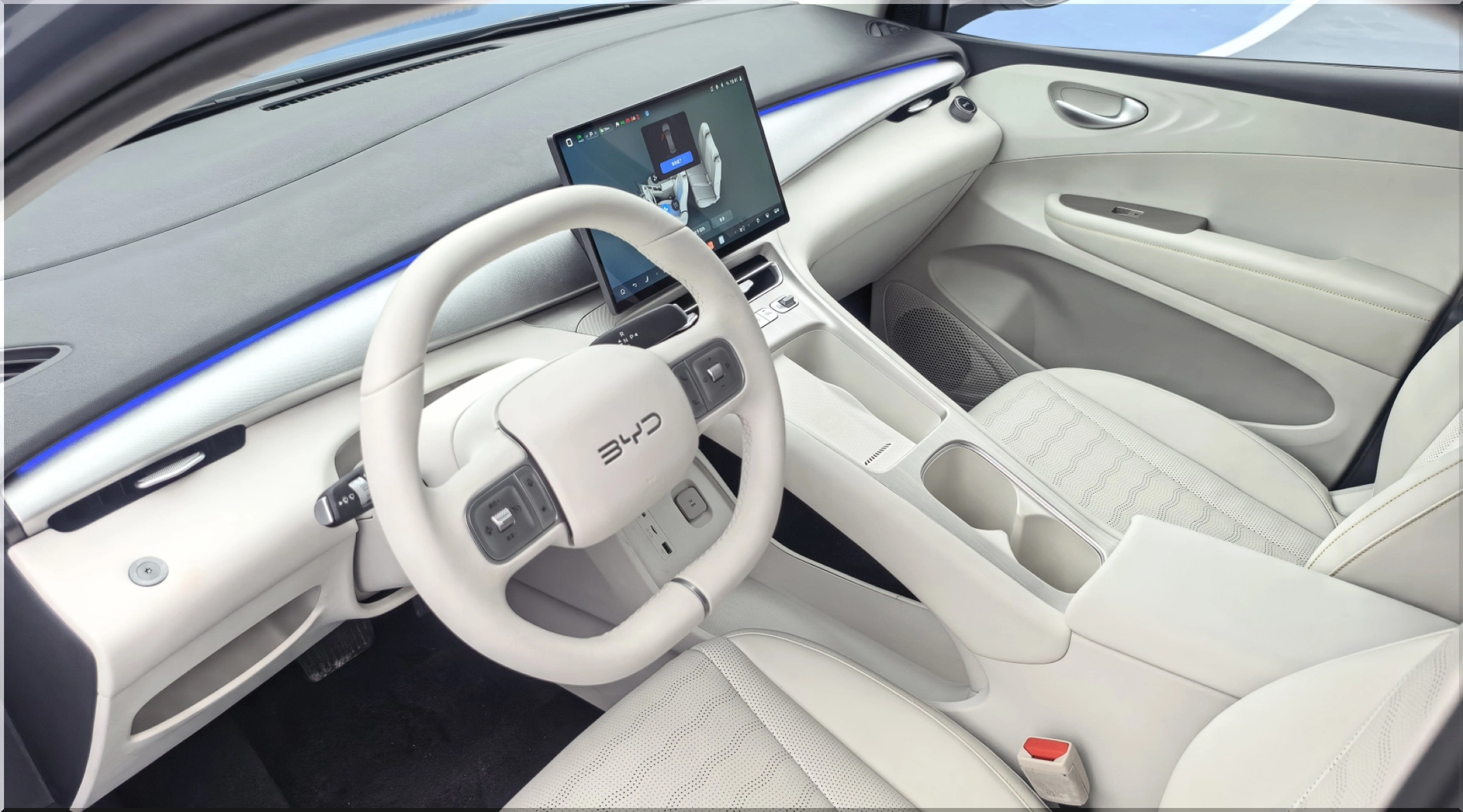
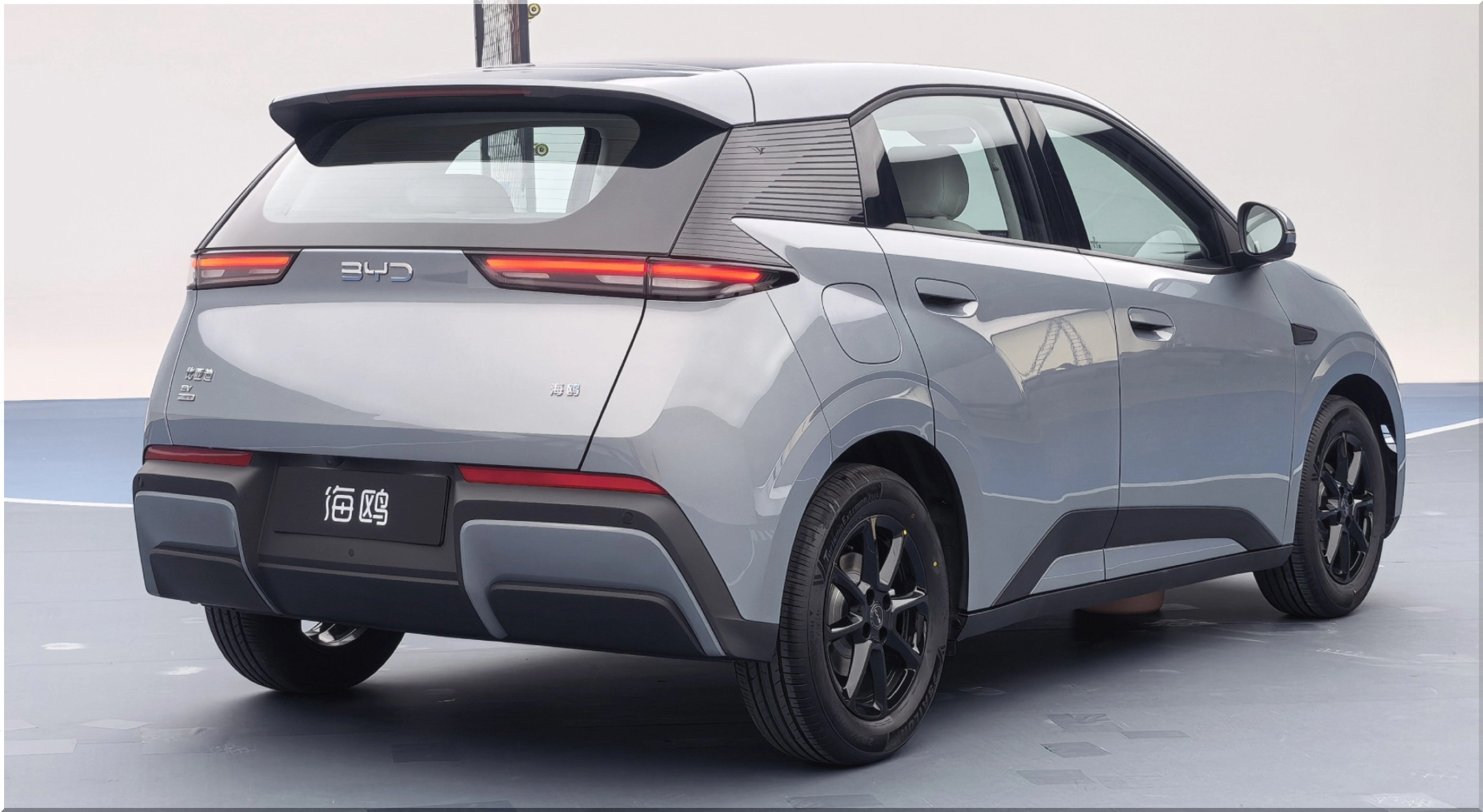
What should buyers check beyond the $10,000 headline?
The price and charging claims need separate checks. Launch reporting puts the five-minute, 10%-to-70% charging claim on the larger-battery higher trims, using compatible Flash Charging equipment. A Chinese sticker price also does not establish U.S. availability, certification, charging compatibility, or the insurance and service costs an American buyer would face.
| Pros | Cons and limits |
|---|---|
| Controlled deceleration in the reported 87-mph demonstration | One demonstration cannot establish all-weather performance |
| Approximately $9,900 starting price in China | That figure does not establish a U.S. transaction price |
| Claimed five-minute 10%-to-70% charging on higher trims | Buyers need the correct trim and compatible equipment |
Pro-Tip: How should you compare the charging claim?
Ask for the exact battery, starting temperature, charger requirements, and repeatable charging curve. Peak charging headlines tell you less about a road trip than the time your chosen trim spends connected to an available station.
- Add new comment
- 40 views