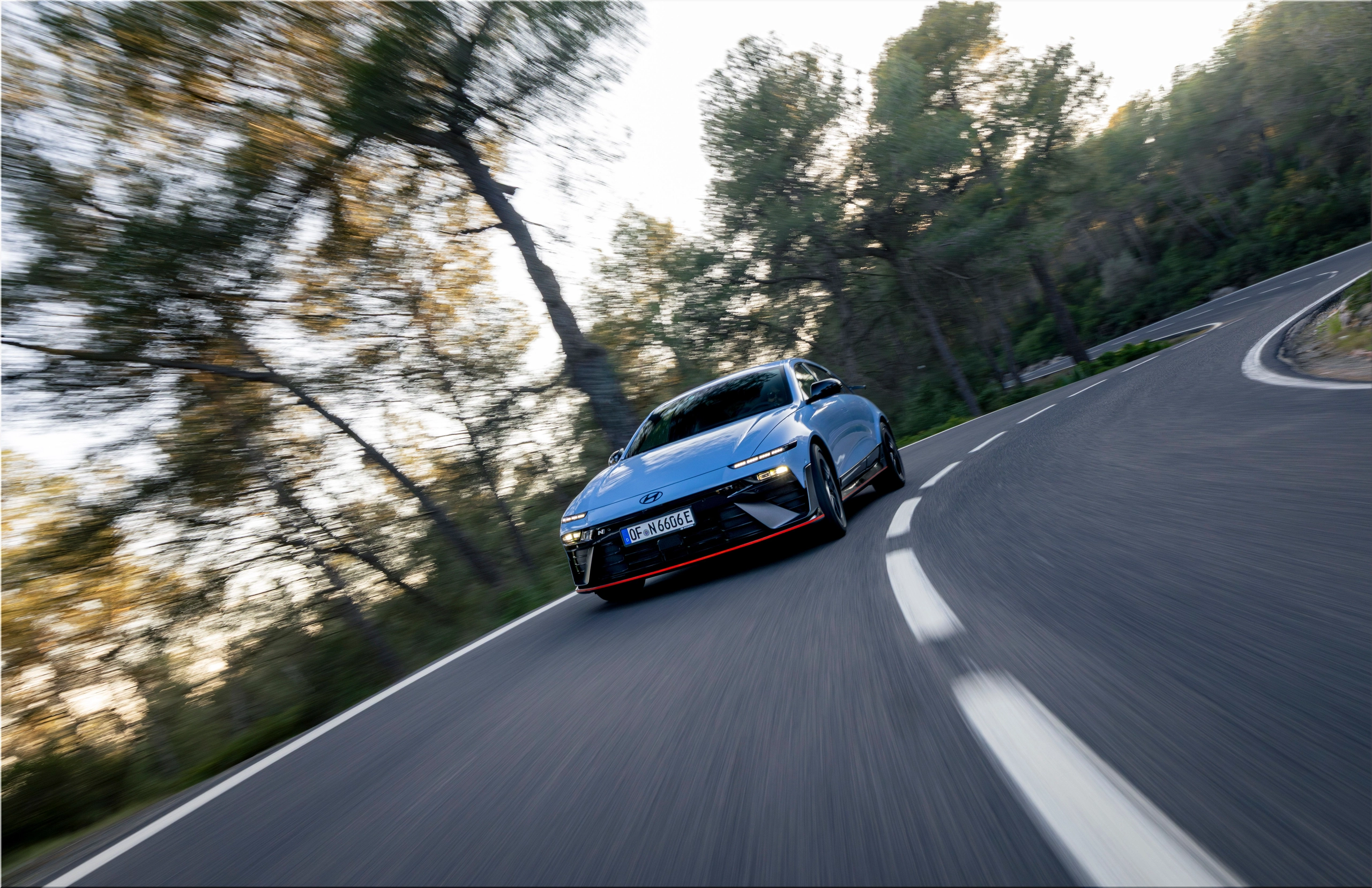
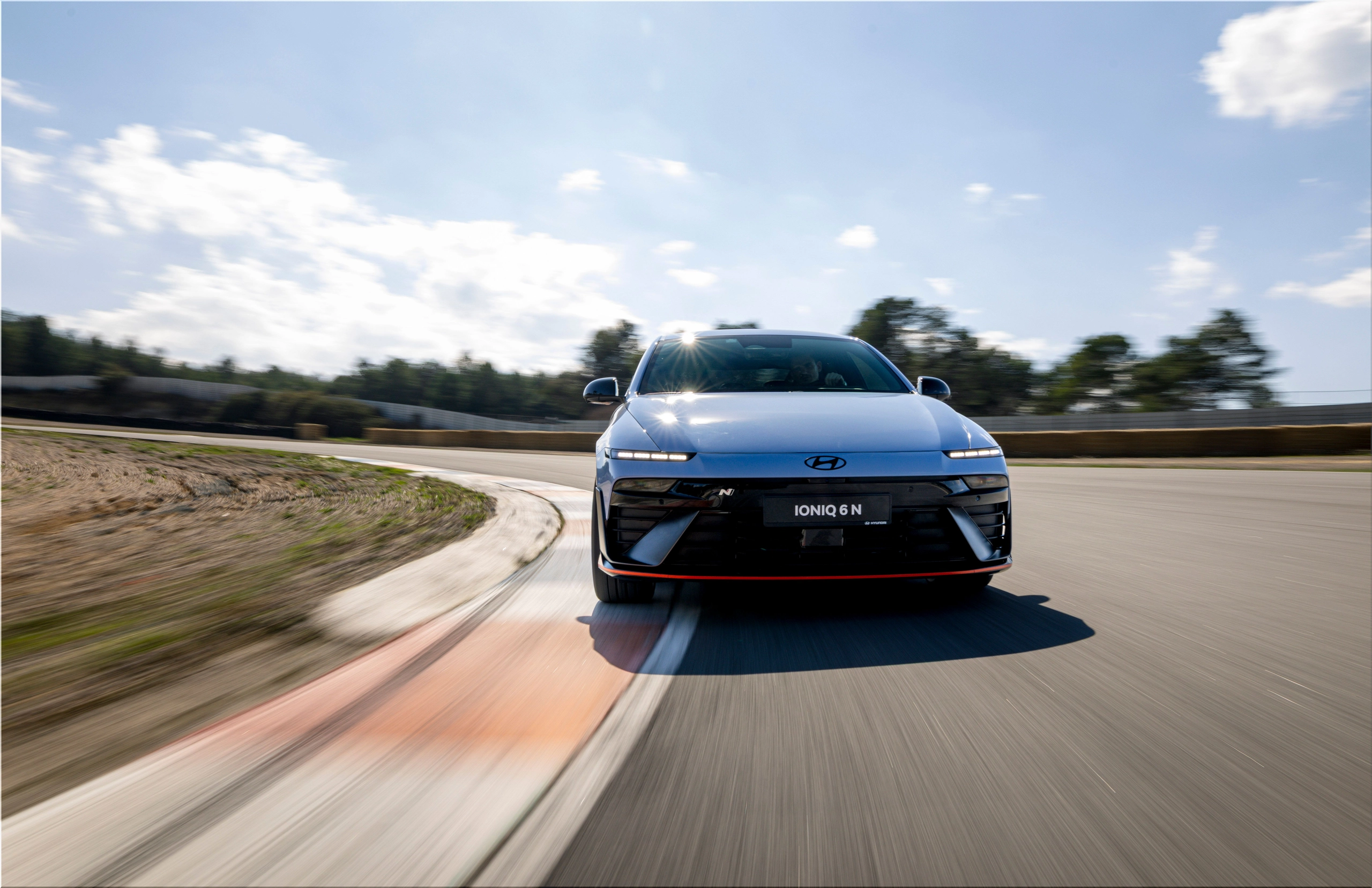
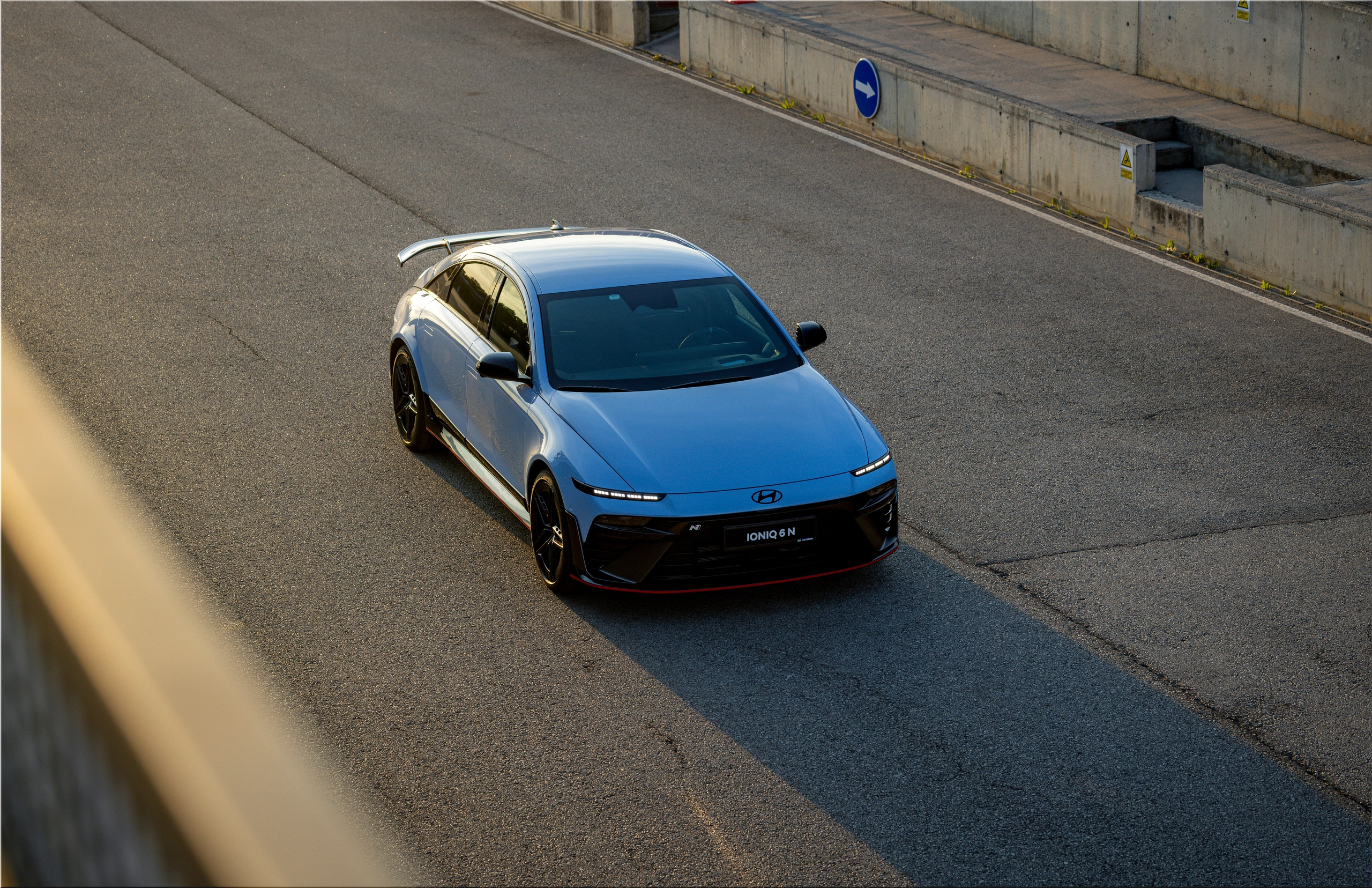
The Hyundai IONIQ 6 N turns the slippery IONIQ 6 sedan into a serious electric performance car with dual motors, all-wheel drive, 641 hp with boost, 568 lb-ft of torque, an 84 kWh battery, and rapid 800V charging. The bigger story sits in the chassis: Hyundai tuned this EV for track repeatability without throwing away daily comfort.
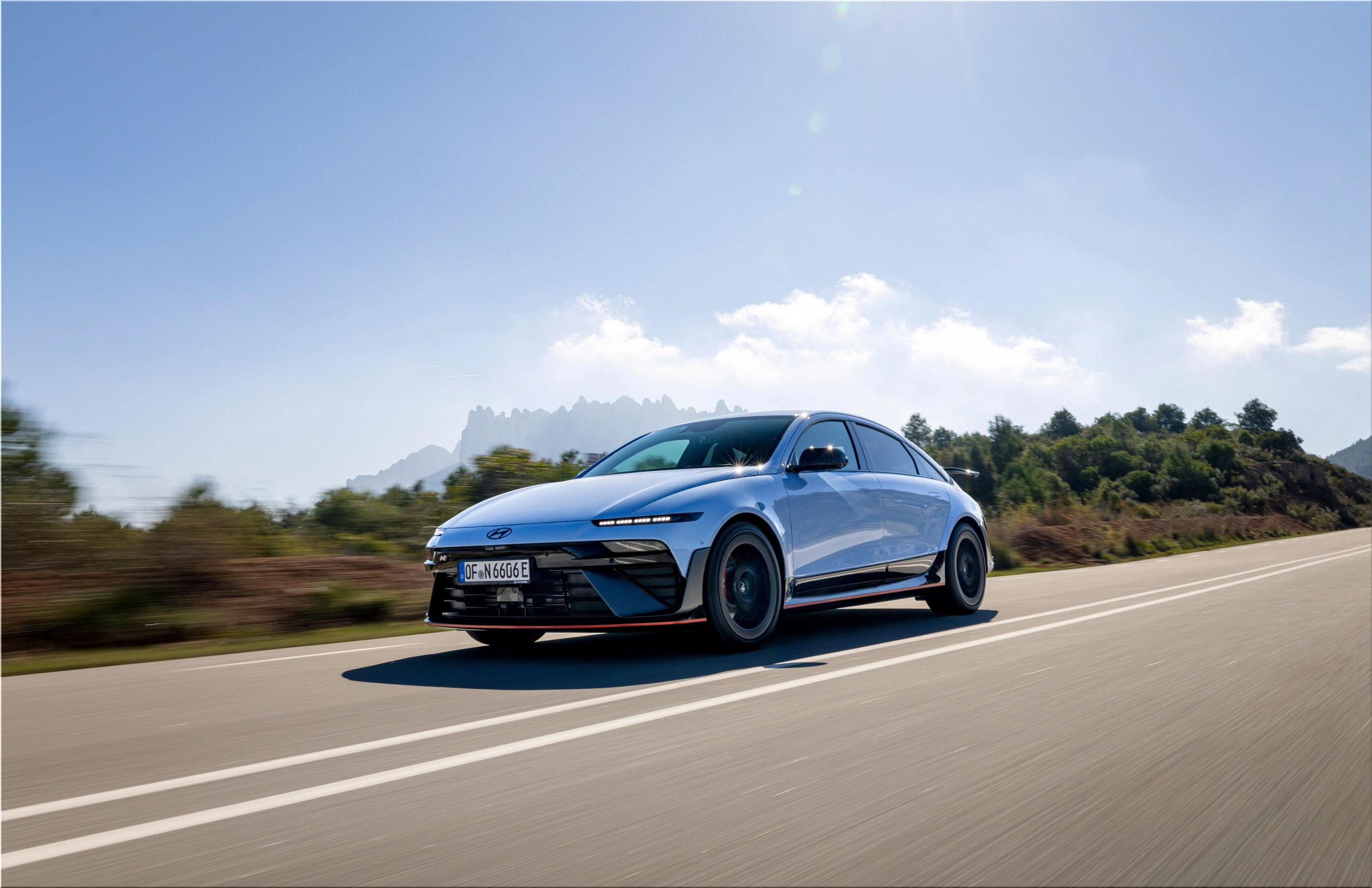
What Makes The Hyundai IONIQ 6 N Different?
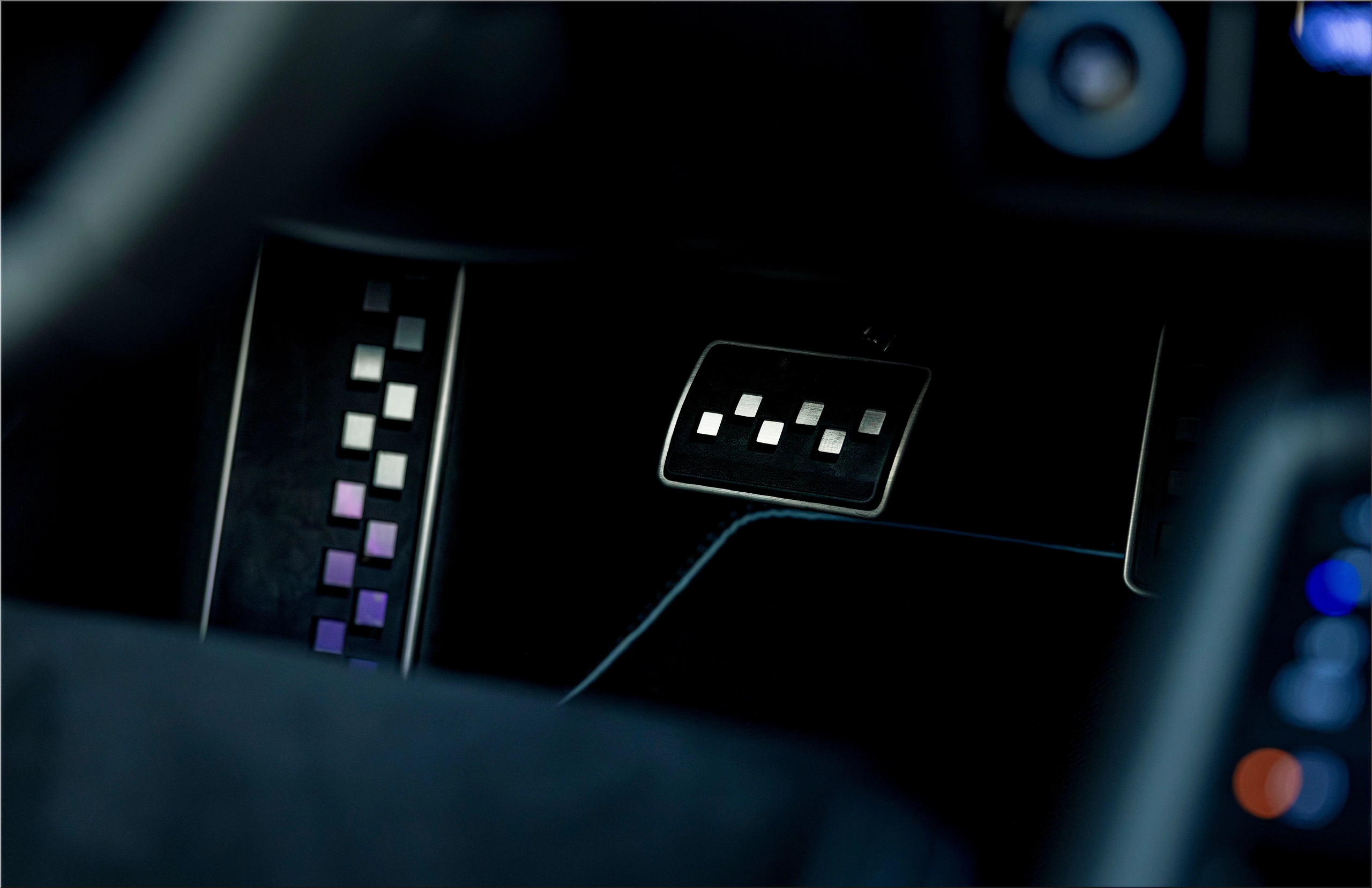
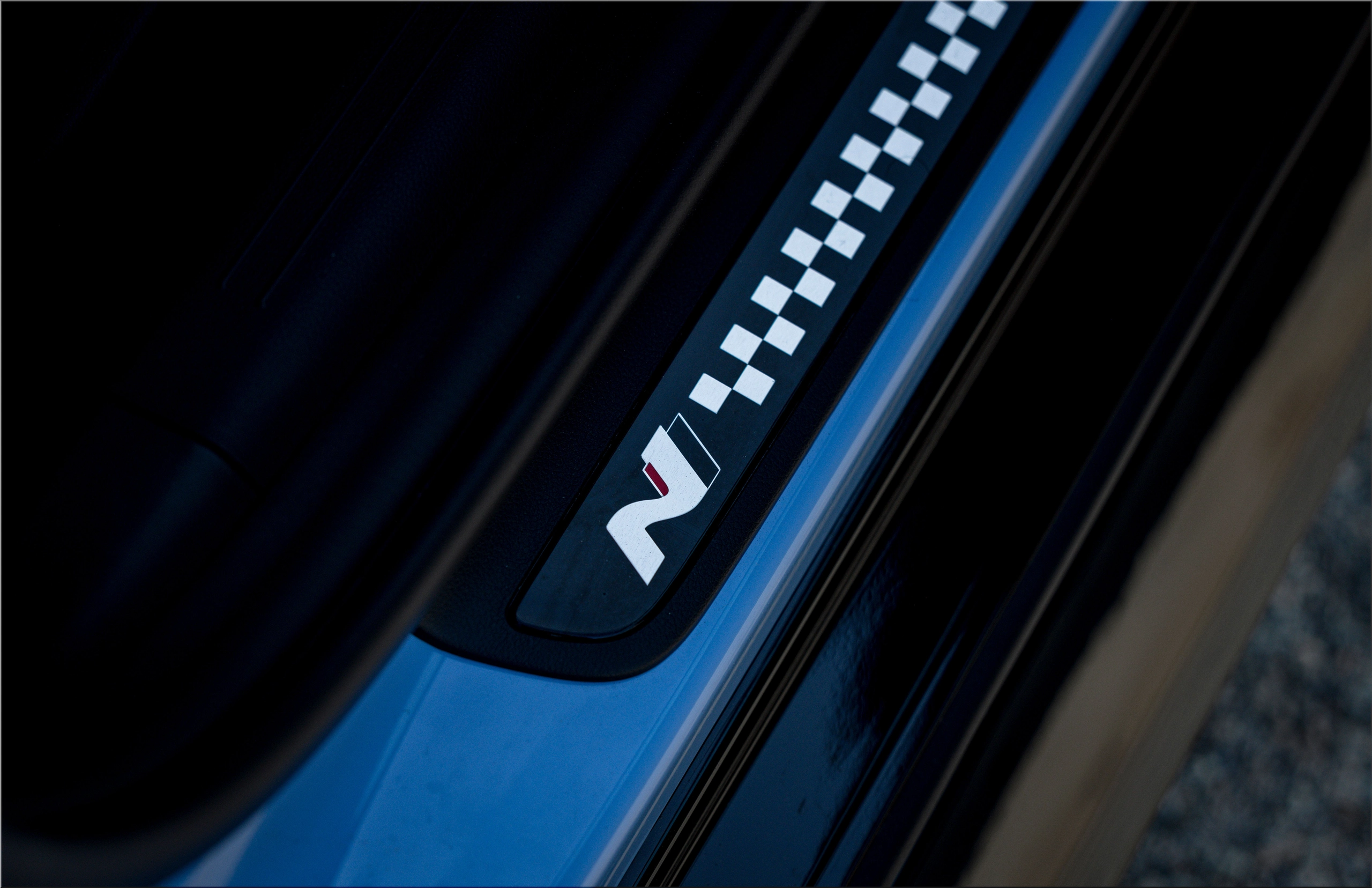
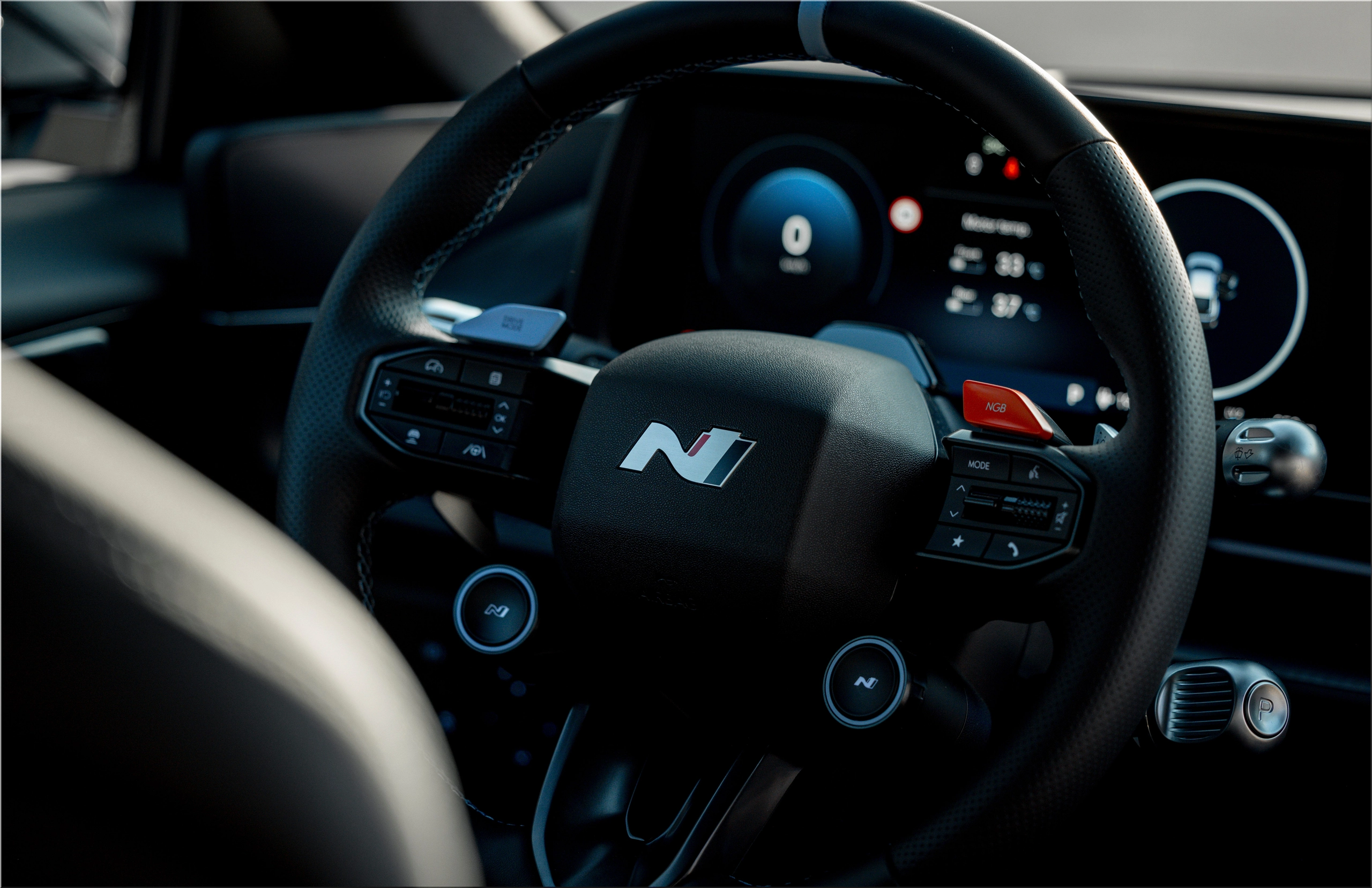
Hyundai did not simply give the IONIQ 6 more power. It changed the car's purpose. The IONIQ 6 N uses Hyundai's N playbook: sharp steering, high thermal resistance, electronic torque control, and driver feedback systems that try to replace the missing rhythm of a gasoline performance car.
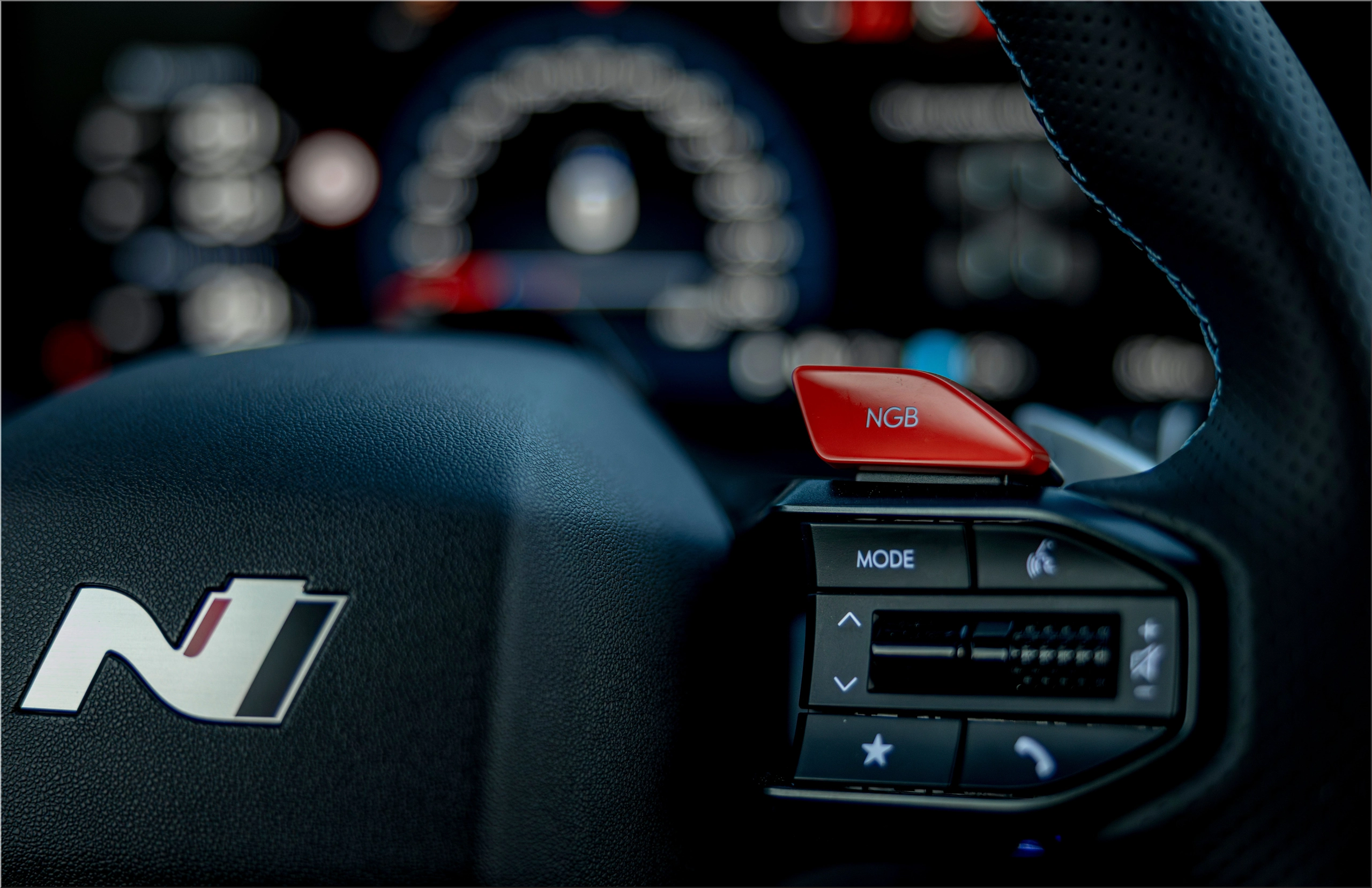
Specifically, the sedan delivers 601 hp in normal high-output form and 641 hp when the driver activates N Grin Boost. That boost mode raises output for 10 seconds, which suits overtaking, launch runs, and short track straights rather than continuous abuse. The motors spin up to 21,000 rpm, and Hyundai strengthened the permanent magnets inside the front and rear motors to support harder performance driving.
| Performance Data | Hyundai IONIQ 6 N |
|---|---|
| Standard output | 601 hp |
| Boost output | 641 hp |
| Standard torque | 546 lb-ft |
| Boost torque | 568 lb-ft |
| 0-60 mph | 3.2 seconds |
| Top speed | 159 mph |
| Quarter-mile | 11.1 seconds |
| 60-0 mph braking | 130 ft |
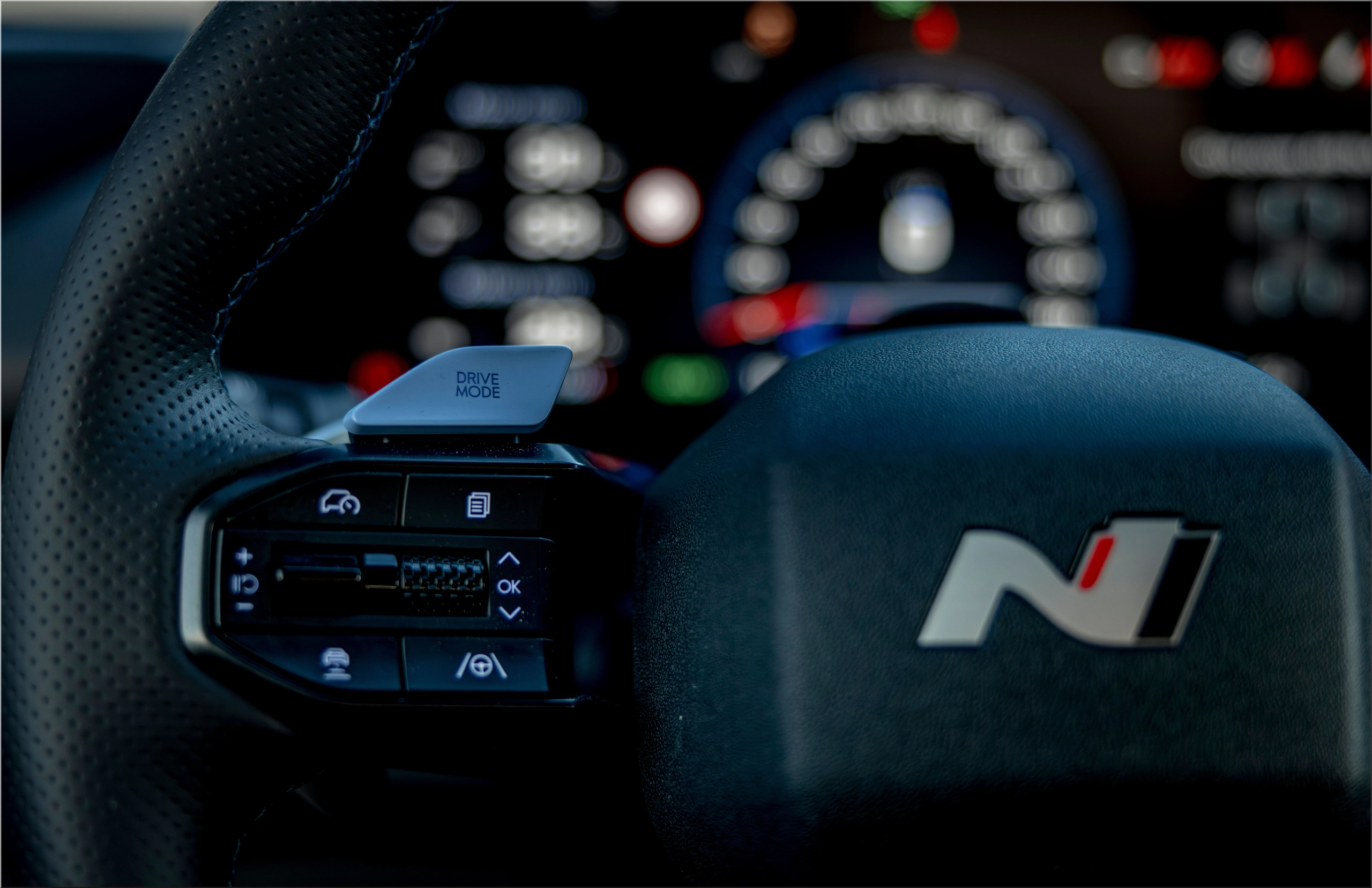
Looking at the data, the IONIQ 6 N lands in the same conversation as serious sport sedans, but with EV-specific mass and heat management challenges. That matters because fast EVs often feel heroic for one launch and ordinary after heat builds. Hyundai counters that problem with dedicated N Battery modes for drag, sprint, and endurance driving.
How Does The IONIQ 6 N Balance Track Speed And Daily Comfort?
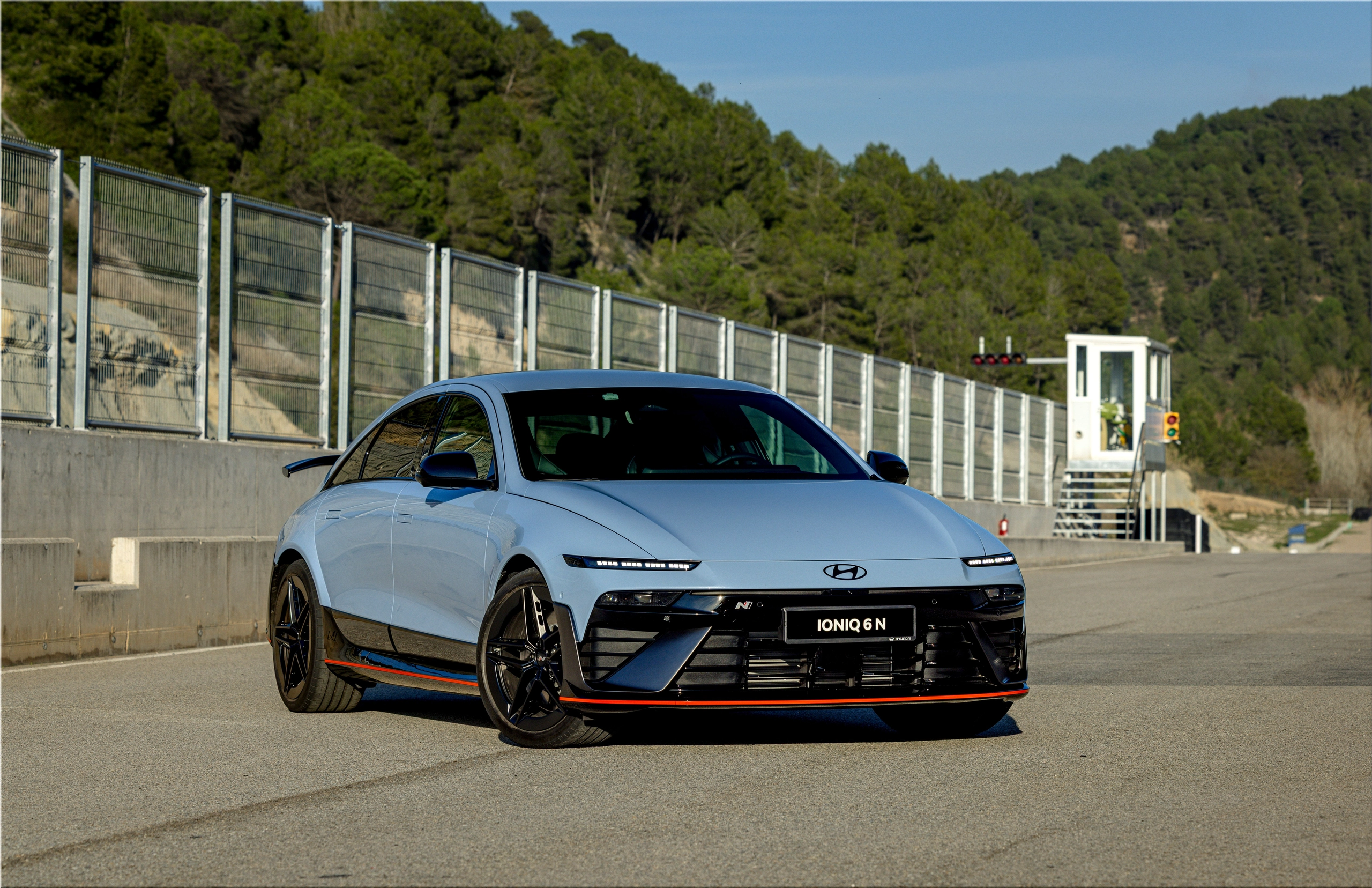
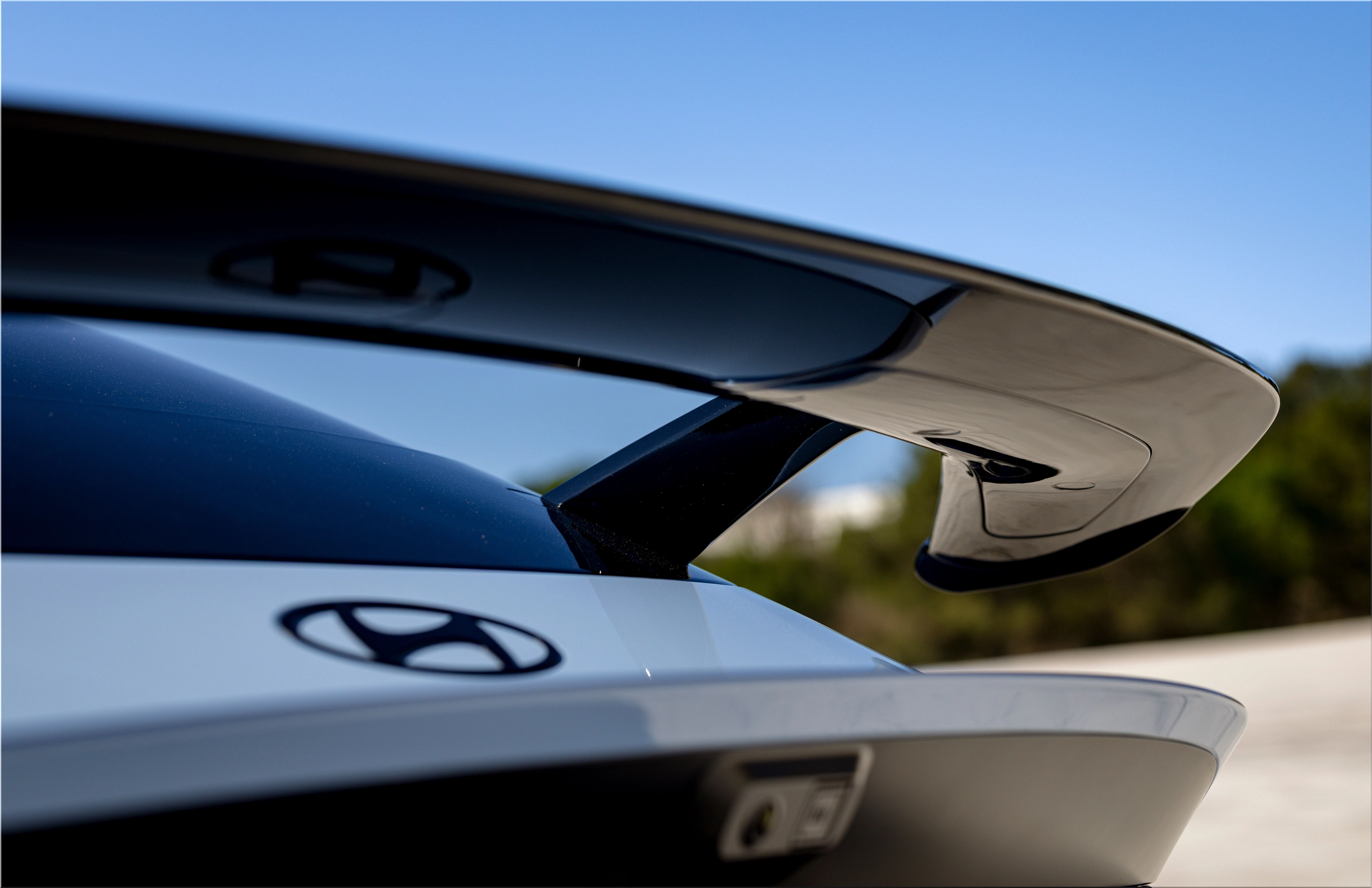
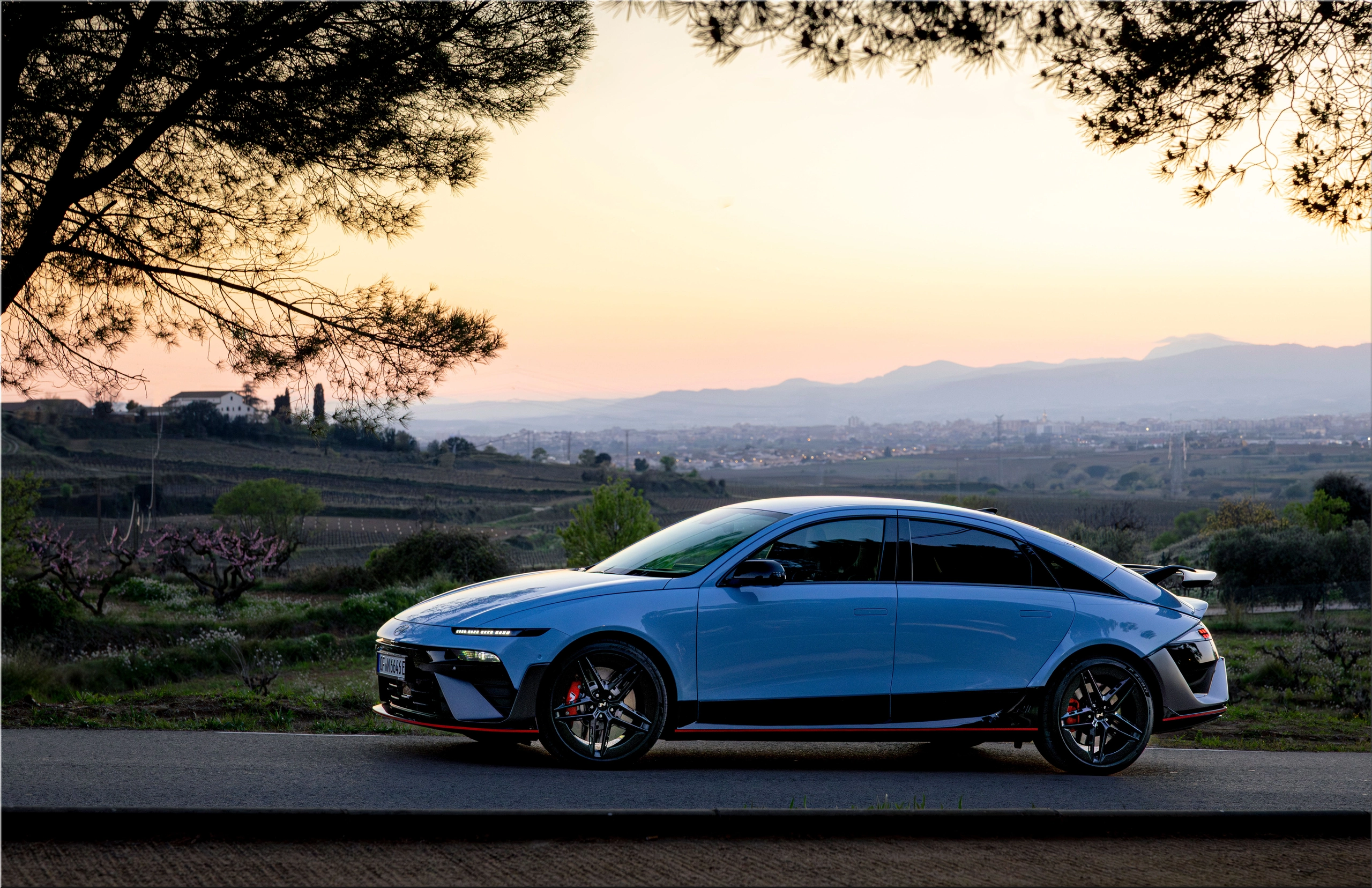
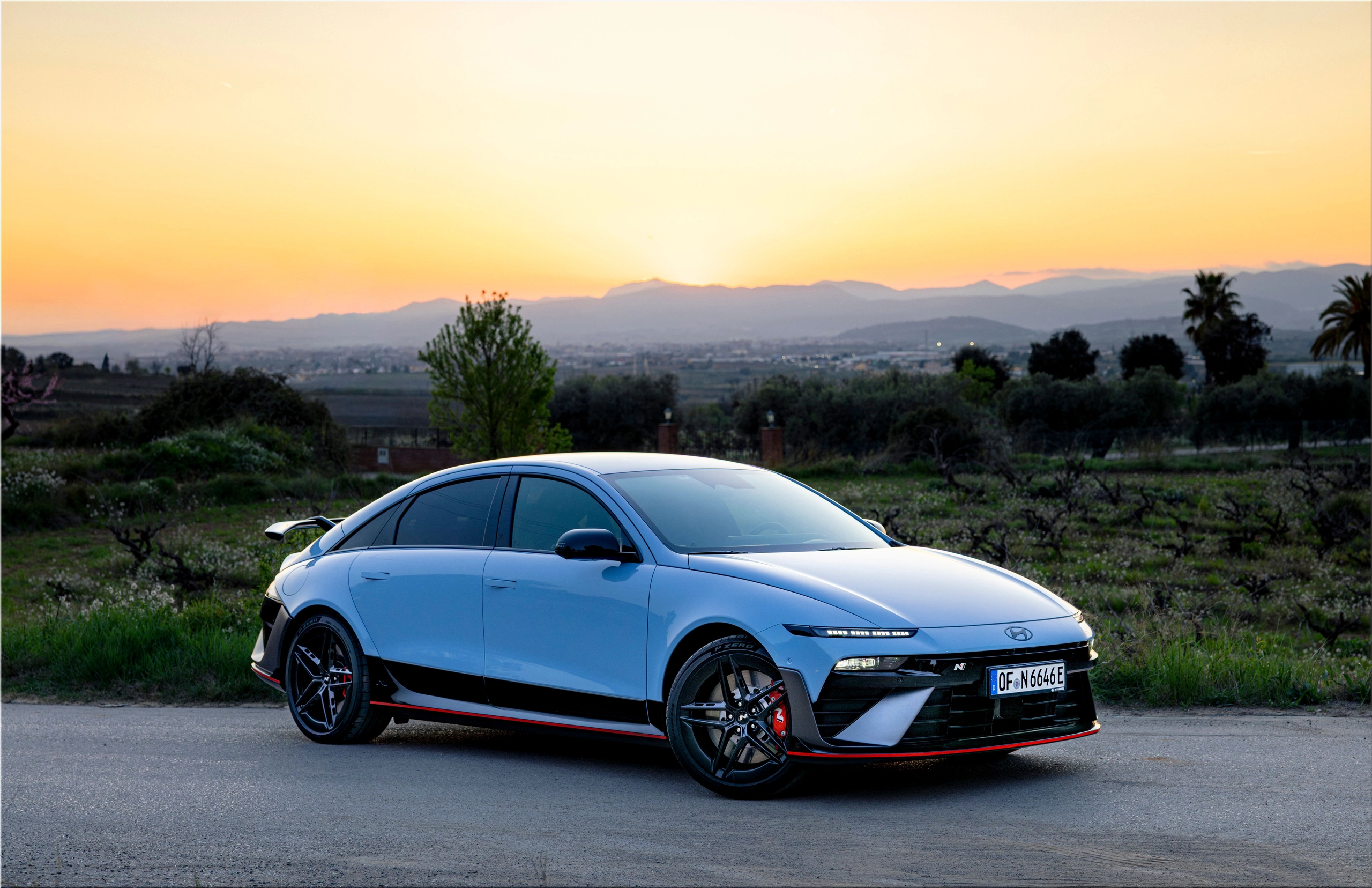
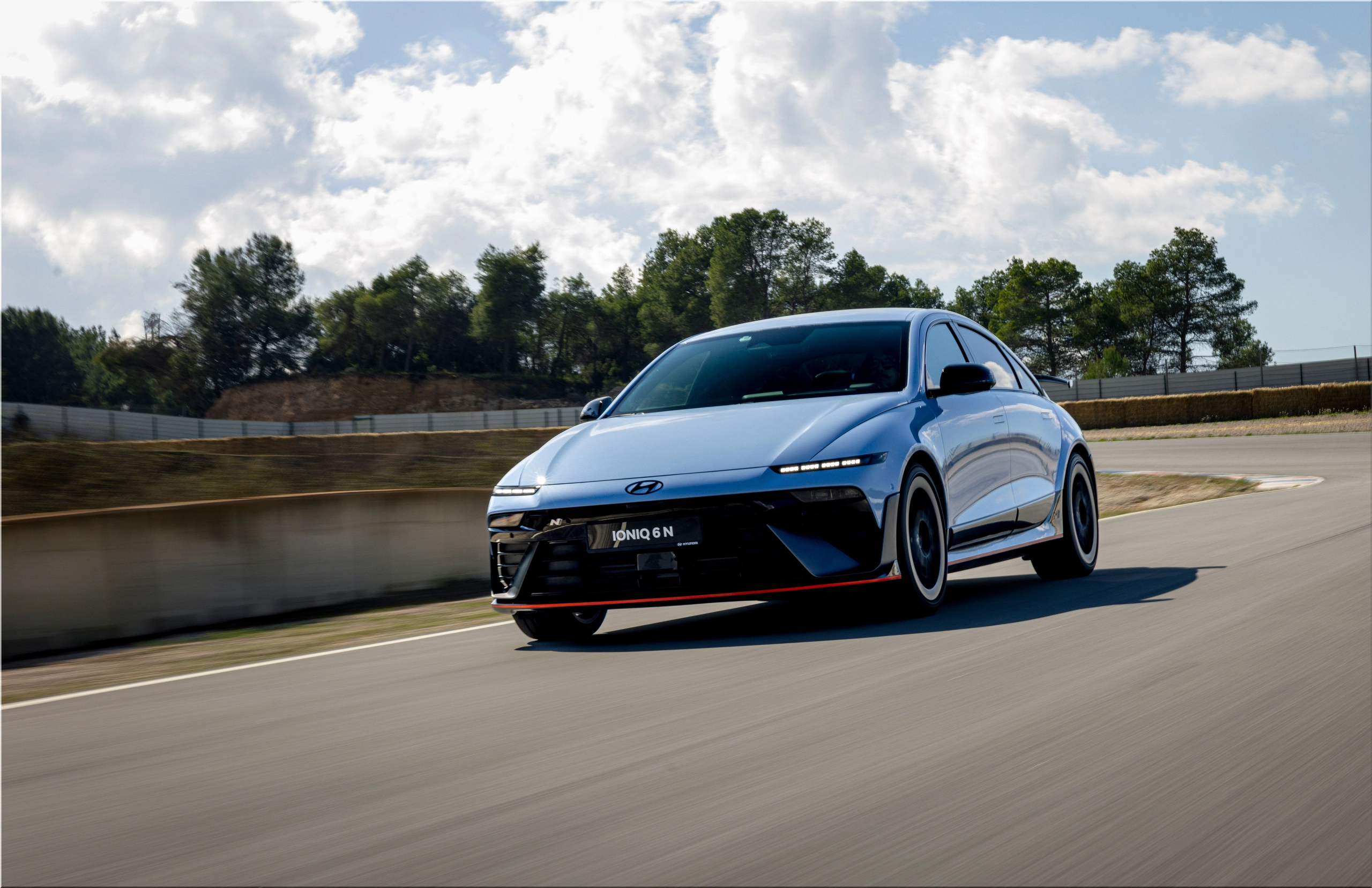
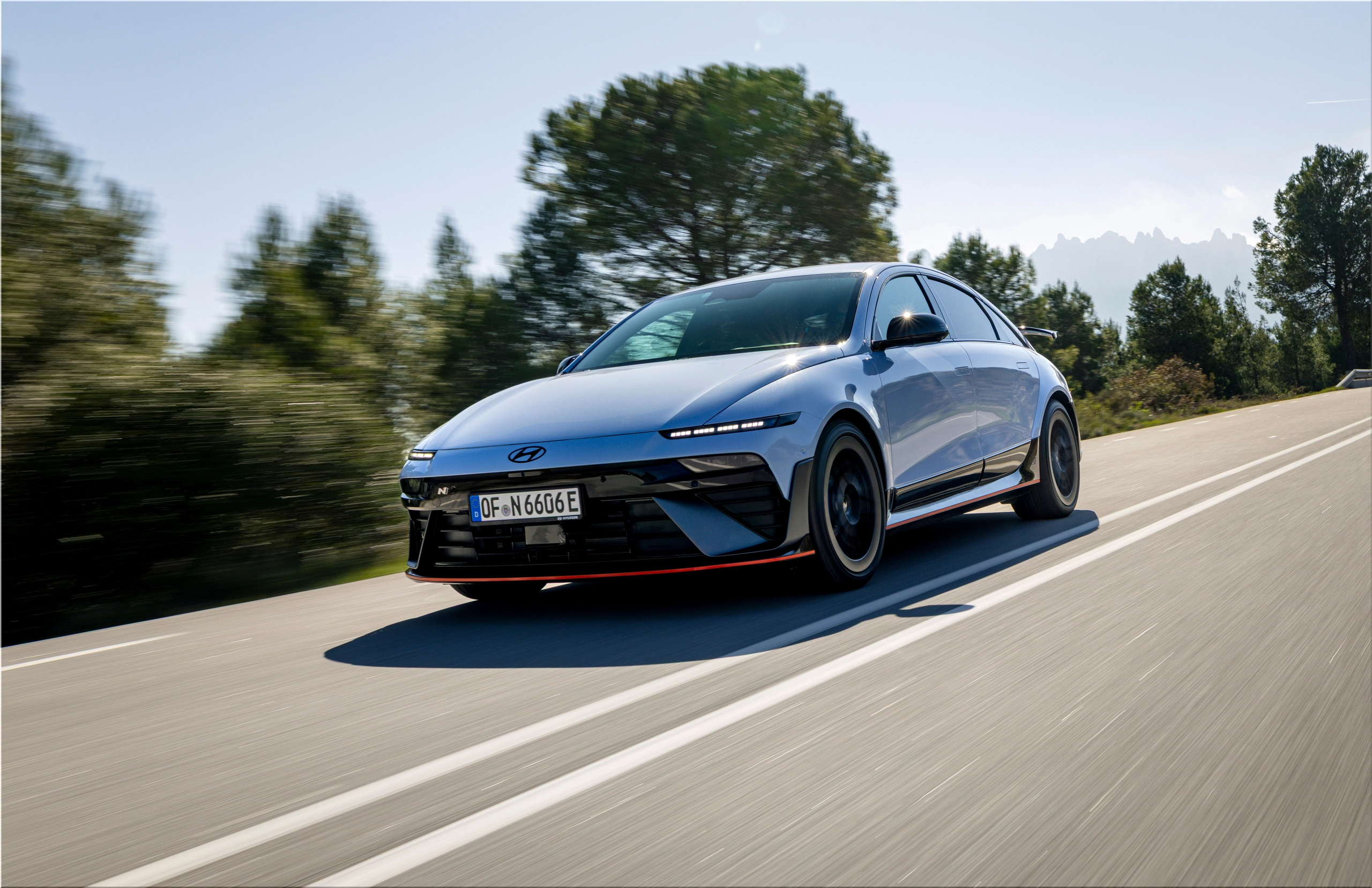
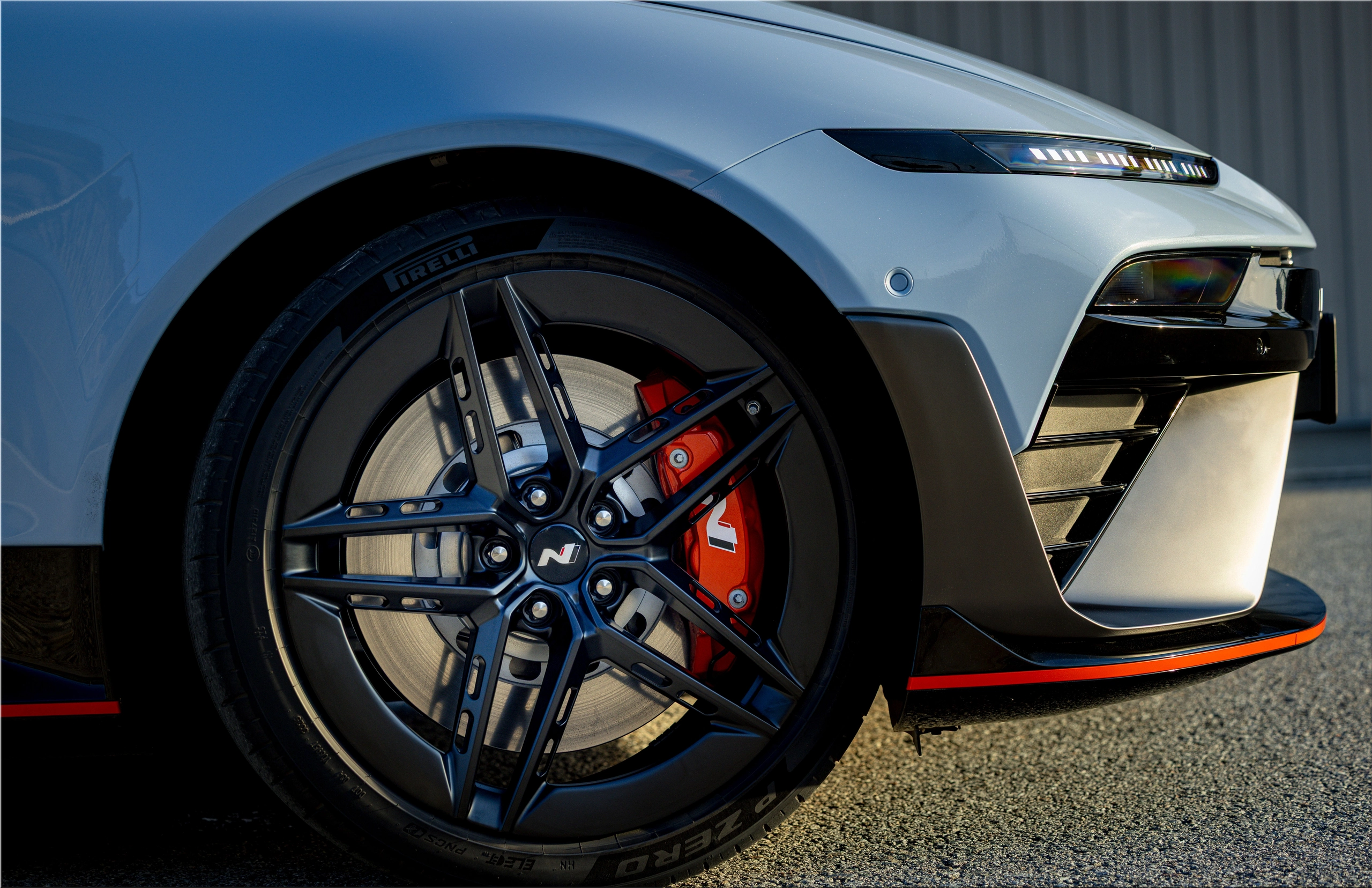
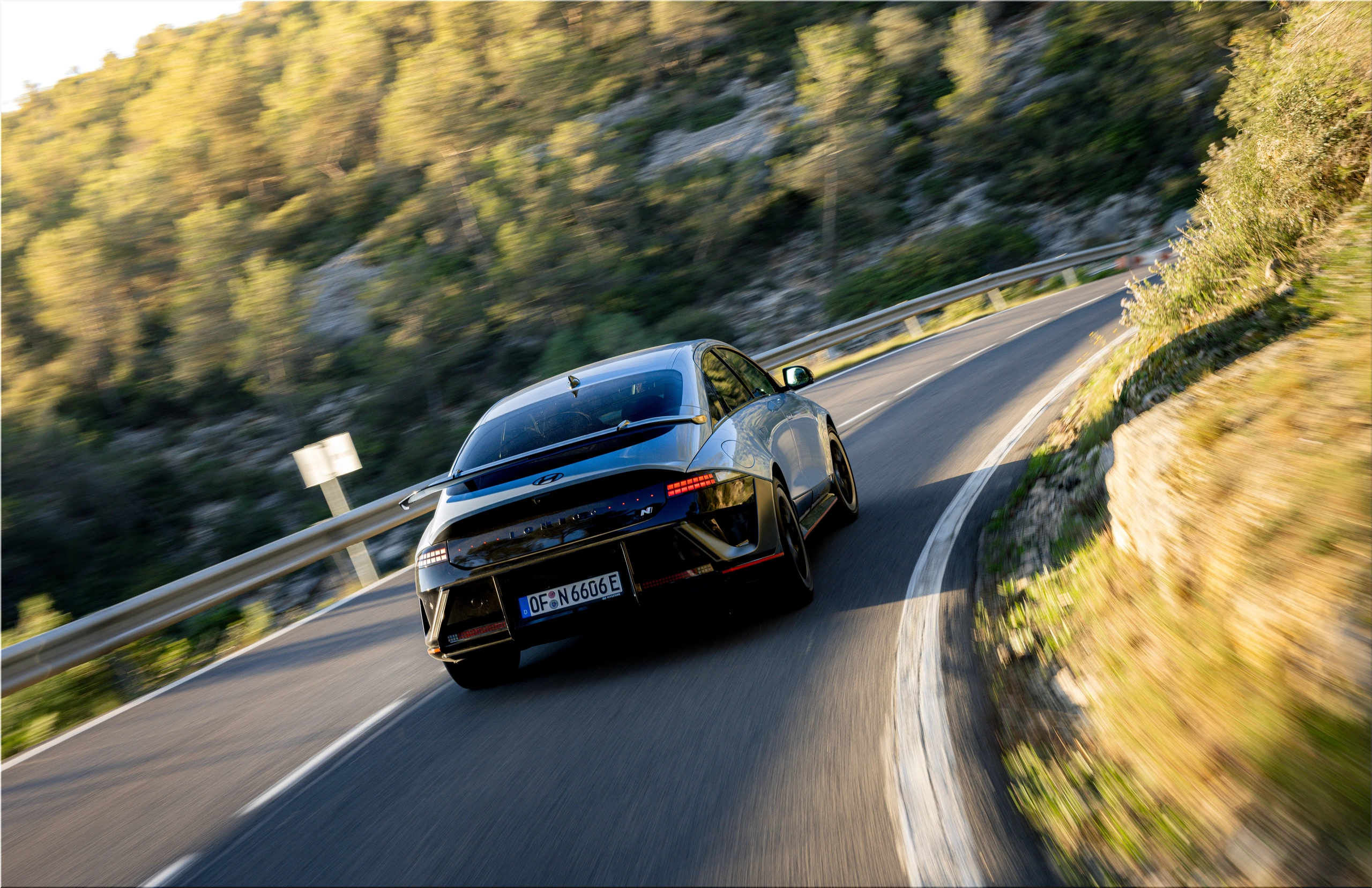
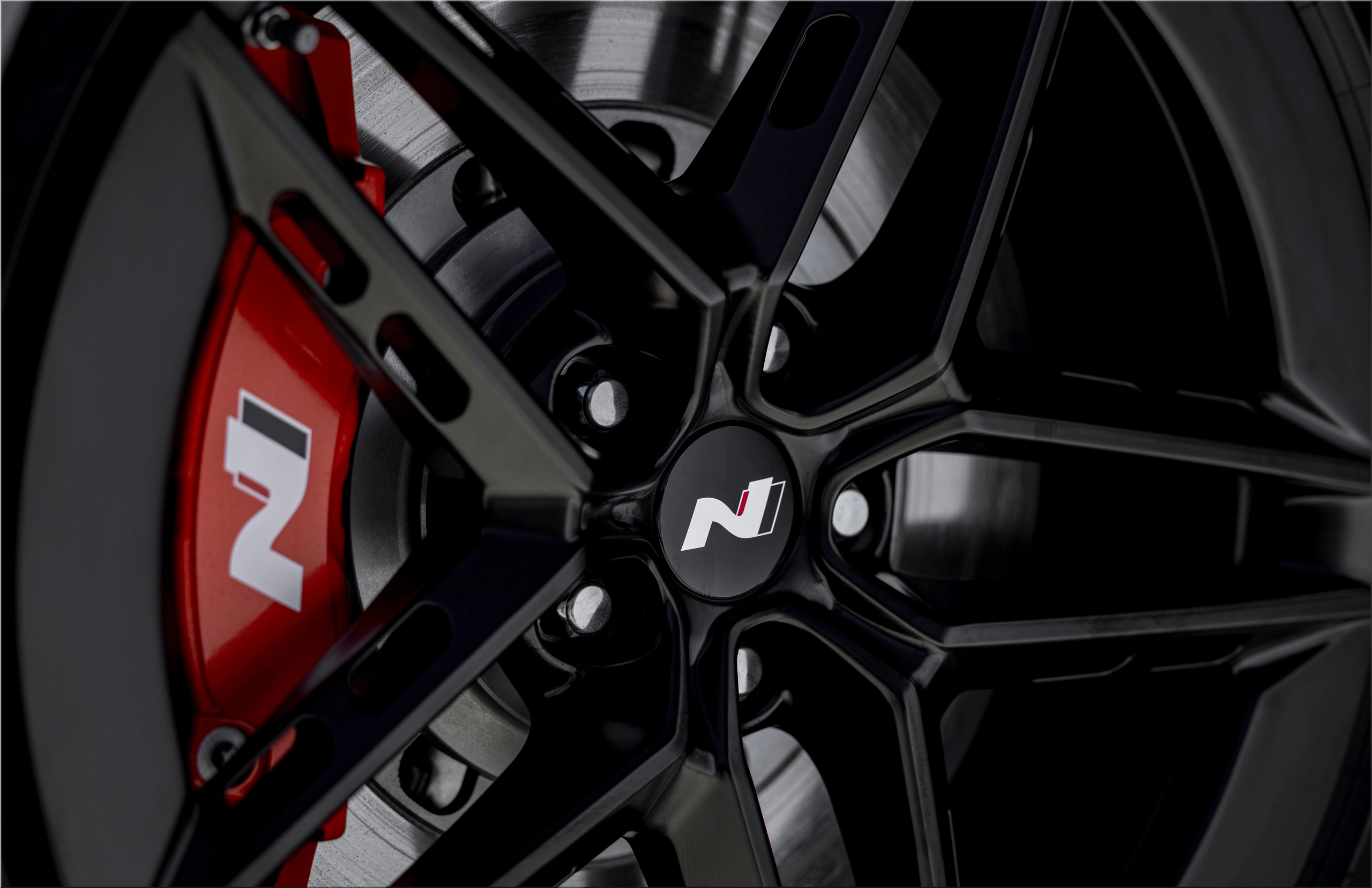
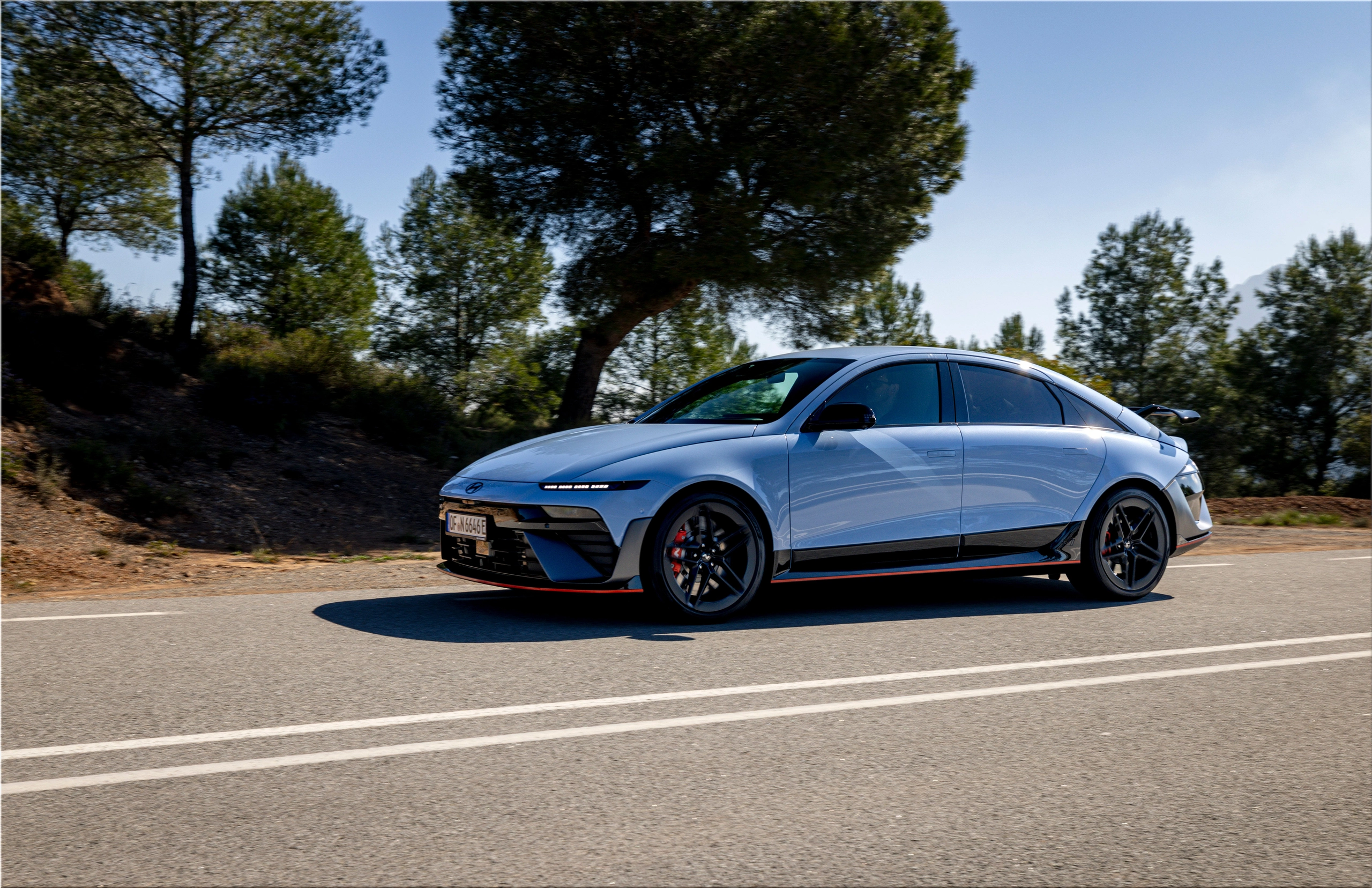
The IONIQ 6 N electric sedan uses a 116.7-inch wheelbase, a 194.3-inch body, and a low 0.276 drag coefficient, so it starts with a stable aero-efficient shape. Hyundai then adds wider fenders, a large rear wing, 20-inch forged wheels, and 275/35R20 performance tires.
In addition, the chassis gets MacPherson front suspension, a five-link rear setup, electronically controlled Sachs dampers, and revised suspension geometry. Hyundai also fits hydraulic bushings and dual-layer bushings, which reduce harshness without turning the steering into mush. From an expert perspective, that detail separates a livable performance EV from a stiff demo car.
| Chassis And Battery Data | Specification |
|---|---|
| Battery capacity | 84.0 kWh |
| Battery voltage | 697V |
| Battery weight | 1,061 lb |
| DC fast charging | 10-80% in 18 minutes |
| Level 2 charging | 10-100% in 7 hr 20 min |
| Length | 194.3 in / 4,935 mm |
| Width | 76.4 in / 1,940 mm |
| Height | 58.9 in / 1,495 mm |
| Wheelbase | 116.7 in / 2,965 mm |
| Curb weight | 4,797 lb |
Pro-Tip
Use the N Battery preconditioning modes before hard driving or fast charging. A cold or overheated battery cuts power and charging speed, so thermal prep matters as much as raw horsepower in a high-output EV.
Is The Hyundai IONIQ 6 N Practical For Daily Driving?
Yes, but buyers should understand the trade. The IONIQ 6 N offers up to 245 miles of U.S. electric range in available specification data, while the European figure reaches up to 487 km, or 302 miles, on the WLTP cycle. Those numbers place it below long-range efficiency-first EV sedans, but that penalty comes from wider tires, higher output, added cooling, and aero hardware.
By comparison, the launch price starts at roughly $84,100. That figure includes market-specific taxation, so it does not predict a U.S. MSRP cleanly. Still, it shows Hyundai wants the IONIQ 6 N to play above ordinary EV sedans while undercutting some premium performance rivals.
Key daily-use features include:
- NACS fast-charging support in U.S. specification
- 800V charging architecture with 350 kW DC capability
- Highway Driving Assist 2
- Blind Spot Collision-Avoidance Assist
- Remote Smart Parking Assist 2
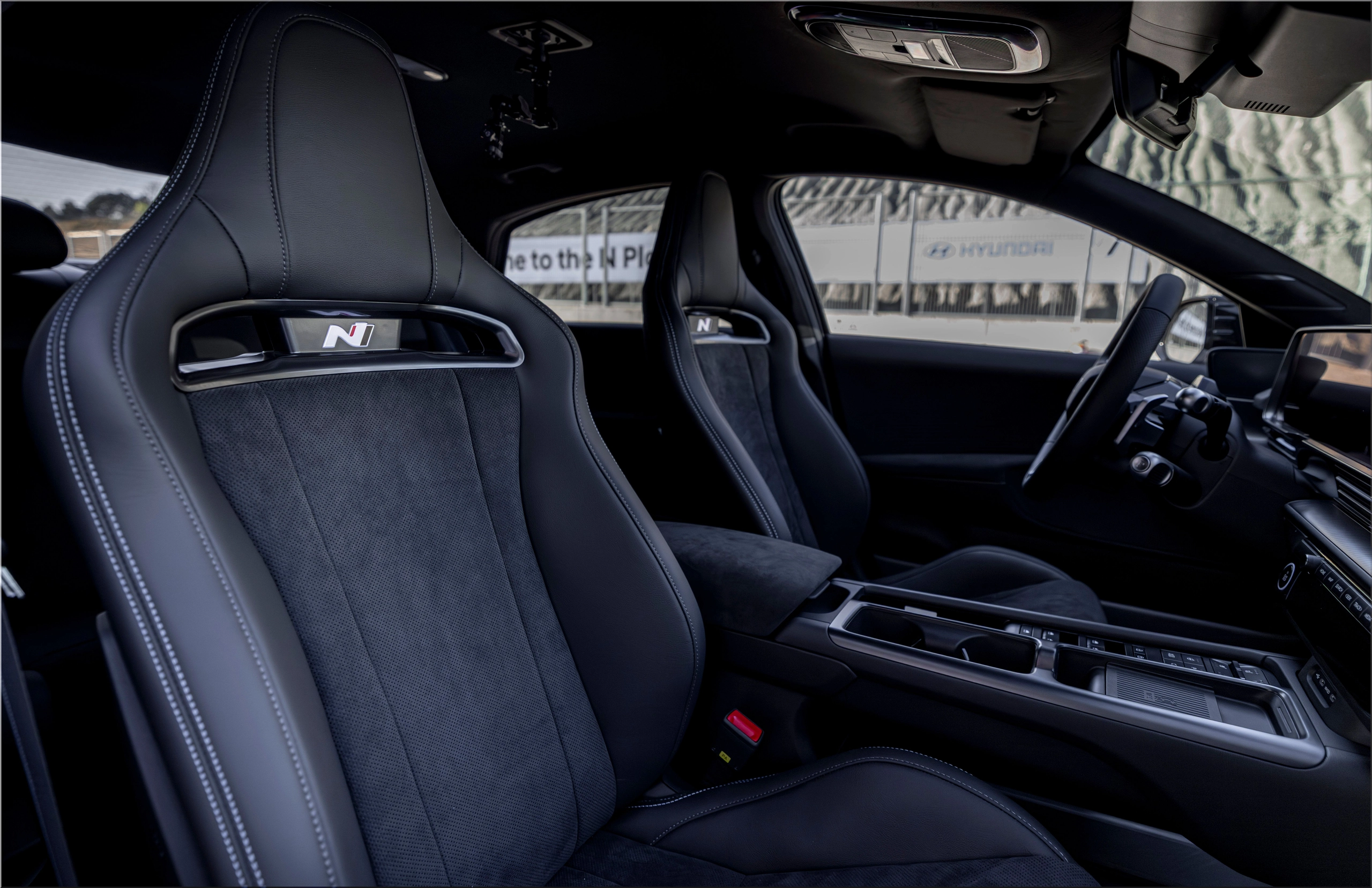
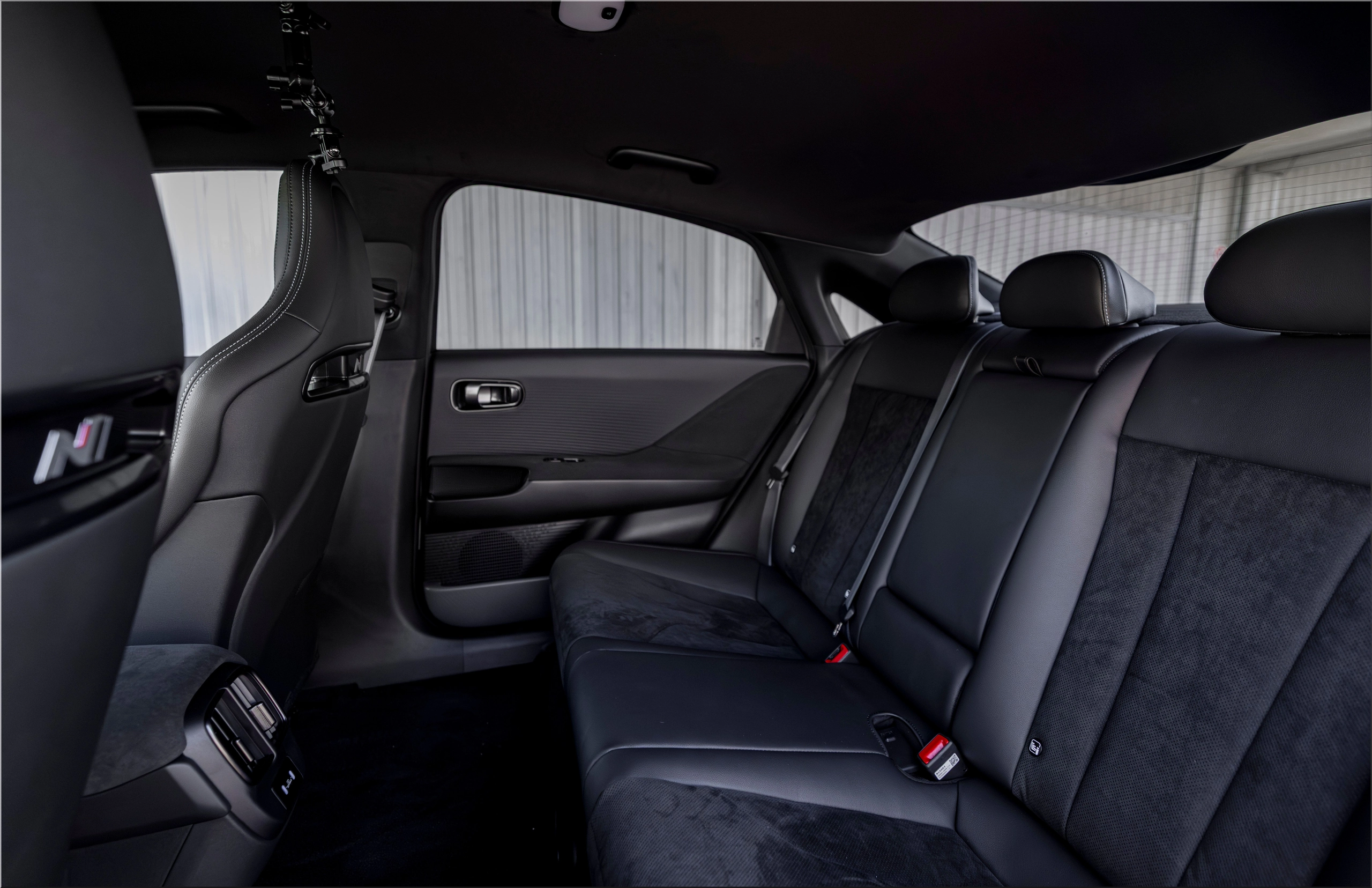
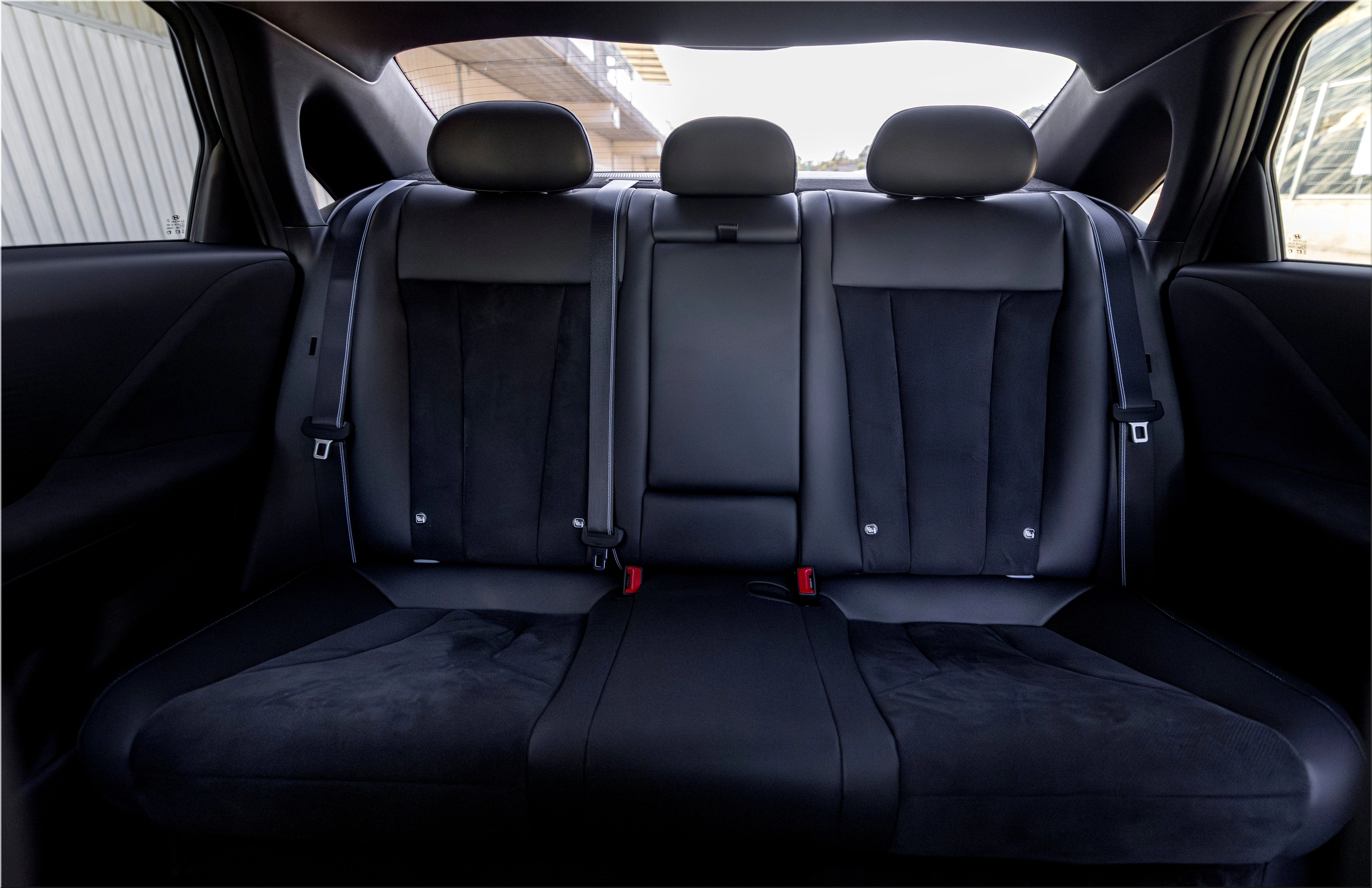
- Heated front and rear seats
- Wireless smartphone charging
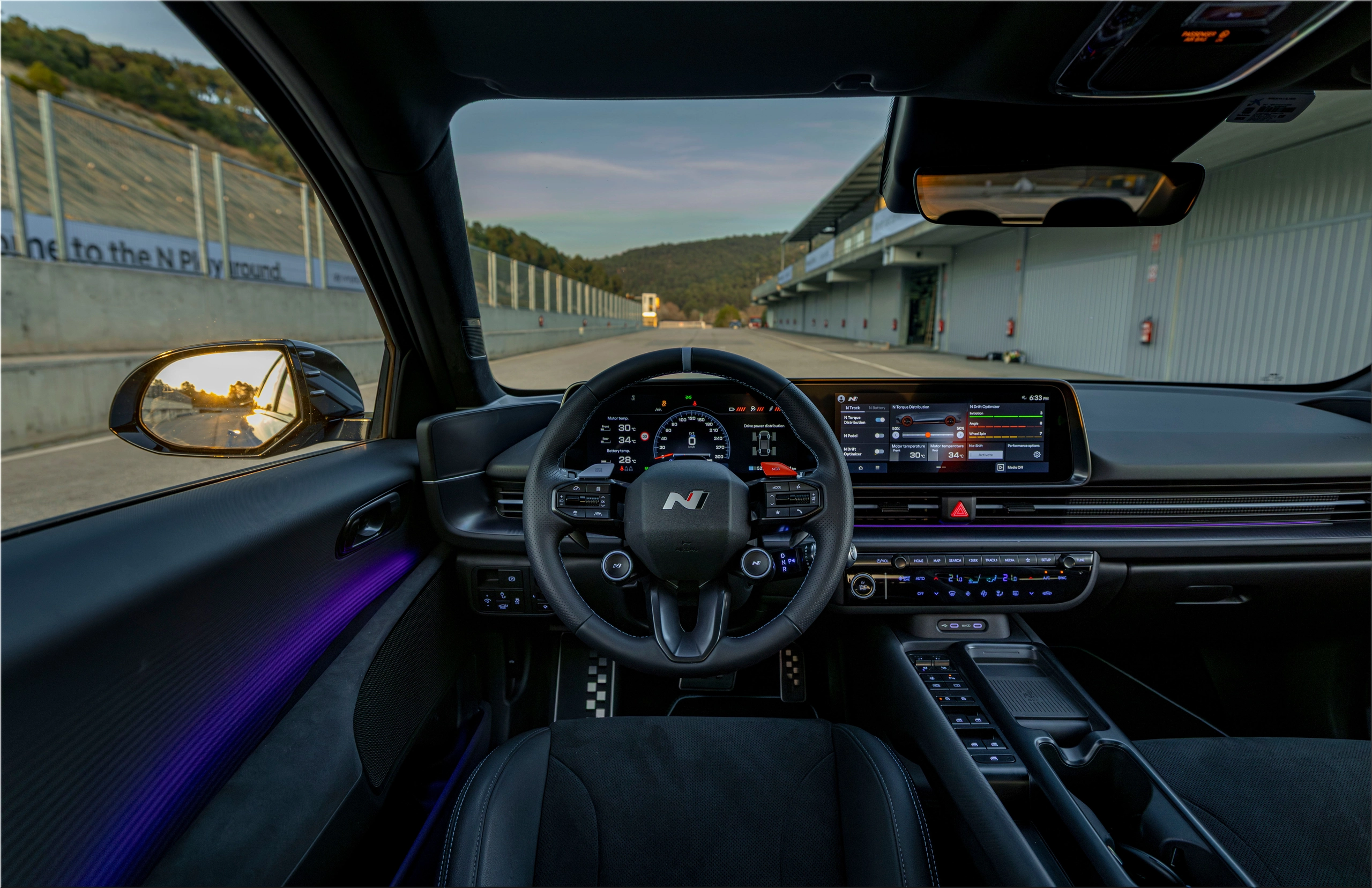
- 12.3-inch digital display and touchscreen setup
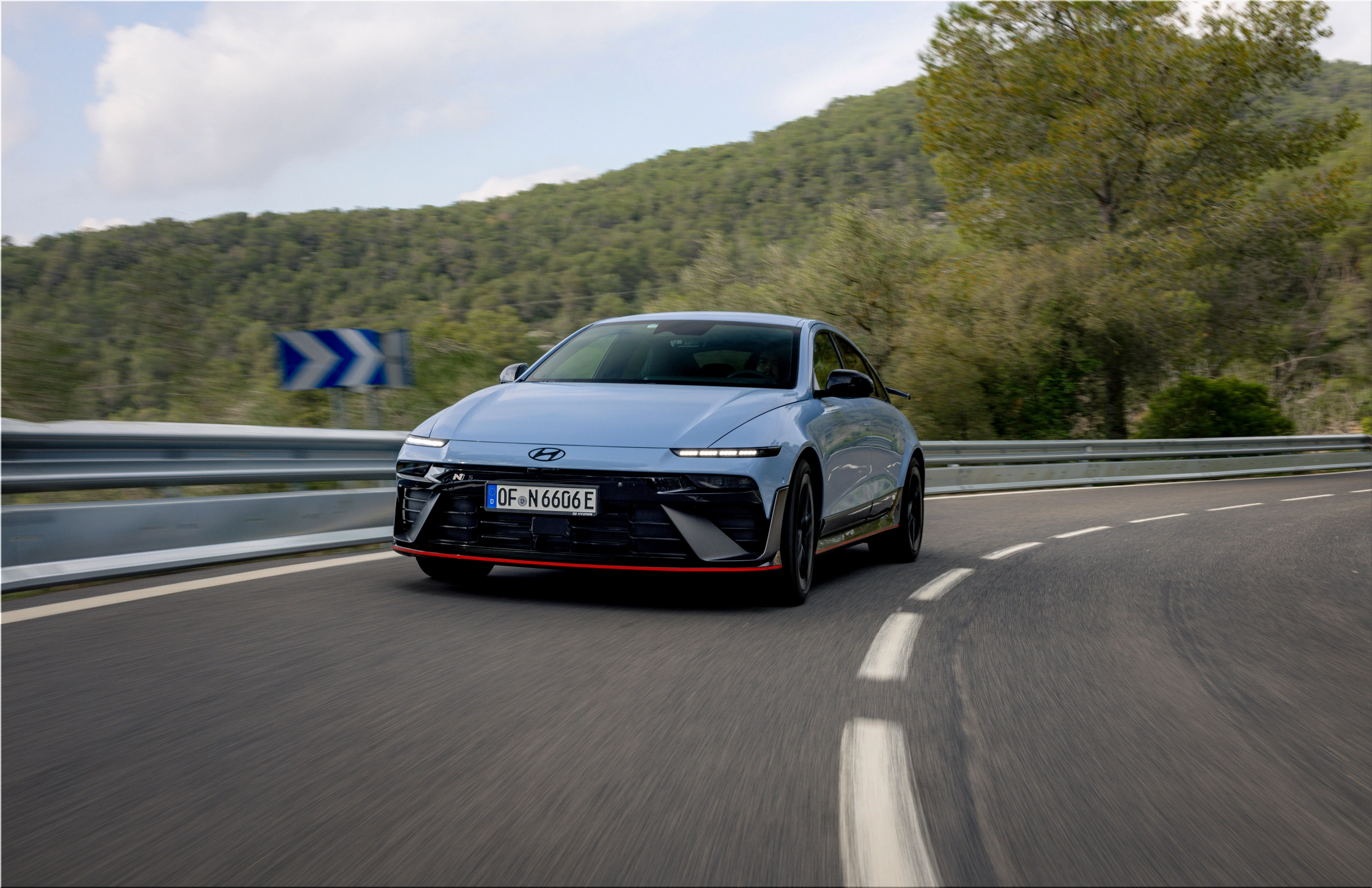
The No-BS Verdict
The Hyundai IONIQ 6 N looks like Hyundai's most convincing proof that an EV can deliver repeatable performance and still work on Monday morning. The car carries real compromises: 4,797 lb curb weight, performance-tire range loss, and a price that moves well past mainstream EV territory.
Consequently, this sedan makes the most sense for drivers who want one car for commuting, canyon runs, track days, and quick DC charging. It does not chase maximum range. It chases controlled speed, thermal stability, and driver involvement, which gives it a sharper mission than most high-horsepower electric sedans.

Powertrains That Deliver Immediate Results Hyundai built the IONIQ 6 N to push electric performance into new territory. The car uses a dual-motor setup that produces up to 641 HP and 568 lb-ft of torque when… Continue reading
The Polestar 5 Performance Grand Tourer has moved from concept to production. Built on a new aluminium platform with an in-house developed electric motor and 800V architecture, it targets buyers who want… Continue reading

There is a new strategy for the immediate future of the Opel brand: electrification. It was announced in the last hours by the CEO of the company, Michael Lohscheller, detailing the following projects that the manufacturer will undertake.… Continue reading

The new BEZIOR X1000 electric bike is made of aluminum alloy and can sustain a maximum rider weight of 200kg. In addition, this BEZIOR electric bike has ideal characteristics for commuting: a top speed of 40km/h,… Continue reading