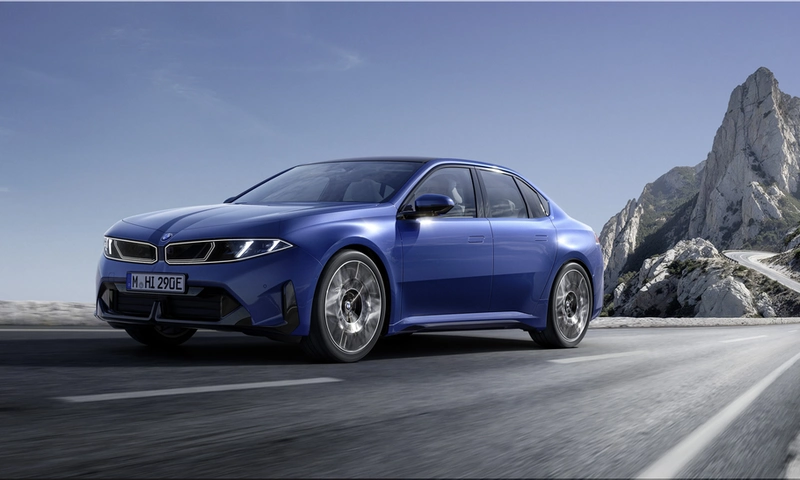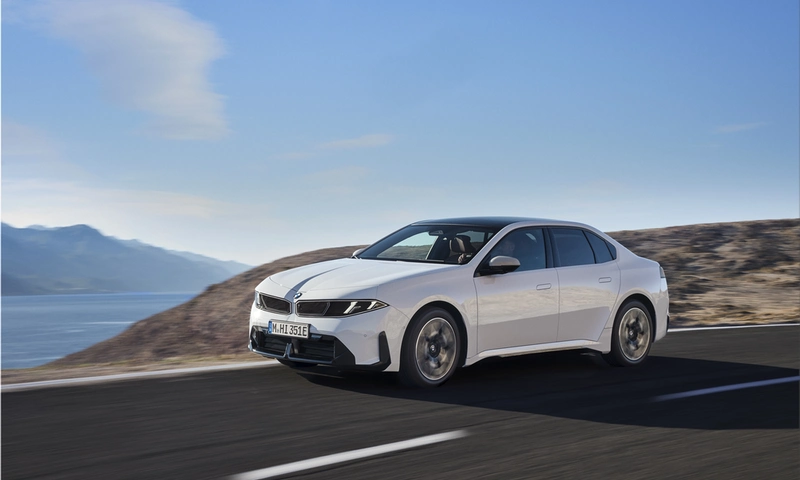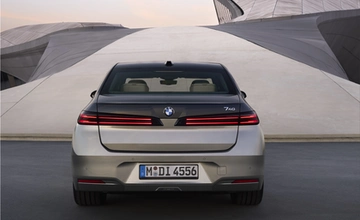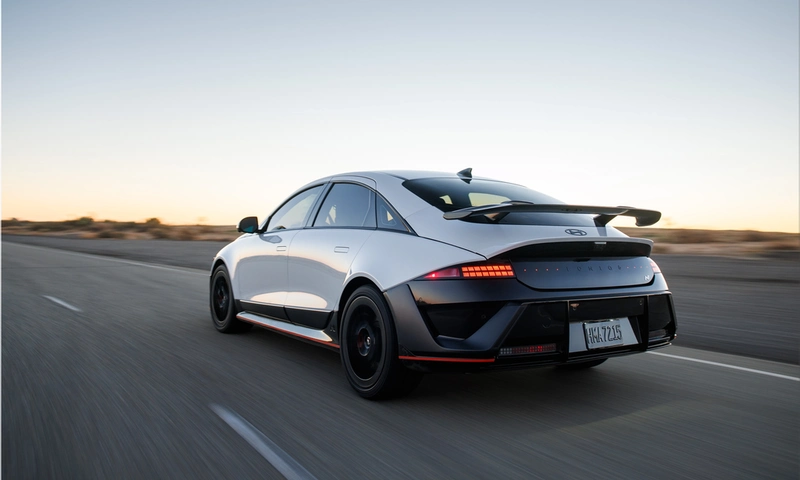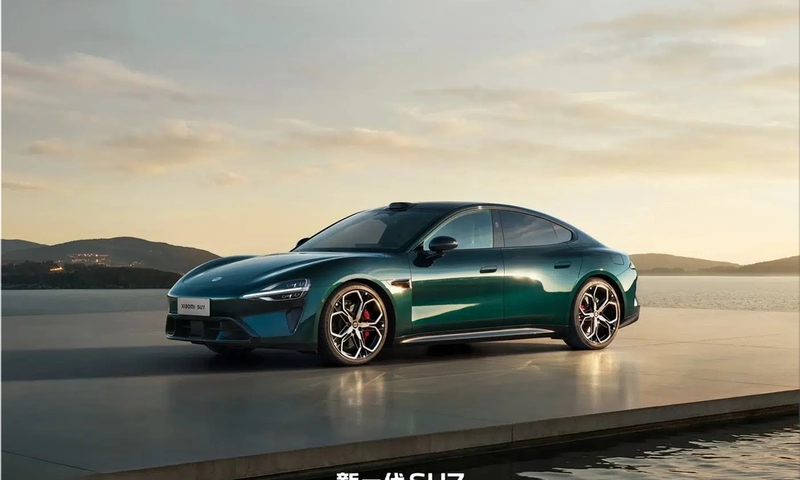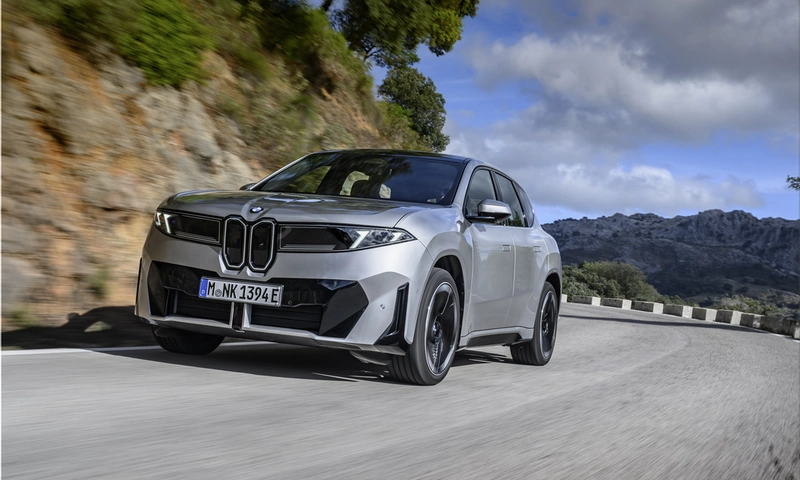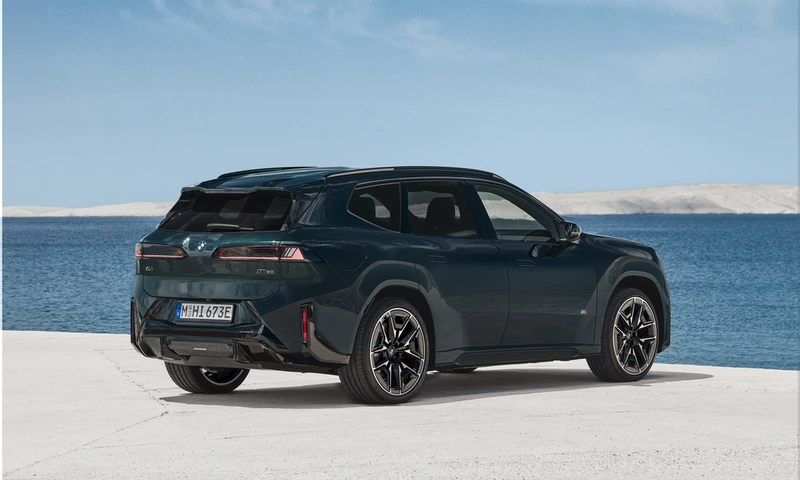
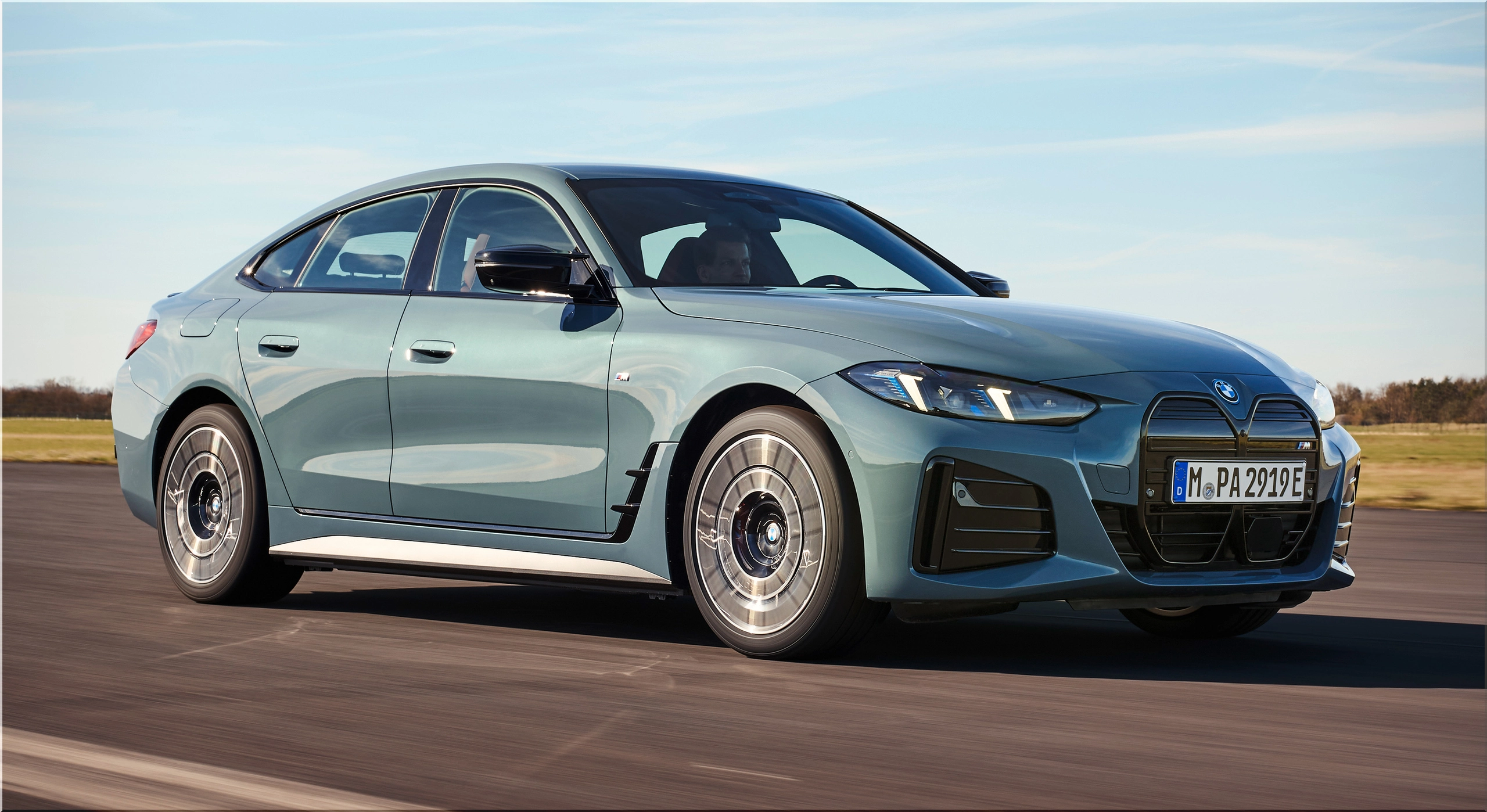
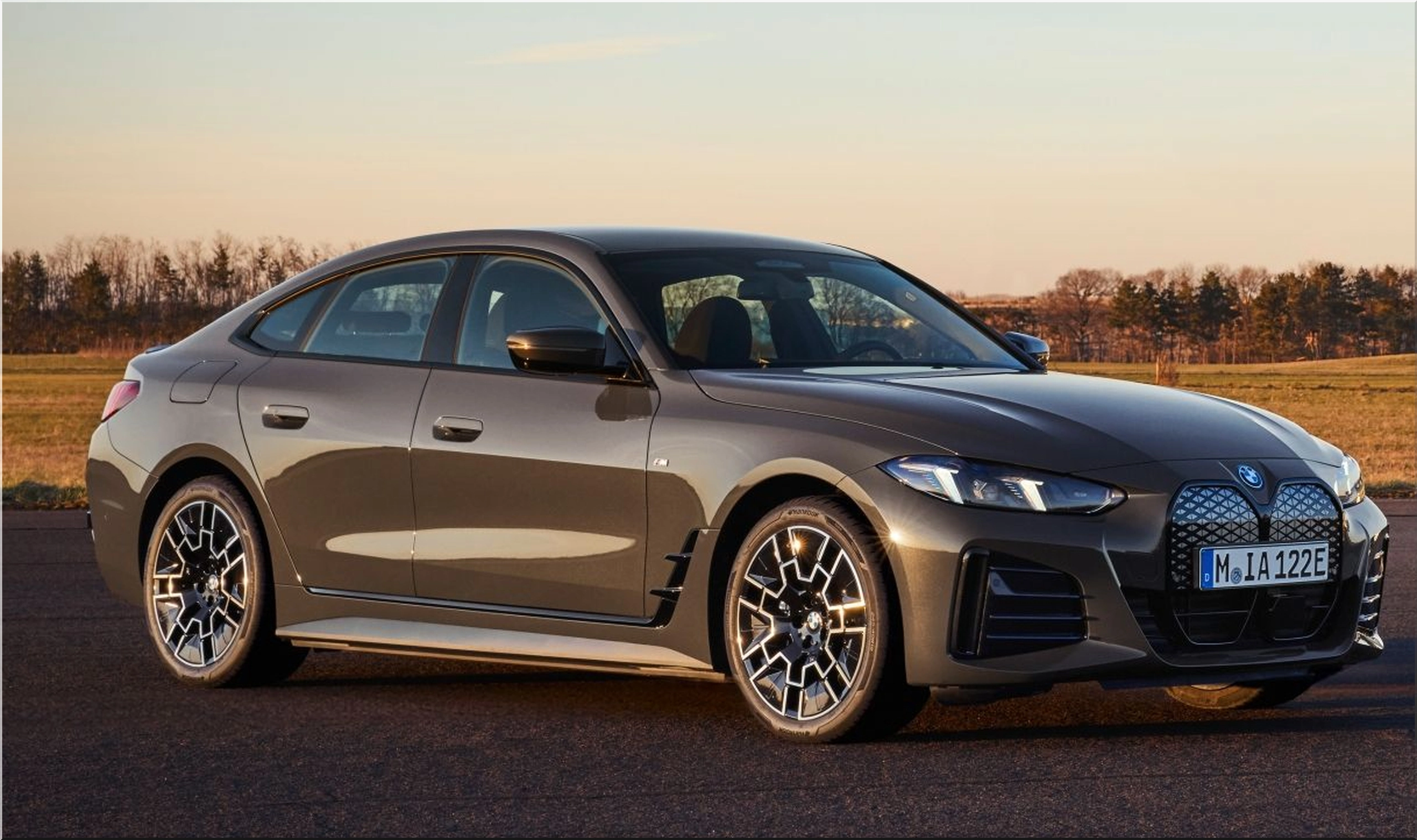
The 2026 BMW i4 lineup gets a serious performance and efficiency boost thanks to smarter power electronics, new silicon carbide inverters, and a stronger flagship variant. BMW’s most popular electric sedan now delivers more range, better acceleration, and improved energy management, reflecting the company’s precision engineering approach.
Image
Efficiency Upgrade: Silicon Carbide Inverters
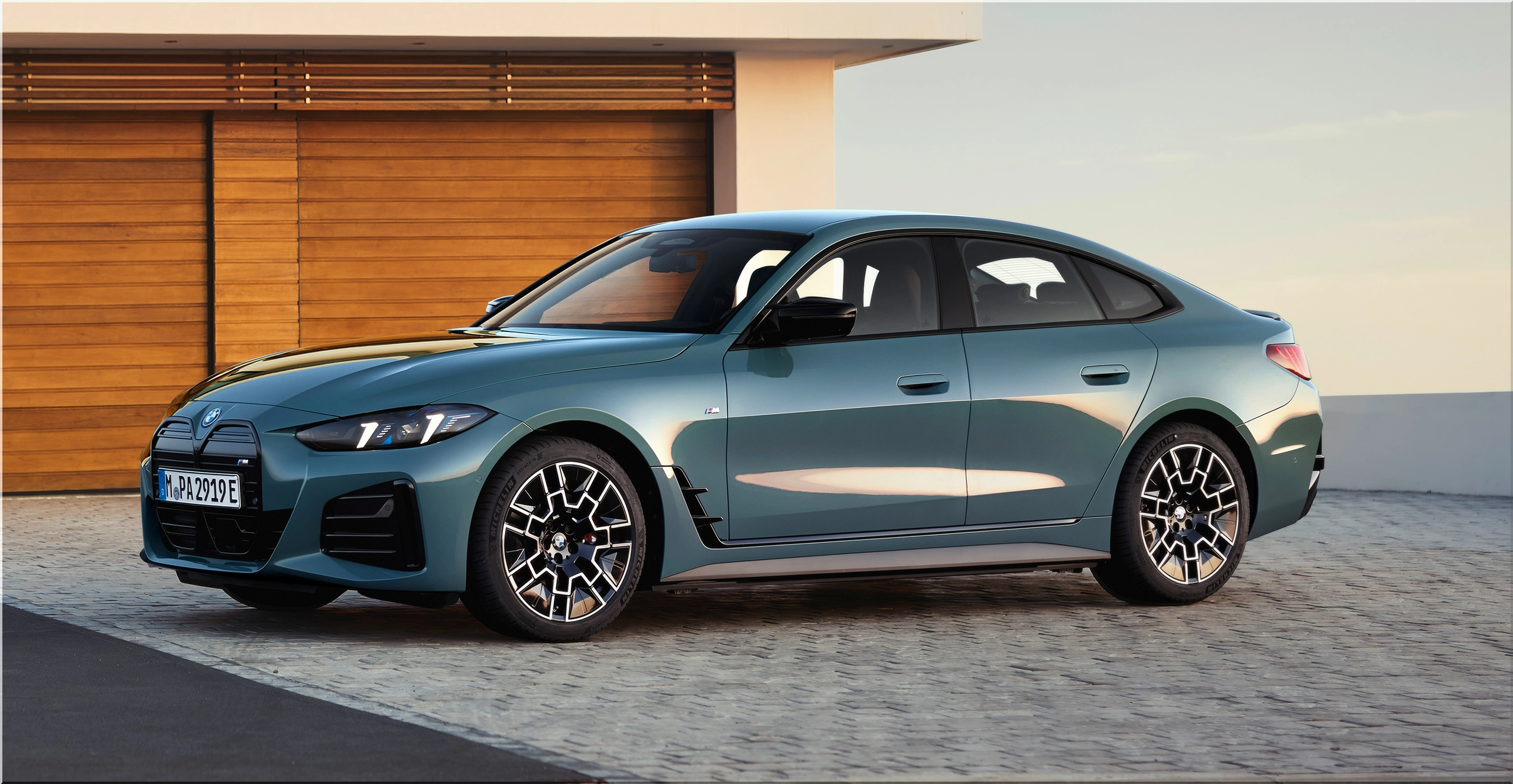
For 2026, BMW engineers focused on efficiency gains across the i4 lineup. The i4 eDrive40 now exceeds 300 miles of range on a full charge — regardless of wheel or tire configuration. That’s a direct result of introducing silicon carbide (SiC) inverters, first used in the i5 range.
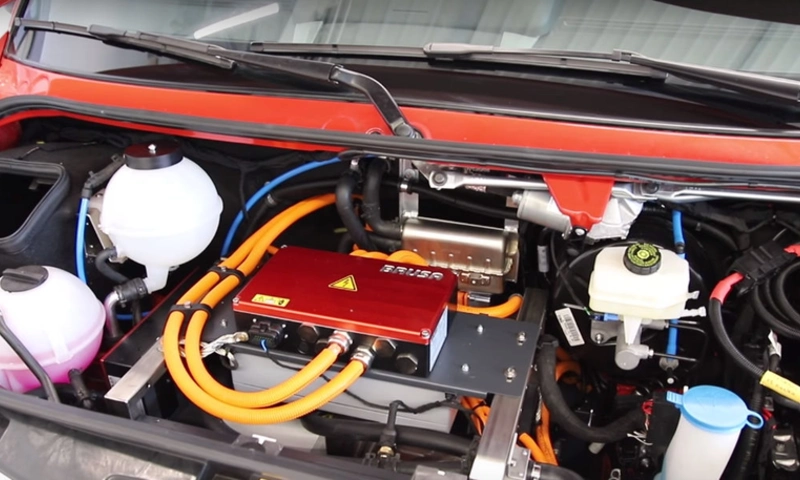
Unlike traditional silicon semiconductors, SiC inverters transfer energy from the high-voltage battery to the electric motors more efficiently. These components operate at higher temperatures, resist heat better, and reduce energy losses. In practice, that translates to longer range without increasing battery size or vehicle weight.
Key range improvements (estimated by BMW AG based on EPA test standards):
| Model | 18-inch | 19-inch | 20-inch | Range Gain Over 2025 |
|---|---|---|---|---|
| i4 eDrive40 | 333 mi | 307 mi | – | +15 mi / +12 mi |
| i4 M60 | – | 278 mi | 232 mi | +11 mi / +5 mi |
Production of the 2026 BMW i4 range begins in November 2025, with first deliveries expected in early 2026.
Image
Power Meets Precision: The i4 M60
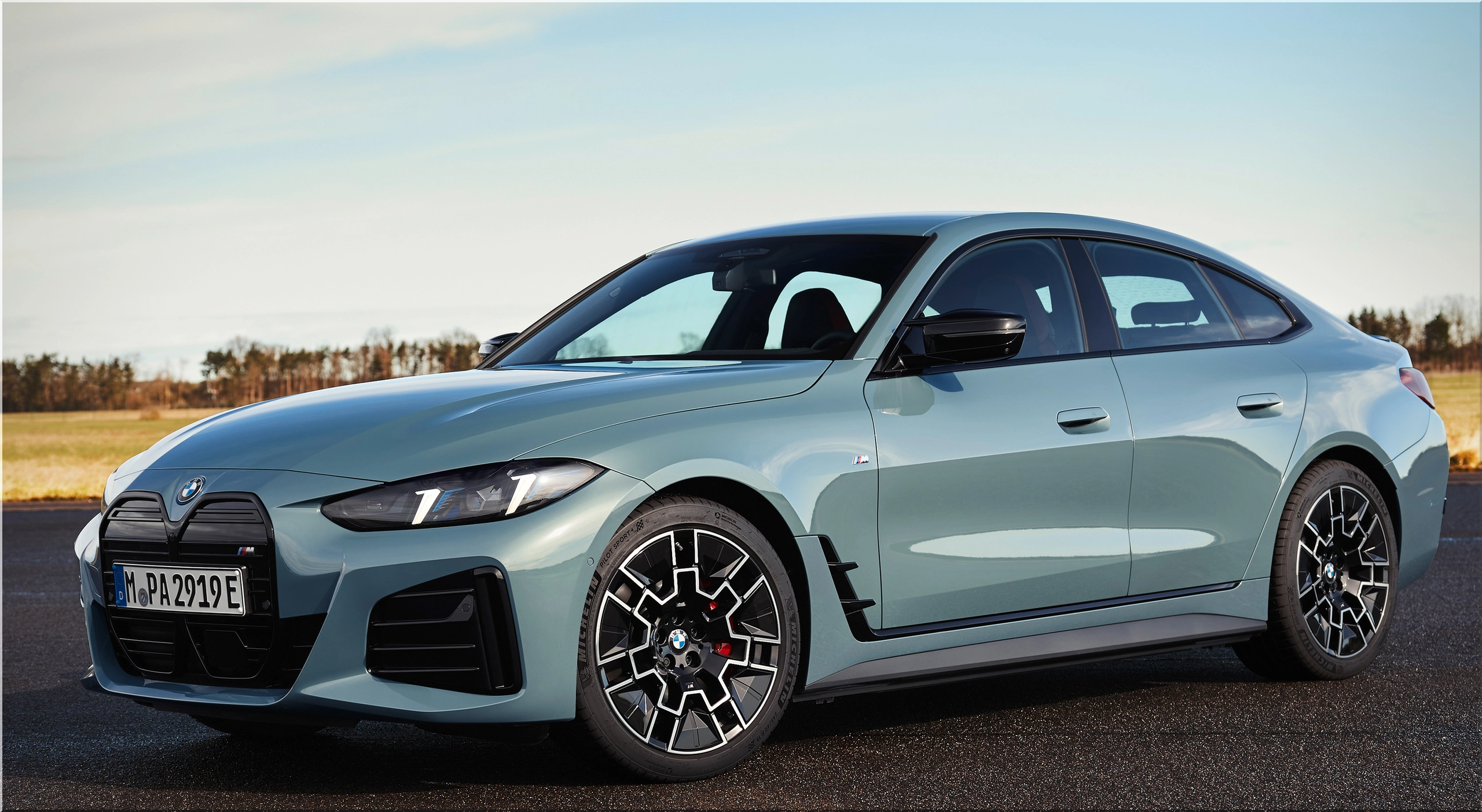
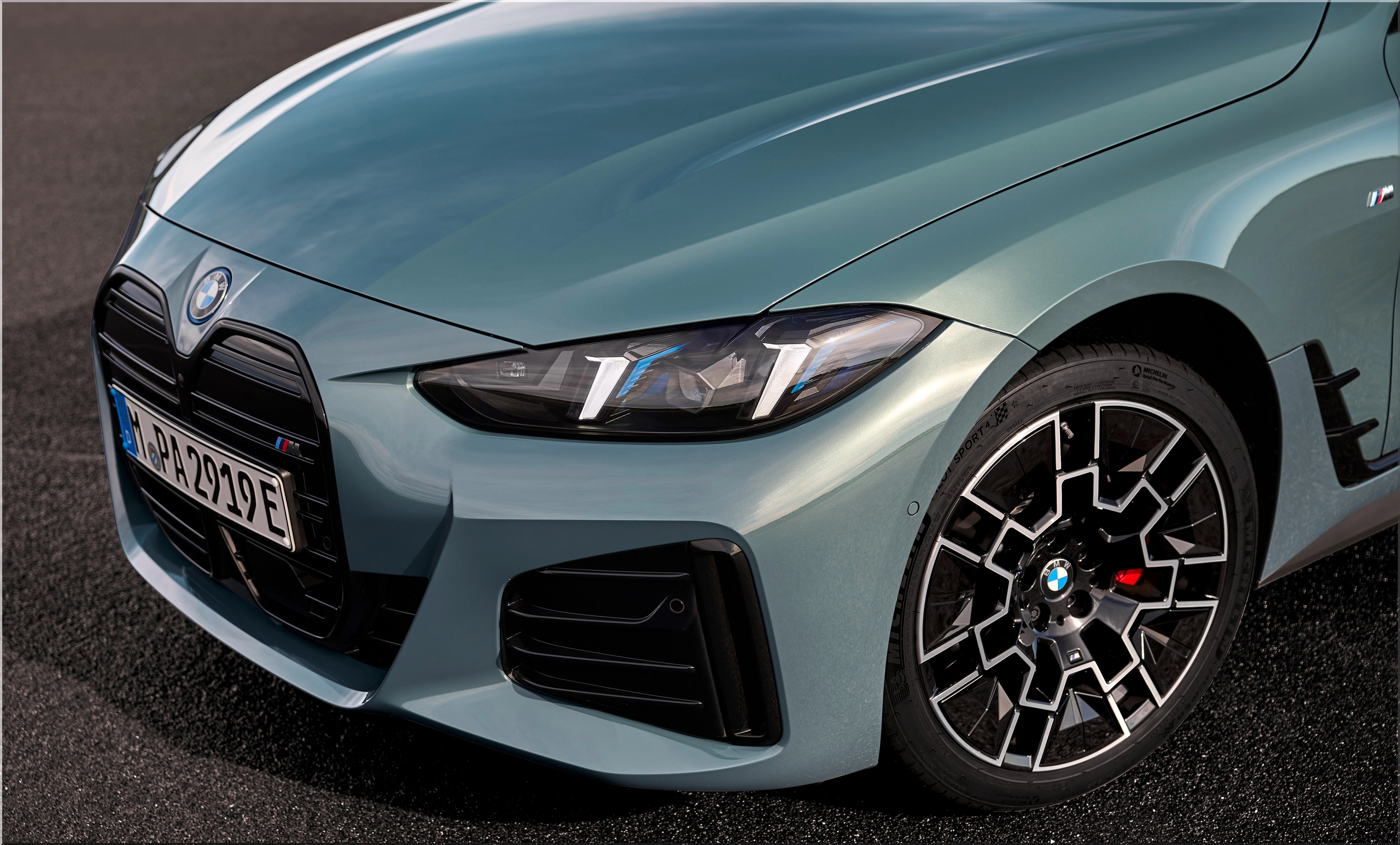
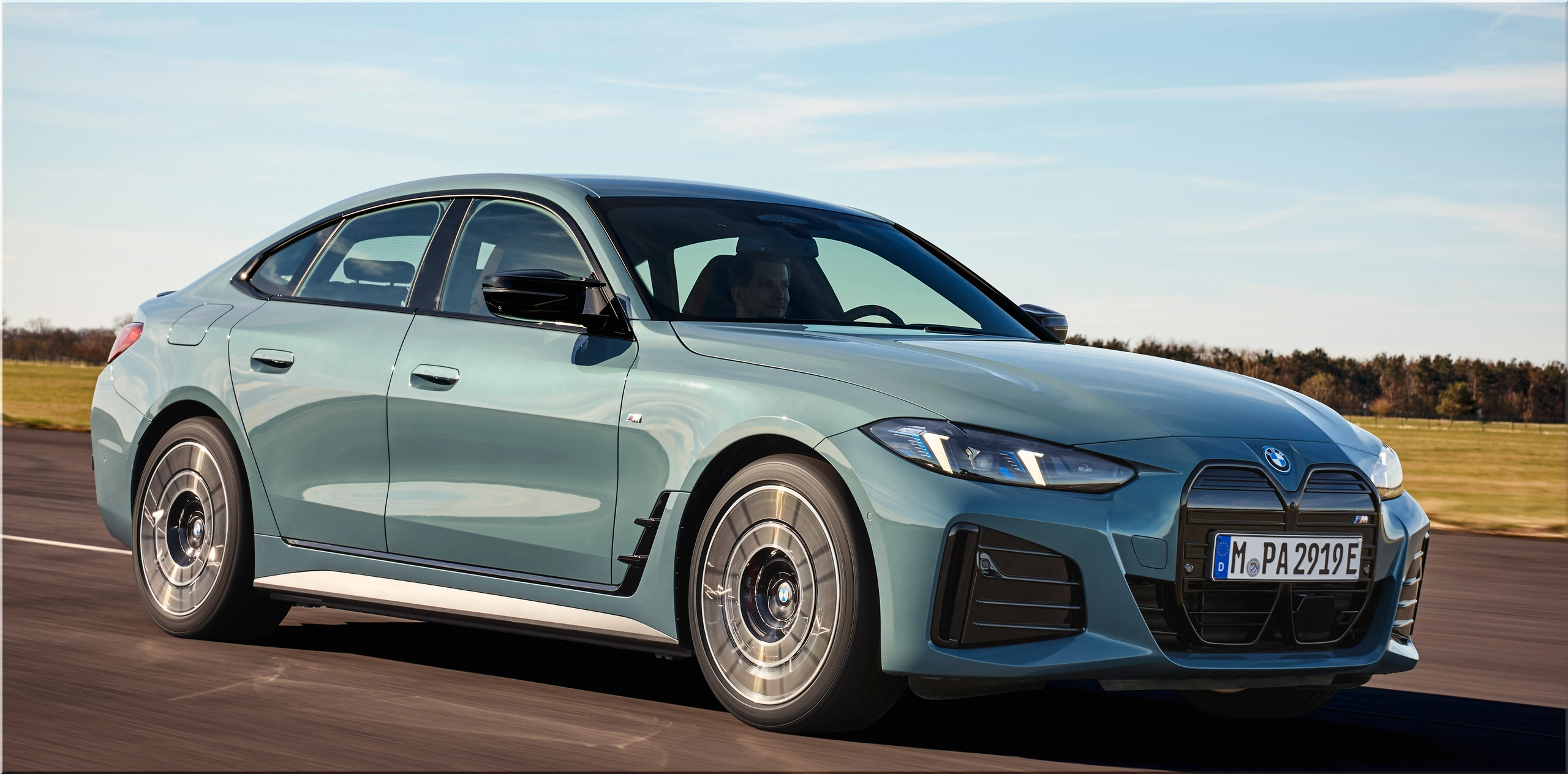
BMW renamed the previous M50 to i4 M60, emphasizing its upgraded performance credentials. The dual-motor setup now delivers 510 horsepower at start-up — a gain of 41 hp over the M50 — and up to 593 hp in My Modes Sport, marking a 57-hp increase. That extra power drops the 0–60 mph time to just 3.6 seconds, putting the M60 squarely in the same league as the Tesla Model 3 Performance and Polestar 2 BST Edition.
The i4 M60 also benefits from the SiC inverter upgrade, improving both efficiency and thermal stability under sustained acceleration. This makes the 2026 model not only quicker but also more consistent during repeated high-power driving.
Performance Snapshot:
| Specification | i4 M60 2026 | i4 M50 2025 |
|---|---|---|
| Horsepower (start-up) | 510 hp | 469 hp |
| Horsepower (Sport mode) | 593 hp | 536 hp |
| 0–60 mph | 3.6 sec | 3.7 sec |
| Range (19-inch wheels) | 278 mi | 267 mi |
Smarter Standard Equipment
BMW added several updates to improve daily usability:
- Seal & Drive Tire Kit now comes standard.
- Drive Recorder joins the Parking Assistant Professional package.
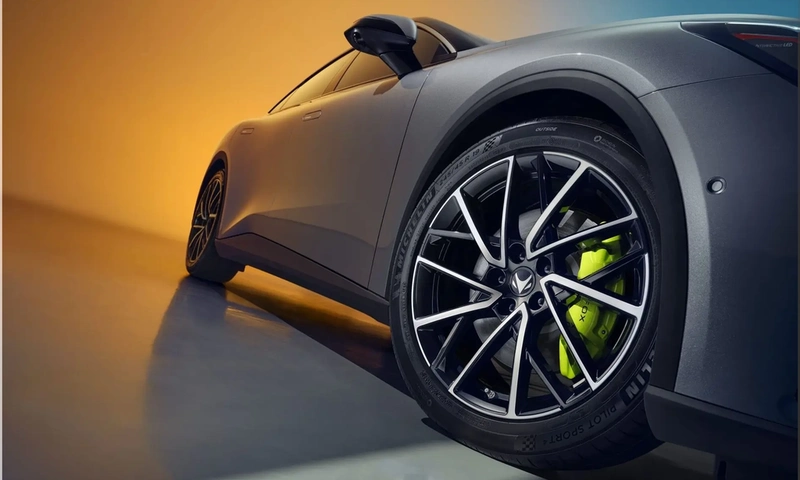
- Black mirror caps and M Sport brakes with blue calipers are included in the Shadowline package.
- Glass Controls become available across all i4 variants.
These updates reflect BMW’s strategy to enhance perceived value through subtle yet functional upgrades rather than cosmetic overhauls.
Production and U.S. Manufacturing Impact
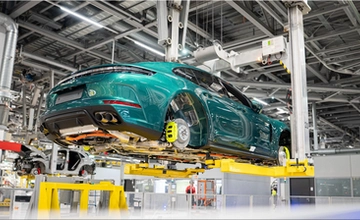
BMW continues to leverage its U.S. presence to support the i4 lineup’s growth. The company’s Plant Spartanburg in South Carolina remains its largest global facility, assembling over 1,500 vehicles daily and up to 450,000 annually. Since 1994, the plant has built more than 7 million BMWs in the United States, supporting over 120,000 American jobs and contributing $43.3 billion annually to the U.S. economy.
Although the i4 is assembled in Germany, its North American supply chain and dealership network — 351 BMW retailers nationwide — remain essential to maintaining strong EV sales and customer service performance in the U.S.
Image
Real-World Gains, Real Data
BMW’s 2026 i4 updates demonstrate a tangible improvement strategy rather than a marketing exercise. The focus on power electronics and energy efficiency underscores the company’s approach: refine, measure, and optimize.
Key measurable gains for 2026:
- +15 miles of range for eDrive40 models.
- +57 horsepower in the M60’s Sport mode.
- Reduced heat loss from SiC-based inverters.
- Improved performance consistency under load.
These numbers might look incremental, but in electric vehicle engineering, small percentage gains compound into meaningful real-world results — especially in high-demand segments where range anxiety and charging times dominate buyer considerations.
Strategic Implications for the EV Market
The 2026 BMW i4 upgrades signal two clear strategic directions for BMW:
- Prioritize efficiency over battery expansion.
SiC inverters and advanced power management yield higher range without larger battery packs, reducing cost and resource use. - Maintain performance leadership within the premium EV sedan segment.
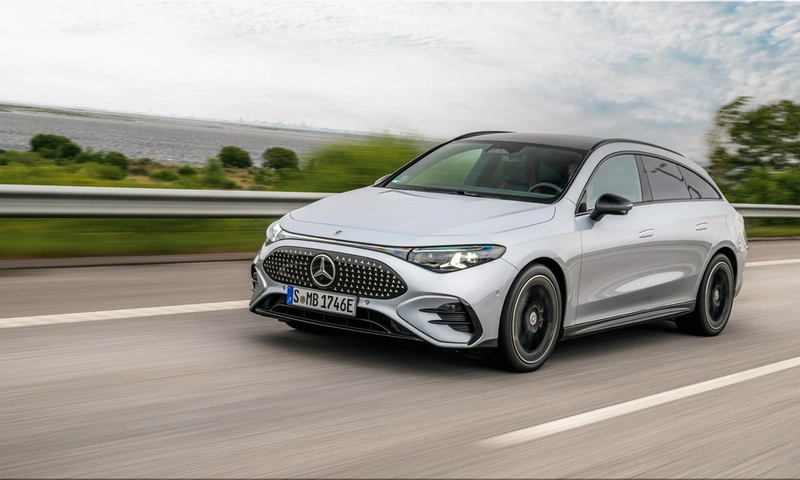
The M60’s horsepower bump and acceleration improvements keep BMW competitive with Tesla and Mercedes EQE.
By adopting next-generation semiconductors instead of chasing massive battery upgrades, BMW aligns its EV roadmap with sustainability goals and cost-effective production.
Image gallery:
Conclusion
The 2026 BMW i4 represents a logical step forward, not a radical redesign. With silicon carbide technology, improved power delivery, and measurable range and speed gains, BMW proves that incremental innovation still defines its electric strategy.
For American buyers, the improvements make the i4 an even stronger contender in the $60,000–$75,000 electric performance sedan market. Faster, smarter, and more efficient — the 2026 i4 reflects the engineering discipline that continues to define BMW’s electric future.
- Add new comment
- 317 views