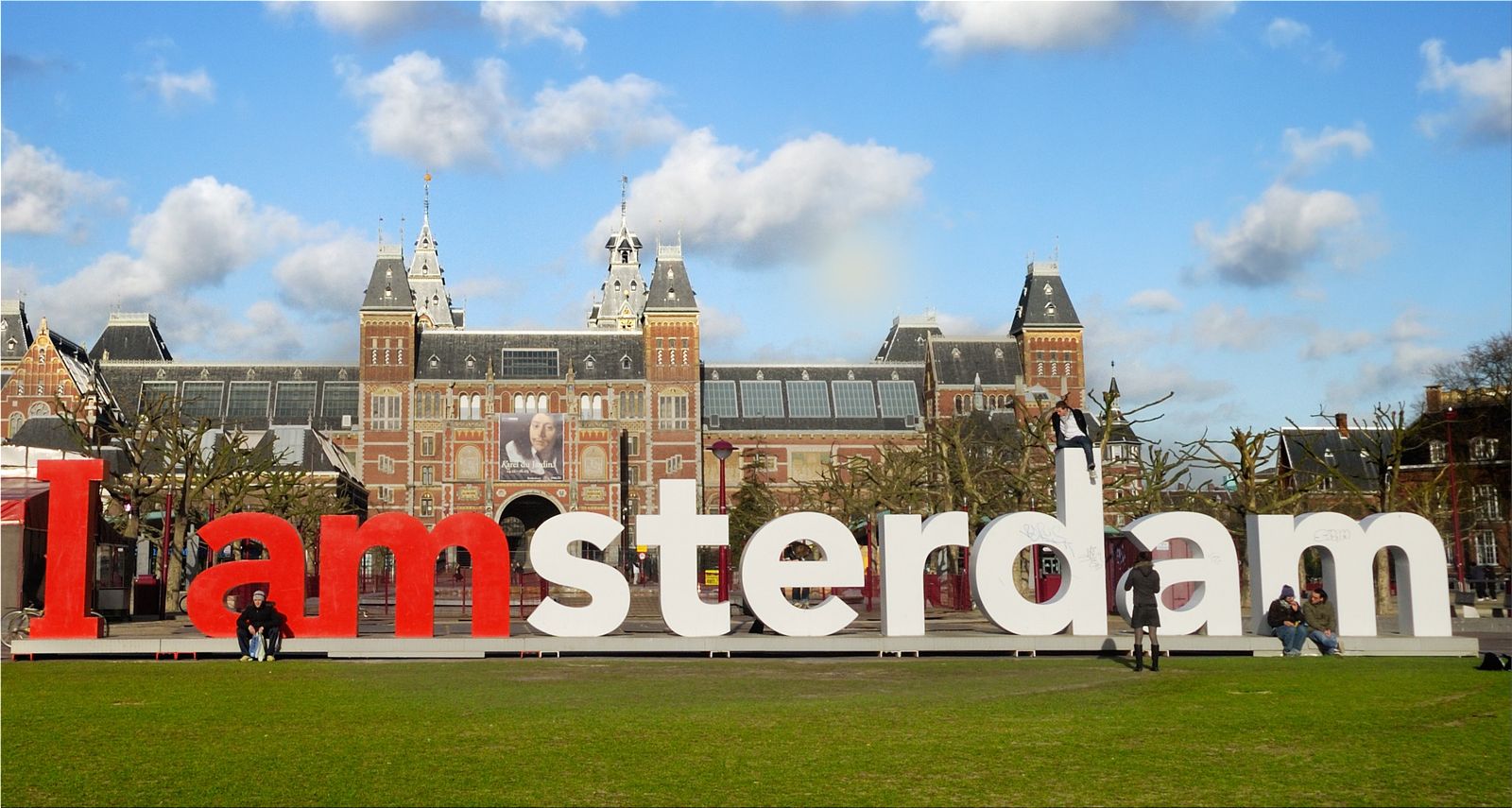
Cars and motorcycles that run on gasoline or diesel will be banned in the Amsterdam, Netherlands, starting 2030.

Starting next year, diesel cars older than 15 years will be banned on the A10 road around the Dutch capital.

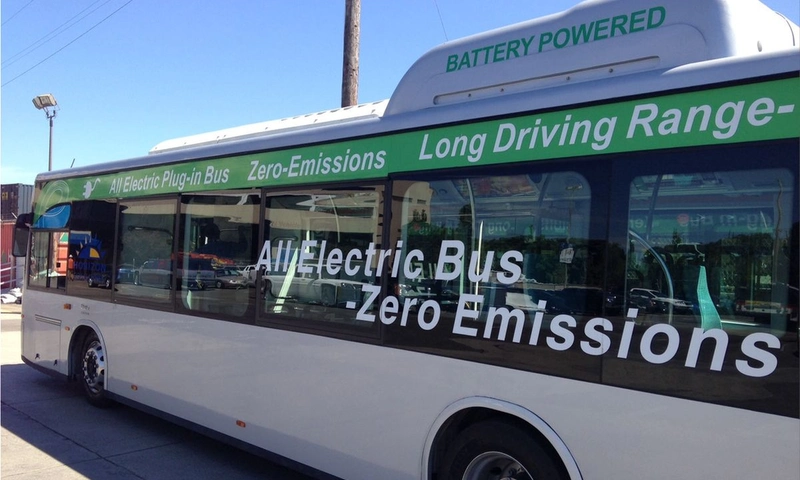
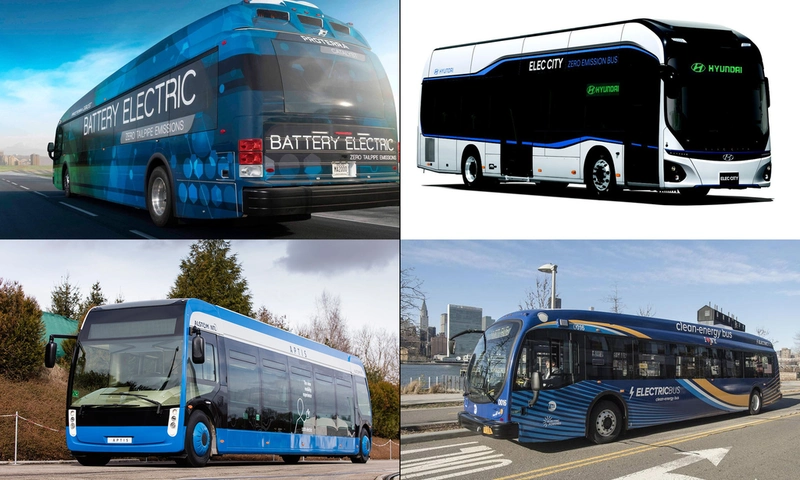
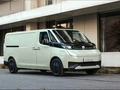
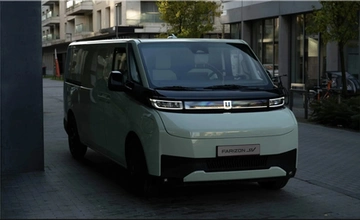
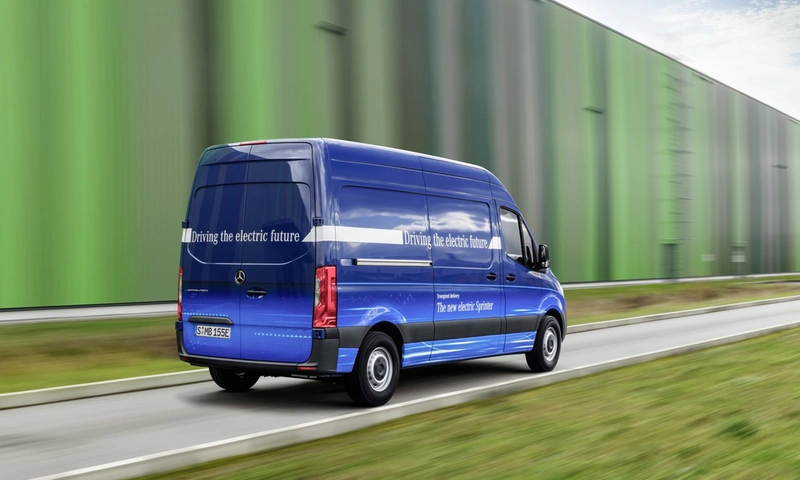
Also, buses and vans emitting exhaust gases will no longer have access to downtown by 2022. Until 2025, the ban will be extended to boats, motorcycles and mopeds.
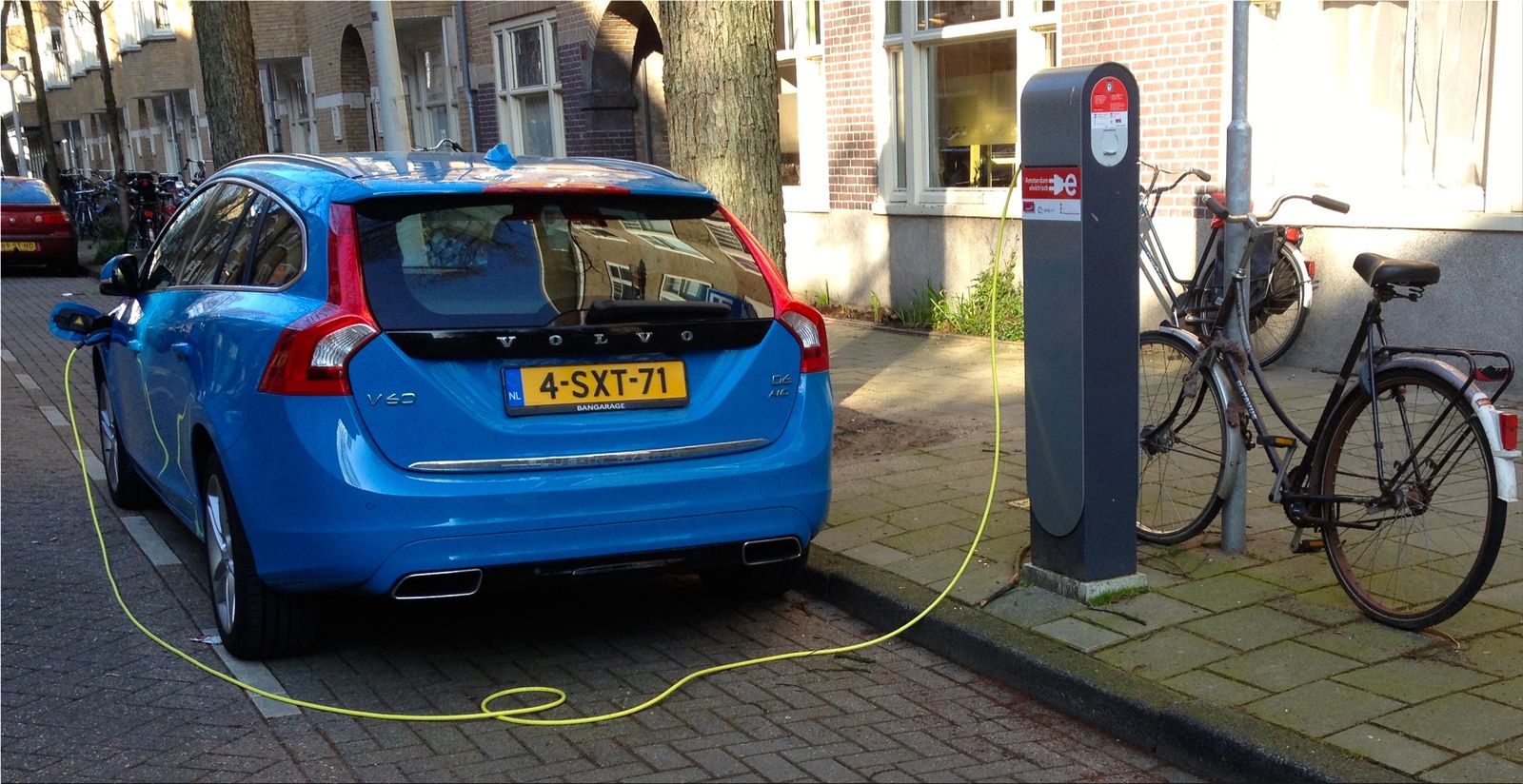
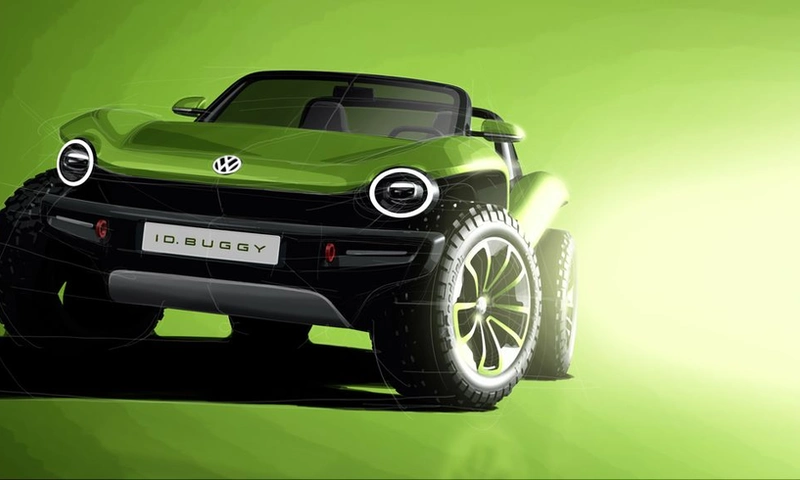
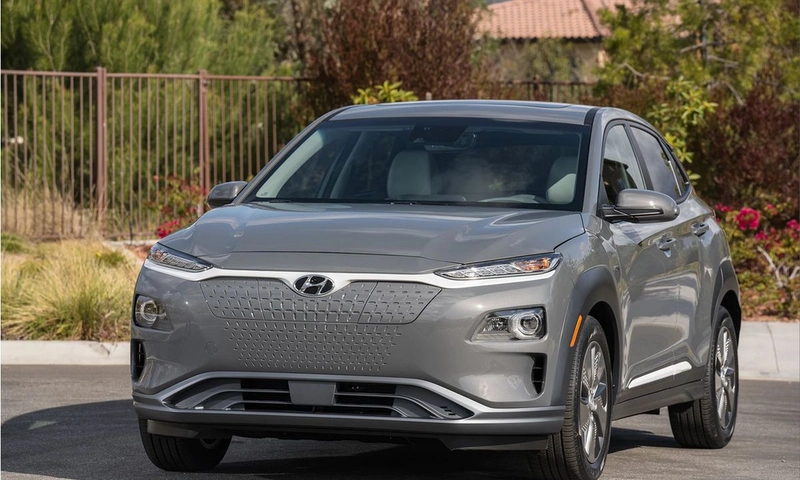
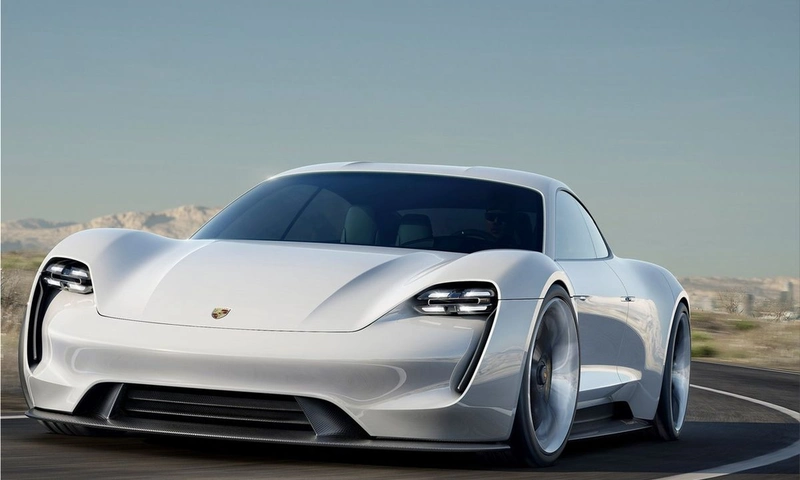
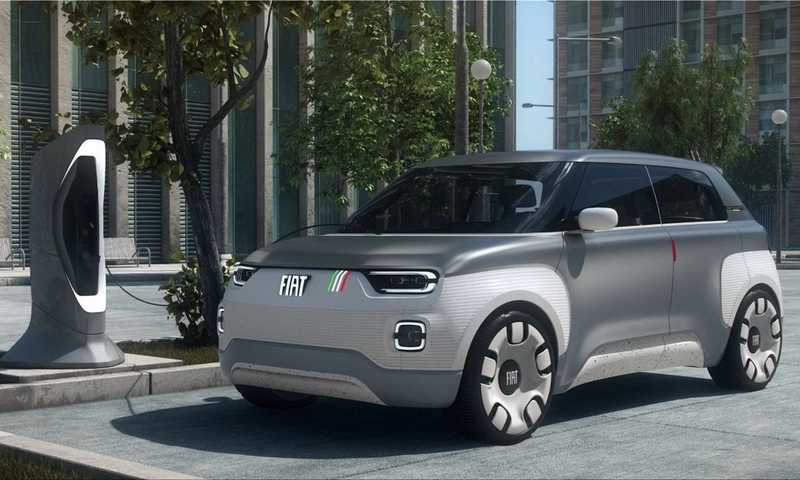
Thus, the city intends to encourage its inhabitants to switch to electric cars, offering charging stations to every buyer of such a vehicle. Authorities expect the second-hand electric car market to grow significantly in the coming years. 
Starting in 2025, there will need to be between 16,000 and 23,000 EV charging stations to make the project viable. At present, there are only 3,000 such stations in Amsterdam. 


The lithium-ion battery has been the dominant force in portable electronics for decades, but its reign might be nearing its end. Enter solid-state batteries, a new technology with the potential to revolutionize the way we power our devices, from smartphones… Continue reading

Renault has introduced a breakthrough in hybrid technology with the Rafale E-Tech 4x4 300 HP. This plug-in hybrid (PHEV) redefines power and efficiency for SUVs, blending cutting-edge engineering with real-world usability. Below, we… Continue reading

Mercedes-Benz Doubles Down on Electric Freight With eActros 600 Rigid Variants Mercedes-Benz Trucks, a division of Daimler Truck AG, is significantly expanding its battery-electric truck portfolio by… Continue reading

ES90 Volvo Cars has started production of the fully electric Volvo ES90, a sedan built on 800-volt architecture with a focus on fast charging, range, and software-driven updates. Positioned between sedans,… Continue reading