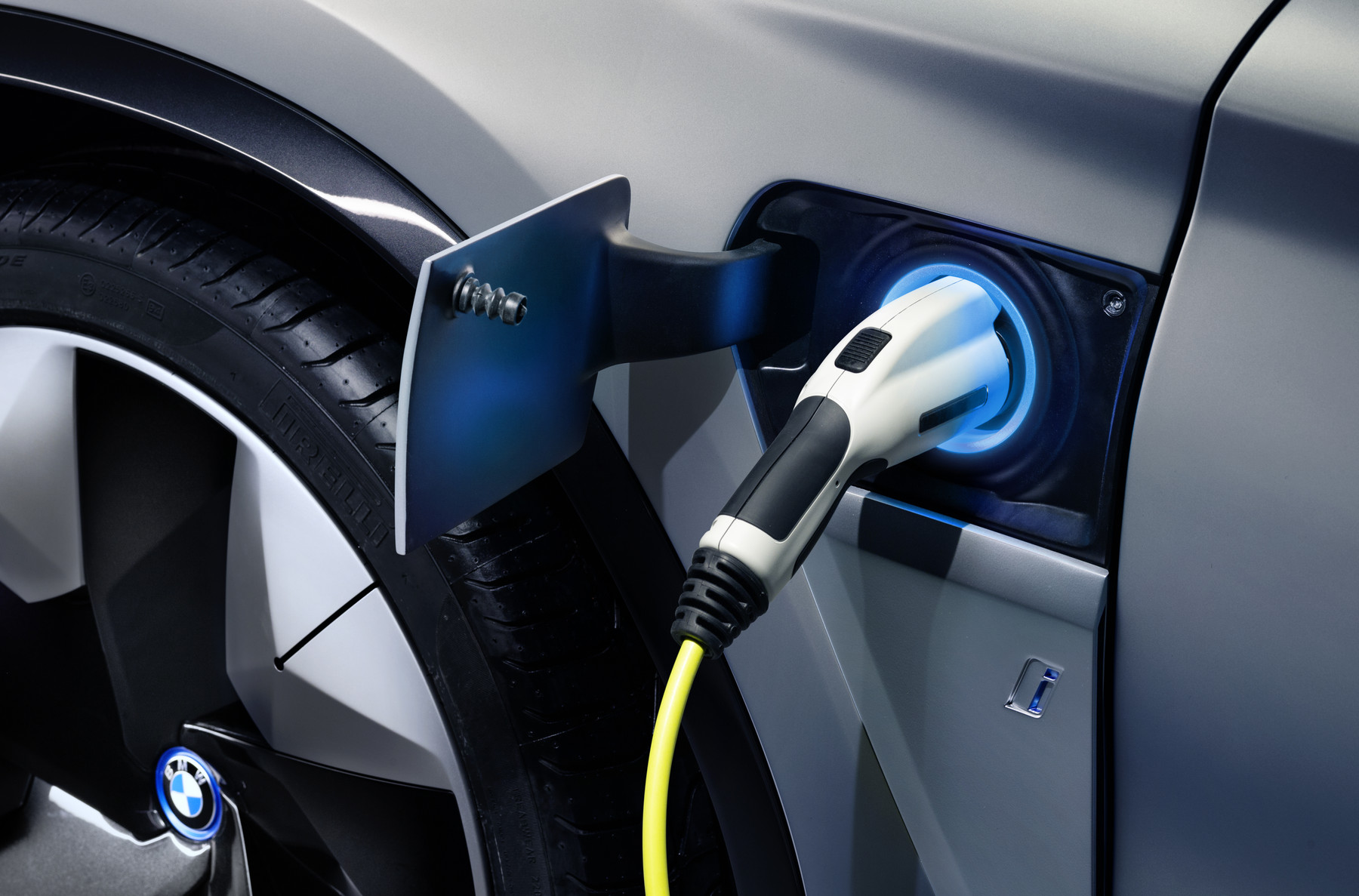
The Indian government has decided to cut VAT on electric vehicles from 12% to 5% and charging stations from 18% to 12%. In addition, the purchase of electric buses by the municipalities is exempt from VAT.
The changes will come into force on 1 August 2019. The VAT on petrol and diesel remains at 28 percent. With the tax cut, the Indian government wants to reduce the price difference between the two types of power in order to make electric cars more affordable.
However, an exemption from the registration fee for electric vehicles, which was discussed in June, was not decided. Reports are still in the room to increase the registration fee for gasoline and diesel.
However, the Federal Bureau of Indirect Taxes (abbreviated to GST) has made the condition that the vehicles have at least 12 seats eligible for the tax exemption for electric buses. The Indian government wants to promote not only renewable energy, but also clean traffic.
In a significant move for the Swedish electric performance brand Polestar, the company has started delivering the Polestar 3, its flagship electric SUV, to customers in the United States and Canada. This milestone is more… Continue reading

Porsche, renowned for its high-performance vehicles, has expanded its mobility solutions with the introduction of the Porsche eBike Sport 2025. This fifth-generation electric bicycle combines cutting-edge technology with sophisticated design,… Continue reading
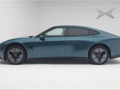
The New Xpeng P7 Is Built to Win, Not Impress Xpeng’s new P7 sedan hit the Chinese market with a clear goal—scale fast, beat rivals, and solidify EV dominance. It didn’t waste time. Within 6 minutes and 37 seconds, Xpeng… Continue reading

The Van Built for Business Demands Ford targets trades, fleets, and delivery operators with its updated 2026 Ford E-Transit Custom AWD. The company adds more range, quicker charging, stronger traction, and a… Continue reading