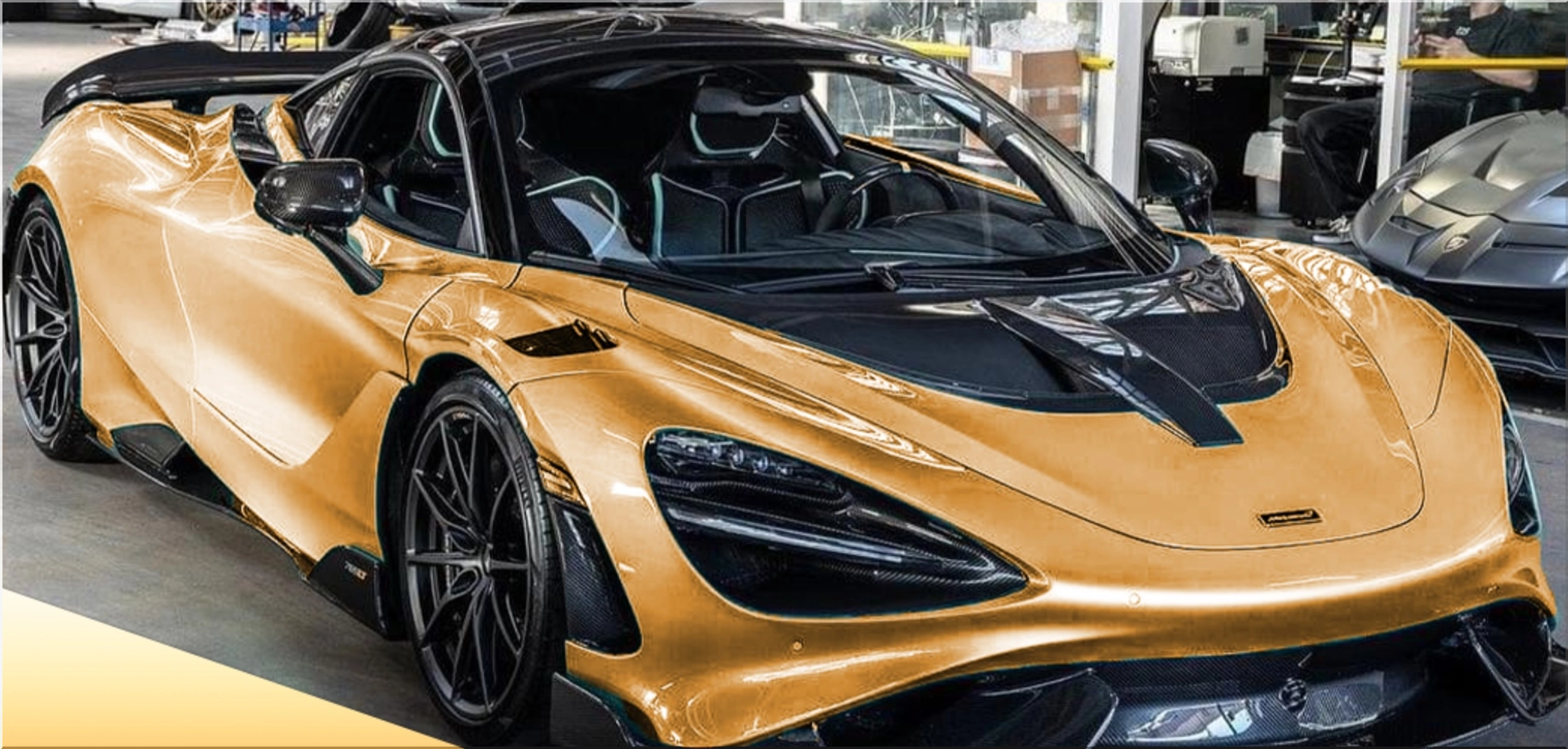
When you invest in something, you want to protect it. Paint protection film does just that. Originally invented to protect helicopter rotor blades from shrapnel during the war, paint protection films are now applied to vehicles to help prevent damage from road debris, acid etching, bird droppings, and UV degradation. While these protective coatings offer many advantages, it's important to understand their limitations.
UV Protection
The most obvious advantage of paint protection film is UV protection. The clear film originates in military applications and is a shield against the sun's damaging UV rays that can fade your vehicle's paint job and make it appear dull and lifeless. The protective coating is a virtually undetectable layer that preserves your car's finish and keeps it looking brand new for years. While it does require some upfront costs, it is much less expensive than redoing a whole paint job and will keep the resale value of your car high. PPFs are also scratch-resistant, which can withstand minor abrasions that might leave marks or chips in your paint. Similarly, these films will resist dirt and grime, so you don't have to wash your car as often, saving time and money. Additionally, some films have self-healing properties that will repair minor abrasions and scratches.
Anti-Scratch
For many car owners, maintaining the pristine look of their vehicle is a priority. This is not just for aesthetic reasons but also to preserve resale value. Unfortunately, keeping a car looking brand new is nearly impossible without some protection. Even if you wash your car daily and wax it regularly, the paint can start to chip and fade over time. Paint protection film reduces these issues by providing a protective shield for your paint. This helps to prevent scuffing, scratching, and other damage that could make your car less appealing or even lead to bigger problems like rusting. In addition, most PPF products have self-healing technology that actively fills in small scratches, scuffs, and dents. This reduces the need to do touch-ups, saving you time and money. Some PPF products can also create an enhanced finish that improves your car's appearance.
Anti-Stain
Whether it's bird droppings, tree sap or acidic corrosion from road salts, paint protection film helps keep your vehicle looking new. It can also prevent any blemishes from becoming vulnerabilities for the underlying bodywork.
If you want to preserve your car's resale value, keeping it free of scratches, chips, and dents is important. These minor cosmetic issues can easily become more expensive problems when left unattended. A quality PPF install will leave your car with an enhanced finish that resembles the factory paint job. It can even be applied in a matte finish for those looking to increase the durability of their vehicles. The application process involves spraying, moving and squeegeeing the film to remove any bubbles or creases. It's then heated with a heat gun and touchless instant temperature reader to activate the adhesive and shrink the material, creating a clean finish without any orange peel. A good paint protection film will also have self-healing properties that heal any swirl marks and scratches that may happen over time.
Easy to Clean
The primary purpose of the paint protection film is to protect the underlying vehicle's body paint from scratches, dings and chips. These minor imperfections are annoying and can eventually lead to bigger structural problems if taken care of after some time. With PPF, these abrasions are easily wiped away, and the car's surface will remain shiny. The paint protection film is a thin layer of durable urethane that absorbs impact and distributes it evenly without damaging the underlying car paint. The film also contains self-healing technology that will remove scuffs and scratches quickly. To keep your PPF clean, regular washing is highly recommended. It is important to avoid abrasive cleaners and use soft sponges or mitts to prevent scratching the film. Additionally, it is important always to maintain a safe distance of 1ft or more between the car and the pressure washer's nozzle, as too much pressure can lift the film from your vehicle's surface.
Hyundai accelerates the market introduction of electric utility vehicles such as e-vans, e-buses and e-trucks. According to "Business Korea", the South Koreans want to offer electric versions of the small truck Porter as well as the light… Continue reading
The Chinese electric car startup WM Motor has been able to generate nearly 400 million euros in a financing round led by Baidu. Other investors in the new round are Linear Venture and the Taihang Industrial Fund. The fresh capital should… Continue reading

Everyone knows that pollution is a problem that is affecting our planet and, fortunately, or unfortunately, the automotive industry has a lot to do with it. To remedy this, there are already many brands that are beginning to bet massively on alternatives to… Continue reading

The new electric and electrified cars, like the Tesla of Elon Musk and all the other EVs and plug-in hybrids on the market, are famous for their extreme quietness. These cars are too silent according to the EU, thus risking being dangerous. Electric vehicles… Continue reading