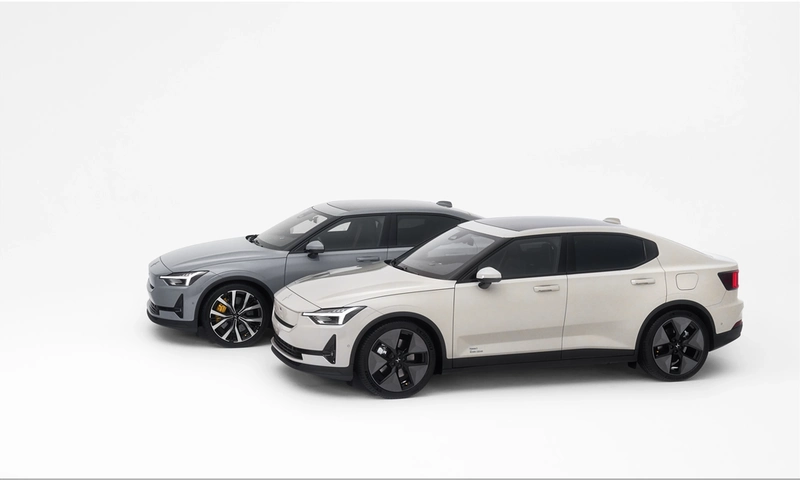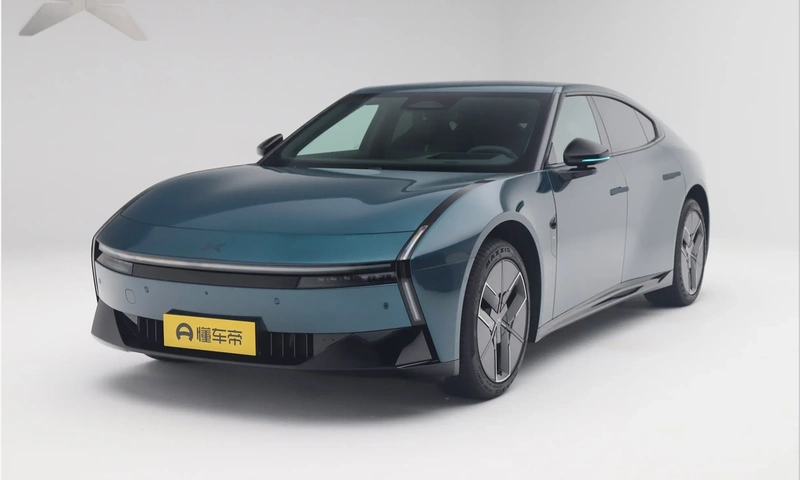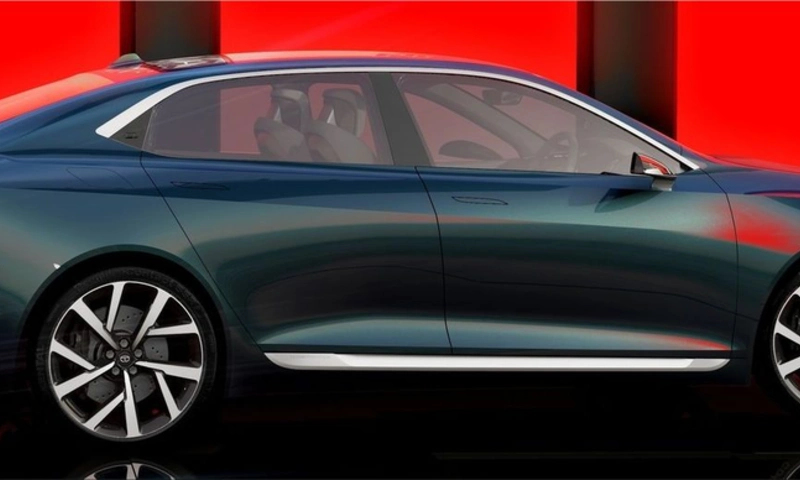
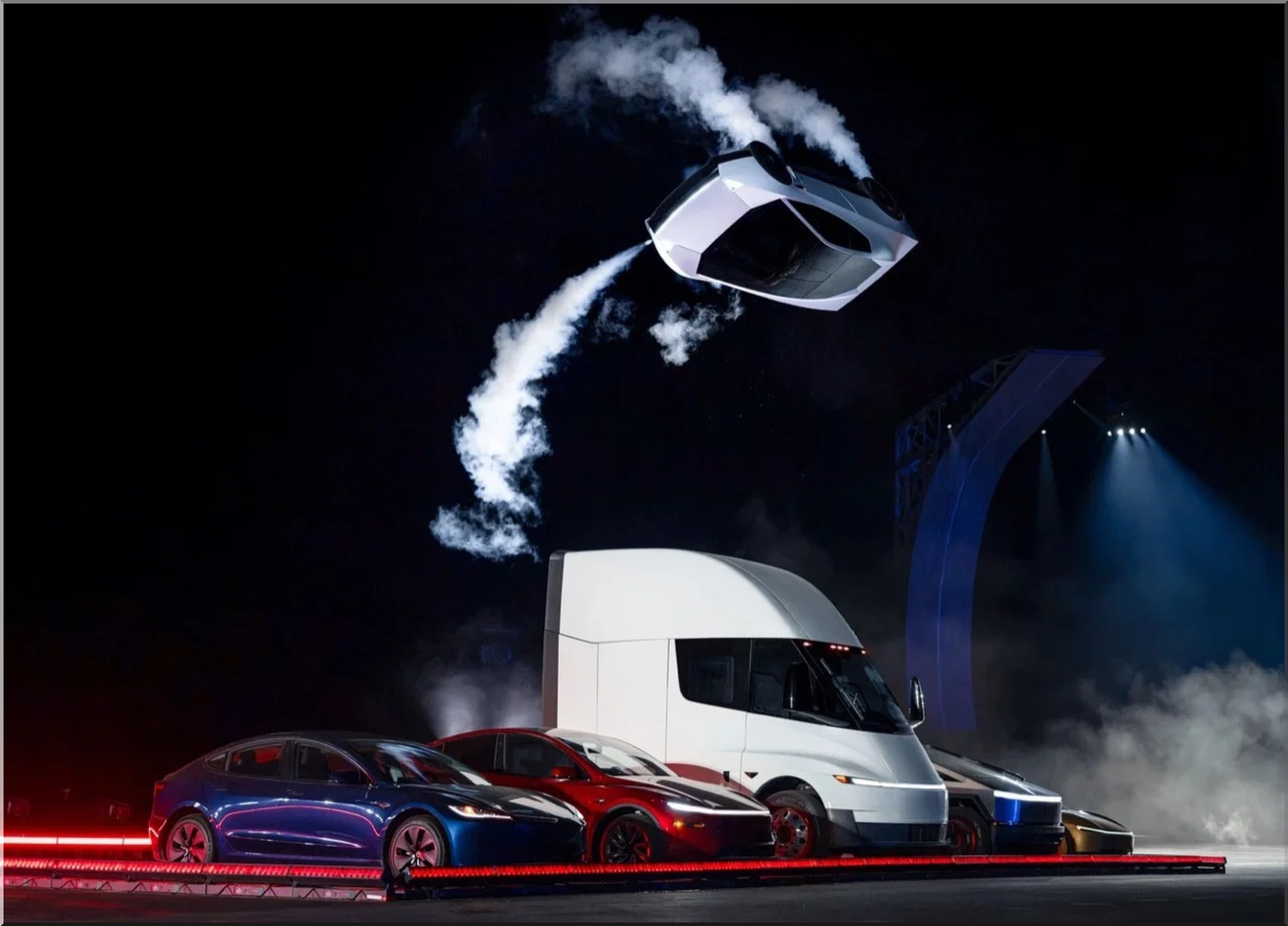
Tesla demonstrated a Tesla Roadster with SpaceX thrusters performing airborne rotations and displayed a 0-60 mph time of 0.81 seconds at its October 15, 2026, event in McGregor, Texas. Independent testers have yet to validate that figure in a customer-specification car. Tesla targets production in 2028.
How do Tesla Roadster thrusters cut the 0-60 time?
Cold-gas thrusters eject pressurized gas to push the car forward, adding force without transmitting it through the tires. Looking at the data, my physics check puts 60 mph in 0.81 seconds at an average 3.38 g, assuming a standing start without rollout. Timing methodology therefore deserves scrutiny.
Tesla advertises three configurations, with substantially different hardware:
| Configuration | Seats | Thruster hardware |
|---|---|---|
| Performance | 2 | No cold-gas upgrade |
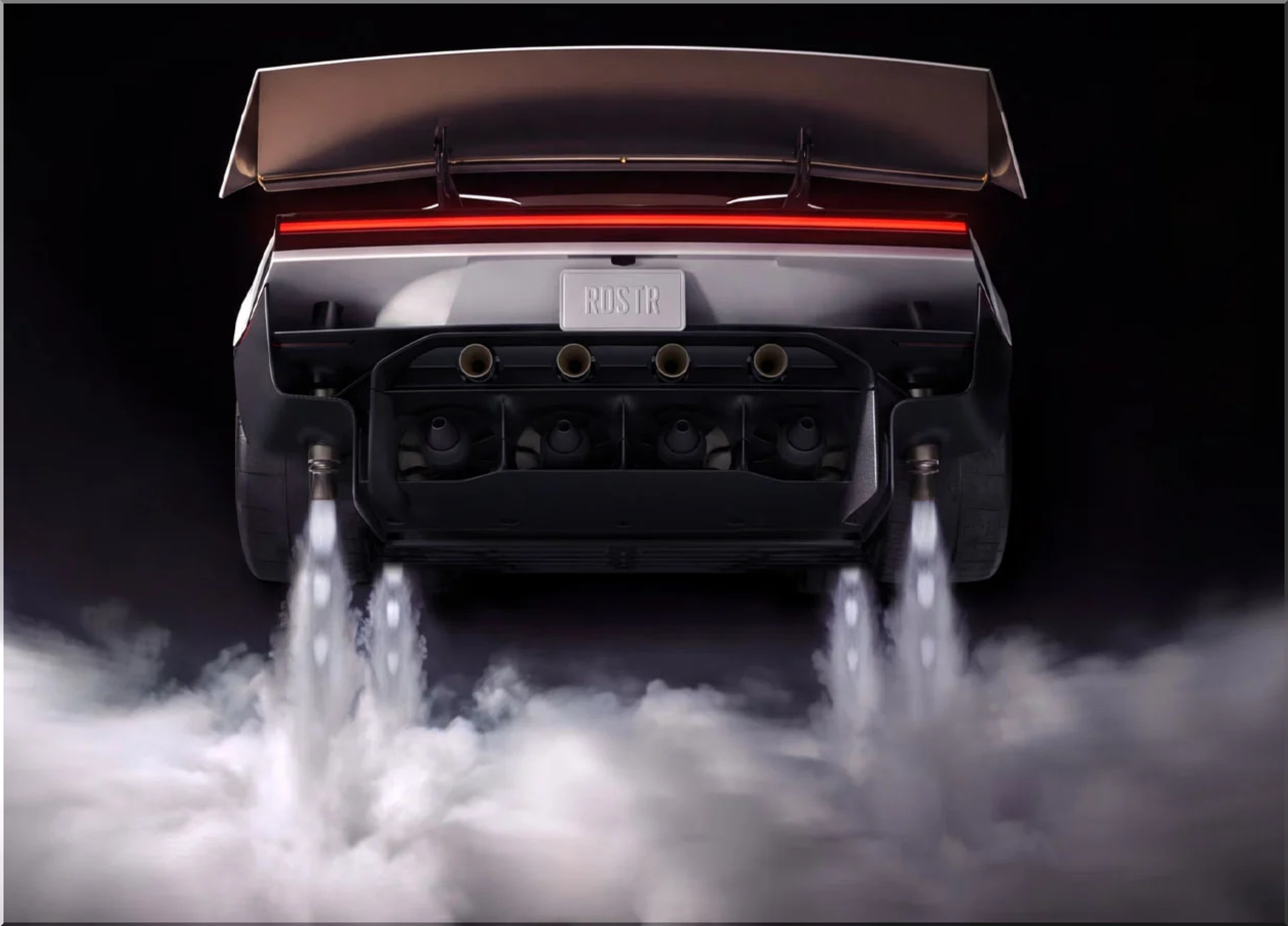
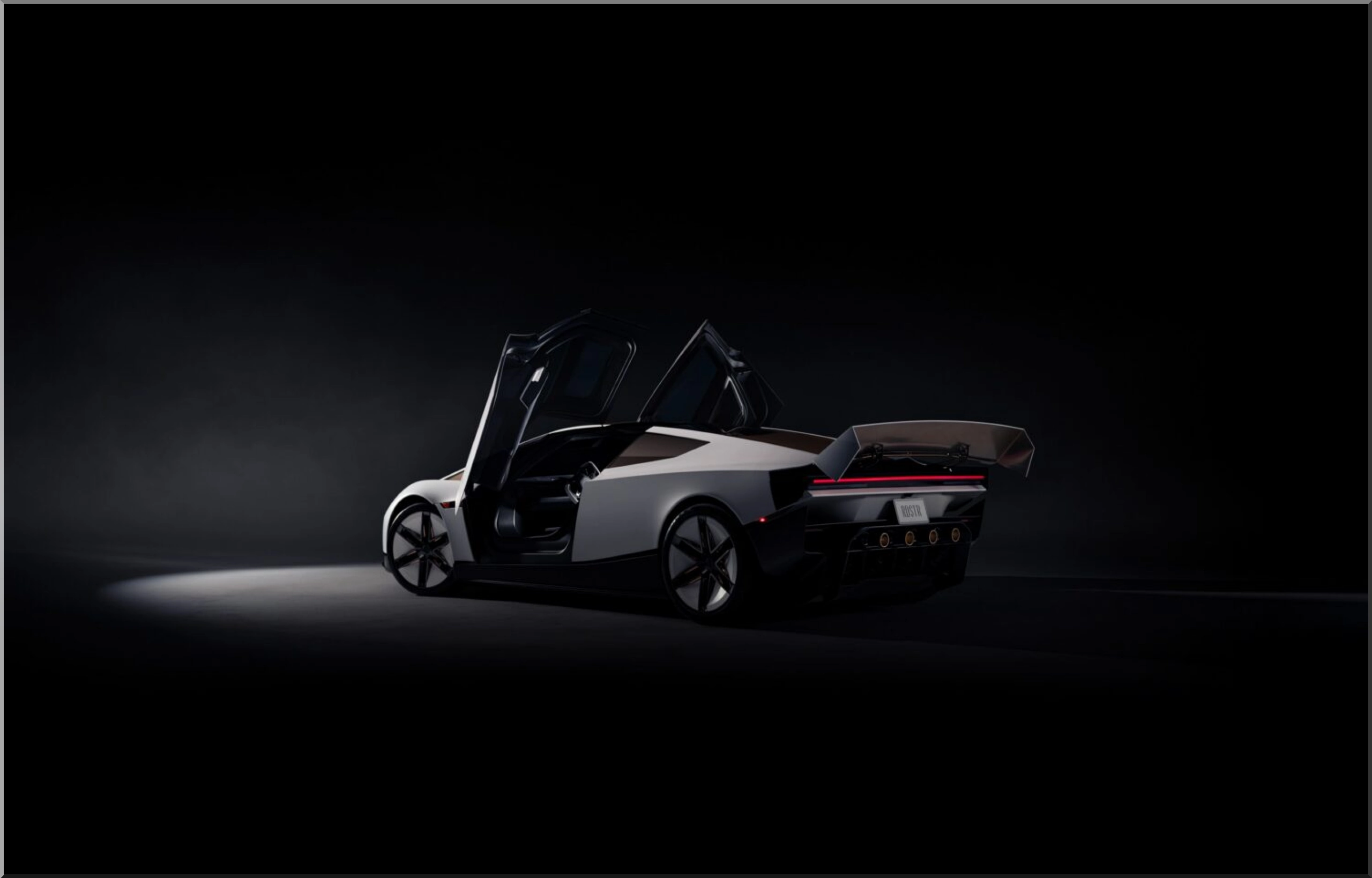
| Thrust | 2 | Four rear nozzles; 200-liter tank, approximately 7.1 cubic feet |
| Rocket | 1 | Ten perimeter nozzles; 600-liter total capacity, approximately 21.2 cubic feet |
The Rocket version adds a 400-liter tank where the passenger would sit. That packaging decision explains its single-seat layout.
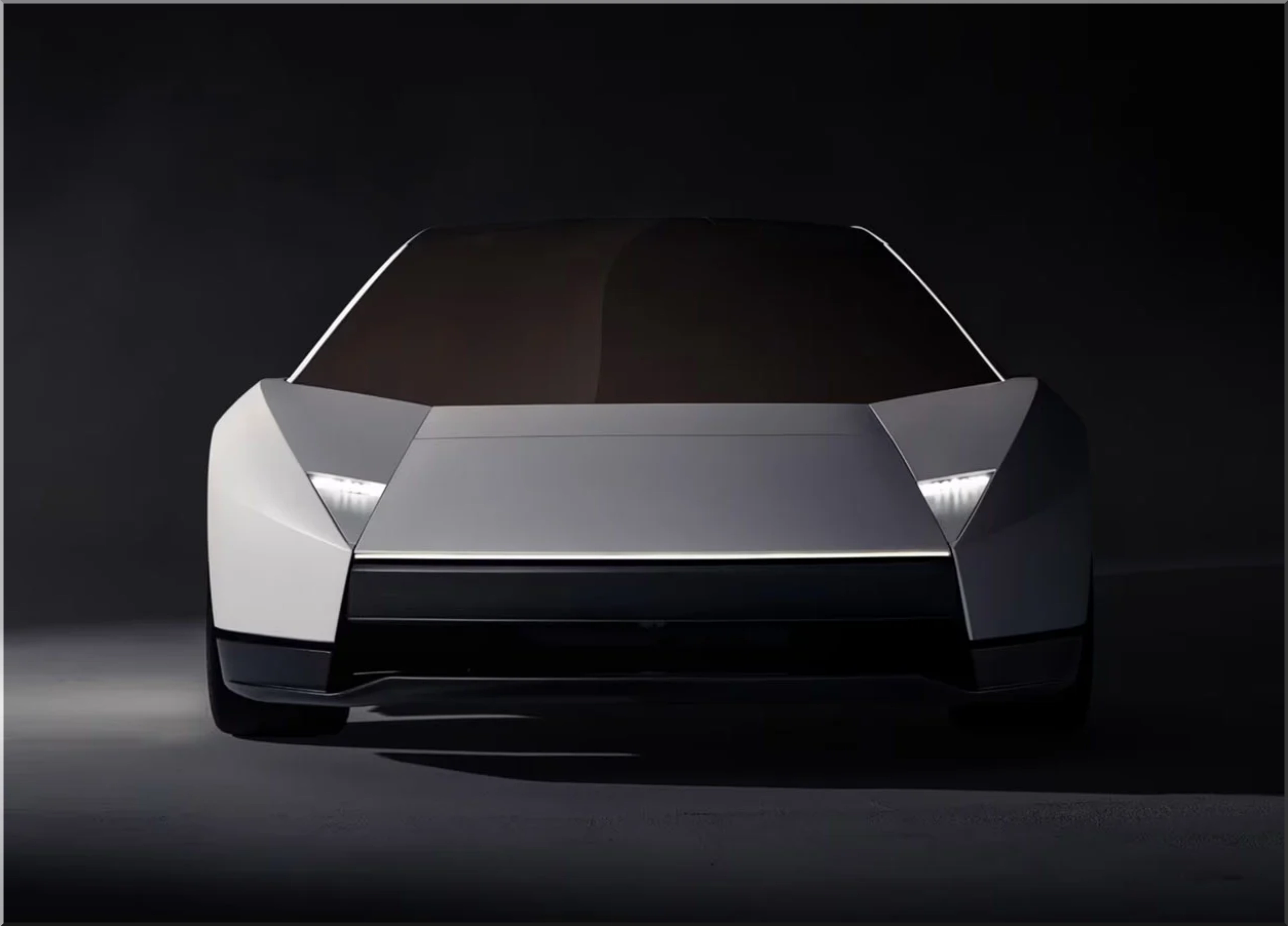
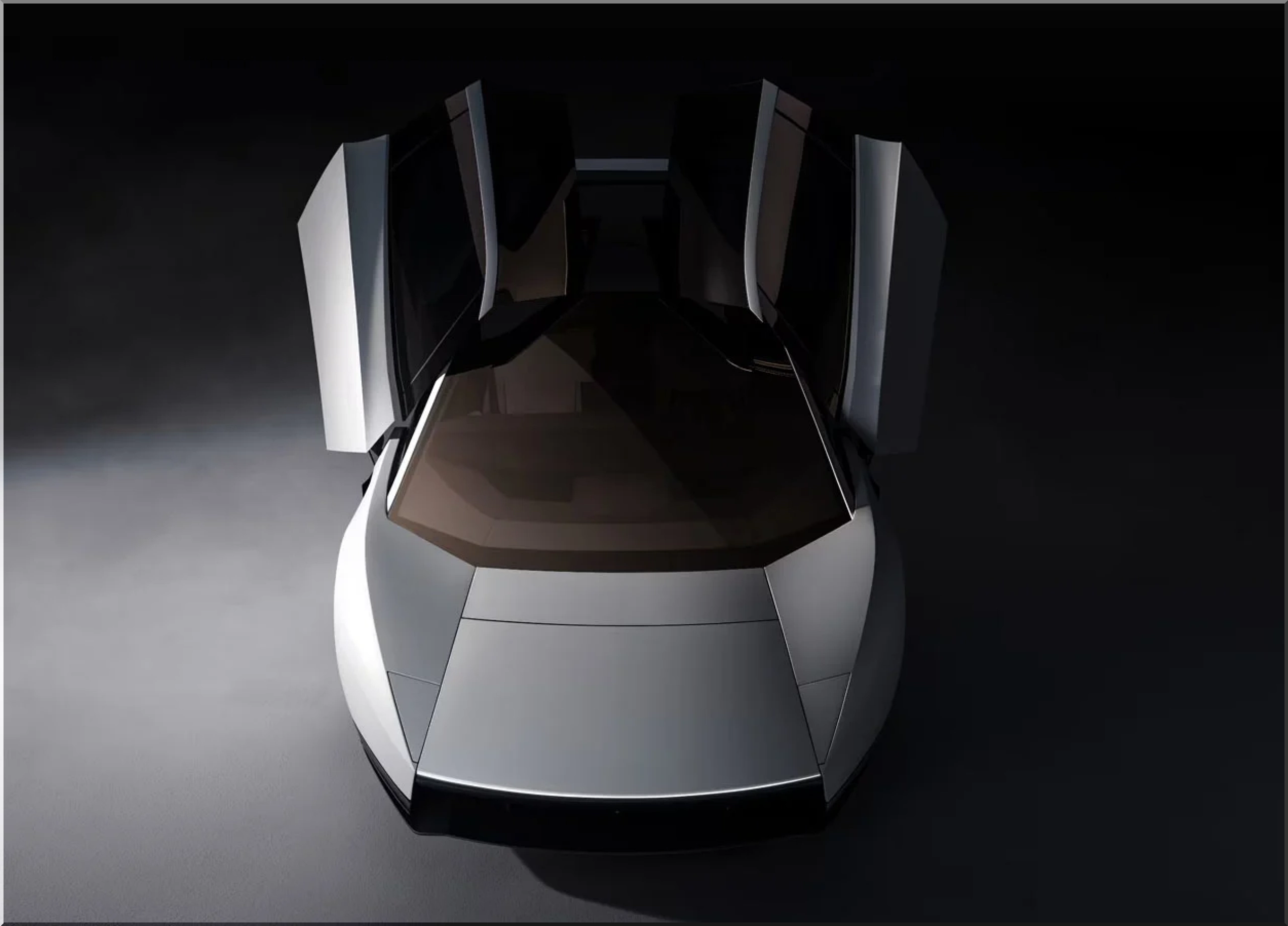
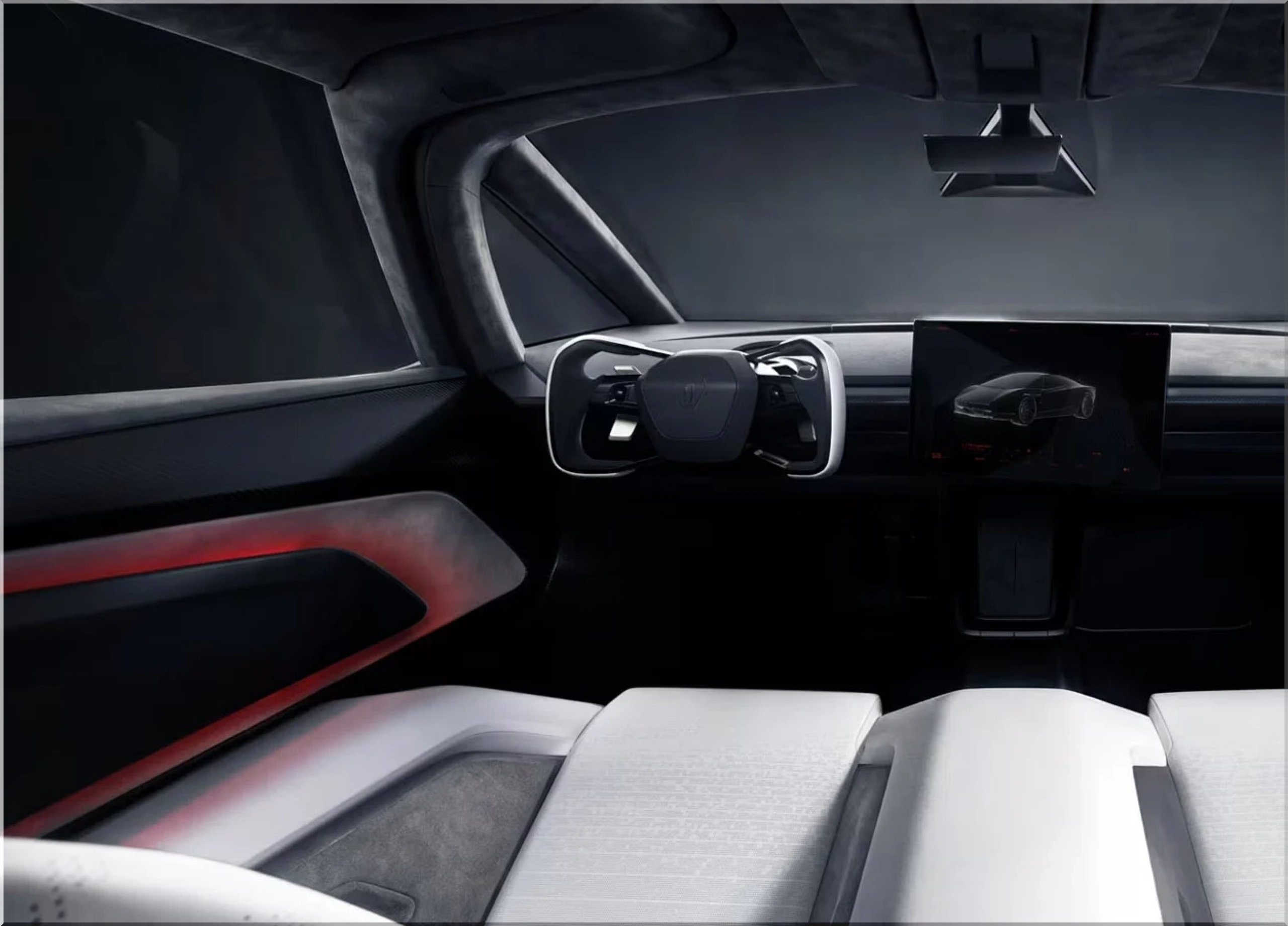
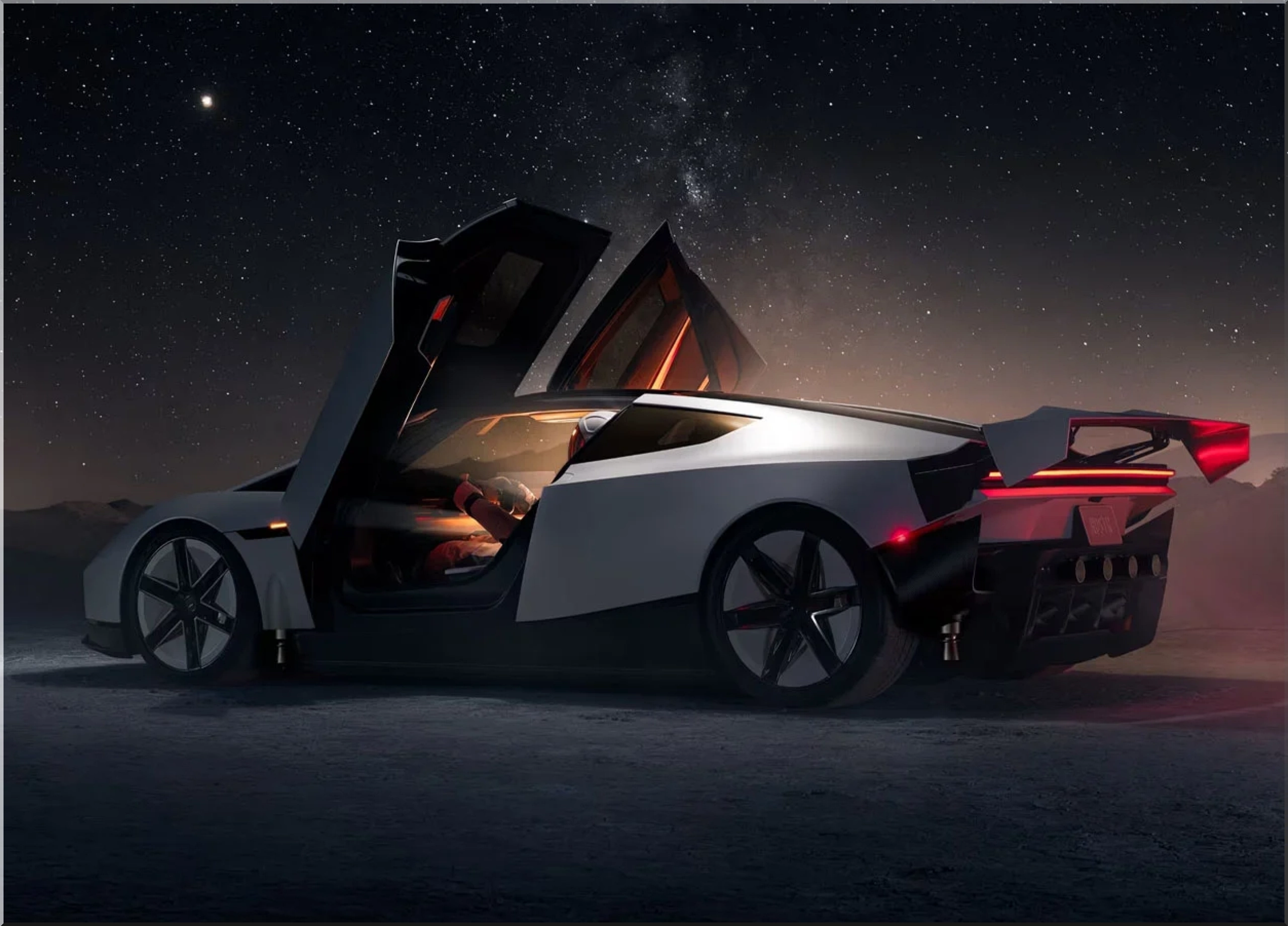
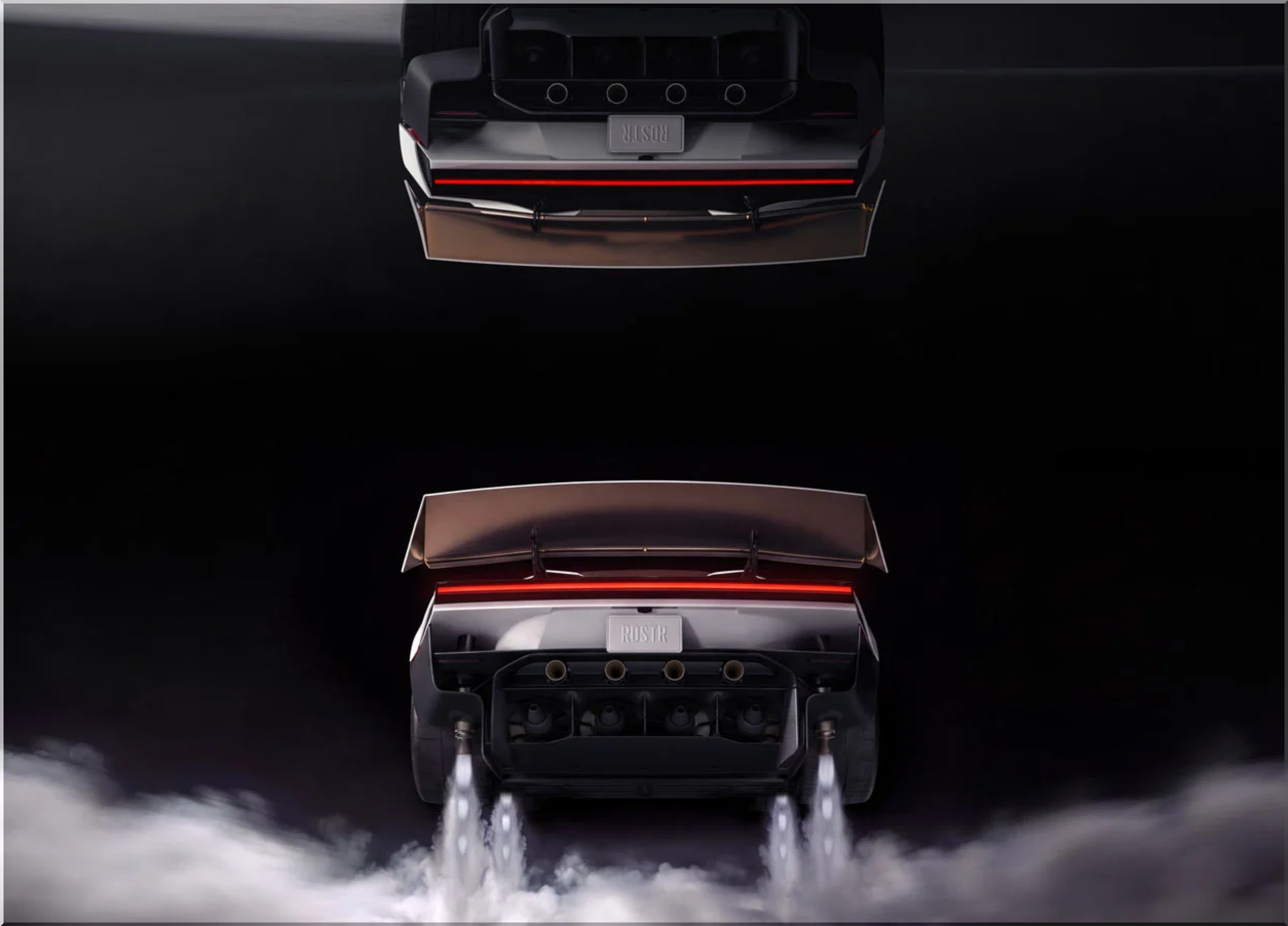
How does the Roadster flip and drive upside down?
Perimeter thrusters control upward acceleration and rotation, while electric fans pull air from beneath the chassis to generate downforce. Specifically, Tesla combines fans with ground sealing to create suction even at zero speed. Gas jets manage airborne movement; suction holds the car against the demonstration ramp's surface.
Video gallery
Video title
Tesla Roadster
A cold-gas thruster releases stored pressurized gas through a nozzle without combustion.
My engineering assessment of the tradeoffs:
| Technology | Pros | Cons |
|---|---|---|
| Cold-gas thrust | Adds acceleration without demanding more tire grip | Finite gas supply limits repeated full-power runs |
| Suction fans | Generate downforce while stationary | Consume power and depend on effective ground sealing |
| Rocket's gas storage | Supplies ten nozzles for movement in several directions | Takes trunk space and eliminates the passenger seat |
The flips demonstrate brief airborne maneuvers. They leave sustained flight, repeatability and everyday usability open to further testing.
Image gallery:
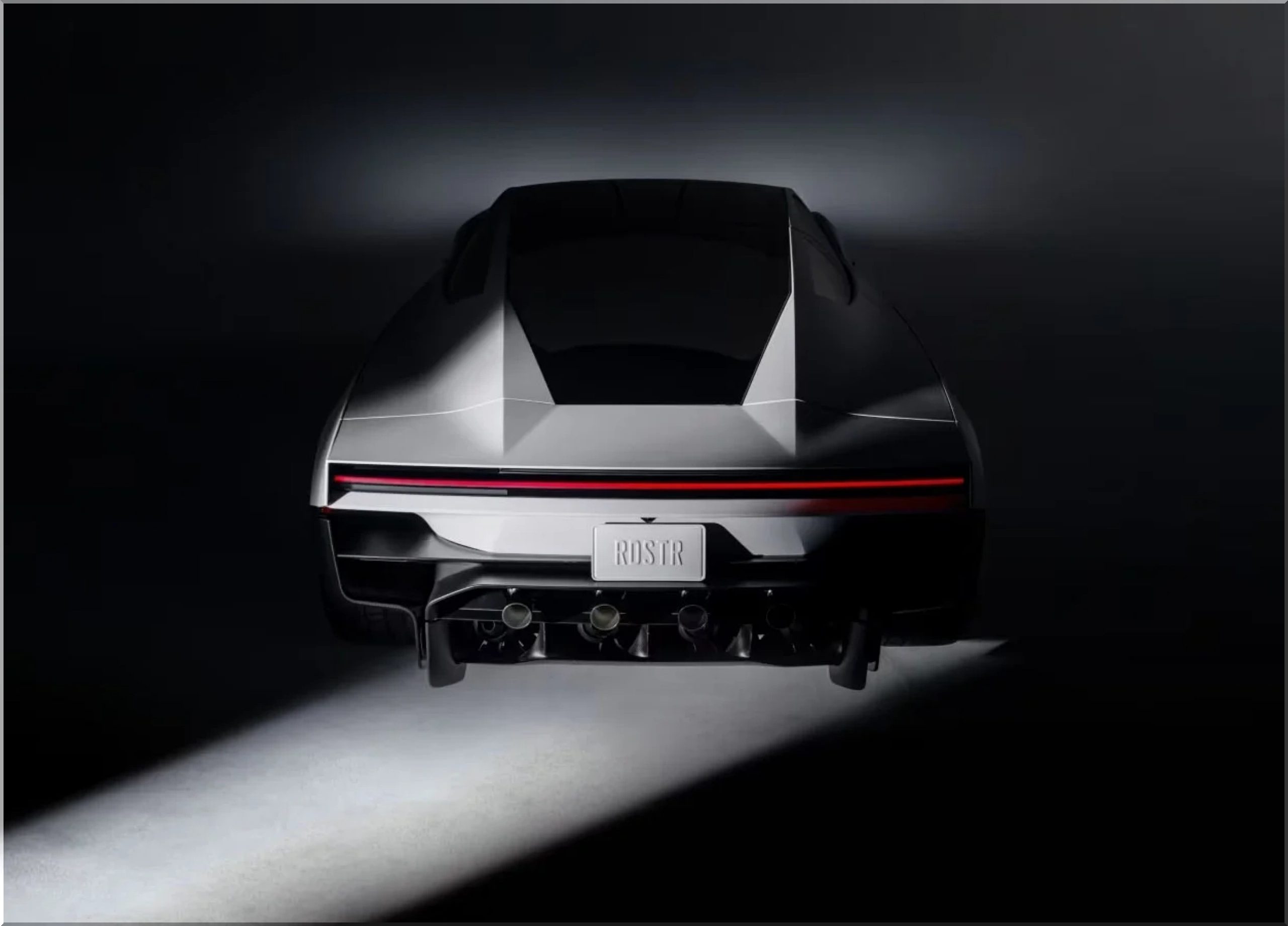
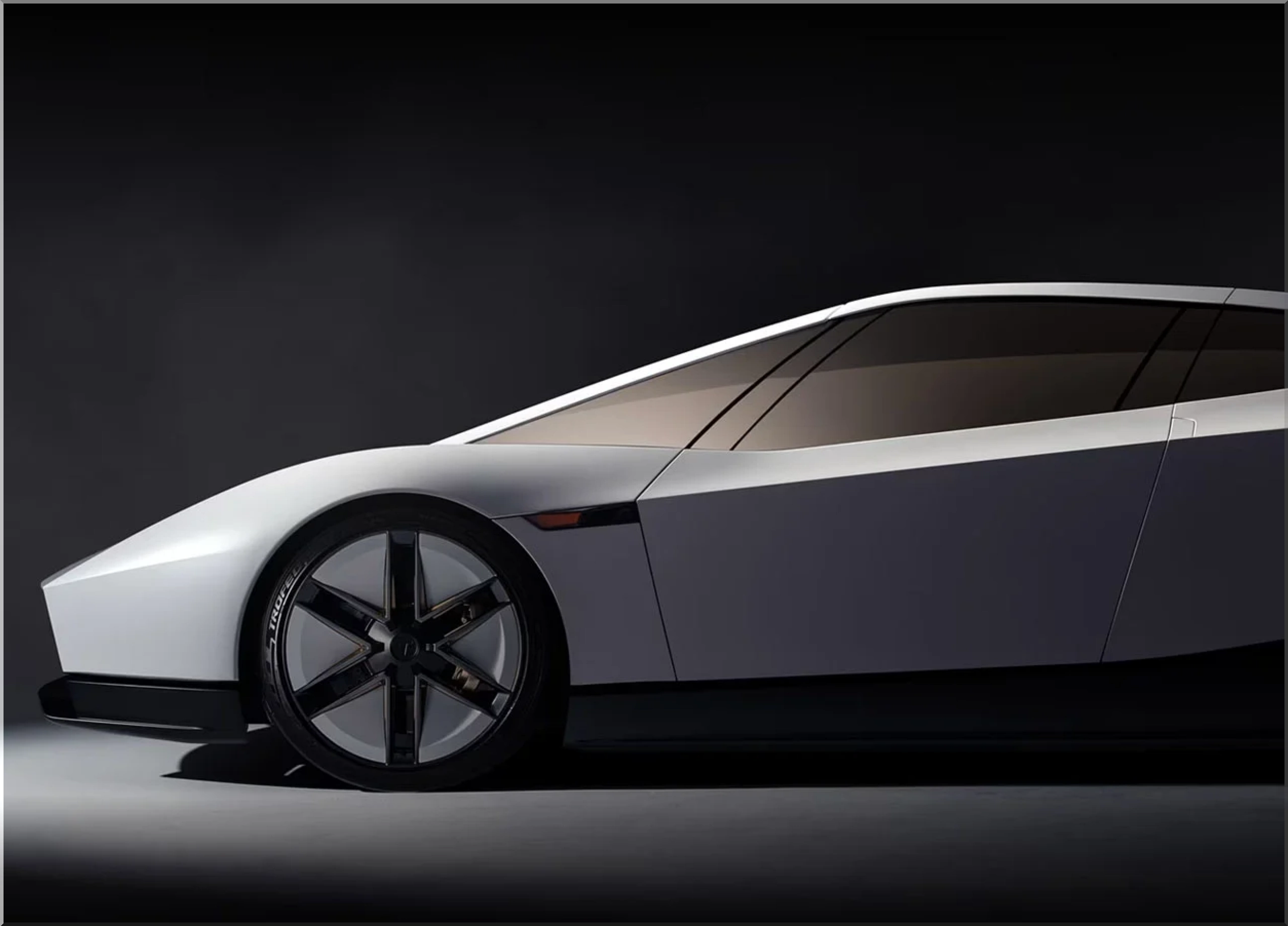
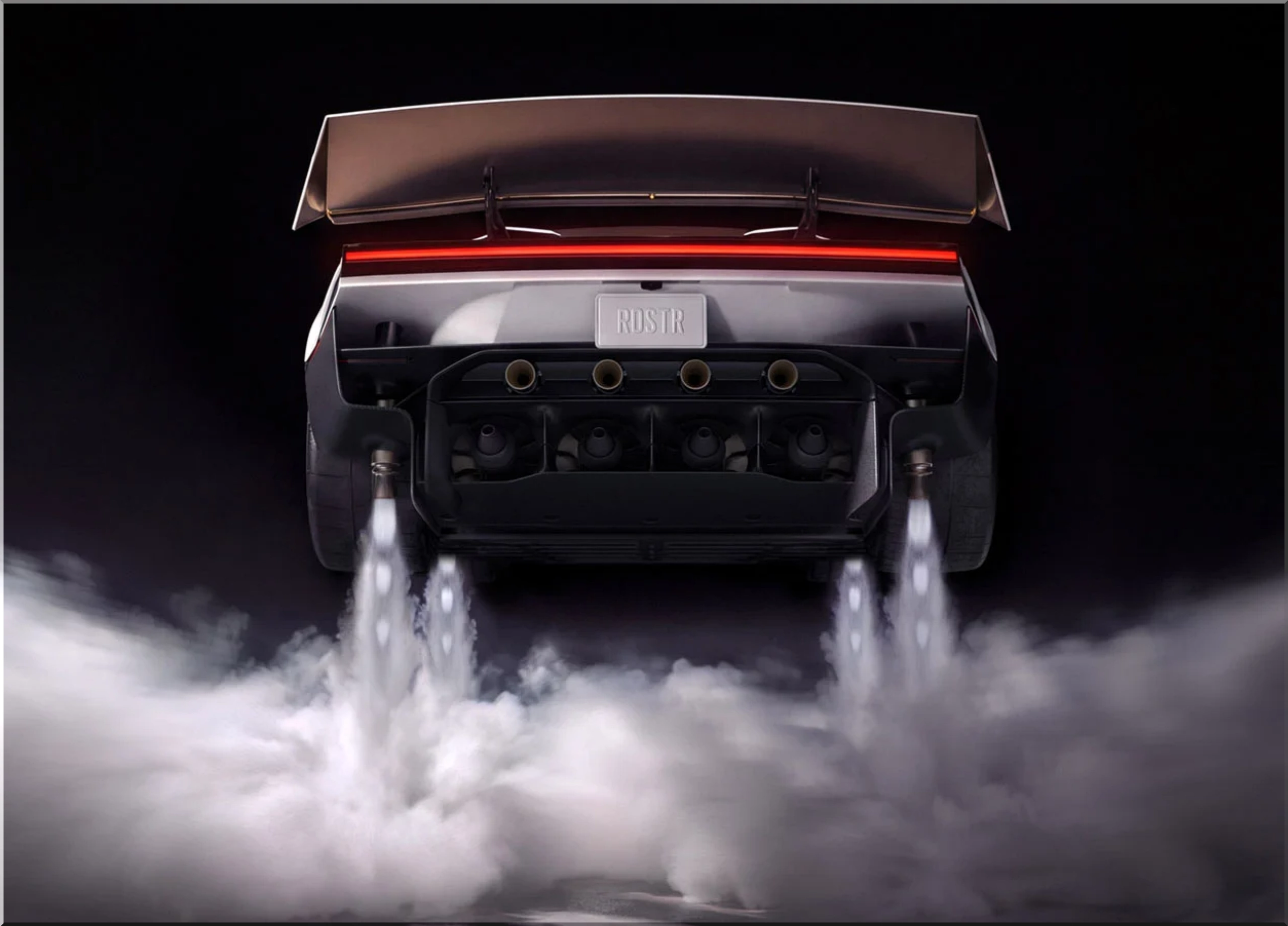
Should you reserve the new Tesla Roadster?
Wait if you need firm costs and a dependable delivery date. At launch, Tesla requested $50,000 for a Performance reservation and $250,000 for Thrust, without announcing final purchase prices. Rocket requires an invitation and lacks public-road approval. My take: independent repeatability tests deserve more weight than one filmed run.
- Add new comment
- 10 views