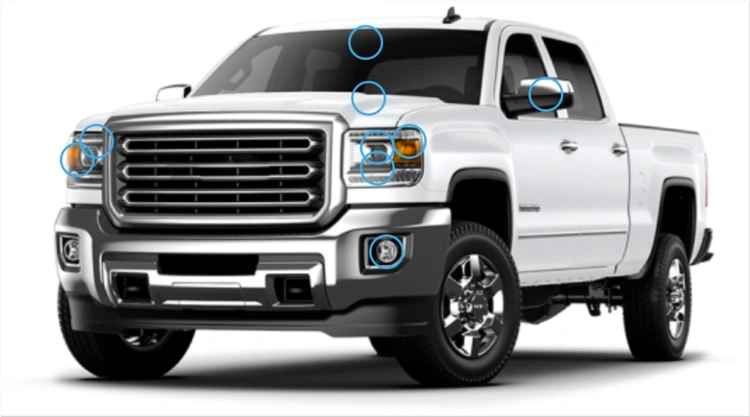
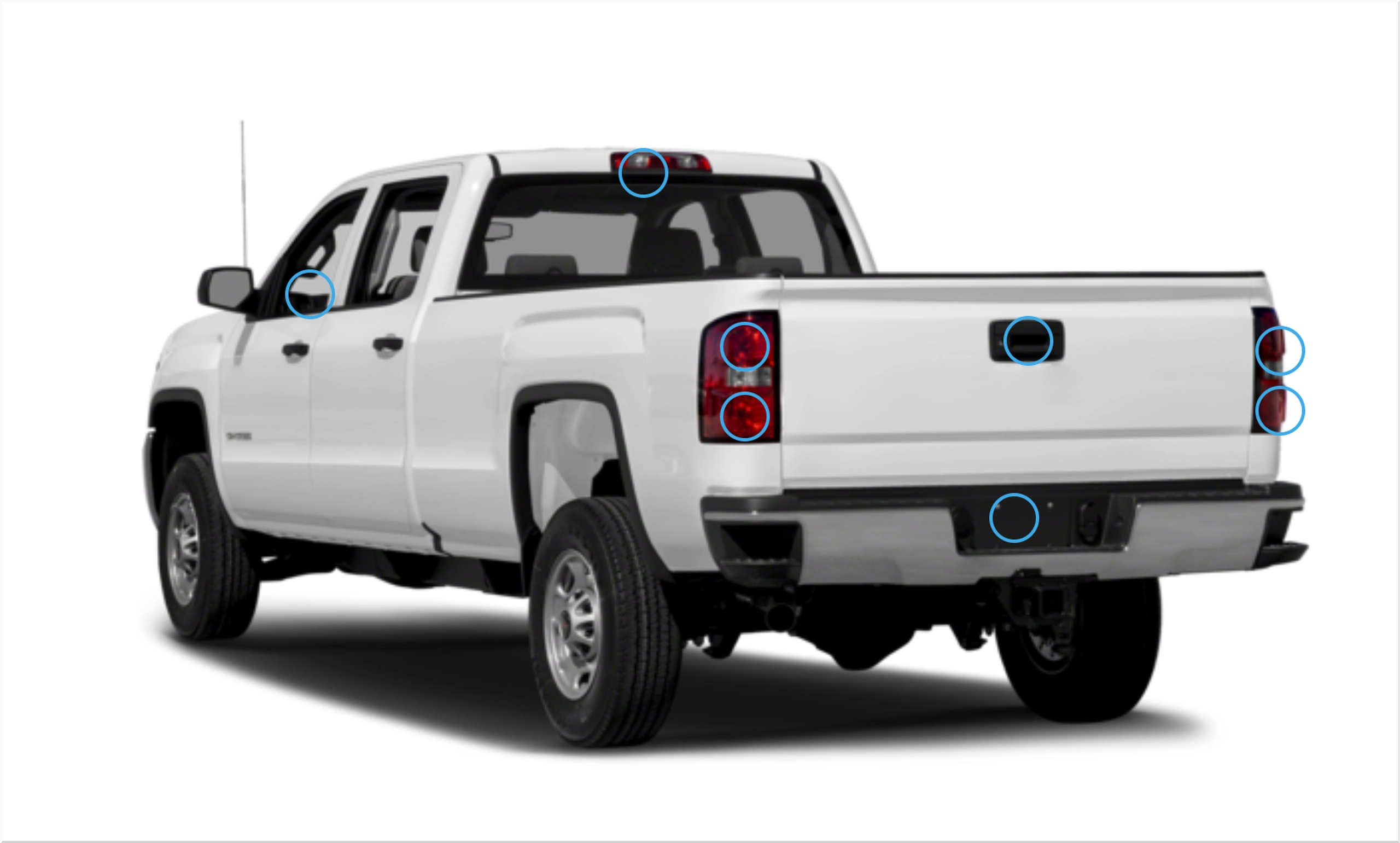
Car light bulbs are often treated as simple consumables that get replaced only after failure. In practice, selecting the correct bulbs for a specific vehicle plays a much larger role. Proper bulb choice directly affects visibility, road safety, legal compliance, electrical stability, and the lifespan of lighting components. Installing an incorrect bulb can reduce usable light, create glare for other drivers, trigger warning messages, or even damage the lighting housing.
Understanding why bulb compatibility matters helps drivers avoid common and costly mistakes.
Not All Car Bulbs Are the Same
Although many automotive bulbs appear similar in size or shape, they differ in critical technical parameters. Each bulb type is designed with a specific base, wattage, voltage range, filament or LED position, polarity, and thermal behavior. Headlight housings and interior light units are engineered around these exact characteristics.
A bulb that physically fits into a socket may still be incorrect if its optical or electrical properties do not match the vehicle’s design requirements.
Visibility and Beam Pattern Depend on Correct Bulb Specs
Headlights function as complete optical systems rather than standalone light sources. Reflectors and projectors are engineered to work with a precise filament location or LED chip position. When a bulb with different geometry is installed, the beam pattern changes.
Instead of producing a controlled and even light distribution, the beam may develop dark zones close to the vehicle or scatter light upward, creating glare for oncoming traffic. Excessive brightness without proper focus often worsens real-world visibility, especially at highway speeds or in poor weather conditions.
Electrical Compatibility Is Critical in Modern Cars
Modern vehicles continuously monitor their lighting circuits. The electrical system expects specific resistance values, current draw, and signal behavior from each bulb. When these expectations are not met, the car may react unpredictably.
Incorrect bulbs can cause flickering, rapid pulsing, or intermittent shutdowns. Dashboard warnings may appear even though the bulb is physically working. In some cases, repeated electrical mismatches shorten bulb lifespan or stress wiring and control modules. This is especially common when installing non-vehicle-specific LED replacements.
Heat Management and Housing Damage
Different bulb technologies release heat in different ways. Traditional halogen bulbs emit much of their heat forward, while LEDs typically concentrate heat at the base where the driver circuitry sits. If the housing was not designed for that heat profile, problems can occur.
Over time, excess heat may damage connectors, deform plastic housings, cloud lenses, or degrade reflective surfaces. Small light housings such as license plate lights, interior lamps, and compact headlamps are particularly vulnerable to incorrect heat distribution.
Legal and Inspection Issues
Vehicle lighting is regulated in many countries and regions. Regulations often define acceptable brightness levels, color temperature ranges, and beam cutoff patterns. Even if a bulb seems brighter or more modern, it may still violate local laws.
Using non-compliant bulbs can result in failed inspections, traffic fines, or complications during insurance claims after an accident. In some cases, the issue is not brightness but beam shape or color tone, which inspectors and roadside checks can flag immediately.
Exterior and Interior Bulbs Both Matter
Drivers usually focus on headlights, but every bulb on a vehicle serves a safety or usability function. Exterior lighting covers forward illumination, signaling intentions to other road users, and ensuring visibility of the vehicle itself. Interior lighting affects comfort, visibility inside the cabin, and distraction levels while driving at night.
Excessively bright interior bulbs can create glare and reduce night vision, while underpowered exterior bulbs can make the vehicle less noticeable in traffic. Each location requires a specific balance of brightness, diffusion, and color.
Bulb Sockets and Base Types Are Not Universal
Bulb naming conventions can be misleading. Similar numbers or letters do not guarantee identical fitment or performance. Small differences in base design, locking tabs, contact placement, or polarity can lead to loose connections, intermittent operation, or installation damage.
In some cases, a bulb may install without resistance but fail shortly after due to improper electrical contact or vibration sensitivity.
Vehicle-Specific Design Considerations
Automakers design lighting systems based on the physical dimensions of the headlamp, the type of optics used, electrical system behavior, and onboard diagnostics sensitivity. Even vehicles from the same manufacturer may require different bulb characteristics depending on generation or trim level.
This is why a bulb that performs well in one car may cause issues in another, despite appearing identical on paper.
Longevity and Cost Efficiency
Incorrect bulbs tend to fail earlier due to heat stress, voltage mismatch, or unstable mounting. Replacing bulbs frequently increases long-term cost and raises the risk of sudden failure while driving.
Selecting the correct bulb from the start usually results in longer service life, fewer electrical issues, and lower overall maintenance costs.
How to Choose the Right Bulb for Your Car
The most reliable way to choose a bulb is to base the selection on the exact vehicle configuration, including model year and bulb location. Factory specifications and vehicle-specific compatibility guides provide far more accurate results than visual comparison or marketing claims. Terms like “ultra bright” or “xenon look” do not guarantee correct performance or safety.

The EQC will be the first electric car of the EQ family. It is already available for order and from July you will start with the deliveries. We tell you what you need to know about the first electric SUV from Mercedes. The Mercedes EQC is… Continue reading
The German automobile brand Volkswagen has started installing electric vehicle charging points in its German factories, a process through which it will launch 4,000 posts at its plants until 2025, the company said in a statement. The first 60… Continue reading
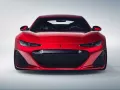
A new electric start-up comes to challenge Tesla to duel, though in this case, the fight is somewhat unfair. Drako GTE is powered by a 90 kWh battery, boasting 1,224 horsepower and a torque of 2,200 newton meters. The manufacturers… Continue reading
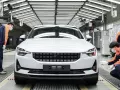
Volvo started production of Polestar 2 at the factory owned by the Chinese Geely Group in Luqiao, China. Polestar, a brand owned by Volvo, has started production of the Polestar 2 electric sedan. The new model will be a direct rival to the… Continue reading