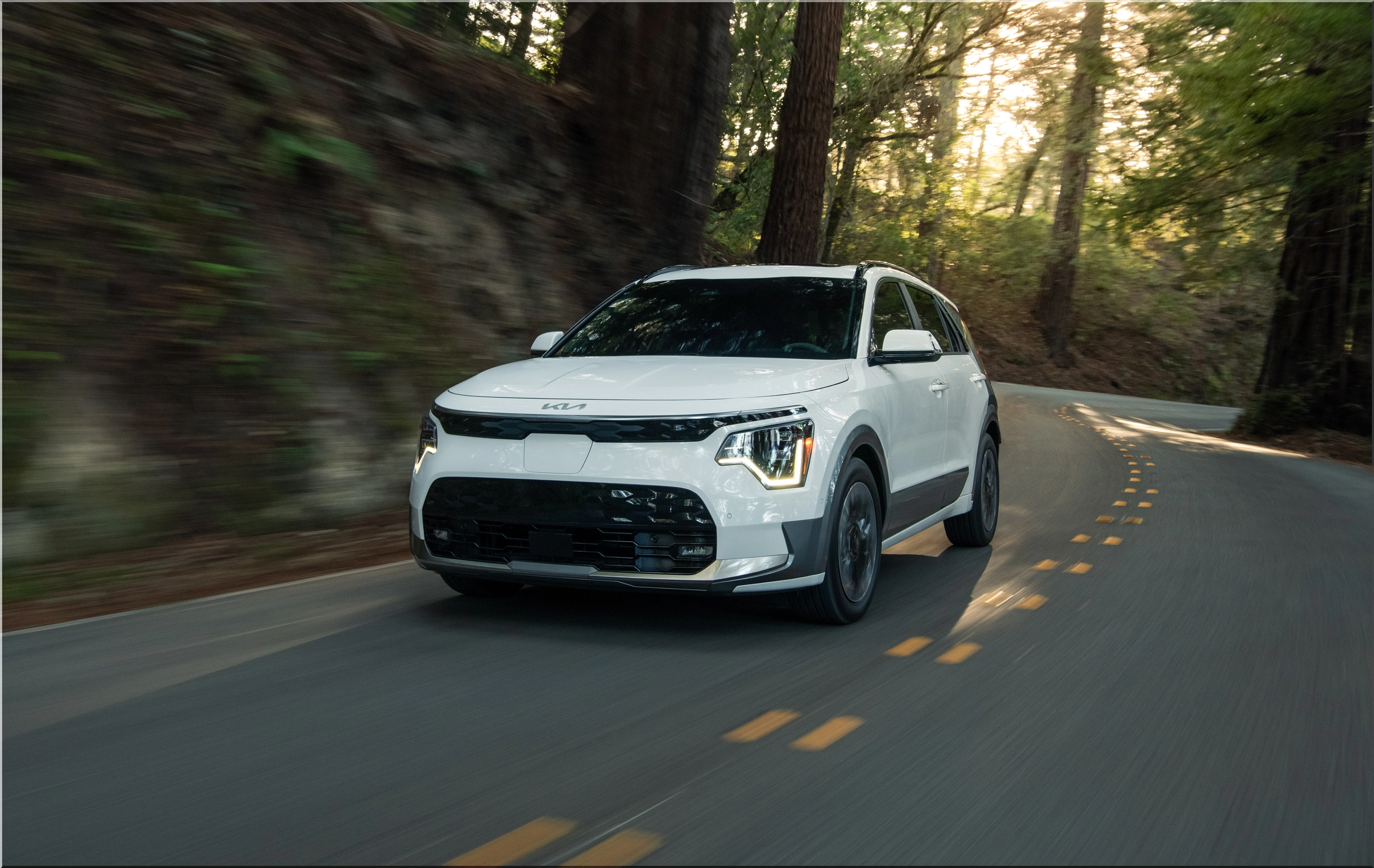
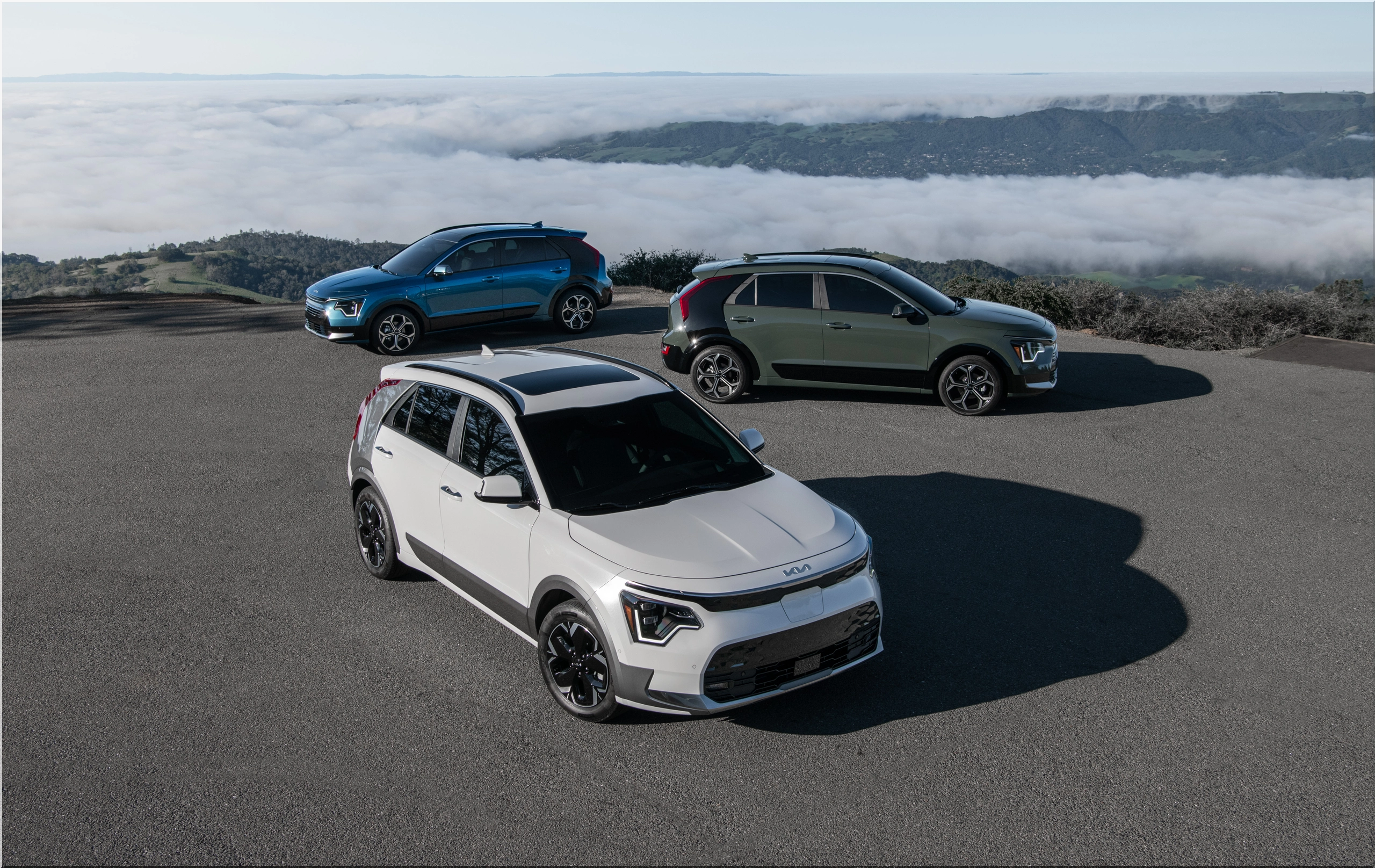
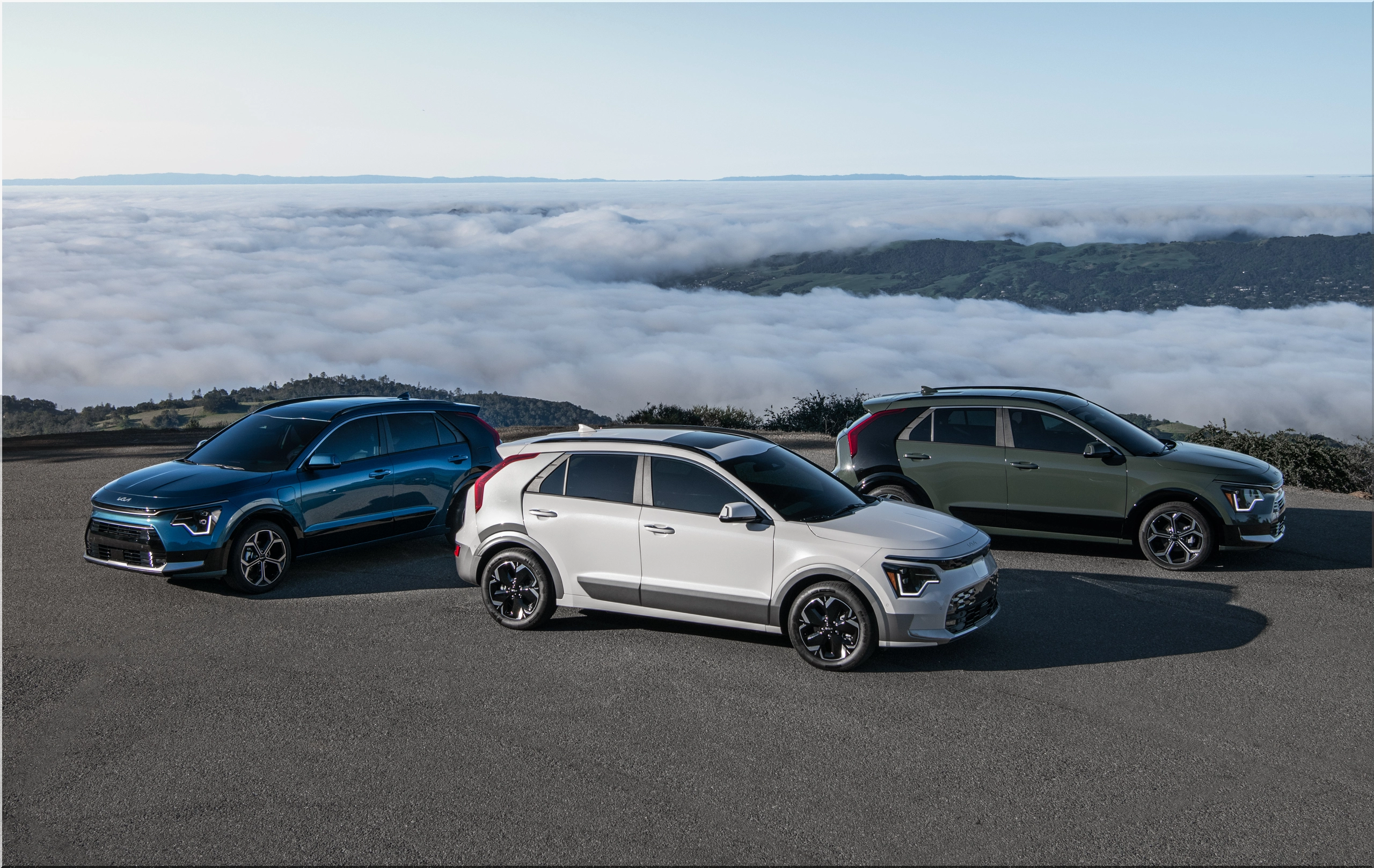
Kia just released pricing for the 2026 Kia Niro EV, and the numbers tell a specific story about the current electric vehicle market. While many manufacturers chase thousand-horsepower figures or six-figure price tags, Kia targets the meat of the market. The 2026 Niro EV focuses on efficiency, usable technology, and predictable costs.
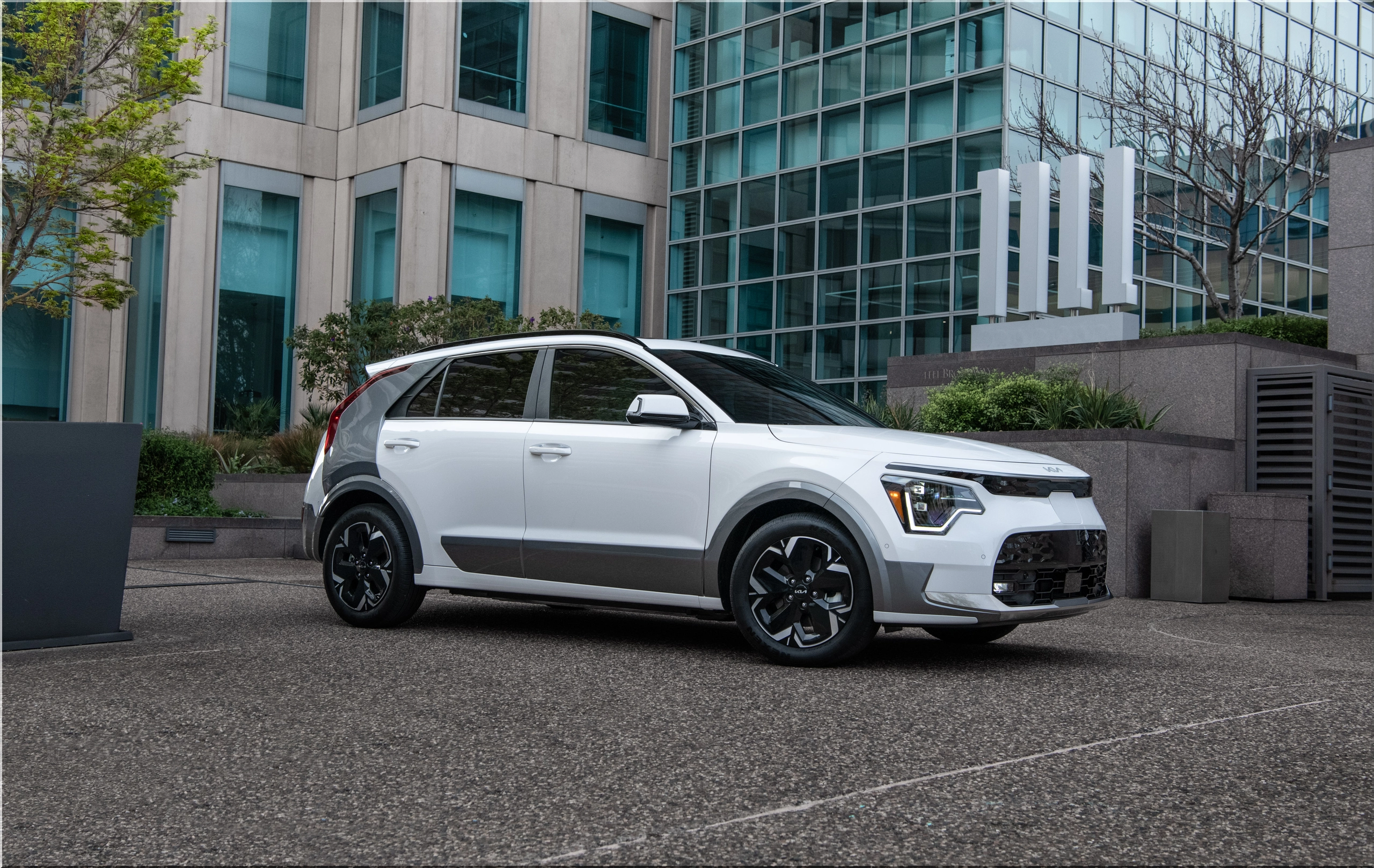
For the 2026 model year, the Niro EV remains a front-wheel-drive compact electric crossover. It sits in a competitive segment against the Hyundai Kona Electric and the Chevrolet Equinox EV. Here is the data-driven breakdown of what you need to know.
2026 Kia Niro EV Price and Trim Levels
Kia offers the Niro EV in two distinct trims: Wind and Wave. Both trims utilize the same battery and motor configuration, meaning your choice depends entirely on interior features and driver-assistance technology.
- 2026 Kia Niro EV Wind MSRP: $39,700
- 2026 Kia Niro EV Wave MSRP: $44,700
Note: Prices exclude the $1,495 destination and handling fee.
The $5,000 jump to the Wave trim adds significant equipment. Buyers get a heat pump, which is essential for maintaining range in cold climates. It also adds the Digital Key 2.0 system and upgraded driver aids like Highway Driving Assist II.
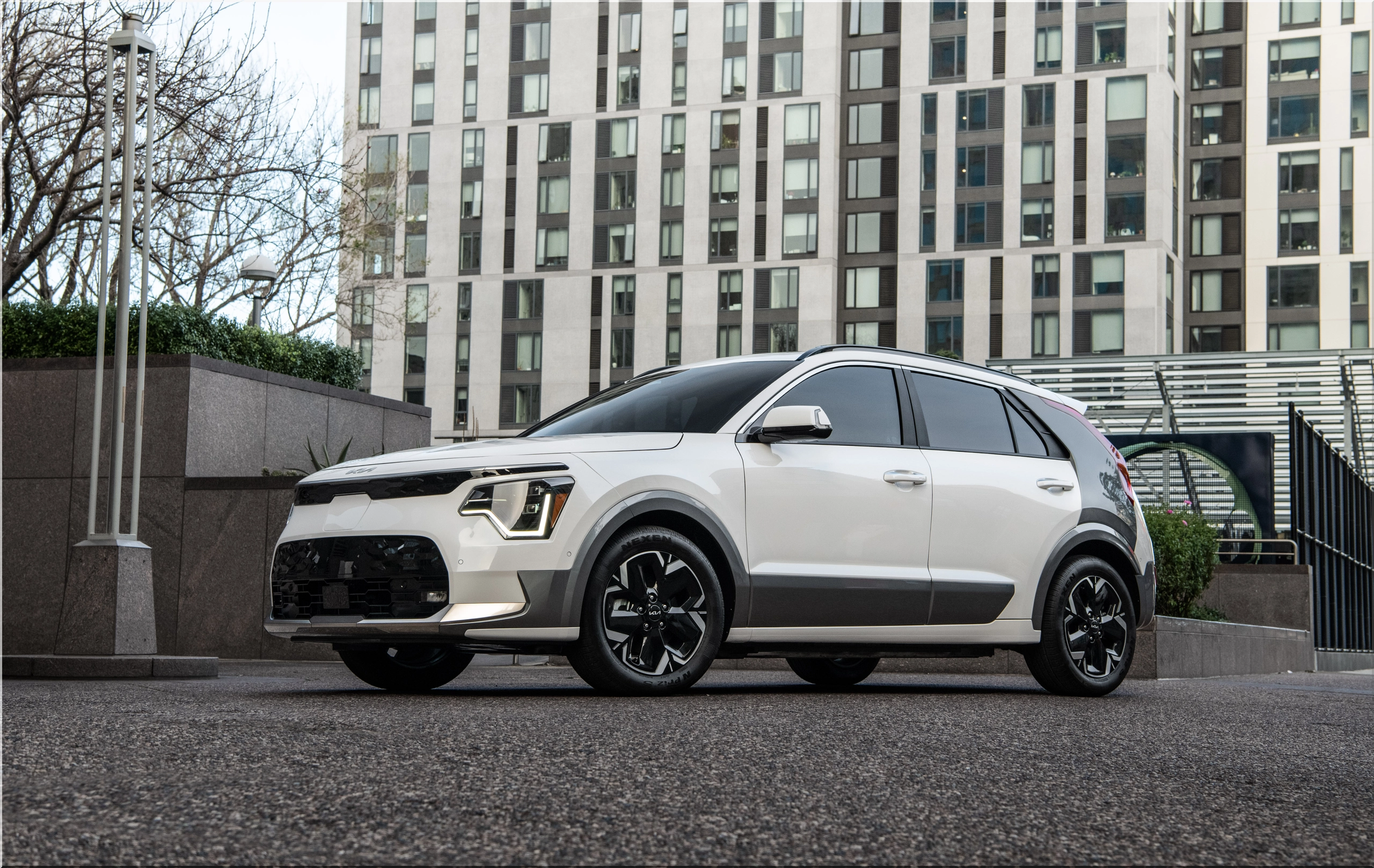
Performance Specs: Efficiency Over Raw Power
The 2026 Niro EV uses a 64.8 kWh lithium-ion battery. This powers a permanent magnet synchronous motor located on the front axle.
| Feature | Specification |
|---|---|
| Horsepower | 201 hp (150 kW) |
| Torque | 188 lb-ft (255 Nm) |
| Battery Capacity | 64.8 kWh |
| Charging (DC Fast) | 10% to 80% in approx. 43 minutes |
| On-board Charger | 11 kW |
| Transmission | 1-speed direct drive |
The power output remains constant from the previous year. 201 horsepower provides enough thrust for highway merging without the neck-snapping acceleration of more expensive EVs. This helps keep the curb weight between 3,721 and 3,803 pounds, making it lighter than many competitors.
Interior Tech and Cargo Capacity
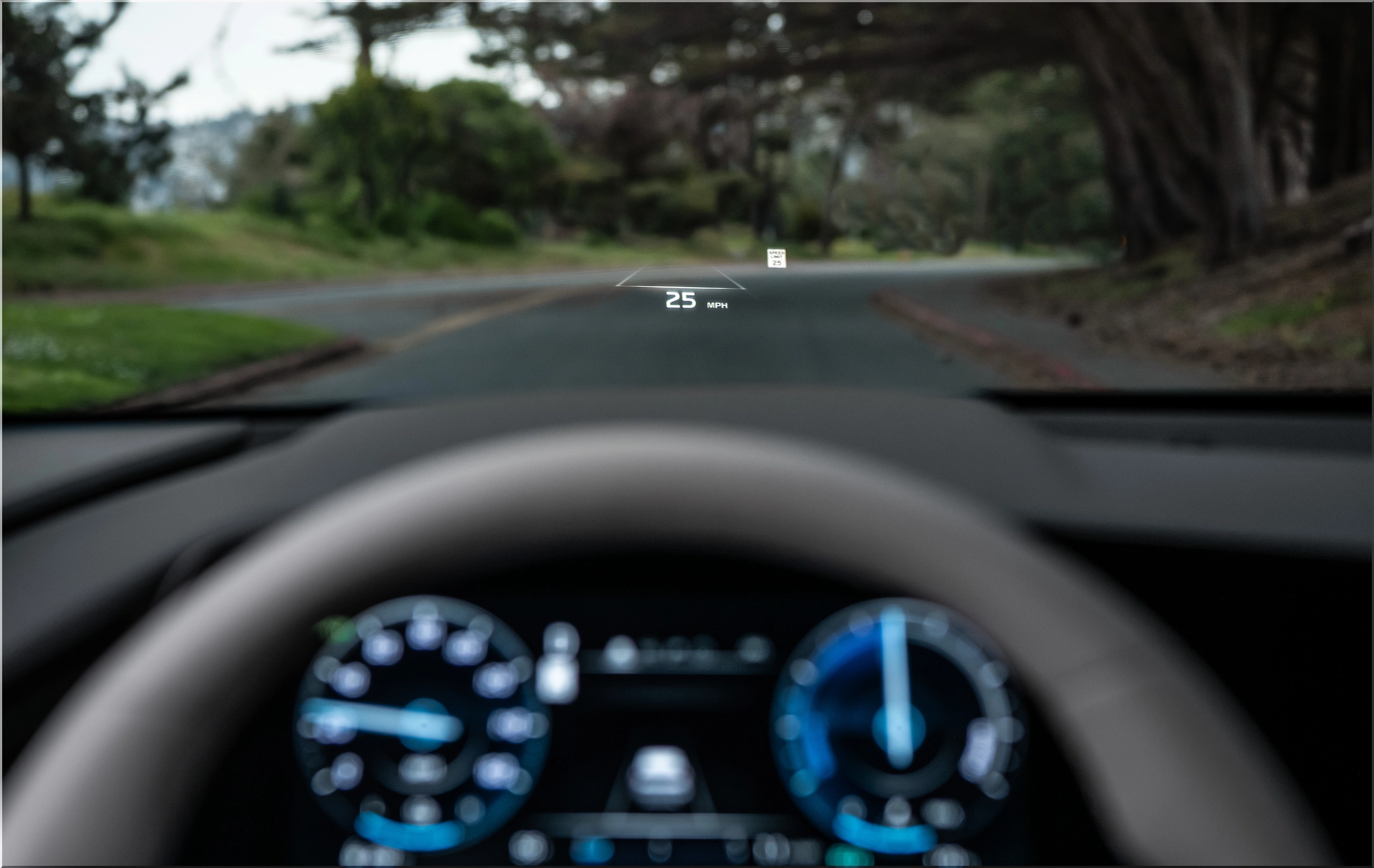
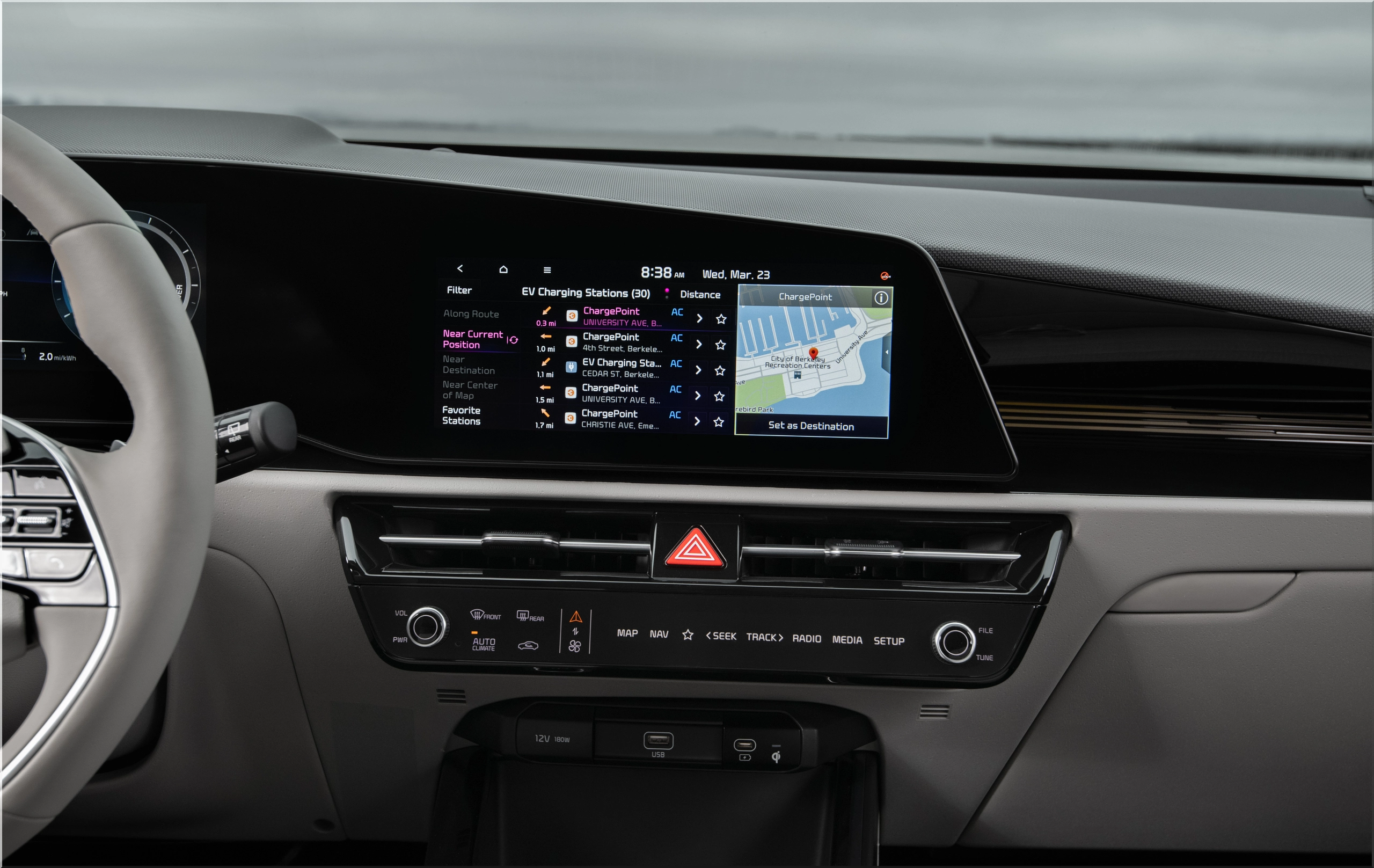
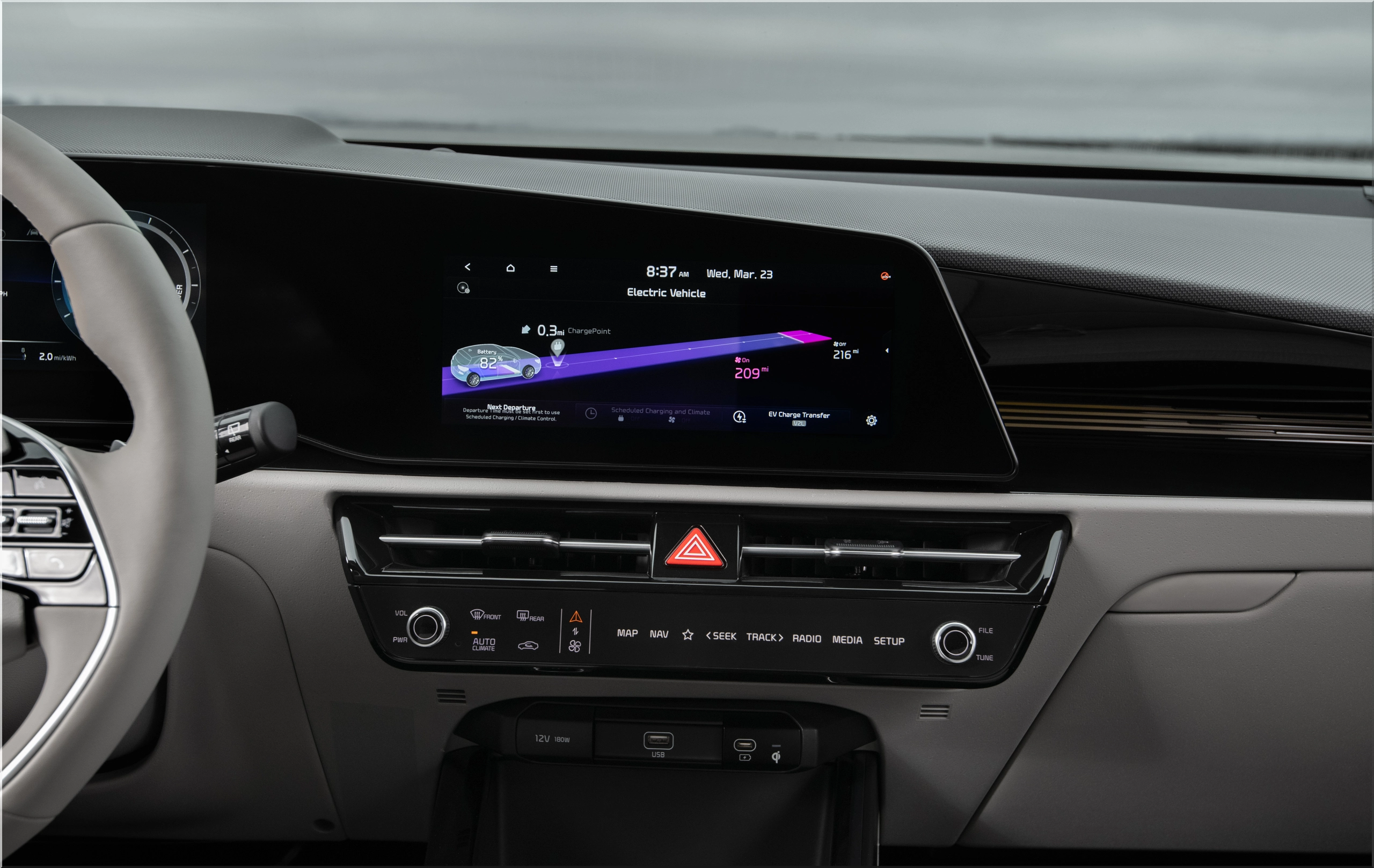
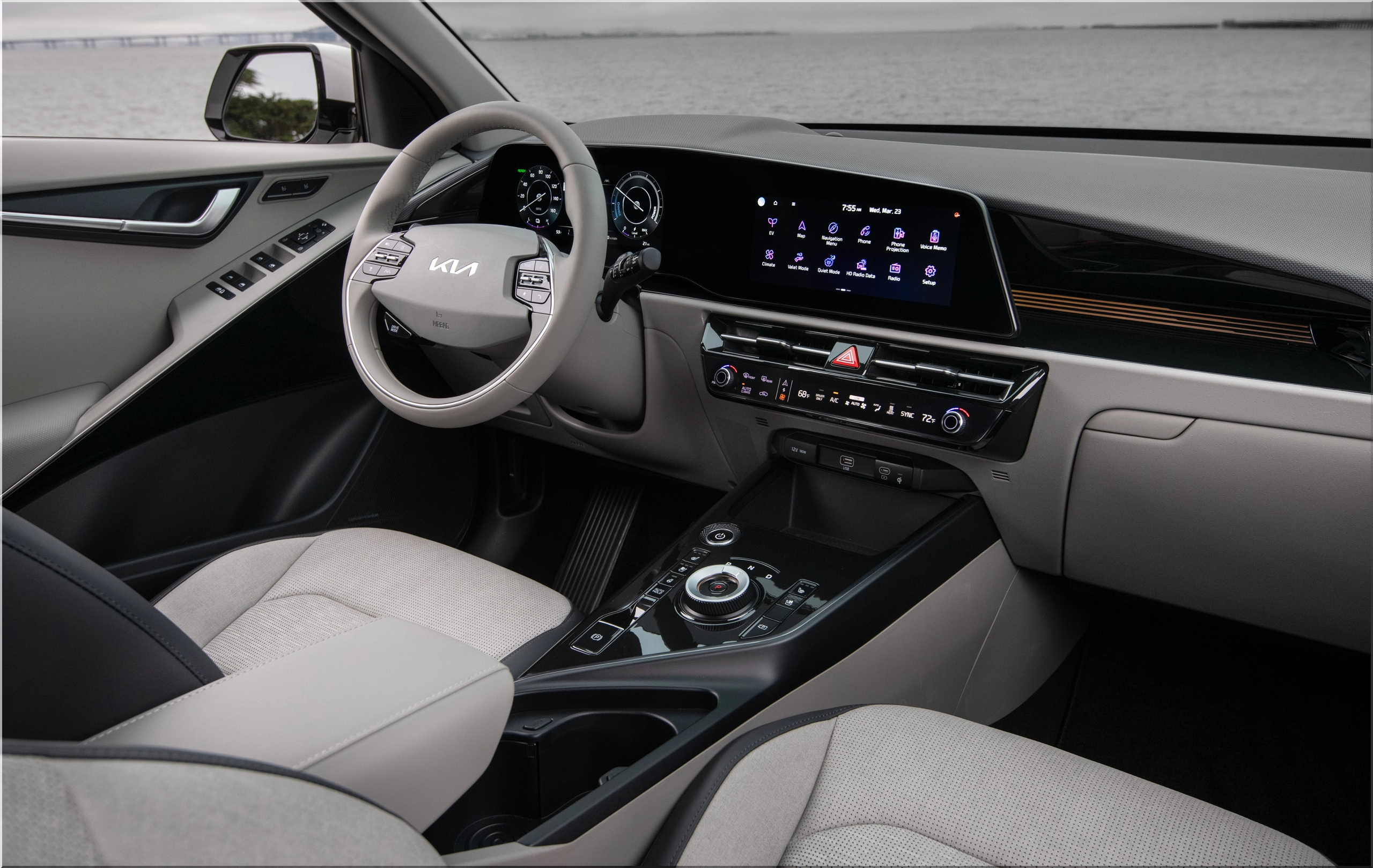
Inside, the Niro EV features a tech-forward cabin. Every model comes with dual 10.25-inch displays. One serves as the instrument cluster, and the other handles infotainment duties. Apple CarPlay and Android Auto are standard.
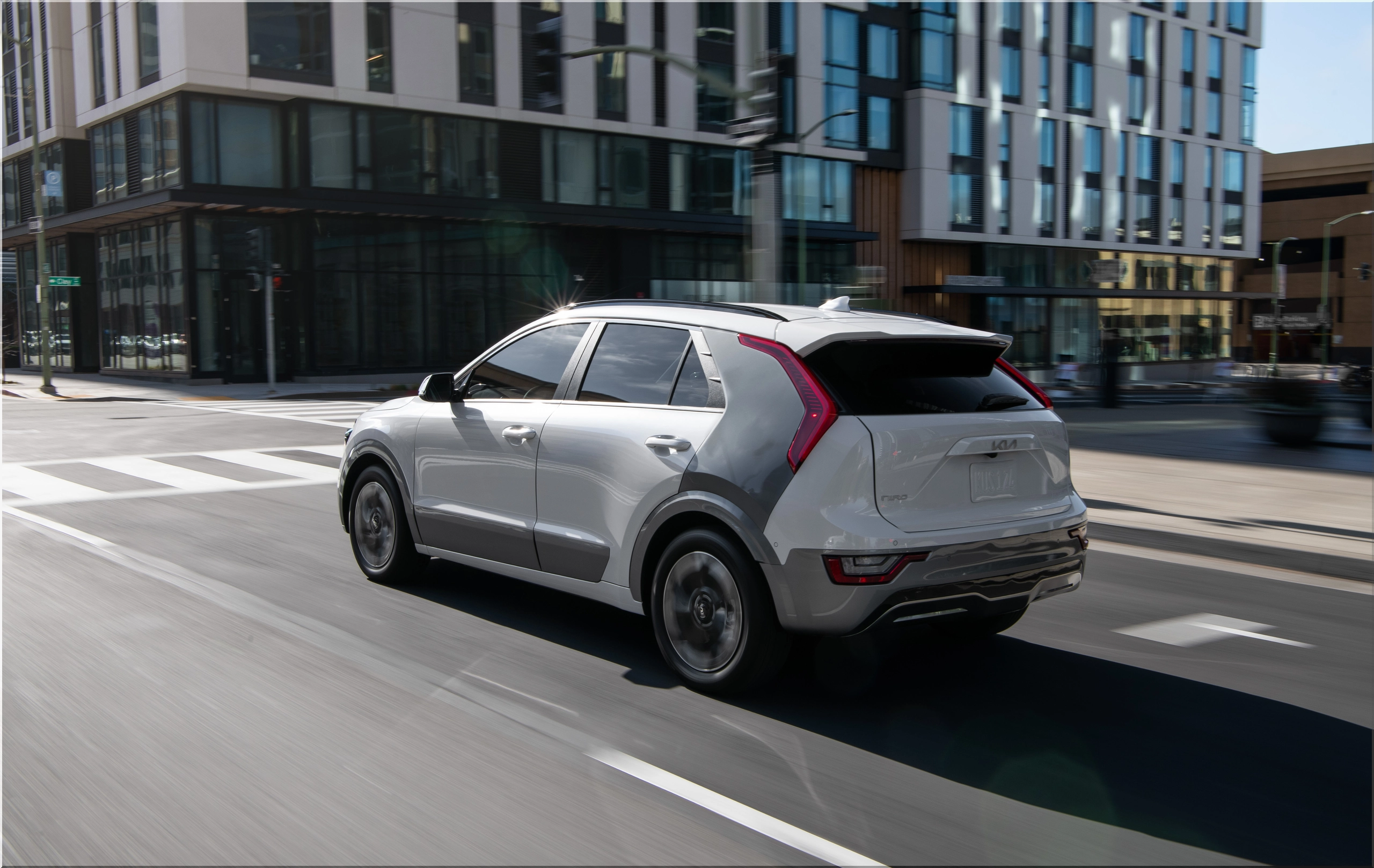
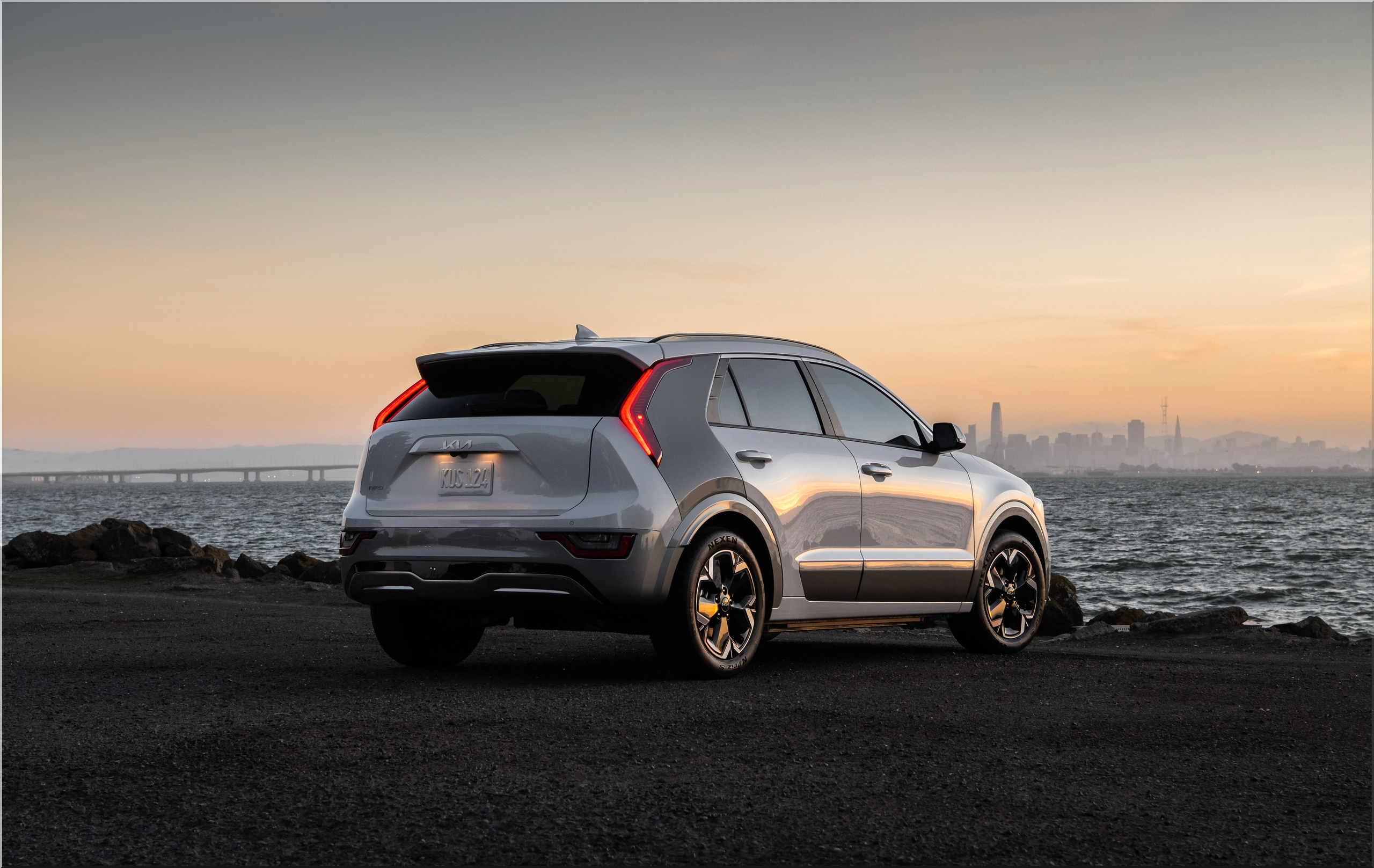
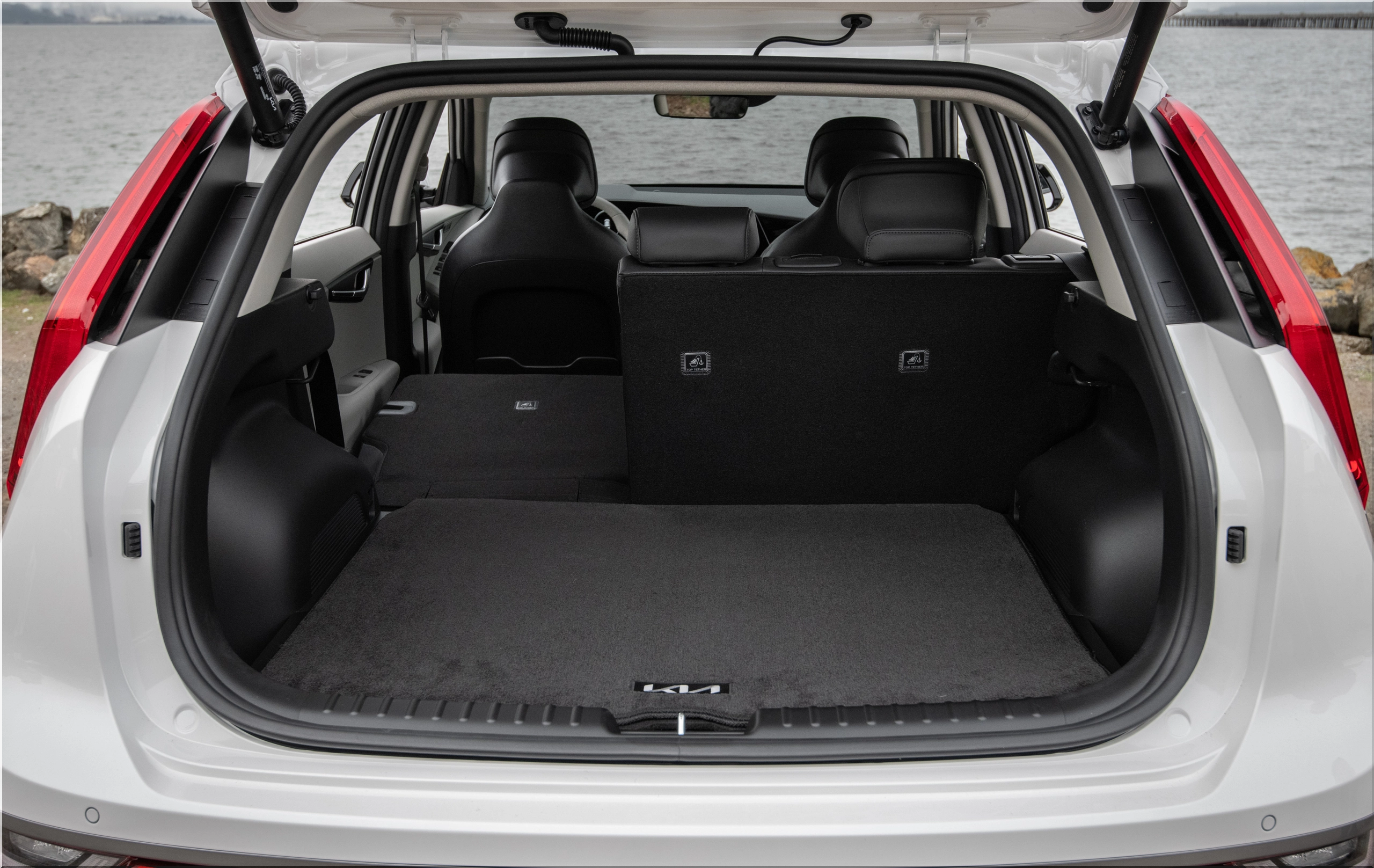
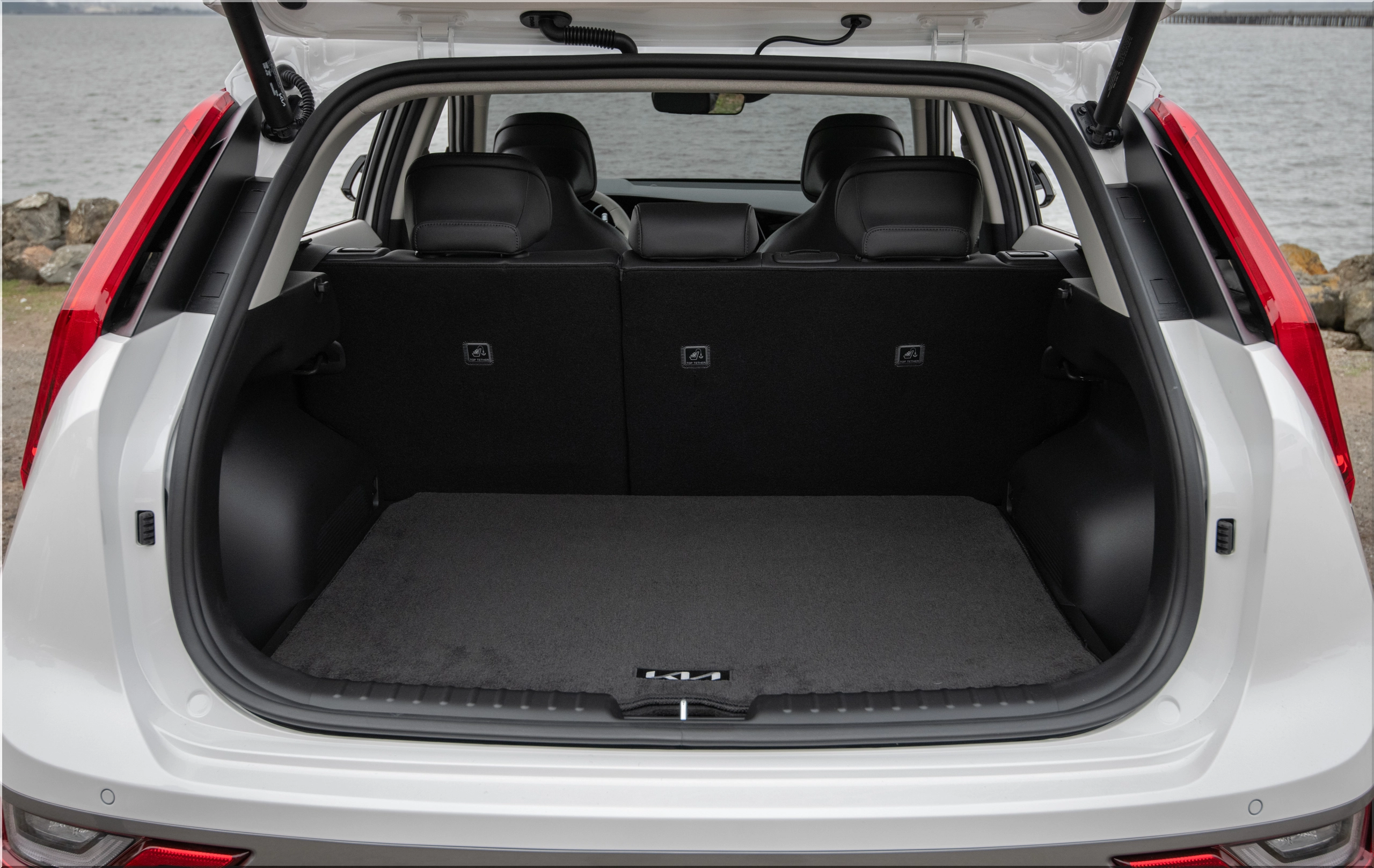
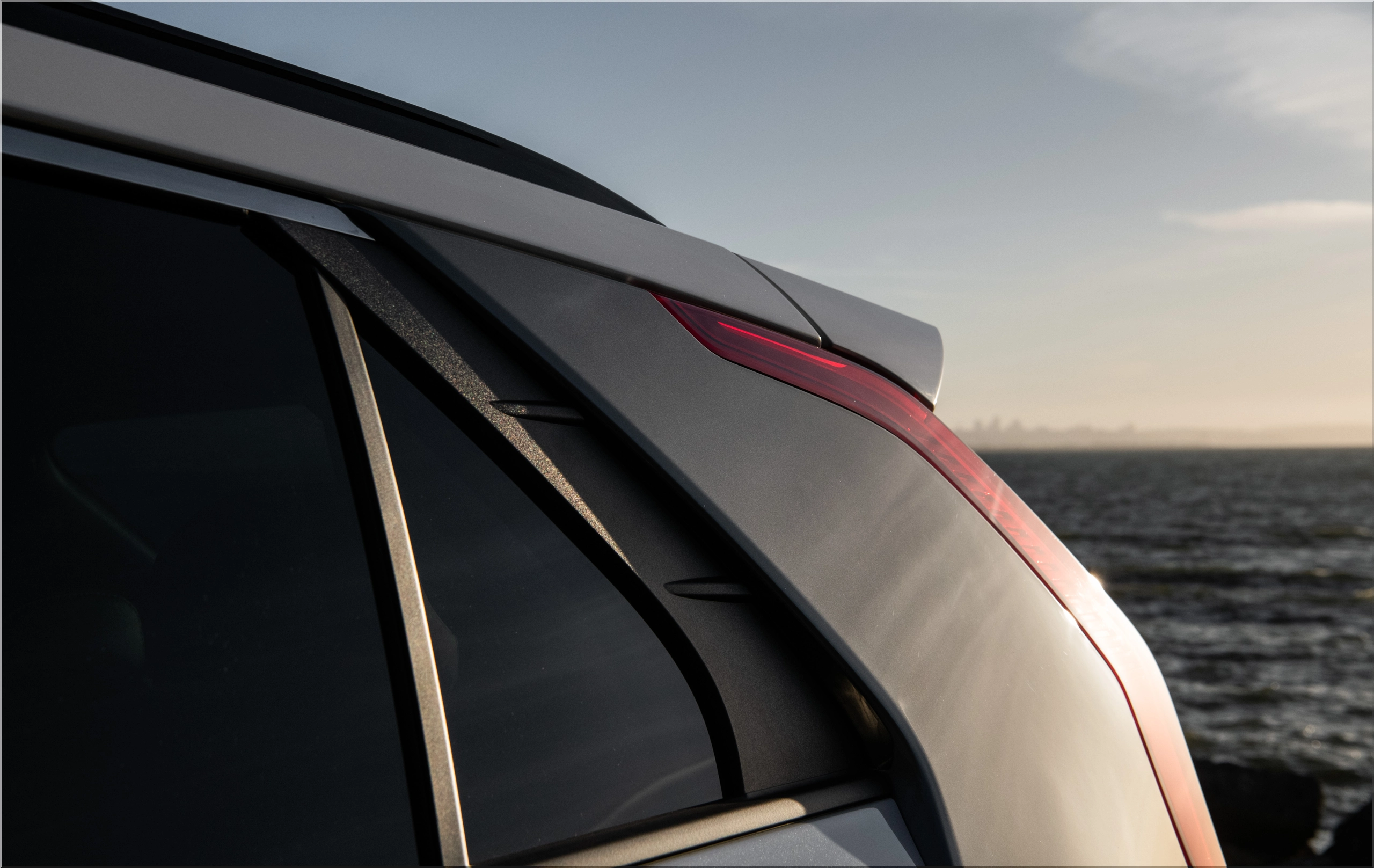
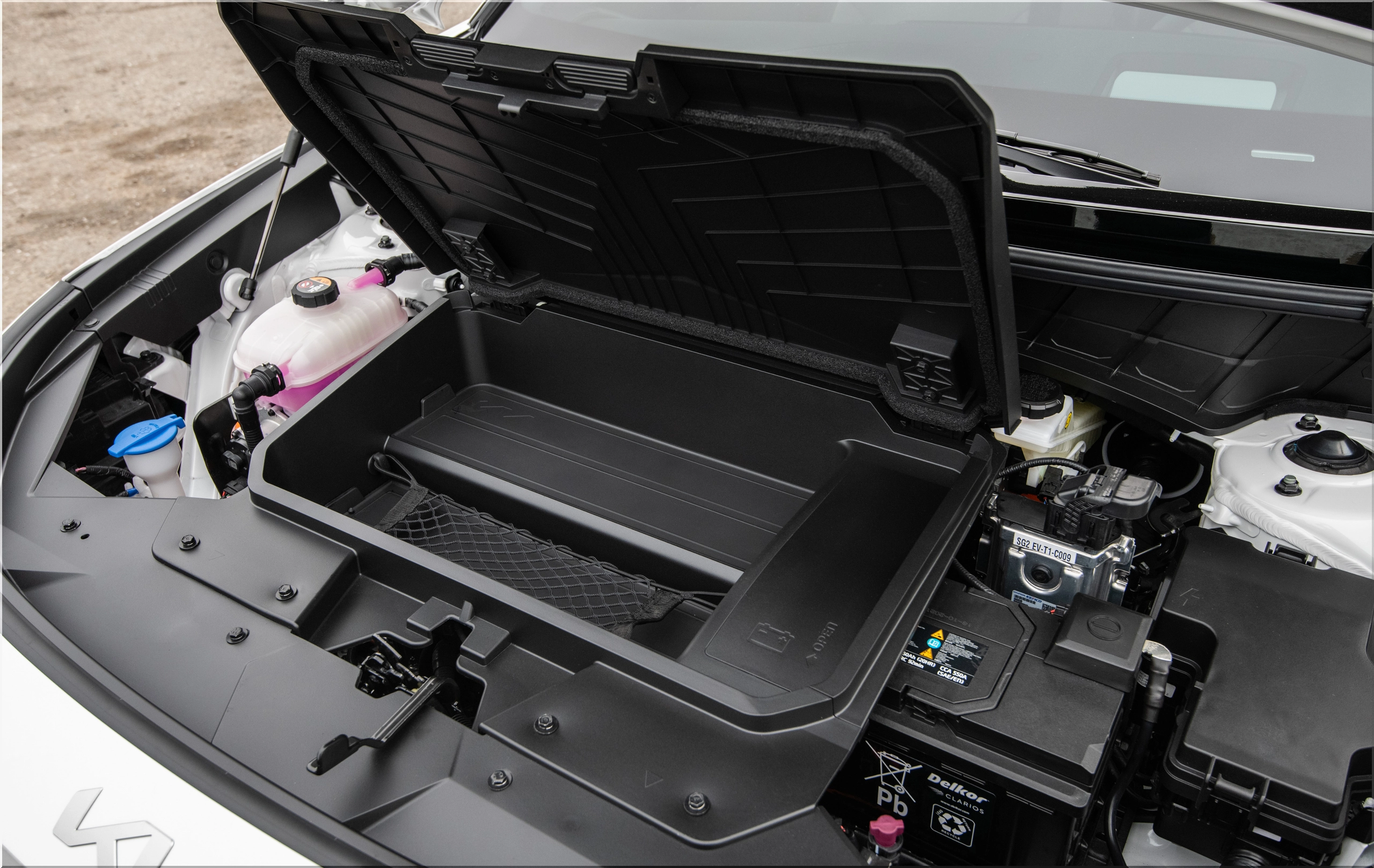
Practicality remains a strength. The Niro EV offers 22.8 cubic feet of cargo space with the rear seats up. Fold them down, and you get 63.7 cubic feet. These figures beat several larger luxury SUVs. For those who need to haul gear, the Niro EV includes integrated roof rails on both trims.
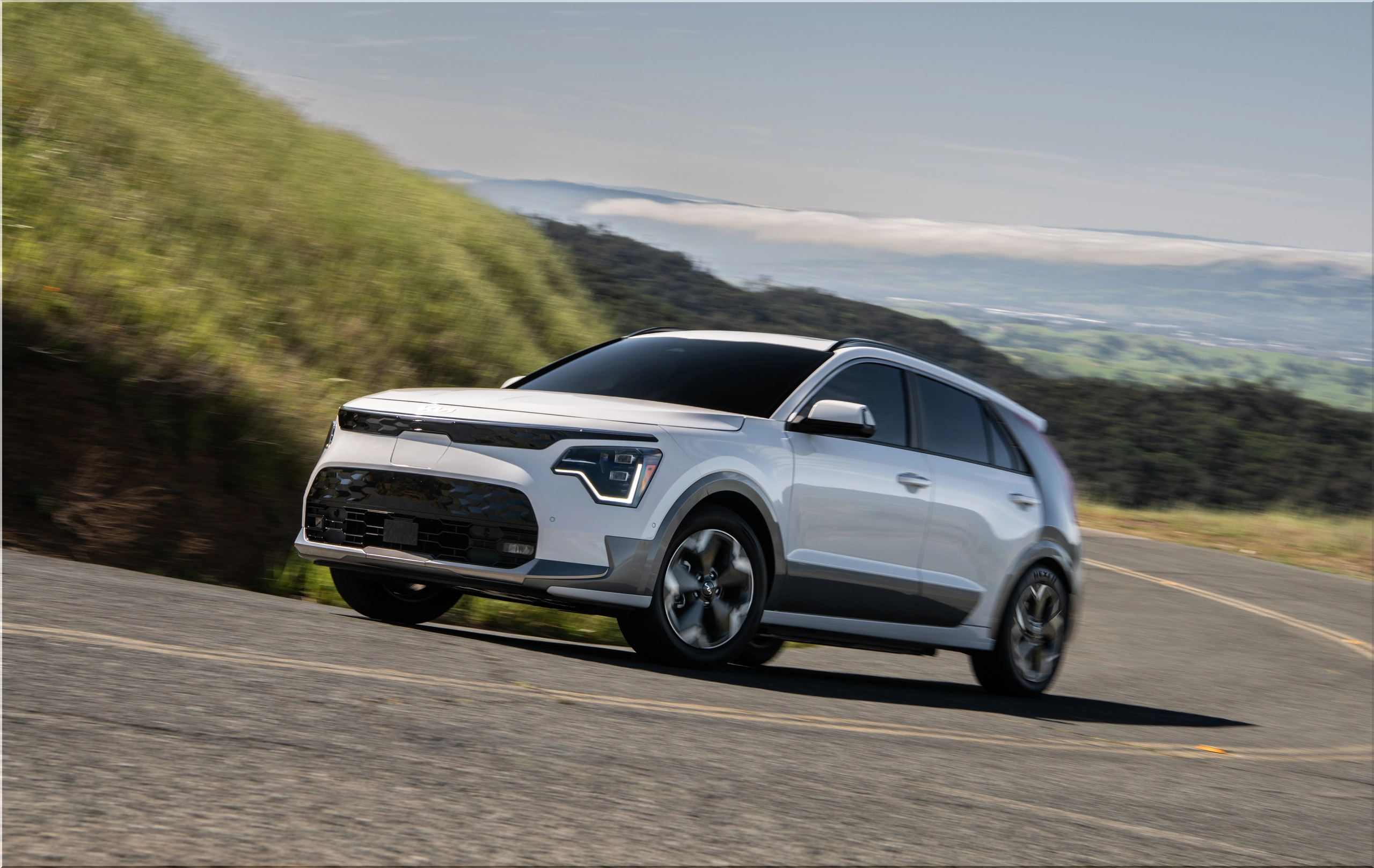


Safety and Driver Assistance Systems
Kia includes a long list of standard safety tech under the Kia Drive Wise umbrella. This is a primary selling point for the 2026 model.
Standard Safety Features (Wind Trim):
- Blind Spot Collision Warning
- Forward Collision Avoidance Assist (with Junction Turning)
- Rear Cross Traffic Collision Avoidance
- Lane Keep Assist and Lane Following Assist
- Navigation-based Smart Cruise Control
Upgraded Safety Features (Wave Trim):
- Blind Spot Collision Avoidance - Rear
- Highway Driving Assist II (includes lane change logic)
- Remote Smart Parking Assist
- Parking Collision Avoidance - Reverse
Comparing the 2026 Niro EV to the Competition
To understand the value proposition of the 2026 Kia Niro EV, you must look at its direct rivals. The compact EV SUV segment is crowded. The Niro EV competes on efficiency and physical dimensions rather than outright range or speed.
| Vehicle | Base MSRP (Approx. USD) | Battery Size | Drive Type |
|---|---|---|---|
| 2026 Kia Niro EV | $39,700 | 64.8 kWh | FWD |
| 2025 Hyundai Kona Electric | $32,875 | 48.6 - 64.8 kWh | FWD |
| 2025 Chevrolet Equinox EV | $34,995 | 85.0 kWh | FWD/AWD |
| 2025 Volkswagen ID.4 | $39,735 | 62.0 - 82.0 kWh | RWD/AWD |
The Hyundai Kona Electric shares a platform with the Niro but starts at a lower price point due to a smaller base battery option. The Chevrolet Equinox EV offers more range for less money but has a much larger physical footprint. The Niro EV occupies the middle ground, offering a premium interior feel and a proven mechanical layout.
Ownership Costs and Charging Infrastructure
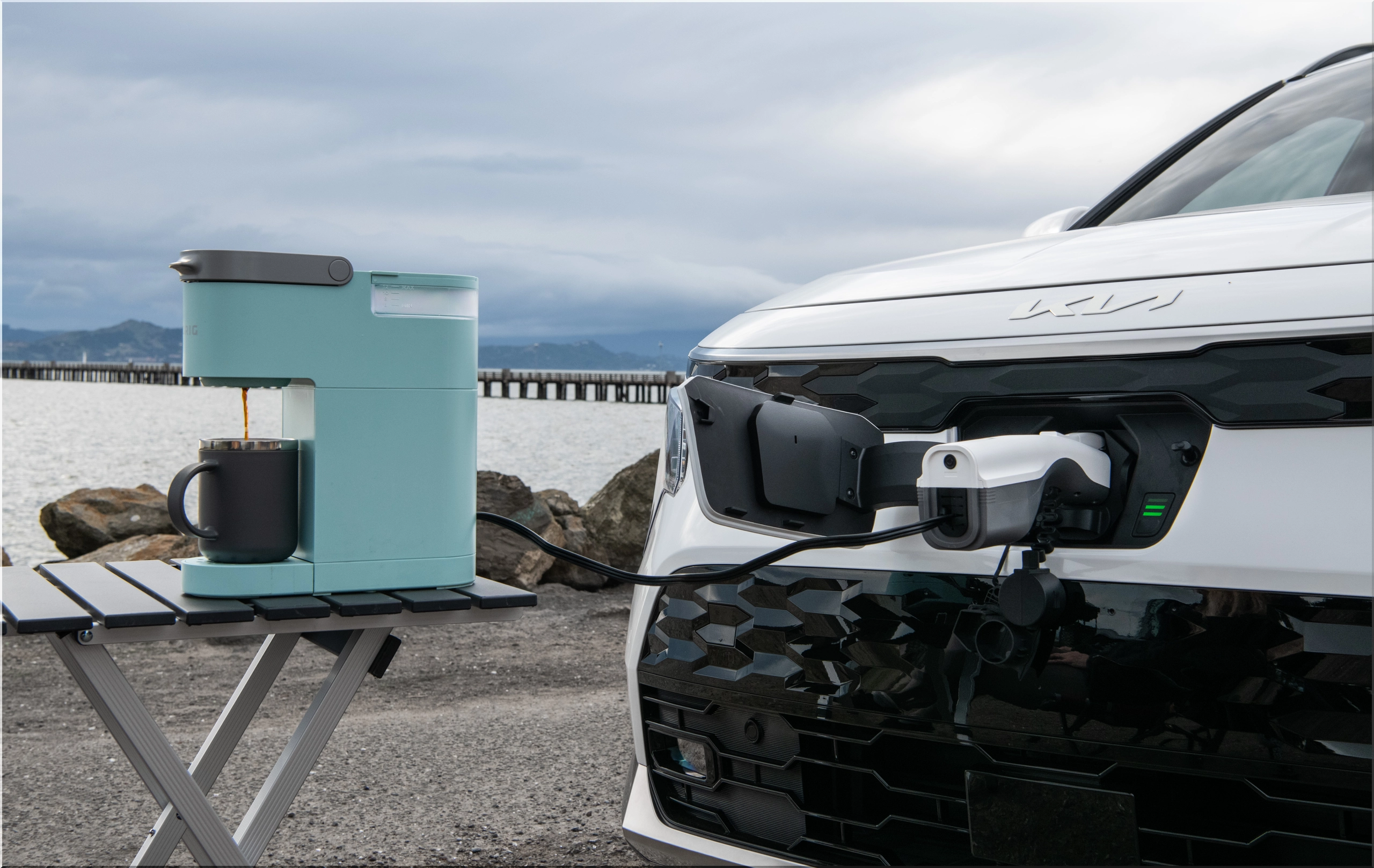
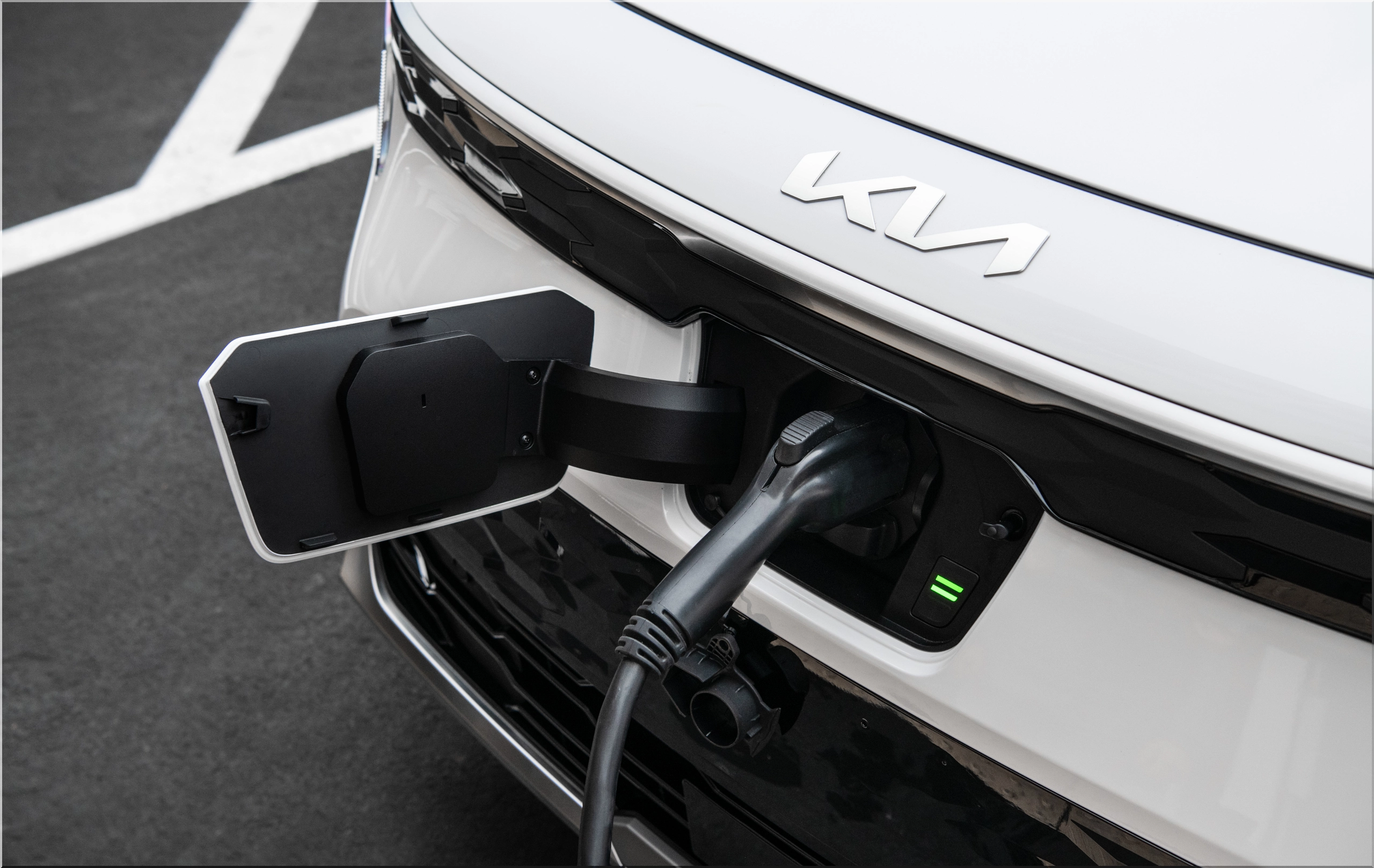
Charging the 2026 Niro EV is straightforward. The 11 kW on-board charger allows for full Level 2 charging at home in under seven hours. For road trips, the DC fast charging capability peaks at 85 kW. While not as fast as the Kia EV6 or EV9, it adds roughly 100 miles of range in about 25 minutes under optimal conditions.
Efficiency is where the Niro EV shines. It consistently delivers high miles per gallon equivalent (MPGe) ratings. Owners in temperate climates will see the best results. If you live in a region with freezing winters, the Wave trim is a mandatory upgrade. The included heat pump significantly reduces the range penalty caused by cabin heating.
The Verdict on the 2026 Kia Niro EV
The 2026 Kia Niro EV is a pragmatic choice. It avoids the "experimental" feel of some new electric startups. Instead, it feels like a well-built, logical successor to a gasoline car.
Key Takeaways:
- Price: Starting at $39,700, it remains an accessible entry point for a high-quality EV.
- Trims: Two simple choices make the buying process easy.
- Utility: Large cargo volume and roof rails make it a viable primary vehicle for small families.
- Tech: Standard 10.25-inch screens and a robust safety suite provide excellent value.
If you want a vehicle that prioritizes daily usability, maneuverability, and standard safety features, the 2026 Niro EV belongs on your shortlist. It does not try to be a sports car. It tries to be a better version of the car you already drive, just without the gas station visits.
General Motors has presented at the 2018 Beijing Motor Show a new concept of electric vehicle with futuristic technology: the new Buick Enspire Concept. The Buick Enspire crossover is equipped with an eMotion… Continue reading

Honda has surprised at the Tokyo Motorcycle Show with the presentation of its first electric motorcycle prototype for motocross. This is the Honda CR Electric, a motorcycle designed for motocross that maintains the renowned name of CR, the… Continue reading

Skai Flying Car is the mobility solution from BMW and Alaka'i Technologies that differs from the rest of flying cars that we have seen to date by one feature: it is powered by hydrogen fuel cells . It is an aircraft equipped with six… Continue reading

Hyundai expands its production network for electric cars: It was recently reported that the Koreans want to build the Kona Elektro in Europe. Now the group plans to build an electric car plant in Karawang, Indonesia. The Hyundai… Continue reading