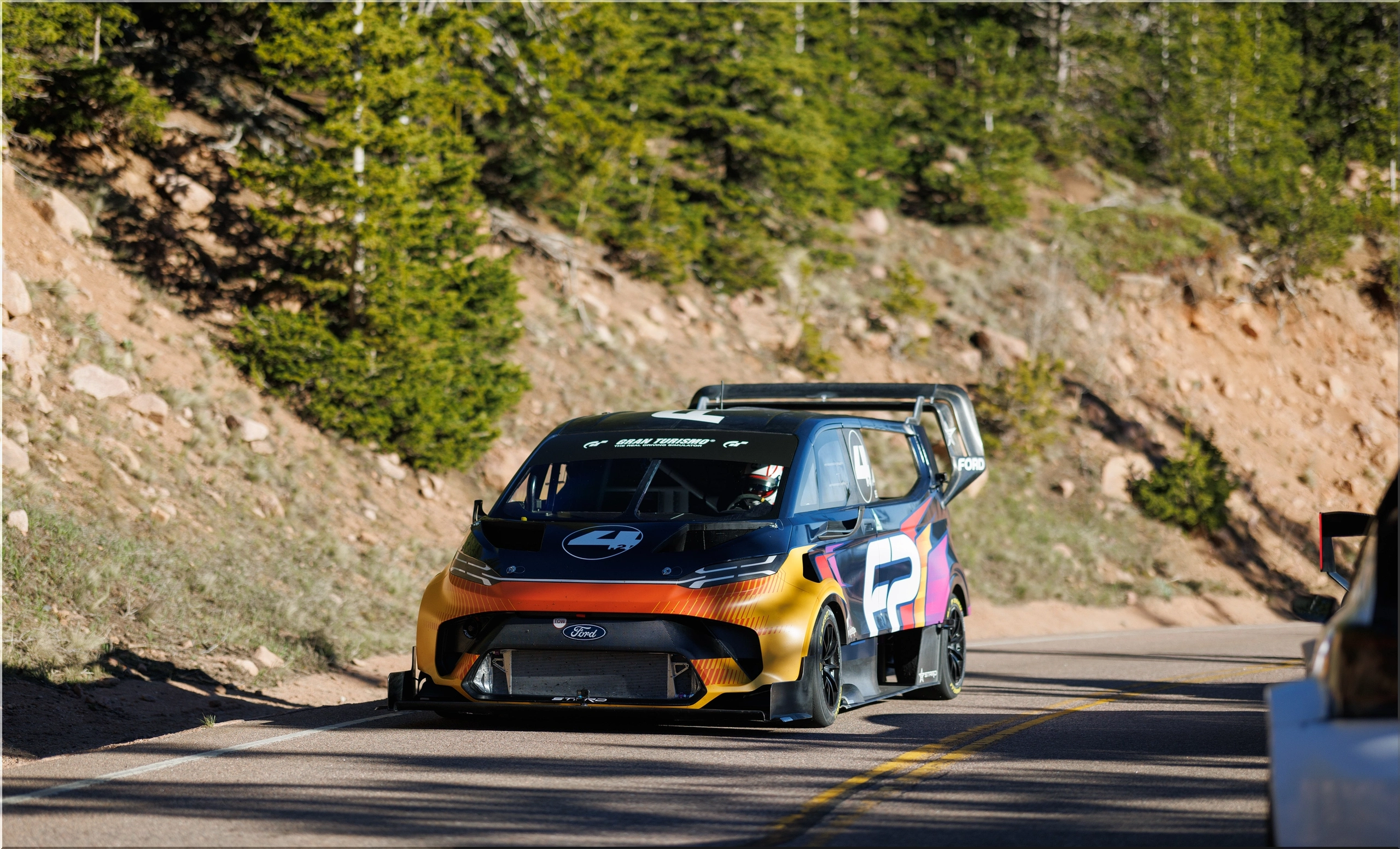
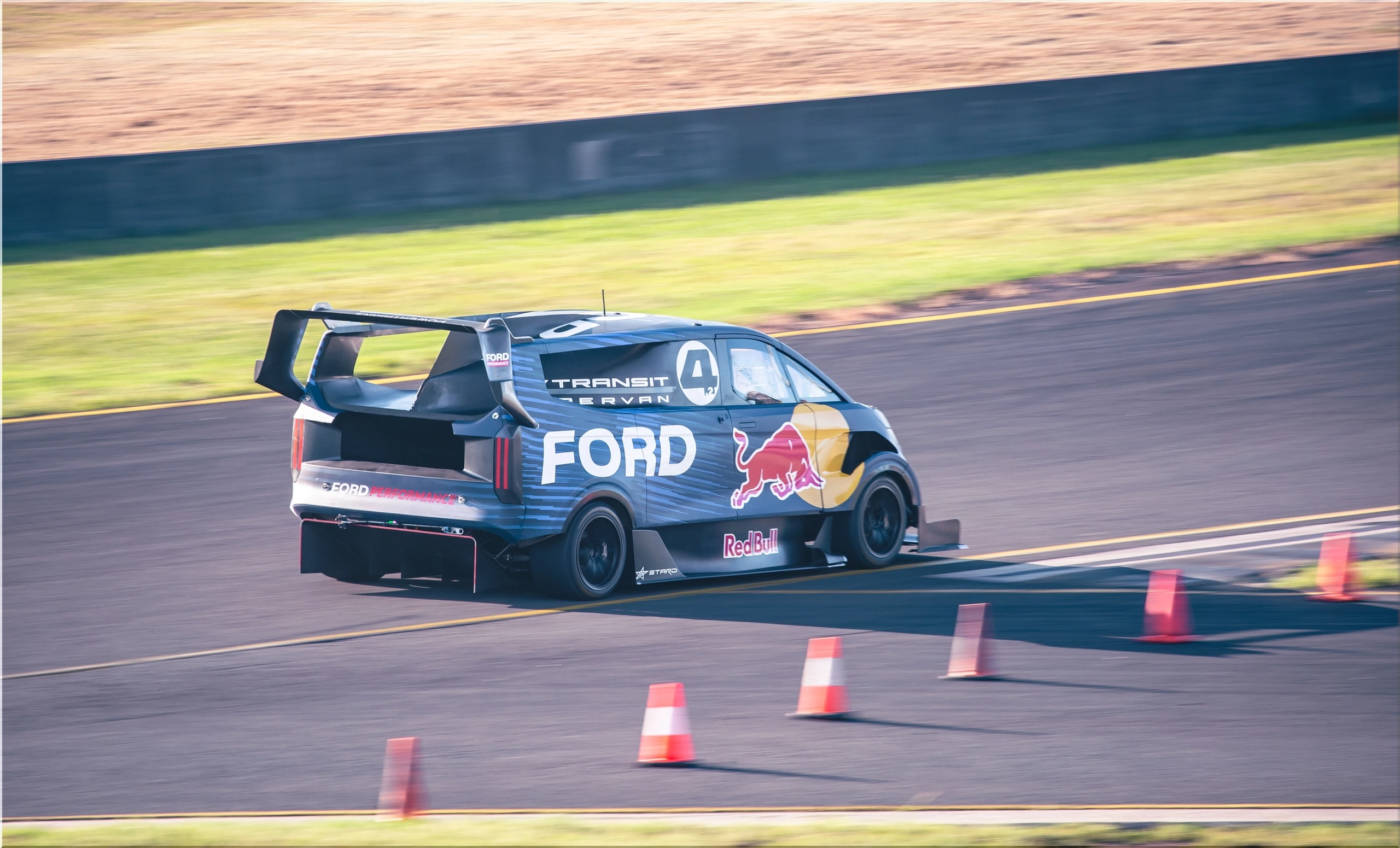
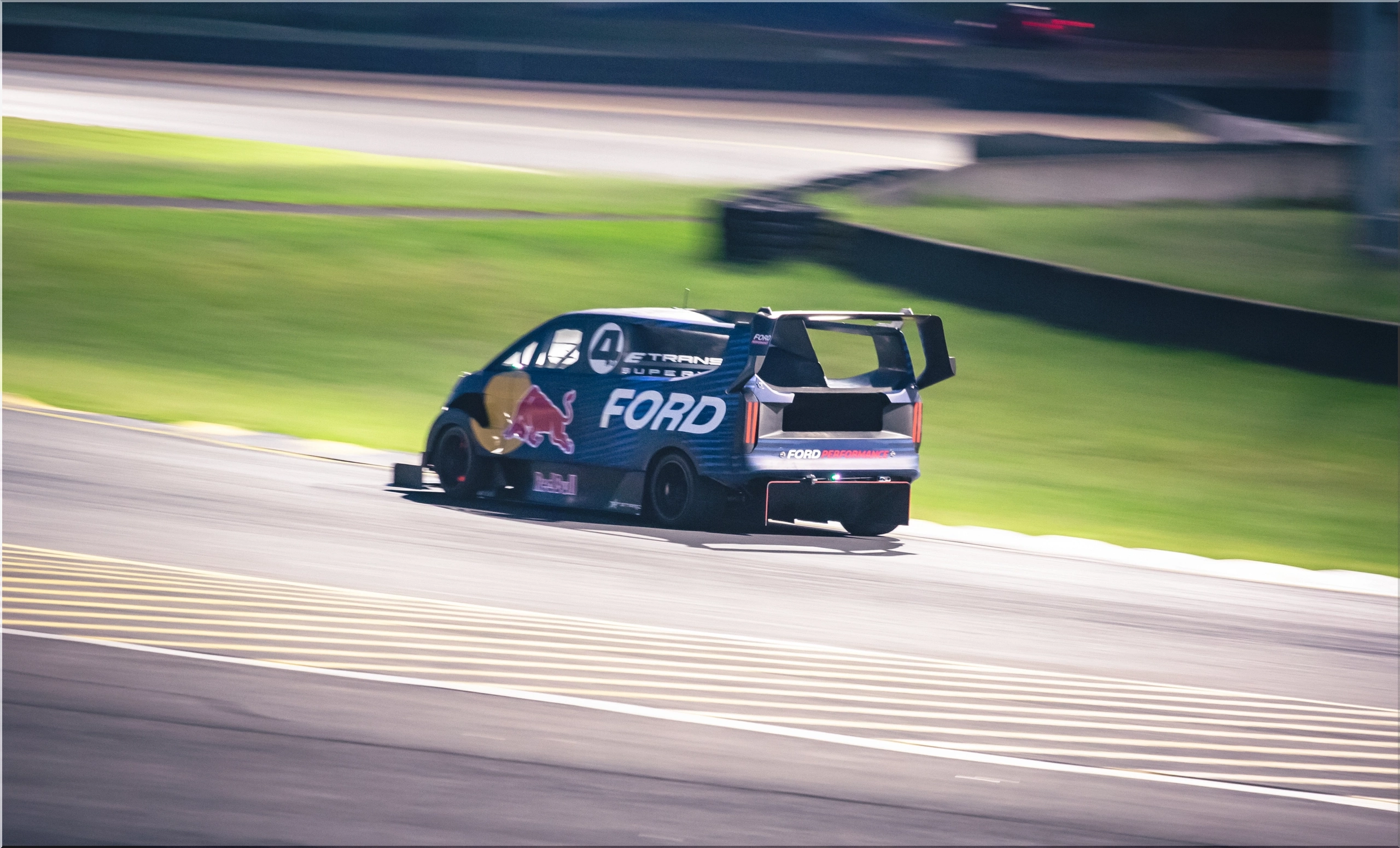
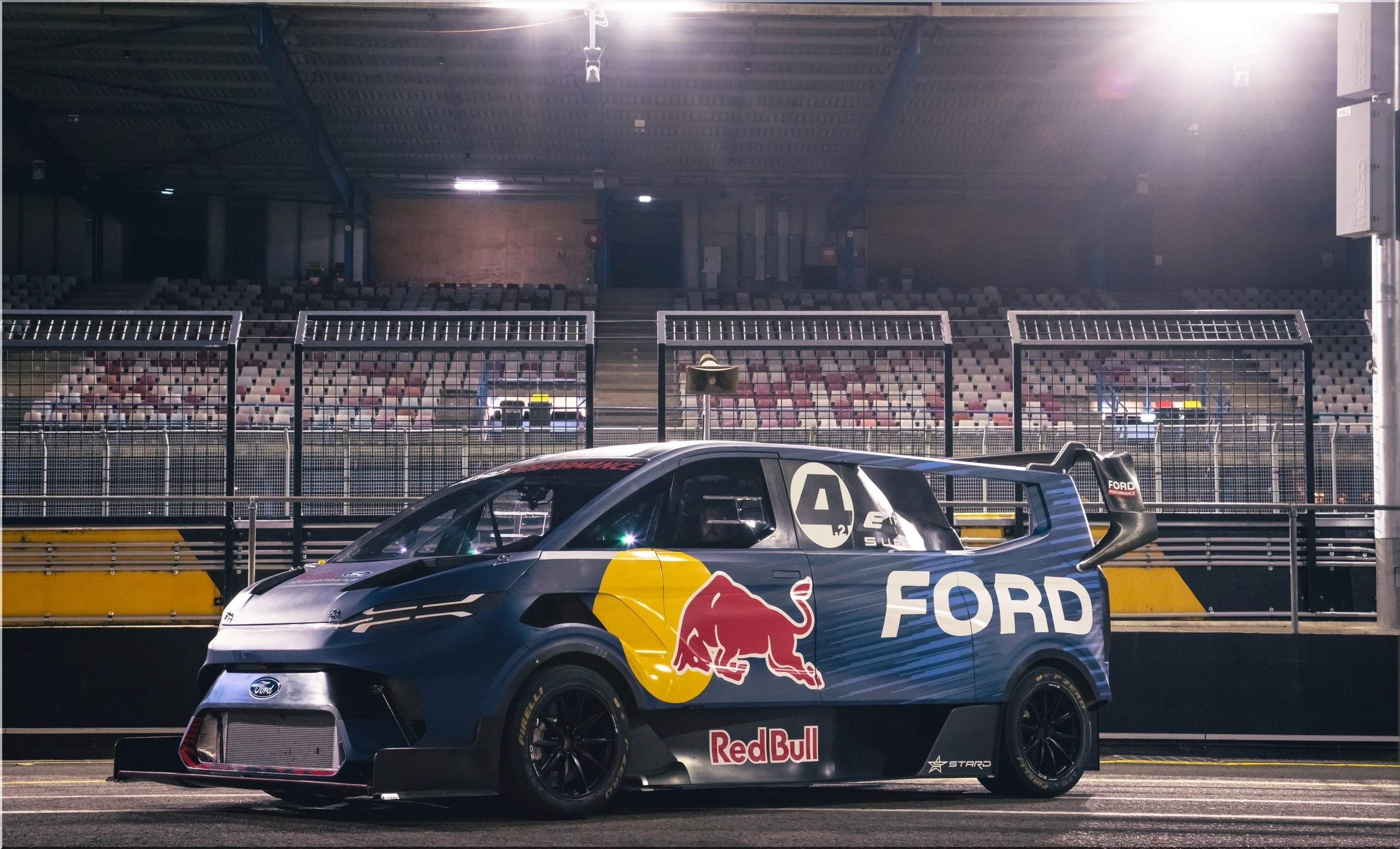
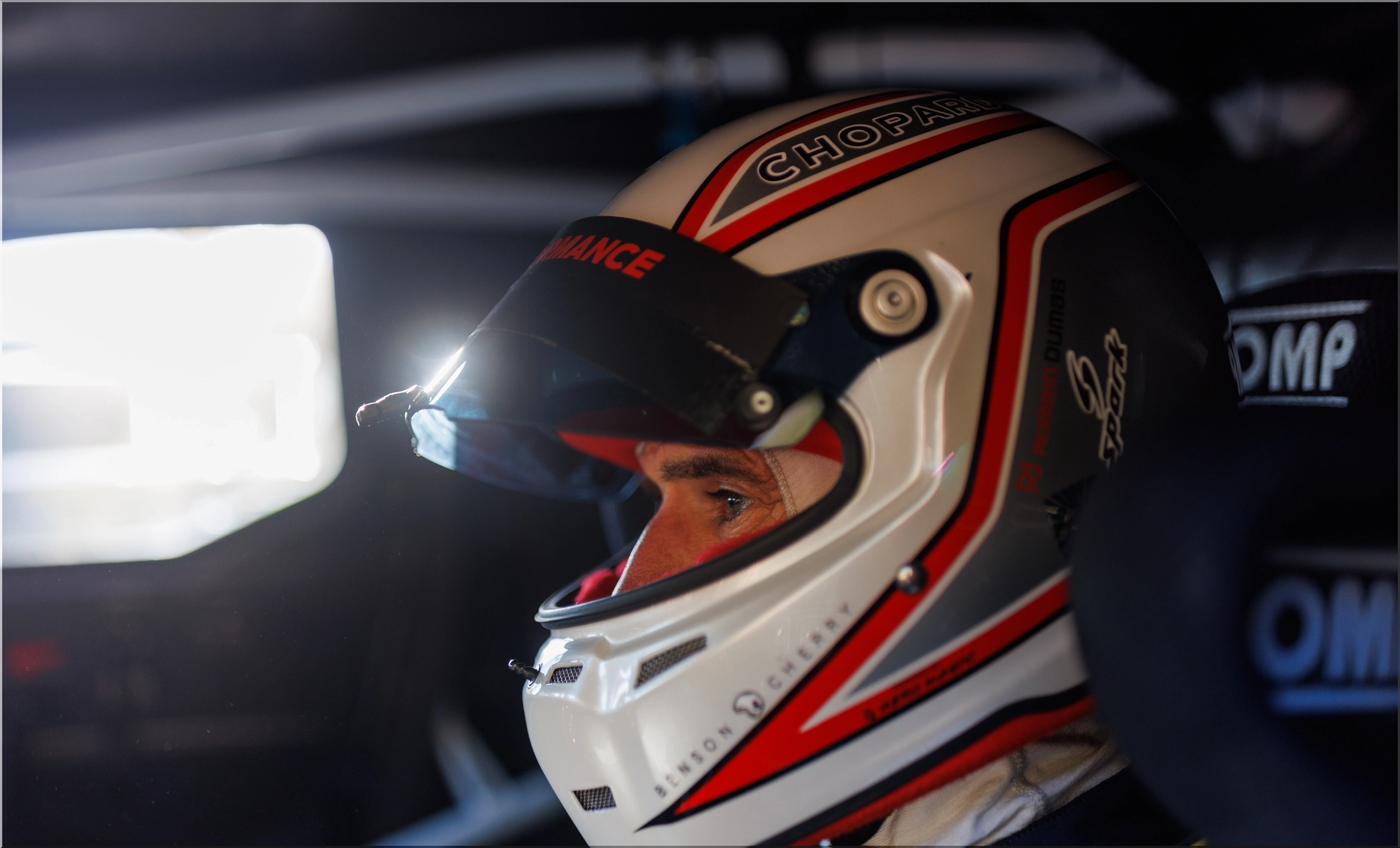
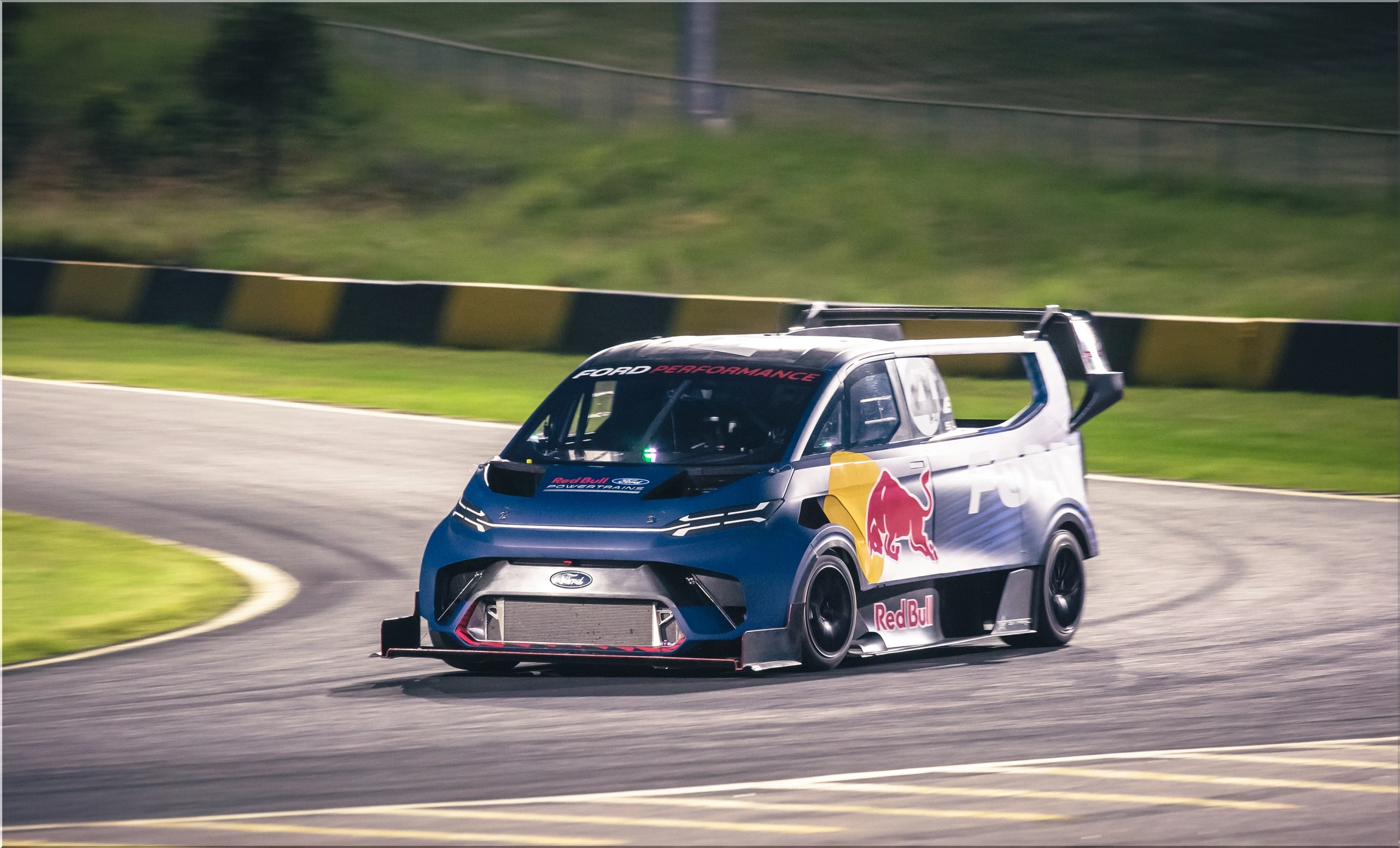
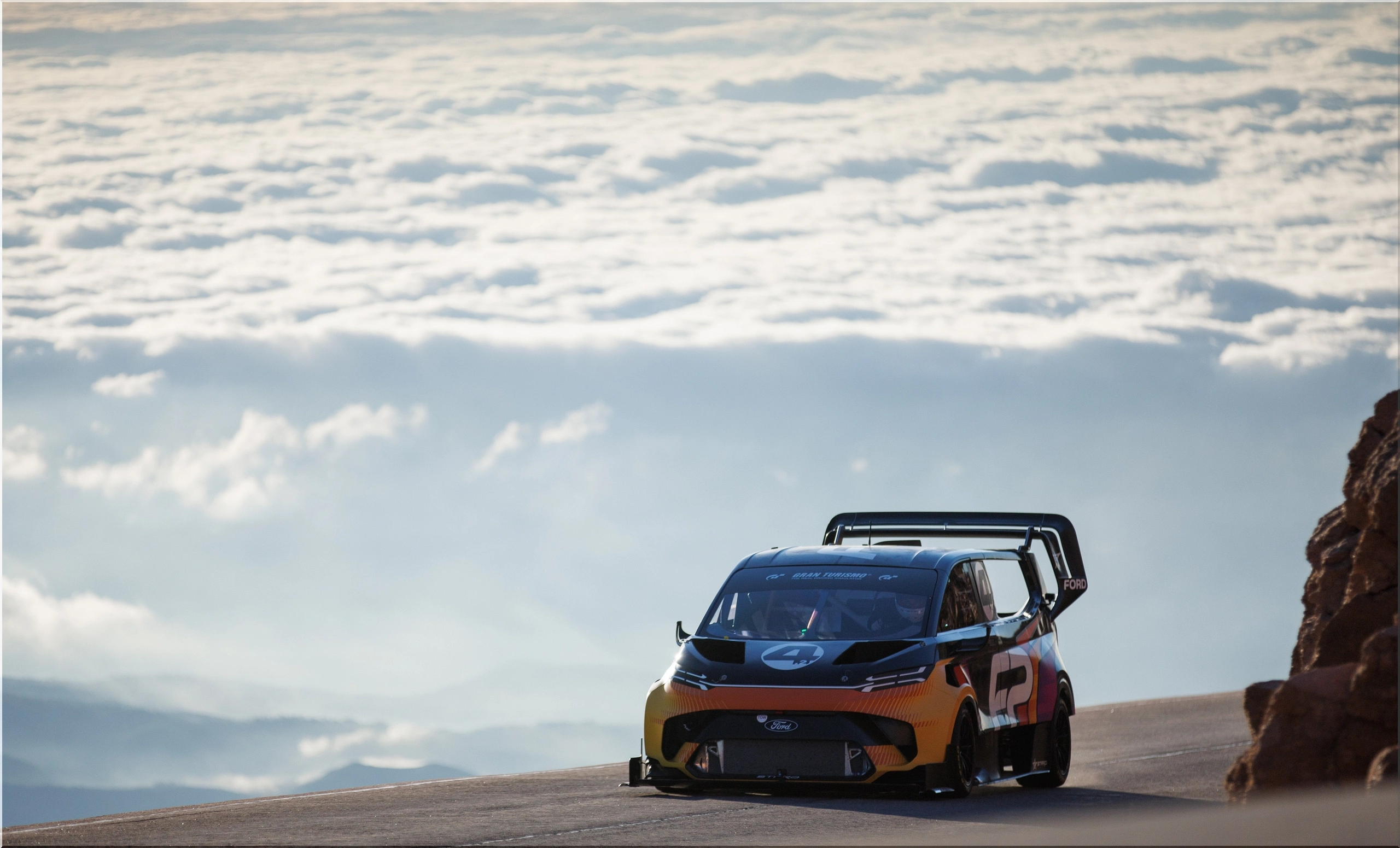
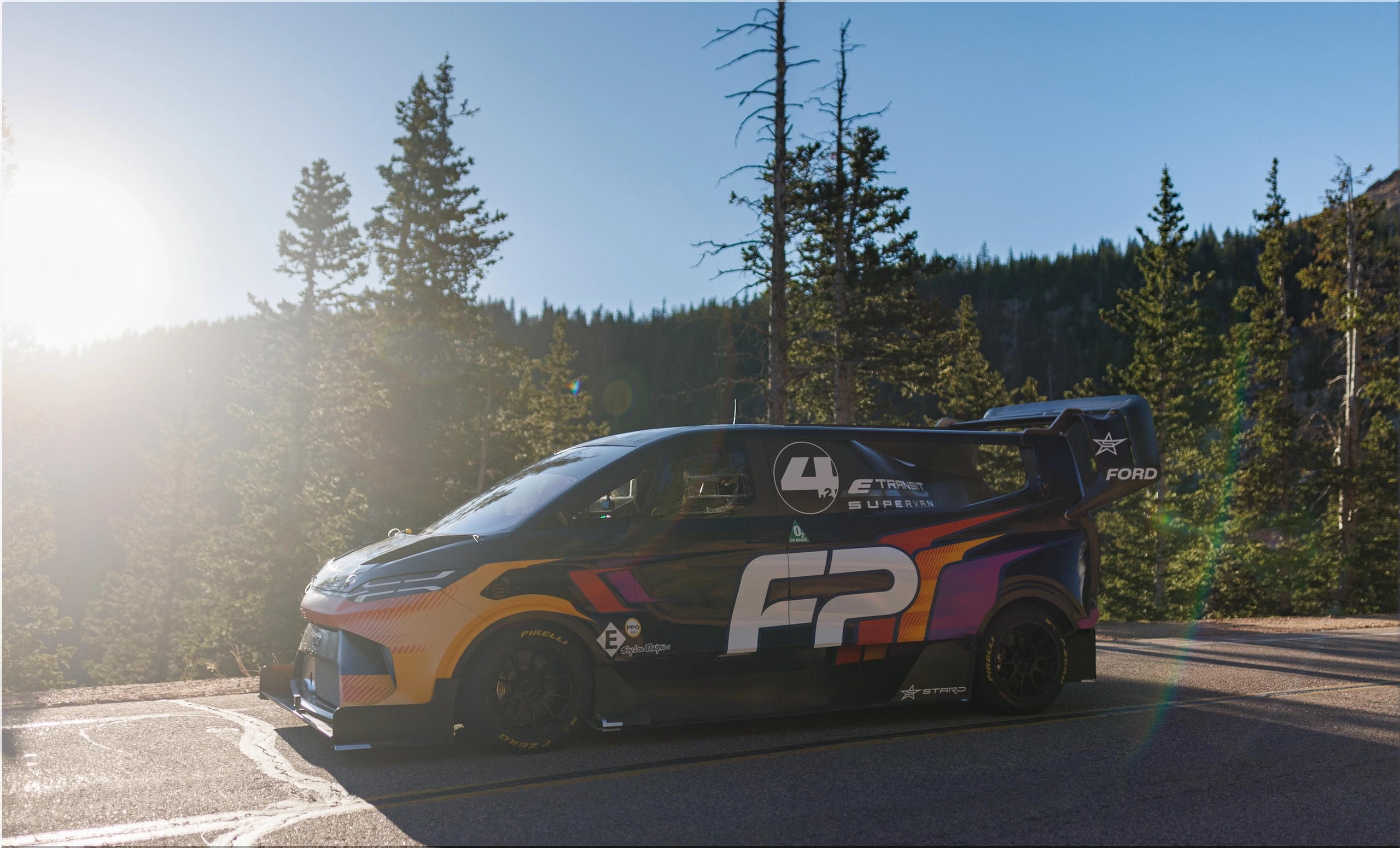
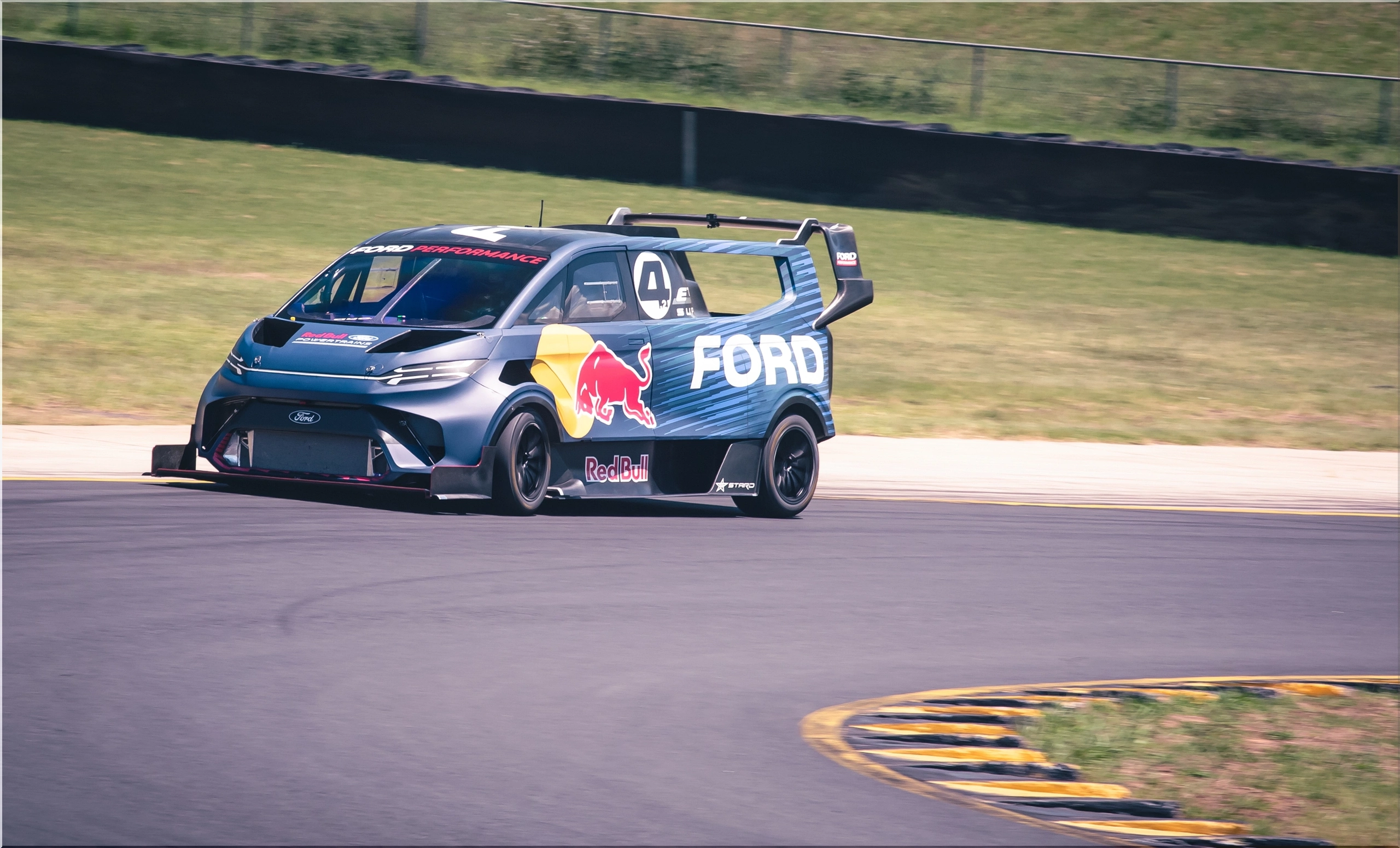
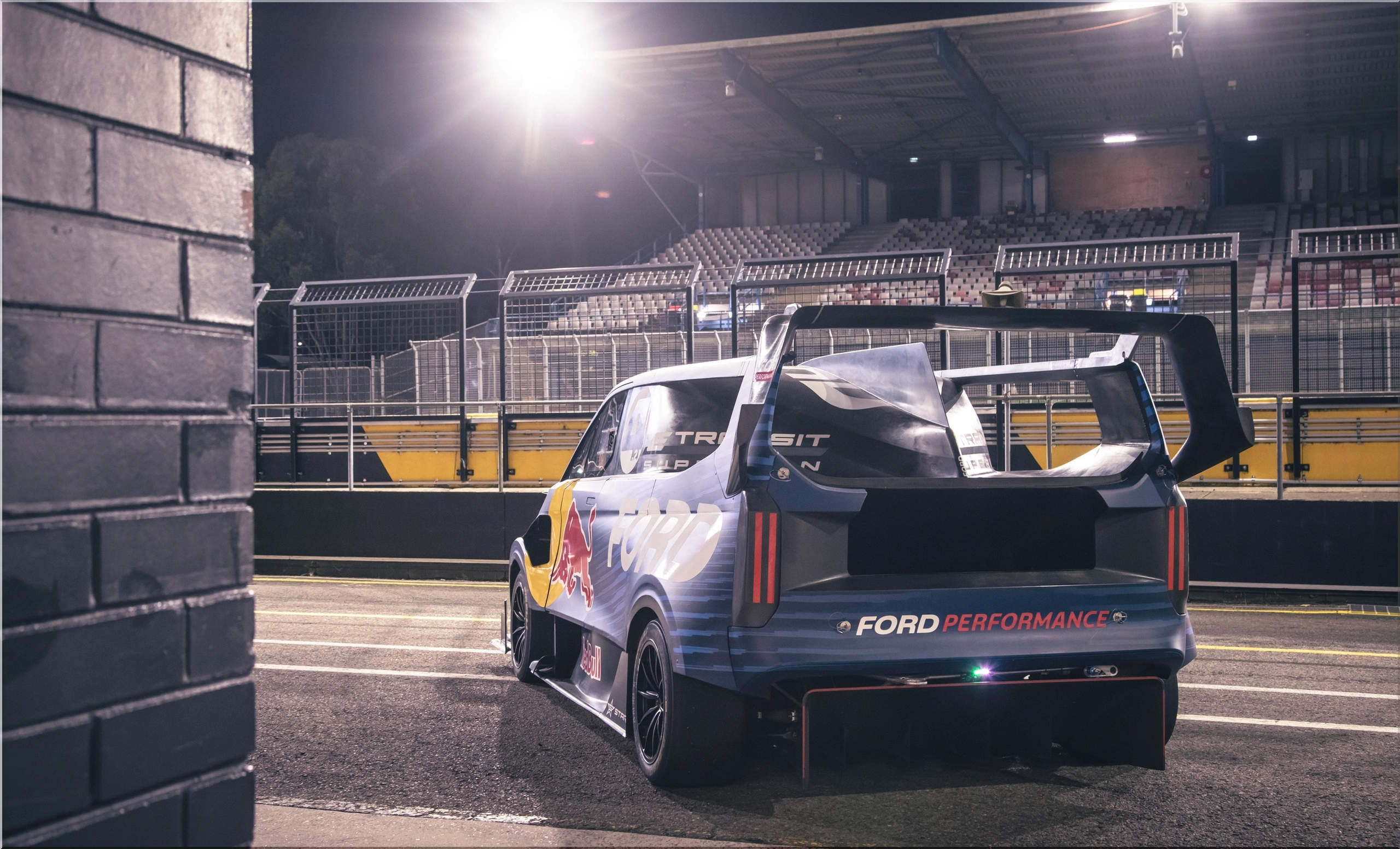
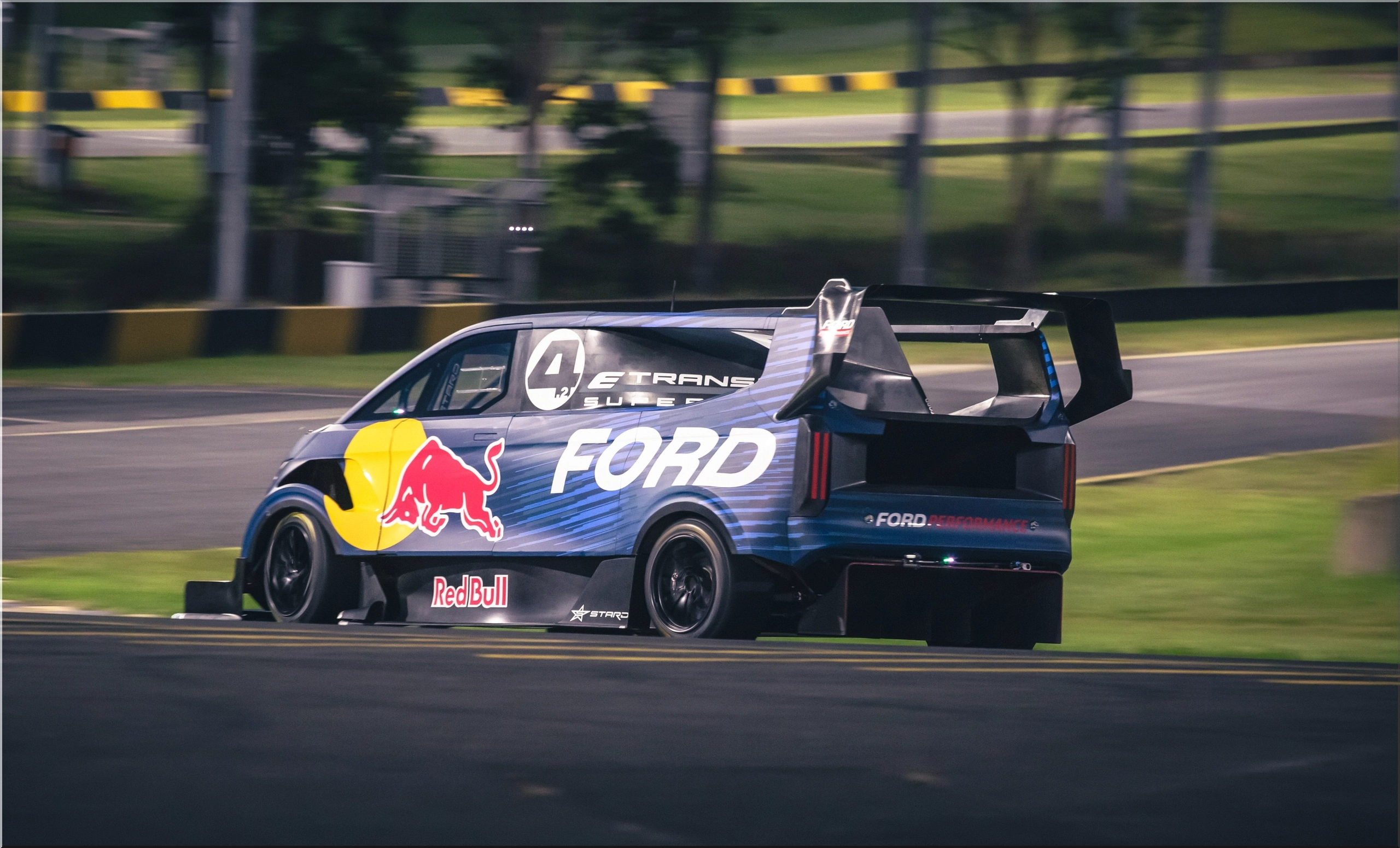
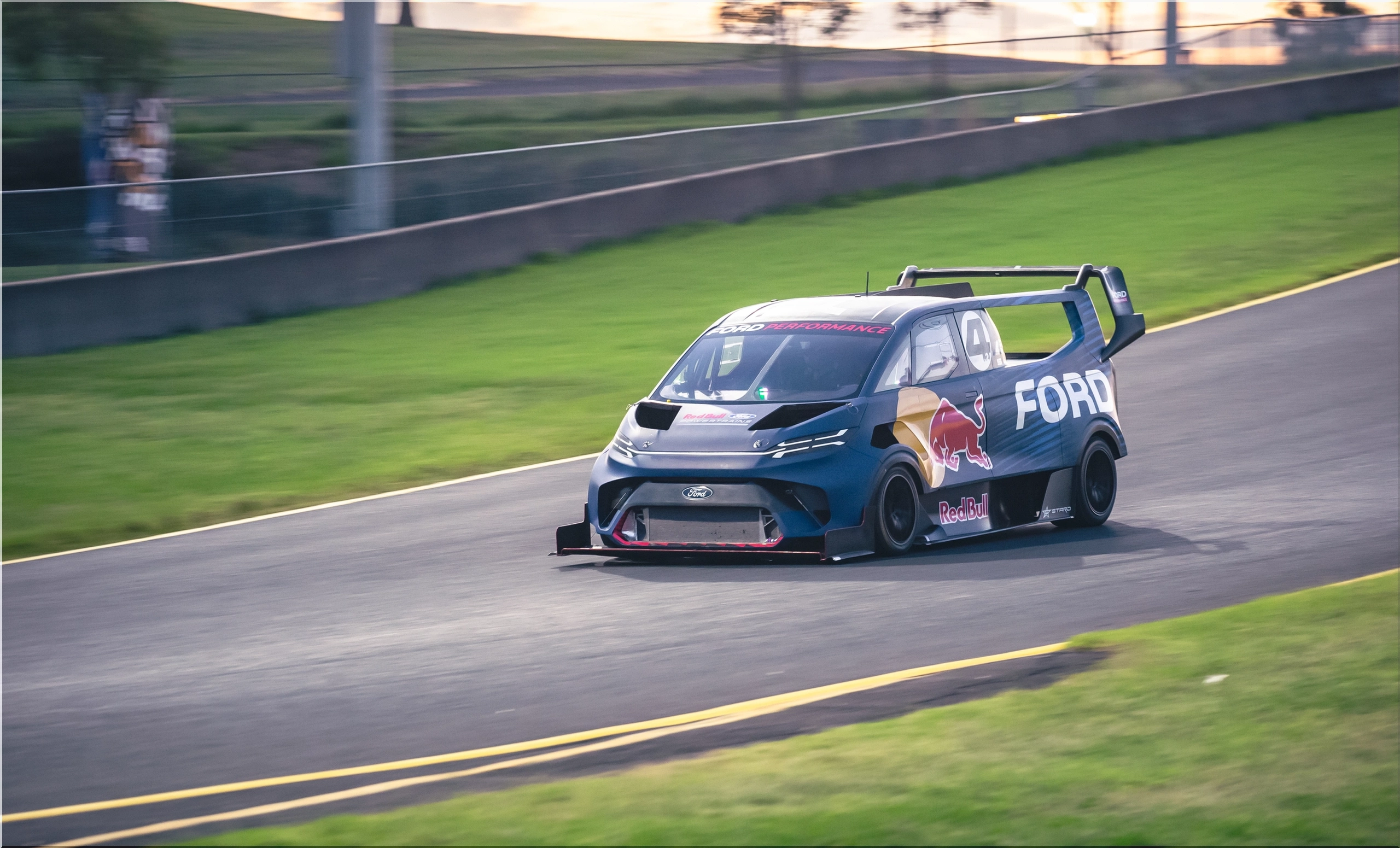
The Ford Transit Supervan 4.2 has rewritten the record books at the Nürburgring Nordschleife. With racing driver Romain Dumas behind the wheel, the 2,000-horsepower electric van completed a lap in 6 minutes and 48.393 seconds. That makes it the fastest van ever on the track and the ninth fastest vehicle overall, beating supercars like the Porsche 911 GT3 RS and the Chevrolet Corvette ZR1.
A Van Built for Records
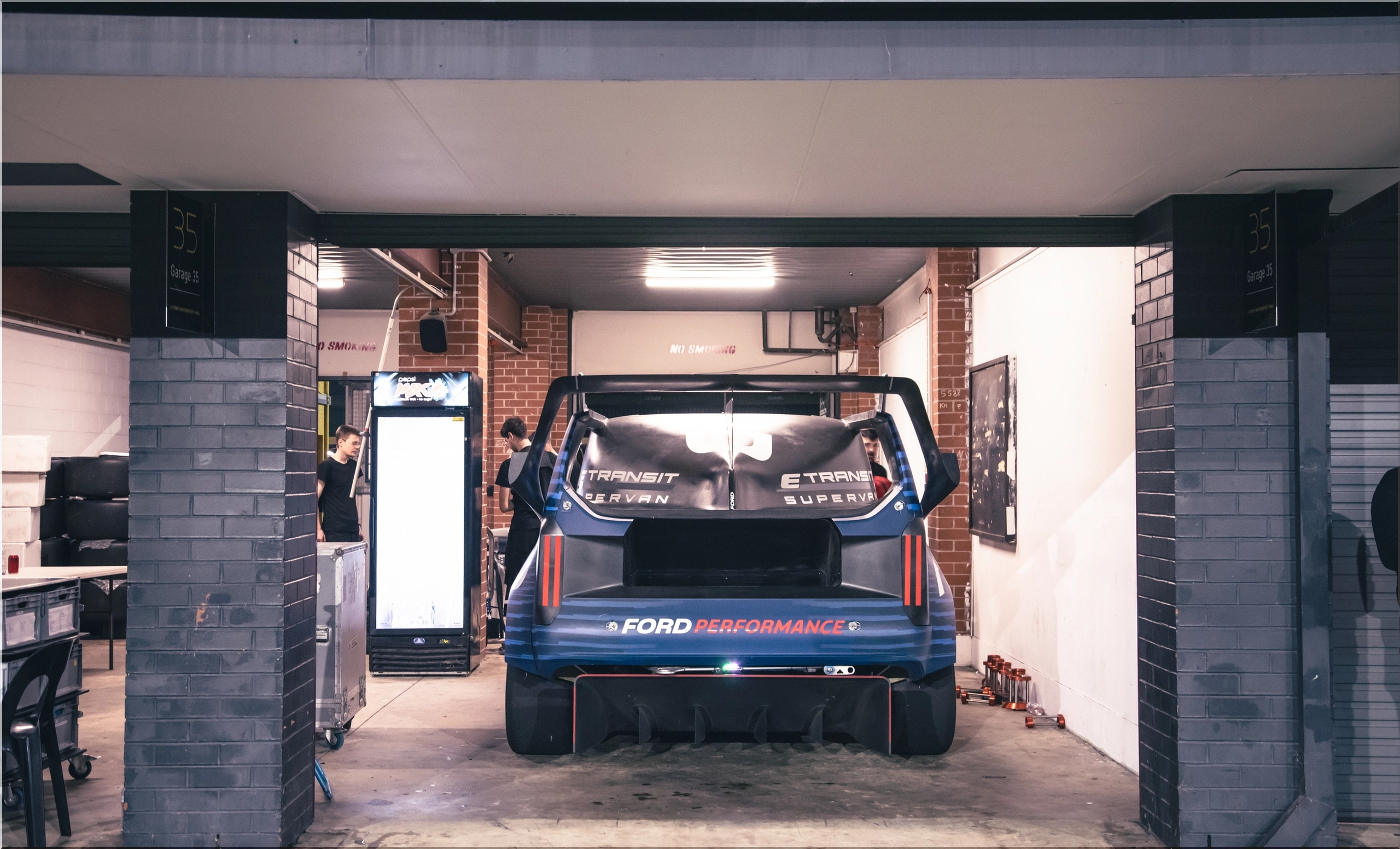
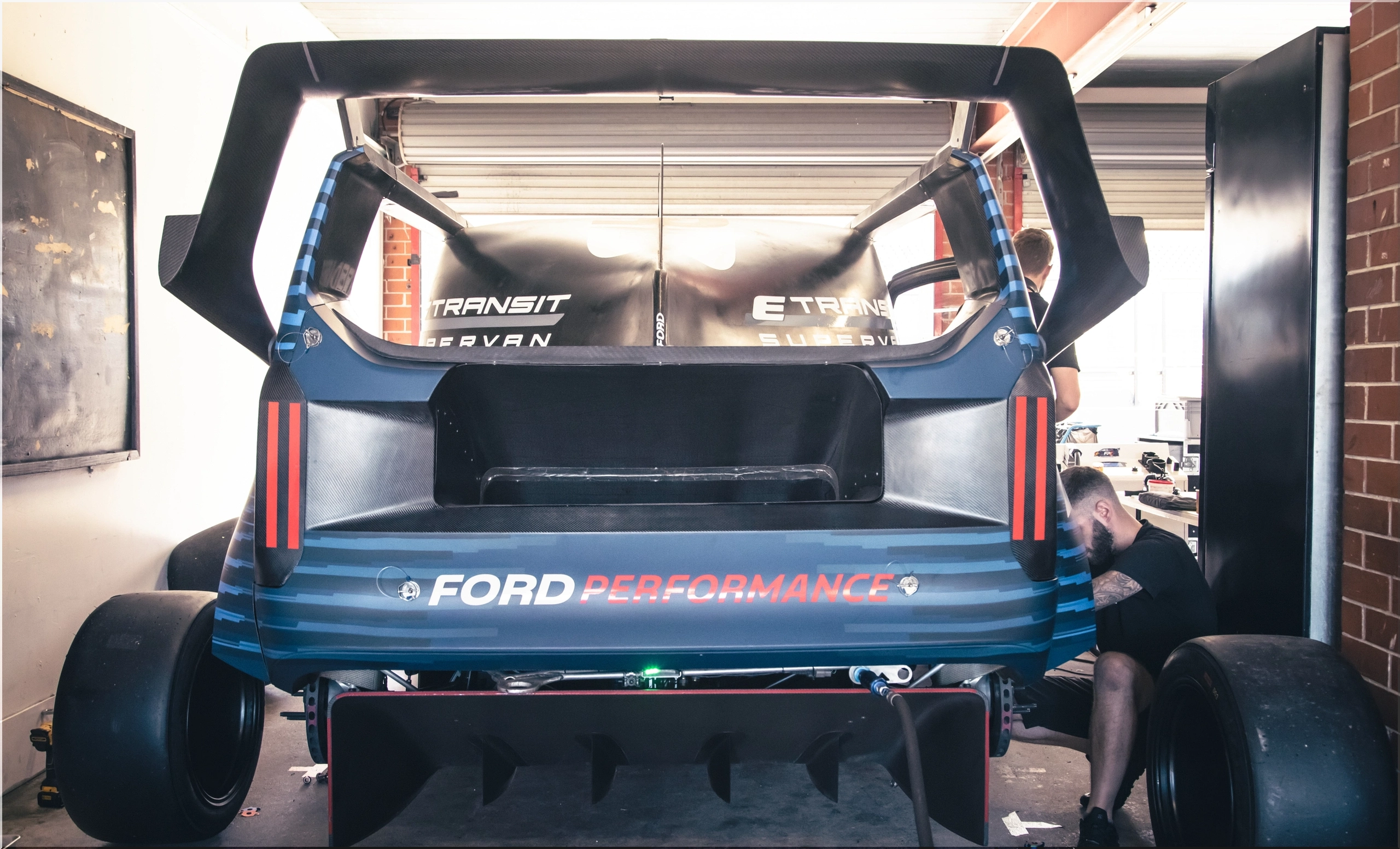
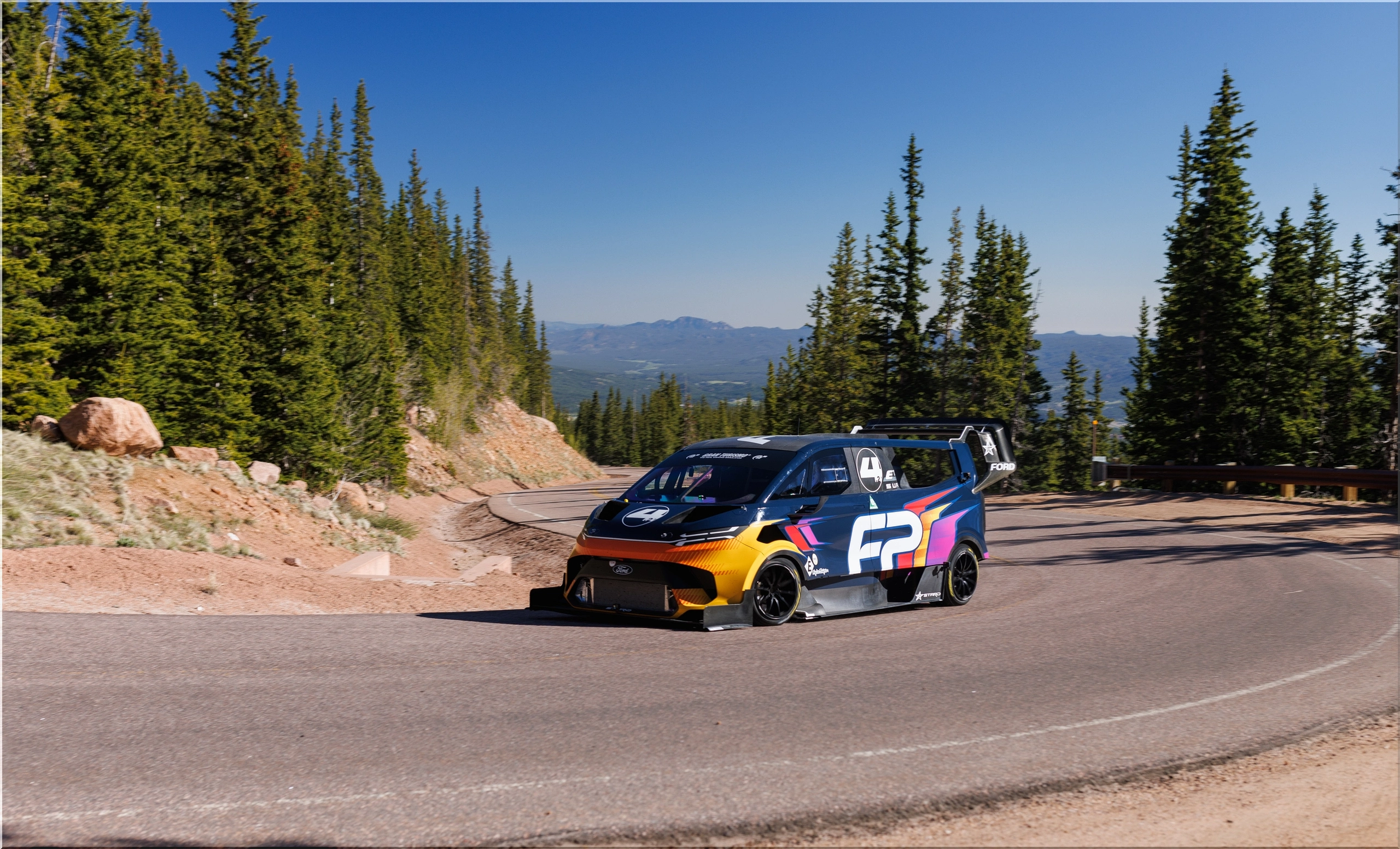
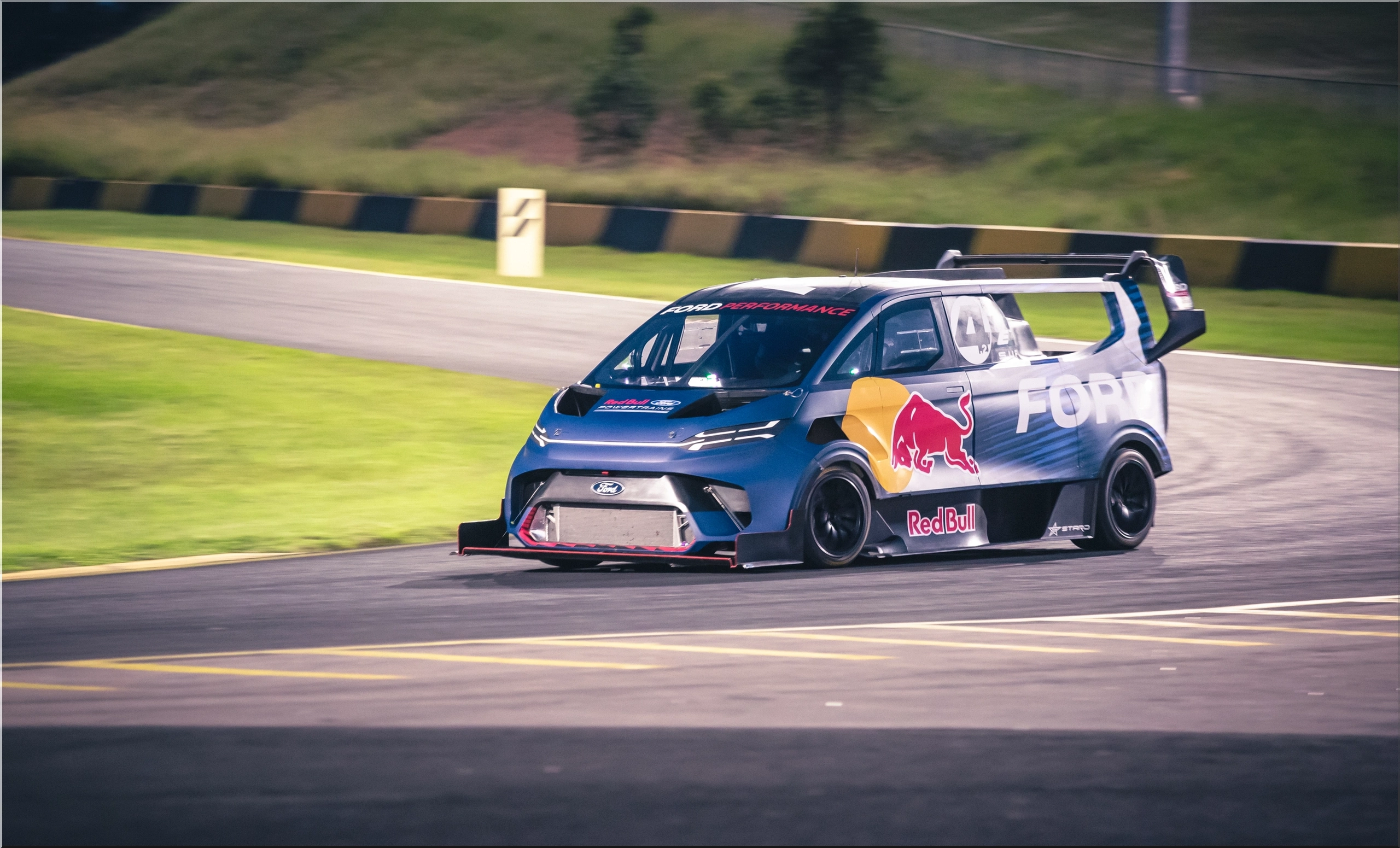
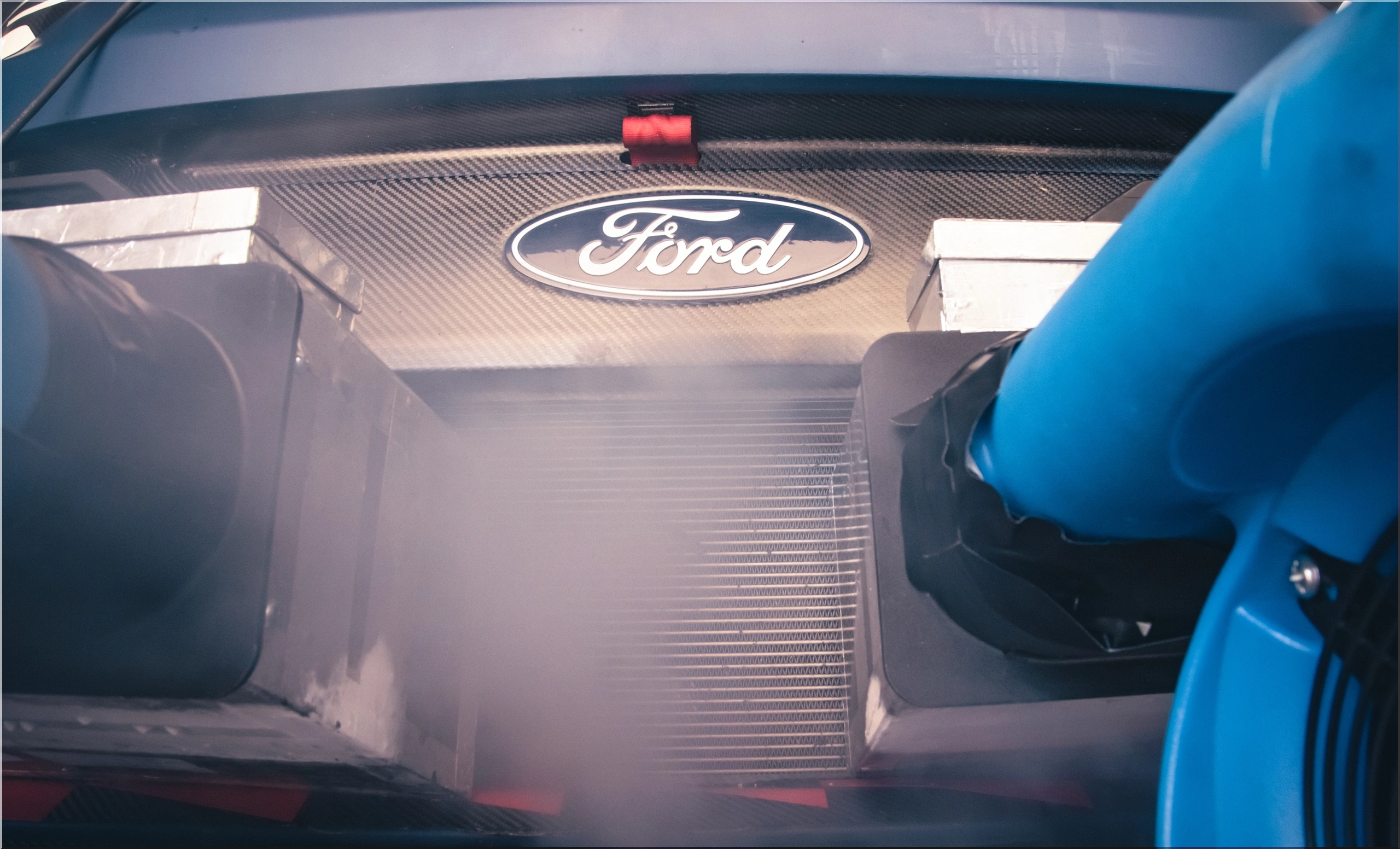
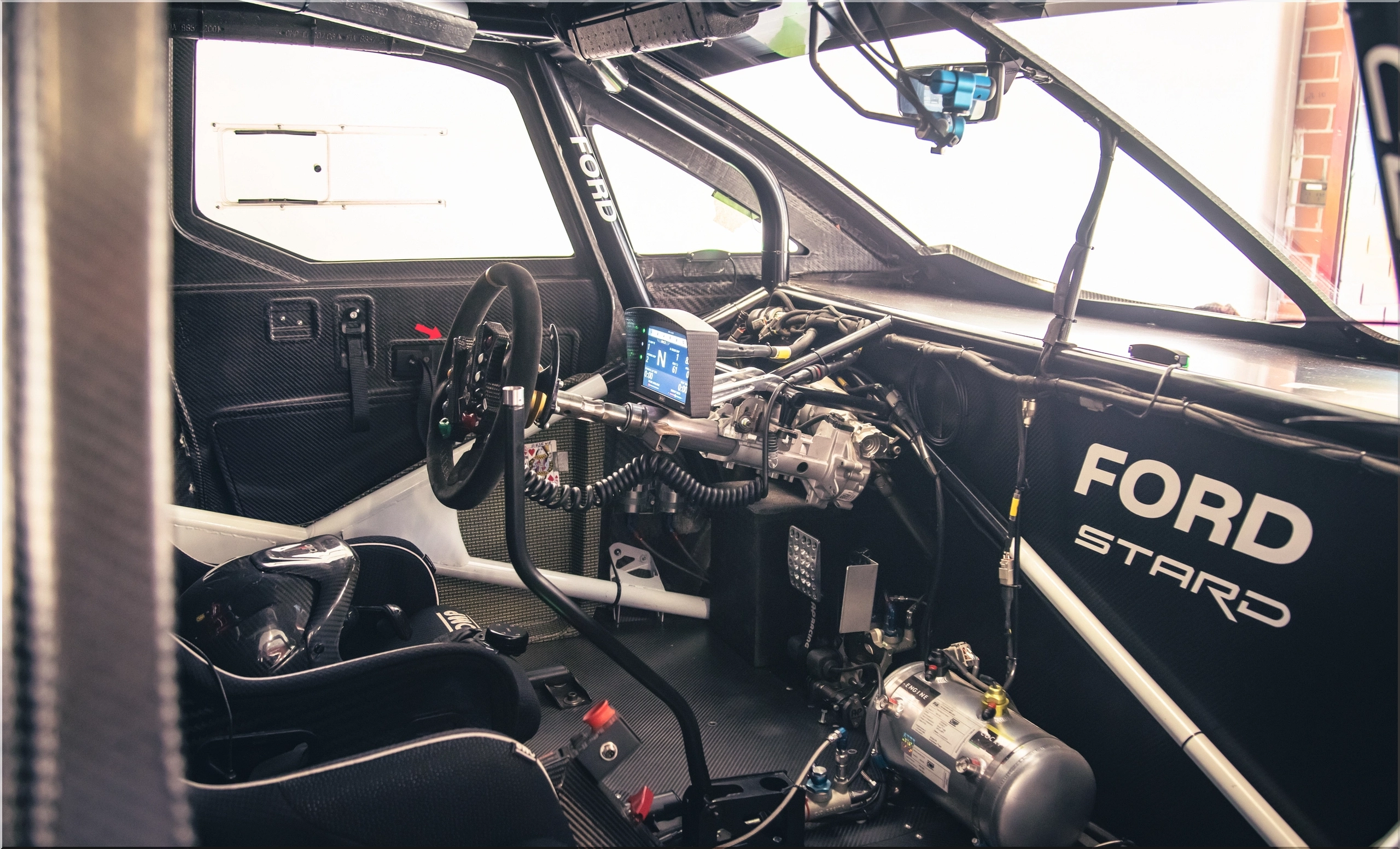
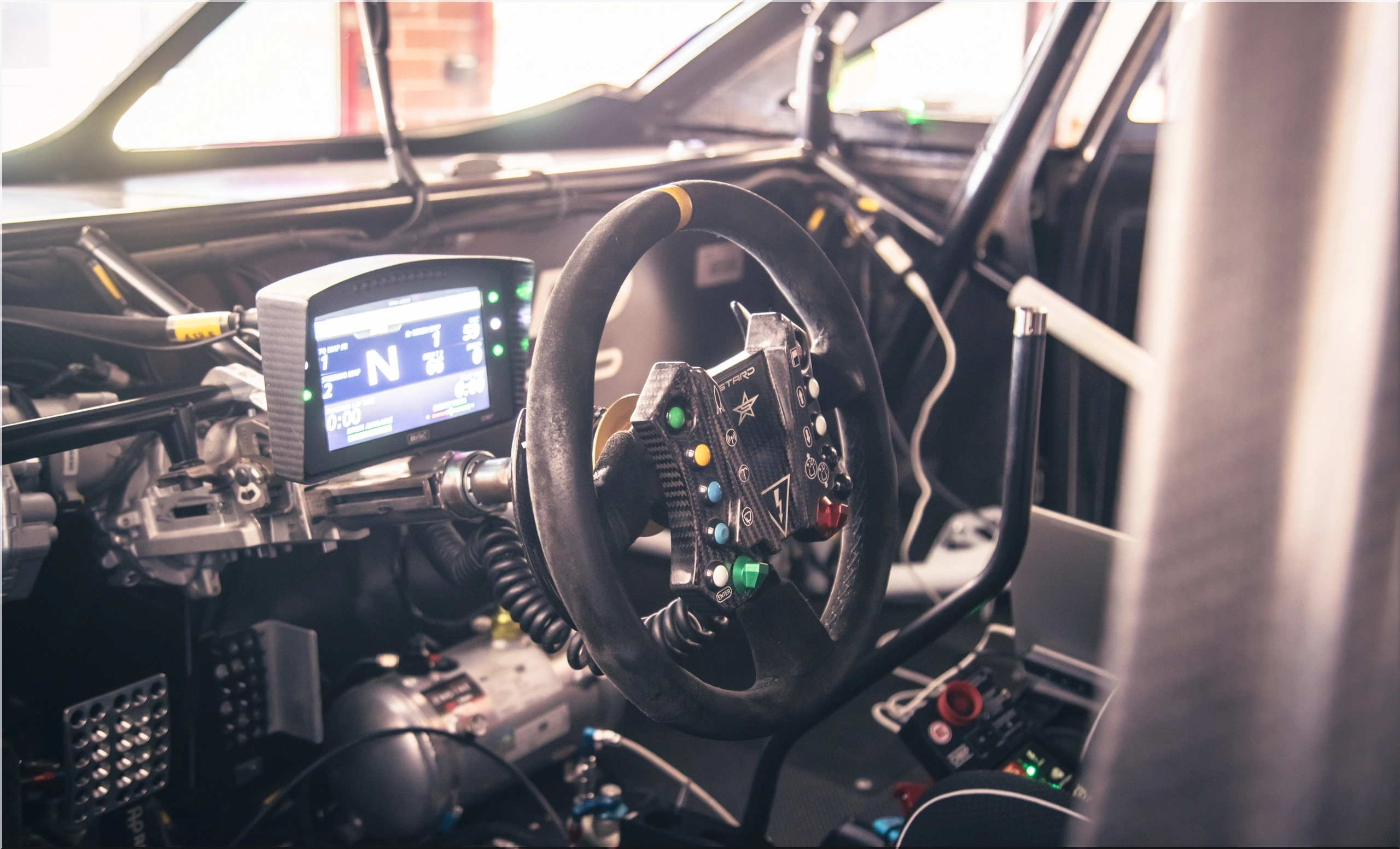
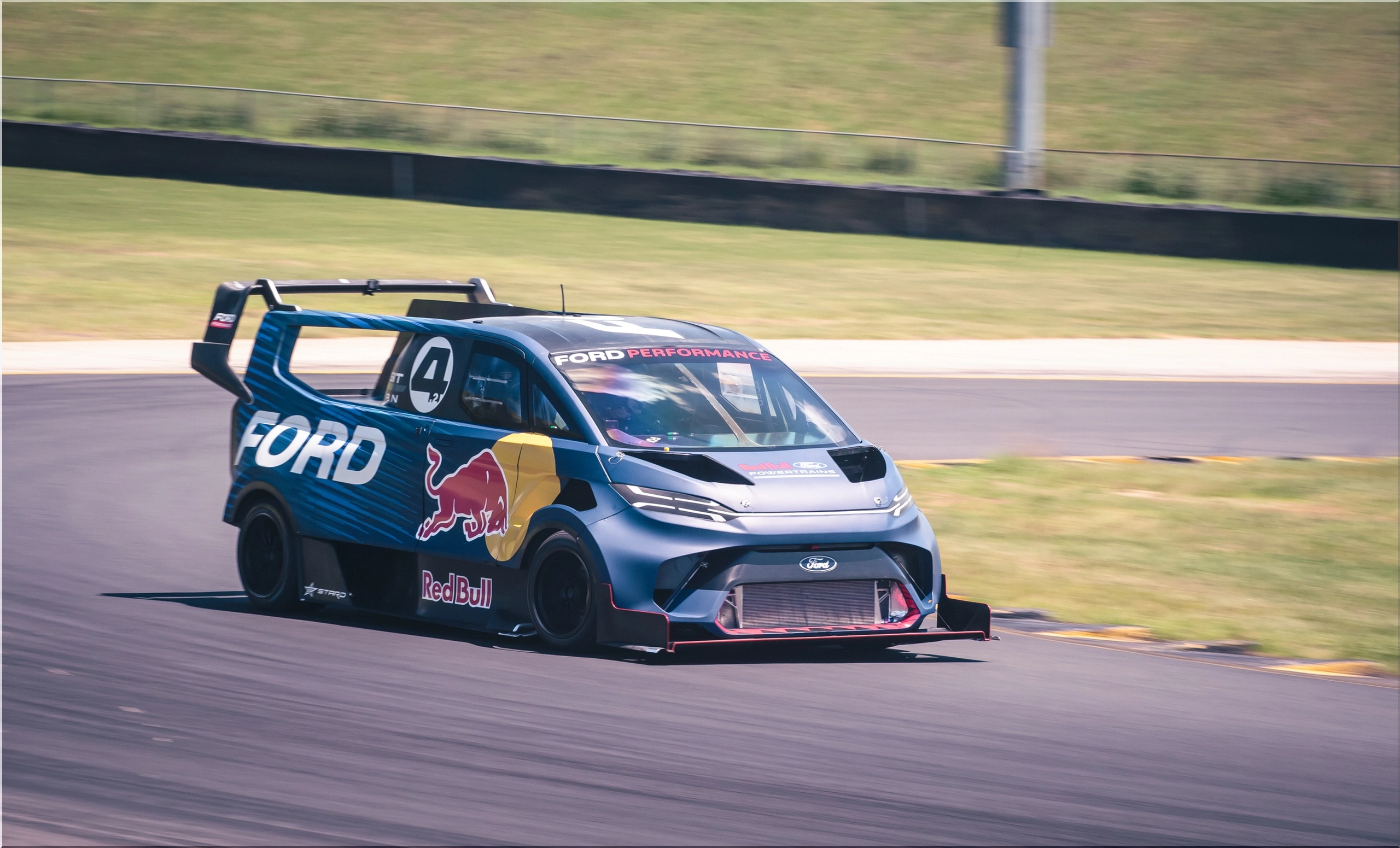
The Supervan 4.2 is not a production van. It is a purpose-built electric race vehicle designed by Ford Performance.
Key specifications:
- Four electric motors generating a combined 2,000 hp.
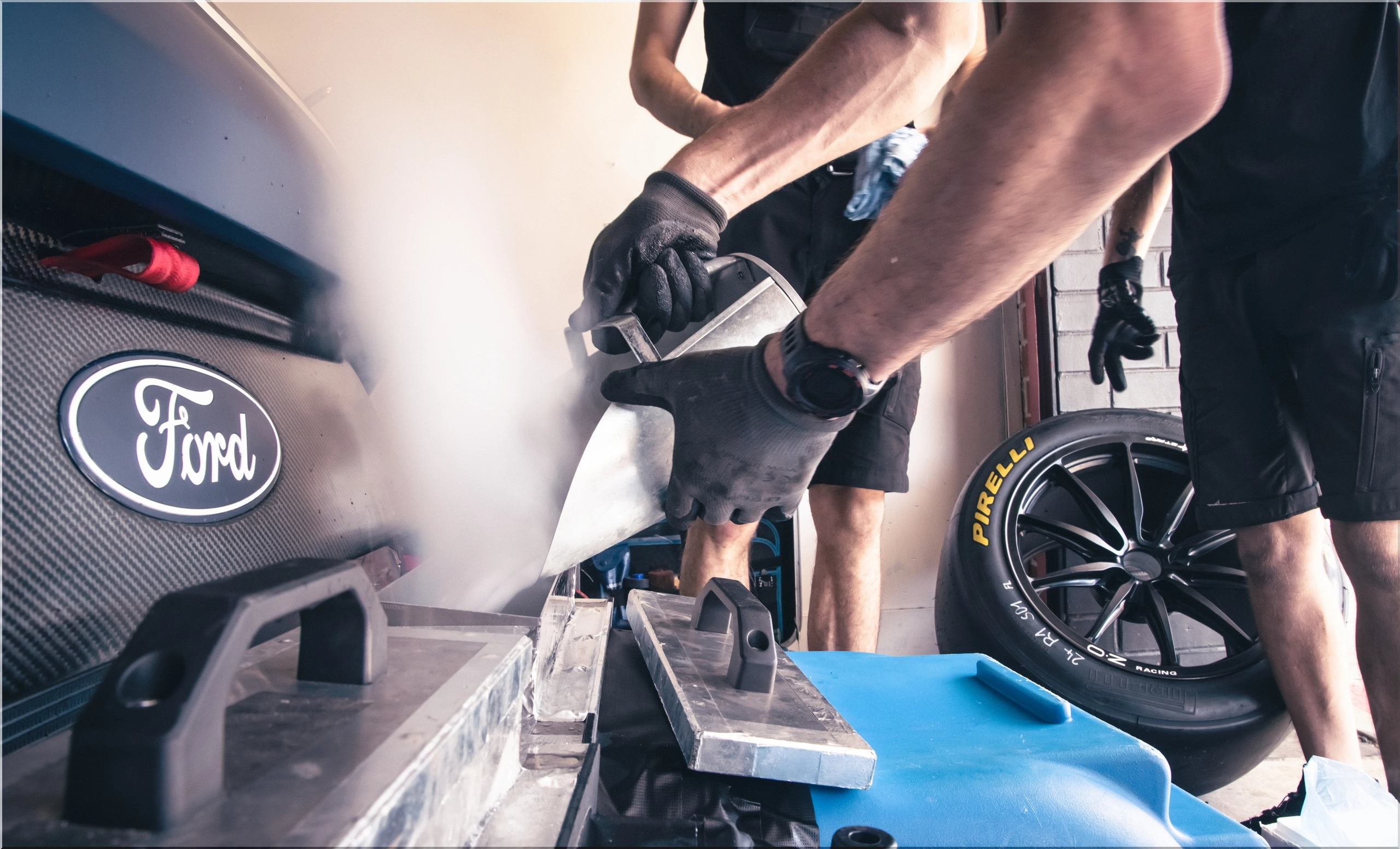
- Liquid-cooled 50 kWh battery for sustained power.
- 0-62 mph in under 2 seconds.
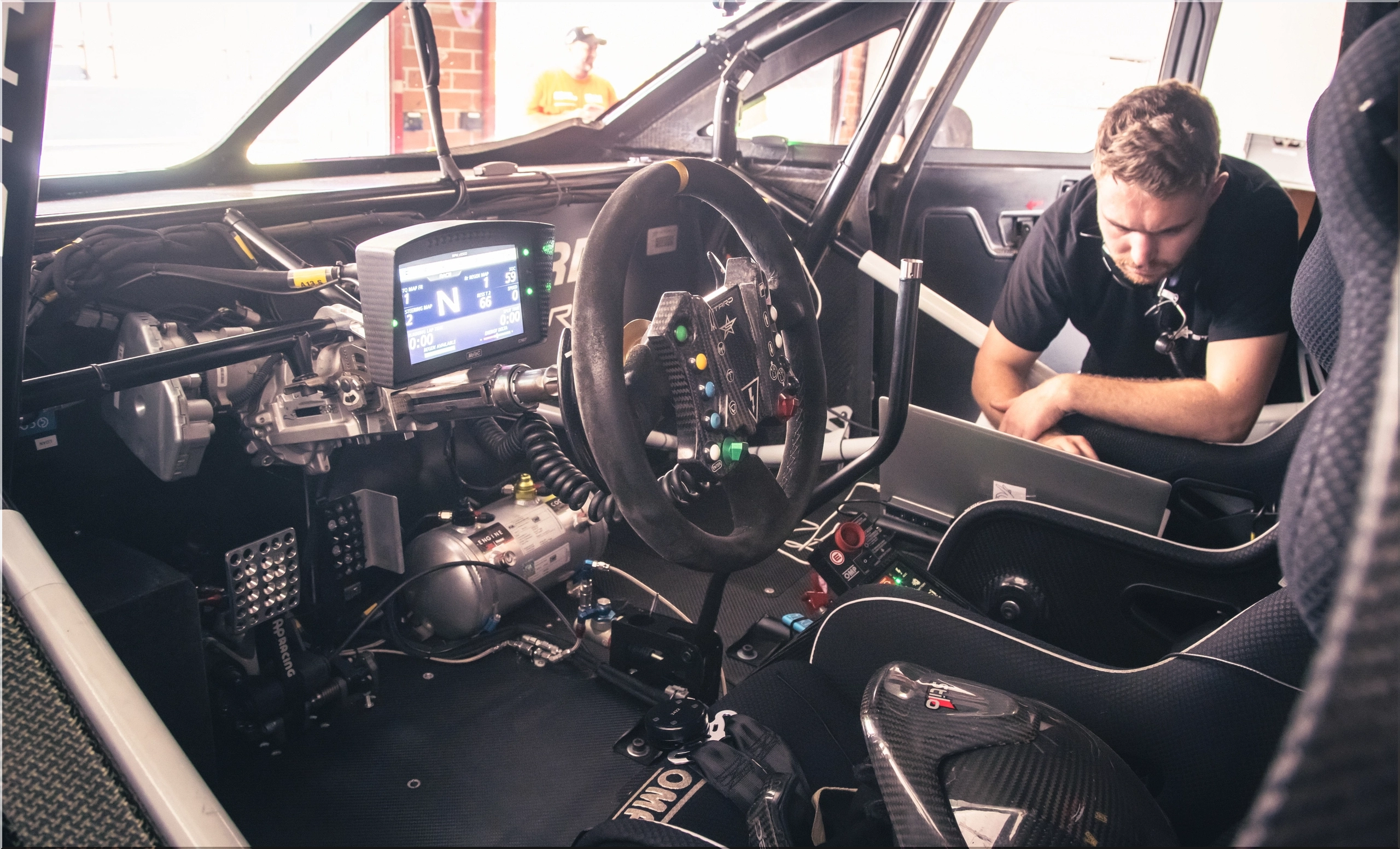
- All-wheel drive with advanced control systems.
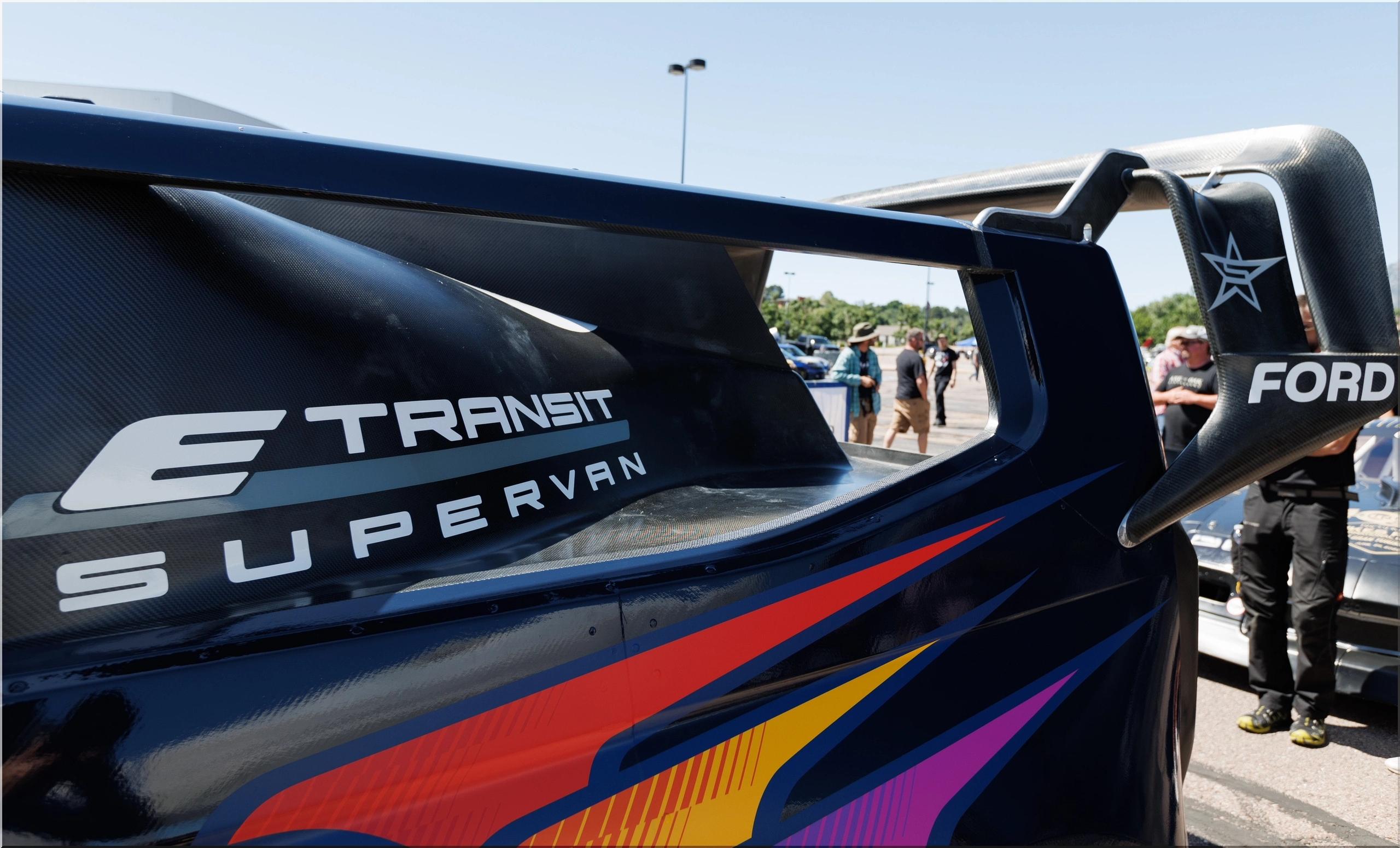
- Chassis derived from the E-Transit Custom, Ford's first fully electric 1-ton van.
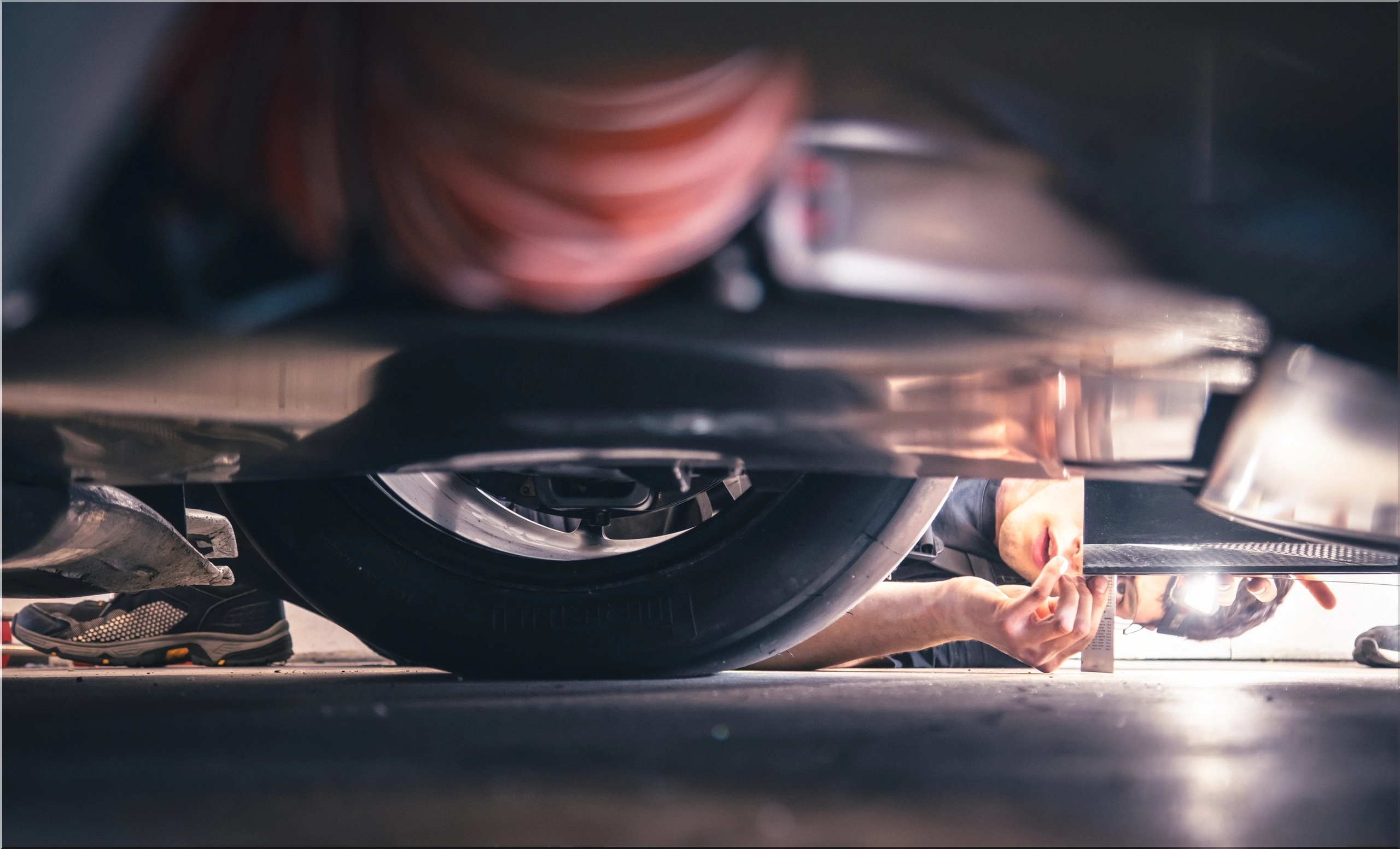
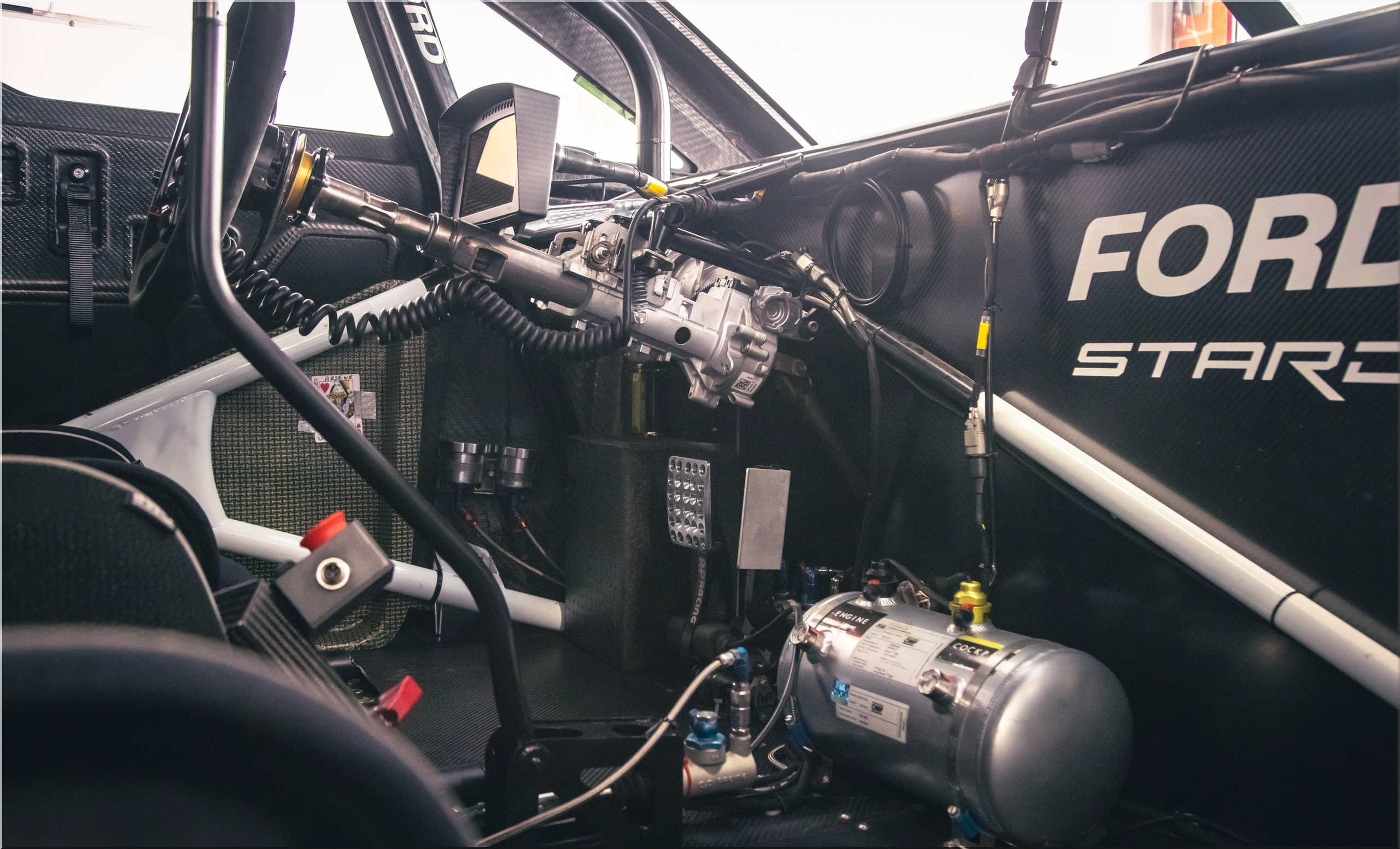
Ford Performance engineers paired the van’s raw speed with slick racing tires and a motorsport-grade suspension system. The result is an experimental showcase that demonstrates how far electric propulsion can be pushed.
Ford's Strategy: Technology Transfer
Michael Norton, Ford Performance’s F1 and Demonstrators Program Manager, made it clear: the Supervan is not a commercial product. Instead, it serves as a test platform for electric technologies. Lessons learned from racing conditions are expected to inform future electric vans and commercial EVs.
Ford Pro, the commercial division, sees the project as evidence of the potential of connected EVs. The Supervan integrates 24/7 modem connectivity, a feature designed to help optimize performance and improve productivity for Ford’s professional customers.
Previous Successes on Global Tracks
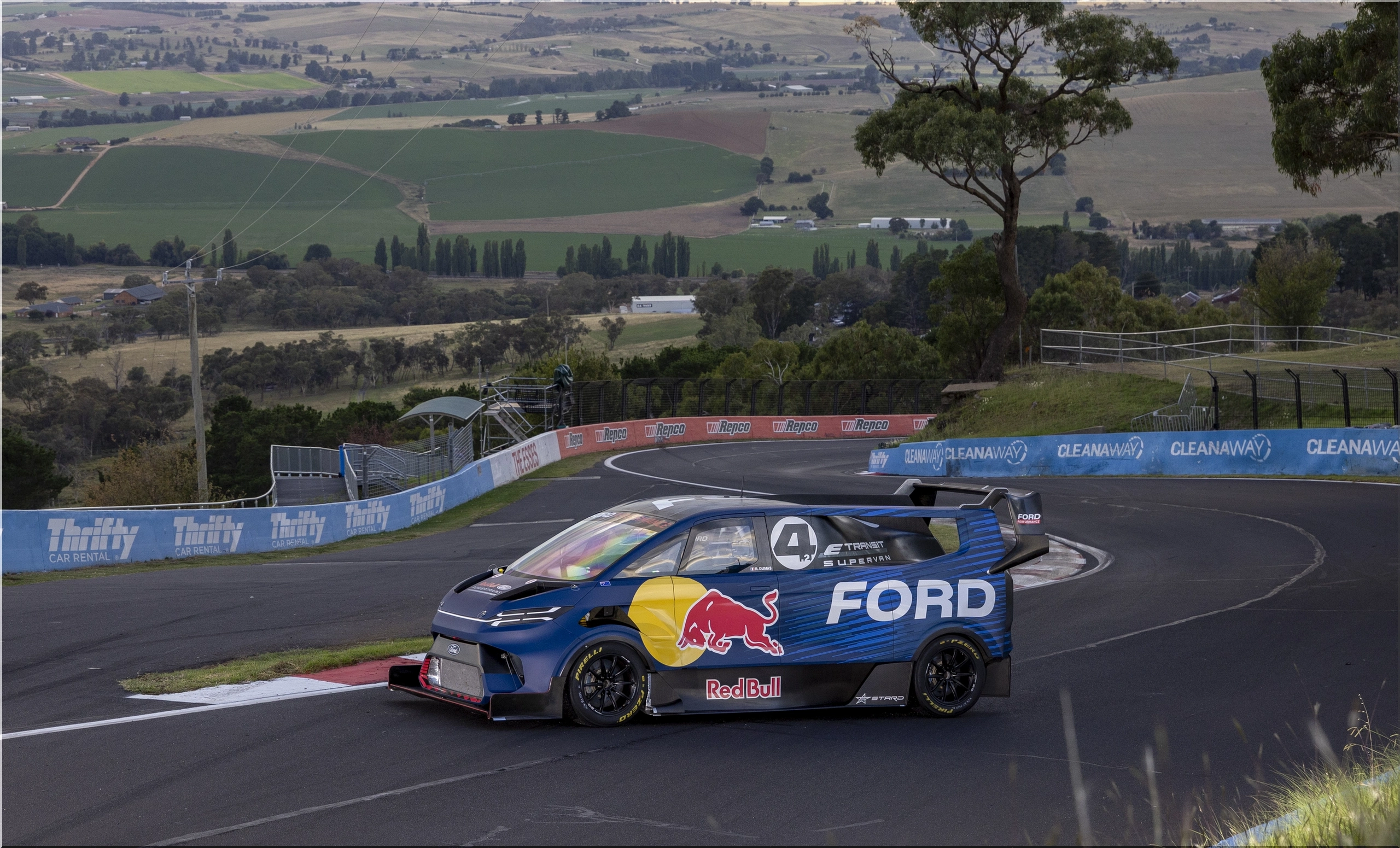
The Supervan 4.2 is not new to records.
It has already:
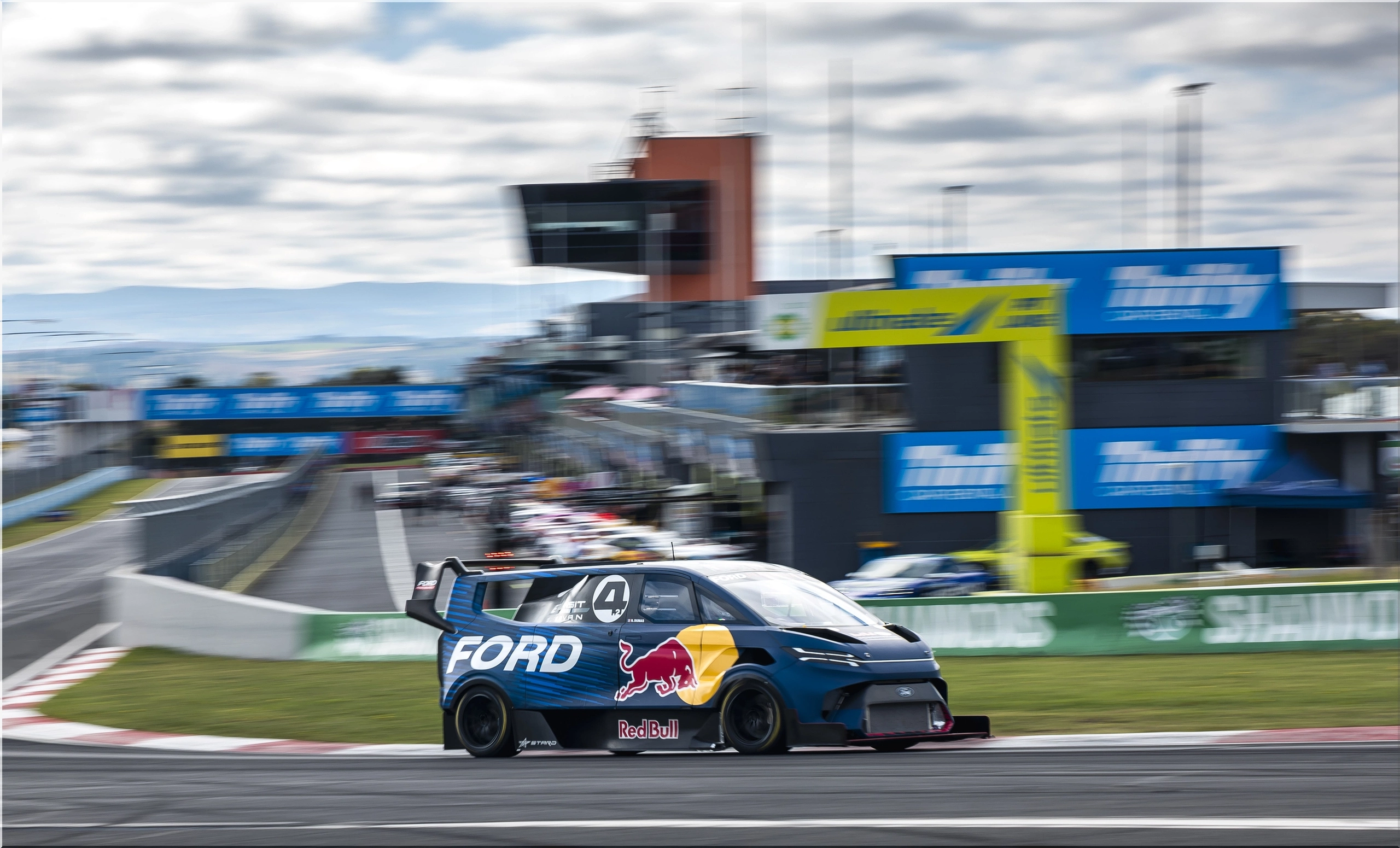
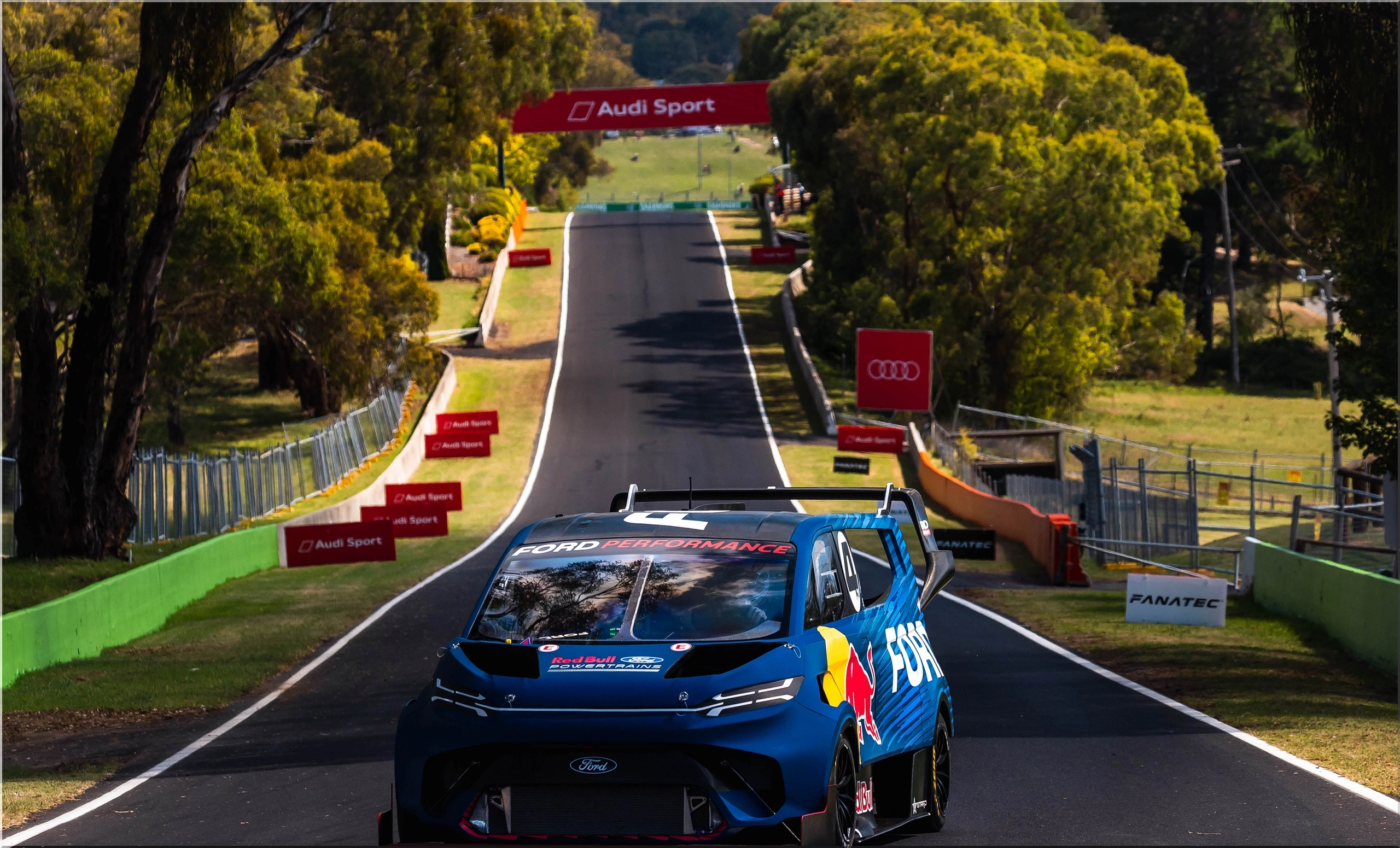
- Set an electric van record at Mount Panorama Circuit in Bathurst, Australia.
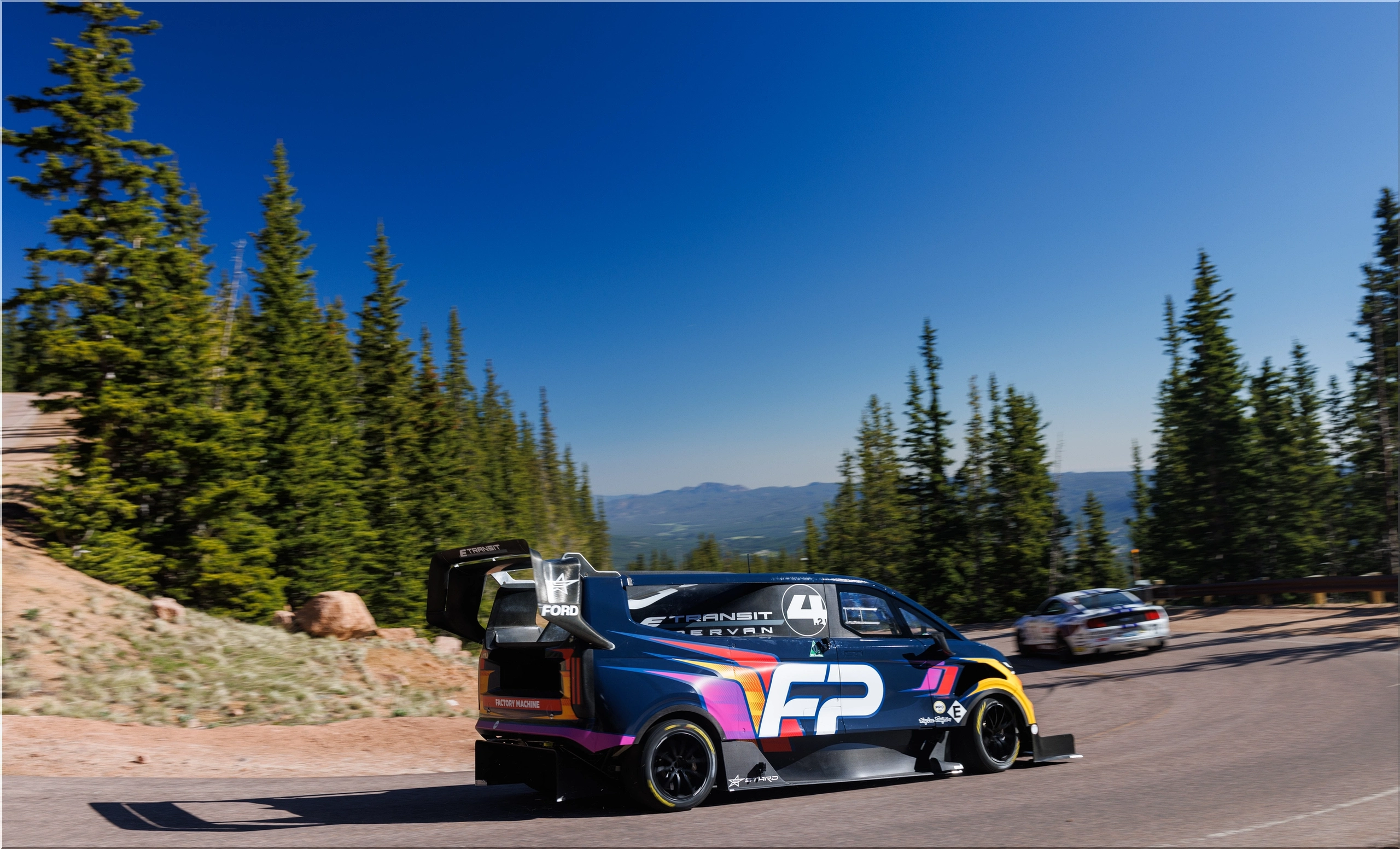
- Won the Pikes Peak International Hill Climb in the United States.
These results give Ford credibility in developing electric platforms for high-stress conditions.
Nürburgring Nordschleife: Why the Record Matters
The Nürburgring, nicknamed the Green Hell, is one of the most demanding race circuits in the world. Manufacturers use it as a benchmark to test vehicles under extreme loads.
Recording a sub-7-minute lap time positions the Supervan alongside some of the fastest cars in history. For Ford, it sends a clear message: its electric future is not limited to efficiency and range. Speed and performance are part of the package.
Fastest Vehicles at Nürburgring (Selected)
| Rank | Vehicle | Lap Time |
|---|---|---|
| 1 | Porsche 919 Hybrid Evo | 5:19.55 |
| 2 | Volkswagen ID.R | 6:05.33 |
| 9 | Ford Supervan 4.2 | 6:48.39 |
| 10 | Porsche 911 GT3 RS | 6:49.33 |
| 11 | Chevrolet Corvette ZR1 | 6:50.00 |
The Supervan’s time pushes it into elite company, reinforcing Ford’s message that EVs can rival and beat combustion-powered supercars.
Commercial Links: E-Transit Custom
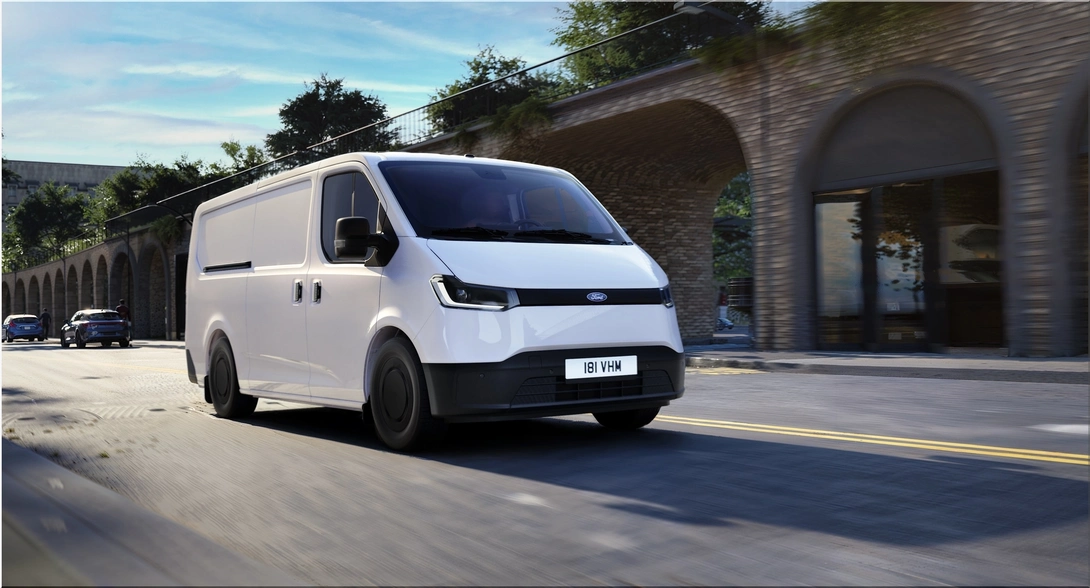
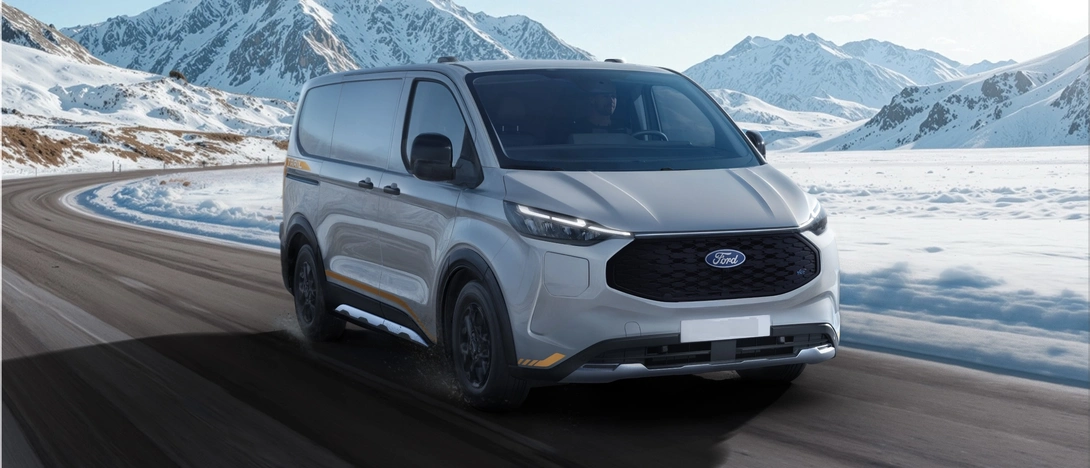
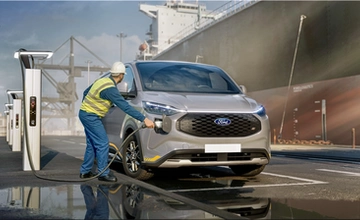
Although the Supervan 4.2 is a one-off, it is built with components from the E-Transit Custom, Ford’s fully electric 1-ton van.
That production van is designed for businesses, not racetracks. But the link is important. Ford uses high-performance experiments to refine battery management, motor control systems, and connectivity solutions. Those features eventually filter down into vehicles that electricians, plumbers, and delivery companies will use daily.


Industry Context: Performance as an EV Selling Point
Ford is not alone in using racing to showcase EV strength.
- Volkswagen did it with the ID.R, setting records at Pikes Peak and Nürburgring.
- Porsche tested the Taycan on tracks before launching it to the public.
These efforts build trust in battery durability, charging systems, and performance consistency. For Ford, the Supervan demonstrates that speed and utility can coexist in the electric age.
Why Ford Chose the Van Format
The van body is symbolic. The Transit is Ford’s best-selling commercial vehicle in Europe. By using a Transit shell, Ford links its bread-and-butter van business to cutting-edge performance technology. It reminds both commercial customers and regulators that Ford is serious about electrification across all segments.
Economic Perspective
The Supervan has no direct cost figure because it is a prototype. But Ford uses such projects to justify investment in its Model e and Ford Pro divisions. These units are tasked with scaling EVs across passenger and commercial fleets.
The Nürburgring run also has marketing value. Beating supercars worth $200,000–$300,000 with a van sends a powerful, cost-efficient message.
Outlook: What Comes Next
Ford has committed to an all-electric future in Europe by 2035. Projects like the Supervan 4.2 act as stepping stones.
Expected impacts:
- Faster development of high-output electric motors.
- Improved thermal management systems for batteries.
- Better control software for power distribution in multi-motor setups.
- Integration of track-learned technologies into vans and trucks.
Customers may never drive a Supervan, but they will benefit from its testing.
Image gallery:
Key Takeaways
- The Ford Transit Supervan 4.2 recorded a 6:48.39 Nürburgring lap, making it the fastest van in history.
- It produces 2,000 hp, accelerates from 0-62 mph in under 2 seconds, and runs on a 50 kWh liquid-cooled battery.
- The project strengthens Ford’s Ford Pro commercial EV strategy and demonstrates technology transfer from racing to production.
- The Supervan has also set records at Mount Panorama and Pikes Peak, proving its reliability across global circuits.
- While it will not enter production, the lessons learned will shape Ford’s next generation of electric vans and trucks.
- Add new comment
- 210 views