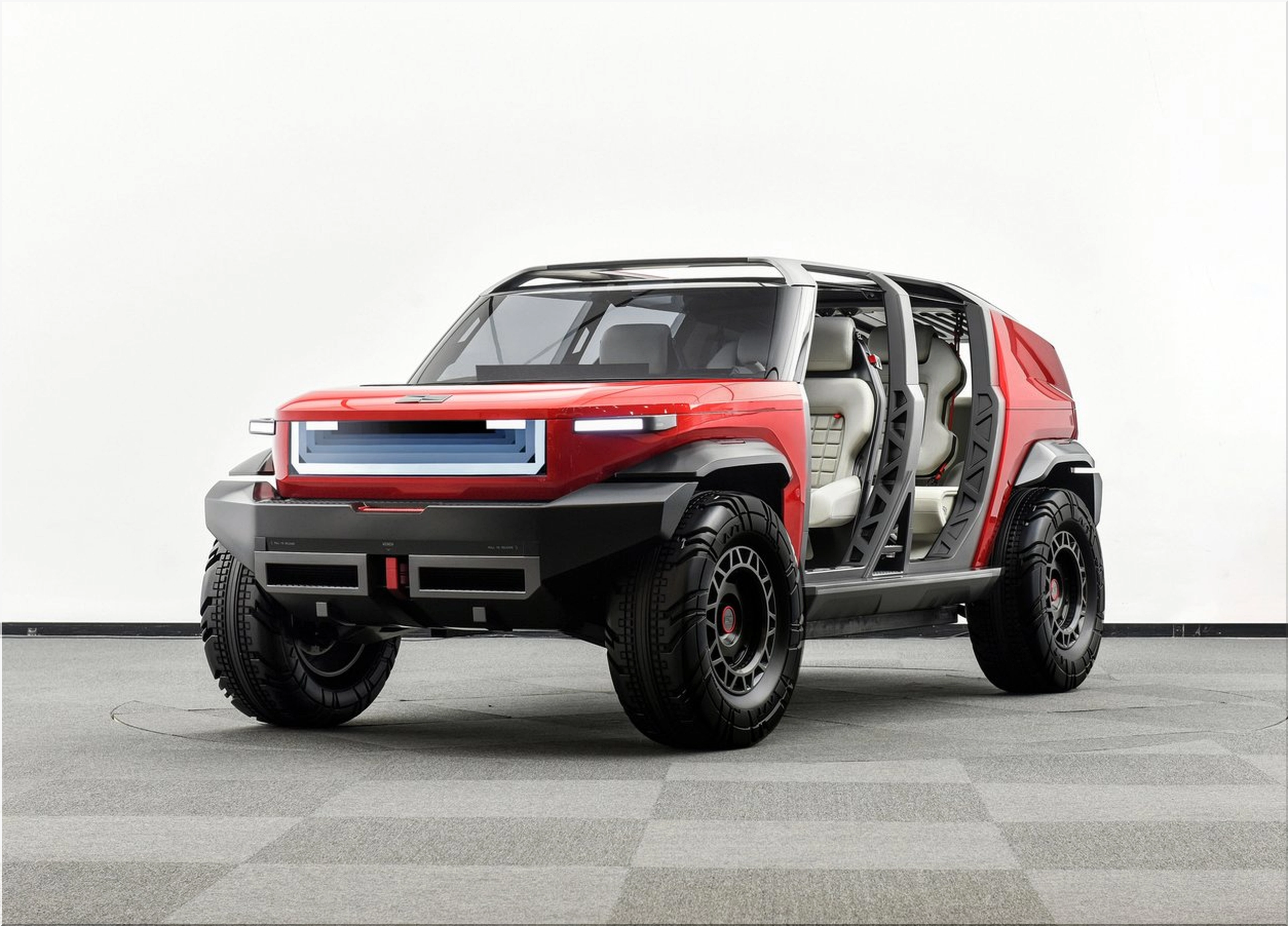
The BAIC Beijing Off-Road ELMT Max Concept communicates intent with unusual clarity. This vehicle does not exist to tease paint colors or future trim names. It exists to show how BAIC plans to compete in the global off-road segment. The focus stays on modularity, mechanical honesty, and user control rather than luxury signaling.
BAIC used this concept to reset expectations around what a Chinese off-road vehicle can represent. The company has more than six decades of off-road manufacturing history, largely tied to military and utility vehicles. The ELMT Max reframes that legacy for a new buyer group that values adaptability, durability, and visible function.
What the ELMT Max Concept Tells the Market
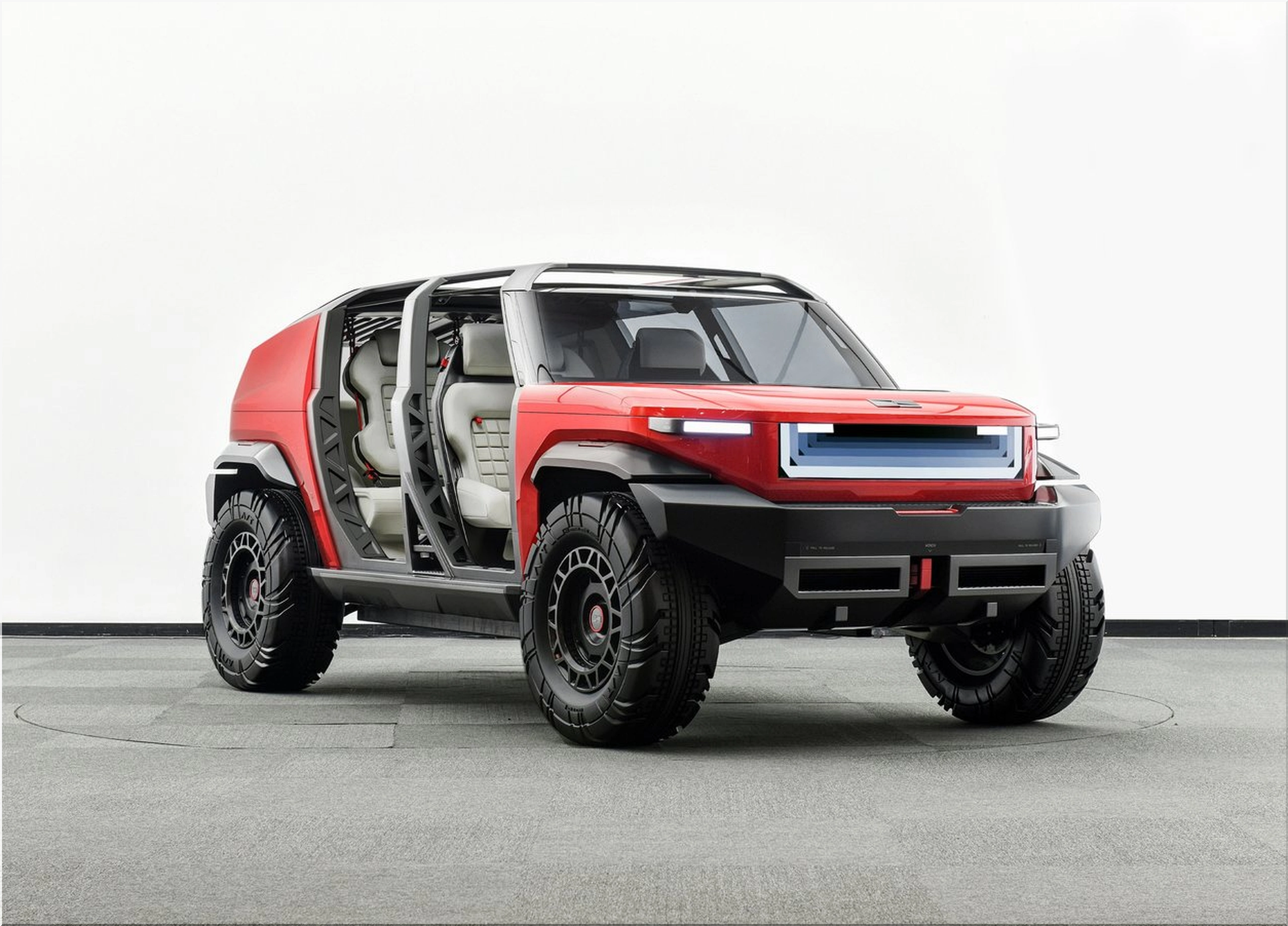
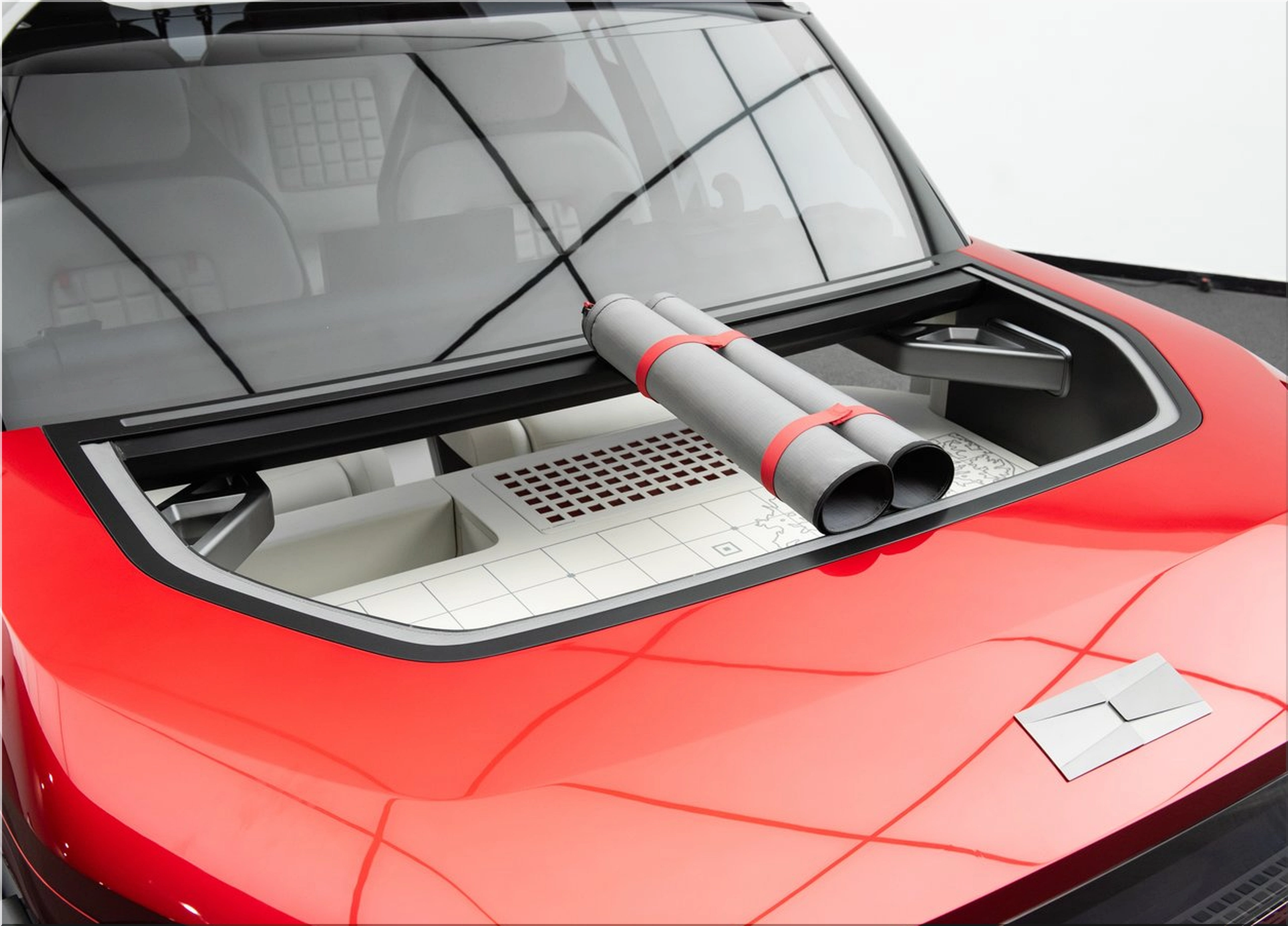
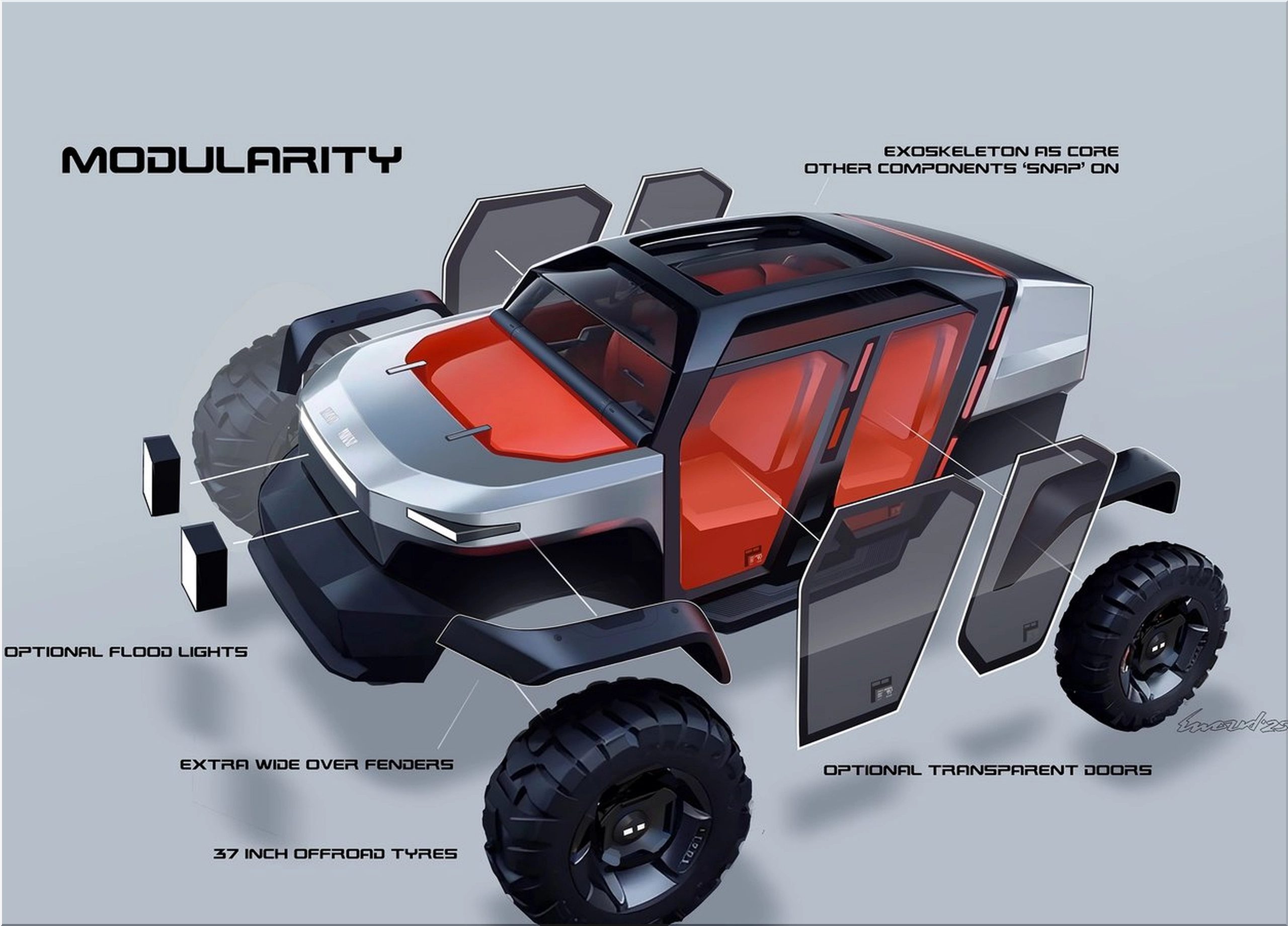
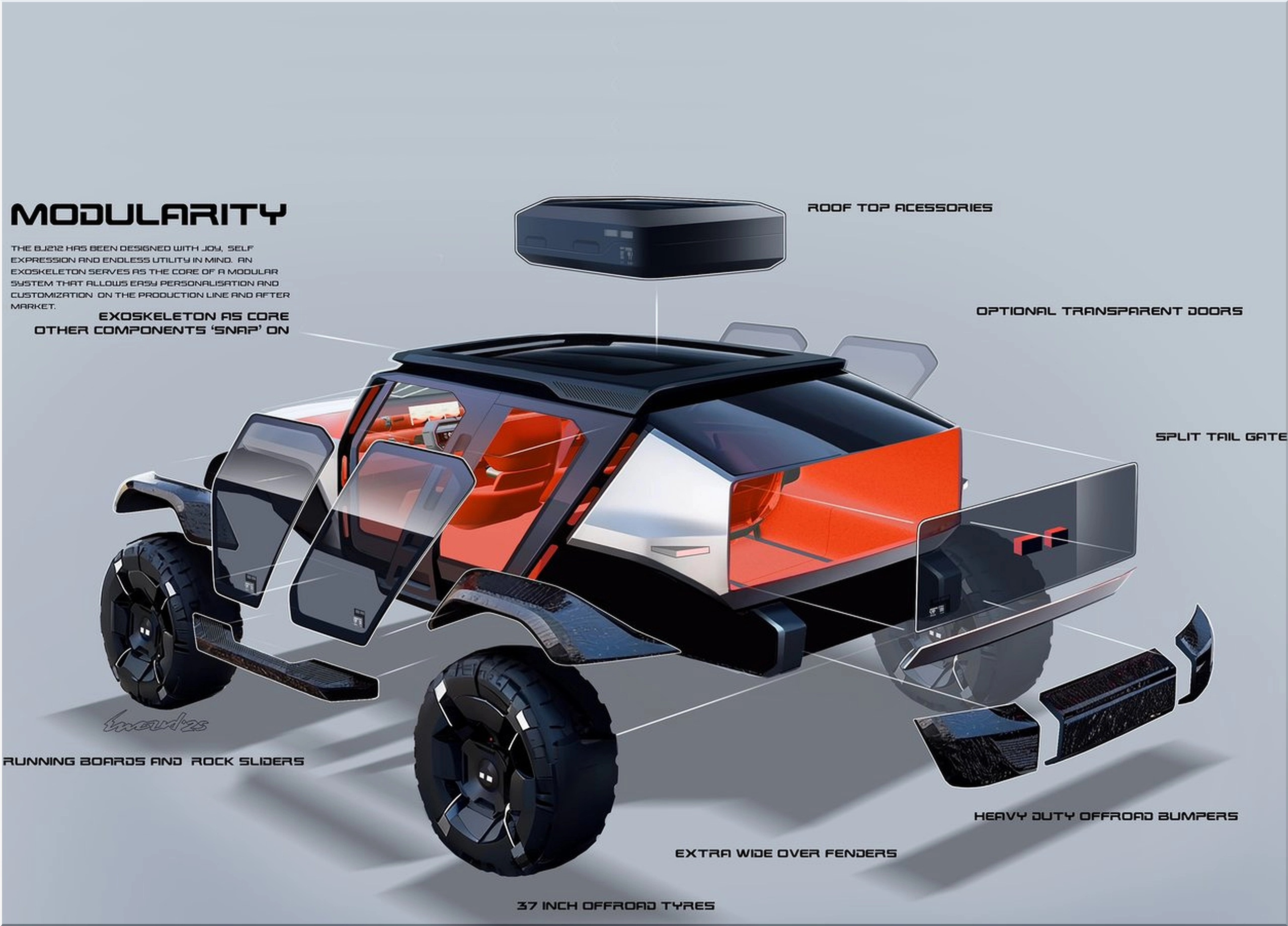
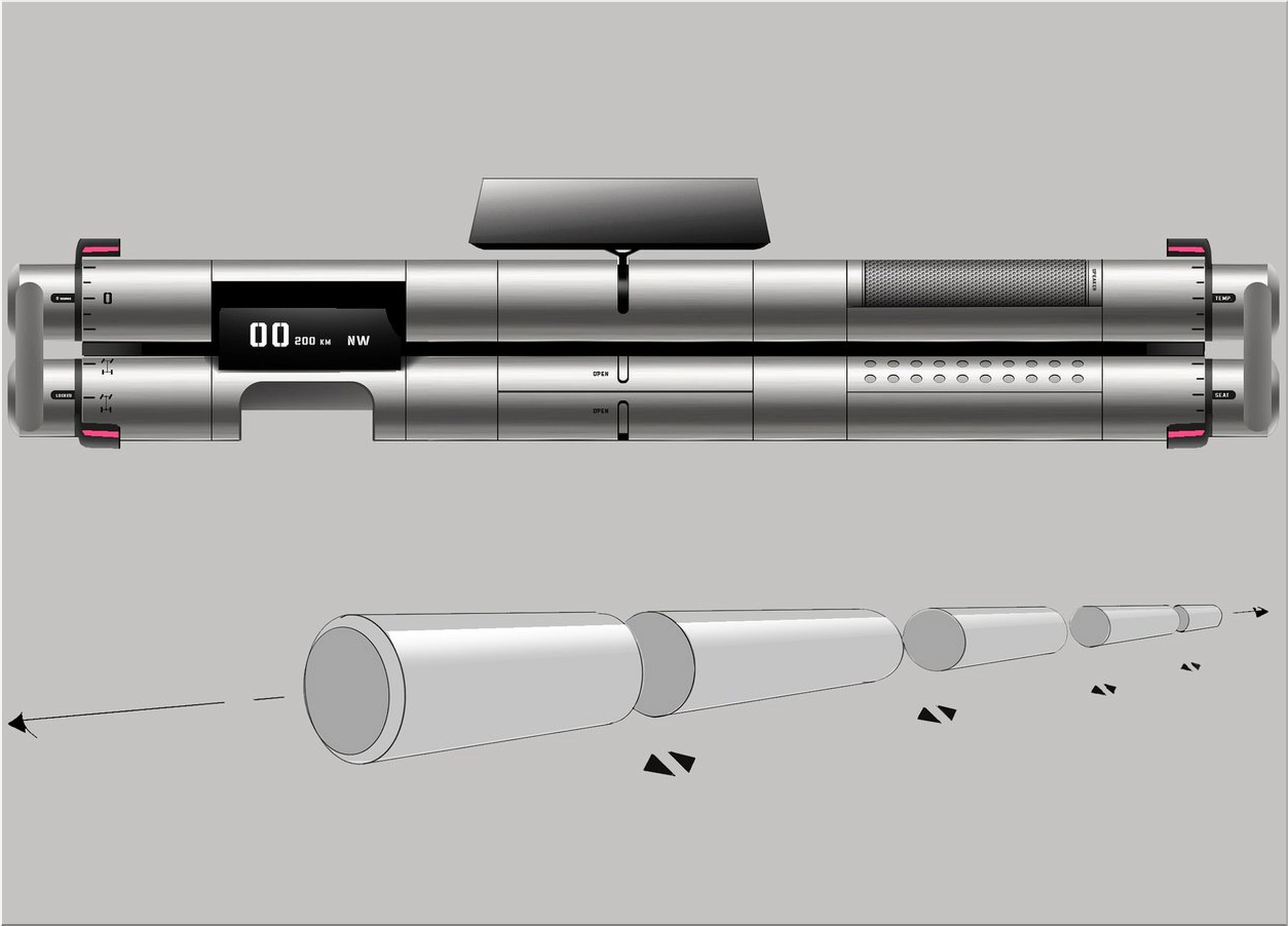
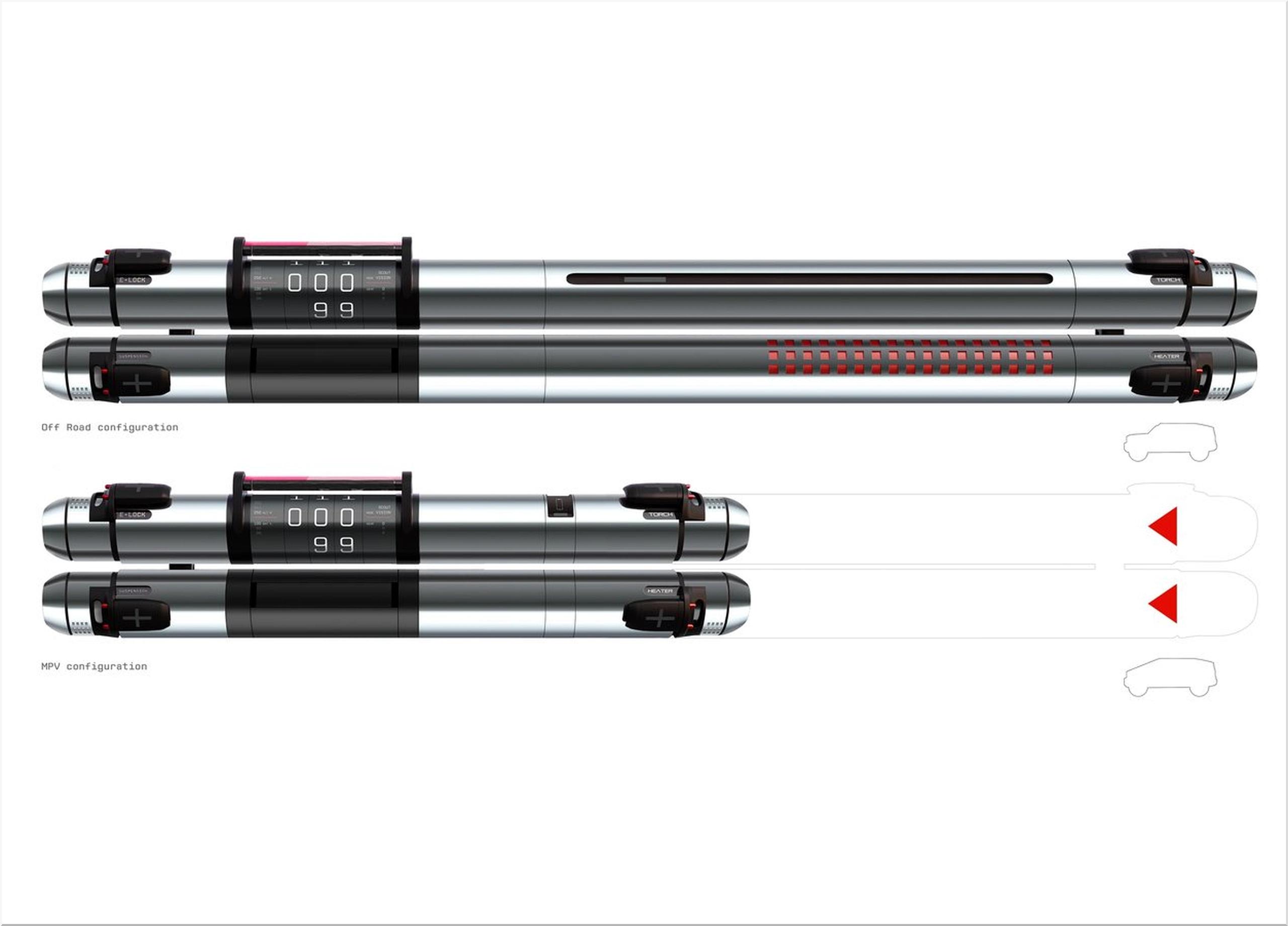
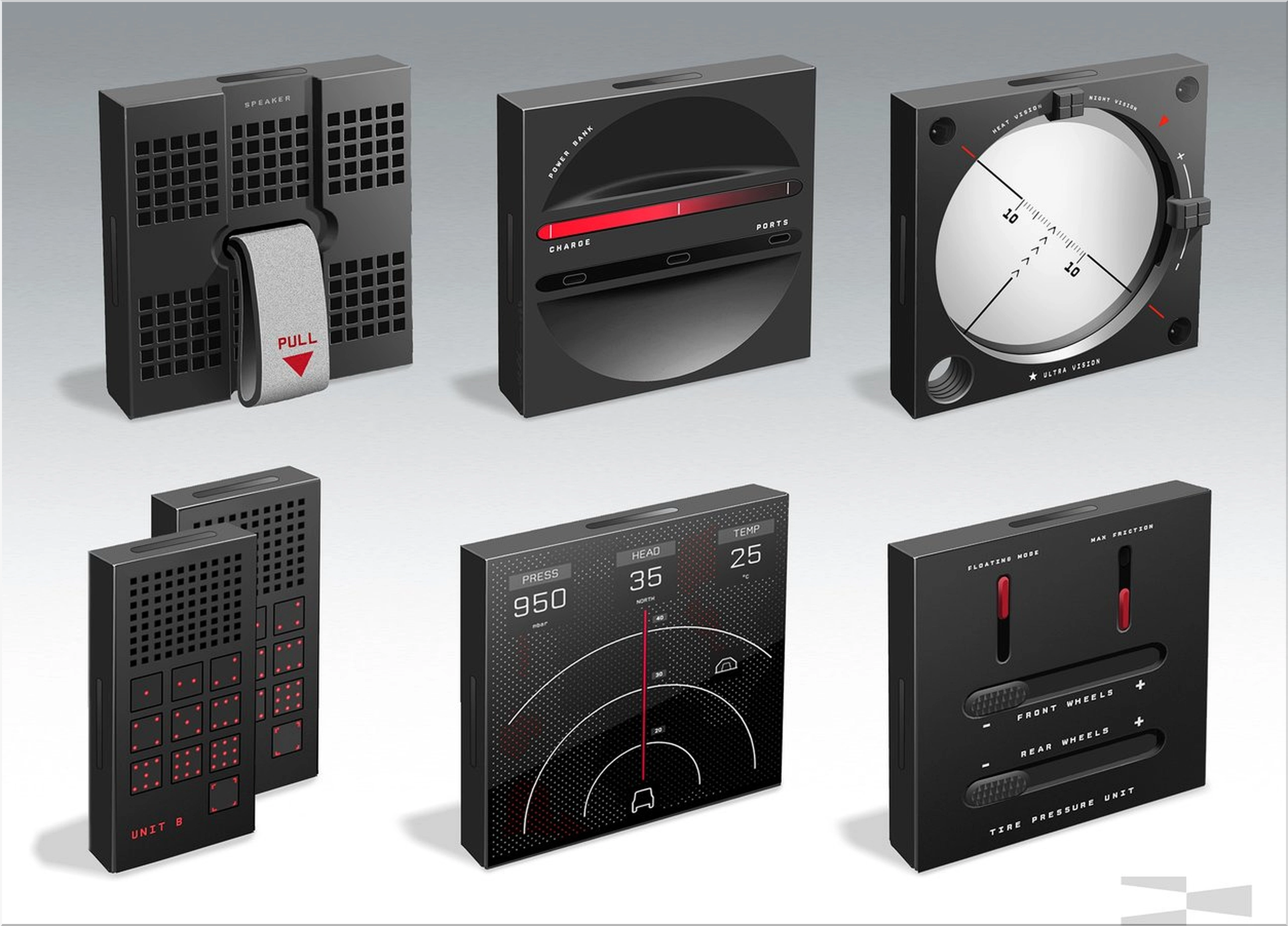
BAIC frames the Beijing Off-road ELMT Max as a configurable platform rather than a fixed product. The architecture allows rapid changes to exterior panels, doors, interior modules, and cargo solutions. This modularity supports different use cases without requiring a second vehicle.
This strategy reflects changing ownership behavior. Buyers now expect vehicles to handle weekday commuting, weekend recreation, and long-distance travel. A fixed layout limits that flexibility. A modular system expands perceived value over time.
The modular off-road SUV approach also reduces dependence on aftermarket modifications. Factory-designed modules reduce fitment risk and maintain structural integrity.
Exterior Design and Functional Layout
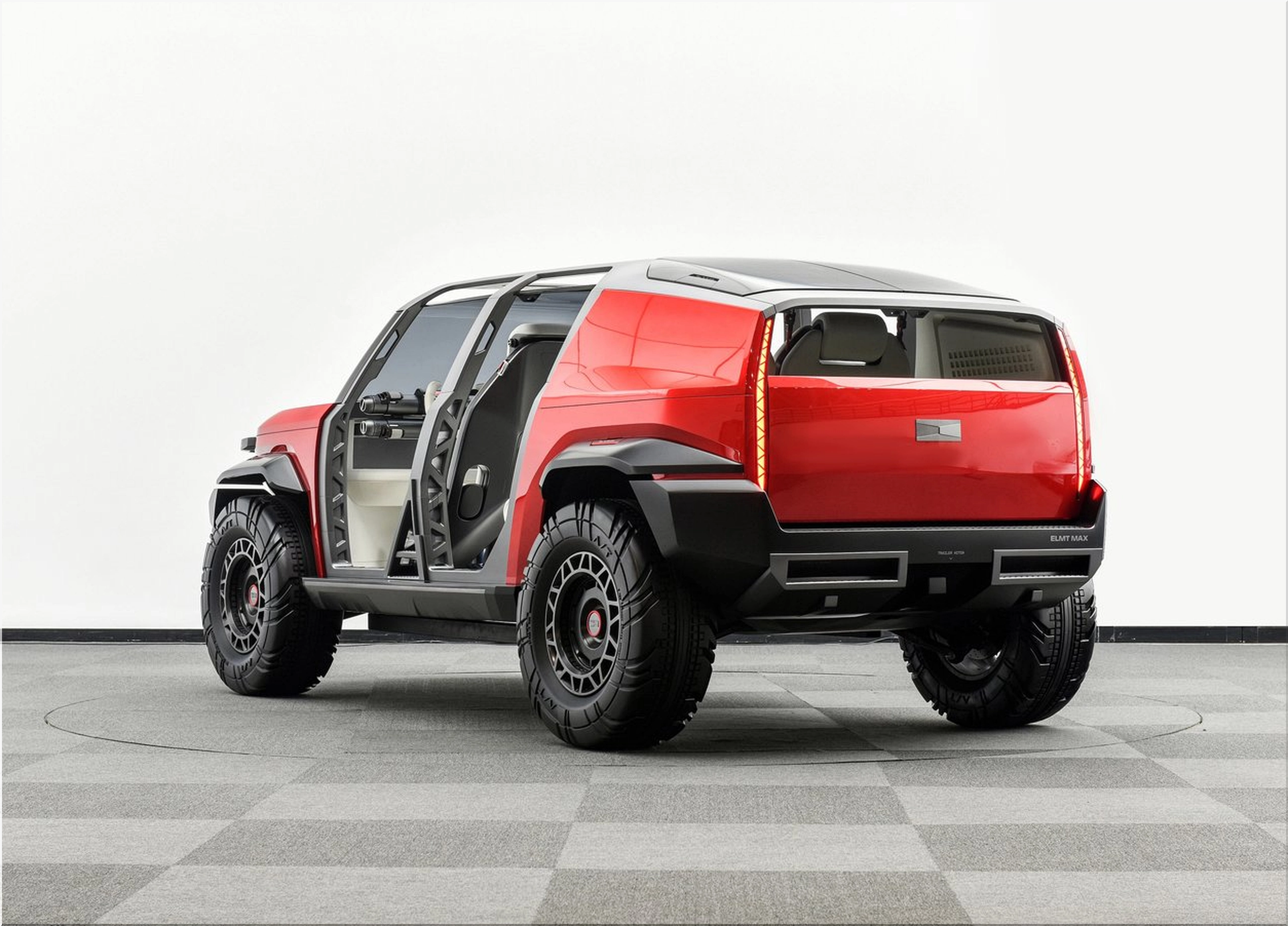
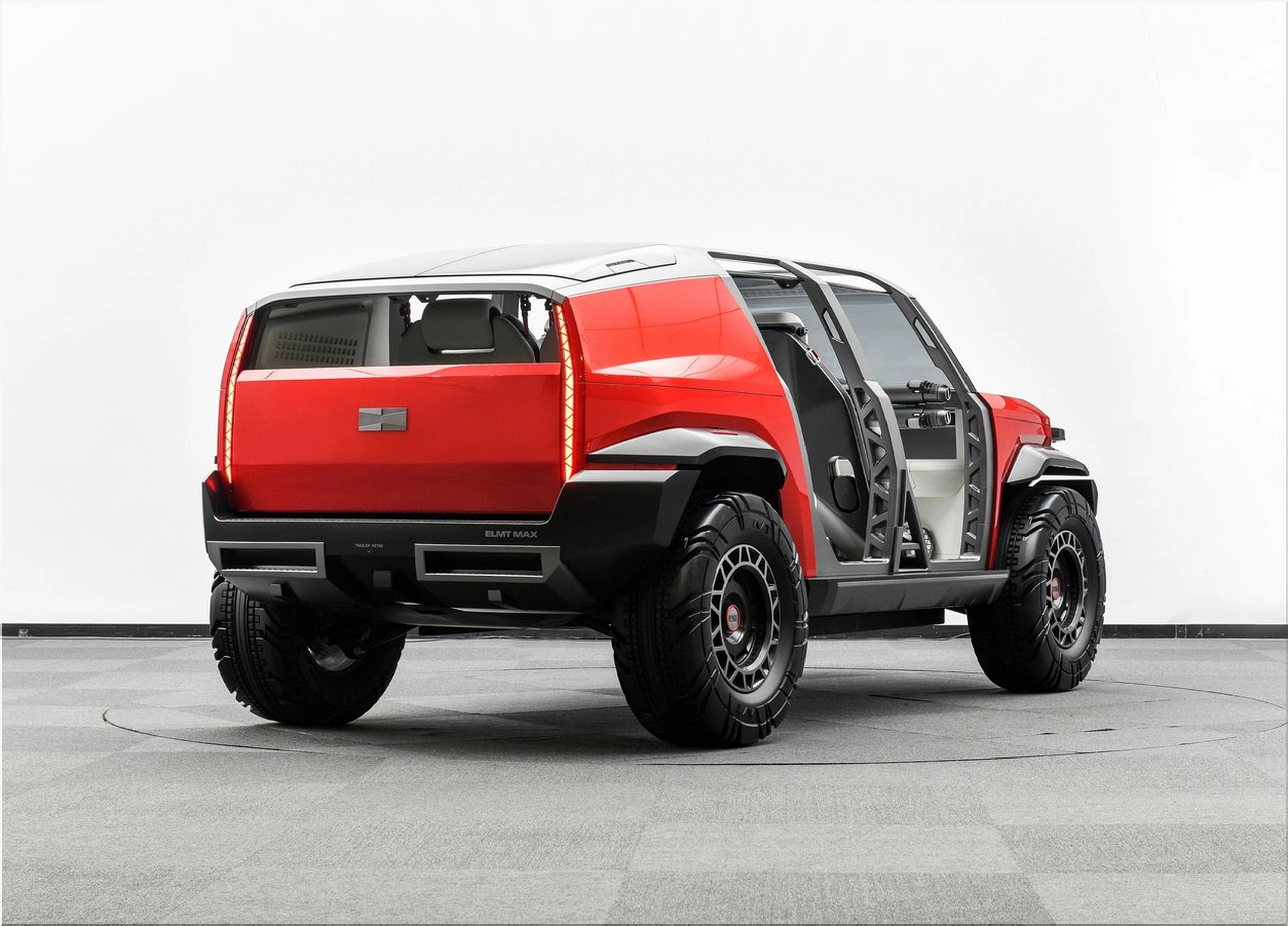
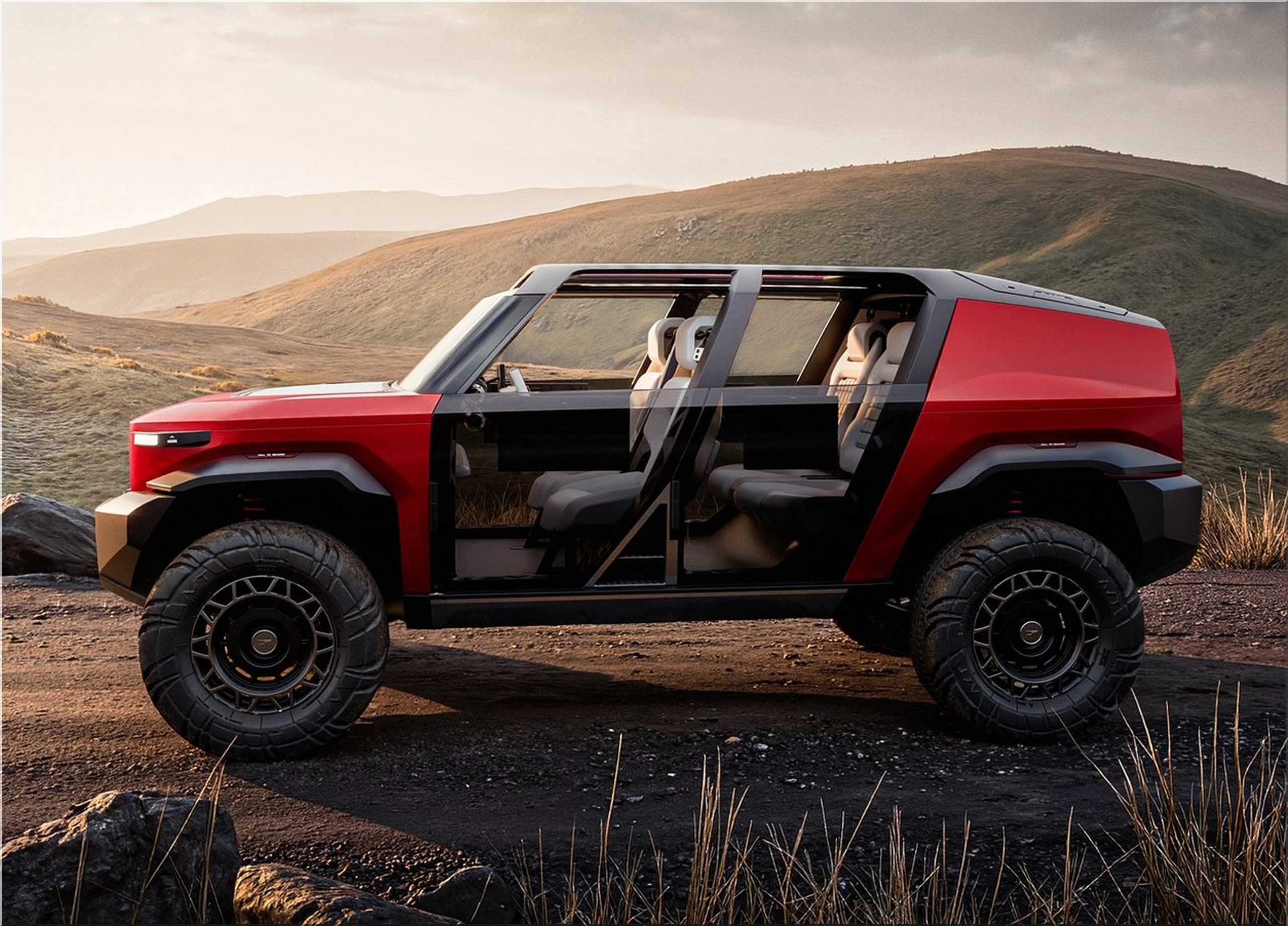
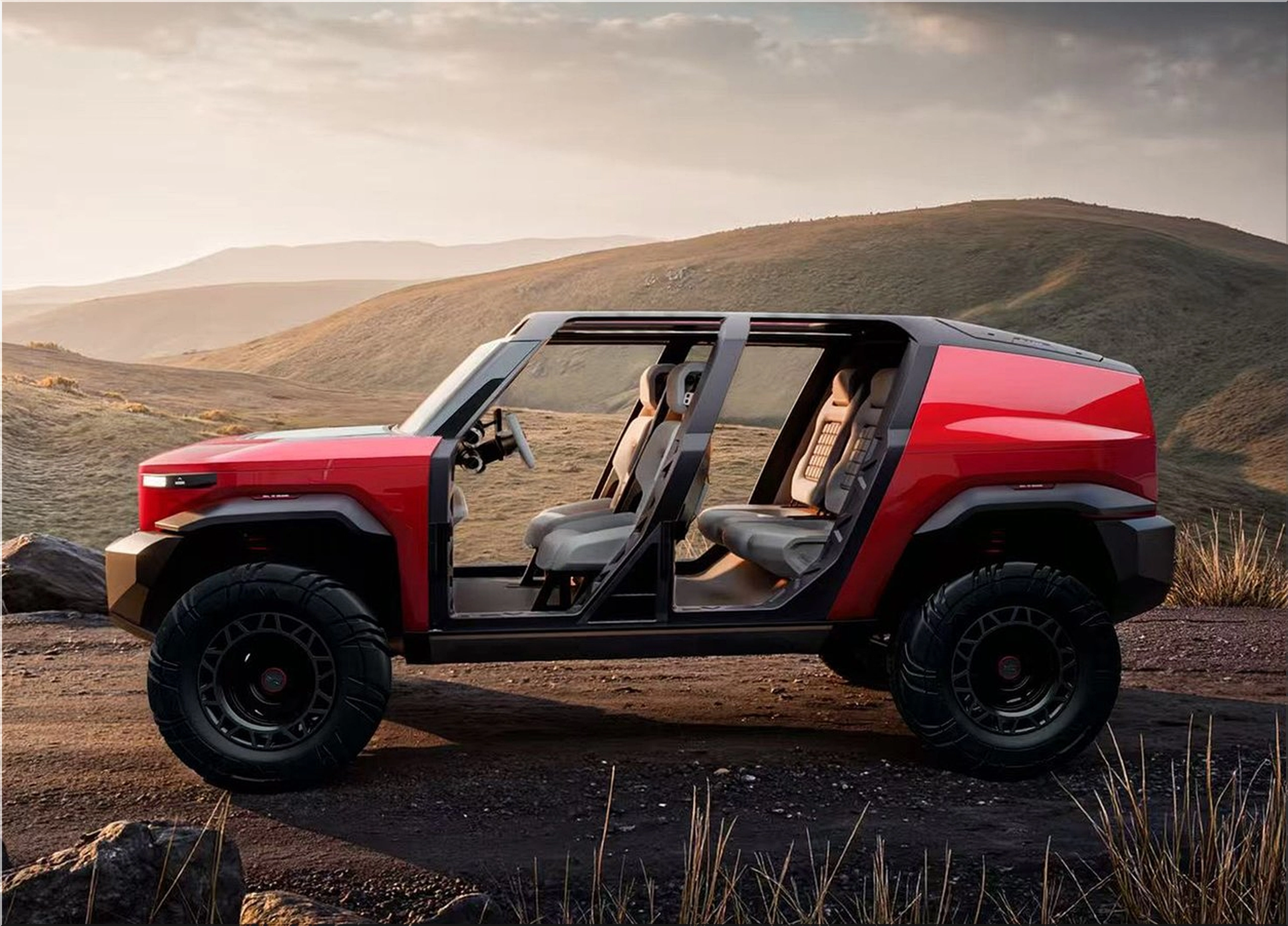
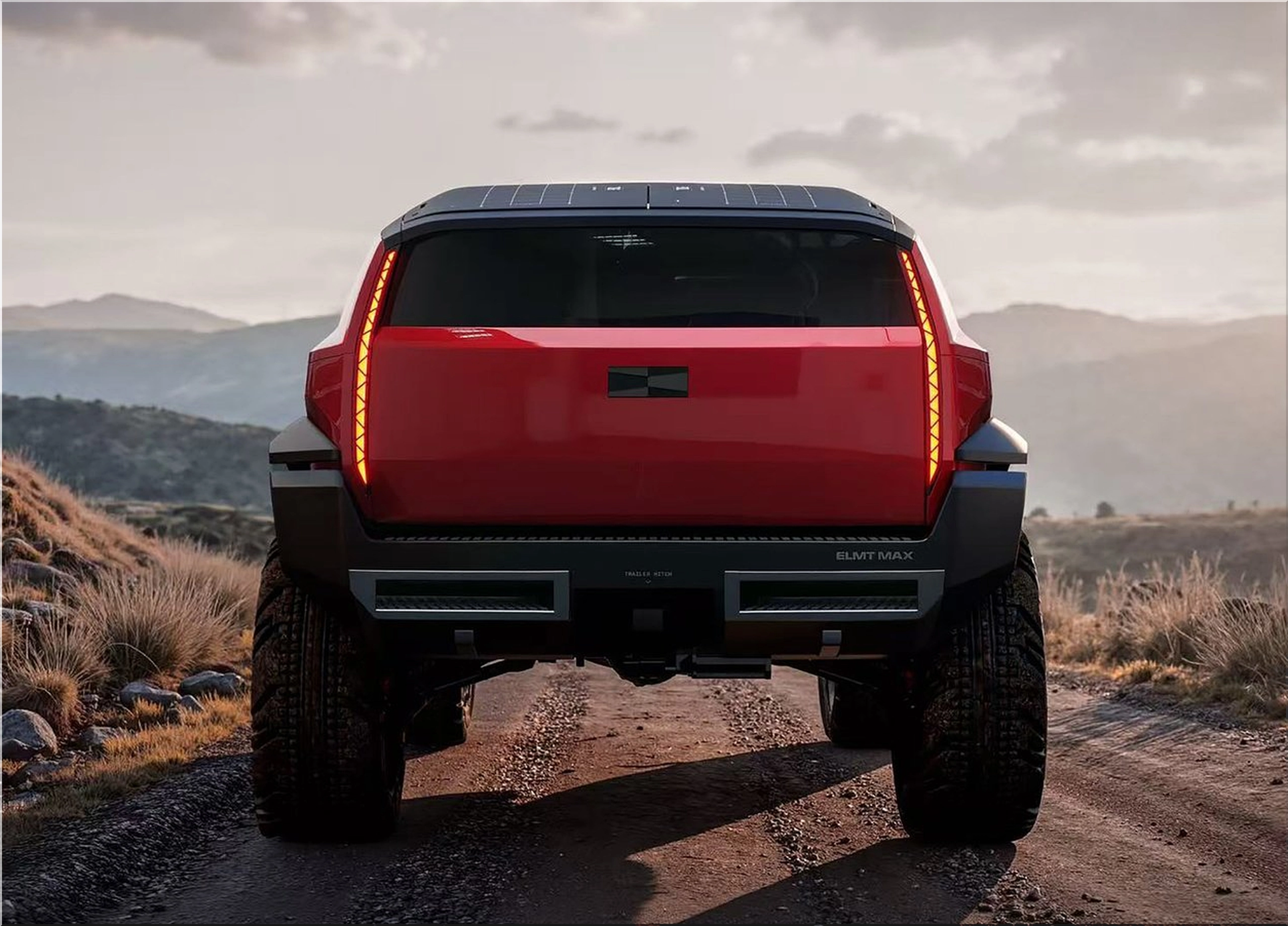
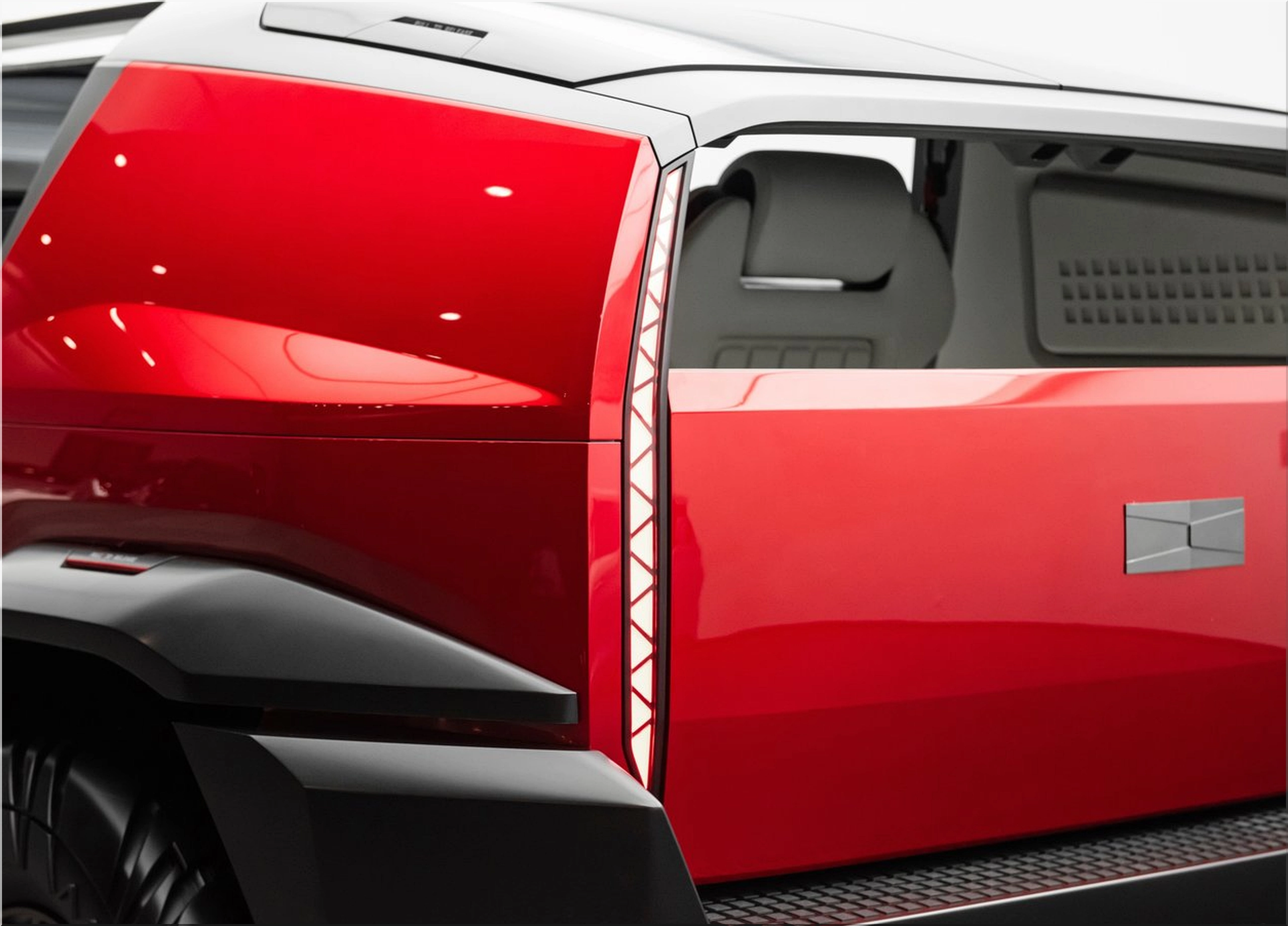
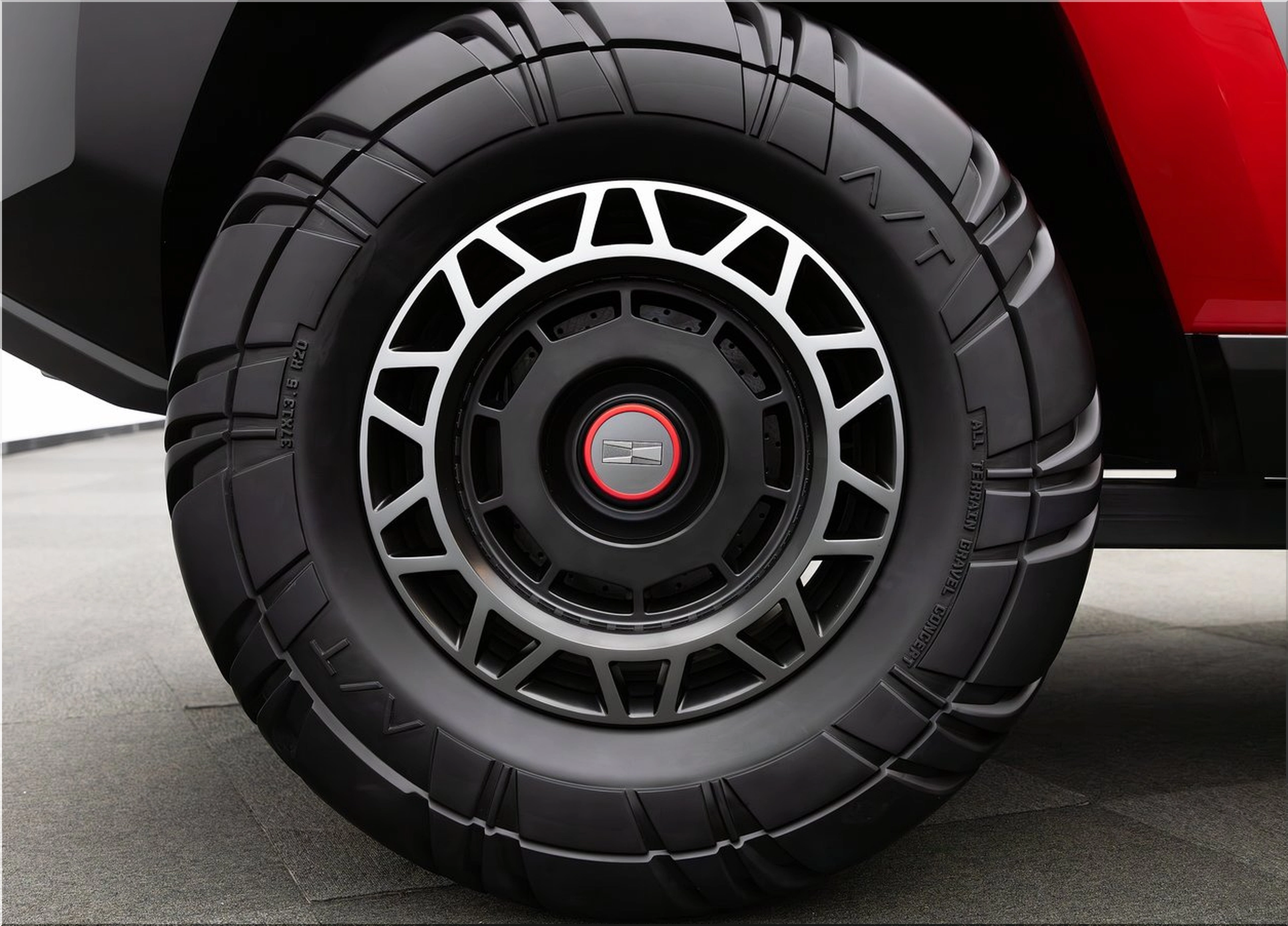
The BAIC Beijing Off-road ELMT Max uses upright proportions that favor visibility and approach angles. Short front and rear overhangs support off-road clearance. Large-diameter wheels wrapped in aggressive all-terrain tires suggest real trail intent rather than cosmetic toughness.
Design elements stay purpose-driven:
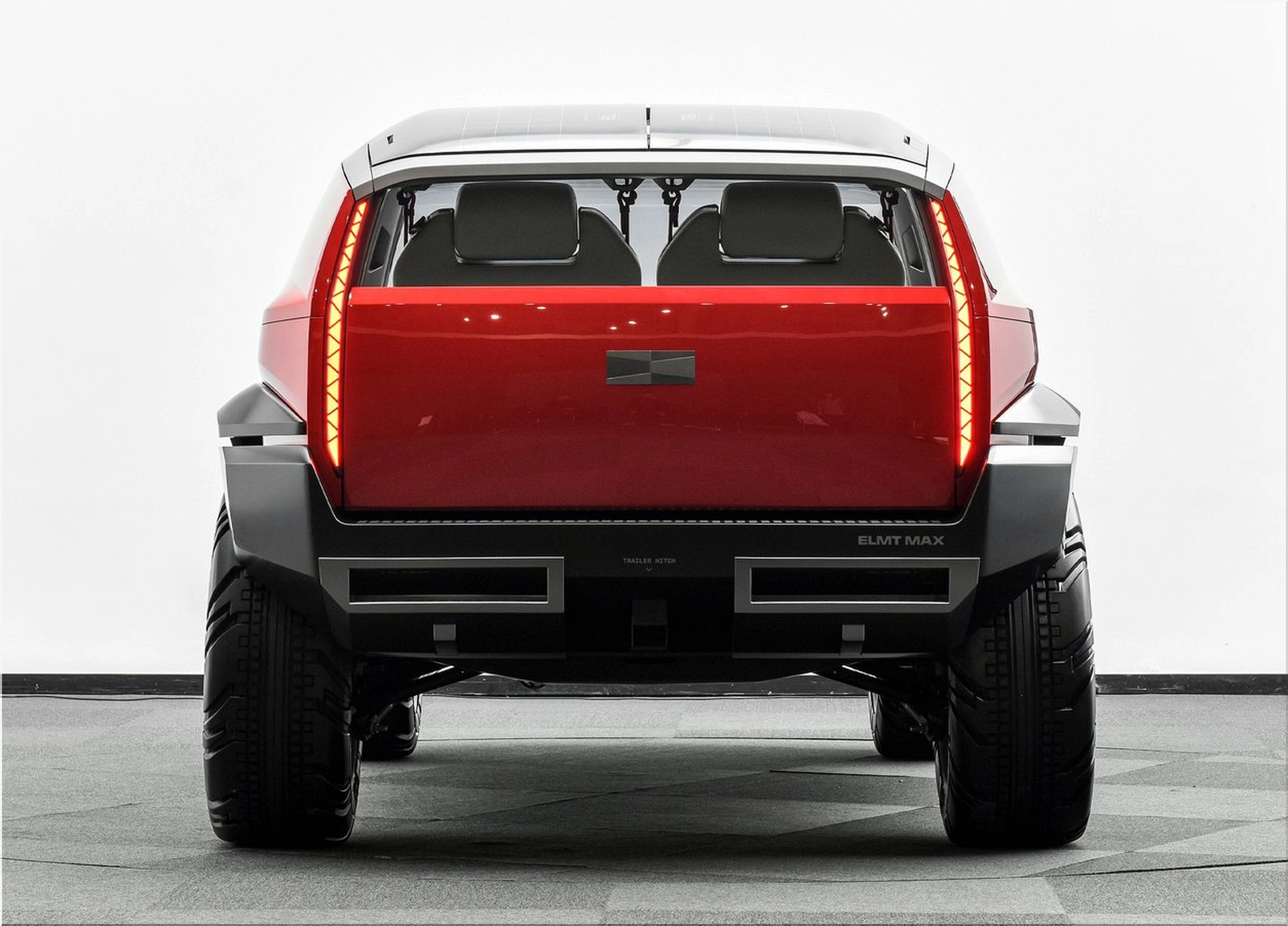
- Flat, replaceable body panels for rapid repair
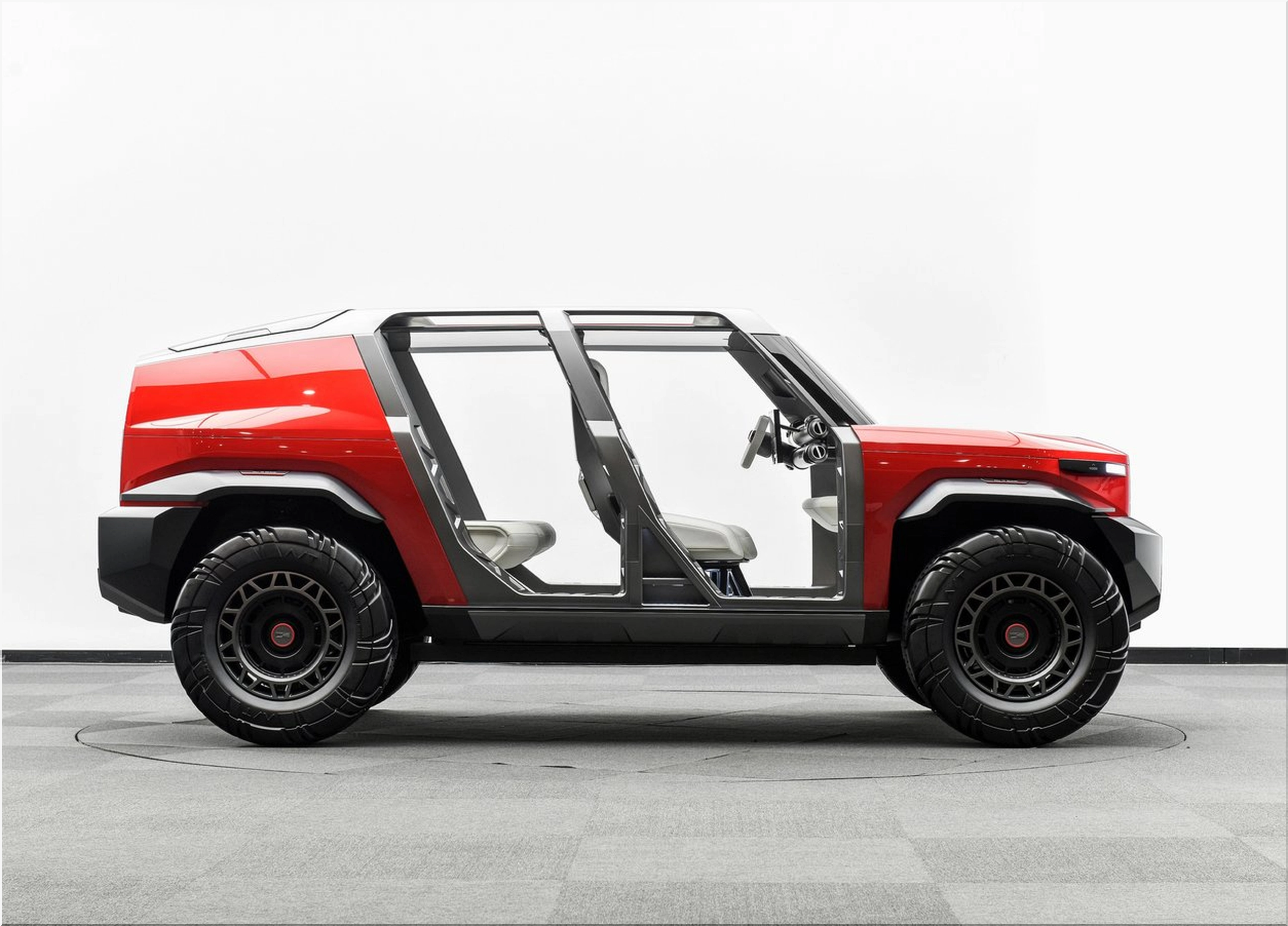
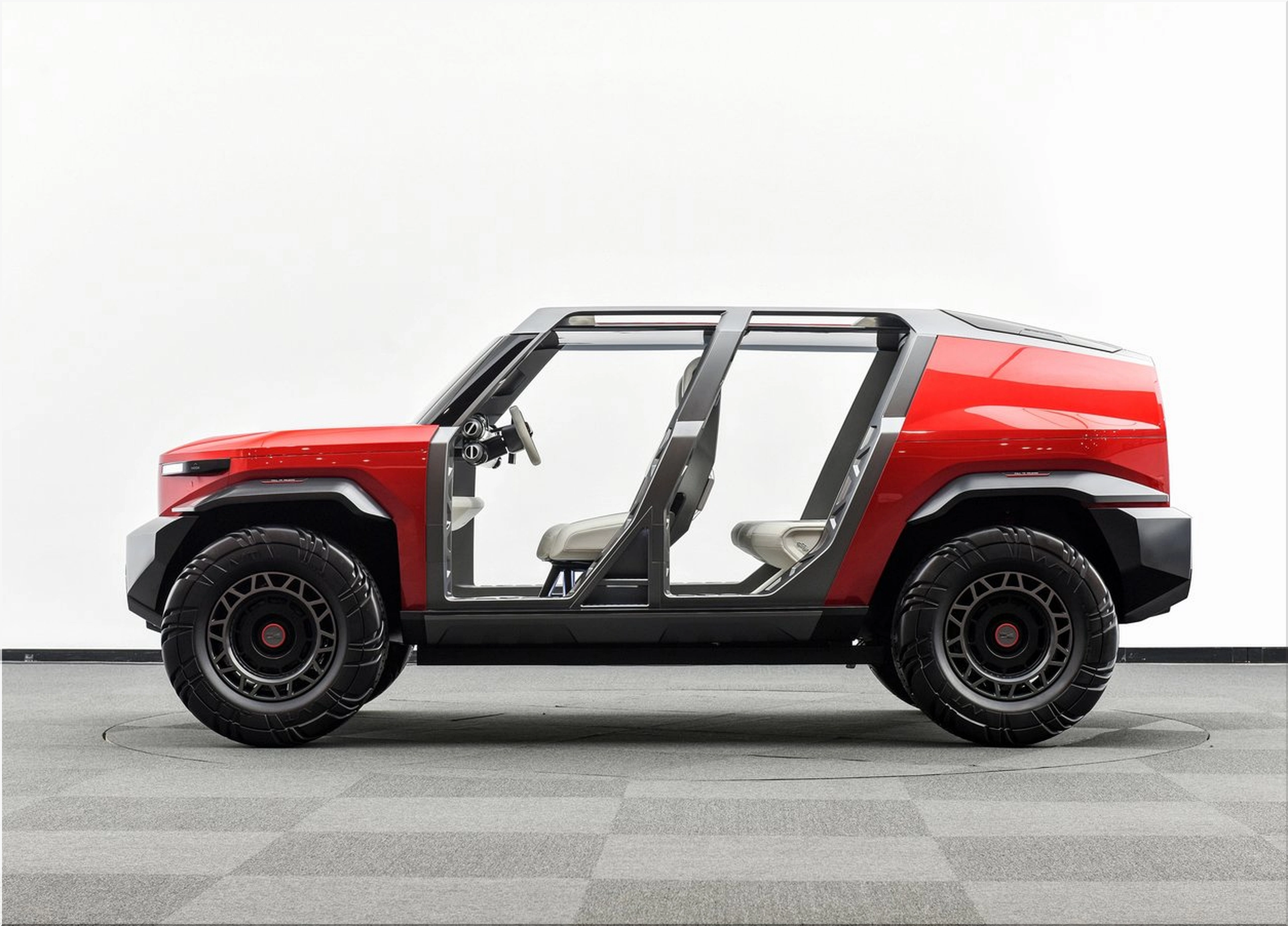
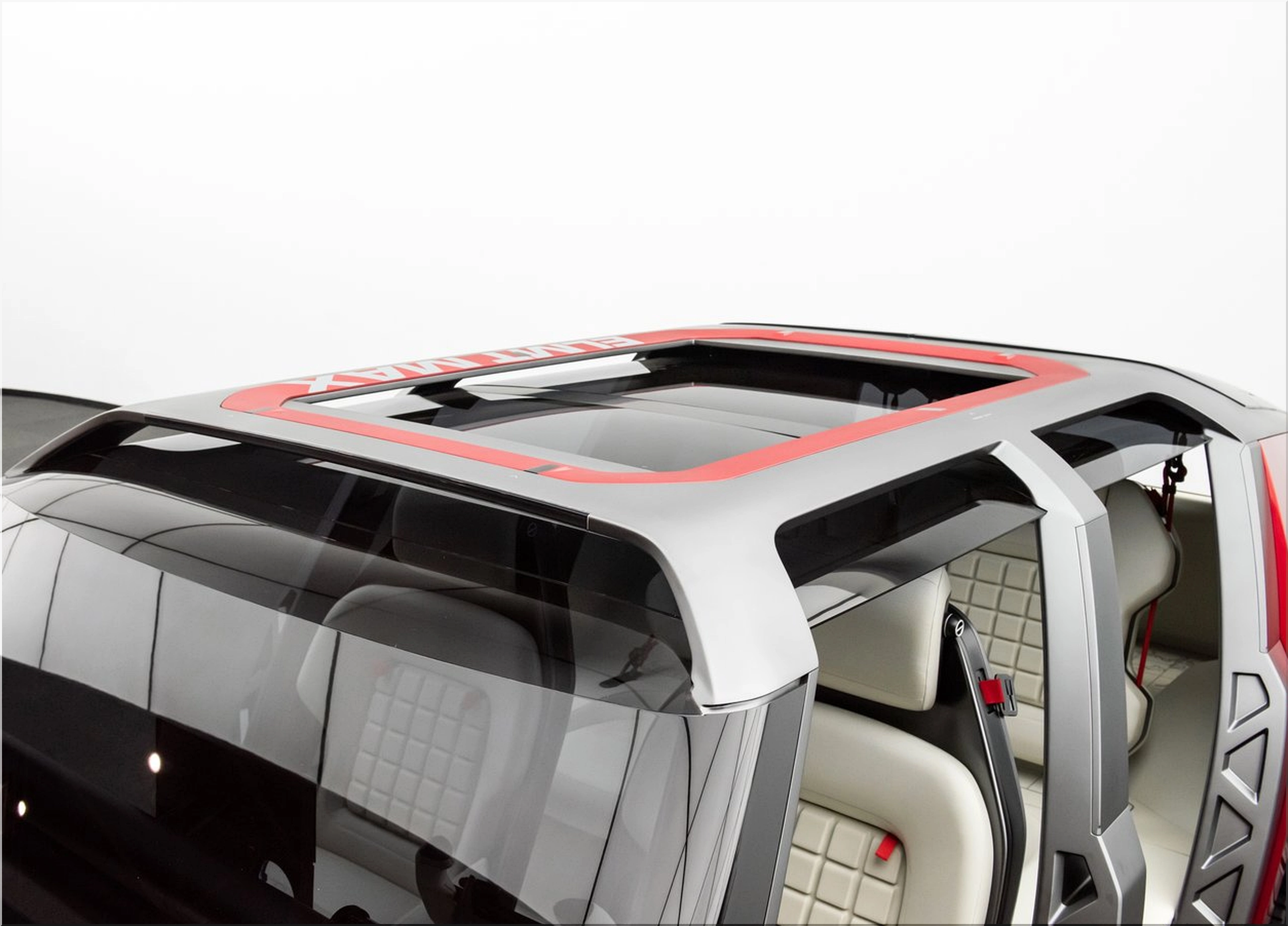
- Detachable doors and roof sections
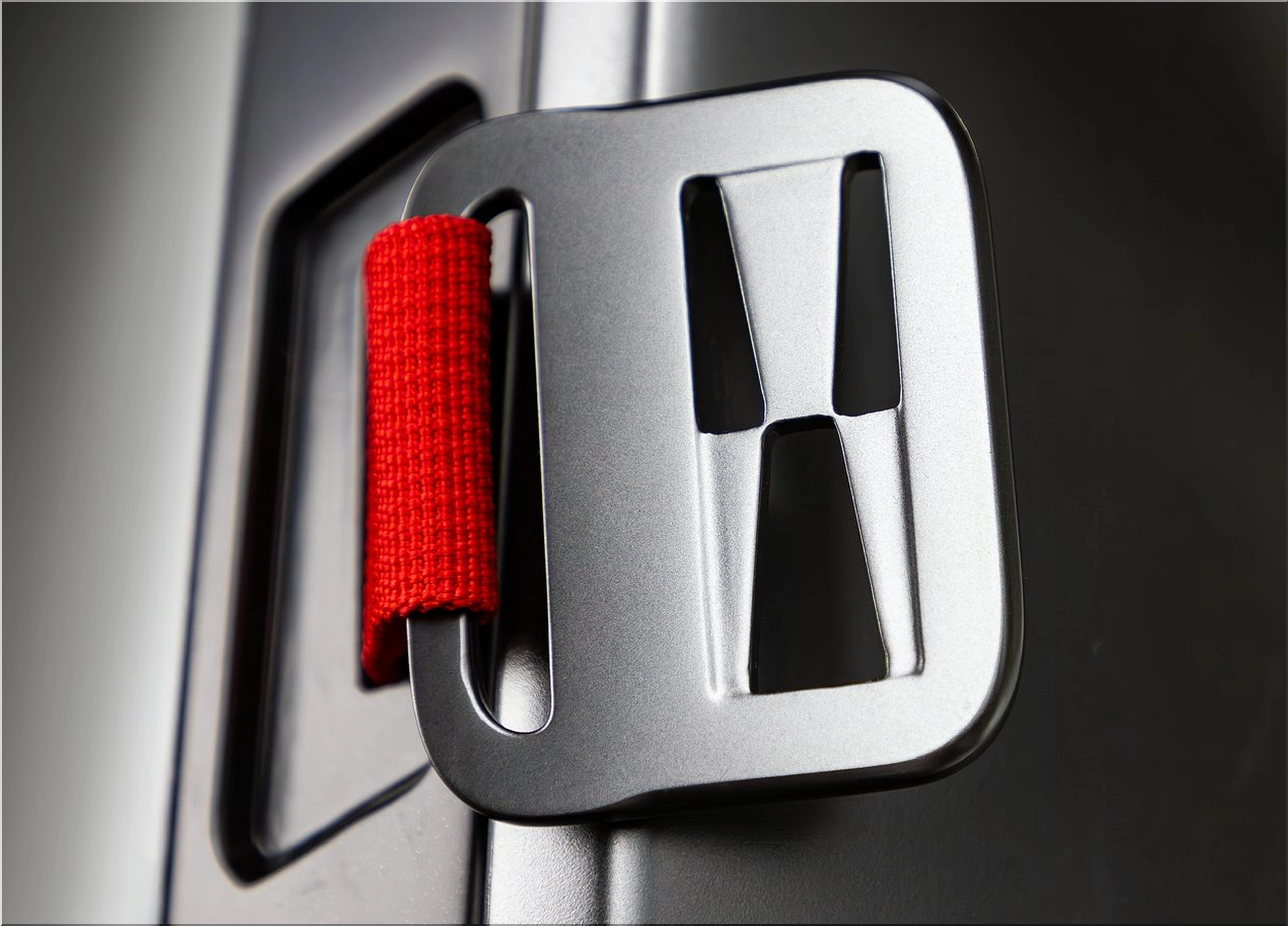
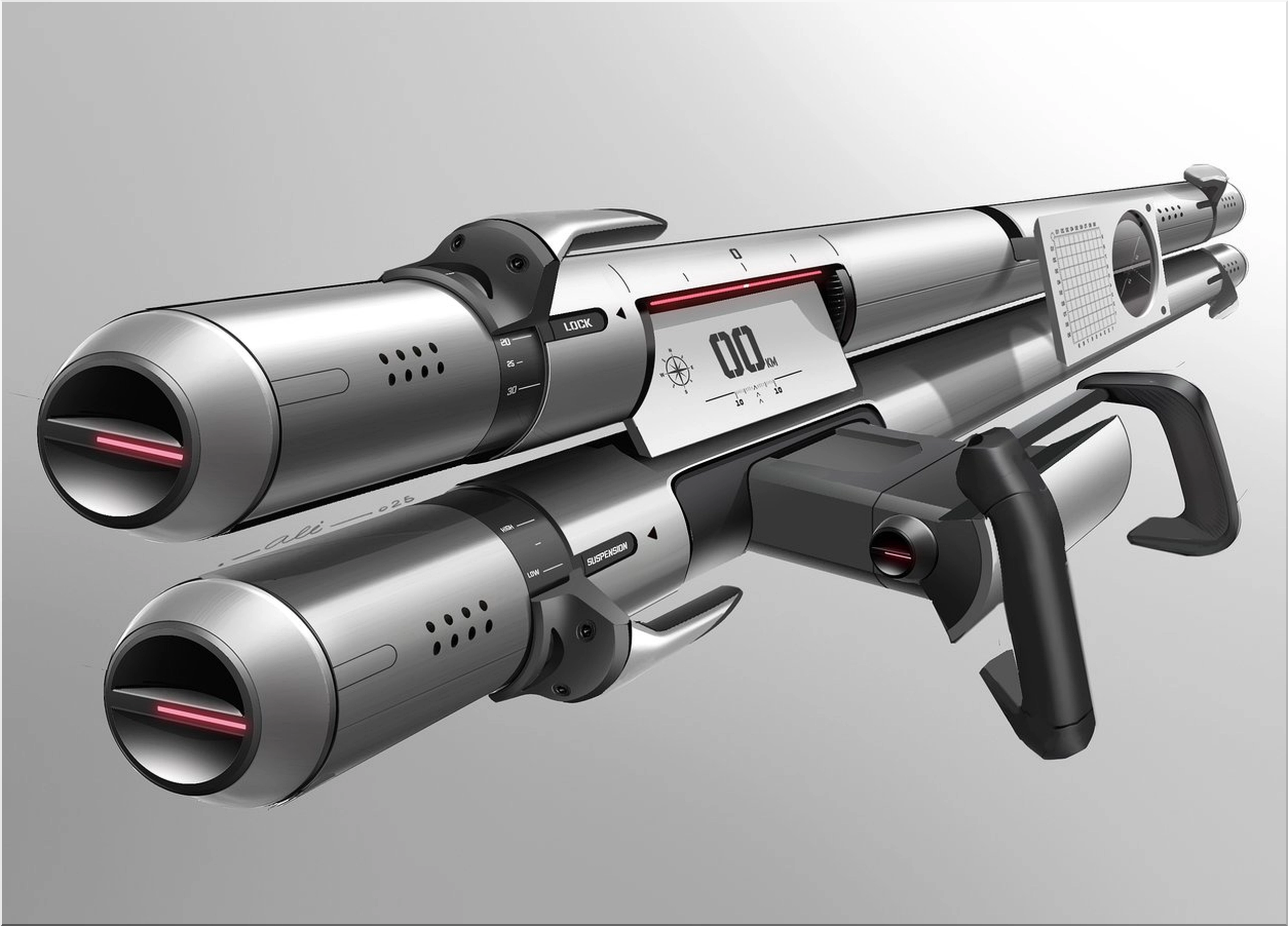
- Exposed structural rails integrated into the body
- Wide track width for stability on uneven terrain
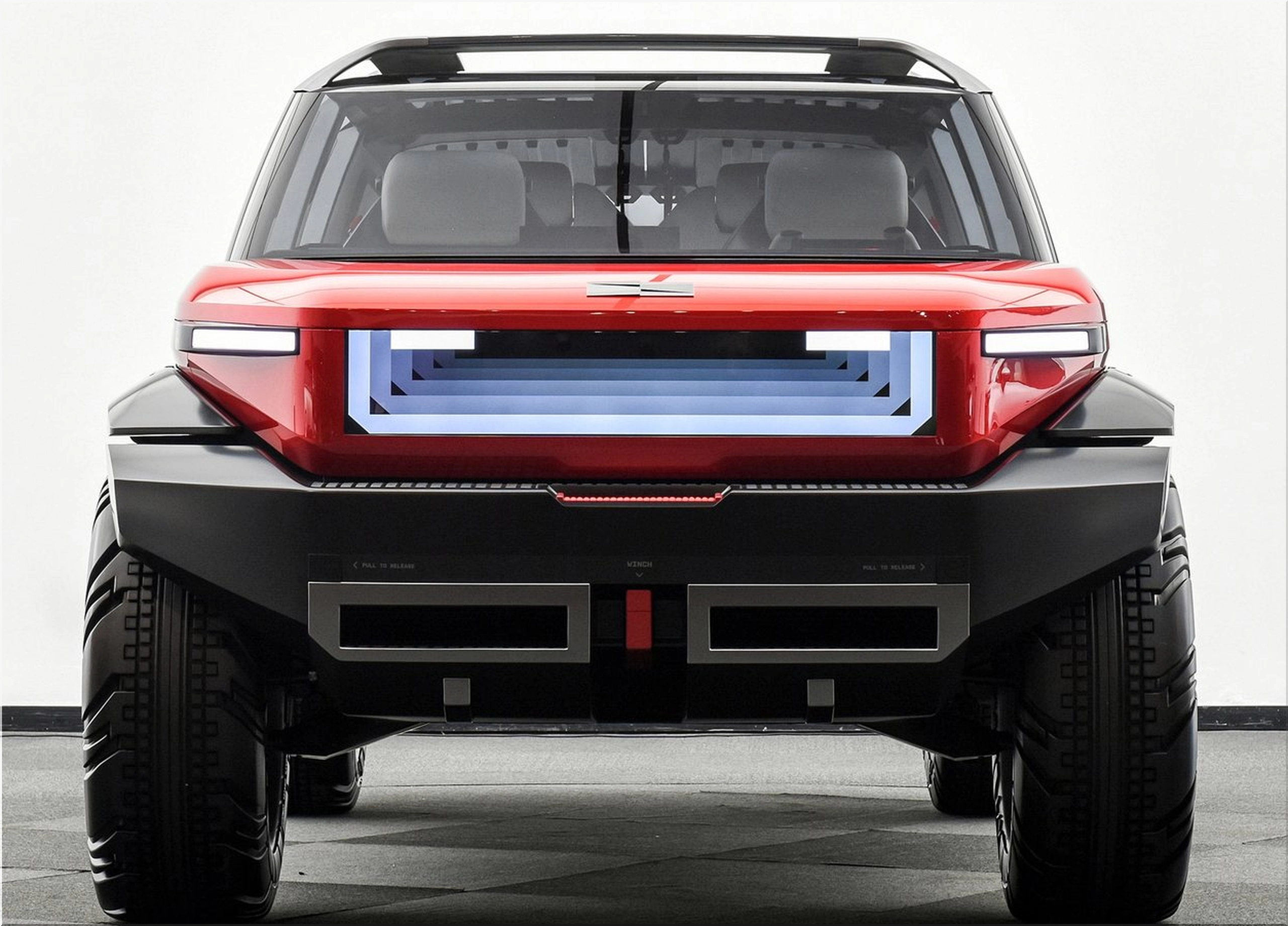
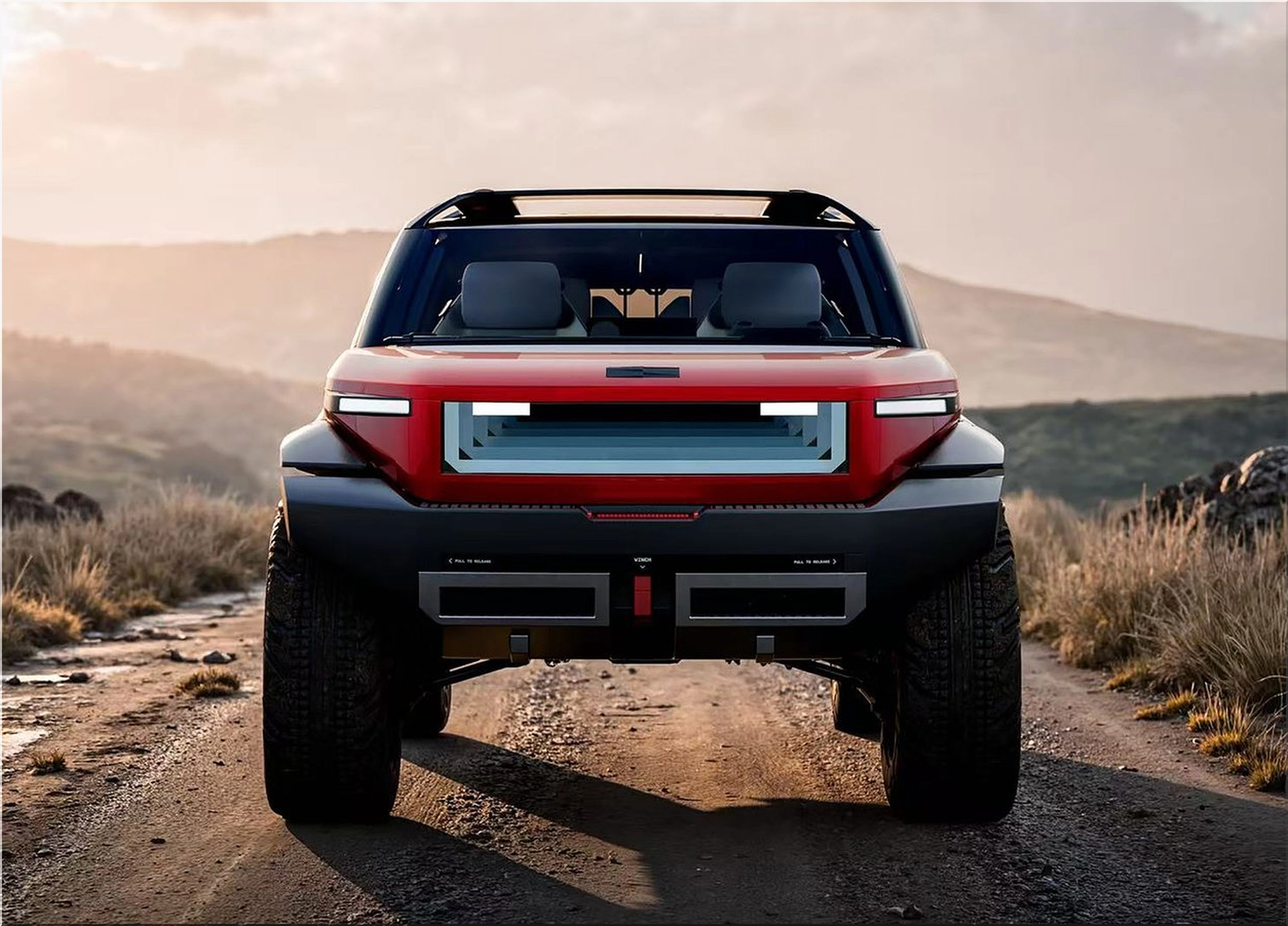
The lighting system uses a full-width LED signature integrated into the grille structure. This layout improves visibility while reducing the number of fragile exterior components.
Every exterior element appears designed to survive contact, vibration, and repeated removal.
Interior Strategy Focuses on Utility
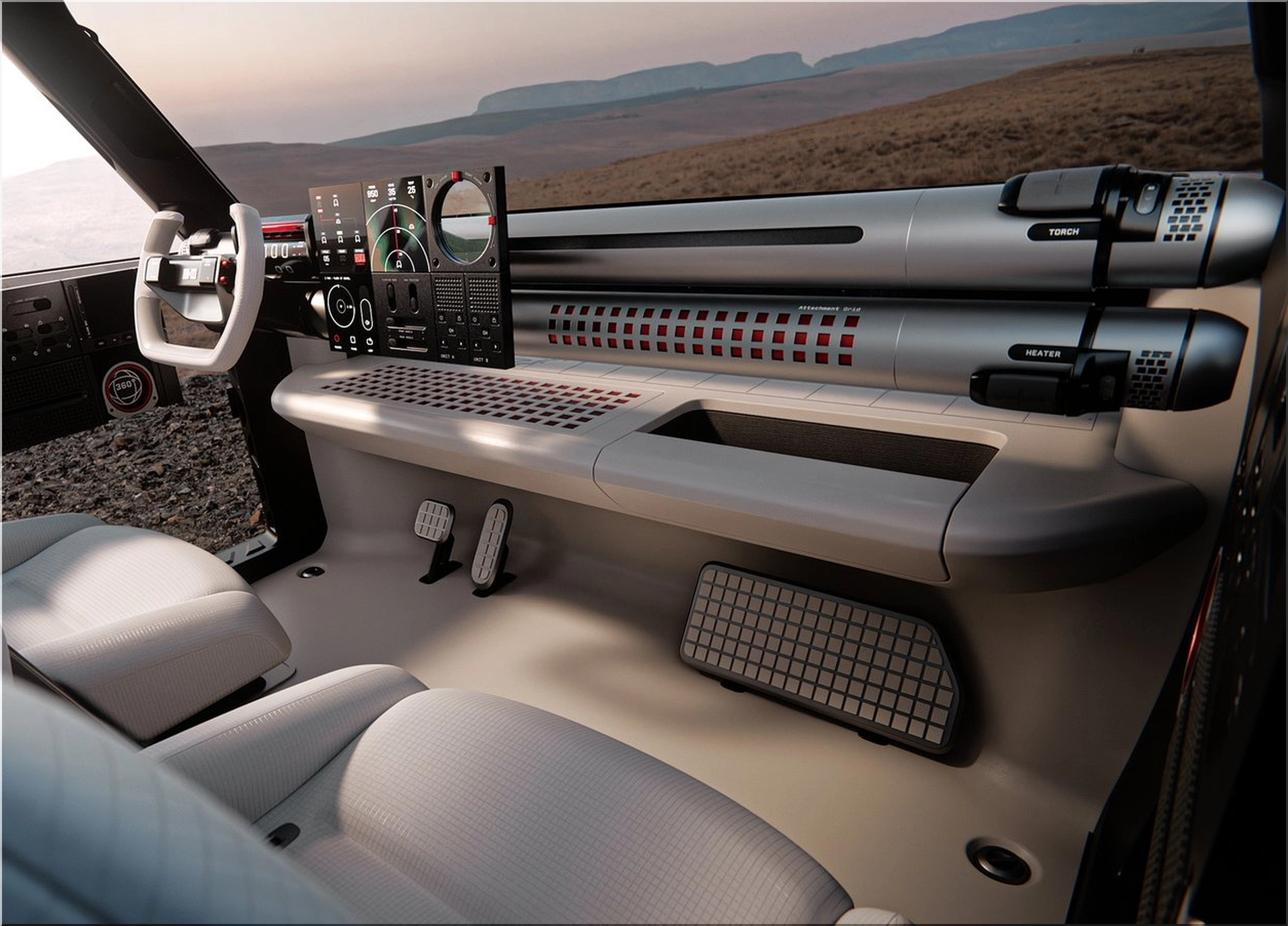
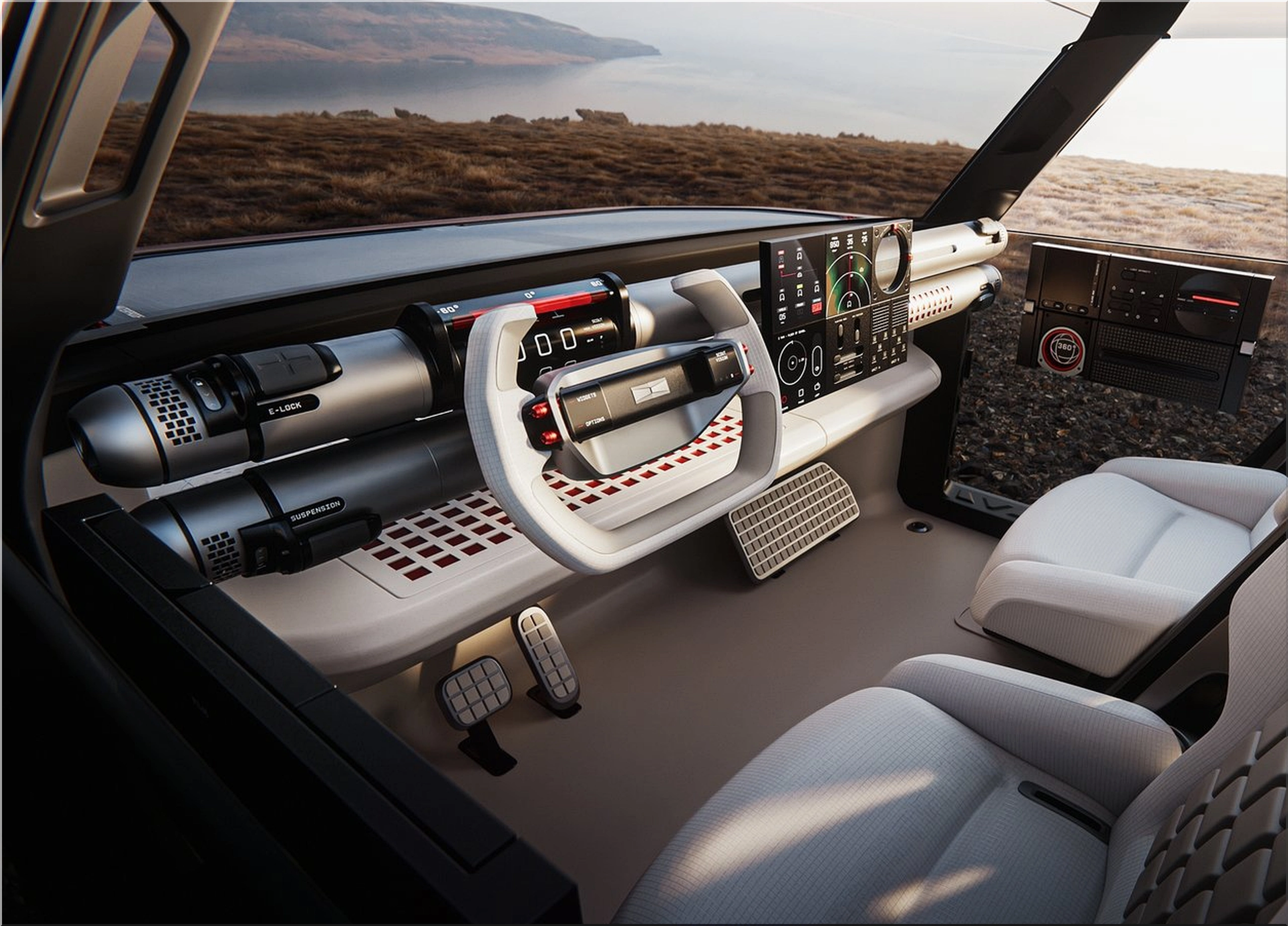
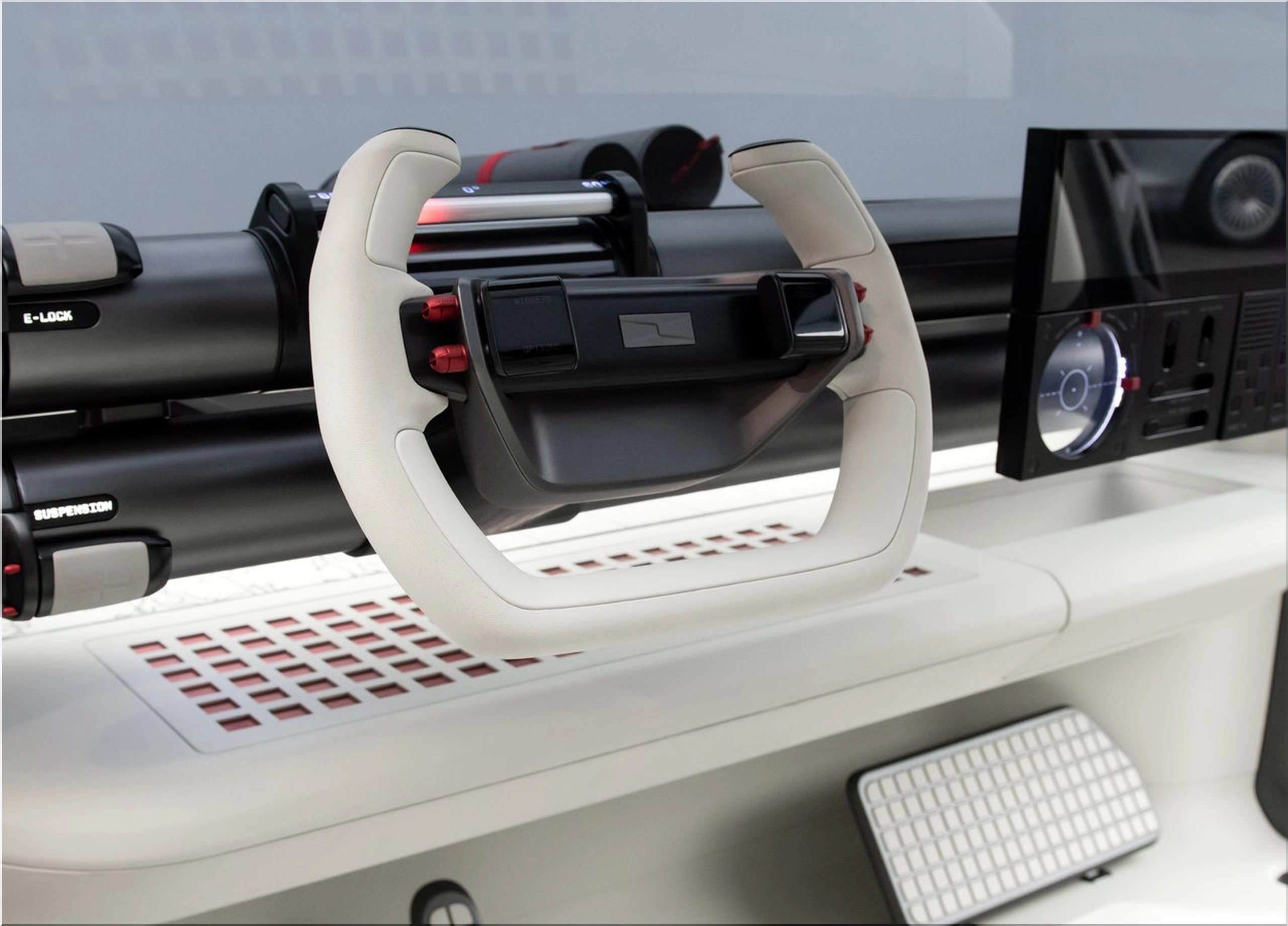
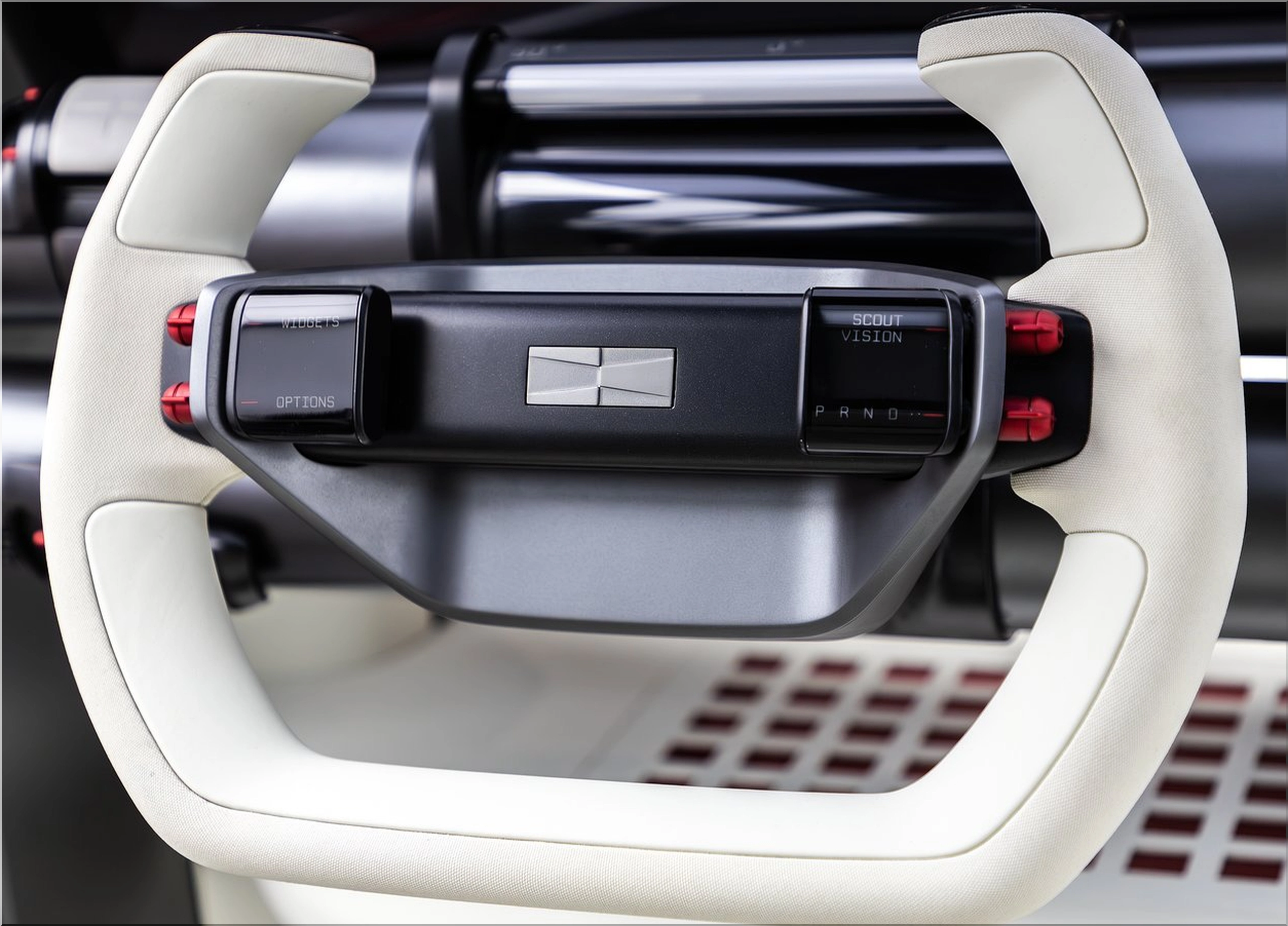
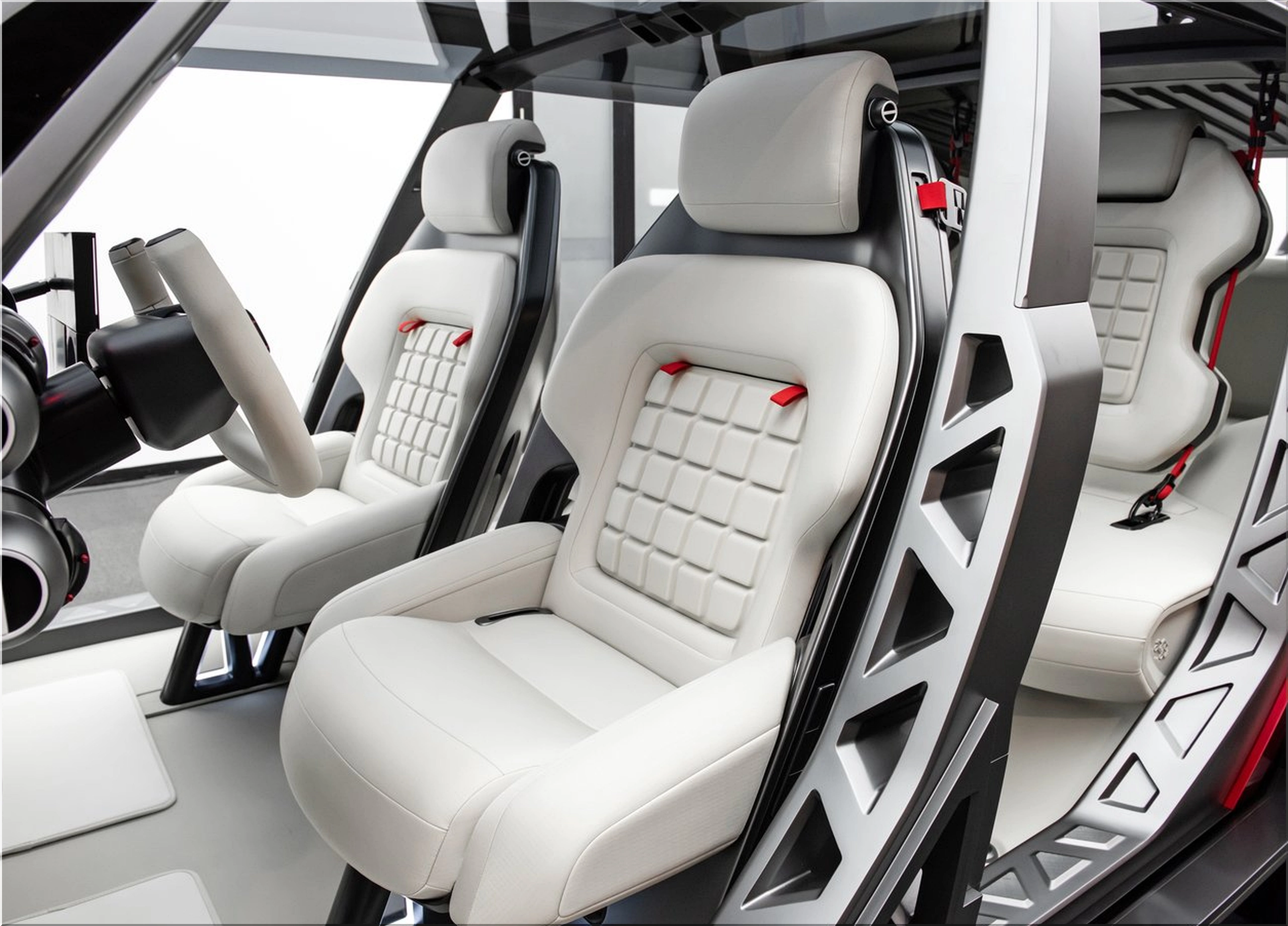
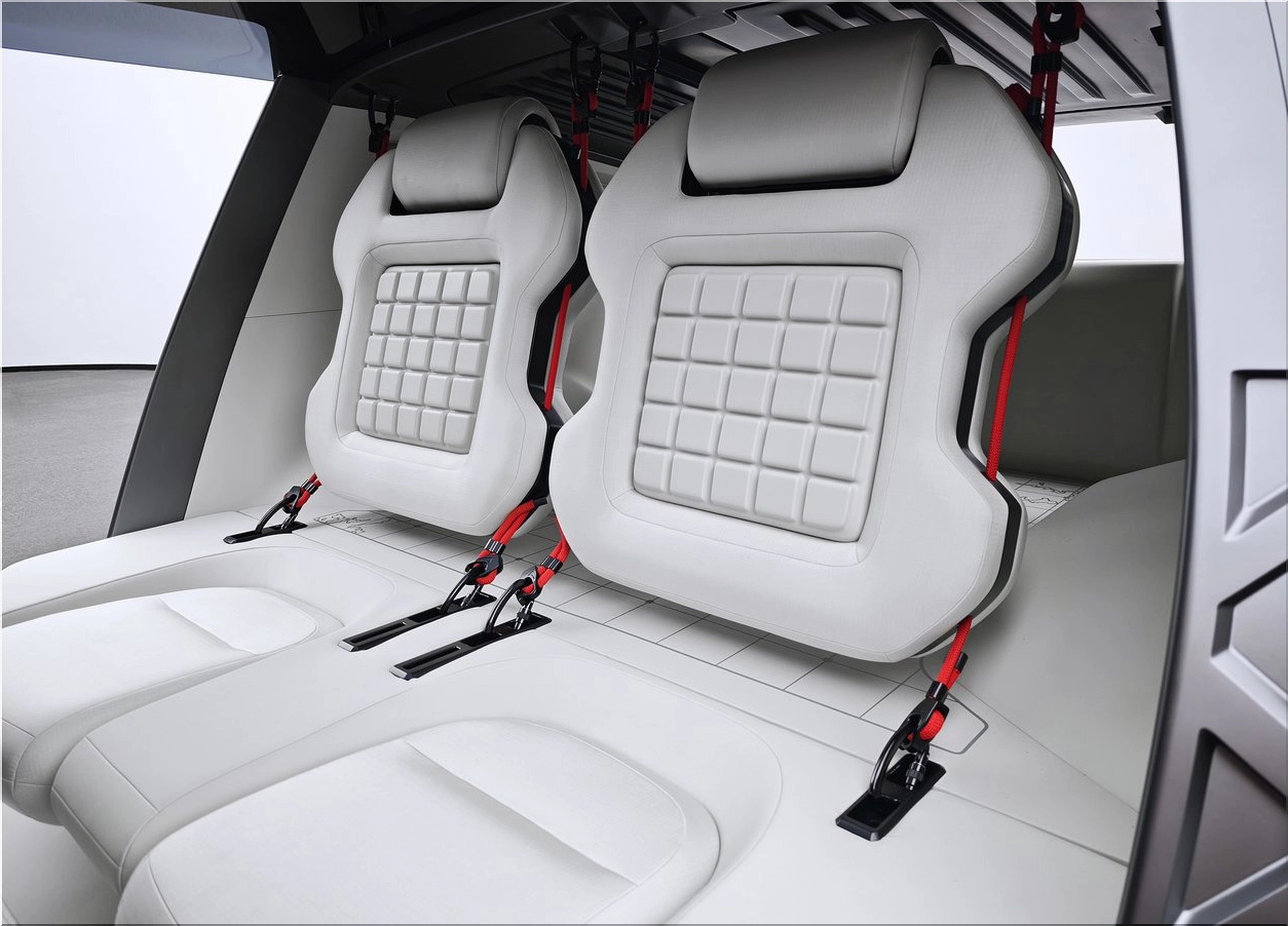
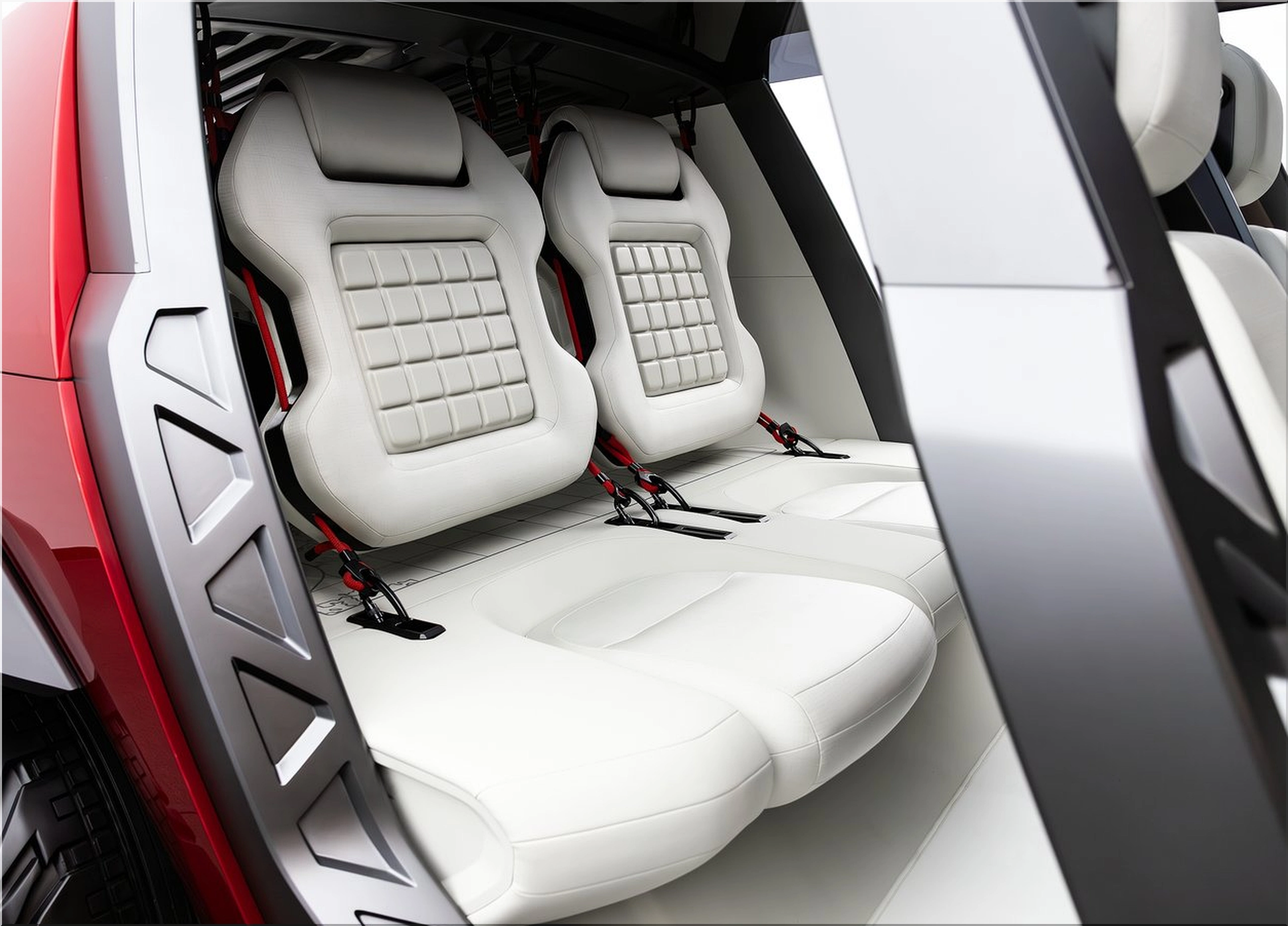
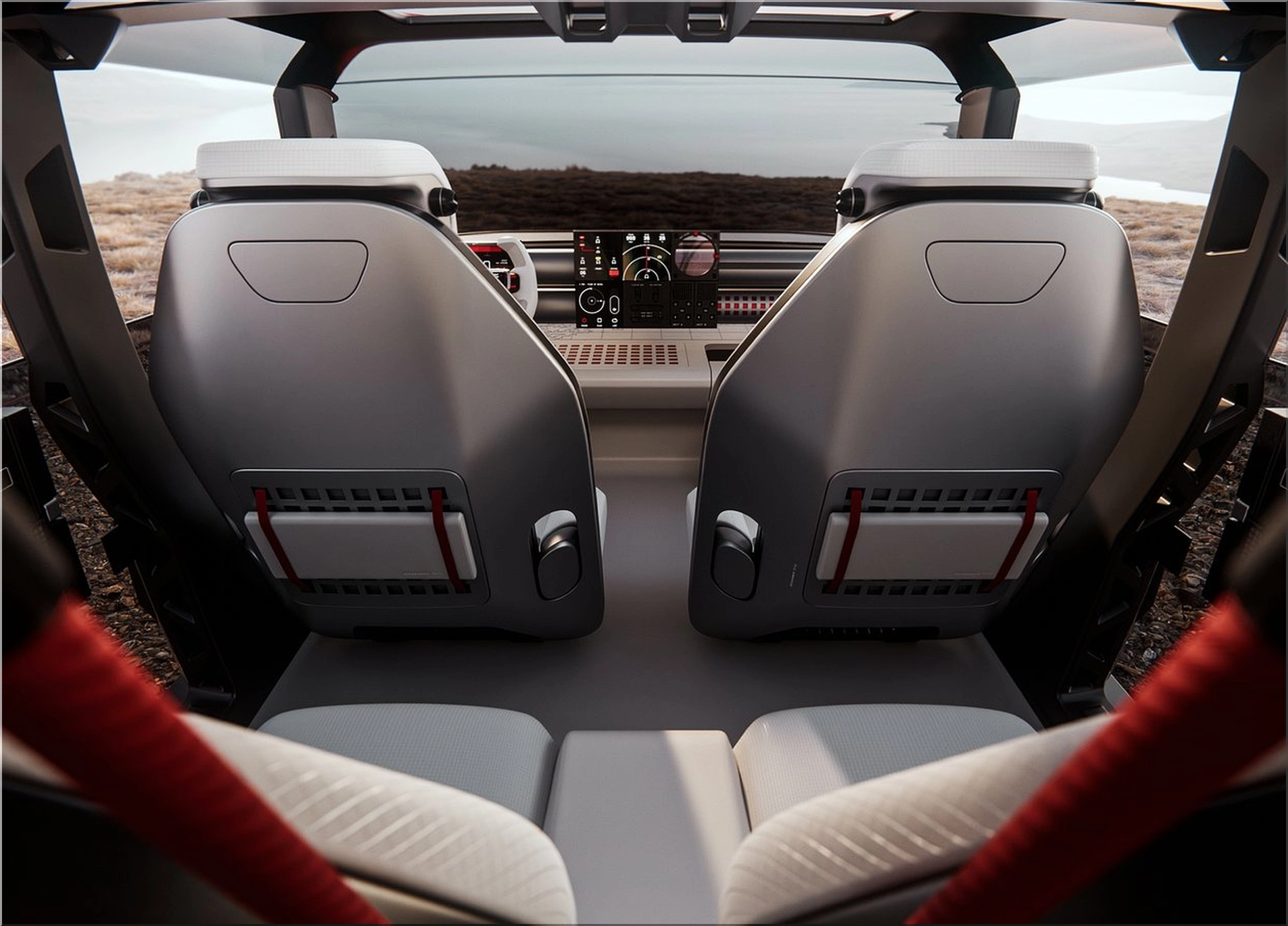
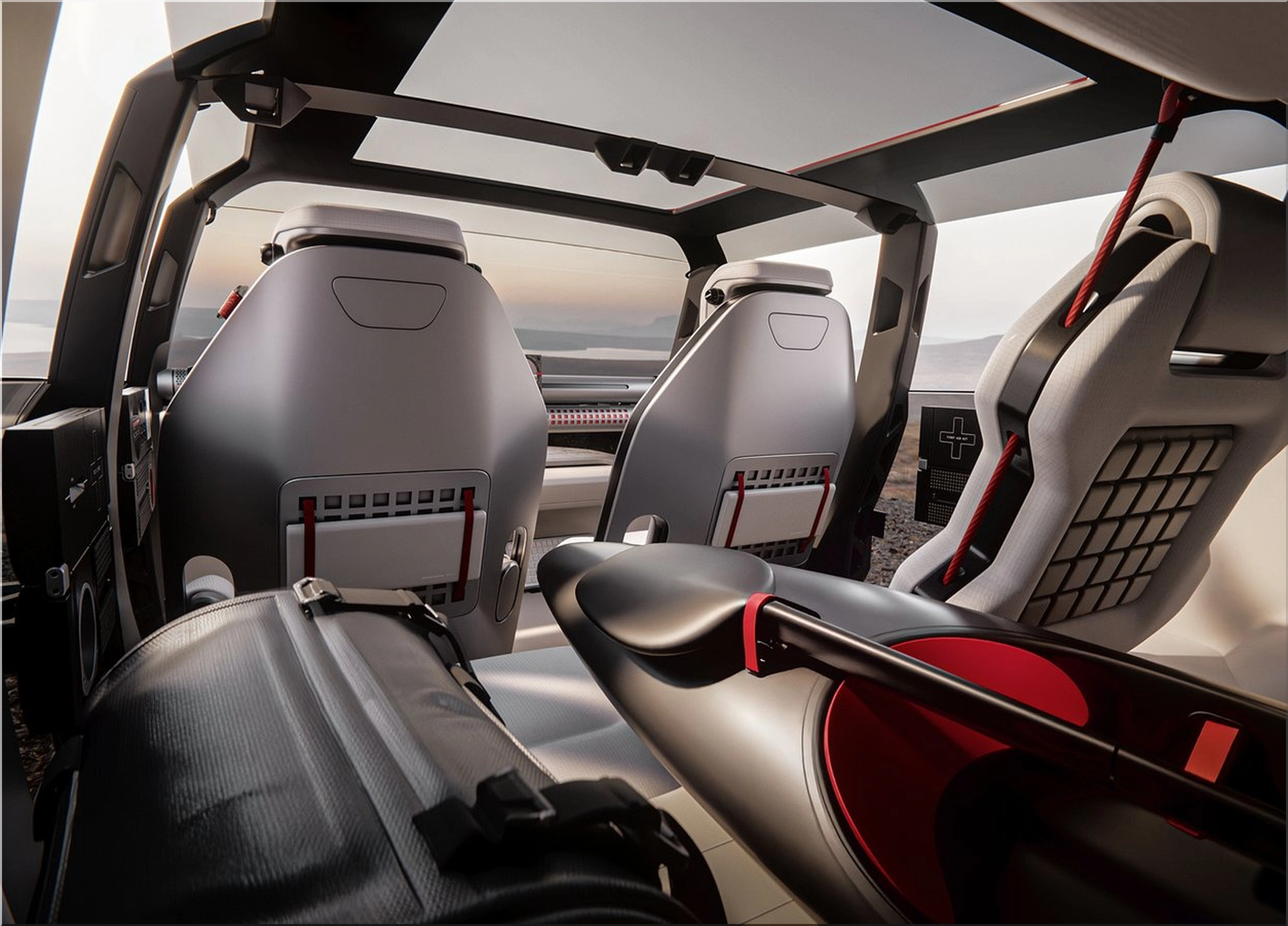
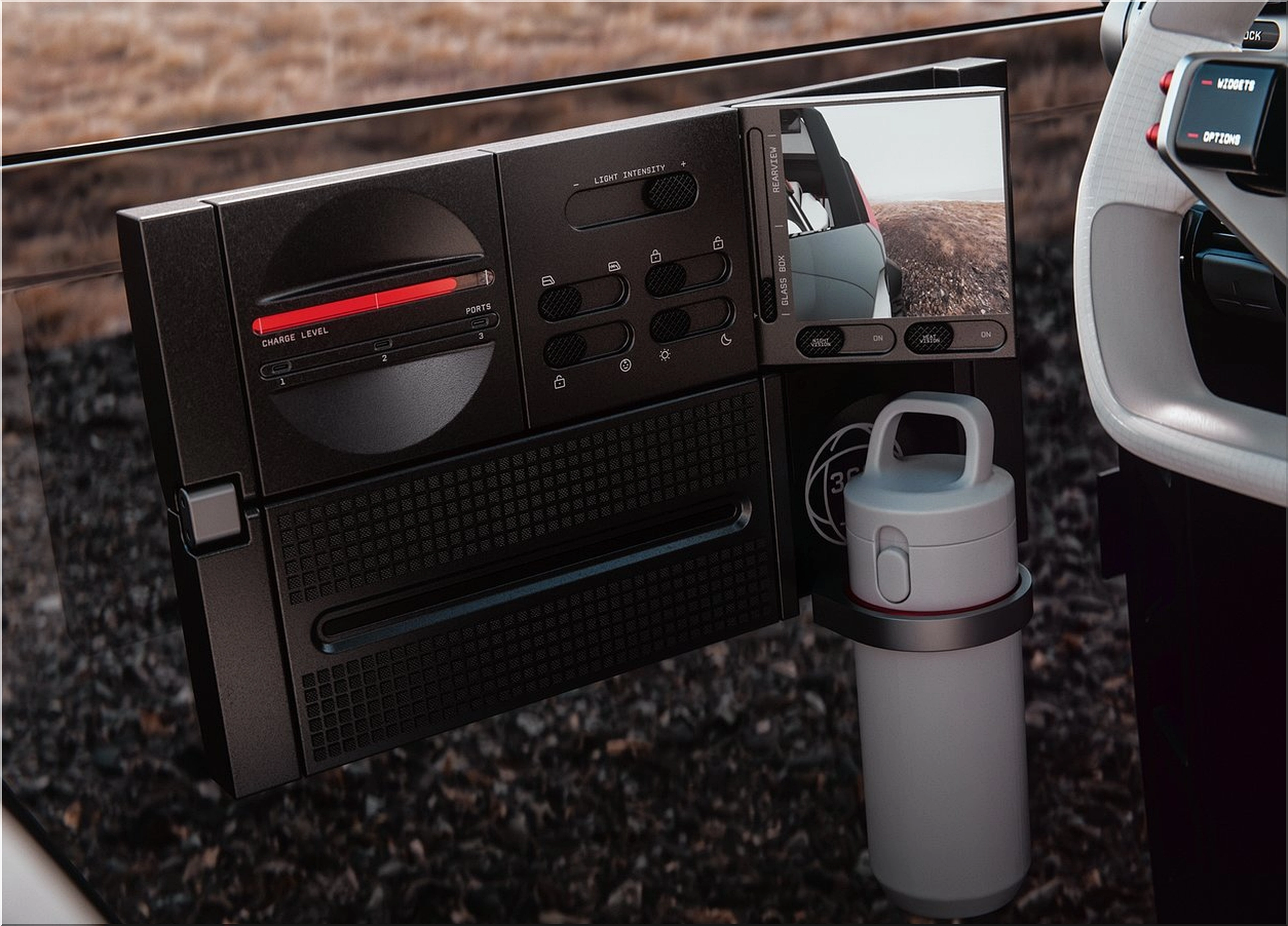
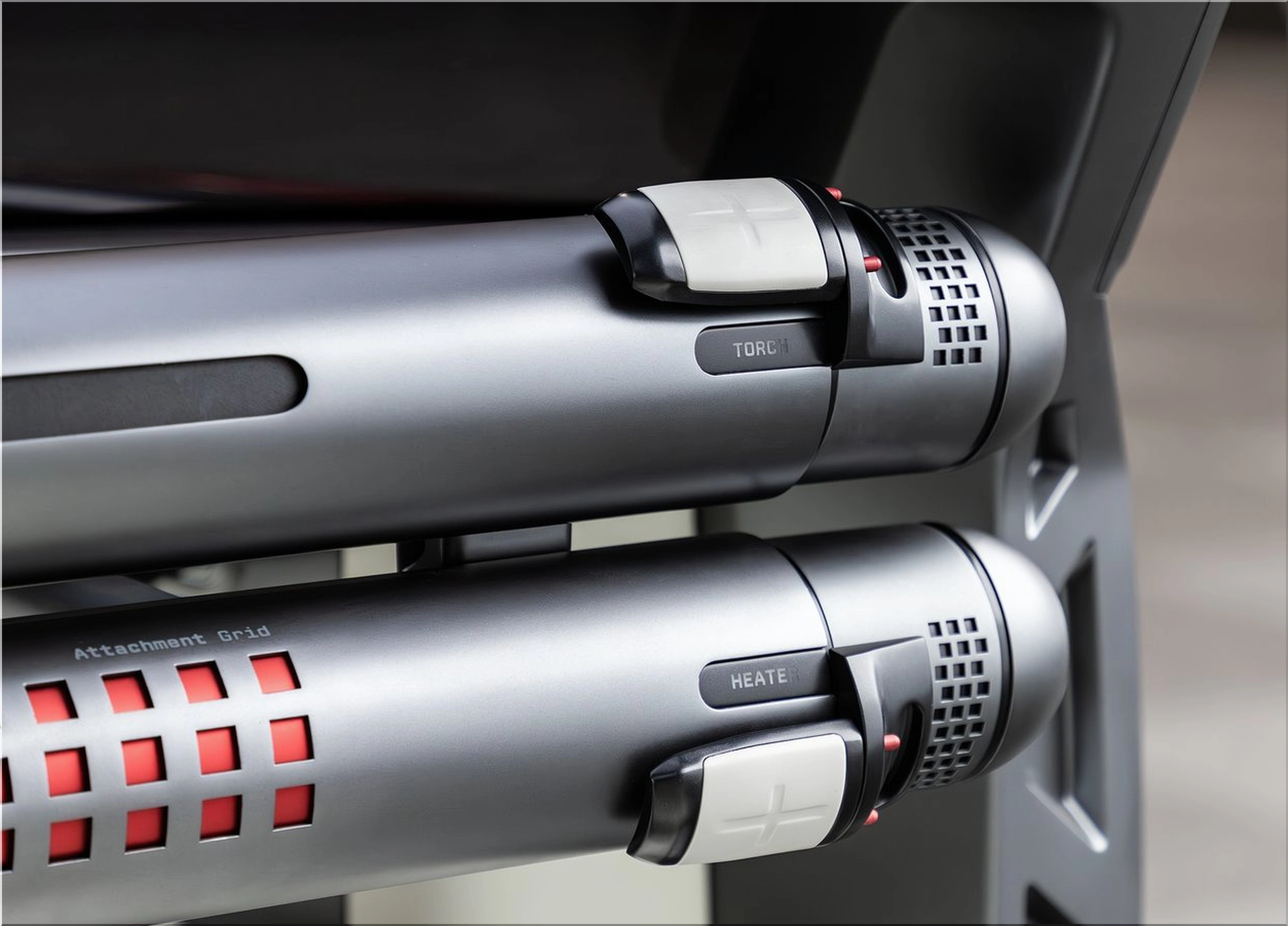
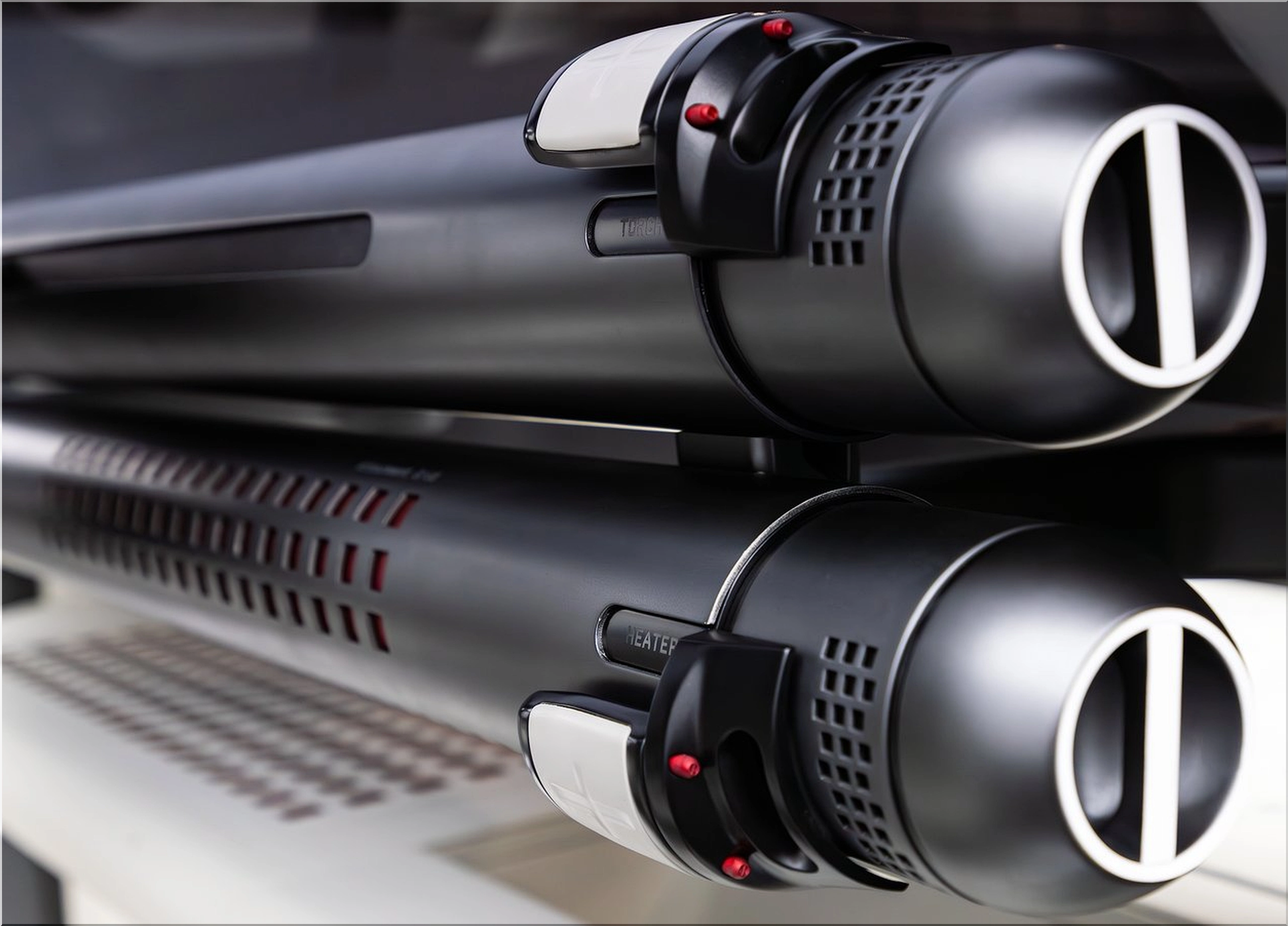
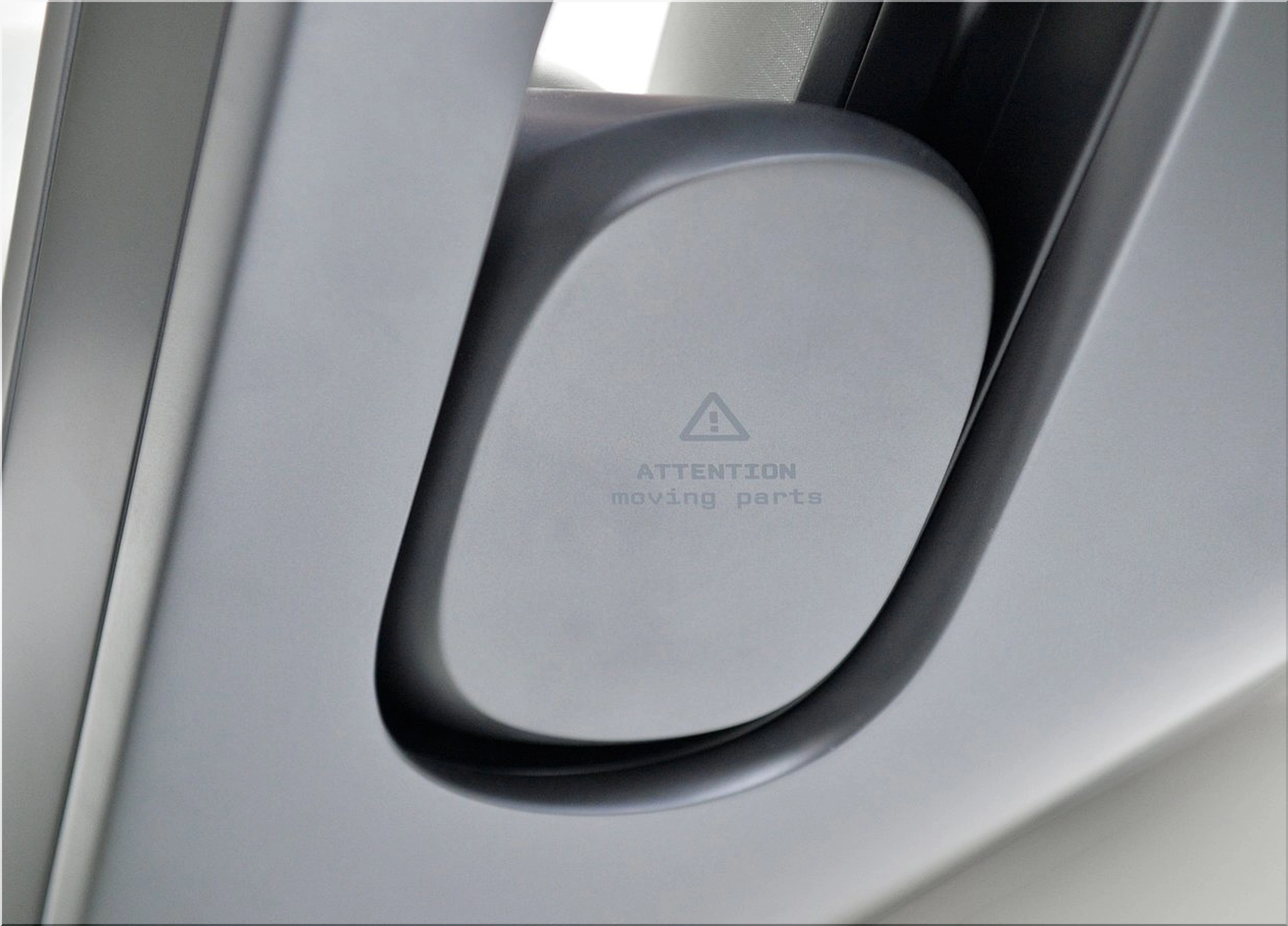
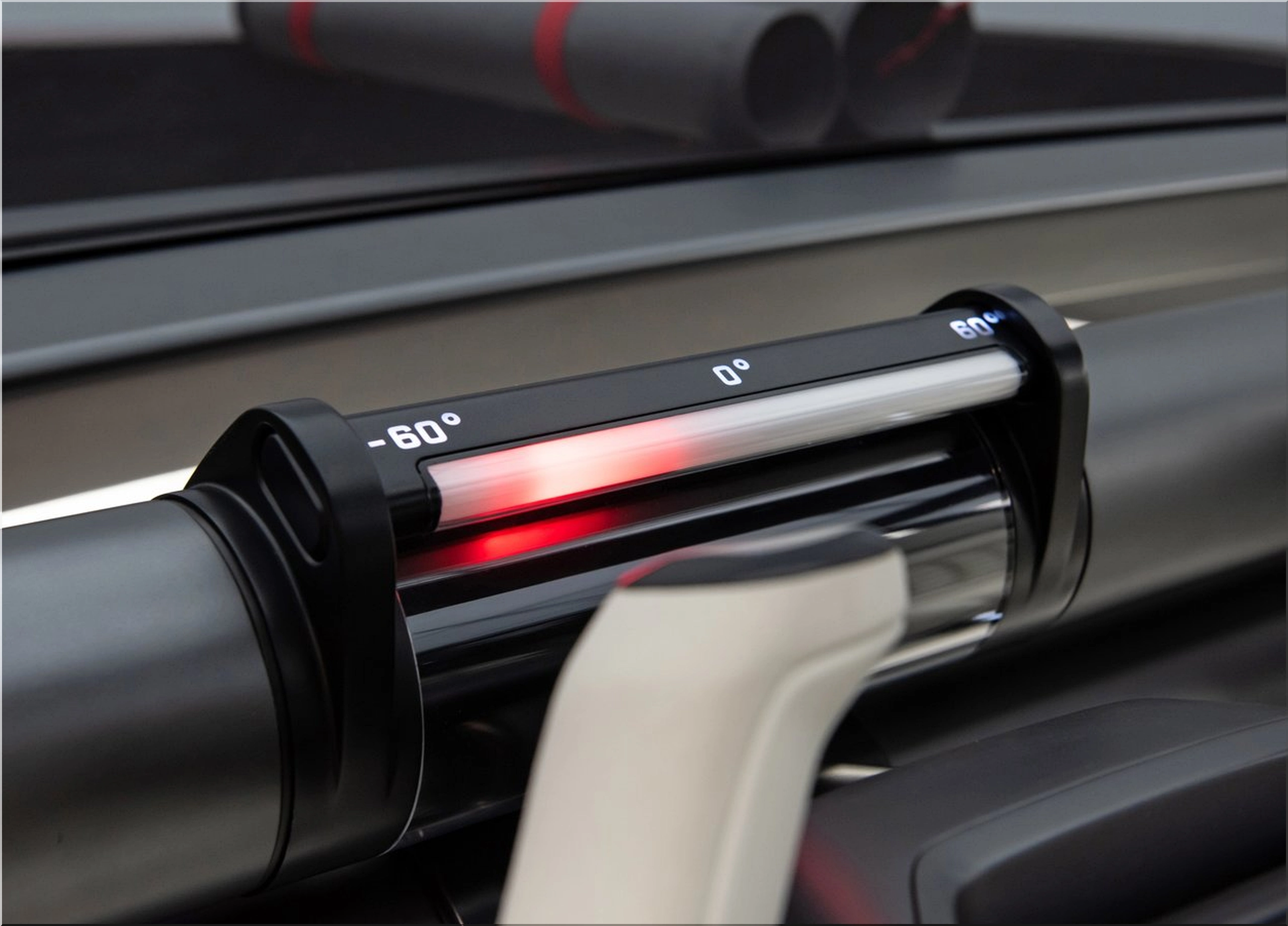
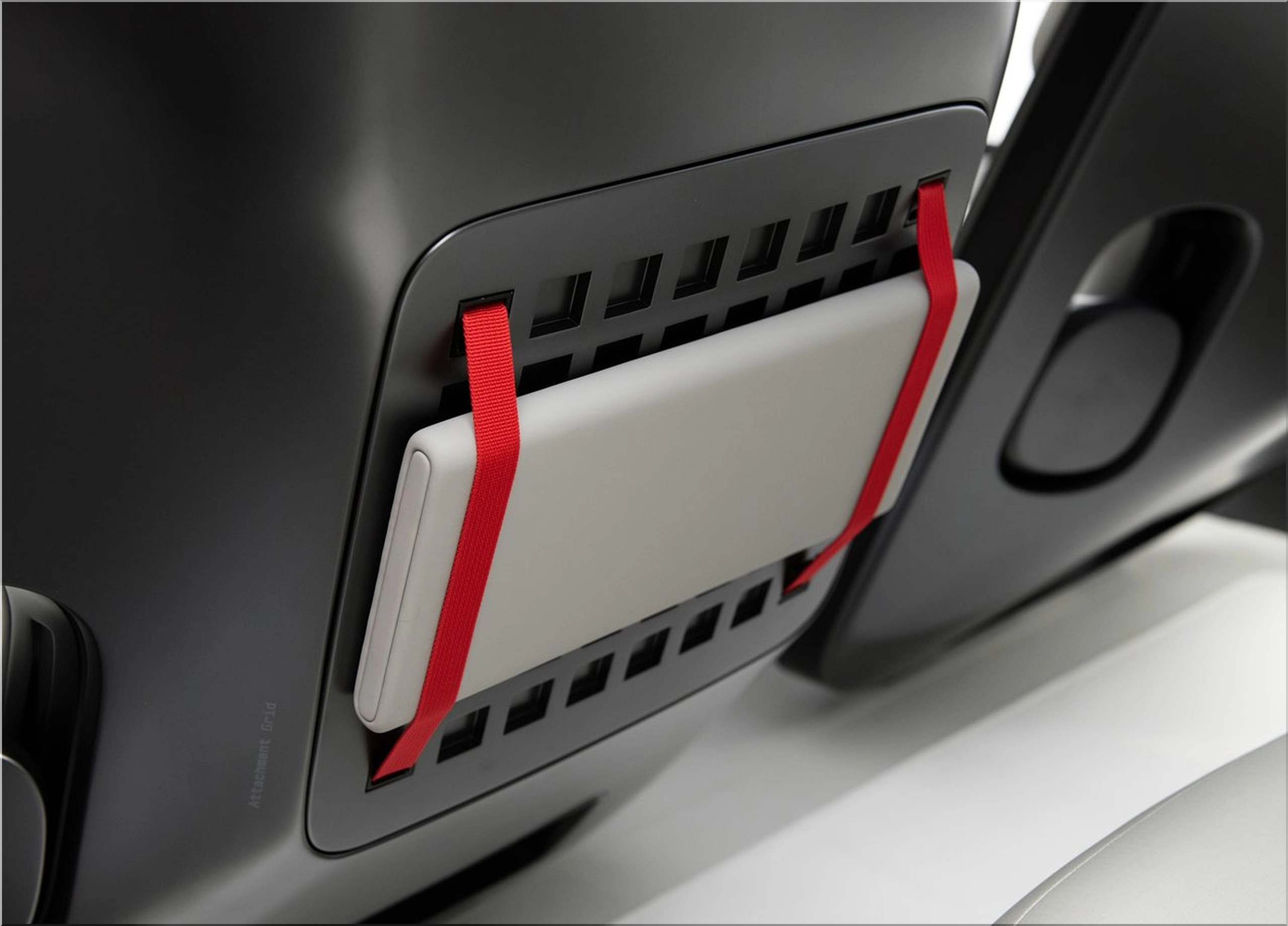
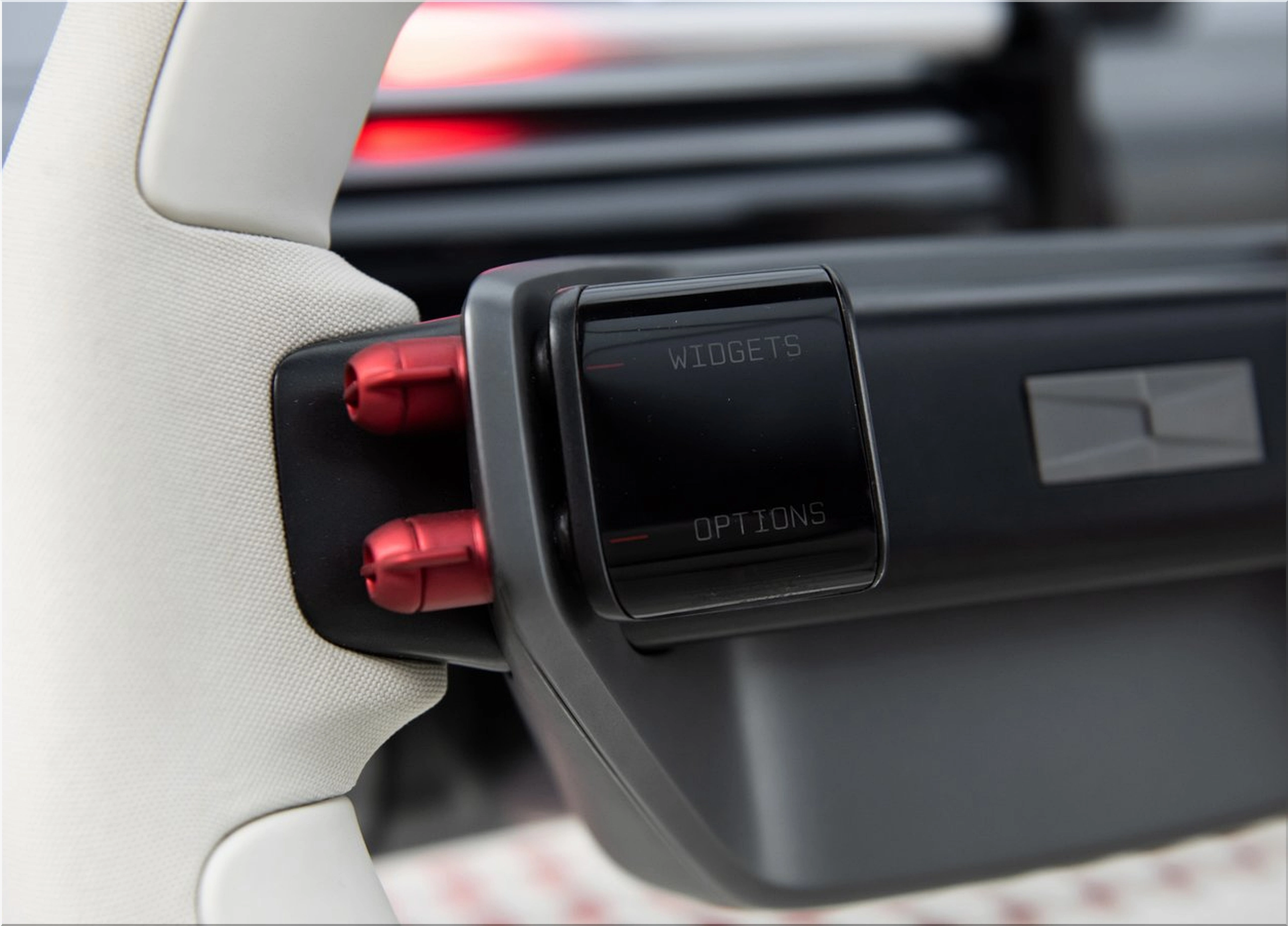
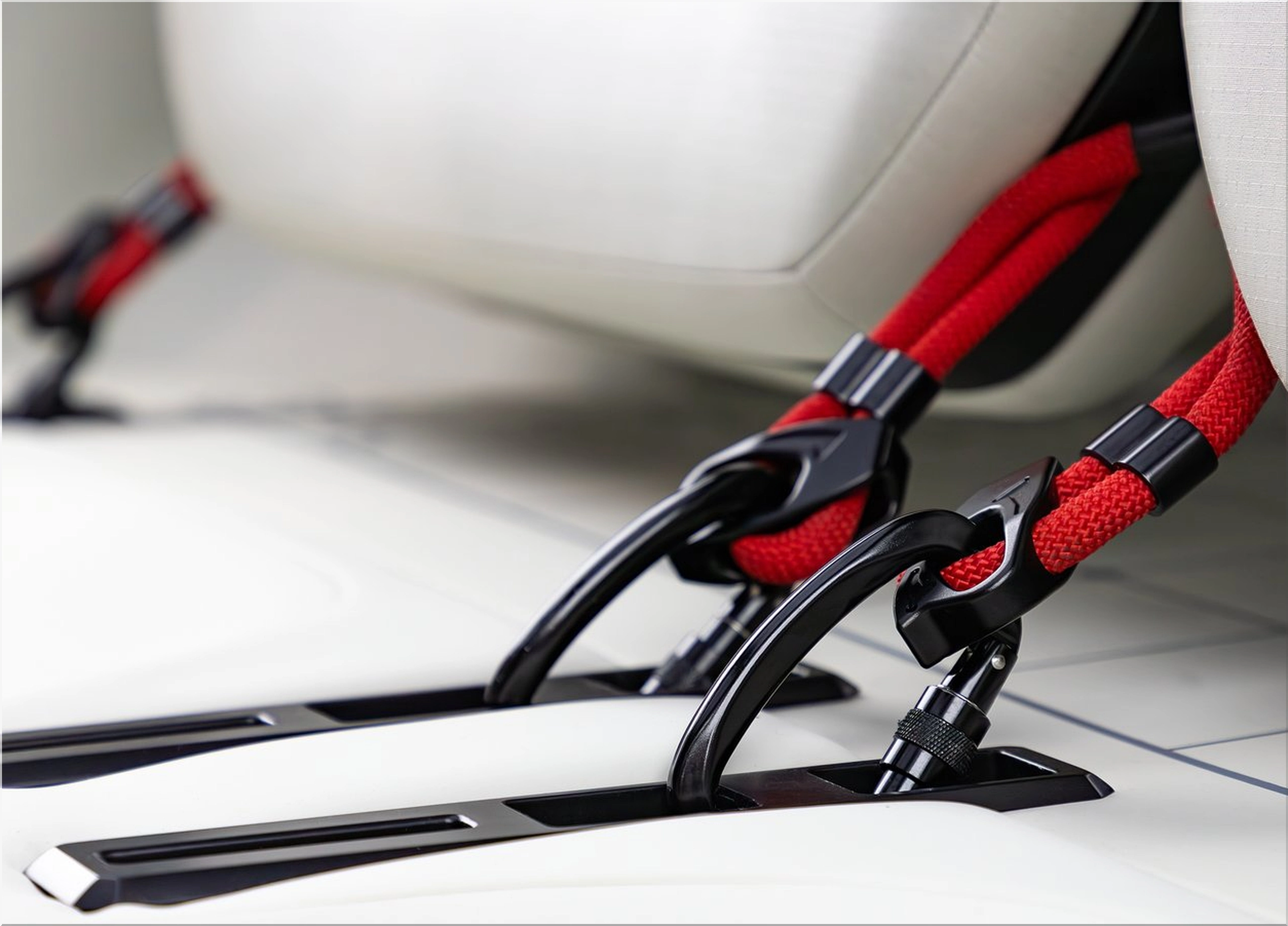
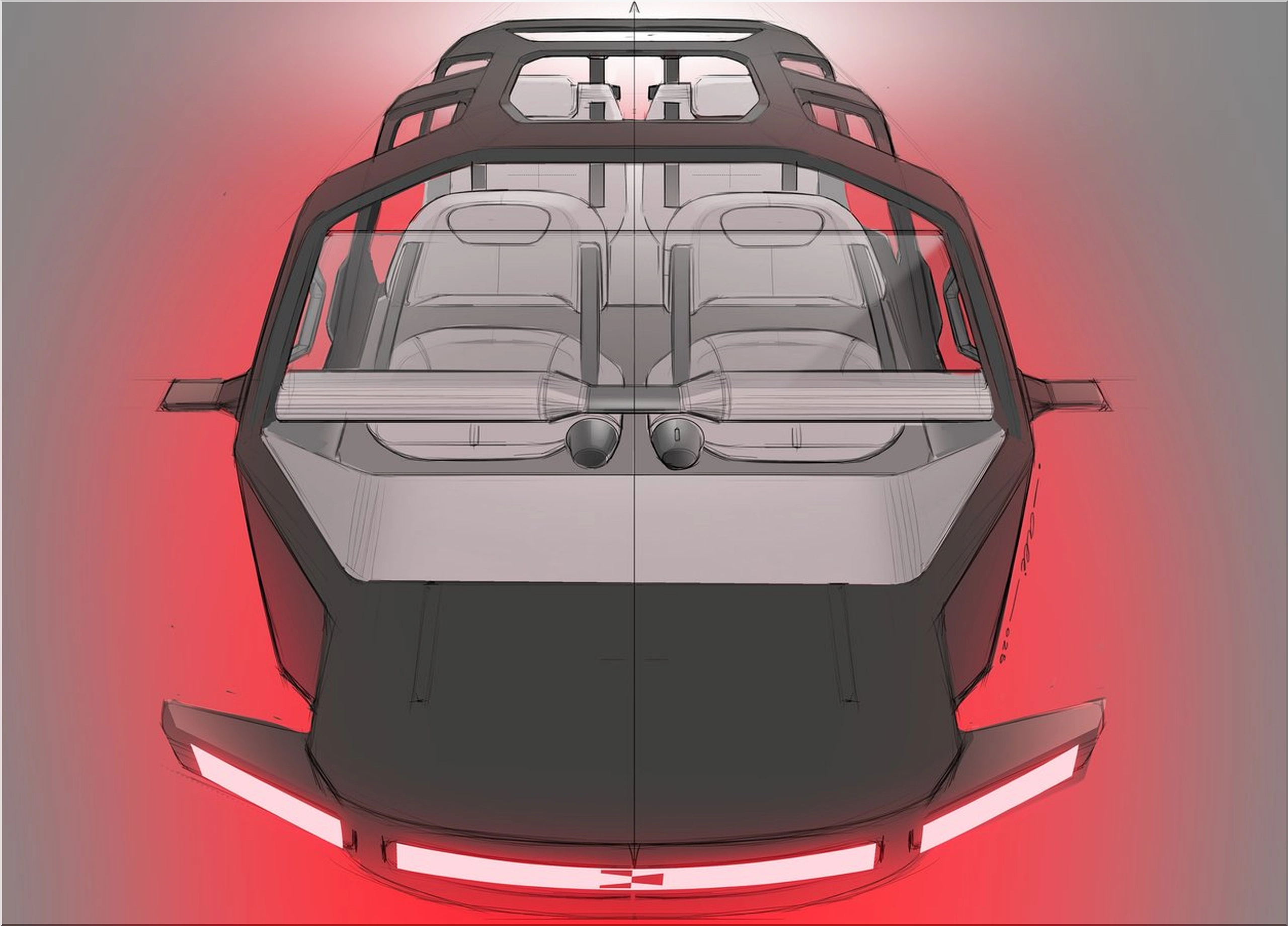
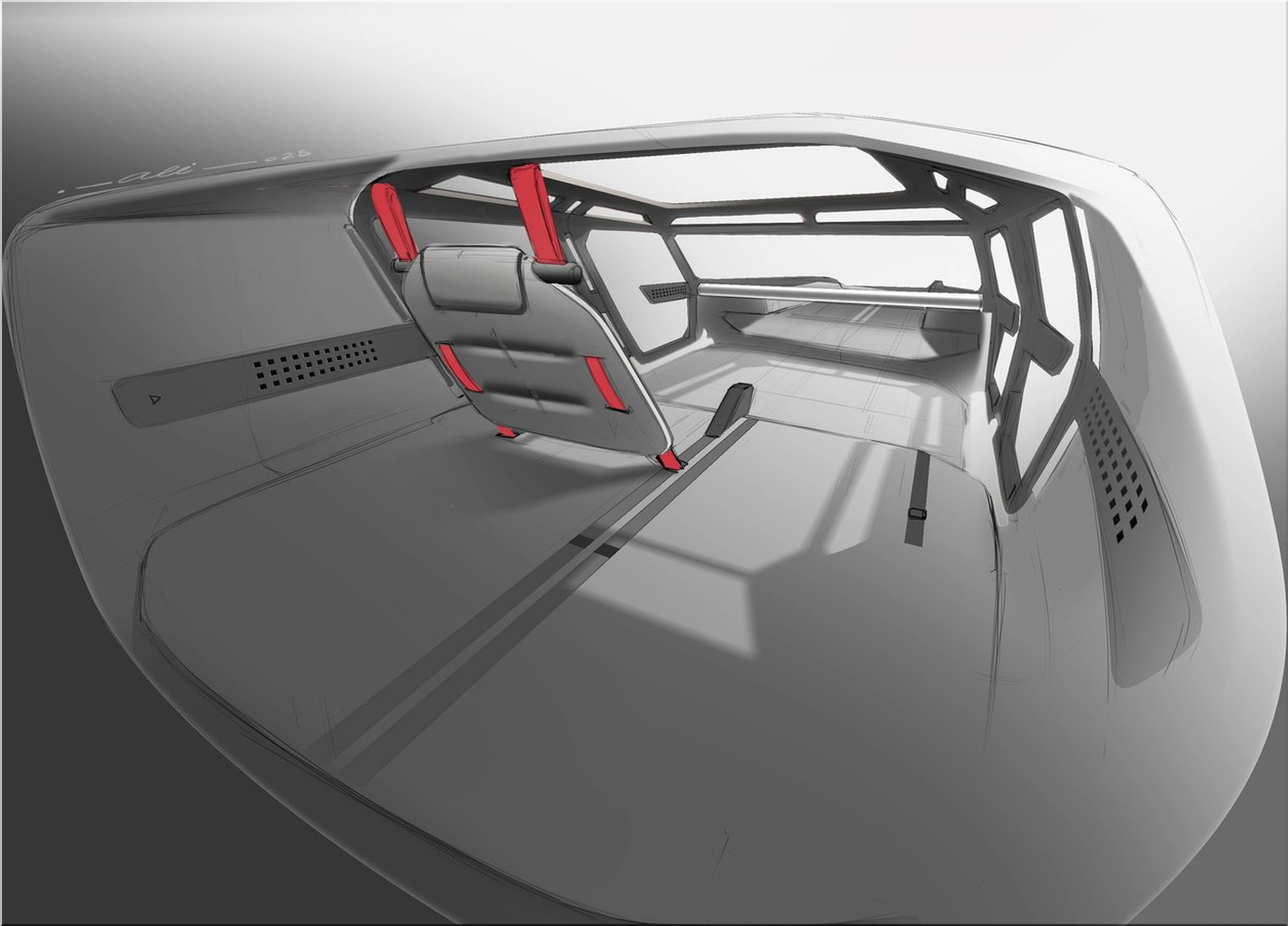
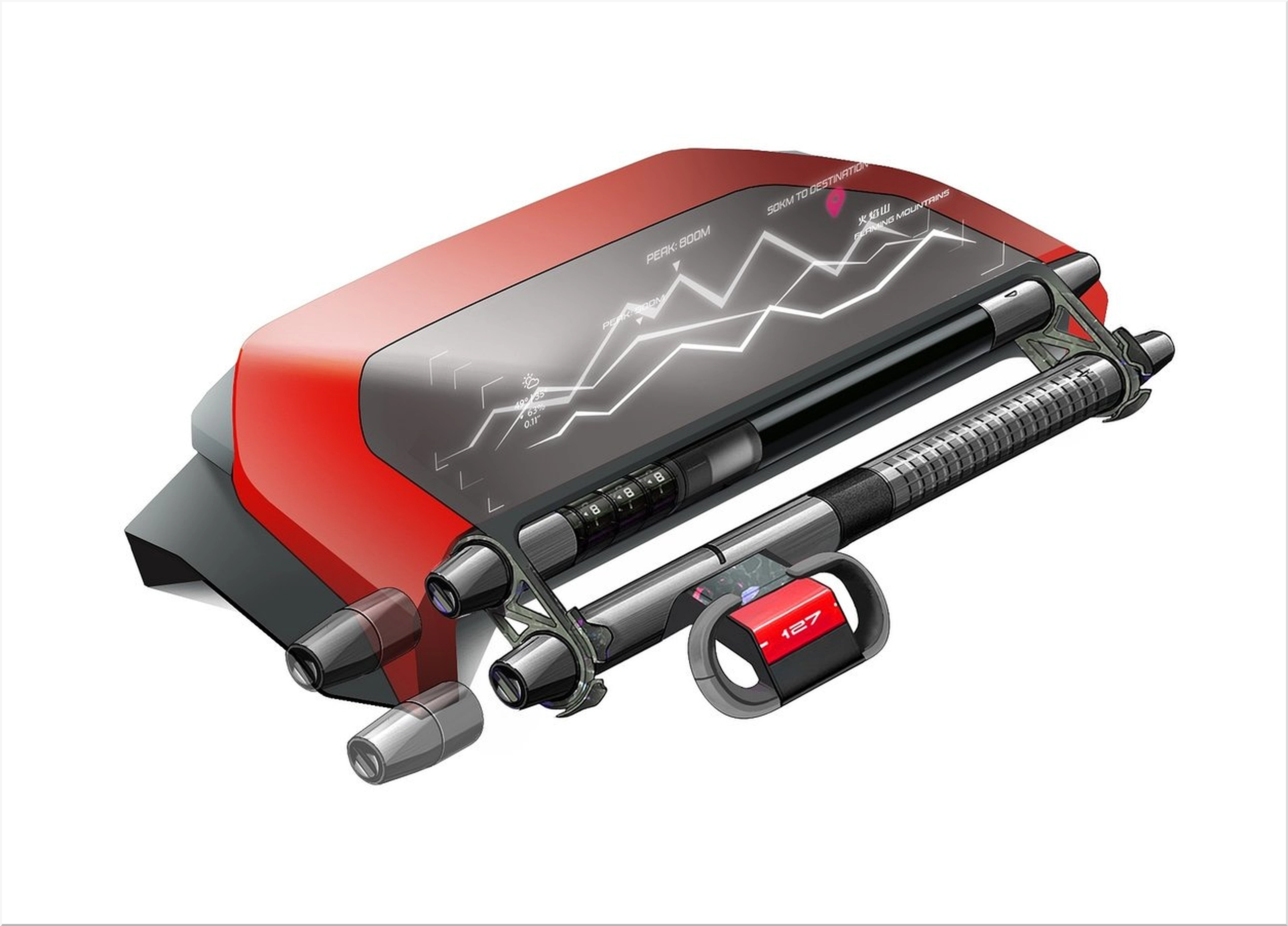
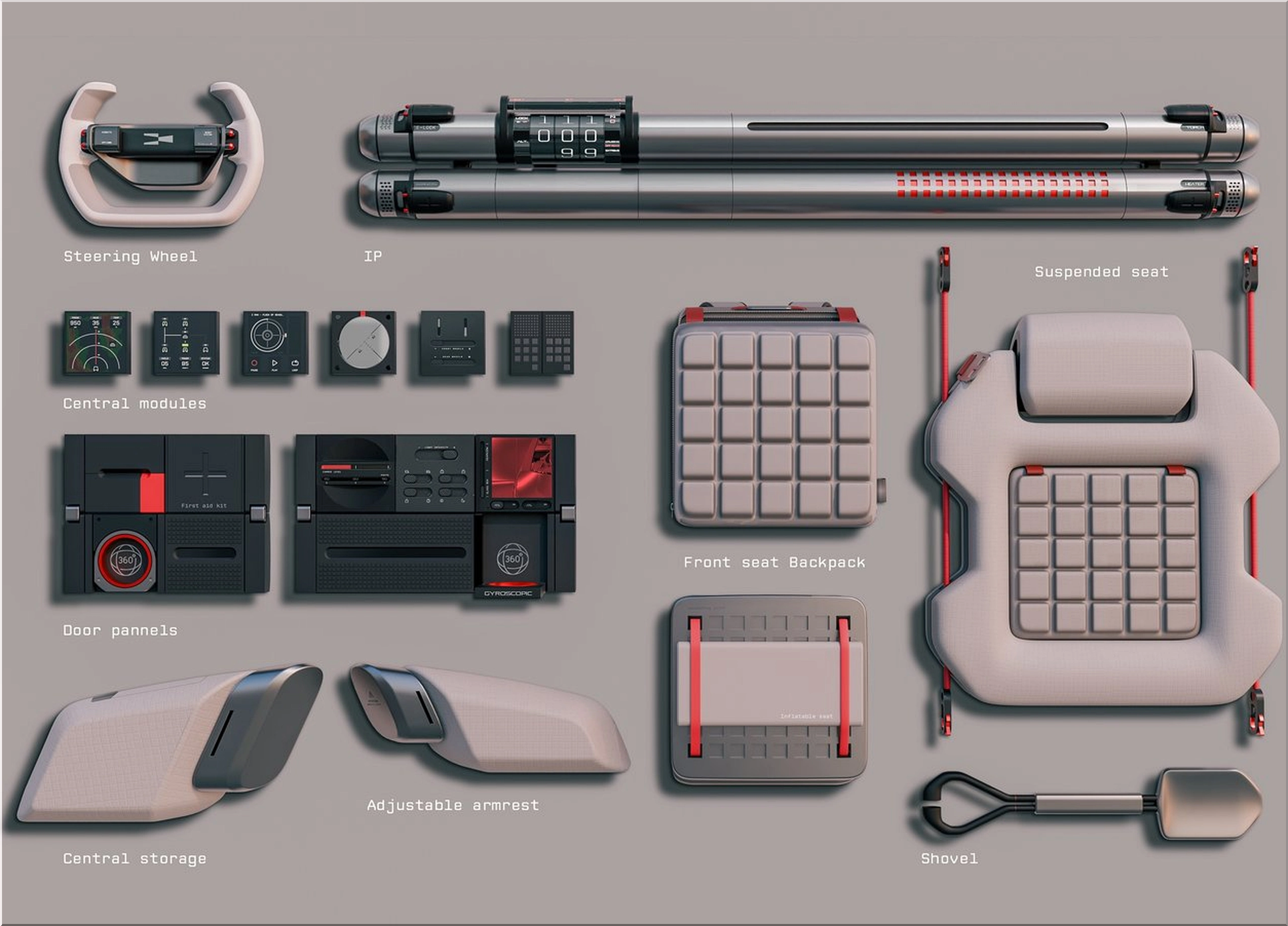
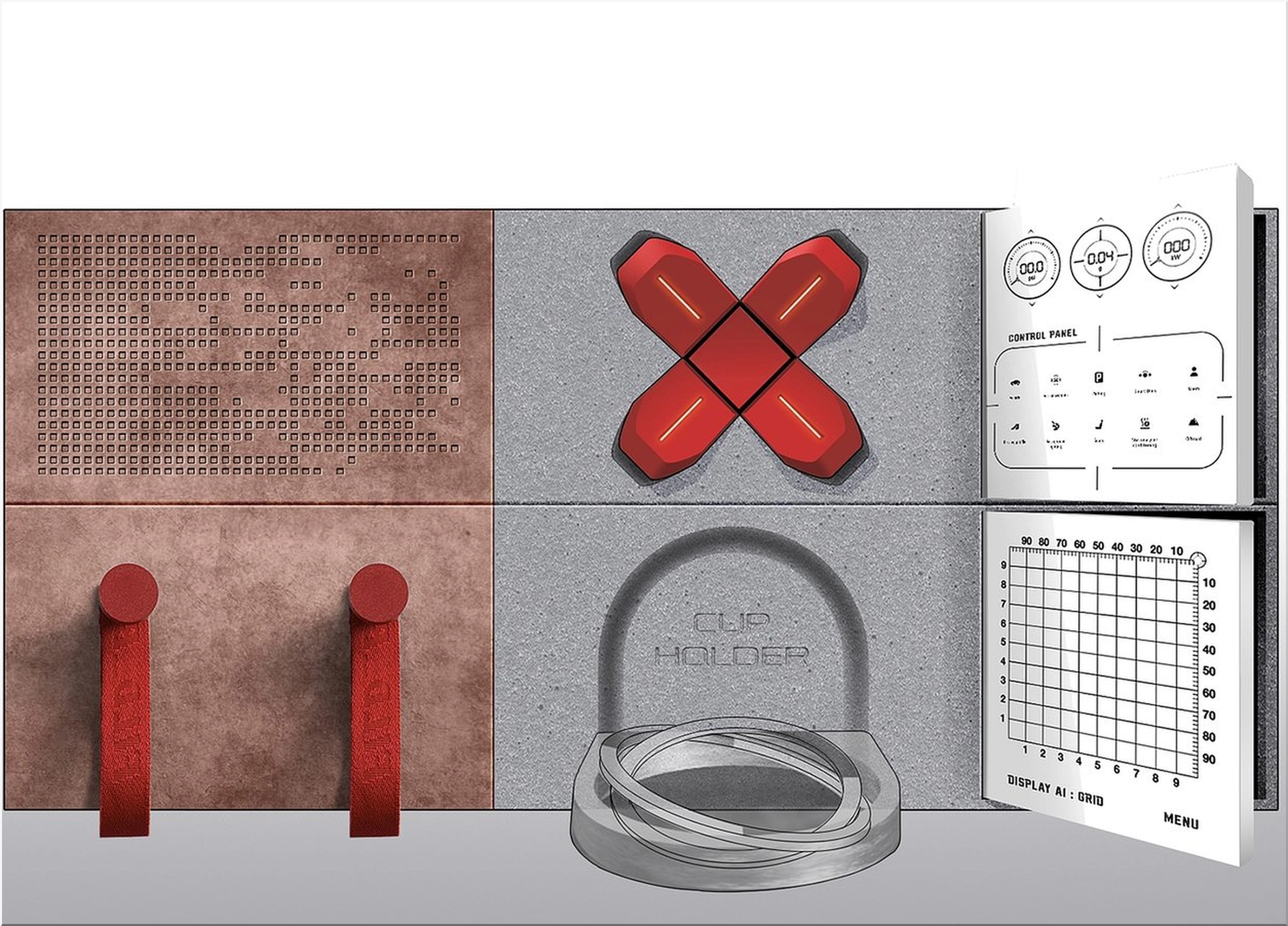
The interior abandons traditional cockpit layouts. BAIC positions the cabin as a working space rather than a comfort lounge. Surfaces appear flat, modular, and easy to clean. Mounting points allow owners to add or remove storage units, seating configurations, and equipment racks.
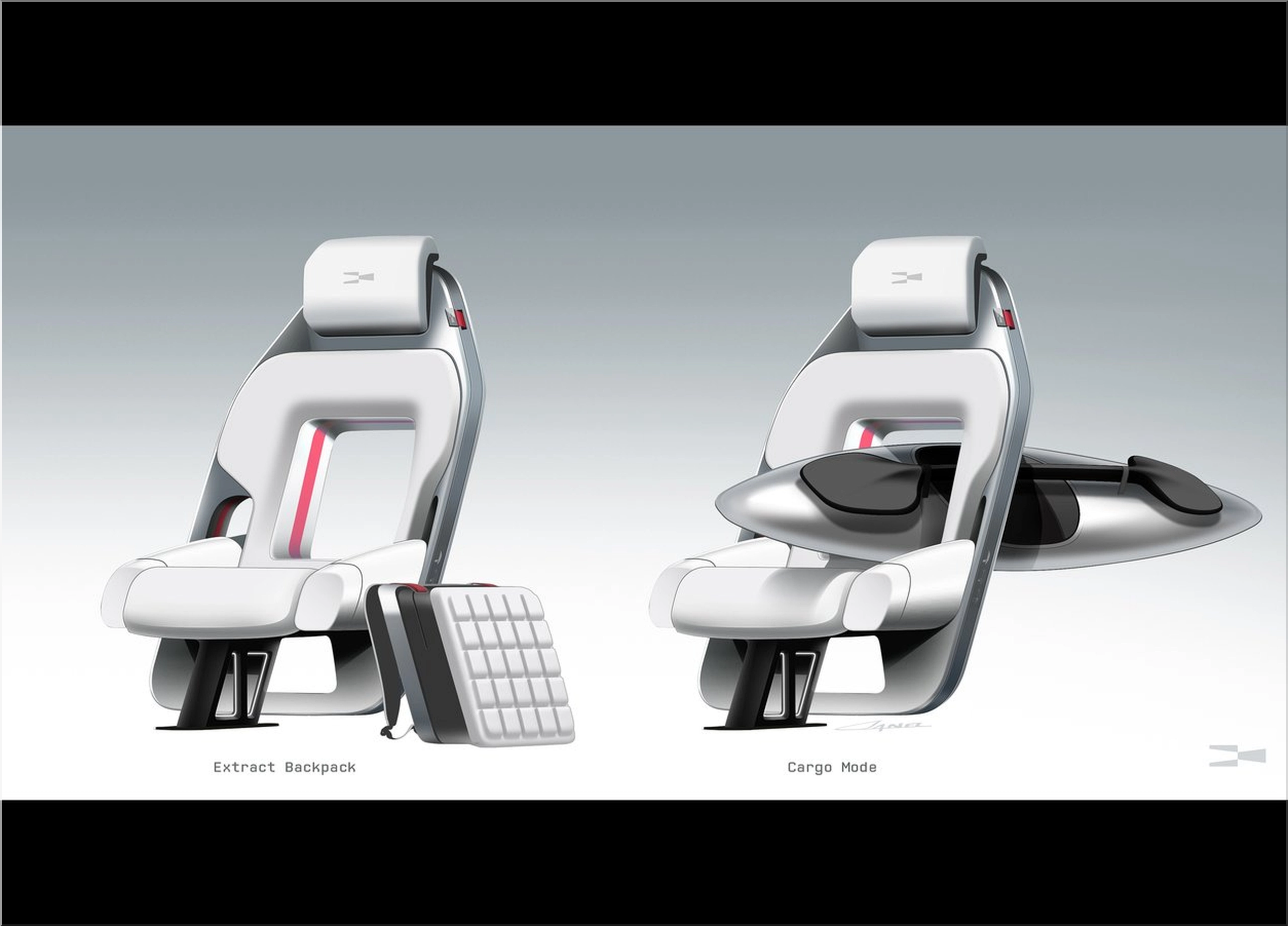
Seat design favors upright posture and durability. Materials look resistant to moisture and abrasion. Floor surfaces appear washable rather than carpeted.
This approach targets buyers who value:
- Gear access over decorative trim
- Cleanability after outdoor use
- Open-air driving without compromise
- Configurable seating for cargo-heavy trips
The off-road interior design mirrors military and expedition vehicles more than consumer SUVs.
Powertrain Direction and Mechanical Signals
BAIC has not released full mechanical specifications. Industry reporting suggests a turbocharged hybrid powertrain producing more than 400 horsepower. That output places the ELMT Max concept within range of established off-road flagships.
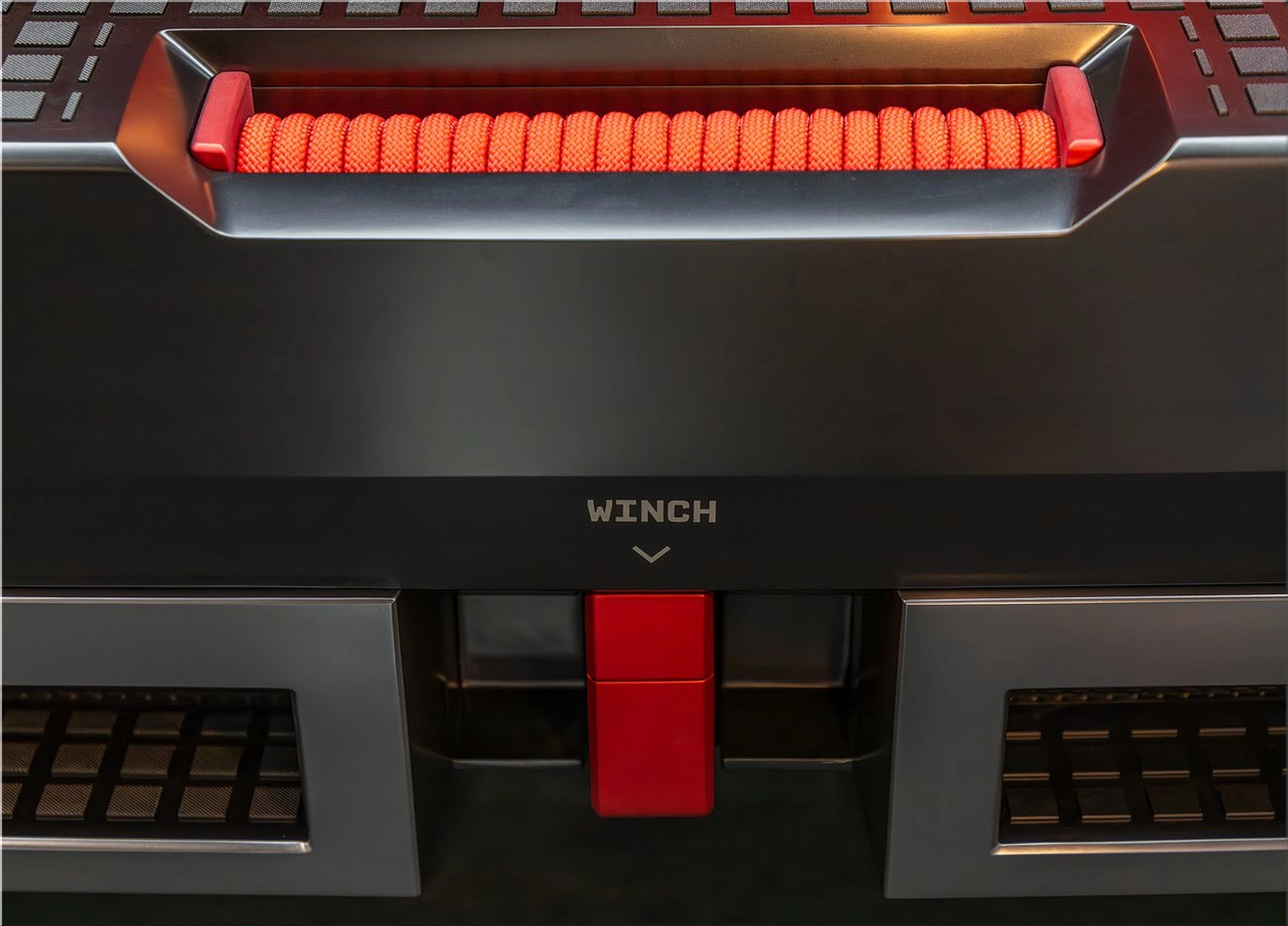
Hybridization supports torque delivery at low speeds, which matters in rock crawling and steep terrain. Electric assistance also supports accessory loads and low-speed maneuvering.
Structural cues point toward:
- Reinforced monocoque construction
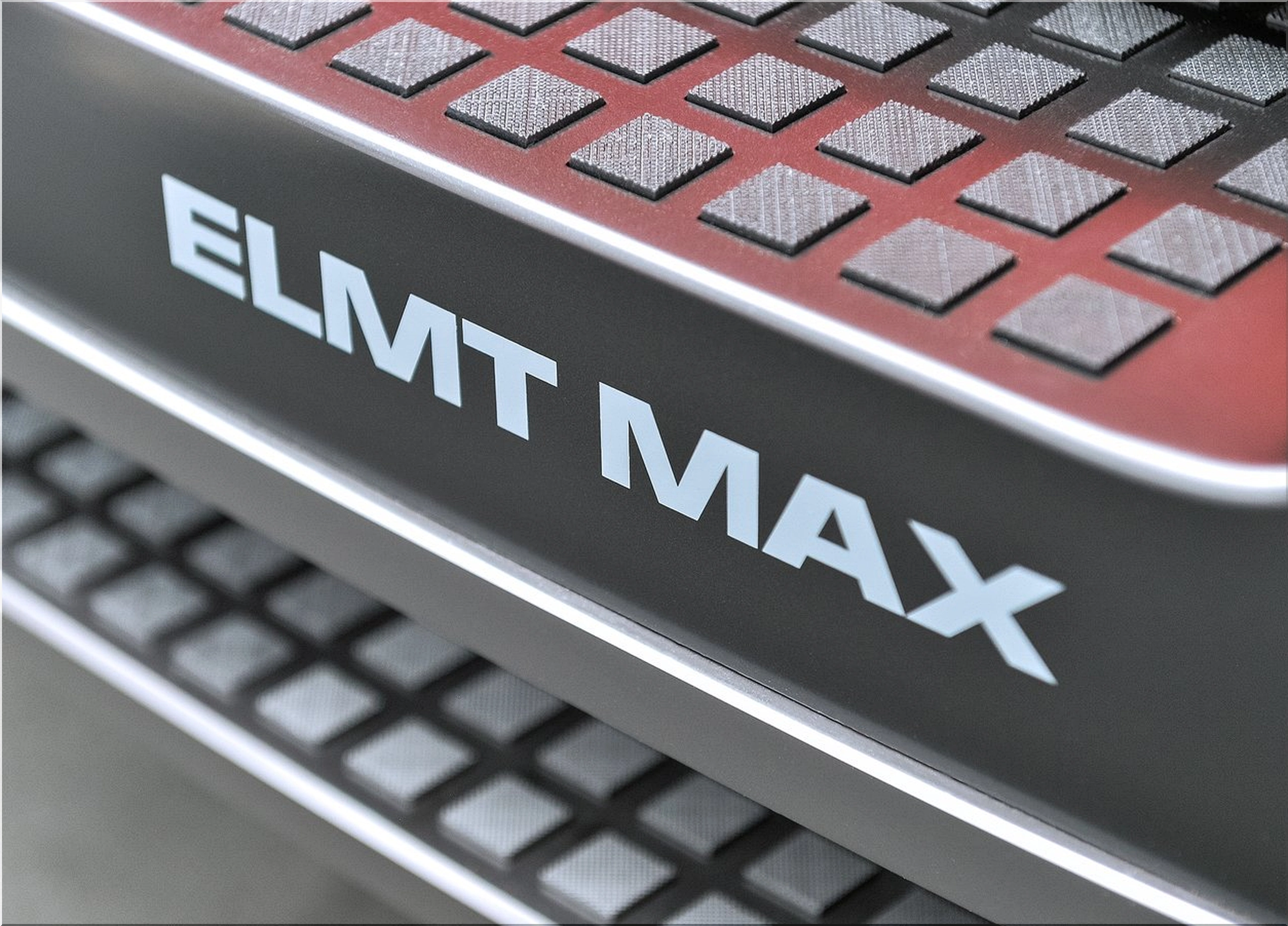
- Integrated side steps as load-bearing elements
- Roof access via exposed foot holds
This layout prioritizes strength and weight control over ride isolation.
Market Positioning and Competitive Intent
The ELMT Max does not target mass-market buyers or urban crossover shoppers. BAIC aims directly at off-road enthusiasts who value mechanical clarity and customization.
Chinese manufacturers have shifted from price-led competition to quality-led competition. Build quality, materials, and execution now matter more than novelty.
The Chinese off-road SUV market increasingly targets export readiness. Concepts like the ELMT Max off-road SUV test global reaction and buyer acceptance.
Positioning indicators include:
- Open-air capability designed into the structure
- Modular hardware treated as core architecture
- Lifestyle use cases grounded in real activity
BAIC presents the ELMT Max off-road SUV as an honest tool rather than a lifestyle prop.

Comparison With Similar Off-Road Vehicles
The ELMT Max enters a segment dominated by strong brand loyalty. Competitors rely on heritage, aftermarket support, and proven drivetrains. BAIC counters with adaptability and system-level thinking.
Off-Road SUV Concept Comparison
| Model | Powertrain | Modularity | Open-Air Design | Approx Price USD |
|---|---|---|---|---|
| BAIC ELMT Max Concept | Hybrid (est.) | High | Yes | Concept |
| Jeep Wrangler Rubicon | Gas / Hybrid | Medium | Yes | $52,000 |
| Ford Bronco Raptor | Gas | Low | Yes | $90,000 |
| Hummer EV SUV | Electric | Low | Partial | $105,000 |
The BAIC Beijing Off-road ELMT Max concept SUV focuses on structural flexibility. Rivals rely on established ecosystems and performance branding.
Why Modular Design Matters Now
Vehicle ownership cycles have lengthened. Buyers expect products to remain relevant for years. Modular design extends perceived lifespan without replacing the entire vehicle.
Modules reduce replacement costs and support seasonal changes. Owners can swap components instead of trading vehicles.
From a behavioral economics standpoint, modularity reduces buyer hesitation. It lowers the psychological cost of commitment by preserving future choice.
This design logic aligns with outdoor, overlanding, and utility-focused buyers.
Barriers to Global Expansion
The ELMT Max faces real constraints. Regulatory barriers limit market access. Brand familiarity remains low outside China.
Global buyers still prioritize:
- Reliability history
- Dealer support
- Resale stability
BAIC must translate concept ambition into production discipline. Execution will determine credibility.
What Comes Next for BAIC Beijing Off-Road
The ELMT Max sets design and engineering direction rather than production promise. Expect future BAIC off-road vehicles to adopt toned-down versions of this architecture.
Likely carryover elements include:
- Boxy, upright proportions
- Modular exterior accessories
- Electrified or hybrid drivetrains
This concept supports BAICs export strategy by establishing identity before volume.
Pro-Tip: How to Evaluate Off-Road Concepts
Concept vehicles reveal priorities through structure, not surface details.
Focus on:
- Chassis layout
- Interior flexibility
- Powertrain direction
Ignore lighting theatrics and extreme finishes.


What Now for Buyers and Industry Watchers
Monitor BAICs next production off-road release. Compare its modular execution to this concept.
Track how much adaptability survives the transition to manufacturing reality.
The BAIC Beijing Off-Road ELMT Max Concept marks a shift in global off-road development. Chinese automakers now design with global expectations, mechanical credibility, and long-term use in mind.
General Motors has presented at the 2018 Beijing Motor Show a new concept of electric vehicle with futuristic technology: the new Buick Enspire Concept. The Buick Enspire crossover is equipped with an eMotion… Continue reading
Honda has surprised at the Tokyo Motorcycle Show with the presentation of its first electric motorcycle prototype for motocross. This is the Honda CR Electric, a motorcycle designed for motocross that maintains the renowned name of CR, the… Continue reading

Skai Flying Car is the mobility solution from BMW and Alaka'i Technologies that differs from the rest of flying cars that we have seen to date by one feature: it is powered by hydrogen fuel cells . It is an aircraft equipped with six… Continue reading

Hyundai expands its production network for electric cars: It was recently reported that the Koreans want to build the Kona Elektro in Europe. Now the group plans to build an electric car plant in Karawang, Indonesia. The Hyundai… Continue reading