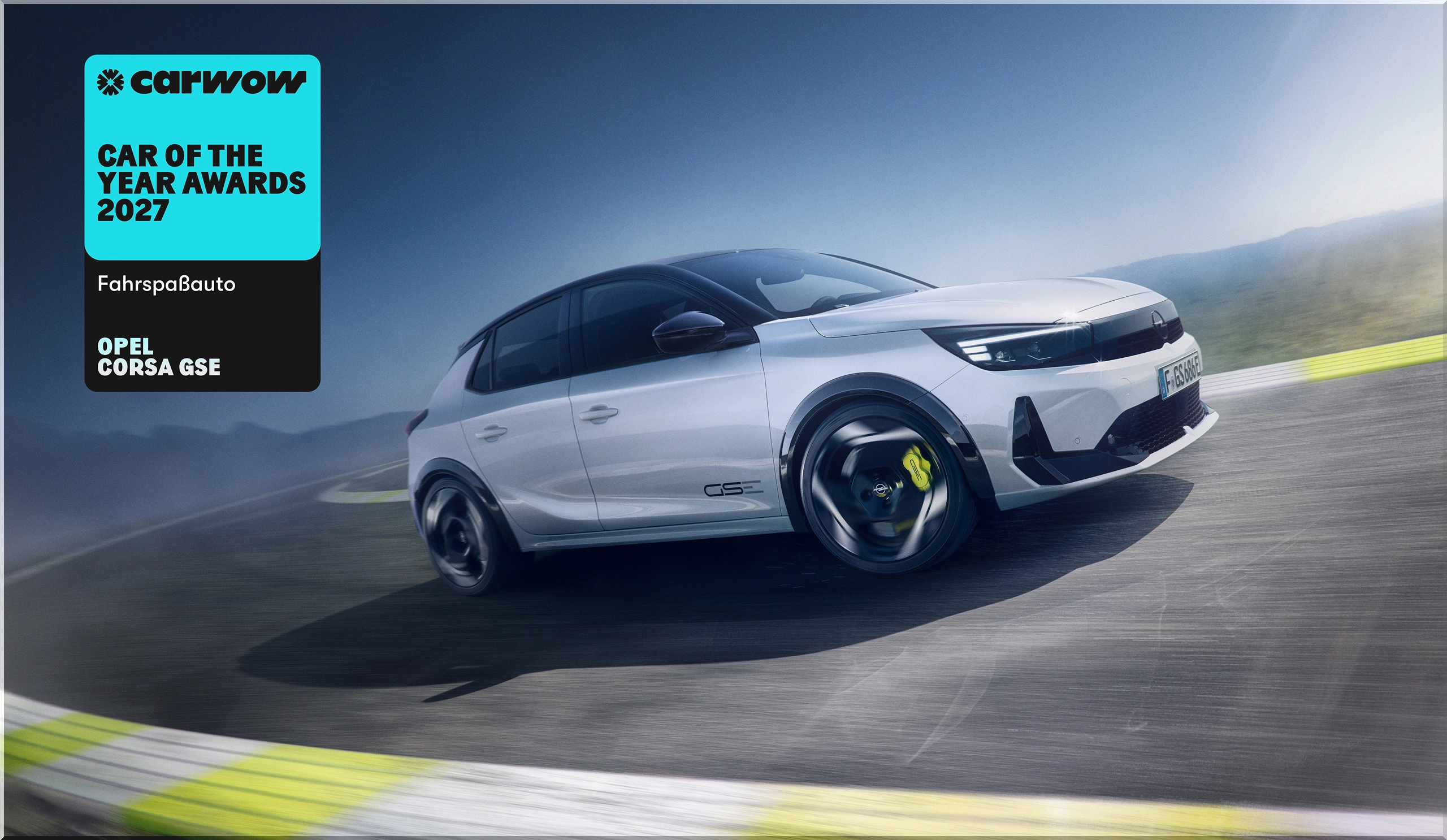
The Opel Corsa GSE has won Carwow Germany's 2027 driving-fun award, pairing a 207 kW electric motor with a mechanical limited-slip differential and serious chassis changes. Opel claims 0–100 km/h in 5.5 seconds. That combination gives this electric hot hatch a stronger argument than acceleration alone.
The award matters because small performance cars face an awkward electric transition: batteries add weight, while instant torque can overwhelm the front tires. Opel tackles those challenges with suspension, steering, braking, and traction hardware. The buying decision still demands a closer look at charging, tire choice, and price.
Image
What did the Opel Corsa GSE win at Carwow's 2027 awards?
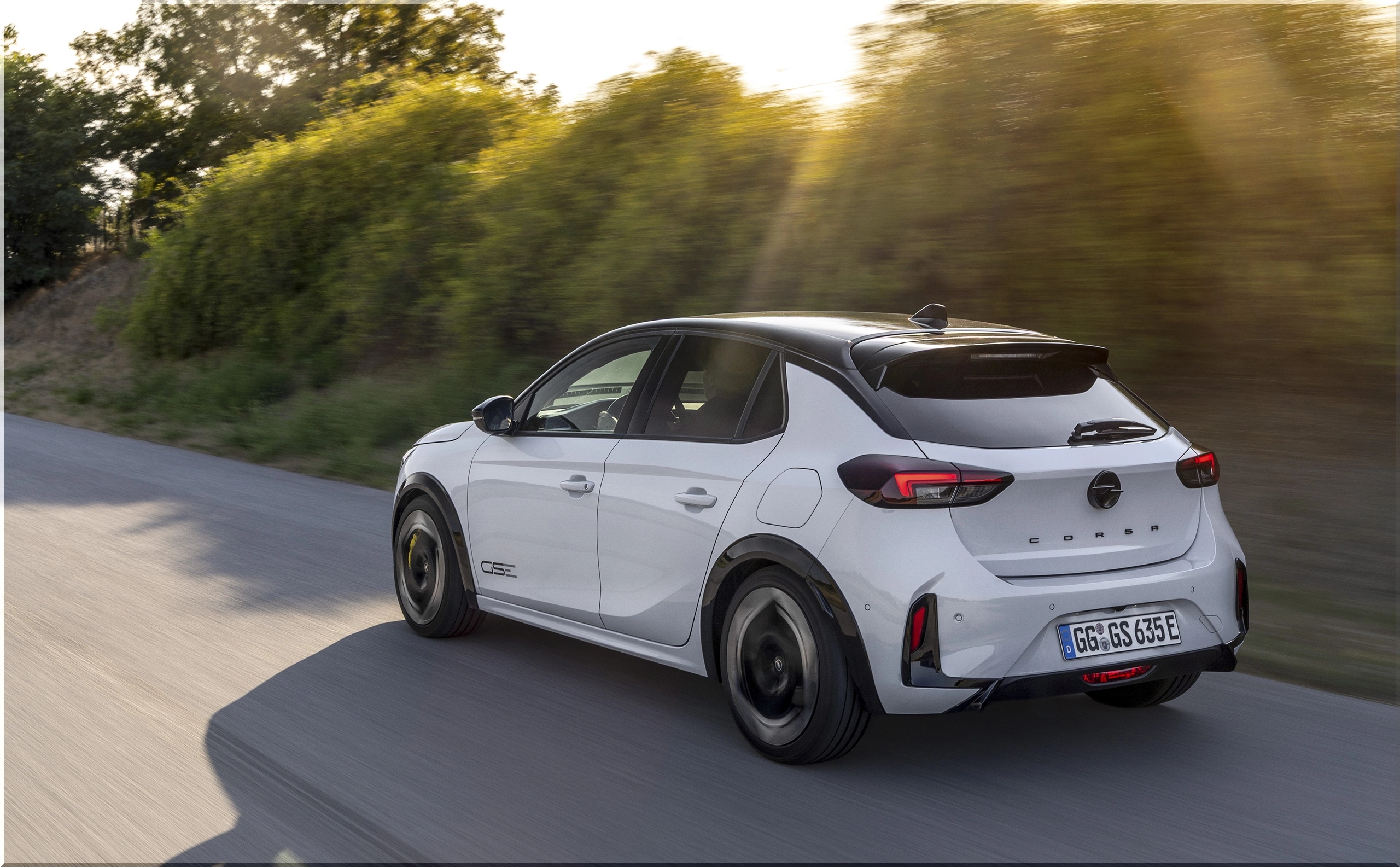
Carwow Germany selected the Corsa GSE as its best car for driving fun within the Carwow Car of the Year Awards 2027. Its jury praised the power, 355 mm brakes, supportive seats, and mechanical front differential.
Keep the category clear. This recognition rewards driving enjoyment within a wider awards program; it does not establish the Corsa as the overall winner across every category. Carwow assessed vehicles through criteria including price, performance, efficiency, comfort, and practicality.
The engineering deserves attention beyond the trophy. GSE stands for Grand Sport Electric, and this production model brings that badge to a familiar small-car format with front-wheel drive and a single-speed transmission.
How fast is the Corsa GSE, and what hardware supports it?
The Corsa GSE produces 207 kW and 345 Nm, reaches 100 km/h in 5.5 seconds, and tops out at 180 km/h. Opel describes it as its fastest-accelerating current production model. Its 54 kWh battery supplies 51 kWh of usable energy, with temperature management adapted for performance driving.
European publicity quotes 281 metric horsepower, or PS; US mechanical horsepower works out to approximately 277 hp. Keeping those units straight prevents misleading comparisons.
| Specification | Published figure | Practical interpretation |
|---|---|---|
| Peak output | 207 kW / 281 PS | Full performance in Sport mode |
| Peak motor torque | 345 Nm / 254 lb-ft | Front tires must steer and transmit torque |
| 0–100 km/h / 0–62 mph | 5.5 seconds | Manufacturer claim, rather than our test result |
| Maximum speed | 180 km/h / 112 mph | Performance focus favors acceleration |
| Battery, gross / usable | 54 / 51 kWh | Usable capacity determines driving energy |
| Length | 4,082 mm / 160.7 inches | Compact exterior footprint |
| Wheelbase | 2,557 mm / 100.7 inches | Axle spacing within the compact body |
| Height | 1,426 mm / 56.1 inches | Low hatchback profile |
| Front brake discs | 355 mm / 14.0 inches | Four-piston Alcon front calipers |
Dimensions follow Vauxhall's technical information for the corresponding Corsa GSE.
The drive modes change more than the dashboard theme:
- Sport: full 207 kW and performance-focused calibration.
- Normal: 170 kW, while retaining the 180 km/h maximum speed.
- Eco: efficiency-focused settings and a 150 km/h speed ceiling.
Why does the mechanical limited-slip differential matter?
A limited-slip differential restricts the speed difference between the driven wheels and helps direct torque toward the tire with better traction. During cornering, weight transfer unloads the inside front tire. A conventional open differential can let that tire spin and limit useful acceleration.
Image
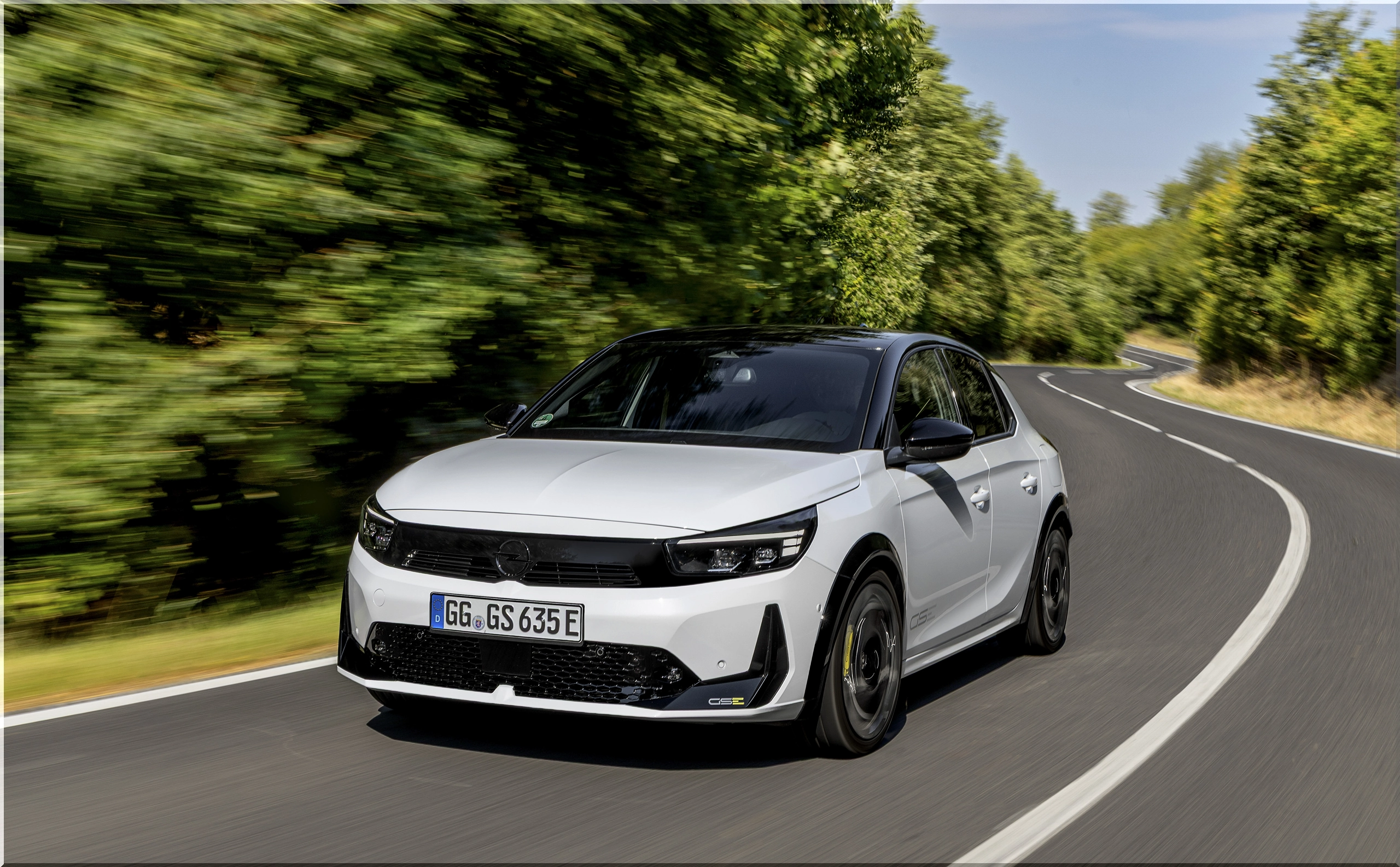
The Corsa's Torsen unit addresses that weakness mechanically. It cannot create grip on ice or cancel poor tire choice, but it gives the motor a better route to the pavement when the driver accelerates out of a bend.
Opel also revises the chassis. Vauxhall's technical release specifies front and rear track increases of 54 mm and 20 mm, plus spring-rate increases of 67% and 29%. Those changes target body control; buyers should still test ride comfort on broken pavement.
How far can it travel, and how quickly does it charge?
Opel quotes up to 374 km of WLTP range and approximately 27 minutes for a 20–80% DC recharge in its October Italian announcement. The corresponding Vauxhall specifications list 100 kW maximum DC charging and an 11 kW AC onboard charger. Weather, speed, tires, and battery temperature change real-world results.
Charging-window definitions matter. A 20–80% session adds approximately 30.6 kWh to a 51 kWh usable battery; doing so in 27 minutes implies roughly 68 kW average battery charging power, ignoring capacity variation. A 100 kW peak does not mean the car holds 100 kW throughout the stop.
Vauxhall quotes 5 hours 45 minutes for a full charge on 11 kW AC. Home electrical supply and charging losses affect that schedule.
Tires also change the range calculation. Vauxhall lists approximately 354 km with Michelin Pilot Sport 4S tires and 373 km with optional Hankook Ventus S1 evo3 tires, after converting its mile figures. Both use 215/40 R18 sizing: 215 mm nominal width and an approximately 86 mm sidewall.
Pro-Tip: Ask the dealer which tires support the quoted range. Comparing the longest-range specification against a car wearing the performance-focused tires can hide nearly 20 km of laboratory-rated difference.
How does the Corsa GSE compare with rival electric hot hatches?
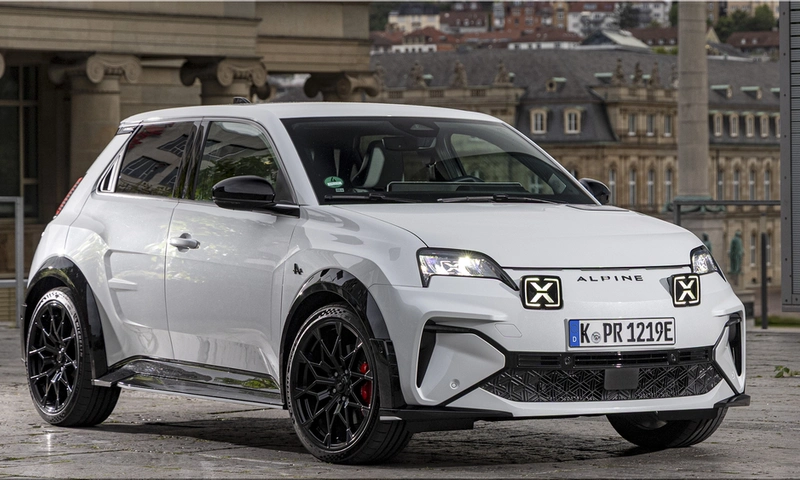
The Corsa GSE beats the published 0–100 km/h times of the Peugeot E-208 GTi, MINI John Cooper Works Electric, and Alpine A290 GTS. Its advantage ranges from 0.2 to 0.9 seconds. Those launch figures establish straight-line pace; they do not settle steering quality, braking consistency, or cornering balance.
| Electric hot hatch | Peak motor torque | Claimed 0–100 km/h | Corsa's time advantage | Hardware distinction |
|---|---|---|---|---|
| Opel Corsa GSE | 345 Nm | 5.5 seconds | Reference | Mechanical limited-slip differential; 355 mm front discs |
| Peugeot E-208 GTi | 345 Nm | 5.7 seconds | 0.2 seconds | Limited-slip differential; Michelin Pilot Sport Cup 2 tires |
| MINI John Cooper Works Electric | 340 Nm | 5.9 seconds | 0.4 seconds | 190 kW motor; 54.2 kWh gross battery |
| Alpine A290 GTS | 300 Nm | 6.4 seconds | 0.9 seconds | 52 kWh battery; multilink rear suspension |
By comparison, the Peugeot matches the Corsa's torque and front-disc diameter. Its tire choice creates a useful test-drive comparison for buyers who prioritize warm-weather grip. The Alpine's rear suspension supplies another engineering distinction worth assessing on uneven corners.
I would compare steering precision and traction over the same rough-road route before choosing between them. Manufacturer acceleration figures cannot answer those questions, and this assessment draws on technical documentation rather than a firsthand road test.
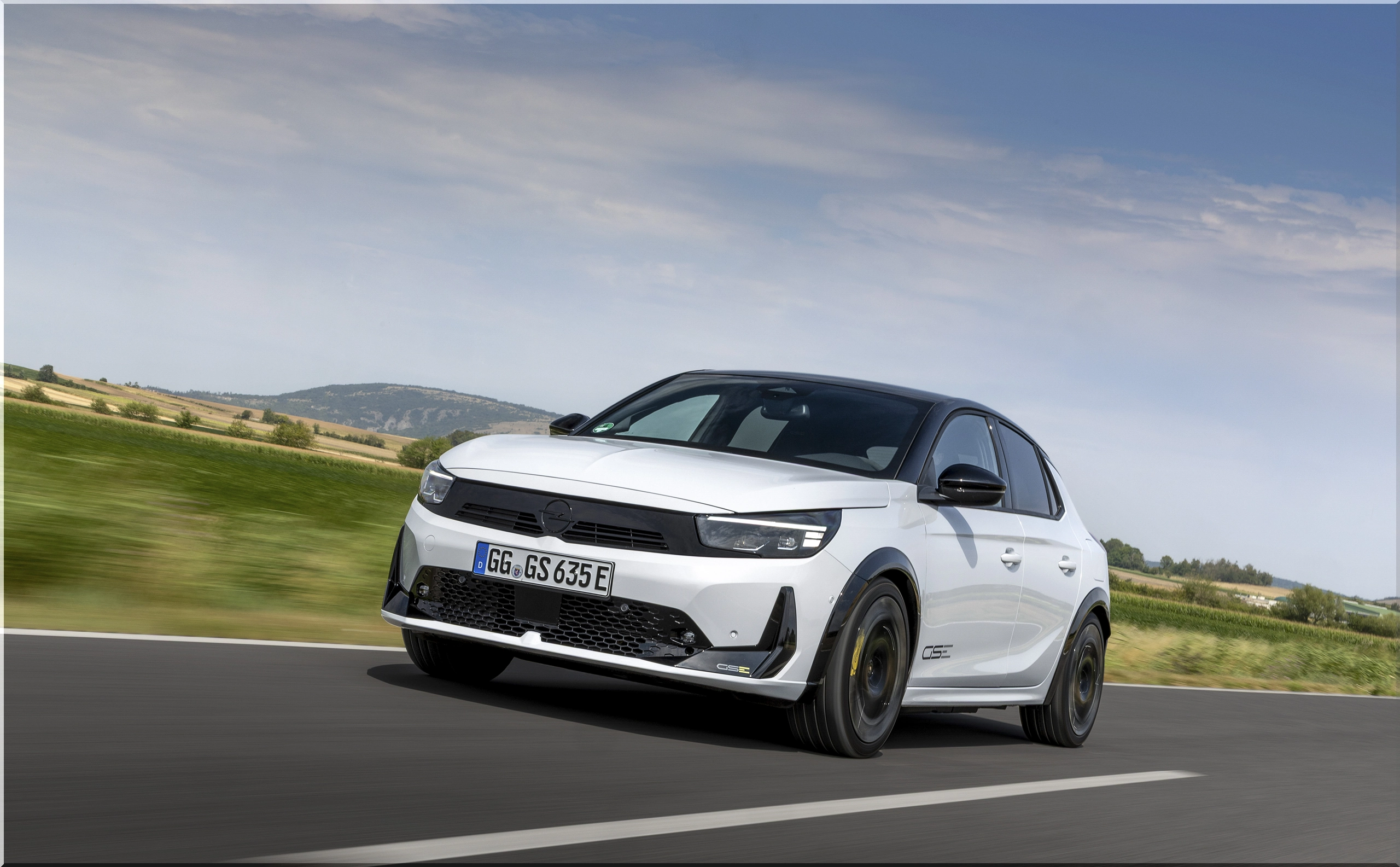
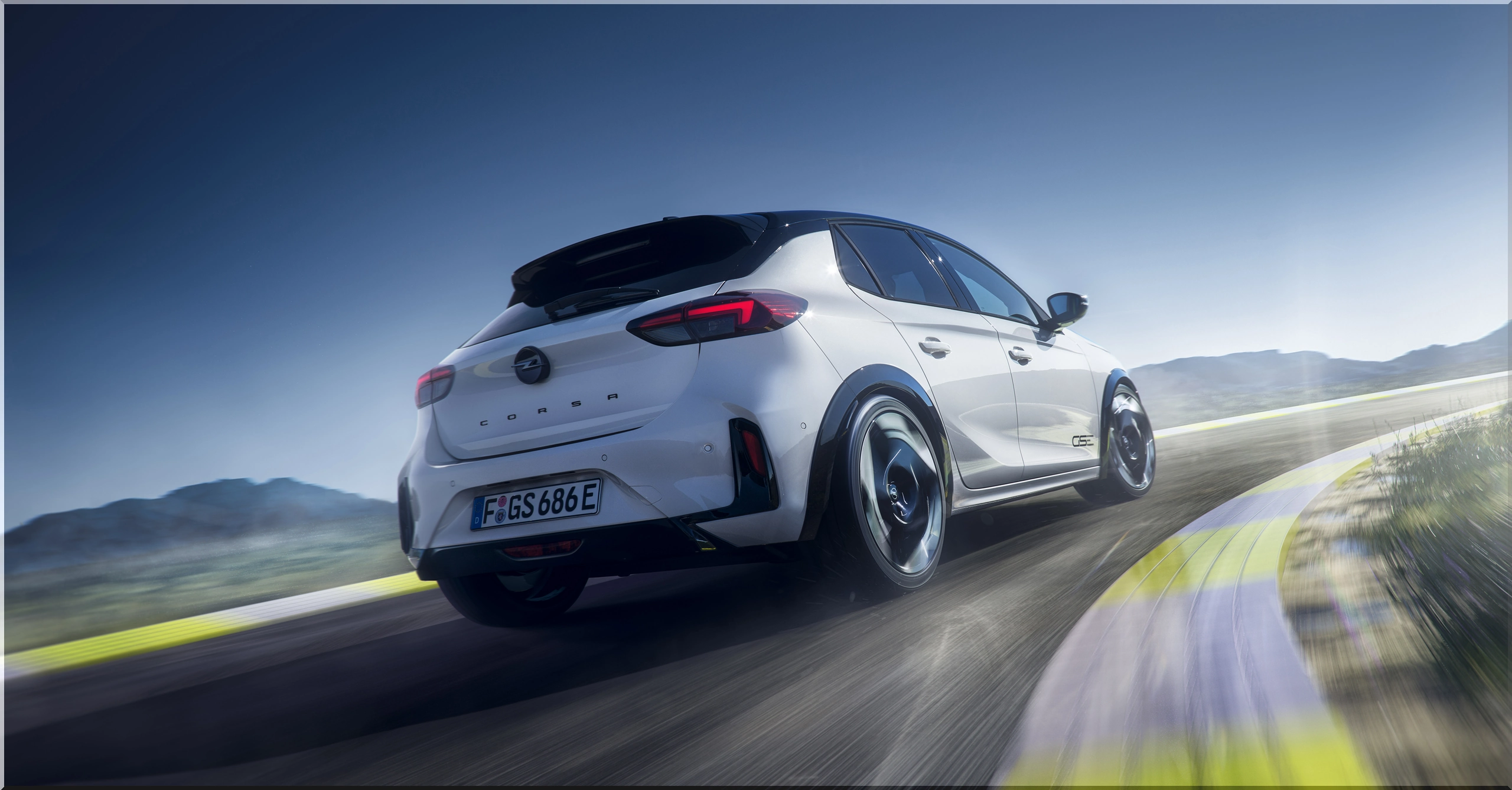
Can the Corsa GSE handle everyday use?
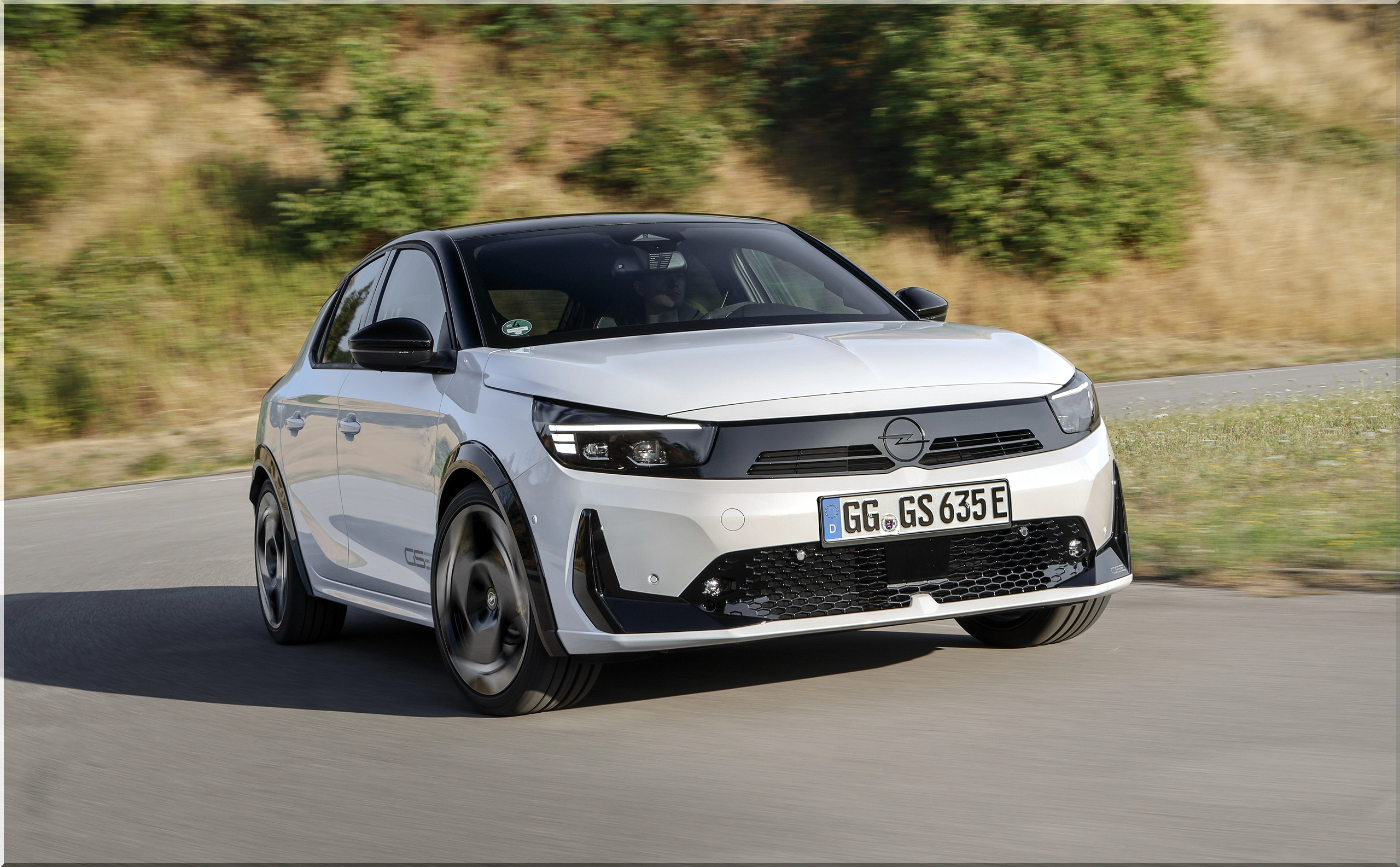
The Opel Corsa GSE combines performance hardware with a 267-liter trunk, heated front seats and steering wheel, adaptive cruise control, navigation, and a 180-degree reversing camera. Opel quotes up to 1,042 liters with the rear seats folded. Its vehicle-to-load function can power external devices through an accessory adapter.
Supportive seats can reduce the effort needed to brace during cornering, but bolster shape remains personal. Check entry, thigh support, and rear-passenger space before ordering. A 10-inch touchscreen displays performance and battery information alongside everyday functions.
| Pros | Cons or buying checks |
|---|---|
| 5.5-second claimed sprint and mechanical traction hardware | Front-wheel drive still depends on available tire grip |
| 267-liter trunk and folding rear seats | Small-hatch packaging limits bulky cargo |
| 11 kW AC charging and V2L capability | 100 kW DC peak warrants careful trip planning |
| Heated seats and steering wheel | Firmer springs demand a rough-road comfort check |
V2L means vehicle-to-load: the battery supplies external electrical equipment. It does not establish whole-home backup capability.
Image gallery:
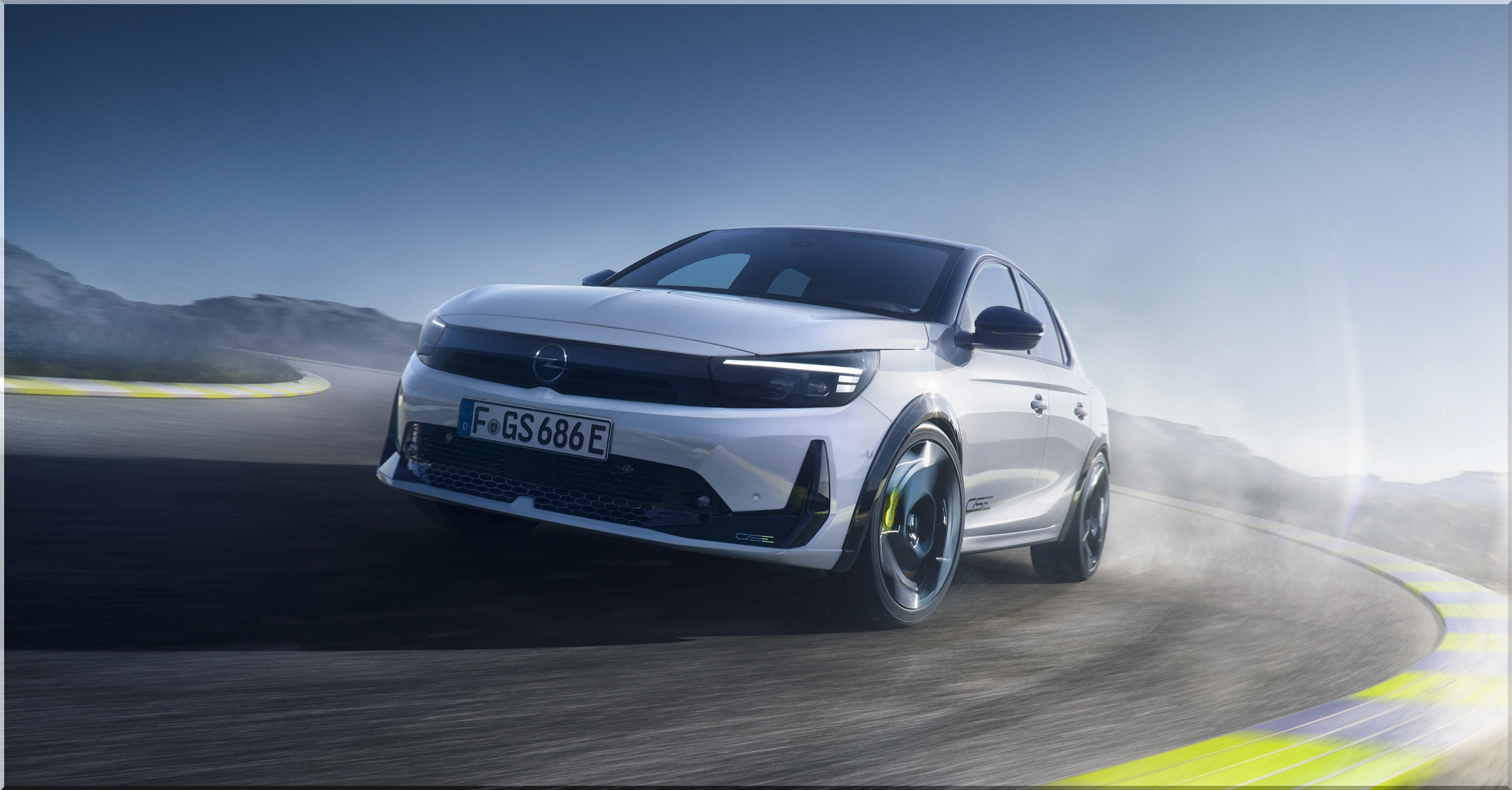
Is the Opel Corsa GSE worth its price?
The Opel Corsa GSE warrants a shortlist if you want a compact electric performance car and can charge regularly at home. Italy's announced list price stands at €39,900, excluding IPT registration tax. The €36,290 launch offer requires financing and adds finance charges, so compare total repayment before accepting the discount.
Use ownership costs to finish the decision:
- Obtain insurance and replacement-tire quotes for the exact specification.
- Compare cash price with deposit, installments, fees, and final payment.
- Calculate electricity costs using your own tariff and expected consumption.
At an assumed 18 kWh/100 km, electricity costs €5.40 per 100 km at €0.30/kWh, or €12.60 at €0.70/kWh, before charging losses. Those scenarios show why charging access can outweigh a small purchase discount. The Carwow award earns the Corsa attention; the chassis hardware and your ownership budget should earn the sale.
- Add new comment
- 1 view