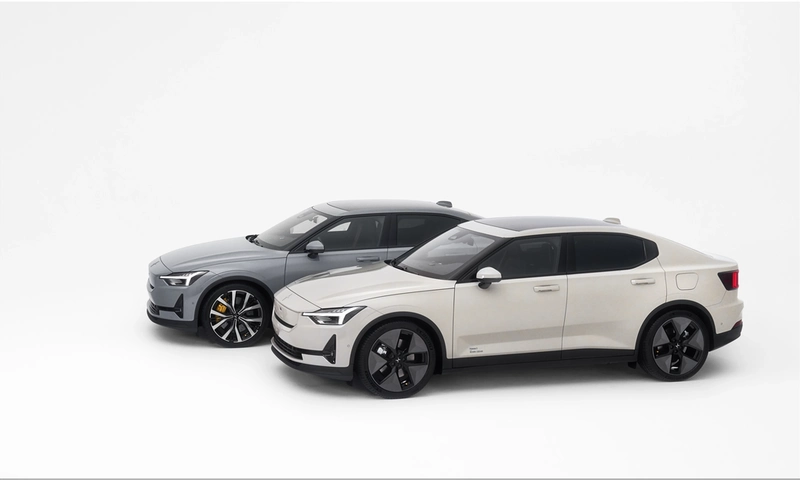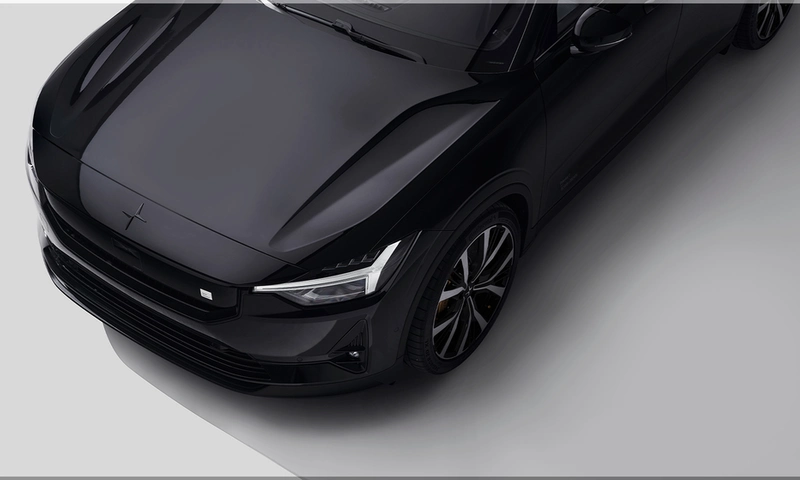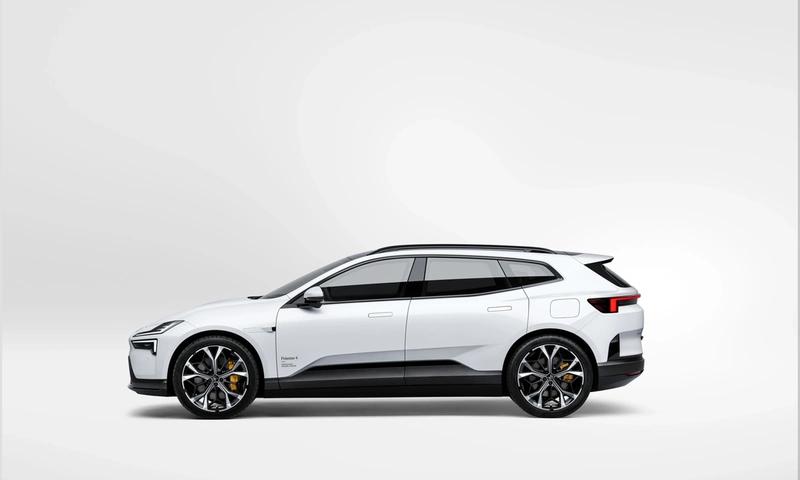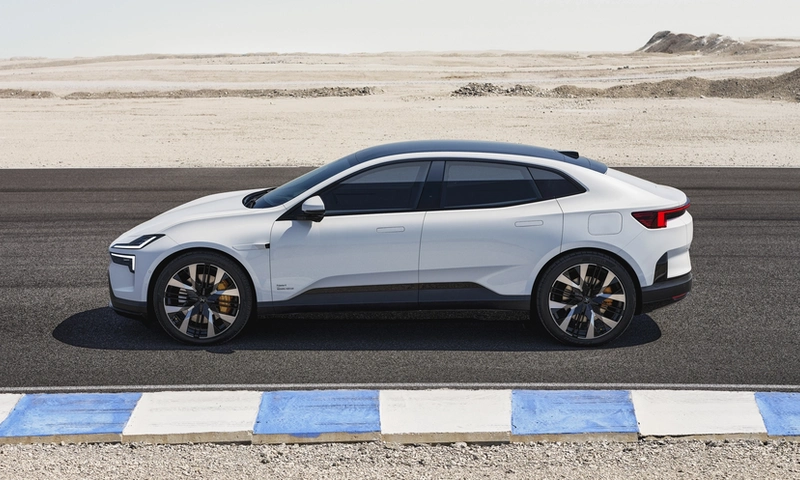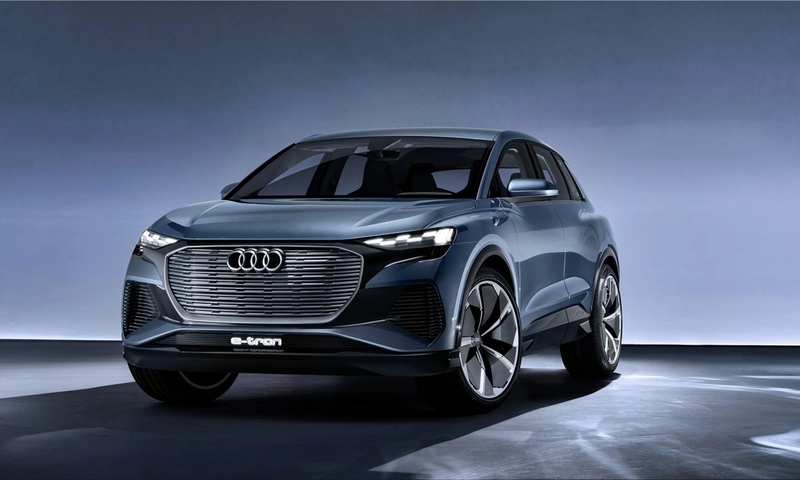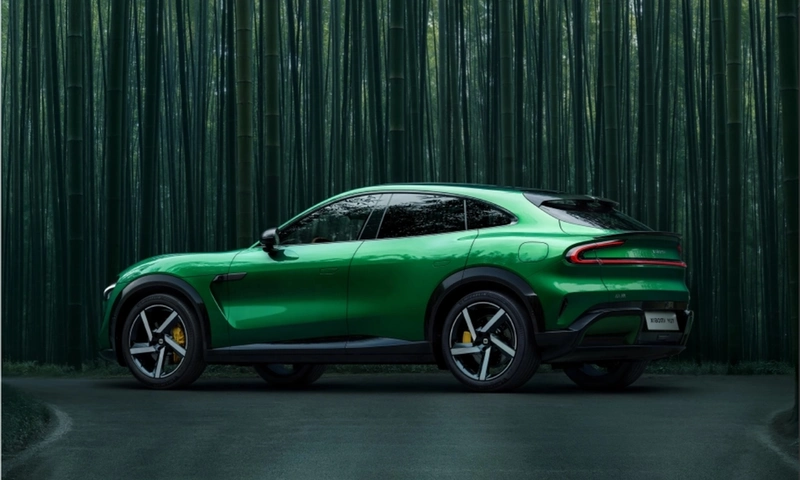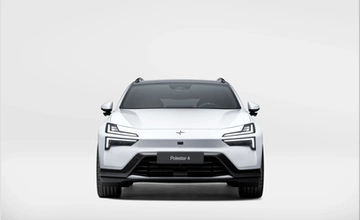
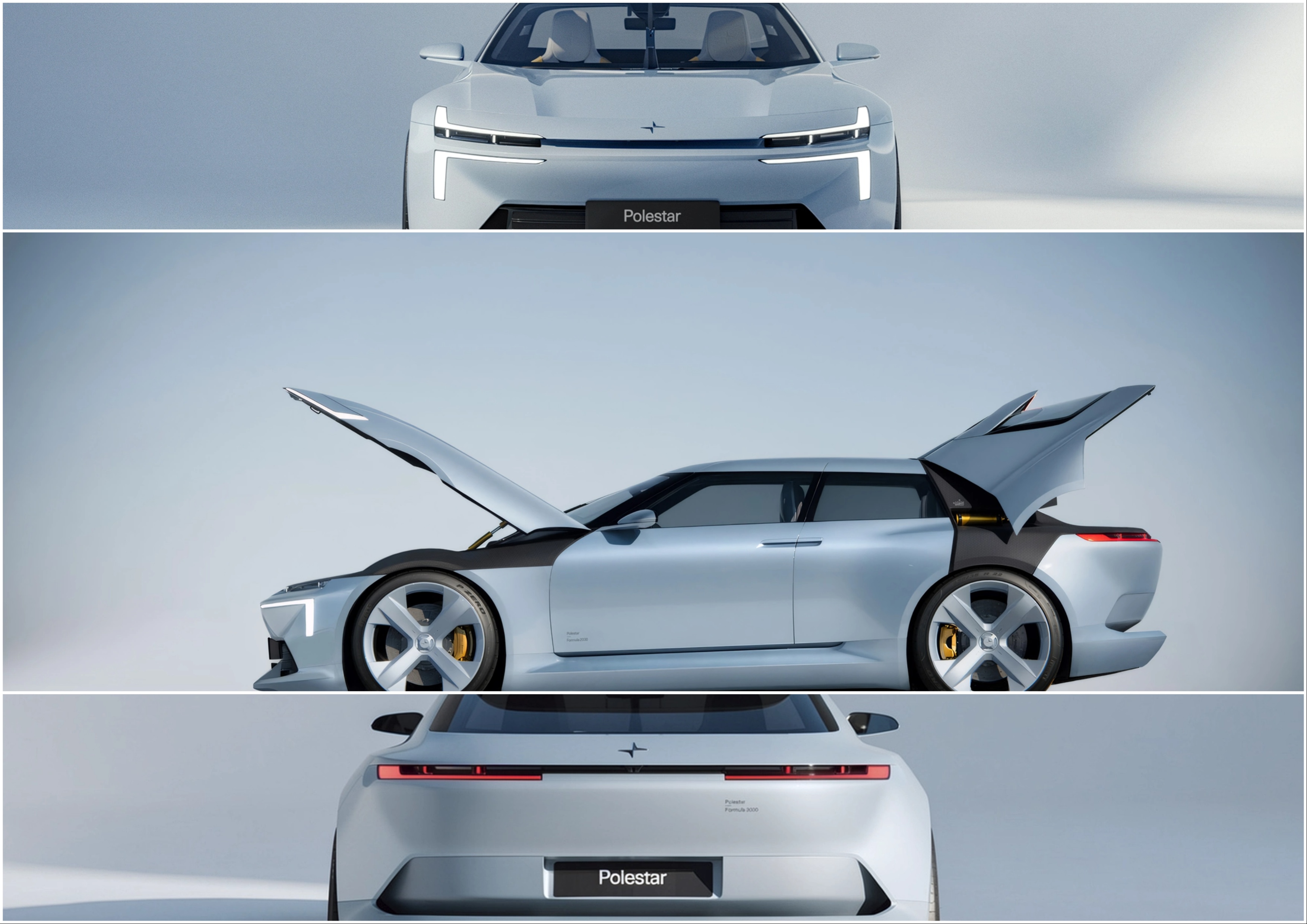
The Polestar Formula 2030 concept previews design features for the next Polestar 2 and Polestar 7, pairing a low four-door body with eight customizable physical controls. Polestar revealed it on November 10, 2026, without announcing battery capacity, horsepower, driving range, charging specifications, or a price.
How big is the Formula 2030 concept?
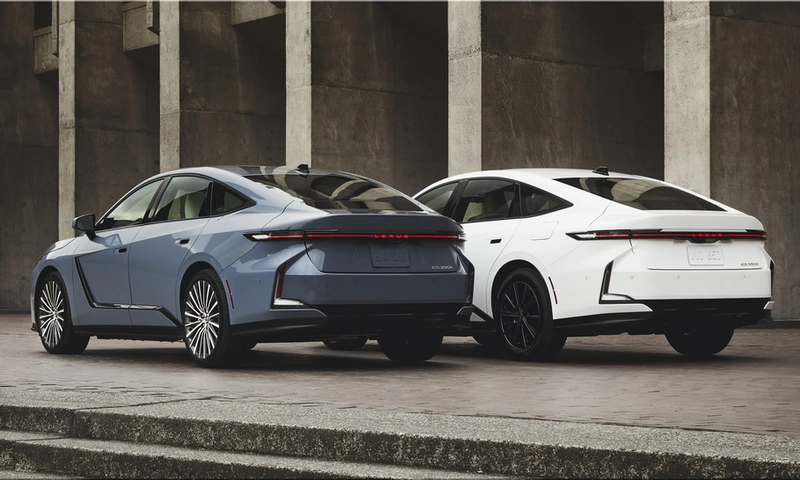
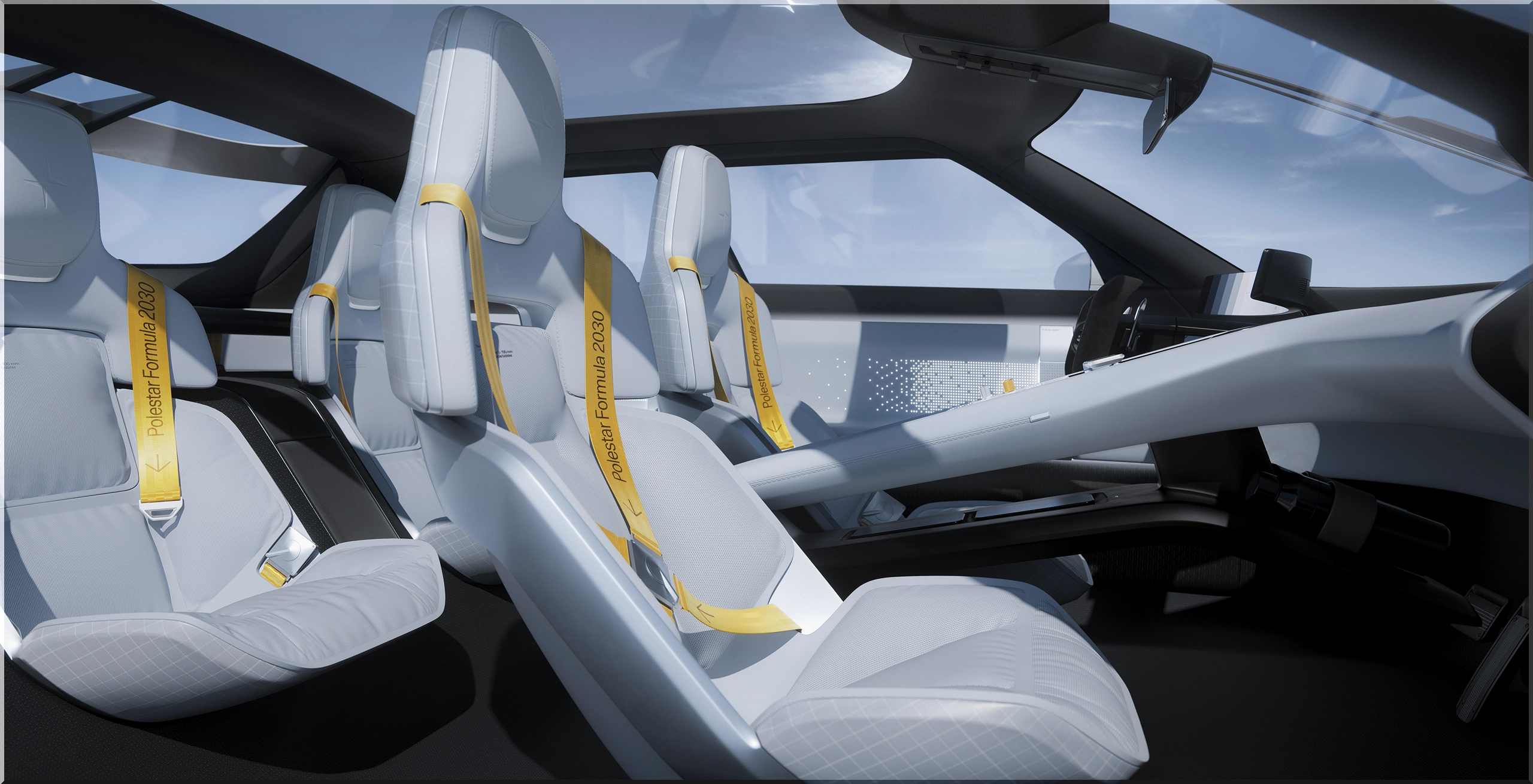
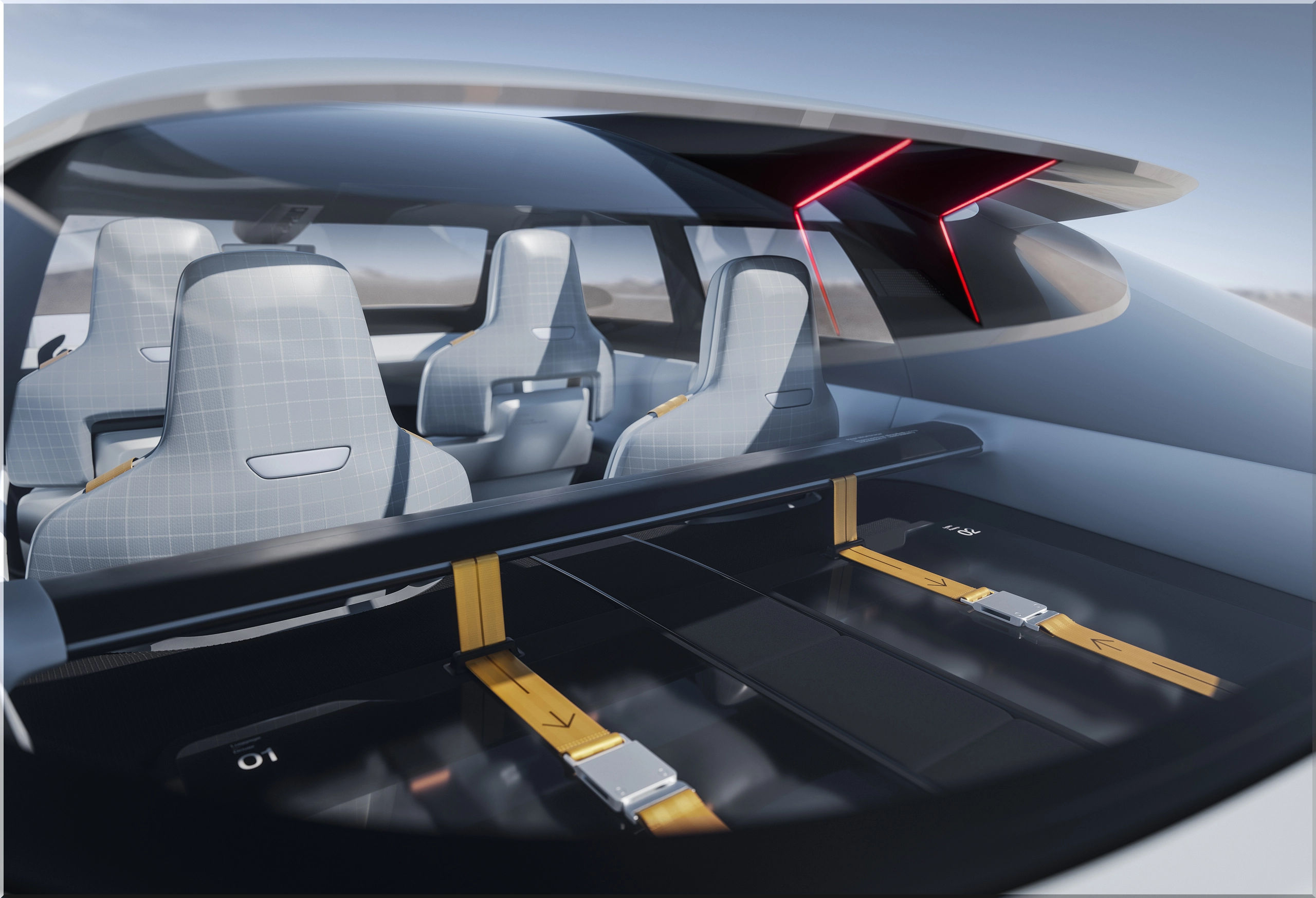
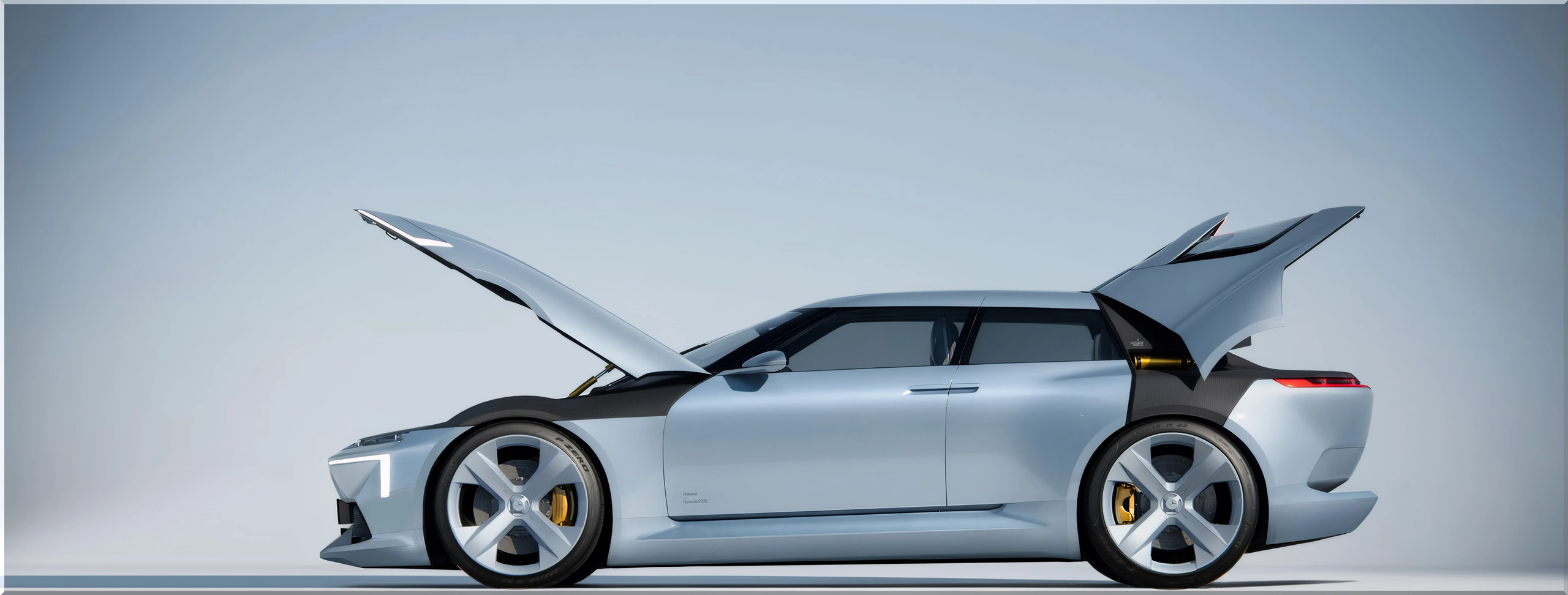
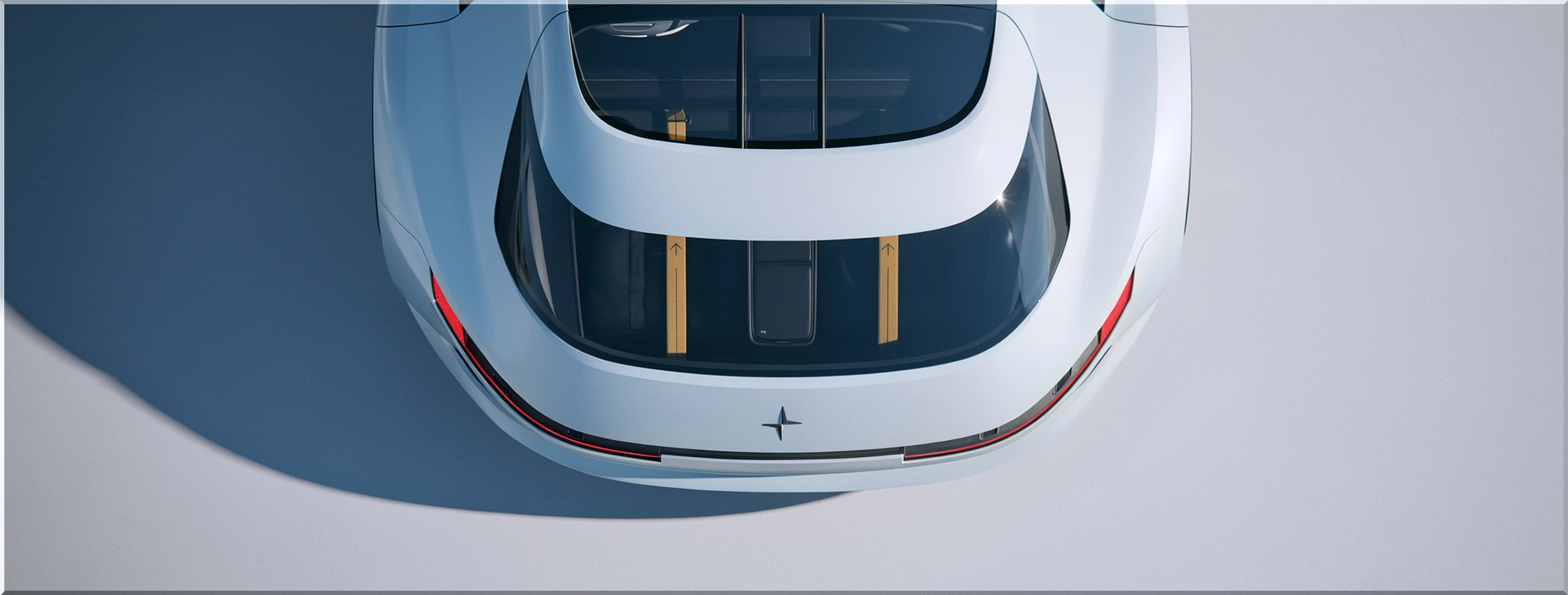
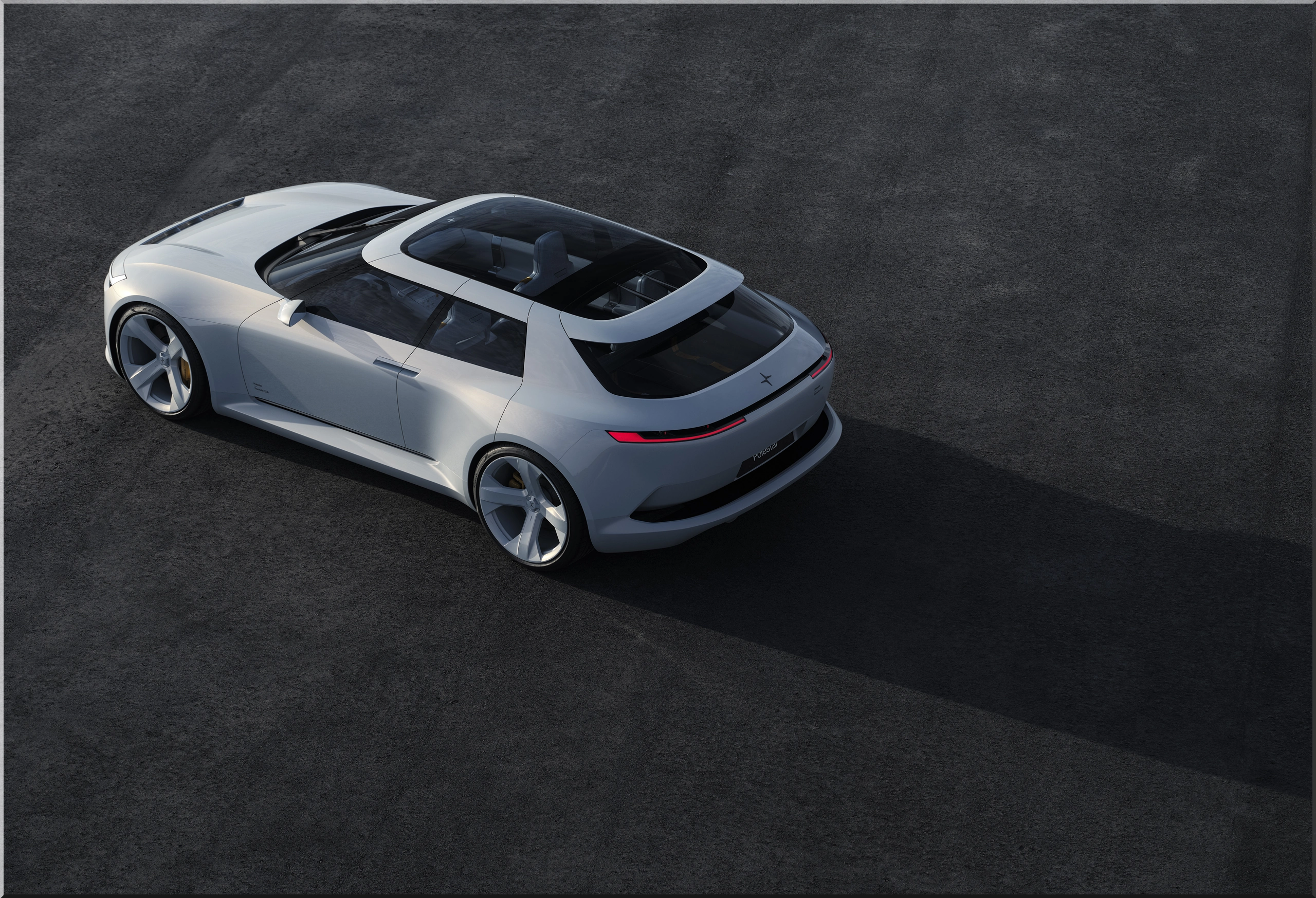
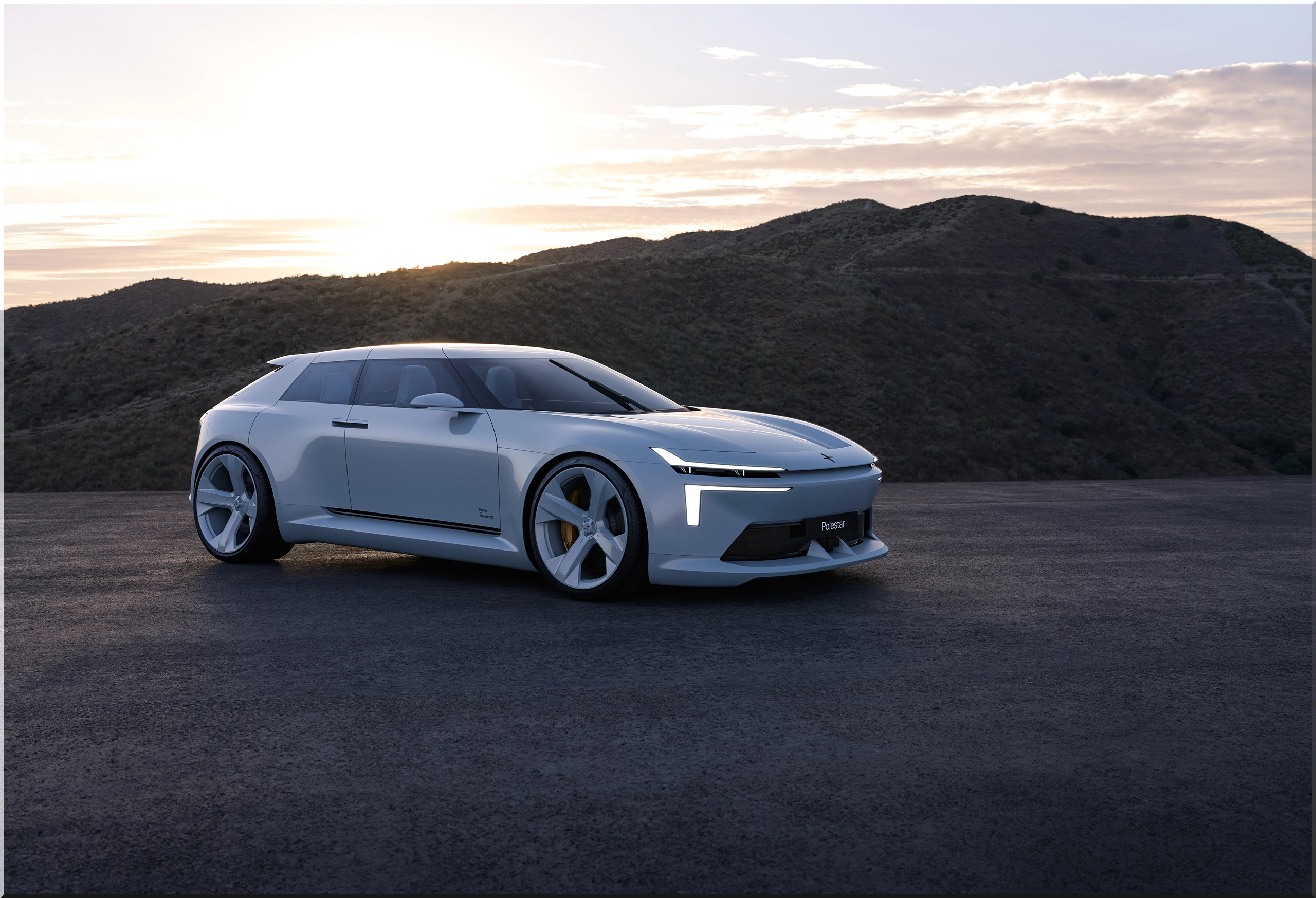
Formula 2030 measures 184.3 inches (4,680 mm) long, 79.6 inches (2,021 mm) wide, and 53.1 inches (1,350 mm) tall, with a 109.4-inch (2,780 mm) wheelbase. Four seats and opposing doors give it a practical brief, although Polestar publishes no headroom measurements or cargo volume.
Image
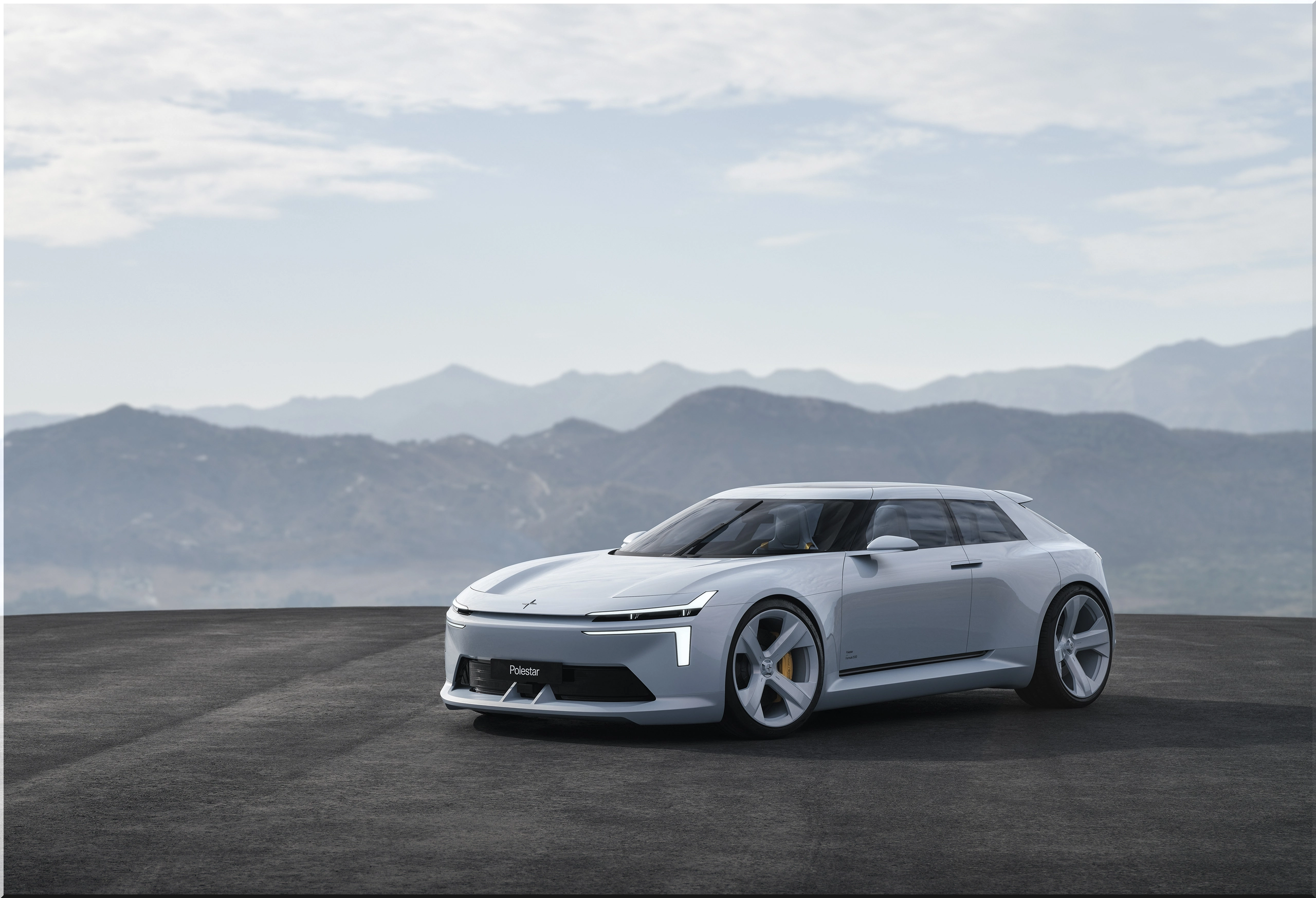
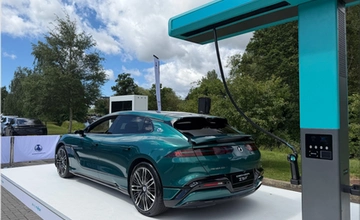
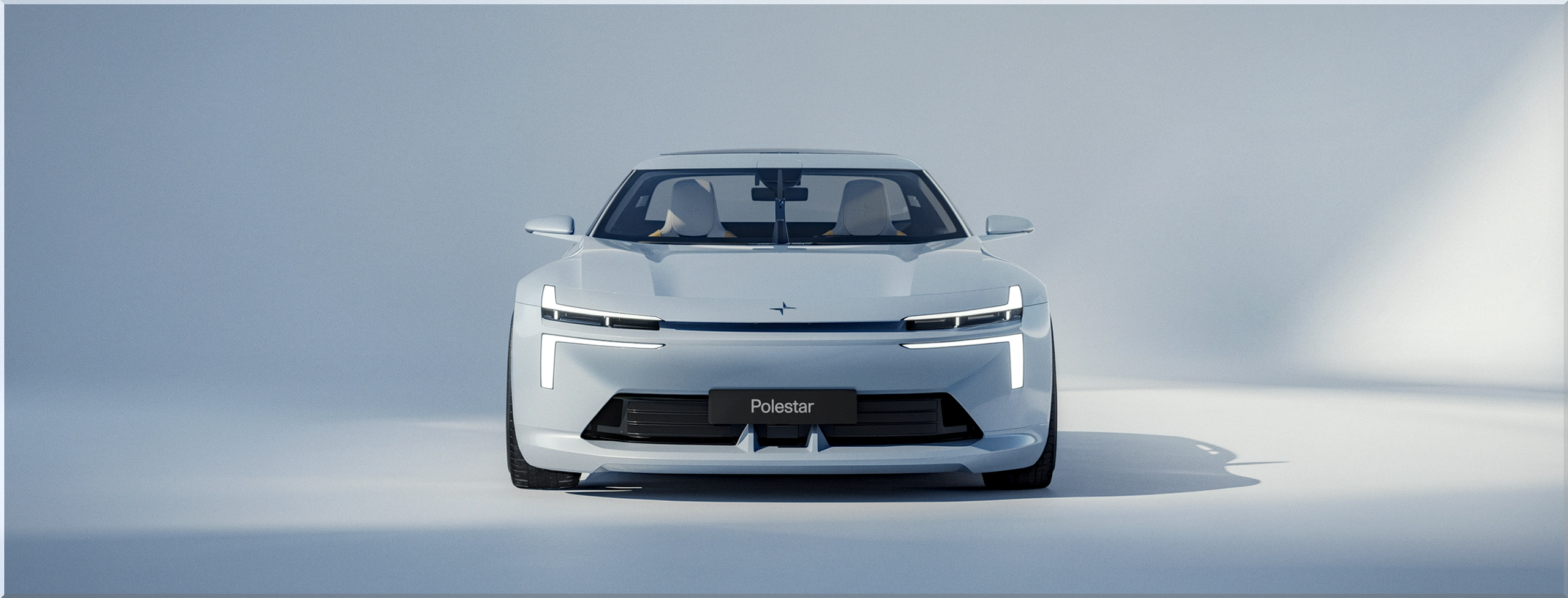
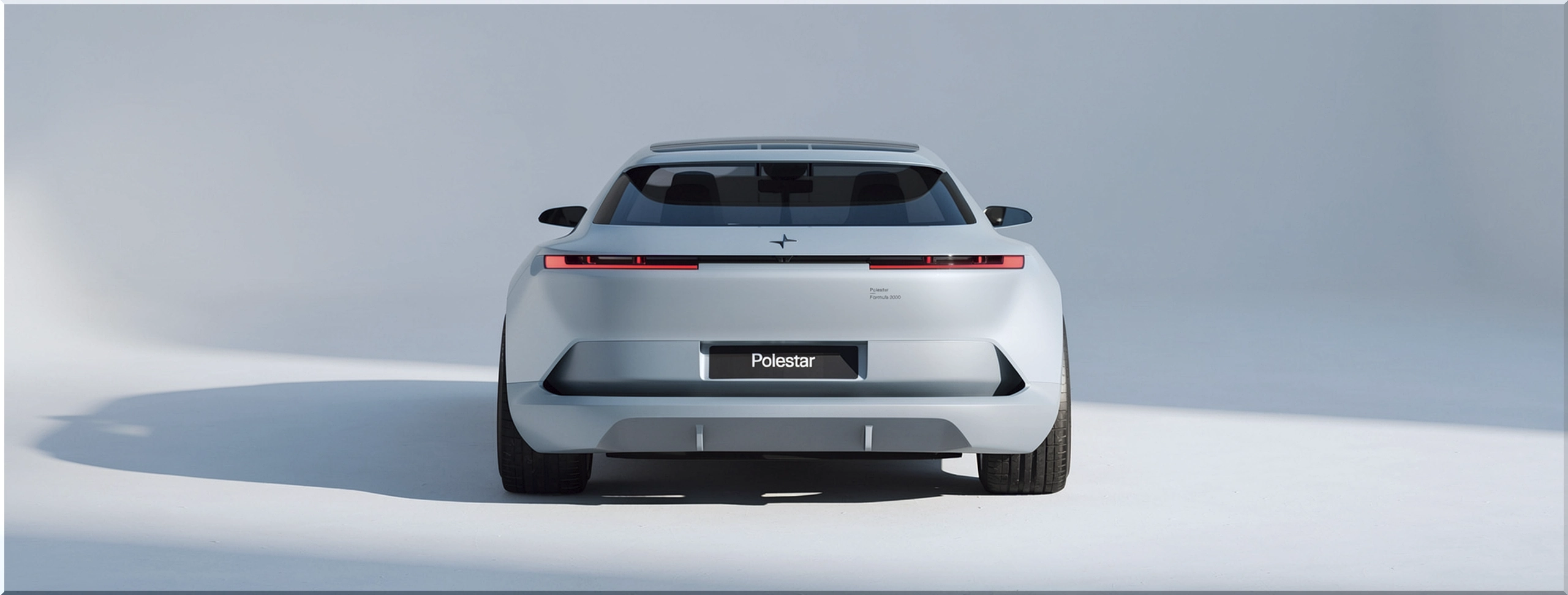
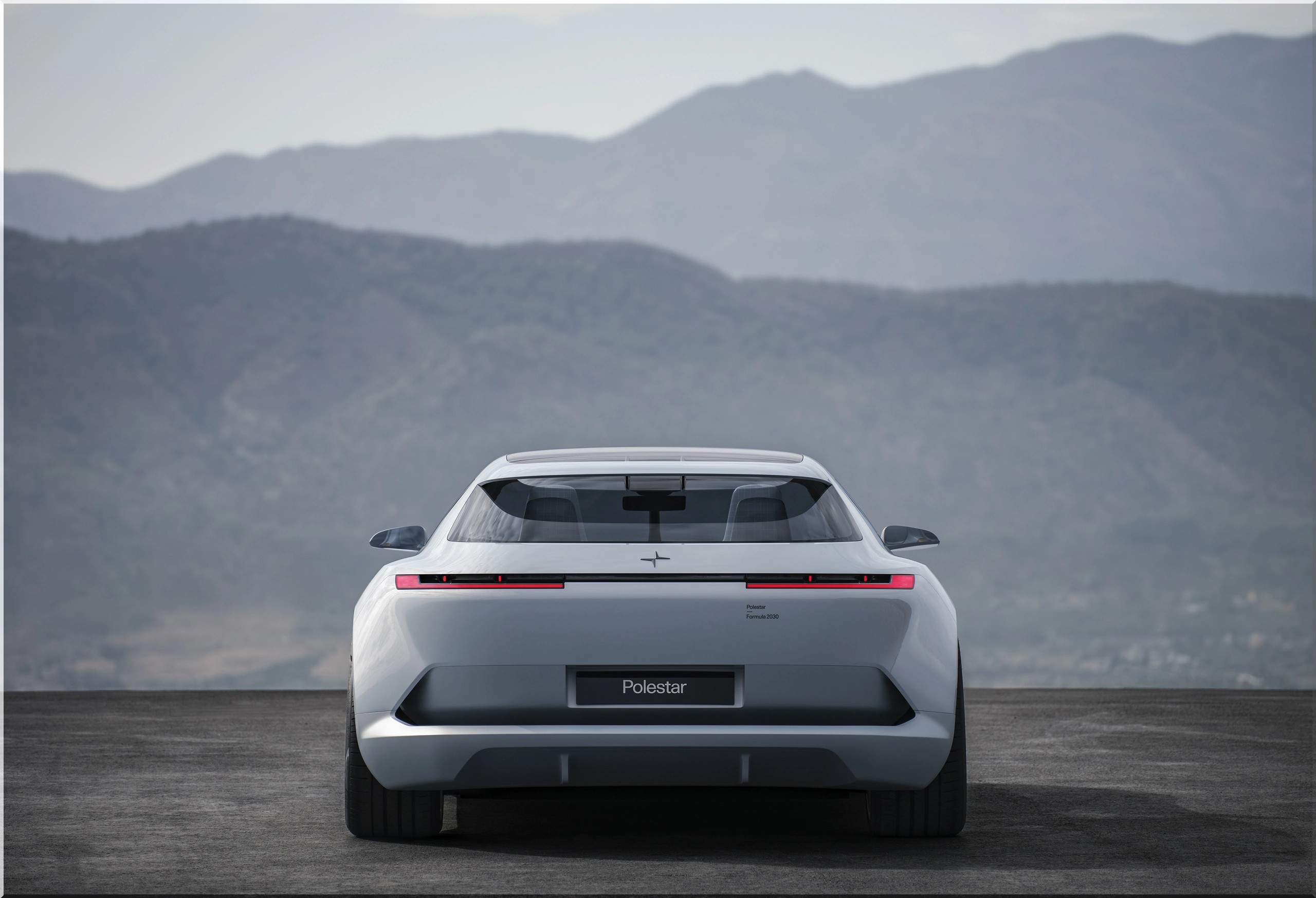
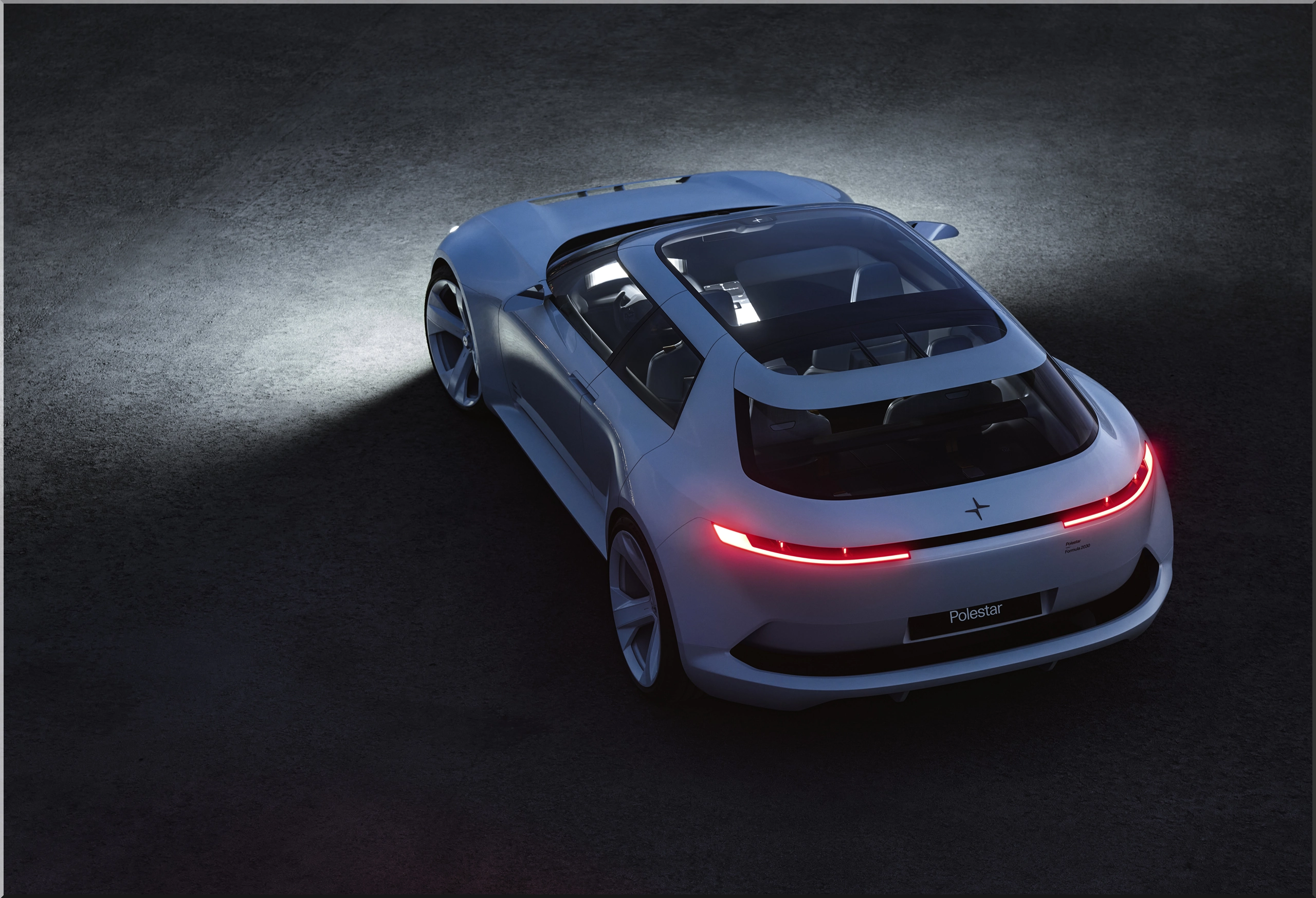
Head of Design Philipp Römers led the project. Dual Blade headlights retain a familiar Polestar cue, while Single Blade rear lights replace the full-width light bar. Its roof sits lower than the Polestar 5's, but that dimension alone tells us nothing about aerodynamic drag or highway efficiency.
Polestar fits 22-inch center-lock wheels, Brembo brakes, and exposed Öhlins dampers. Those names establish component choices; without vehicle mass, tire specifications, or measured braking distances, they cannot establish stopping performance or ride quality.
Why do the physical controls matter?
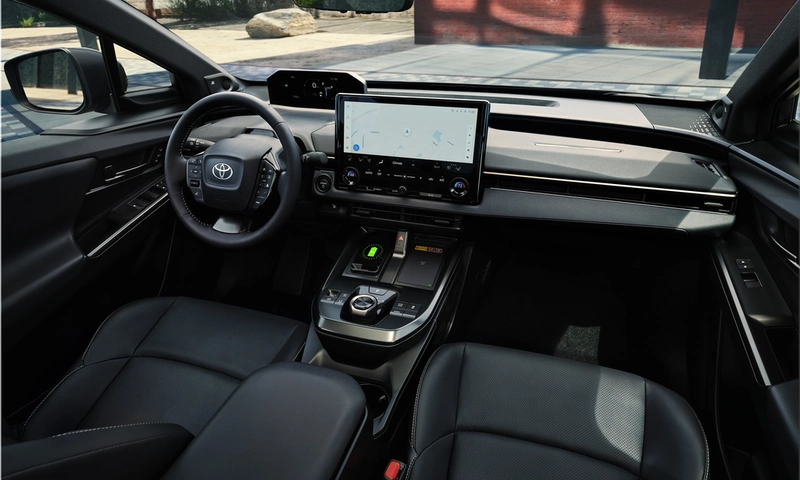
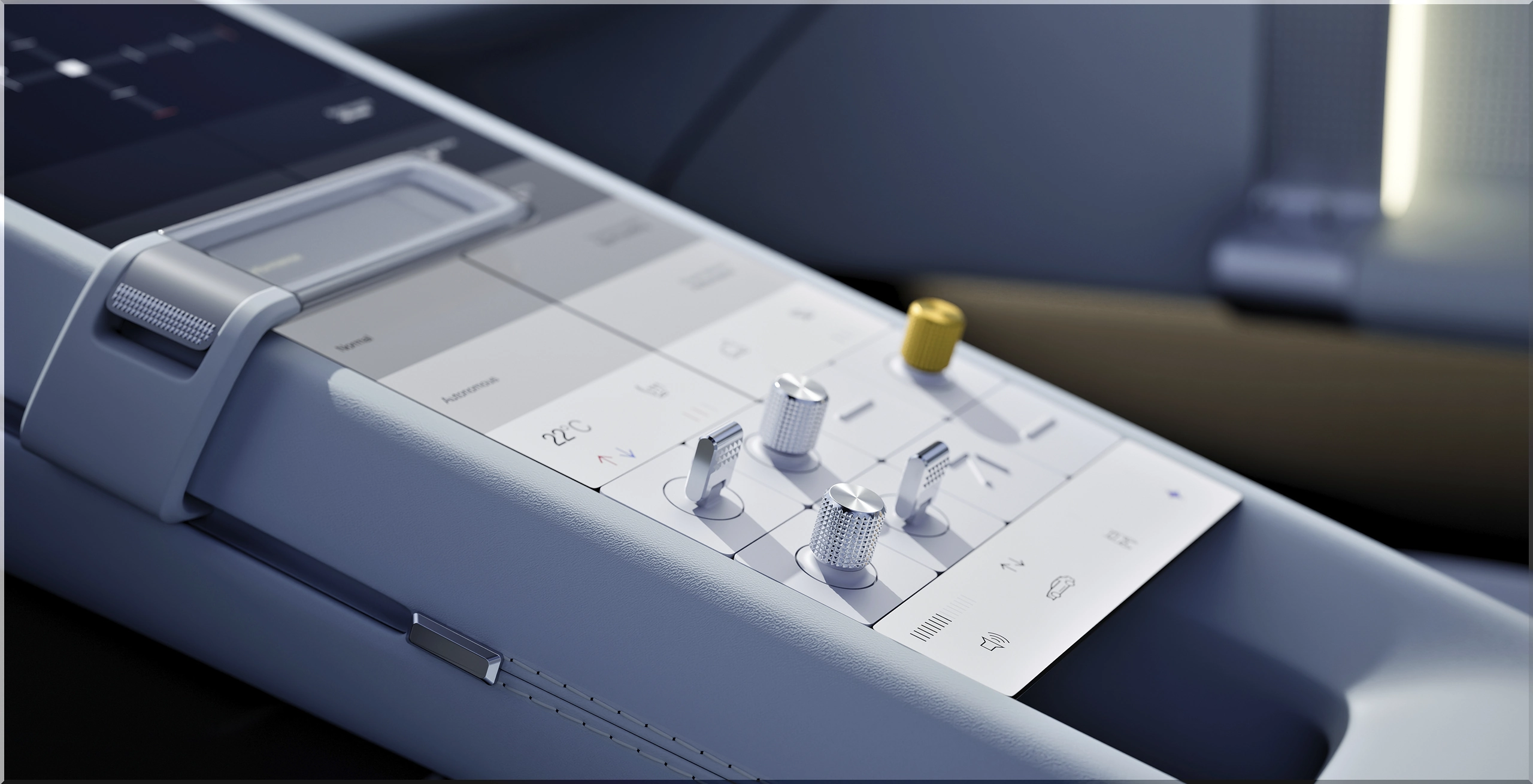
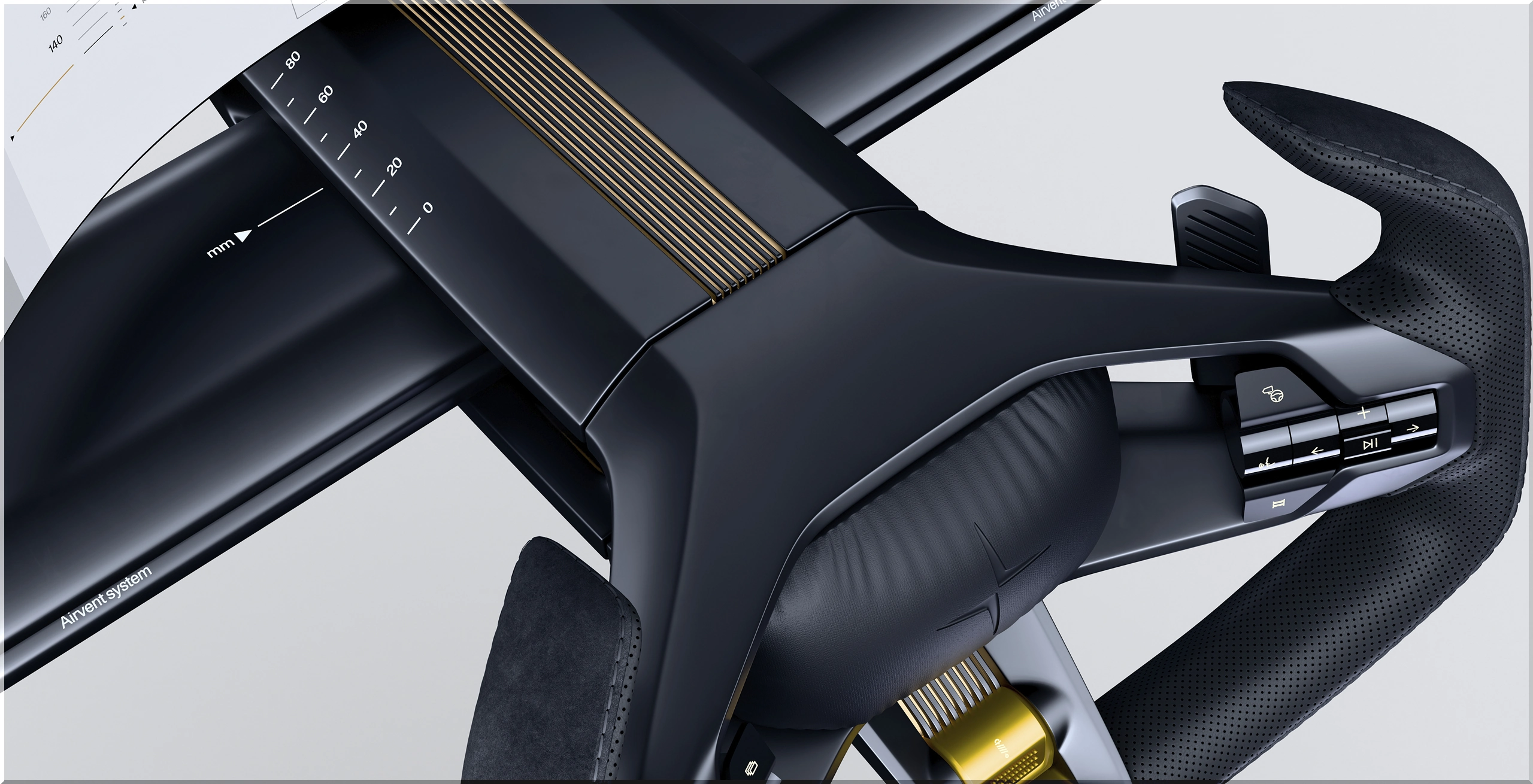
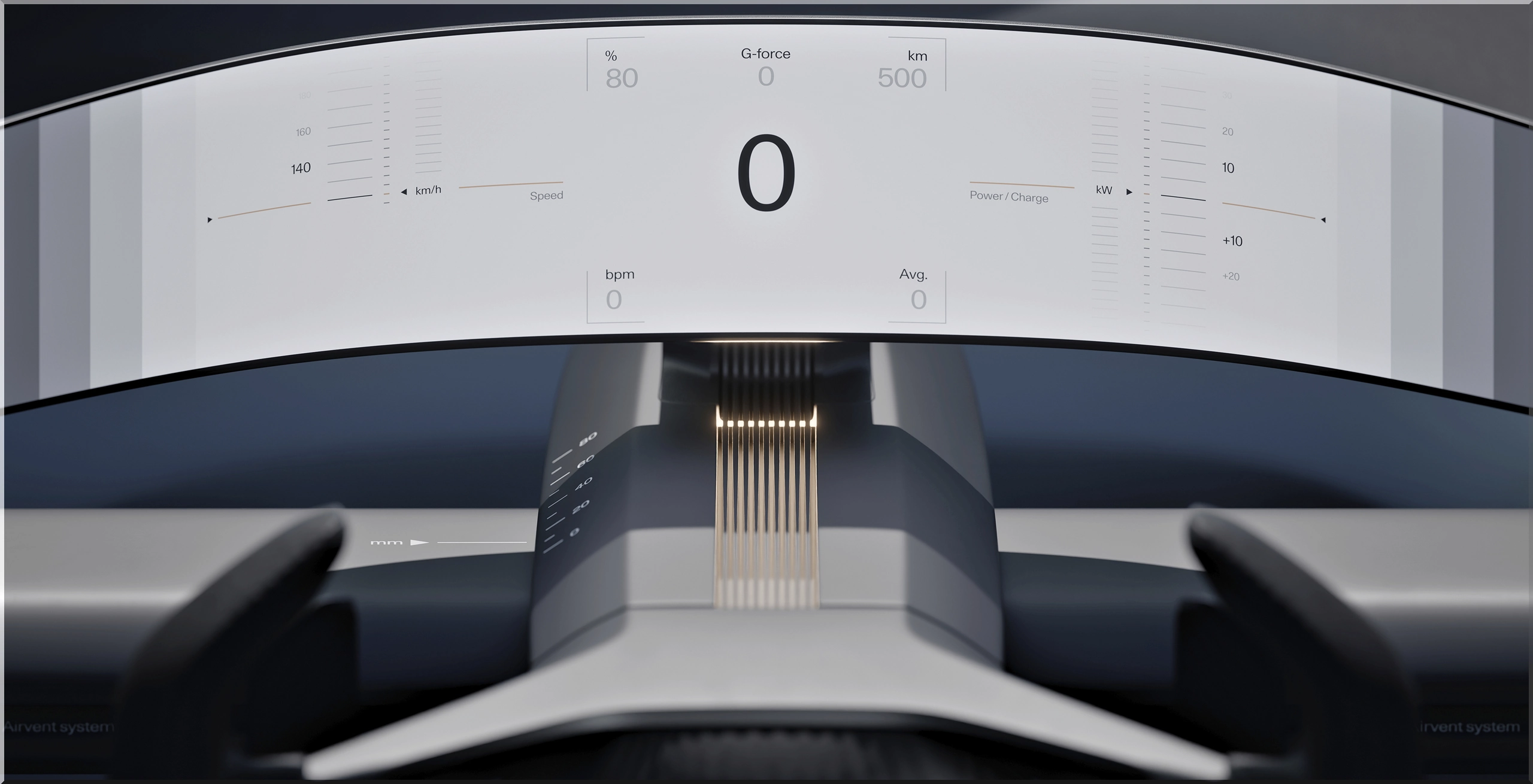
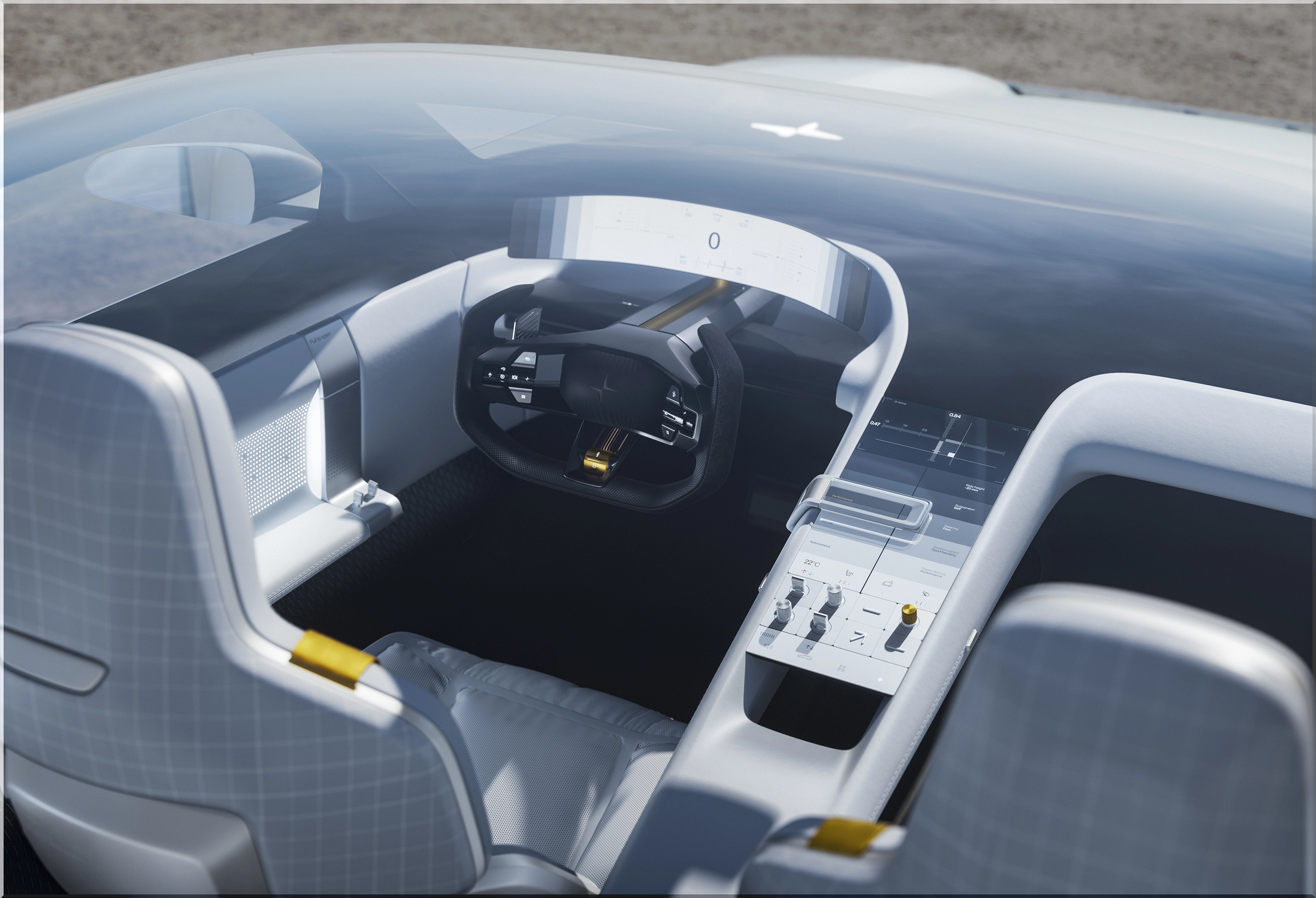
Eight customizable physical controls sit below a 12.2-inch center screen, while a curved 20-inch HyperDIM driver display faces the driver. Users can choose rocker switches or rotary controllers and assign functions. That approach could put frequent adjustments within tactile reach, reducing the need to search touchscreen menus.
My take: the buttons deserve more attention than the concept's theatrical moving cockpit. Their benefit will depend on switch spacing, labeling, and operation with gloves. Polestar has described the hardware; a road test must establish its usability.
The concept also changes its layout across three drive modes:
- Performance: The center screen lowers flush; the steering wheel and driver display move closer.
- Normal: The selector provides an intermediate setting between the other modes.
- Autonomous: The center screen rises while the seat and steering wheel move apart.
The Autonomous label describes a concept function, not proof of approved hands-free operation.
What are the Formula 2030's pros and cons?
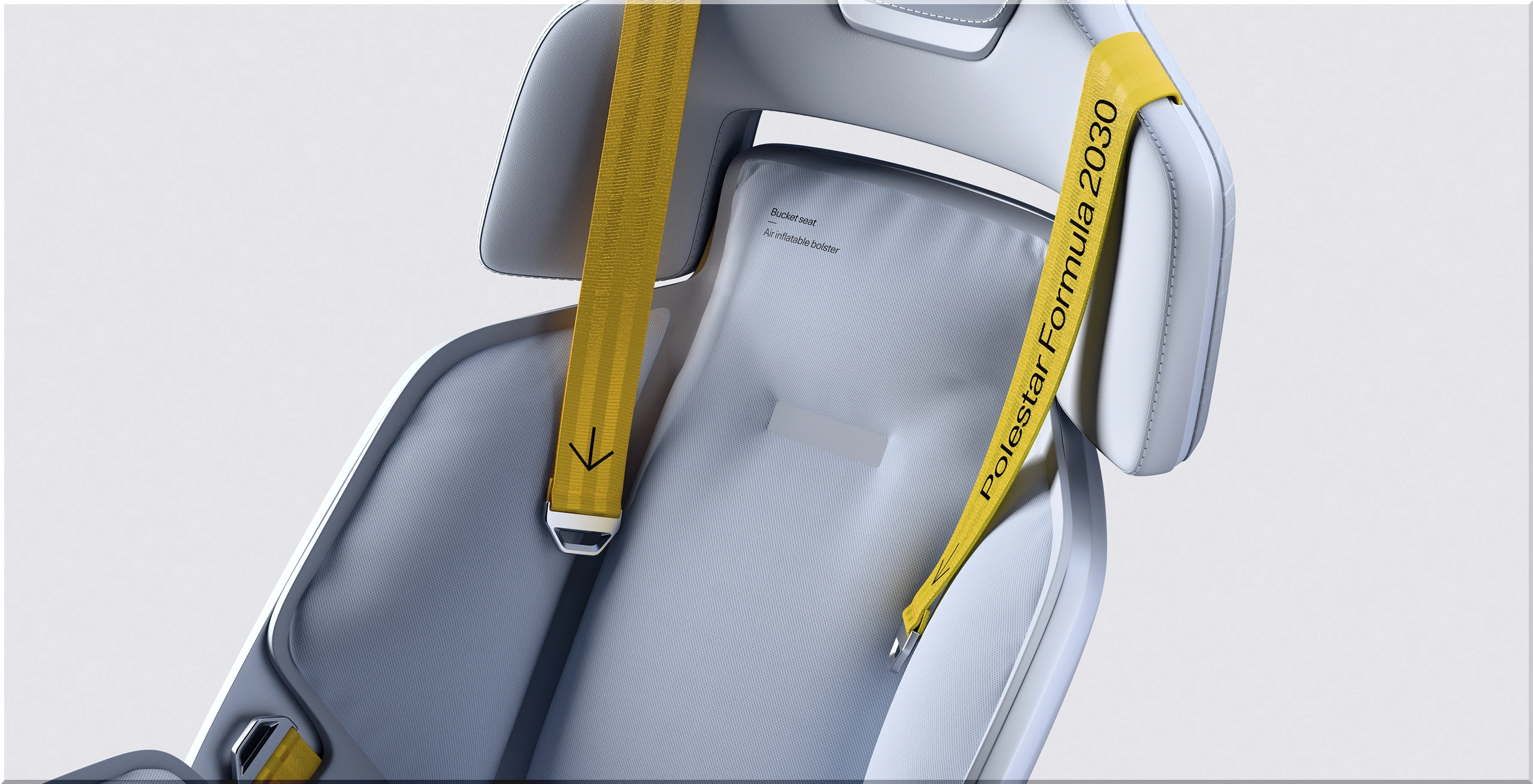
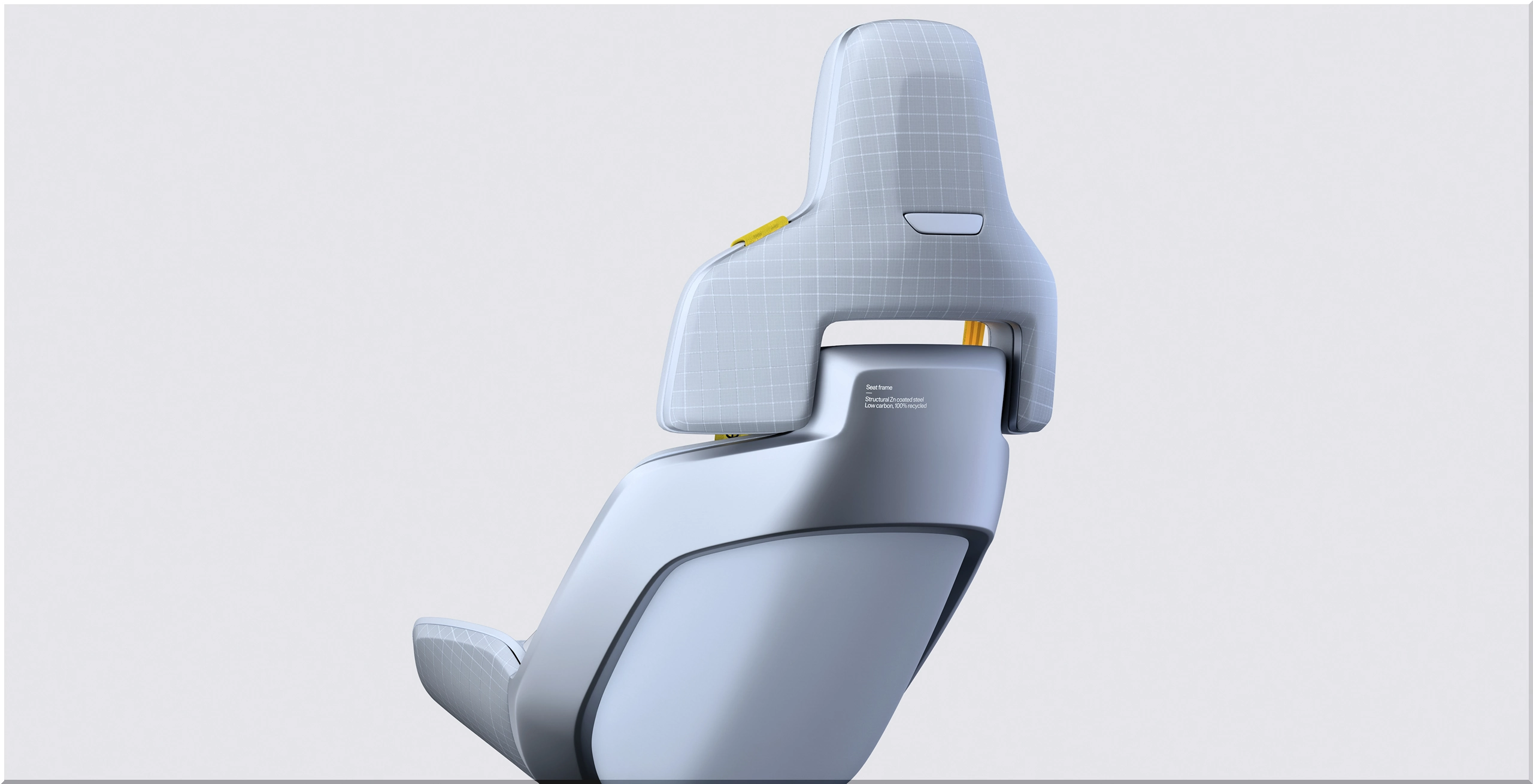
The concept offers a useful direction for controls and materials, but Polestar leaves its real-world capability unquantified. Low-emission steel, flax-composite seat backs, and door layers from the same polymer family address manufacturing and recycling choices; none establishes battery longevity, charging convenience, or total ownership cost.
| Pros | Cons and unanswered questions |
|---|---|
| Eight configurable physical controls | No road-test evidence of usability |
| Four seats in a 184.3-inch body | No headroom or cargo-volume figures |
| Door materials target closed-loop recycling | No complete vehicle lifecycle emissions figure |
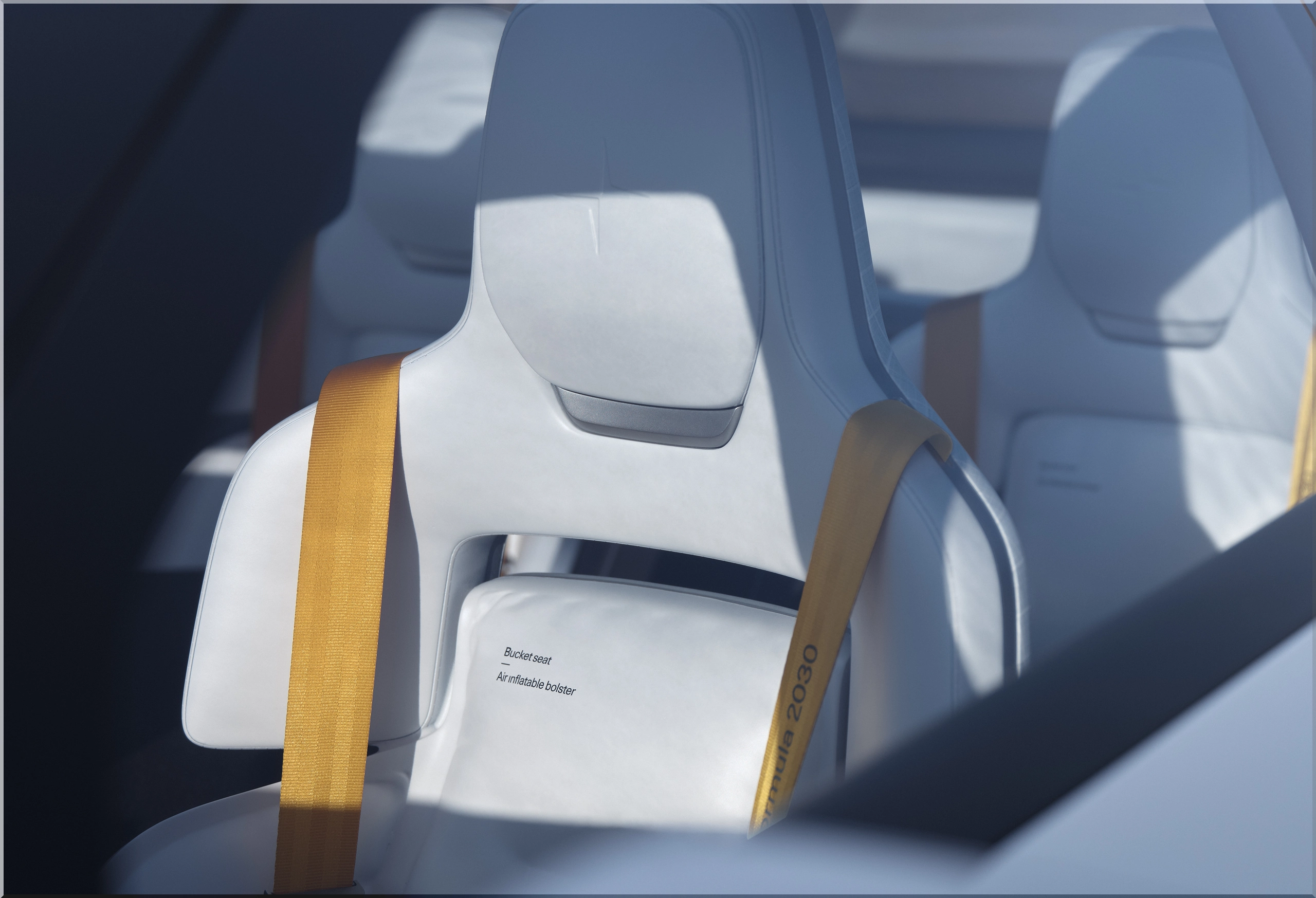
Polestar combines European flax with bio-based polypropylene in the seat backs. It also uses recycled raw material and renewable energy for steel components. Those choices merit attention, but material descriptions cannot substitute for a measured whole-vehicle carbon footprint.
Image gallery:
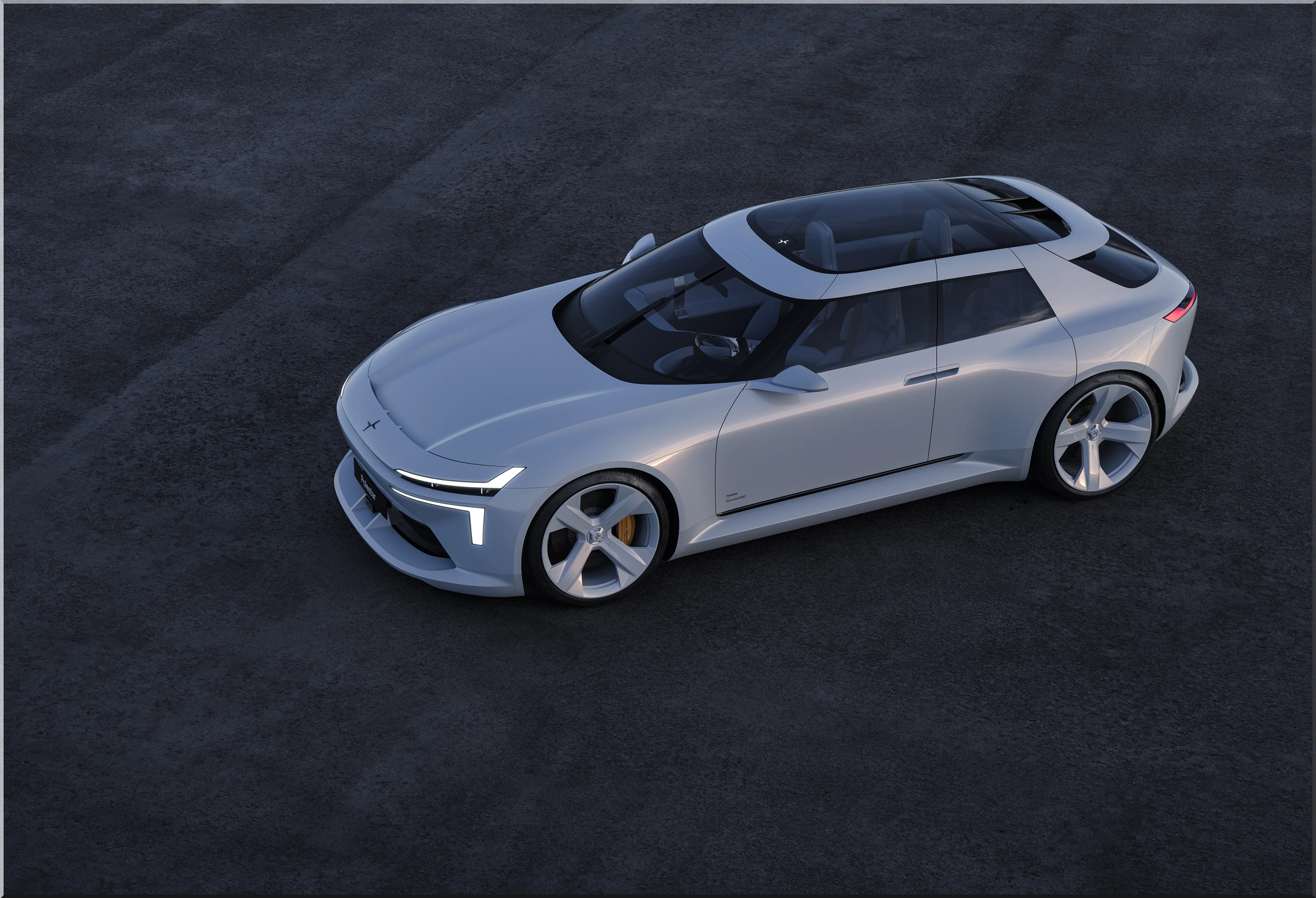
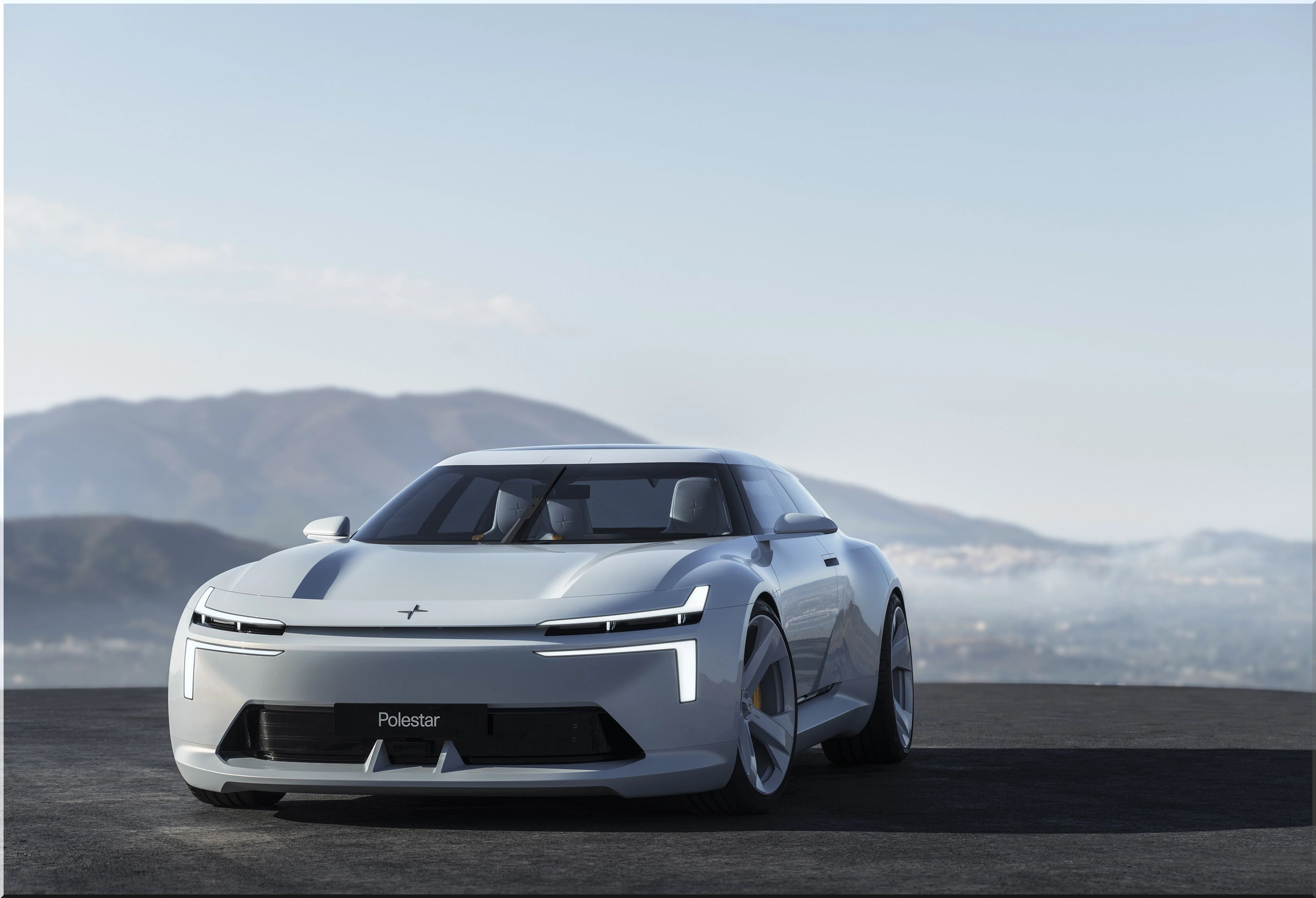
Should U.S. EV buyers wait for Formula 2030?
Treat Formula 2030 as a design preview. Polestar plans the next Polestar 2 for 2027 and Polestar 7 for 2028, carrying selected concept design attributes. It makes no production commitment for this exact car, and the reveal supplies no U.S. price or launch date.
Pro tip: Before delaying an EV purchase, require a confirmed U.S. release, EPA range, charging curve, NACS compatibility, warranty, and insurance quote. A concept's styling cannot answer those ownership questions.
- Add new comment
- 6 views