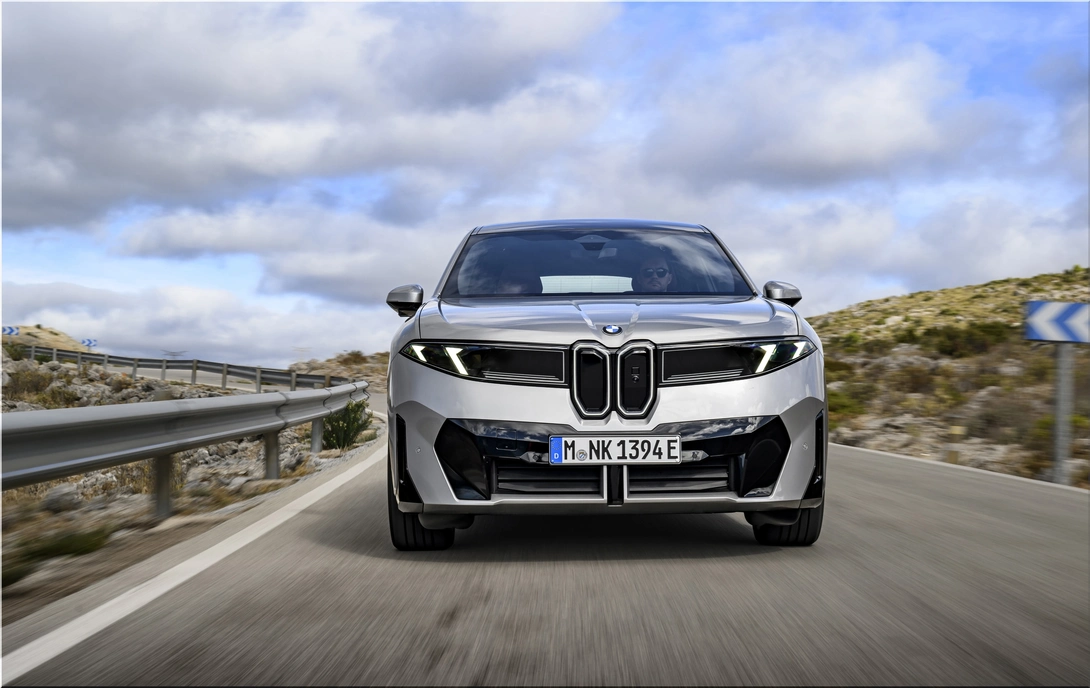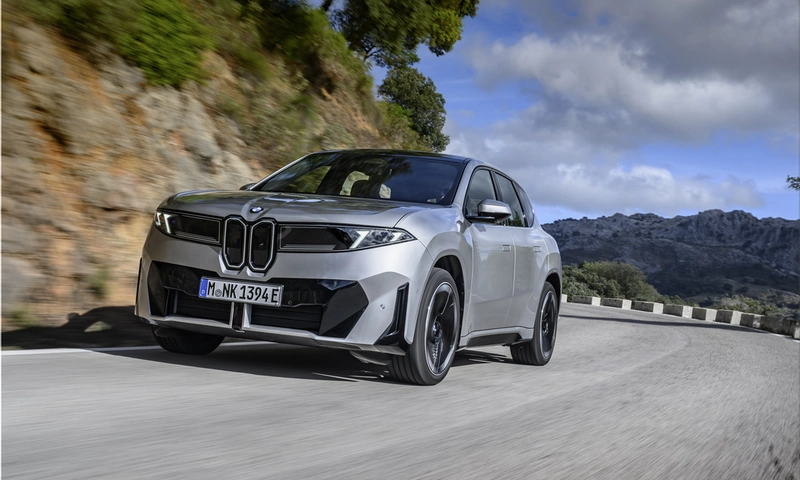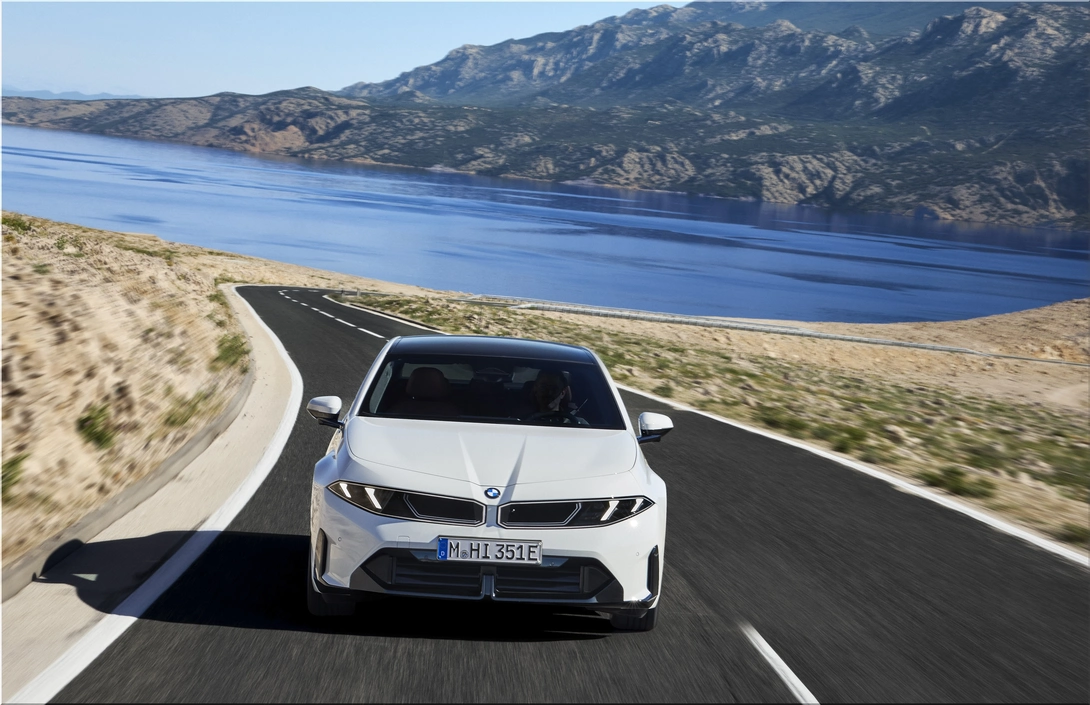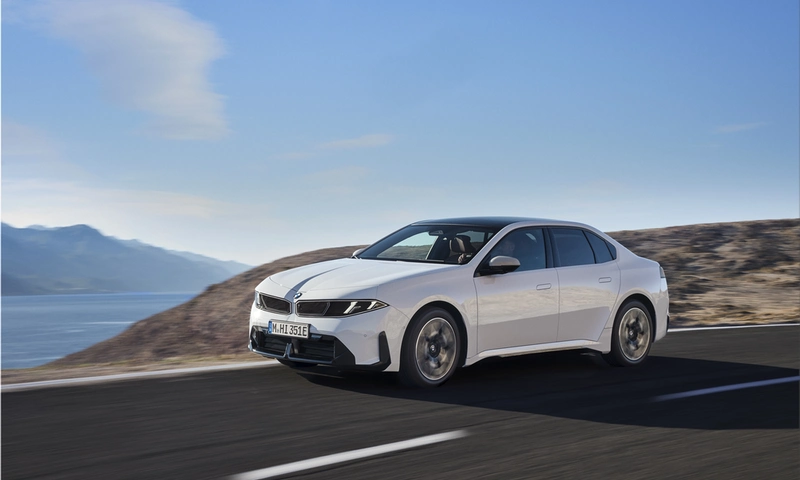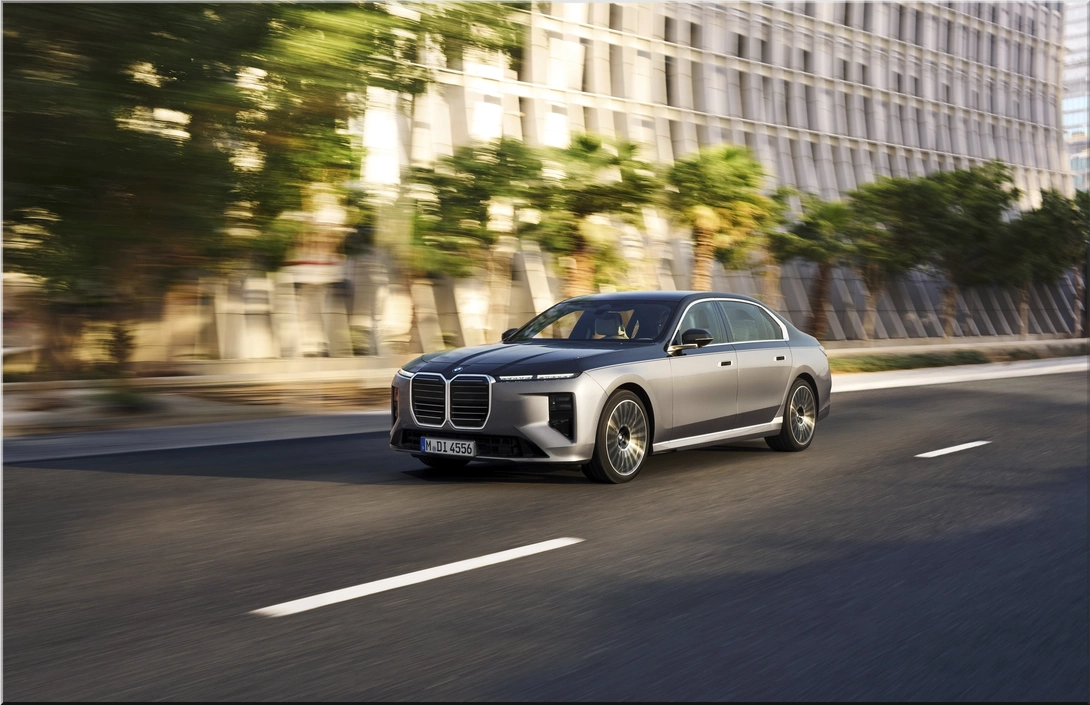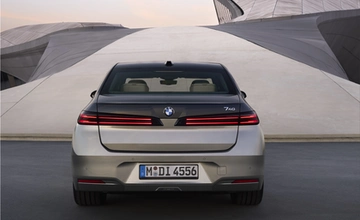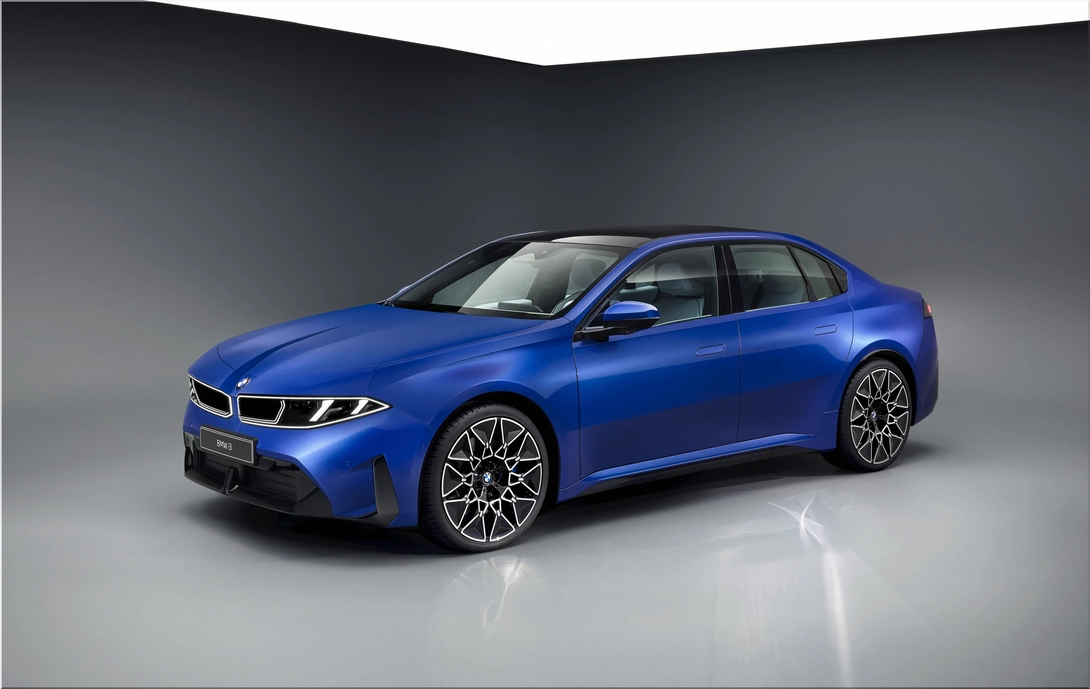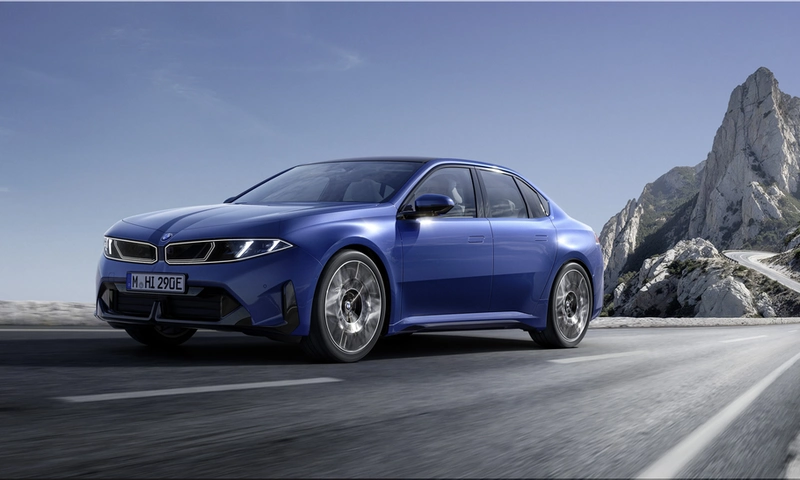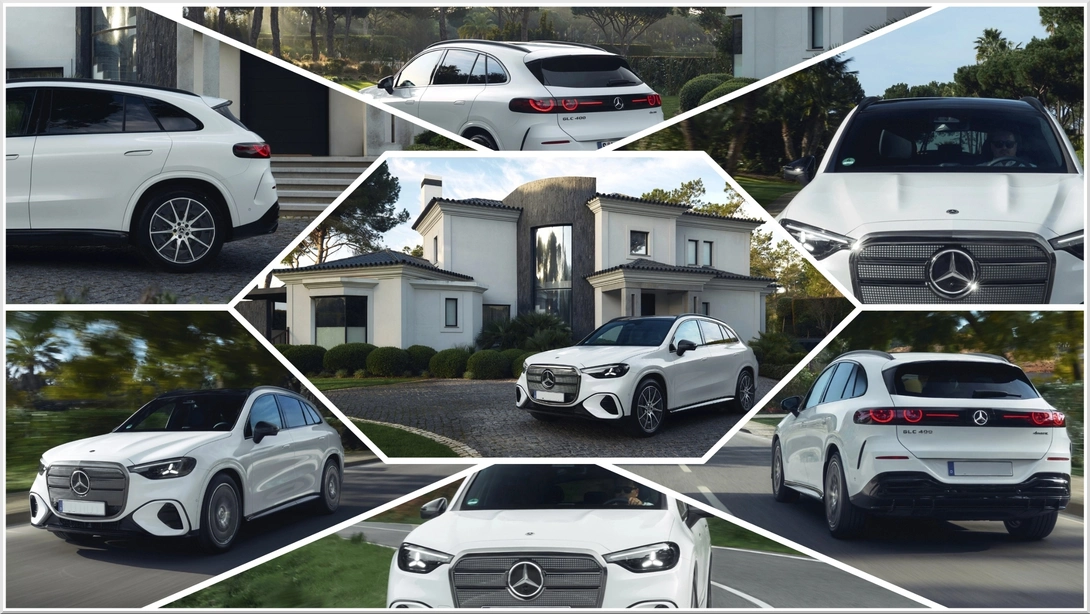
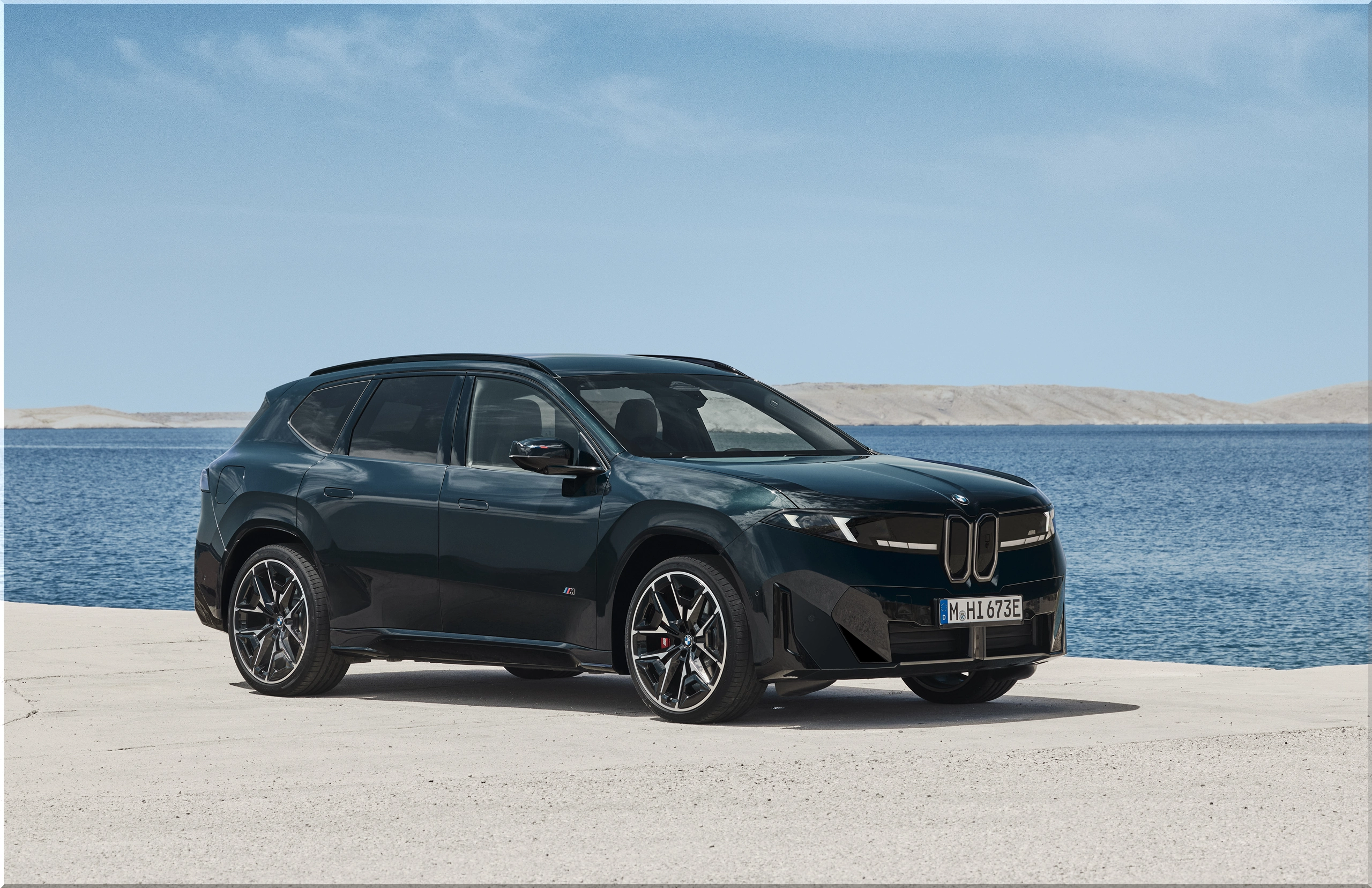
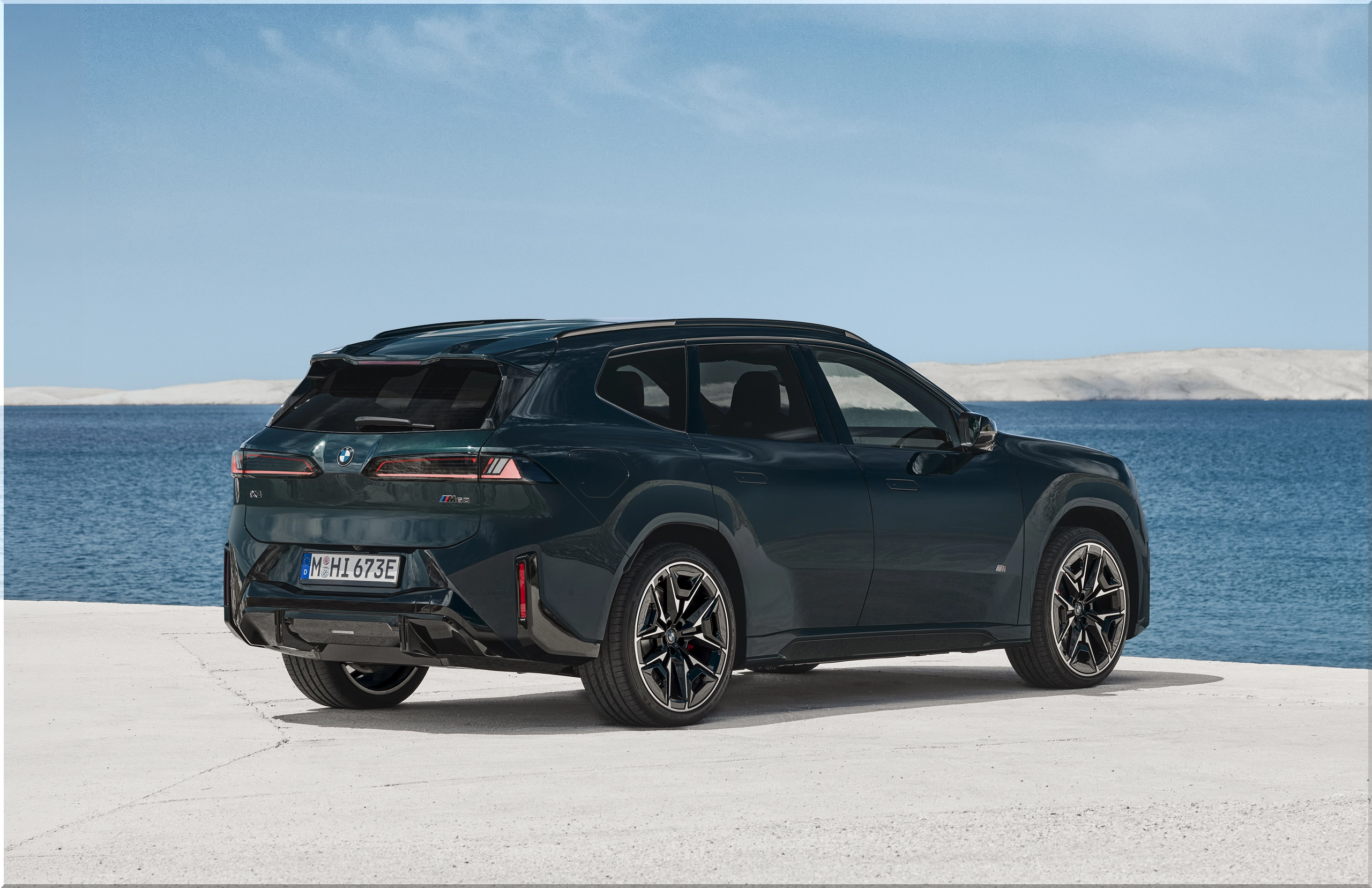
The 2027 BMW iX3 M60 xDrive combines 603 US horsepower, dual-motor all-wheel drive, and 400-kW DC charging with standard adaptive M suspension. BMW targets 3.9 seconds to 62 mph and up to 468 miles under WLTP testing. Orders open in late January 2027; US pricing and EPA range remain pending.
Image
How much faster does the BMW iX3 M60 xDrive get?
The M60 produces 450 kW and 645 lb-ft of torque, cutting BMW's claimed 0–62 mph time by one second against the iX3 50 xDrive. Its engineering changes include a stronger rear-motor inverter and revised gearing. BMW's global 612-hp figure uses metric horsepower; its US release specifies 603 hp.
Specifically, BMW raises the rear inverter's current rating from 300 to 420 amps, a 40% increase. A new stator supports higher peak and continuous output, while taller gearing and greater usable rotor speed permit a 149-mph maximum. That combination addresses sustained propulsion and high-speed operation, rather than relying exclusively on an initial acceleration burst.
| Specification | BMW iX3 M60 xDrive | Buyer relevance |
|---|---|---|
| Maximum output | 450 kW / 603 US hp | Roughly 30% more power than the 345-kW 50 xDrive |
| Peak torque | 875 Nm / 645 lb-ft | Strong acceleration potential; traction still limits delivery |
| Claimed 0–62 mph | 3.9 seconds | Manufacturer claim, not an independent test |
| Top speed | 149 mph / 240 km/h | Little benefit during legal US highway driving |
| Length | 188.3 inches / 4,782 mm | Check garage clearance |
| Width | 74.6 inches / 1,895 mm | Body width; allow additional mirror clearance |
| Height | 64.4 inches / 1,635 mm | Conventional SUV proportions |
| Wheelbase | 114.1 inches / 2,897 mm | Same basic footprint as the regular iX3 |
What does 400-kW charging mean on an actual trip?
The 800-volt architecture supports a 400-kW charging peak, but the charger, battery temperature, and state of charge determine actual delivery. BMW's global M60 claim adds up to 211 WLTP miles in ten minutes under specified conditions. Drivers should use that figure as a laboratory-based planning reference, not a guaranteed highway result.
Image
Higher voltage reduces the current necessary to transmit a given power level, helping control resistive losses. However, an NACS connector alone doesn't guarantee 400 kW. BMW's US iX3 documentation lists NACS access and an included CCS DC adapter; station voltage and available power still govern charging speed.
BMW lists 15.4-kW Level 2 charging for the US M60, versus 22 kW globally. Its launch documents also disagree on usable battery capacity: 112.2 kWh in the US release and 108.7 kWh globally. Buyers should verify the final regional specification instead of combining those figures.
Pro-Tips for trip planning:
- Route through chargers that support high-voltage vehicles at the required power.
- Precondition the battery before a fast-charge stop.
- Budget additional charging stops for cold weather, high speeds, or towing.
- Check compatible home equipment before assigning value to bidirectional charging or V2H backup.
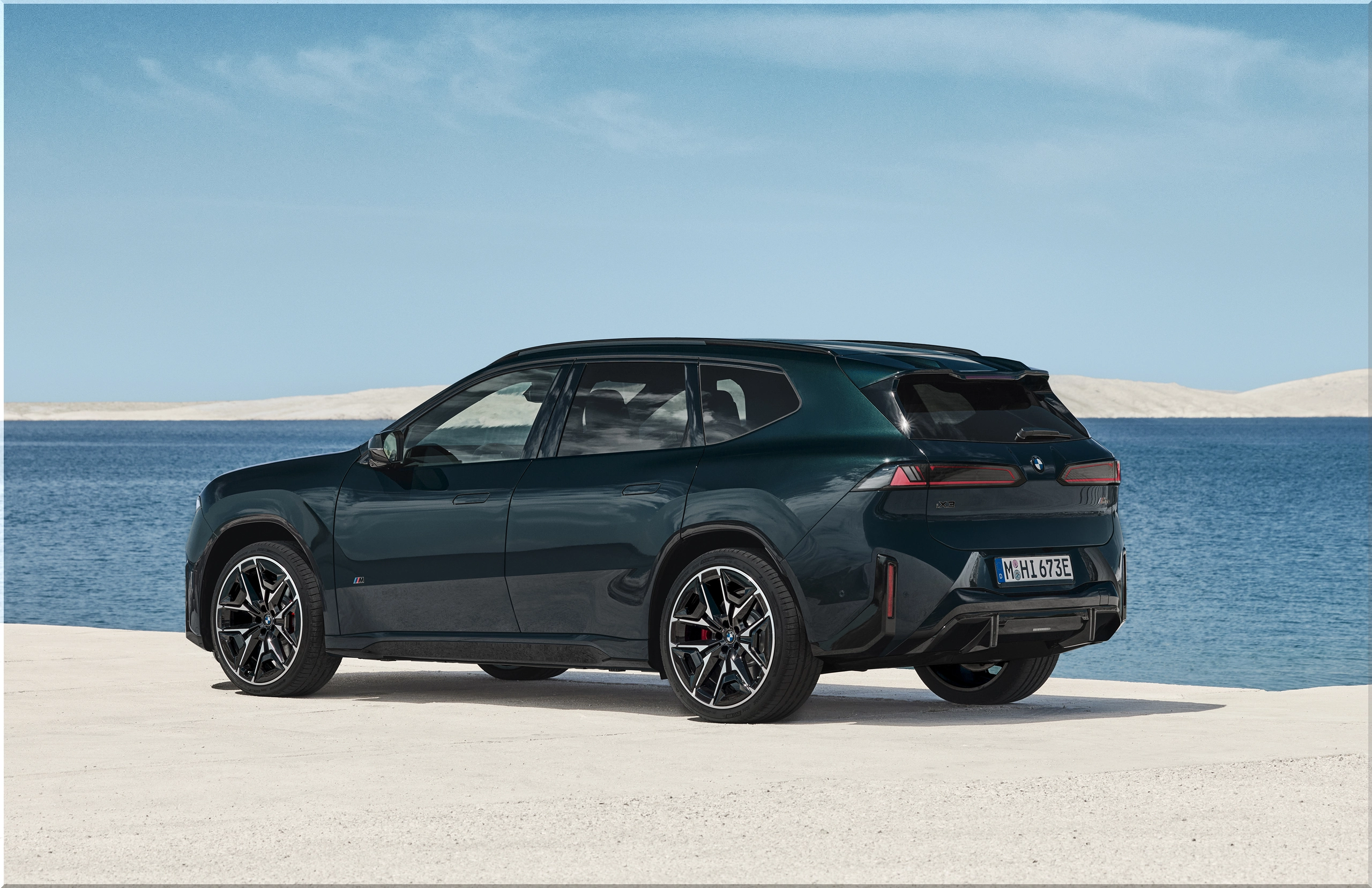
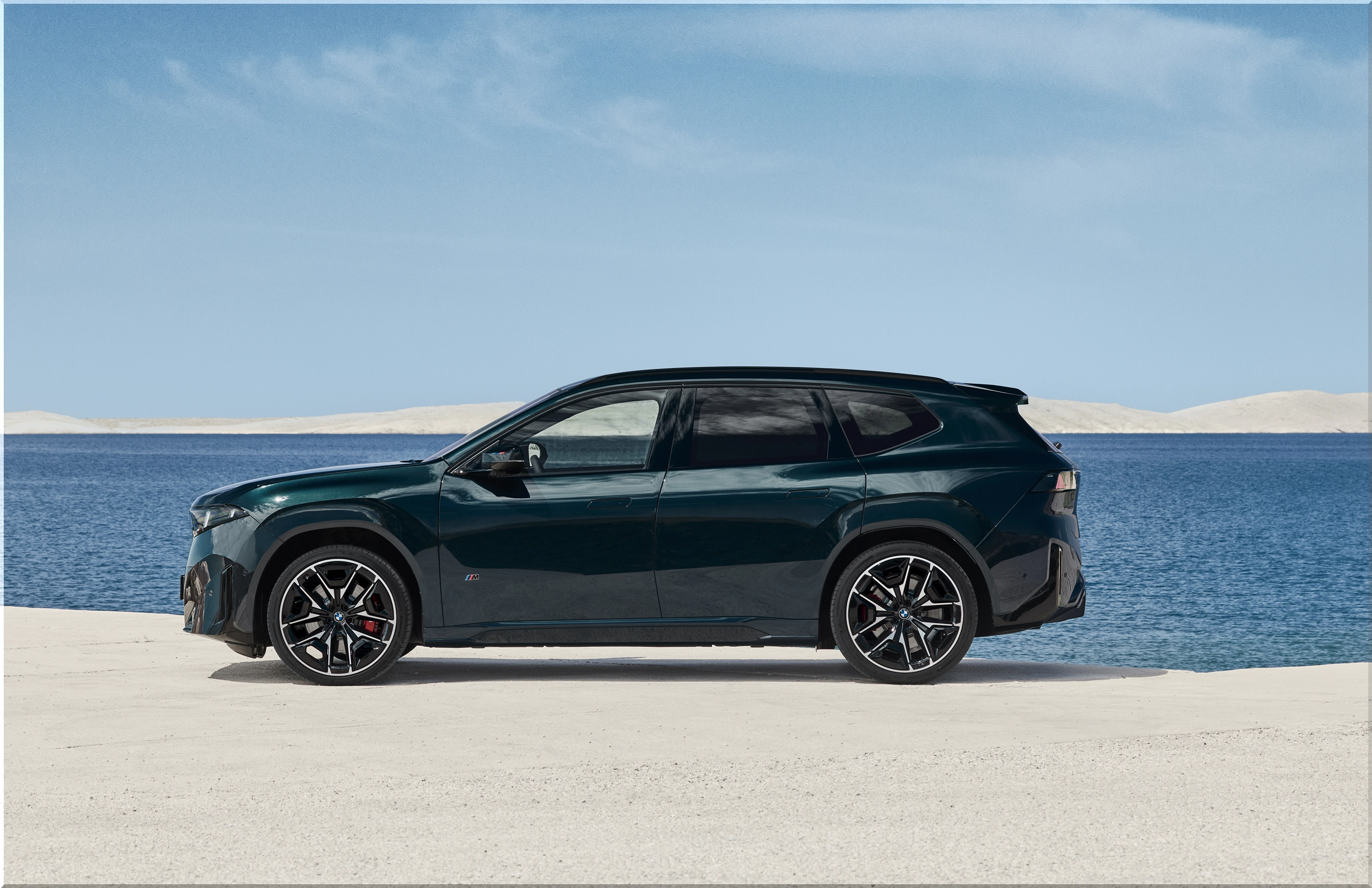
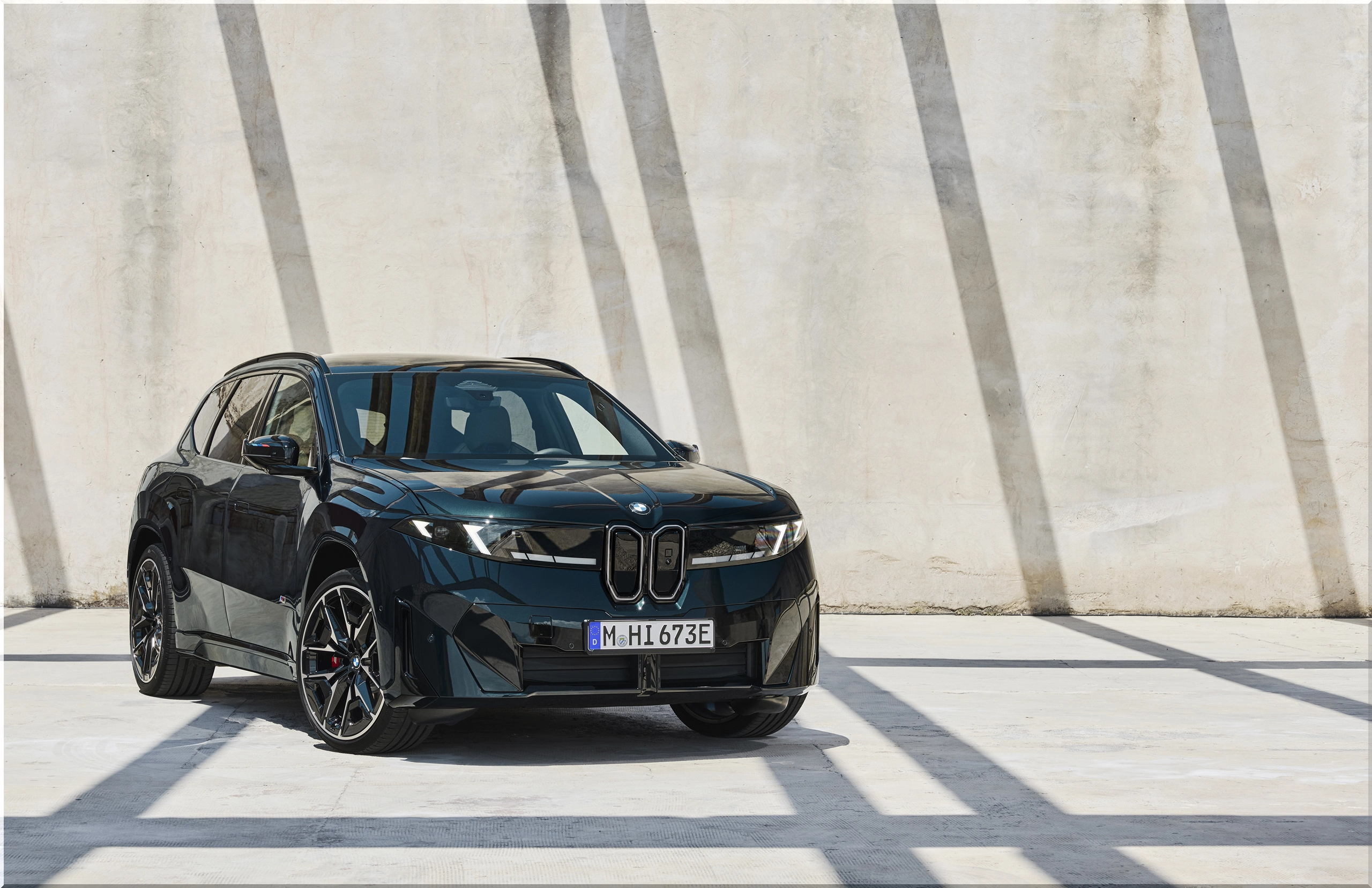
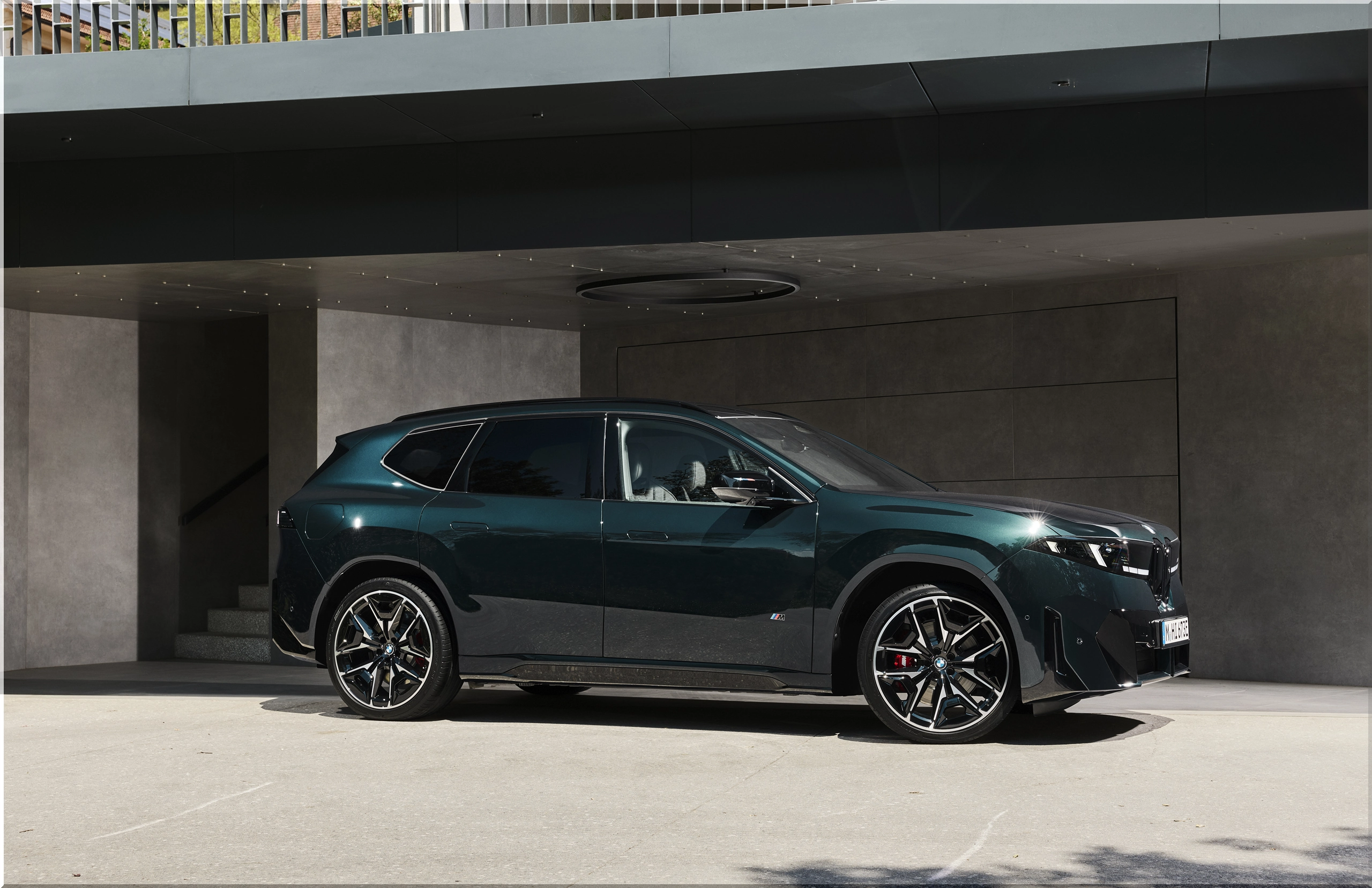
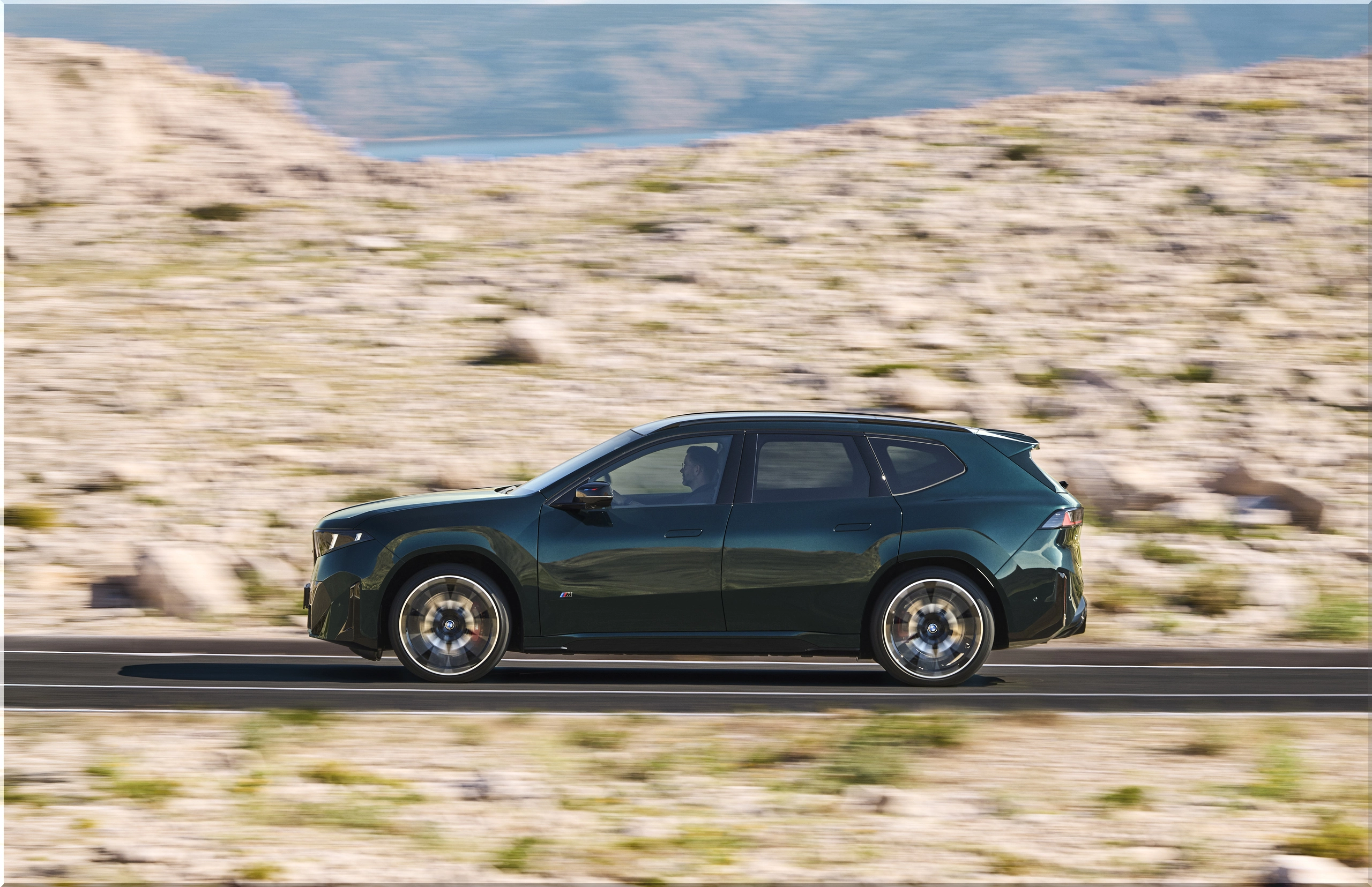
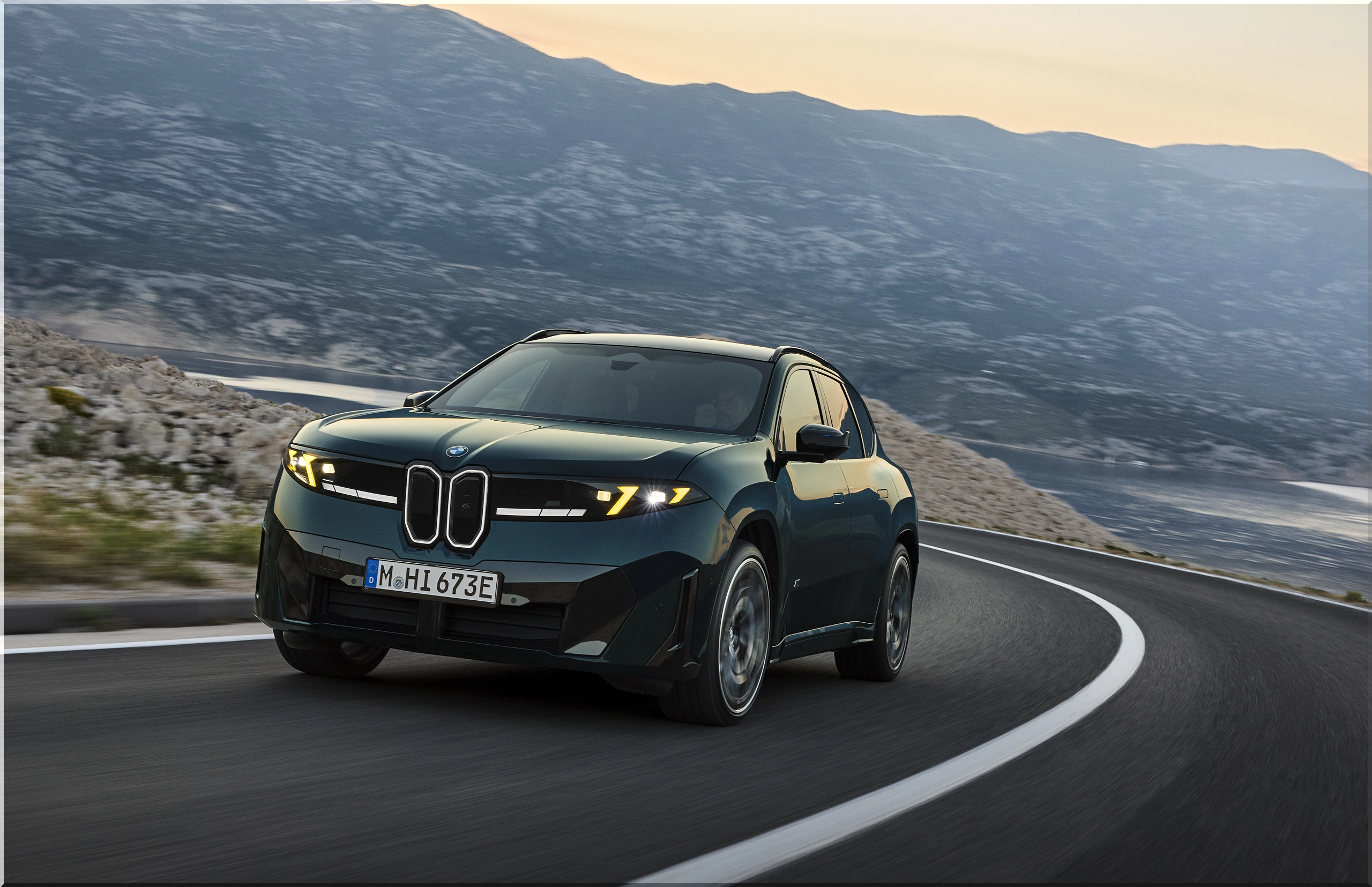
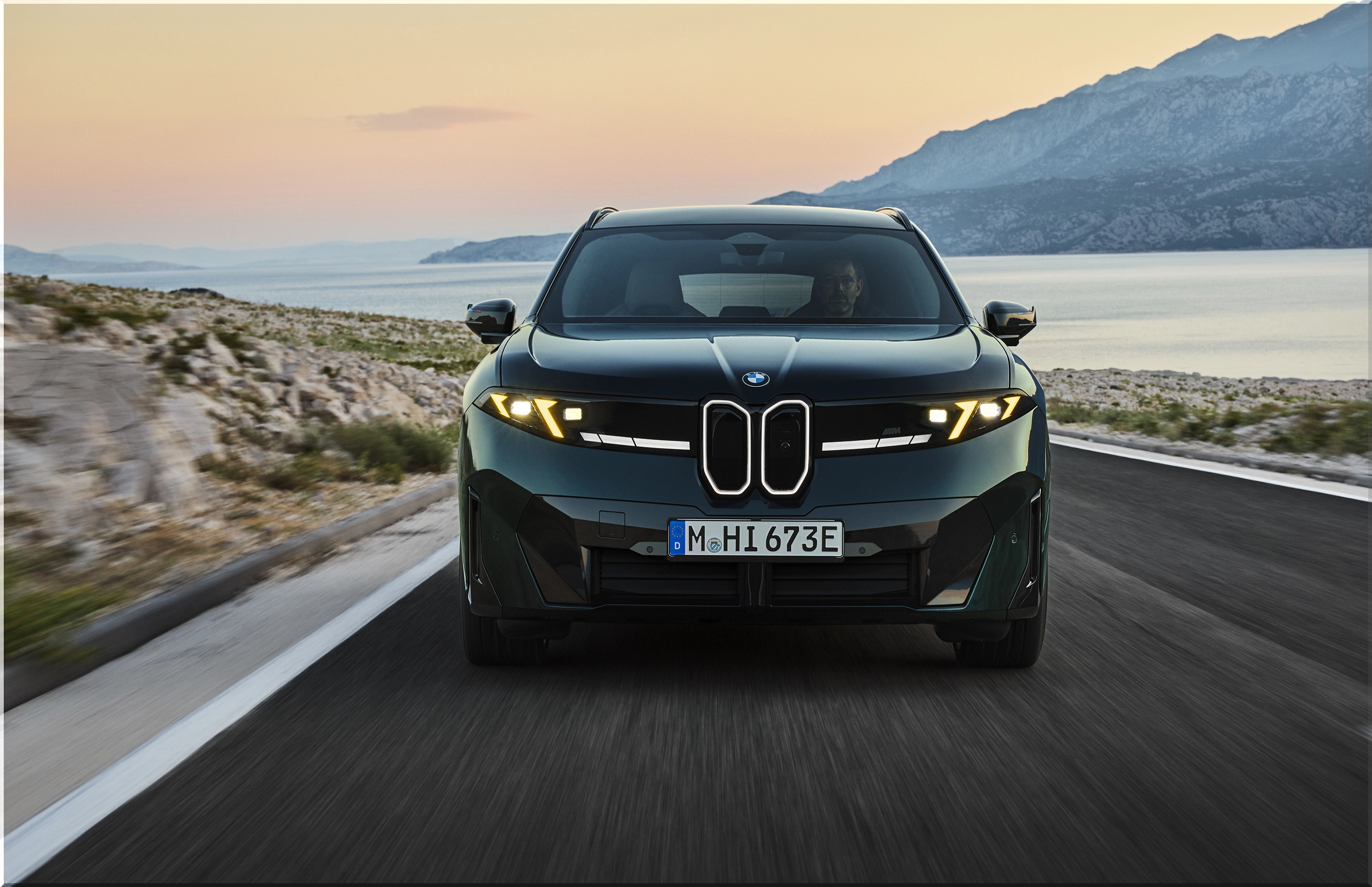
How does the M60 compare with another performance electric SUV?
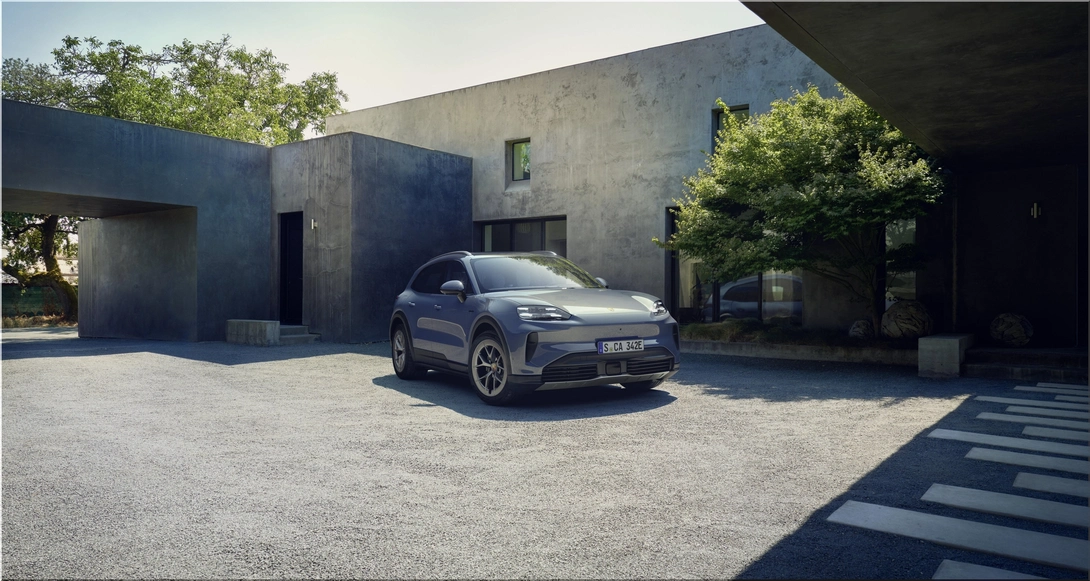
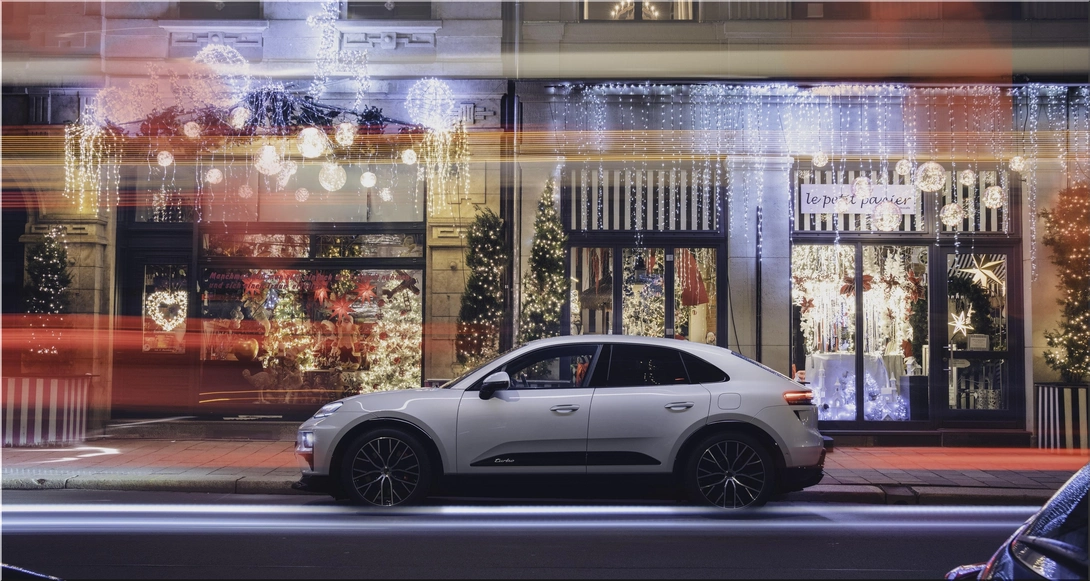
The Porsche Macan GTS Electric provides a useful comparison: it claims slightly quicker acceleration and higher torque, while BMW offers a higher charging peak and longer provisional WLTP range. These figures describe manufacturer claims under their stated conditions. They don't establish which SUV handles better or charges faster throughout an entire session.
| Manufacturer specification | iX3 50 xDrive | iX3 M60 xDrive | Macan GTS Electric |
|---|---|---|---|
| Maximum power | 345 kW | 450 kW | 420 kW with Launch Control |
| Maximum torque | 645 Nm | 875 Nm | 955 Nm |
| Claimed 0–62 mph | 4.9 seconds | 3.9 seconds | 3.8 seconds |
| Maximum WLTP range | 500 miles | 468 miles, provisional | 364 miles |
| Peak DC charging | 400 kW | 400 kW | 270 kW |
By comparison, Porsche claims a 21-minute 10–80% charge despite its lower peak. That illustrates why buyers should compare charging curves and session times, not simply the largest number. Looking at the data, the M60 also sacrifices about 6.4% of the 50 xDrive's maximum WLTP range.
Image gallery:
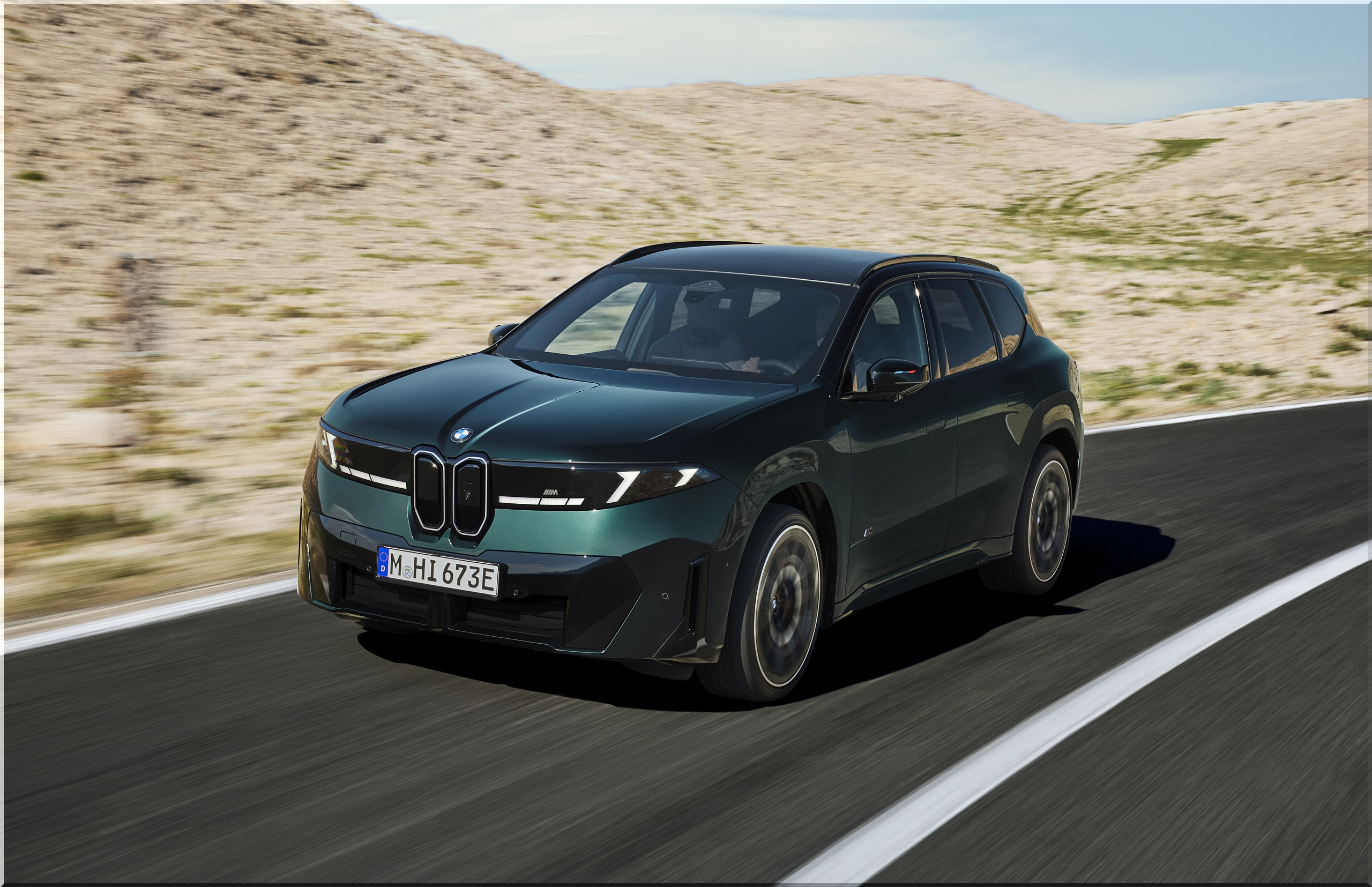
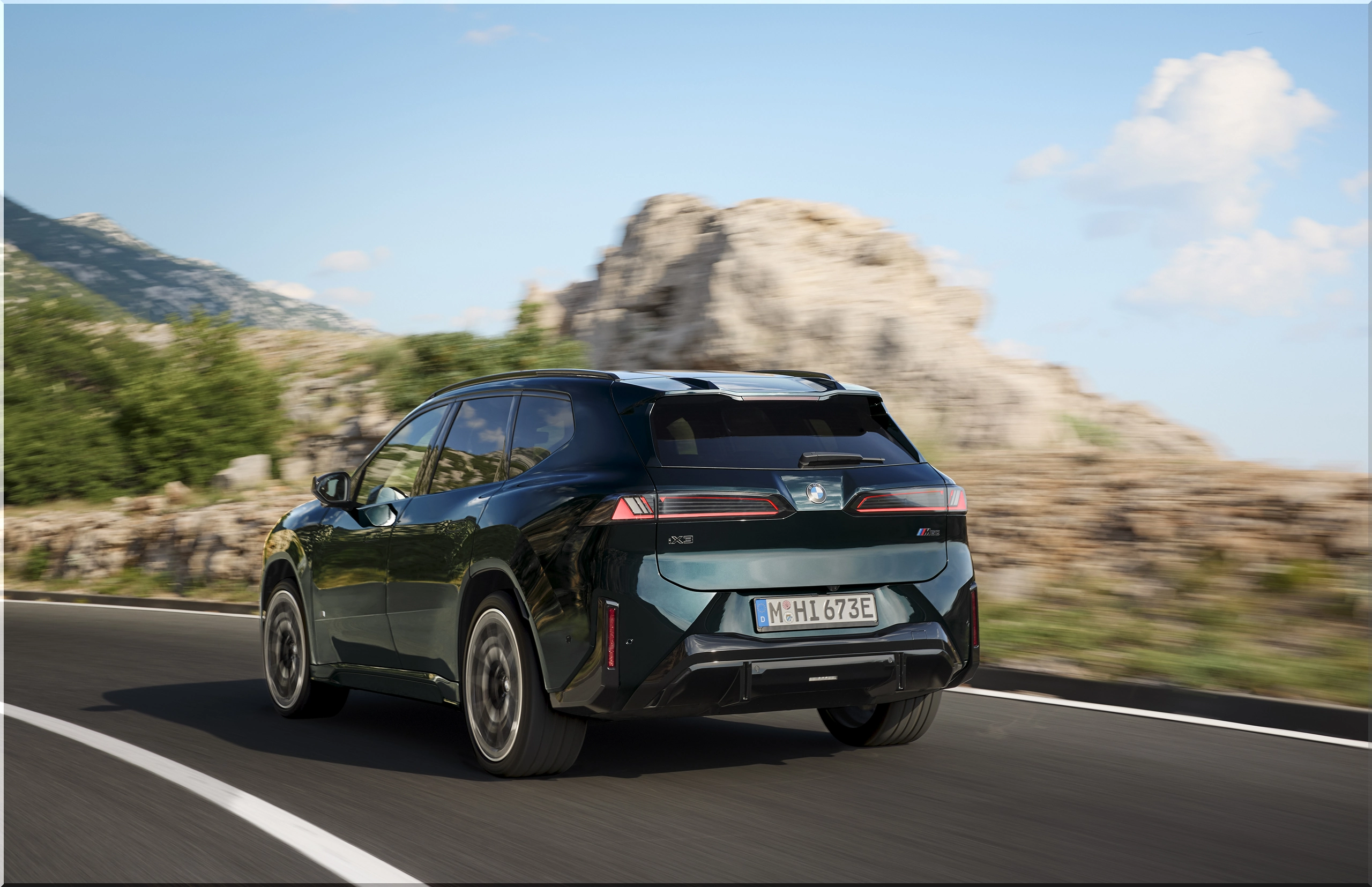
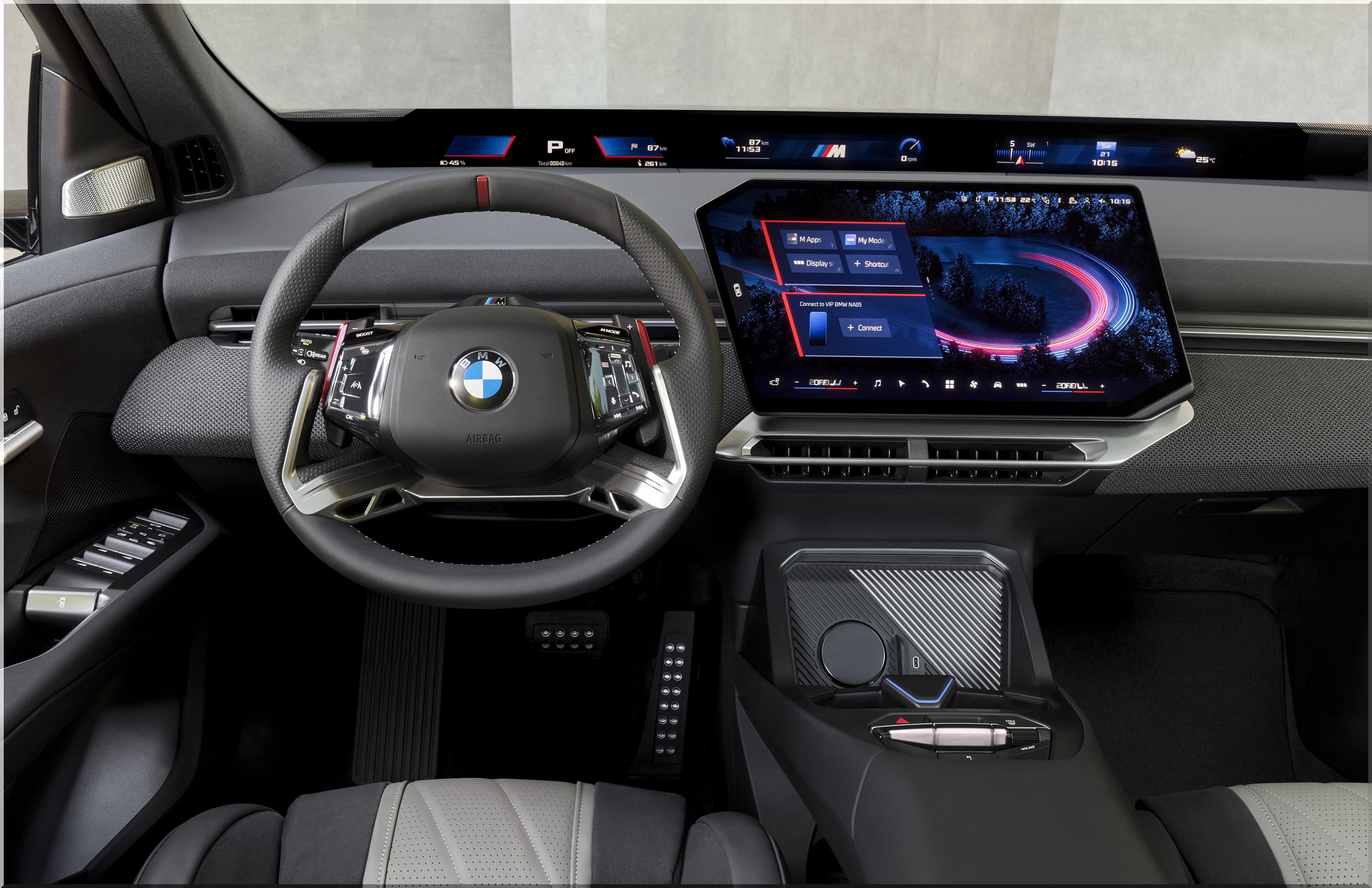
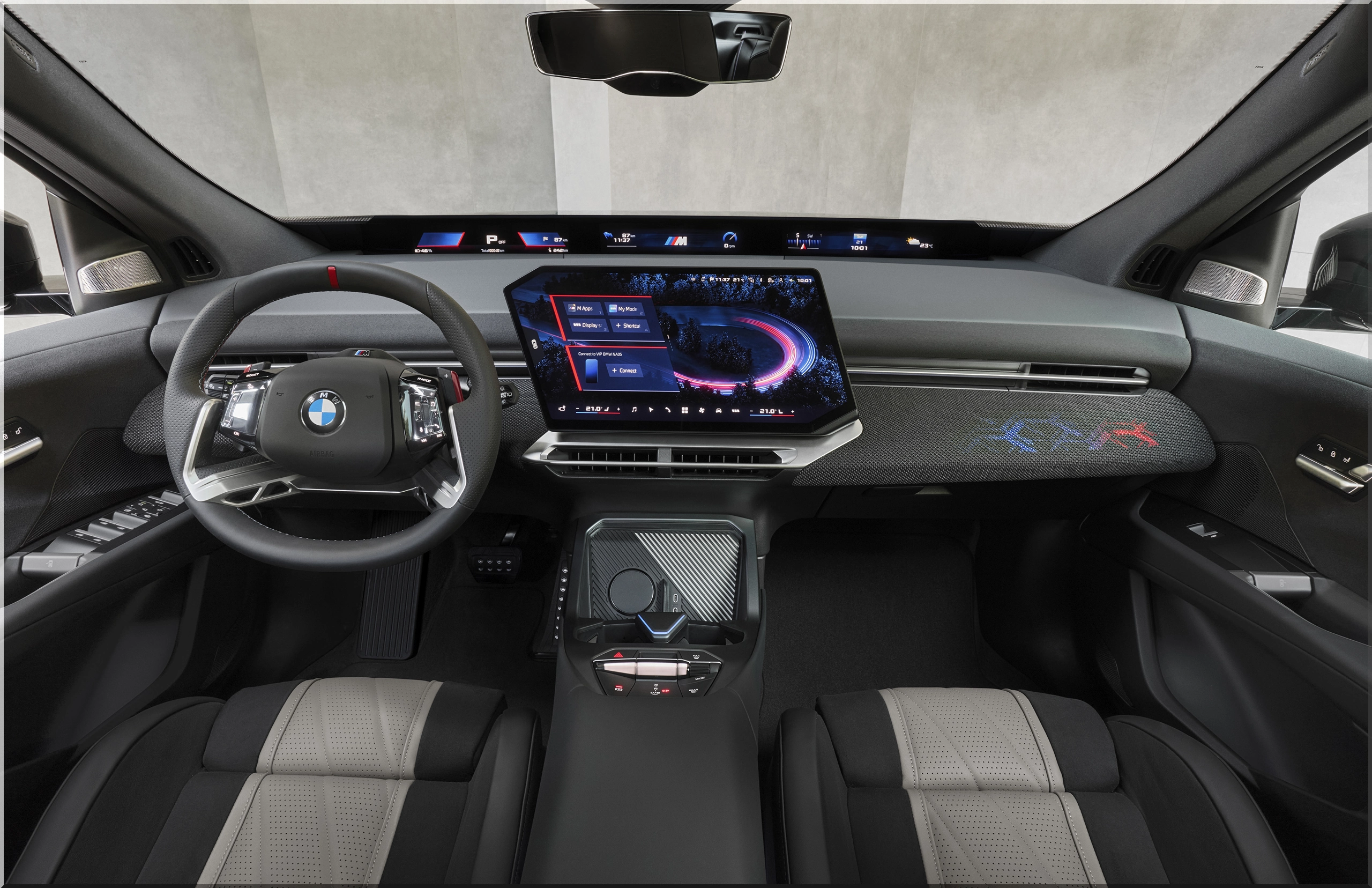
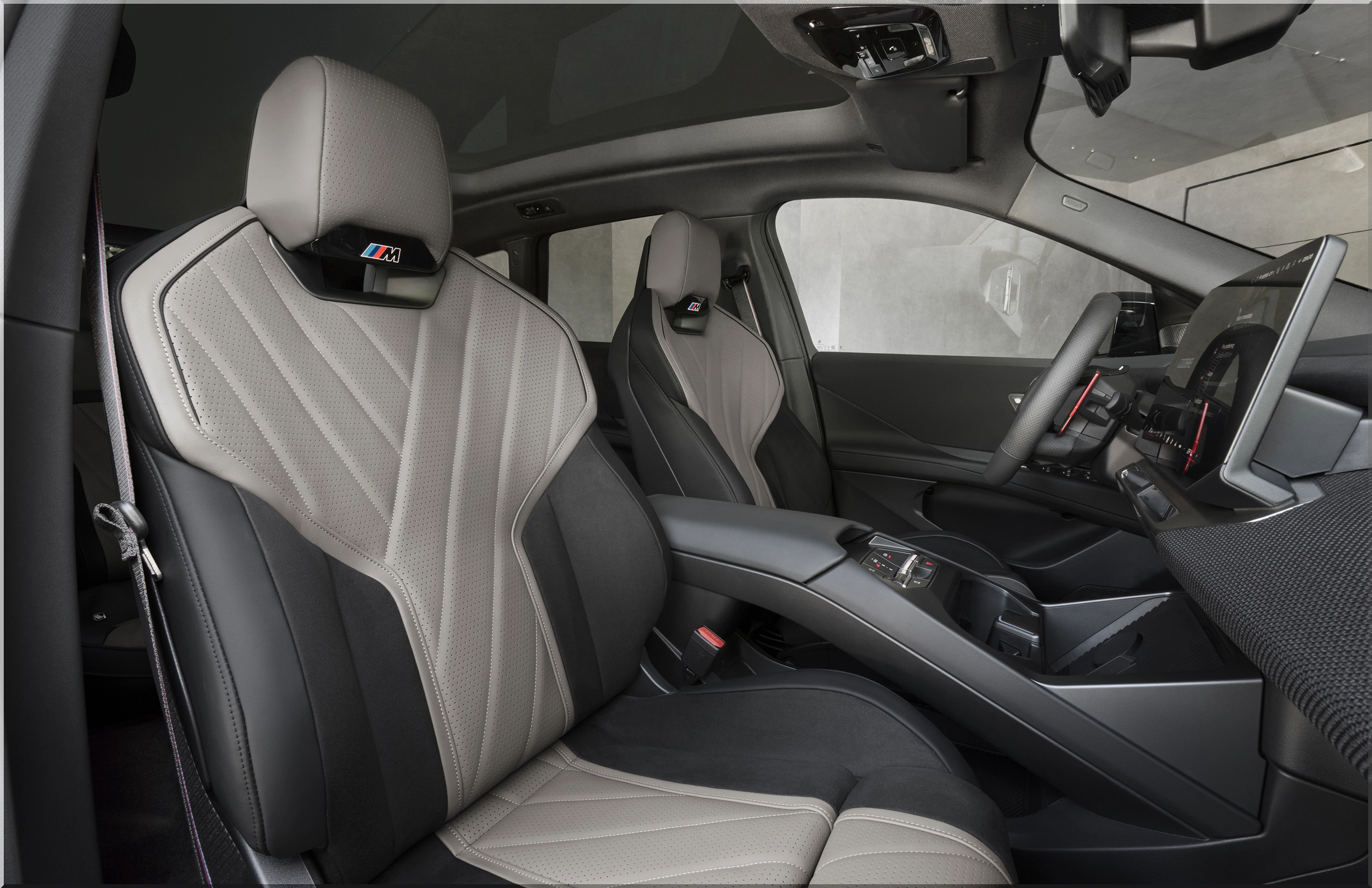
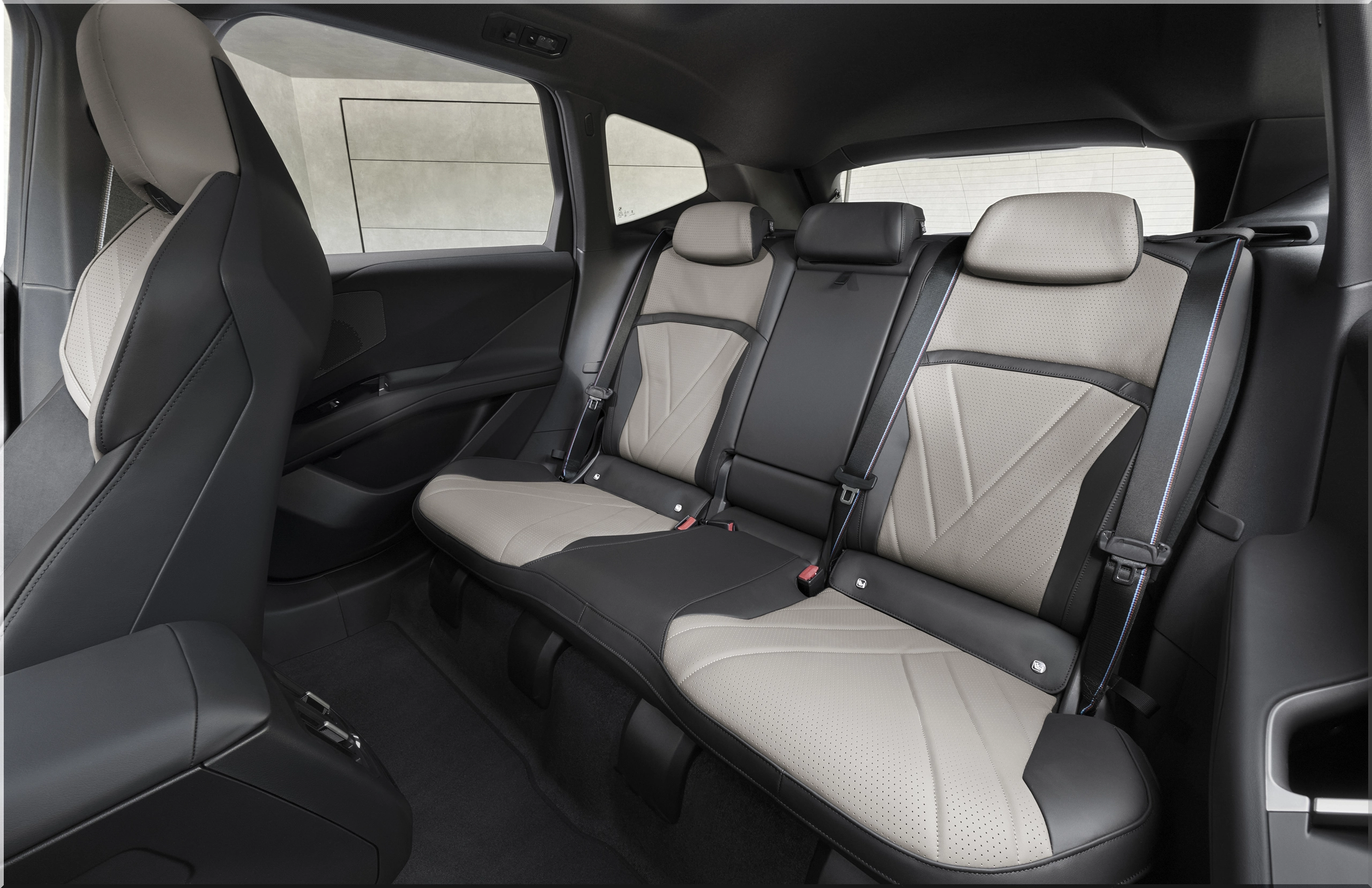
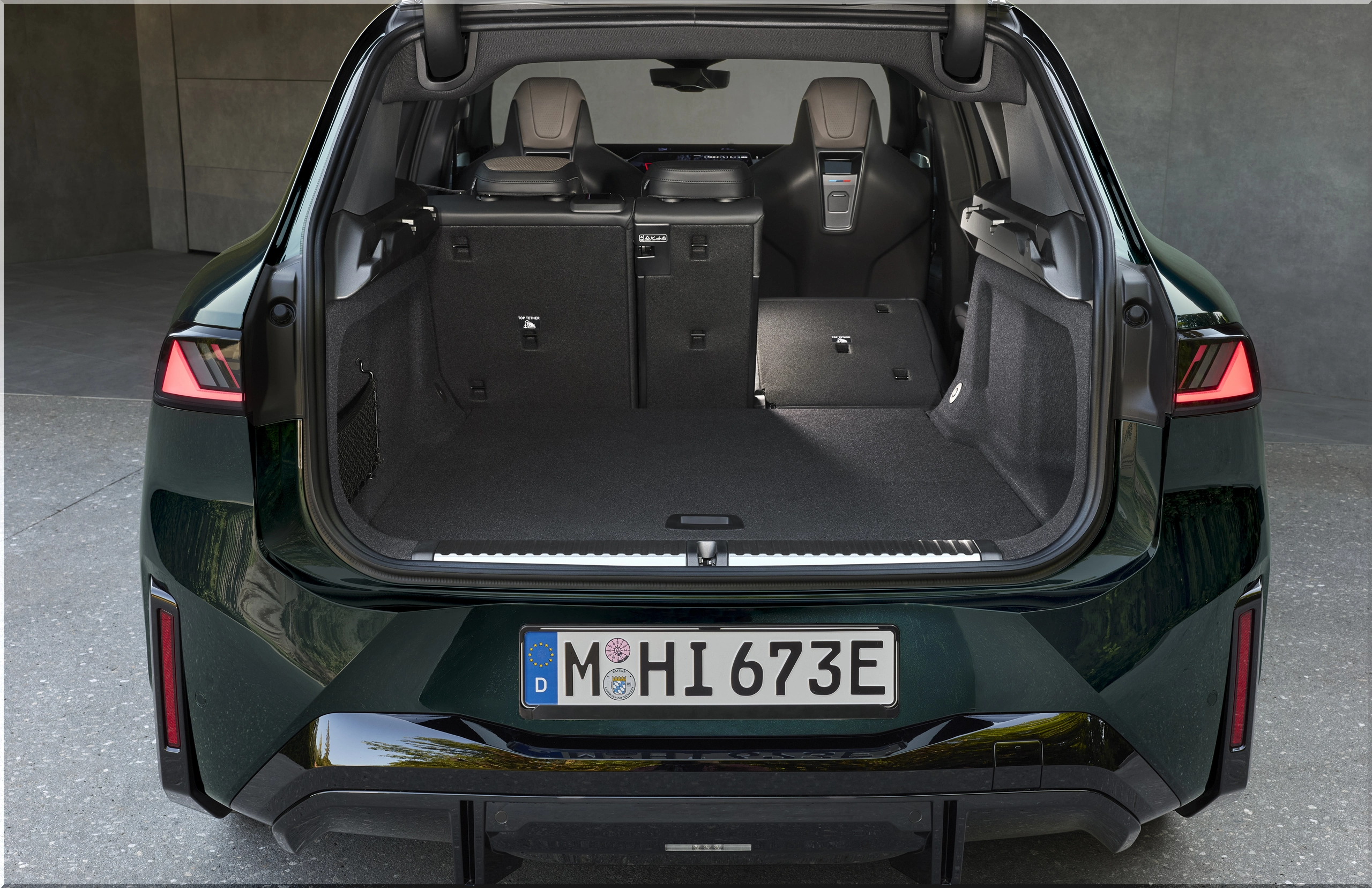
Should you pay extra for the M60?
Choose the M60 for its chassis equipment and stronger propulsion, then assess its price premium when BMW publishes US pricing. The 50 xDrive already offers 400-kW charging and starts at $62,850 including destination. The M60's clearest potential return comes from driving capability rather than a charging-speed upgrade.
Adaptive dampers, variable-ratio steering, and an electronically controlled rear differential give BMW several tools to manage cornering loads and traction. Additional front bracing supports chassis stiffness. I would prioritize a rough-road test drive and insurance quotes before paying for that hardware; the specification sheet doesn't establish ride quality or ownership value.
| Pros | Cons or unresolved costs |
|---|---|
| 450-kW output and standard adaptive suspension | M60 US price and depreciation remain unknown |
| 400-kW charging capability | The 50 xDrive offers the same peak |
| Standard 21-inch wheels | Replacement tires deserve a separate ownership budget |
- Add new comment
- 21 views