
Mercedes-Benz GLC Electric Adds Cheaper Variants With 800V Charging
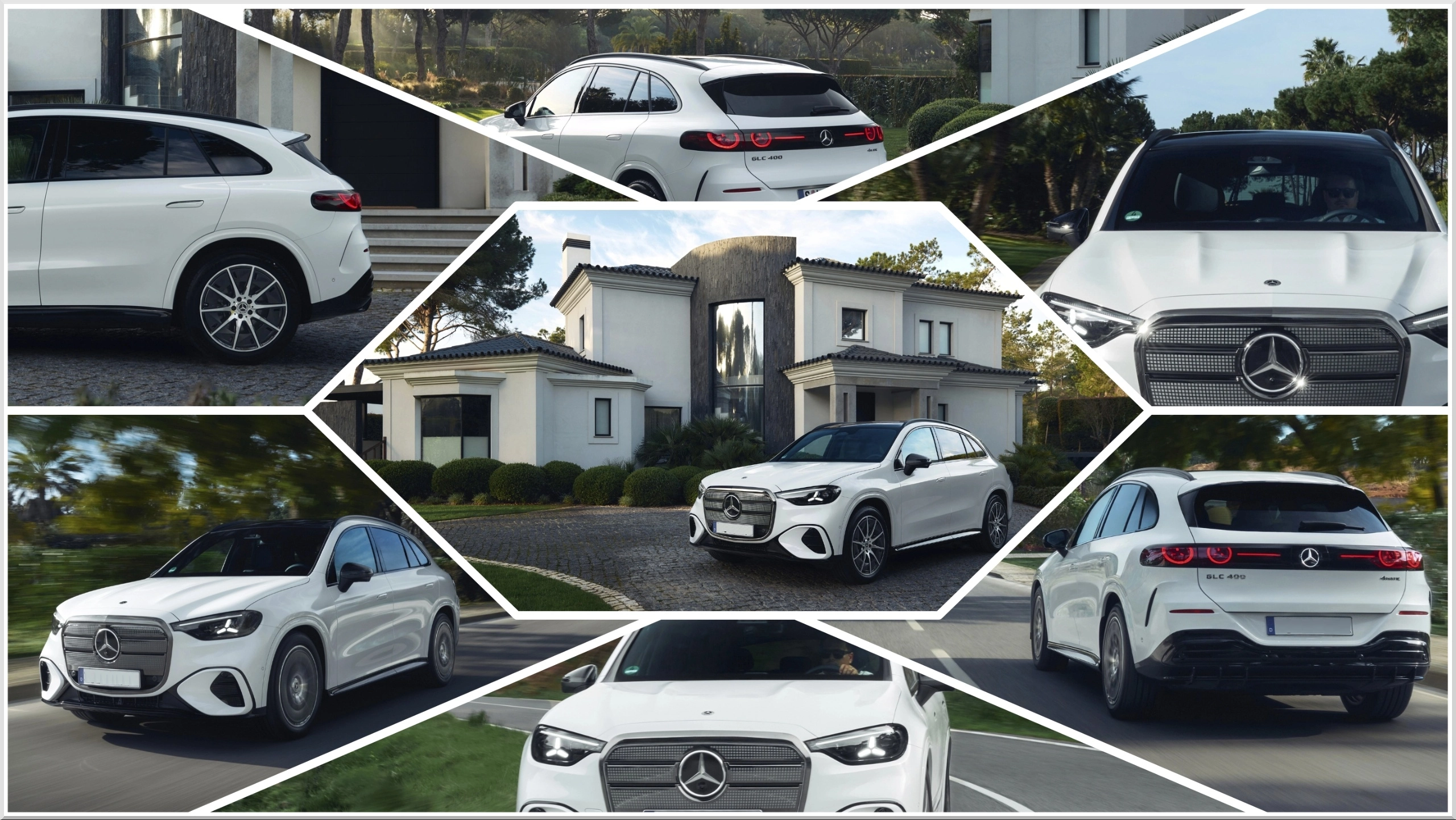
The Mercedes-Benz GLC with EQ Technology now makes more sense for buyers who wanted the electric SUV but did not need the full-power GLC 400 4MATIC. Mercedes-Benz has opened orders for new GLC 250 and GLC 300 4MATIC versions, both using an 85 kWh battery, 800V architecture, and rapid 22-minute DC charging capability.
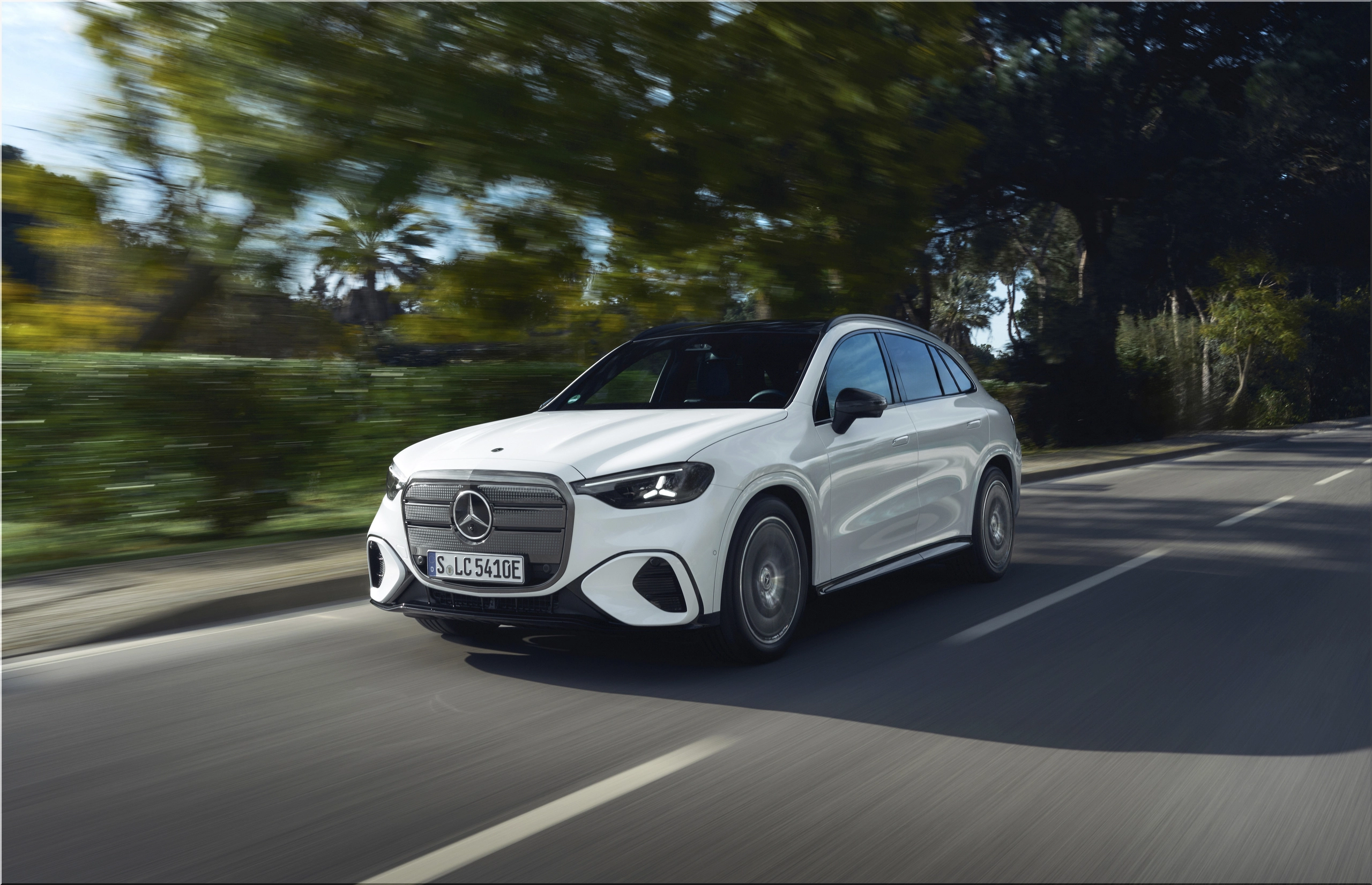
What Changed In The Mercedes-Benz GLC Electric Line-Up?
Mercedes-Benz expanded the electric GLC SUV range downward, and that move matters for one simple reason: price discipline. The original Mercedes GLC 400 4MATIC carried the big battery, the big output, and the big number on the invoice. The new versions split the hardware into cleaner buyer profiles.
The GLC 250 with EQ Technology targets efficiency. It uses rear-wheel drive, produces 260 kW, and reaches 100 km/h in 5.9 seconds. The GLC 300 4MATIC with EQ Technology adds dual-motor all-wheel drive, raises output to 310 kW, and cuts the sprint to 4.7 seconds. Both top out at 210 km/h, which feels German, controlled, and slightly allergic to drama.
| Variant | Drive Layout | Power | Battery | 0-100 km/h | Top Speed | DC Charging |
|---|---|---|---|---|---|---|
| GLC 250 with EQ Technology | Rear-wheel drive | 260 kW / 354 hp | 85 kWh usable | 5.9 sec | 210 km/h | 320 kW |
| GLC 300 4MATIC with EQ Technology | All-wheel drive | 310 kW / 421 hp | 85 kWh usable | 4.7 sec | 210 km/h | 320 kW |
| GLC 400 4MATIC with EQ Technology | All-wheel drive | 360 kW / 489 hp | 94 kWh usable | 4.3 sec | 210 km/h | 330 kW |
Why Does The 85 kWh Battery Make Sense?
Looking at the data, the 85 kWh battery pack gives Mercedes-Benz a better middle ground. The smaller battery lowers cost and weight compared with the 94 kWh pack, yet it keeps the fast-charging advantage that makes the electric GLC credible against Audi Q6 e-tron, BMW iX3, and Porsche Macan Electric shoppers.
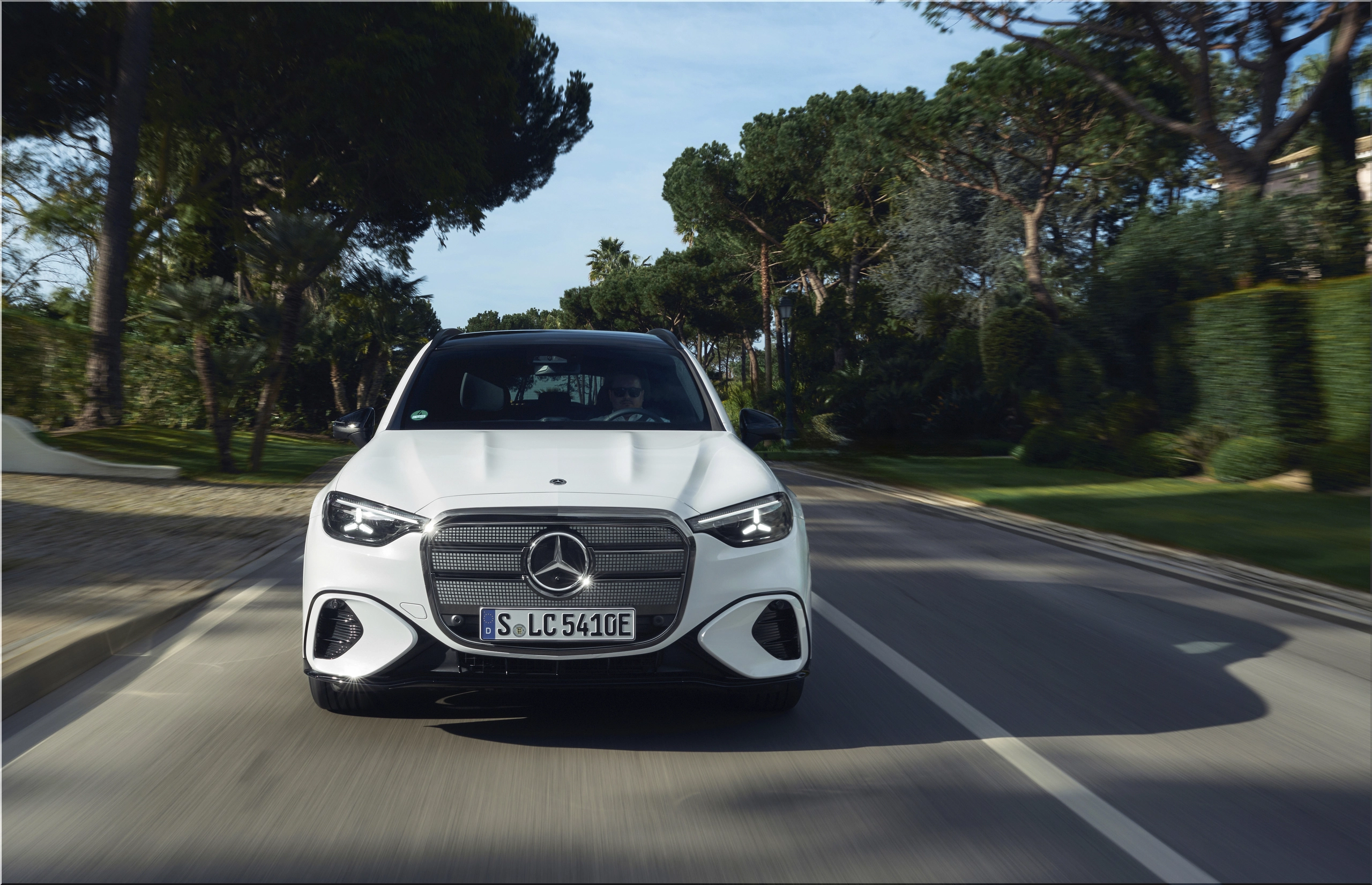
Specifically, both new variants use 800V electrical architecture and charge from 10 to 80 percent in 22 minutes. That number carries more value than another 40 horsepower. It means the GLC can work as a long-distance EV without asking the driver to build a lunch schedule around a charger.
Pro-Tips: Which Electric GLC Should You Buy?
- Choose the GLC 250 if range, lower cost, and rear-drive efficiency sit above all-weather traction.
- Choose the GLC 300 4MATIC if you tow, drive in snow, or want stronger launch traction.
- Choose the GLC 400 4MATIC only if you want the largest battery and quickest acceleration.
- Check your local charging network before paying for maximum DC capability. A 320 kW peak rating needs high-output hardware to pay off.
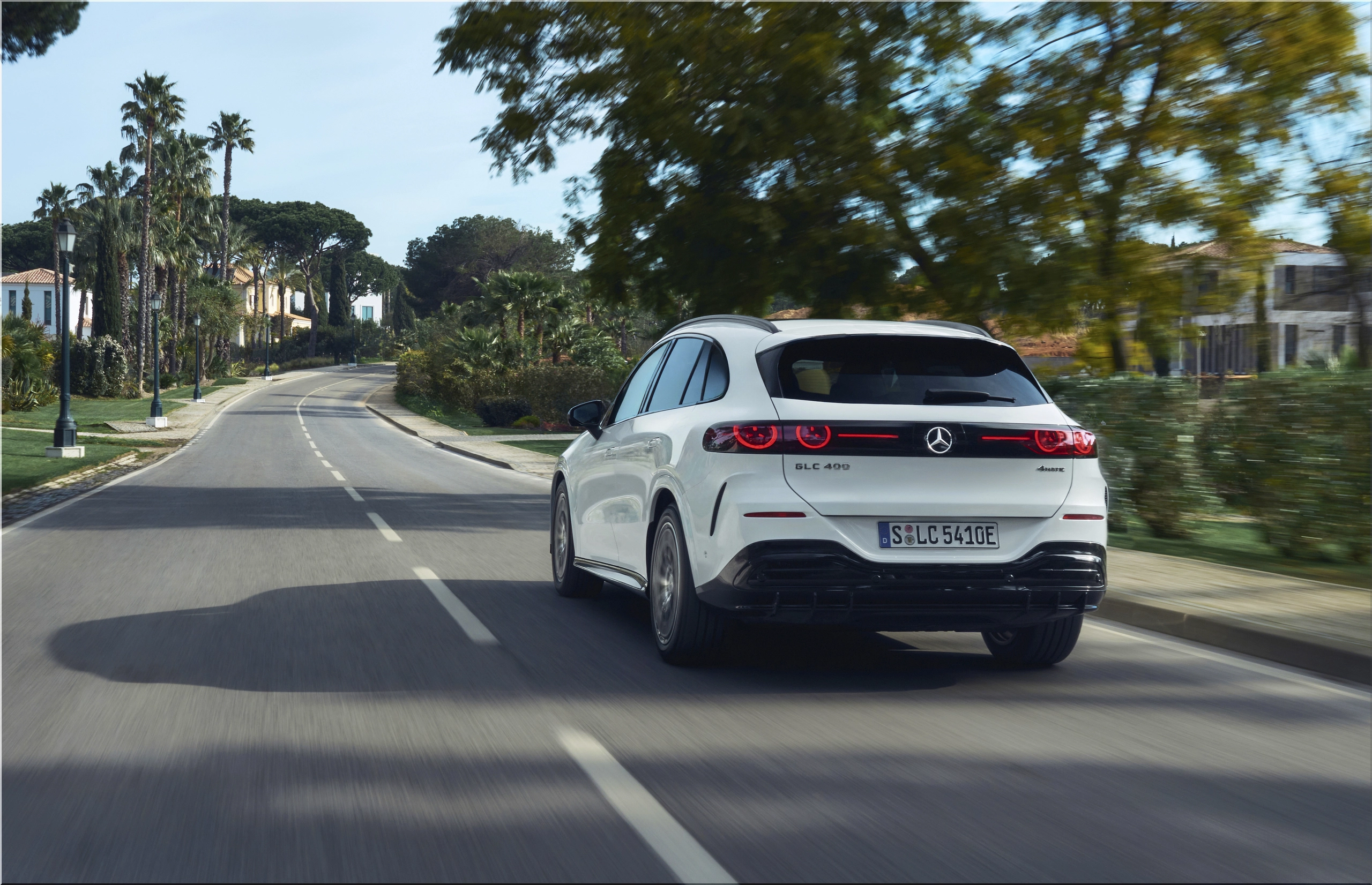
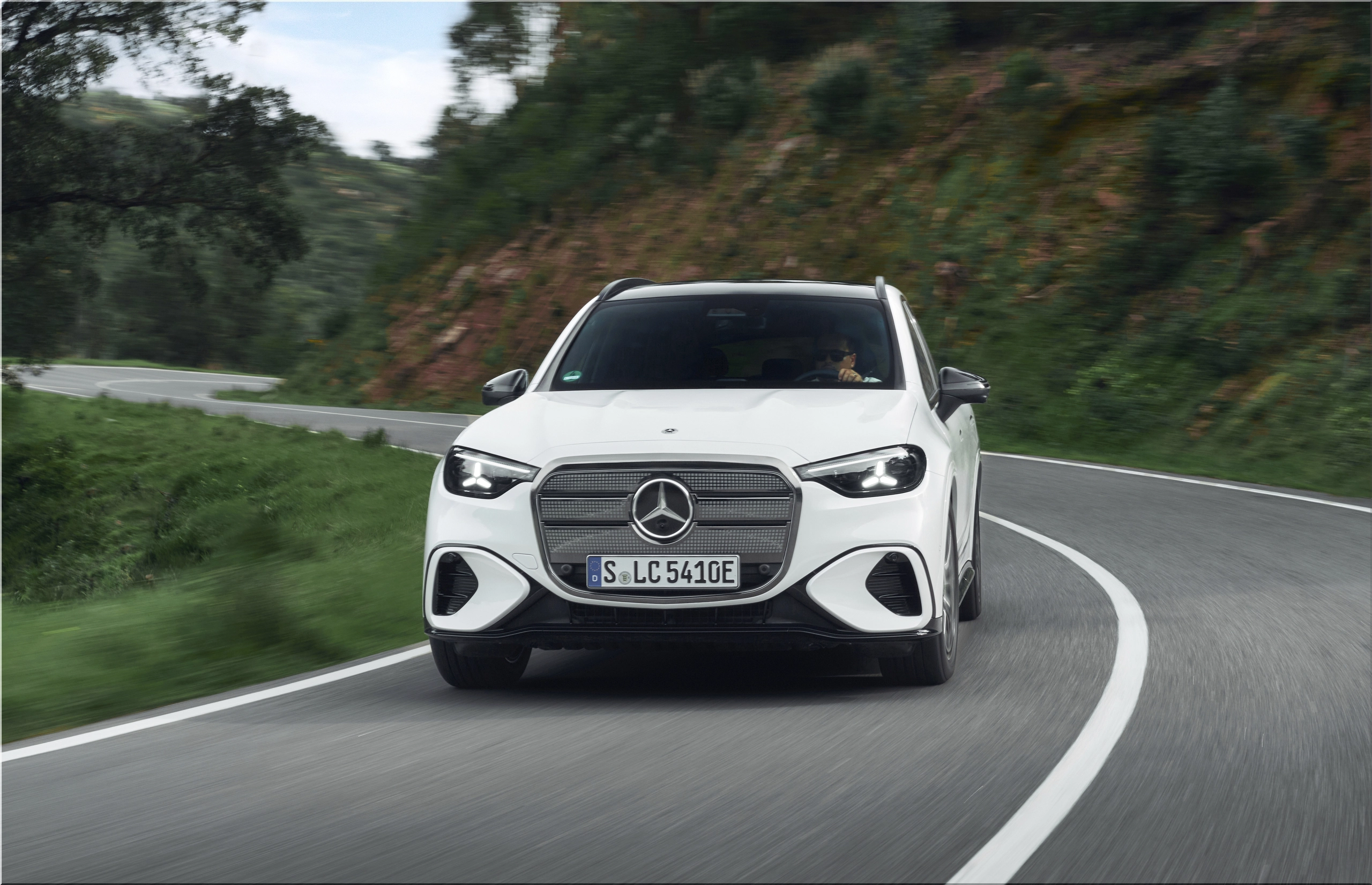
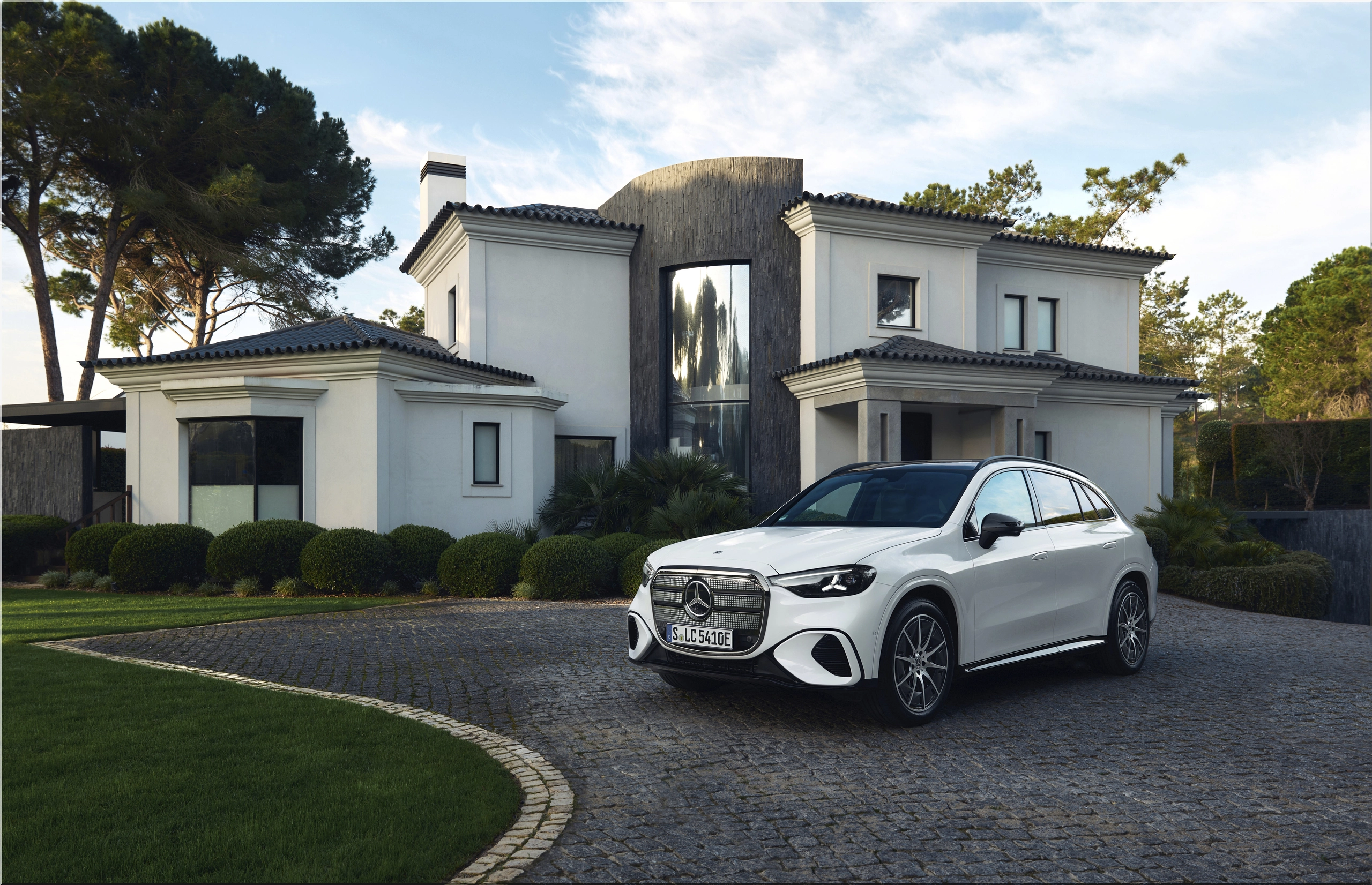
How Practical Is The Mercedes-Benz GLC Electric?
From an expert perspective, Mercedes-Benz treated the electric GLC like an SUV first and a software device second. Good. The body measures 4,845 mm long, or 190.7 inches, with a 1,913 mm width without mirrors, equal to 75.3 inches. Height reaches 1,644 mm, or 64.7 inches, and the wheelbase sits around 2,970 mm, or 116.9 inches.
In addition, the cargo layout gives the GLC real family-use value. The rear cargo area reaches 570 liters, or about 20.1 cubic feet, and expands to 1,740 liters, or 61.5 cubic feet, with the seats folded. Mercedes also adds a 128-liter frunk, equal to about 4.5 cubic feet, which gives charging cables a proper home instead of letting them roam the trunk like wet snakes.
| Practical Data Point | GLC Electric Figure | Why It Matters |
|---|---|---|
| Length | 4,845 mm / 190.7 in | Mid-size SUV footprint |
| Width without mirrors | 1,913 mm / 75.3 in | Garage and lane confidence |
| Height | 1,644 mm / 64.7 in | Easier access than taller SUVs |
| Cargo volume | 570-1,740 L / 20.1-61.5 cu ft | Strong family utility |
| Frunk | 128 L / 4.5 cu ft | Cable and small-bag storage |
| Roof load | 75 kg / 165 lb | Useful for roof boxes |
| Braked towing | Up to 2,400 kg / 5,291 lb | Serious trailer capability |
Is The Electric GLC Good For Towing?
Yes, but pick the right version. The all-wheel-drive versions support up to 2,400 kg, or 5,291 lb, of braked towing capacity, while the rear-drive GLC 250 sits lower at 2,200 kg, or 4,850 lb. Consequently, the GLC 300 4MATIC looks like the smarter value point for buyers who need traction, torque distribution, and trailer confidence without stepping up to the GLC 400.
By comparison, many electric SUVs talk about lifestyle utility and then quietly panic when asked to tow something heavier than a garden cart. The GLC brings the numbers. Range will drop under towing load, because physics still runs the department, but the hardware gives owners a real starting point.
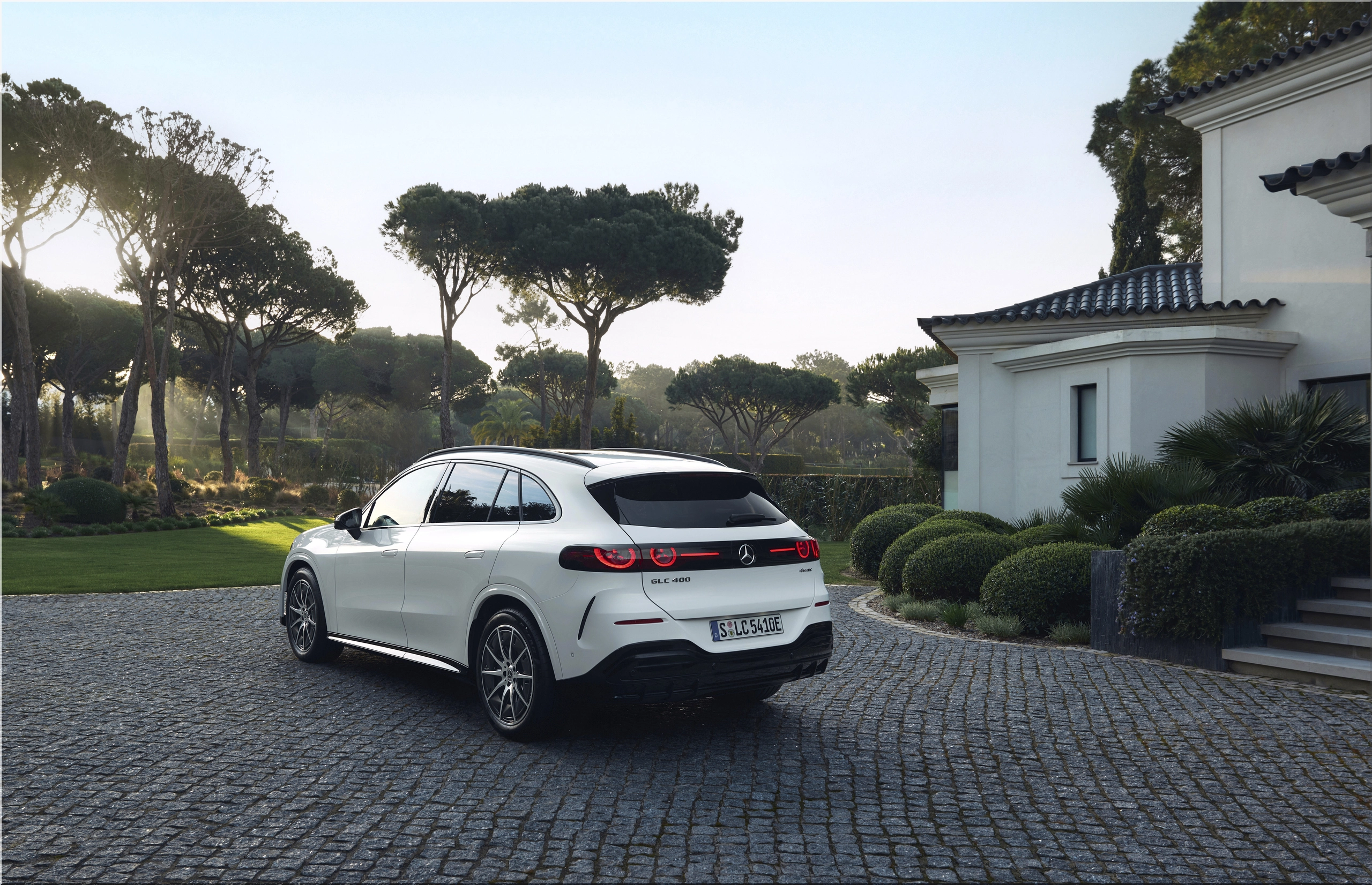
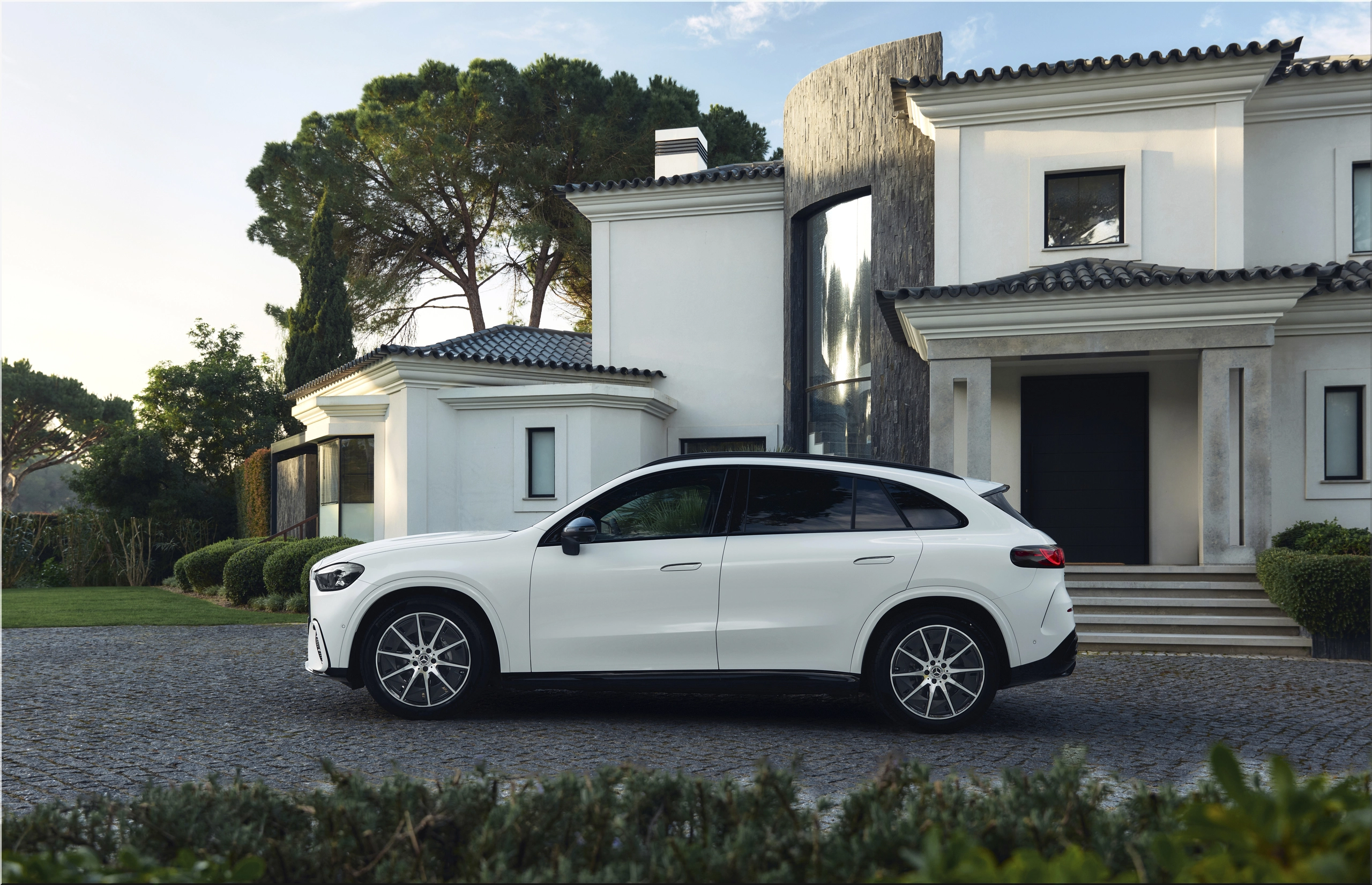
Why This GLC Line-Up Matters
The new Mercedes-Benz GLC electric variants show a more mature EV strategy. Mercedes-Benz no longer asks every buyer to pay for the flagship battery and output. It now gives shoppers a rear-drive efficiency model, an all-wheel-drive middle model, and a high-output top version.
That structure works. The GLC 250 should attract range-focused business users and private buyers who charge at home. The GLC 300 4MATIC should do the heavy lifting for families, winter drivers, and towing users. The GLC 400 4MATIC keeps the halo position for buyers who want the full technical package.
In short, Mercedes-Benz finally gives the electric GLC a proper line-up. One size never fit all. It only fit the press launch.