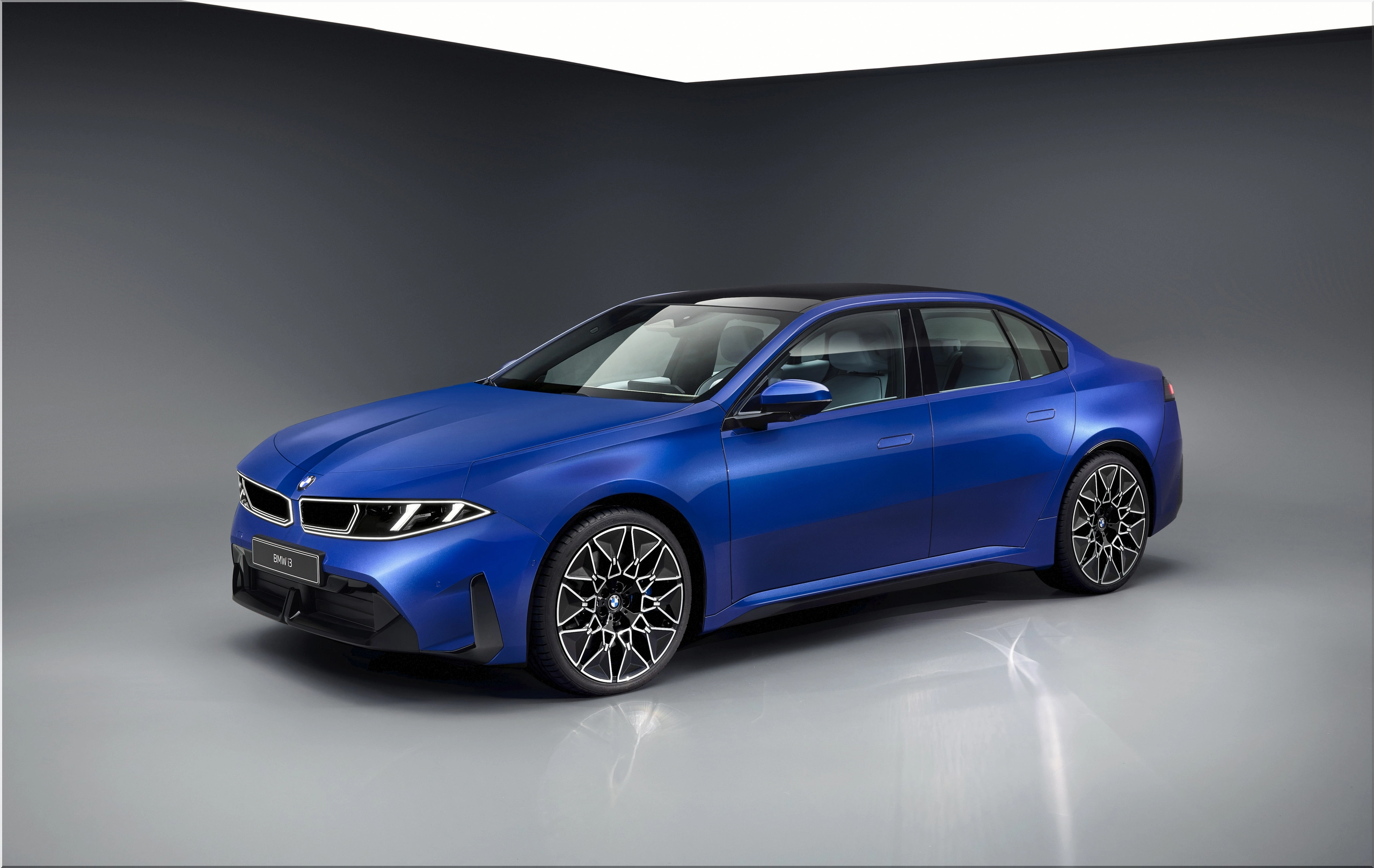
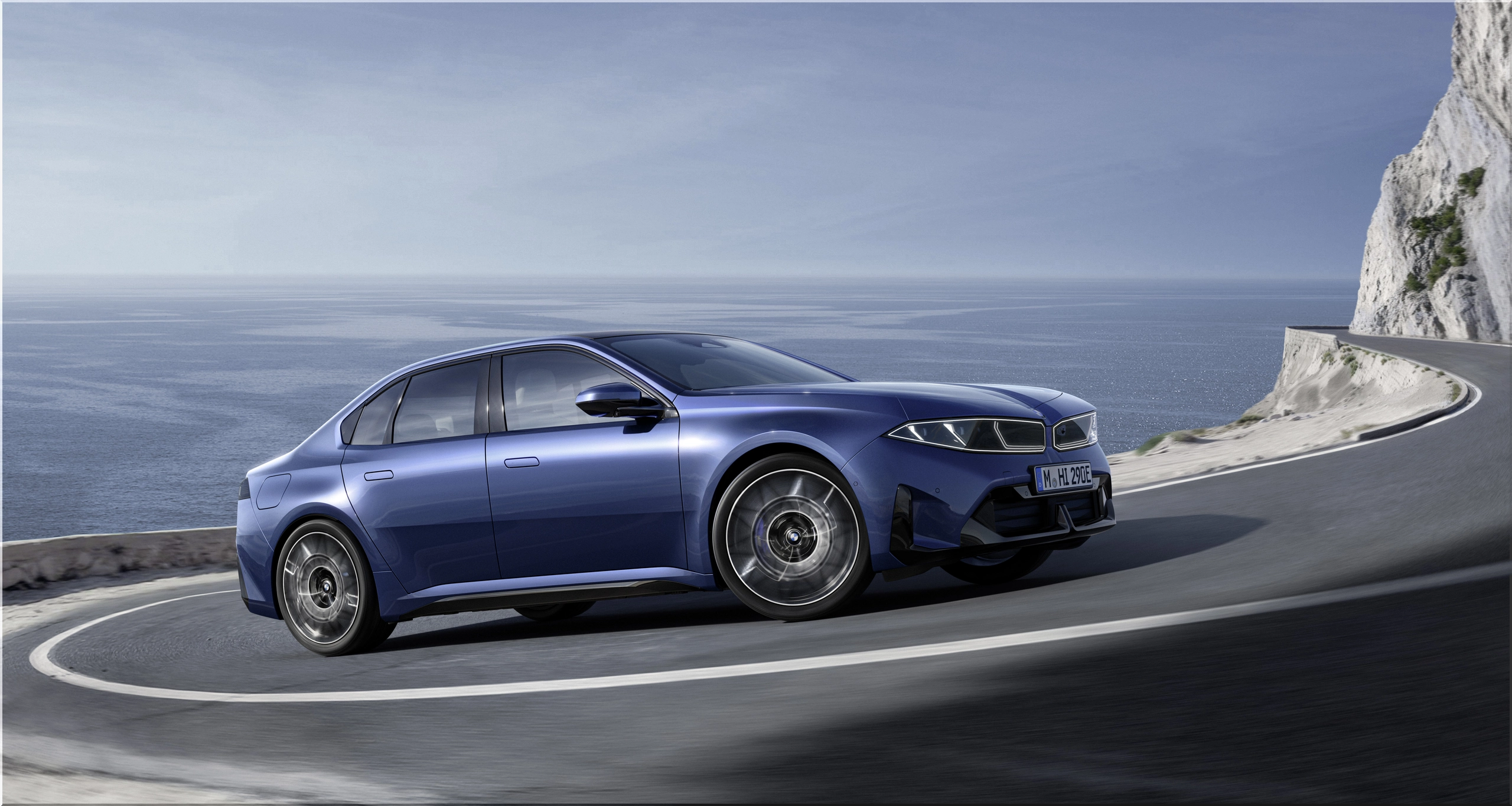
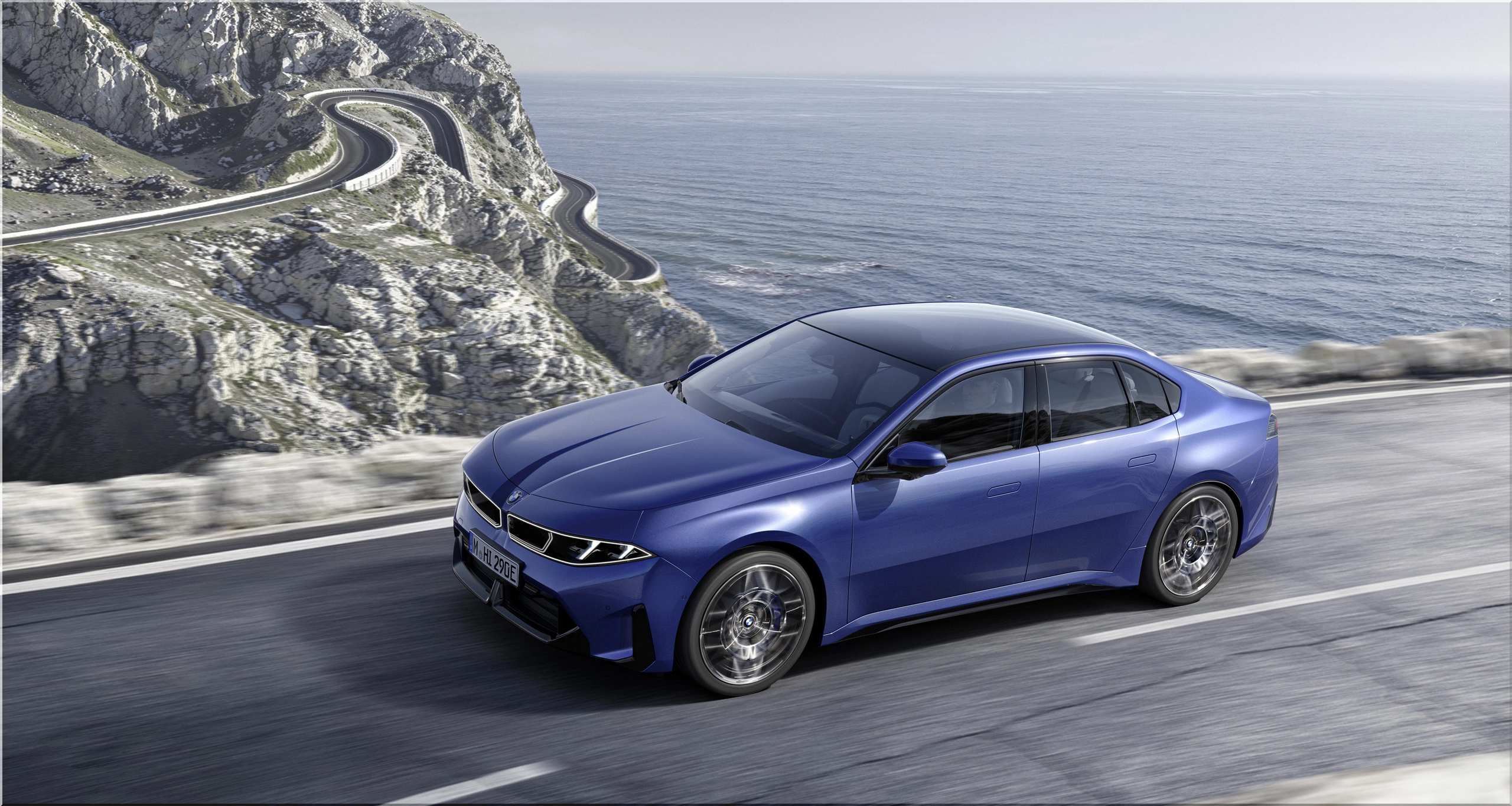
BMW has finally shown the new BMW i3, and the company picked a smart place to make its point. It did not start with a niche coupe or a halo-only science project. It put the Neue Klasse under the body style that carries the most brand weight: a 3 Series-sized electric sedan.
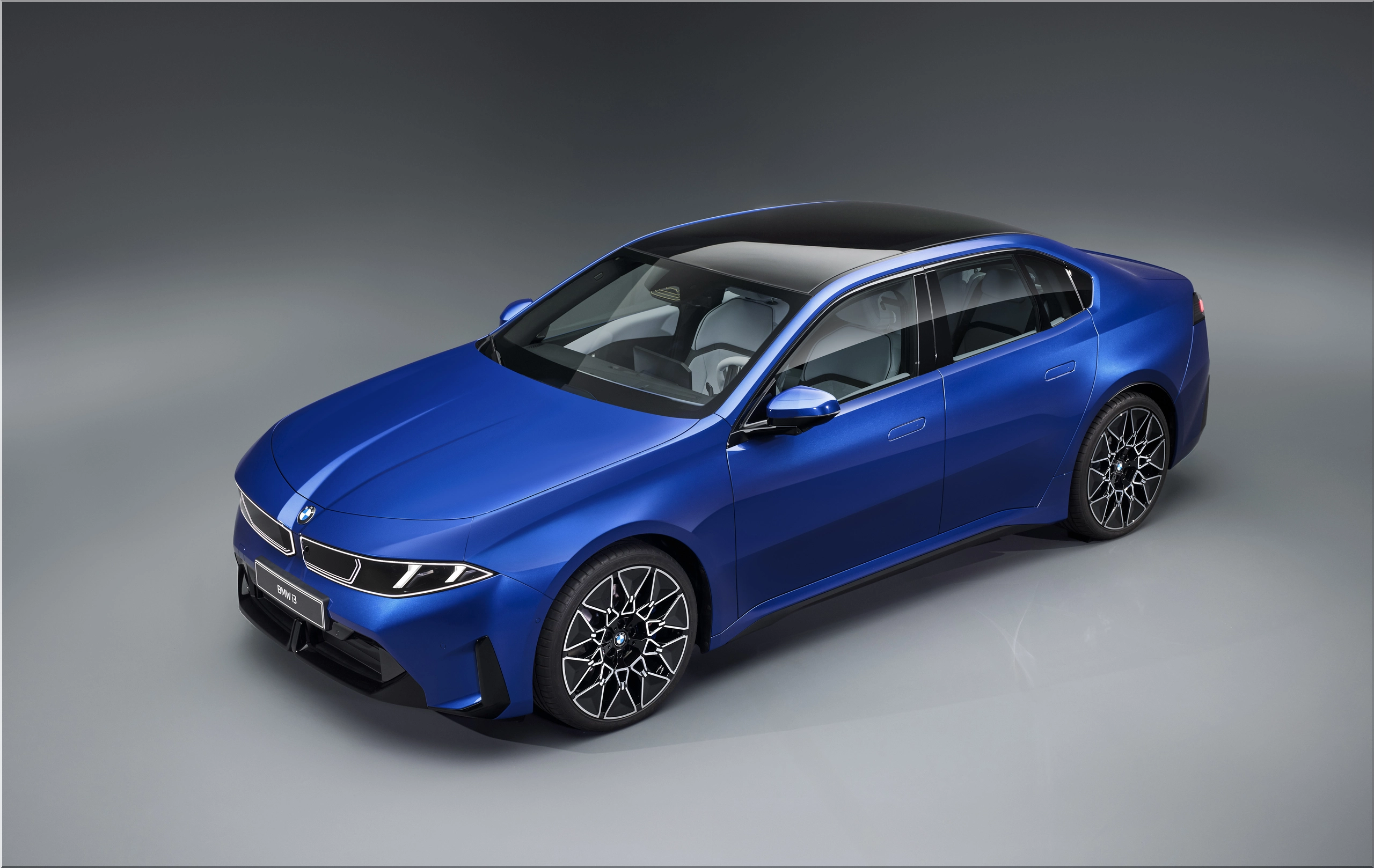
That move tells you exactly what BMW thinks matters next. Range, charging speed, software control, and familiar sedan proportions now sit at the center of the fight. Looking at the data, the launch-spec BMW i3 50 xDrive comes out swinging with 345 kW (469 hp), 645 Nm (476 lb-ft), up to 900 km (559 miles) WLTP of range, and up to 400 kW DC fast charging. Those are serious numbers. They push this car straight into the top tier of premium EV sedans.
Why the new BMW i3 matters more than a normal model launch
The old i3 hatchback built BMW's early EV identity. The new BMW i3 sedan carries a different mission. It has to prove that Neue Klasse can scale into the brand's core volume products without flattening what buyers expect from a 3 Series.
BMW also uses this car to reset the hardware stack. Specifically, the i3 brings sixth-generation BMW eDrive, an 800-volt electrical architecture, a new cell-to-pack battery layout, and the brand's new software backbone anchored by the Heart of Joy control computer. In addition, BMW says the system reacts ten times faster than previous setups. That matters because software speed shapes throttle mapping, regen blending, traction control, and steering/brake coordination long before it shows up in a brochure.
From an expert perspective, BMW did not chase one headline number and call it done. It stacked the fundamentals that improve real-world EV use: lower charging time, higher energy density, faster control logic, and a sedan profile that should cut drag better than an upright SUV.
BMW i3 core specs: what BMW has confirmed so far
BMW has only released partial technical data at launch, so some hard dimensions still remain pending. The key performance and charging figures, however, already paint a clear picture.
| Spec | 2027 BMW i3 50 xDrive |
|---|---|
| Power | 345 kW / 469 hp |
| Torque | 645 Nm / 476 lb-ft |
| Drivetrain | Dual-motor AWD |
| Architecture | 800-volt |
| Range | Up to 900 km / 559 miles WLTP |
| DC fast charging | Up to 400 kW |
| 10-minute DC charge gain | Up to 400 km / 249 miles WLTP |
| Battery tech | New round-cell, cell-to-pack HV battery |
| Bidirectional charging | V2L, V2H, V2G |
| Production start | August 2026 |
| First deliveries | Autumn 2026 |
| Assembly plant | Munich |
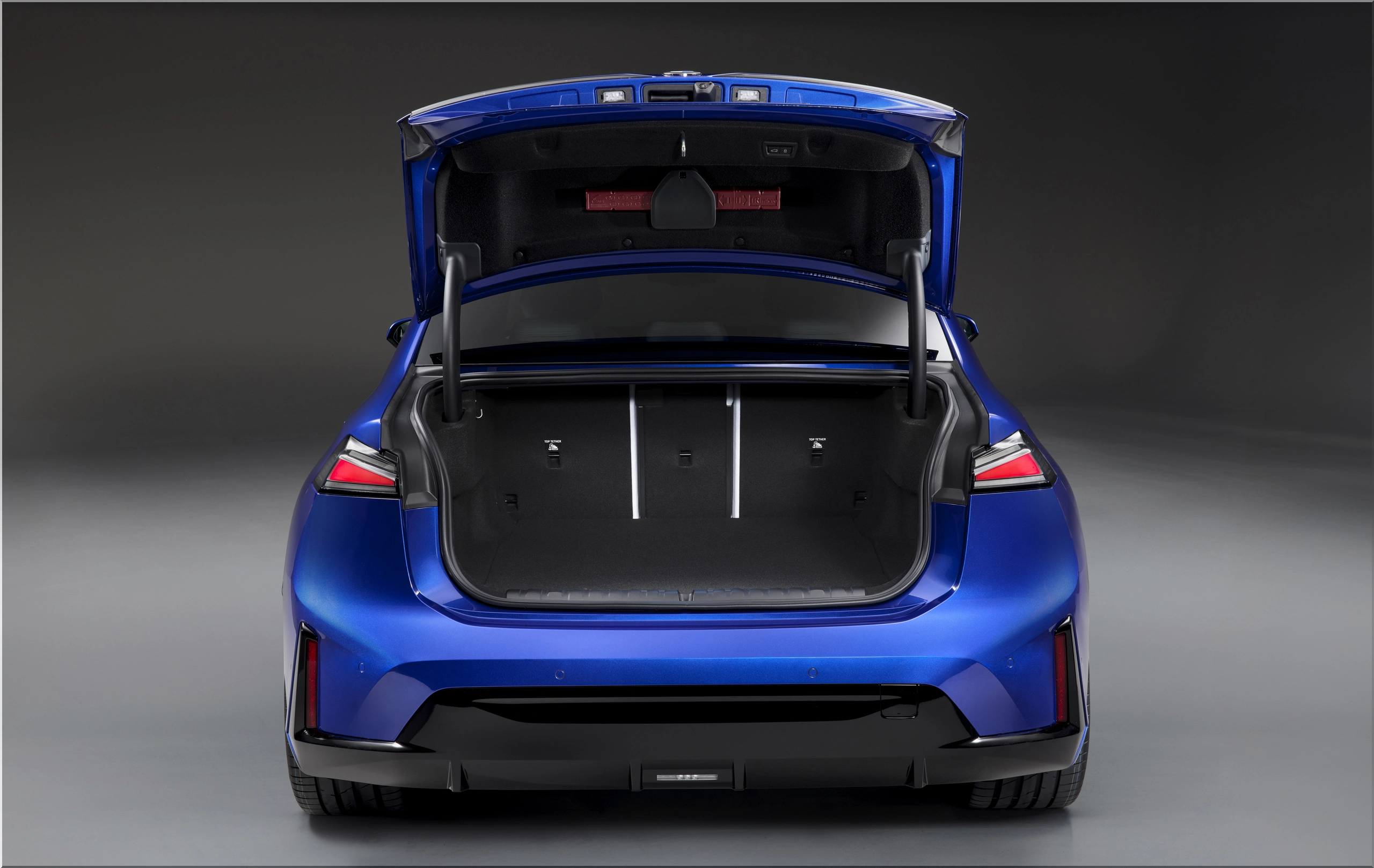
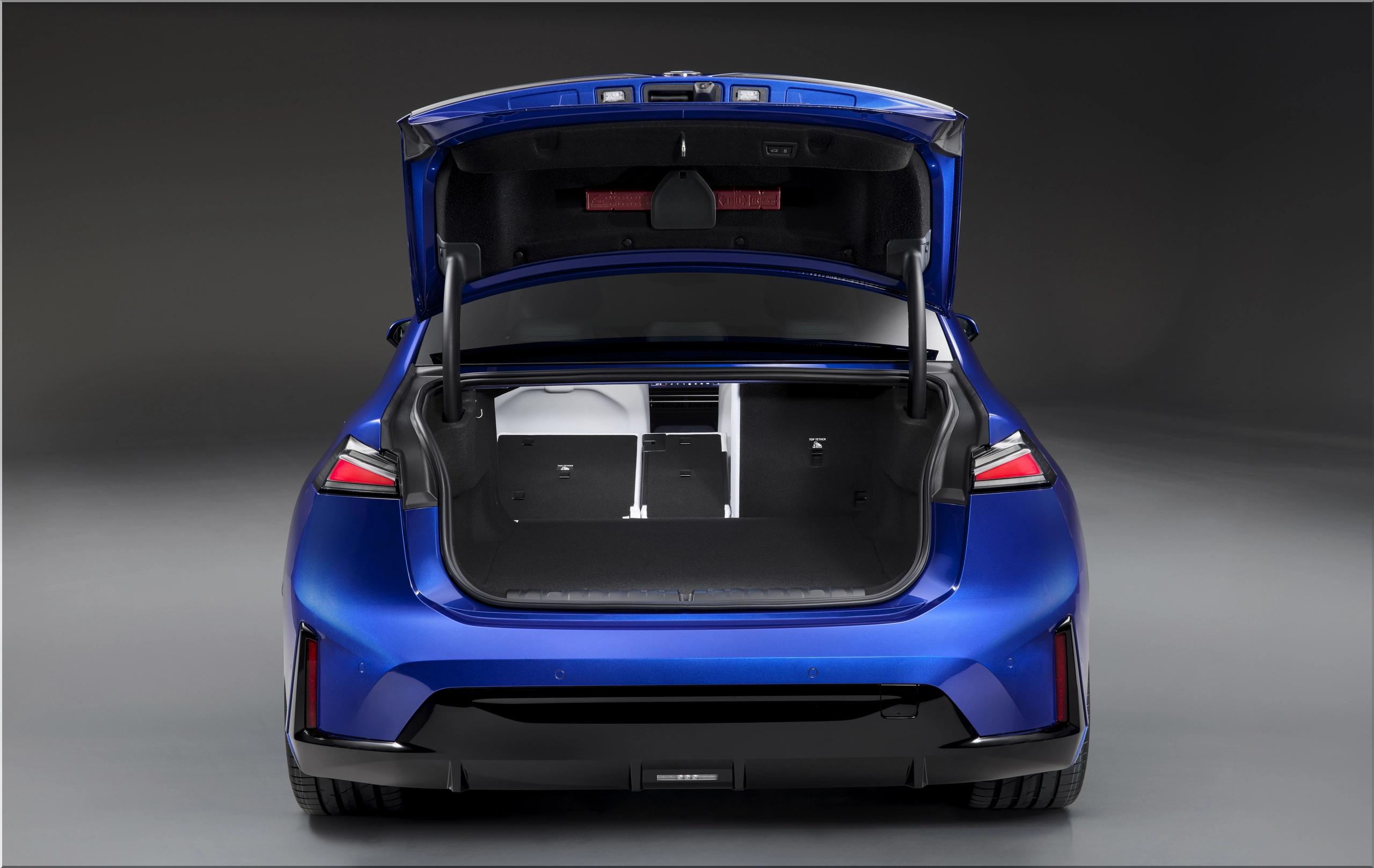
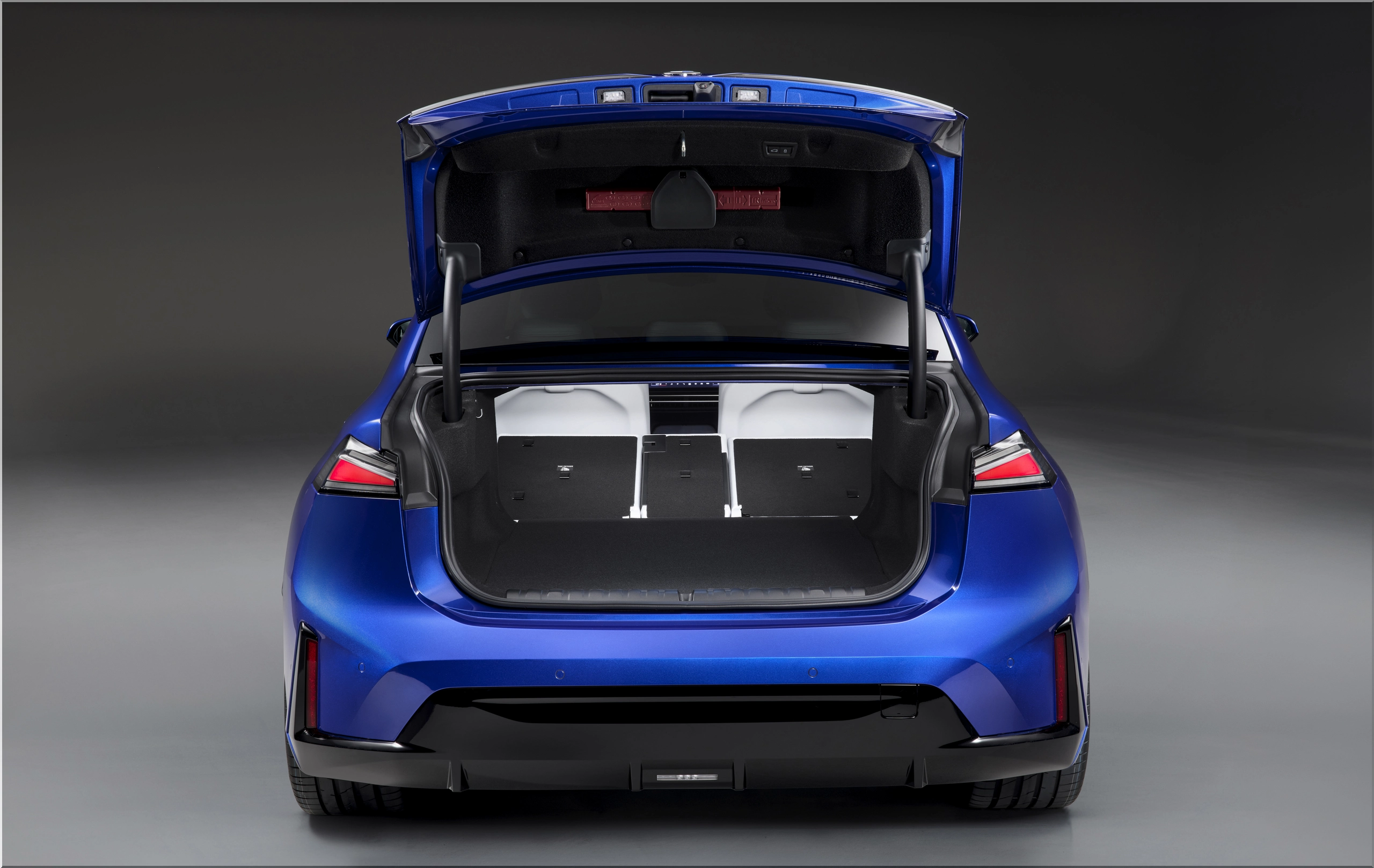
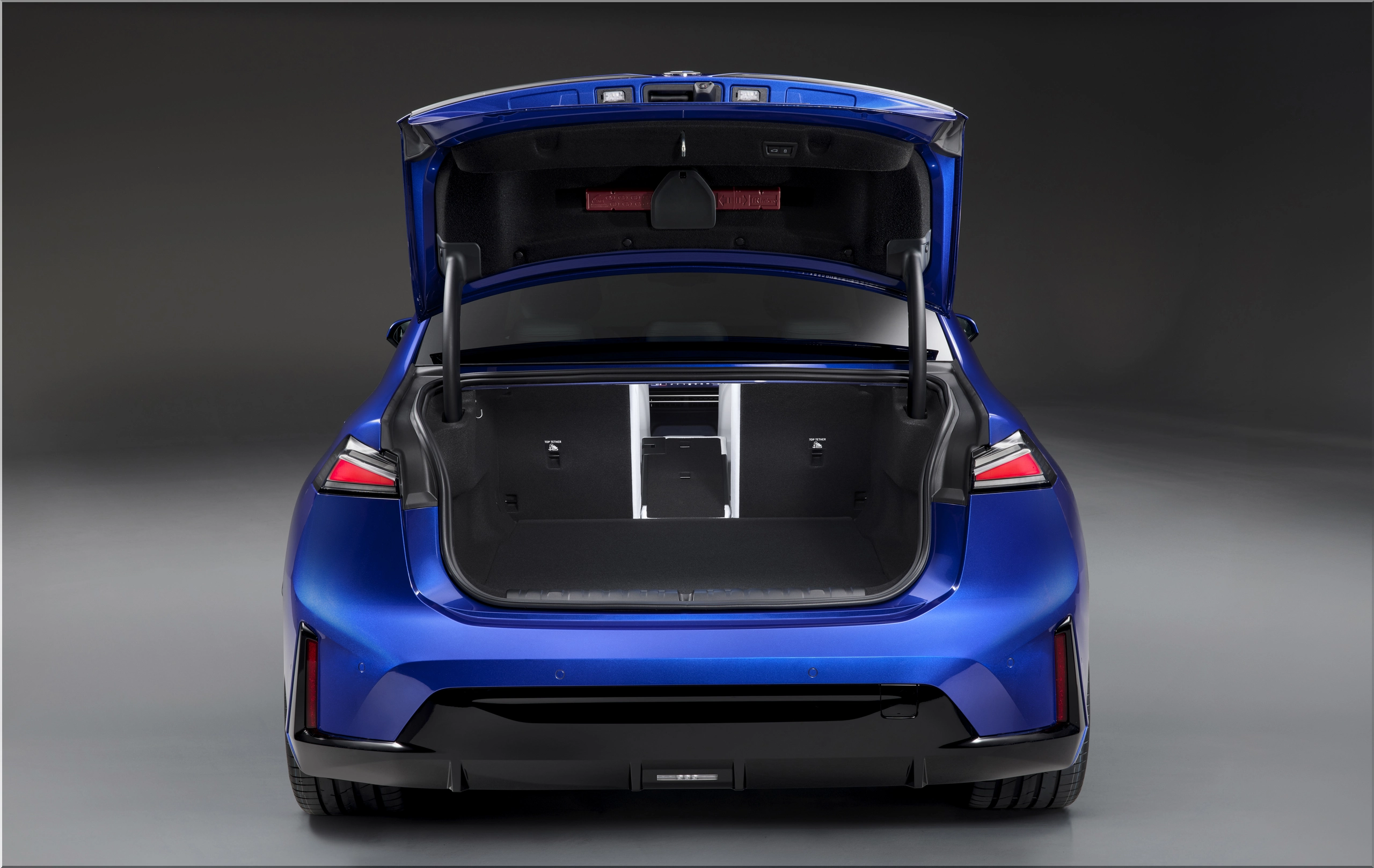
BMW has not yet published the wheelbase, overall length, width, height, curb weight, or drag coefficient in the launch release. That missing data limits a full engineering read, but the package strategy already shows through.
What the engineering tells us
The 800-volt system does two jobs at once. First, it supports much higher charging power. Second, it reduces current for a given power level, which helps thermal management, cable sizing, and sustained efficiency under load. Consequently, the i3 should handle repeated fast-charging sessions better than many older 400-volt rivals.
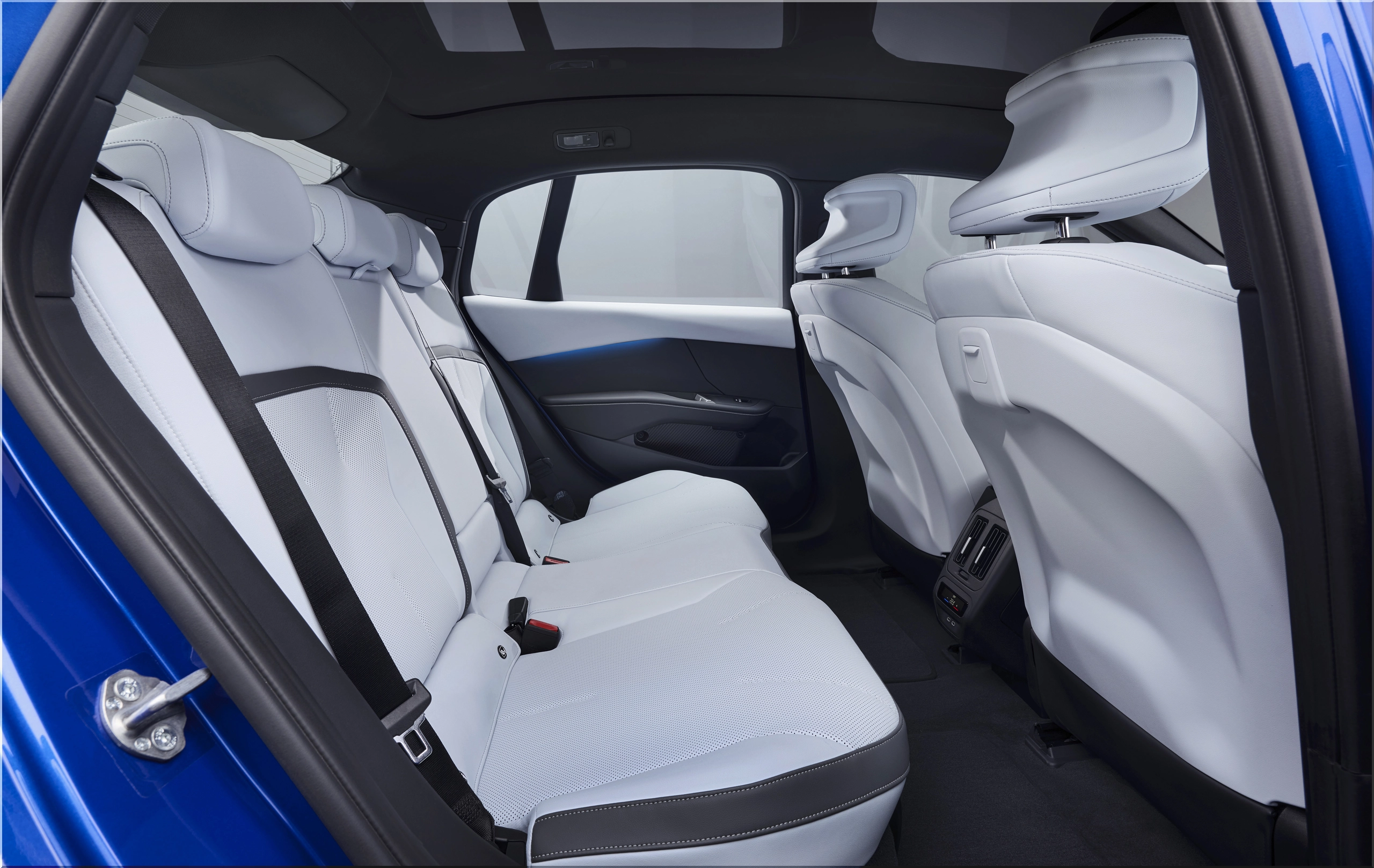
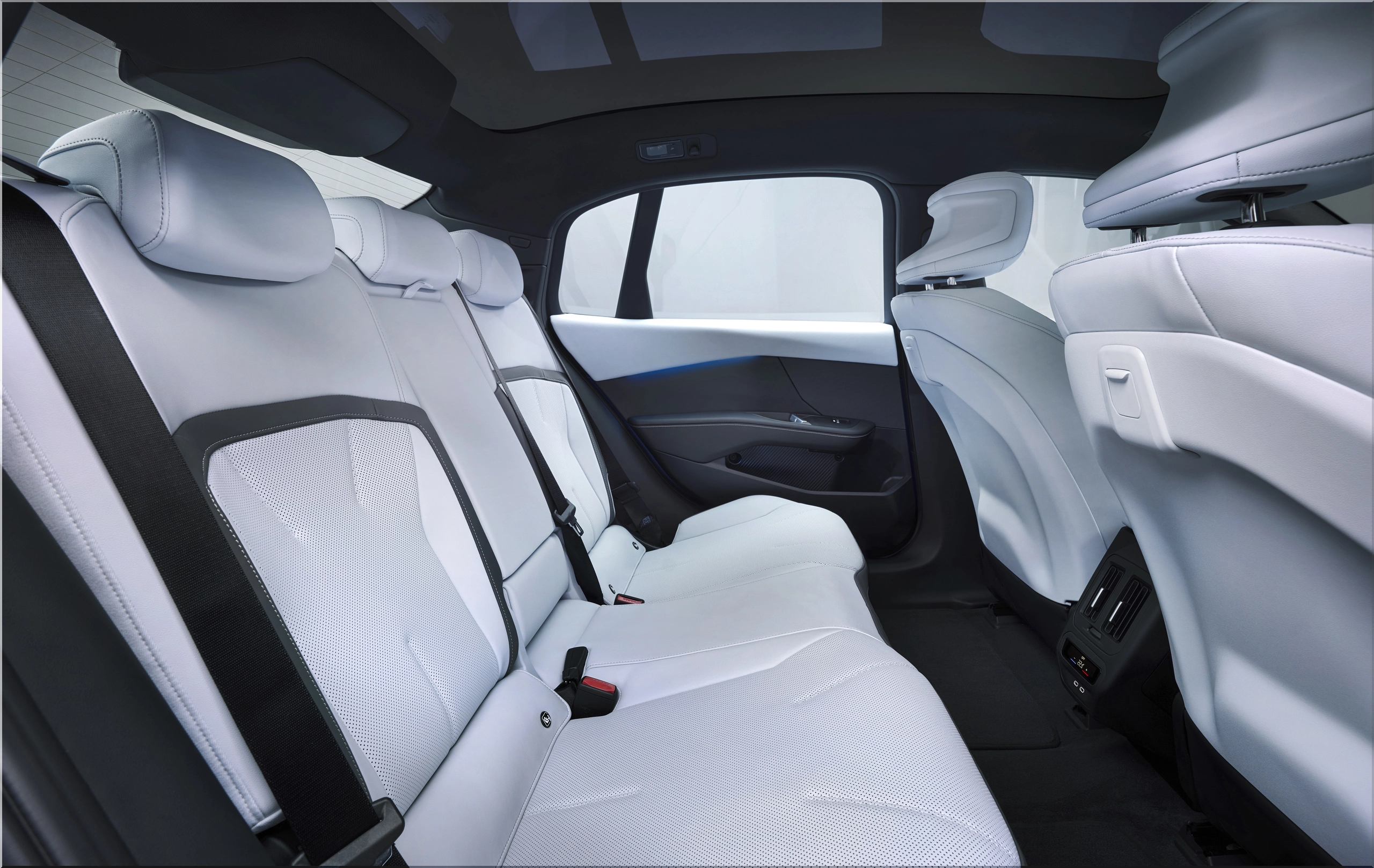
The cell-to-pack battery structure matters too. BMW says it raises pack-level energy density while flattening the battery itself. That flatter pack supports a lower floor penalty and better seating geometry. In a sports sedan, that is a packaging win, not a marketing phrase.
Design, packaging, and why the sedan body helps this car
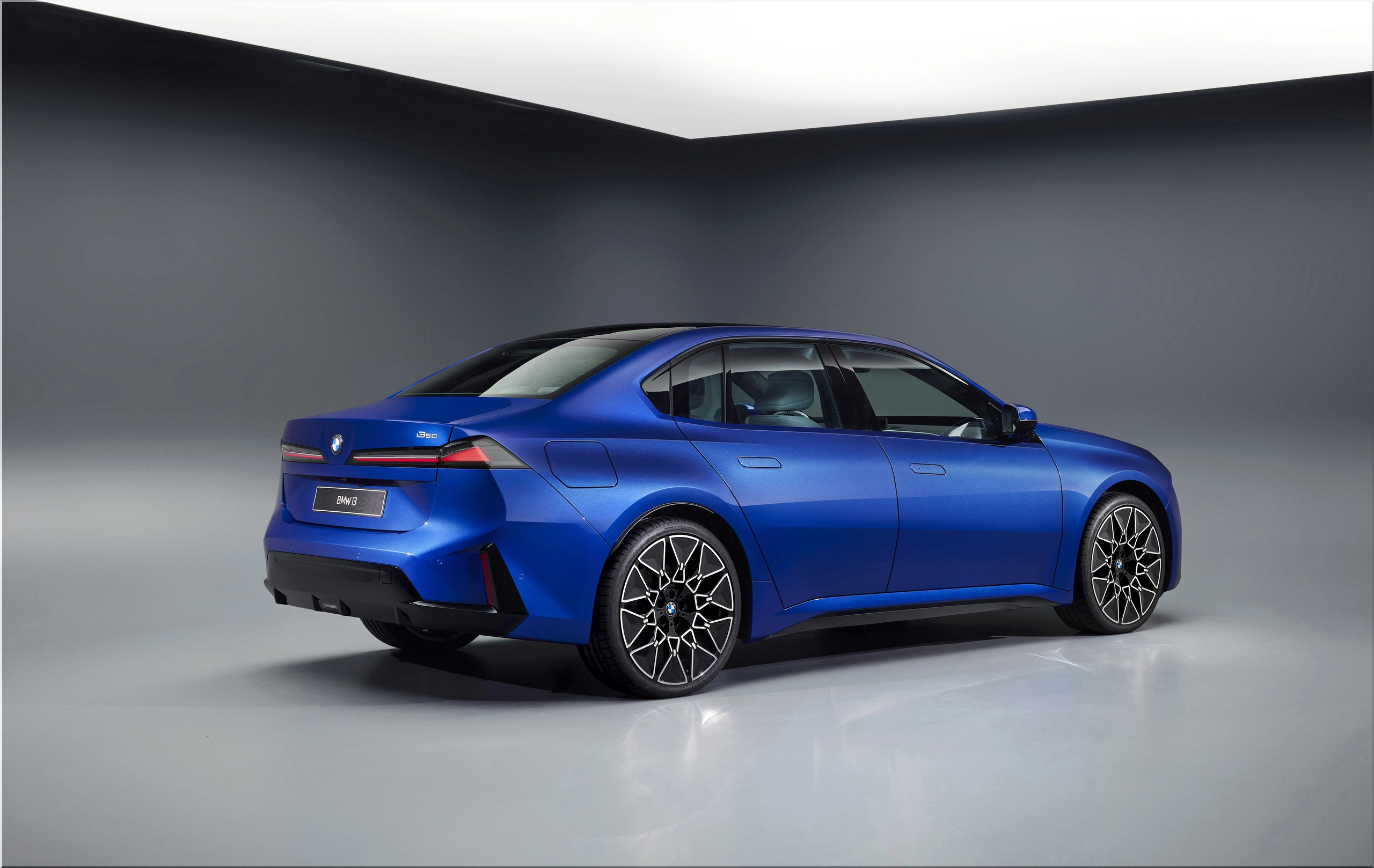
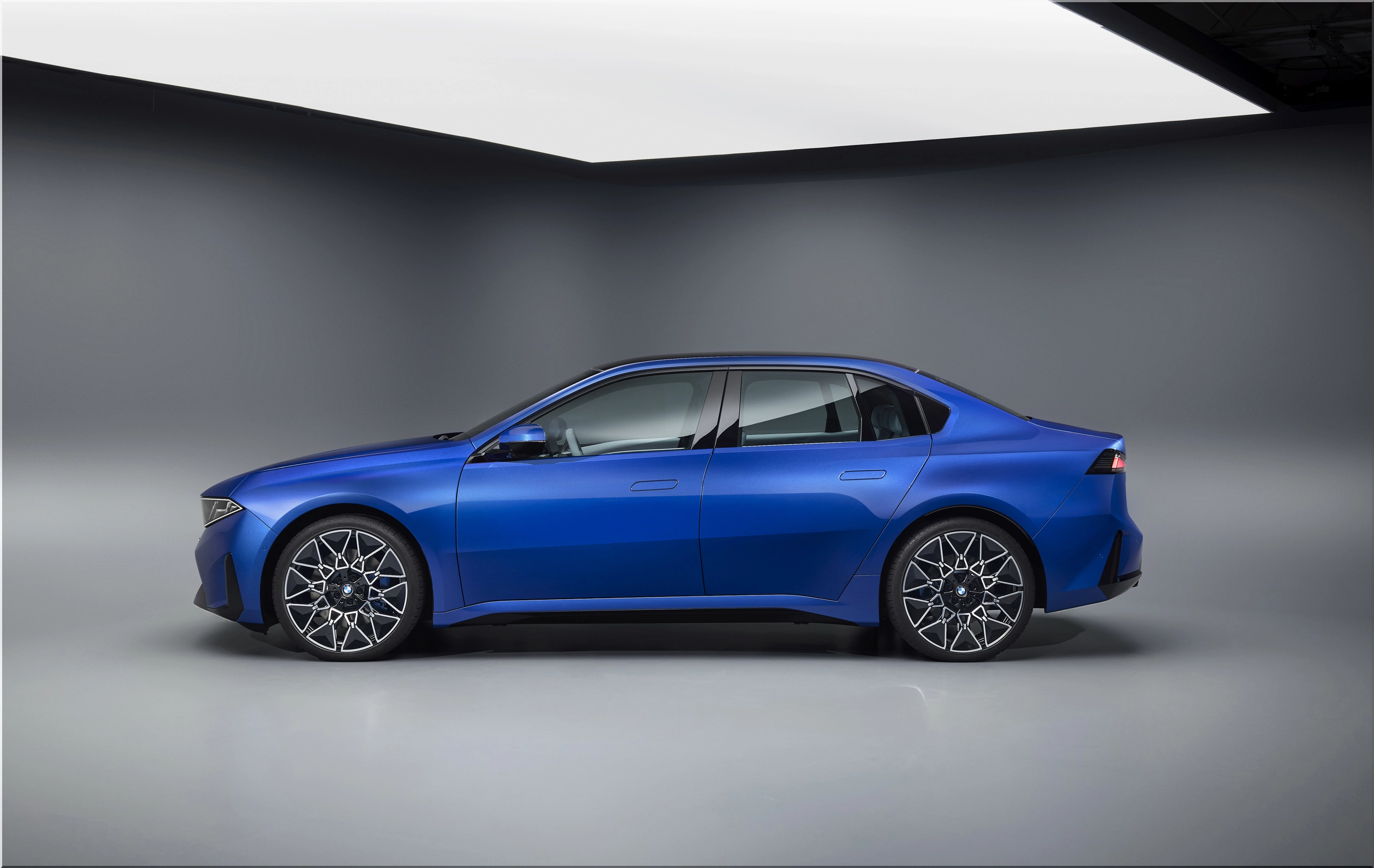
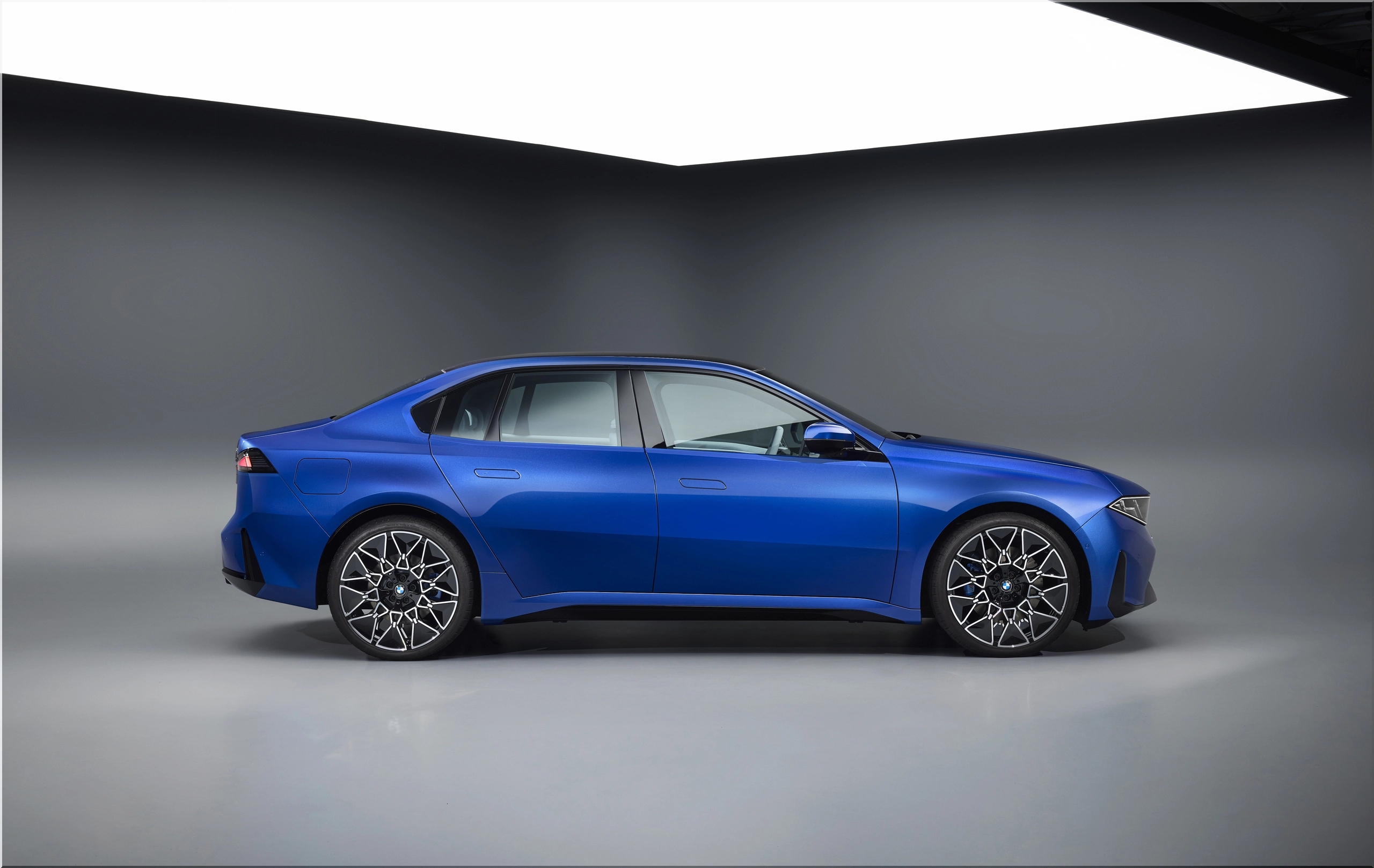
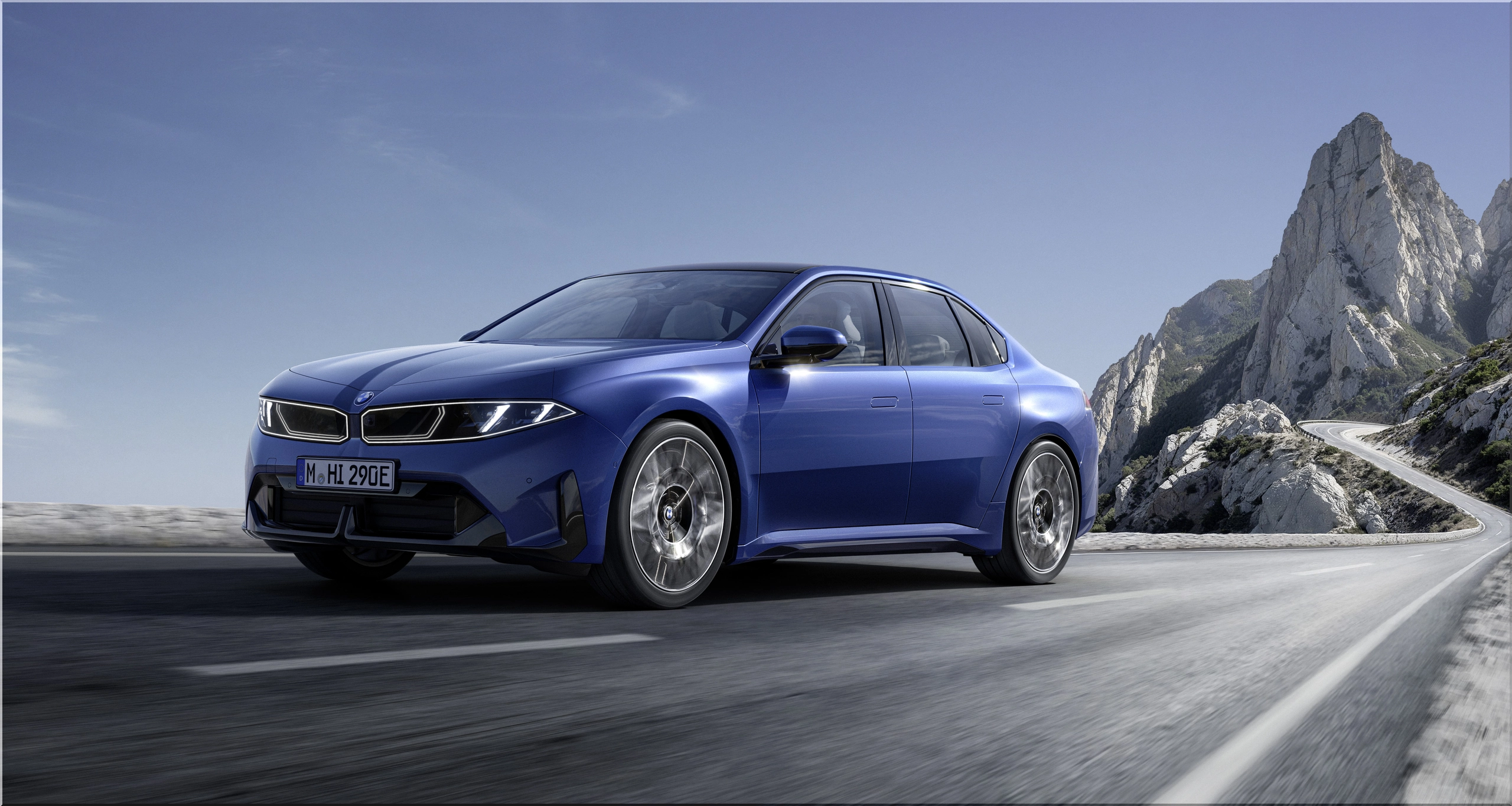
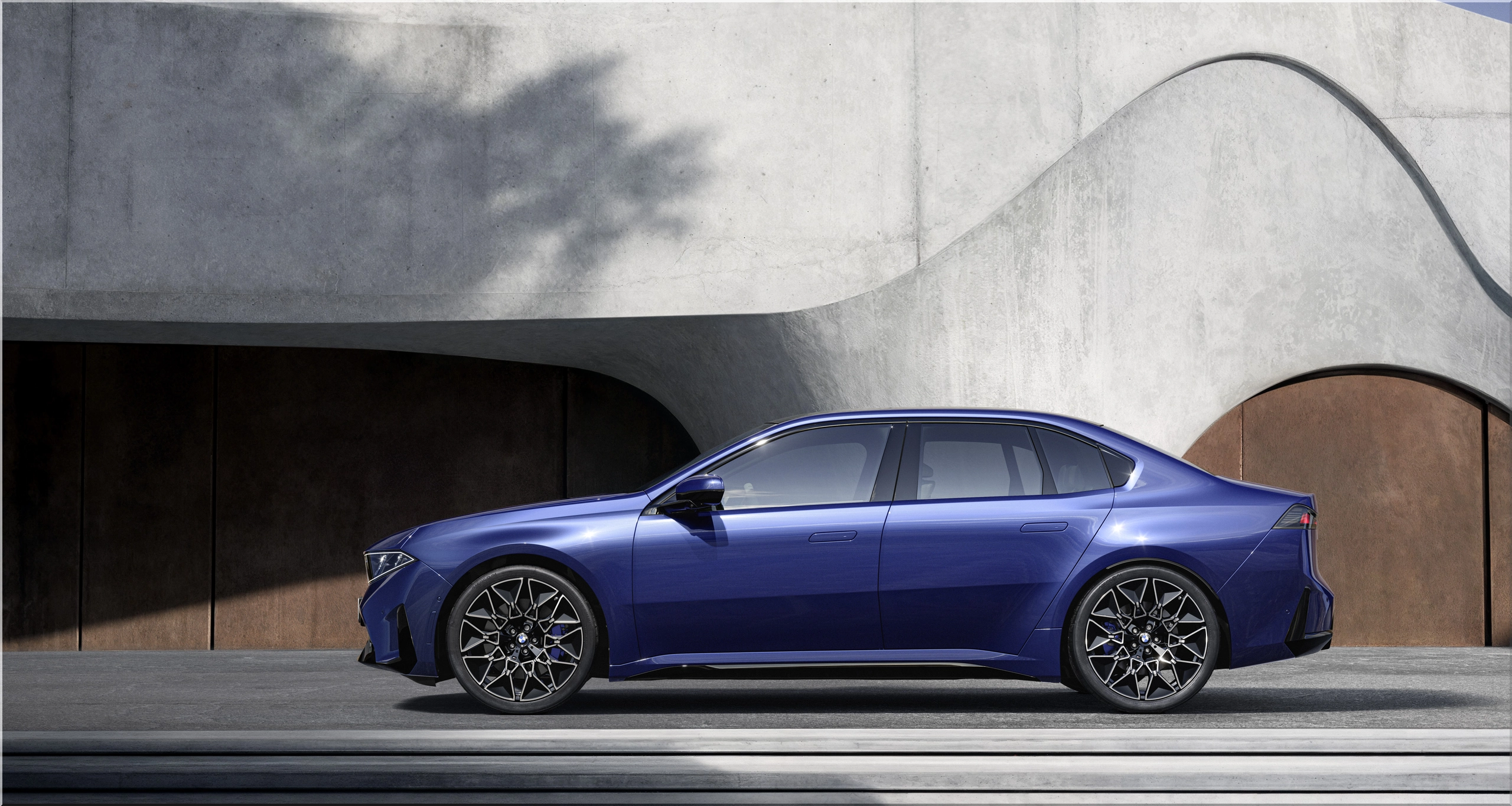
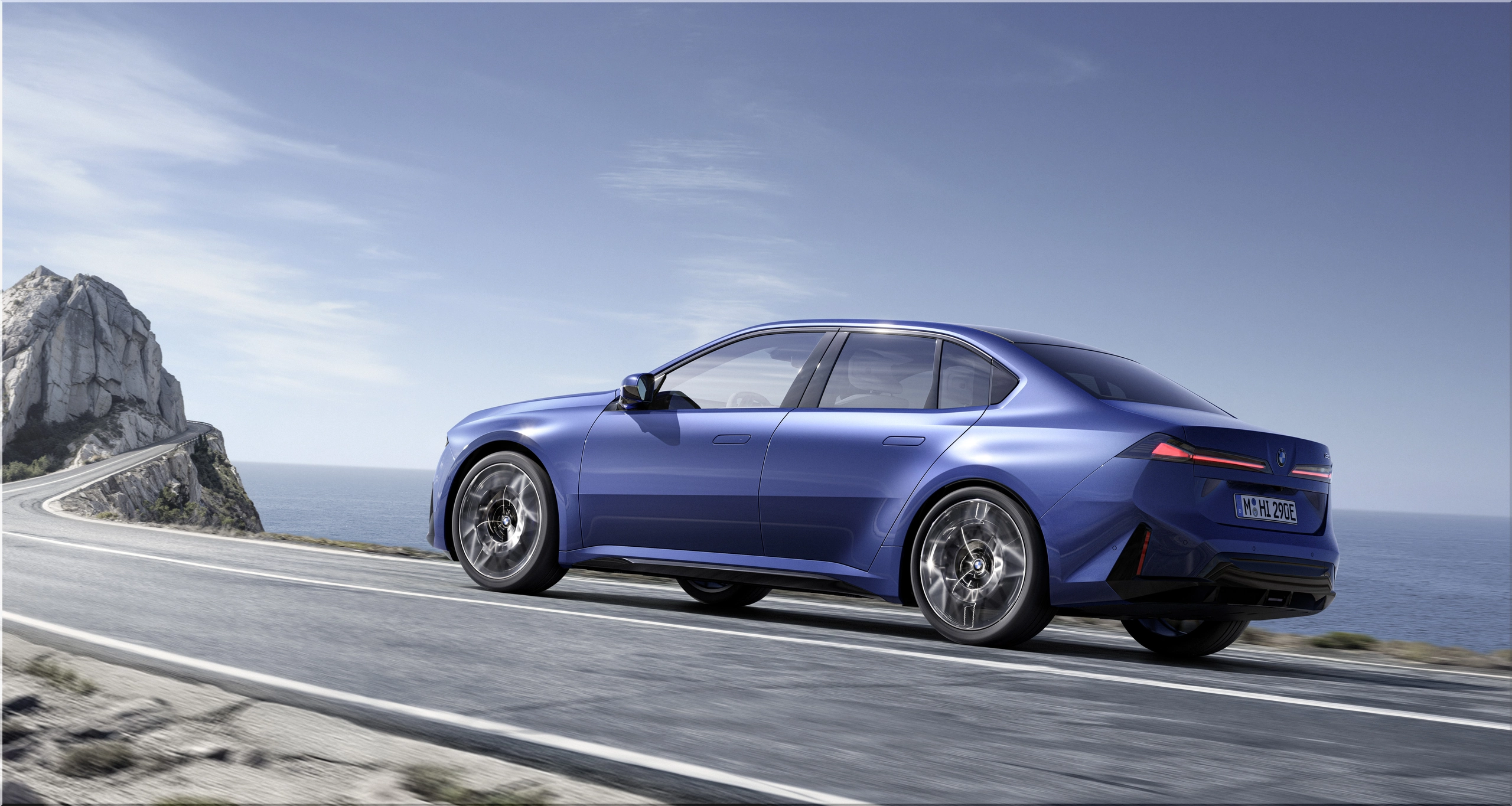
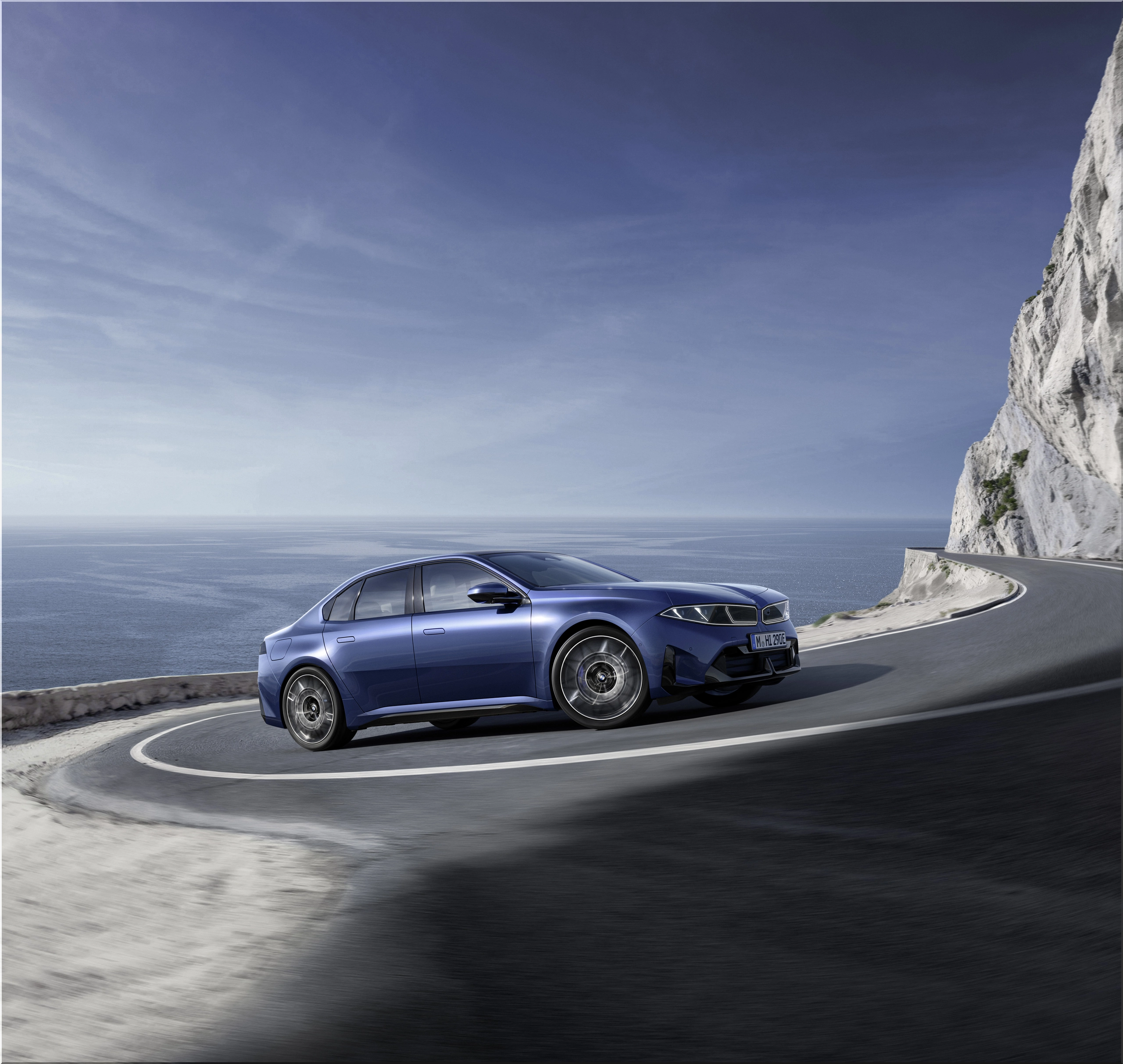
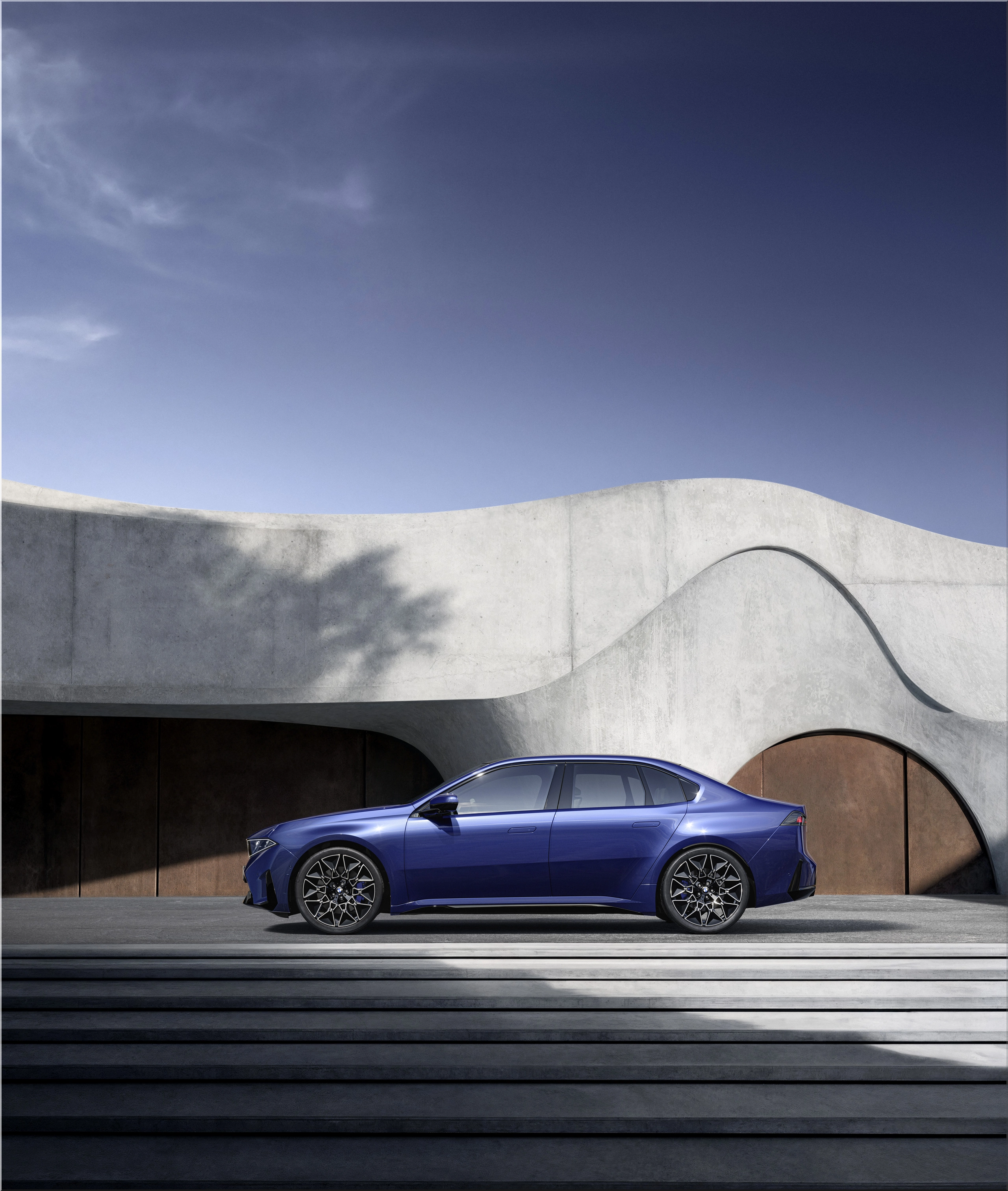
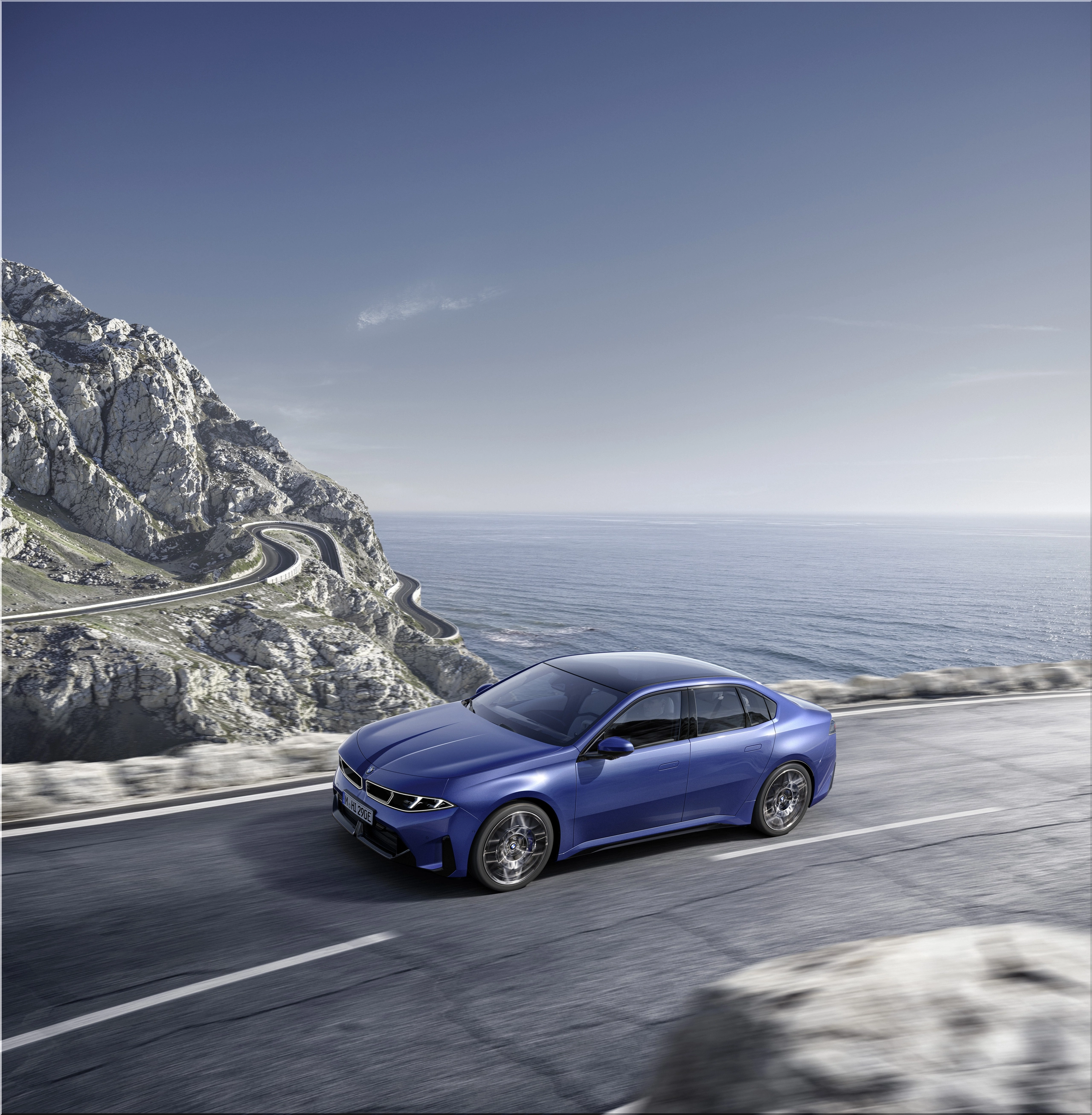
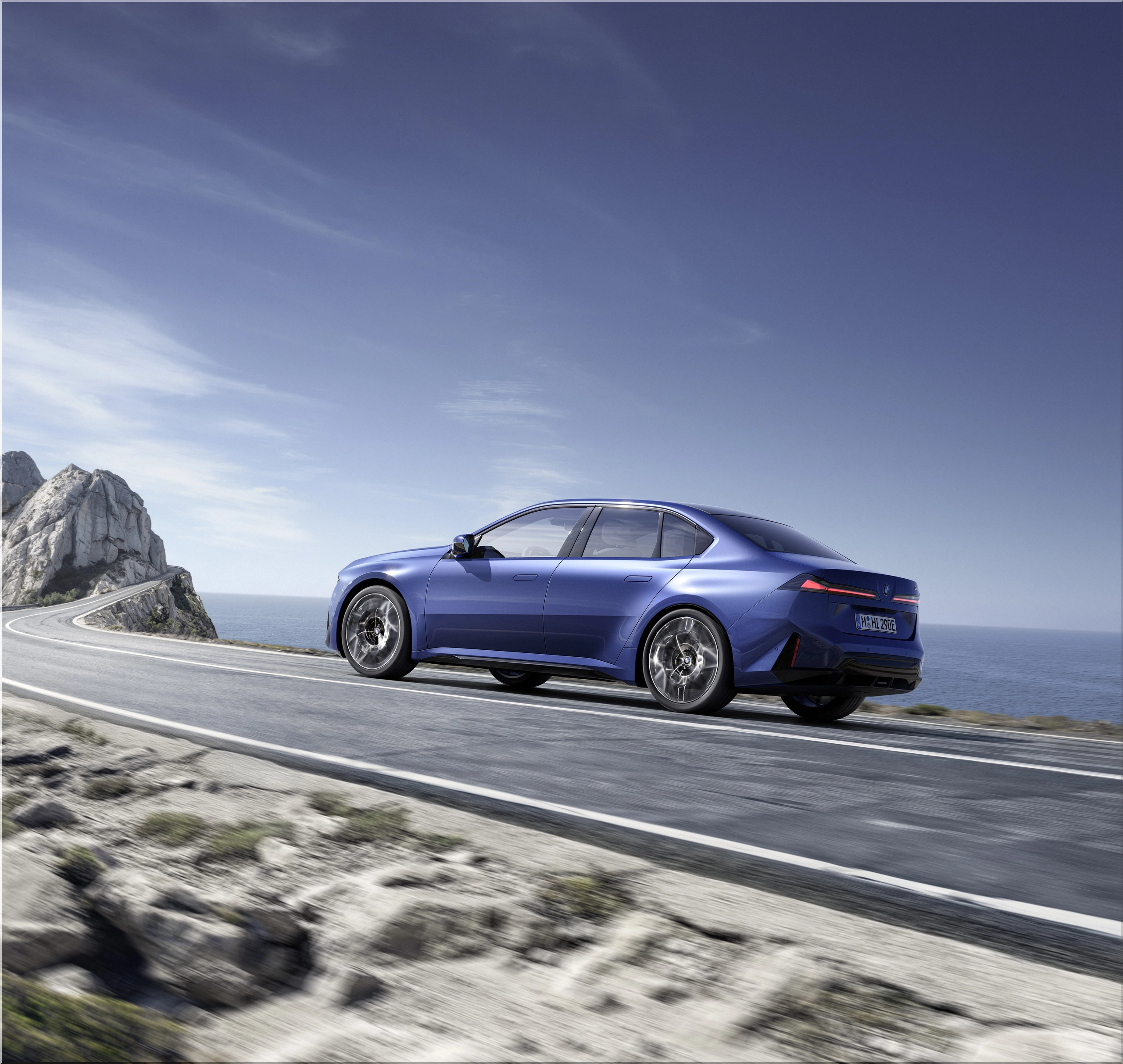
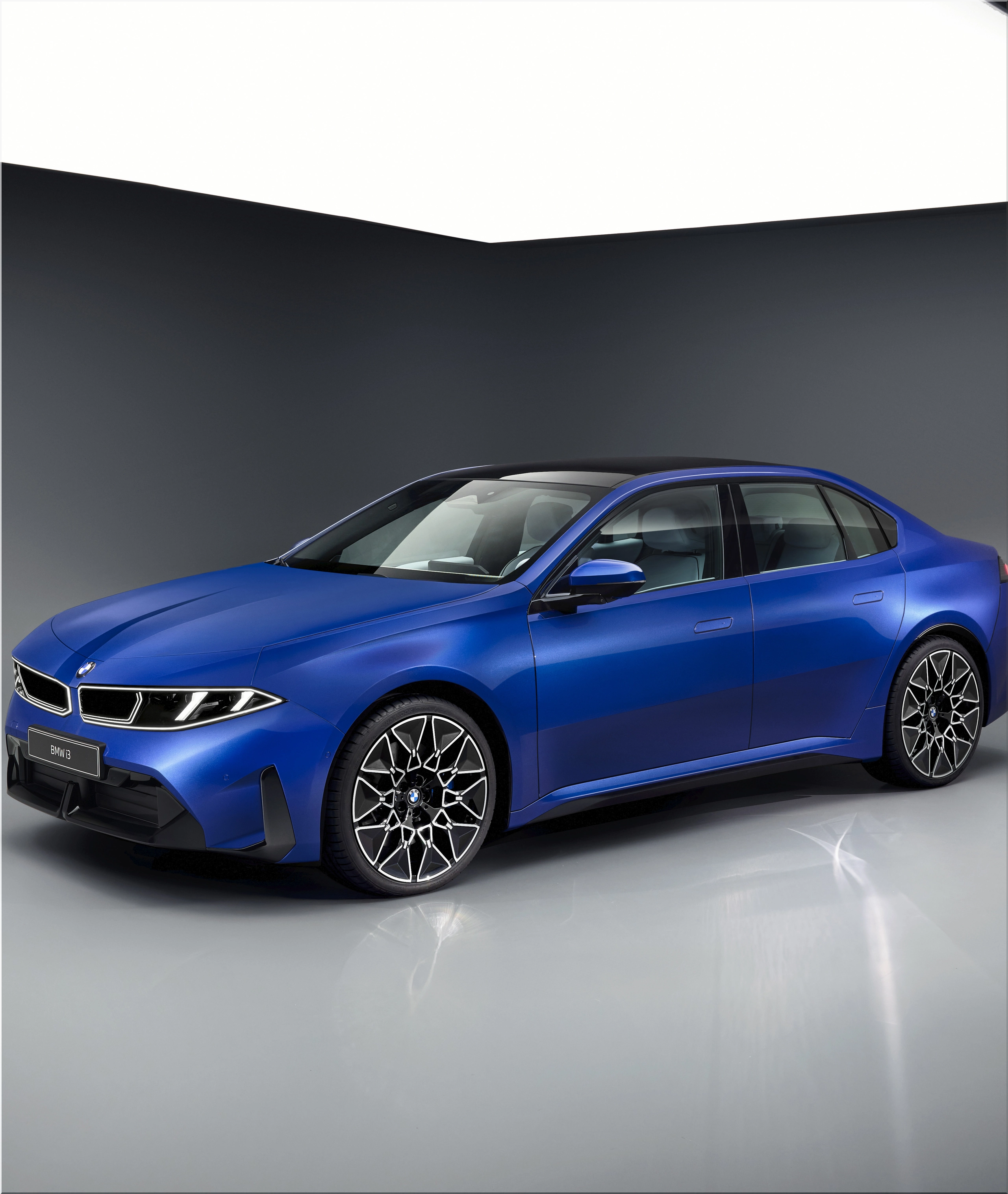
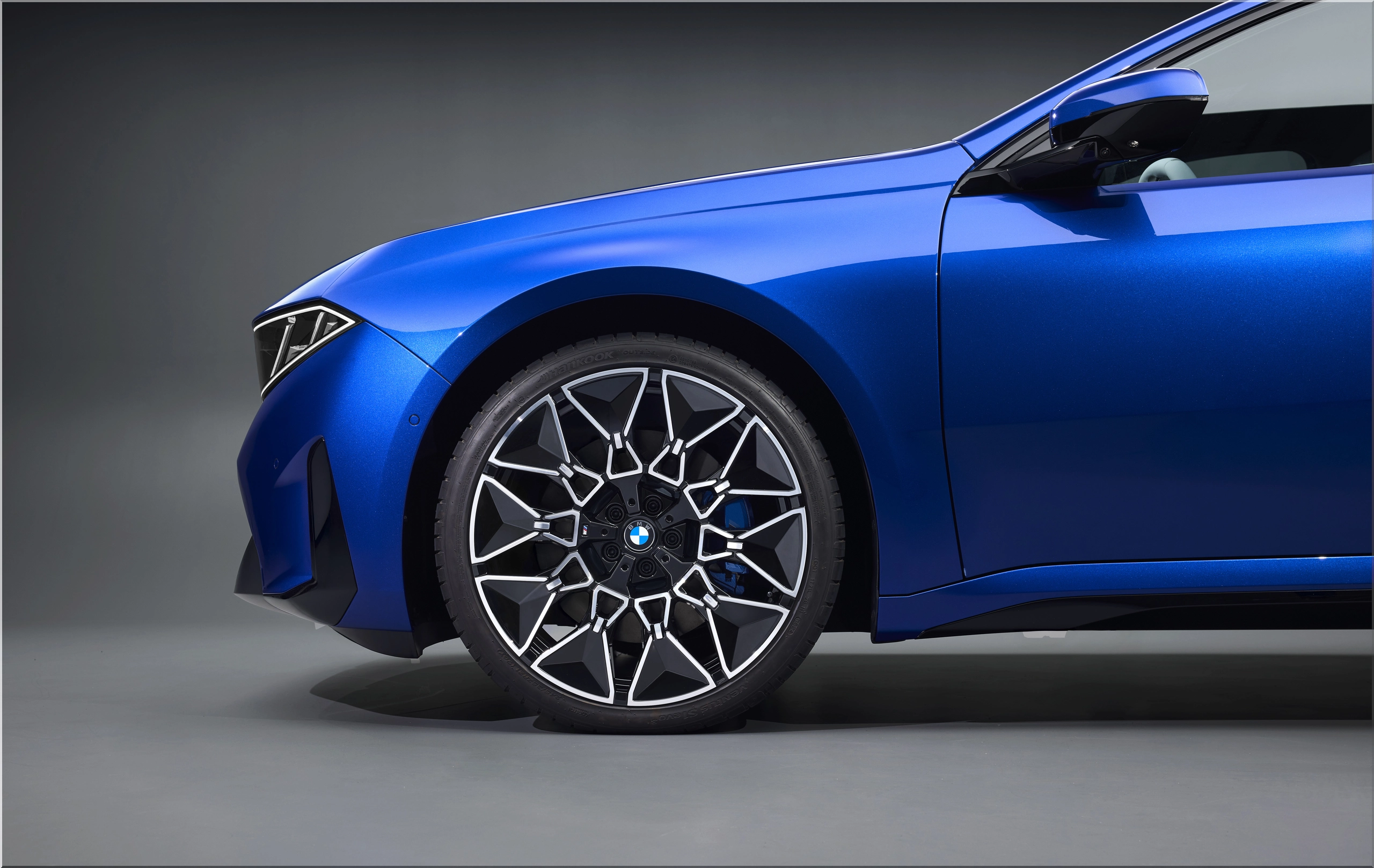
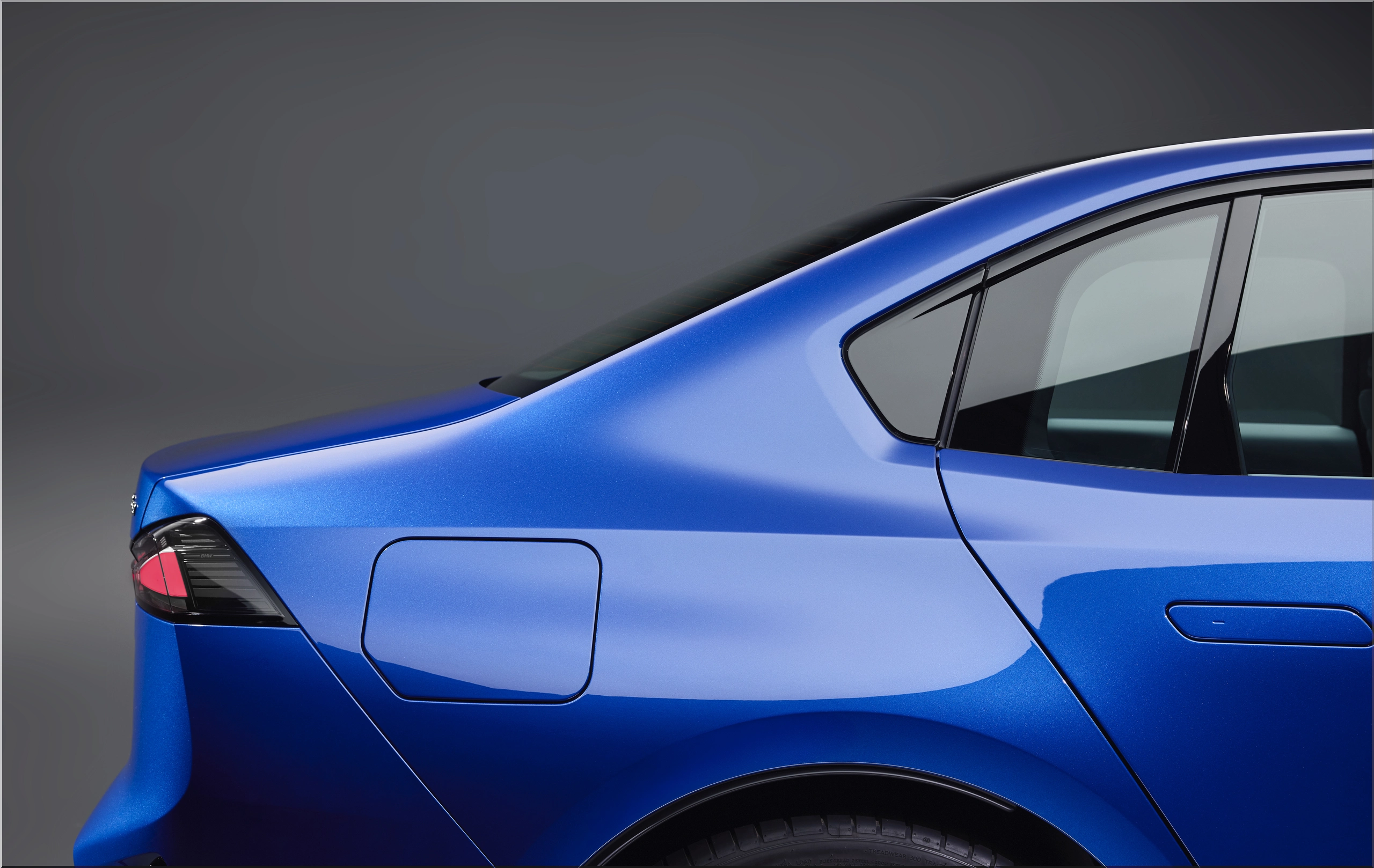
BMW calls the shape a 2.5-box design, with a long wheelbase, sloping greenhouse, and short overhangs. That sounds like styling language, but it has a technical payoff. A sedan with a clean roofline and tapered rear section typically cuts aerodynamic drag more effectively than a taller crossover. By comparison, BMW's own iX3 may offer broader market appeal, but the i3's lower shape gives engineers an easier path to class-leading efficiency.
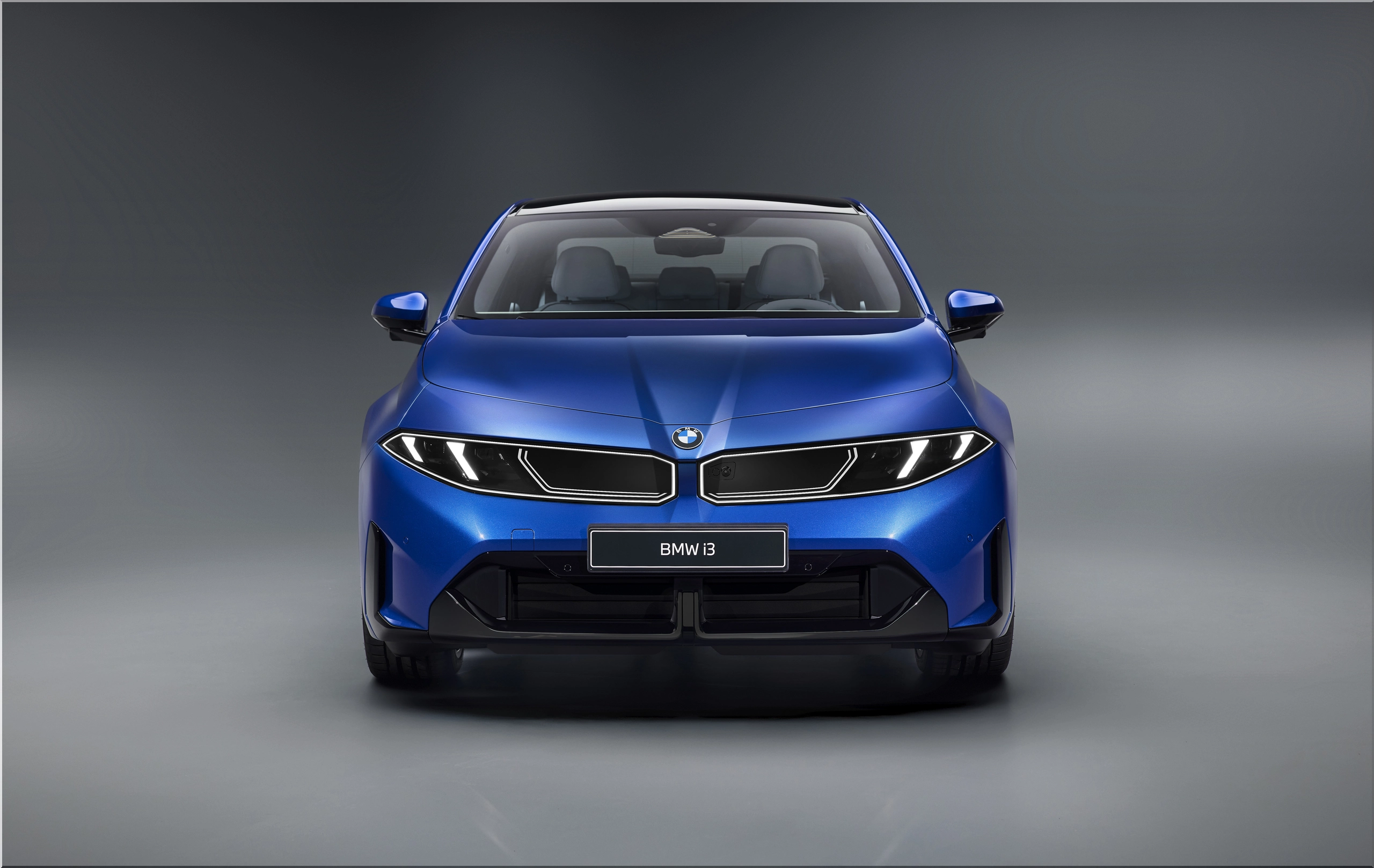
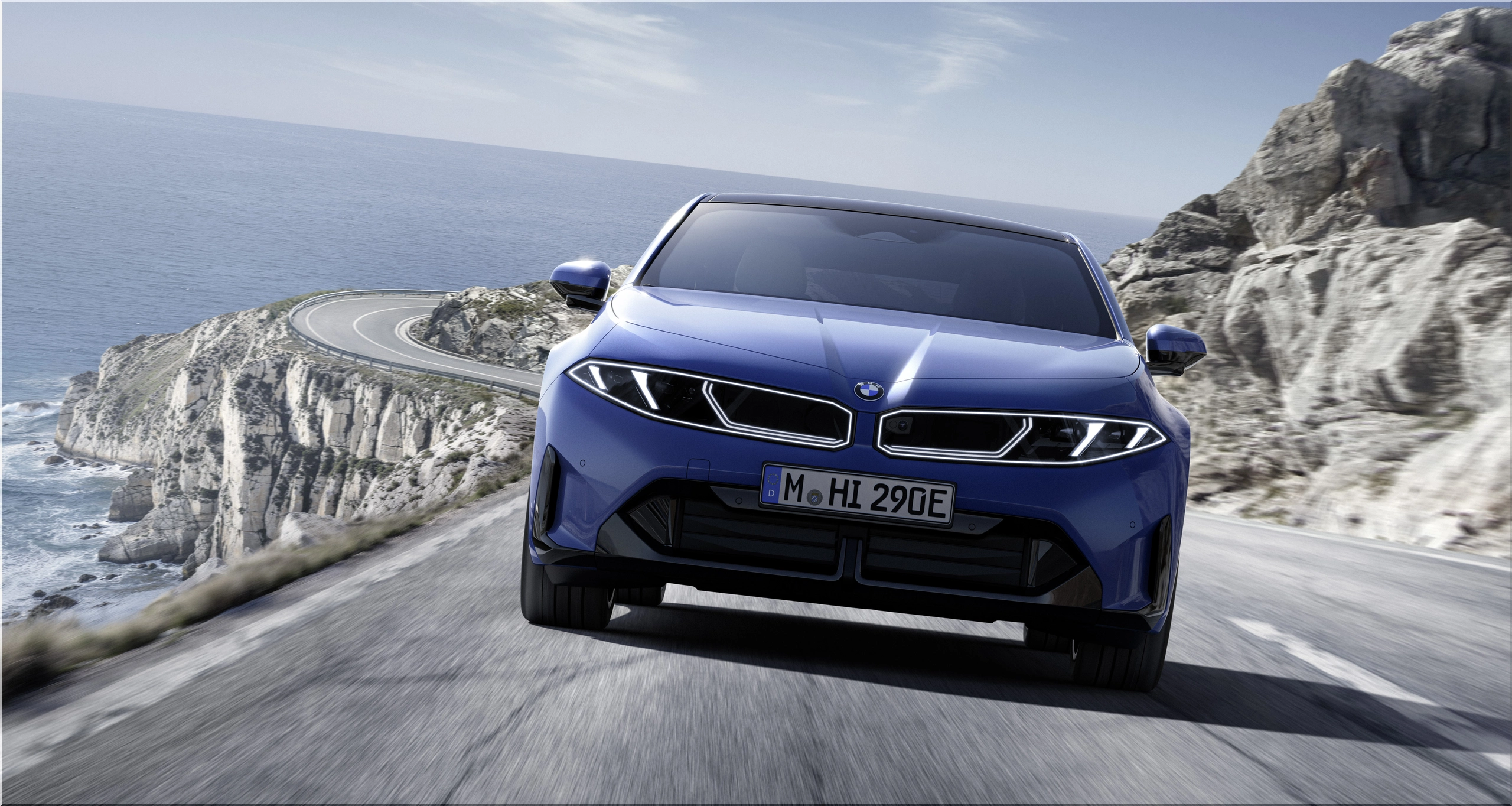
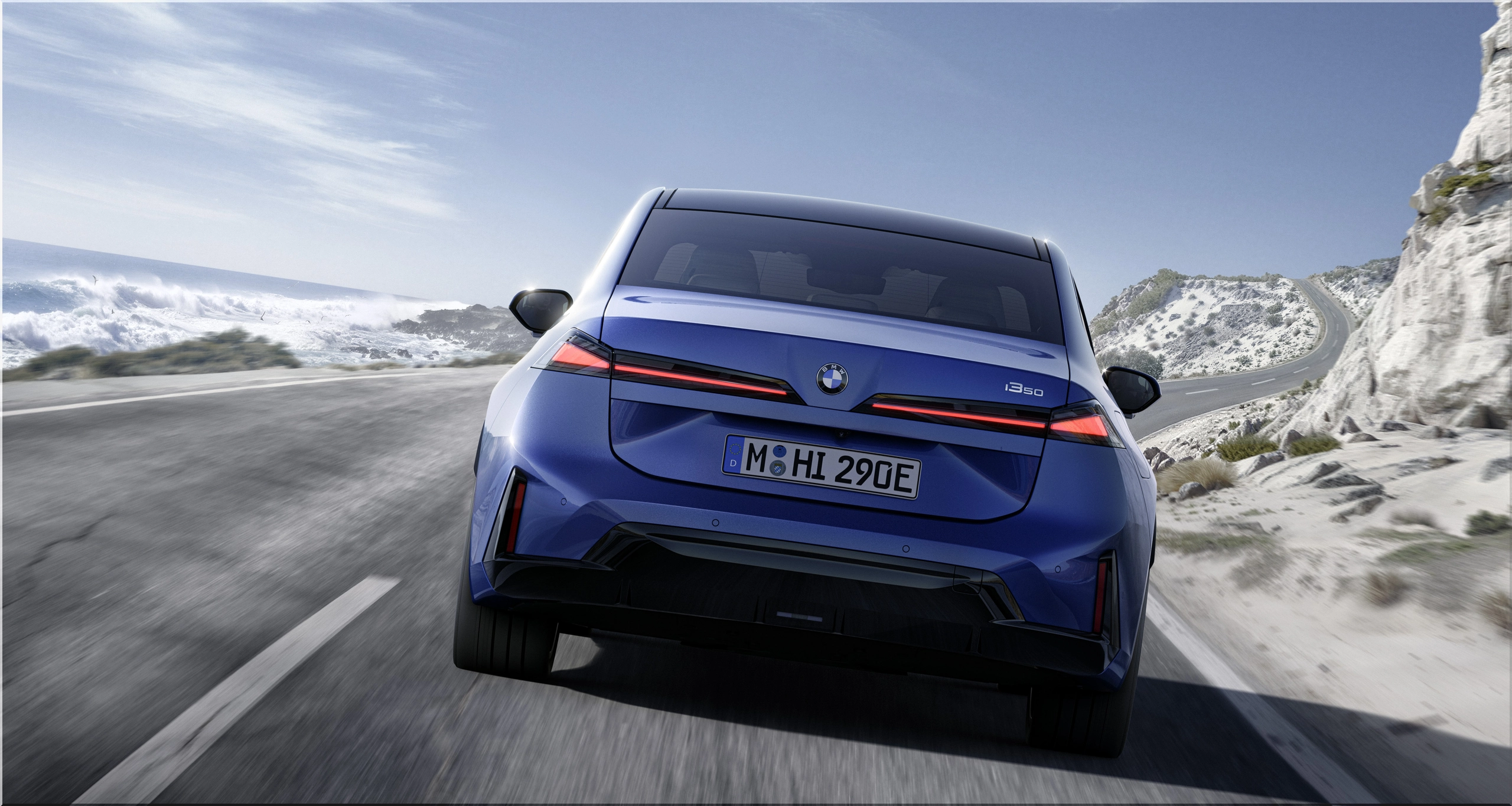
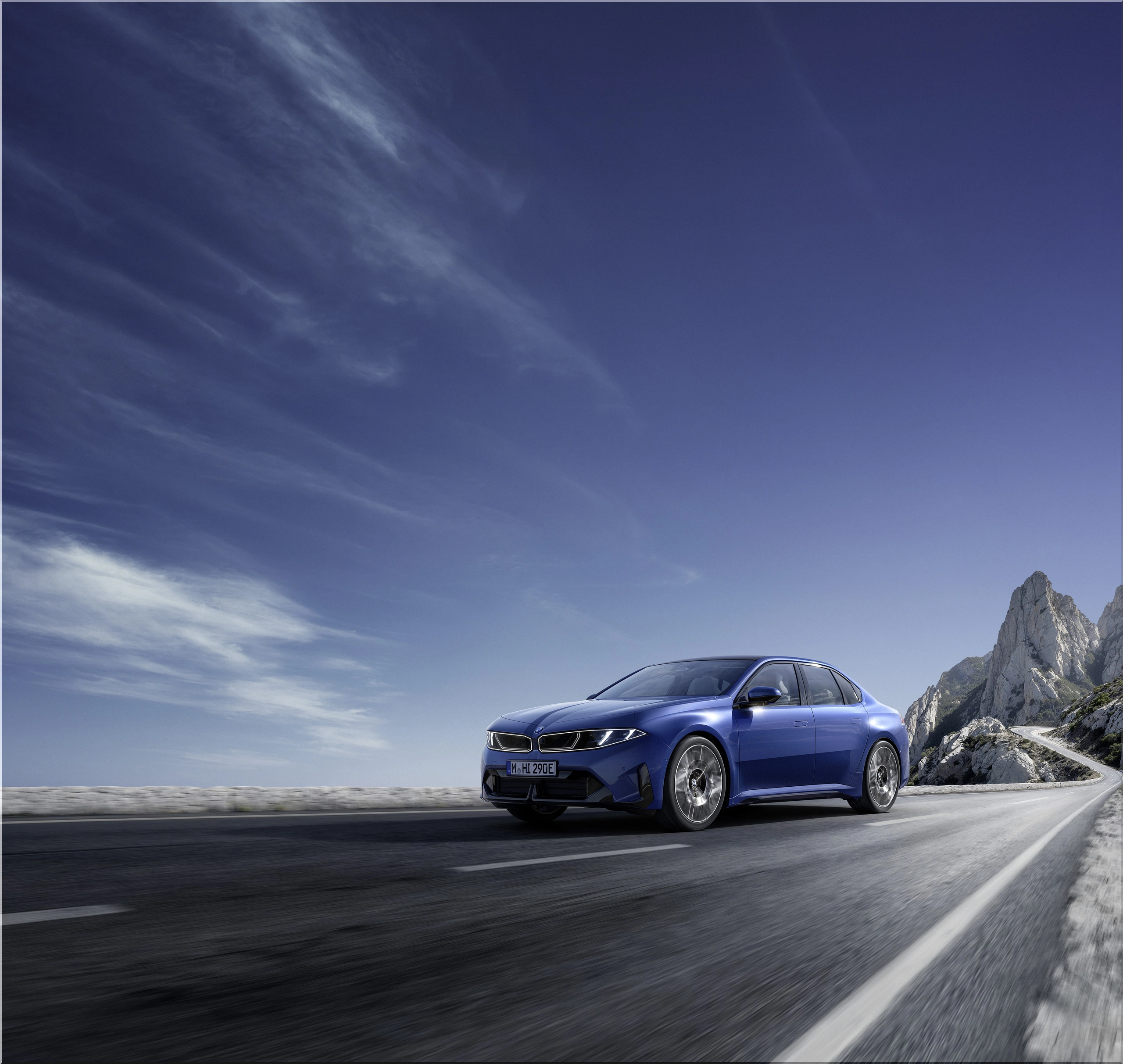
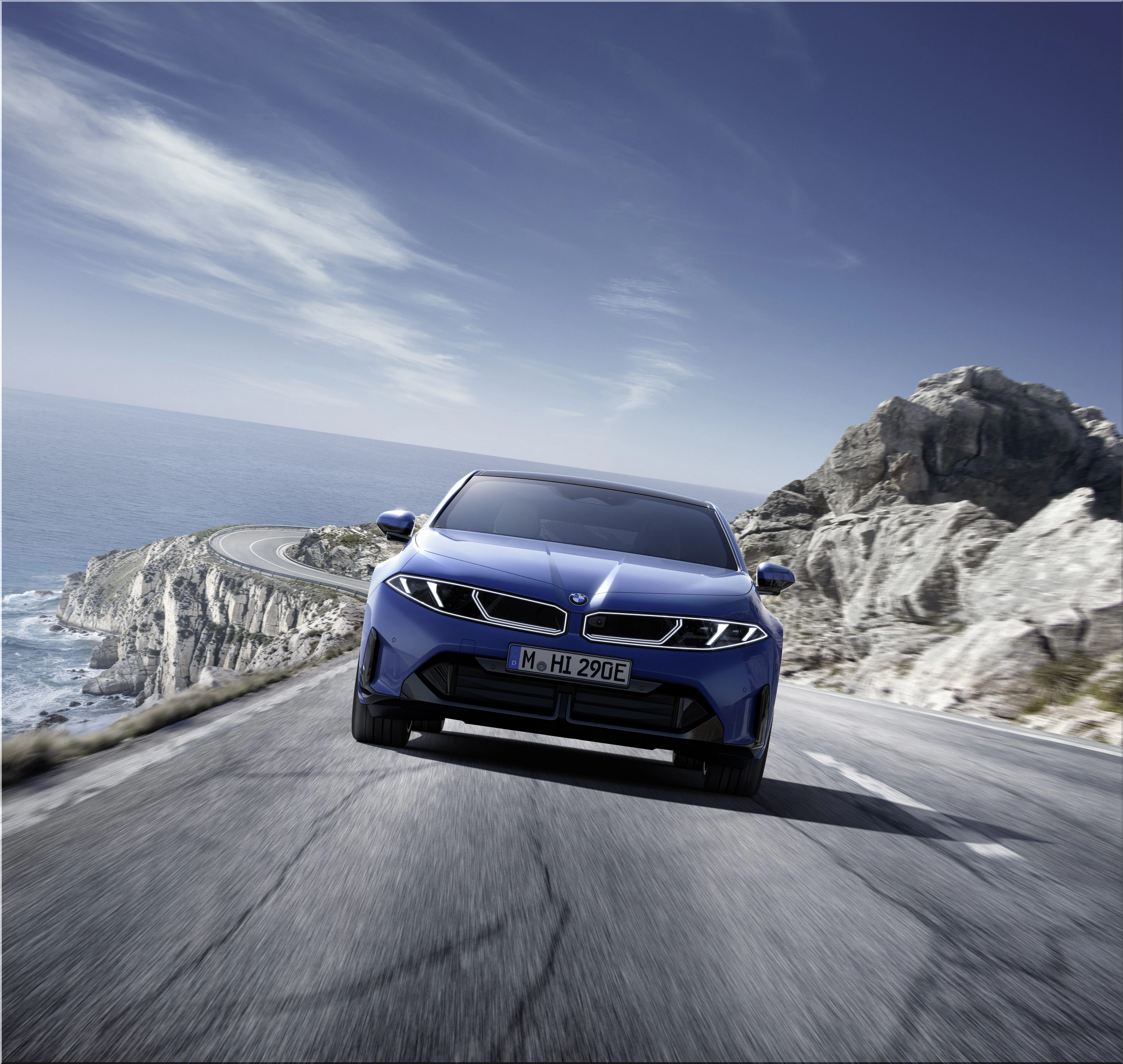
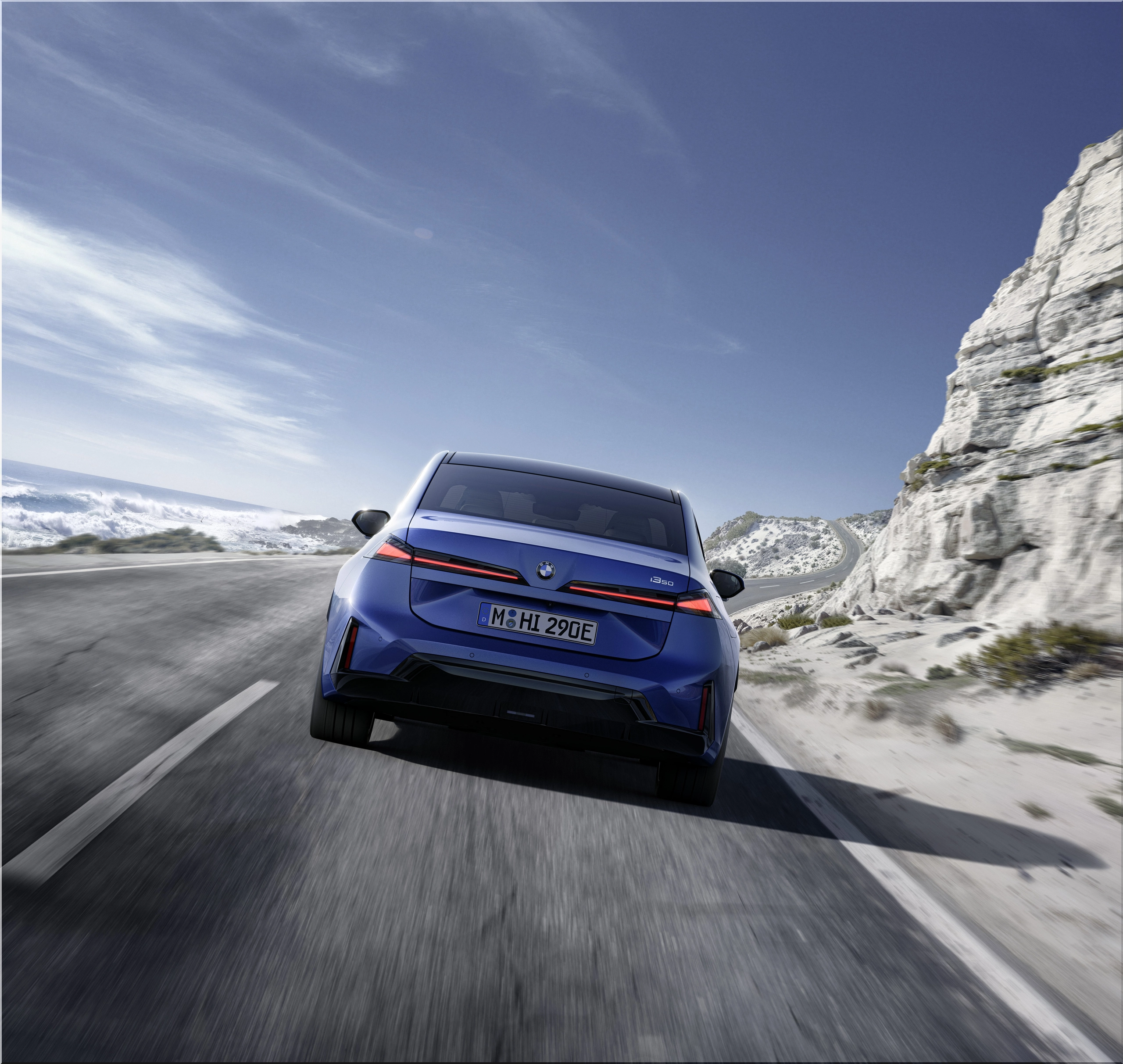
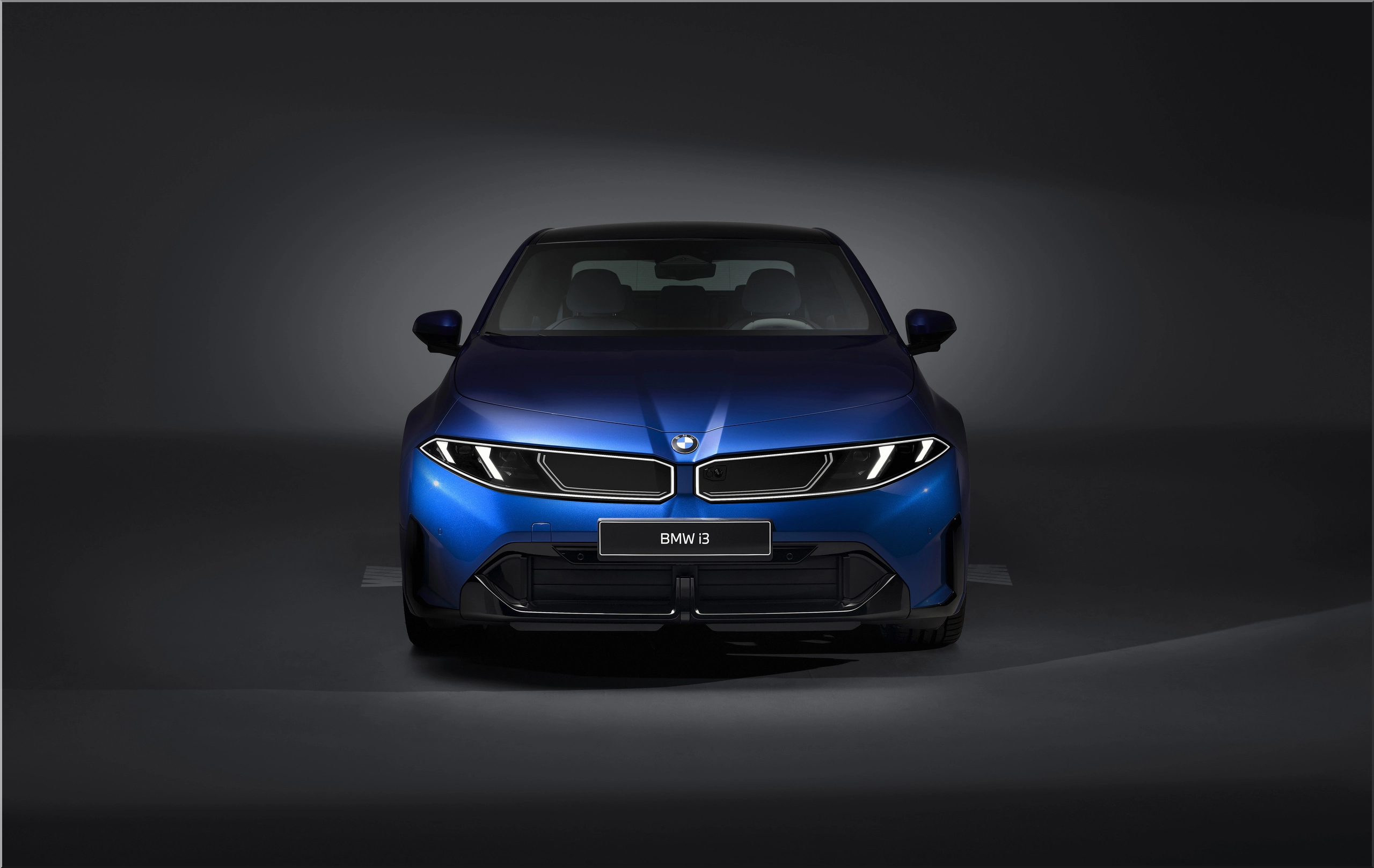
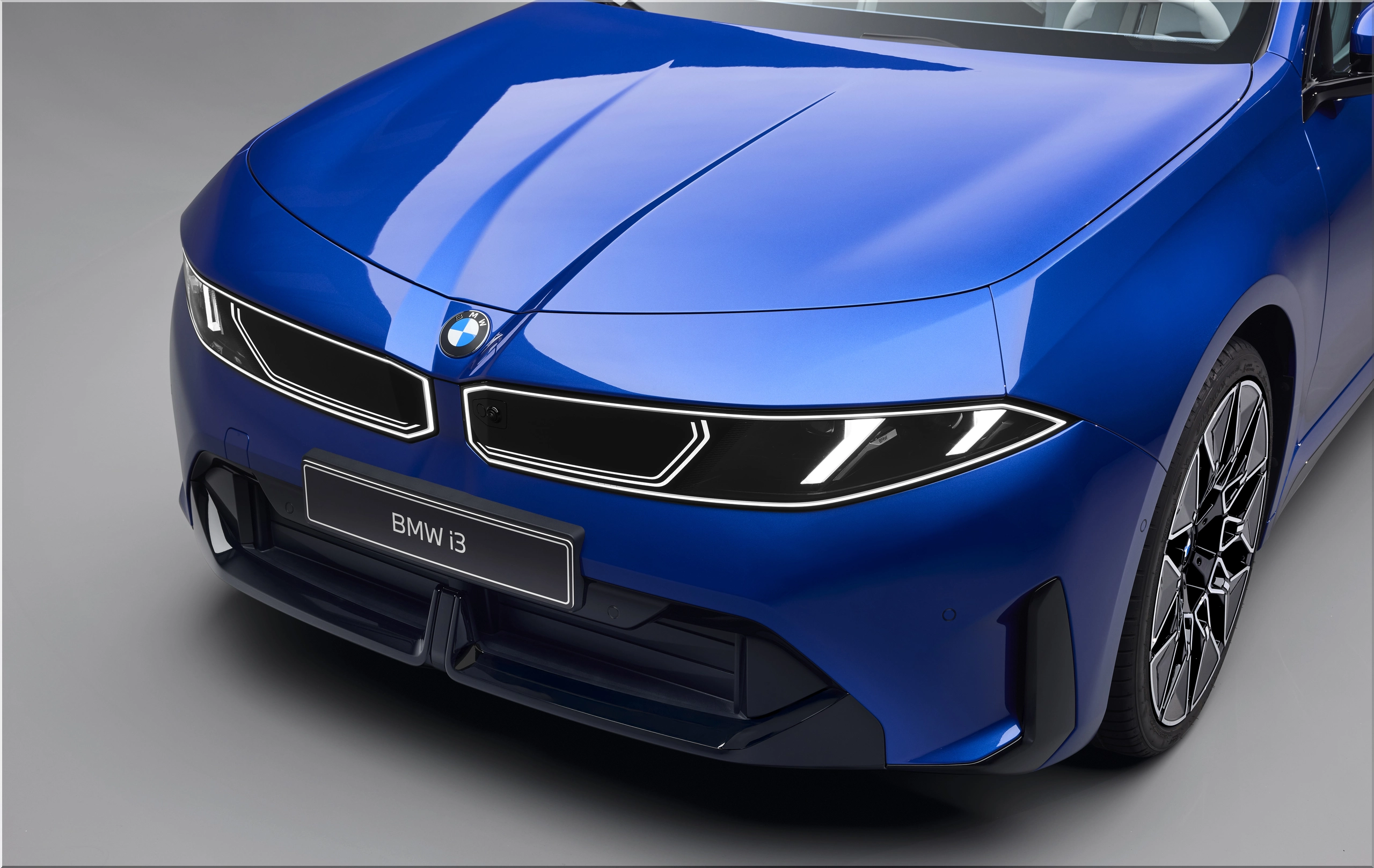
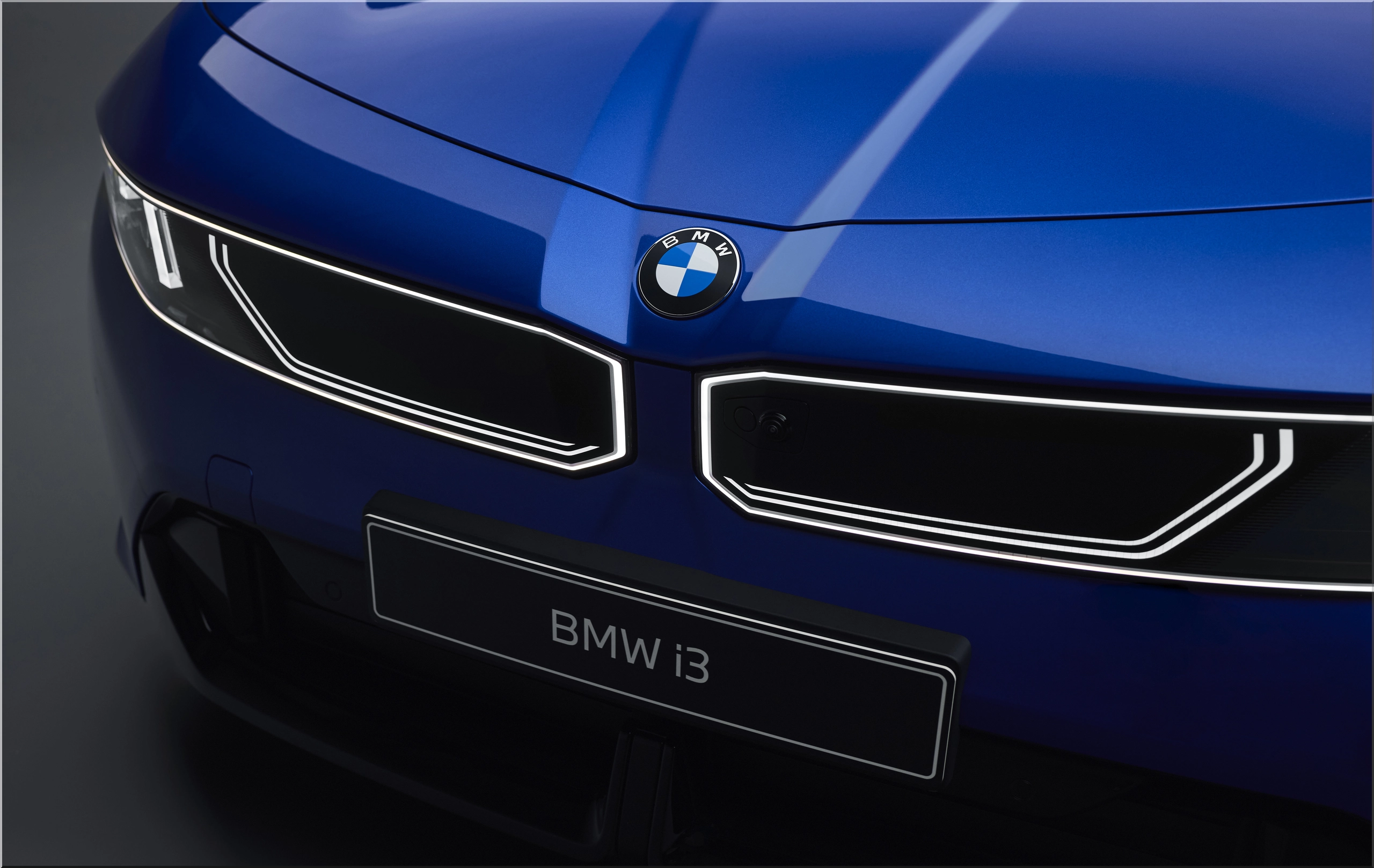
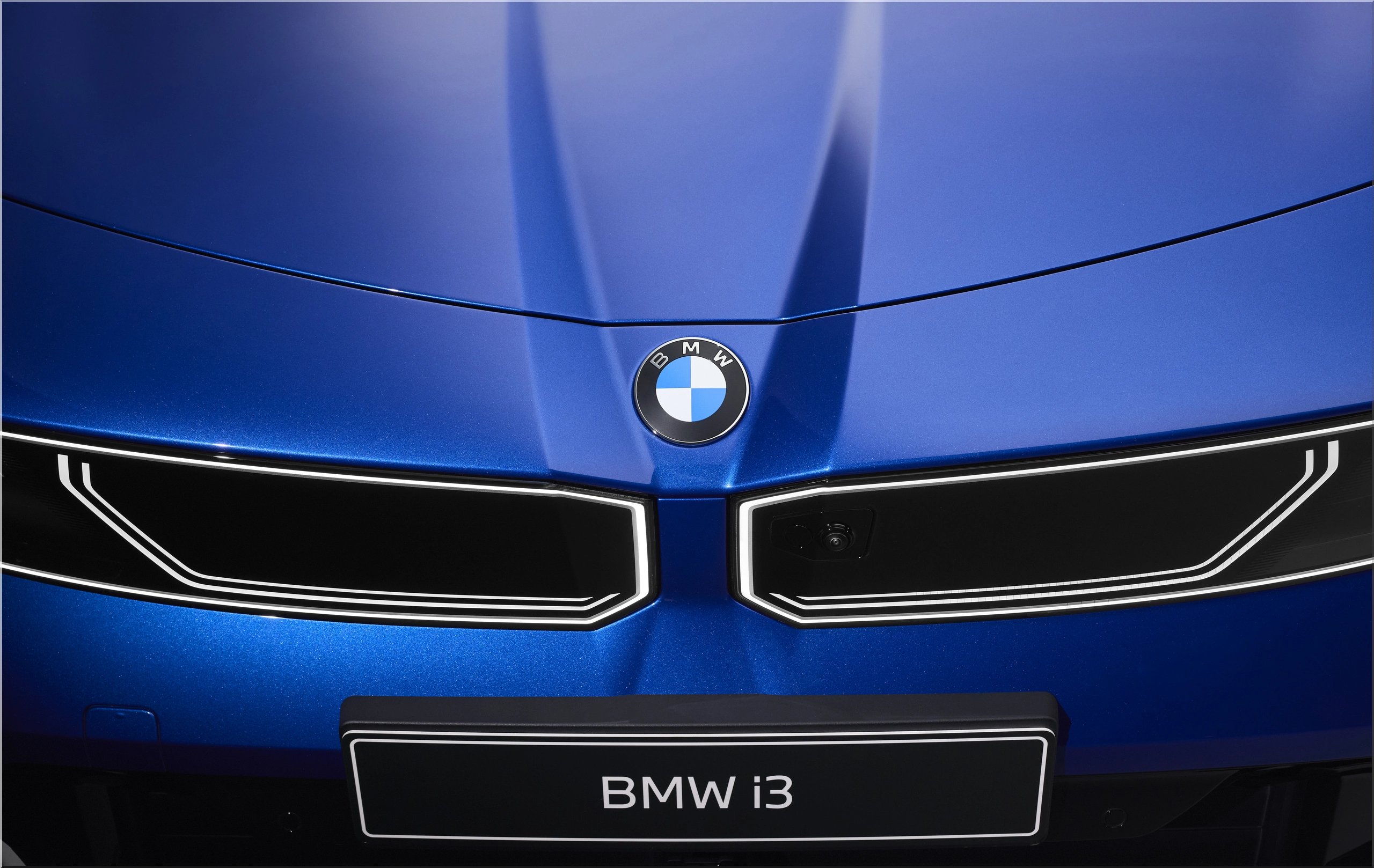
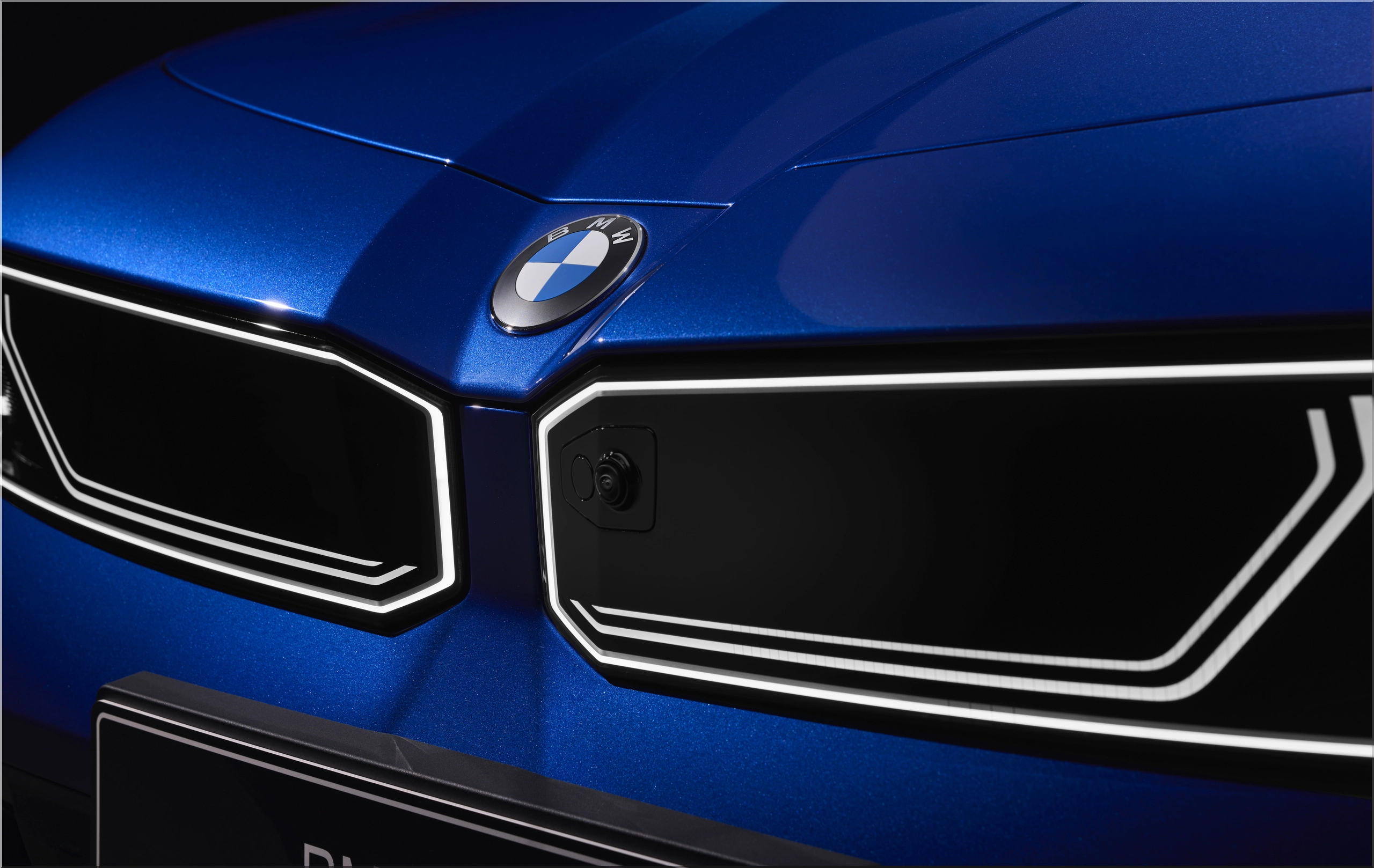
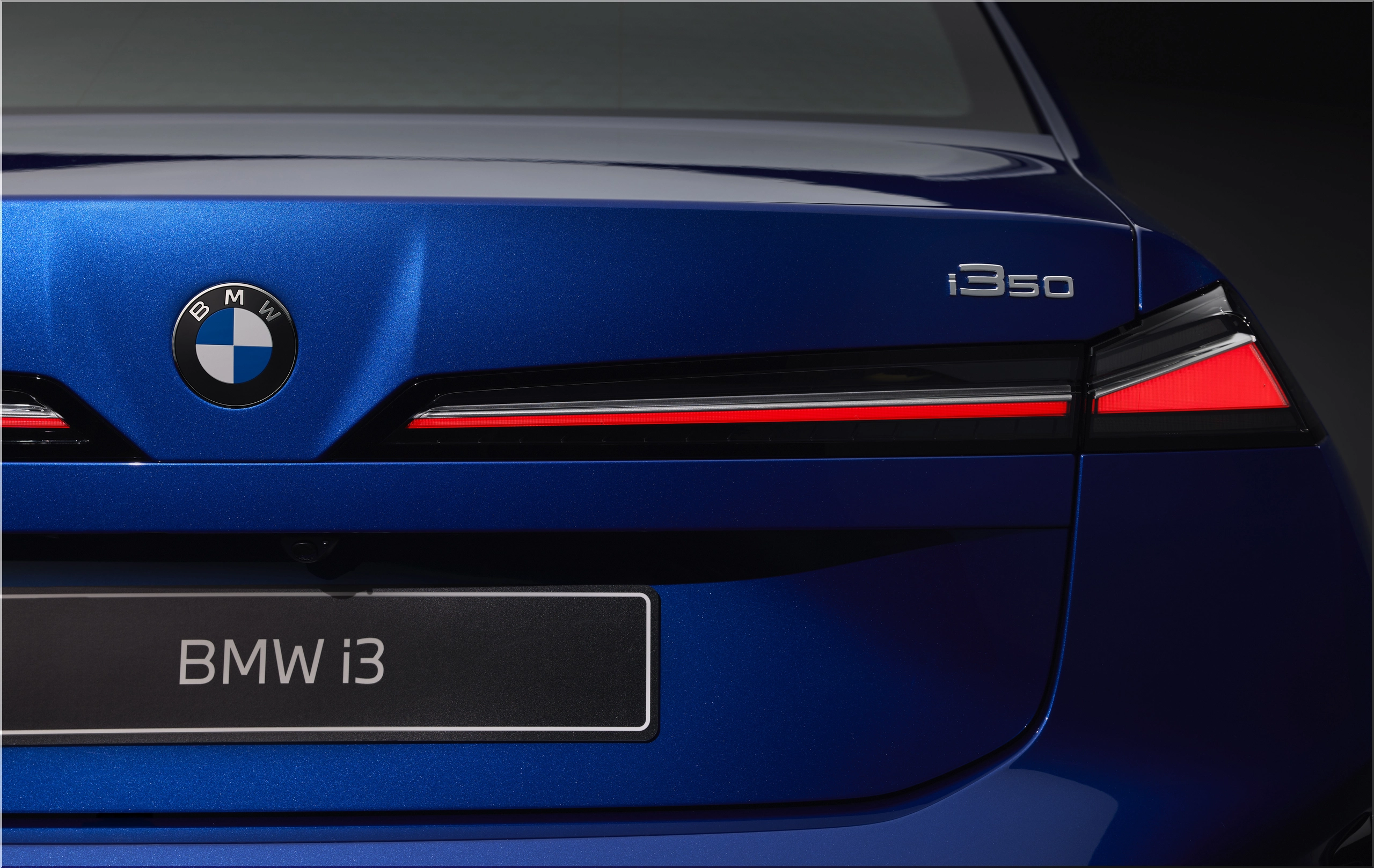
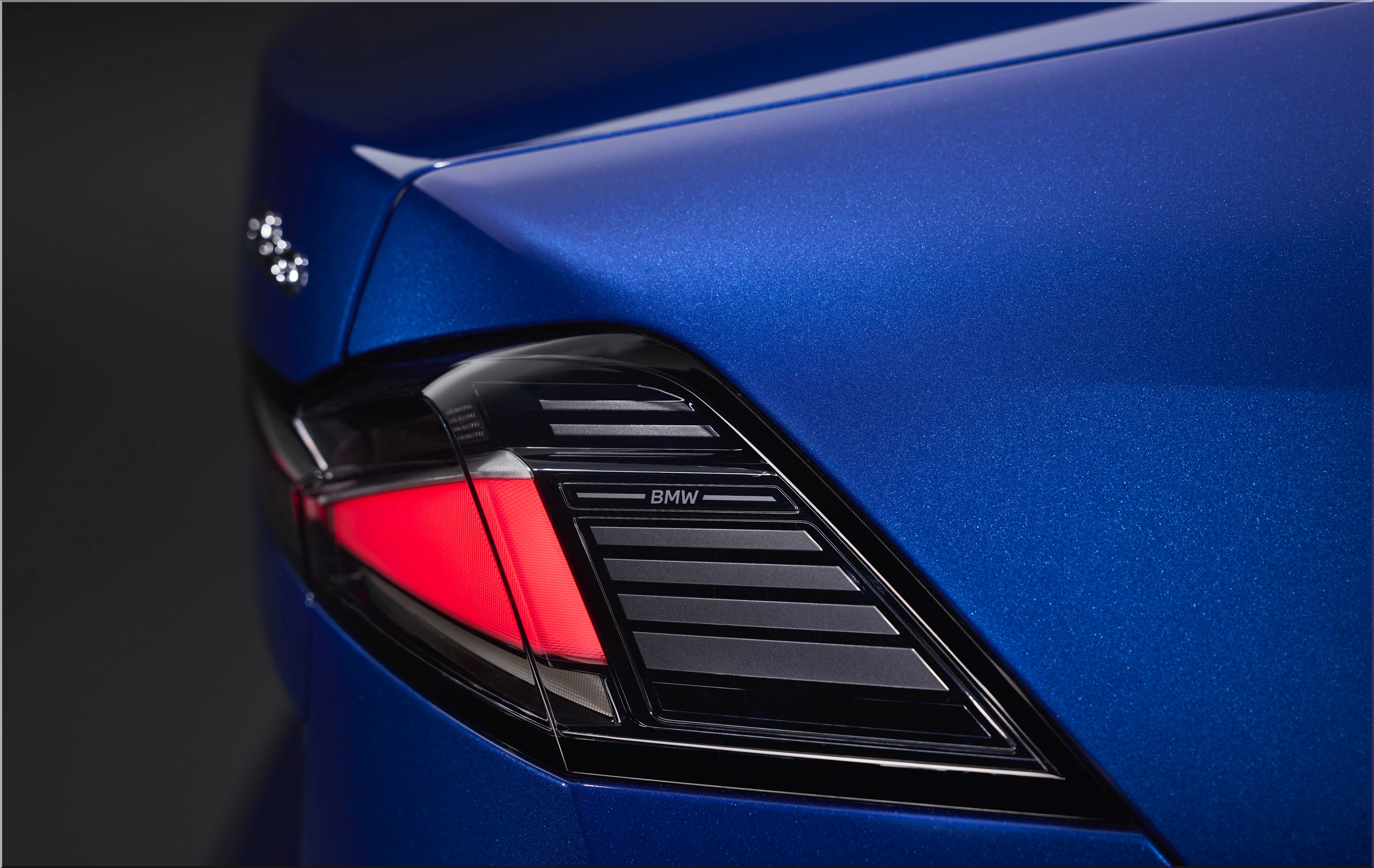
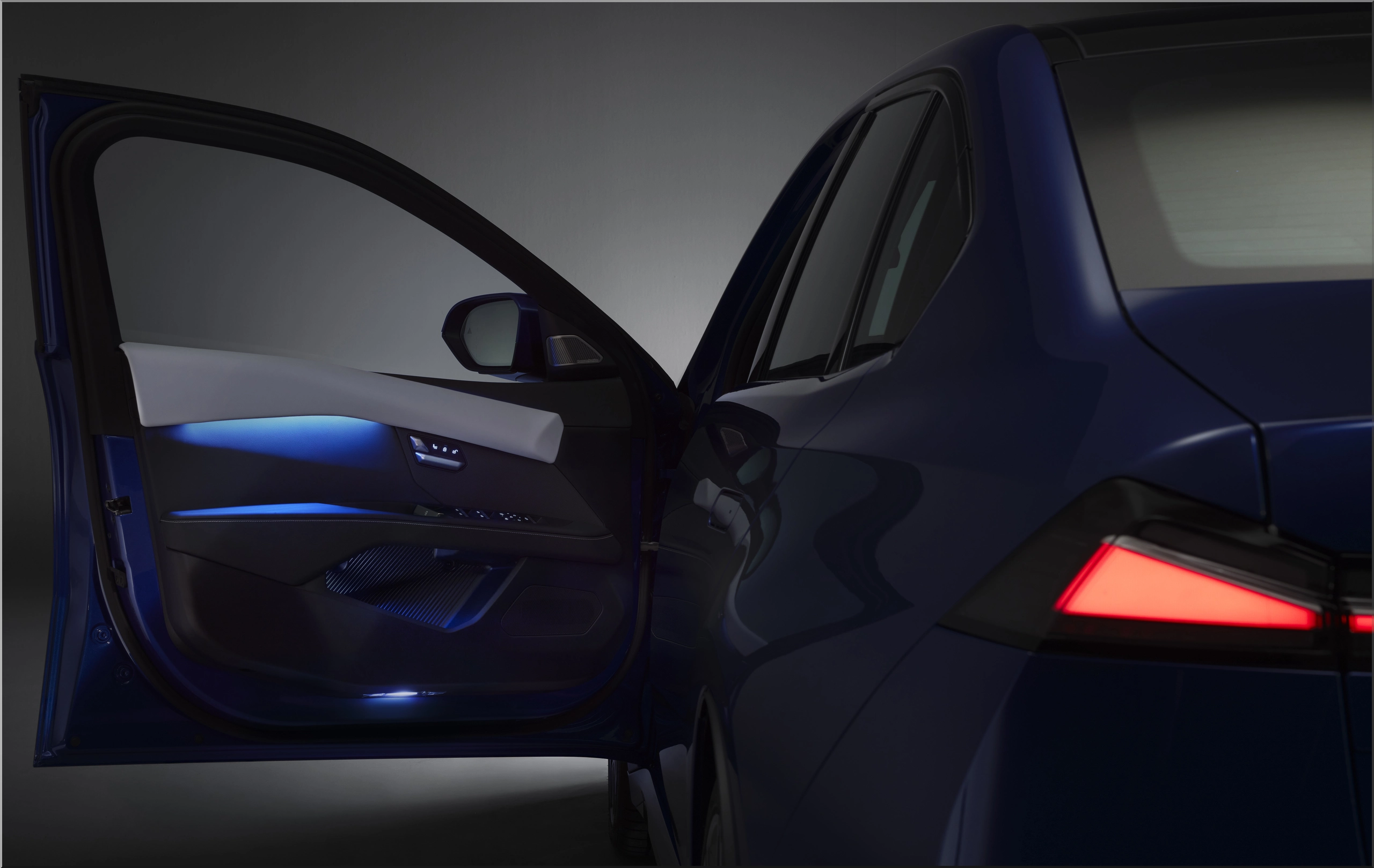
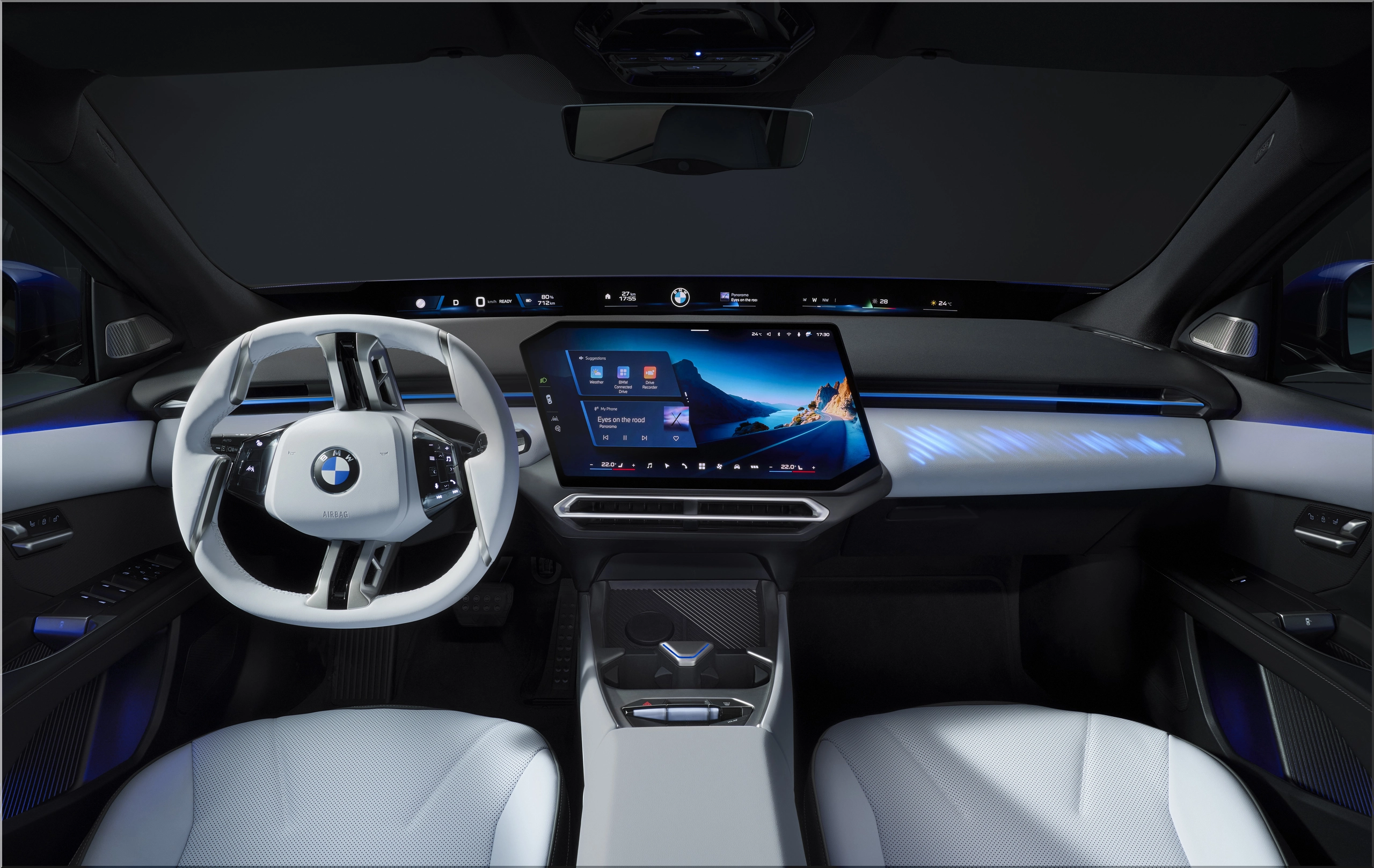
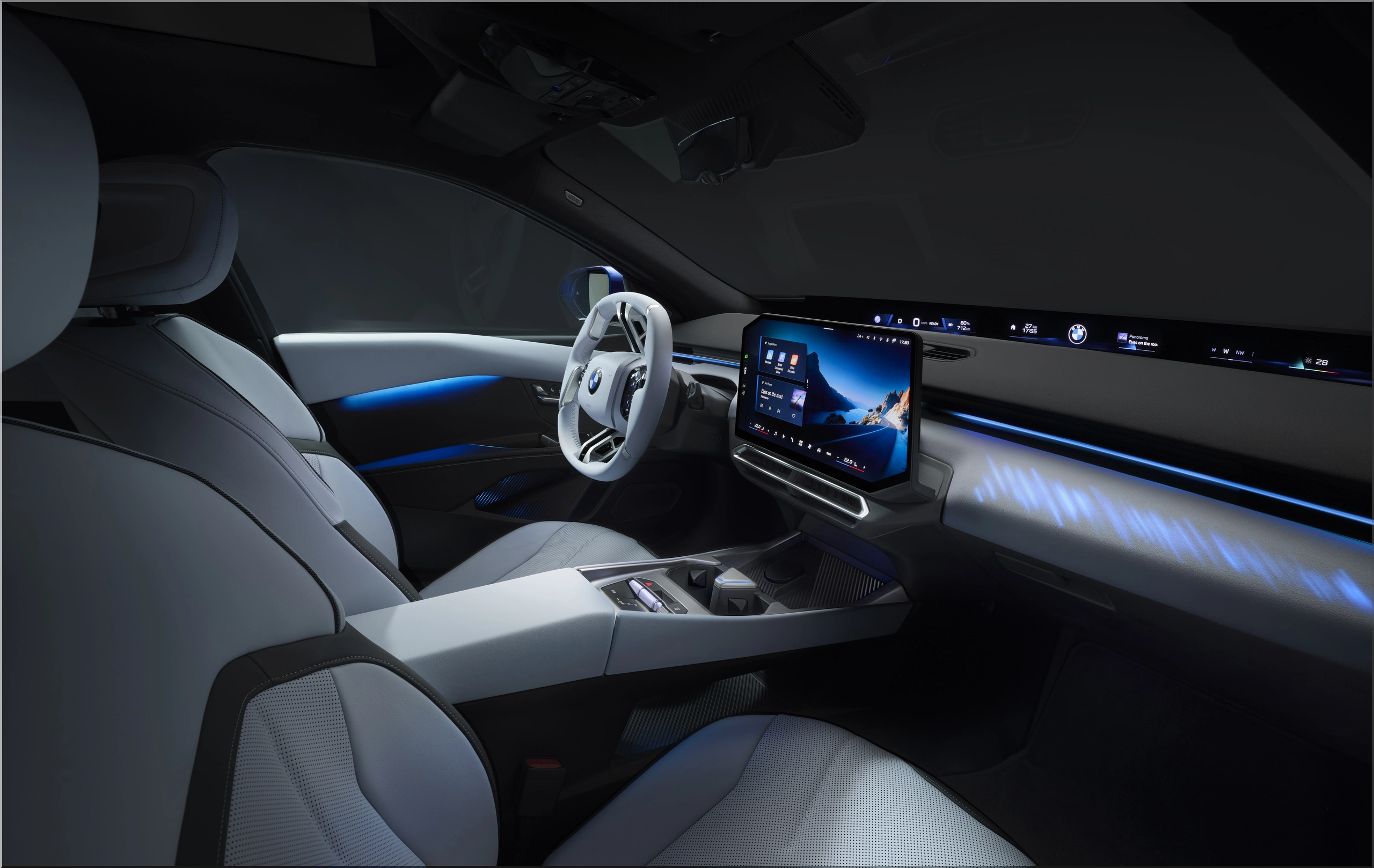
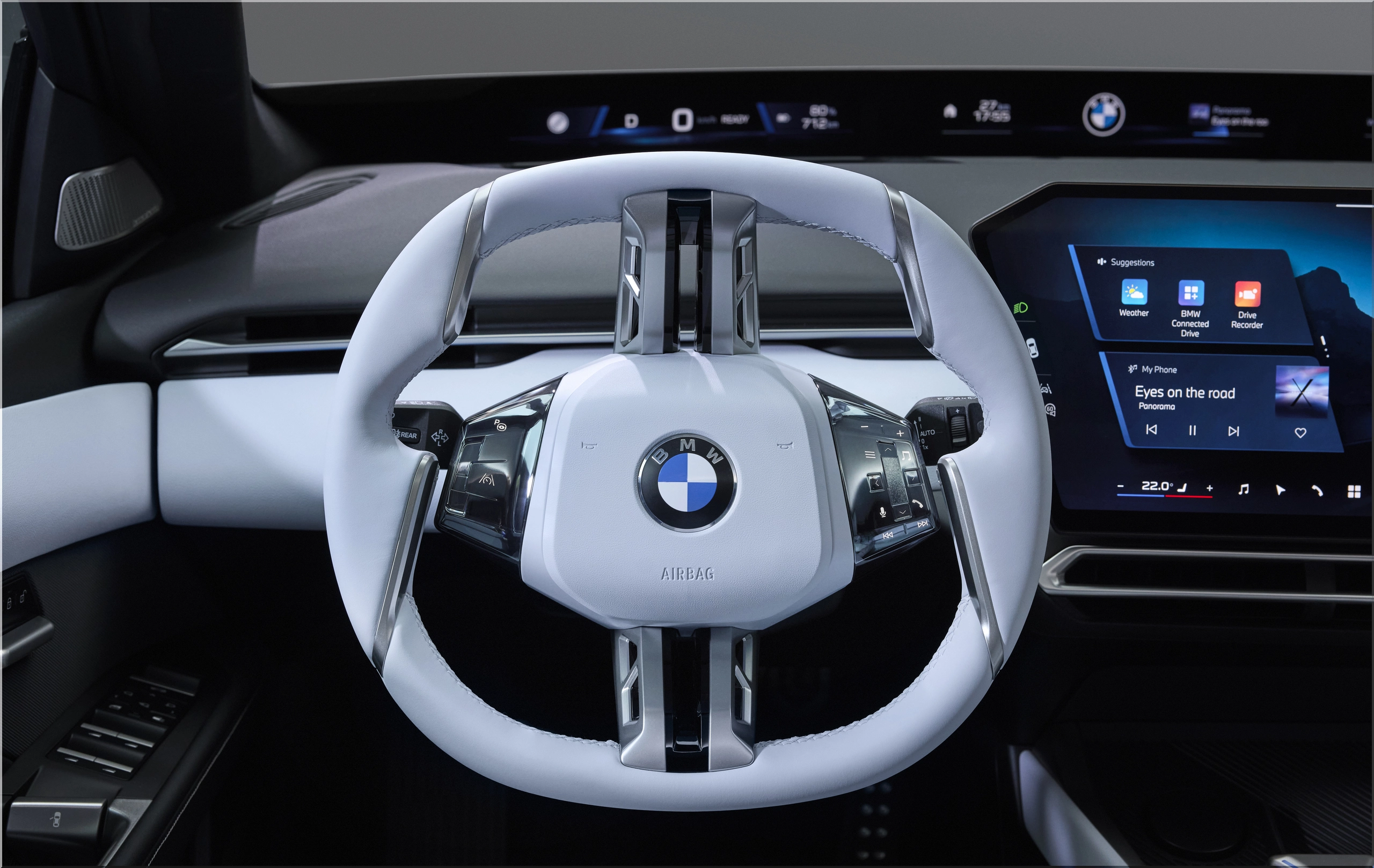
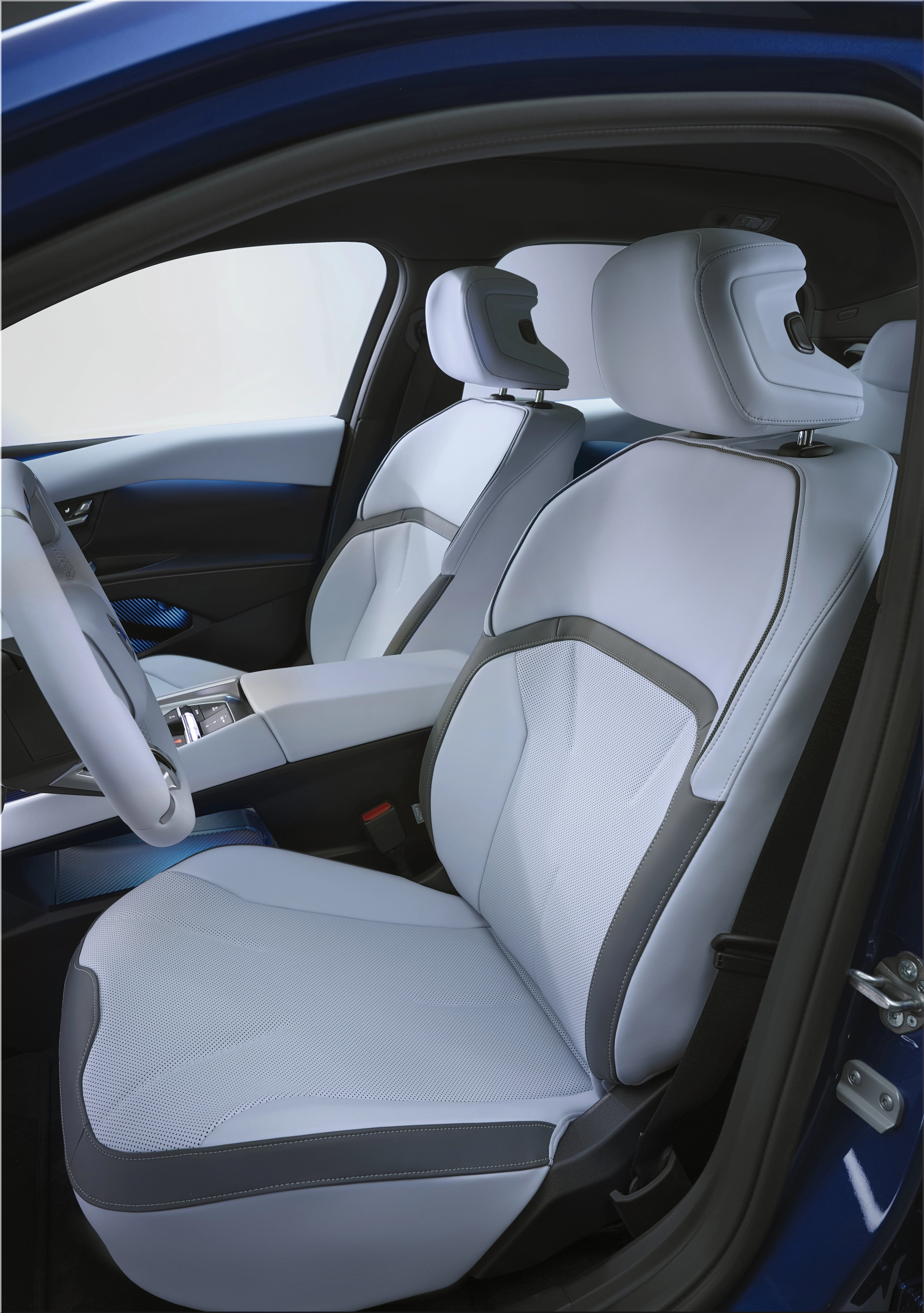
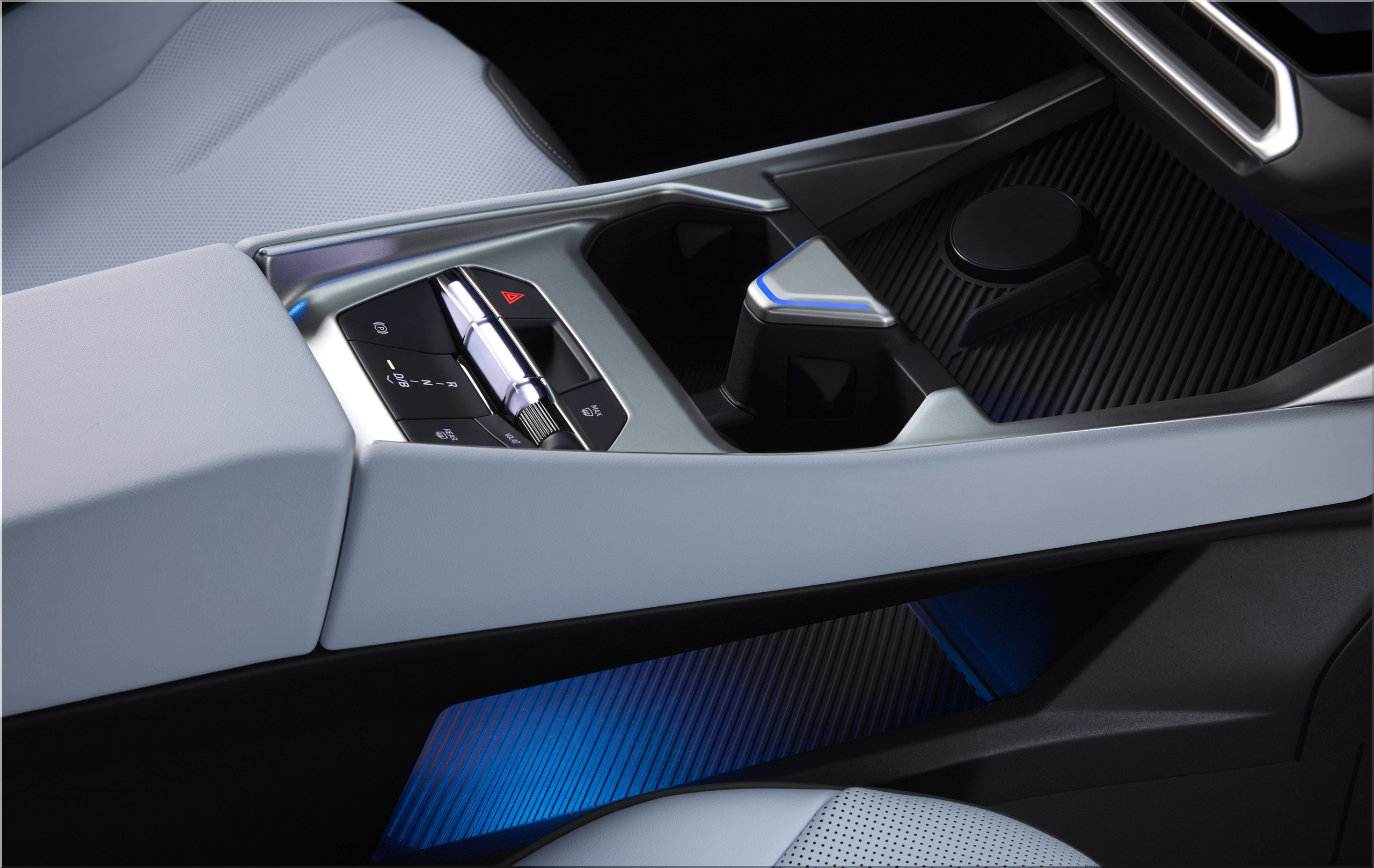
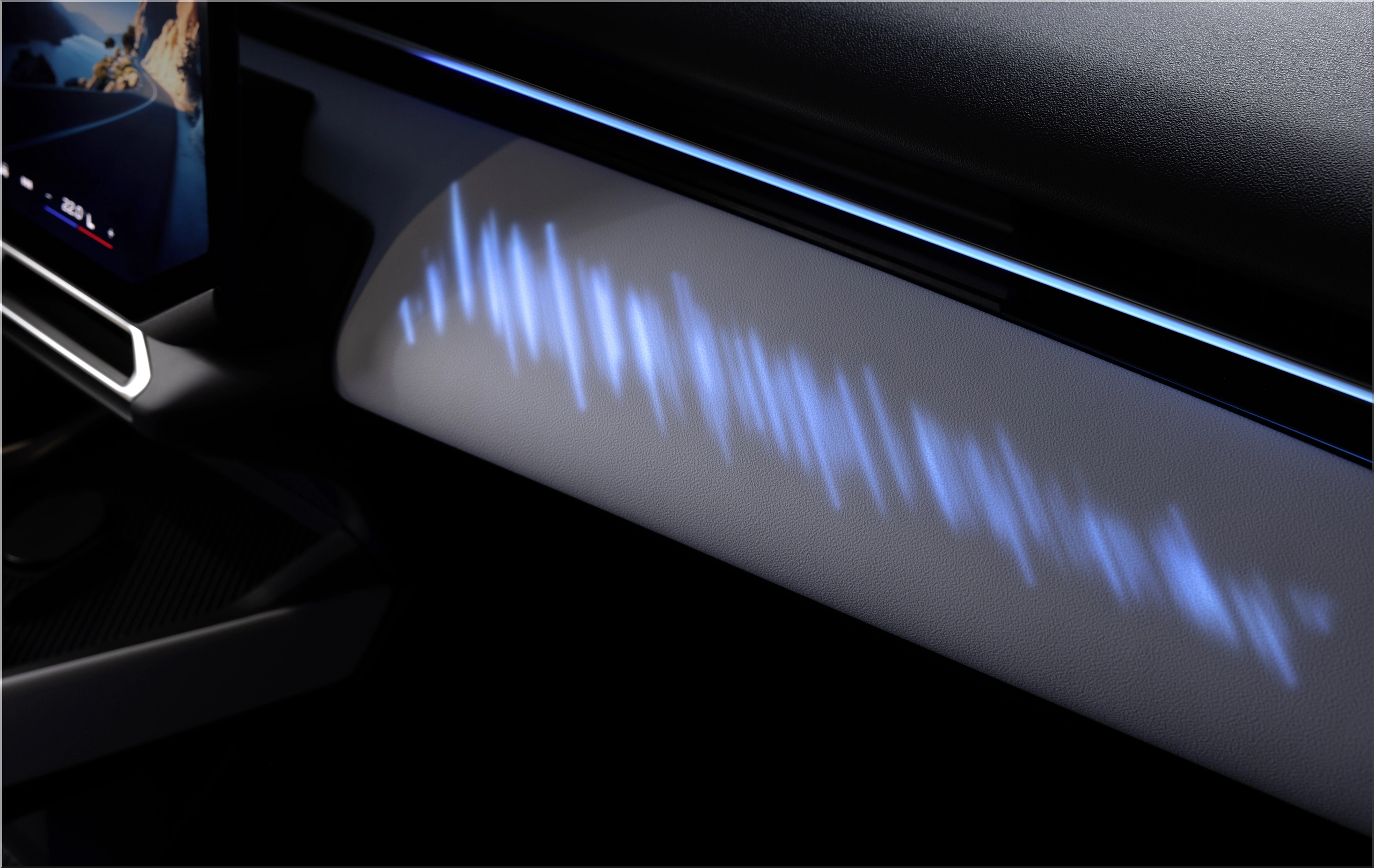
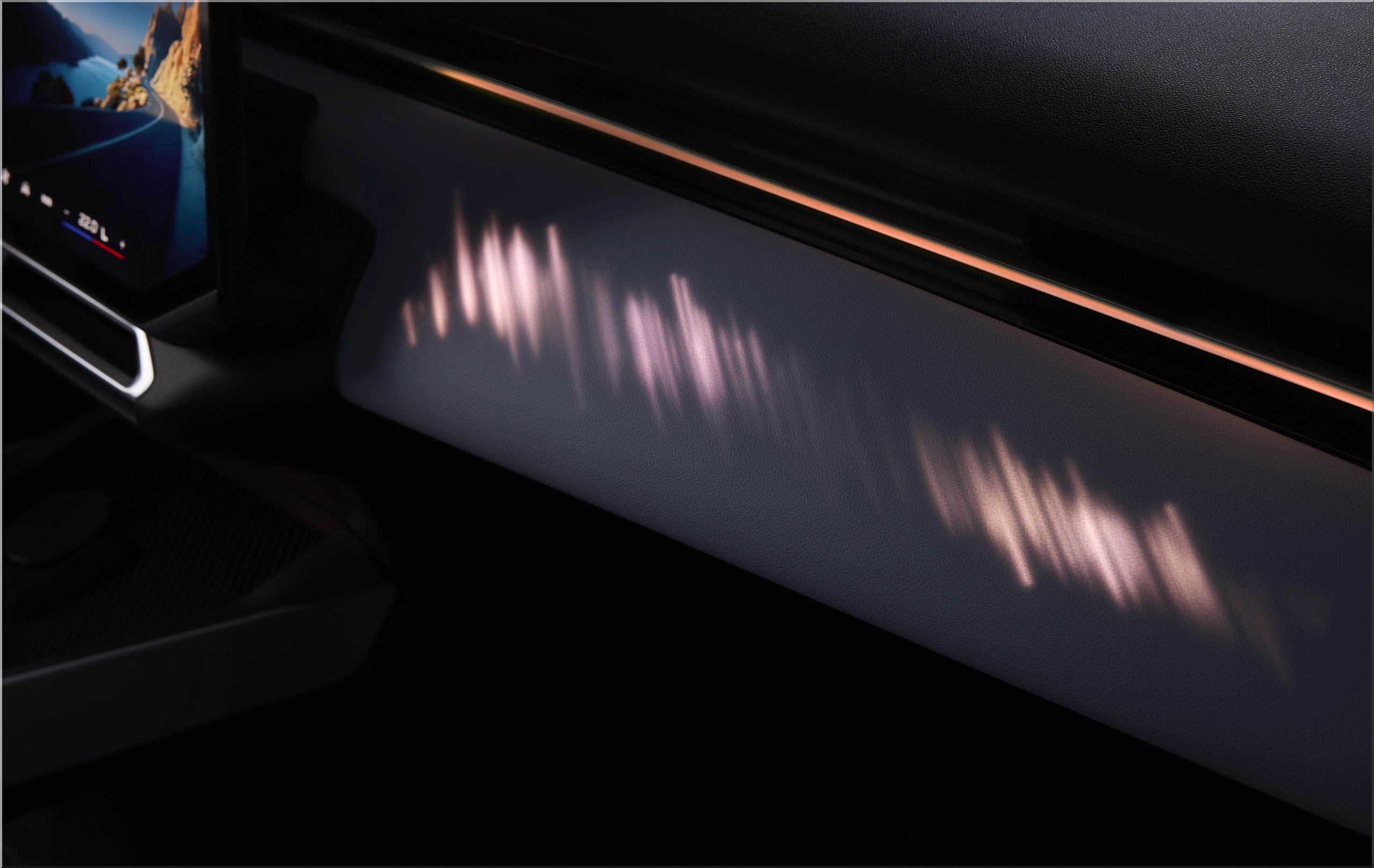
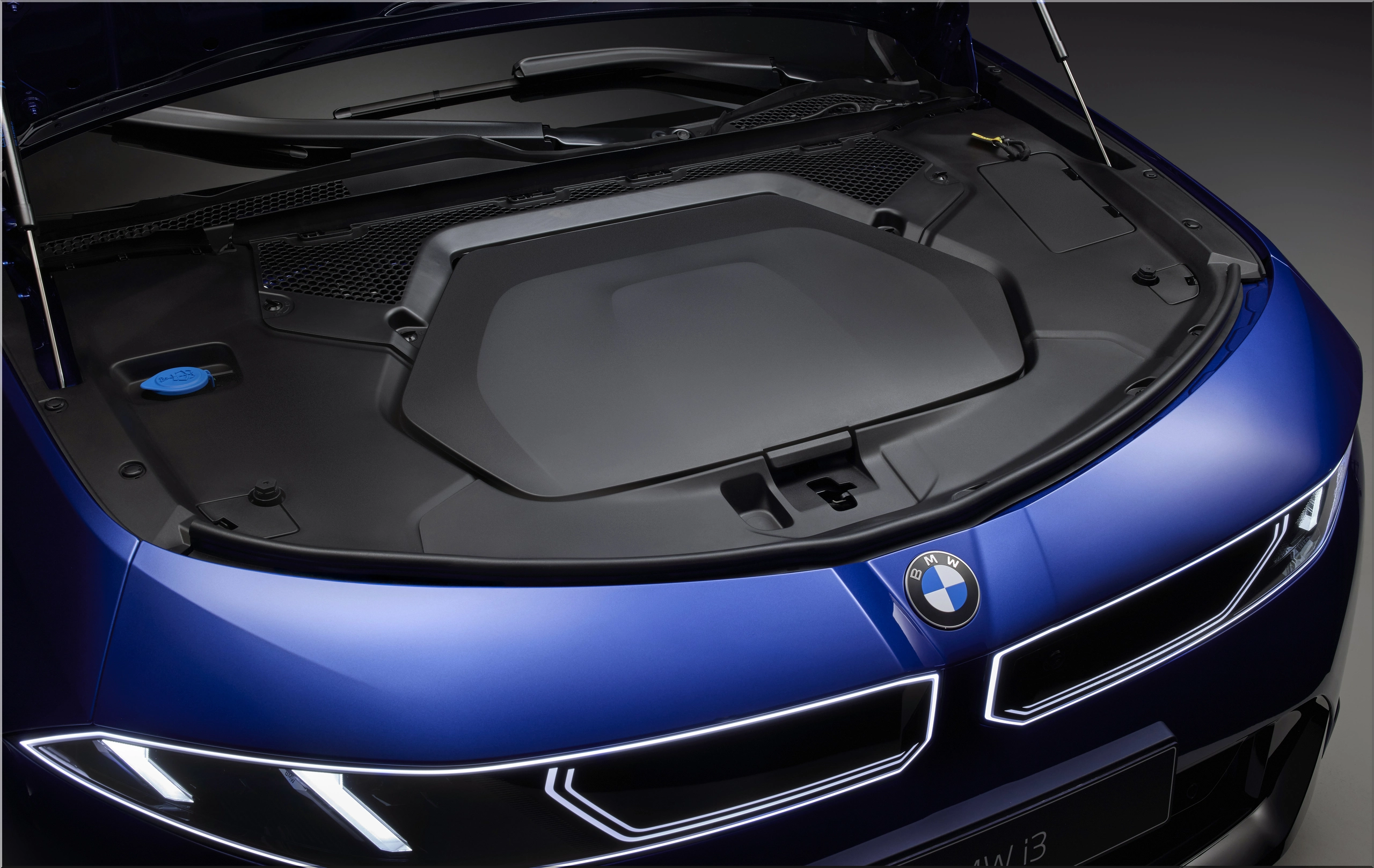
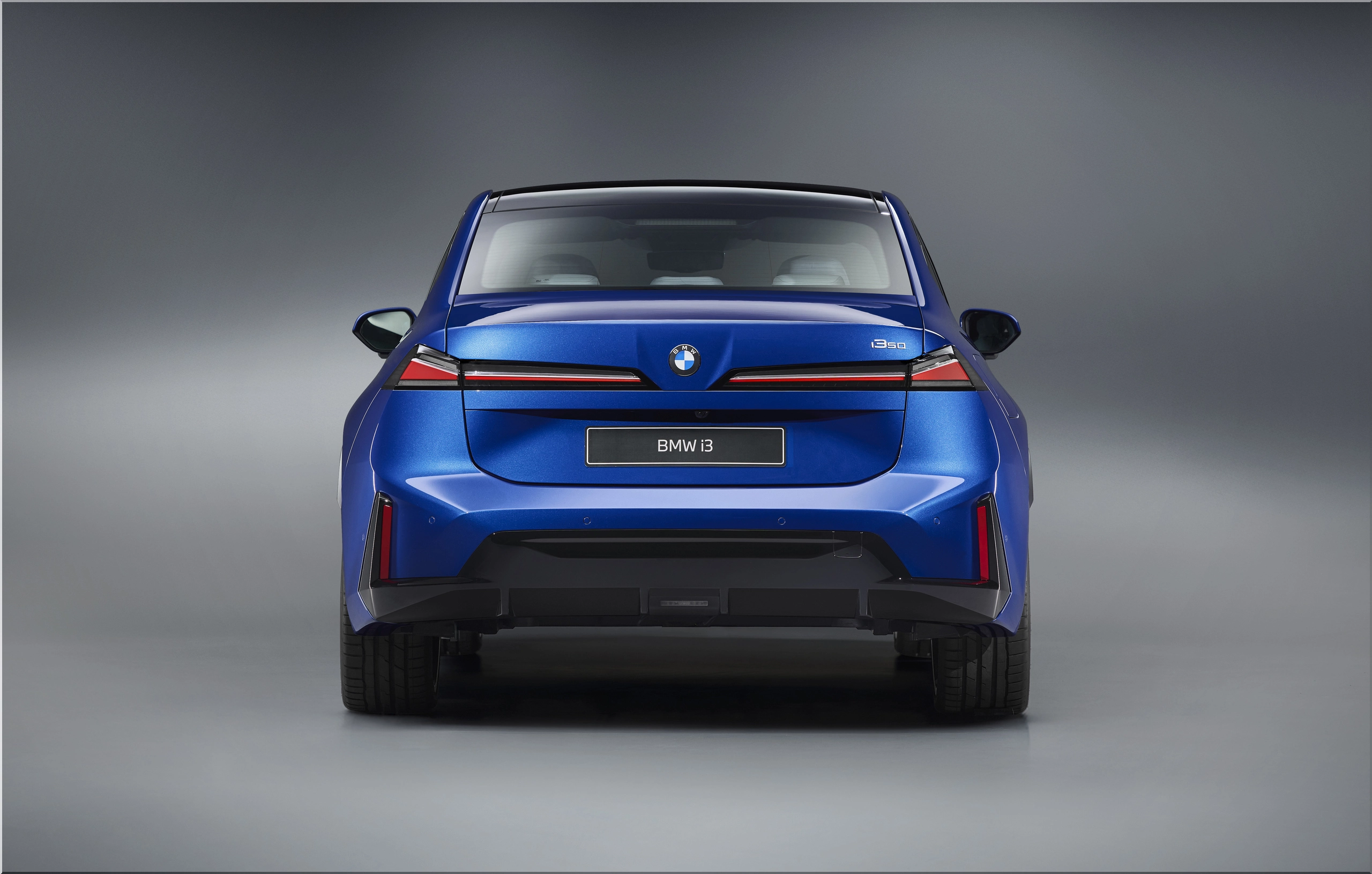
The front end merges the classic BMW cues into one new lighting-and-grille signature. The rear uses horizontal lamps and a wide stance to keep the 3 Series visual DNA intact. Inside, BMW drops the traditional instrument binnacle and leans on BMW Panoramic iDrive for driver information. That frees up sightlines and pushes the cabin toward a simpler, lighter visual layout.
The reveal also suggests BMW still wants this car to feel familiar to existing sedan buyers. That matters. A radical EV can attract attention, but a familiar electric 3 Series can actually move volume.
How the BMW i3 stacks up against its direct rivals
The premium EV sedan field has become brutal. Tesla still owns the efficiency conversation in many markets. Mercedes now pushes hard on consumption and range with the electric CLA. Polestar keeps pressure on with clean design and strong dual-motor numbers.
| Model | Power | Torque | Max range | DC fast charge | Length |
|---|---|---|---|---|---|
| BMW i3 50 xDrive | 469 hp | 476 lb-ft | 559 mi WLTP | 400 kW | TBA |
| Tesla Model 3 Long Range AWD | - | - | 410 mi WLTP | 250 kW | 185.8 in / 4,720 mm |
| Mercedes-Benz CLA 250+ with EQ Technology | 268 hp | 247 lb-ft | 483 mi WLTP | 320 kW | TBA |
| Polestar 2 Long Range Dual Motor | 421 hp | 546 lb-ft | 370 mi WLTP | 205 kW | TBA |
Looking at the data, the BMW i3 wins the opening round on headline range and charging power. The Tesla still looks sharp on packaging efficiency and overall maturity. The Mercedes CLA attacks from the opposite angle with lower output but very strong efficiency. The Polestar 2 remains quick and stylish, but its charging ceiling and range figure now sit behind the newest 800-volt entries.
Win/loss metrics that matter
- BMW i3 wins on road-trip hardware: 559 miles WLTP and 400 kW charging set the pace.
- Tesla still wins on package transparency: Tesla publishes a broad set of size and usage numbers in a simple consumer format.
- Mercedes wins on efficiency logic: The electric CLA proves how far careful aero and drivetrain tuning can stretch a smaller output figure.
- Polestar wins on torque feel per dollar in many markets, but it loses ground on charging speed.
Software, chassis control, and the Heart of Joy factor
BMW wants buyers to pay attention to the Heart of Joy system, and for good reason. EVs already deliver instant torque. The harder job lies in managing that torque cleanly through regen, brake blending, axle control, and body motion.
Specifically, faster central control lets BMW smooth the handoff between regen and friction braking, sharpen traction responses on exit, and tune ride/handling balance more precisely. That is how a fast EV sedan starts to feel like a real BMW instead of a heavy appliance with a big battery.
The company also pairs that with BMW Symbiotic Drive for the assisted-driving side of the experience. The bigger point sits underneath the branding: BMW now treats the car as a software-defined system first and a module stack second.
Pricing outlook and what buyers should expect next
BMW has not announced official i3 pricing yet. Early reporting suggests it should land near the hybrid 3 Series starting point in the UK, roughly $62,800 when converted to USD at current exchange rates. Another estimate from early coverage puts the launch car closer to $73,000. That spread makes sense at this stage because BMW has not yet detailed trim walk, battery ladder, or single-motor versions.
Cheaper variants should follow. That will matter more than the launch model itself. The BMW i3 50 xDrive serves as the tech statement, but the real sales story will likely come from lower-cost versions with slightly smaller batteries and lower outputs.
Pro-Tips for readers tracking the new BMW i3
- Wait for the full spec sheet before judging weight, cargo, and tire package efficiency.
- Treat the 559-mile figure as a WLTP number, not a guaranteed real-world result.
- Pay close attention to the smaller-battery trims when BMW reveals them. Those versions often hit the better value point.
- Compare 10-minute charge gain, not only peak kW. That number tells you more about real travel pace.
What now?
The new BMW i3 looks like BMW's most important EV sedan in years. It has the numbers to pull sedan loyalists back into the conversation, and it gives BMW a real answer to Tesla, Mercedes, and Polestar on the specs that now drive search traffic and showroom interest.
The next step is simple. Watch for the full dimension sheet, curb weight, battery chemistry details, and lower trims. Once BMW publishes those, we will know whether this car only wins the headline fight or actually resets the premium electric sedan class.

What is the BMW i3 50 xDrive First Edition? BMW has opened UK orders for the BMW i3 50 xDrive First Edition, an early-access version of its new Neue Klasse electric sedan. It pairs dual-motor all-wheel drive… Continue reading
The electric car industry has experienced an unprecedented boom in recent years. The result of this is the ever-increasing supply on the market, covering all kinds of sizes, ranges, and tasks. But is it cheaper to maintain? The… Continue reading

The 2027 Mercedes-Benz EQS looks like Mercedes finally listened to the two biggest complaints about its electric flagship: charging speed and real long-distance credibility. The updated electric luxury sedan moves to 800-volt… Continue reading
The 2026 BMW iX3 is shaping up to redefine electric SUVs. As a significant part of BMW's Neue Klasse lineup, this vehicle embodies innovation with its next-generation platform and cutting-edge… Continue reading