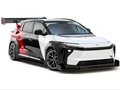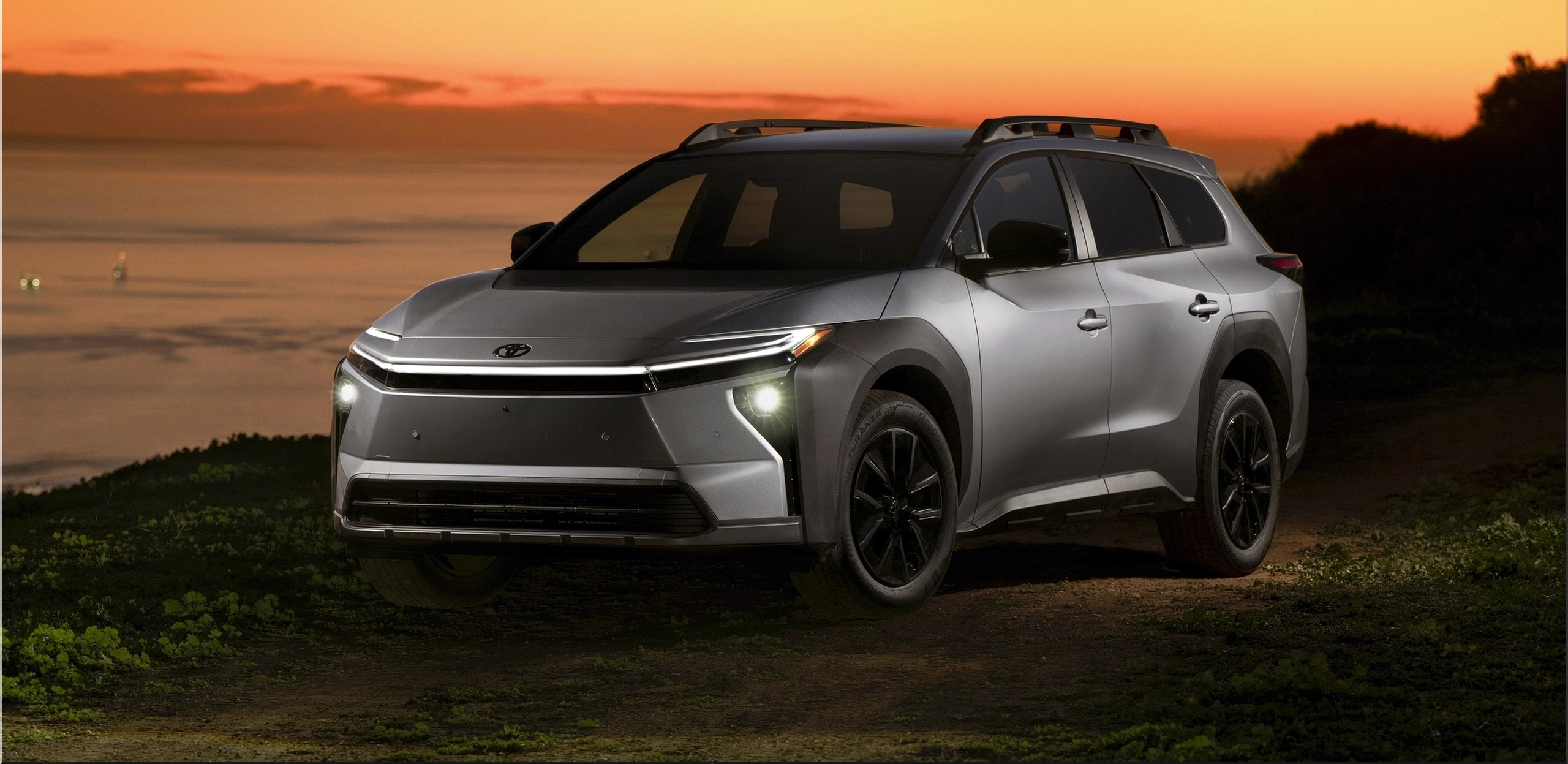
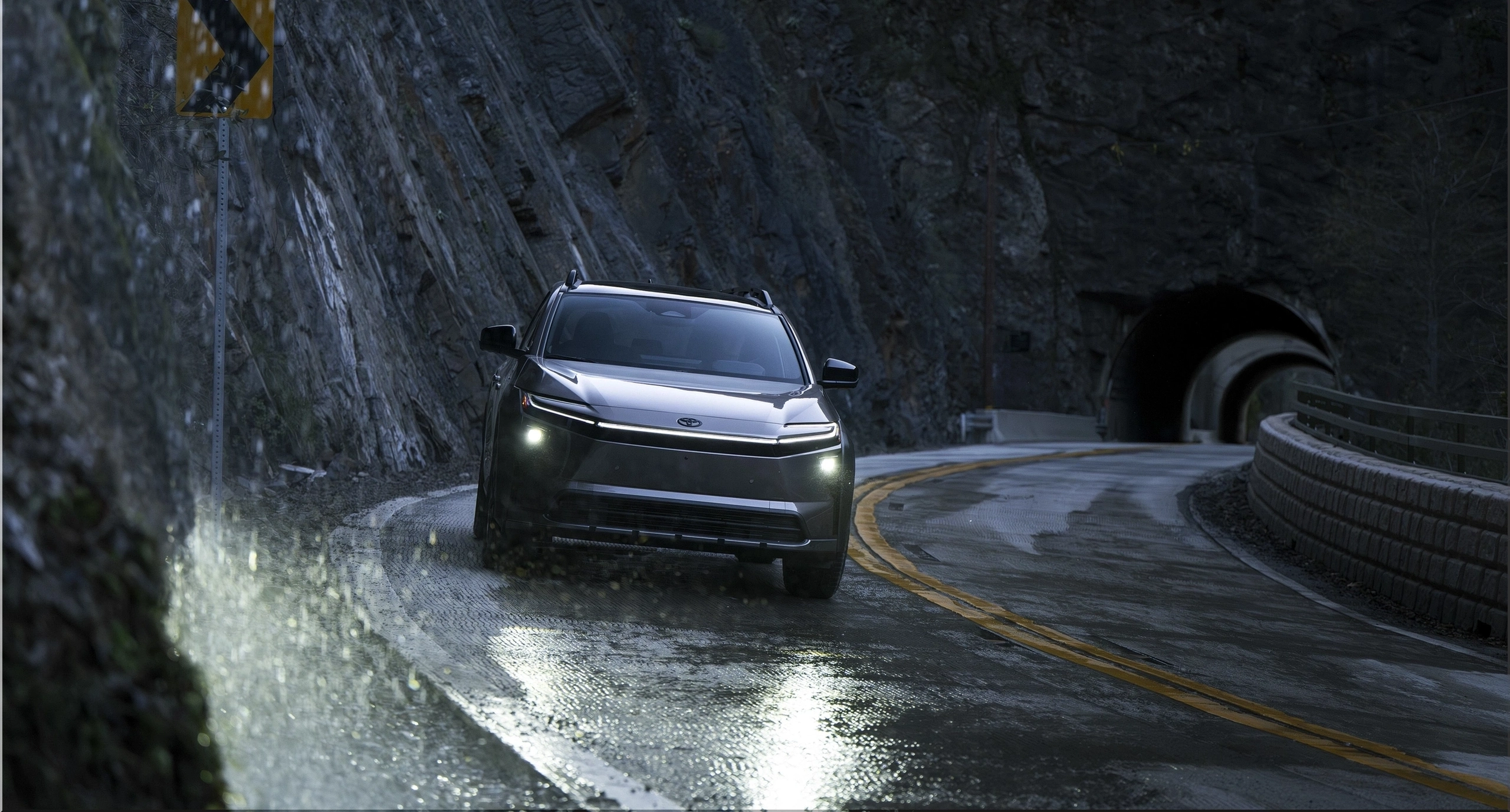
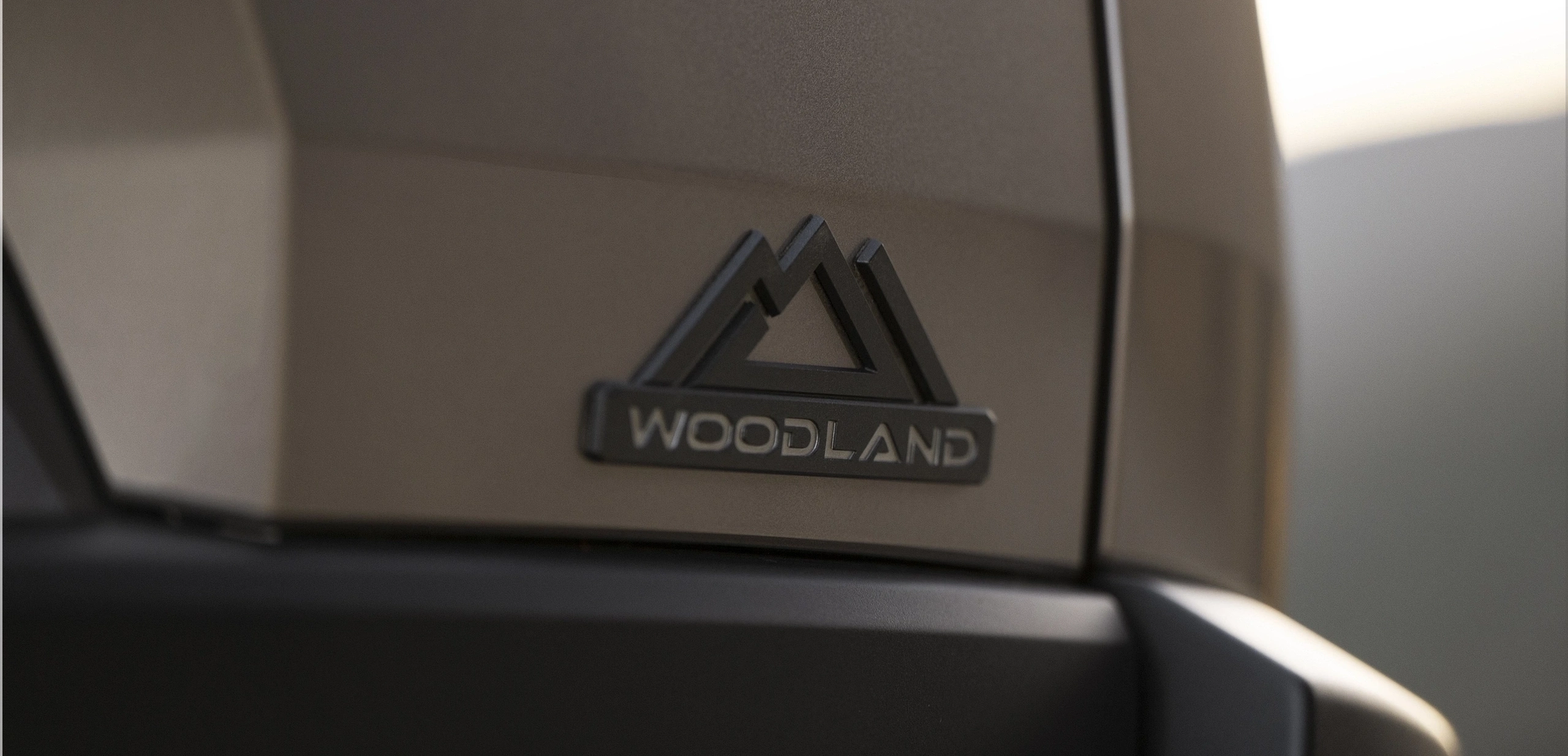
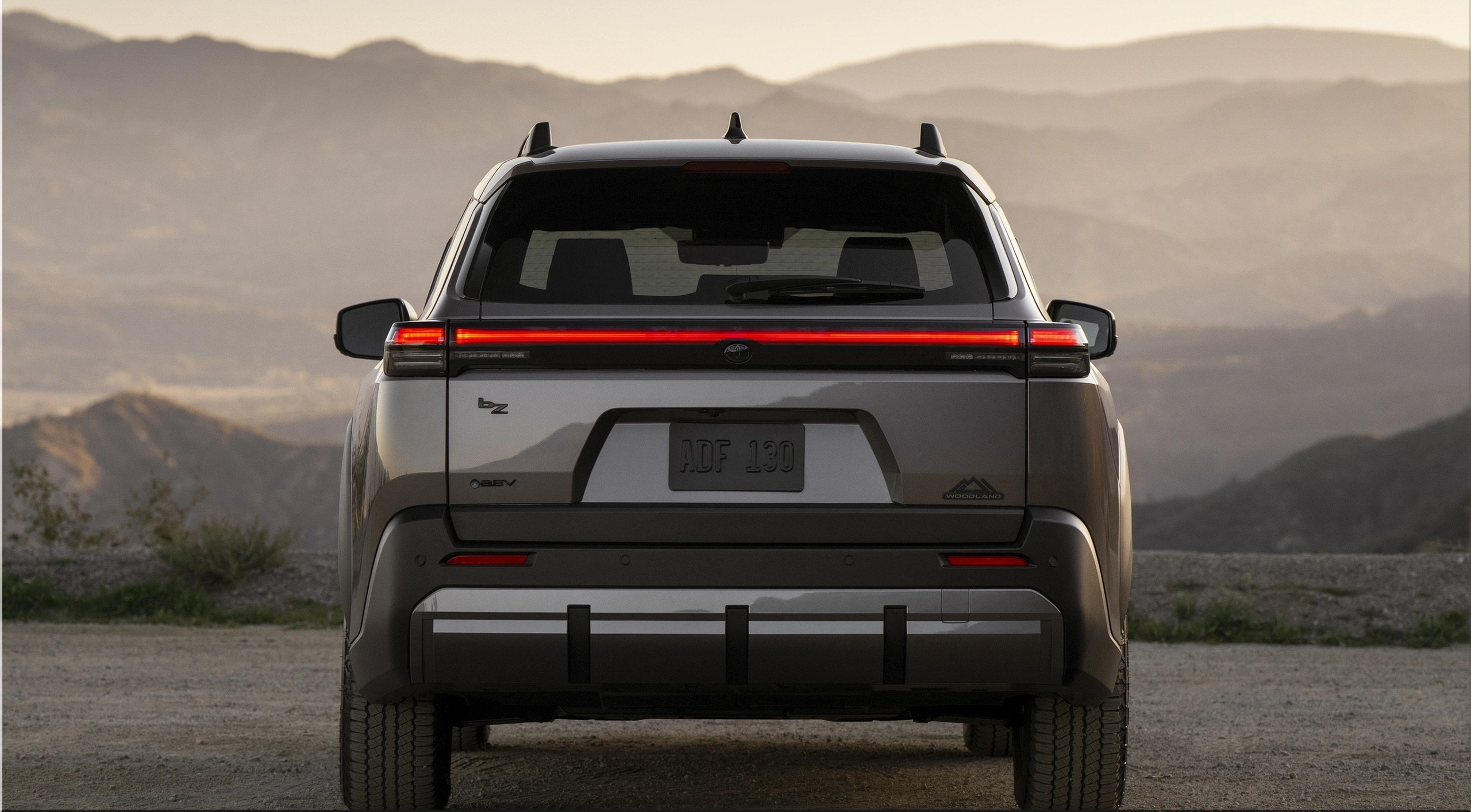
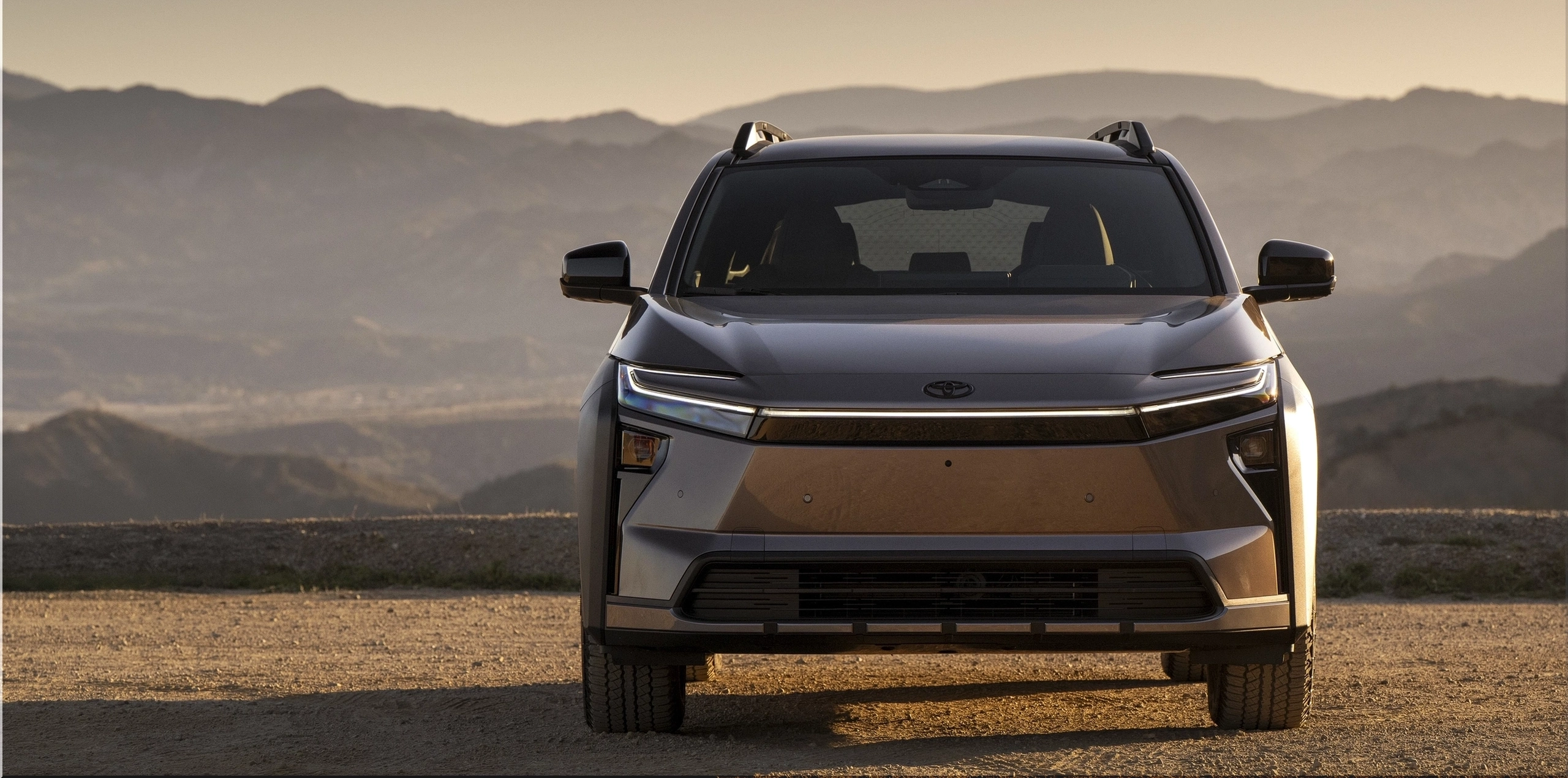
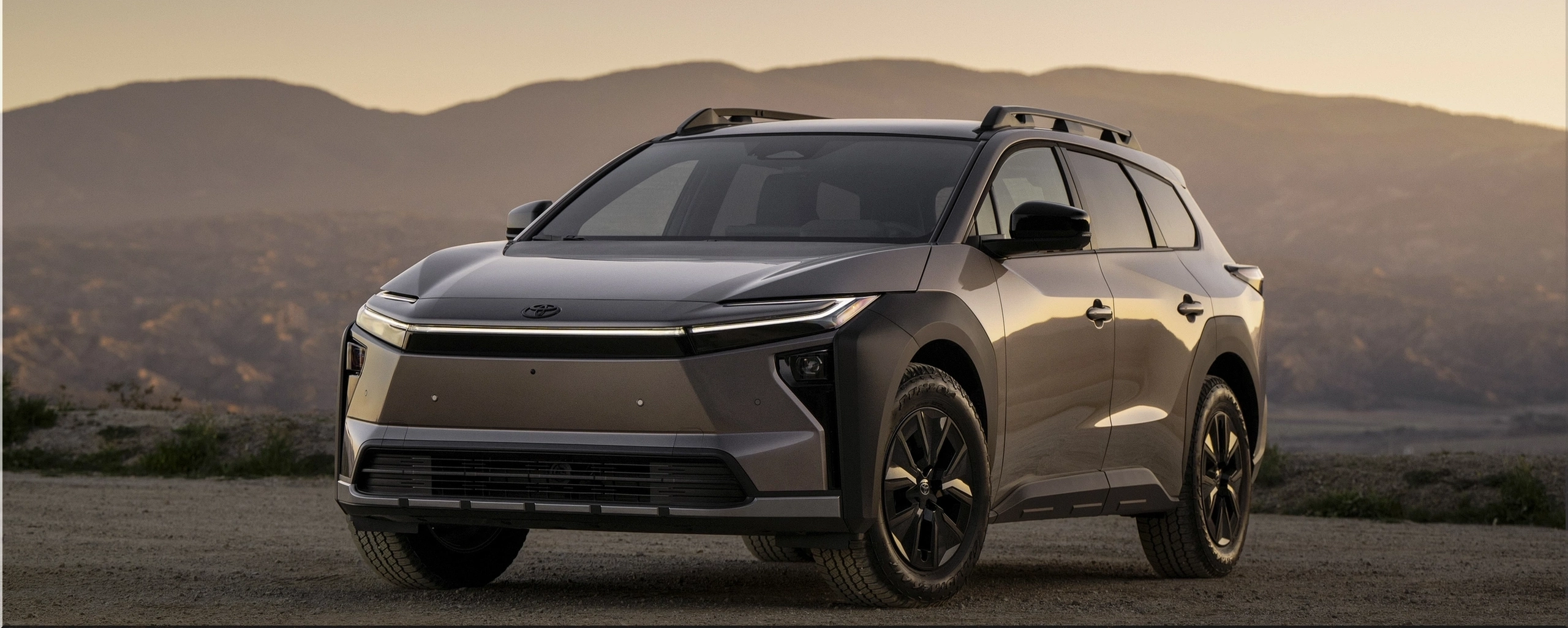
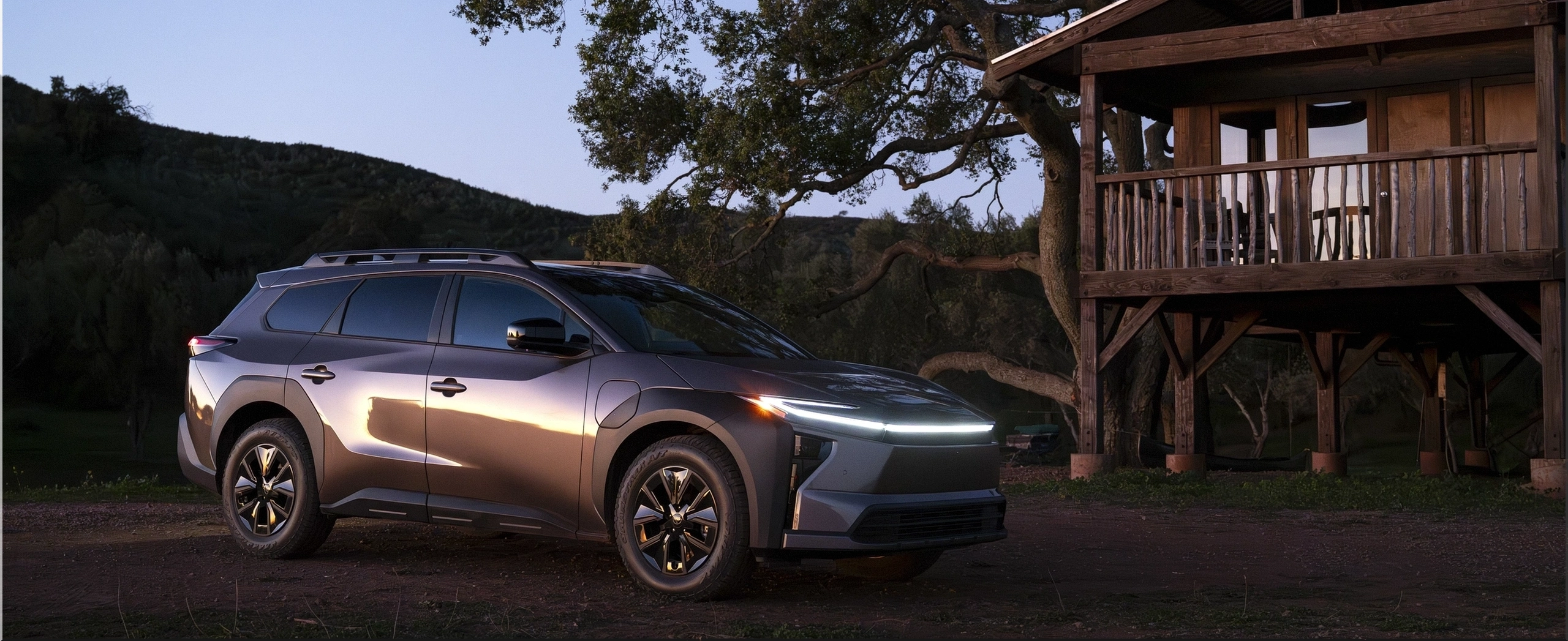
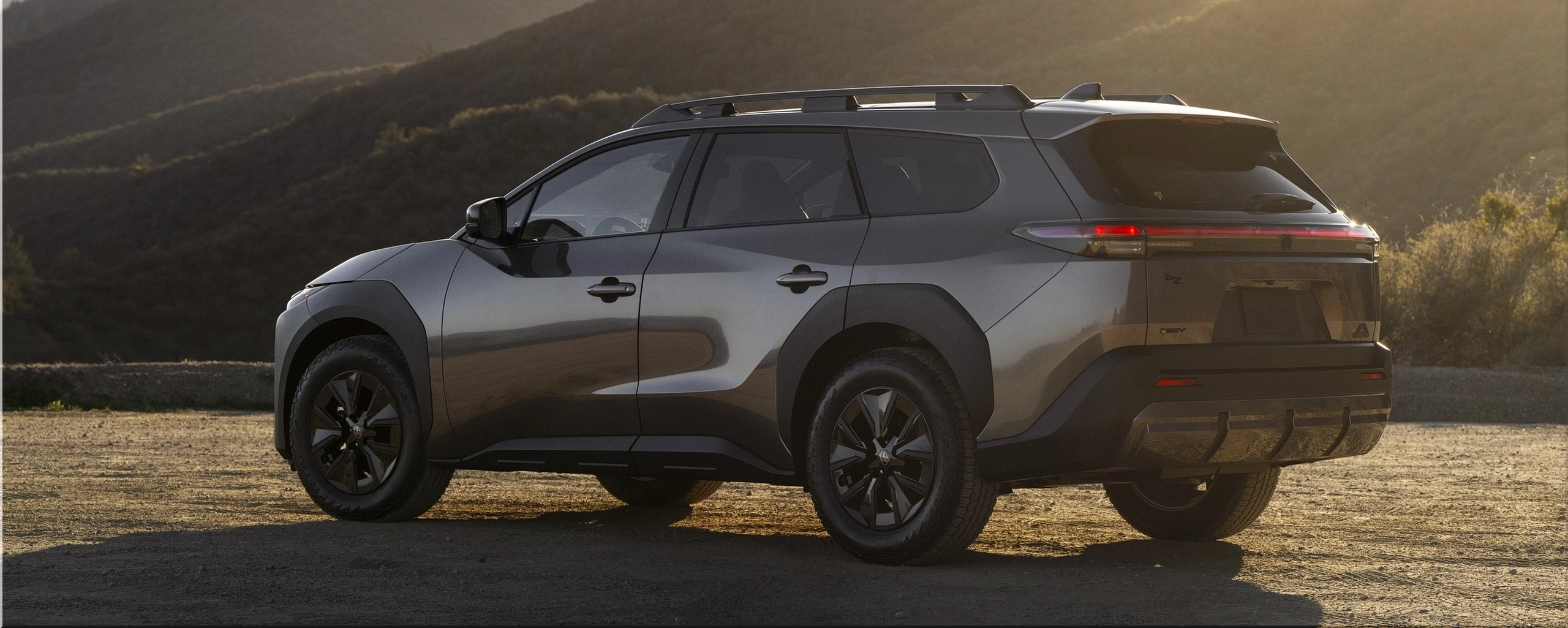
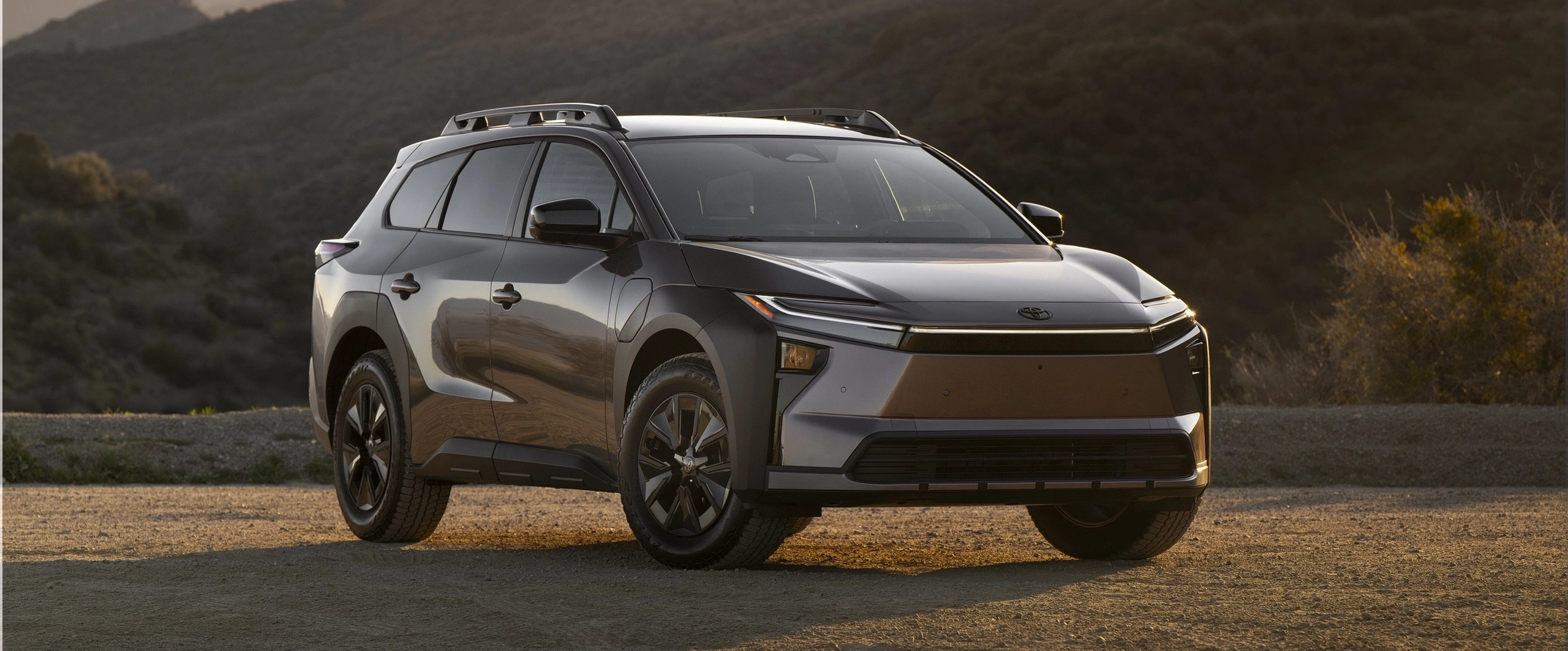
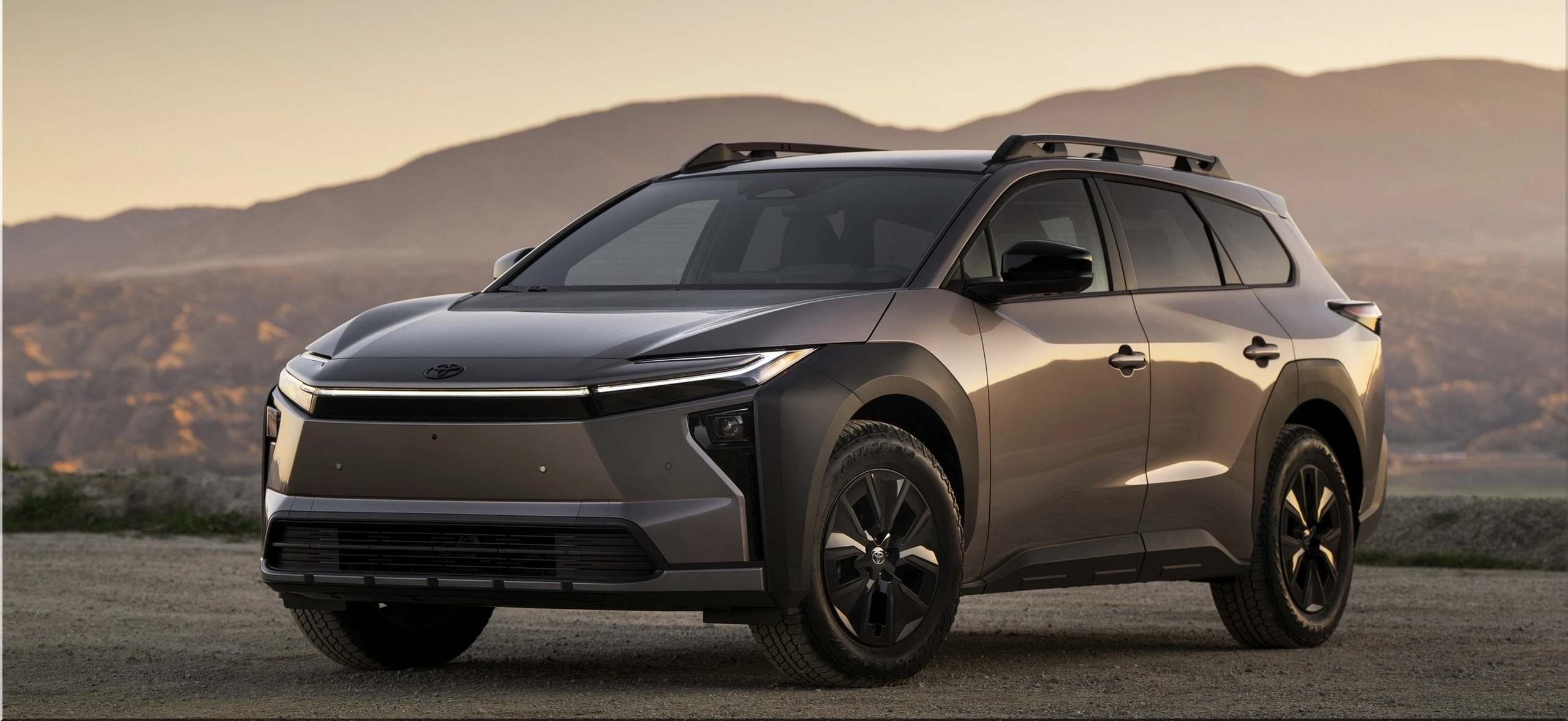
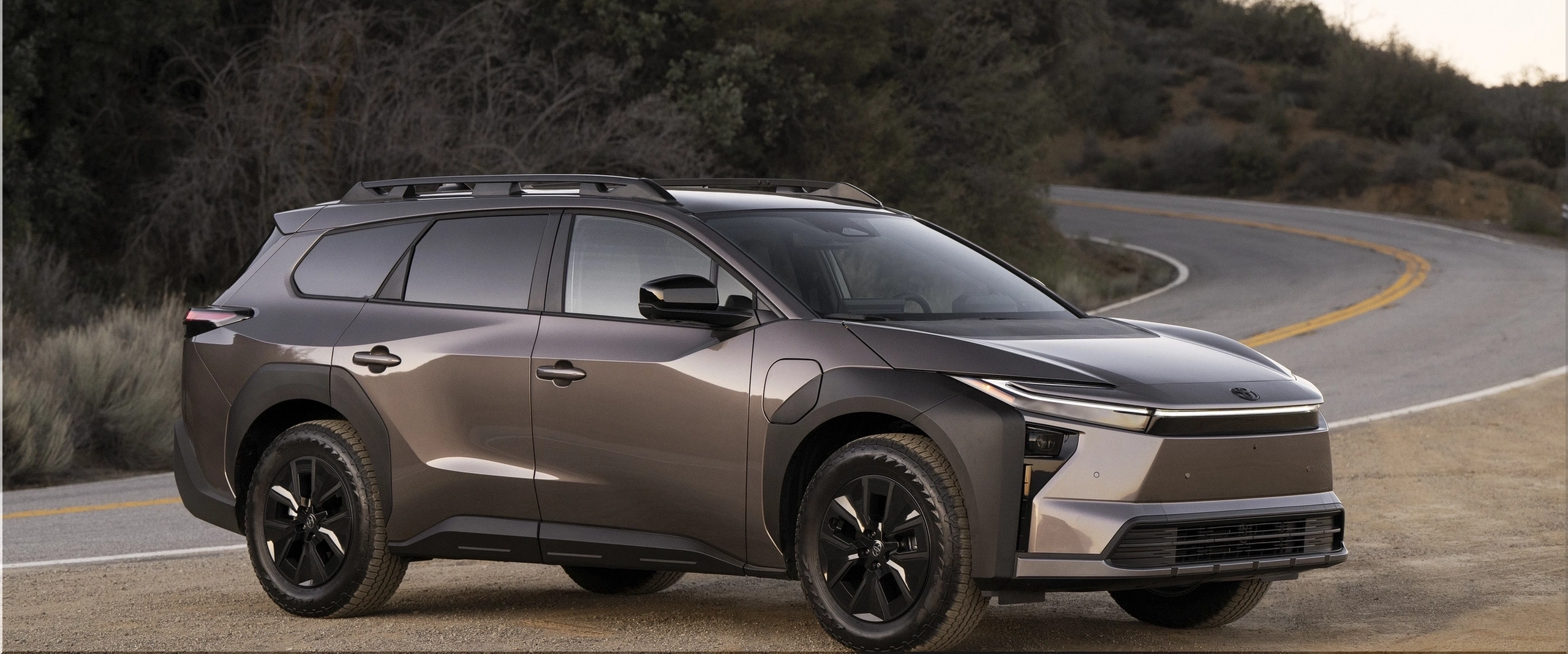
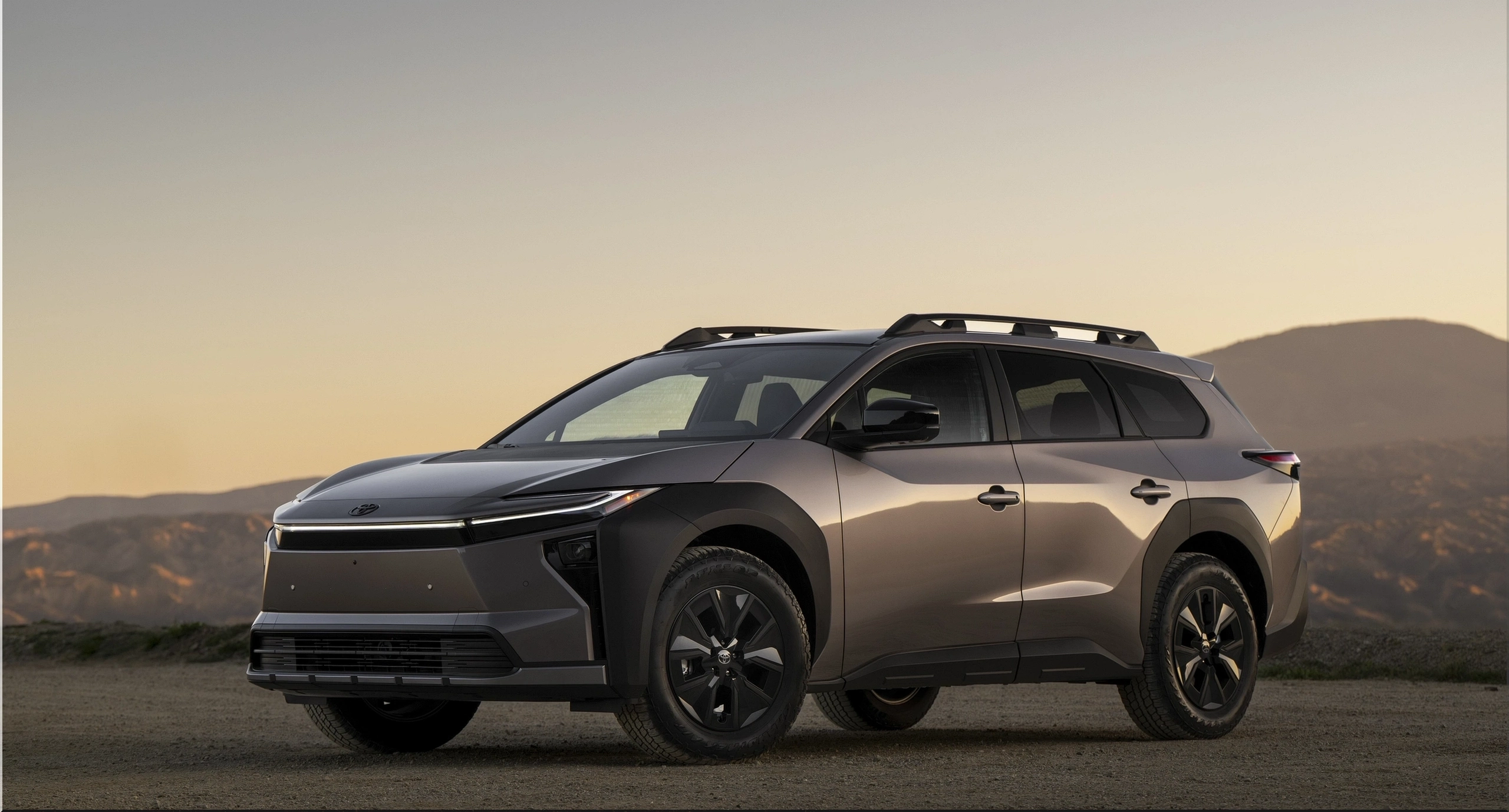
The electric vehicle market just received a significant jolt with the arrival of the 2026 Toyota bZ Woodland. This is not a subtle iteration of existing tech. It is a calculated, aggressive expansion of the bZ family designed to silence critics of electric utility. Toyota engineered this vehicle to bridge the gap between urban efficiency and genuine outdoor capability.
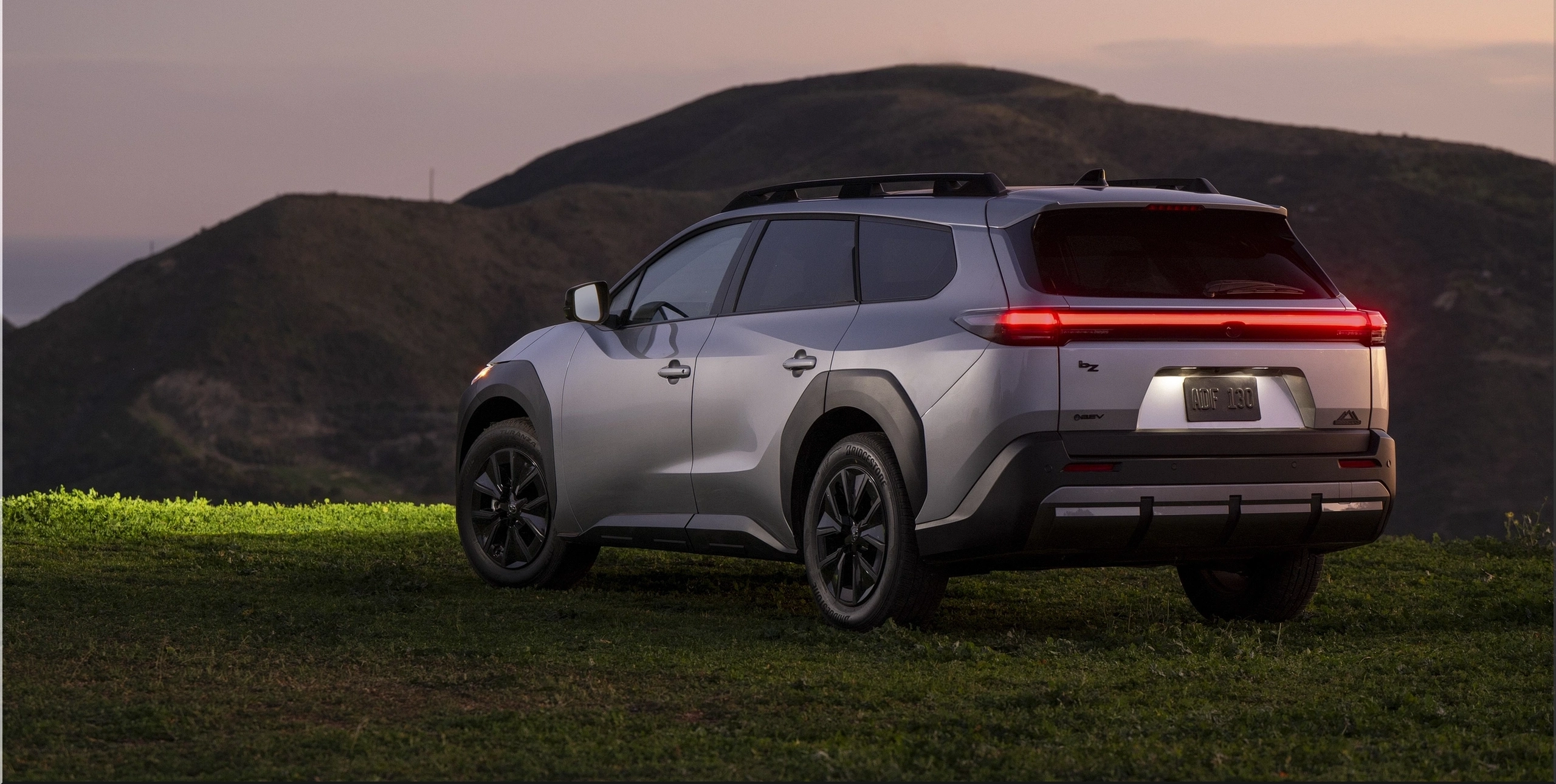
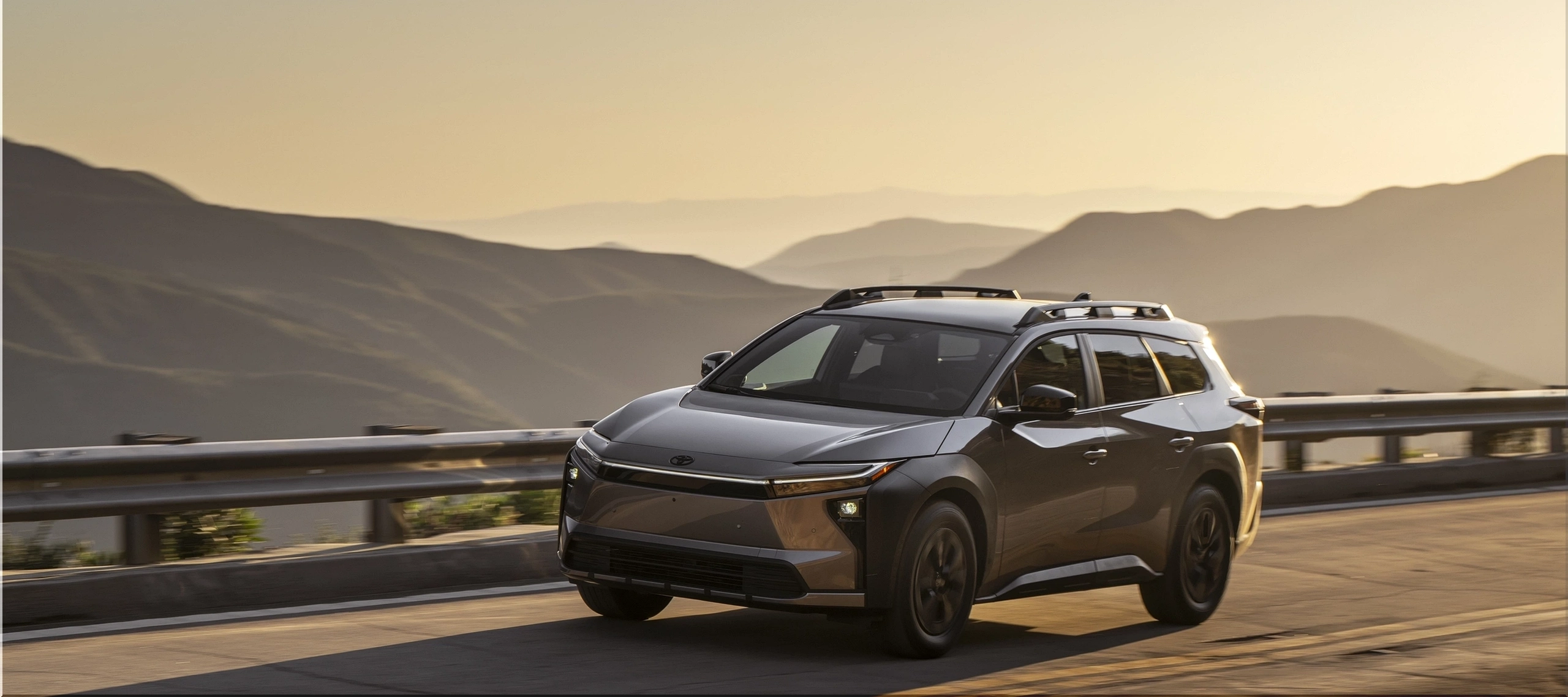
With a standard dual-motor all-wheel-drive configuration, the bZ Woodland delivers a staggering 375 net combined horsepower. This output places it at the top of the bZ performance hierarchy. Consequently, this midsize SUV can sprint from 0-60 mph in just 4.4 seconds, a figure that rivals dedicated performance cars.
Engineering a Rugged Electric Powerhouse
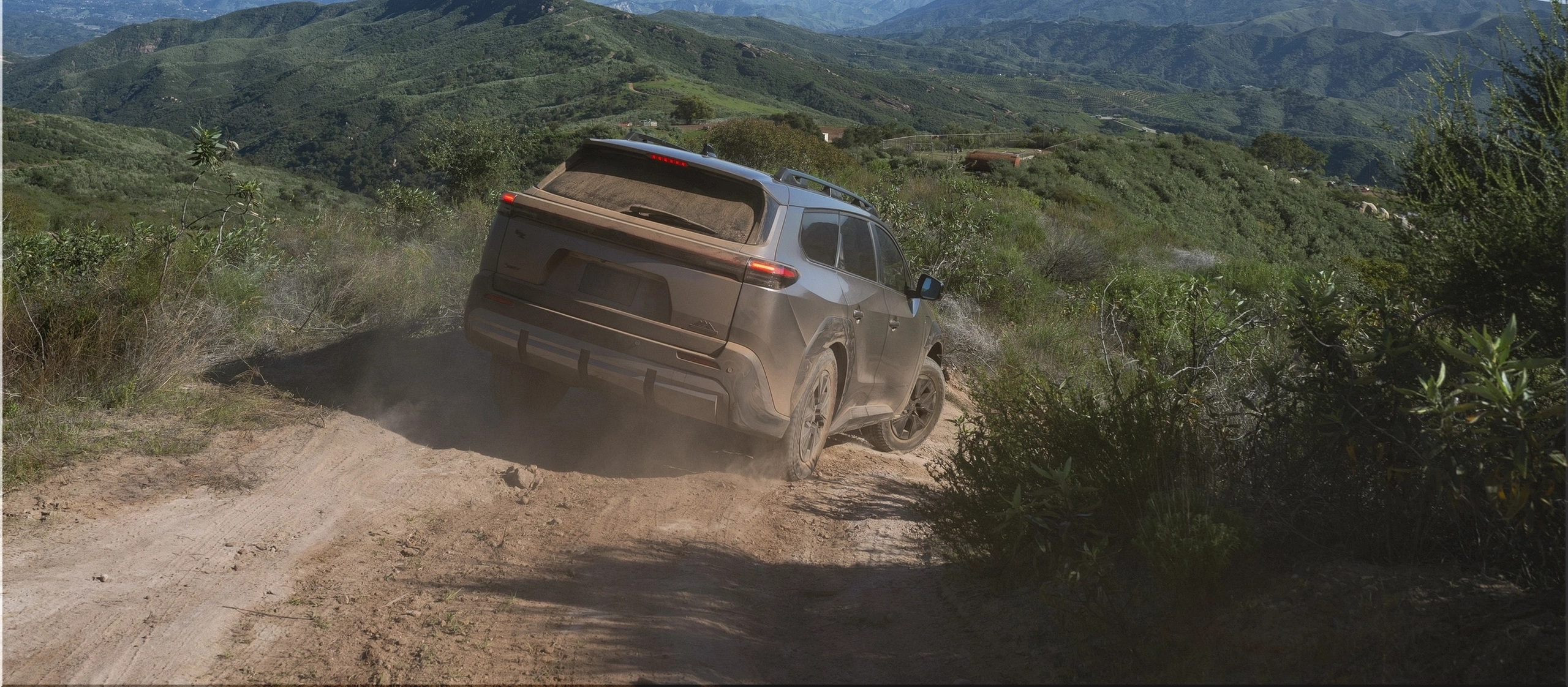
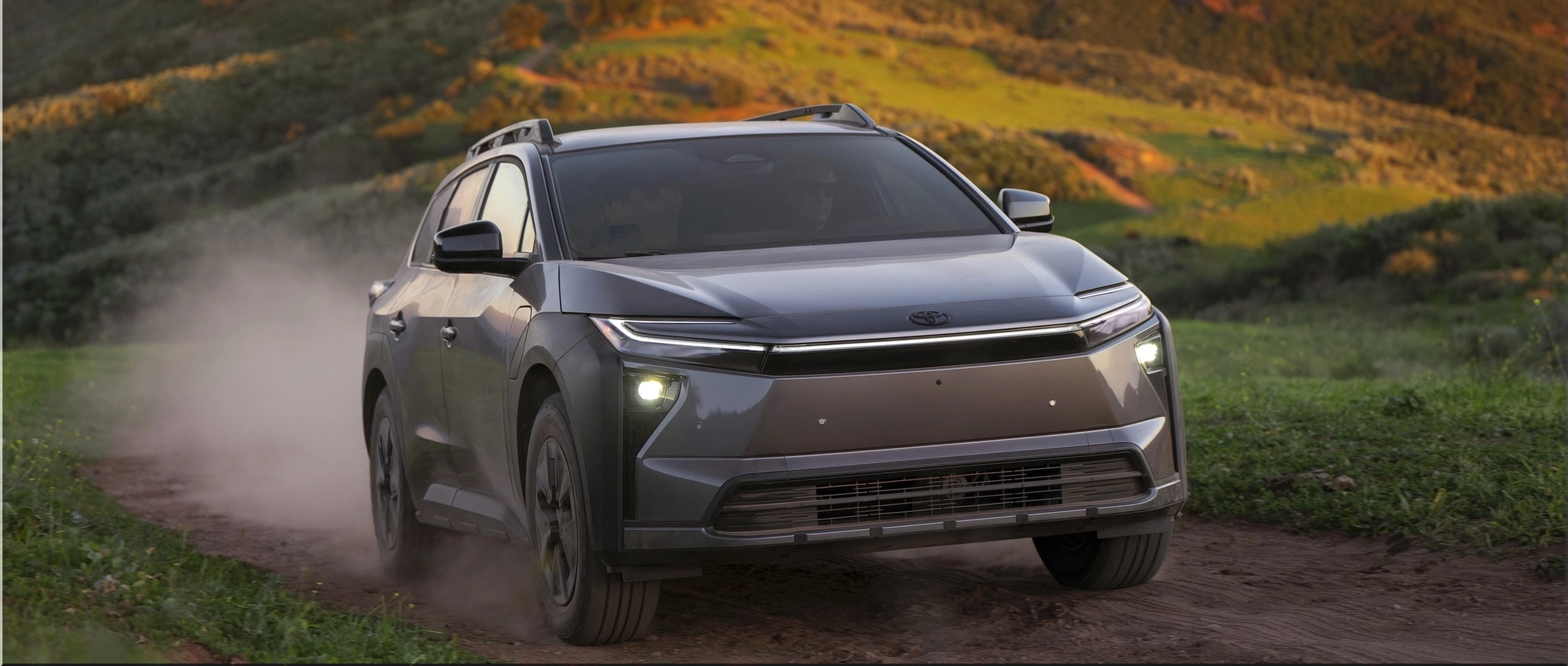
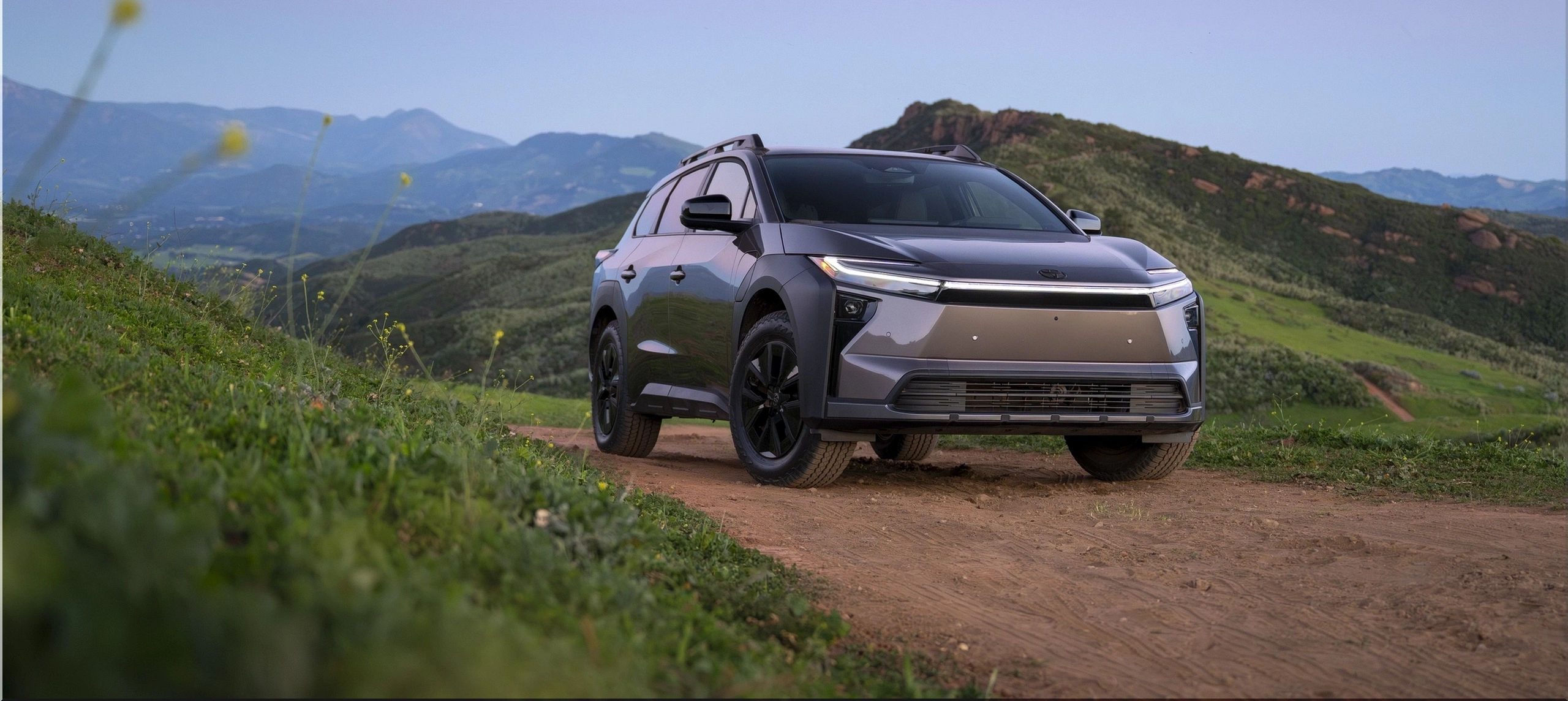
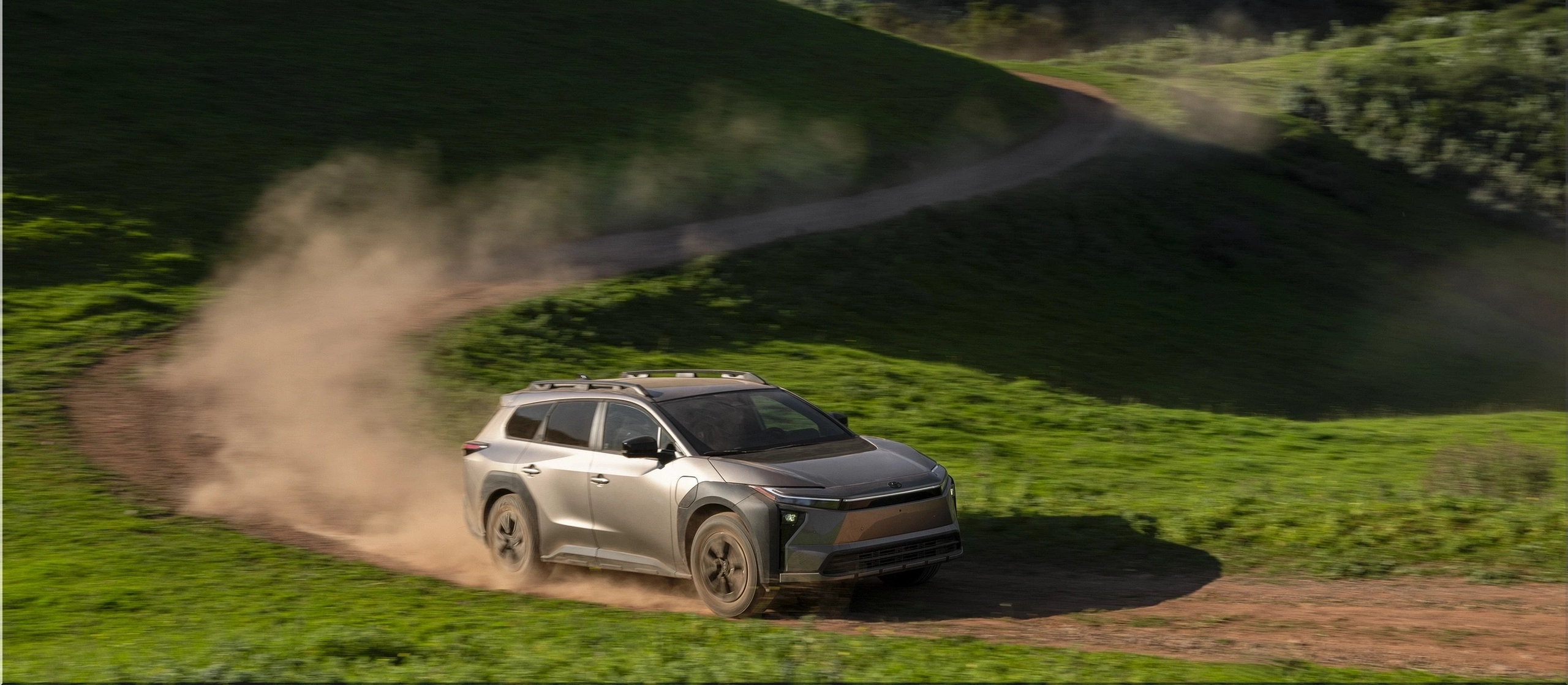
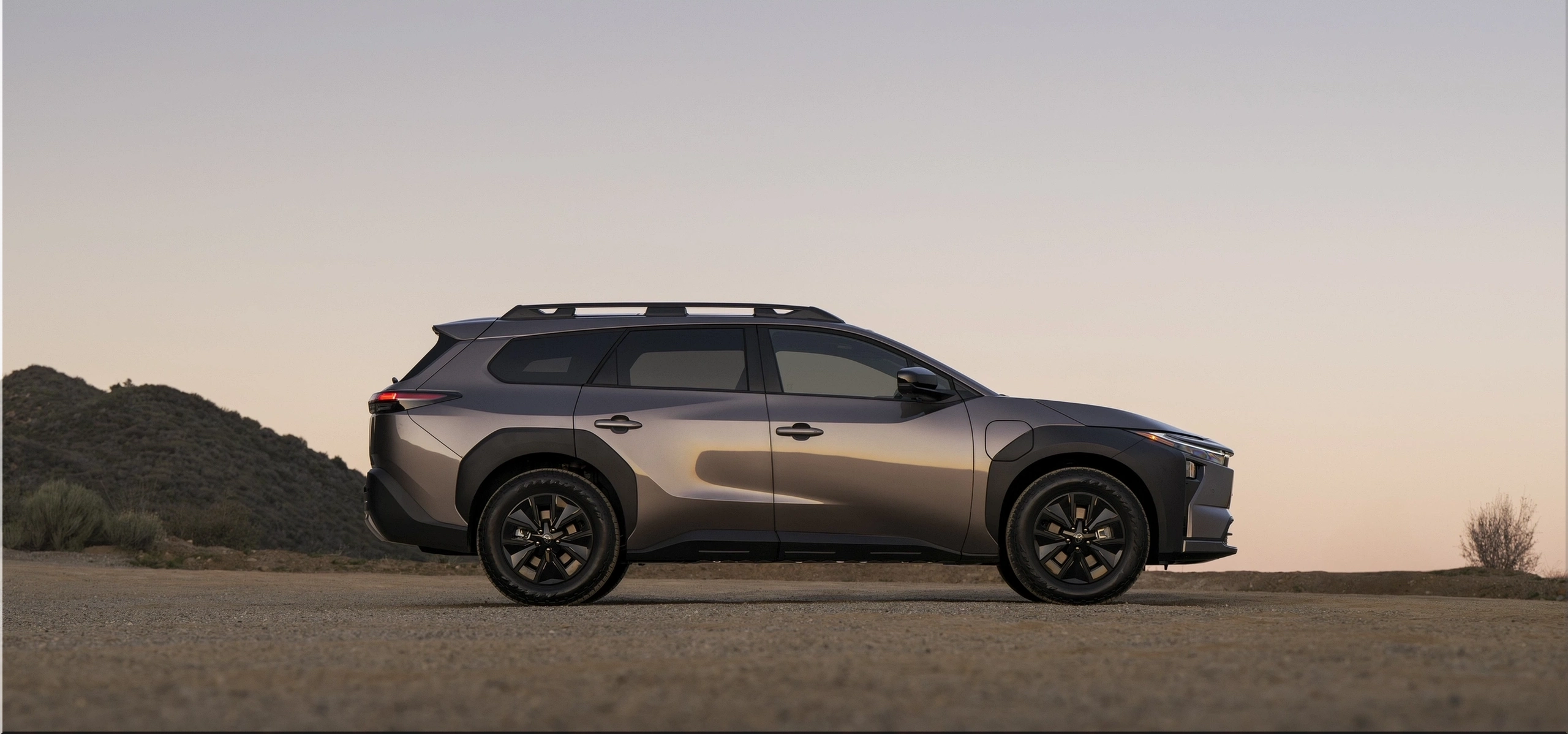
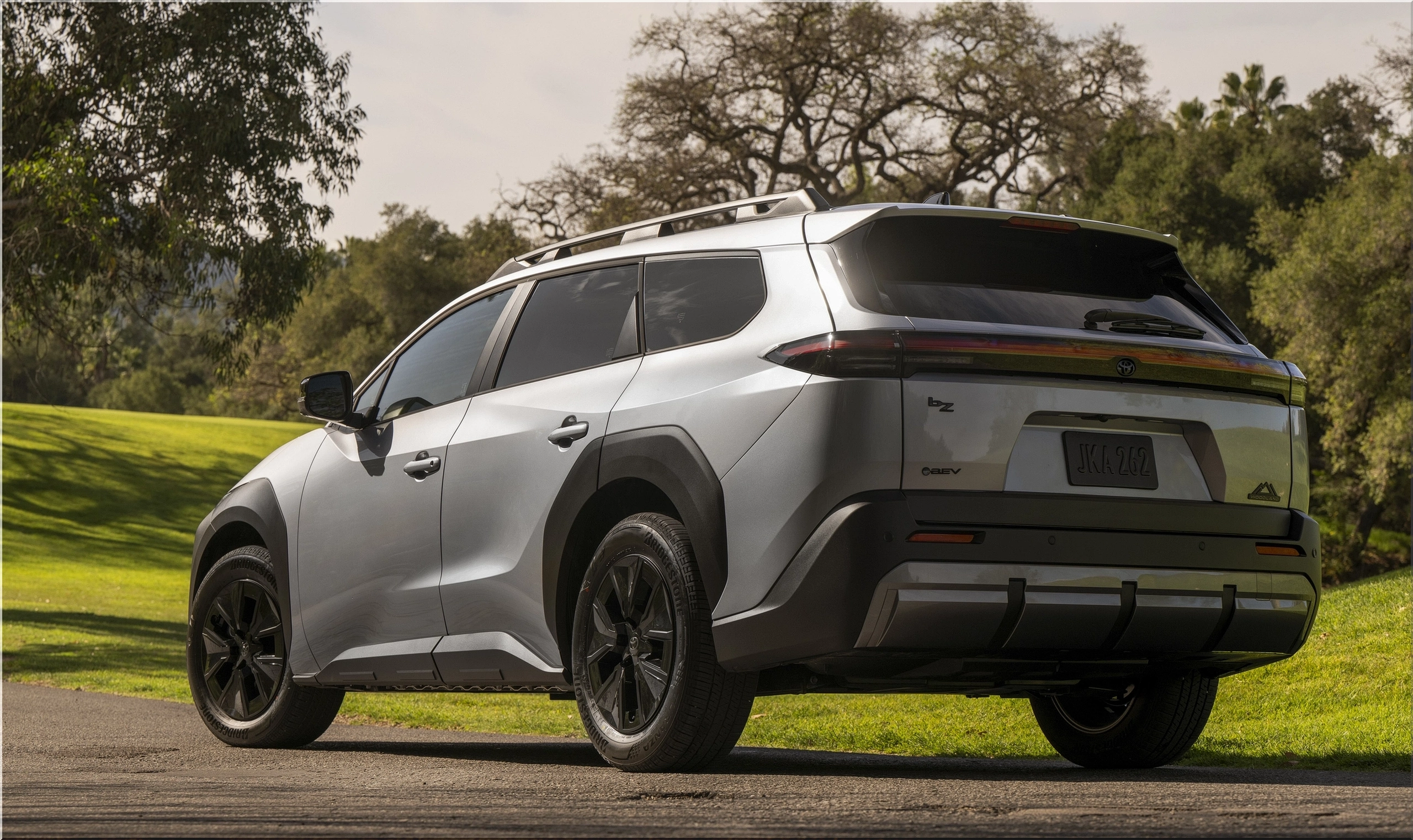
The bZ Woodland sits on the dedicated e-TNGA platform, which integrates the battery pack directly into the chassis. This structural choice lowers the center of gravity while simultaneously increasing body rigidity. Specifically, the vehicle features 8.4 inches of ground clearance, allowing it to traverse terrain that would stop most electric crossovers.
From an expert perspective, the inclusion of X-MODE with Grip Control is the defining mechanical advantage. This system optimizes power distribution and braking to maintain traction on slippery surfaces. It essentially acts as an off-road cruise control, managing the dual electric motors to prevent wheel spin in mud or snow.
Technical Performance Breakdown
- Horsepower: 375 HP net combined output.
- Acceleration: 0-60 mph in 4.4 seconds.
- Ground Clearance: 8.4 inches for trail readiness.
- Towing Capacity: Up to 3,500 pounds, supported by a heavy-duty cooling system.
- Battery Architecture: 74.7 kWh lithium-ion pack with liquid cooling.
| Feature | bZ Woodland Standard | bZ Woodland Premium |
|---|---|---|
| MSRP (Starting) | $45,300 | $47,400 |
| Max Range | 281 Miles | 281 Miles |
| Wheels | 18-inch Aluminum | 18-inch Aluminum |
| Audio System | 14-inch Multimedia | 9-speaker JBL Premium |
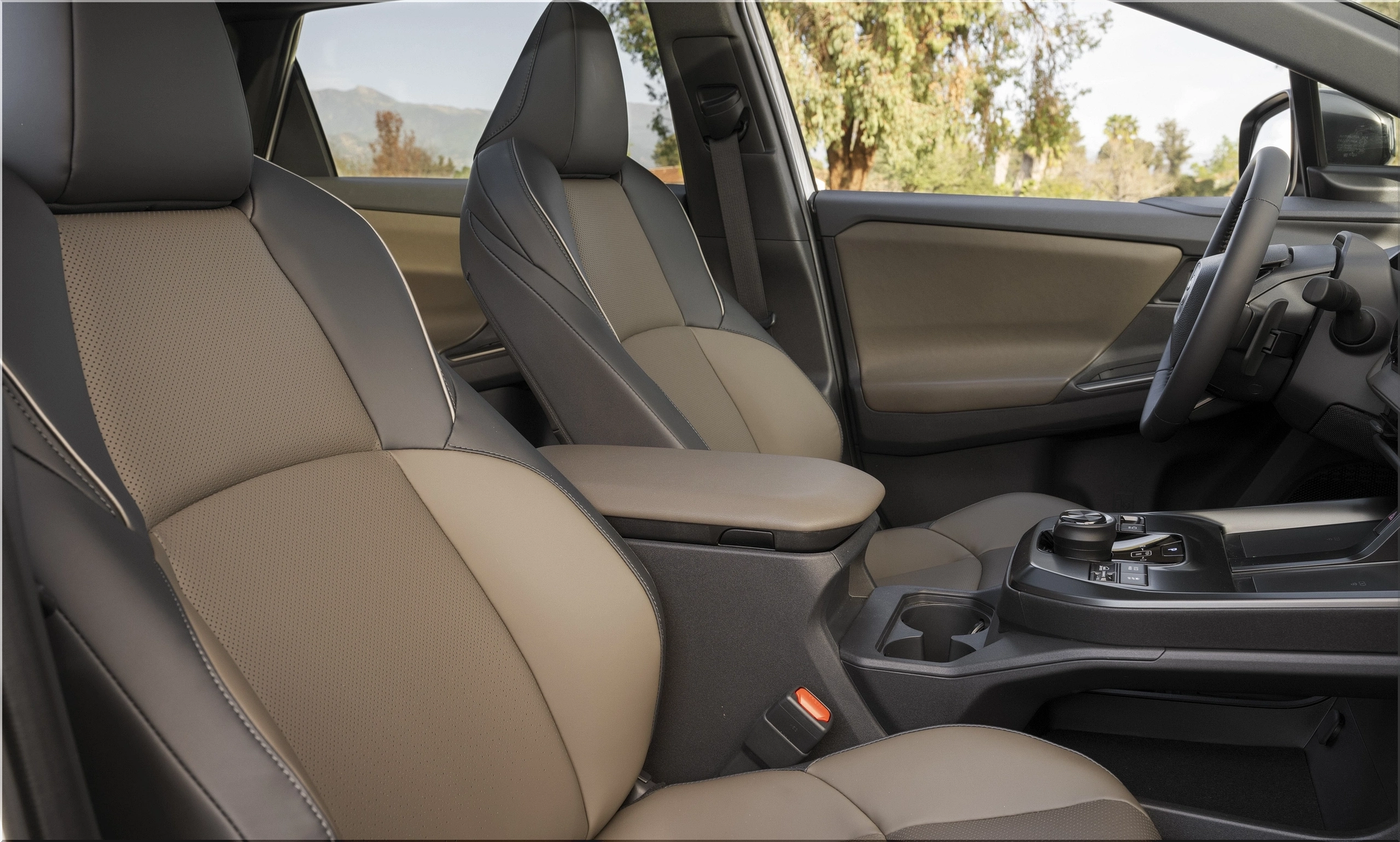
| Seating | SofTex Trimmed | SofTex with Ventilation |
Space and Utility Without Compromise
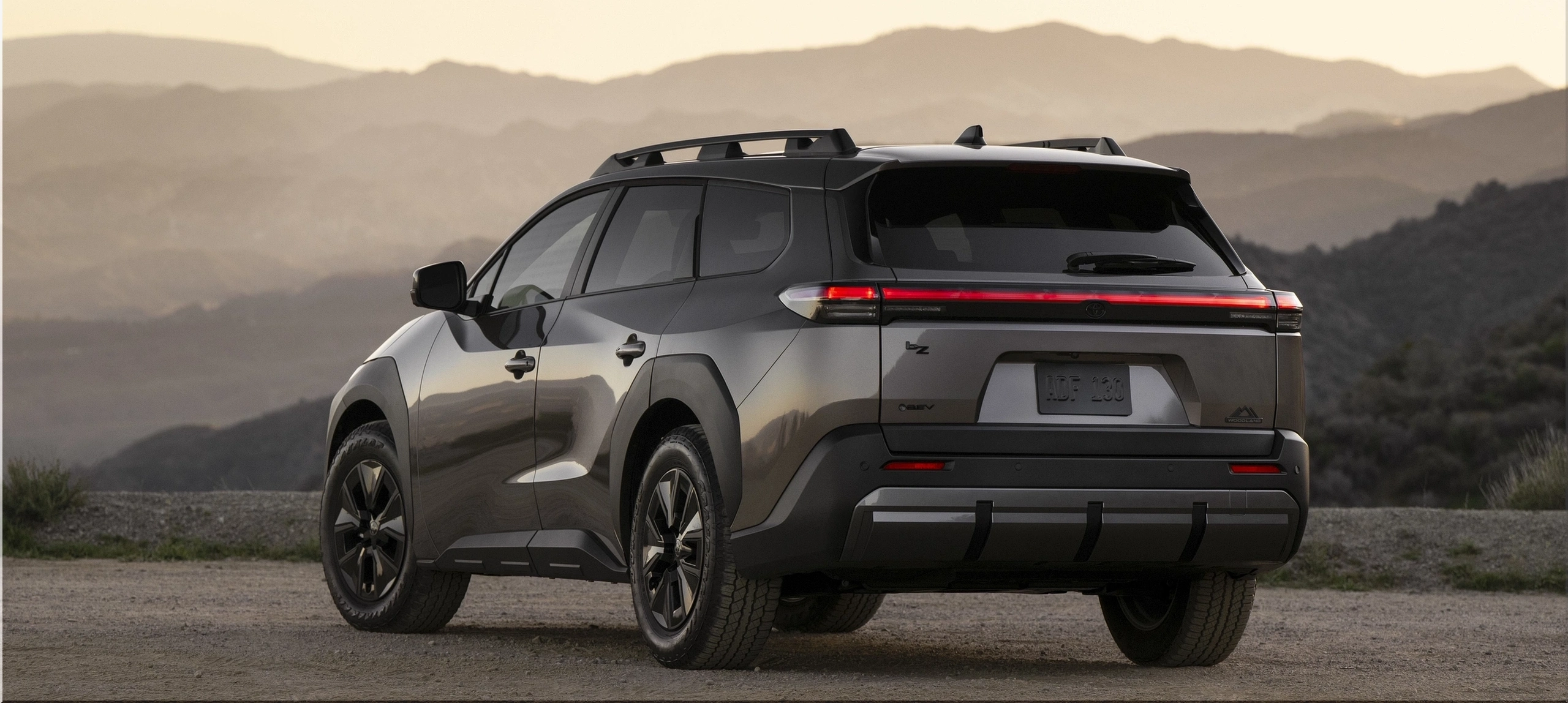
Toyota stretched the bZ Woodland to provide a level of utility previously unseen in its electric lineup. The vehicle is nearly 6 inches longer than the standard bZ model. This extra length translates directly into cargo volume. With the second-row seats folded flat, the bZ Woodland offers 74.3 cubic feet of storage.
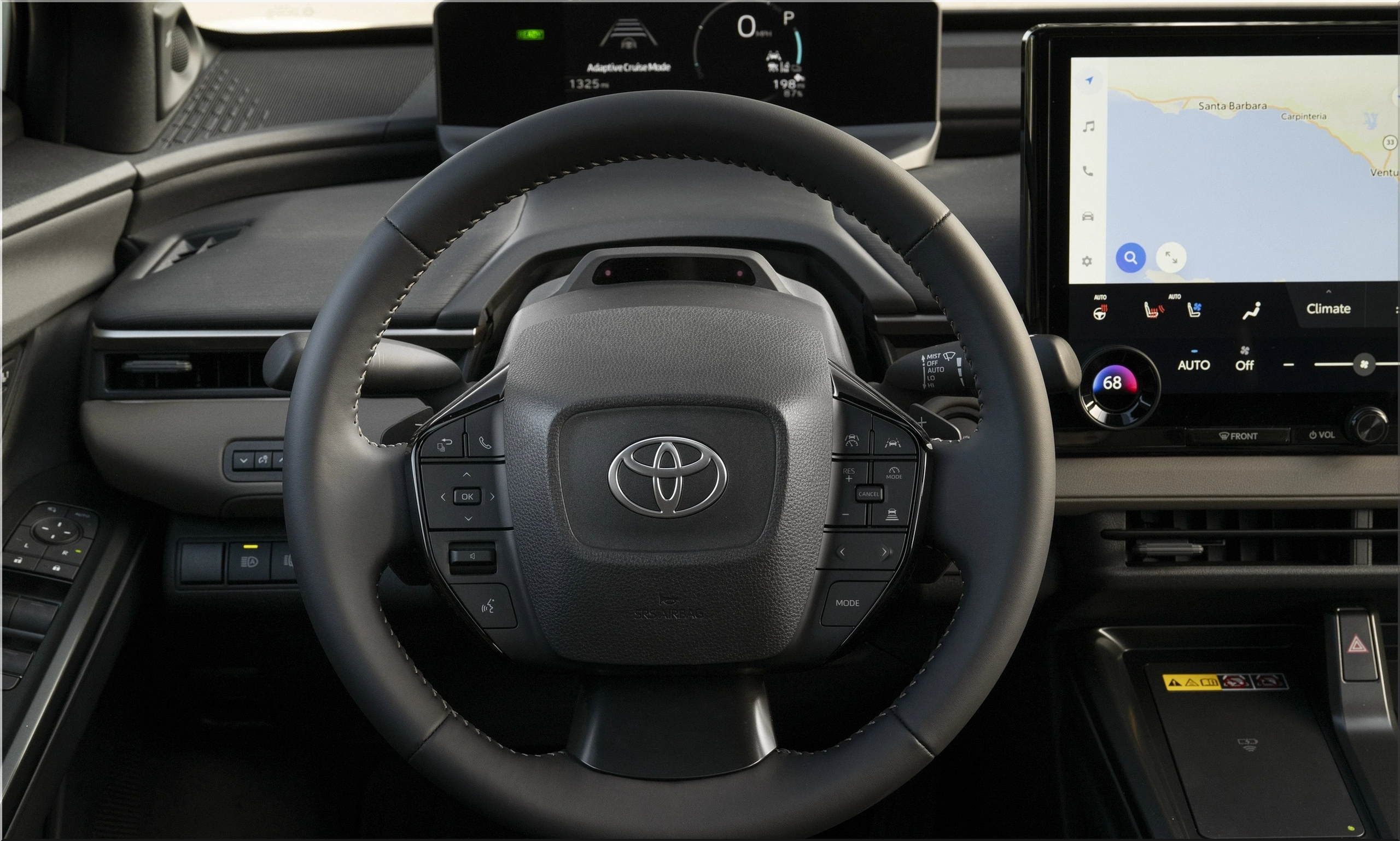
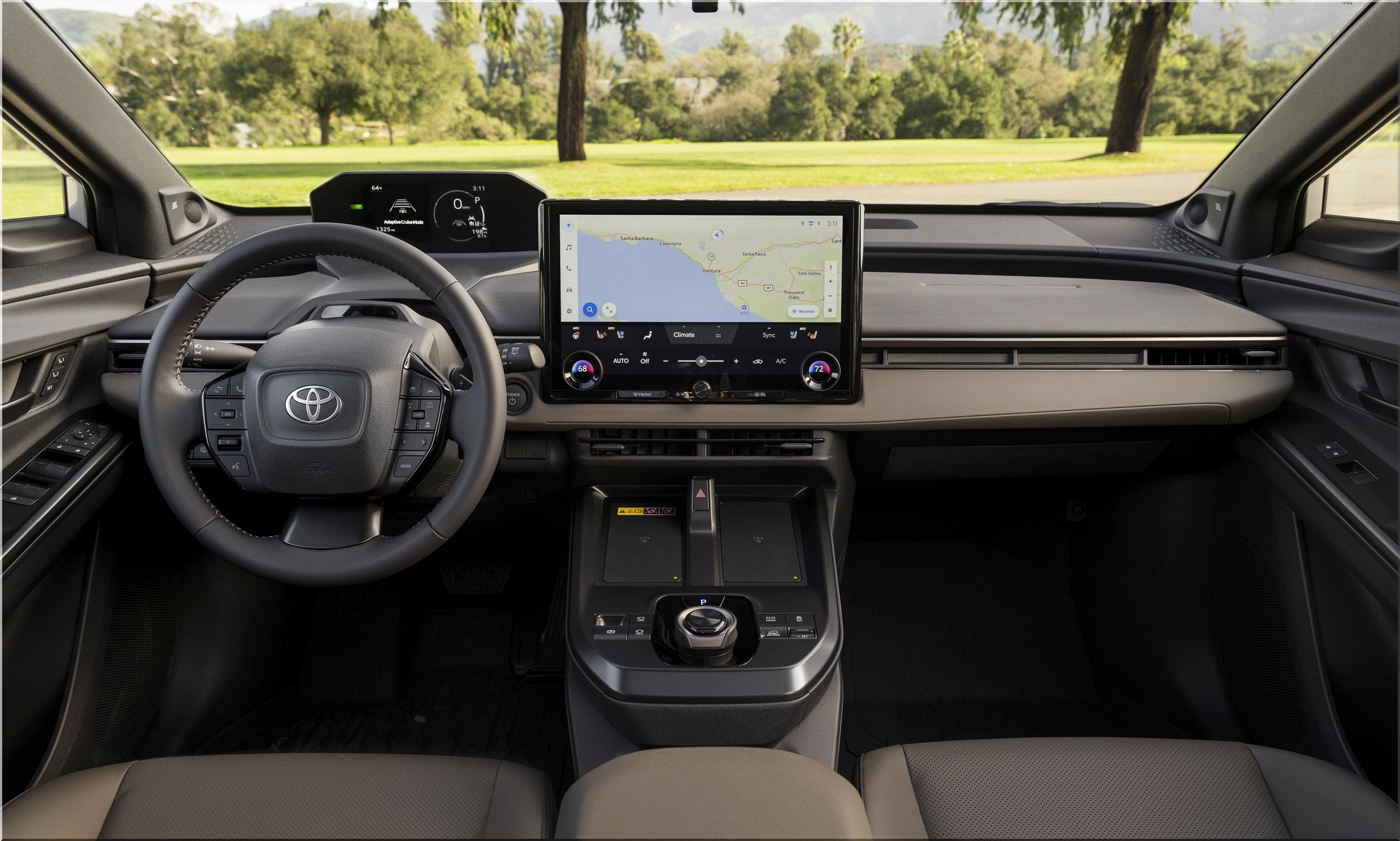
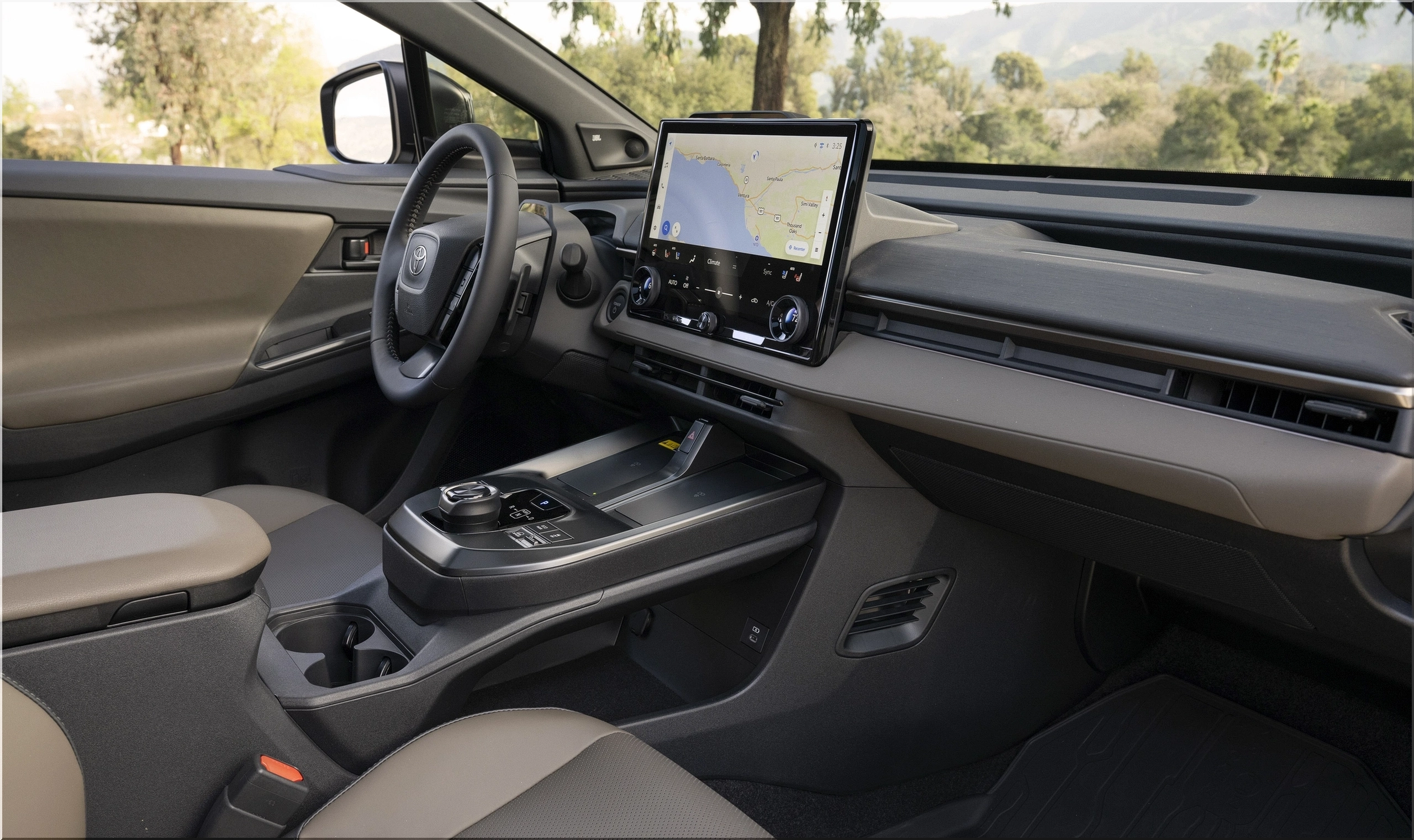
The interior design prioritizes functional density. Standard roof rails allow for the immediate mounting of bicycle racks or cargo boxes. In addition, the cabin features a 14-inch Toyota Audio Multimedia touchscreen as standard equipment. This ensures that high-level connectivity is never an optional luxury but a baseline requirement for the modern adventurer.

Definition: e-TNGA Platform
The e-TNGA (Toyota New Global Architecture) is a modular platform designed specifically for battery-electric vehicles. It uses a sandwich-style battery placement to maximize cabin space and structural integrity.
Charging Infrastructure and Battery Integrity
The bZ Woodland utilizes the North American Charging System (NACS) port. This hardware choice provides owners with access to thousands of high-speed DC fast chargers across the continent. Under ideal conditions, the 74.7 kWh battery can charge from 10% to 80% in approximately 30 minutes.
For at-home charging, an 11-kW onboard AC charger handles Level 2 tasks efficiently. A full 10% to 100% charge takes roughly seven hours on a 240V circuit. Looking at the data, this makes the bZ Woodland a highly viable daily driver for those who can charge overnight.
Maintenance and Protection Protocols
- Battery Monitoring: Redundant systems track voltage and temperature to prevent thermal events.
- Coolant System: High-resistance circulation protects cells during rapid charging cycles.
- Warranty Coverage: 8 years or 100,000 miles for electric driving components.
- ToyotaCare: Two years or 25,000 miles of factory-scheduled maintenance.
Competitive Analysis: The Electric SUV Field
In the rapidly evolving EV sector, the Toyota bZ Woodland SUV faces stiff competition. However, its combination of ground clearance and raw horsepower creates a unique value proposition. By comparison, many rivals focus solely on range while neglecting the physical utility required by weekend warriors.
| Model | HP | Ground Clearance | 0-60 MPH |
|---|---|---|---|
| Toyota bZ Woodland | 375 | 8.4 in | 4.4s |
| Subaru Solterra | 215 | 8.3 in | 6.5s |
| Hyundai Ioniq 5 (AWD) | 320 | 6.1 in | 4.5s |
| Kia EV6 (AWD) | 320 | 6.1 in | 4.6s |
Pro-Tip: Range Optimization
Equipping the optional All-Terrain tires drops the EPA-estimated range from 281 miles to 260 miles. Drivers should evaluate their actual off-pavement needs before opting for the more aggressive rubber.
Toyota Safety Sense 3.0 Integration
Safety remains a pillar of the Toyota engineering philosophy. The bZ Woodland comes standard with Toyota Safety Sense 3.0. This suite uses high-resolution cameras and radar to provide a 360-degree safety net. The Pre-Collision System with Pedestrian Detection can now identify bicyclists and motorcyclists in a wider range of lighting conditions.
The system also includes Proactive Driving Assist, which provides gentle braking and steering support in everyday driving scenarios. Specifically, it helps maintain distance between the vehicle and a preceding car or cyclist. These interventions are designed to feel natural rather than intrusive, ensuring the driver remains in command.
What Now?
The 2026 Toyota bZ Woodland arrives at dealerships in March 2026. For buyers looking for an electric vehicle that doesn't force a choice between performance and ruggedness, this SUV is the clear frontrunner.
- Schedule a Test Drive: Experience the 375-hp acceleration firsthand at your local dealer.
- Assess Your Charging: Install a 240V Level 2 charger at home to maximize the 11-kW onboard system.
- Review Trim Options: Decide if the JBL audio and ventilated seats of the Premium trim justify the $2,100 price increase.

Toyota has updated its bZ electric SUV—formerly the bZ4X—with major performance, charging, and design improvements for the 2026 model year. The changes aim to increase EV appeal with better… Continue reading
The legendary Jeep brand is forging a new path towards a sustainable future with the introduction of its first-ever all-electric SUV, the 2024 Jeep Wagoneer S. This technologically advanced and luxurious vehicle seamlessly blends iconic Jeep… Continue reading
The 2026 Subaru Solterra EV has made its debut with many exciting updates that make it one of the market's most competitive electric vehicles (EVs). Subaru has focused on enhancing the Solterra’s performance, range… Continue reading
If you're looking for a practical and user-friendly vehicle that can also handle off-road challenges, you might want to check out the new Kia EV9. This electric SUV is the latest addition to Kia's growing… Continue reading