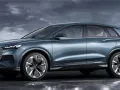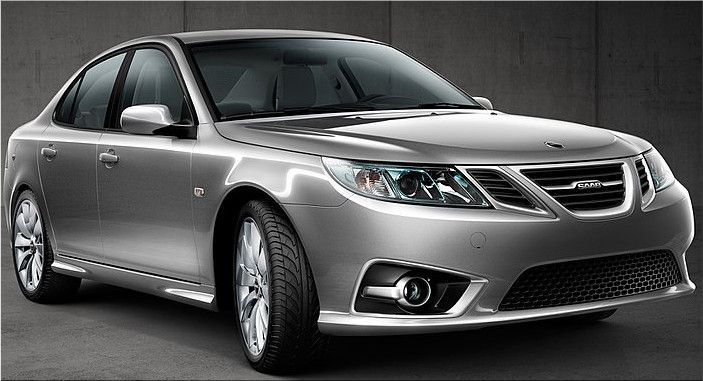
The first electric car produced in Turkey will have a range of 500 km and will be launched in the second half of 2022. Industry Minister Mustafa Varank declared this to journalists. A prototype will be shown at the end of this year.

“We will develop an electric vehicle that can easily compete with rivals,” the minister Varank said. “We do not see it as only a car project. This is a technological project that will transform the country’s entire automotive industry and boost the local automotive industry’s competitiveness in the international arena” Varank also accentuated that the car will not be produced by the public sector, but by private companies.
"With its electric engine, software, autonomous driving and battery technologies, the automobile industry is turning in a completely different direction. With this project, we believe we have caught this window of opportunity at the right time," he continued.
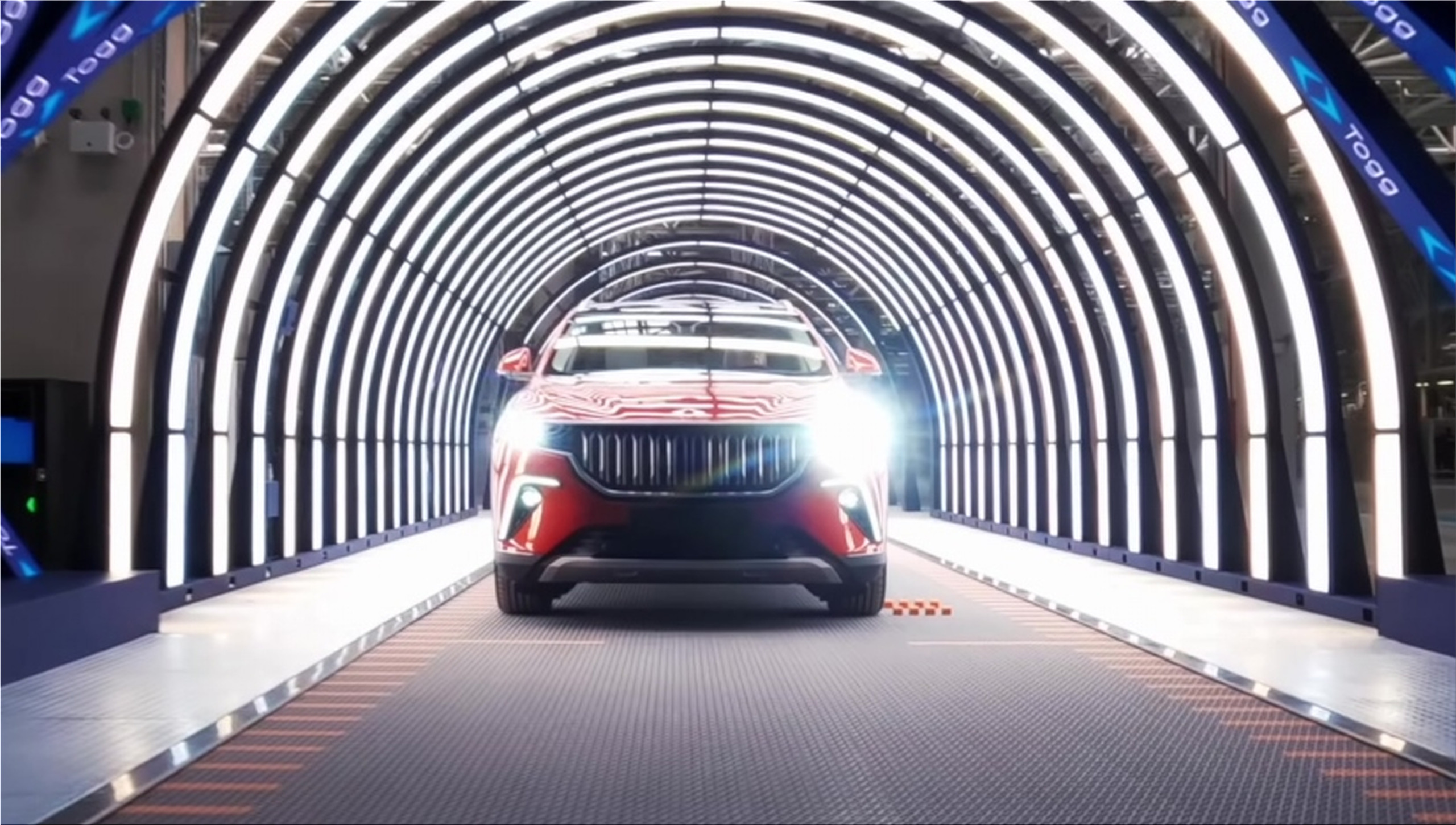
Specifically, five companies - the Anadolu Group, BMC, Kıraça Holding, Turkcell and Zorlu Holding - have combined forces to form the joint venture Türkiye'nin Otomobili Girişim Grubu Sanayi ve Ticaret AŞ (translated: joint venture for the Turkish automotive industry and trade). They each hold 19 percent of the company shares, the remaining five percent belong to the Union of Turkish Chambers of Commerce and Commodity Exchanges (TOBB). The managing director is the previous Bosch director Mehmet Gürcan Karakaş.
The electric vehicle market is rapidly evolving, but not all innovation comes in the form of speed or size. The Impulse Nano-3 is a compact, fully enclosed, all-electric urban runabout that prioritizes logic, comfort, and value. With its… Continue reading
Mazda took a clear step forward at the Brussels Motor Show. The all-new Mazda CX-6e puts real numbers behind the brand's electric plans. It targets the heart of the midsize electric SUV segment with rear-wheel drive, a usable range, fast… Continue reading
Renault could launch a new update of its Renault ZOE at the Geneva Motor Show 2018. The great novelty in this new version would be the incorporation of a new electric motor , the R110 , with 80 kW of power, although the… Continue reading
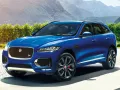
Jaguar Land Rover has expanded its range of Ingenium engines with a new six-cylinder, three-liter gasoline engine that combines with the smooth hybrid technology of 48 volts, MHEV (Mild Hybrid Electric Vehicle)… Continue reading