Toyota is revving up its commitment to hydrogen fuel cell electric vehicles (FCEVs) by providing financial aid to Norway's sole public hydrogen fueling station. This strategic move underscores Toyota's belief in hydrogen as a vital solution for achieving sustainable mobility in the future.
Located in Høvik, Norway, the hydrogen fueling station will benefit from Toyota's financial support, which will be used to enhance its capacity and accessibility. This collaboration highlights Toyota's multi-pronged approach to advancing hydrogen technology.
Why is Toyota Betting Big on Hydrogen?
Toyota sees hydrogen as complementary to battery electric vehicles (BEVs). While BEVs excel in urban environments, hydrogen FCEVs boast several advantages that make them ideal for specific transportation needs.
Here's a closer look at some of the key benefits of hydrogen cars:
- Zero Tailpipe Emissions: FCEVs produce only water vapor when running, making them a clean and environmentally friendly transportation option.
- Fast Refueling Times: Filling a hydrogen tank takes roughly 3-5 minutes, comparable to gasoline-powered vehicles. This significantly reduces downtime compared to BEVs, which can take longer to recharge.
- Extended Range: Hydrogen FCEVs offer driving ranges exceeding 600 kilometers (373 miles) on a single fill, similar to gasoline or diesel-powered cars. This makes them suitable for long-distance travel.
- High Efficiency: Hydrogen fuel cells convert chemical energy into electrical energy very efficiently, maximizing the usable energy stored in hydrogen.
Toyota's Hydrogen Leadership
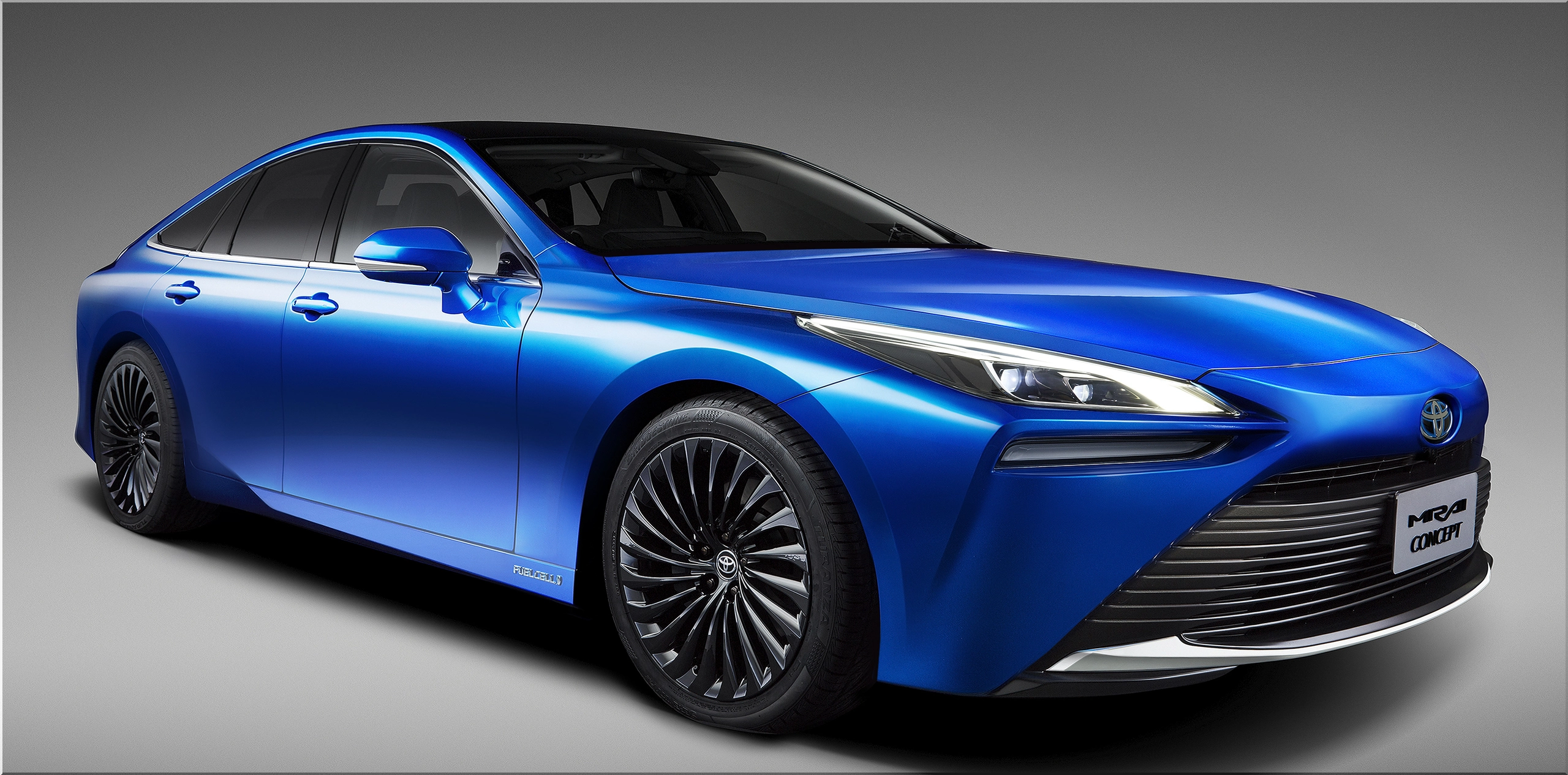
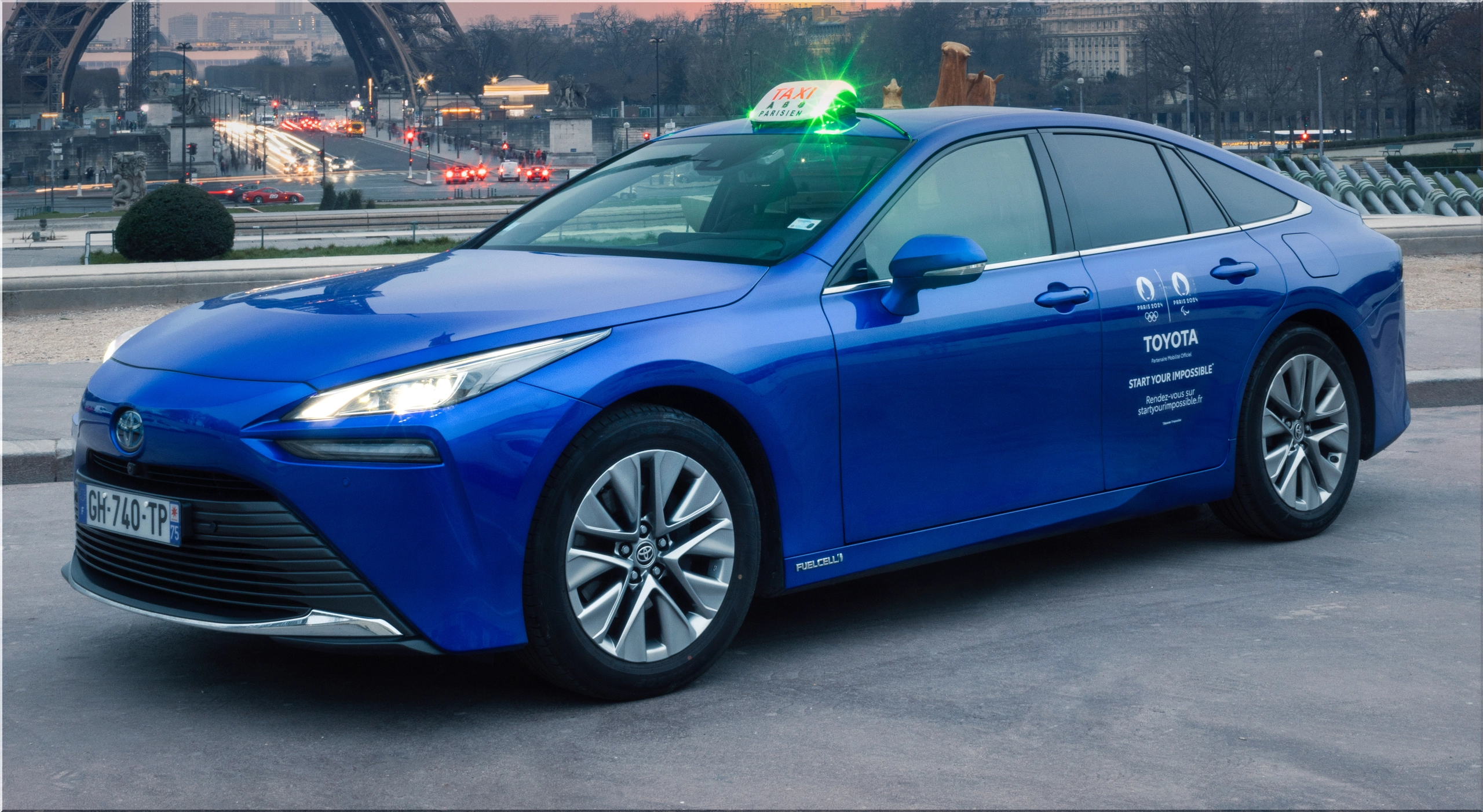
Toyota is a frontrunner in the development and deployment of hydrogen FCEVs. The 2024 Toyota Mirai model is a testament to its commitment to this technology. The Mirai boasts an impressive driving range and delivers a comfortable and refined driving experience.
In addition to supporting fueling infrastructure, Toyota is actively researching and developing next-generation hydrogen technologies. For instance, the company is creating a more powerful electrolyzer that produces hydrogen from water using electricity. This advancement could significantly reduce the cost of hydrogen production, making FCEVs even more competitive in the long run.
The Road Ahead for Hydrogen
While hydrogen FCEVs offer a promising future for sustainable transportation, there are still challenges to overcome. These include:
- Limited Refueling Infrastructure: The current hydrogen fueling network is sparse in many regions. Expanding this infrastructure is crucial for widespread FCEV adoption.
- Price of hydrogen fuel: The price of hydrogen fuel needs to become more competitive with gasoline and diesel to make FCEVs a more attractive option for consumers.
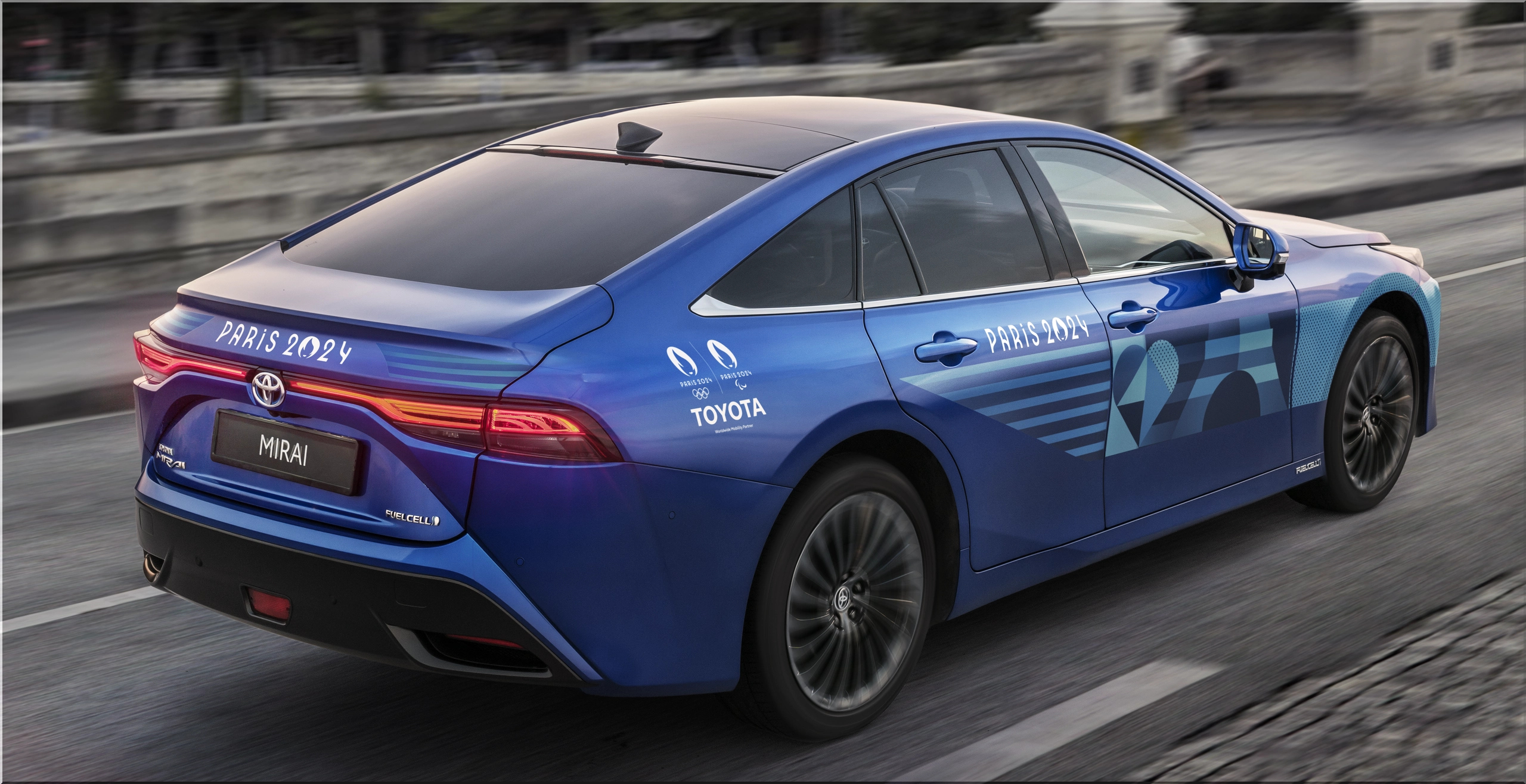
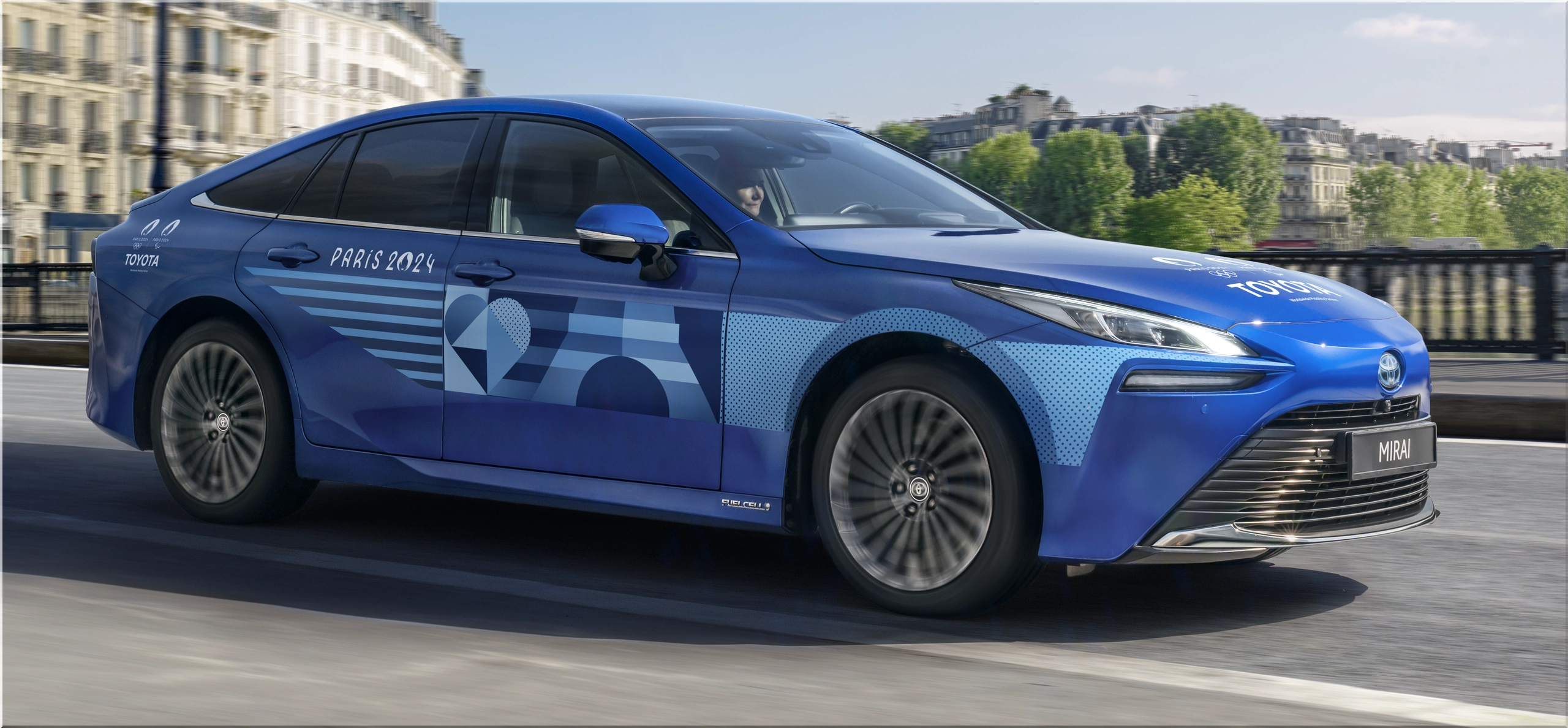
Toyota's investment in Norway's hydrogen fueling station is a positive step towards addressing these challenges. By collaborating with governments and other stakeholders, the company is helping to pave the way for a future powered by clean and sustainable hydrogen energy.
Looking ahead, we expect continued advancements in hydrogen technology and infrastructure development. As these hurdles are addressed, hydrogen FCEVs have the potential to become a mainstream transportation solution, playing a critical role in the fight against climate change.

Hyundai Motor Company is once again celebrating a triumphant win as the Ioniq 6 has been named the World Car of the Year, Electric Car of the Year, and Car Design of the Year for 2023. This is the second year in a row that Hyundai has… Continue reading

Suppose you are looking for a new and exciting way to learn how to drive an electric car. In that case, you should check out the driving school program offered by Citroen, the French automaker known for its innovative and unconventional… Continue reading

Renault, one of the leading manufacturers of electric vehicles in Europe, has recently unveiled its new electric Renault Master, a large van that offers a remarkable driving range of 410 km (254 miles) on a… Continue reading

The much-anticipated Mercedes-Maybach EQS SUV has finally set its wheels on European soil, marking a significant milestone in the brand's journey towards electric mobility. This opulent SUV embodies the essence… Continue reading