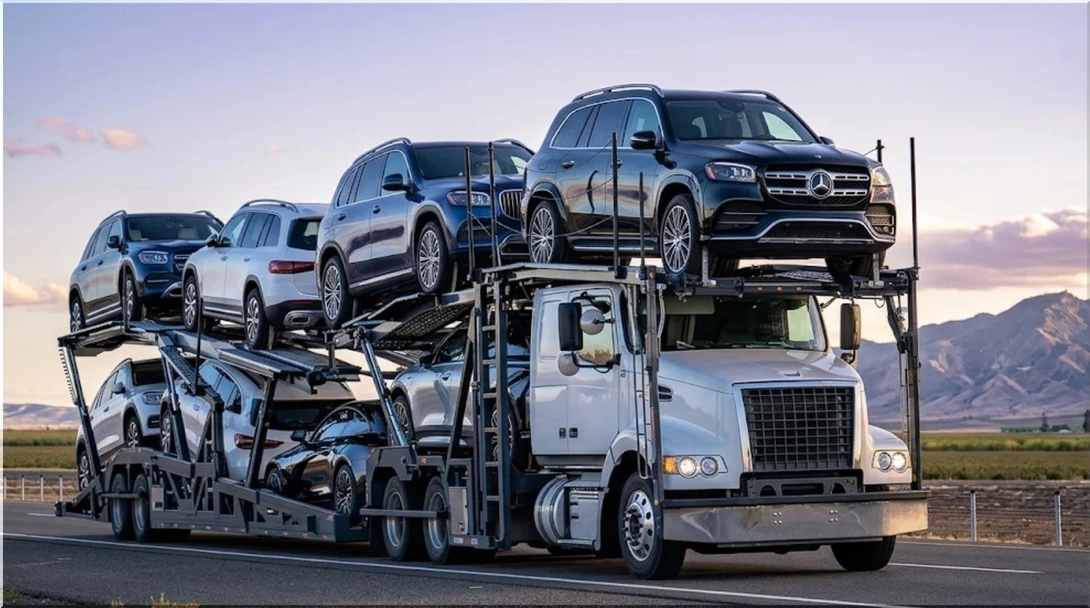
Shipping a vehicle during Louisiana’s hurricane season requires two separate plans: one for the car and one for your household. A scheduled transporter can help with a planned relocation, seasonal move, or vehicle purchase. It should not become the deciding factor in when you evacuate. If local officials direct you to leave, follow their instructions rather than waiting for a pickup that weather may disrupt.
Plan Early Without Assuming a Guaranteed Window
The Atlantic hurricane season officially runs from June 1 through November 30. For a planned Louisiana shipment during those months, discuss weather contingencies when requesting quotes. Ask how the company handles postponements, route changes, and situations where the collection address becomes inaccessible.
Booking ahead gives the coordinator more time to organize the shipment, but it cannot guarantee that roads, loading locations, or carrier capacity will remain available. Keep your personal departure arrangements independent of an estimated vehicle collection date.
Understand Why Carrier Availability Can Change
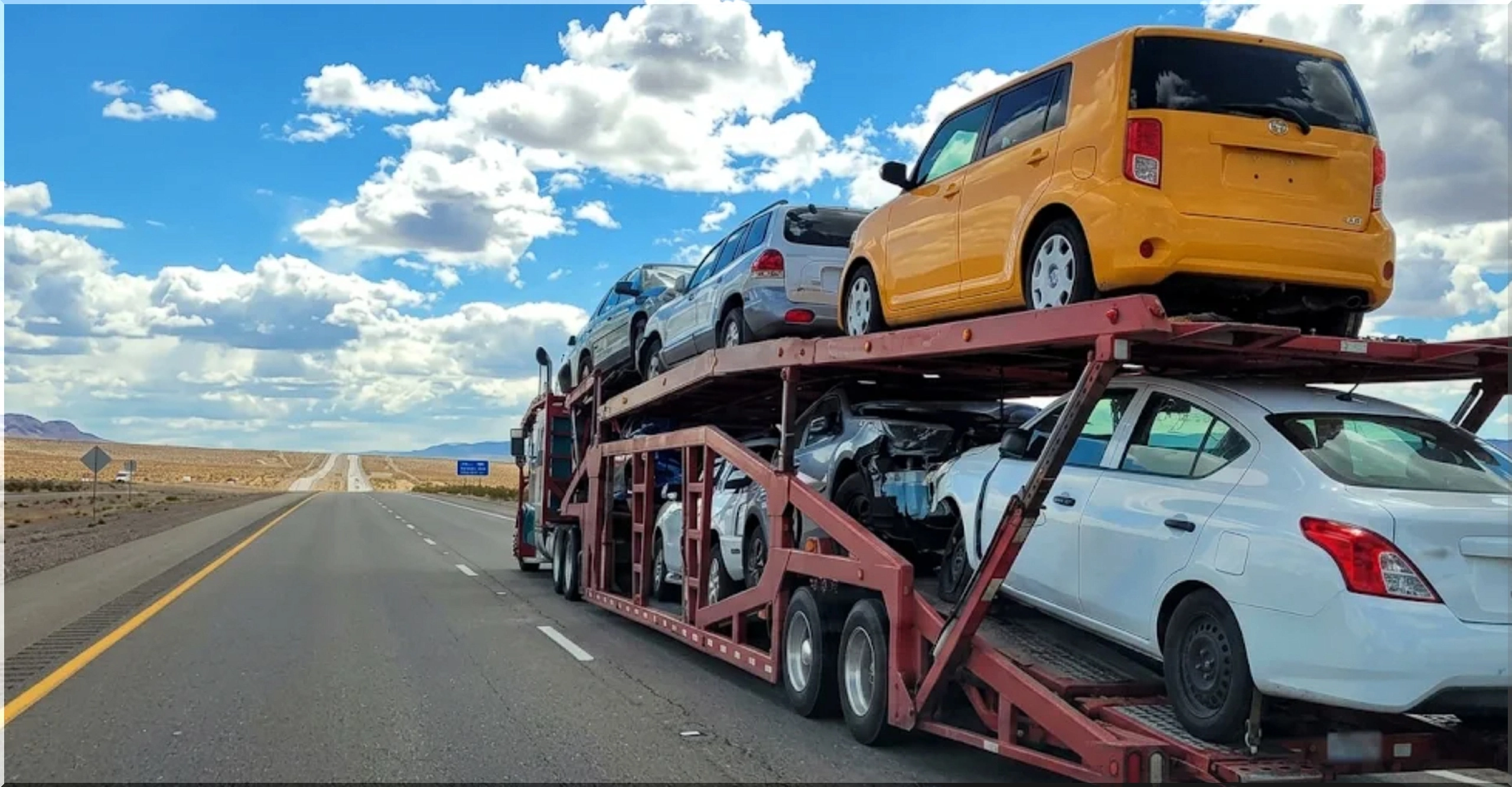
The Louisiana guide from Navi Auto Transport identifies I-10, I-20, and I-49 as important shipping corridors. It also notes that carriers may reposition away from the coast before a storm, reducing pickup availability in affected areas.
A truck that normally passes near your location may take another route or postpone collection. Conditions elsewhere along its journey can also affect arrival. Ask for shipment-specific updates rather than relying on the pickup speed advertised for normal operating conditions.
Keep Your Evacuation Vehicle Available
Before releasing a car for transport, confirm how everyone in your household would leave if evacuation became necessary. This matters especially when shipping your only vehicle or when another household member is already traveling.
Decide where you would go, how pets and essential belongings would travel, and who needs assistance. Follow parish and local emergency-management instructions. Never delay an evacuation to complete an inspection, meet a driver, or protect a shipping deposit.
Keep identification, medication, chargers, and emergency supplies with you. Items needed during an evacuation should not be packed inside a vehicle awaiting transport.
Ask About Changes Before They Become Urgent
Get written answers to these questions while arranging the shipment:
- Who will notify you if the carrier changes its route or schedule?
- What happens if pickup is postponed because of weather?
- Which cancellation or rescheduling charges could apply?
- Can an authorized person handle the vehicle after you leave?
- How would a different pickup address affect the arrangement?
Any alternative handoff must remain consistent with official travel restrictions and safe access. Do not drive toward an affected area simply to meet a transporter. If collection cannot proceed safely, discuss postponement with the coordinator.
Confirm Conditions Again After the Storm
Once local authorities permit travel, contact the coordinator before attempting another handoff. Confirm that the route, property, and receiving location are accessible. Do not assume service resumes immediately when severe weather passes.
If the vehicle has been exposed to flooding or sustained damage, disclose that before dispatch. An earlier quote describing a running car may no longer reflect its condition or loading requirements. Ask the appropriate recovery or repair professional how it should be handled rather than attempting to start a flood-affected vehicle.
A workable Louisiana shipping plan allows the vehicle schedule to change while keeping your household’s departure clear. Early coordination helps, but current official instructions and actual road conditions should guide every weather-related decision.
- Add new comment
- 68 views