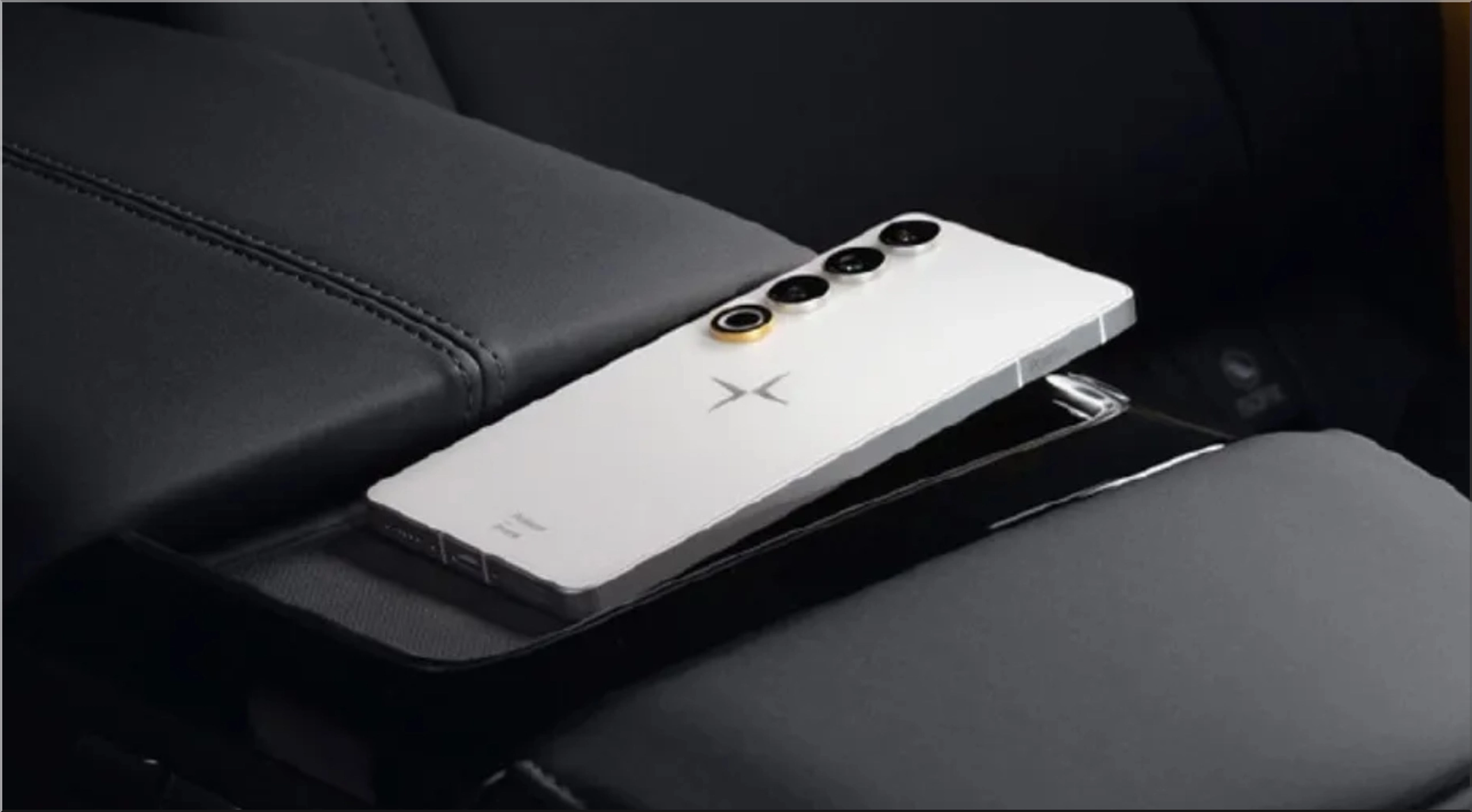
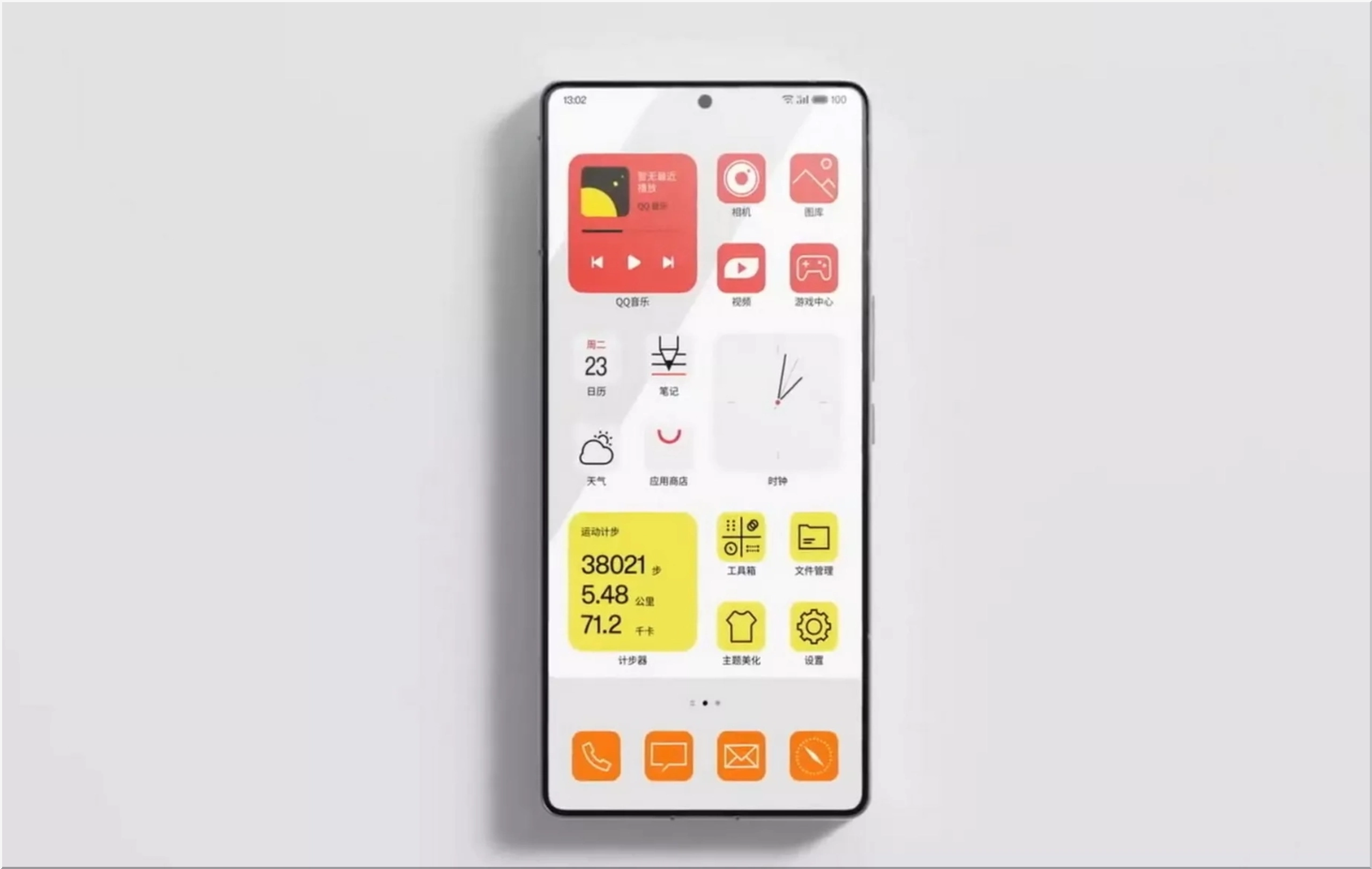
The electric vehicle (EV) industry is a battleground of innovation, with established automakers and tech giants vying for dominance. In a surprising move, Polestar, a Swedish electric performance car brand affiliated with Volvo Cars, has thrown a curveball – launching their first-ever smartphone. This unexpected foray into the mobile arena has sparked a debate: Has Polestar outsmarted Tesla by offering a more integrated EV experience?
Polesta Phone: A Spec Sheet Overview
While official specifications remain under wraps until the phone's official launch on April 23rd, several leaks and teasers have painted a clear picture. Here's what we know so far:
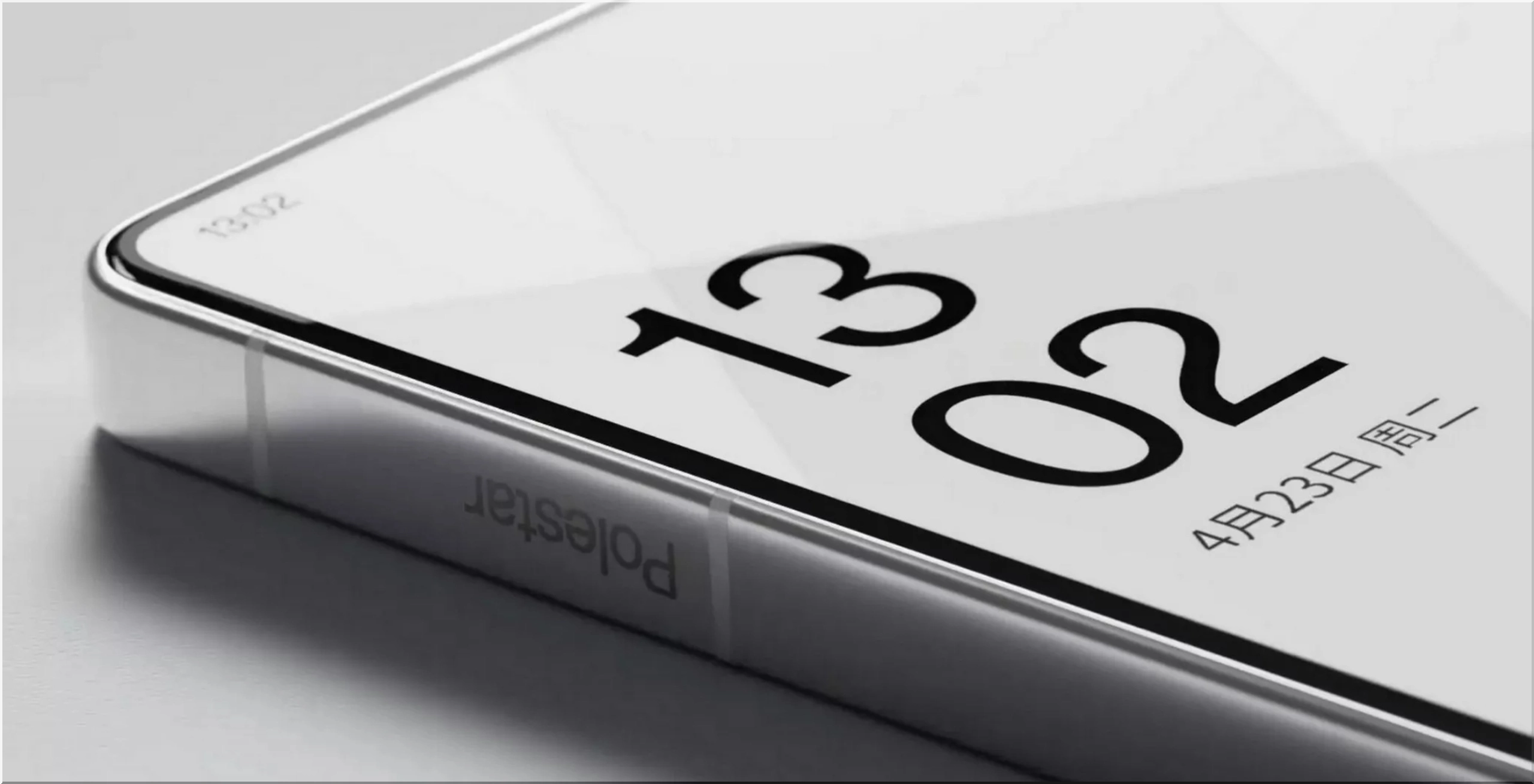
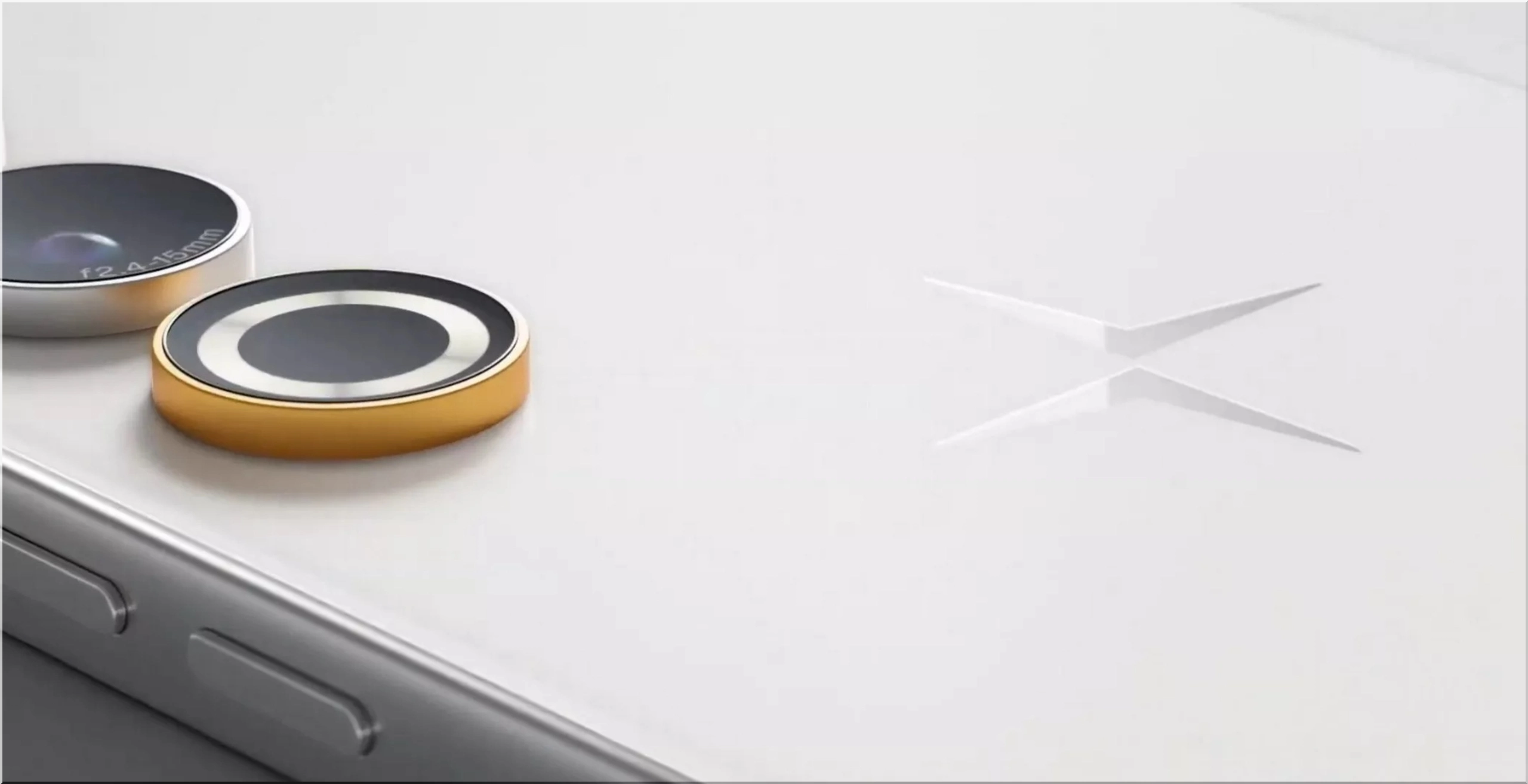
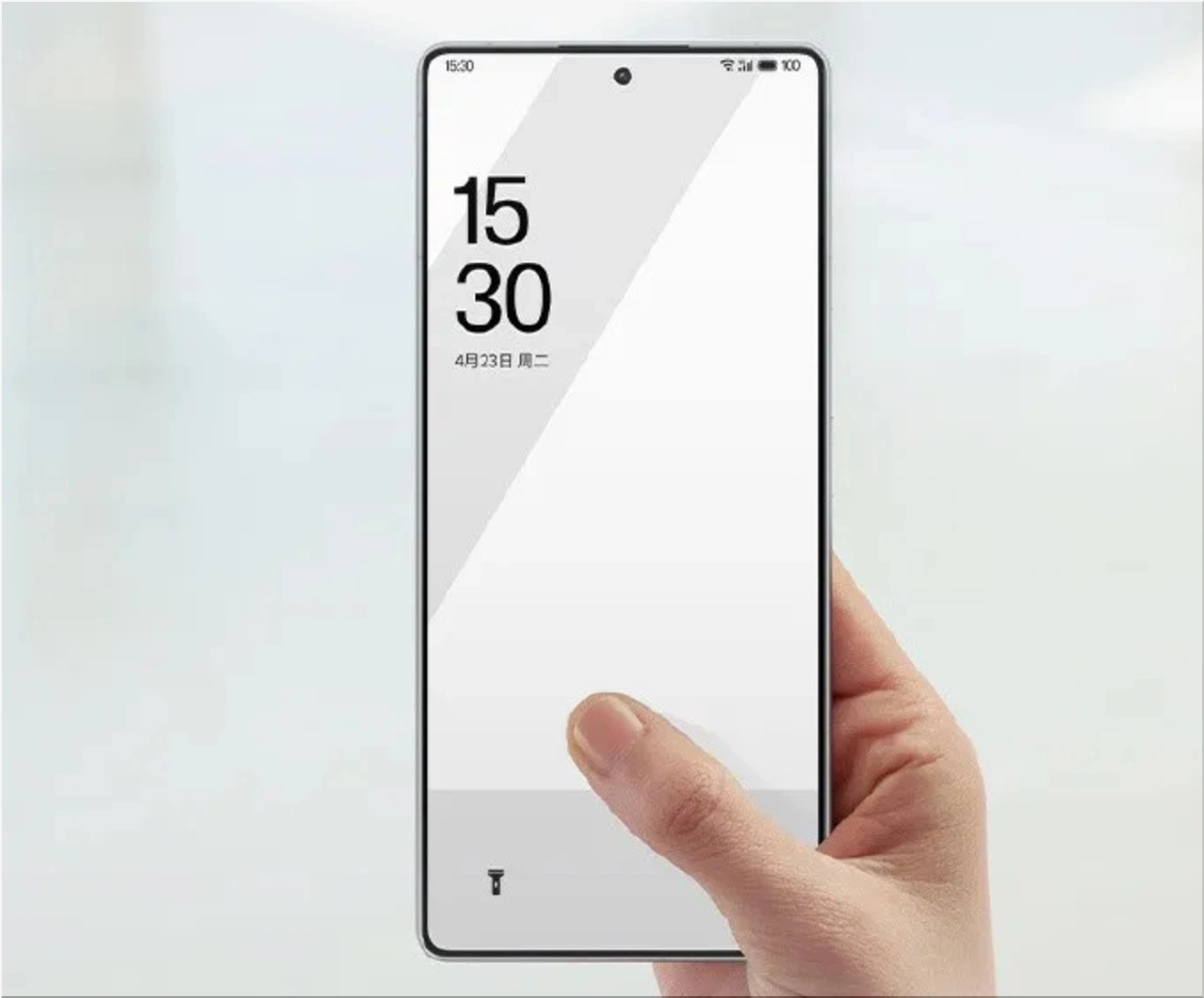
- Premium Design: Early glimpses showcase a sleek, minimalist design, mirroring Polestar's signature Scandinavian aesthetic. Reports suggest a metal frame and high-quality display, possibly utilizing recycled materials to align with the brand's sustainability focus.
- Seamless EV Integration: The most intriguing aspect of the Polestar phone is its rumored deep integration with Polestar EVs. Imagine controlling car functions like temperature, charging status, and navigation directly from your phone. This would undoubtedly enhance the user experience and solidify the connection between car and driver.
- China-Centric Focus: Initial reports indicate a China-specific launch, with plans for a global rollout potentially following later. This strategic move suggests Polestar is capitalizing on China's booming EV market, where smartphone integration is a major selling point.
Beyond Specs: The Strategic Maneuver
Polesta Phone play goes beyond just hardware. It's a strategic maneuver with several potential benefits:
- Brand Loyalty Lock-In: By offering a phone that seamlessly integrates with their EVs, Polestar creates a more comprehensive brand ecosystem. This fosters deeper customer loyalty and encourages users to stay within the Polestar brand for both car and mobile needs.
- Data Advantage: Smartphone usage generates a wealth of user data. Polestar can leverage this data to personalize the driving experience, improve in-car services, and gain valuable insights into user behavior. This data-driven approach can lead to more targeted marketing and product development.
- A Differentiator in a Crowded Market: The EV market is becoming increasingly crowded. By offering a unique phone-car integration, Polestar positions itself as a forward-thinking brand that prioritizes user experience and a holistic EV lifestyle.
Tesla's Response: A Case of Wait-and-See
Tesla, the current leader in the EV race, has remained tight-lipped about Polestar's phone. It's unclear if they view this as a threat or a niche product. Here are some possibilities:
- Tesla's App Advantage: Tesla already has a well-established mobile app for controlling car functions. However, Polestar's potential for deeper in-car integration could prove to be a significant advantage.
- Focus on Self-Driving: Tesla's primary focus might be on self-driving technology, which could potentially render smartphone control less relevant in the future.
- The Potential for Retaliation: It wouldn't be surprising if Tesla is working on their own phone or a more advanced app to counter Polestar's move. The coming months might see an interesting tit-for-tat between the two EV giants.

The Future of EV-Smartphone Integration
Polestar's smartphone launch has ignited a new chapter in EV-smartphone integration. While the long-term impact remains to be seen, here are some potential future trends:
- More Integrated Ecosystems: Other EV manufacturers might follow Polestar's lead, creating brand-specific phones that seamlessly connect with their vehicles.
- Standardization vs. Diversification: The industry could see a push for standardized protocols enabling any phone to connect with any EV. Alternatively, we might witness a future with diverse ecosystems, each offering unique functionalities.
- The Rise of In-Car Tech: Regardless of the integration approach, in-car technology is poised for significant advancements. Expect features like voice control, augmented reality displays, and personalized driving profiles to become commonplace.
Conclusion: A Bold Gambit by Polestar
Polestar's decision to enter the smartphone market is a bold move. Whether it proves to be a game-changer or a niche experiment will depend on execution and user adoption. However, one thing is certain: Polestar has sparked a conversation about the future of EV-smartphone integration, pushing the boundaries of what's possible in the electric mobility landscape. As both established players and new entrants join the fray, the coming years promise exciting developments in this rapidly evolving space. @via arenaev.
Renault could launch a new update of its Renault ZOE at the Geneva Motor Show 2018. The great novelty in this new version would be the incorporation of a new electric motor , the R110 , with 80 kW of power, although the… Continue reading
Jaguar Land Rover has expanded its range of Ingenium engines with a new six-cylinder, three-liter gasoline engine that combines with the smooth hybrid technology of 48 volts, MHEV (Mild Hybrid Electric Vehicle)… Continue reading

The US government wants to abolish state subsidies for electric cars and renewable energies. US President Trump would like to eliminate state subsidies for electric cars immediately, but now, a new bill in Congress provides for an extension of tax… Continue reading
The sale of electric cars continues to grow in Spain. Specifically, during the month of May, it grew 180% if we compare it with the same period last year. A figure that, according to all experts, will continue to increase since in 2021. In Spain, we already… Continue reading