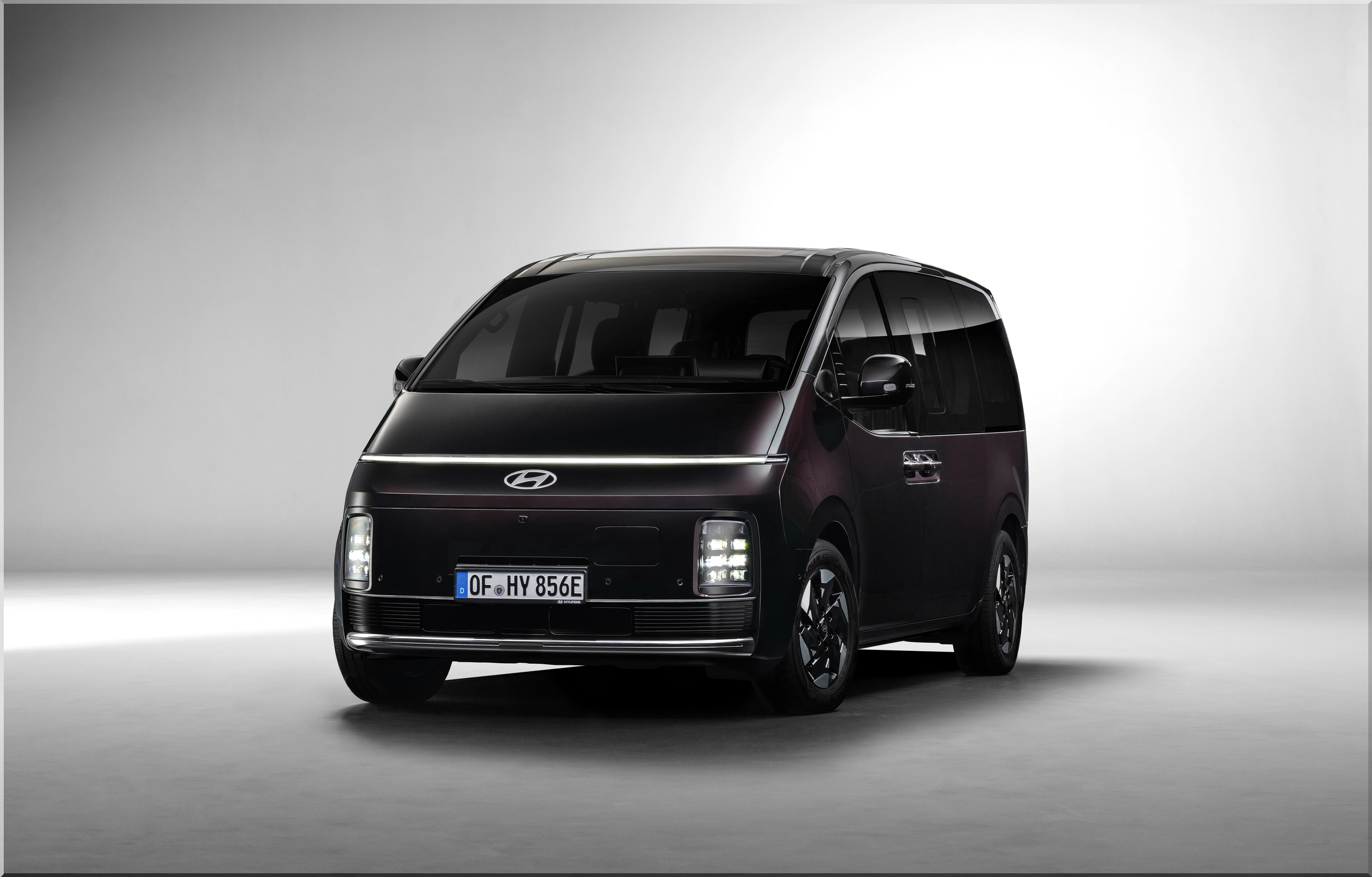
The Hyundai STARIA Electric pairs an 84-kWh battery with a 160-kW front motor, up to nine seats, 267 miles of WLTP range, and a 20-minute 10-80% DC charge. Hyundai plans a Danish launch in September 2026 but has not announced pricing or a U.S. release.
What makes the Hyundai STARIA Electric different?
Hyundai built this 206.8-inch electric minivan for large families and shuttle fleets. The updated specification raises the estimated range from January's 249-mile figure to 267 miles, though final type approval and equipment can affect the result.
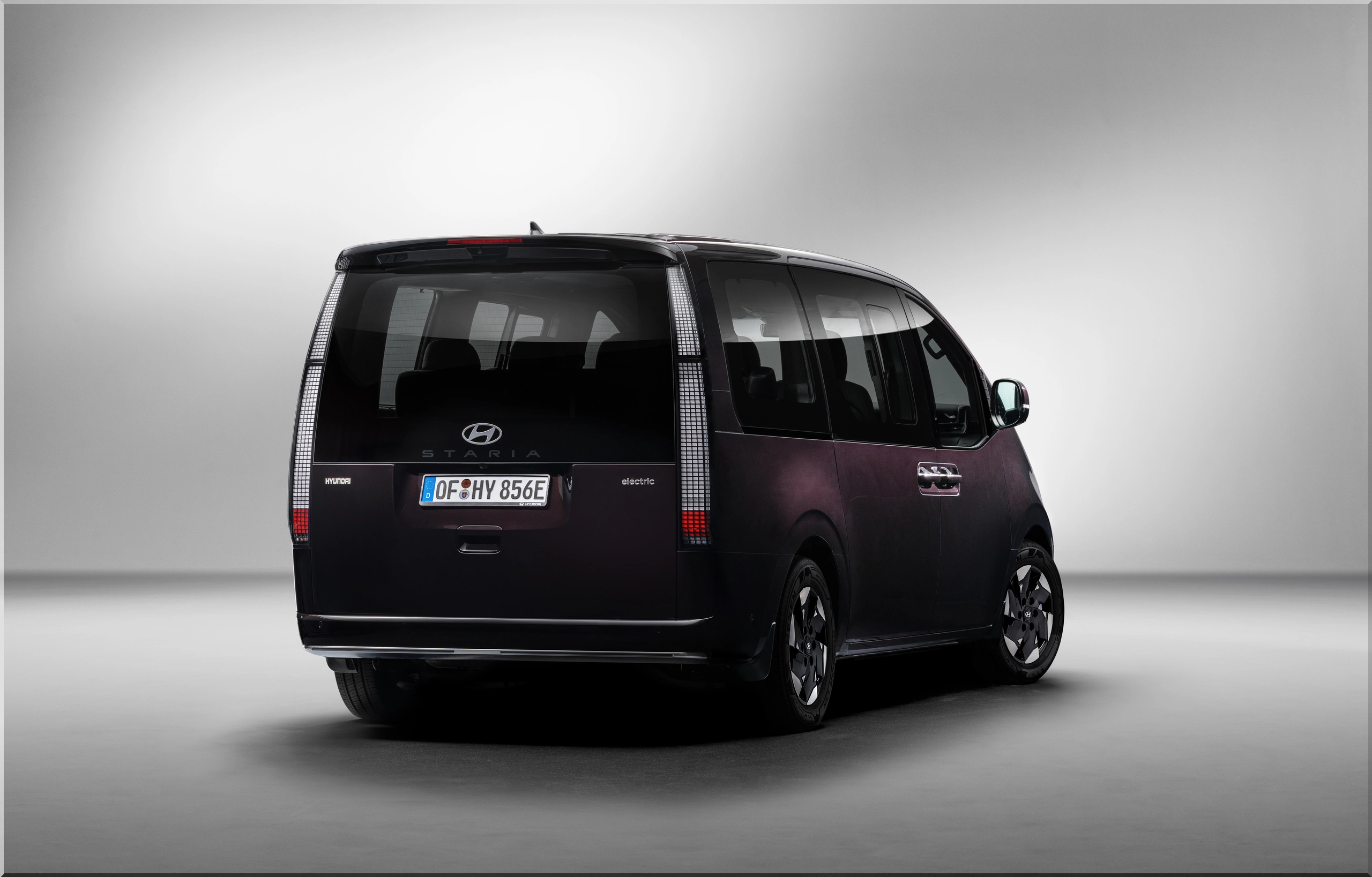
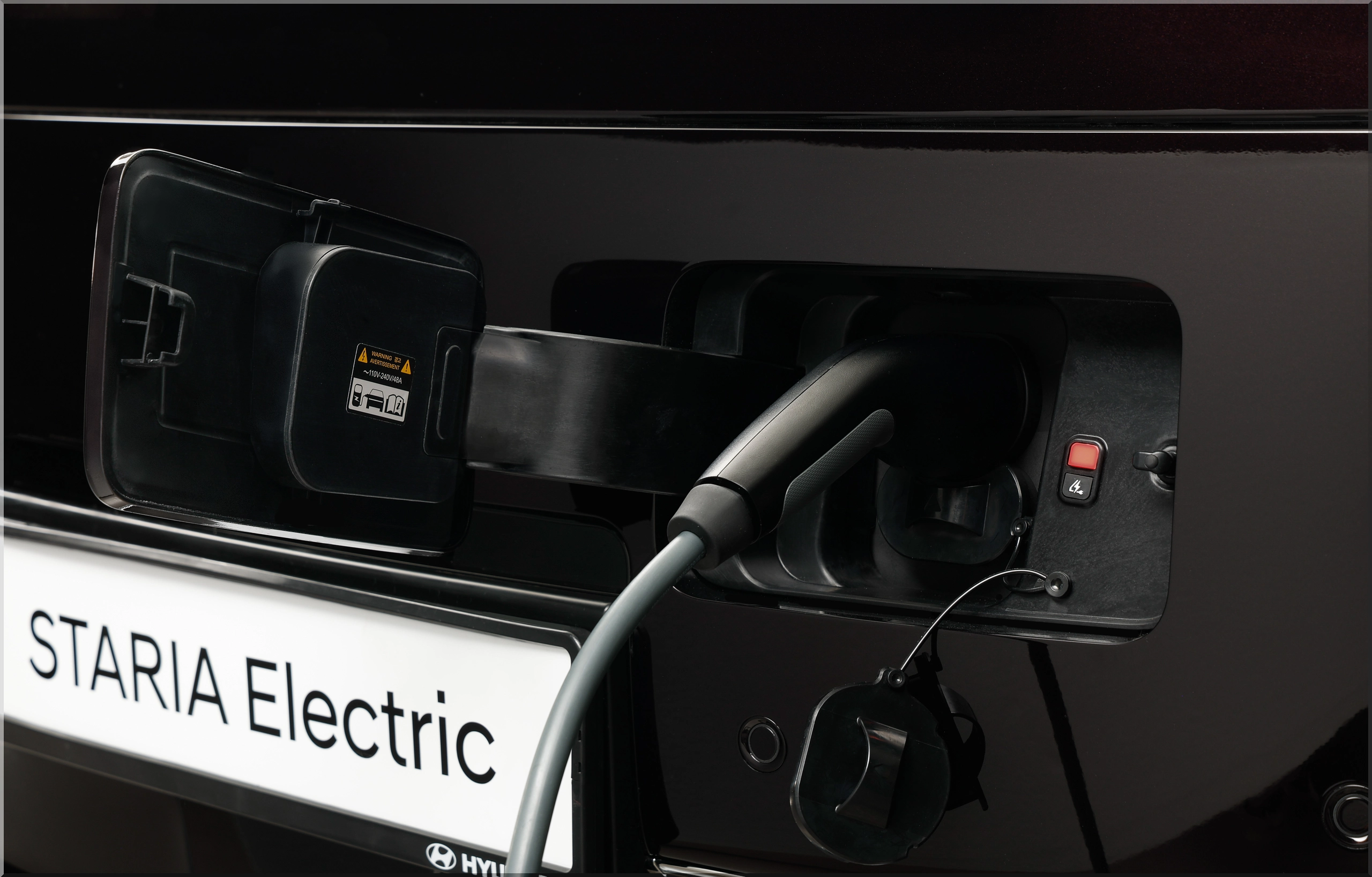
Specifically, the 800-volt charging system separates STARIA Electric from today's main electric MPV rivals. Higher voltage transfers a given power level with less current, reducing resistive heat during fast charging. Hyundai also adds battery conditioning, a heat pump, and a heated charge-port cover.
| Specification | Metric figure | U.S. conversion |
|---|---|---|
| Battery capacity | 84 kWh | 84 kWh |
| Motor output | 160 kW, 218 PS | About 215 hp |
| Maximum torque | 350 Nm | 258 lb-ft |
| WLTP range | Up to 430 km | Up to 267 miles |
| 0-100 km/h | 9.5 seconds | 0-62 mph in 9.5 seconds |
| Maximum speed | 184 km/h | 114 mph |
| Braked towing capacity | 2,000 kg | 4,409 pounds |
| Length | 5,253 mm | 206.8 inches |
| Width | 1,997 mm | 78.6 inches |
| Height | 1,990 mm | 78.3 inches |
| Wheelbase | 3,273 mm | 128.9 inches |
| Ground clearance | 186 mm | 7.3 inches |
How fast does the STARIA Electric charge?
At a 350-kW station, Hyundai STARIA Electric charging takes about 20 minutes from 10% to 80%. A 50-kW charger stretches that session to 81 minutes. Three-phase AC charging takes about 7 hours 35 minutes from 10% to 100%, with an 11-kW onboard limit.
Looking at the data, 70% of an 84-kWh nominal battery equals 58.8 kWh. Delivering that amount in one-third of an hour implies an average near 176 kW before losses. Hyundai does not publish a peak intake figure. Consequently, the 20-minute claim gives buyers a more useful road-trip measure than an isolated charging peak.
Pro-Tip: Set up the fastest charging session
- Pick a CCS station rated at 250 kW or more.
- Arrive near 10% after battery preparation.
- Use Level 2 charging for daily energy; frequent DC sessions weaken the cost case.
How much passenger and cargo space does it provide?
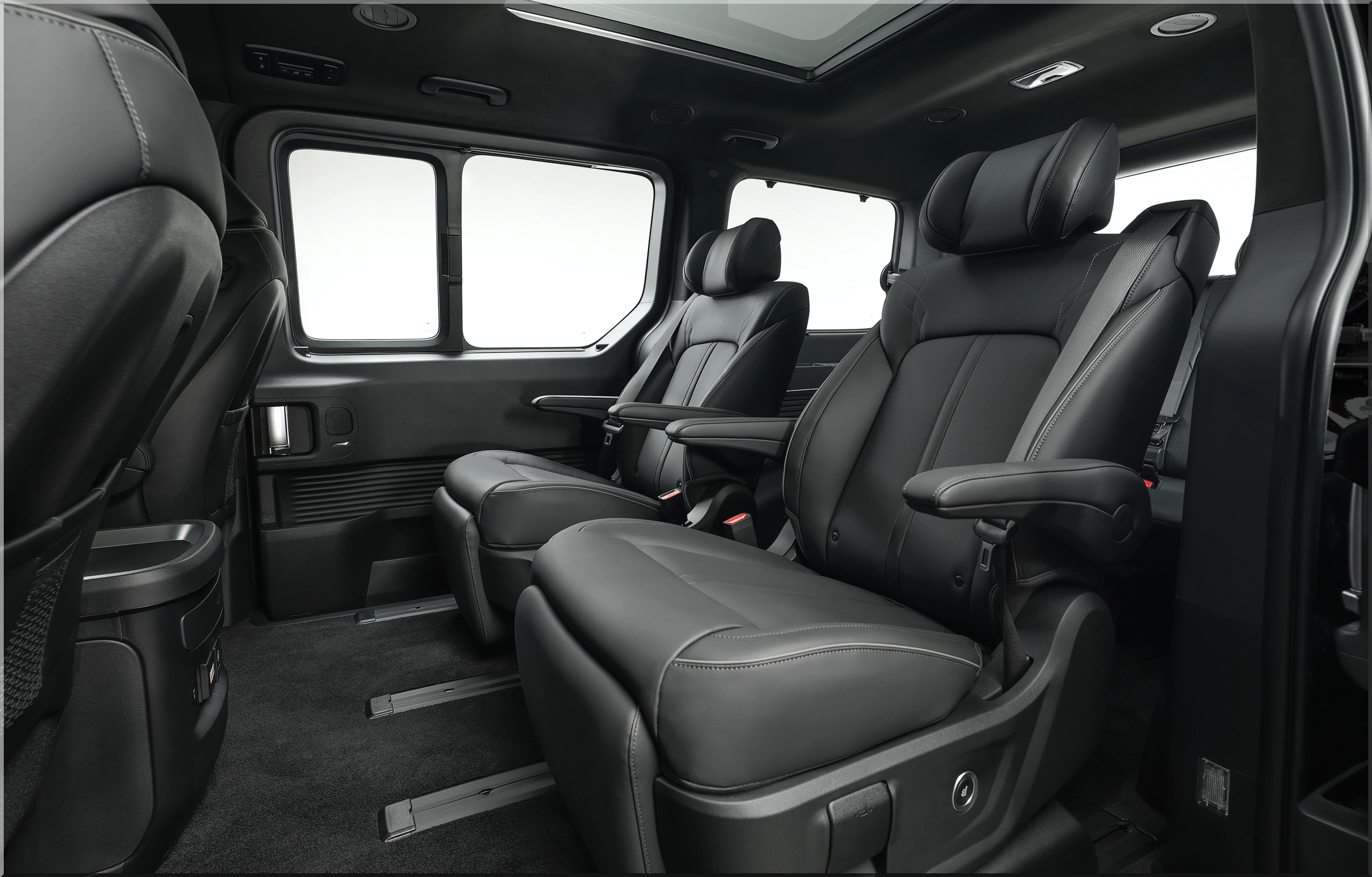
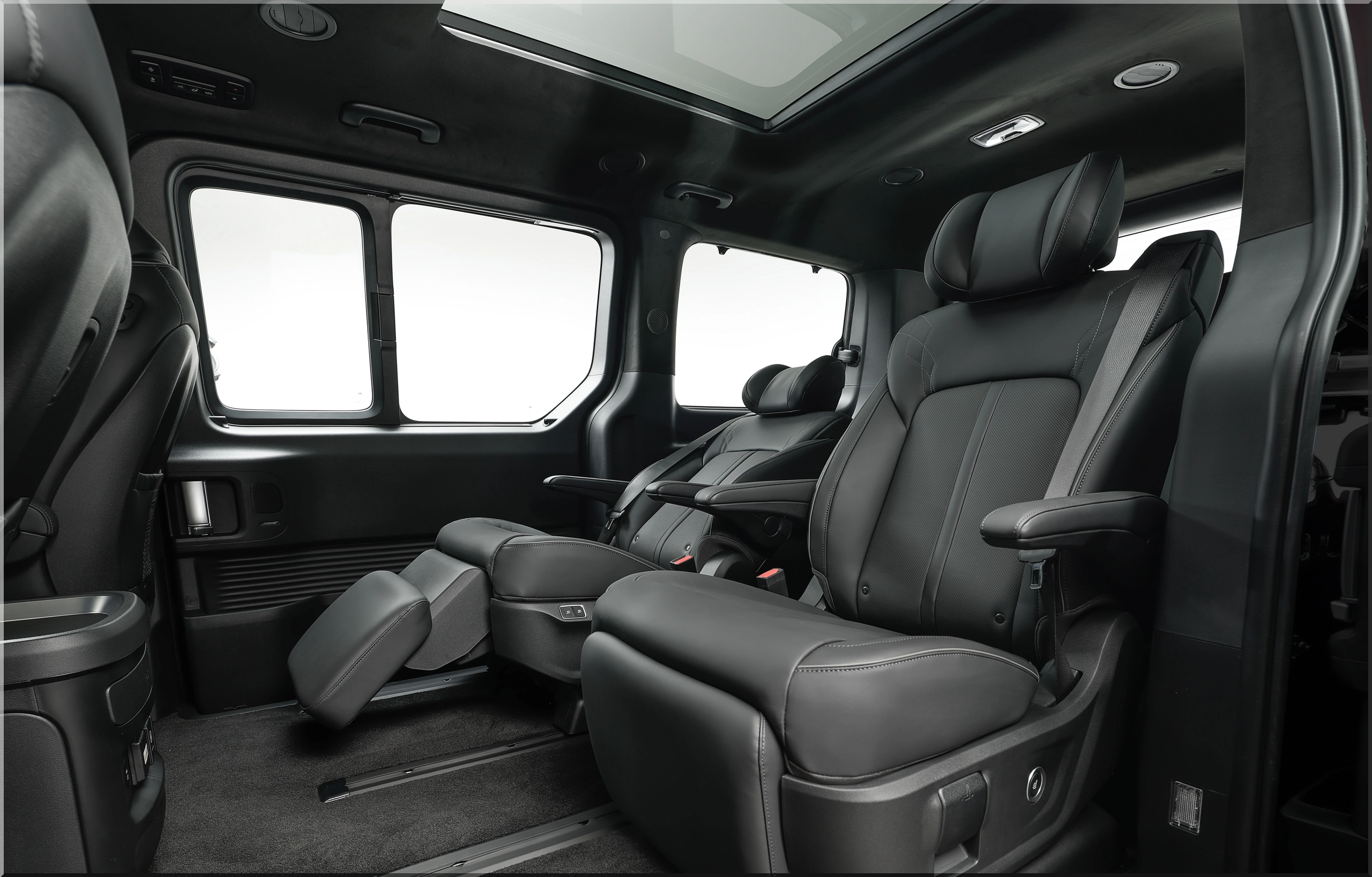
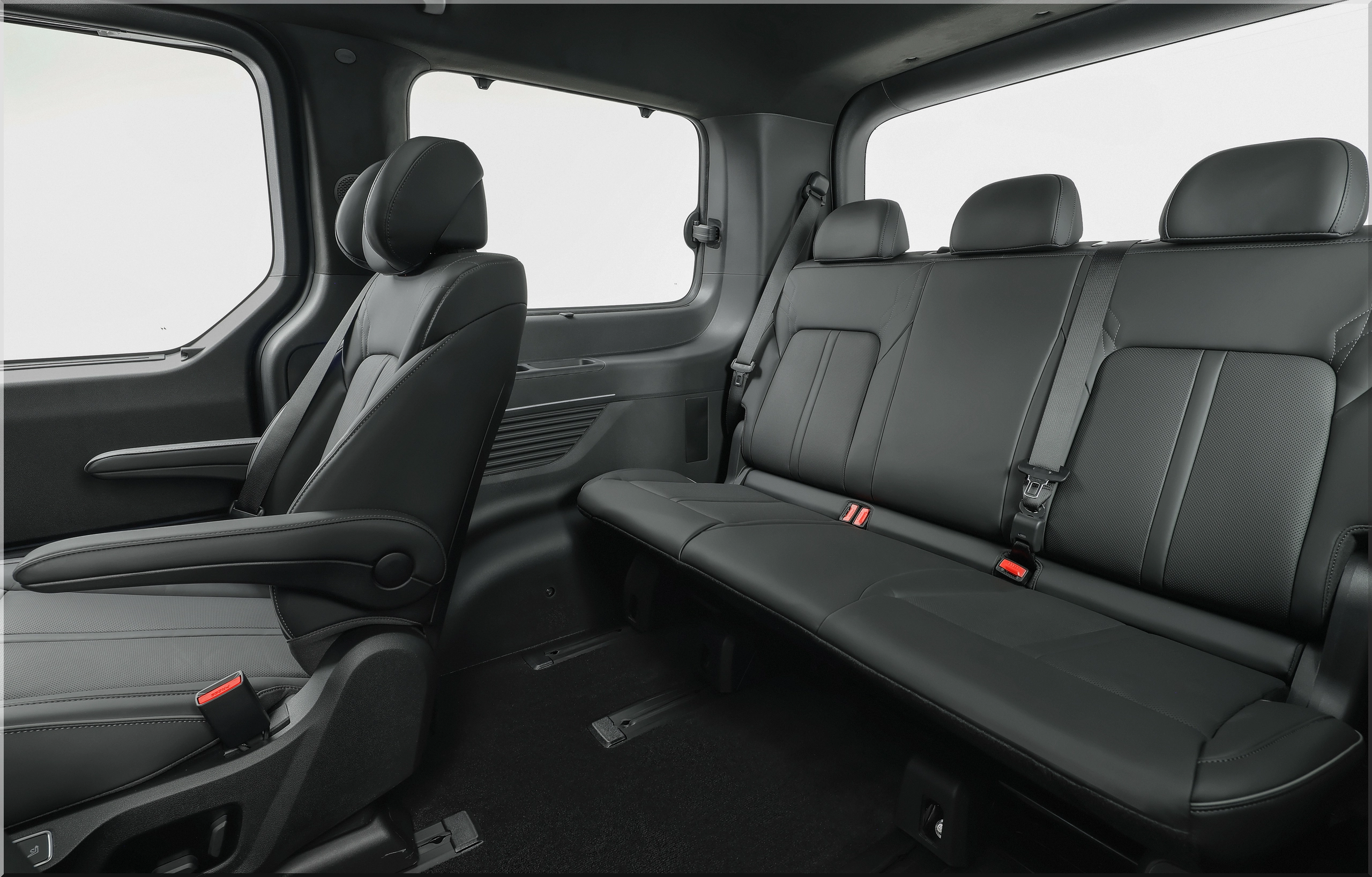
The nine-seat electric minivan uses a 3+3+3 Shuttle layout, including a double front-passenger seat. LUXURY and VIP models use a 2+2+3 layout with two second-row captain's chairs. Hyundai lists 1,303 liters, or 46.0 cubic feet, of cargo volume for Shuttle and 431 liters, or 15.2 cubic feet, for the seven-seat versions.
The body backs up those cabin claims. The rear opening measures 55.1 inches wide and 48.0 inches high, while each 34.3-inch sliding-door opening eases access in tight pickup lanes. In addition, a 24-liter front trunk gives the charging cable its own compartment.
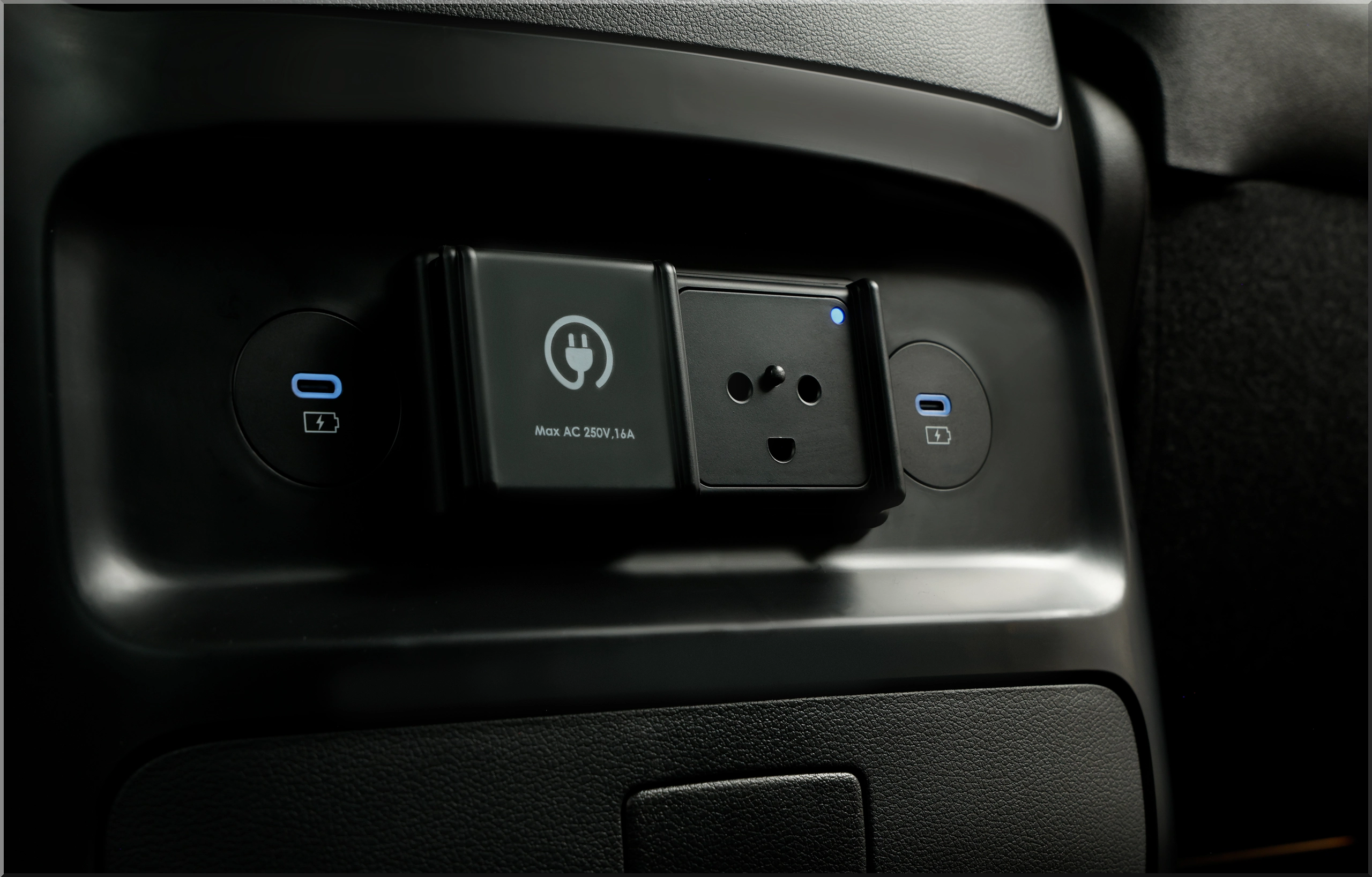
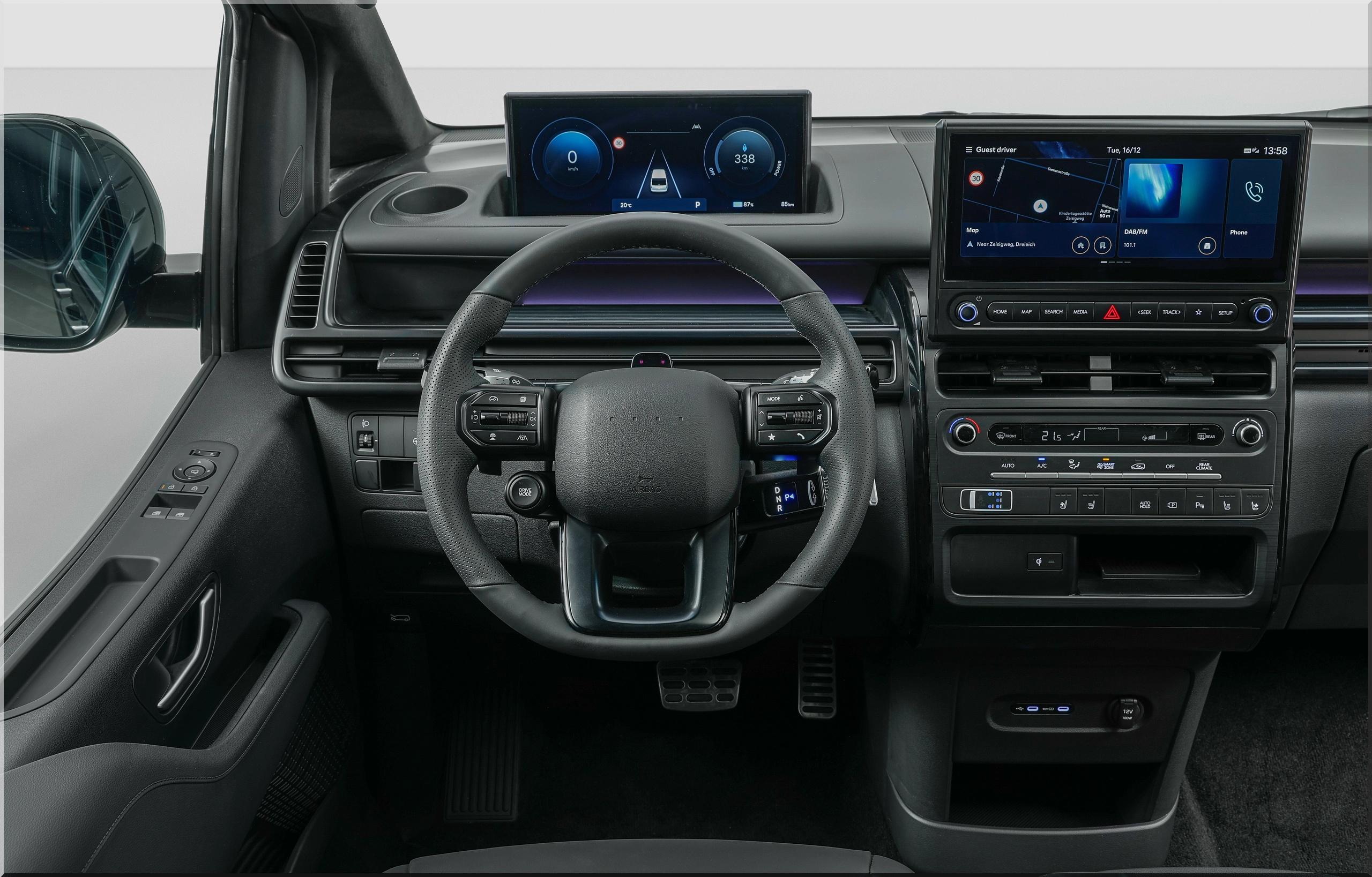
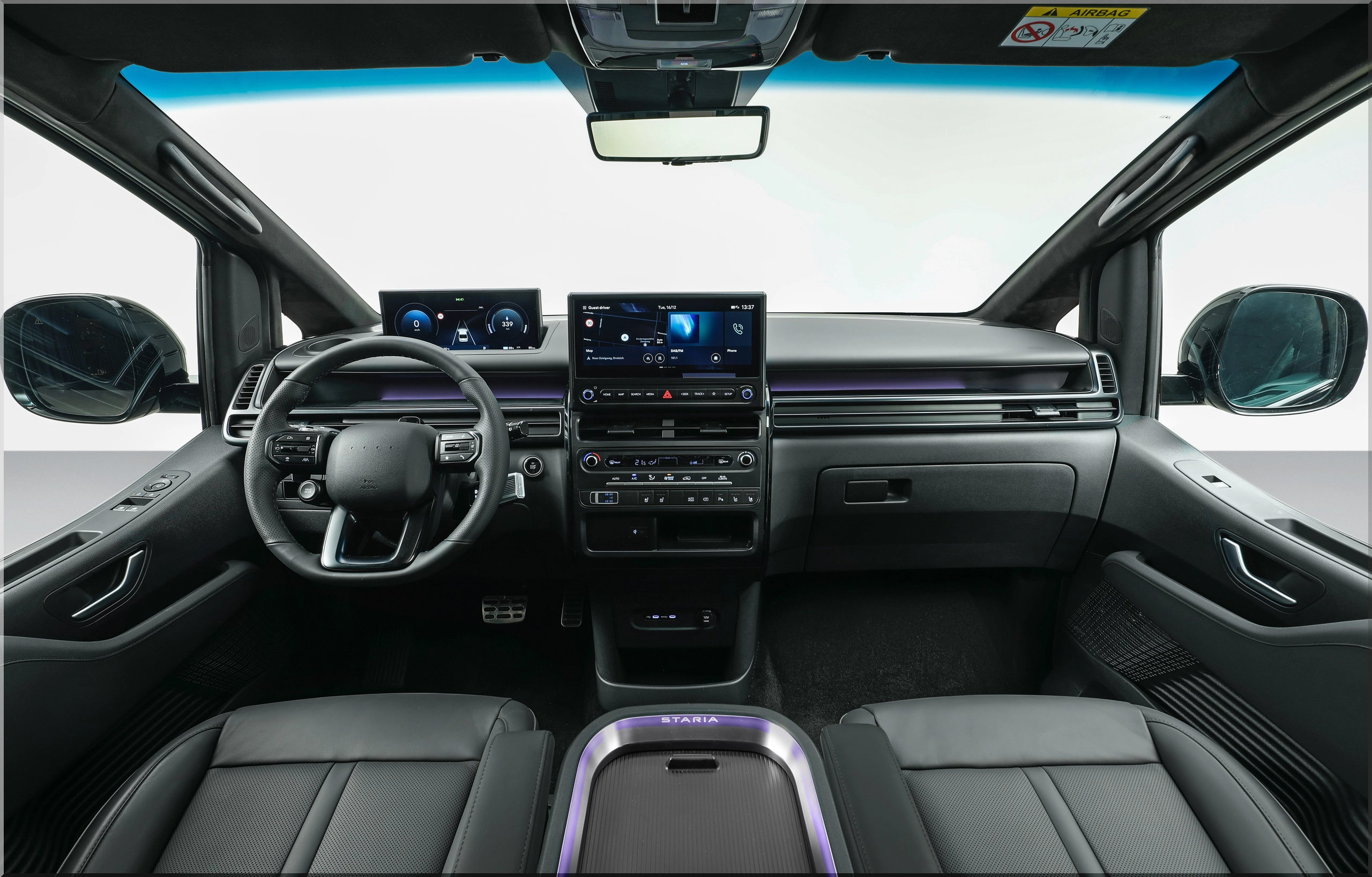
- Shuttle: Nine seats, dual 12.3-inch displays, a 360-degree camera, heat pump, and V2L outlets.
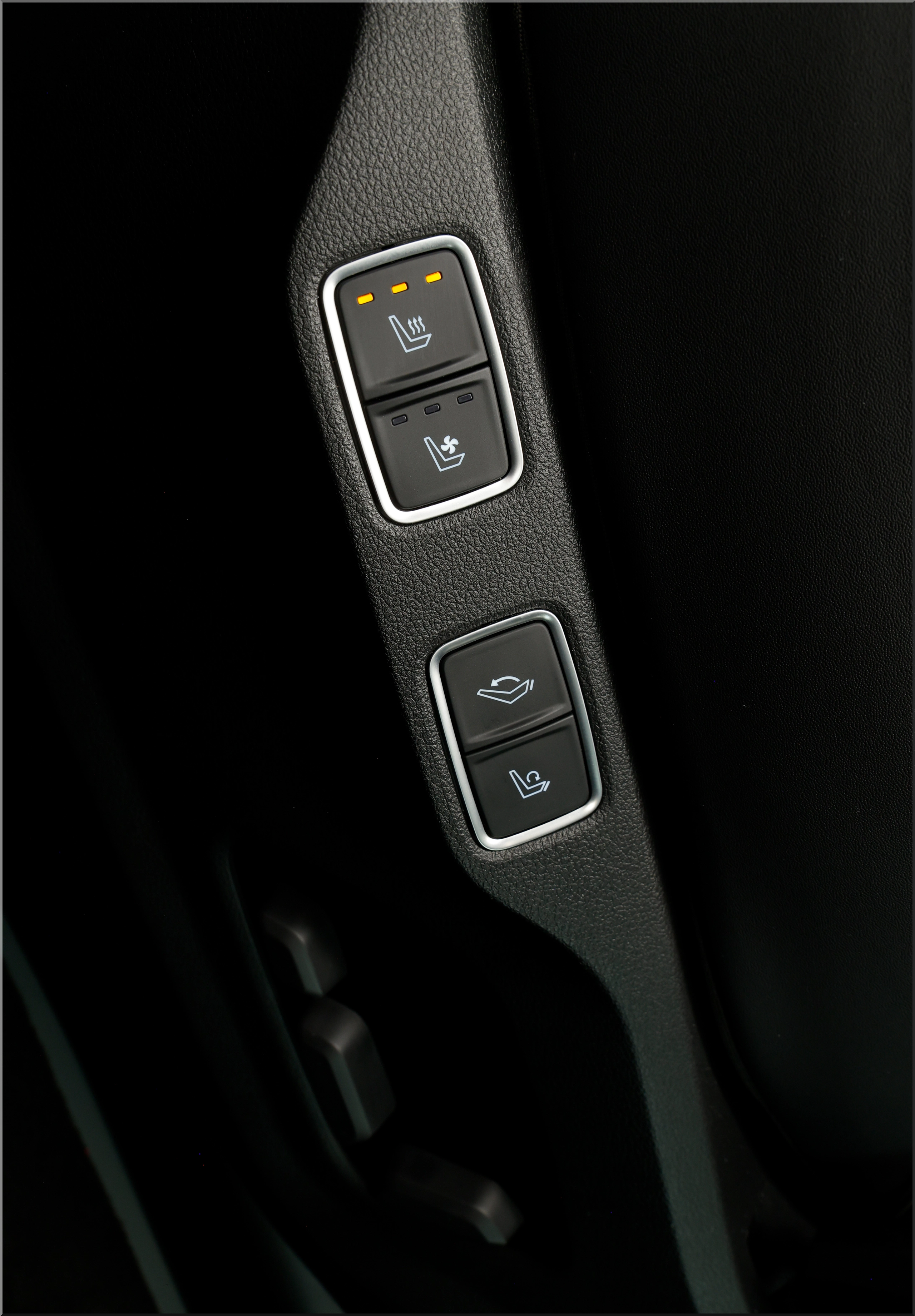
- LUXURY: Seven seats, powered doors, Nappa leather, ventilated rear chairs, and Bose audio.
- VIP: Seven seats, massage chairs, folding tables, wireless charging, and aniline leather.
How does STARIA Electric compare with its main rivals?
The Hyundai carries more people than its three main rivals while matching Ford's maximum braked towing rating. Volkswagen posts the longest listed WLTP range, but Hyundai claims the shortest charging stop. The table uses each maker's current European maximum.
| Electric MPV | Maximum seats | Maximum WLTP range | Published DC session | Maximum braked towing |
|---|---|---|---|---|
| Hyundai STARIA Electric | 9 | 267 miles | 10-80% in about 20 min | 4,409 lb |
| Volkswagen ID. Buzz | 7 | 300 miles | 5-80% in about 30 min | 3,968 lb |
| Ford E-Tourneo Custom | 8 | 209 miles | 10-80% in about 39 min | 4,409 lb |
| Mercedes-Benz EQV 300 | 7 | 222 miles | 10-80% in about 40 min | Mercedes lists no UK figure |
By comparison, the 200-kW ID. Buzz uses a different 5-80% test window. Ford caps DC input at 125 kW, and Mercedes caps it at 110 kW. Hyundai gives shuttle drivers the clearest time advantage between airport runs.
What could the Hyundai STARIA Electric cost to run?
Hyundai's missing price blocks a full ownership case, but the energy math looks competitive. Dividing the nominal 84 kWh by 267 miles gives 0.315 kWh per mile. At $0.15 per kWh, pack energy costs about 4.7 cents per mile; at $0.45 per kWh, it costs about 14.2 cents before charging losses.
From an expert perspective, buyers should add insurance, depreciation, charger installation, and winter range loss. The Hyundai STARIA Hybrid offers a fallback: its 1.6-liter turbocharged gasoline engine, 54-kW motor, 1.49-kWh battery, and six-speed automatic produce 225 PS and 367 Nm. It carries seven or nine without plug-in charging.
Can one STARIA replace two household vehicles?
Yes, if a household regularly moves six to nine people together. Consolidated trips may cut registration, insurance, maintenance, and depreciation tied to a second vehicle. Separate schedules erase that benefit.
What are the Hyundai STARIA Electric pros and cons?
| Pros | Cons |
|---|---|
| The 800-volt system cuts the advertised 10-80% stop to about 20 minutes. | Hyundai has not released pricing or confirmed U.S. sales. |
| The Shuttle carries nine occupants across three rows. | The 206.8-inch body demands a large parking space. |
| The 4,409-pound tow rating supports a substantial braked trailer. | Full loads, high speeds, cold weather, and towing will reduce the 267-mile WLTP figure. |
| V2L powers camping gear, tools, or mobile work equipment. | Front-wheel drive provides no all-wheel-drive option at launch. |
Is the Hyundai STARIA Electric worth waiting for?
For European families and passenger fleets, yes - if Hyundai sets a competitive price. The STARIA combines nine-seat capacity, serious towing ability, and charging hardware that beats its direct rivals on stated stop time. U.S. buyers should wait for a market announcement because Hyundai has not specified American availability, pricing, or a NACS connector.
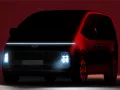
Hyundai Motor Company has unveiled the first images of its new futuristic-styled minivan named Staria. This new minivan model reinforces Hyundai's commitment to smart mobility solutions, under the brand vision "Progress For Humanity… Continue reading
E-VIA FLEX-E is a project co-funded by the European Commission that aims to install ultra-fast charging stations for electric cars in southern Europe. And more specifically, in Spain, France and Italy. The first phase of this… Continue reading

Irish Post is planning to buy 750 electric vehicles by 2022, of which 200 will hit the streets later this year. In addition to delivery vans, pedelecs (pedal electric cycle) are also on the shopping list. The background to this is that… Continue reading
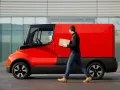
Renault presents the experimental vehicle of a light commercial electric vehicle for urban traffic delivery: Renault EZ-FLEX. The EZ-FLEX comes with a purely electric drive and full network integration. A dozen models will soon go out to… Continue reading