
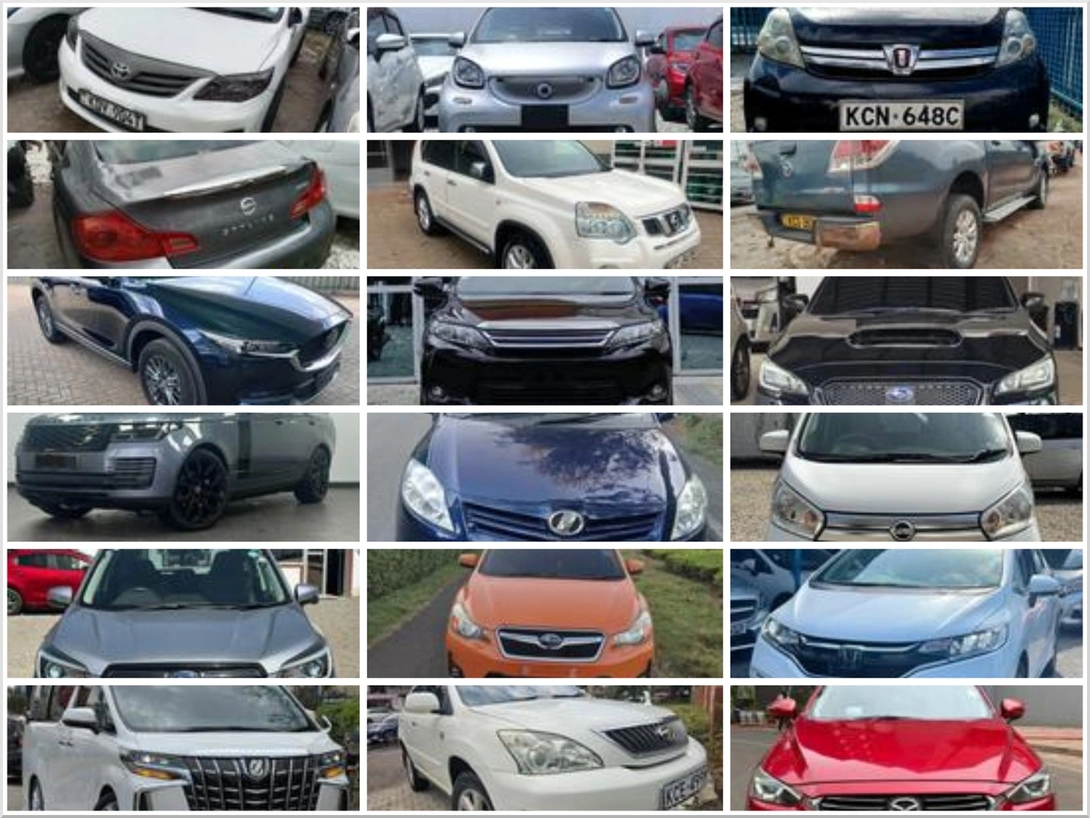
Selling a car sounds simple until you actually start. You need to settle on a price that is fair without leaving money on the table, get the paperwork in order, deal with a stream of calls and messages, and hand over the keys only once you are certain the money is really yours. In Kenya, where the second-hand car market is busy and buyers are well informed, a little preparation makes a big difference to how quickly you sell and how smoothly it goes. This guide walks through the whole process, from working out what your car is worth to transferring ownership, with practical tips on staying safe at every step.
Image
Start with a realistic idea of your car's value
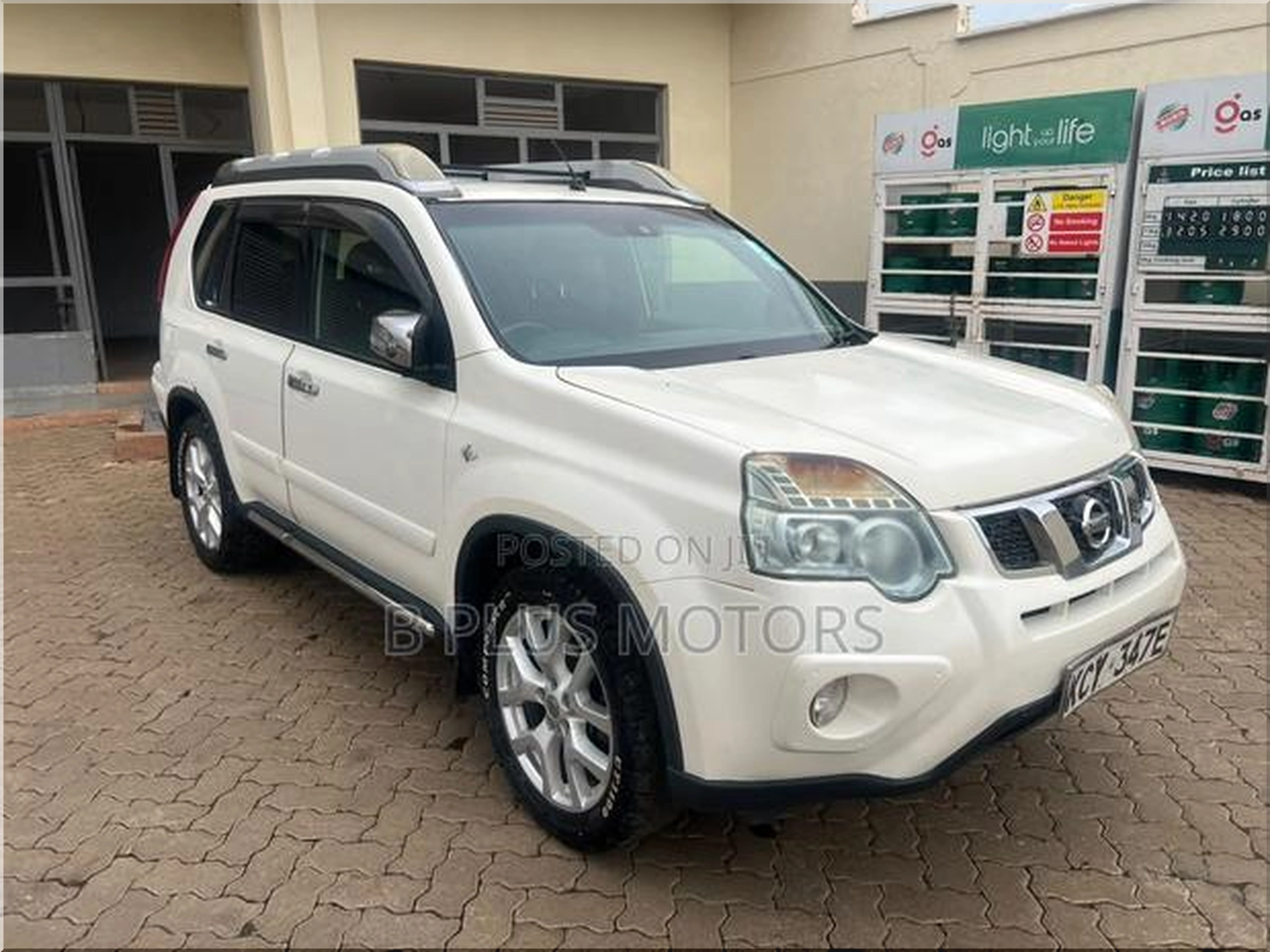
The most common mistake sellers make is pricing from emotion rather than evidence. You may remember what you paid, or how much you have spent on it since, but buyers only care about what comparable cars are going for today. A car priced too high sits unsold for weeks, while one priced too low attracts quick offers and leaves you wondering what you gave away.
The fairest benchmark is the market itself. Look for cars that match yours as closely as possible: the same make and model, a similar year of manufacture, comparable mileage, the same engine size and transmission, and a similar overall condition. Small differences matter. A locally used car and a recently imported one of the same model are often valued differently, and a full service history or a new set of tyres can justify a slightly higher figure.
Spending an evening checking what similar vehicles are currently advertised for, for example at https://www.cars45.co.ke/, gives you a grounded sense of the range buyers expect to see. Note the asking prices for cars closest to yours, then position your own figure honestly within that range, leaving a modest margin for negotiation.
Factors that move the price up or down
- Mileage: lower mileage for the age usually supports a higher price, provided it is genuine and backed by records.
- Condition: bodywork, paint, interior wear and the state of the engine and suspension all show up in a test drive.
- Service history: receipts and stamped service books reassure buyers that the car has been looked after.
- Popularity: models that are common on Kenyan roads tend to sell faster because parts and mechanics are easy to find.
- Accident history: repaired damage need not kill a sale, but disclose it honestly.
Image
Prepare the car before anyone sees it
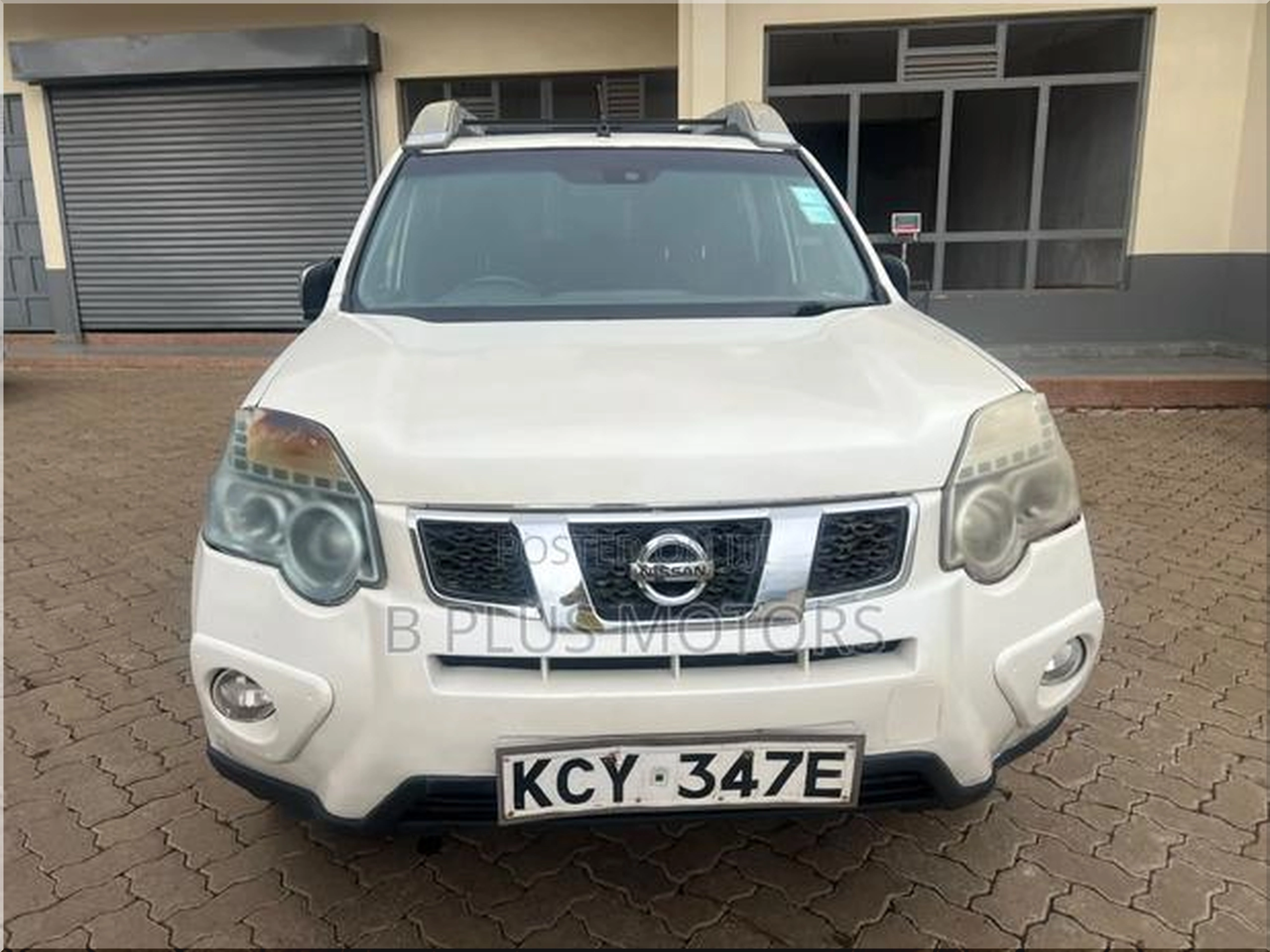
First impressions shape the whole negotiation. A clean, well-presented car signals a careful owner, and buyers are more willing to trust the rest of what you say.
- Clean thoroughly: wash the exterior, clean the engine bay lightly, vacuum the seats and carpets, and remove personal items. Dry-season dust gets everywhere, so do the door shuts too.
- Fix the small things: replace blown bulbs, worn wiper blades and missing trim. Cheap repairs remove easy excuses for lower offers.
- Consider a service: if a service is due, doing it before the sale gives buyers one less worry.
- Gather the extras: find the spare key, owner's manual, service book, jack, wheel spanner and spare tyre.
Get your documents in order
Paperwork is where many sales stall. Before you advertise, make sure you can prove the car is yours and that nothing stands in the way of transferring it.
- Logbook: the vehicle registration document should be in your name and match the car's details, including the chassis and engine numbers.
- Identification: have your national ID or passport and your KRA PIN ready, as both are typically needed during the transfer.
- Outstanding finance: if the car was bought with a loan or is used as security, a lender may have an interest recorded against it. Clear the loan and arrange for that interest to be removed before you sell, otherwise the transfer can be held up.
Requirements can change, so it is sensible to confirm the current documents needed with the relevant authority or a qualified professional before you begin.
Write an advert that answers buyers' questions
A good advert filters out time-wasters. Be specific and honest, and cover what buyers always ask about.
- The basics: make, model, year, mileage, engine size, fuel type, transmission and colour.
- History: how long you have owned it, how it has been used and when it was last serviced.
- Known issues: mention any faults you are aware of. Buyers respect honesty, and it avoids awkward surprises at viewing.
- Location: give a general area, not your home address.
Taking photos that sell
Photos are usually the first thing a buyer looks at. Shoot in soft daylight against an uncluttered background. Take the front, rear, both sides, and three-quarter angles, plus the dashboard with the engine running to show the mileage and the absence of warning lights. Add the seats, boot, engine bay and tyres. Photograph any scratch or dent too; it builds trust.
Handle enquiries and test drives safely
Answer enquiries promptly, but stay alert. Be cautious with anyone who wants to buy without seeing the car, offers more than you are asking, or pushes you to move the conversation onto unusual payment arrangements.
- Meet in public, in daylight: choose a busy, well-lit place such as a shopping centre car park, or a spot near a police station. Bring a friend if you can.
- Check the driving licence: before a test drive, ask to see the buyer's licence and take a photo of it. Confirm that your insurance covers another driver.
- Always go along: never let a stranger drive off alone. Sit in the passenger seat, agree the route in advance and keep the drive reasonably short.
- Keep the keys and documents: do not leave keys in the ignition while you talk, and never hand over the logbook before payment is complete.
- Allow inspections: serious buyers may want their own mechanic to look at the car; agree a garage you both trust.
Negotiate with confidence
Most buyers in Kenya expect to negotiate, so build that into your asking price from the start. Decide in advance the lowest figure you will accept and stick to it. If a buyer points out a fault, acknowledge it calmly and refer back to the comparable cars you researched. If an offer is too low, a polite "thank you, but I cannot go that low" keeps the door open without giving ground. Do not be rushed; a genuine buyer will usually still be there tomorrow.
Make sure the payment is real
Payment is the stage where sellers are most exposed to fraud. The golden rule is simple: do not release the car, keys or signed documents until the money has fully cleared into your account.
- Prefer bank transfers: a direct transfer, ideally completed at the bank with both parties present, is one of the safest options for a large sum.
- Verify, do not trust screenshots: fake payment confirmation messages and edited screenshots are a known scam. Check your own account balance or call your bank using a number you already have.
- Be wary of cheques: a cheque can appear to be paid in and later bounce. If you accept one, wait until your bank confirms it has fully cleared.
- Put it in writing: a simple sale agreement signed by both parties, recording the car's details, the agreed price, the date and the condition "as seen", protects you both.
Transfer ownership through NTSA
In Kenya, vehicle ownership transfers are handled by the National Transport and Safety Authority (NTSA), largely through its online system. In general terms, the seller starts the transfer, the buyer confirms it, and the relevant fees are paid before the new logbook is issued in the buyer's name. Because the exact steps and charges can change, confirm the current procedure with NTSA before completing the sale.
Until the transfer is finished, you may still be treated as the registered owner, which matters if the car is involved in an offence or accident. Complete it together and keep copies of every document.
Private sale, trade-in or selling to a dealer?
The right route depends on whether you value price, speed or convenience most.
- Private sale: usually gets you the highest price, but you handle everything yourself and it can take time.
- Trade-in: convenient if you are buying another car from the same seller,, though the value offered is often lower than a private sale.
- Selling to a dealer or buying service: typically the fastest route, with the buyer handling much of the paperwork. Expect a lower offer in exchange for speed, and still verify payment first.
The bottom line
Selling your car in Kenya goes best when you treat it as a small project rather than a quick errand. Price it against comparable cars, present it cleanly with its records and spare key, and have your documents ready with any loan cleared. Meet buyers in public, accompany every test drive, confirm that payment has genuinely cleared before handing anything over, and finish the NTSA transfer together. A little patience protects both your price and your peace of mind.
- Add new comment
- 6 views