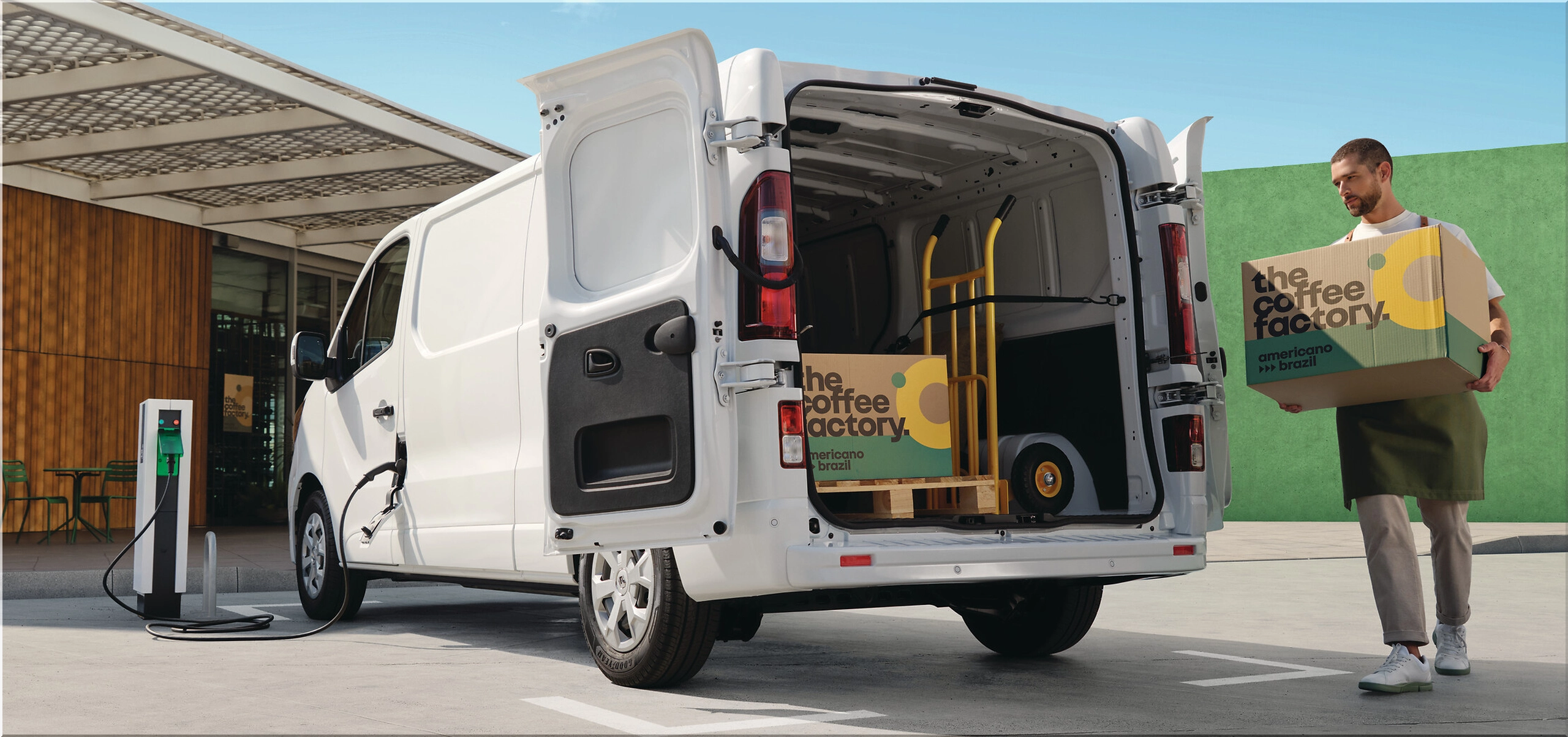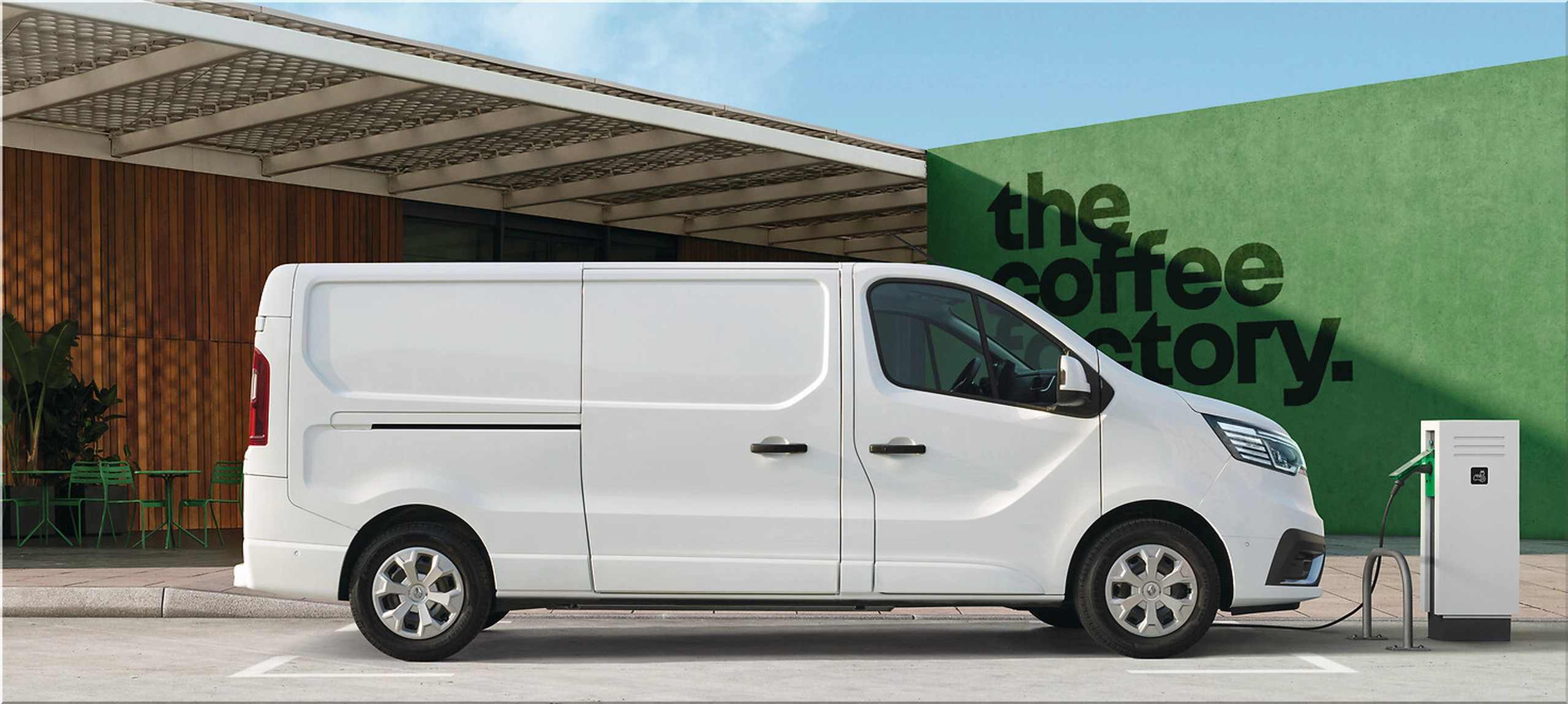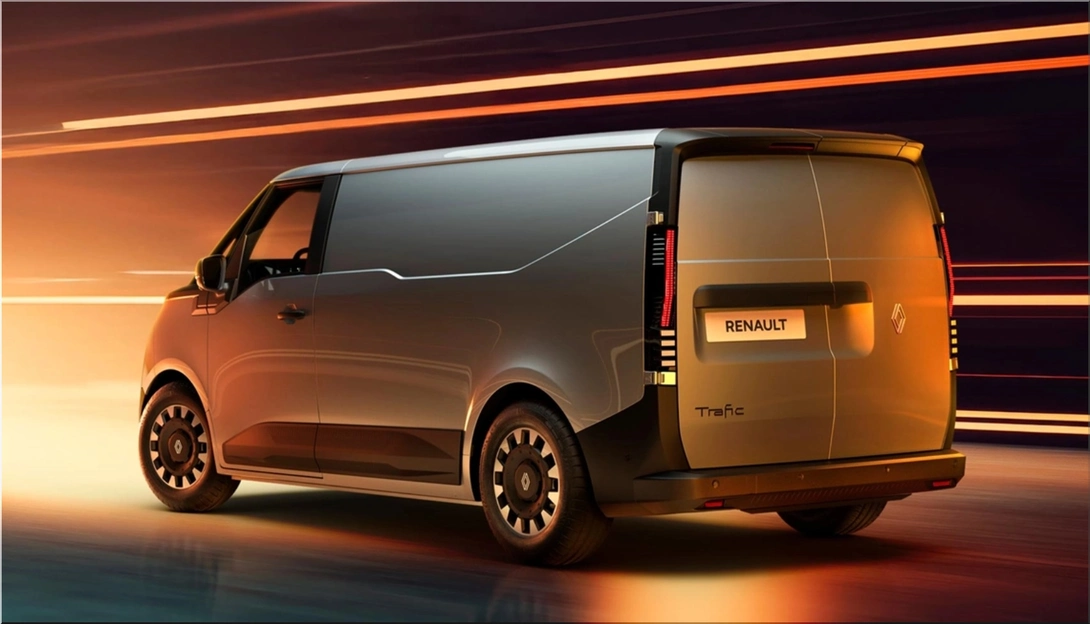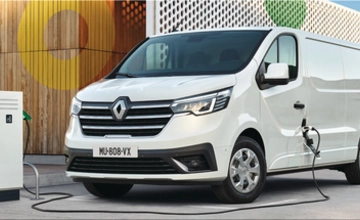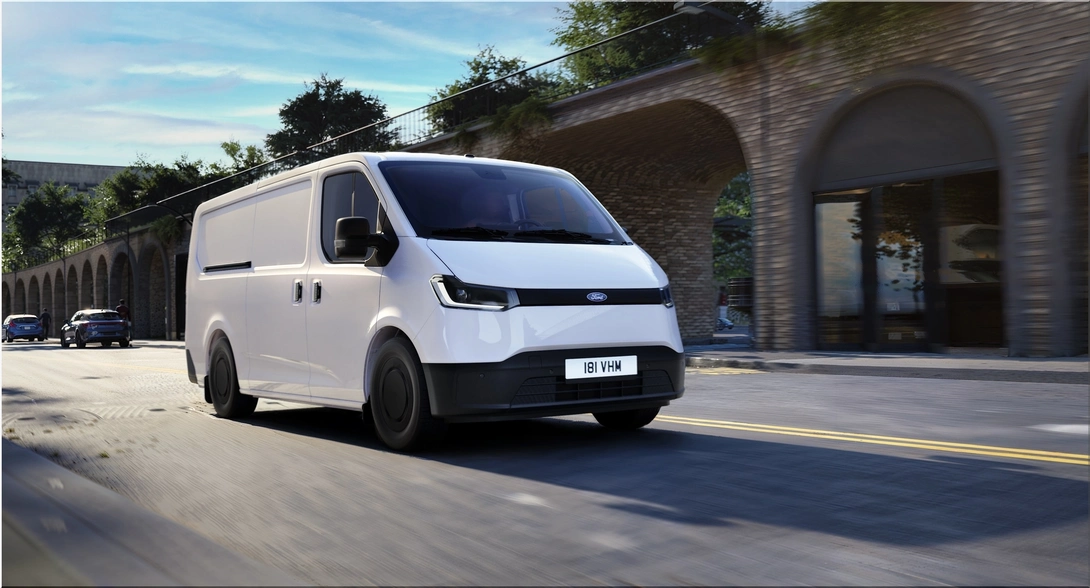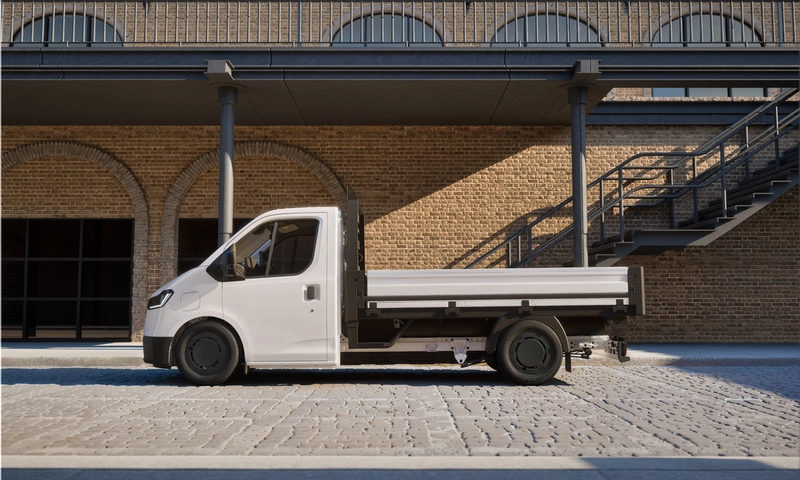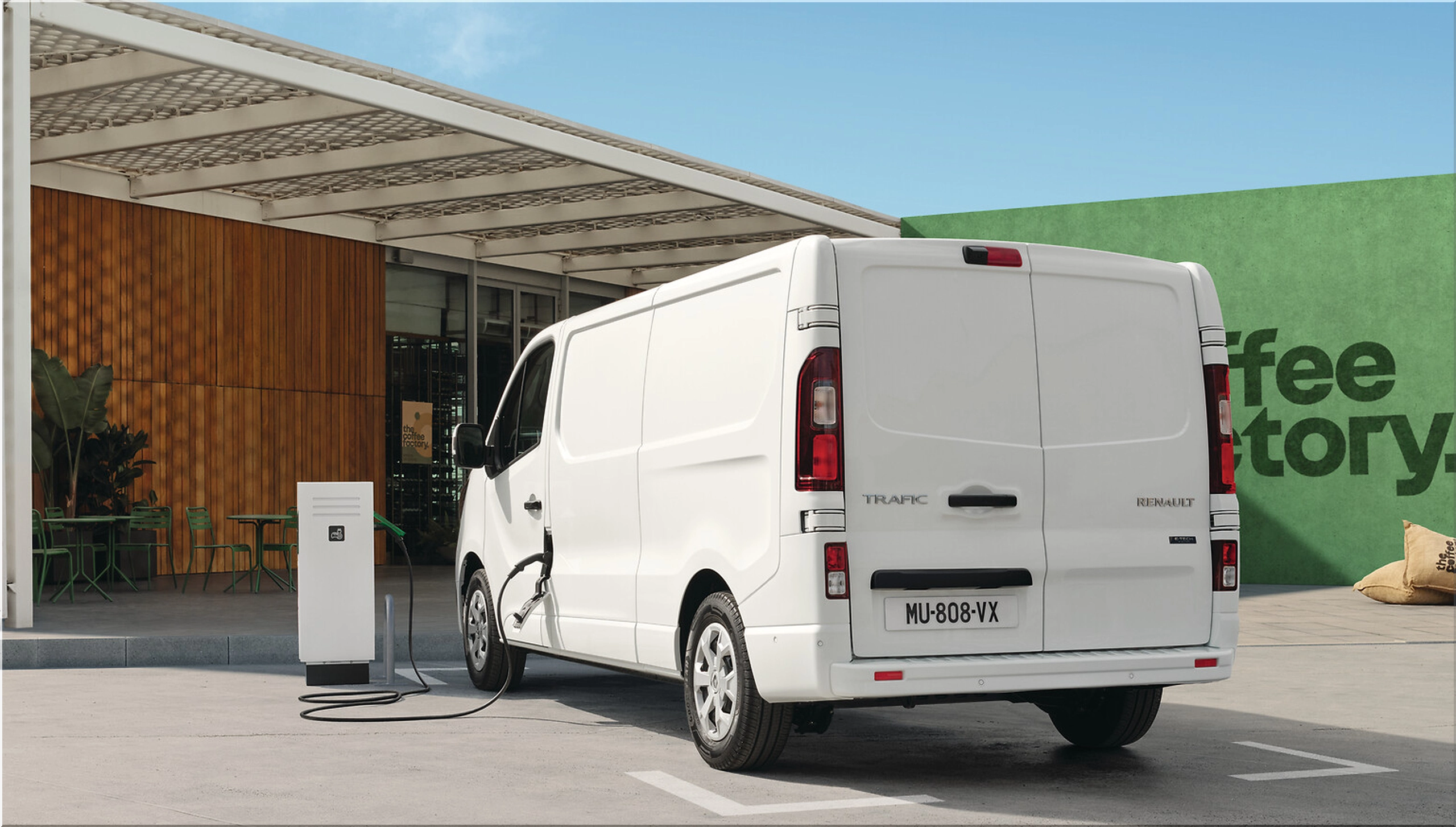
Renault has been a pioneer in the field of electric vehicles, offering a range of models that cover various segments and needs. From the compact Renault Zoe to the large Renault Master, Renault has an electric solution for every customer. But there was one gap in its portfolio: the medium-sized van. That's where the Renault Trafic Van E-Tech electric comes in.
The Renault Trafic is a popular and versatile van that has been on the market since 1980. It has sold over 2.4 million units worldwide and ranks as the third-best-selling LCV (Light commercial vehicle) in Europe. It is available in different lengths, heights, and configurations, making it suitable for a wide range of professions and activities. Whether you need to transport goods, passengers, or tools, the Renault Trafic can handle it.
But what if you also want to reduce your environmental impact, save on fuel costs, and access low-emission zones without restrictions? That's where the Renault Trafic Van E-Tech electric comes in handy. This is the all-electric version of the Trafic, which joins the Renault Kangoo Van E-Tech electric and the Master E-Tech electric in Renault's electrified LCV line-up. With this addition, Renault now offers a complete range of zero-emission vehicles for urban and peri-urban use.
What's New?
The Renault Trafic Van E-Tech electric is based on the same platform and design as the regular Renault Trafic but with some key differences. The most obvious one is the absence of a combustion engine under the hood. Instead, there is a 90 kW (122 hp) electric motor that delivers 245 Nm of instant torque. This means that the Trafic Van E-Tech electric is smooth and responsive to drive, with no gear changes or vibrations.
The electric motor is powered by a 52 kWh lithium-ion battery pack that provides up to 297 km (185 miles) of range in the WLTP cycle. This is enough for most daily tasks and trips, especially in urban areas where traffic and speed limits reduce energy consumption. The battery pack also has an 8-year or 160,000 km (99,419 miles) warranty, which covers any degradation below 70% of its nominal capacity.
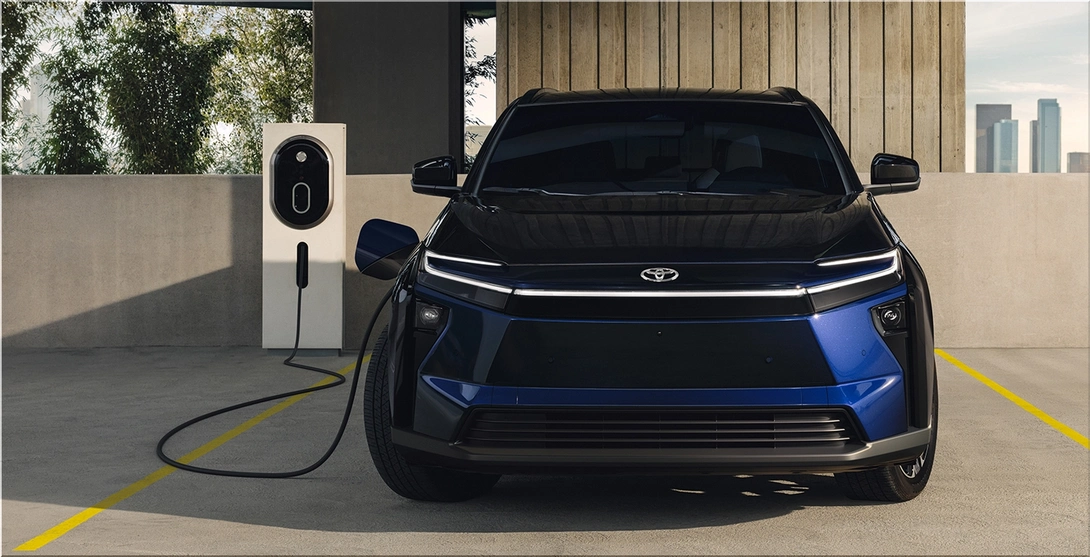
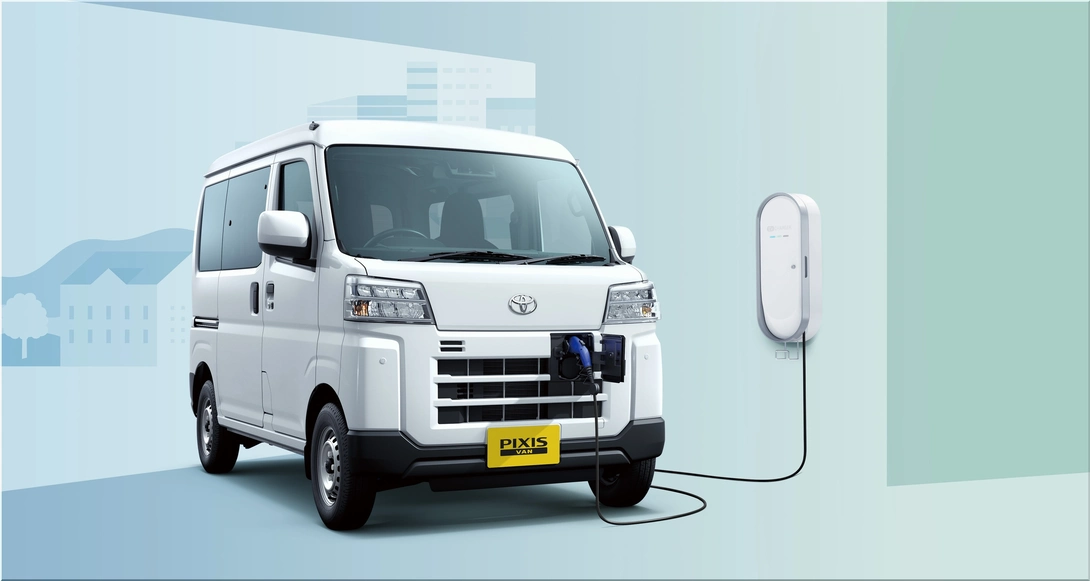
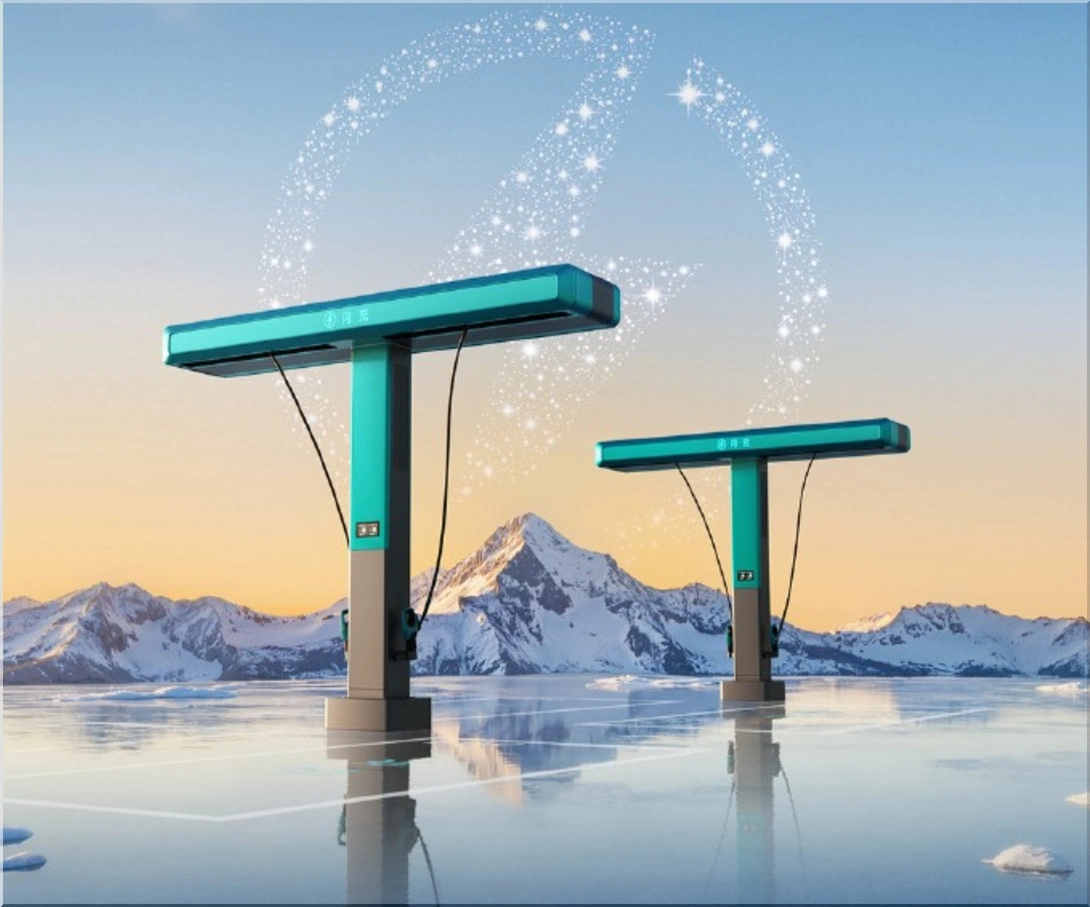
The battery can be charged using different methods, depending on the available time and infrastructure. The fastest way is to use a DC fast charger that can replenish the battery from 15% to 80% in just one hour. Alternatively, you can use an AC wallbox that can fully charge the battery in about six hours. Or you can simply plug it into a regular household socket, which will take about 12 hours for a full charge.
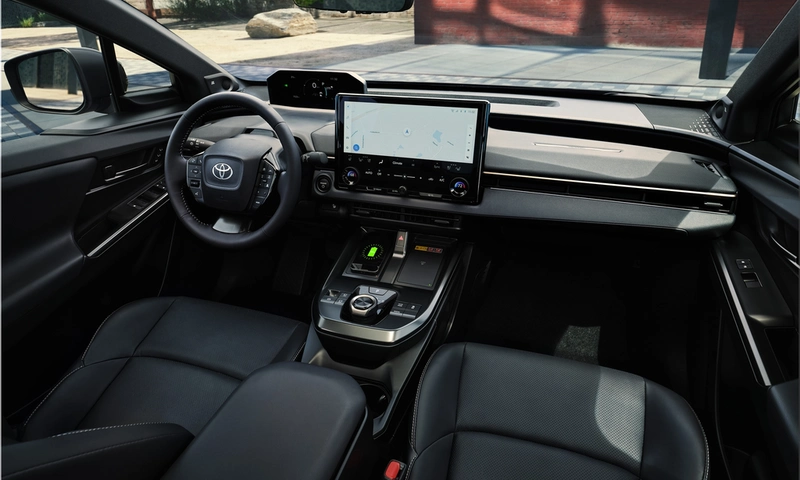
Another difference between the Renault Trafic Van E-Tech electric and its ICE counterpart is the instrument cluster and infotainment system. The former displays information such as speed, battery level, range, power consumption, and driving mode. The latter is a 7-inch touchscreen that supports Apple CarPlay and Android Auto, as well as navigation with real-time traffic and charging station information.