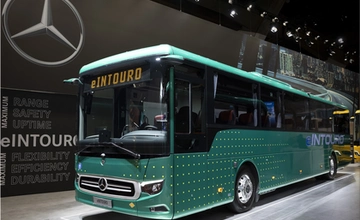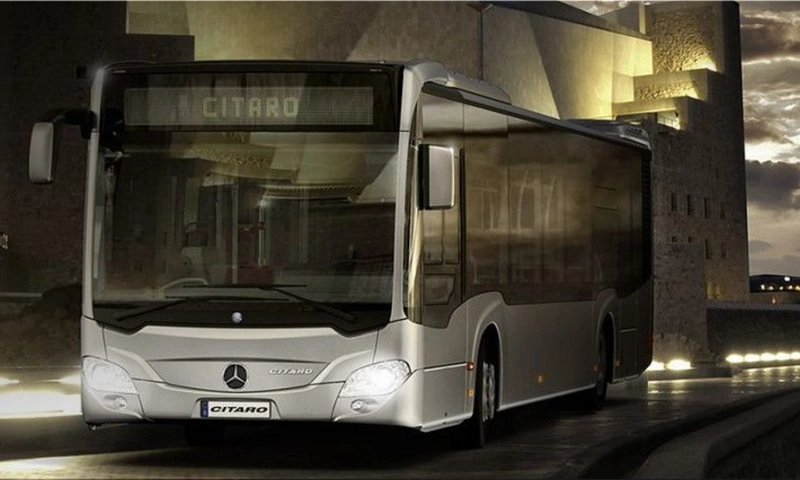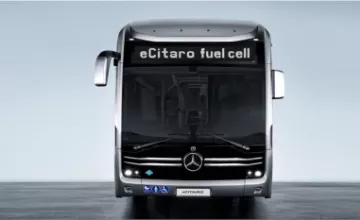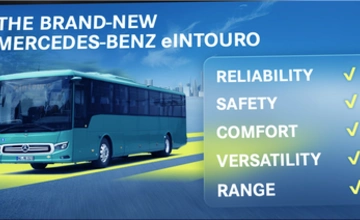
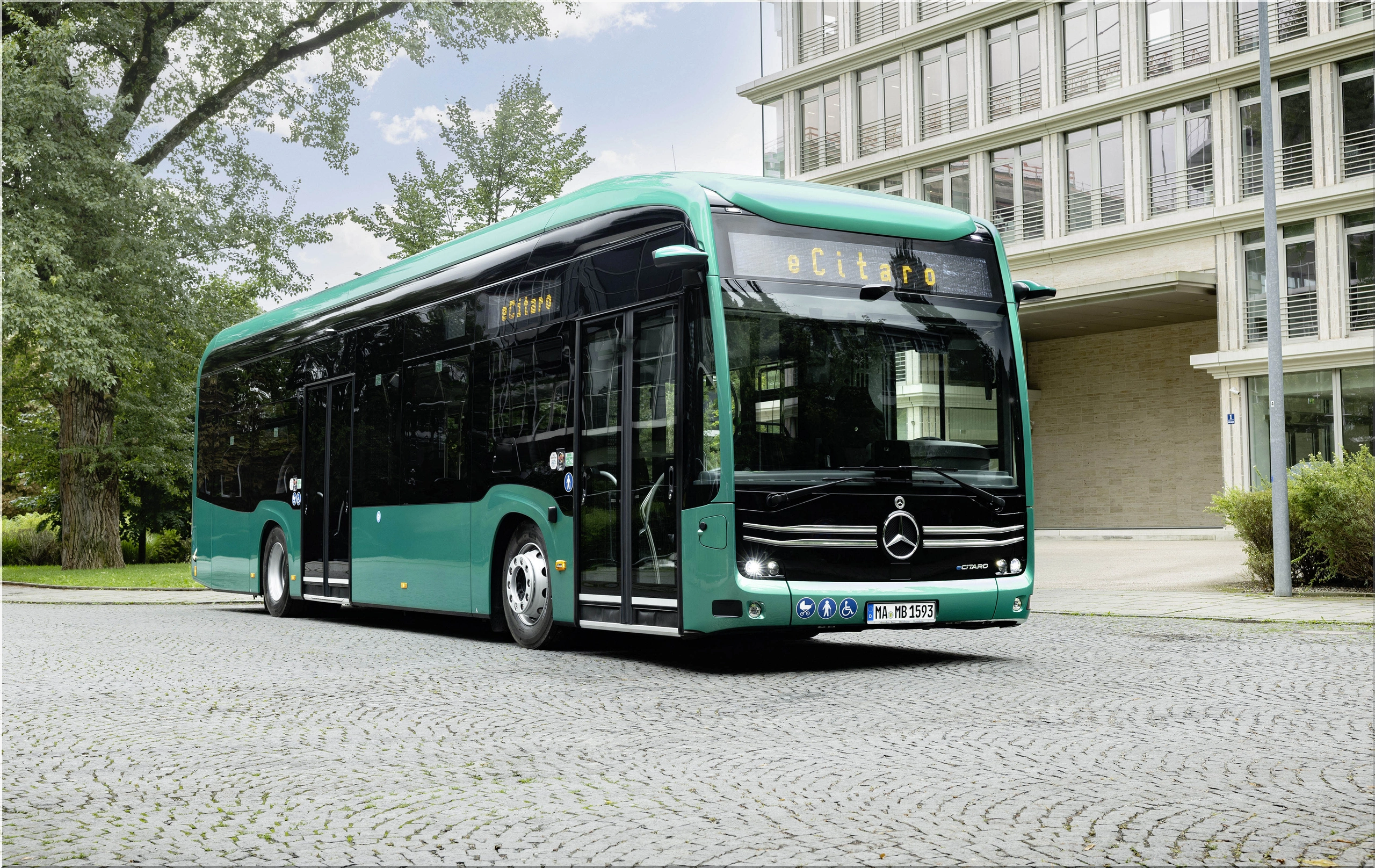
Daimler Buses is fundamentally shifting the productivity calculations for municipal transit authorities at the mobility move 2026 event in Berlin. By integrating the NMC4 battery generation into the Mercedes-Benz eCitaro lineup, the manufacturer addresses the two most significant hurdles in electric bus adoption: energy density and long-term asset depreciation. This hardware evolution allows the eCitaro solo bus and the compact eCitaro K to achieve a reliable operational range of 373 miles (600 kilometers) on a single charge. Consequently, transit agencies can now transition high-mileage urban routes to electric power without the logistical complexity of midday opportunity charging or reduced passenger capacity.
Technical Specifications and Energy Density Gains
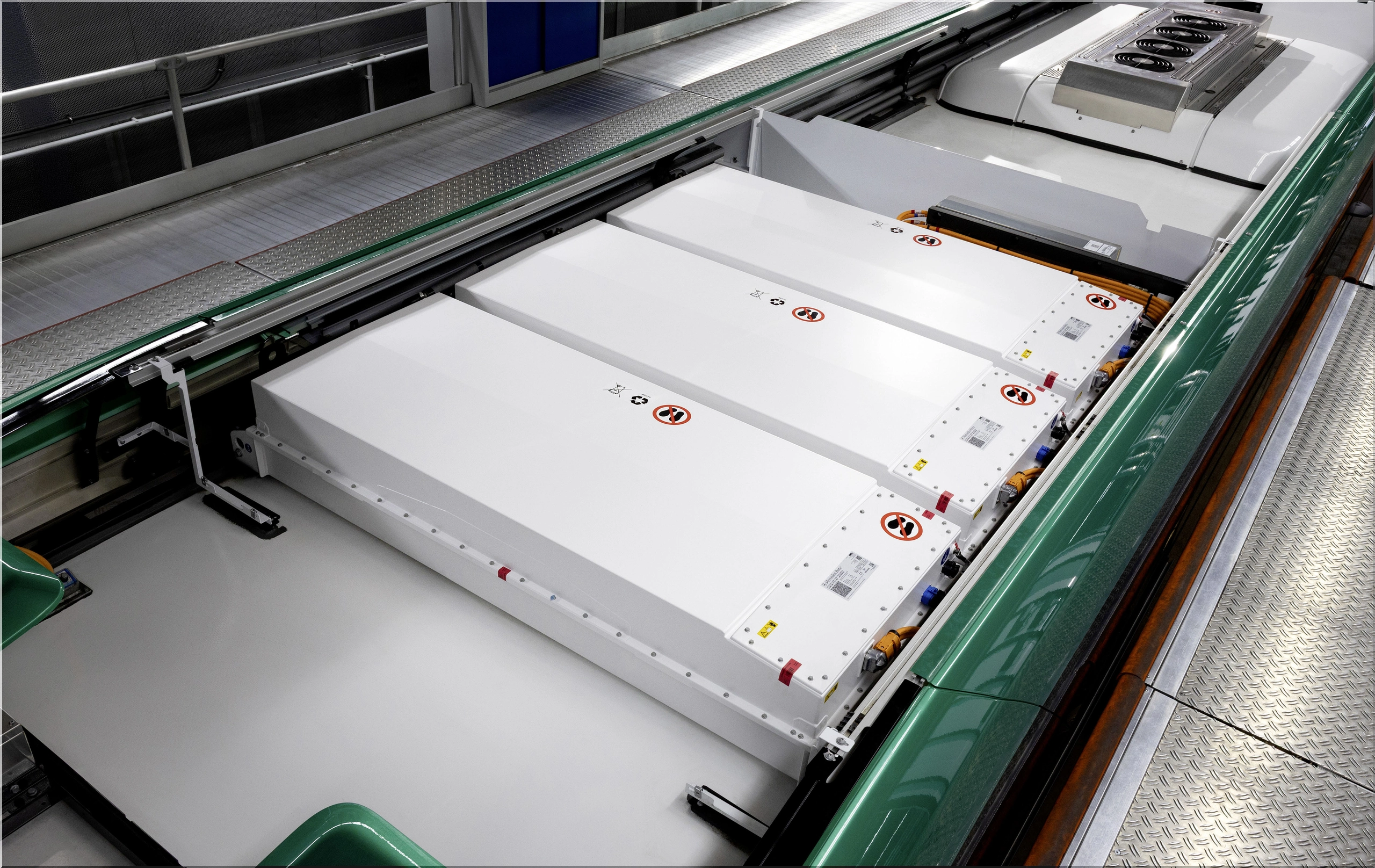
The transition from NMC3 to NMC4 technology represents a 13% increase in energy density through a refined cell chemistry composition. While the physical dimensions of the battery packs remains identical to the previous generation, the energy storage capacity per unit increases from 98 kWh to 111 kWh. This engineering choice ensures that the eCitaro maintains its interior layout and passenger volume while extending its time on the road.
Specifically, the Mercedes-Benz eCitaro G (articulated) configuration can now house up to seven battery packs, resulting in a total onboard capacity of 777 kWh. Looking at the data, this allows the articulated model to cover 280 miles (450 kilometers) under typical city driving conditions. By comparison, the standard solo bus and the Mercedes-Benz eCitaro K utilize up to six packs for a total of 666 kWh.
NMC3 vs. NMC4 Performance Comparison
| Metric | NMC3 Generation | NMC4 Generation | Improvement |
|---|---|---|---|
| Energy per Pack | 98 kWh | 111 kWh | +13.3% |
| Max Capacity (Solo) | 588 kWh (6 packs) | 666 kWh (6 packs) | +13.2% |
| Max Capacity (Articulated) | 686 kWh (7 packs) | 777 kWh (7 packs) | +13.2% |
| Max Range (Solo) | ~280 Miles | 373 Miles | +33% |
| Max Charging Power | 300 kW | 300 kW | Sustained Longevity |
Longevity and Total Cost of Ownership
Daimler Buses provides a standard 10-year lifespan guarantee for the NMC4 batteries, with options to extend coverage to 15 years based on specific service agreements. This aggressive warranty structure stems from the battery's ability to withstand high-stress environments. The chemistry handles regular 300 kW fast-charging sessions without the rapid degradation typically seen in high-nickel formulations.
From an expert perspective, the reduction in battery degradation directly impacts the Total Cost of Ownership (TCO). Fewer battery replacements over a 15-year vehicle lifecycle mean lower capital expenditure and reduced recycling requirements. Furthermore, the NMC4 packs are backwards compatible. If an older eCitaro currently in operation requires a battery replacement, the new generation can be installed without modifying the vehicle chassis or software architecture.
Safety Systems and Standby Monitoring
The Omniplus ON Battery Monitoring system introduces a critical safety layer by remaining active even when the bus is in standby or idle mode. If the battery management system detects a thermal anomaly or overheating while the vehicle is parked overnight, it triggers an automated alert.
The system initiates an immediate call to the fleet manager's designated contact number. This proactive monitoring supports fire-prevention measures and meets the increasingly stringent risk-mitigation requirements set by insurance providers. By identifying potential hazards before they escalate, operators protect both their personnel and their infrastructure investments.
The eMobility Ecosystem: Omniplus CHARGE
Hardware alone does not solve the complexities of fleet electrification. Daimler Buses utilizes the Omniplus CHARGE brand to act as a general contractor for transit agencies. This service includes the planning and construction of charging stations, electrical installations, and the integration of charging management systems.
A new Charging-as-a-Service model allows operators to outsource the entire infrastructure burden. Daimler Buses assumes responsibility for building and maintaining the depot chargers, and the customer is billed monthly based on usage. This shifts the financial model from a heavy upfront capital investment to a predictable operational expense.
Competitive Landscape: Heavy-Duty Electric Transit
The Mercedes-Benz eCitaro competes in a crowded field where range and charging speed are the primary differentiators. The following table compares the eCitaro NMC4 against top European and global competitors in the 40-foot (12-meter) solo bus category.
| Feature | Mercedes-Benz eCitaro (NMC4) | MAN Lion's City E | Solaris Urbino 12 Electric |
|---|---|---|---|
| Max Battery Capacity | 666 kWh | 480 kWh | 520 kWh |
| Advertised Range | 373 Miles | 217 Miles | 248 Miles |
| Charging Type | CCS2 / Pantograph | CCS2 | CCS2 / Pantograph |
| Max Charge Rate | 300 kW | 150 kW | 300 kW |
| Safety Tech | 24/7 Idle Monitoring | Active Thermal Mgmt | Standard Monitoring |
Pro-Tip for Fleet Managers: When evaluating range, distinguish between "ideal" range and "reliable" range. The eCitaro's 373-mile figure is calculated to cover 100% of typical urban duties even with climate control loads, which often deplete battery levels by 20% to 30% in extreme weather.
Digital Integration and Fleet Management
The Omniplus ON portal provides remote diagnostics through Uptime pro, allowing maintenance teams to see real-time vehicle health. For the 2026 models, electric buses receive these digital services free of charge for six years.
In addition, a new feature called Tracking Services Plus introduces speed-based geofencing. This technology uses GPS data to automatically activate the vehicle's speed limiter in sensitive areas, such as school zones or high-pedestrian city centers. Consequently, this reduces the workload on the driver and ensures compliance with local safety regulations without manual intervention.
Fleet Versatility: Solo, Articulated, and Compact
The eCitaro family covers the full spectrum of urban transit needs. The eCitaro K (compact) provides the same high-density battery technology for narrow streets or low-occupancy routes where a full-sized bus is inefficient. Despite its smaller footprint, it shares the same drivetrain components and battery packs as its larger counterparts, simplifying parts logistics for fleets with multiple vehicle sizes.
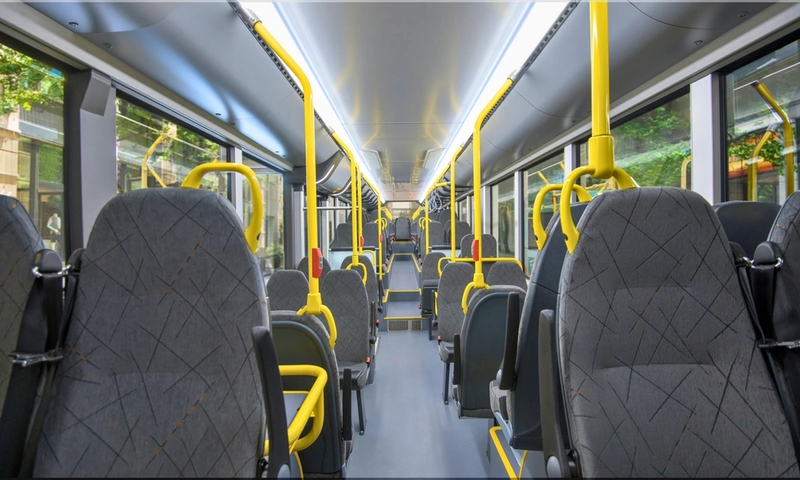
Looking at the mechanical logic, the use of electric portal axles with motors located near the wheel hubs eliminates the need for a traditional transmission and driveshaft. This saves weight and creates a completely flat floor throughout the passenger cabin, maximizing standing room and accessibility for passengers with limited mobility.
Financial and Environmental Impact
The shift to CO2-free solutions is no longer just an environmental goal; it is a regulatory necessity in many European and North American cities. Transitioning a single diesel bus to an eCitaro with NMC4 batteries can save approximately 65 tons of CO2 emissions annually, depending on the local energy mix.
From a financial perspective, the 13% increase in usable energy means that a bus can often complete two full shifts without returning to the depot. This increases vehicle utilization rates and reduces the number of spare vehicles a city needs to maintain to cover charging downtime.
Image gallery:
Key Takeaways for Transit Authorities
- Retrofit Capability: Existing eCitaro fleets can be upgraded to NMC4 technology during mid-life battery refreshes, protecting the initial vehicle investment.
- Infrastructure Flexibility: Support for both CCS2 plug-in charging and high-power pantograph charging ensures compatibility with various depot and on-route setups.
- Operational Readiness: With a 373-mile range, the eCitaro now matches the daily range of traditional diesel buses on almost all urban routes.
- Safety Assurance: 24/7 monitoring of the battery packs significantly lowers the risk of thermal incidents during overnight storage.
The Mercedes-Benz eCitaro with NMC4 batteries effectively removes the "range anxiety" variable from the procurement equation. By combining high-density energy storage with a comprehensive service and charging ecosystem, Daimler Buses provides a turnkey solution for the modern, sustainable city.
- Add new comment
- 263 views