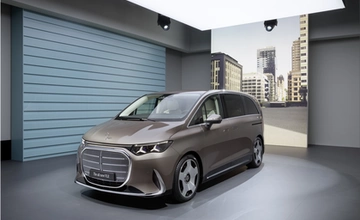
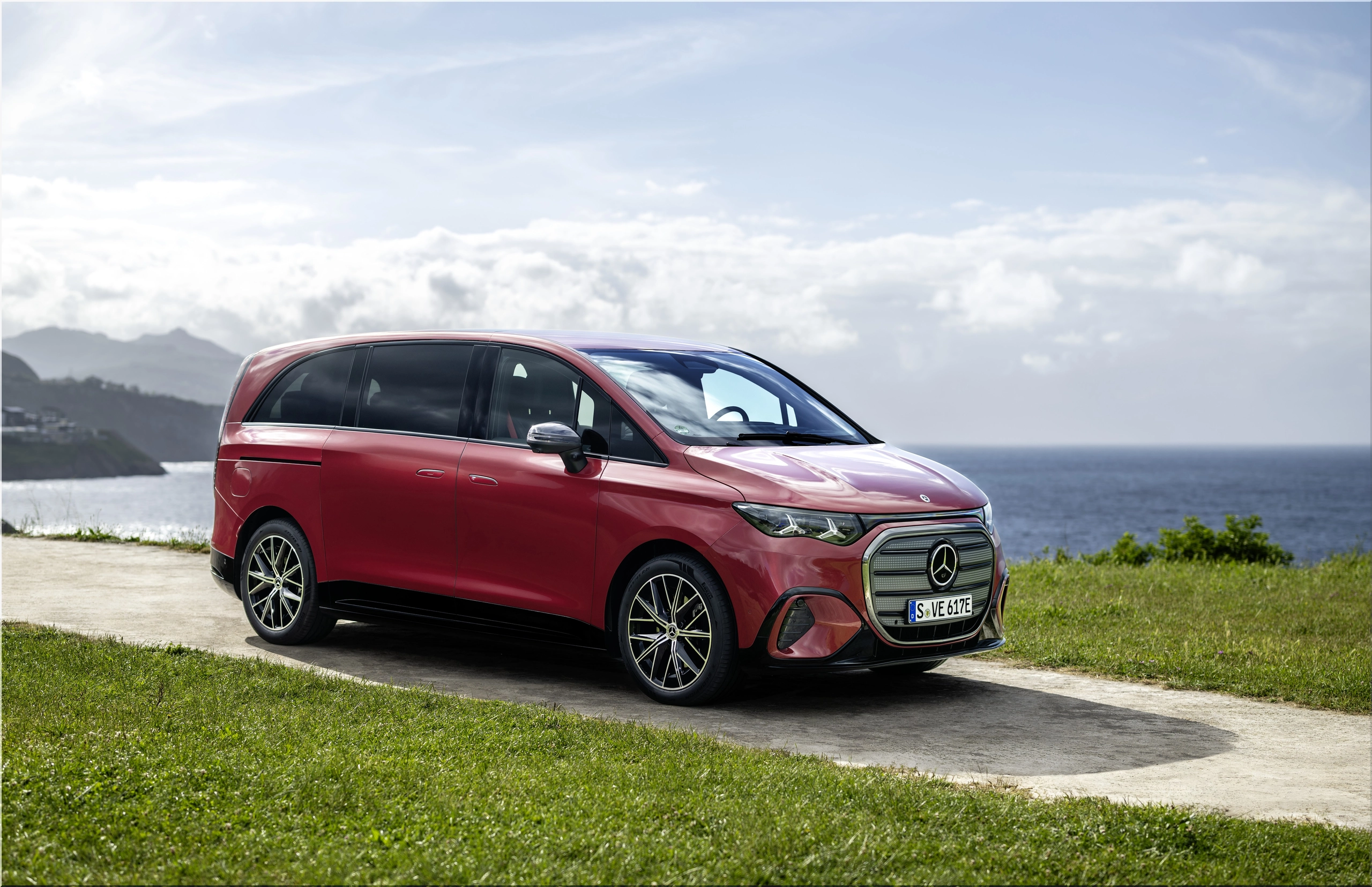
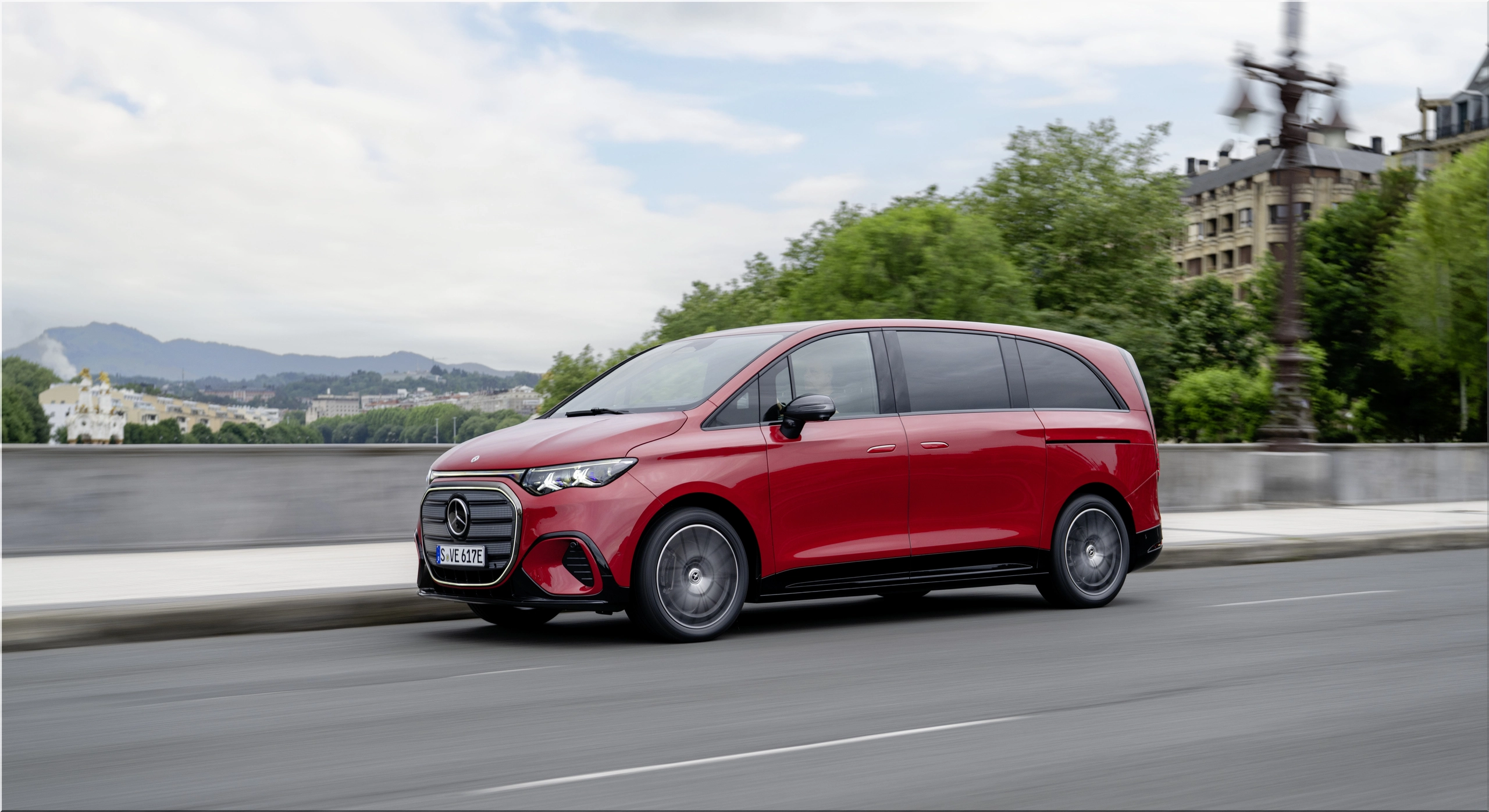
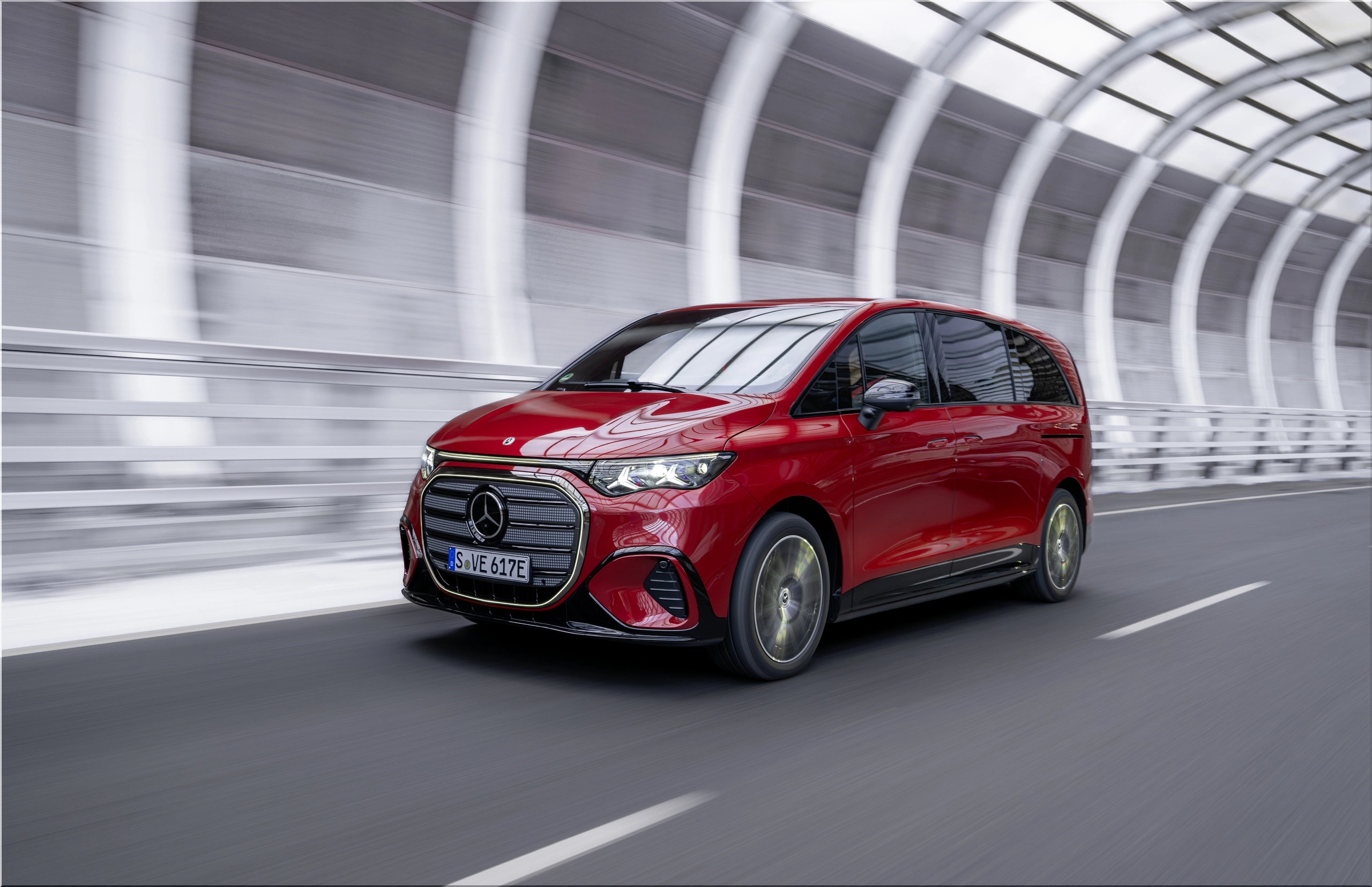
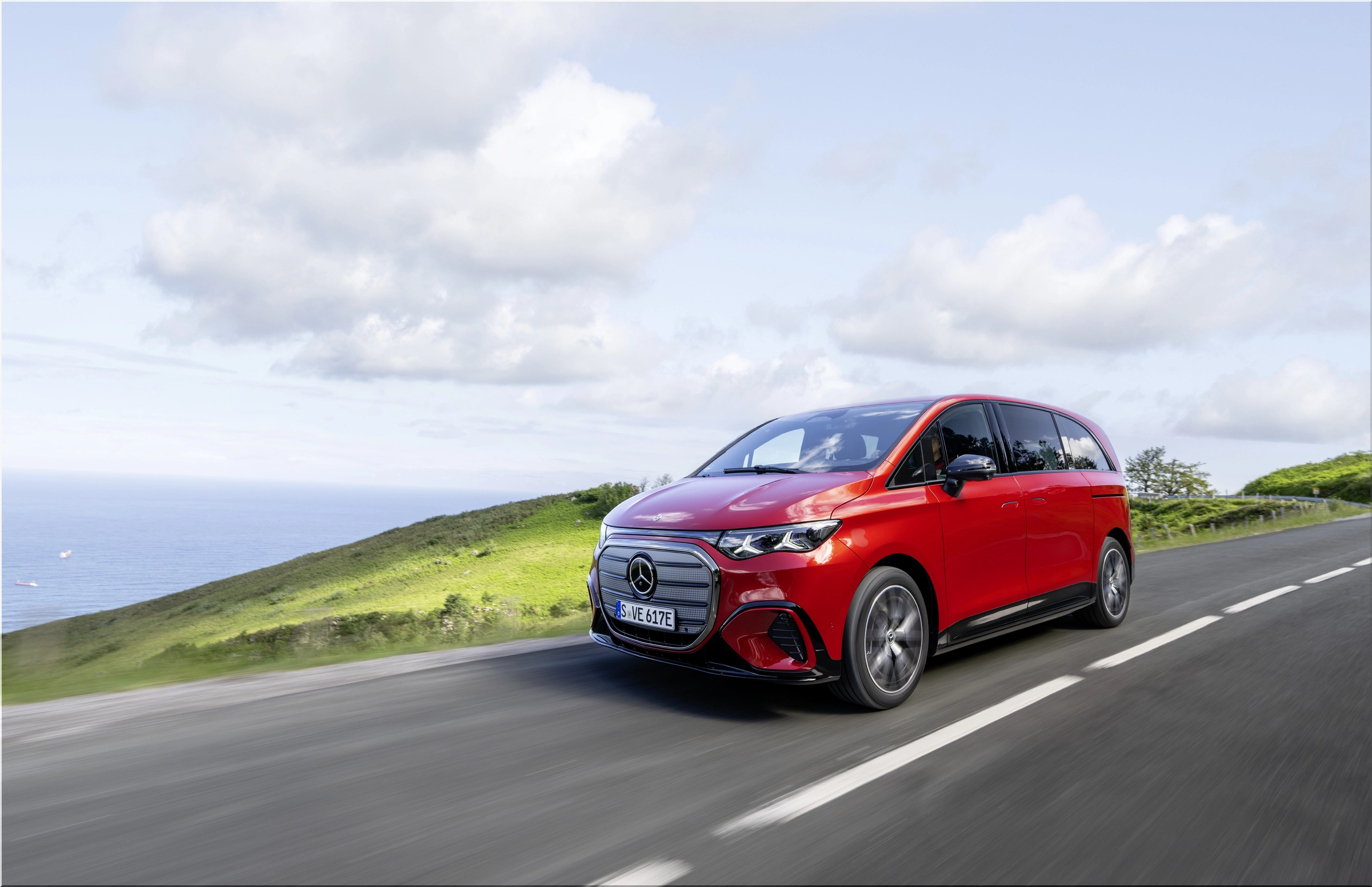
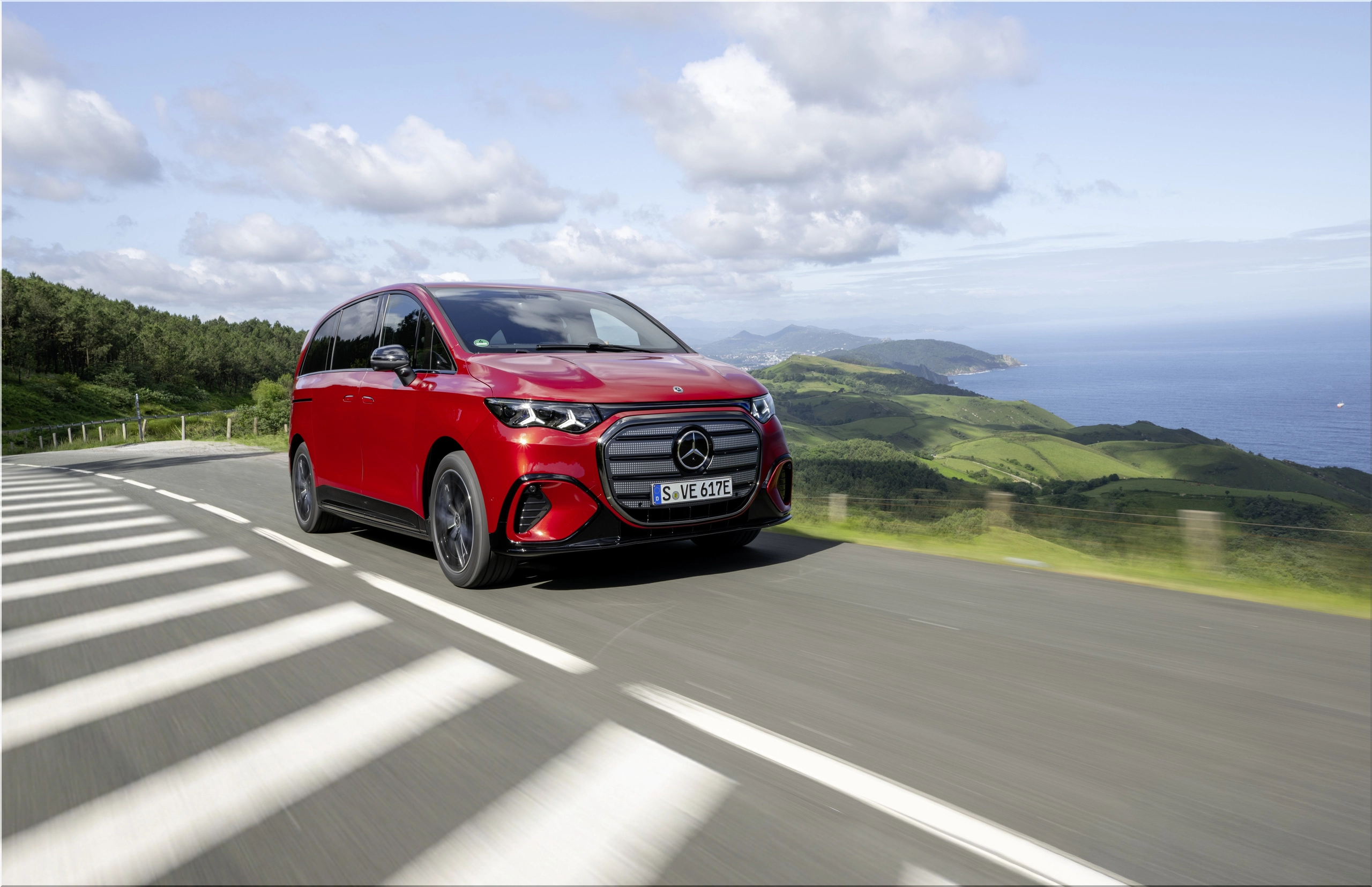
The Mercedes-Benz VLE 300 turns the premium electric van into a serious long-distance family and shuttle tool. It pairs a 115 kWh usable battery, 800-volt charging, up to 443 miles of WLTP range, and a flexible five-to-eight-seat cabin with limo-grade comfort. The price, however, starts deep in luxury SUV territory.
Image
What Makes the Mercedes-Benz VLE Different?
Mercedes did not build the Mercedes-Benz VLE electric van as a cargo van with nicer carpet. The company built it on a new modular electric van architecture that will support its next generation of passenger vans and commercial models. That gives the VLE a clean technical base, not a converted diesel floorpan carrying battery weight like gym guilt.
The VLE 300 launches with front-wheel drive, a single electric motor, and a big 115 kWh usable lithium-ion battery. Looking at the data, Mercedes aimed this model at buyers who need real range, real seating space, and premium rear-seat comfort in one package. That group includes large families, executive shuttle operators, hotel fleets, airport services, and wealthy parents who refuse to buy another SUV shaped like every other SUV.
Image
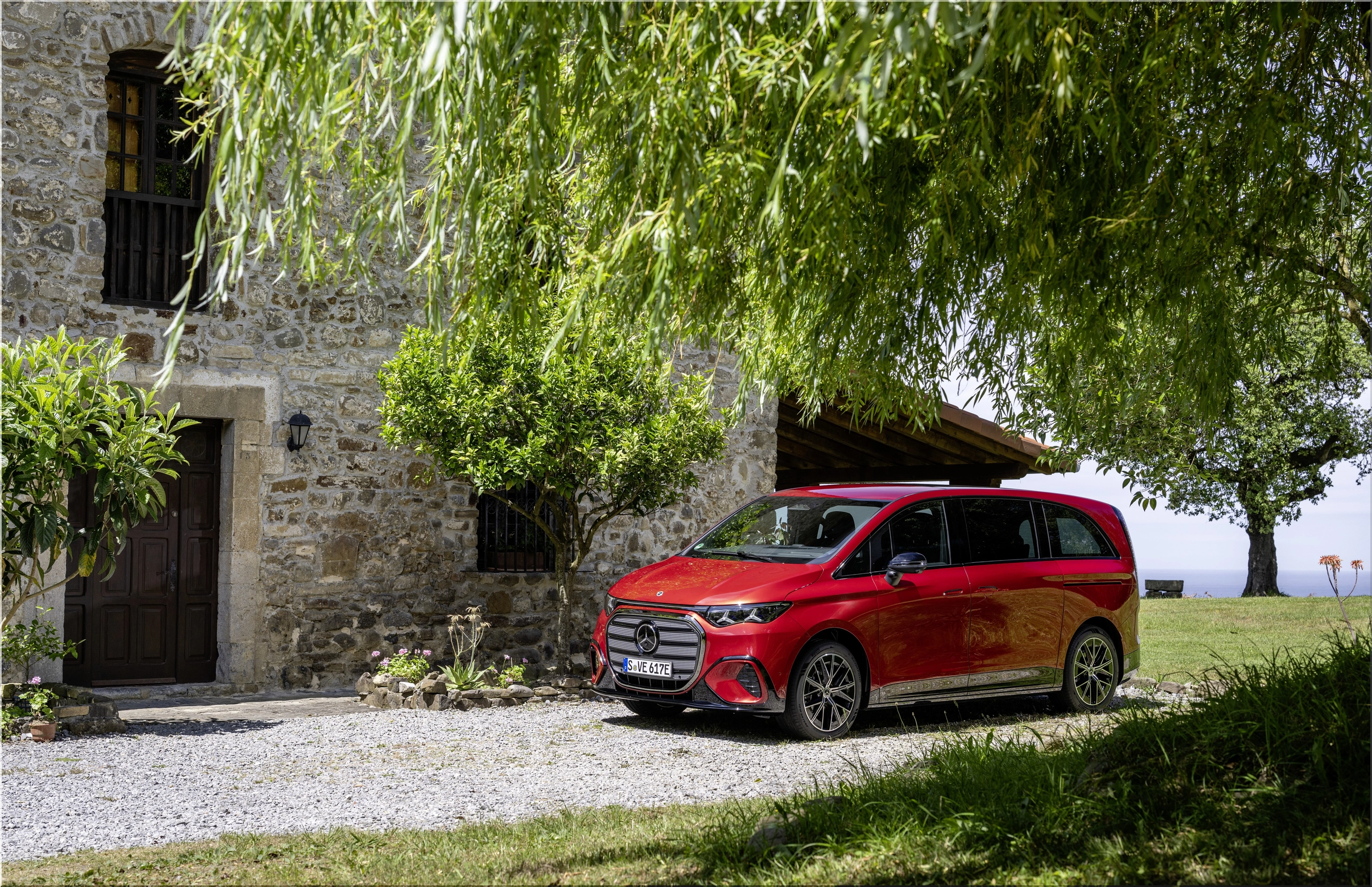
Mercedes-Benz VLE 300 Specs: Range, Battery, Charging And Size
The Mercedes-Benz VLE 300 uses an 800-volt electrical system and accepts up to 300 kW DC fast charging. Specifically, Mercedes says the van can add up to 221 miles of WLTP range in 15 minutes when the charger, battery temperature, and battery state allow it. That matters on paper, and it matters more when seven passengers want coffee, bathrooms, snacks, and opinions.
| Specification | Mercedes-Benz VLE 300 Electric |
|---|---|
| Battery | 115 kWh usable lithium-ion |
| Drive layout | Front-wheel drive |
| Power | 203 kW / 276 hp |
| Torque | 378 Nm / 279 lb-ft |
| WLTP range | Up to 713 km / 443 miles |
| DC fast charging | Up to 300 kW |
| Added range in 15 minutes | Up to 355 km / 221 miles |
| AC charging | 11 kW standard, 22 kW available |
| Length | 5,309 mm / 209.0 inches |
| Width | 1,999 mm / 78.7 inches |
| Height | 1,951 mm / 76.8 inches |
| Wheelbase | About 3,342 mm / 131.6 inches |
| Gross vehicle weight | 3.5 or 3.7 tonnes, depending on configuration |
Consequently, the VLE asks a practical question: do you want a luxury electric SUV with three usable rows, or do you want a proper passenger cabin with SUV-grade tech? The answer depends on ego. The van wins the space argument quickly.
Image
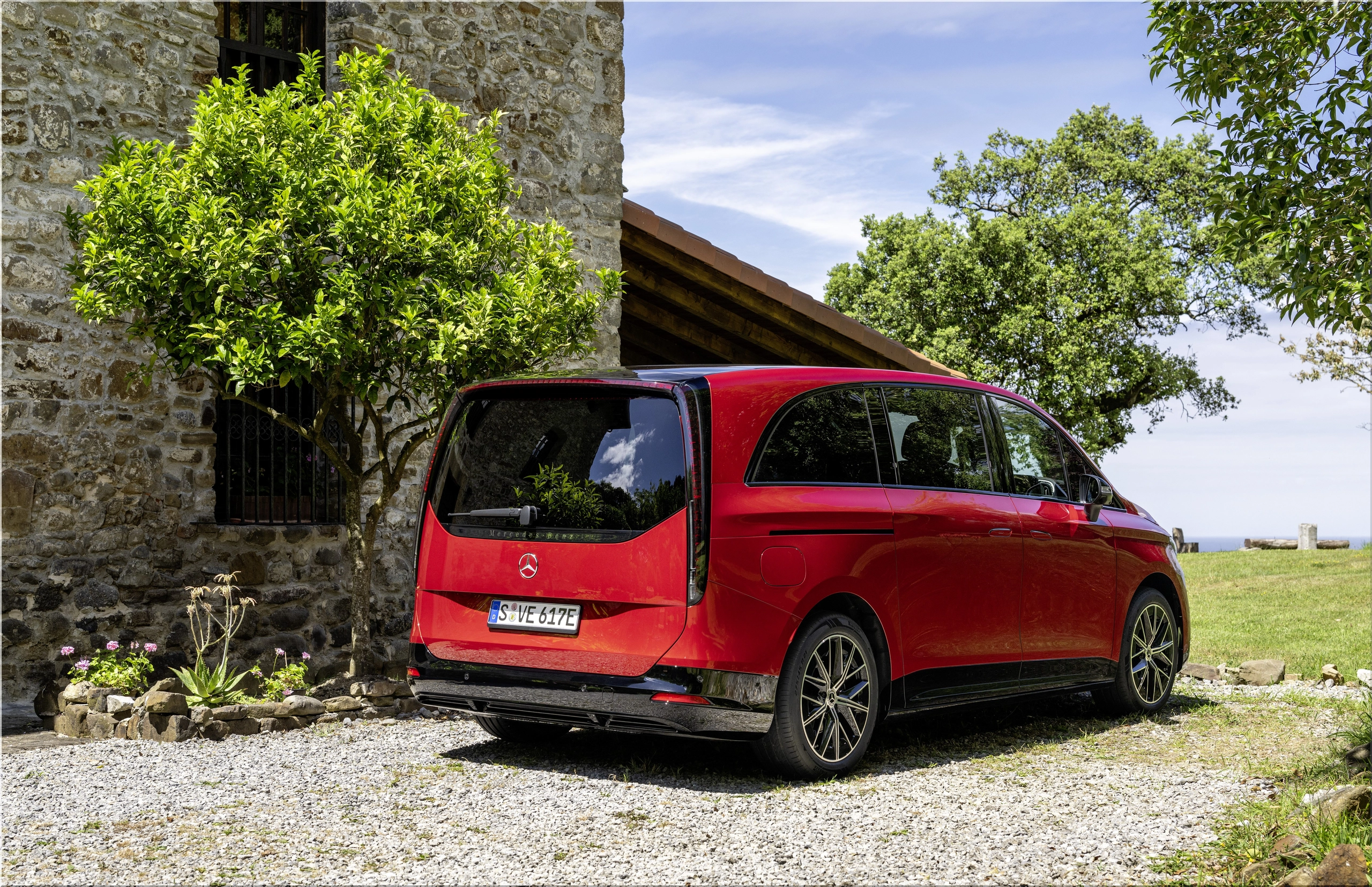
How Fast Does The VLE 300 Charge?
The Mercedes-Benz VLE electric van should charge faster than most large people movers because it uses 800-volt hardware. Many electric vans still use 400-volt systems, which usually limit peak DC charging and stretch road-trip stops. The VLE's 300 kW peak does not mean it will hold 300 kW all day, but it gives Mercedes enough headroom to make short stops realistic.
In addition, Mercedes offers a DC converter that allows the VLE to use 400-volt DC fast chargers. That helps during the messy transition period when charging networks mix older and newer hardware. From an expert perspective, that single feature could save owners from the most expensive kind of luxury problem: a six-figure van waiting beside the wrong charger.
Image
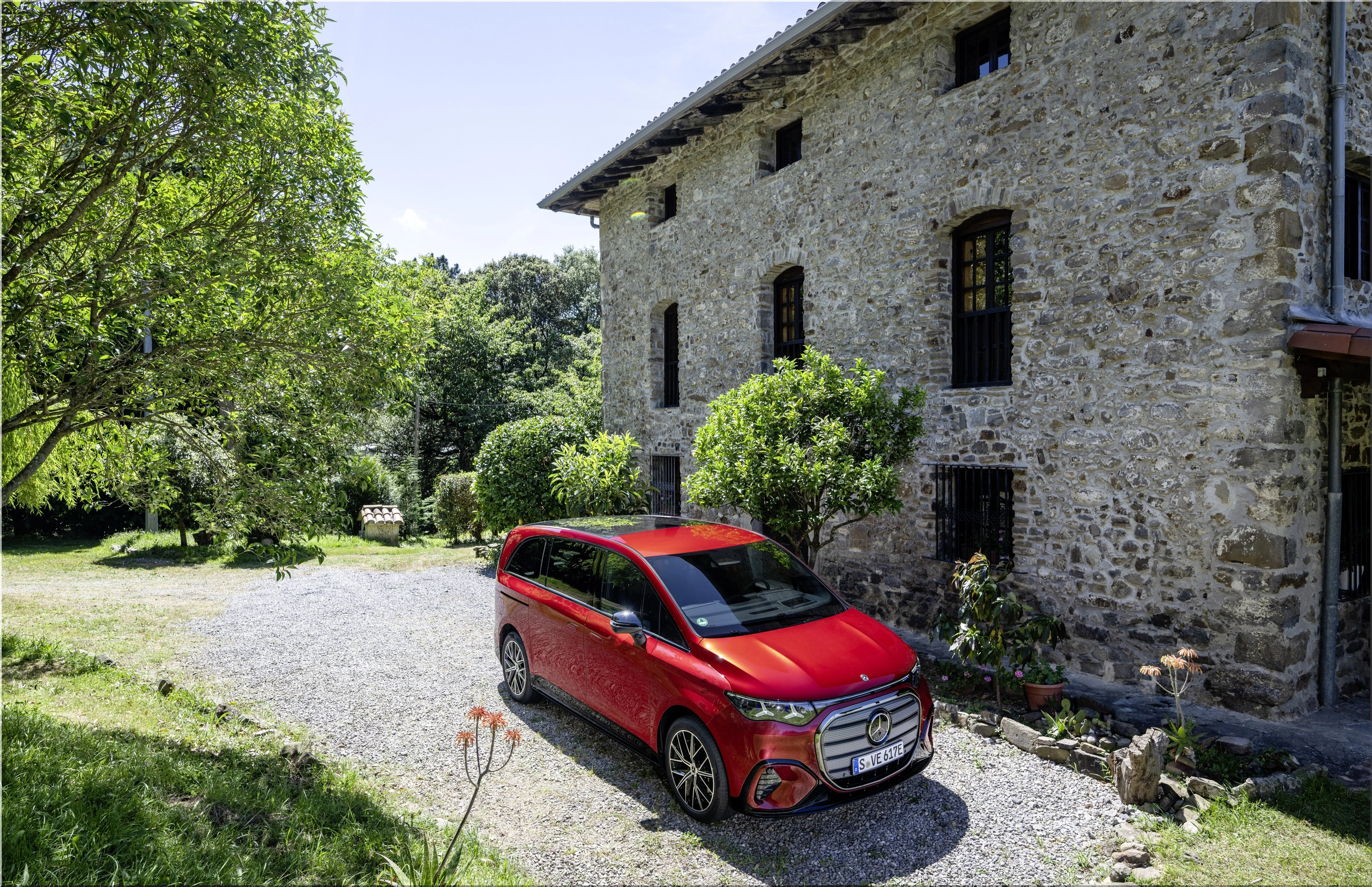
Is The VLE 300 Powerful Enough?
The VLE 300 makes 276 hp and drives the front wheels. That setup suits range and packaging, but it will not satisfy every driver. A large electric van with 279 lb-ft going through the front tires can run into traction limits during hard acceleration from tight corners, and Mercedes clearly knows that.
The Mercedes-Benz VLE 400 4MATIC will address that gap with dual motors, all-wheel drive, about 310 kW, and roughly 416 hp. It also brings more traction in rain, snow, and steep driveways. By comparison, the VLE 300 makes more sense for efficiency-focused buyers, while the VLE 400 makes more sense for mountain hotels, cold-weather shuttle fleets, and drivers who tow or carry full passenger loads often.
Image
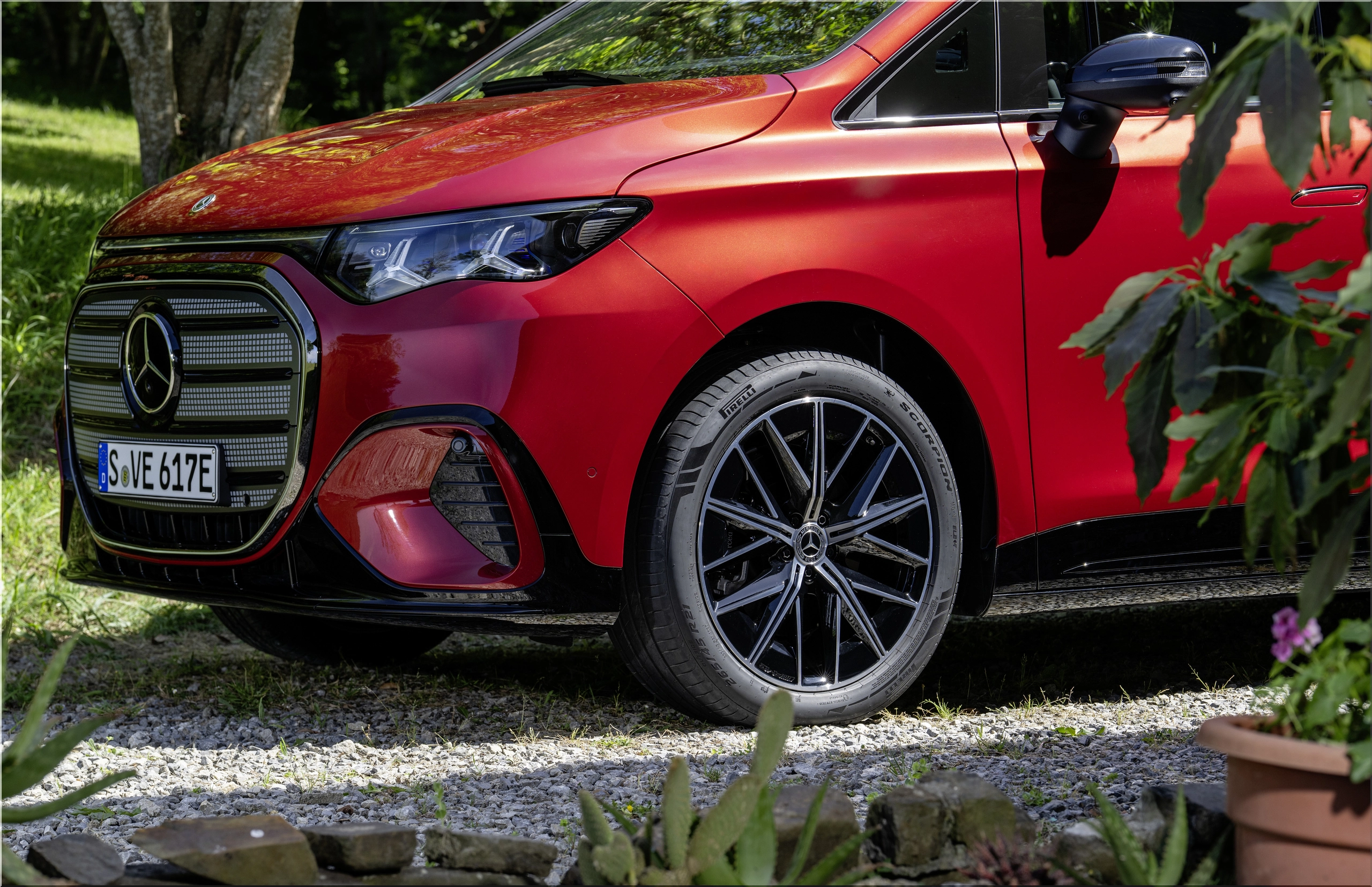
Why Rear-Axle Steering And Air Suspension Matter
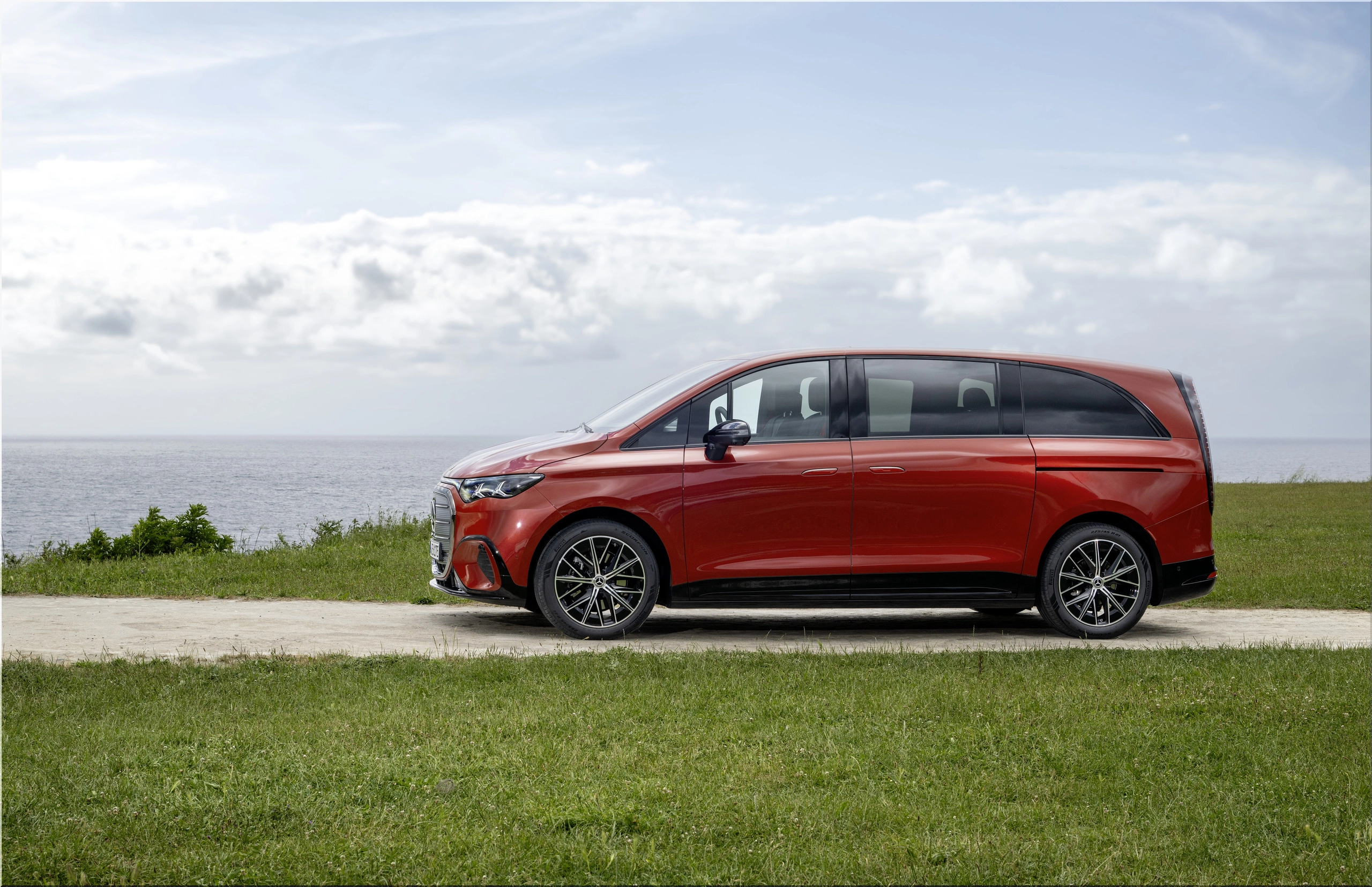
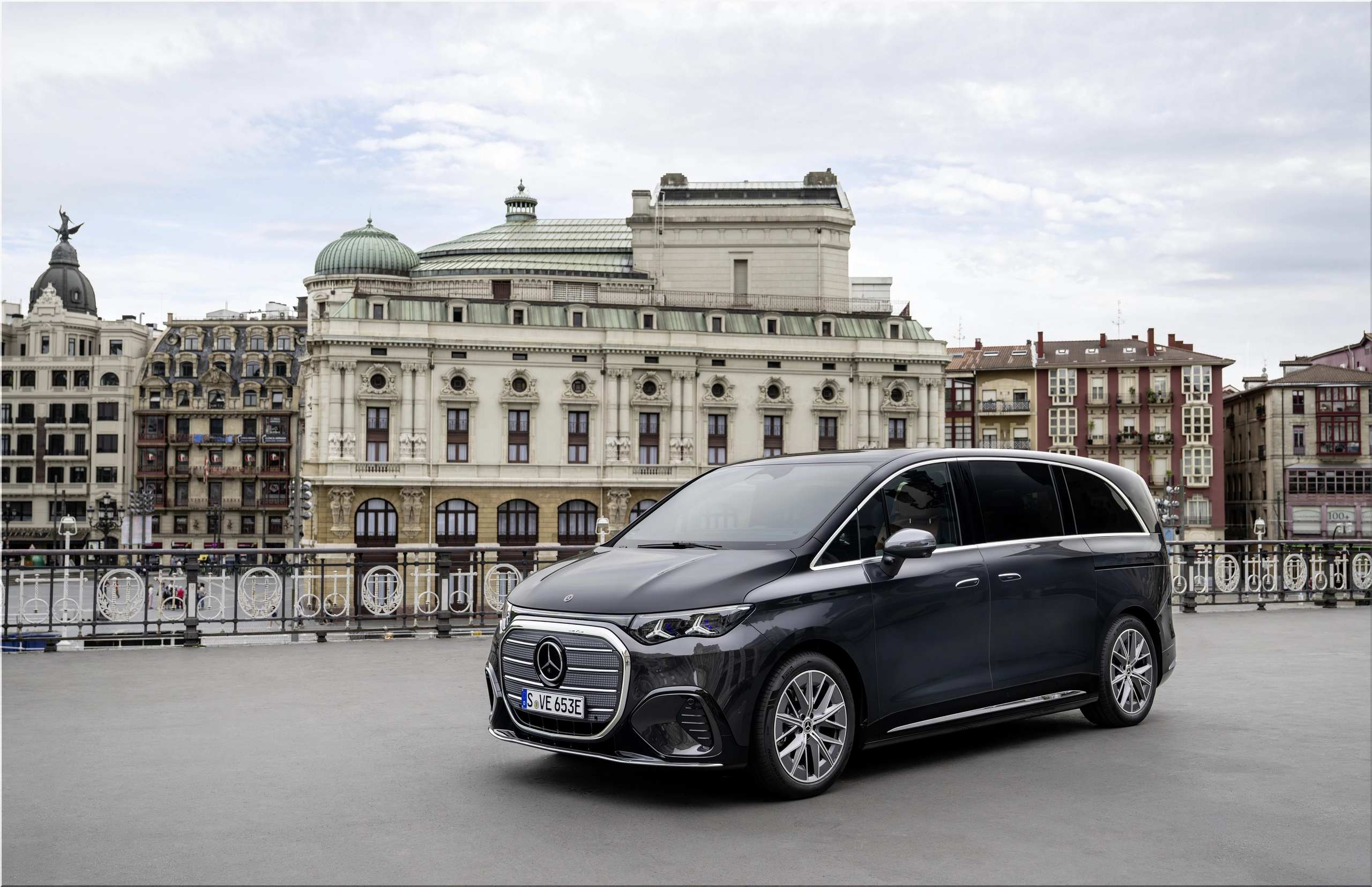
The VLE measures more than 17 feet long, so Mercedes needed chassis hardware that hides the size. Rear-axle steering turns the rear wheels by up to seven degrees, cutting the turning circle to around compact sedan territory. That helps in parking garages, hotel entrances, school pickup lanes, and old European streets built before anyone imagined a 115 kWh luxury van.
AIRMATIC air suspension adds load control. It adjusts damping and ride height as passengers and luggage change the van's weight distribution. At highway speed, it can lower the body to reduce drag and improve stability. That sounds like luxury theater until you load eight adults and luggage; then it becomes basic physics with better upholstery.
Interior Tech: The VLE Wants The Rear Seat To Be The Main Event
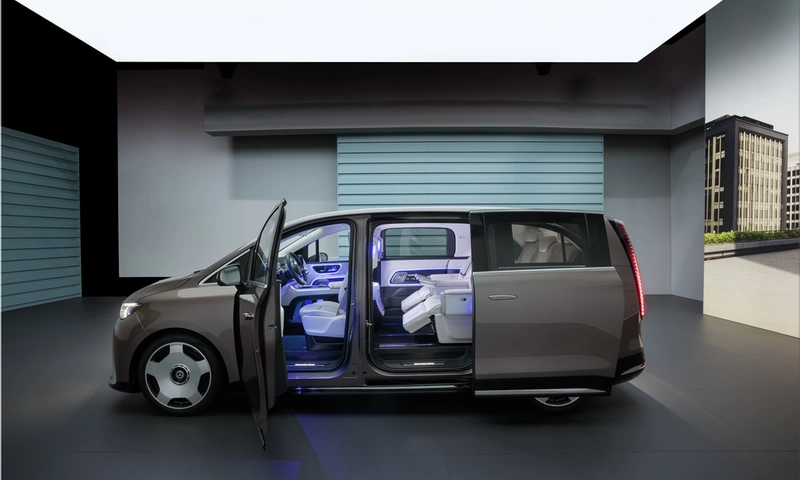
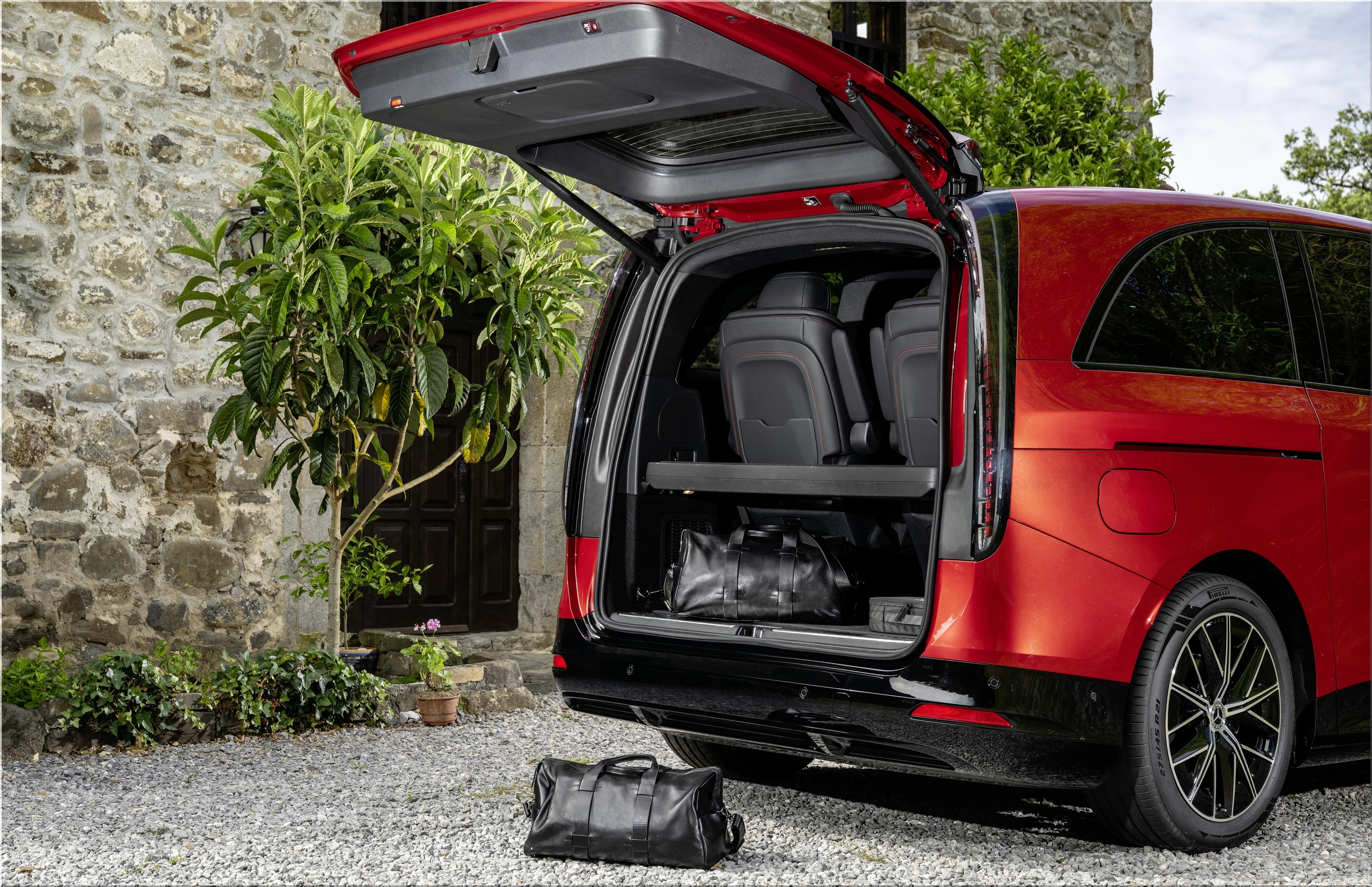
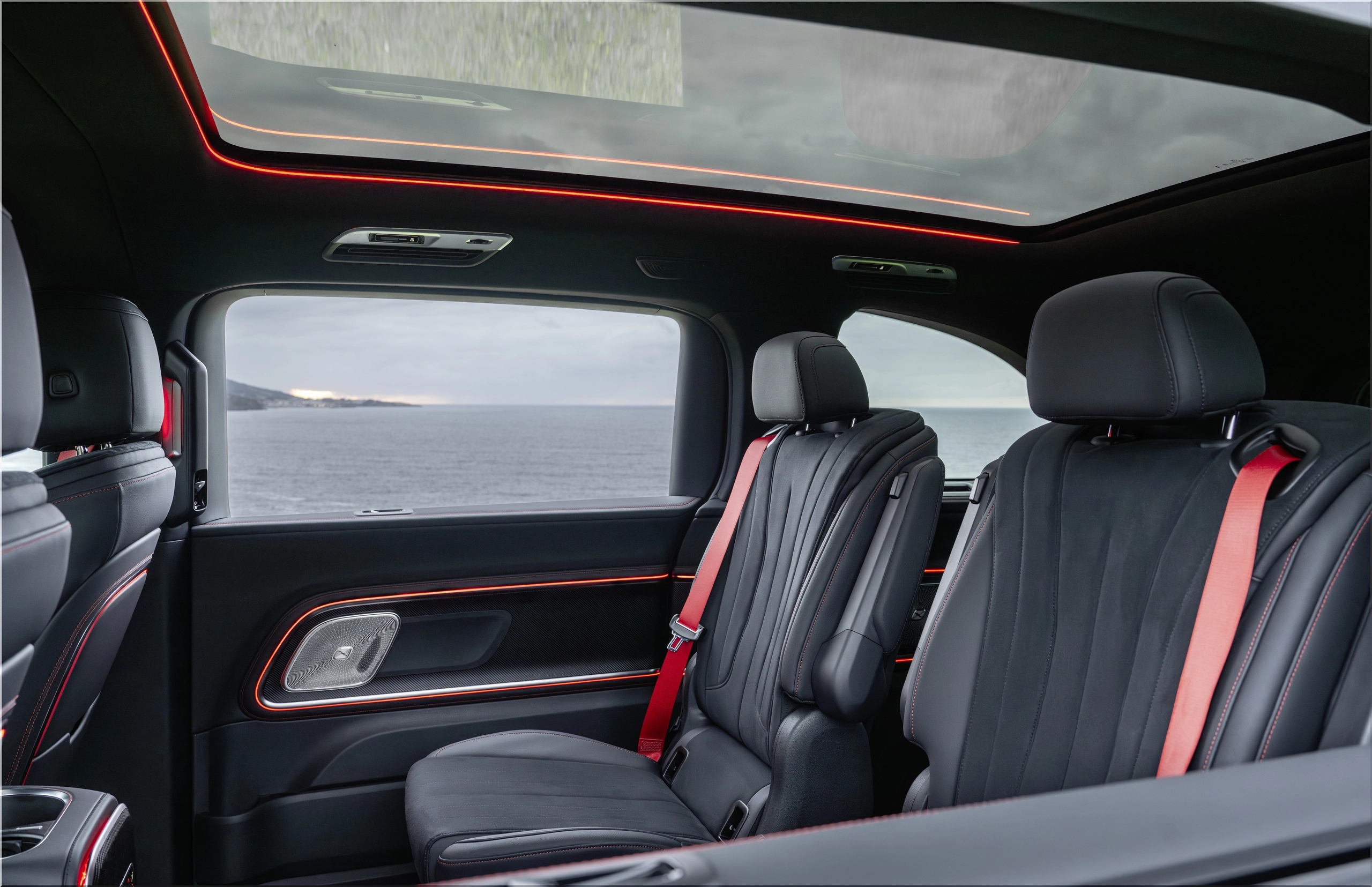
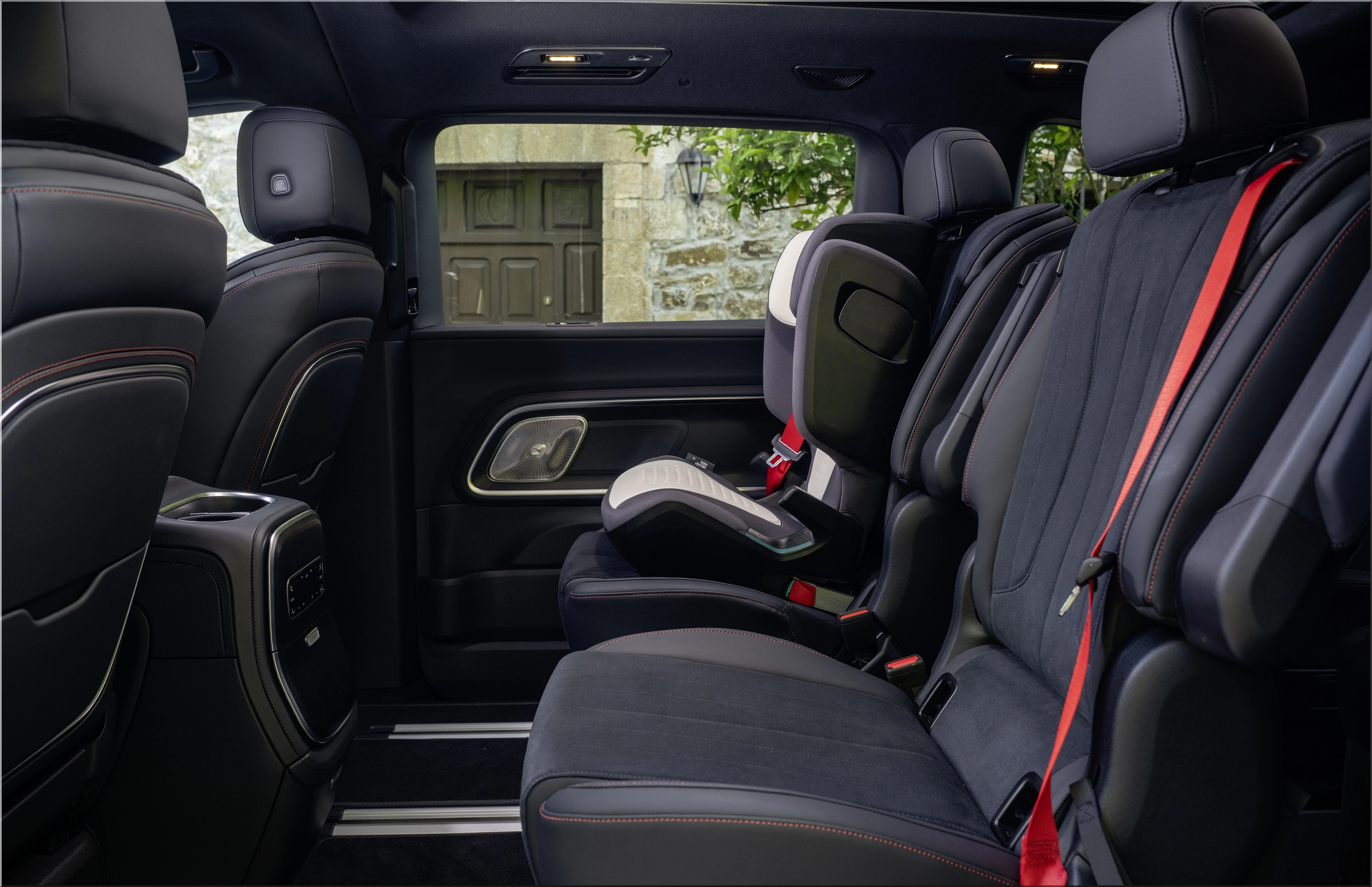
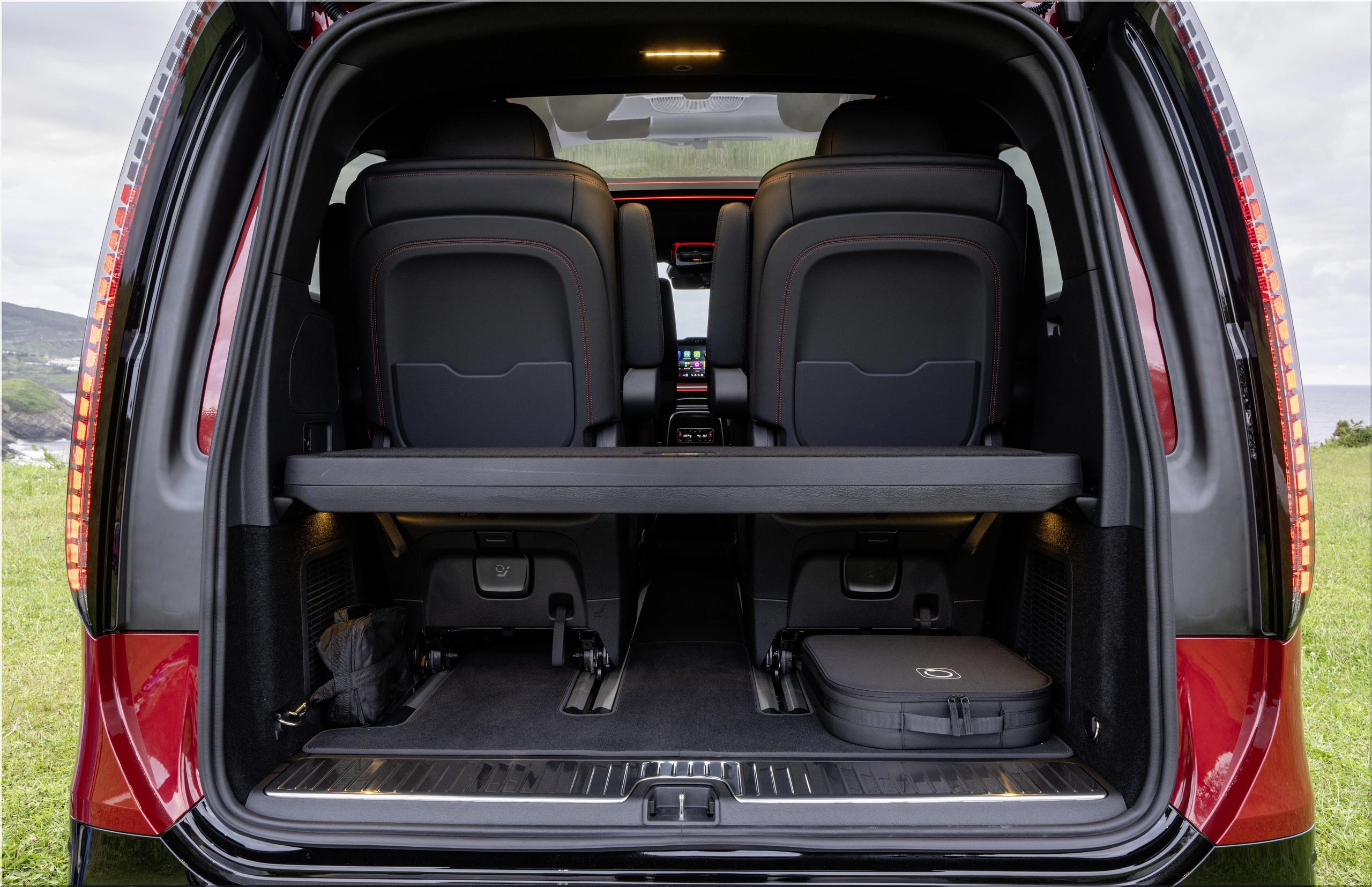
The VLE cabin carries the strongest argument for the price. Buyers can choose five, six, seven, or eight seats, and the Roll & Go seat system lets owners slide, fold, remove, and reposition seats on rails. The removable seats use integrated wheels, so the owner does not need to deadlift a captain's chair like a punishment exercise.
Key interior features include:
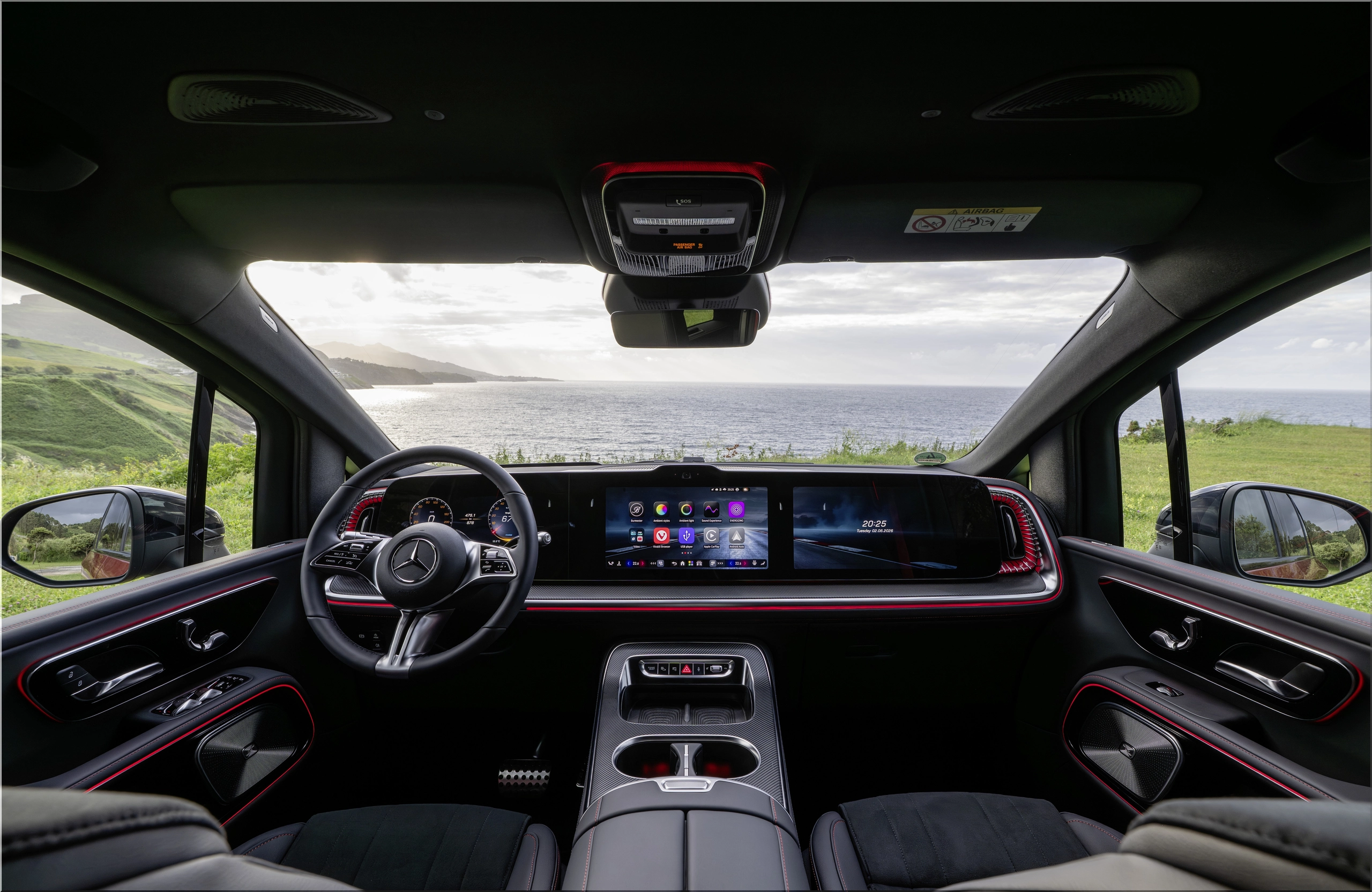
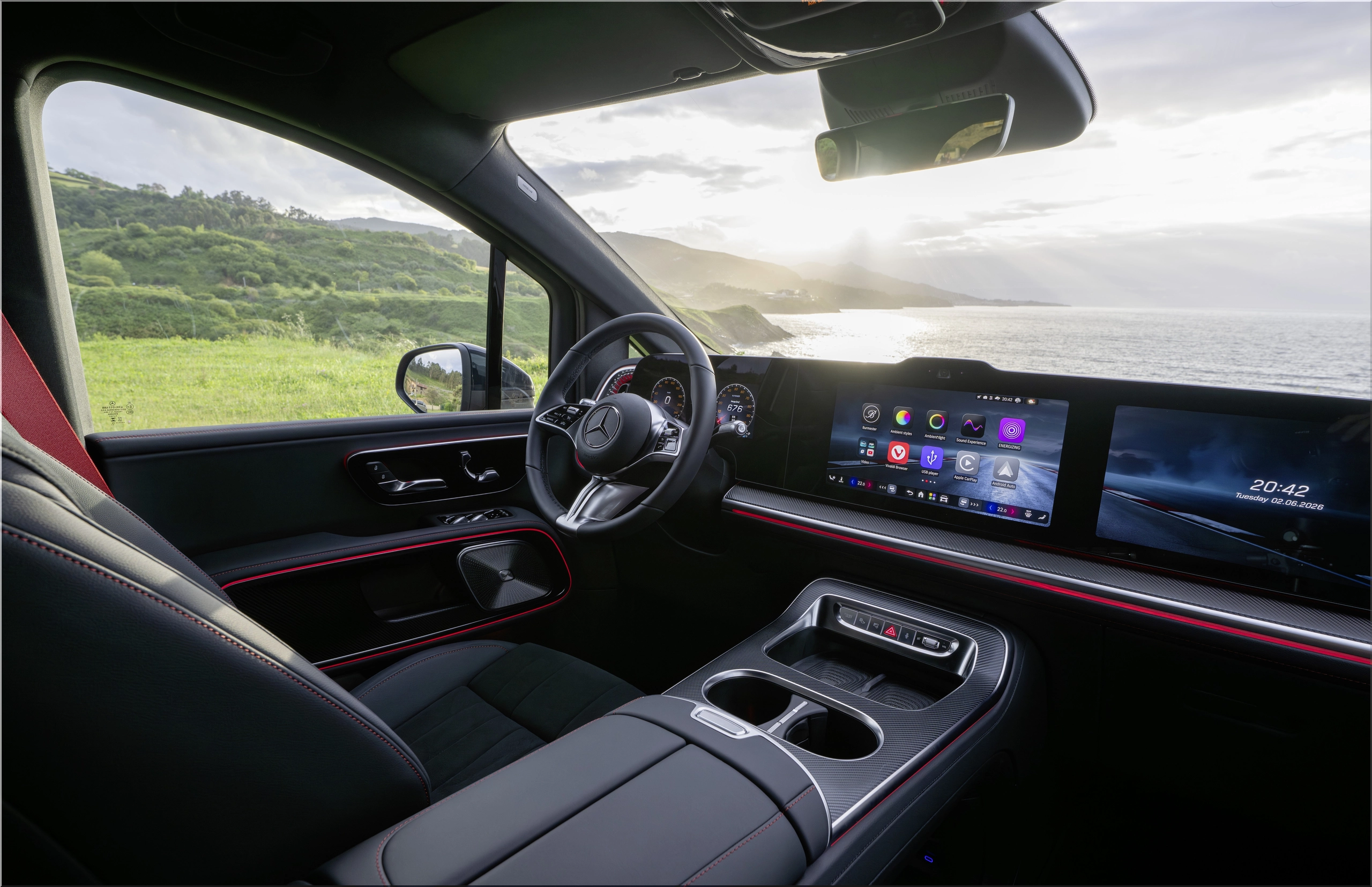
- MBUX Superscreen with a 10.25-inch driver display, a 14-inch center screen, and an available 14-inch passenger display
- 31.3-inch rear 8K display mounted in the headliner
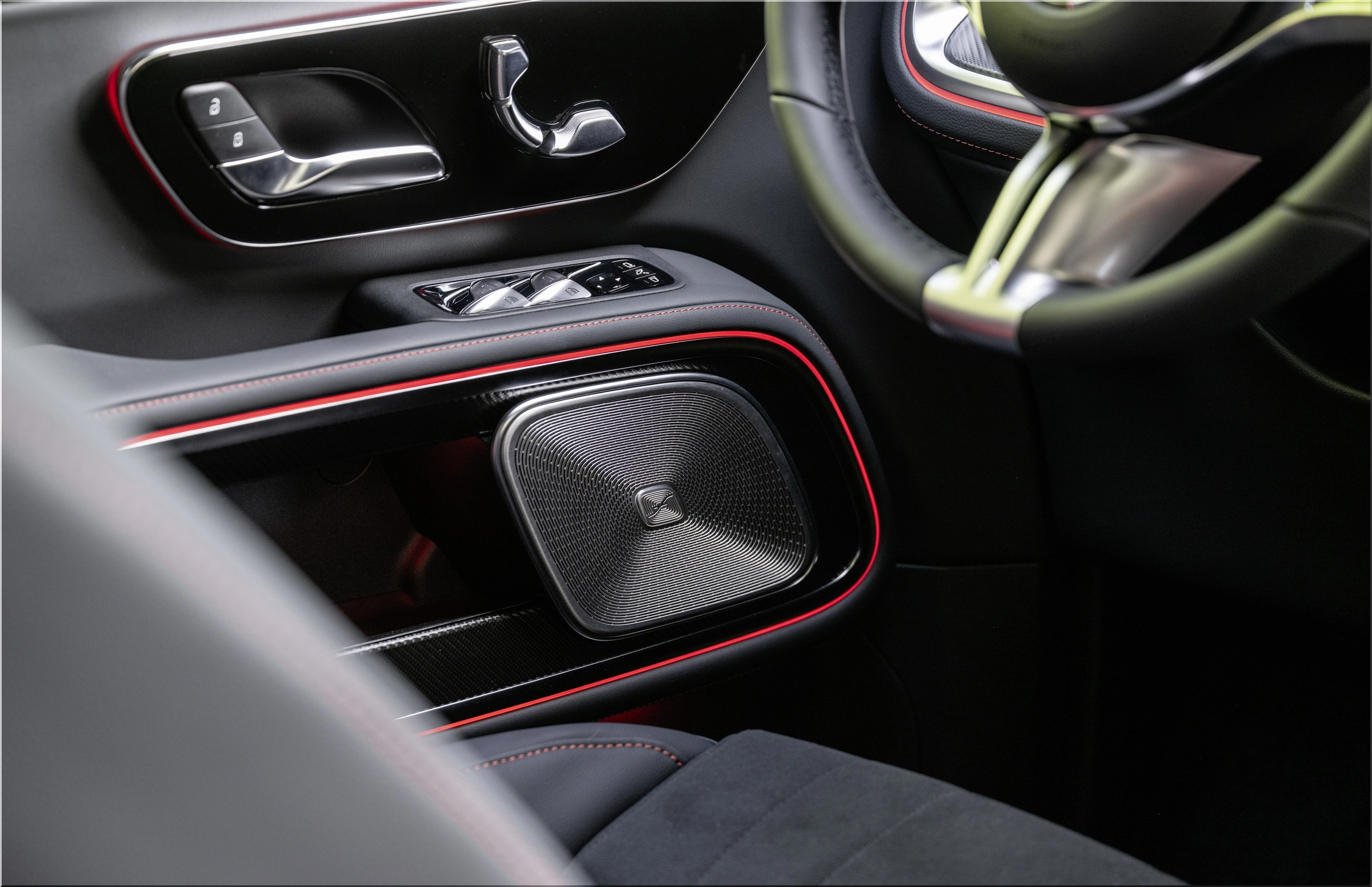
- Available Burmester 3D surround sound with 22 speakers
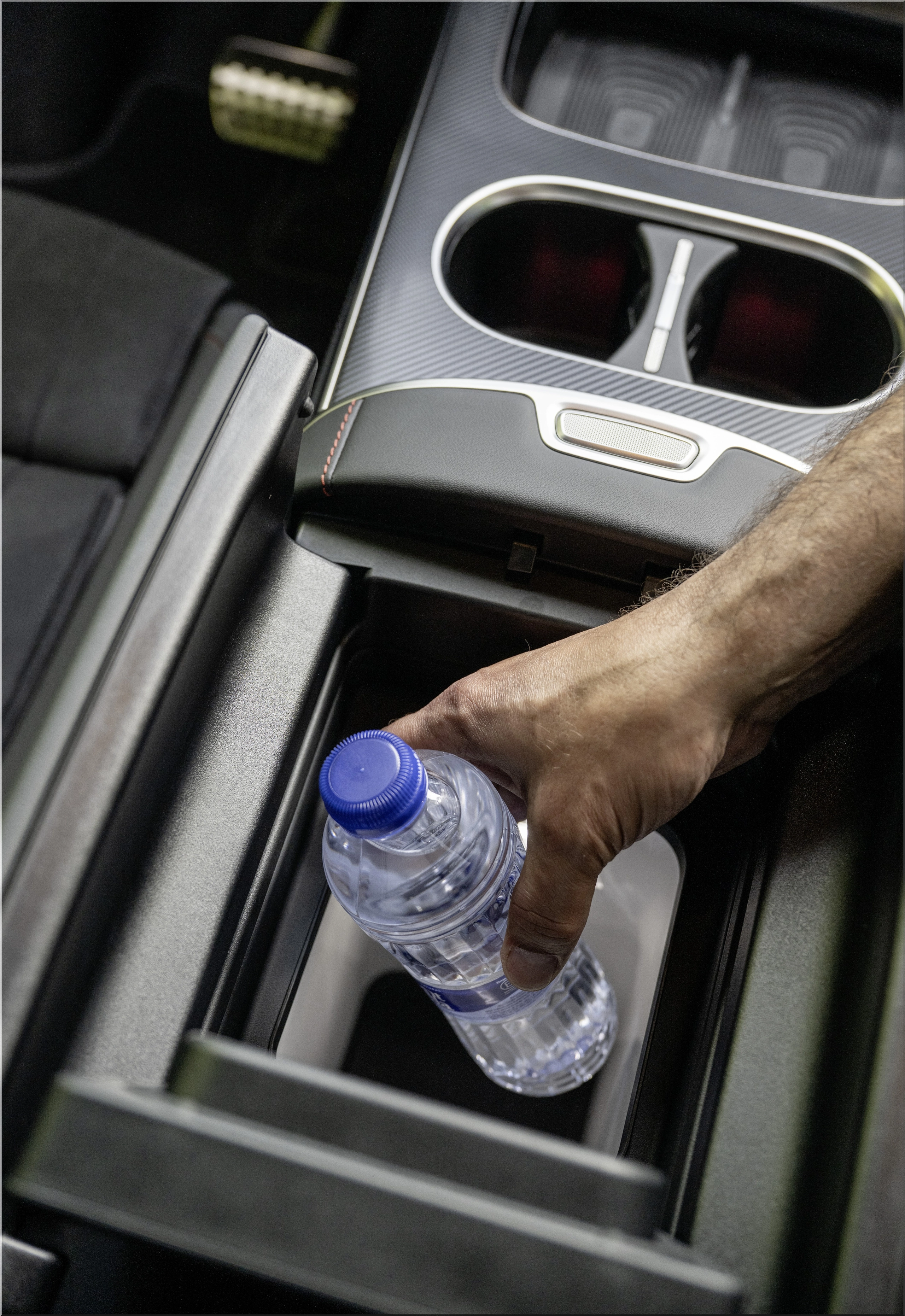
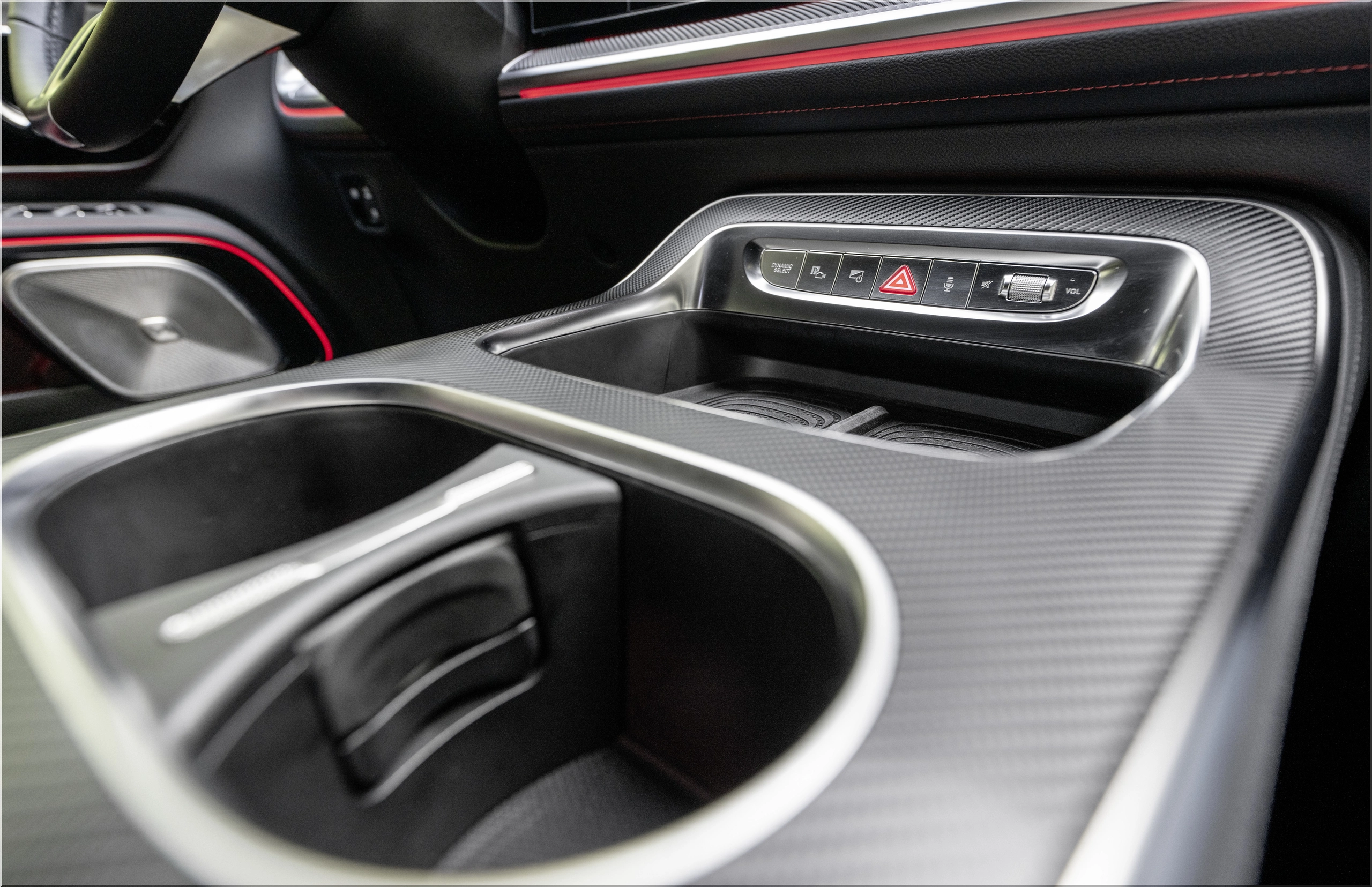
- Grand Comfort rear seats with massage, lumbar support, calf support, cupholders, and wireless charging
- Sliding doors on both sides
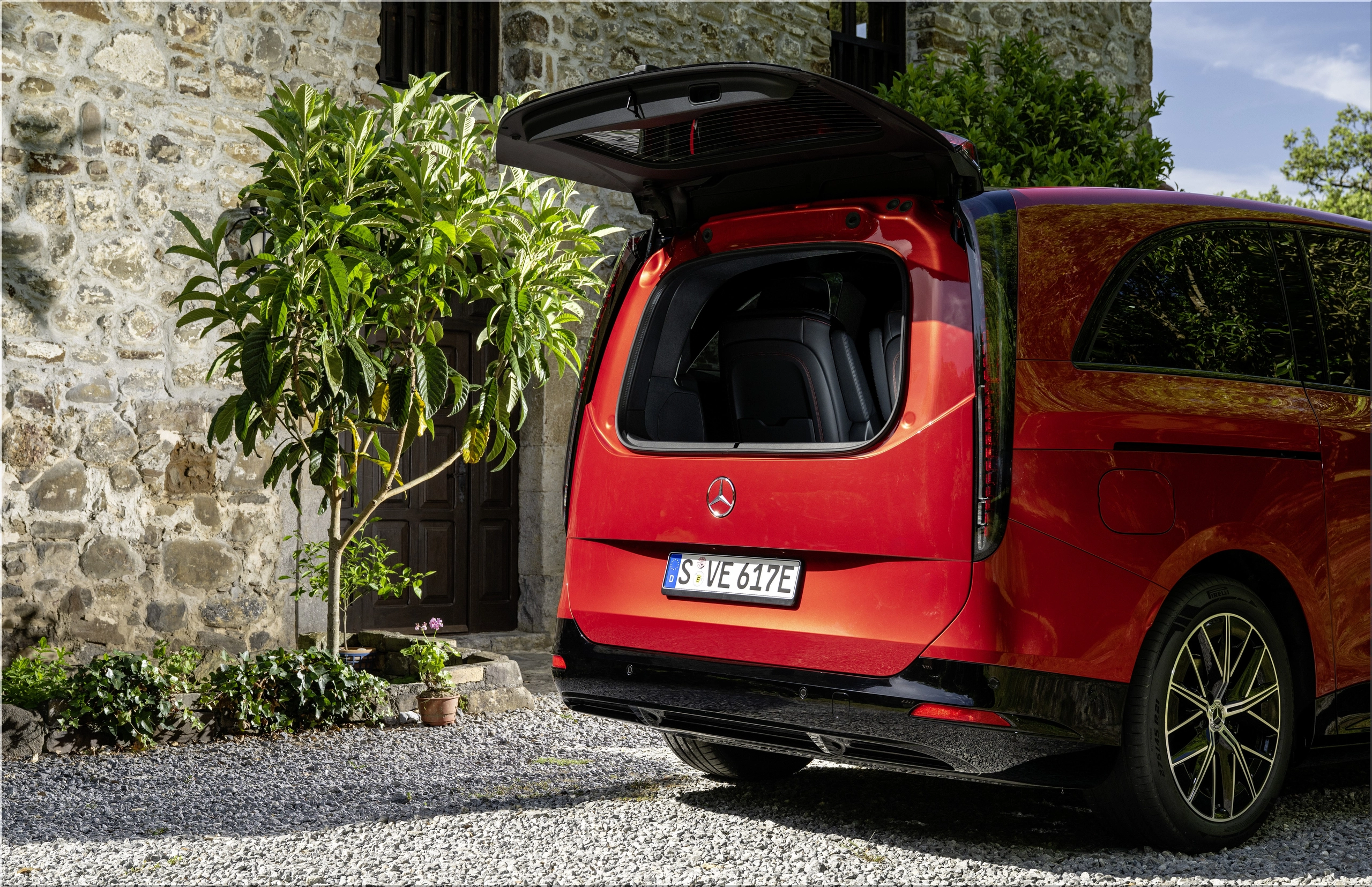
- Separate opening rear glass
- EASY-PACK electric tailgate
- Up to about 4,078 liters / 144 cubic feet of cargo volume, depending on seat layout
The tech stack runs through MB.OS, Mercedes' centralized software system for infotainment, driver assistance, and vehicle controls. The sensor set includes 10 cameras, five radar sensors, and 12 ultrasonic sensors, backed by a water-cooled central processor rated at up to 254 trillion operations per second. That gives the VLE enough digital muscle for advanced driver assistance and parking features without pretending the driver can nap.
Mercedes-Benz VLE Price Converted To USD
The German launch price for the VLE 300 starts at about $93,700. A lower-priced VLE 300 variant due later in 2026 should start near $80,300. In the Netherlands, a six-seat VLE 300 launch version starts around $104,200 because local taxes push the number upward.
| Version | Local Price | Approx. USD |
|---|---|---|
| VLE 300 Germany launch version | 82,260 euros | $93,700 |
| Later VLE 300 five-seat base version | 70,464 euros | $80,300 |
| Netherlands VLE 300 six-seat launch version | 91,425 euros | $104,200 |
| Expected VLE 250 six-seat version | 72,025 euros | $82,100 |
That price creates the main tension. The VLE offers range, cabin space, and luxury hardware that a normal minivan can not match. It also costs like a premium SUV, because Mercedes does not sell executive shuttle comfort at bargain-bin money. Shocking, I know.
Video gallery
Video title
Mercedes-Benz VLE 300 Electric Van
How Does The VLE Compare With Electric MPV Rivals?
The electric luxury van segment has grown fast, mainly in Europe and Asia. The VLE now faces the XPENG X9, Volvo EM90, Zeekr 009, and Volkswagen ID. Buzz LWB. Each takes a different route: tech-heavy Chinese MPV, Scandinavian lounge, high-power luxury MPV, or retro family van.
| Model | Battery | Range Claim | Max DC Charging | Seats | VLE Take |
|---|---|---|---|---|---|
| Mercedes-Benz VLE 300 | 115 kWh usable | Up to 443 miles WLTP | 300 kW | 5-8 | Best mix of range, brand cachet, and cabin flexibility |
| XPENG X9 Long Range | 110 kWh | Up to 382 miles WLTP | 800V, 10-80% in about 12 minutes | 7 | Stronger value and charging claim, weaker luxury badge in Europe |
| Volvo EM90 | 116 kWh | Up to 459 miles CLTC | 10-80% under 30 minutes | 6 | Excellent lounge feel, less layout flexibility |
| Volkswagen ID. Buzz LWB | 86 kWh usable | Up to 293 miles WLTP | Up to 200 kW | 5-7 | Cheaper and friendlier, but less range and less rear-seat luxury |
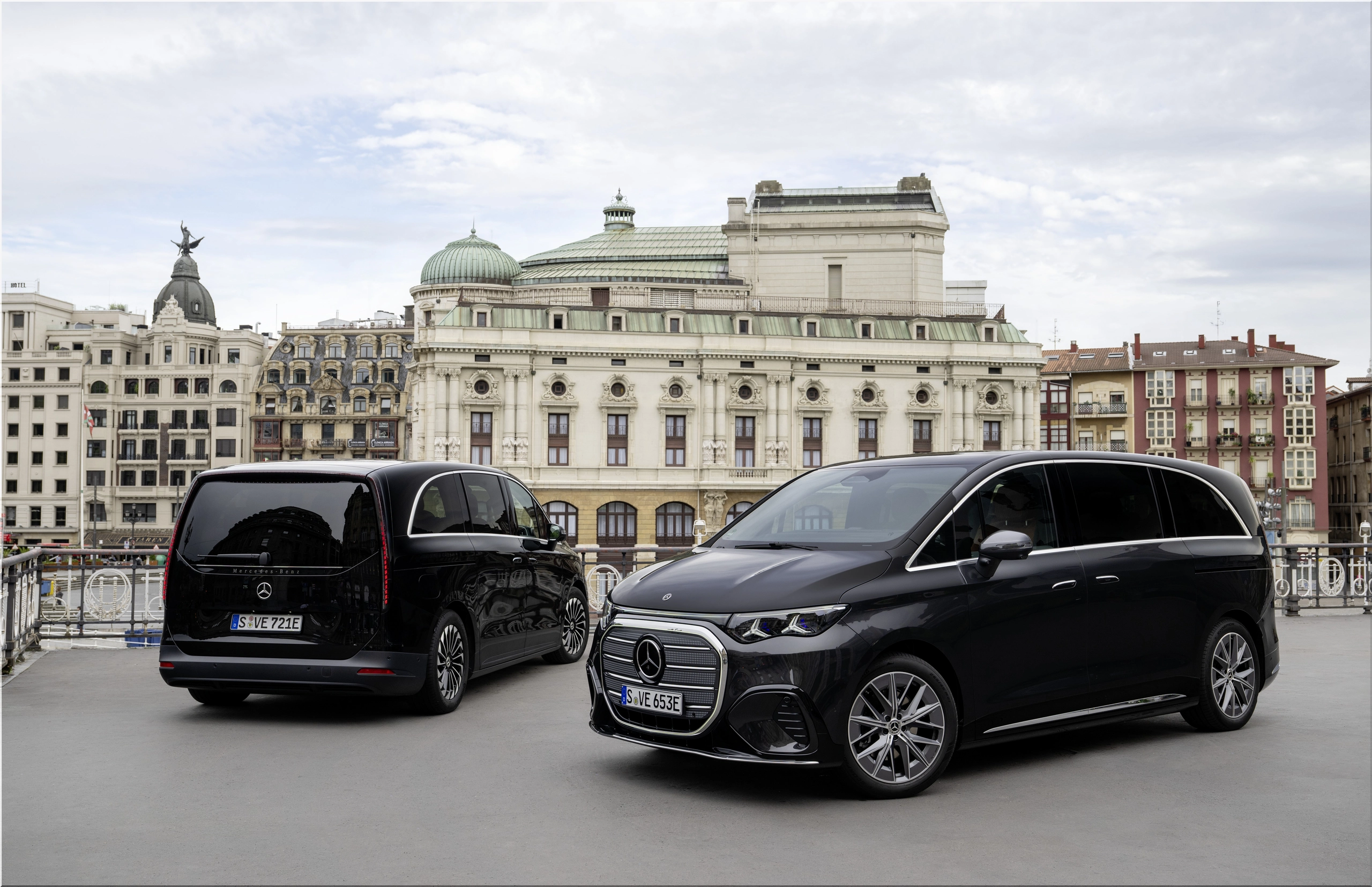
By comparison, the VLE does not chase the lowest price. It chases the buyer who wants a chauffeured rear cabin, serious range, and a Mercedes badge without moving into a Sprinter-sized footprint. That strategy makes sense for Europe, China, airport fleets, premium hotels, and wealthy families who want space without van-life cosplay.
Pro-Tips For Mercedes-Benz VLE Buyers
- Choose the VLE 400 4MATIC if you live in snow country, tow regularly, or carry full passenger loads often.
- Choose the VLE 300 if range and efficiency rank above acceleration.
- Check local driving-license rules before choosing the 3.7-tonne configuration in Europe.
- Pick 19- or 20-inch wheels if ride comfort and range matter more than curb appeal.
- Confirm 300 kW charger access on your regular routes before paying extra for long-distance luxury.
Should You Wait For The VLE 400?
Wait for the Mercedes-Benz VLE 400 4MATIC if you want all-wheel drive, stronger acceleration, and better traction under load. Buy the VLE 300 if you prioritize maximum range and lower purchase cost. The VLE 300 makes the cleaner business case, while the VLE 400 makes the better all-weather family and shuttle case.
Image gallery:
Final Take: The VLE 300 Makes The Luxury SUV Look Wasteful
The Mercedes-Benz VLE 300 gives Mercedes a serious electric people mover with real range, fast charging, a flexible cabin, and rear-seat comfort that most three-row SUVs can only fake. It costs serious money, and the front-drive launch version may feel traction-limited under hard use. Still, the core package makes sense.
From an expert perspective, the VLE's strongest trick does not involve the 8K screen or the giant battery. It uses space honestly. The VLE carries people like a van, rides like a luxury car, charges like a modern EV, and gives buyers a practical reason to stop pretending that every family problem needs another SUV.
- Add new comment
- 227 views