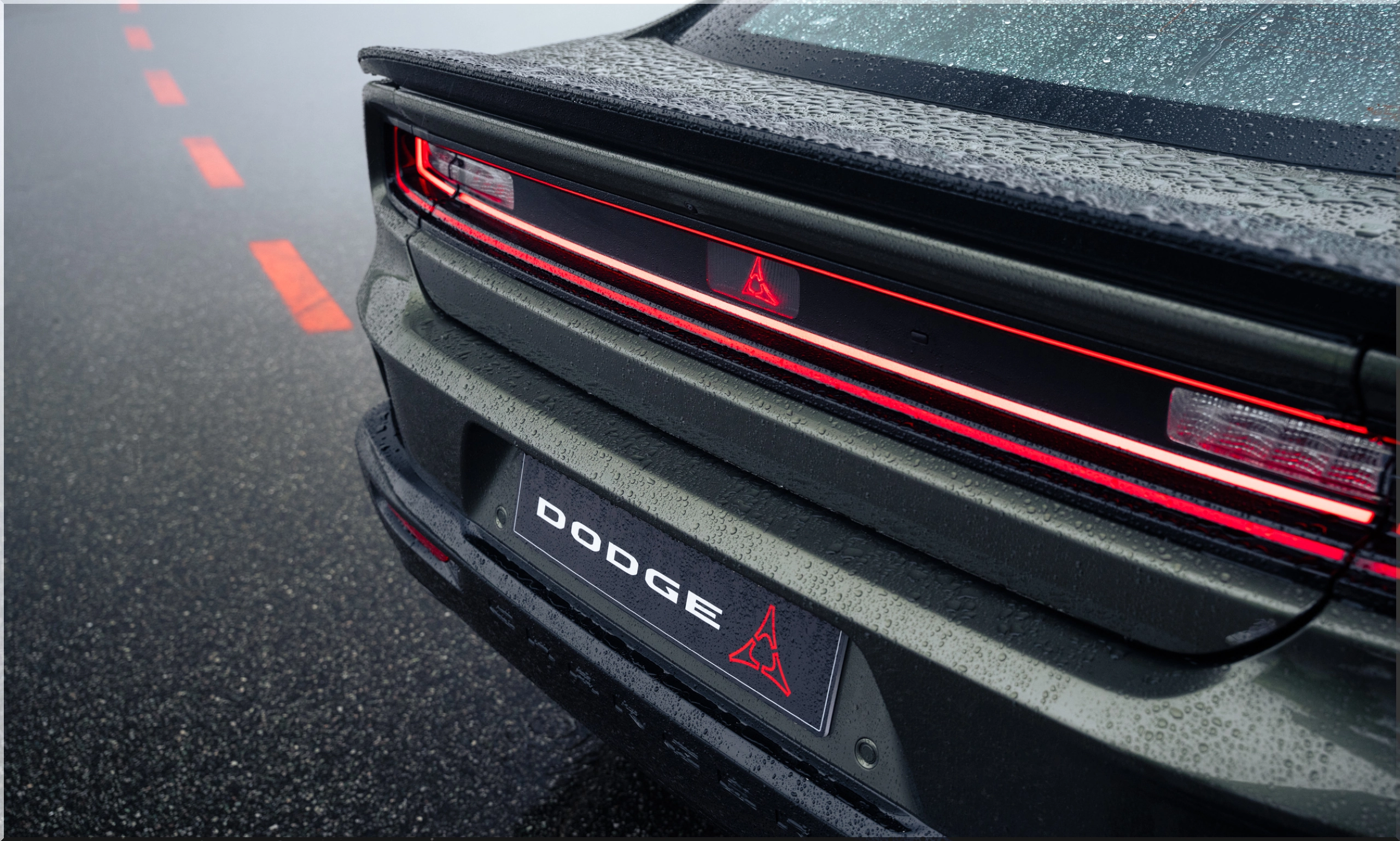
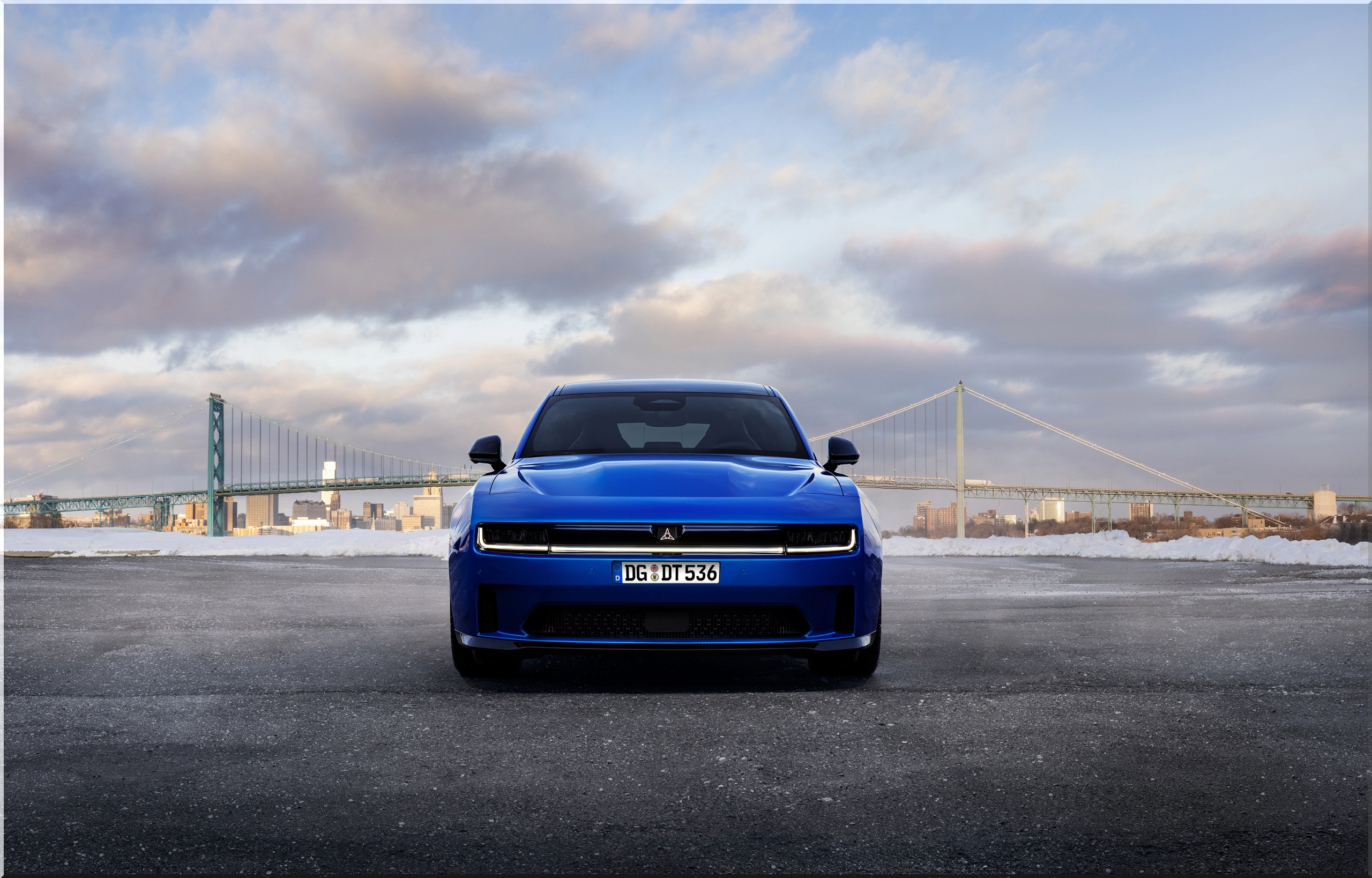
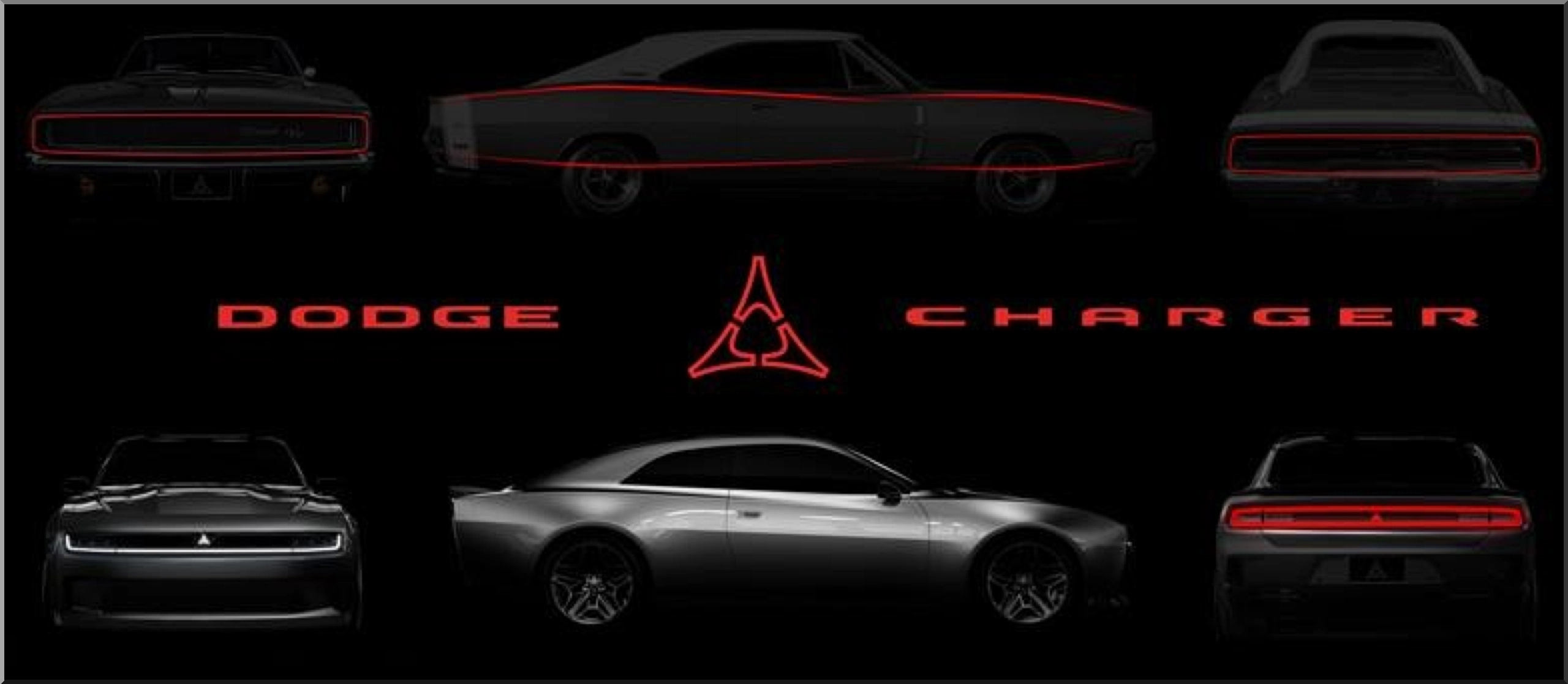
The Dodge Charger returns to Europe with electric Daytona and twin-turbo SIXPACK power, standard all-wheel drive, and two-door or four-door bodies. For American buyers, the 2027 Dodge Charger Daytona Scat Pack pairs a claimed 3.3-second sprint to 60 mph with native NACS charging, but its price demands a hard comparison.
What does Dodge's European return actually change?
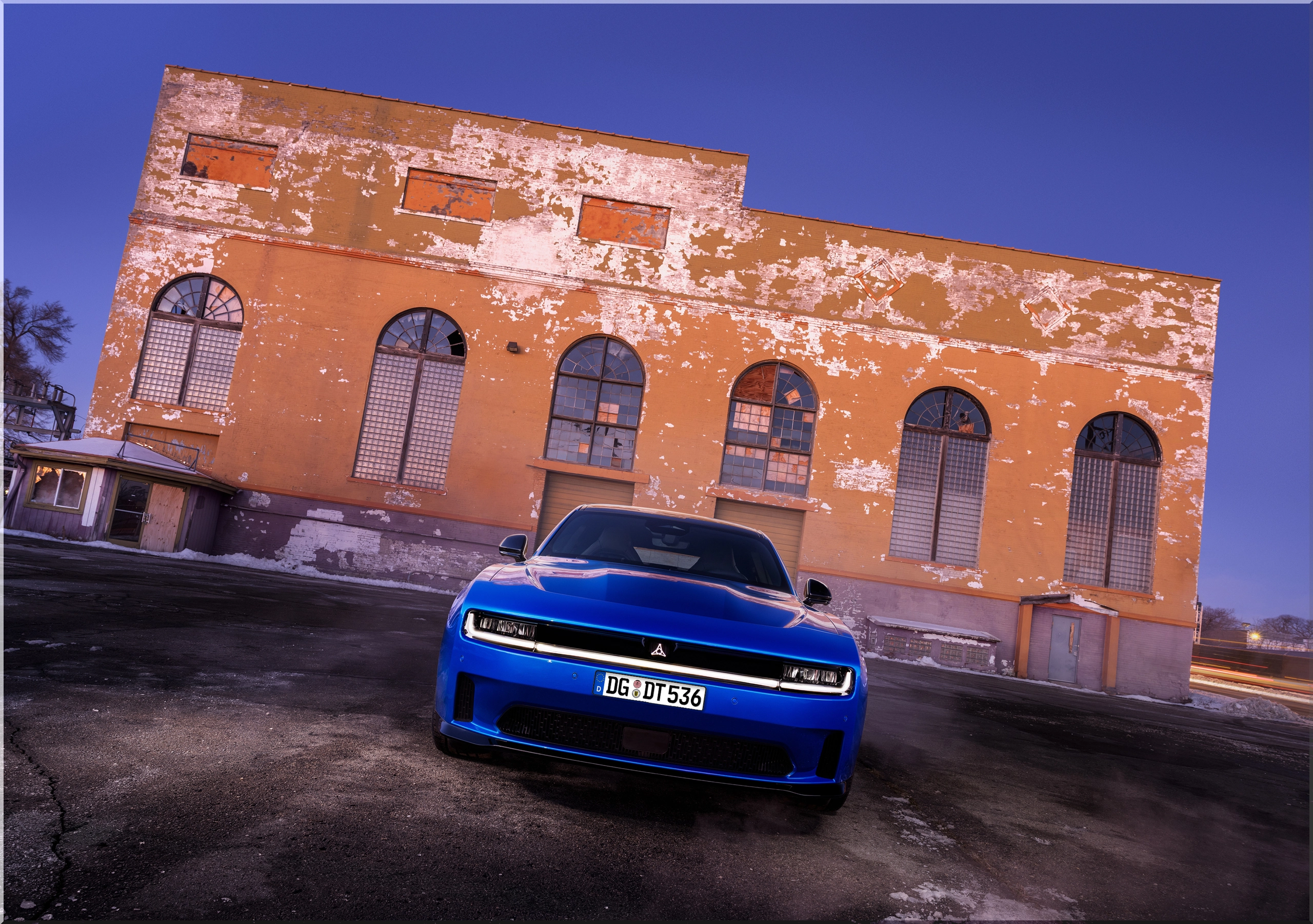
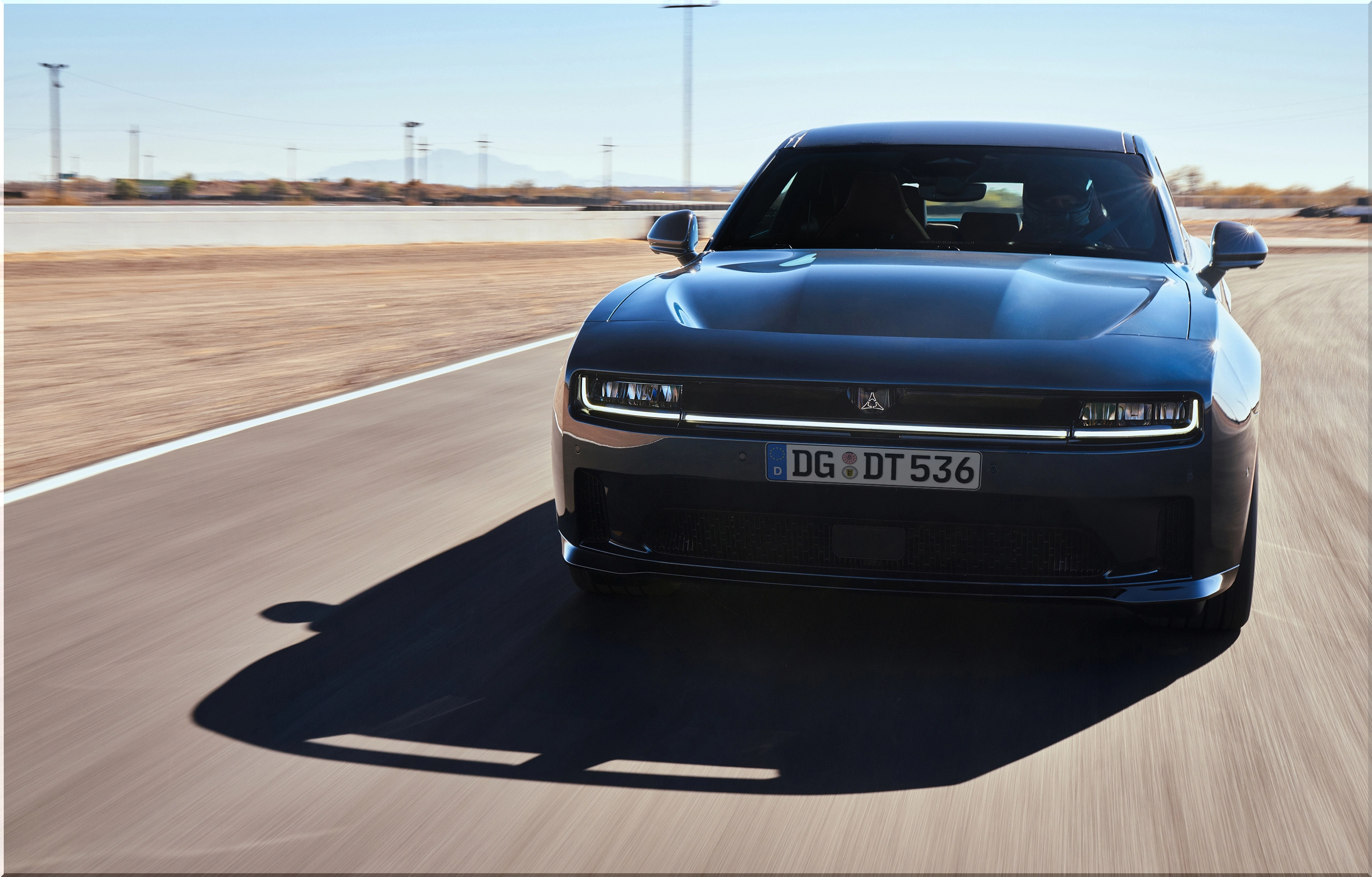
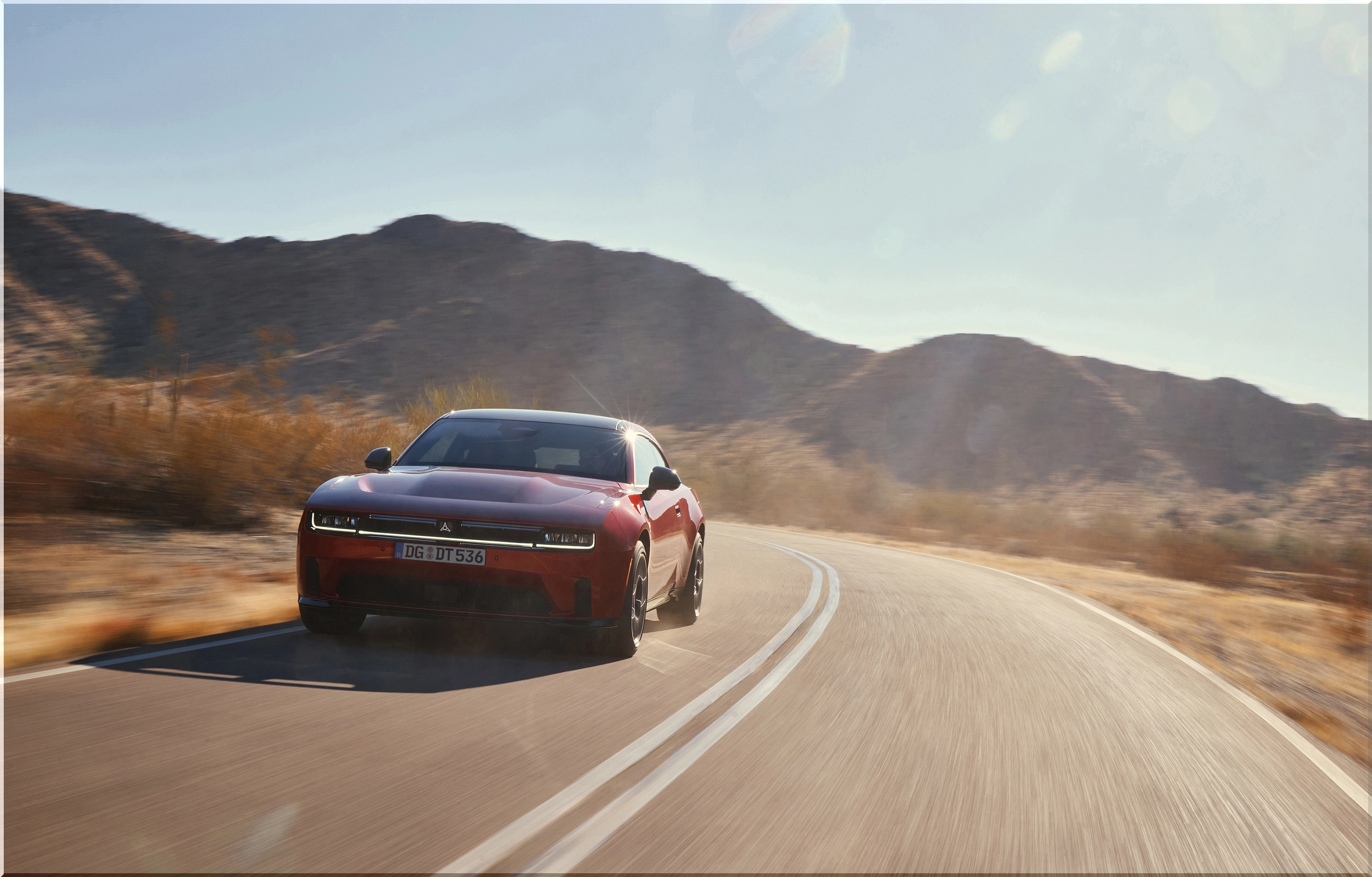
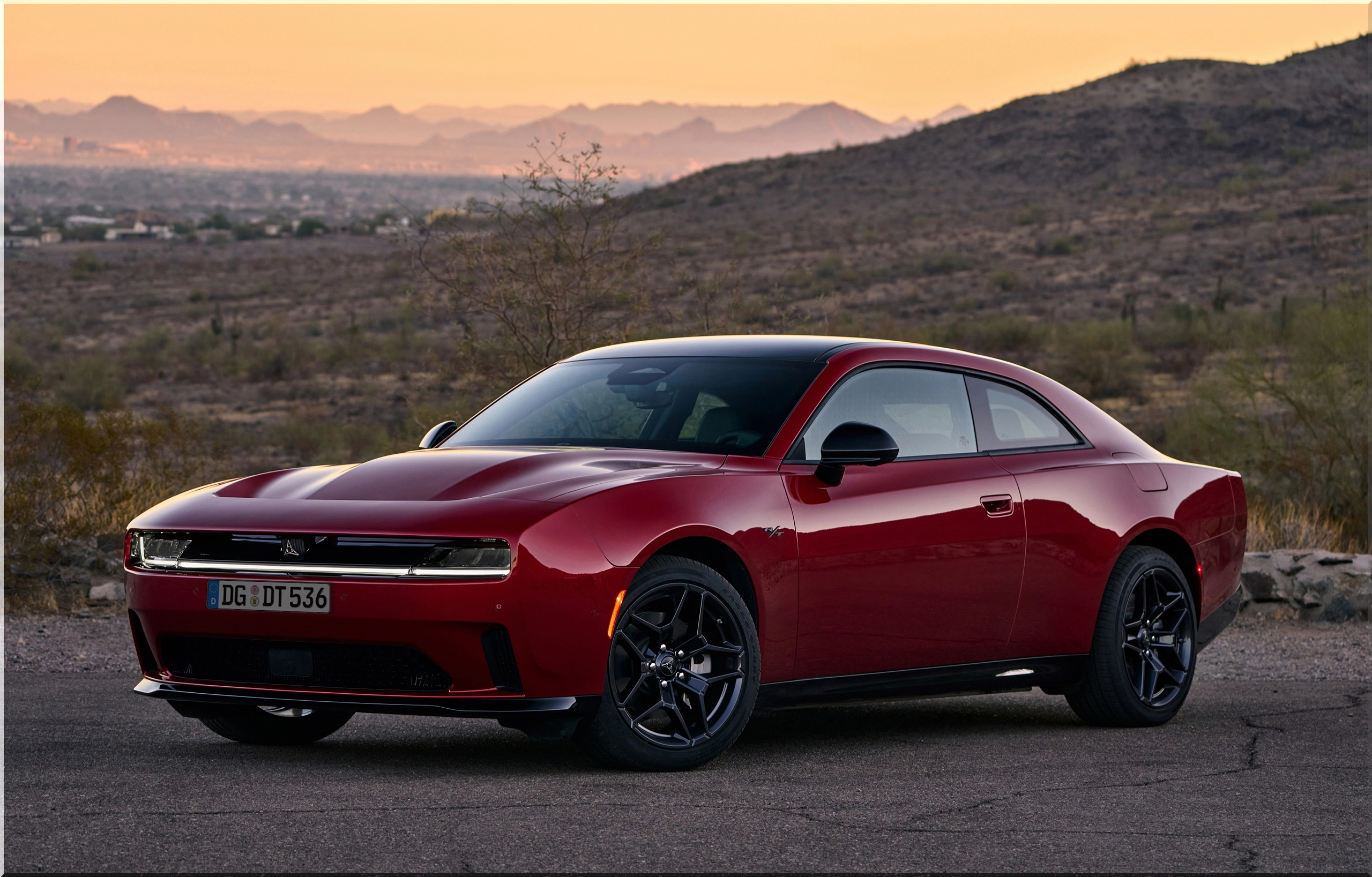
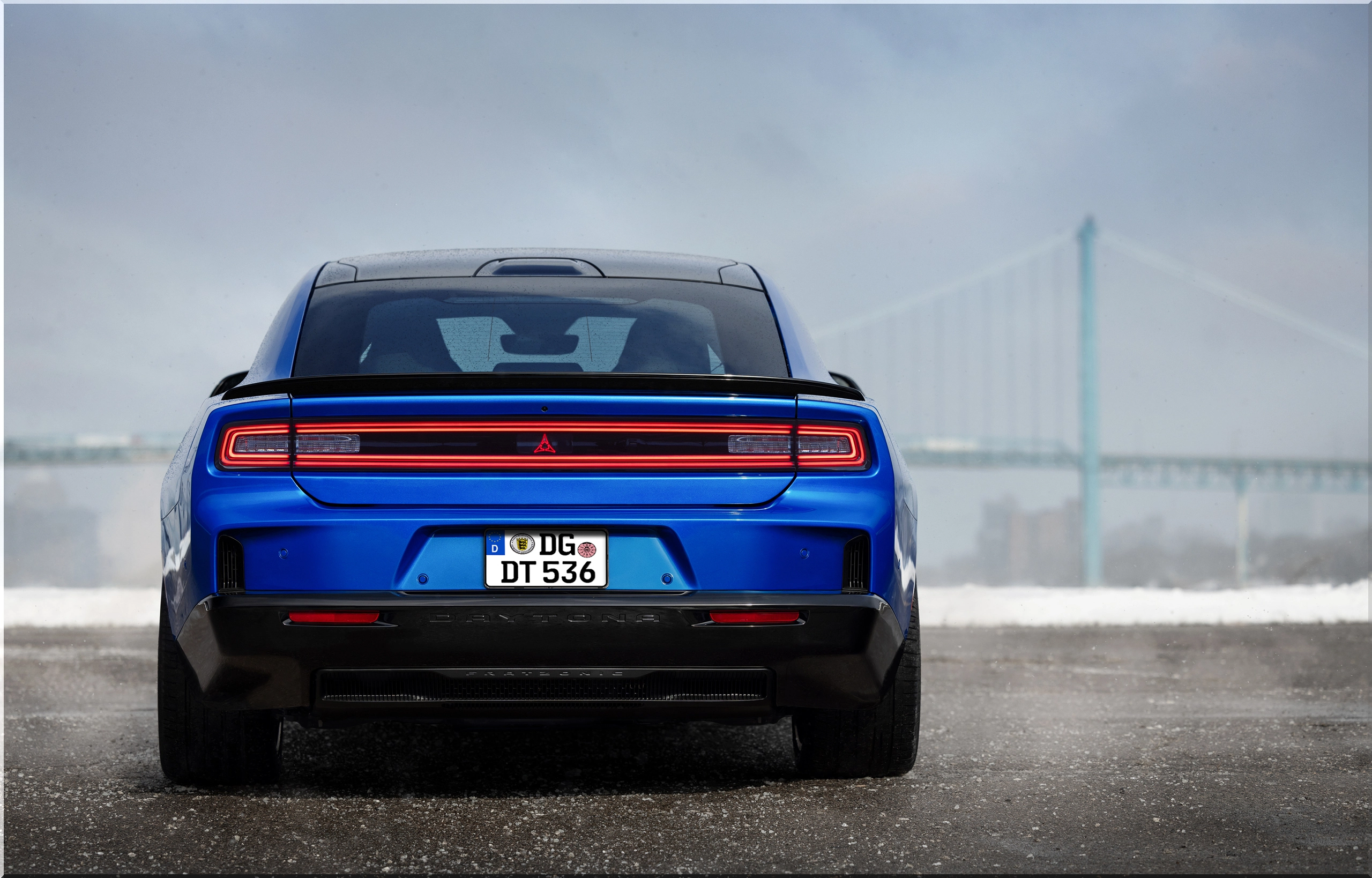
Dodge's announcement confirms European availability through official importer KWA across 20 countries. The lineup includes Daytona R/T and Scat Pack versions alongside gasoline R/T and Scat Pack models. That European range differs from Dodge's US 2027 launch lineup, which lists the Daytona Scat Pack as its electric choice.
Image
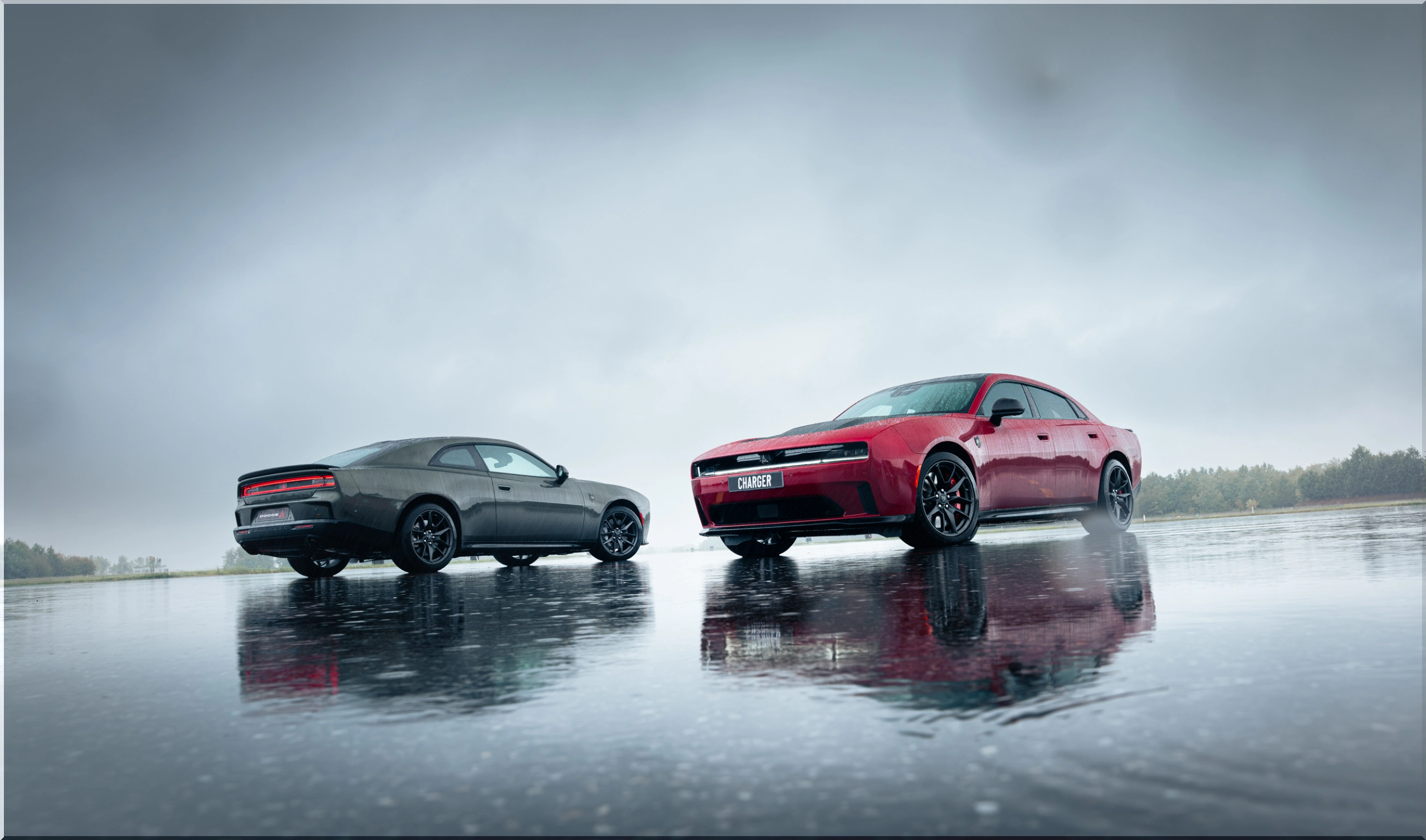
The announcement follows a September 15 Balocco media drive. Buyers gain an official sales channel for both propulsion systems. Dodge lists the European Daytona R/T at up to 536 hp; shoppers should confirm country-specific equipment and homologated range before ordering.
How do Daytona and SIXPACK performance compare?
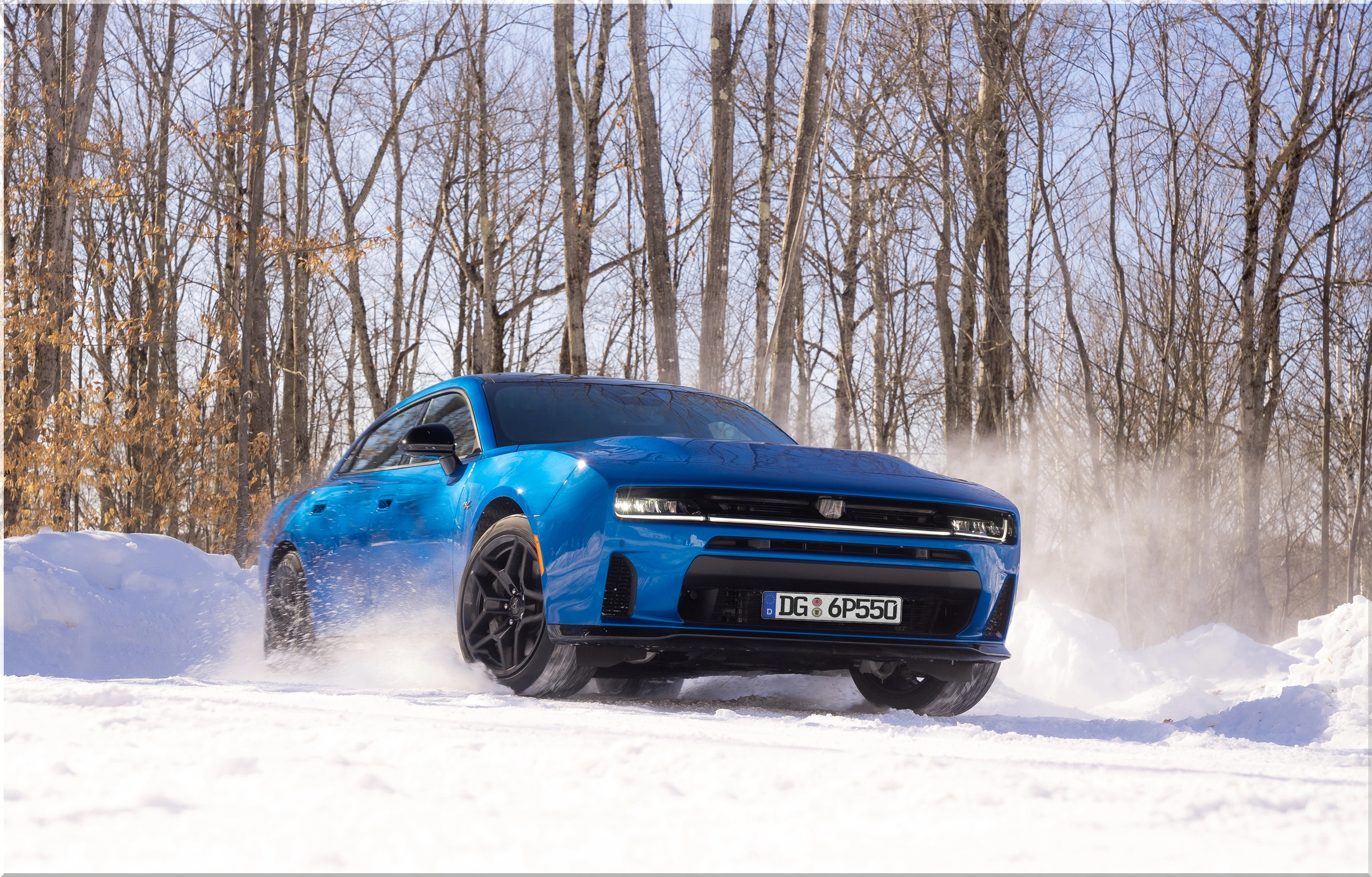
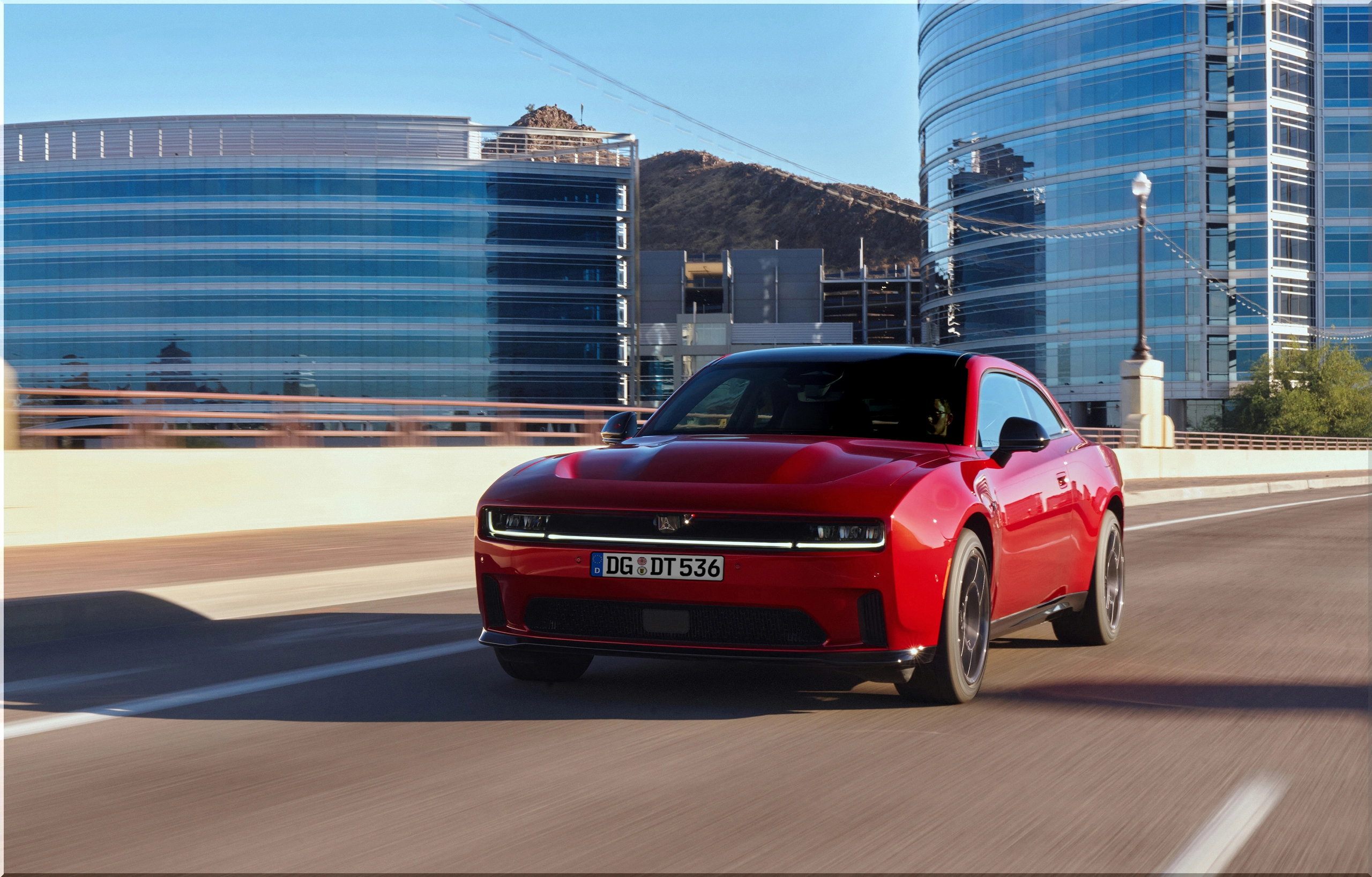
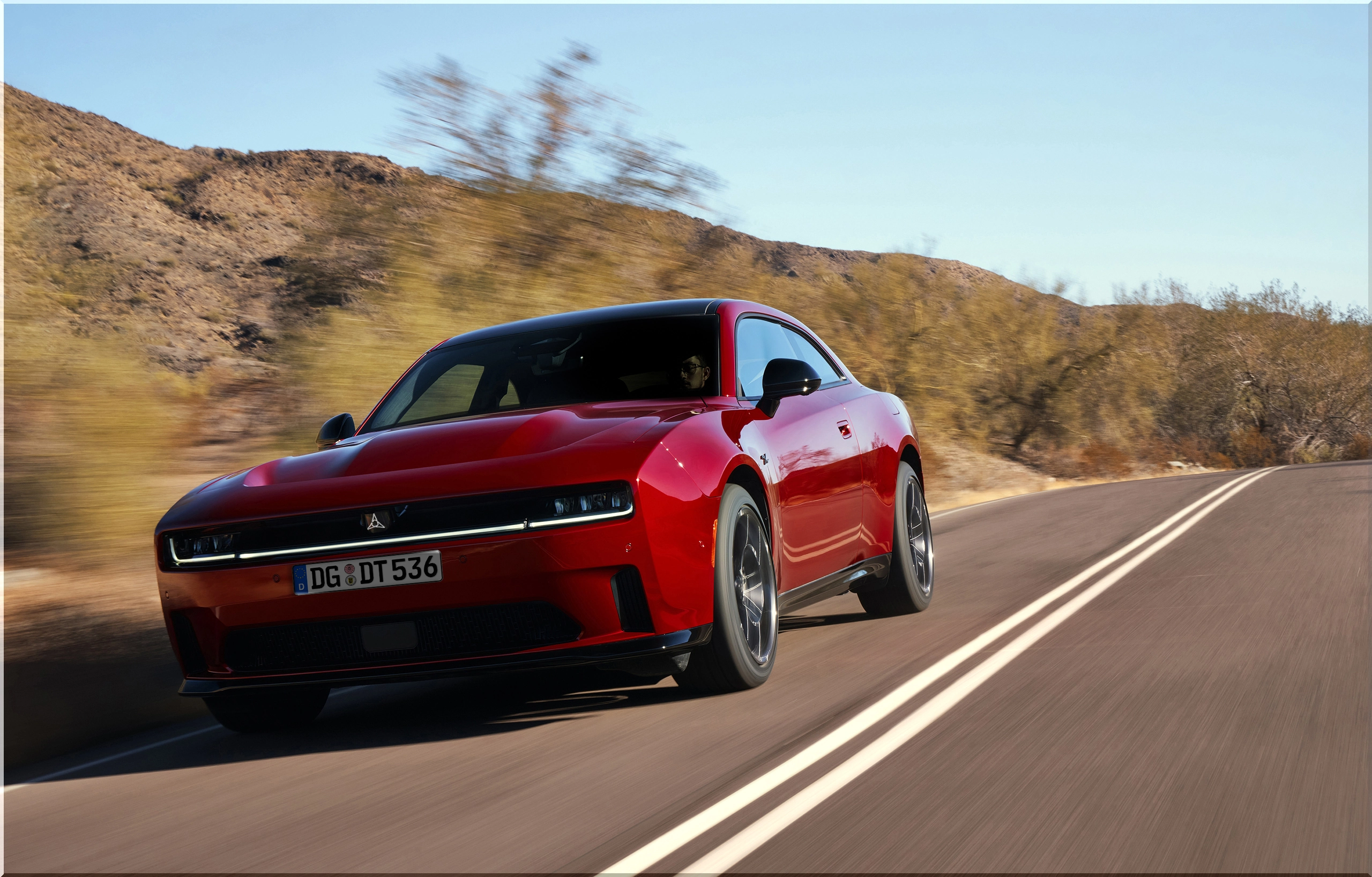
The Charger Daytona Scat Pack delivers the quickest claimed acceleration among these three US launch models, with up to 670 hp and 627 lb-ft. The gasoline Scat Pack counters with 550 hp and a much lower entry price. Every version supplies standard AWD, while gasoline models also offer selectable rear-wheel drive.
| US 2027 model | Propulsion | Maximum hp | Torque | Claimed 0-60 mph | Quarter-mile | Two-door base MSRP |
|---|---|---|---|---|---|---|
| Charger R/T | 3.0L twin-turbo inline-six | 420 | 468 lb-ft | 4.6 sec | 12.9 sec | $49,995 |
| Charger Scat Pack | 3.0L twin-turbo inline-six | 550 | 531 lb-ft | 3.9 sec | 12.2 sec | $54,995 |
| Daytona Scat Pack | Dual-motor electric | 670 | 627 lb-ft | 3.3 sec | 11.5 sec | $72,495 |
Base prices exclude destination, taxes, and fees. Manufacturer acceleration claims do not represent a shared independent test.
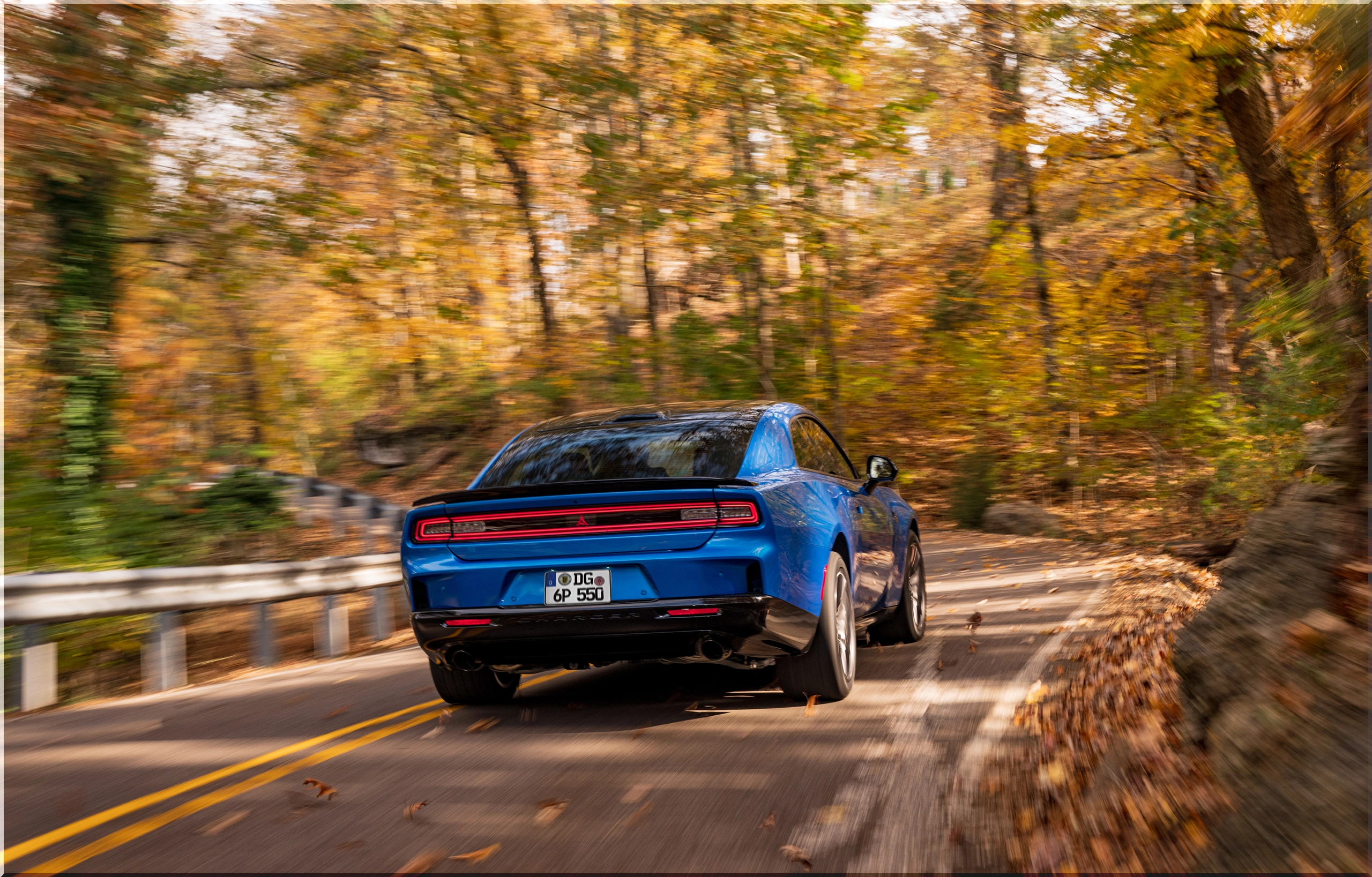
The electric car's PowerShot adds 40 hp for up to 10 seconds; the advertised 670 hp already includes that boost. By comparison, the high-output SIXPACK uses twin 54-mm Garrett turbochargers. Its broad torque delivery reduces the need to chase redline during passing.
Image
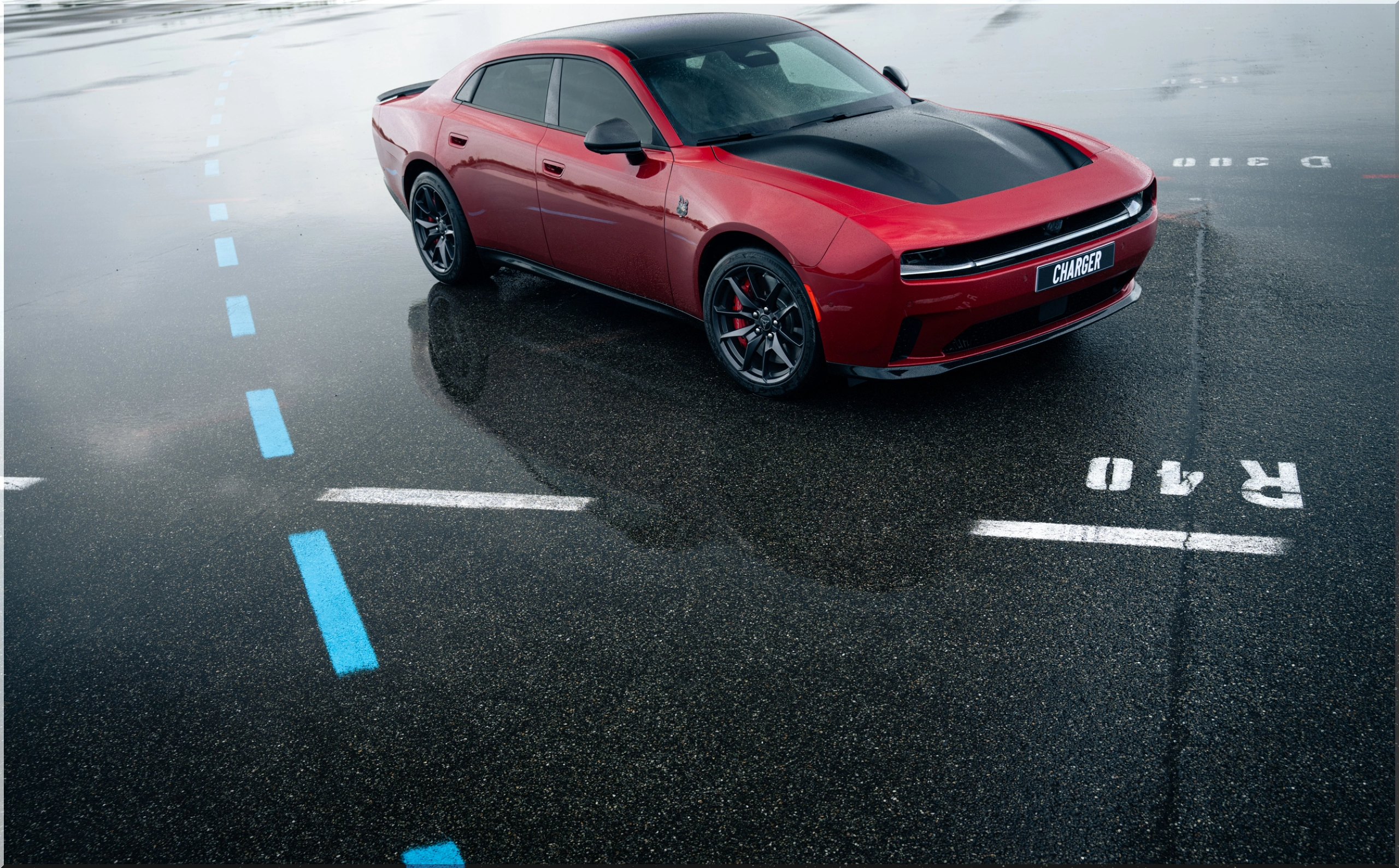
- Electric advantage: Daytona cuts the claimed quarter-mile time by 0.7 second against the gasoline Scat Pack.
- Gasoline advantage: Scat Pack saves $17,500 at base MSRP.
- Family choice: The Daytona four-door starts at $72,995, a $500 premium over its coupe.
What should buyers know about charging and range?
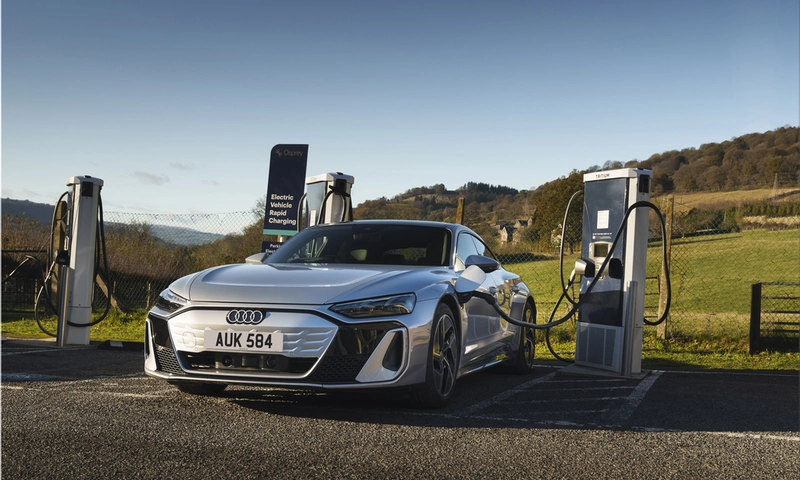
The US 2027 Charger Daytona adds a native NACS charging port, allowing direct connections at compatible Tesla Superchargers. Dodge advertises up to 267 miles of range. Connector convenience does not change the car's 400-volt architecture, and neither the range claim nor a station's power rating guarantees a particular highway charging stop.
Video gallery
Video title
Dodge Charger Daytona
Dodge's technical documentation lists a 100.5-kWh battery and an 11-kW onboard AC charger for this generation. Think of kWh as the energy tank's size; kW describes how quickly energy moves. In addition, the front drive module can disconnect to reduce losses, while a rear mechanical limited-slip differential manages traction.
Pro-Tip: Check compatible stations along your actual route, including backup locations. Cold batteries, cabin heating, speed, and charger output can change the trip plan. A NACS socket cannot fix a charging desert.

How does the Daytona compare with other performance EVs?
The Daytona leads these rivals on advertised peak horsepower, but horsepower alone cannot settle the purchase. Hyundai claims slightly quicker acceleration for its Ioniq 5 N, while BMW advertises a higher maximum range for the i4 M60. Different tires, test methods, and boost conditions limit direct comparisons between manufacturer figures.
| US performance EV | Peak hp | Claimed 0-60 mph | Advertised maximum range | Base MSRP before destination |
|---|---|---|---|---|
| 2027 Charger Daytona Scat Pack | 670 with PowerShot | 3.3 sec | 267 miles | $72,495 |
| 2026 Hyundai Ioniq 5 N | 641 with N Grin Boost | 3.25 sec | 221 miles, EPA estimate | $59,900 |
| 2026 BMW i4 M60 | 593 in Sport | 3.6 sec | 278 miles, BMW estimate | $70,700 |
Hyundai's 800-volt system adds another purchasing argument: it claims 10-80% charging in 18 minutes on suitable 350-kW equipment with its CCS adapter. Its native NACS connection takes about 30 minutes on a V3 Supercharger. The connector and the electrical architecture solve different problems.
Image gallery:
Is the electric Charger worth the extra money?
The Daytona makes the strongest case for buyers who want its body style, AWD acceleration, and convenient Level 2 charging. Cheap electricity can reduce running costs, but fuel savings alone cannot justify its purchase premium without a mileage calculation. Insurance, depreciation, tire replacement, and installation costs belong in the same budget. At an assumed 40 kWh/100 miles from the wall, electricity costs $6.80/100 miles at $0.17/kWh versus $20 at $0.50/kWh; these illustrate rate sensitivity, not measured consumption.
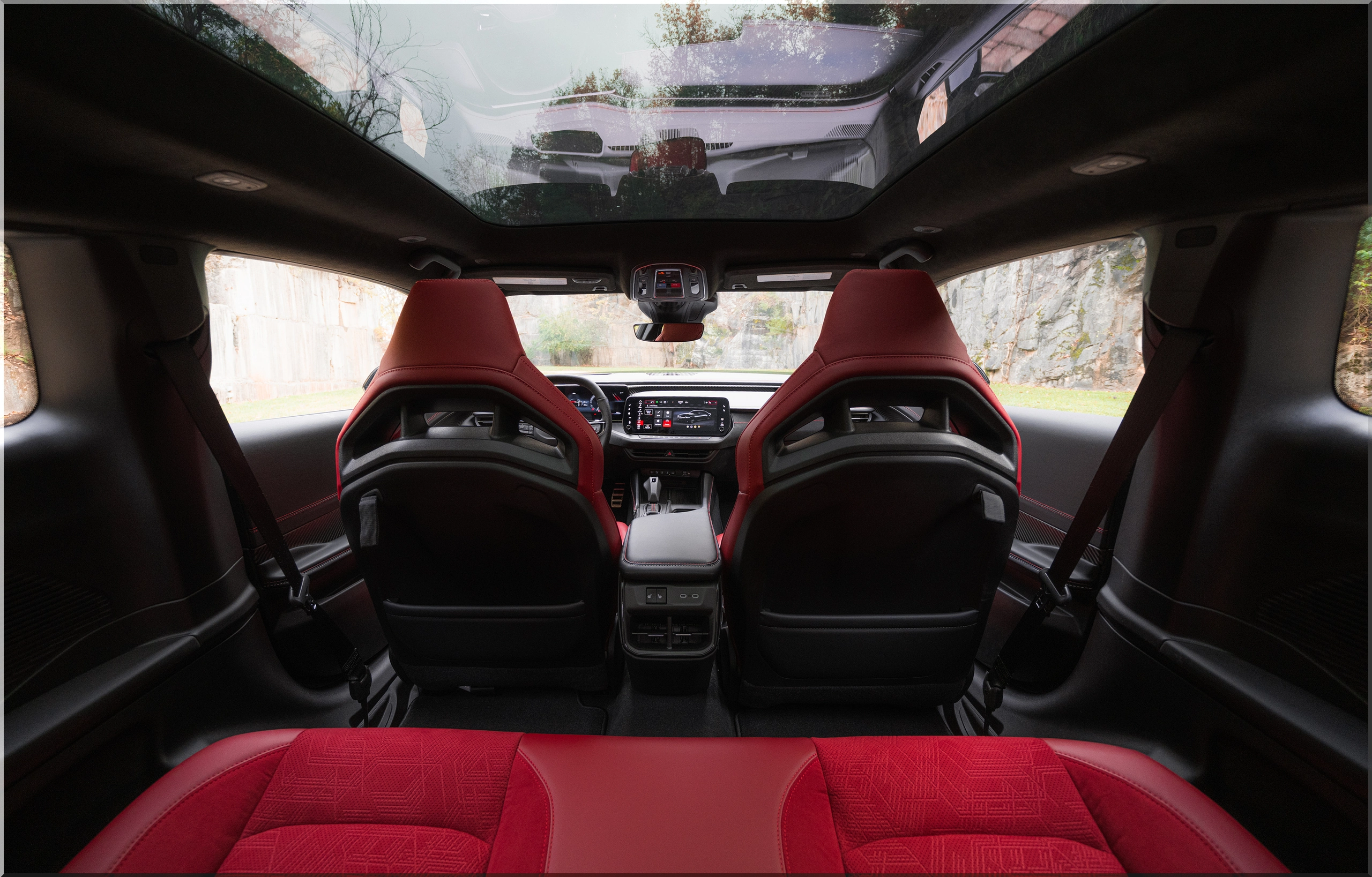
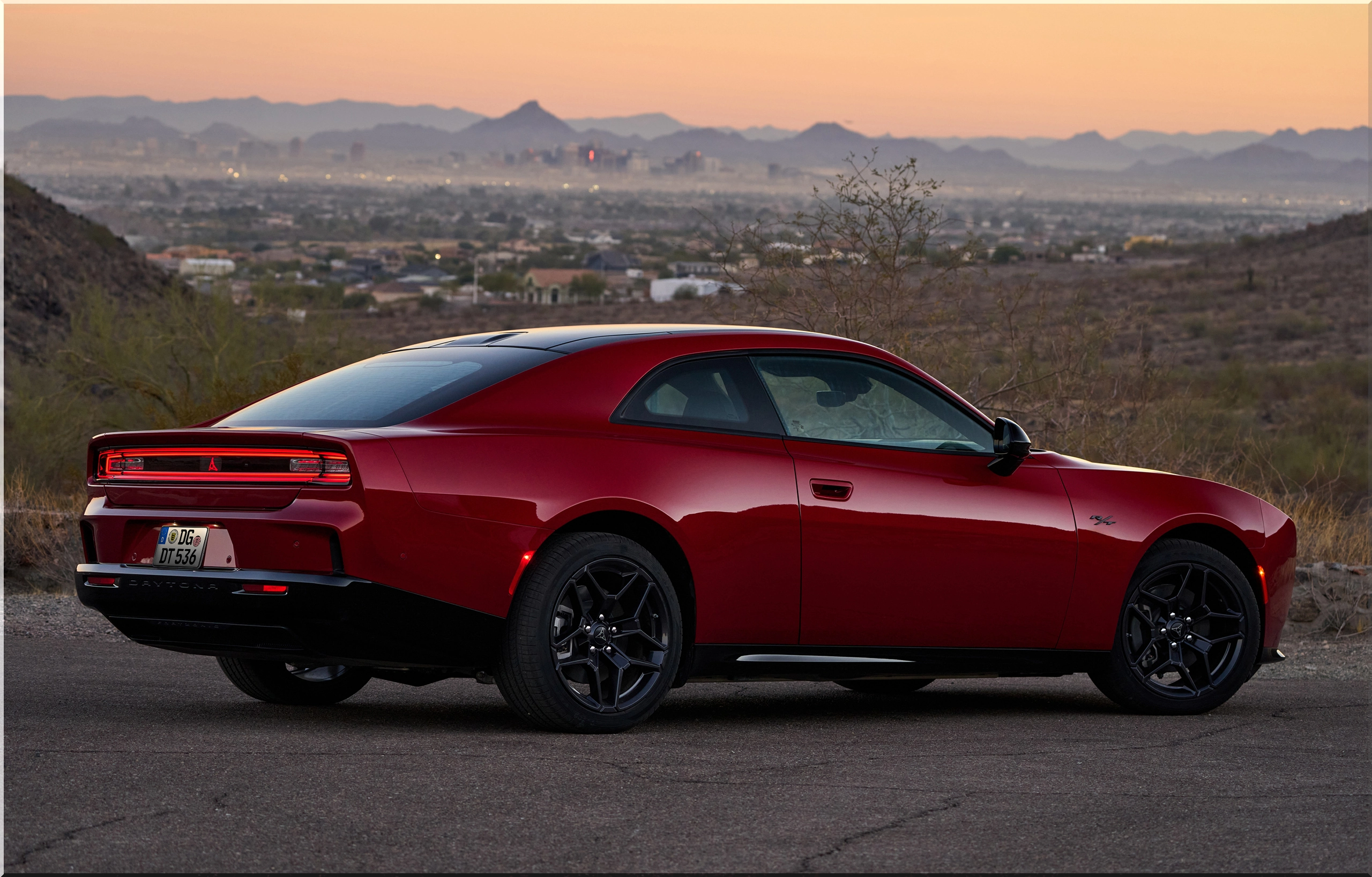
My buying advice starts with garage fit and charging access. Dodge's 2026 fleet guide lists this generation at 206.6 inches (5,248 mm) long, with a 121-inch (3,073-mm) wheelbase. Its folding seats expand cargo space from 22.7 to 37.4 cubic feet, making the hatch useful for bulky shopping.
| Pros | Cons |
|---|---|
| 3.3-second claimed acceleration | $17,500 premium over gasoline Scat Pack |
| Native NACS connection | 400-volt architecture trails newer 800-volt designs |
| Up to 37.4 cubic feet of cargo space | 206.6-inch length demands garage measurements |
- Get an insurance quote for the exact trim.
- Price your Level 2 installation before signing.
- Compare purchase and lease totals, including expected resale value.
- Add new comment
- 35 views