Electric cars have many advantages over conventional vehicles with internal combustion engines. In addition to a smaller number of required components in the engine - and thus lower maintenance and wear costs - electric cars can score in more and more areas. Here you can find out what advantages electric cars have and what must be considered.
1. Lower maintenance costs
The lower maintenance costs of the electric car arise among other things. In particular, against the backdrop of fluctuating production volumes and monopolistic price structures by OPEC, the price per kilowatt-hour of electricity is significantly more reliable. Unfortunately, it is not the case that an electric car per se can be charged cheaply. As with conventional gas stations, the prices at public charging stations and e-filling stations can fluctuate greatly.
2. Lower operating costs
A big advantage is the decreasing operating costs of electric cars. This is due to the almost maintenance-free electric motor with long service life. The engine braking effect is very efficient and protects the brake pads.
The electric engine is more compact than an internal combustion engine. The lower mass and dimensions make space-saving installation possible directly in the vicinity of the wheels.
Here is a list of wearing parts not included with an electric car: no gear, no manual transmission, no alternator, no carburettor, no exhaust, no catalyst, no engine oil, no tank, no fuel pump, no air filter.
3. Lower taxes and insurance premiums
Every country in the EU offers lower taxes and insurance premiums for electric cars. For example in Austria, vehicle owners benefit from the standard consumption tax (NoVAT), which means that up to 16% of the initial costs can be eliminated. Furthermore, electric cars are tax-deductible up to a certain amount.
4. Promotion for electric cars
Premiums for electromobility are partly funded by the government and partly by the automotive industry. Depending on the state, regions, and cities, there are various advantages and support programs.
5. Fewer emissions and less noise emission from electric cars
In a BEV (Battery Electric Vehicle), no toxic pollutants are produced by exhaust gases when driving. Especially for residents of busy roads is good news. In addition to the lower pollutant emission, there is also a significantly reduced noise emission. But why is the electric car so quiet? The electric motor generates hardly any noise when starting and driving.
6. Use torque vectoring advantage more efficiently
Torque vectoring (torque distribution) takes corrective action in curves. This advantage is greater with electric cars and allows a higher cornering speed or at the same speed higher safety than other cars.
7. High torque even when standing
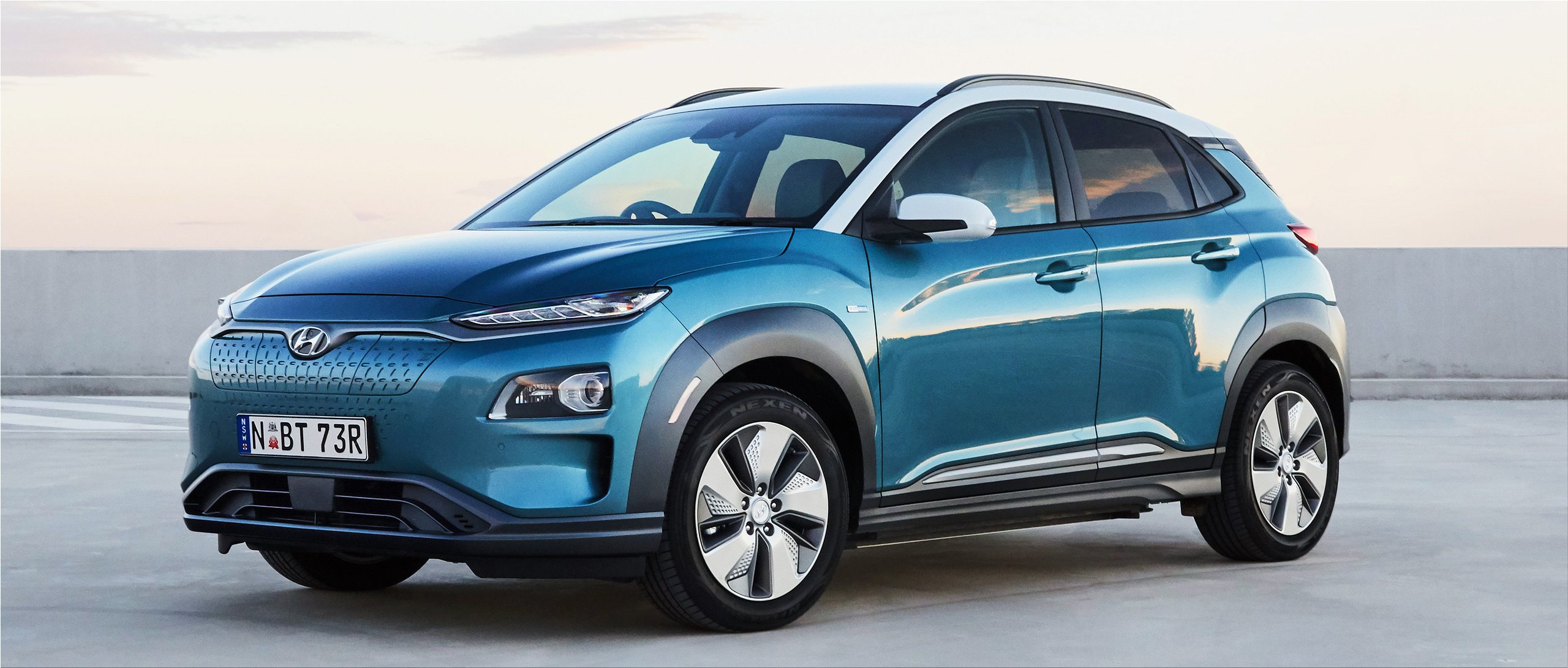
Not only in a sporty Tesla: A surprisingly fast acceleration from 0 to 100 km / h is possible with an electric car from the stand since the drive is immediately available at all speeds. In an electric motor that is dispensed with manual transmission and the circuit itself, only a single-stage assist gear is needed to adjust the speeds. The resulting ride comfort is higher than in cars with automatic transmissions.
8. High efficiency
Did you know that the electric car engine has a very high efficiency of more than 90% while the combustion engines are well below 50%? Since 2011, only electric motors that have such high efficiency may be installed.
The following efficiency classes were defined for this:
IE2 = high efficiency (in operation> 94%)
IE3 = premium efficiency
IE4 = super efficiency (> 97% realized)
9. Regenerative brake
The regenerative brake offers benefits for range extension. The energy that is expelled during braking and stopping as well as driving downhill is stored in the batteries again. Otherwise, this excess energy would be converted into heat via the engine brake and lost. In city traffic, where braking is frequently used, the regenerative braking is used much more frequently than on long-distance journeys, which shortens hold at e-charging stations. The absorption capacity of the batteries is limited, so it should be noted that only a part of the braking energy can be restored in case of sudden heavy braking. In city traffic, energy consumption can be reduced by up to 30%.
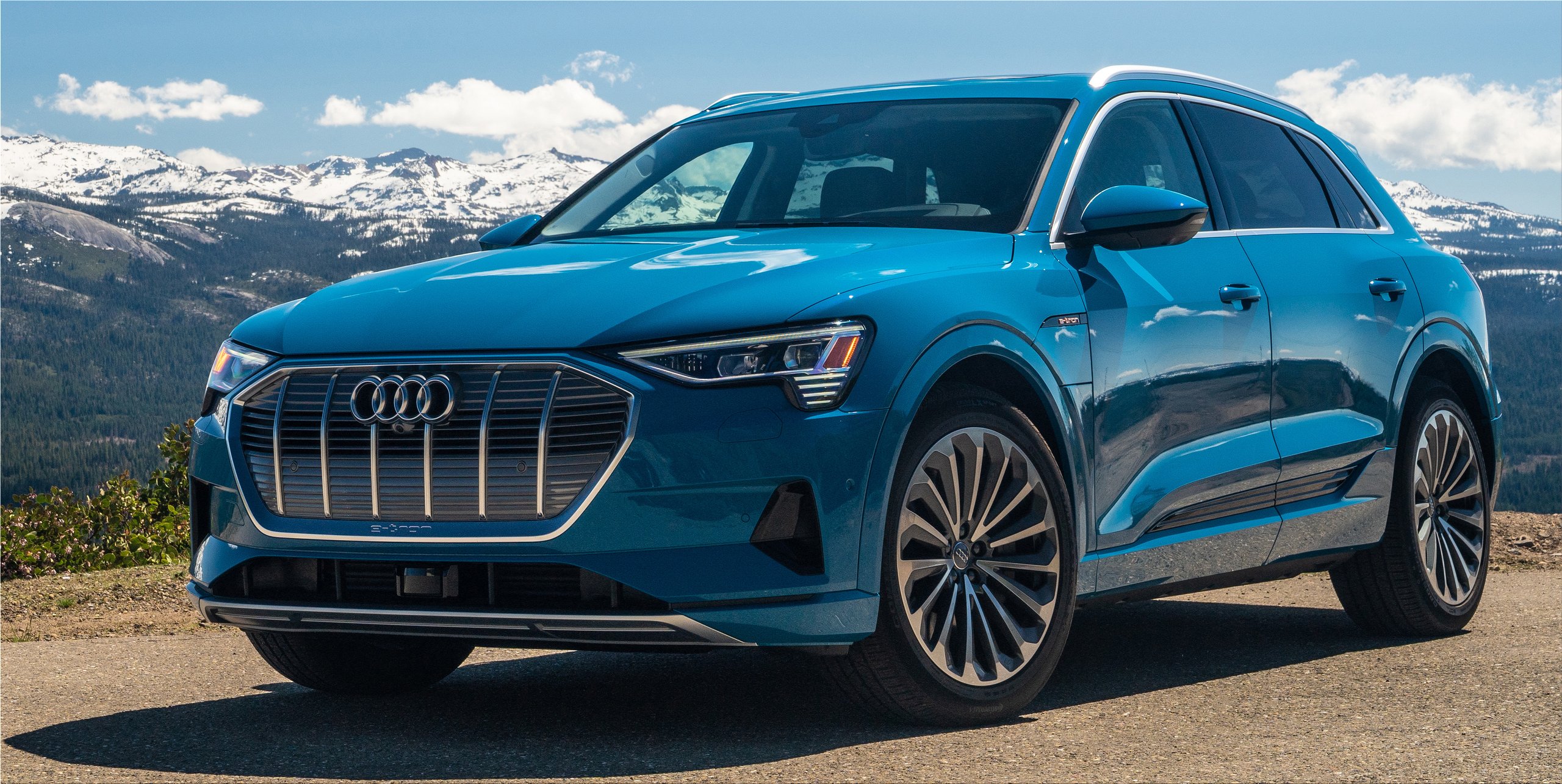
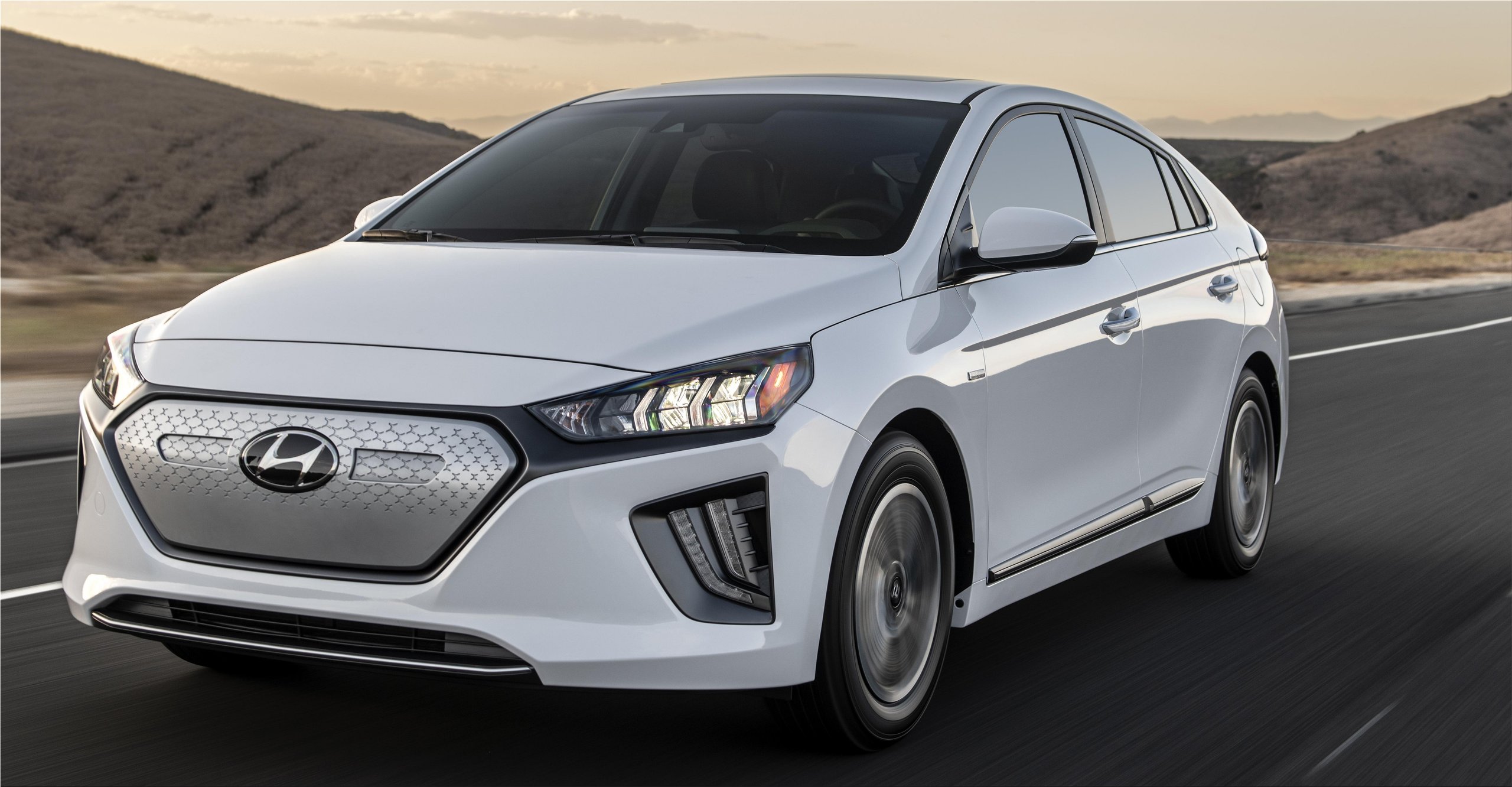
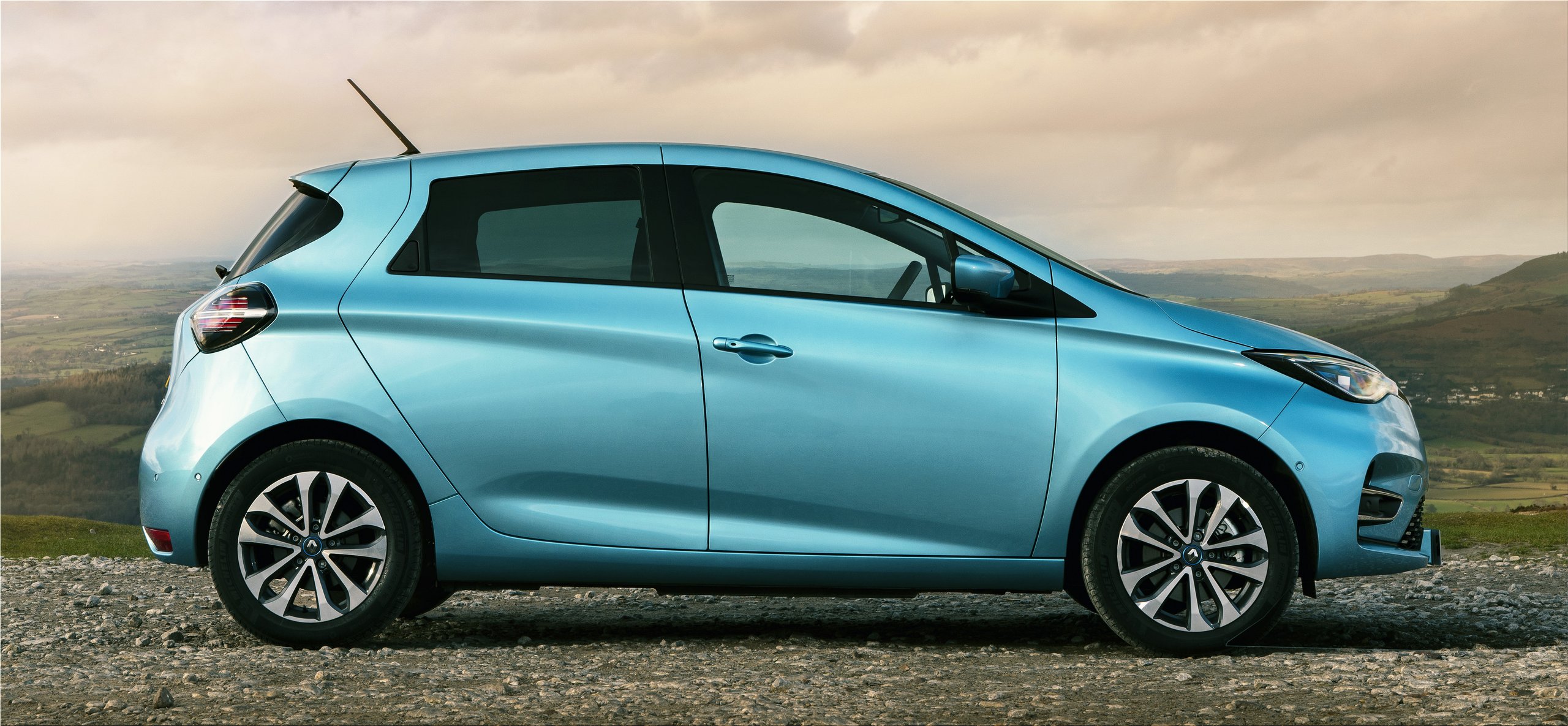
10. I like them!
and you should like them too!
Skoda launches the Superb PHEV (plug-in hybrid) in 2019. The propulsion system will be taken over from the Volkswagen Passat GTE and it will offer 218 horsepower. Skoda Superb plug-in hybrid autonomy would be up to 70 kilometers, about 20… Continue reading
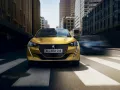
Expected in autumn 2019, according to an article in "The Slovak Spectator", the first copy of Peugeot e-208 left the production line of the PSA plant in Trnava on Wednesday, March 27, 2019. Peugeot officially unveiled the new 208 in late… Continue reading

Citroën presents at the Geneva Motor Show a new and interesting electric vehicle: AMI, a 100% electric compact car accessible to all. With only 2.40 meters in length and two seats, the Ami will not need a driving license as it is… Continue reading

Dacia opens a new chapter in its history, with the presentation of its first electric car: Dacia Spring. The cheapest electric car on the market offers a record interior space for its segment, a simple and reliable electric motor… Continue reading