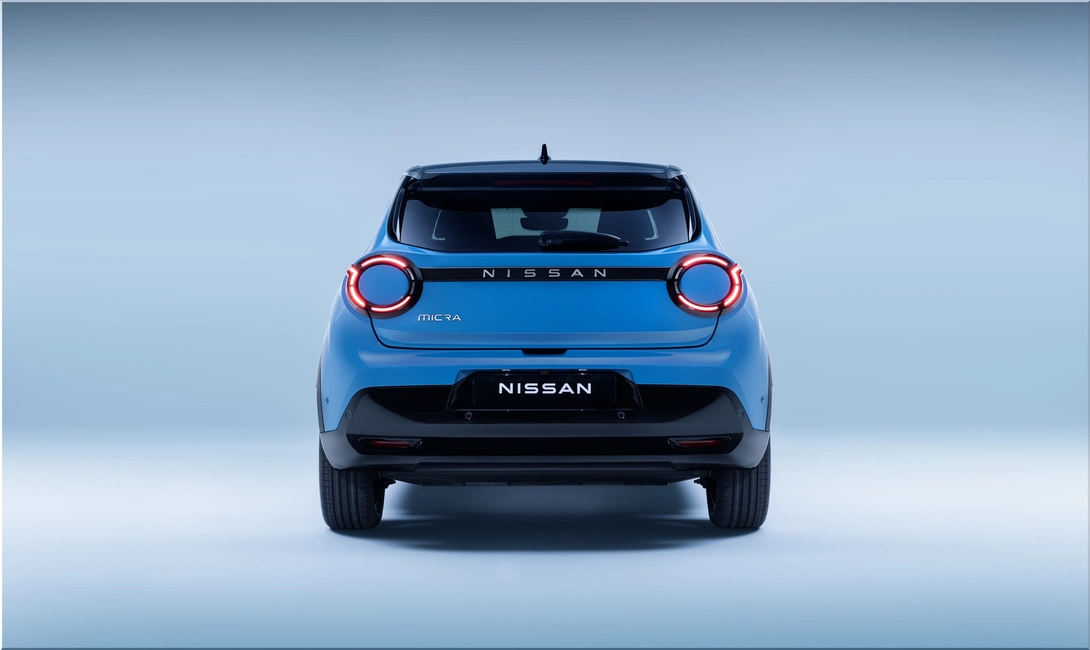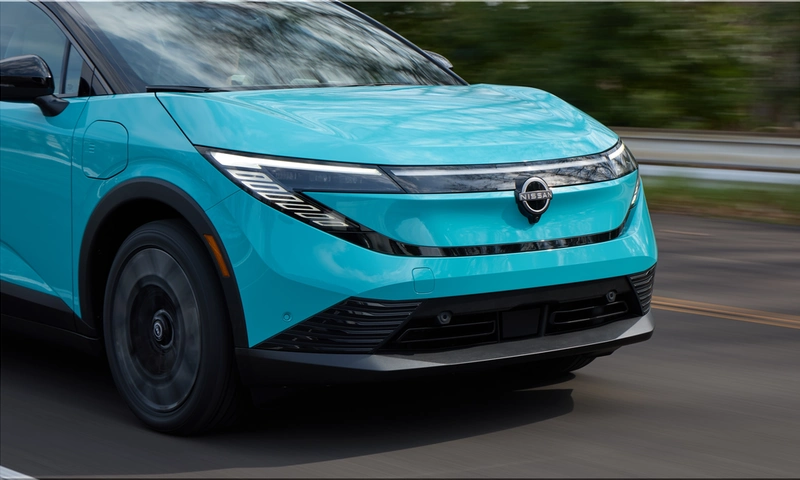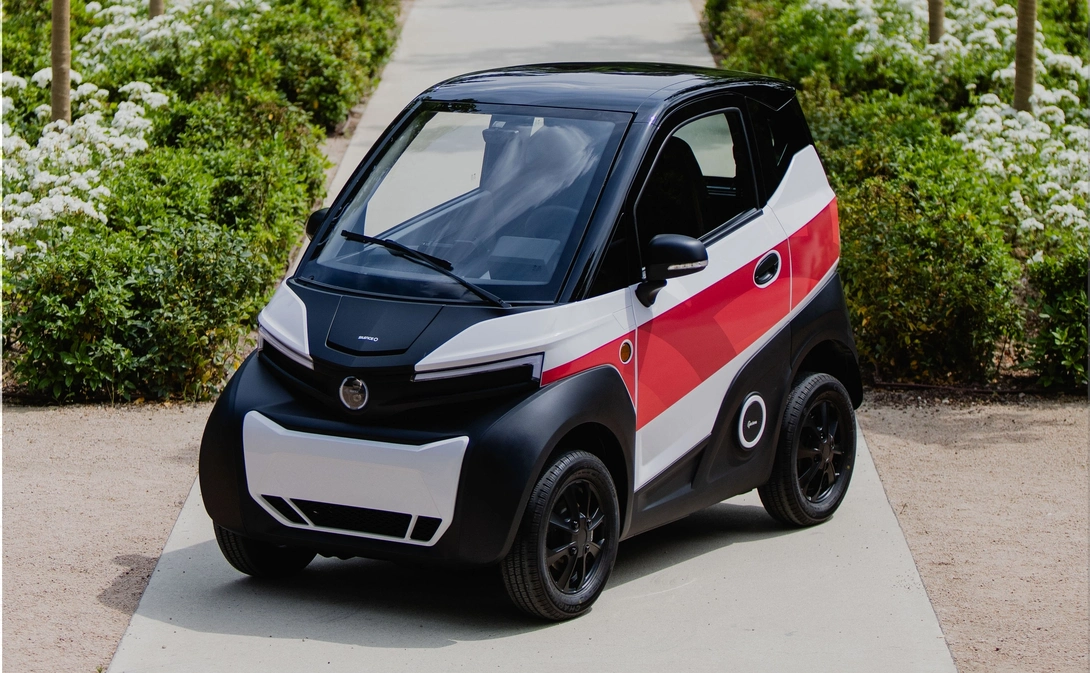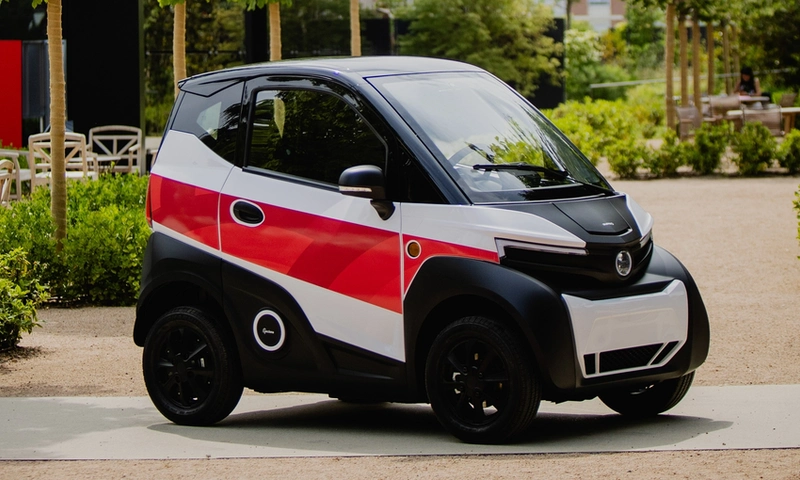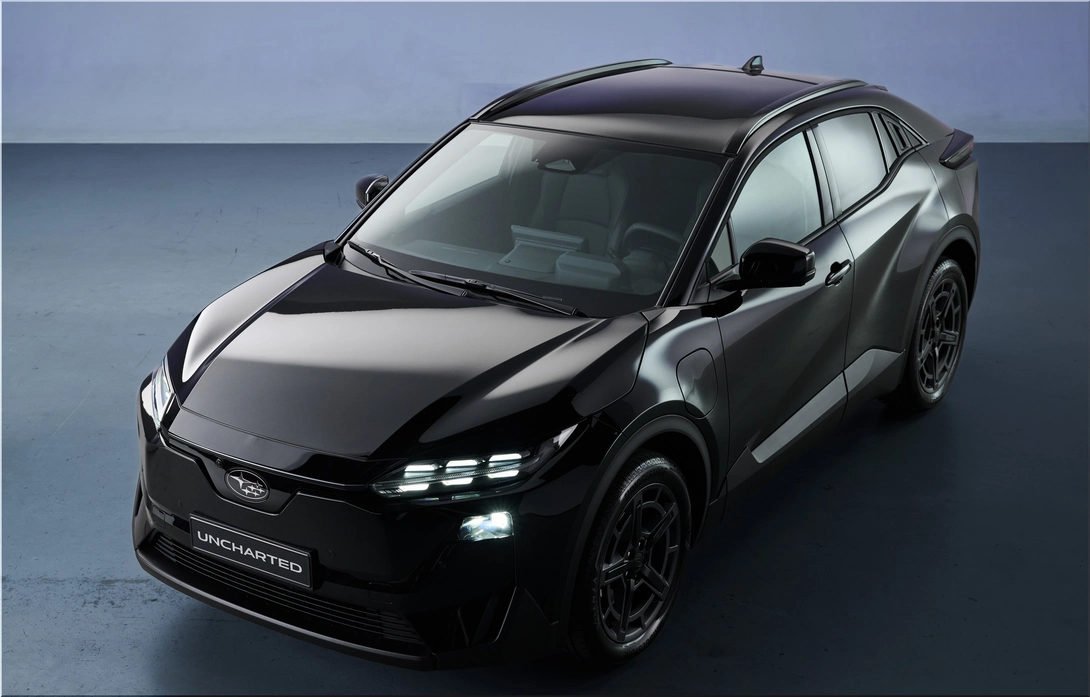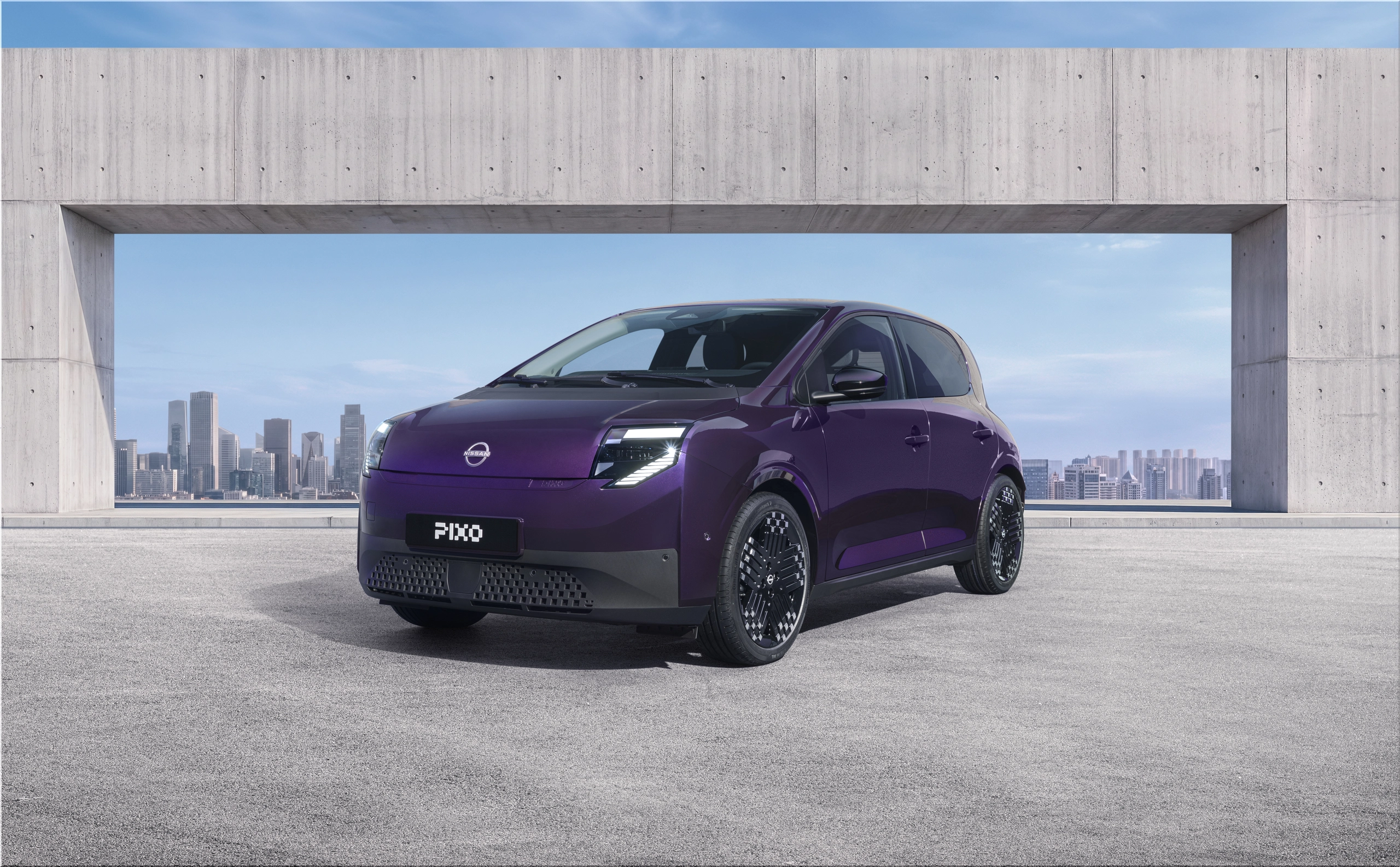
The 2027 Nissan PIXO targets European city driving with a 27.5-kWh battery, up to 161 miles (259 km) of WLTP range, and standard 50-kW DC charging. Nissan plans deliveries from early 2027 and pricing announcements from December. Its appeal rests on useful space and charging access; its value still needs a price.
Image
What does the electric Nissan PIXO offer?
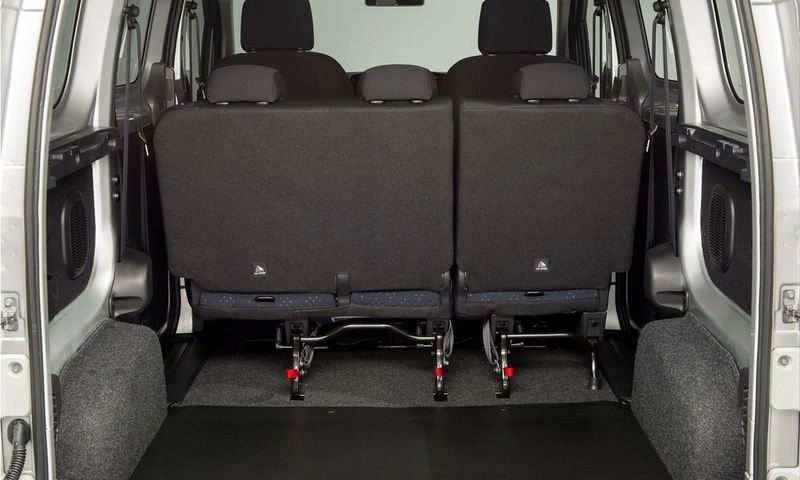
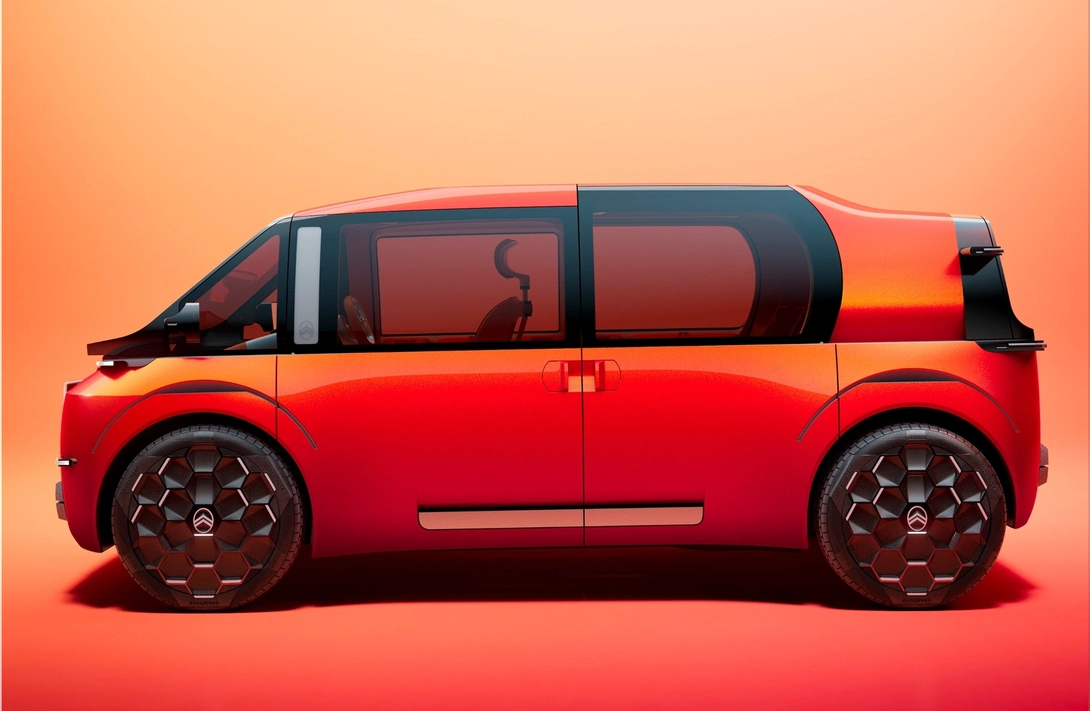
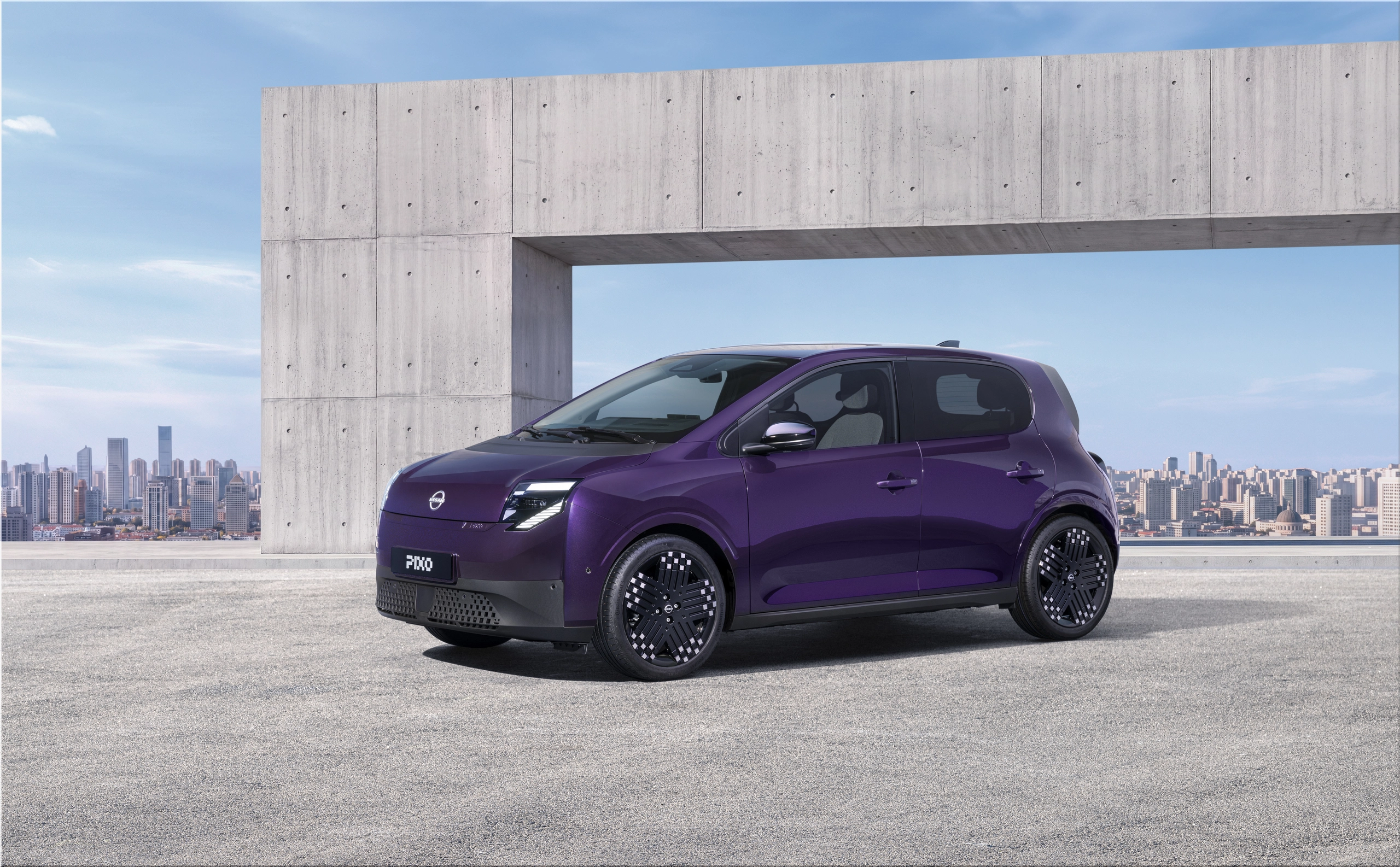
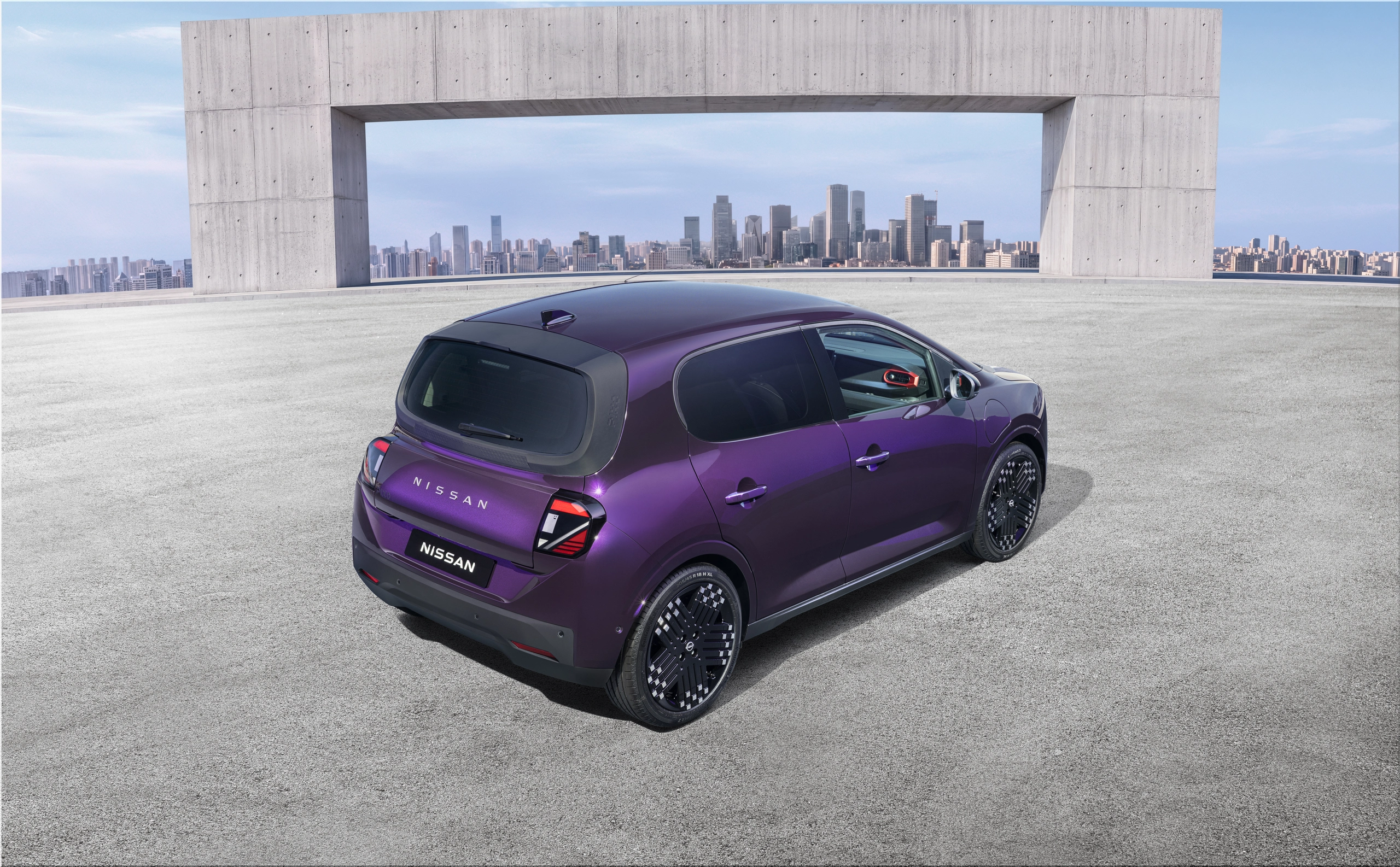
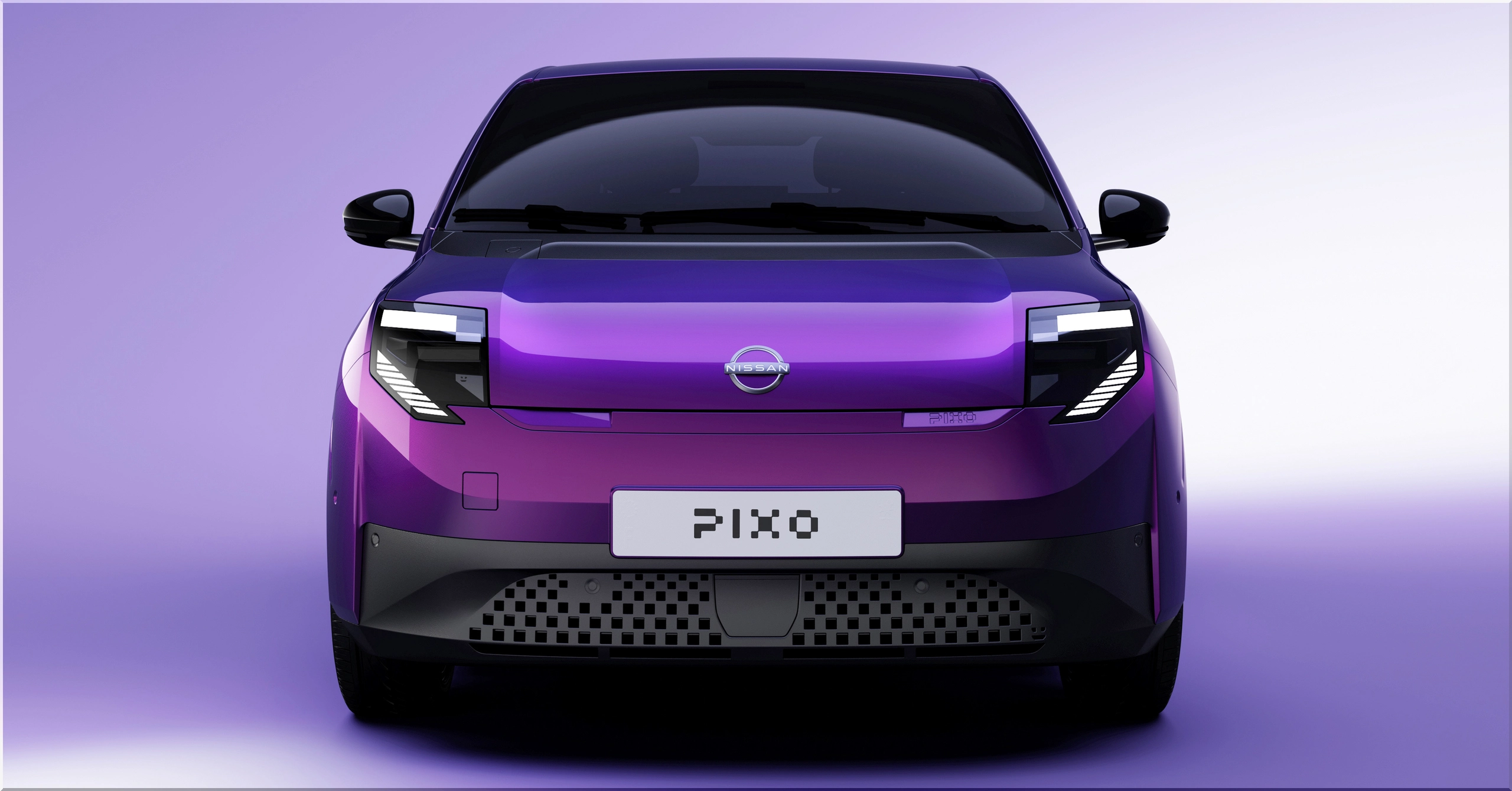
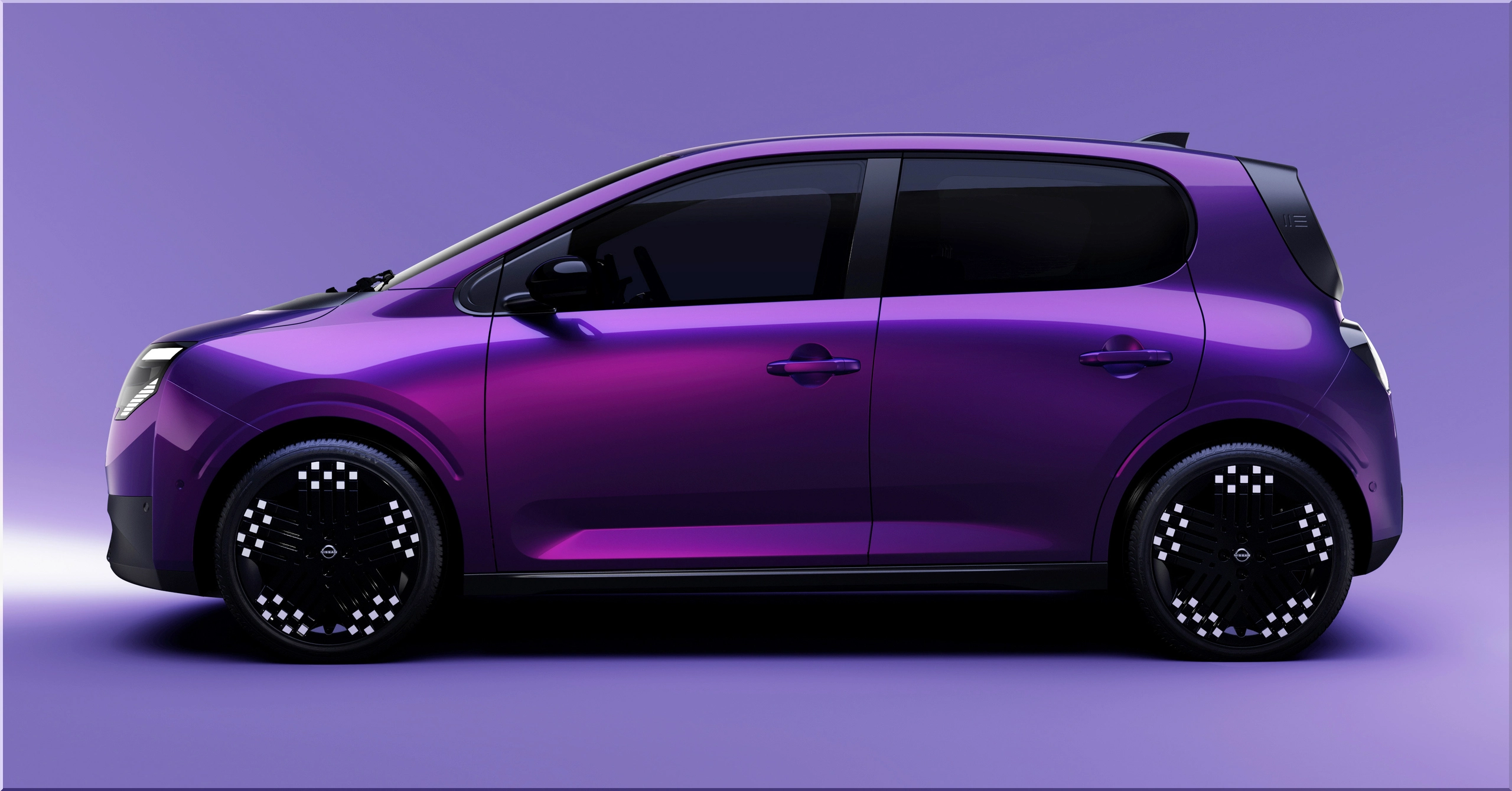
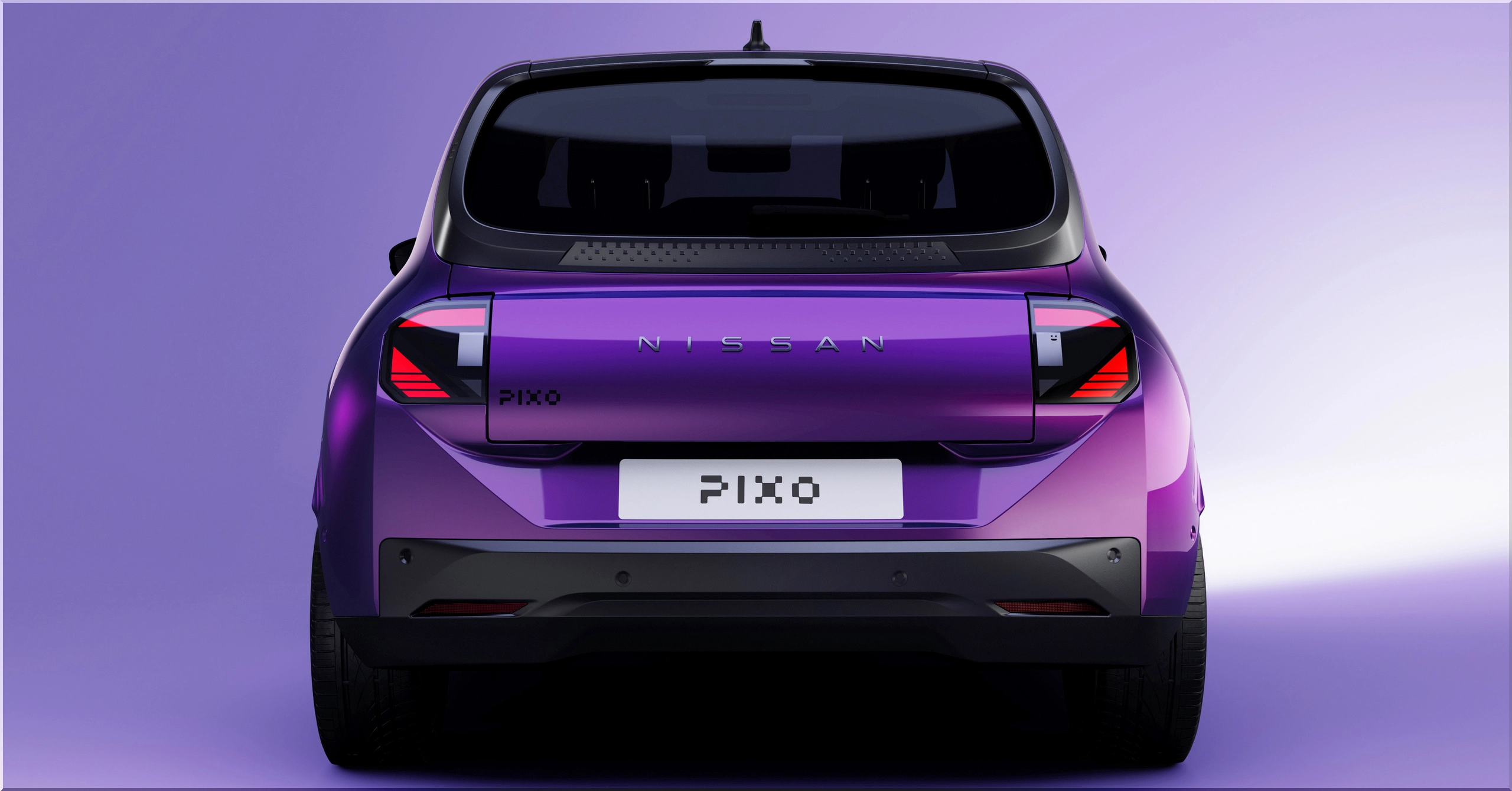
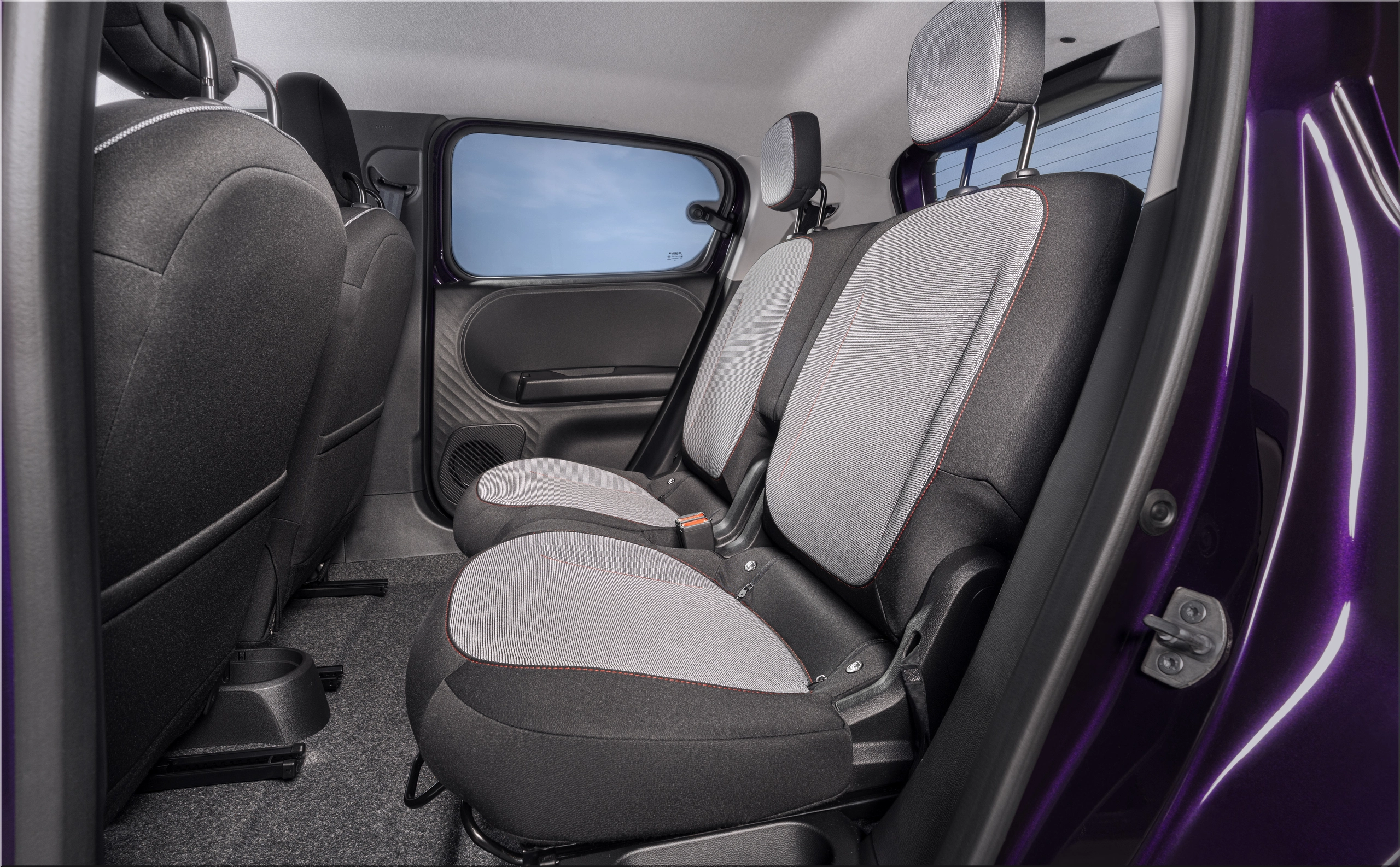
Nissan's new four-seat electric city car combines a 60-kW motor with compact dimensions and independently sliding rear seats. Renault will manufacture it in Novo Mesto, Slovenia. Nissan positions PIXO alongside its European electric lineup, but the launch releases announce no US or Canadian sales plan.
Small dimensions deserve close scrutiny. A short car helps with curbside parking; width determines how easily you open the door beside another vehicle. The measurements below give shoppers more useful information than a city-friendly label.
| Specification | Nissan PIXO | US-unit equivalent |
|---|---|---|
| Length | 3,796 mm | 149.4 inches |
| Width, excluding mirrors | 1,790 mm | 70.5 inches |
| Height, empty | 1,512 mm | 59.5 inches |
| Wheelbase | 2,492 mm | 98.1 inches |
| Ground clearance | 140 mm | 5.5 inches |
| Turning circle | 9.9 meters | 32.5 feet |
| Motor output | 60 kW | About 80 hp |
| Battery | 27.5 kWh, LFP | Same capacity |
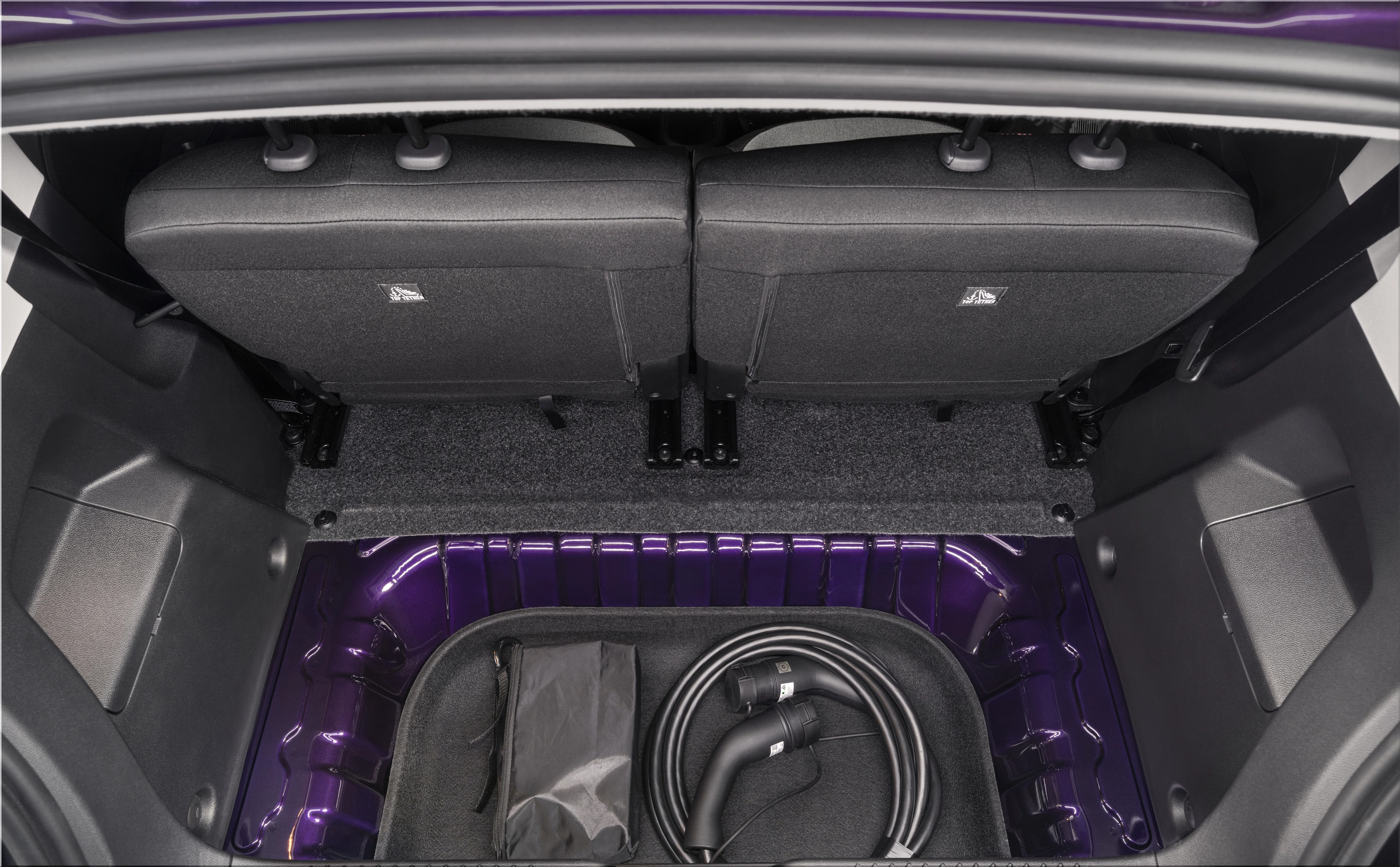
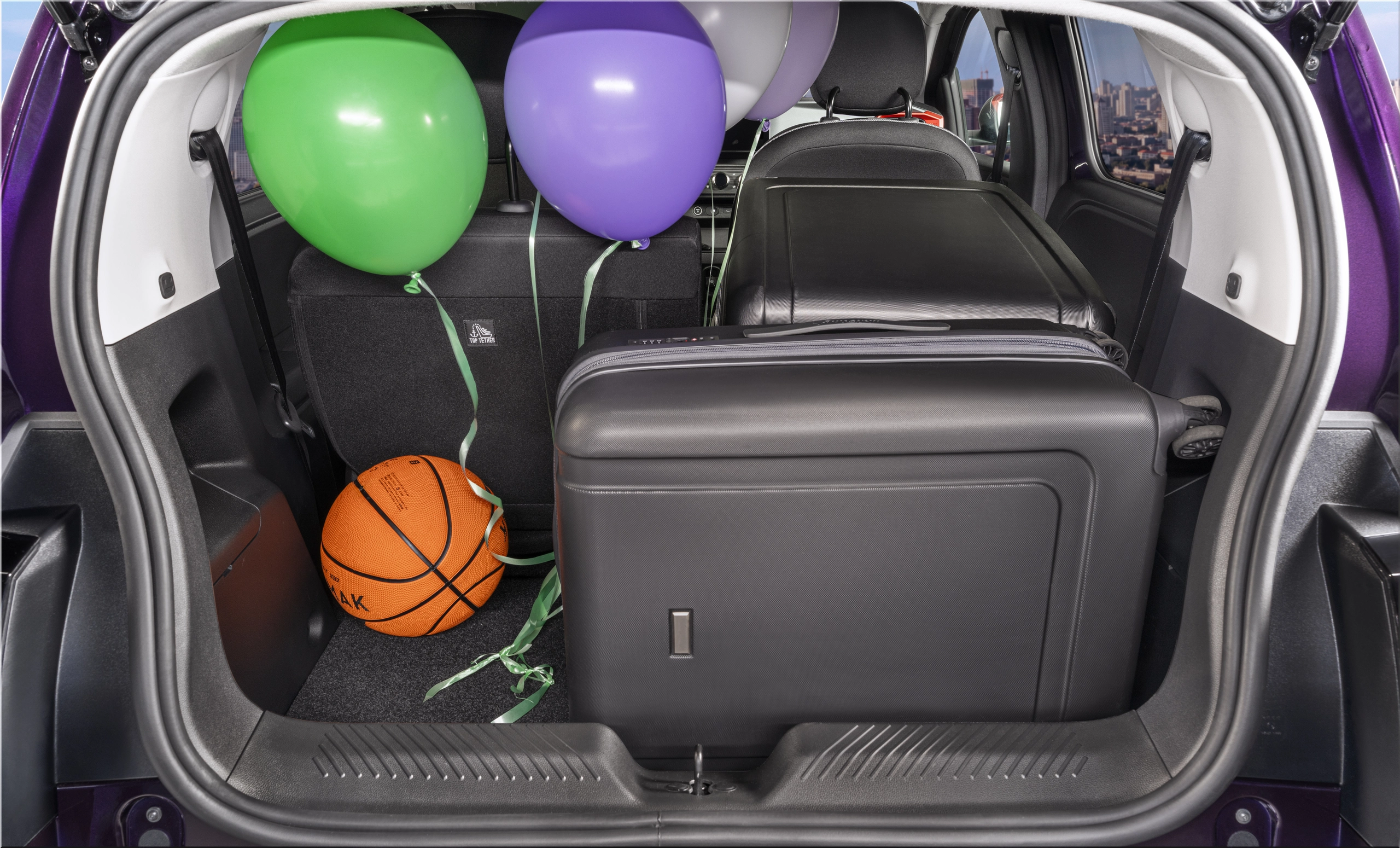
| Trunk, rear seats upright | 356 liters, VDA | 12.6 cubic feet |
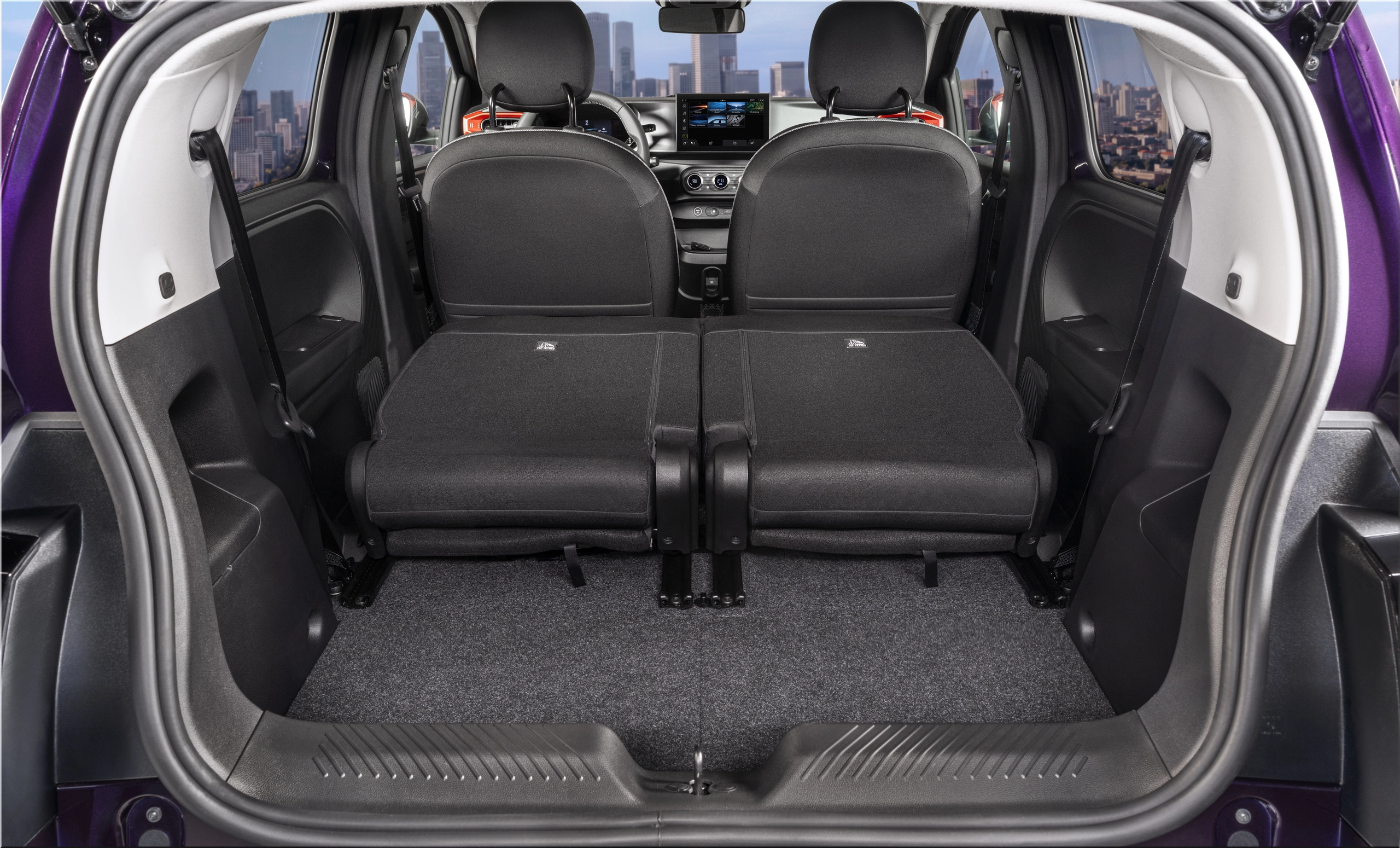
| Cargo, rear seats folded | 1,221 liters, VDA | 43.1 cubic feet |
Cubic-foot figures convert Nissan's VDA volumes; they do not substitute for a separate US cargo measurement. Nissan includes 50 liters of cable storage within the upright-seat total, so buyers should test bulky luggage instead of assuming one uninterrupted compartment.
Image
Is 161 miles enough for everyday driving?
For a driver covering 25 miles daily, 161 miles represents roughly six days of theoretical full-battery travel. That arithmetic uses Nissan's WLTP range, not a road test. A practical charging schedule needs reserve capacity and allowance for conditions, particularly when a commute includes sustained highway speeds or cabin heating.
Consider a planning scenario: use 70% of the battery between stops, then assume conditions reduce distance per charge by 20% relative to WLTP. That leaves approximately 90 miles, or three 25-mile days with some reserve. These assumptions illustrate scheduling; they do not predict PIXO's winter results.
My assessment favors a repeatable charging routine over chasing the full advertised range. I have not driven PIXO, so this assessment rests on published specifications and explicit scenarios.
- Record your longest routine day, including detours.
- Identify a second charger near home or work.
- Check highway consumption during a test drive before committing to frequent intercity travel.
Video gallery
Video title
2027 Nissan PIXO
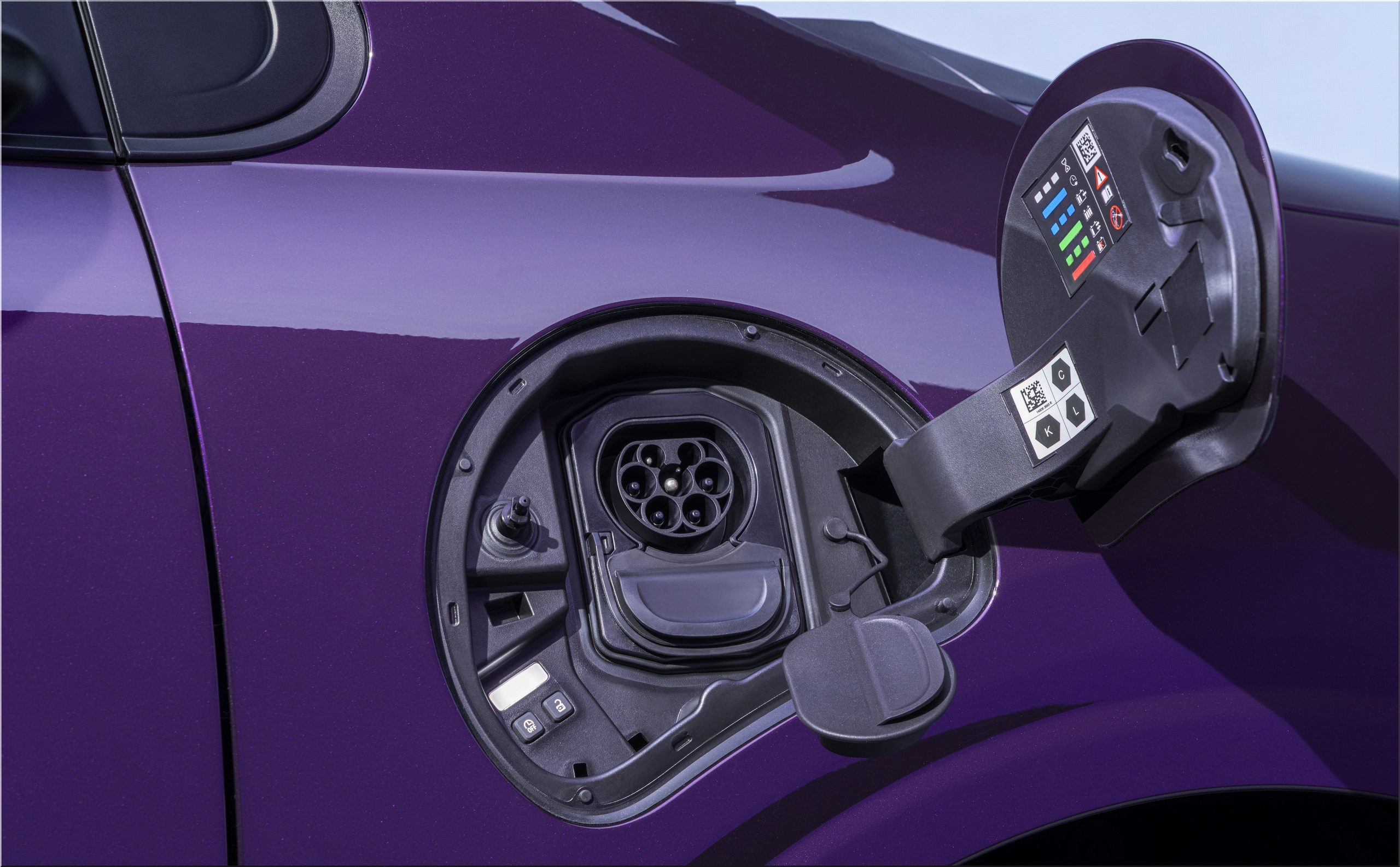
How fast will PIXO charge?
Nissan quotes 15-80% charging in approximately 28 minutes and supplies 50-kW DC capability across all grades. It also lists 11-kW bidirectional AC charging. Those figures suit scheduled stops and destination charging, but a peak power rating alone tells you little about how the battery accepts energy throughout a session.
Specifically, 65% of 27.5 kWh equals about 17.9 kWh. Spreading that energy across 28 minutes suggests approximately 38 kW average, assuming the stated capacity represents the relevant usable energy window. Nissan has not supplied a charging curve, so this estimate serves only as a consistency check.
At a hypothetical sustained 11 kW, replenishing that same energy takes roughly 98 minutes before losses. Actual Level 2 charging depends on the electrical supply, charging equipment, and vehicle limits. An 11-kW label does not guarantee 11 kW at every driveway.
Pro-Tip: Ask the installer and dealer to confirm your achievable AC rate together. Also request written details for bidirectional functions: Nissan's specification alone does not establish a complete vehicle-to-home backup system or its installation cost.
Video gallery
Video title
2027 Nissan PIXO
How does PIXO compare with other small electric cars?
PIXO competes with the Renault Twingo E-Tech electric, Dacia Spring, and Hyundai Inster. Its advertised range nearly matches the Twingo's and exceeds the updated Spring's. The entry-battery Inster offers substantially more distance, making it the stronger paper candidate for drivers who regularly stretch a city car's operating radius.
| European model | Published battery capacity | Advertised combined WLTP range | Power | Charging distinction |
|---|---|---|---|---|
| Nissan PIXO | 27.5 kWh | 259 km / 161 miles | 60 kW | Standard 50-kW DC |
| Renault Twingo E-Tech electric | 27.5 kWh | Up to 263 km / 163 miles | 60 kW | 50-kW DC through optional pack in Renault's French launch specification |
| Updated Dacia Spring | 24.3 kWh | 225 km / 140 miles | 52 or 75 kW | Optional 40-kW DC on eligible trims and markets |
| Hyundai Inster, 42-kWh version | 42 kWh | Up to 327 km / 203 miles | 71.1 kW | Approximately 30-minute 10-80% claim under suitable conditions |
Manufacturer figures vary with specification. Battery labels may use different gross/net conventions, and charging windows differ, so this table does not establish directly comparable charging curves.
Looking at the data, Hyundai Inster offers about 26% more rated range than PIXO, alongside about 53% greater published battery capacity. Twingo's four-kilometer advantage amounts to roughly 1.5%; trim equipment, purchase price, and dealer support could easily outweigh that small gap.
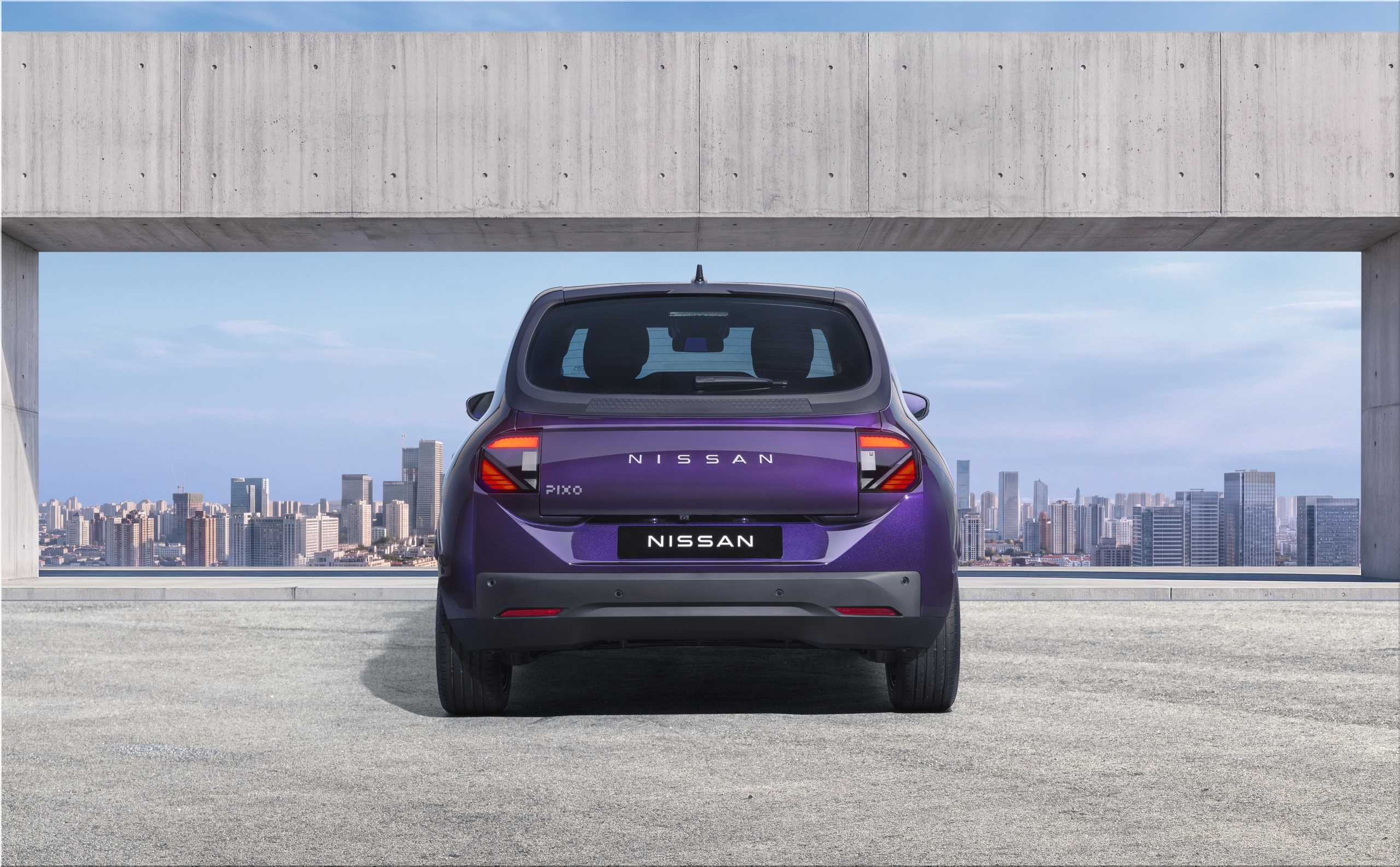
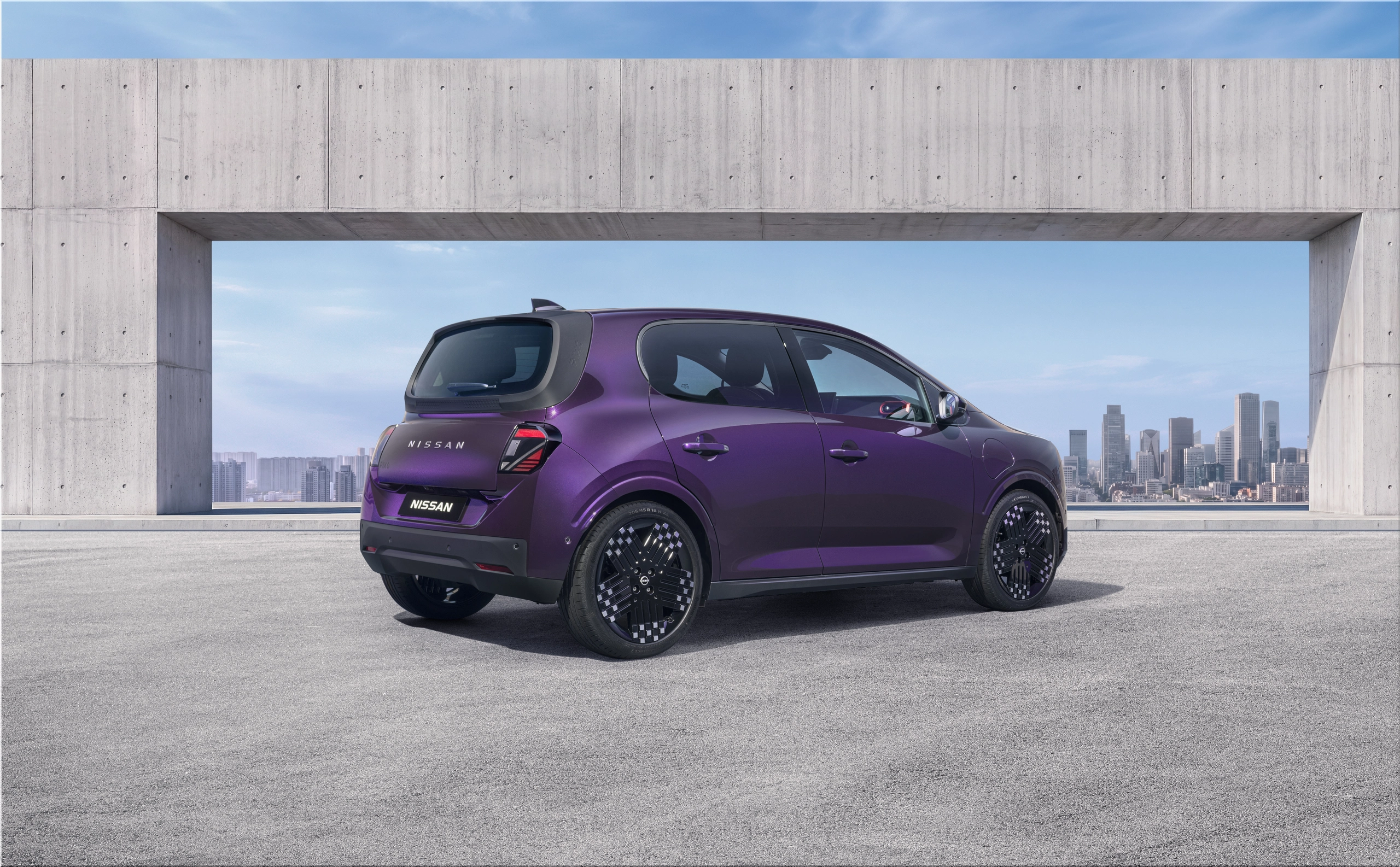
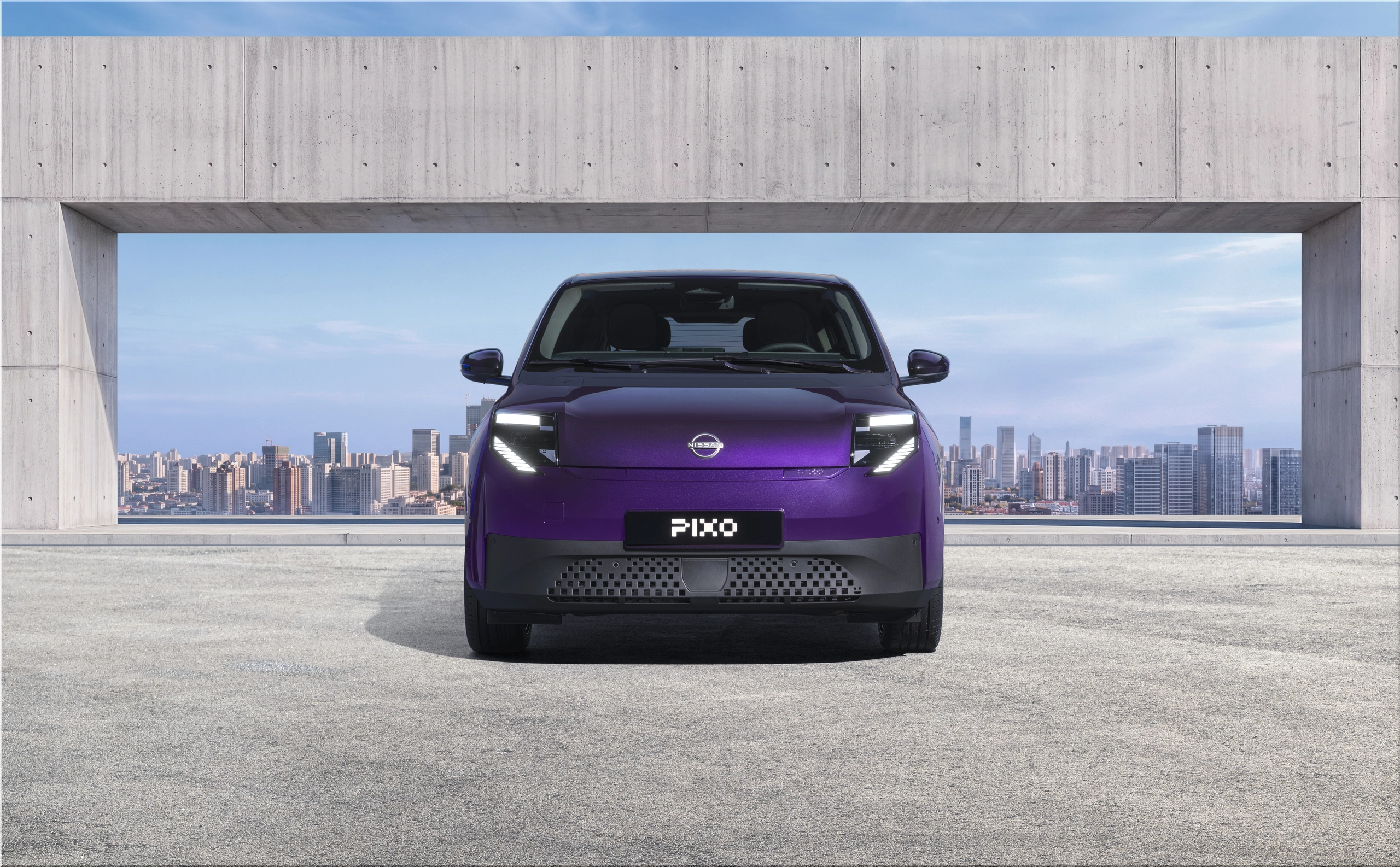
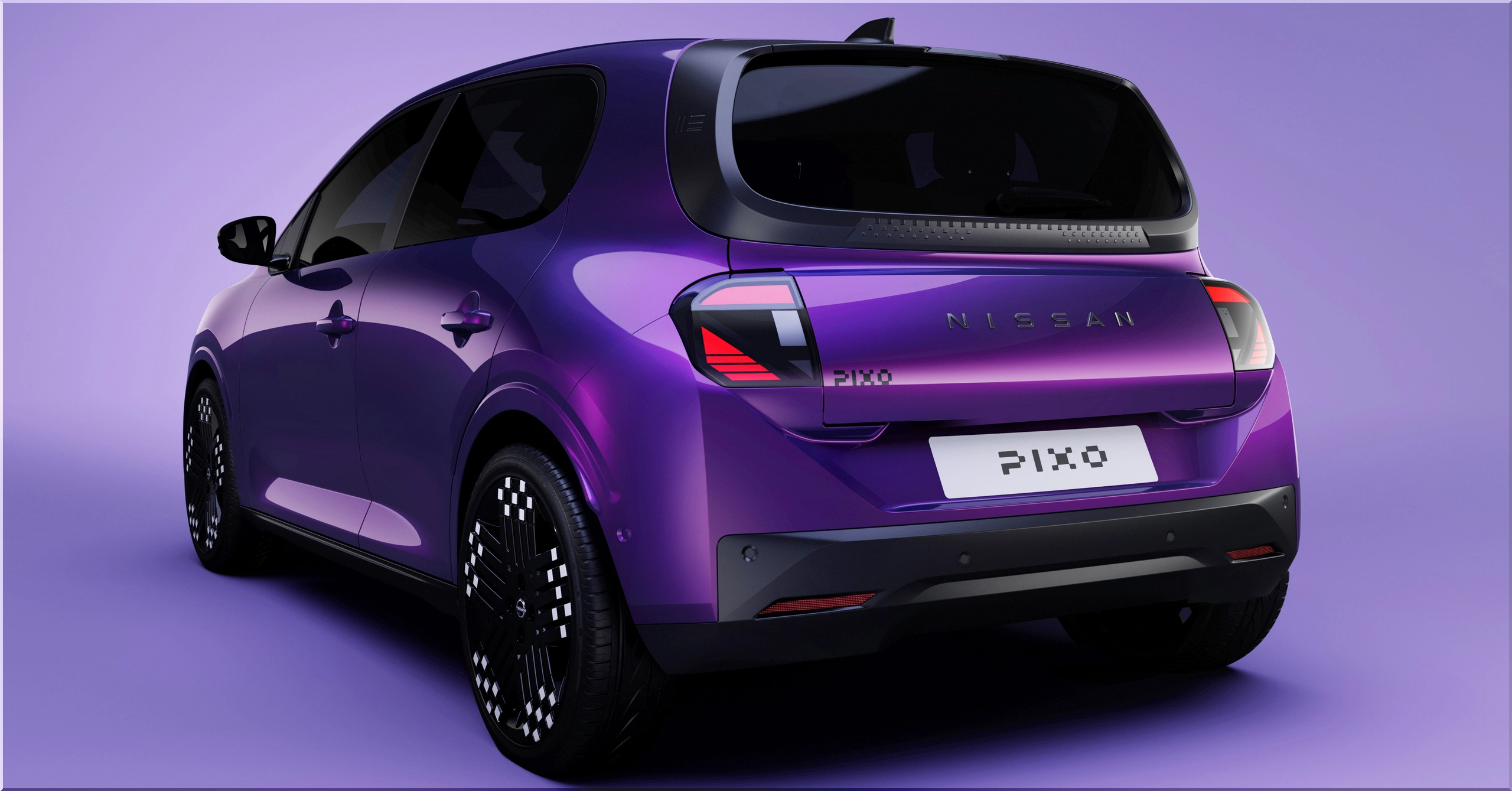
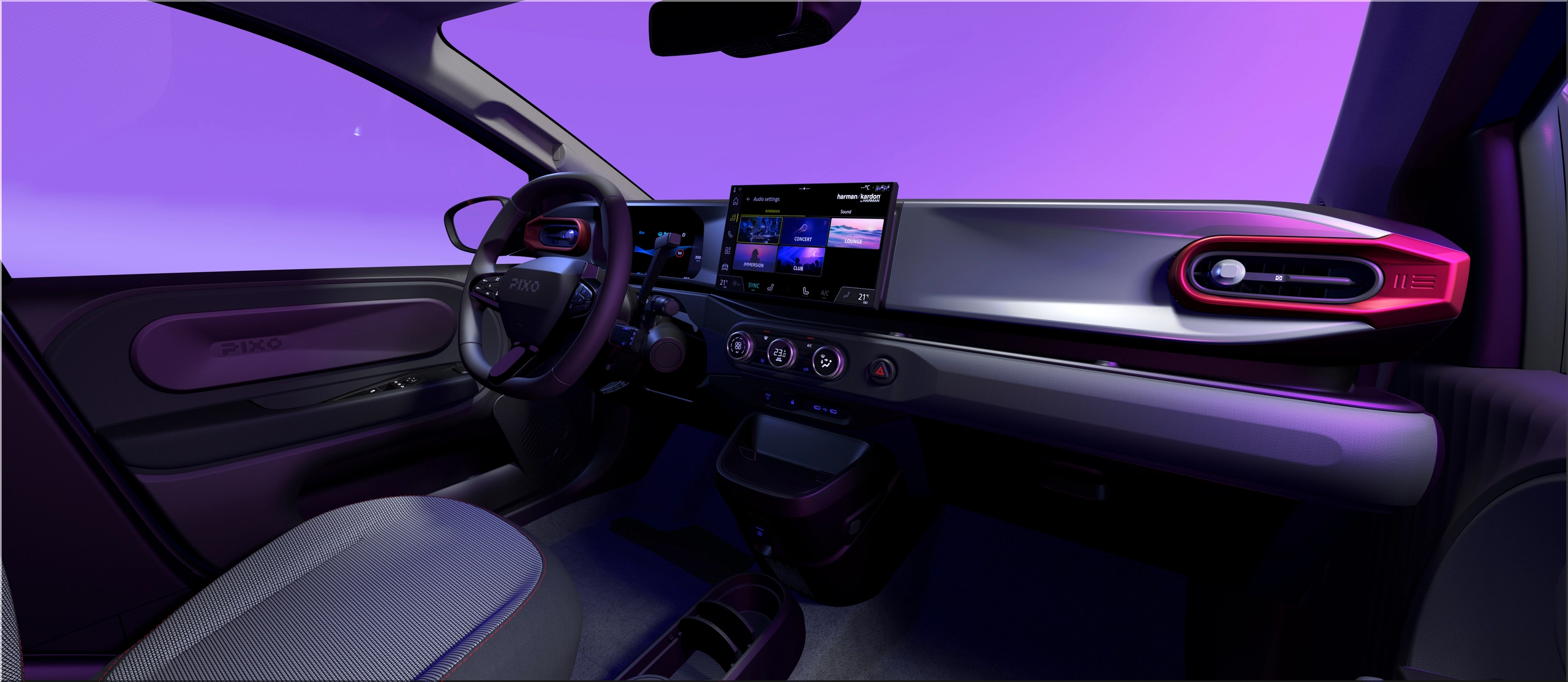
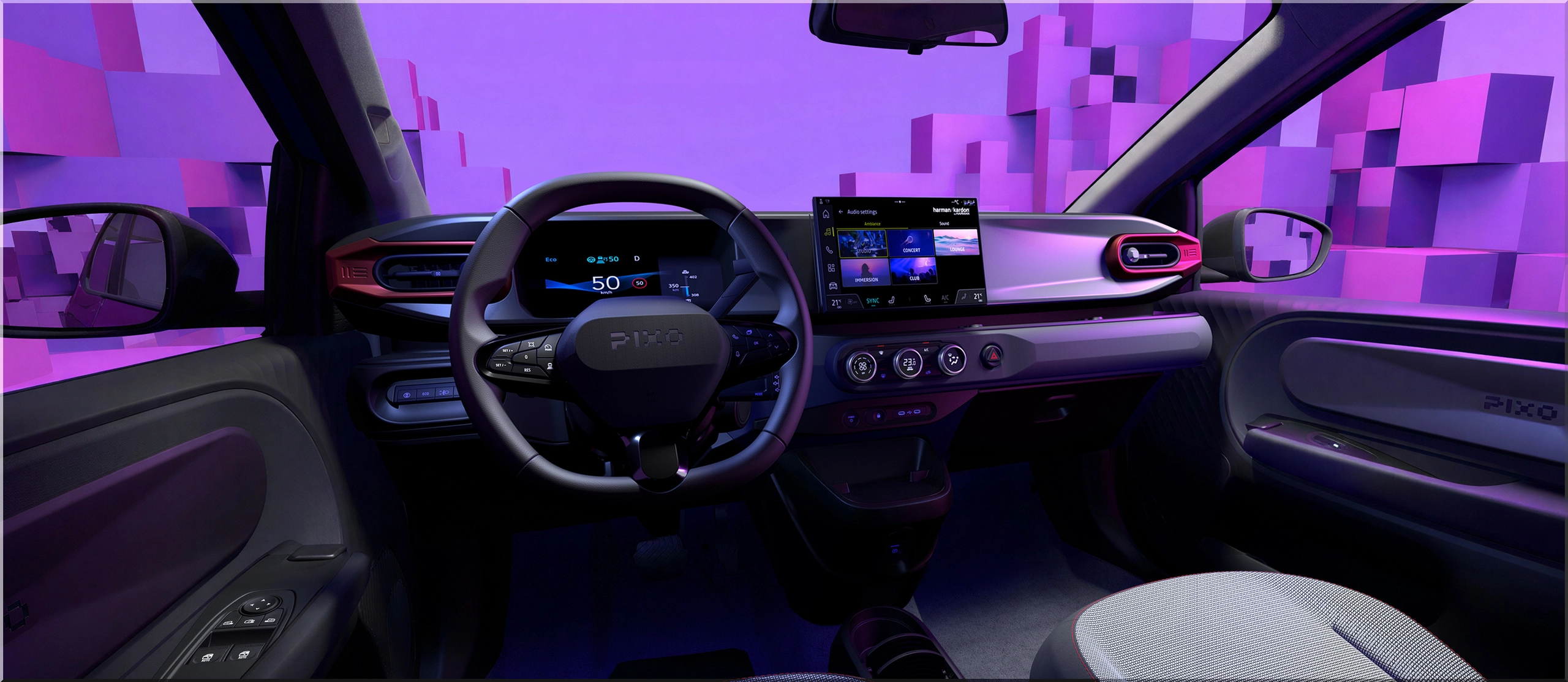
Can PIXO's technology justify its ownership cost?
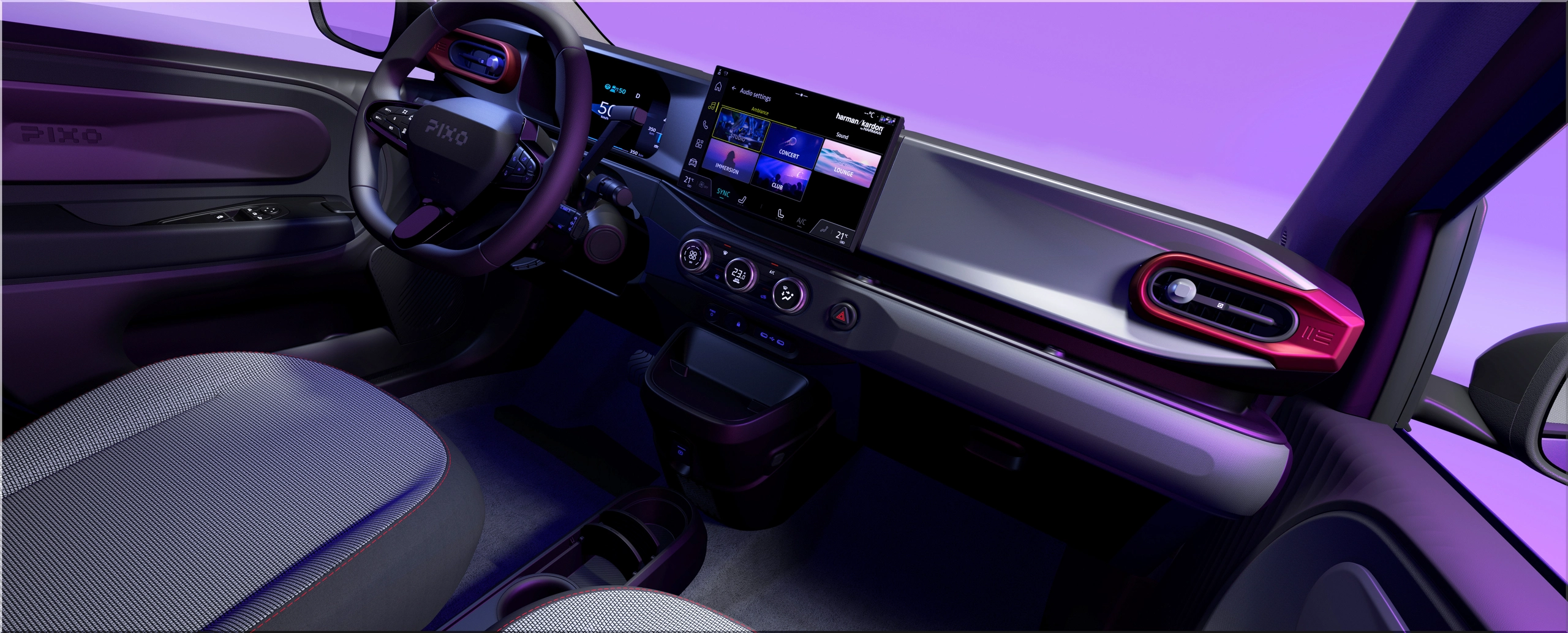
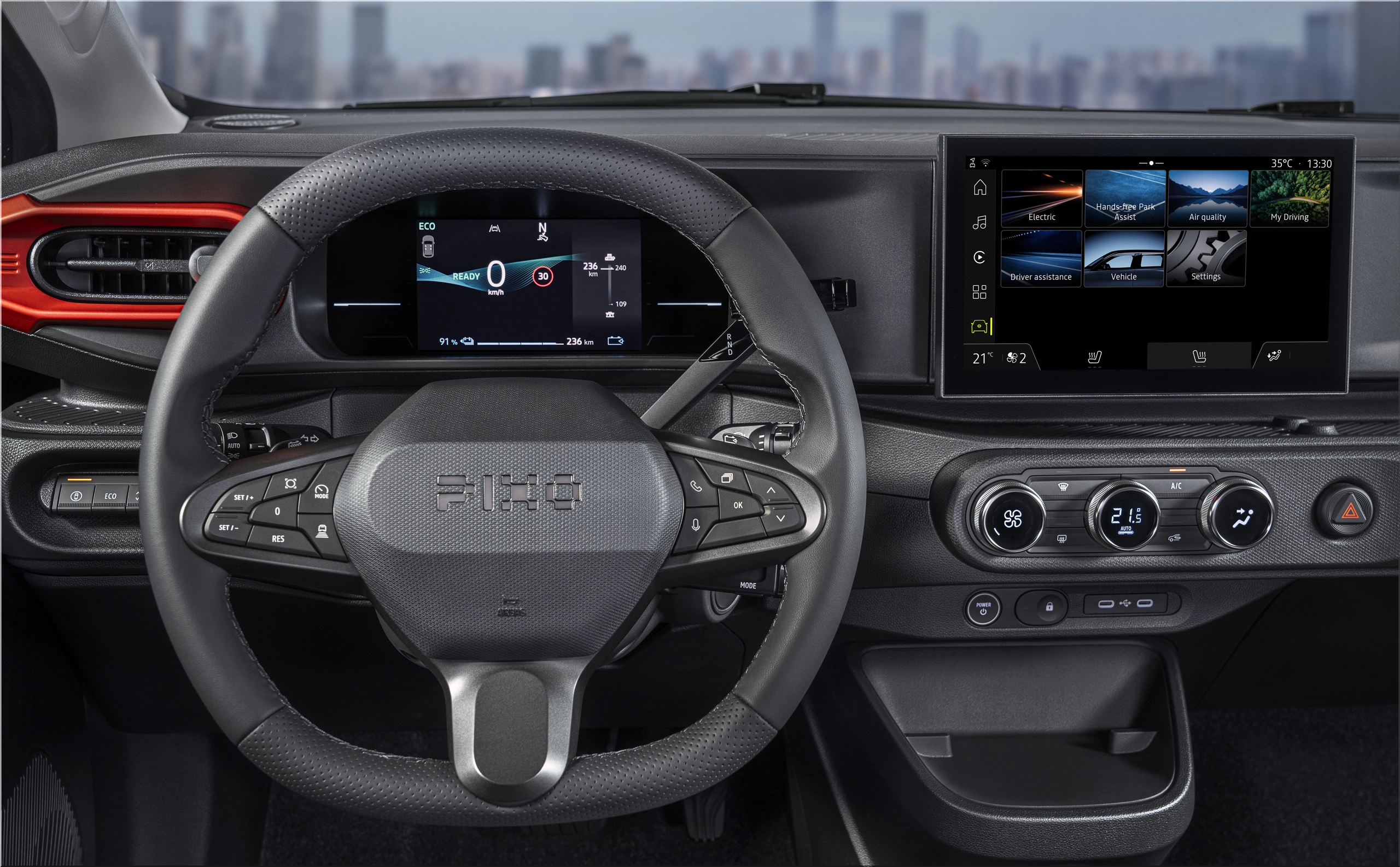
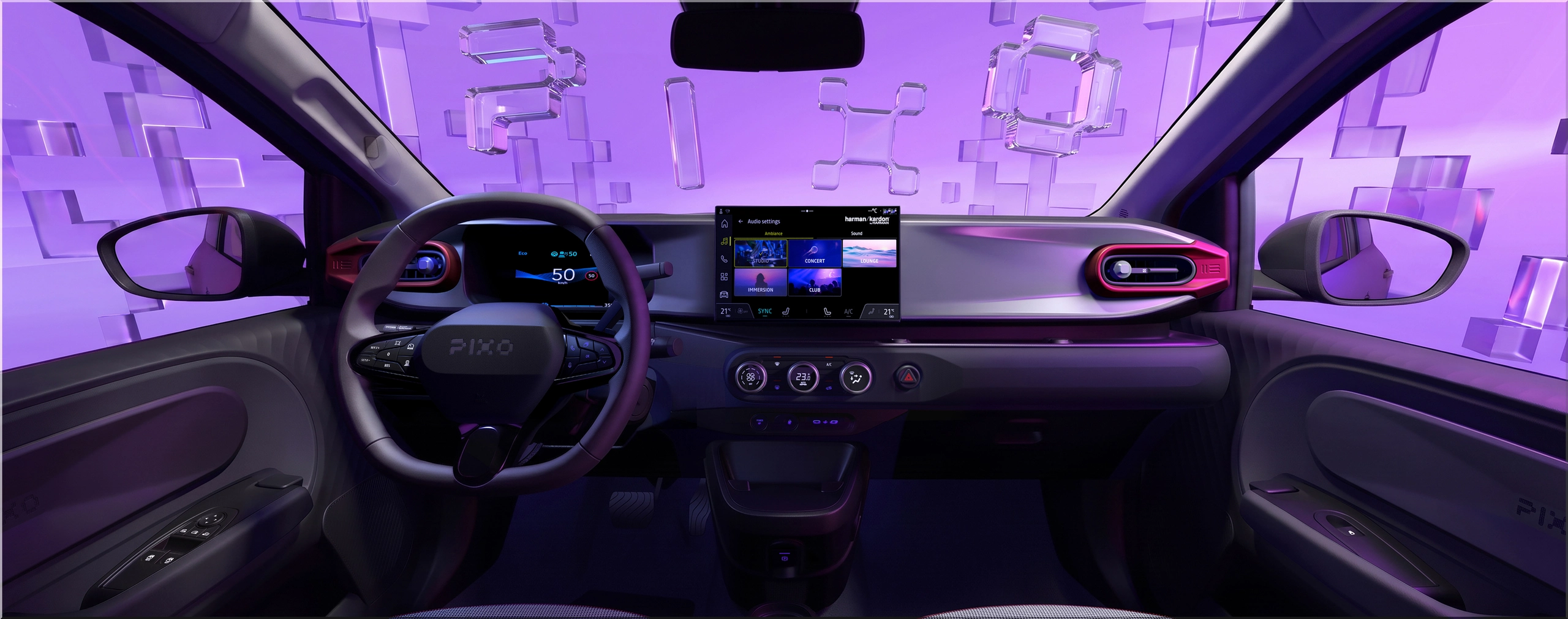
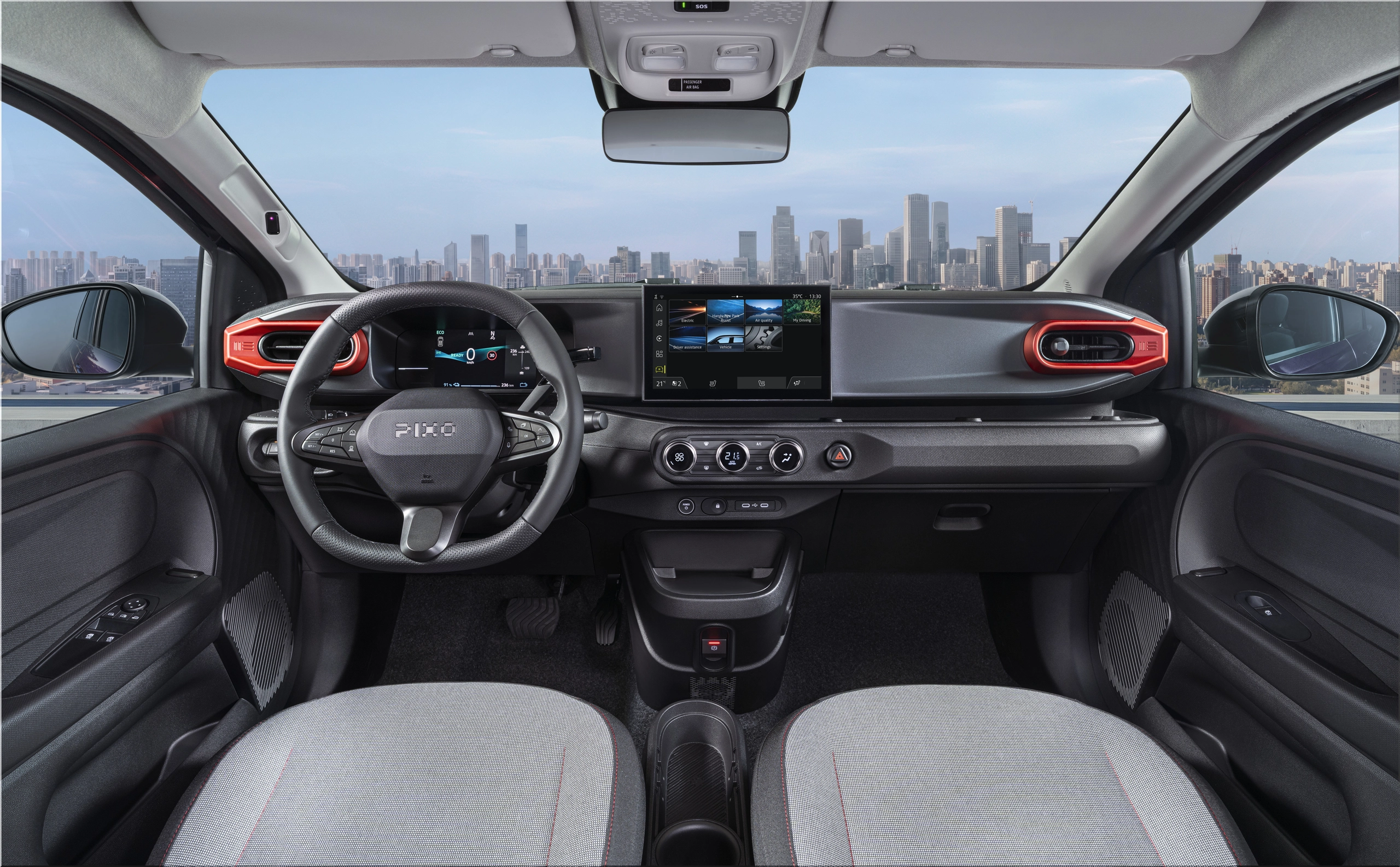
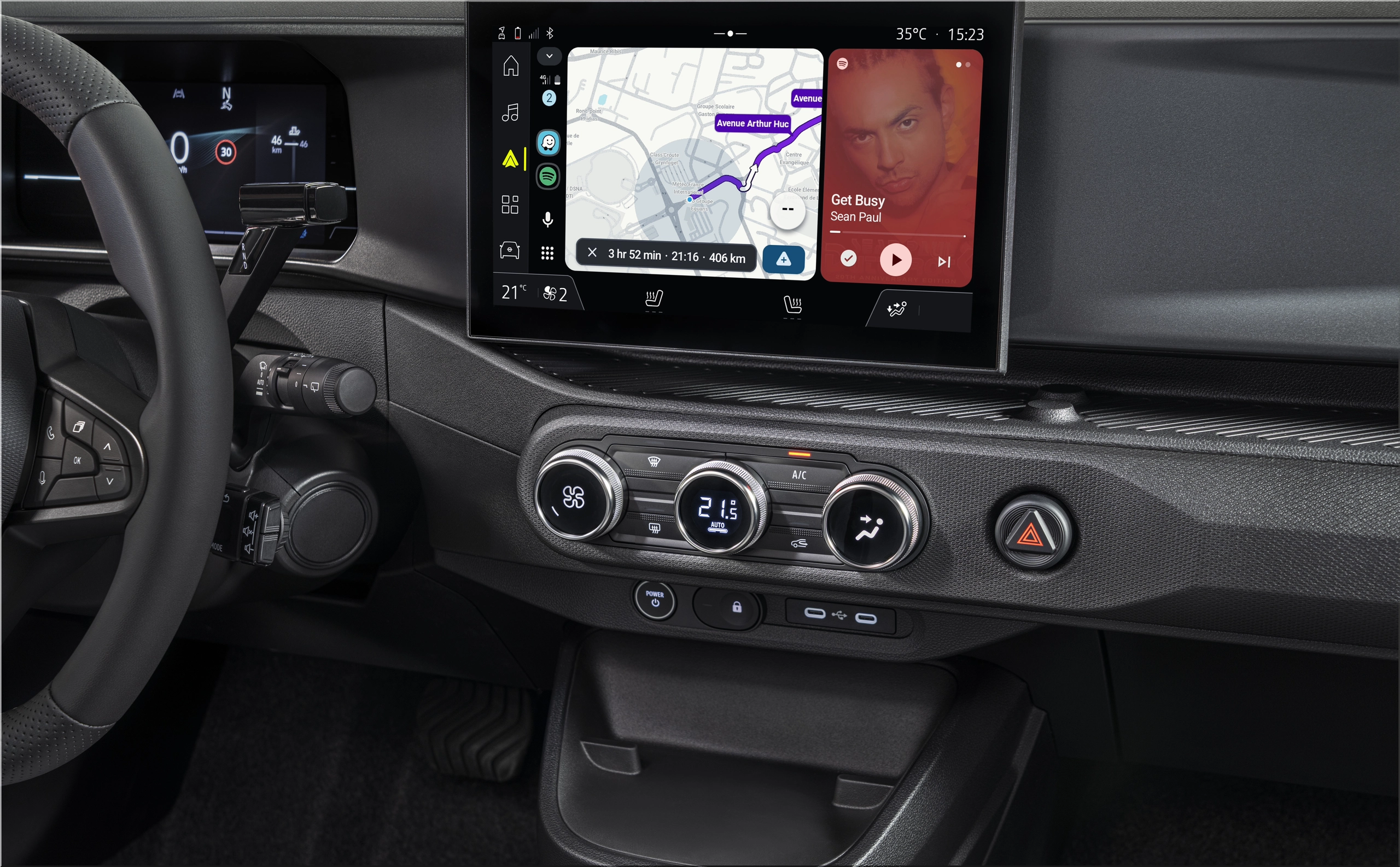
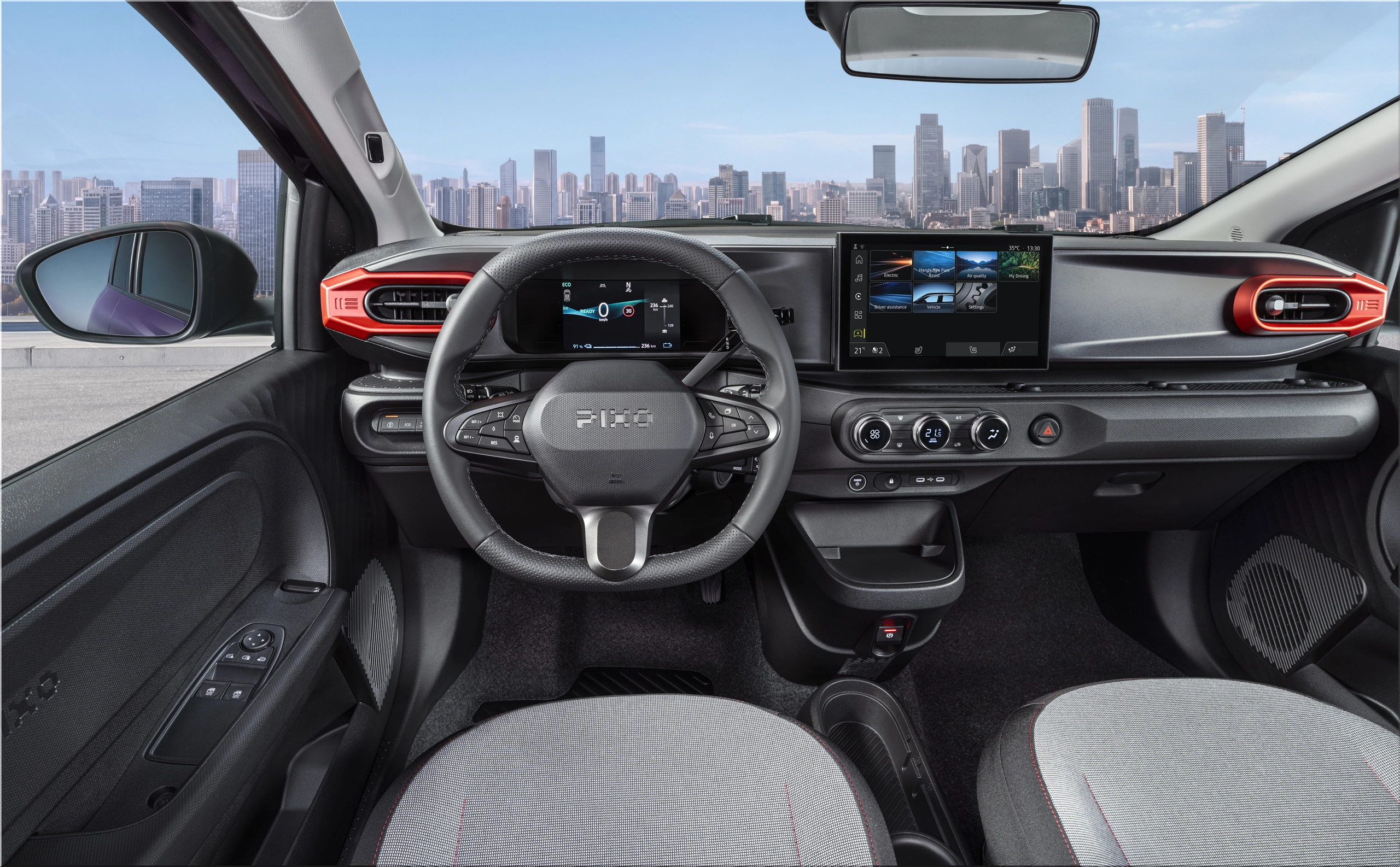
PIXO brings Google built-in, Gemini, driver-profile recognition through Face ID, and 7-inch and 10-inch displays. Those features may improve convenience, but ownership value depends on purchase price, charging tariffs, insurance, and resale proceeds. Nissan has yet to provide enough pricing information for a defensible full-cost comparison.
The LFP battery gives the engineering story more substance than another voice assistant. Iron-phosphate chemistry offers a route to lower battery material costs; Renault cites that rationale for its own small EV. That does not establish PIXO's cell supplier, usable capacity, degradation rate, or warranty terms.
For an illustrative energy budget, assume 10,000 annual miles and 0.25 kWh per mile measured at the charging meter, including losses:
- At $0.20/kWh, annual electricity costs total $500.
- At $0.60/kWh, the same driving costs $1,500.
- The tariff difference adds $1,000 annually, or $5,000 over five years before other expenses.
These USD figures use hypothetical tariffs and consumption, not a PIXO test result. Obtain insurance quotes and compare financing totals, charger installation, servicing, tires, and expected depreciation before interpreting low electricity spending as low total ownership cost.
Image gallery:
How can you tell if PIXO could replace your larger car?
Run a seven-day household-use audit before placing an order. Log passengers, longest daily distance, cargo, and available charging time. Then take your largest regular load to the dealer. This process tests the limits that specifications miss, including rear-seat comfort when luggage requires moving the seats forward.
| Pros | Cons or unresolved questions |
|---|---|
| Short body and 32.5-foot turning circle support tight-space use | Width still demands attention in narrow parking bays |
| Standard DC charging avoids a basic usability omission | Longer trips need charging stops within a modest range budget |
| Sliding rear seats permit passenger/cargo trade-offs | Four seats limit household flexibility |
| Small battery supports relatively short replenishment sessions | Nissan still needs to publish market prices and detailed ownership terms |
Ask the dealer for torque, curb weight, acceleration, battery warranty, and any approved towing capacity. Nissan's launch releases leave those details open. I would judge Nissan PIXO on the final drive-away price and a test of my actual weekly routine; connected features would come afterward.
- Add new comment
- 4 views