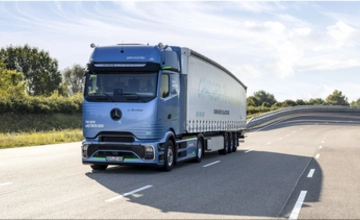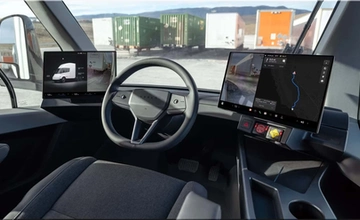
Hydrogen fuel cell vehicles (FCEVs) have been praised as a promising alternative to battery electric vehicles (BEVs) for long-distance transport, especially for heavy trucks that need more space and power. However, a Cambridge professor and co-founder of the Hydrogen Science Coalition has recently debunked this idea, arguing that hydrogen trucks are not viable and do not make sense from an energy efficiency perspective.
David Cebon, who has been studying hydrogen transport for over a decade, claims that FCEVs have several disadvantages compared to BEVs, such as higher production costs, a less developed and more expensive recharging infrastructure, and significantly lower energy efficiency. He also points out that hydrogen is not a fuel but an energy carrier that requires a lot of energy to produce, store, and transport.
According to Cebon, the main problem with hydrogen trucks is that they waste three times more energy than battery electric trucks. This is because hydrogen must be generated from water or natural gas using electricity, then compressed or liquefied and transported to fueling stations, then converted to electricity in the fuel cell to power the electric motor. Each of these steps involves energy losses that reduce the system's overall efficiency.
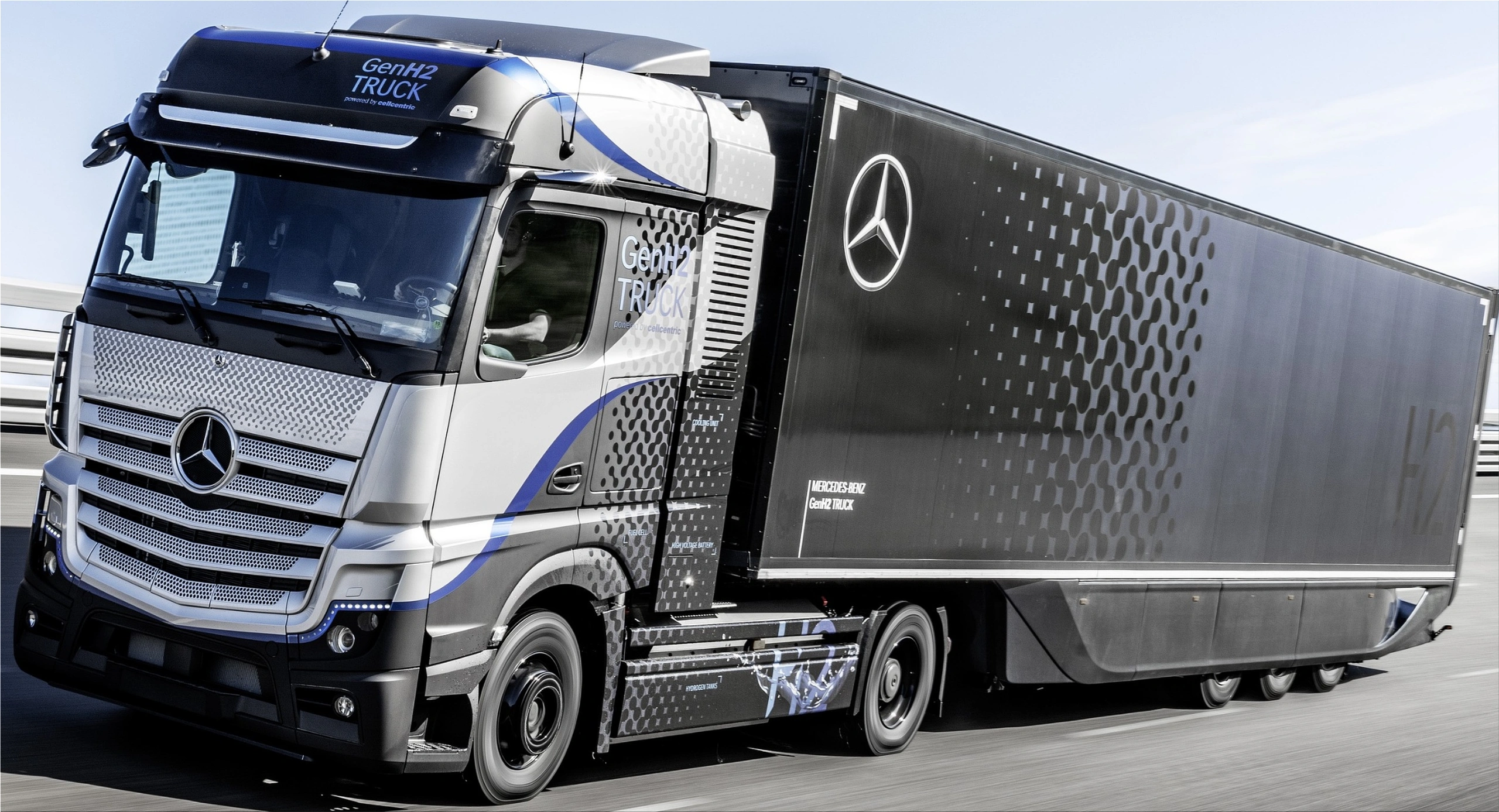
In contrast, battery-electric trucks can plug into the grid and charge their batteries directly with electricity, avoiding most of the energy losses associated with hydrogen. Cebon estimates that a battery-electric truck can travel 1000 km with 1000 kWh of electricity, while a hydrogen truck would need 3000 kWh of electricity to produce and use the same amount of hydrogen.
Cebon also challenges the common arguments in favor of hydrogen trucks, such as their longer range and faster refueling time. He says that more than these advantages are needed to outweigh the drawbacks of hydrogen. For example, he says battery electric trucks can achieve similar ranges by using larger batteries or swapping them at charging stations. He also says that refueling time is not a major issue for long-distance truck drivers who have to take mandatory breaks every few hours anyway.
Image gallery:
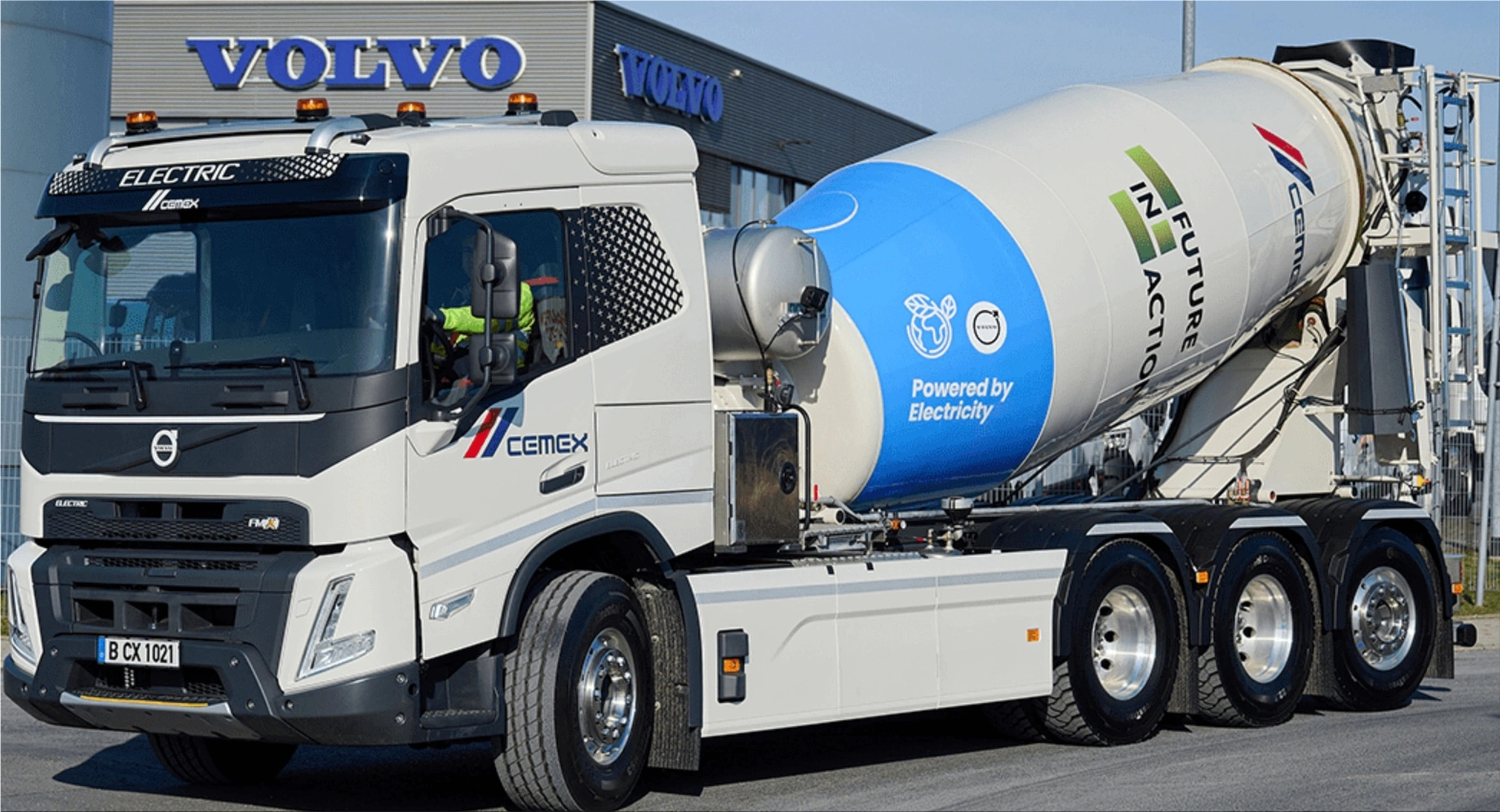
Cebon concludes that hydrogen transport is "really not going to happen anywhere" and that green hydrogen should be reserved for sectors that are difficult to electrify, such as maritime or air. He believes that battery electric vehicles are the best solution for decarbonizing road transport and will become cheaper and more efficient over time. He urges policymakers and industry leaders to focus on developing and supporting battery electric technology instead of wasting resources on hydrogen.
- Add new comment
- 287 views