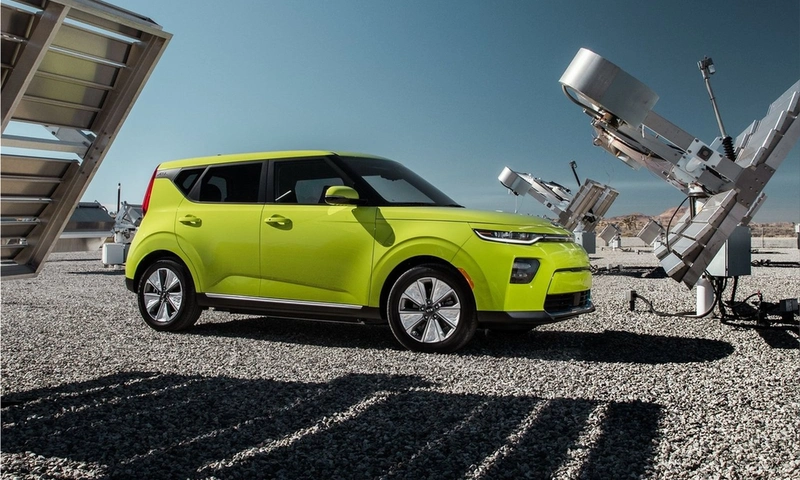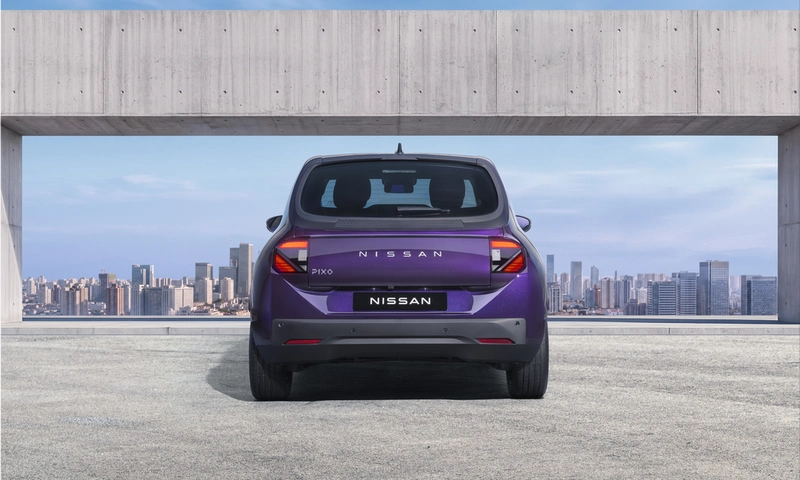
Electric vehicle owners quickly learn that extreme temperatures are the ultimate test of battery efficiency. While cold weather gets most of the attention for draining power, blistering summer heat presents an entirely different challenge for everyday usability. Real world data from battery analytics firm Recurrent shows that when ambient temperatures climb to 100 degrees Fahrenheit, some electric vehicles can experience a driving range reduction of up to 31 percent. Furthermore, a recent summer study analyzing nearly 30,000 EVs revealed that vehicles equipped with heat pumps actually lost slightly more range in extreme heat compared to those without them, as modern automotive heat pumps are primarily optimized for mitigating winter range loss rather than summer cooling.
The Hidden Cost of Cabin Cooling
When a vehicle sits out in the summer sun, it essentially turns into a mobile greenhouse. The Stanford University School of Medicine demonstrated that a parked car's interior temperature can spike by an average of 40 degrees Fahrenheit within a single hour. To make the cabin comfortable again, your vehicle must rely heavily on its air conditioning system. According to seasonal testing by Consumer Reports, unlike a gas car where heat is simply a byproduct of the engine, an EV must manage cabin and battery temperatures using energy that comes directly from the battery pack.
This heavy reliance on the battery for climate control comes with a direct cost to your daily driving distance. In a 2026 study by AAA, automotive engineers found that operating an electric vehicle in 95 degree weather with the air conditioning set to 72 degrees results in an 8.5 percent loss of driving range. Your thermal management system is also working overtime just to keep the battery pack within its optimal operating window of 68 to 86 degrees Fahrenheit, meaning precious stored energy is actively drained even when the vehicle is parked.
Passive Cooling Techniques to Protect Your Battery
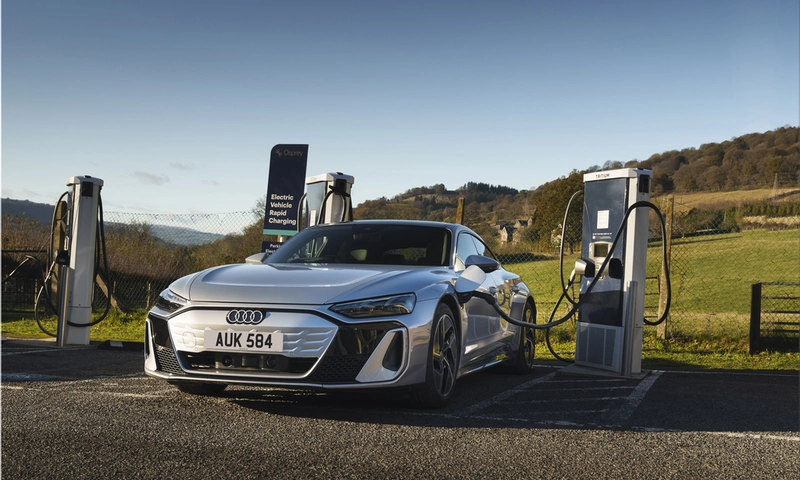
Because running the air conditioning requires significant kilowatt hours, stopping heat from entering the cabin in the first place is the most effective way to preserve your range. Testing by the University of Central Florida Solar Energy Center revealed that a vehicle dashboard parked in direct sunlight can reach a scorching 200 degrees Fahrenheit. Because hot batteries cannot safely accept high voltage, failing to cool your EV during summer road trips can even cause the vehicle computer to significantly throttle fast charging speeds to protect the battery cells from long term thermal degradation.
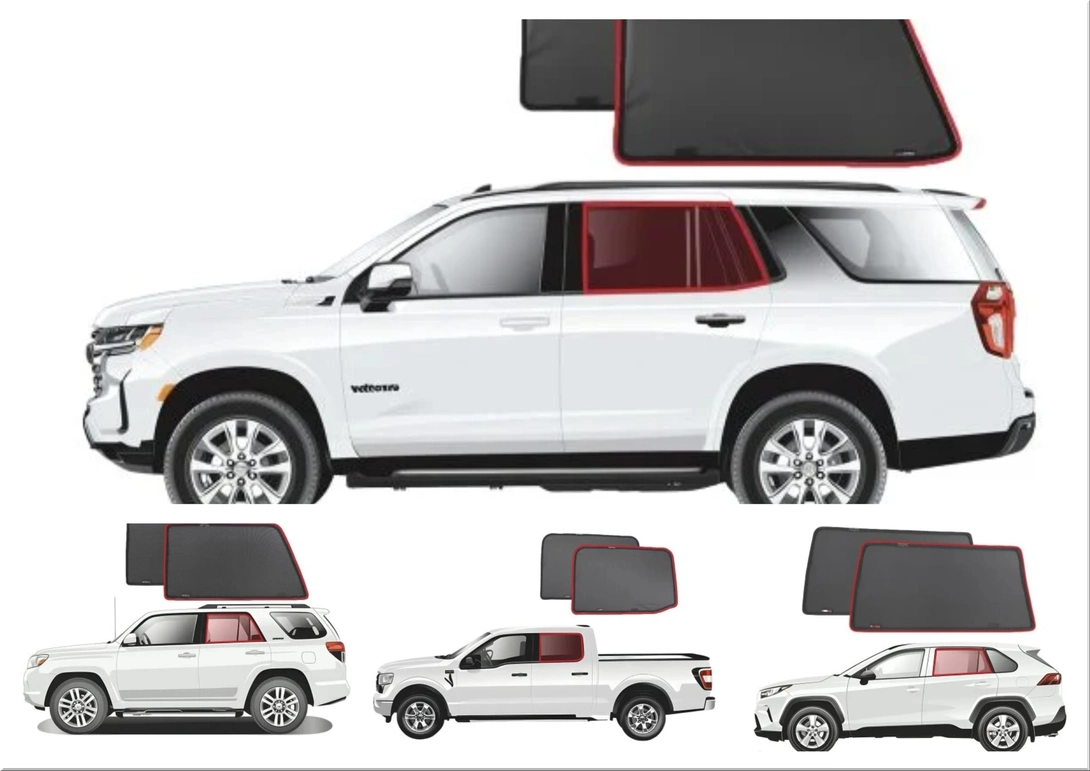
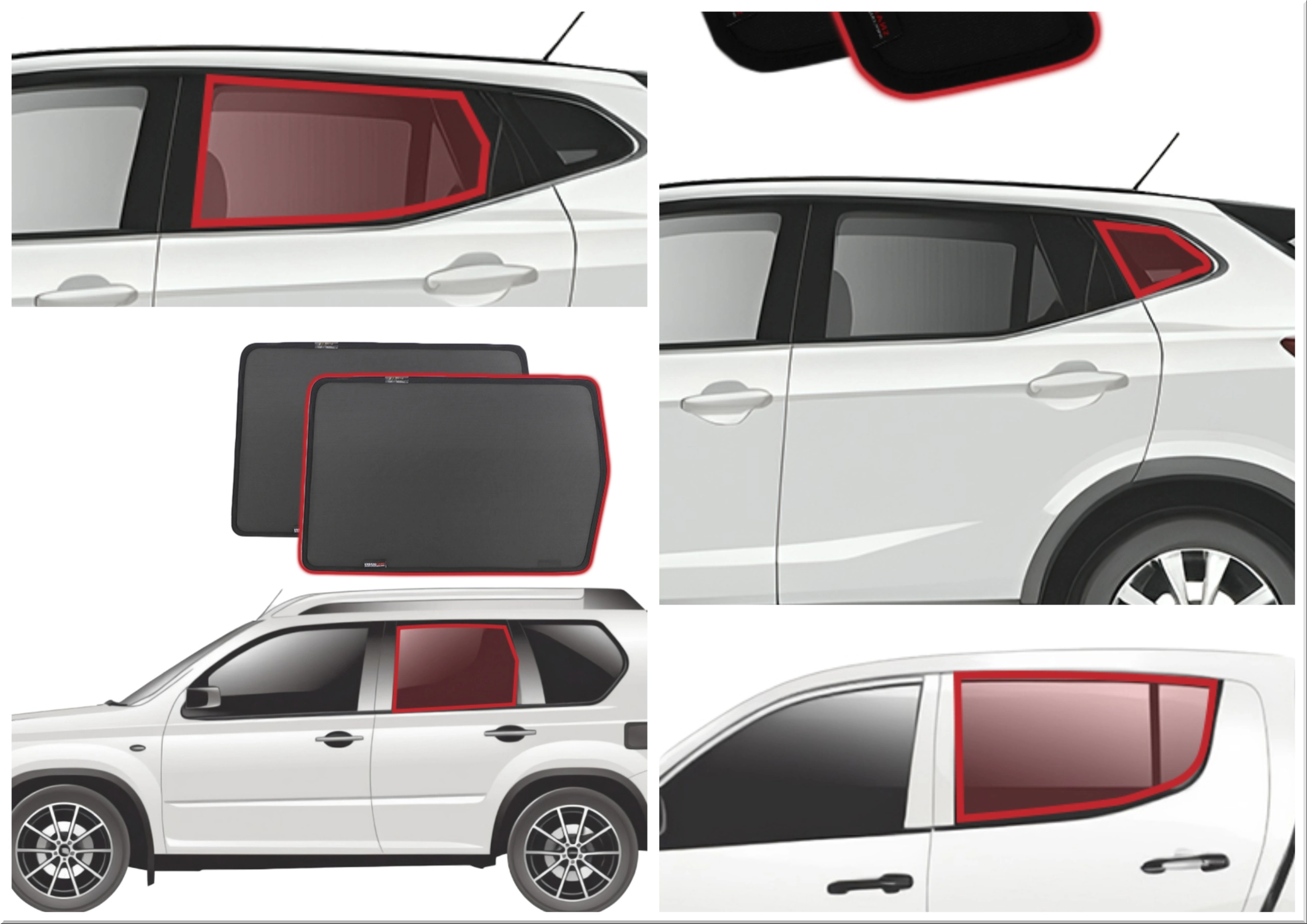
Utilizing passive cooling accessories acts as a critical first line of defense against shortwave solar radiation. Putting up a reflective car sun blocker when you park prevents sunlight from striking dark interior materials and turning into trapped longwave infrared heat. By drastically lowering the ambient starting temperature of the cabin, your HVAC system requires far less energy to bring the interior down to a comfortable level. This simple habit directly translates into more retained driving miles and less strain on your battery pack.
Active Strategies for Summer Usability
Beyond physical barriers, modern electric vehicles offer smart software features that help mitigate the impact of extreme heat. Combining passive protection with these active strategies will keep your battery healthy and your range intact during the hottest months.
- Precondition the cabin: Preconditioning allows you to activate the air conditioning while the vehicle is still plugged into a charger. By drawing electricity directly from the grid to cool the cabin, you preserve 100 percent of the battery capacity for your upcoming drive.
- Ventilate before driving: Before you turn on the air conditioning, roll down all the windows for the first few minutes of your commute. Pushing out the stagnant, superheated air manually reduces the initial workload on the climate control system.
- Park strategically: Whenever possible, choose shaded parking spots or indoor garages. Geotab researchers found that batteries routinely exposed to hot climates degrade at a slightly faster rate per year than vehicles kept in milder temperatures, making shade hunting a worthwhile long term habit.
Balancing Climate Control and Everyday Range
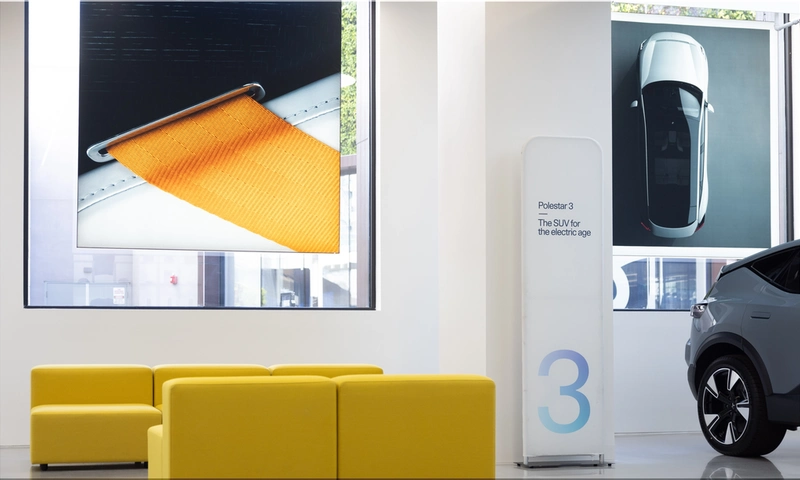
The electric vehicle community is well aware of how seasonal extremes impact daily usability. For example, recent coverage of how the Polestar 3 performed in a winter range test highlighted that energy consumption spikes drastically when a car acts as a rolling sauna to fight off freezing temperatures. Summer air conditioning presents an equally heavy draw if it is not managed strategically.
You do not have to suffer through a sweltering commute just to save a few miles of range. By understanding the science of vehicle temperatures and utilizing a smart mix of passive accessories and proactive charging habits, you can stay completely comfortable while maximizing your EV efficiency all summer long.
- Add new comment
- 4 views