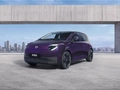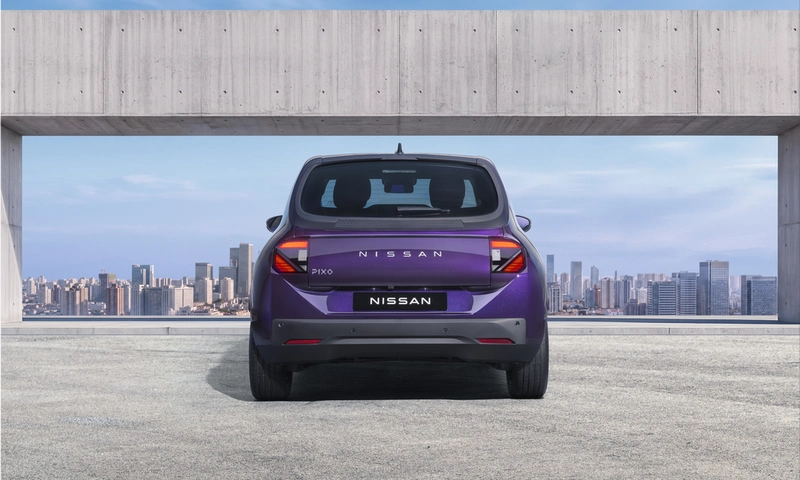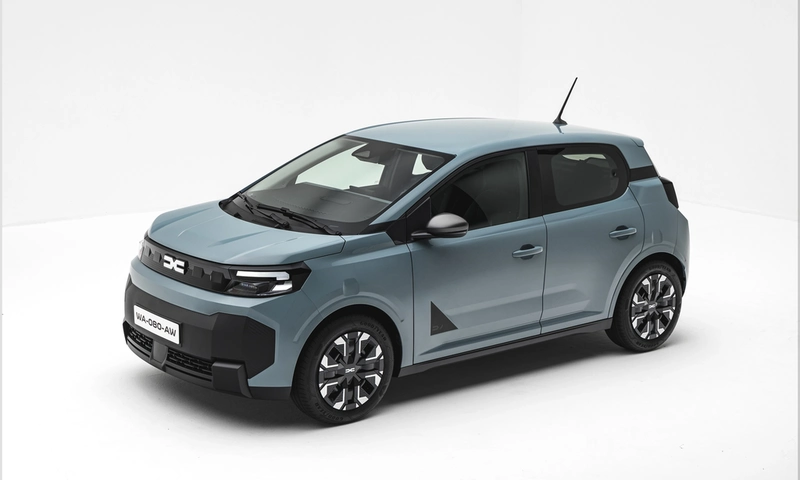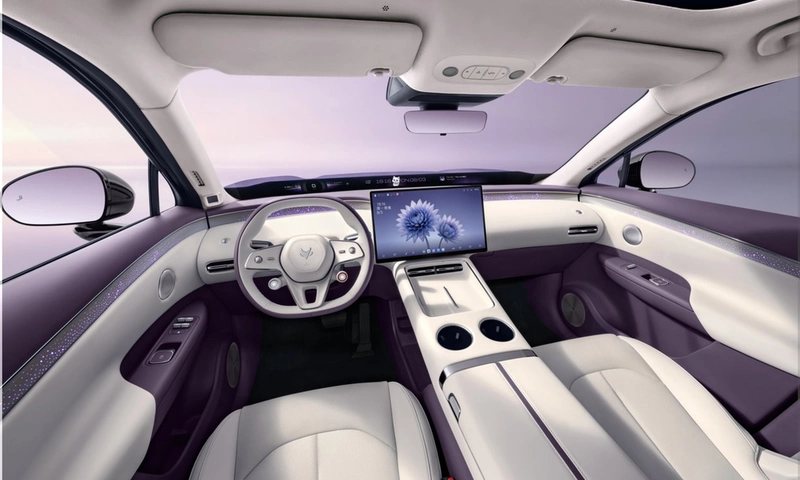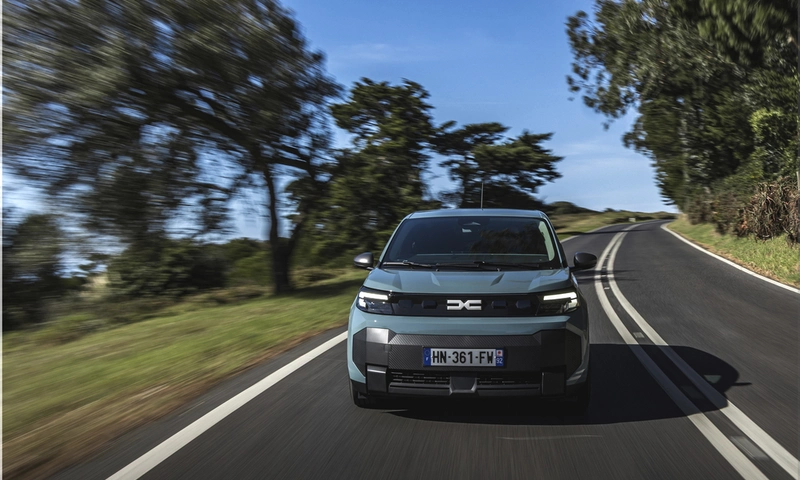
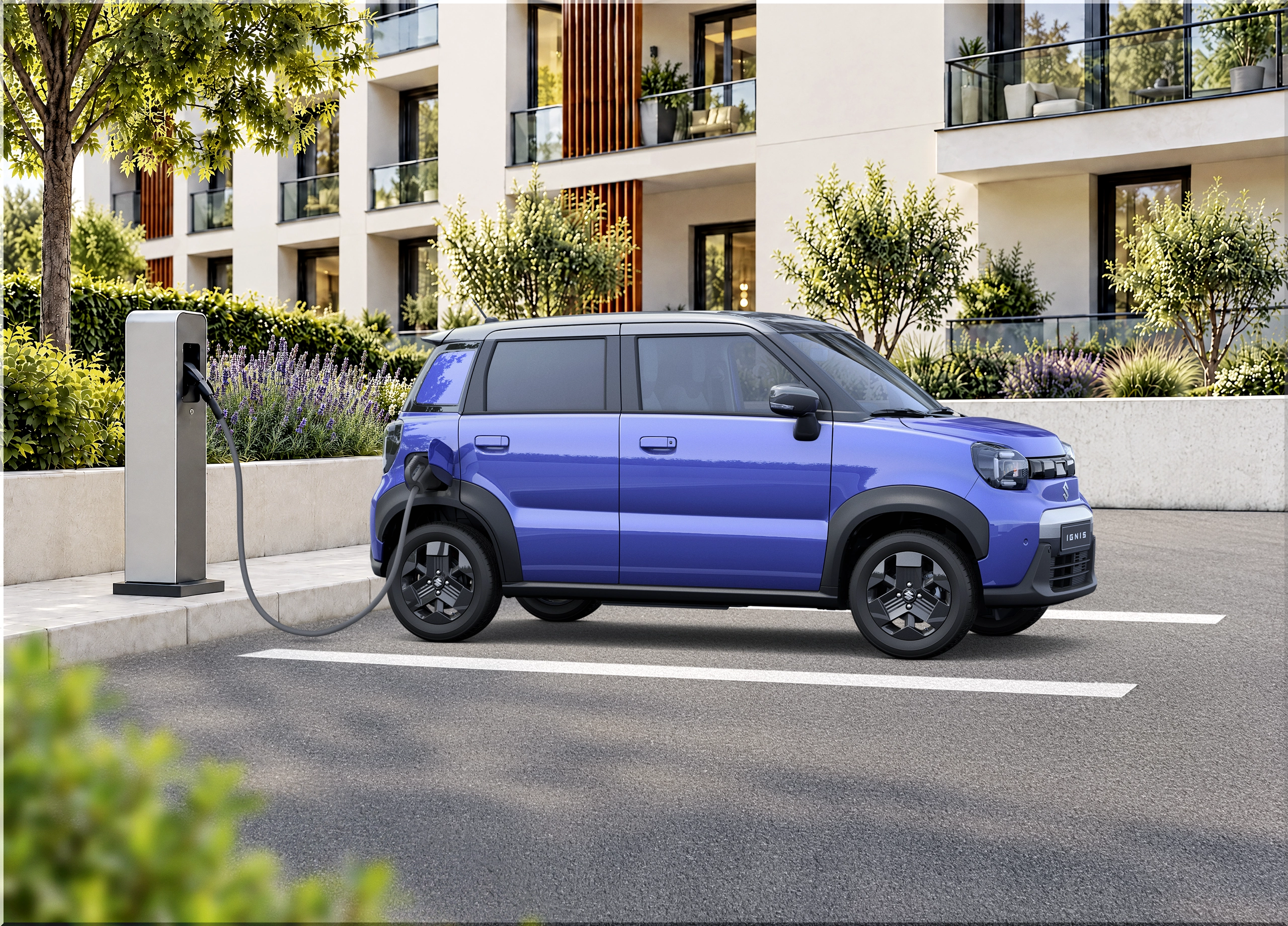
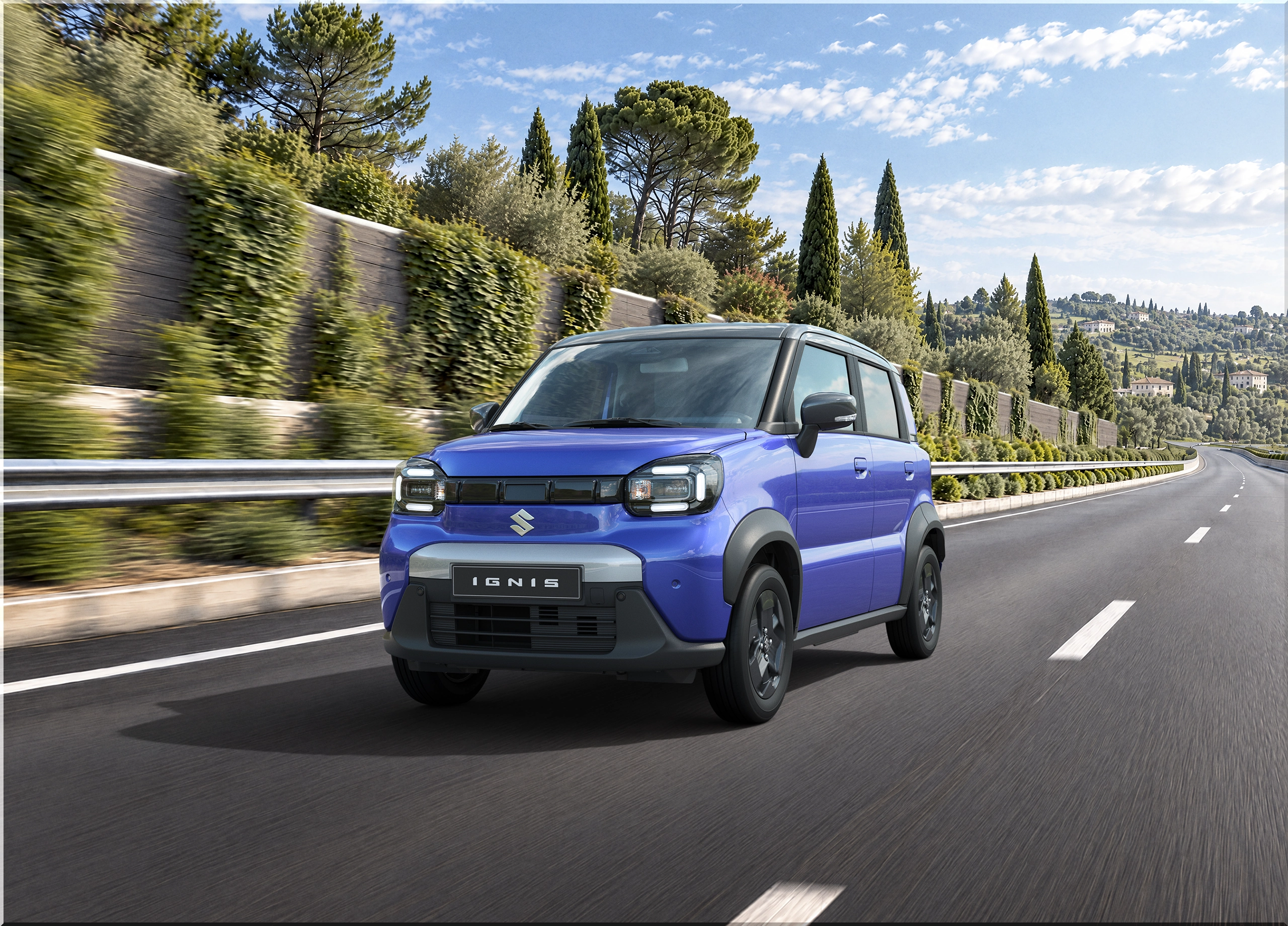
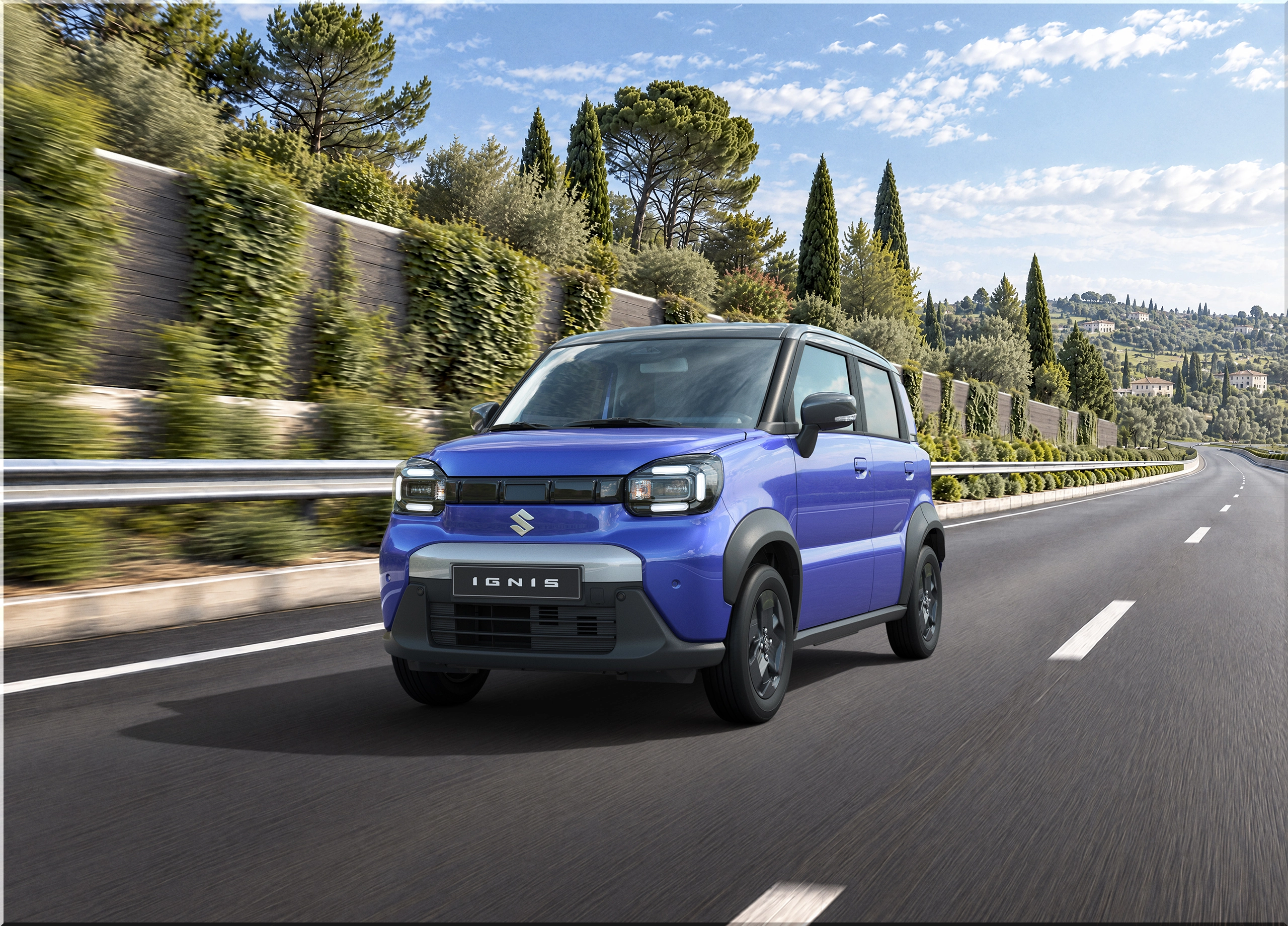
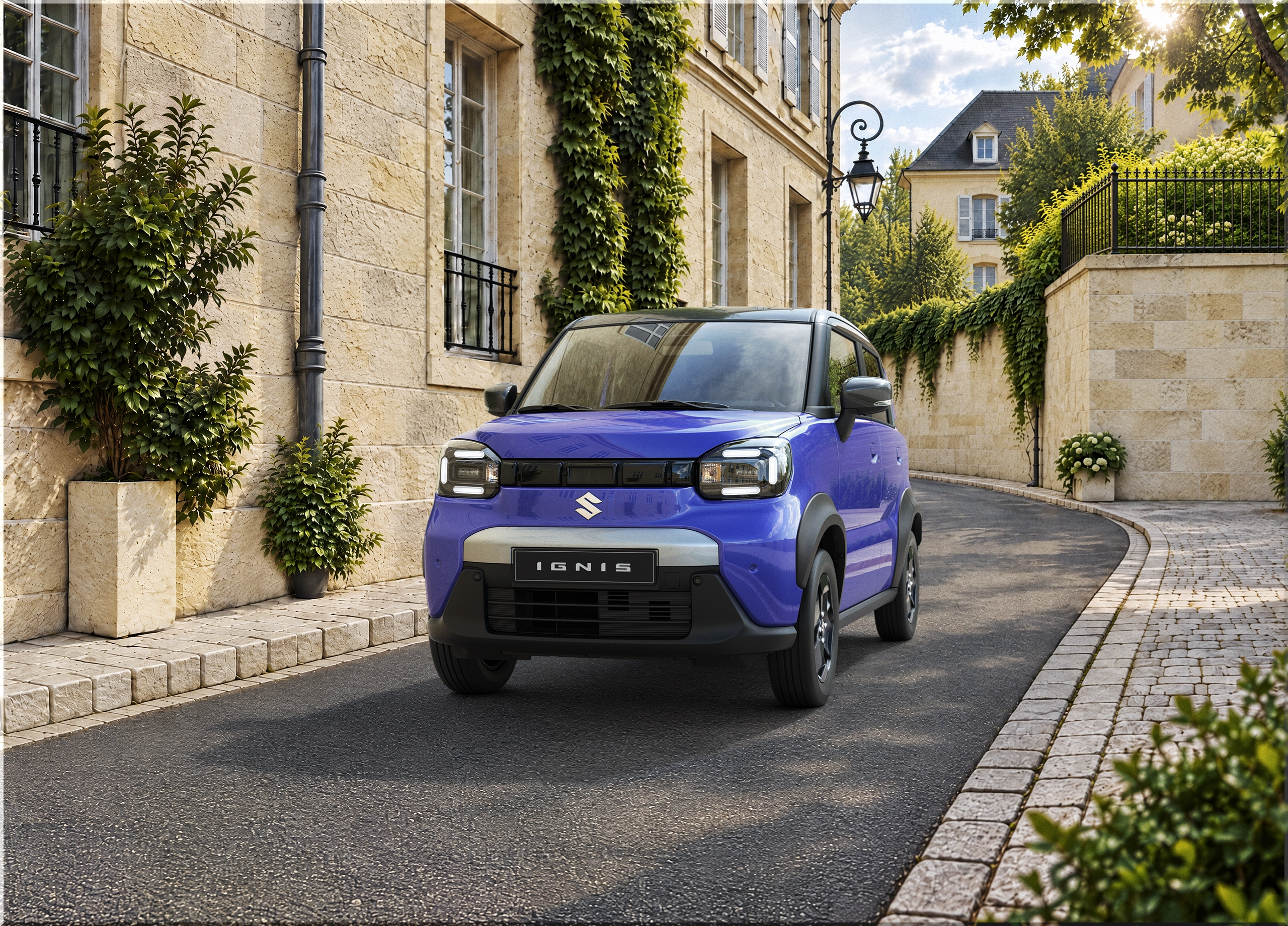
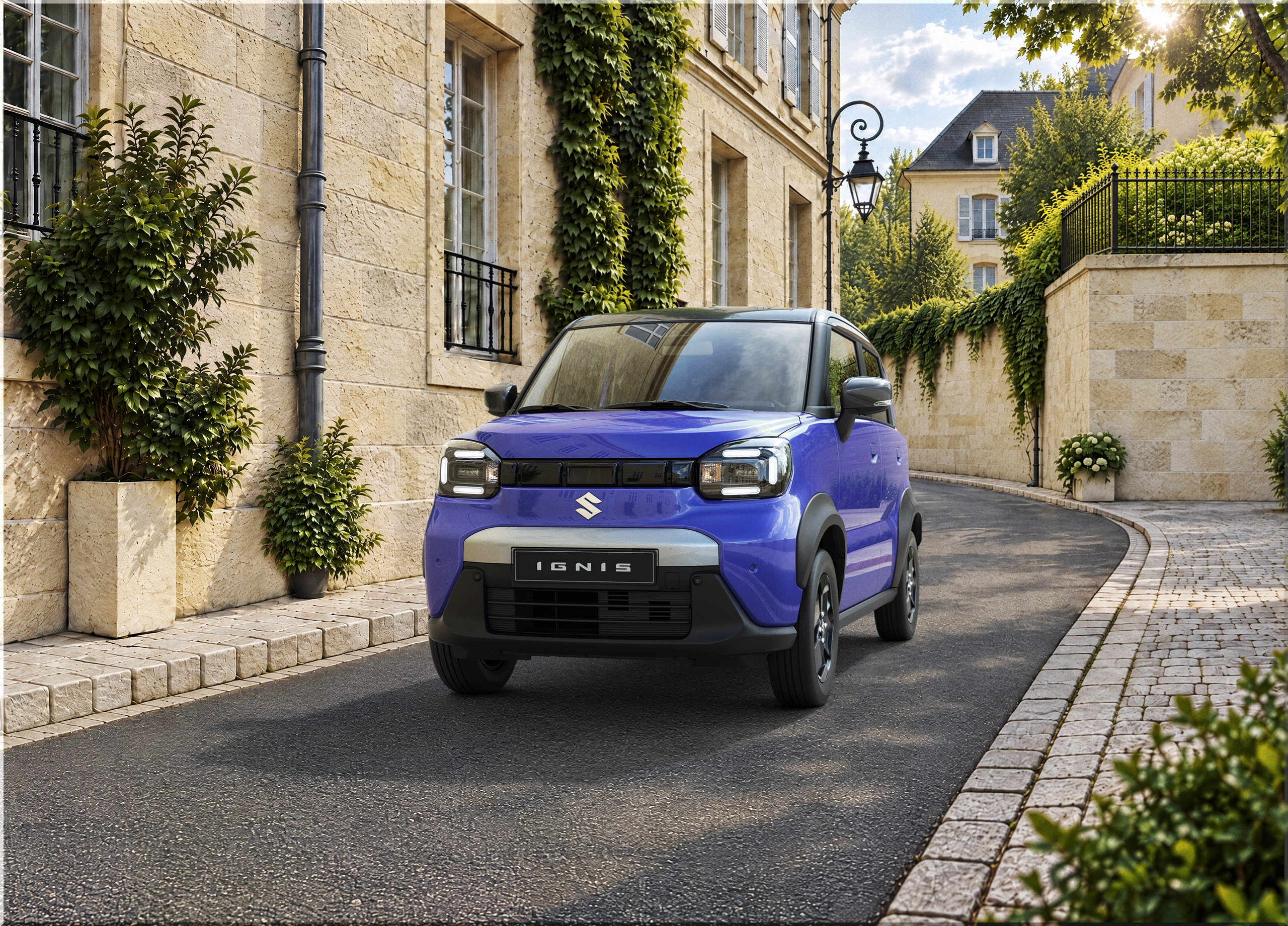
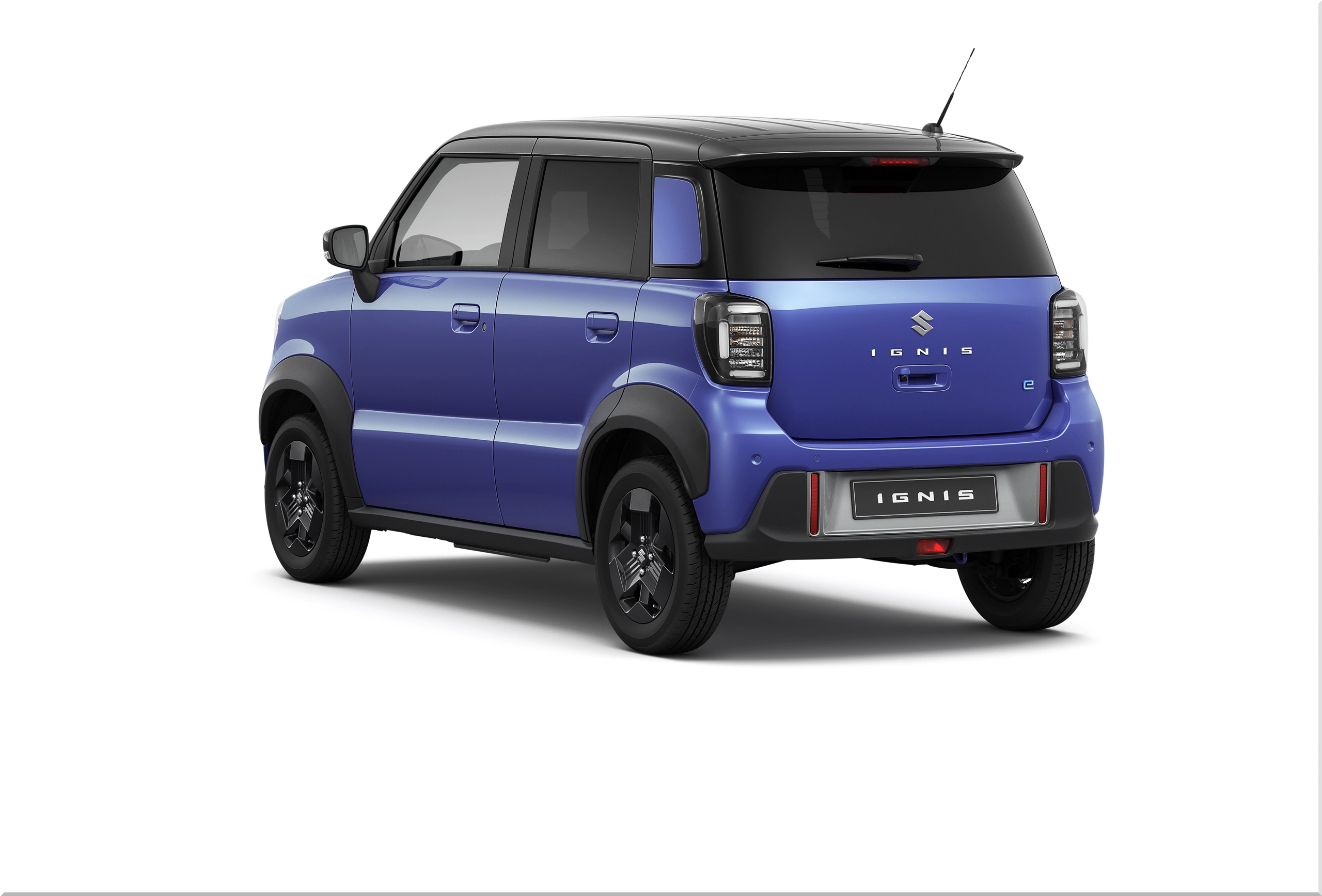
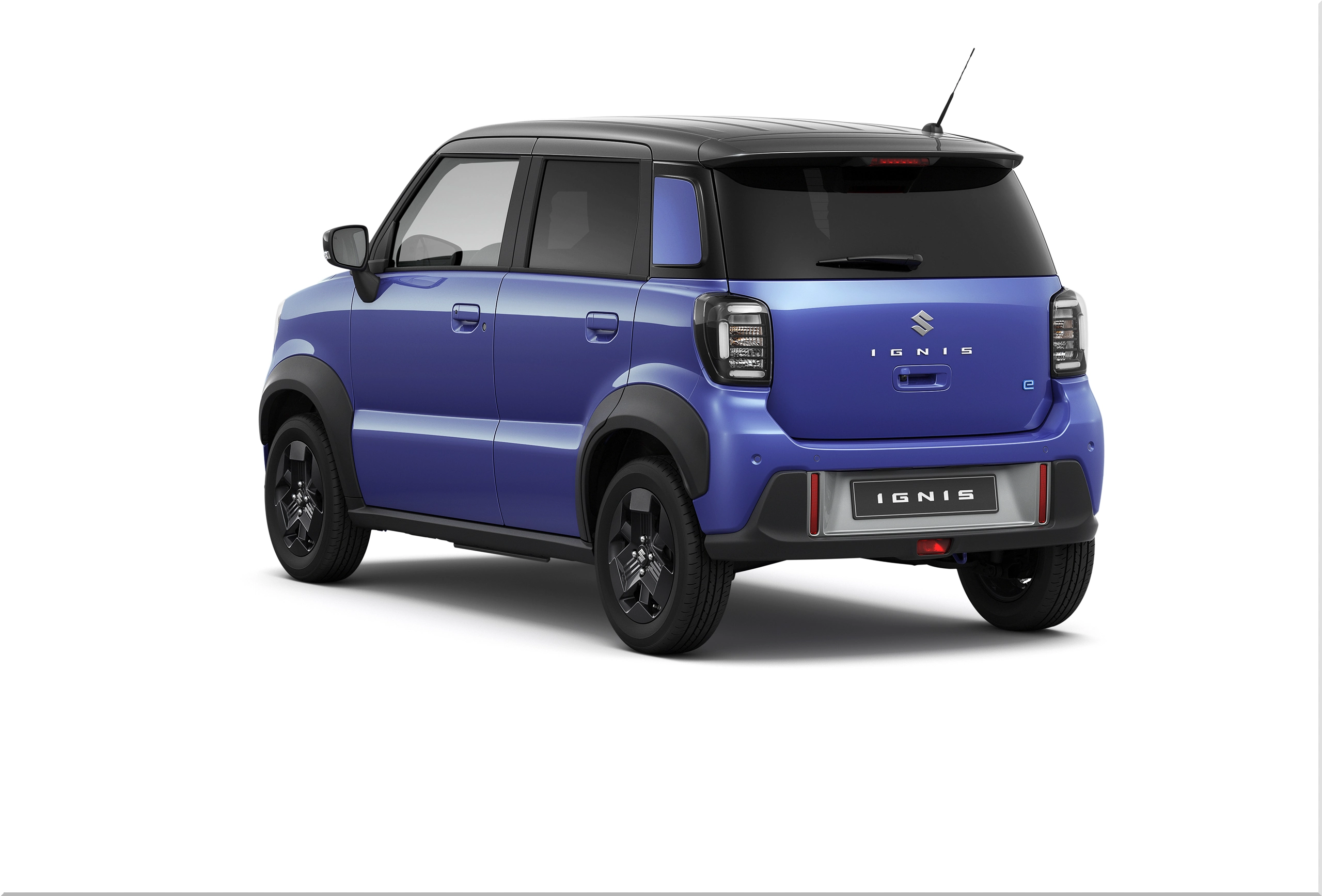
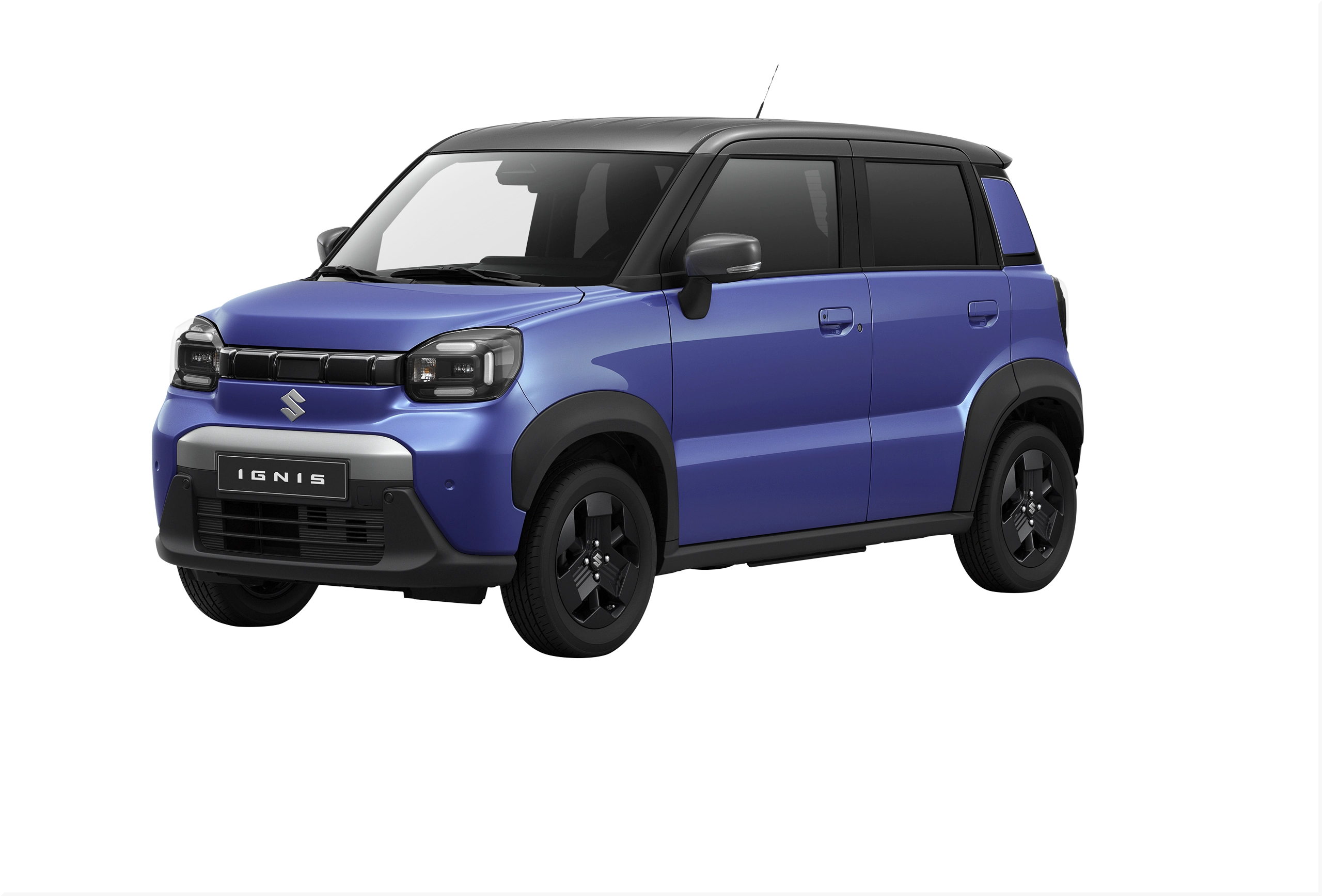
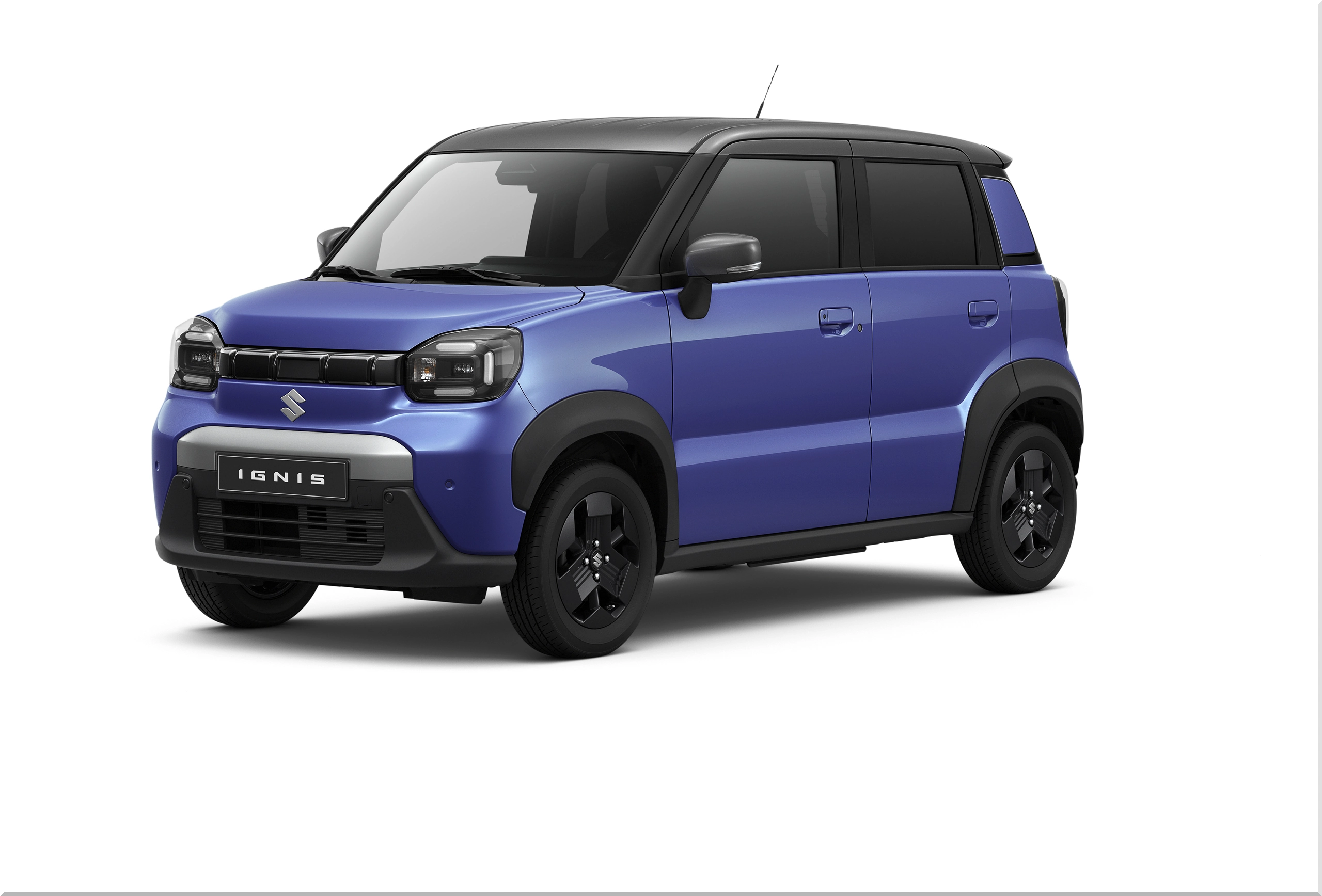
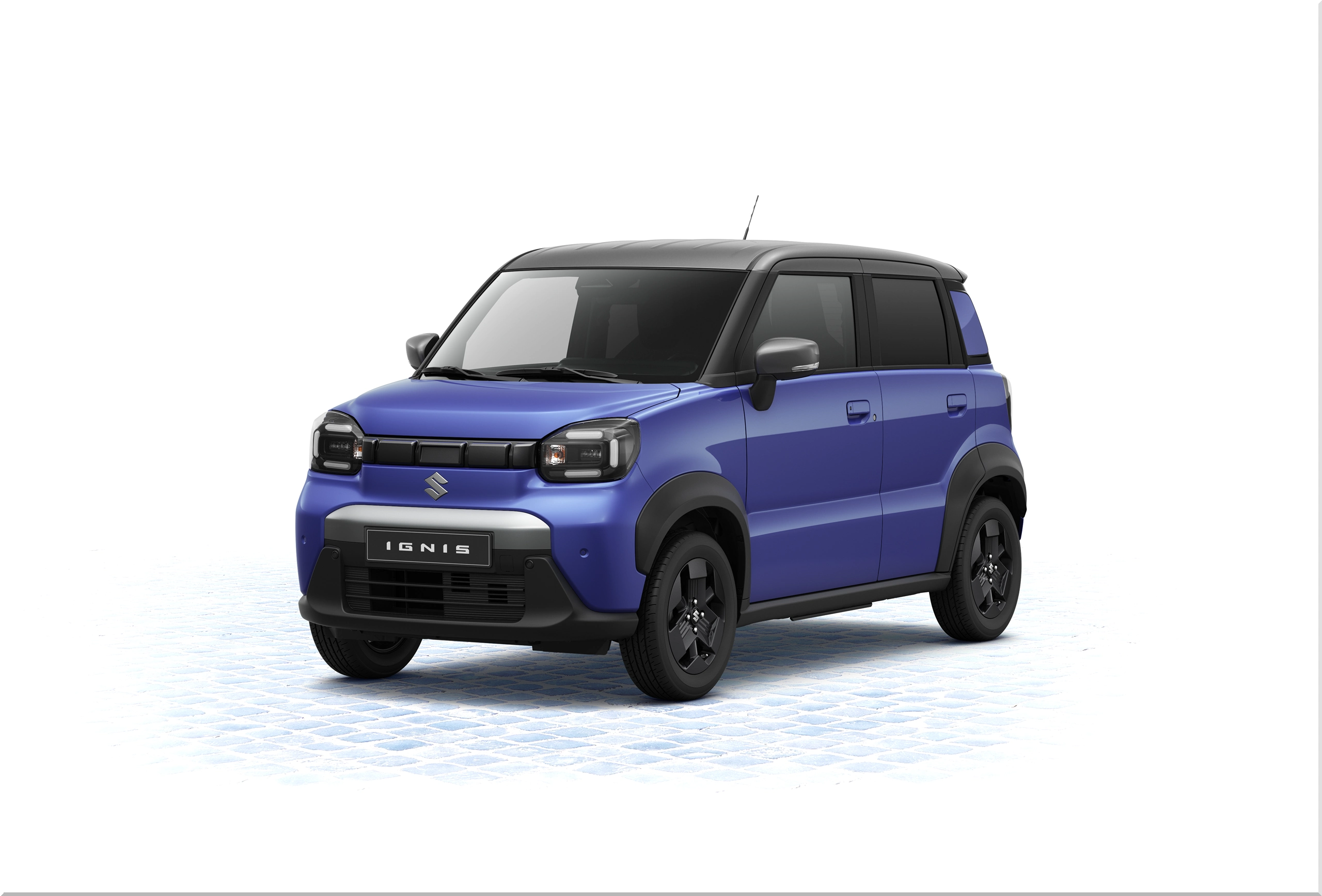
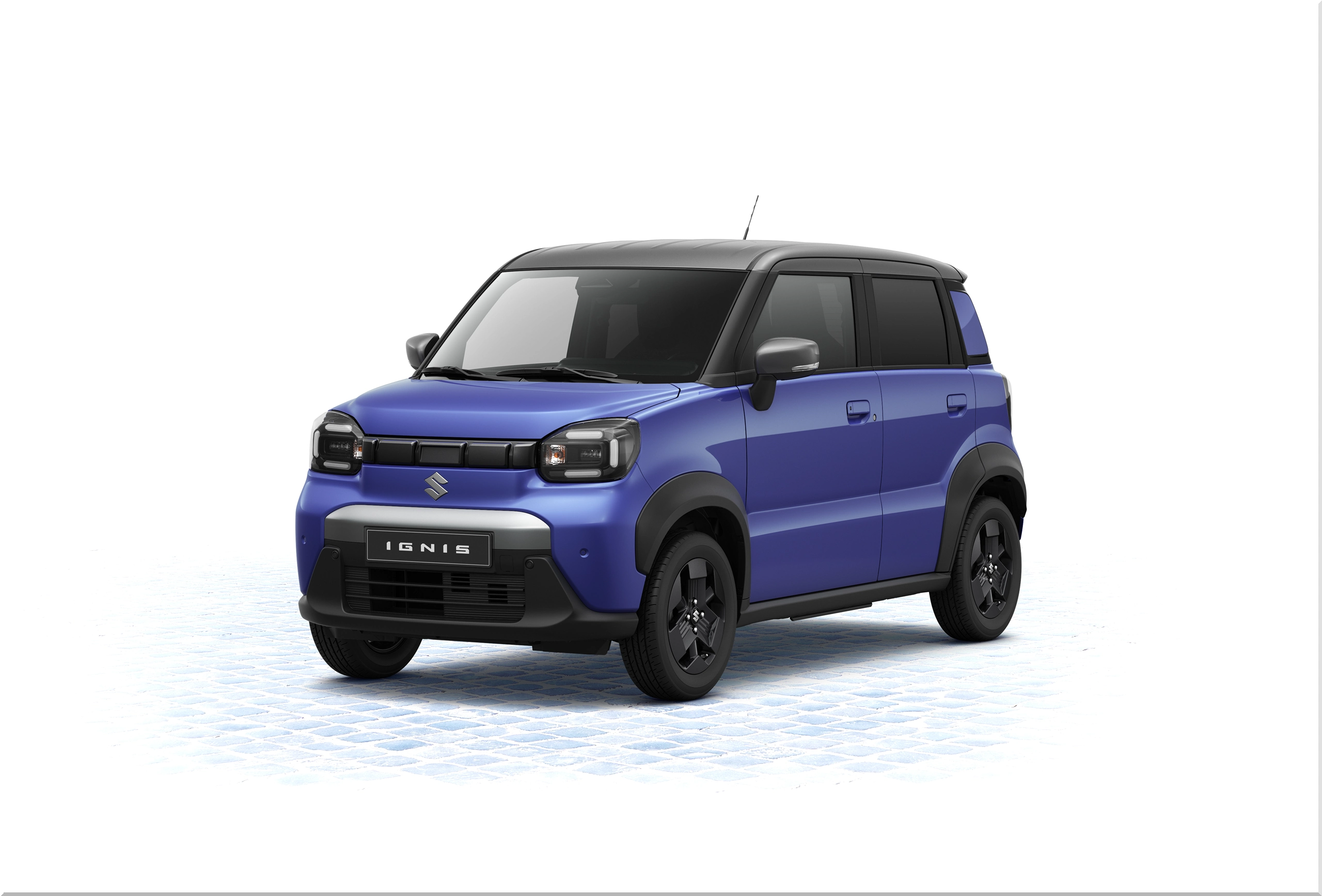
The Suzuki Ignis EV packs four seats, 90 horsepower, and a 26-kWh LFP battery into a 140.6-inch city car. Suzuki unveiled it on November, 2026, with European sales starting in summer 2027. The launch announcement gives no range, charging speed, pricing, or North American availability.
Video gallery
Video title
Suzuki Ignis EV 2027
How small is the new Suzuki Ignis EV?
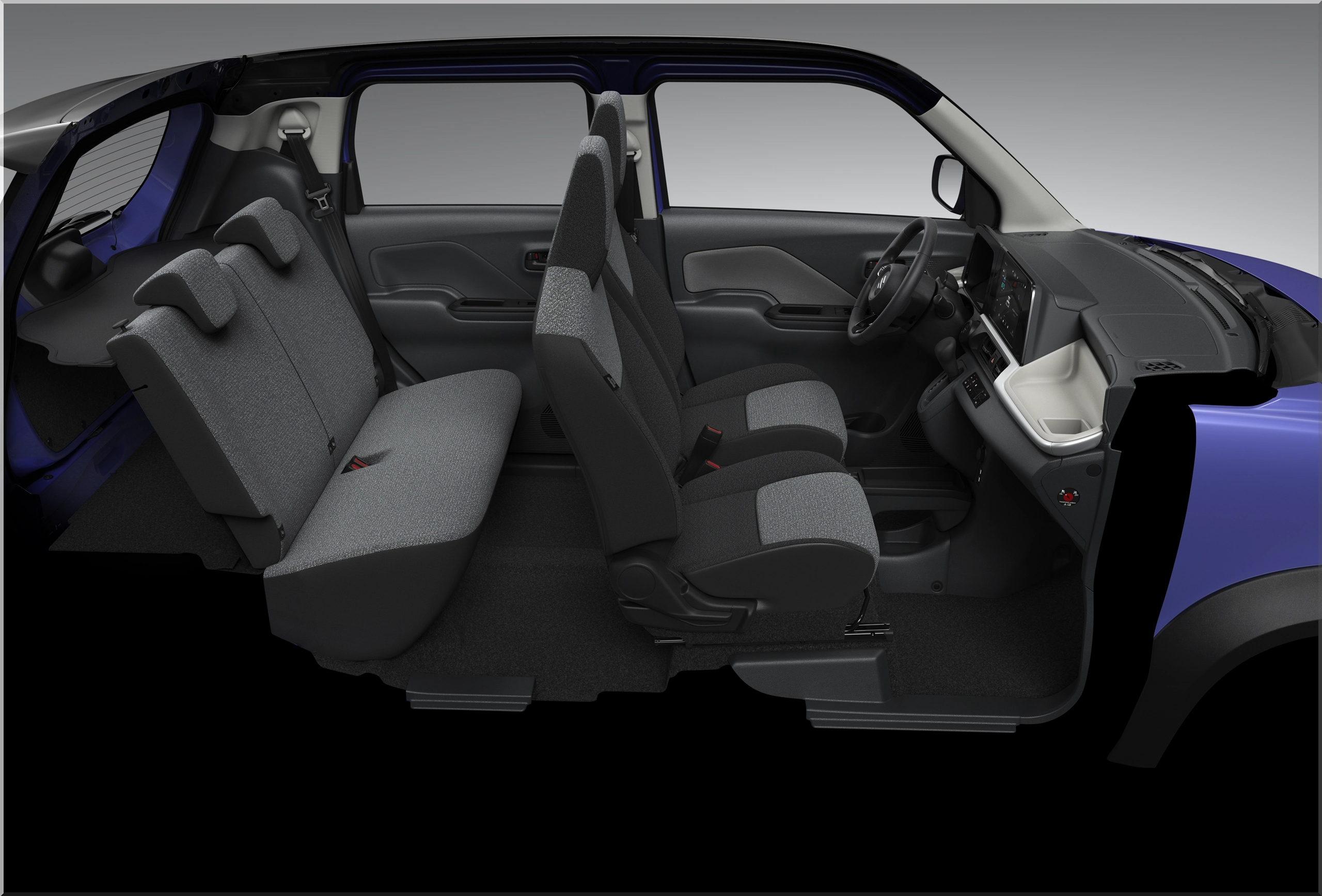
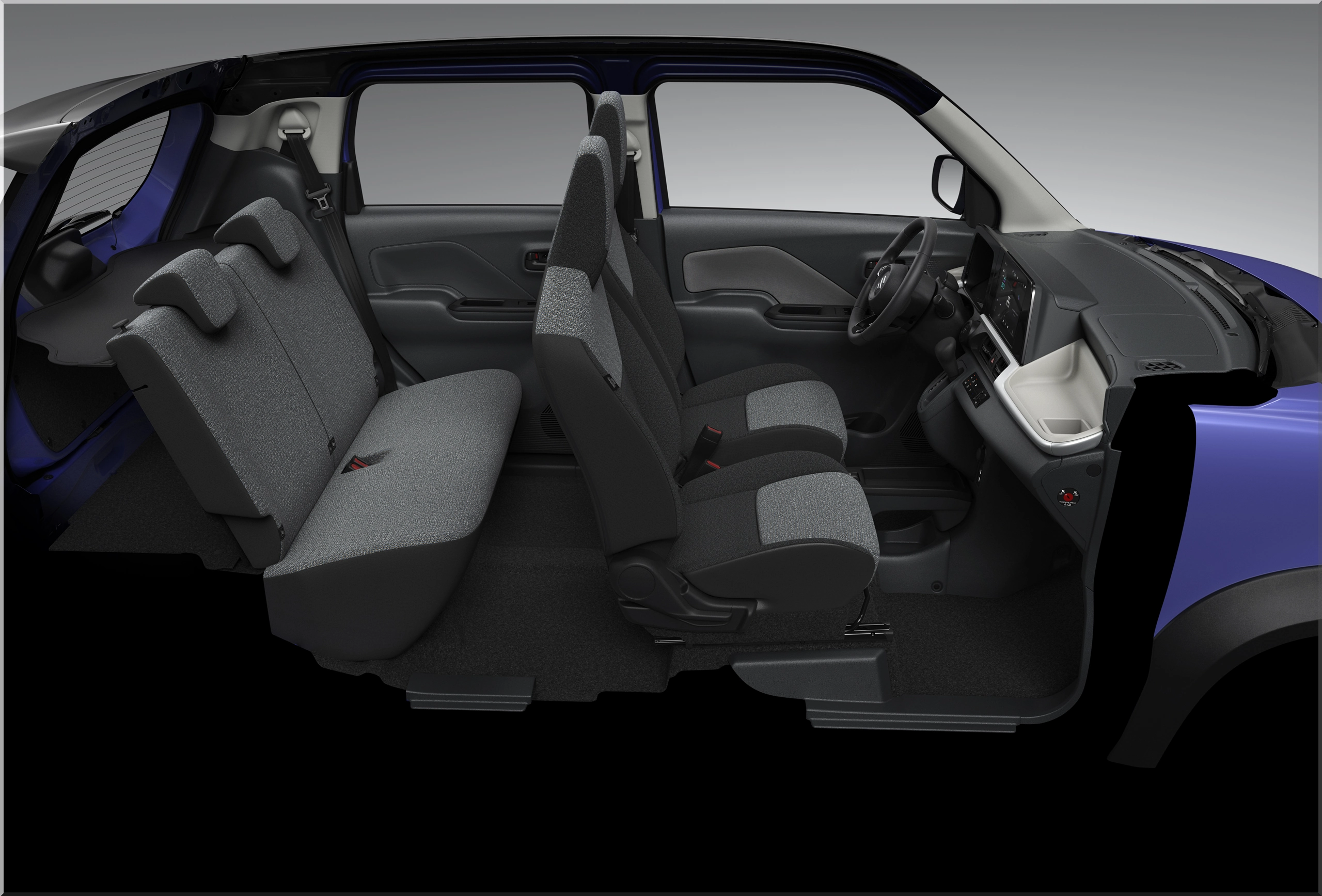
At 140.6 inches long and 61.6 inches wide, the Ignis targets tight streets and parking spaces. Its 96.9-inch wheelbase spans nearly 69% of its length. Suzuki quotes a 14.8-foot turning radius, or roughly 29.5 feet for the turning circle. The short body helps drivers fit into parking spaces.
| Dimension | US measurement | Metric measurement |
|---|---|---|
| Length | 140.6 inches | 3,570 mm |
| Width | 61.6 inches | 1,565 mm |
| Height | 64.4 inches | 1,635 mm |
| Wheelbase | 96.9 inches | 2,460 mm |
| Ground clearance | 5.9 inches | 150 mm |
| Turning circle, calculated | 29.5 feet | 9.0 meters |
Suzuki lists preliminary European specifications and may revise them after certification. The tall body and four-seat layout explain the packaging priorities: fit passengers within a small parking footprint.
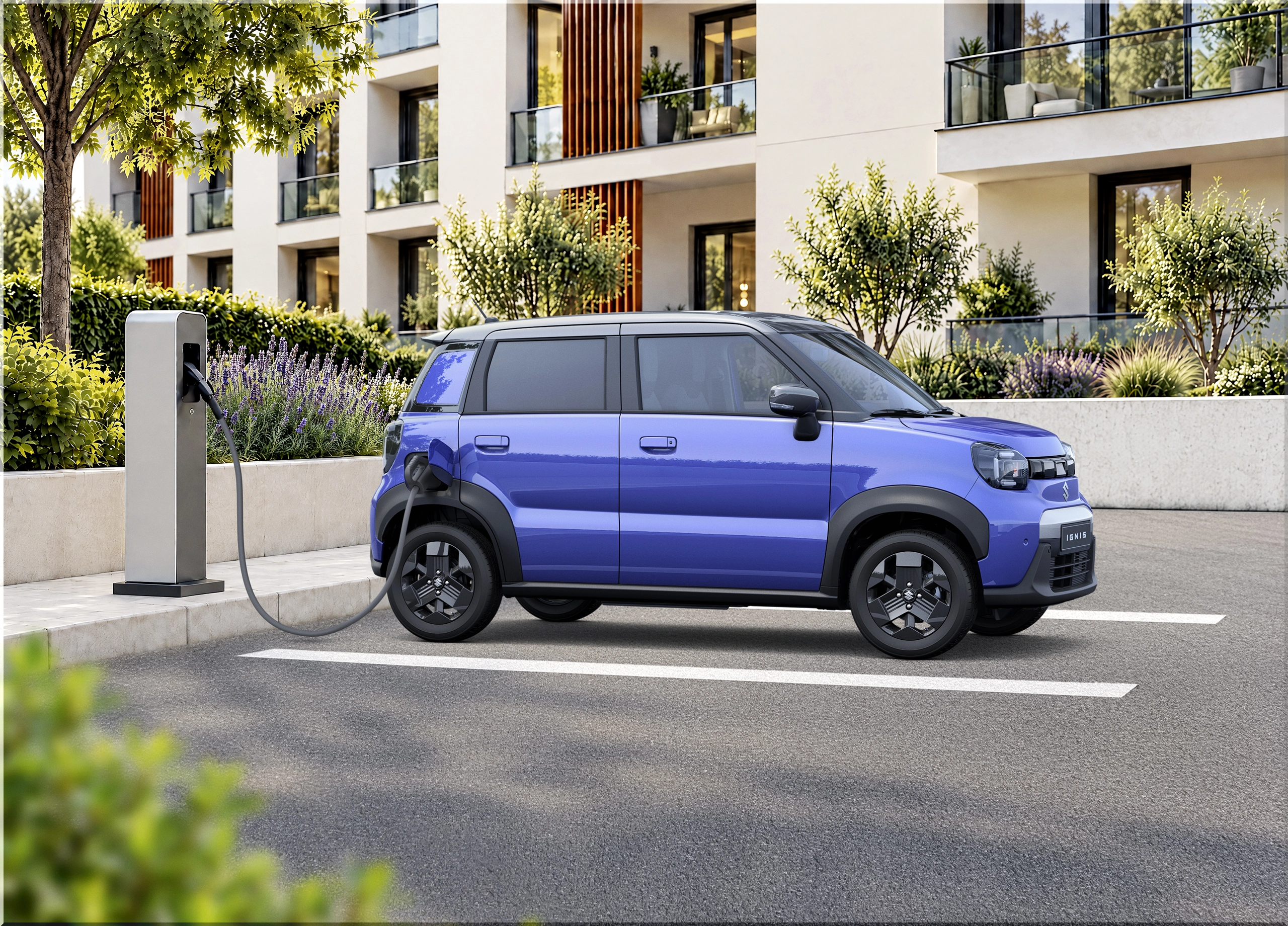
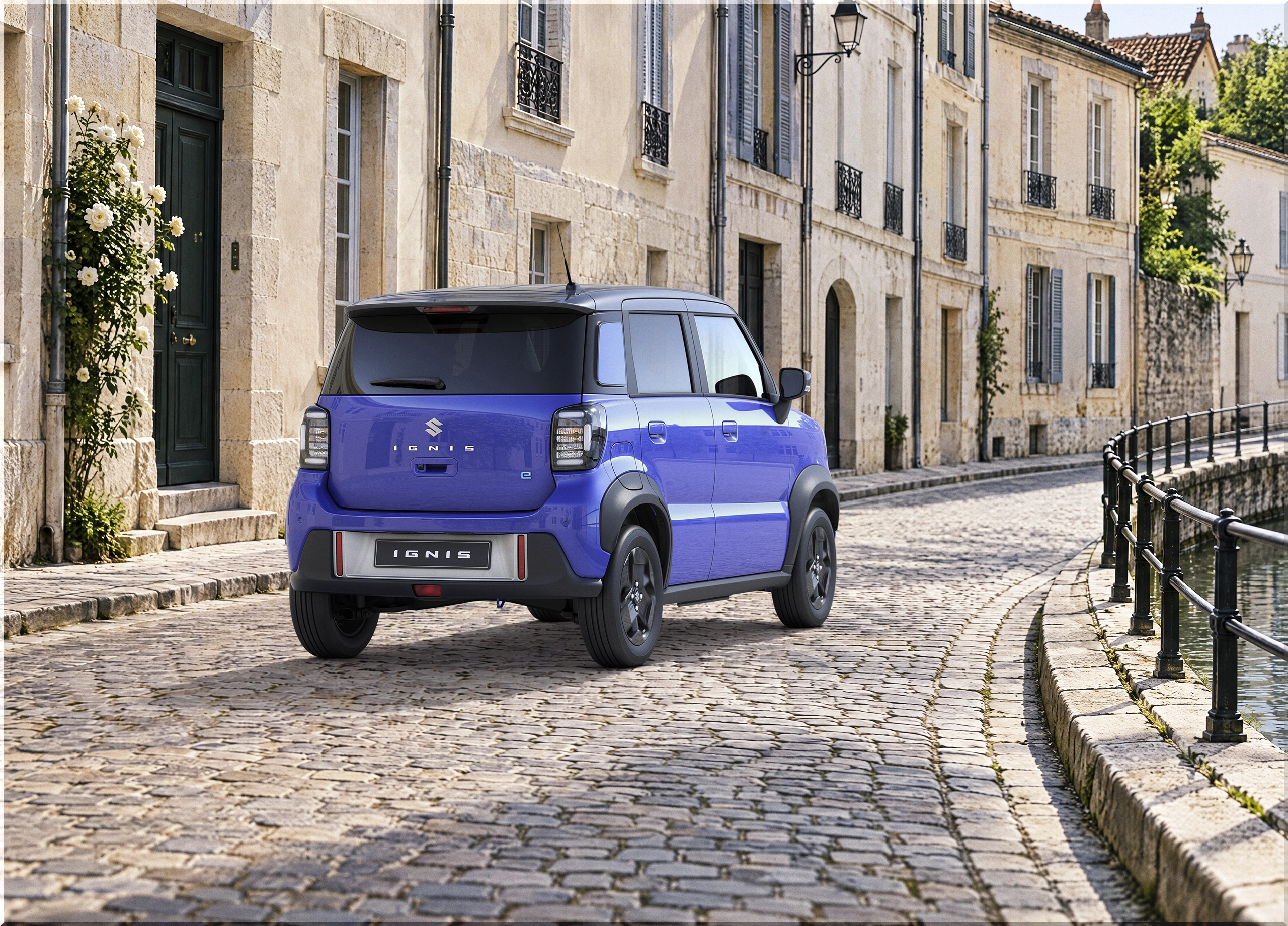
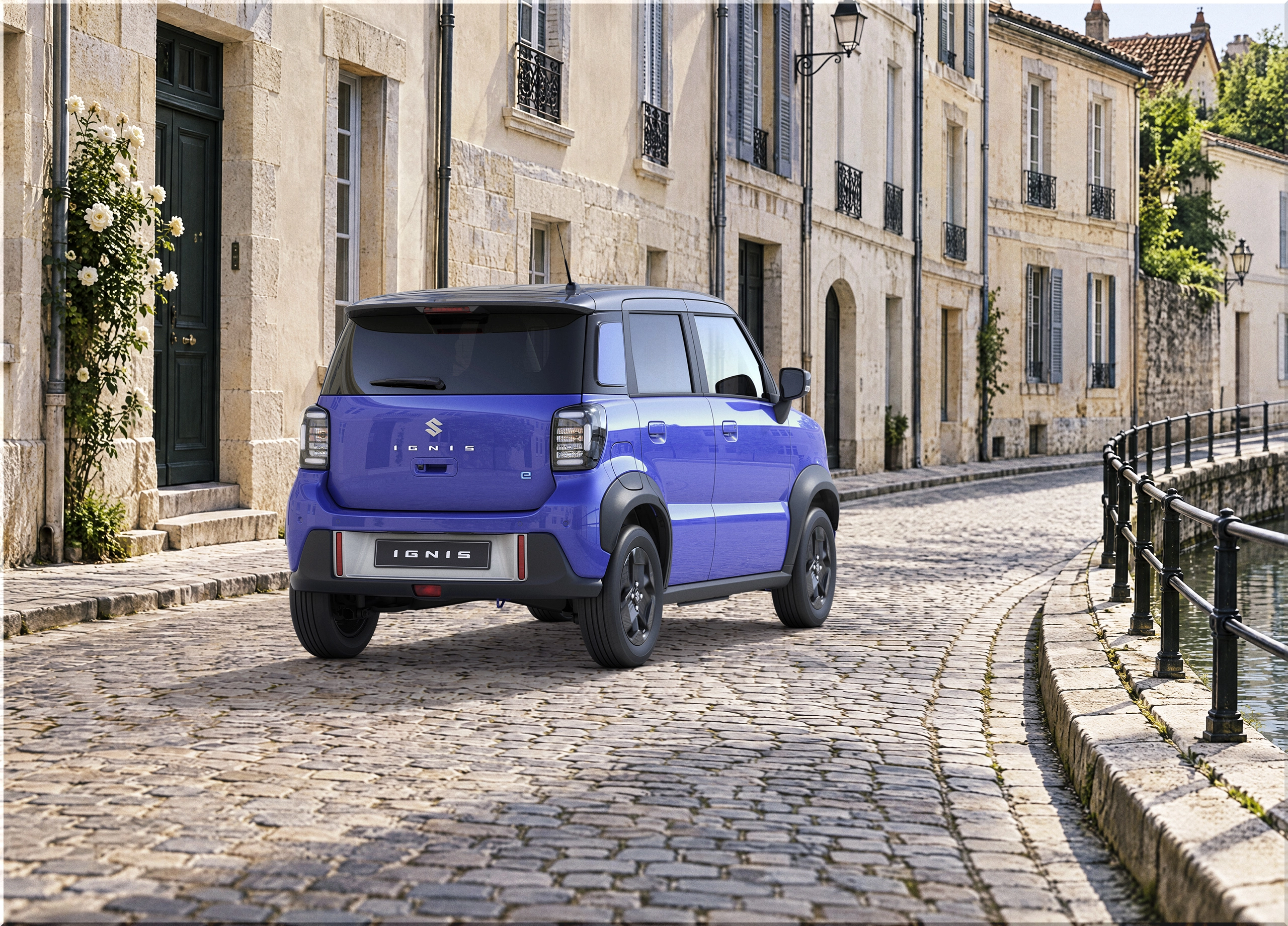
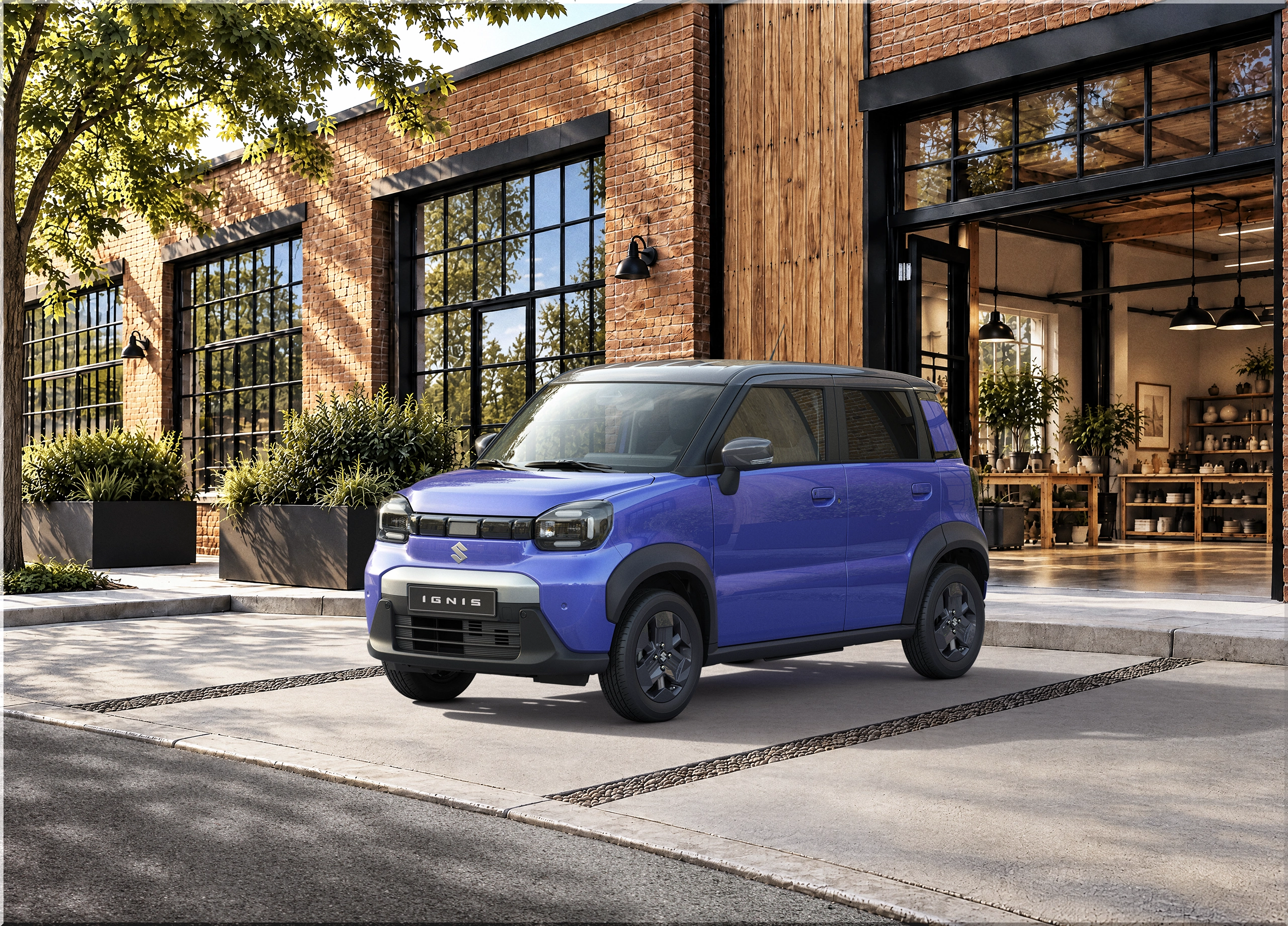
What does the electric powertrain deliver?
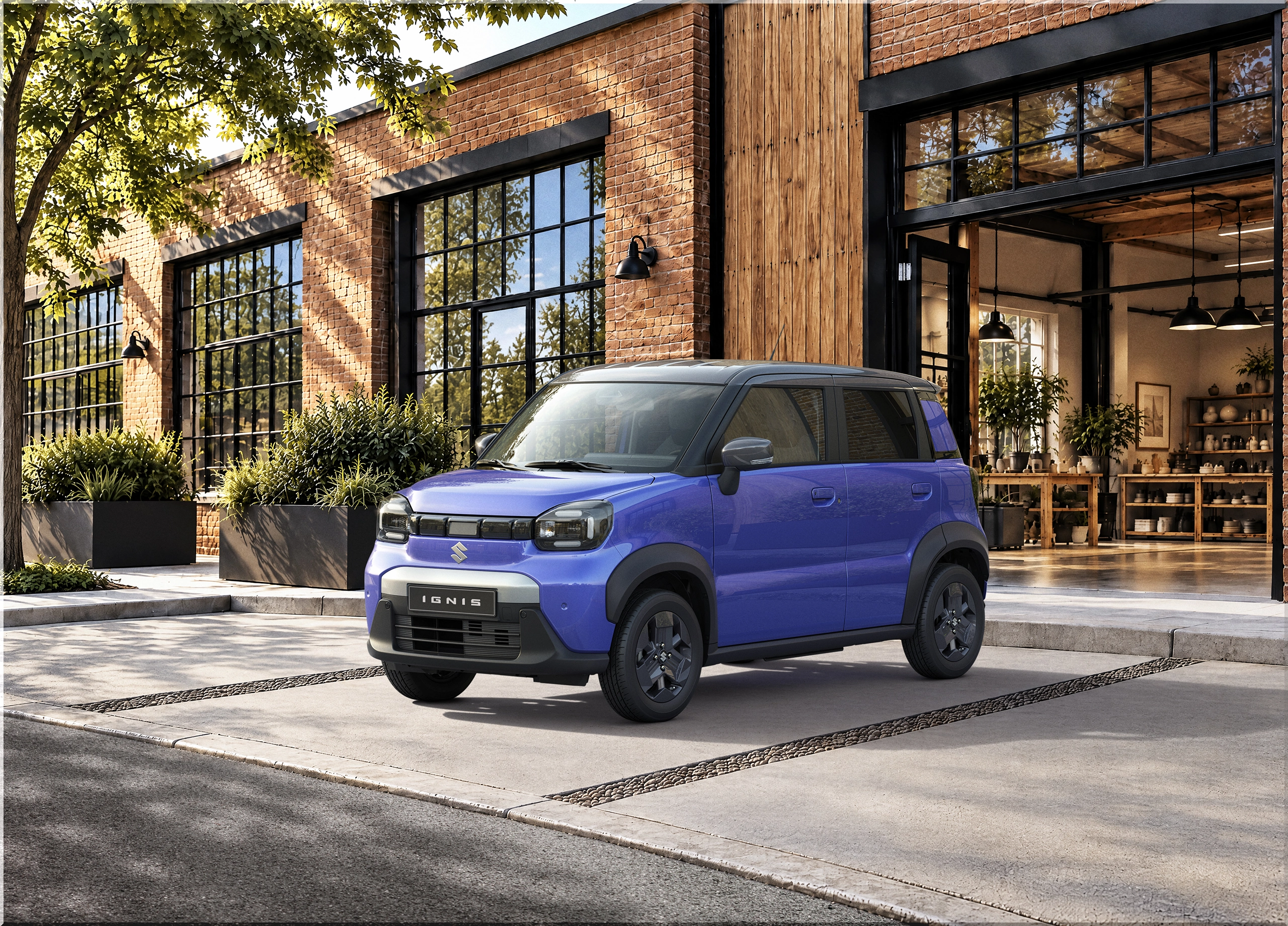
The electric city car pairs a 67-kW motor with 98 lb-ft (133 Nm) and two-wheel drive. Its HEARTECT-e platform carries the battery beneath the body. An integrated eAxle combines the motor, inverter, and reduction gears in one compact unit, helping Suzuki leave more room for passengers.
LFP means lithium iron phosphate. Suzuki chose this battery chemistry for safety and long service life; the launch specifications give no battery warranty or cycle-life figure.
During deceleration, regenerative braking recovers energy. Hydraulic brakes provide friction braking through ventilated front discs and rear drums; the car wears 175/65R15 tires. Suzuki hasn't disclosed curb weight, so we can't calculate a useful power-to-weight ratio.
Image gallery:
Should buyers wait for the Suzuki Ignis EV?
My take from Suzuki's specifications: the Ignis has the size for city driving, but missing range and charging data leave too much unknown for a firm buying recommendation. North American shoppers need a regional launch announcement and a charging connector specification. A European debut doesn't confirm US availability.
| Area | Pros | Cons and unanswered questions |
|---|---|---|
| City driving | Narrow 61.6-inch body; 29.5-foot turning circle | Four seats limit passenger flexibility |
| Motor | 90 hp and 98 lb-ft from a compact eAxle | No acceleration or curb-weight figures |
| Battery | LFP chemistry targets long service life | No certified range, charging times, or usable-capacity figure |
Pro-Tips: What should you check before buying?
- Request certified range, winter-range evidence, and the DC charging curve, including 10-80% times.
- Confirm connector compatibility and price a Level 2 charging installation alongside insurance and depreciation.
- At an assumed $0.18/kWh, buying 20 kWh costs $3.60. Include charging losses when calculating the electricity needed to replenish the battery, and keep electricity costs separate from purchase price.
- Add new comment
- 5 views