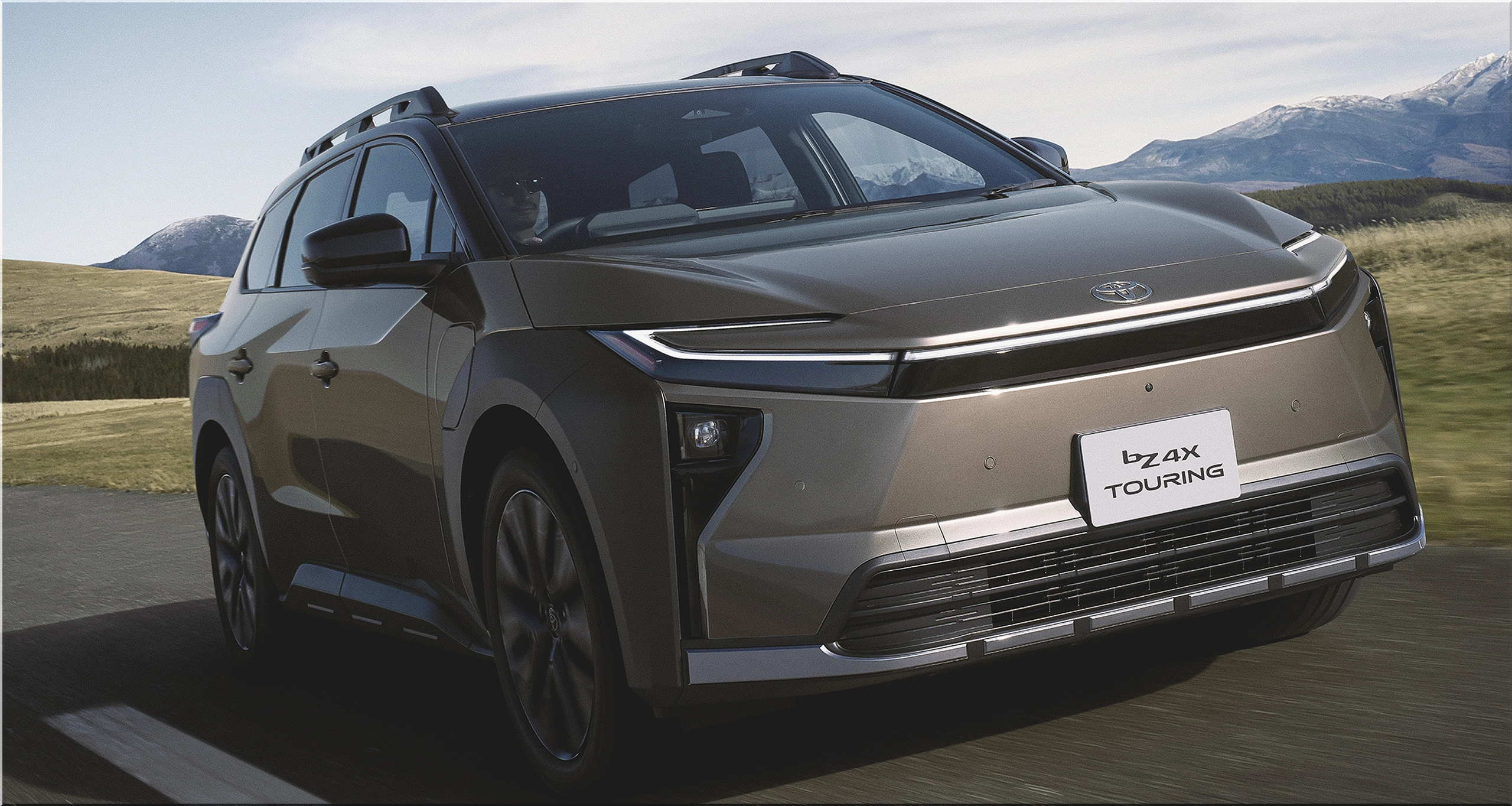
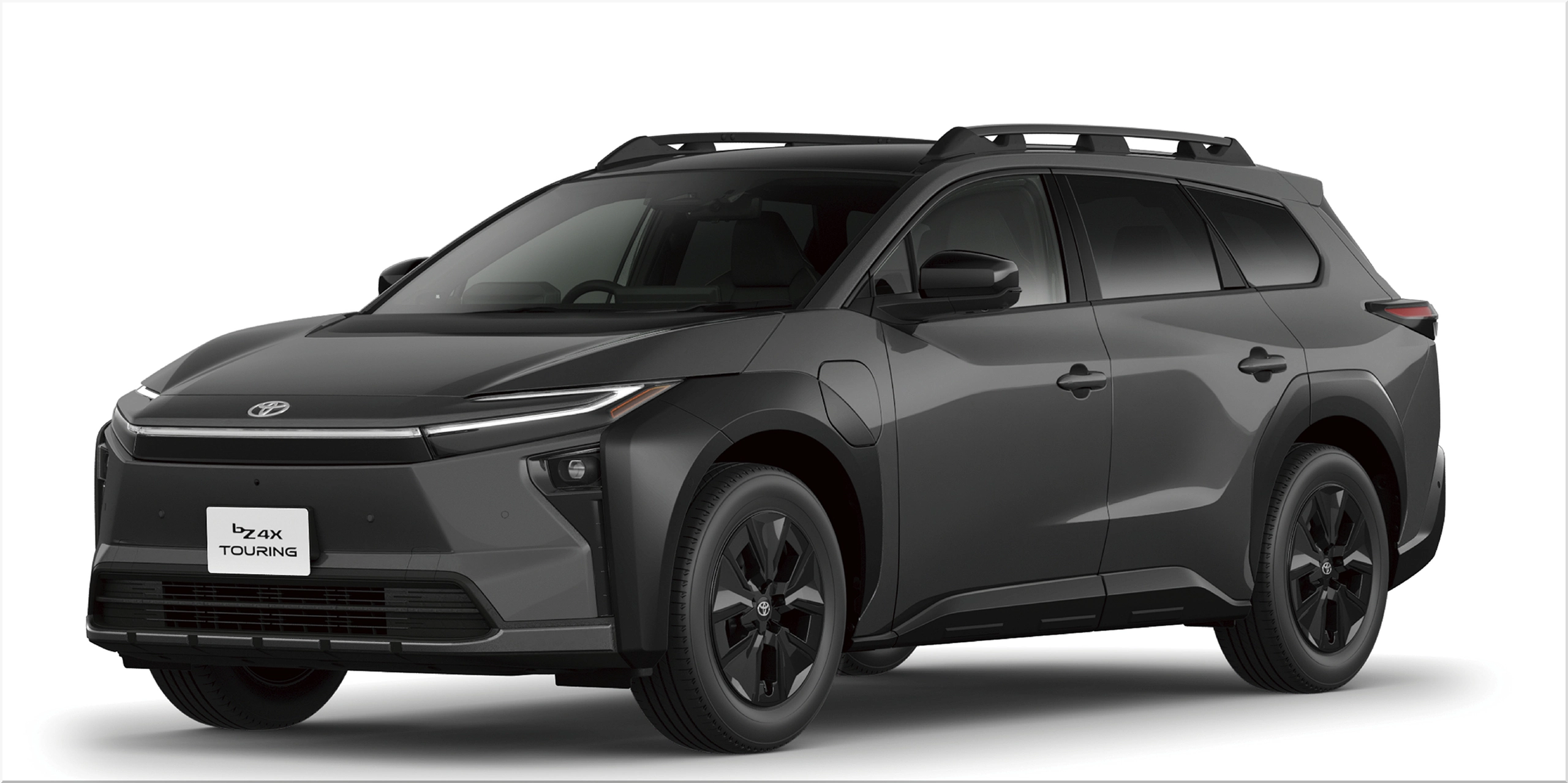
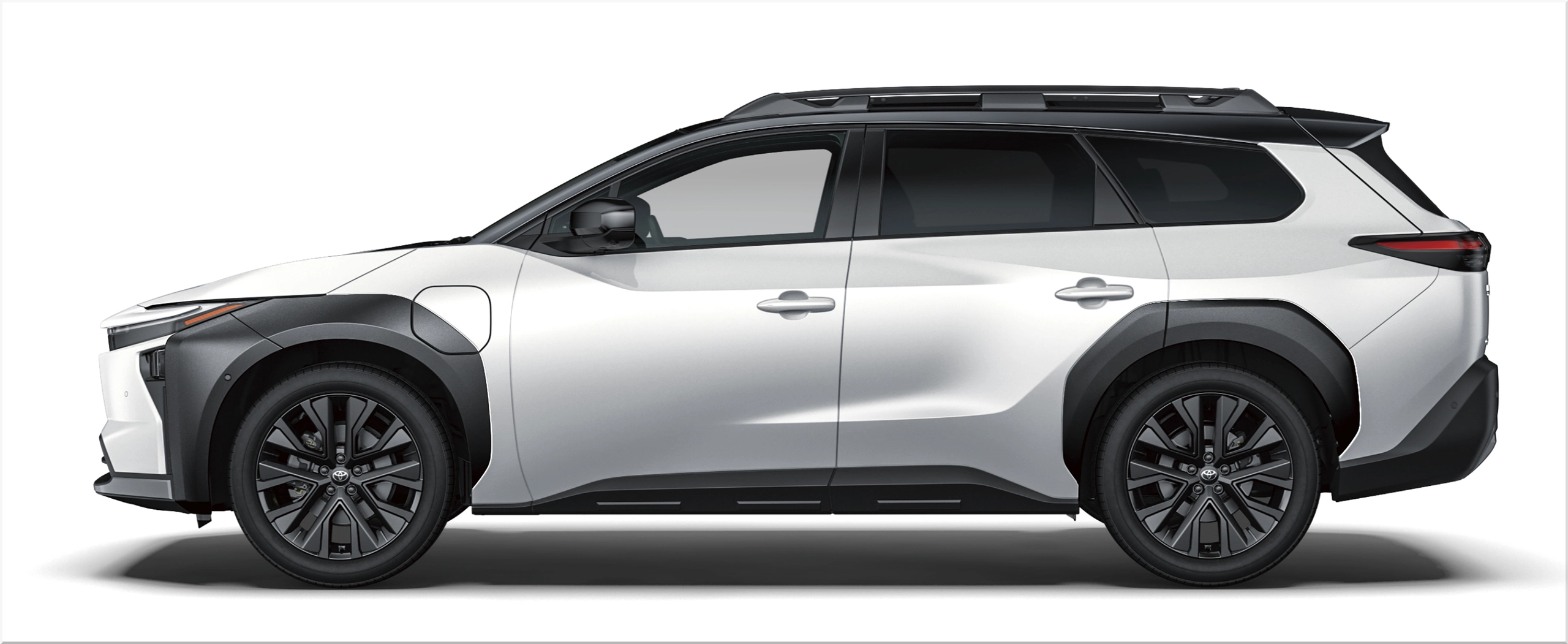
Toyota has expanded its battery-electric lineup in Japan with the Toyota bZ4X Touring, a larger, more utility-focused evolution of the standard bZ4X. The formula looks simple on paper: stretch the body, open up the cargo area, tune the electric drive systems for stronger real-world response, and give buyers a BEV that handles family duty without giving up pace. Looking at the data, Toyota did far more than bolt a wagon-like rear section onto the existing car.
The new bZ4X Touring BEV targets buyers who want more usable space, stronger highway and rough-road confidence, and a cleaner fit for long leisure trips. Specifically, Toyota positioned it as the version for family travel, outdoor use, and daily driving that spills into weekend gear-hauling. That makes the 2027 Toyota bZ4X Touring an important product in a segment where packaging still decides winners.
Toyota's Strategy With the bZ4X Touring
Toyota launched the bZ4X Touring in Japan on February 25, 2026, as a follow-up to the regular bZ4X. The mission sits right in the product name: more touring, more carrying capacity, and more flexibility for owners who need an EV to work across city use, highway runs, and recreational trips.
From an expert perspective, this move fixes one of the quiet weak spots in many electric crossovers. Plenty of EVs deliver instant torque and a slick user interface, but fewer package that performance inside a body shape that can swallow bulky cargo without forcing owners into a much larger SUV. Toyota saw the opening and went after it with a stretched roofline, a larger load bay, and revised driving hardware.
Why This Variant Matters
A longer, taller rear body section does two jobs at once:
- It improves cargo volume
- It adds rear headroom and load flexibility
- It gives the vehicle a more wagon-like utility profile
- It widens the car's appeal to family and leisure buyers
That sounds basic. It is not. In the EV segment, packaging efficiency often dictates ownership satisfaction more than peak output figures.
Size, Packaging, and Cargo Space
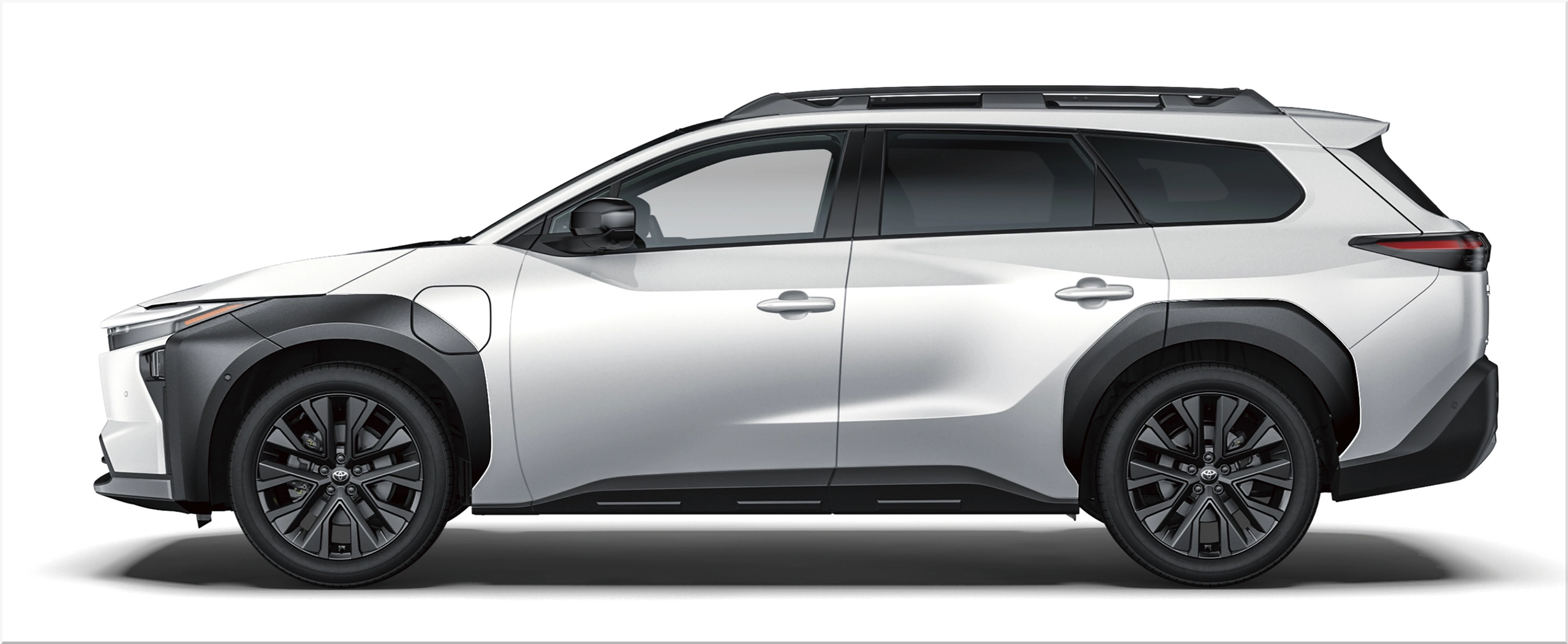
The Toyota bZ4X Touring measures 4,830 mm long, 1,860 mm wide, and 1,675 mm high, riding on a 2,850 mm wheelbase. Converted to U.S. units, that works out to about 190.2 inches long, 73.2 inches wide, 65.9 inches high, and 112.2 inches of wheelbase.
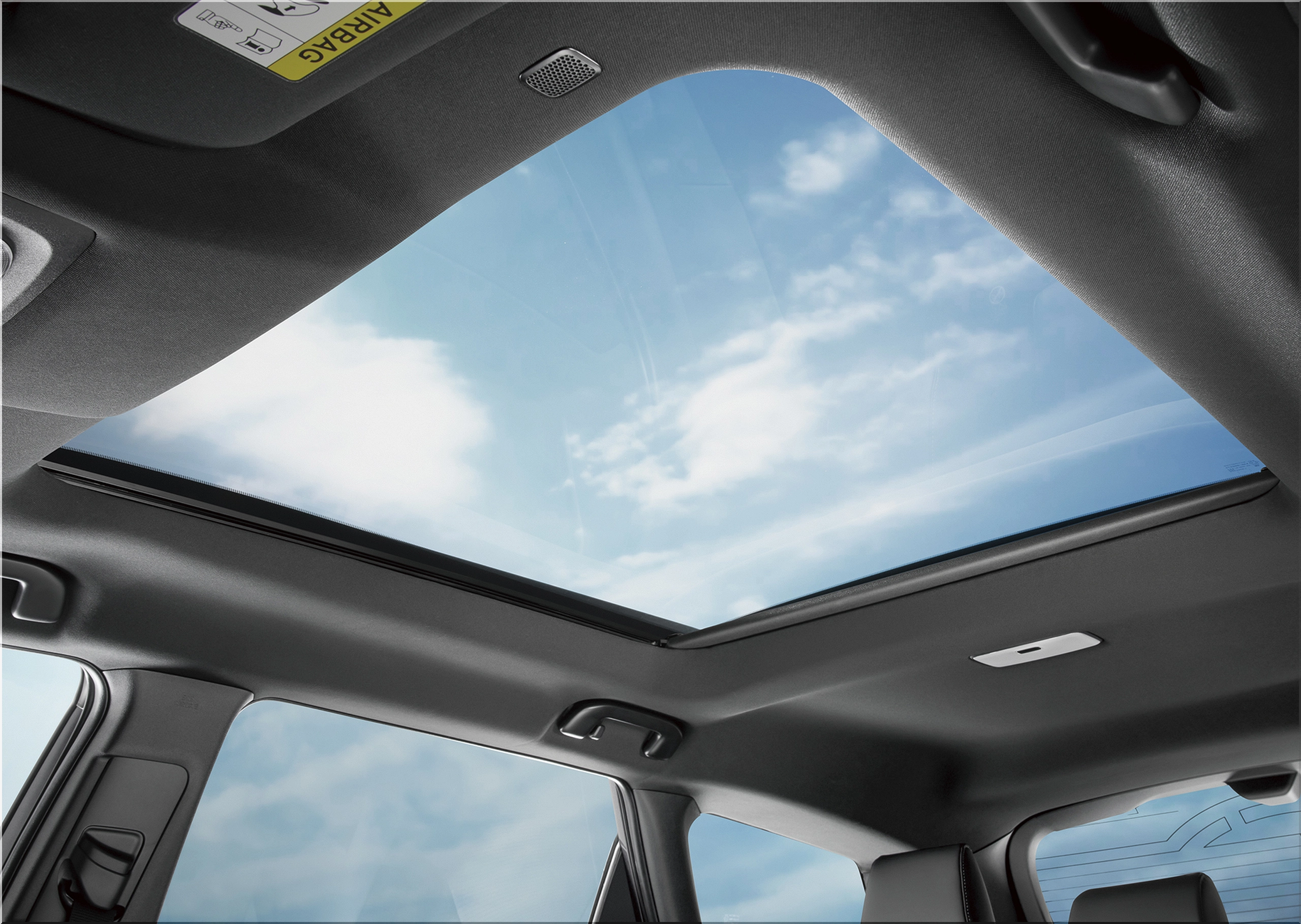
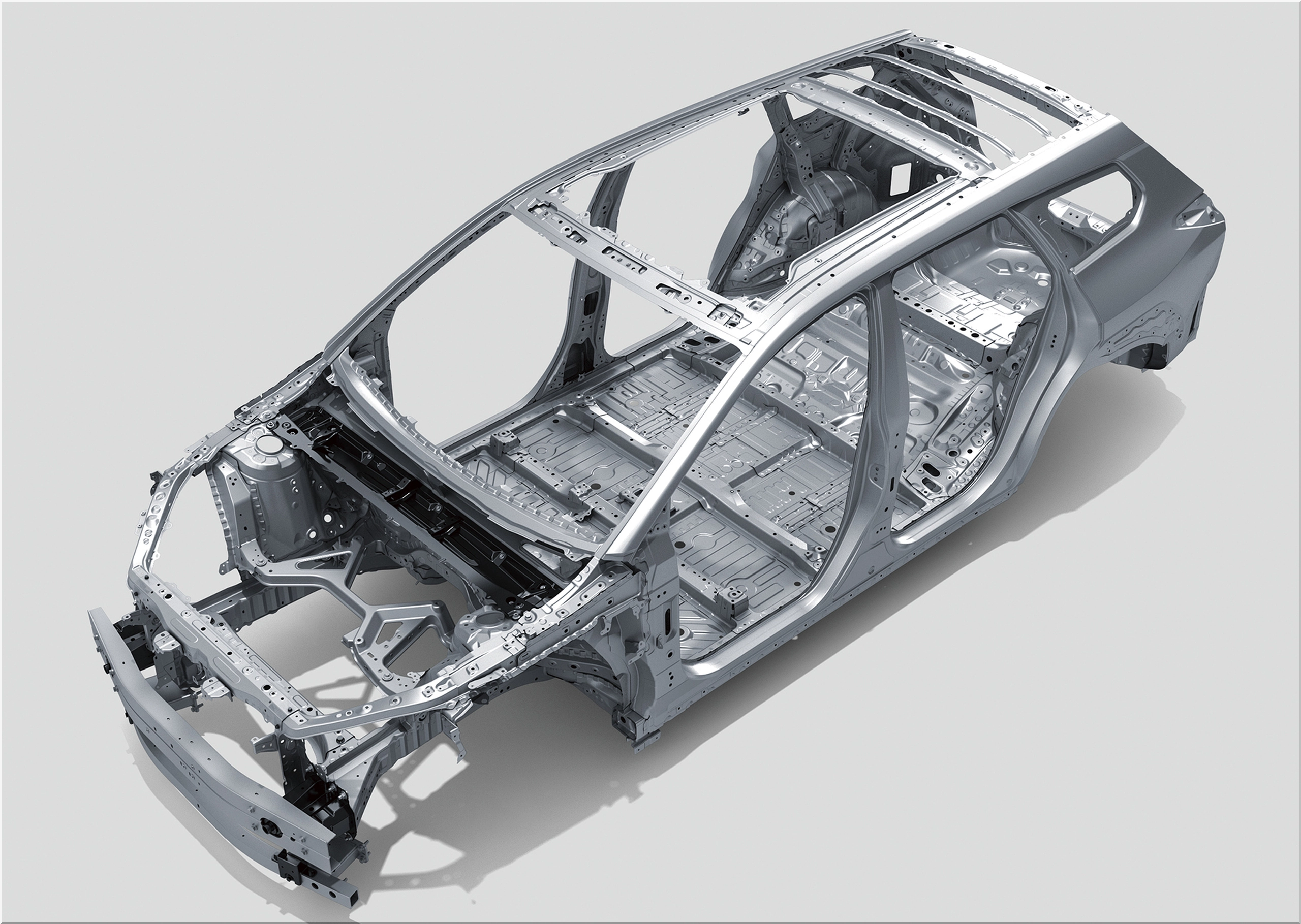
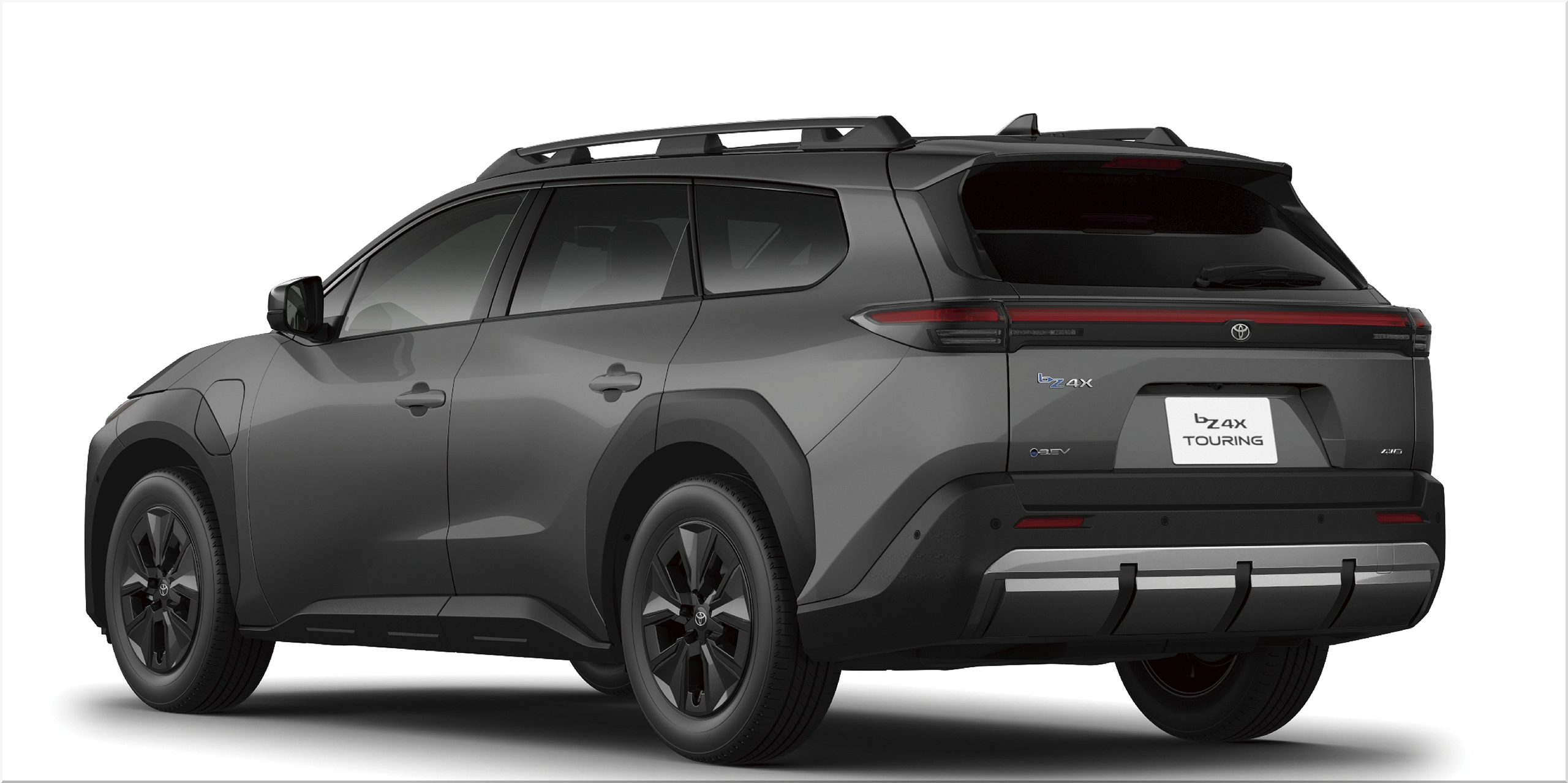
By comparison, Toyota says the Touring gains 140 mm in overall length and 20 mm in height versus the standard bZ4X. That translates to roughly 5.5 inches longer and 0.8 inch taller. Those changes sound modest, yet they directly affect the area that owners touch every day: passenger room and cargo access.
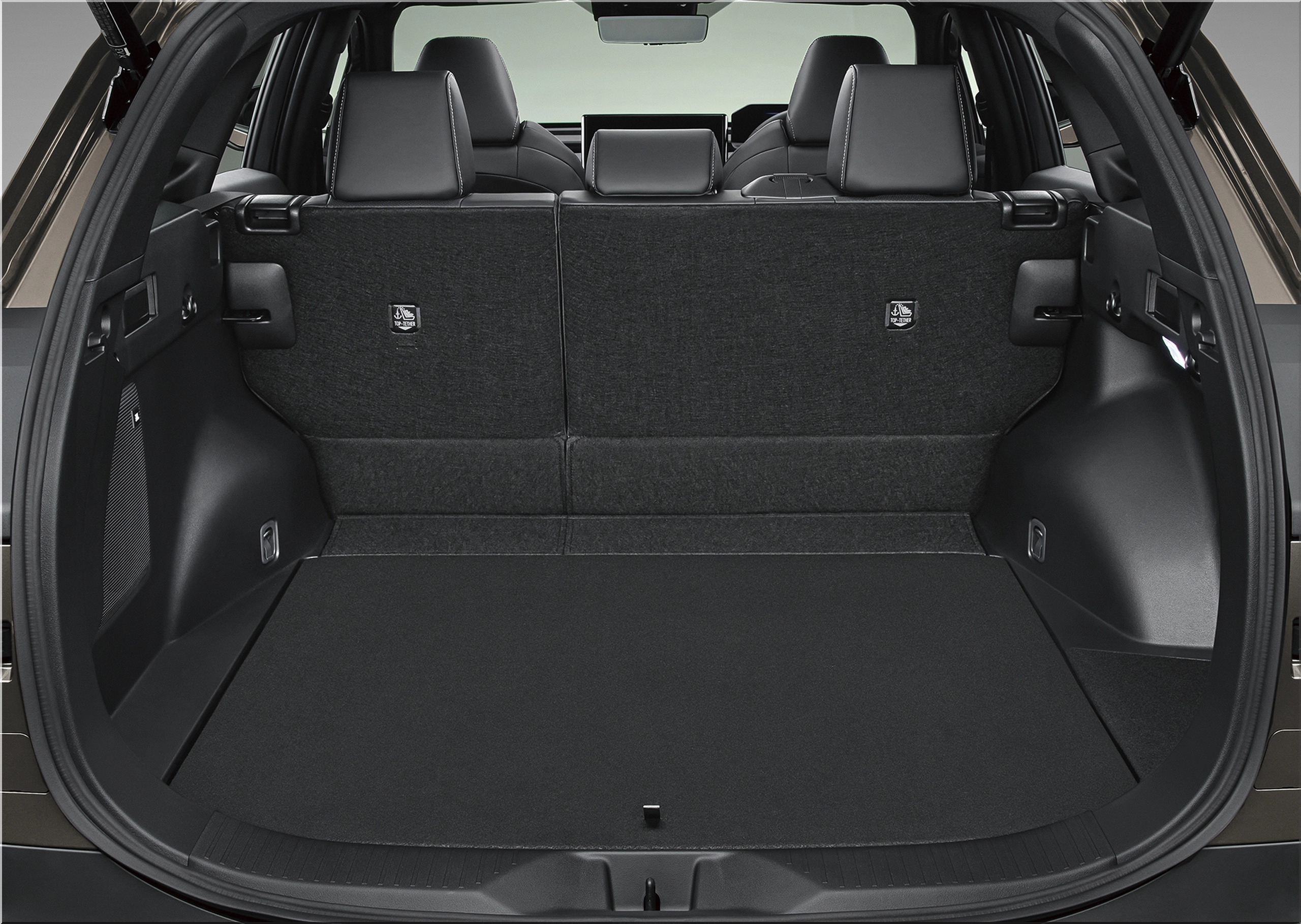
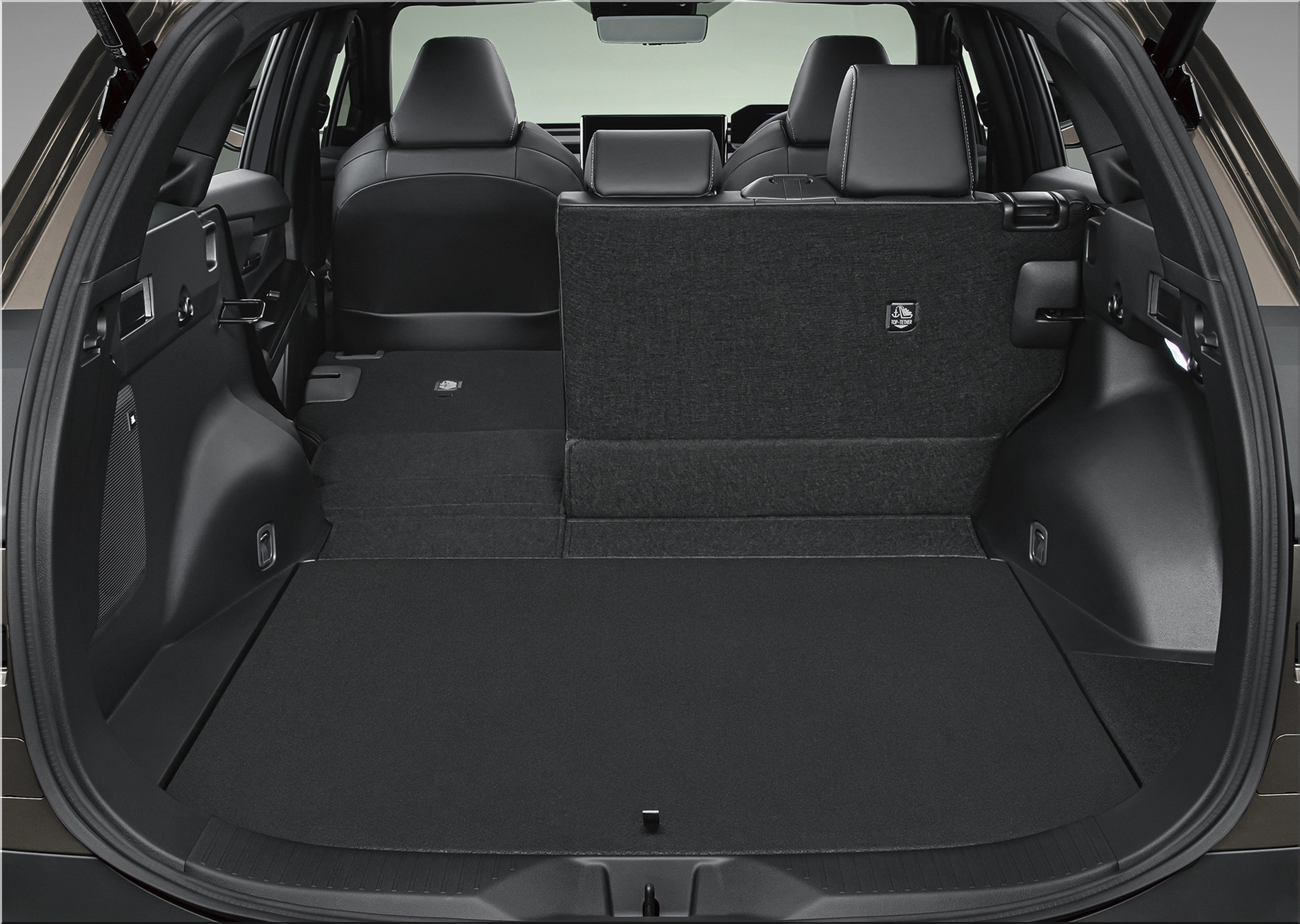
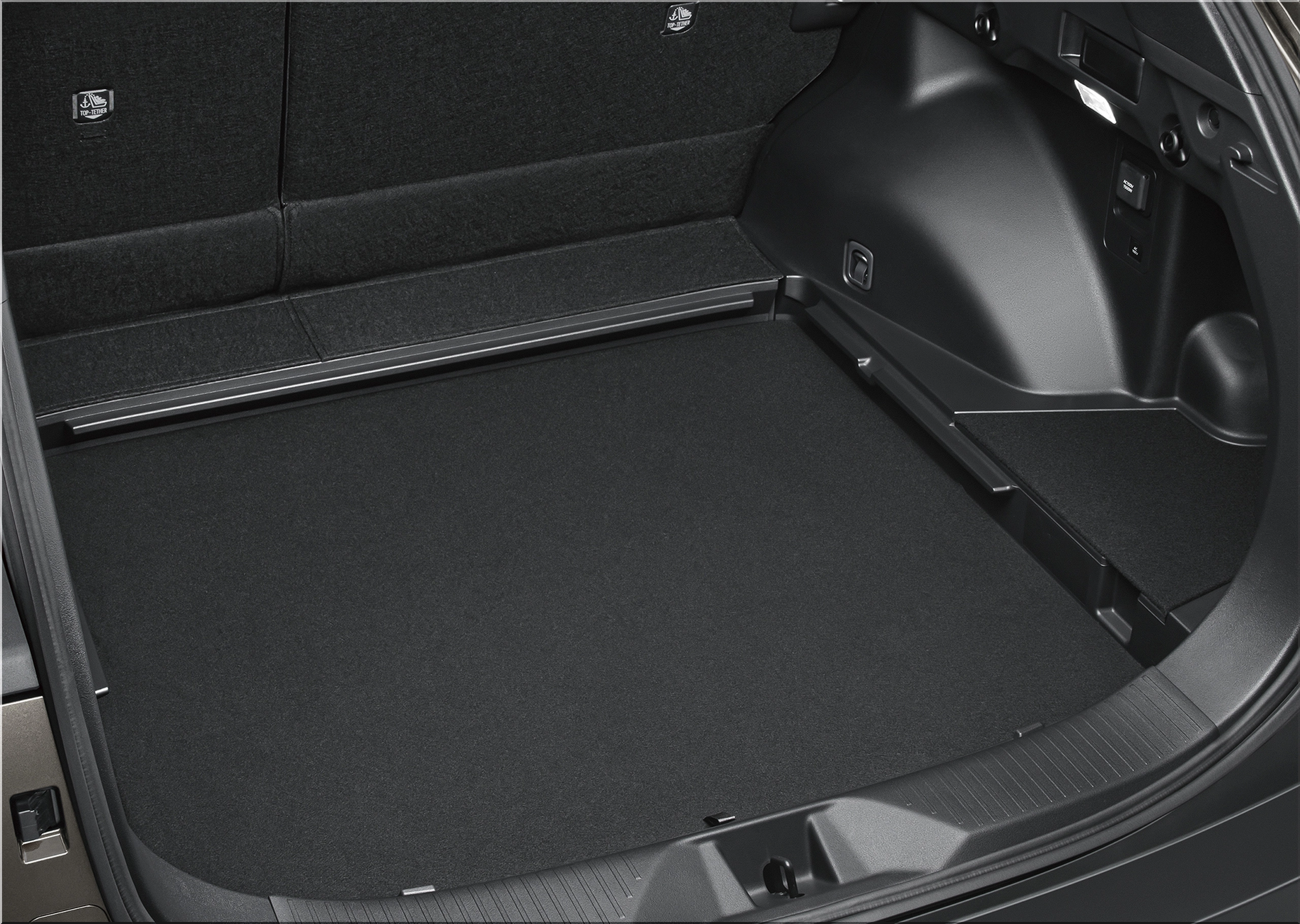
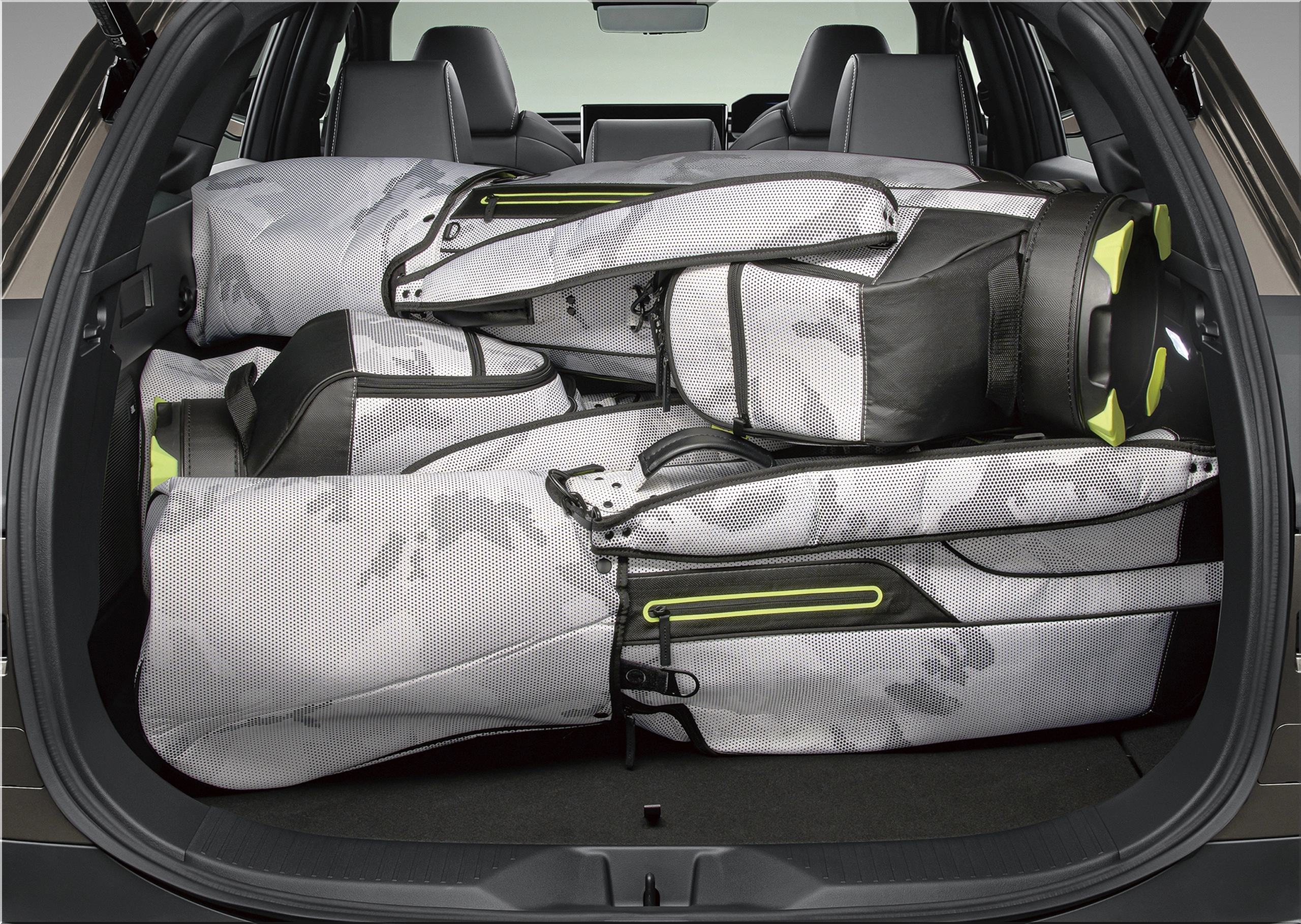
Toyota quotes 113 mm of front/rear head clearance and 900 mm of front/rear shoulder room. More important, the cargo area reaches 148 liters more than the standard bZ4X. The company lists the luggage space at 600 liters with the deck board in use, and internal cargo measurements of roughly 1,089 mm length, 1,092 mm width, and 850 mm height. Fold the rear seat and total cargo volume expands to 1,919 mm length, 1,024 mm width, and 850 mm height, with a large quoted capacity figure of 1,612 liters.
Key Packaging Numbers
| Measurement | Metric | U.S. Approx. |
|---|---|---|
| Overall length | 4,830 mm | 190.2 in |
| Overall width | 1,860 mm | 73.2 in |
| Overall height | 1,675 mm | 65.9 in |
| Wheelbase | 2,850 mm | 112.2 in |
| Added length vs bZ4X | 140 mm | 5.5 in |
| Added height vs bZ4X | 20 mm | 0.8 in |
| Cargo volume | 600 L | 21.2 cu ft |
| Max cargo length | 1,919 mm | 75.6 in |
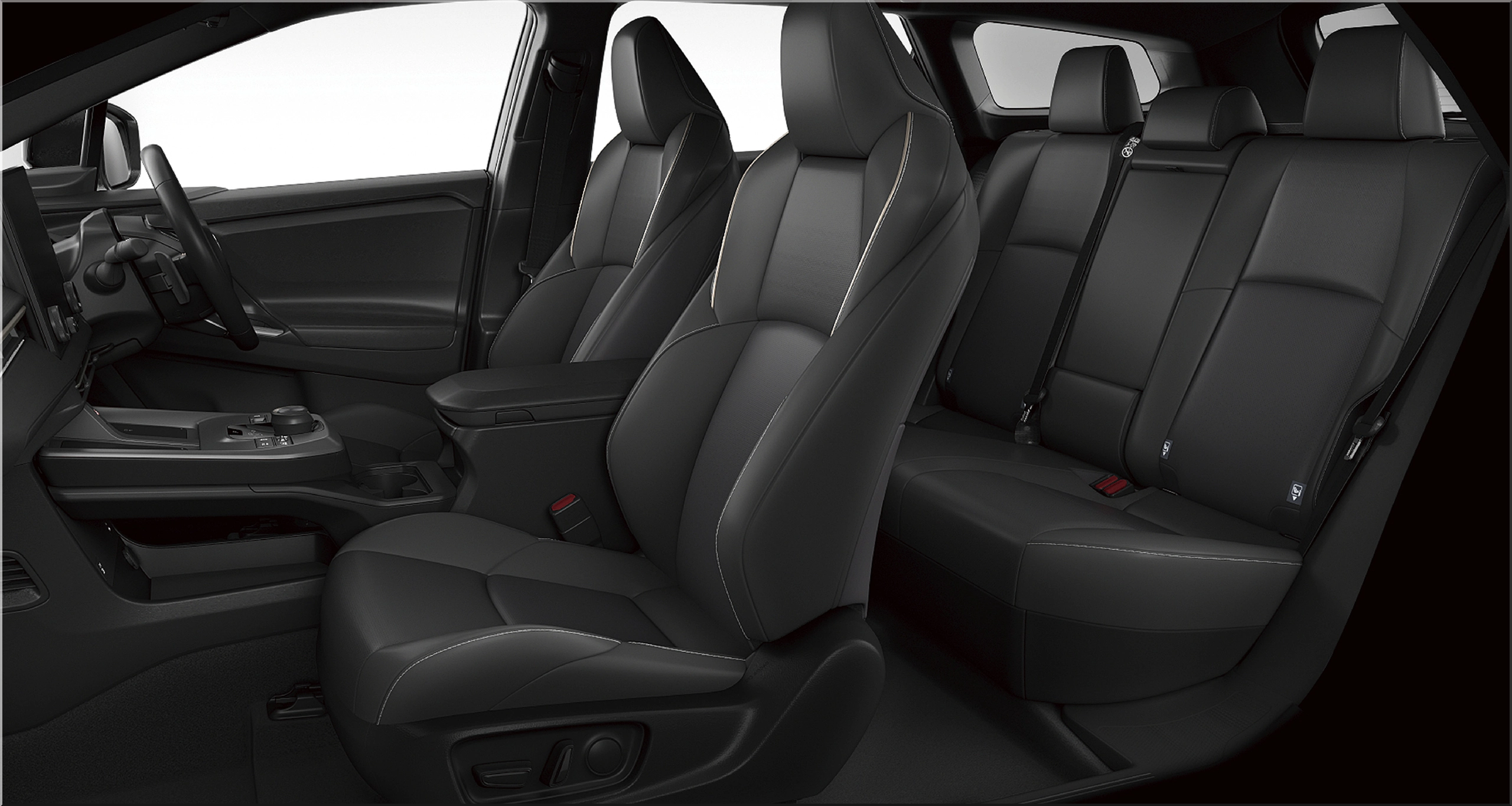
That extra space changes the ownership equation. Specifically, Toyota says the Touring can carry up to four golf bags, and the 60:40 split-folding rear seat helps it handle awkward cargo shapes that often defeat tighter crossover rooflines.
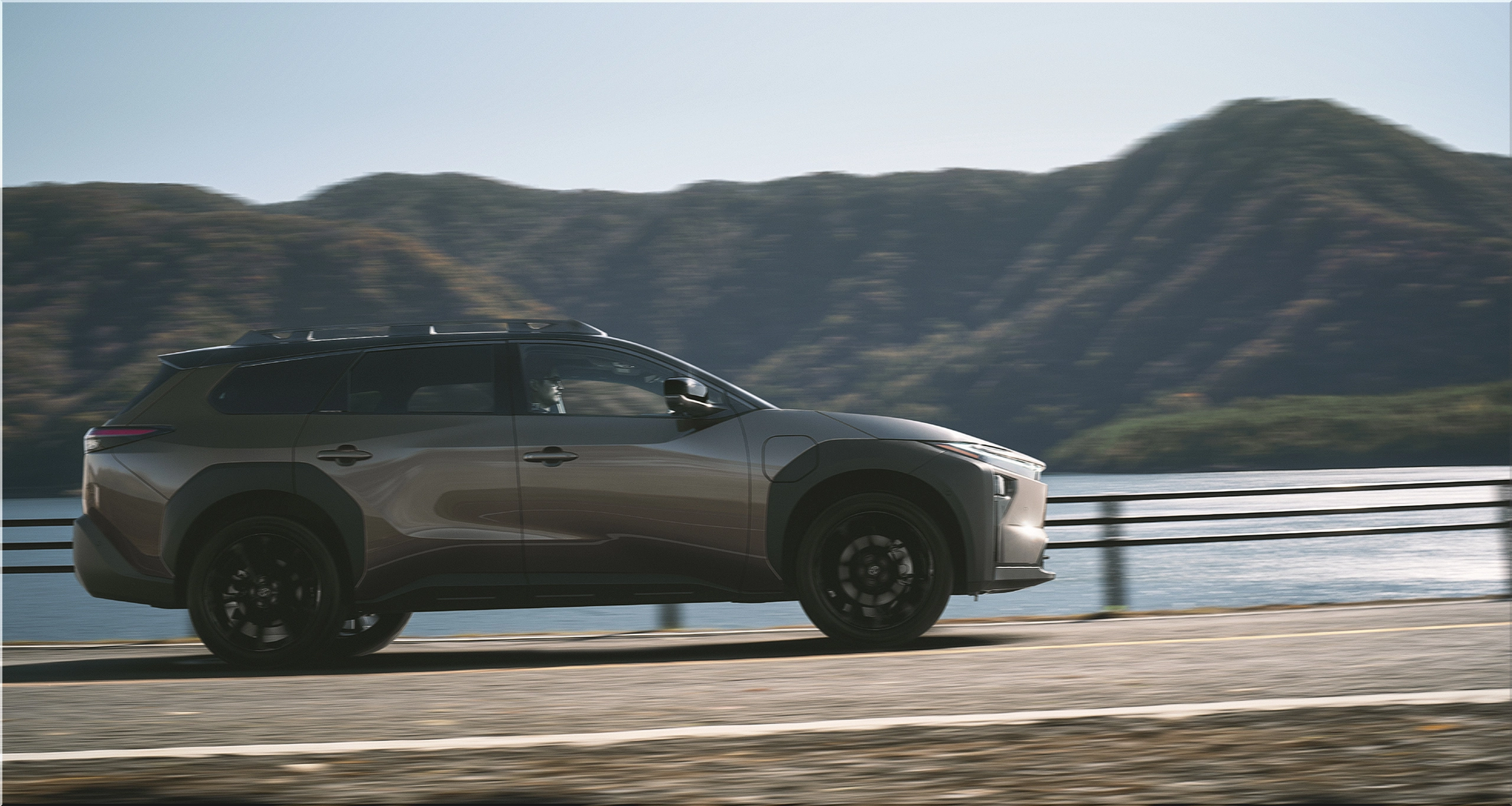
Driving Performance and AWD Hardware
Toyota did not frame the Touring as a soft utility special. The company explicitly tied the model to the joy of driving, which in plain engineering terms means stronger response, better grip logic, and more confidence when road conditions get ugly.
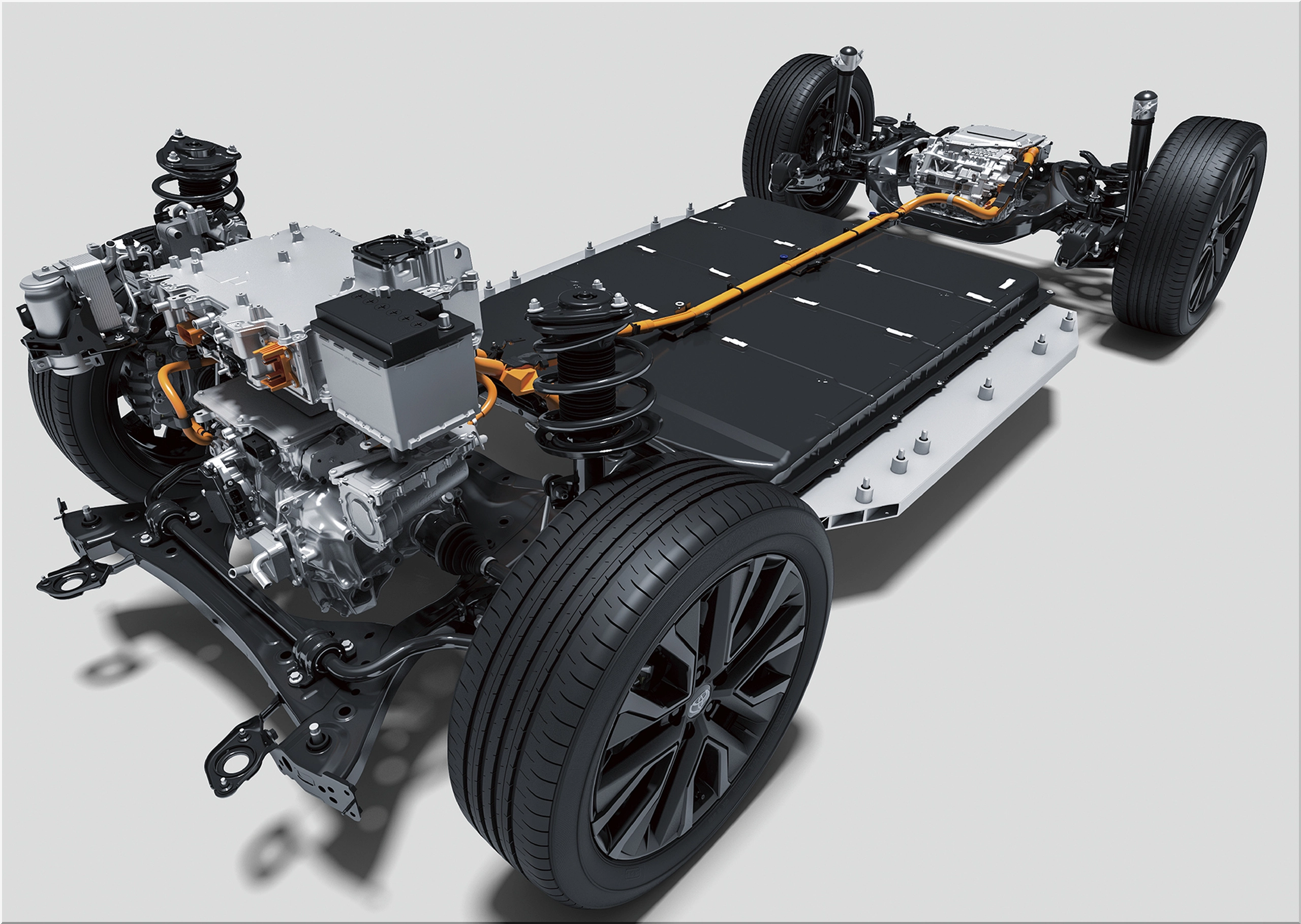
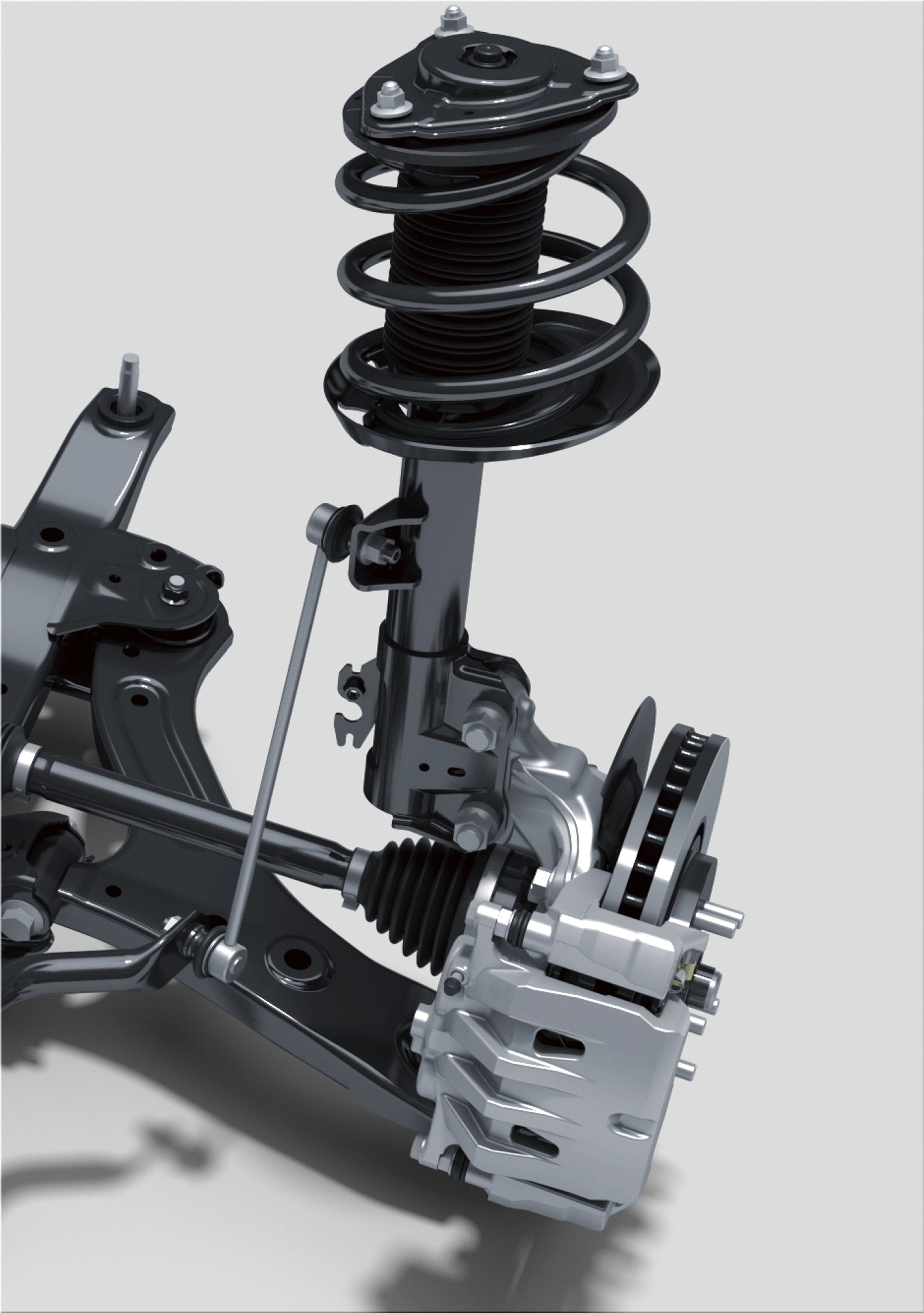
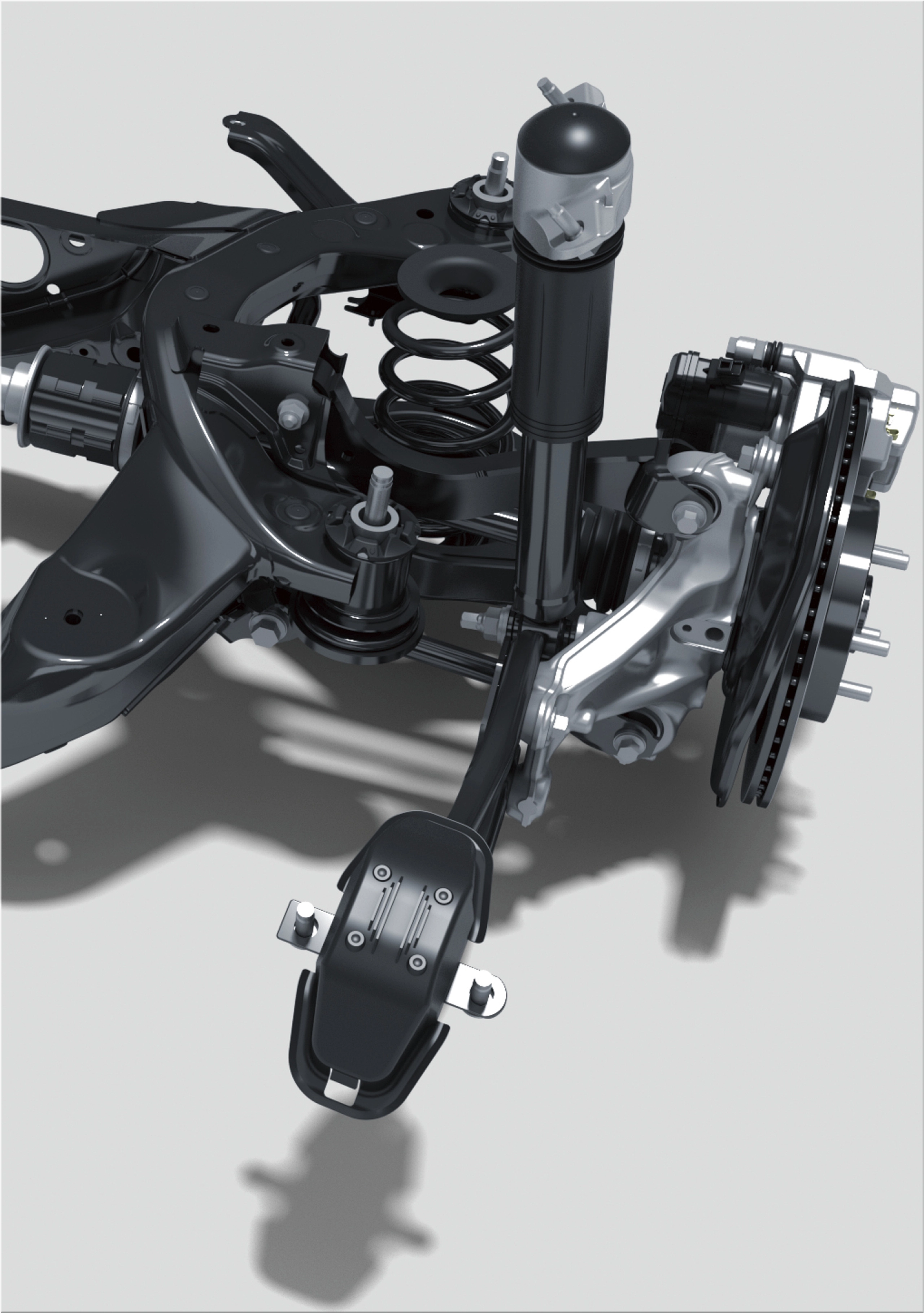
The headline figure comes from the dual-motor AWD version. Toyota says the AWD bZ4X Touring uses high-output eAxles at the front and rear for a maximum system output of 280 kW, which converts to roughly 375 horsepower. Toyota also claims 0-100 km/h in 4.5 seconds, or about 0-62 mph in 4.5 seconds. That gives the Touring legitimate straight-line pace, not merely acceptable EV shove.
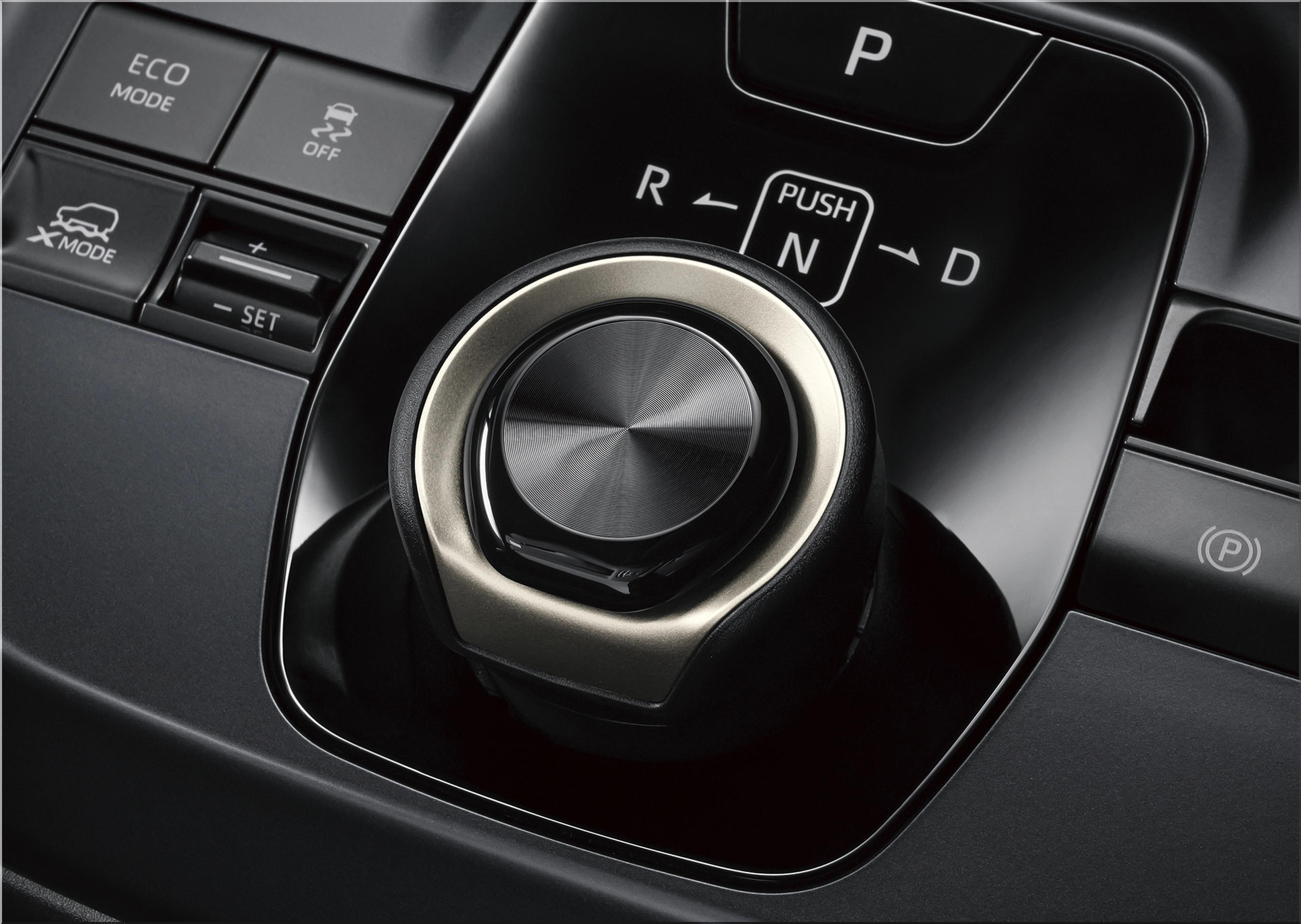
In addition, Toyota pairs the system with a lithium-ion battery and standard X-MODE on the AWD variant. X-MODE adds drive programs tuned to surface conditions, coordinating drive force and brake control to keep the vehicle composed on loose or uneven terrain.
What Toyota Changed for Better Control
Toyota points to several systems that shape the Touring's on-road and off-road response:
- Dual high-output eAxles on AWD models
- Integrated AWD control that varies front-to-rear drive force according to grip
- Brake-based torque management to suppress inside-wheel slip
- X-MODE for rough surfaces and low-traction conditions
- Continuous steering and road-surface monitoring to stabilize cornering
That matters because raw output alone does little on mixed surfaces. A quick EV with sloppy torque distribution can feel nervous on wet pavement and clumsy on gravel. Toyota's logic here centers on keeping the vehicle predictable while still letting drivers use the power.
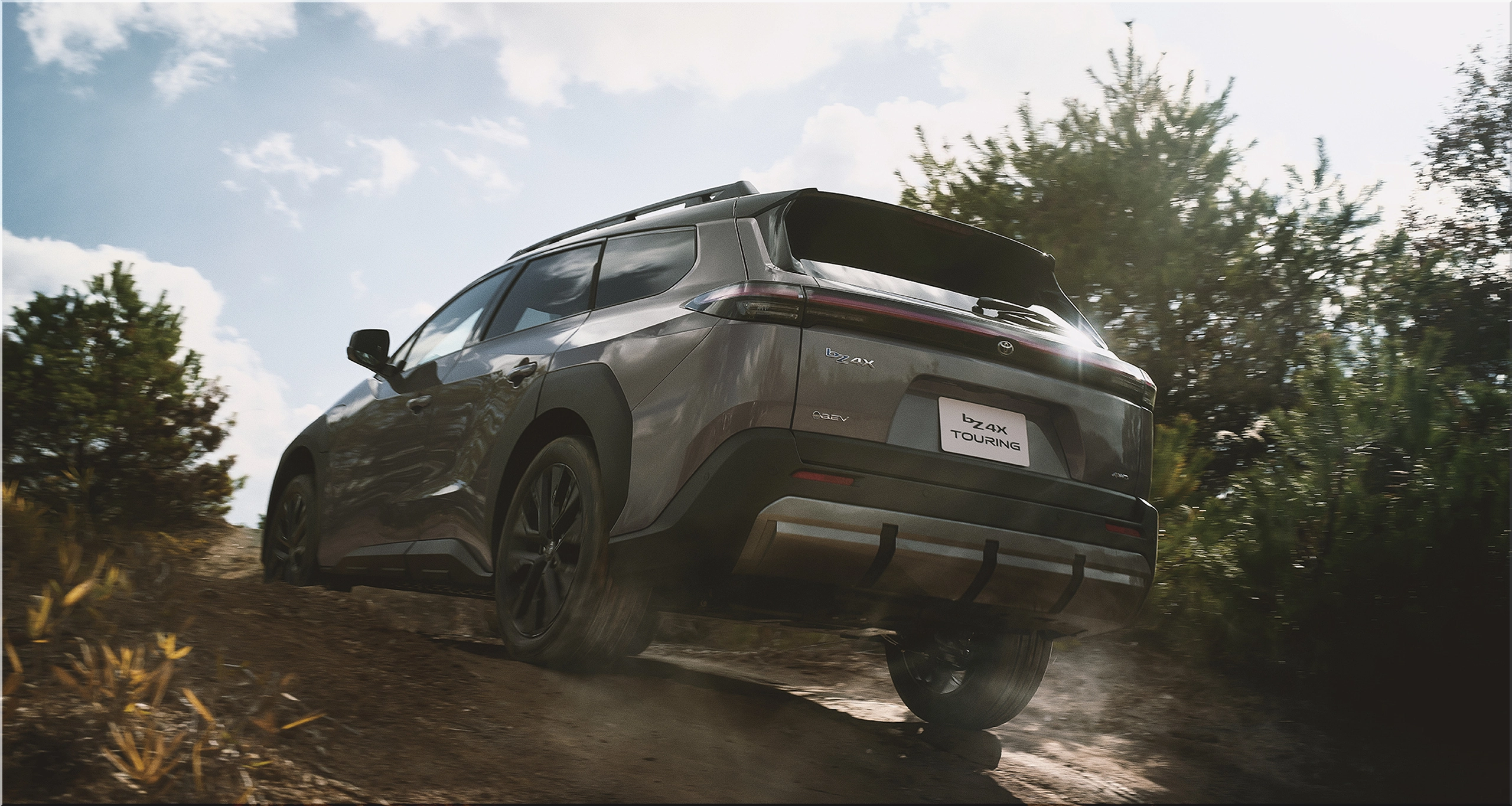
Range, Charging, and Battery Conditioning
Toyota quotes a WLTC-mode cruising range of 734 km for the front-drive model. That equals about 456 miles on Japan's WLTC test cycle. The AWD version, given its output and added traction hardware, will almost certainly post a lower figure, though Toyota's release centered the 734 km number on the FWD grade.
Looking at the data, Toyota targeted three core areas to support that range figure:
- A large-capacity lithium-ion battery
- Better eAxle efficiency through silicon carbide semiconductor use
- Aerodynamic refinements, including a larger roof spoiler, rear side spoilers, and lower rear bumper shaping
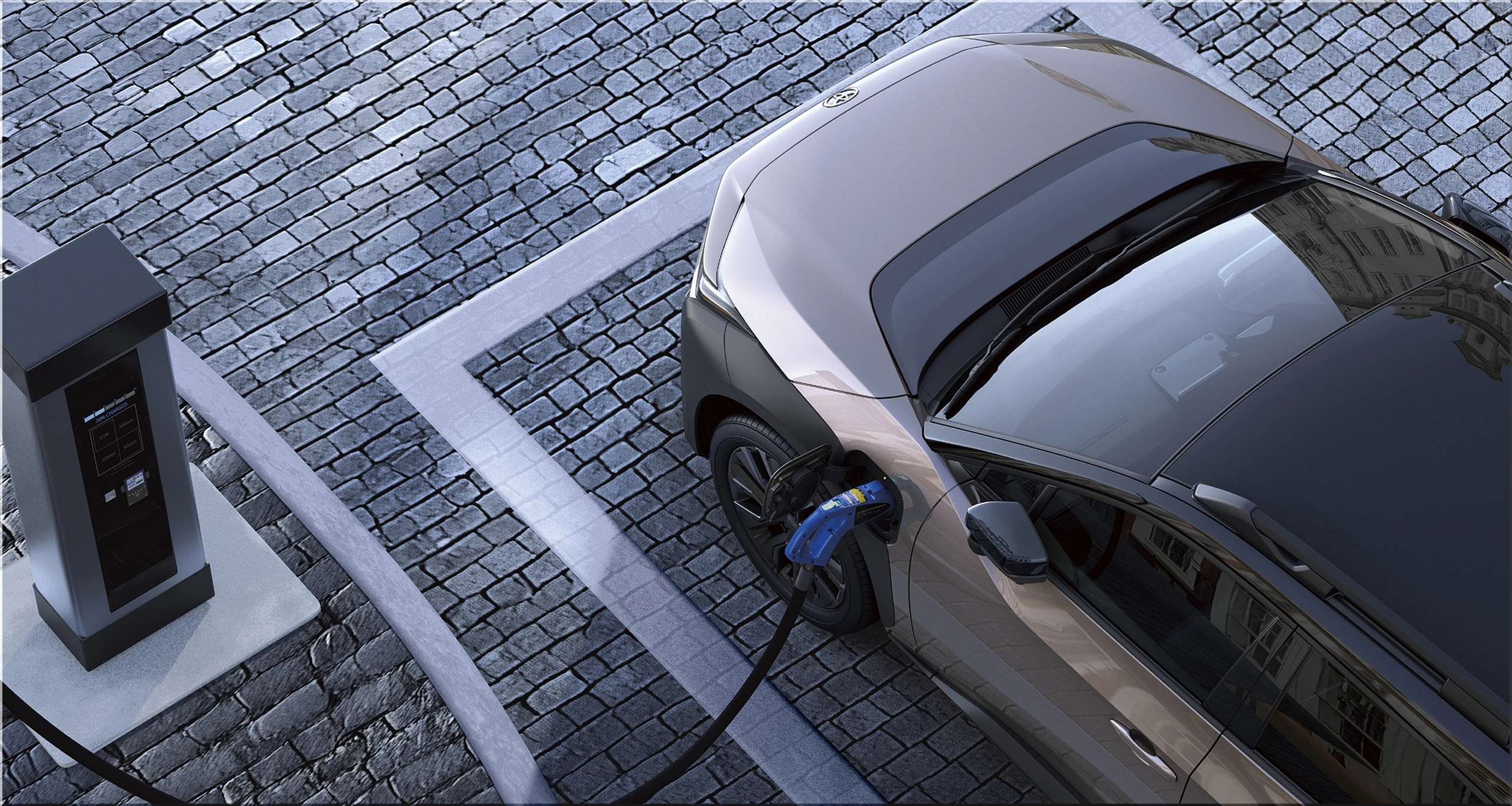
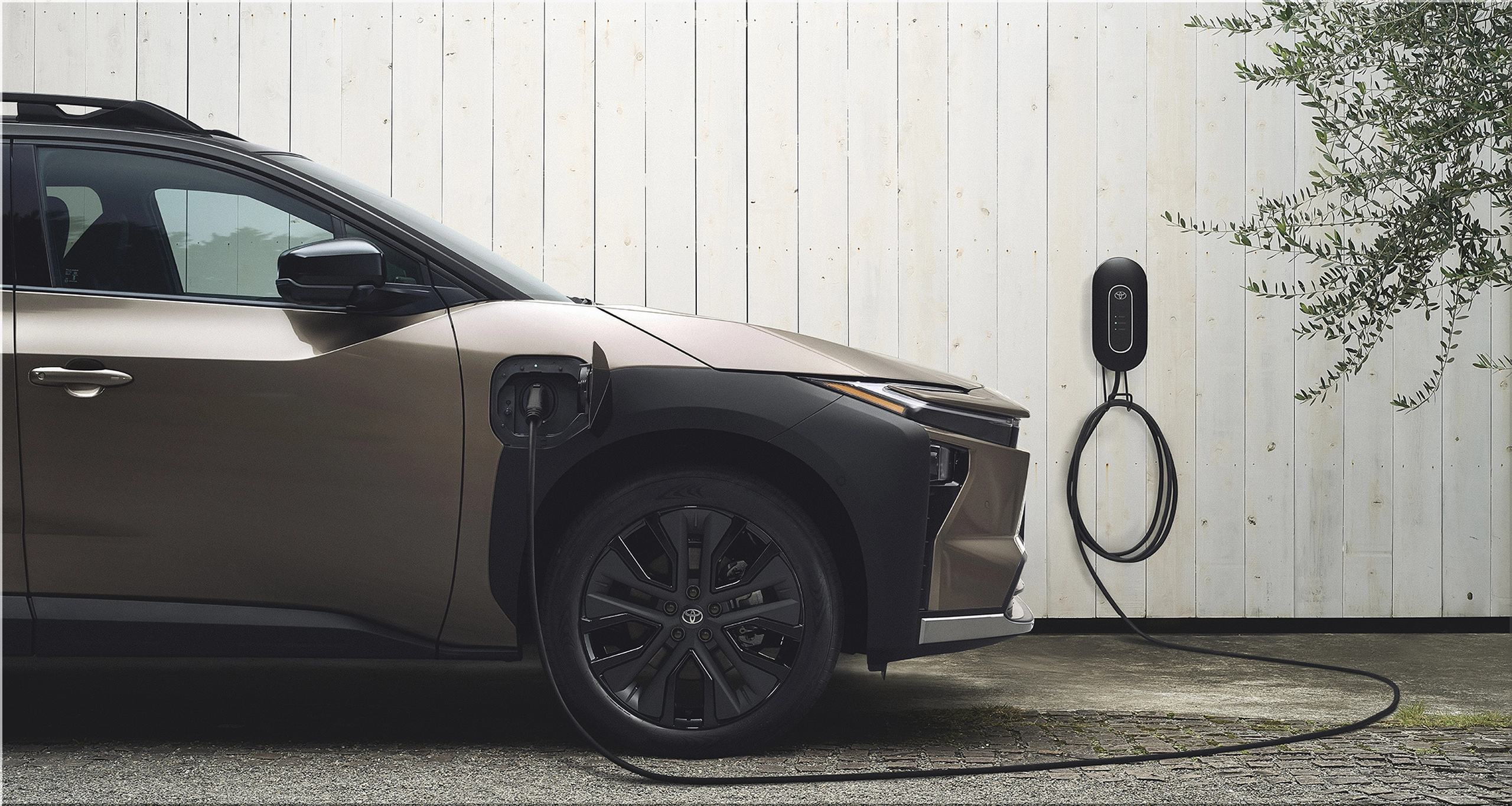
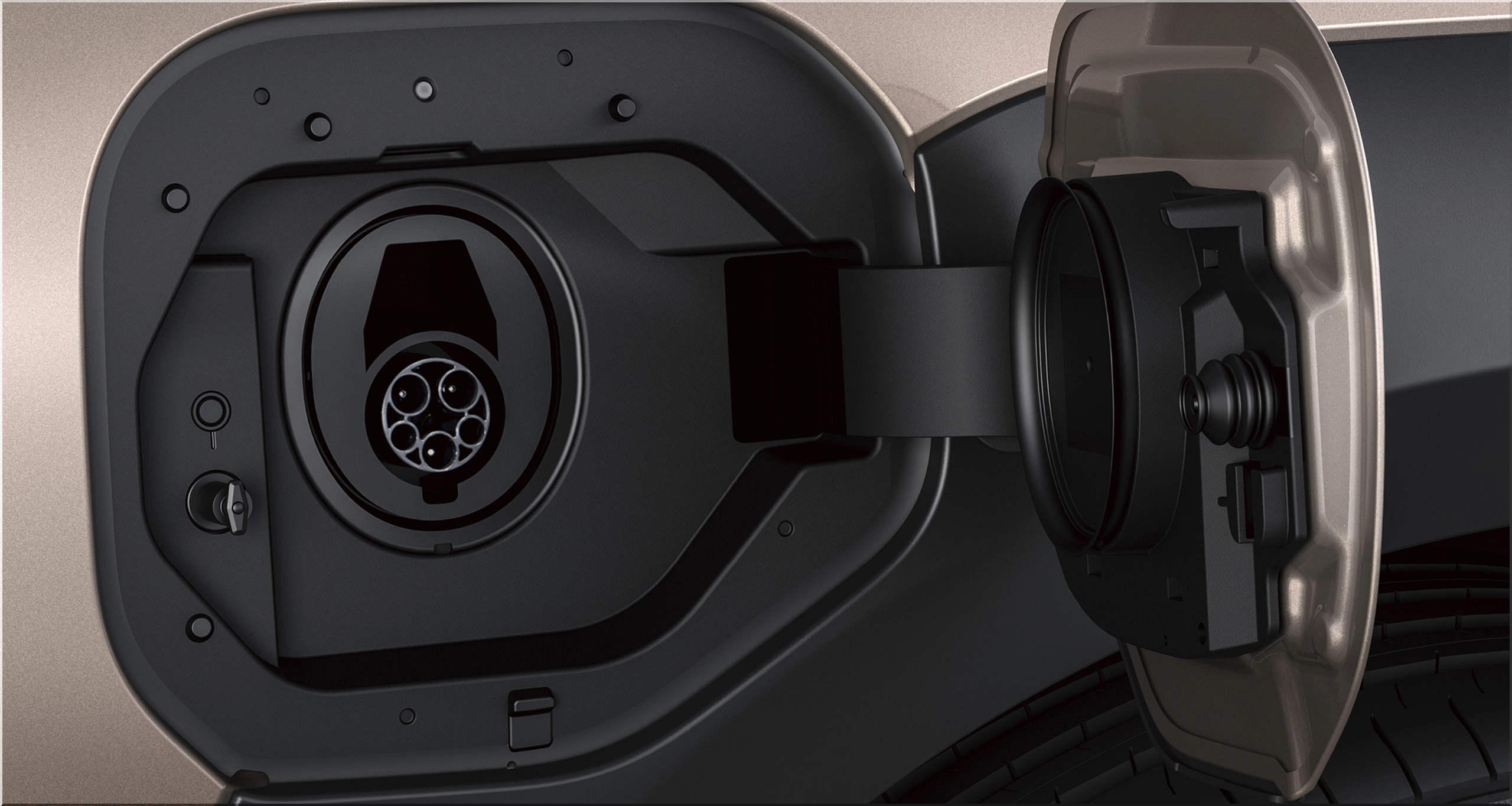
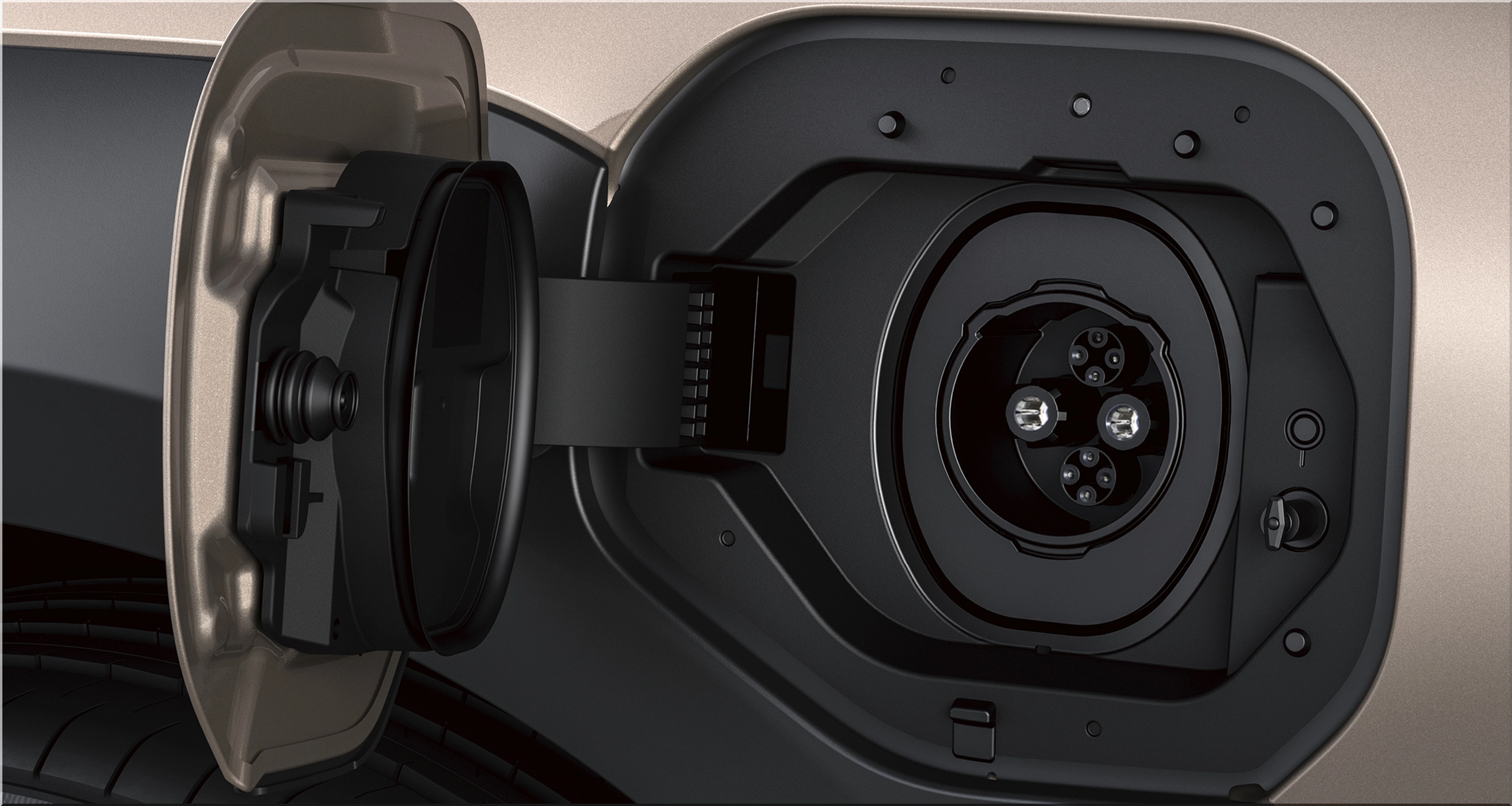
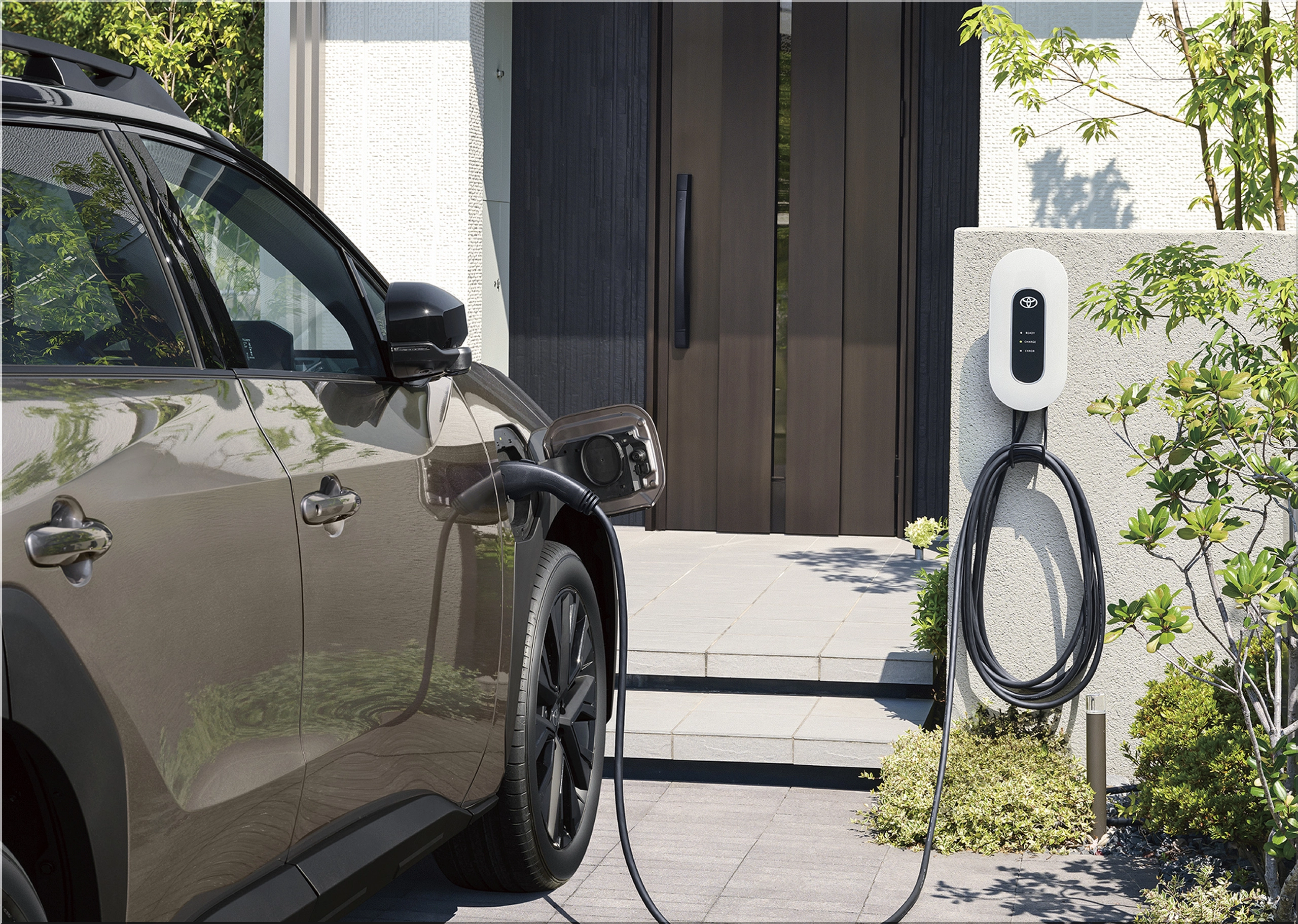
Toyota also tackled a common cold-weather EV pain point. The battery preconditioning function manages pack temperature before DC fast charging, helping the battery hit an efficient thermal window. Toyota says rapid charging from 10 percent to 80 percent can take about 28 minutes under a 150 kW charger in ambient temperatures around -10 degrees C, or 14 degrees F.
Charging and Efficiency Data
| Item | Figure |
|---|---|
| FWD WLTC range | 734 km |
| FWD WLTC range in miles | 456 mi |
| Max system output, AWD | 280 kW |
| Max system output, AWD | 375 hp |
| 0-100 km/h, AWD | 4.5 sec |
| Rapid charge window | 10% to 80% |
| Rapid charge time | Approx. 28 min |
| Fast-charge power reference | 150 kW |
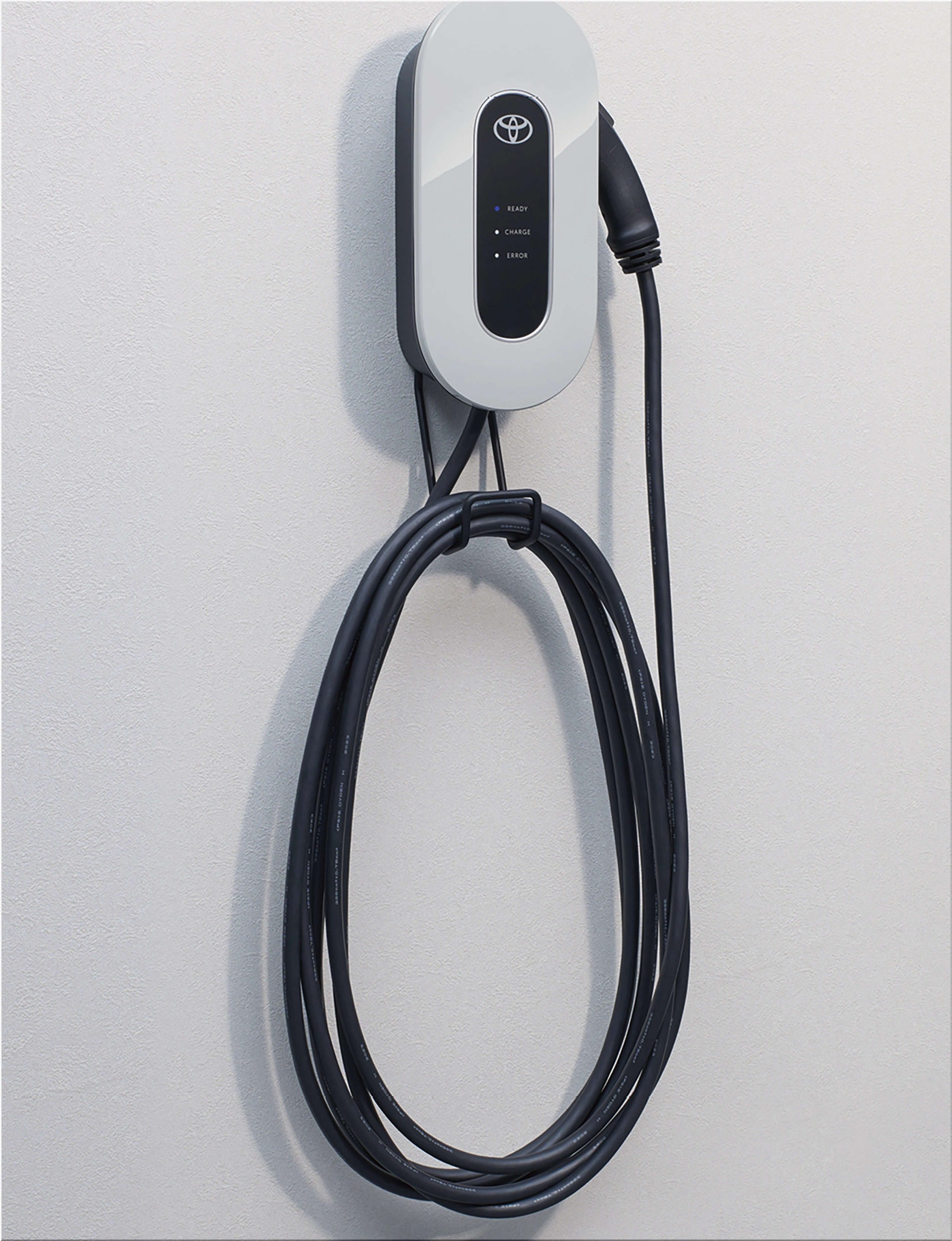
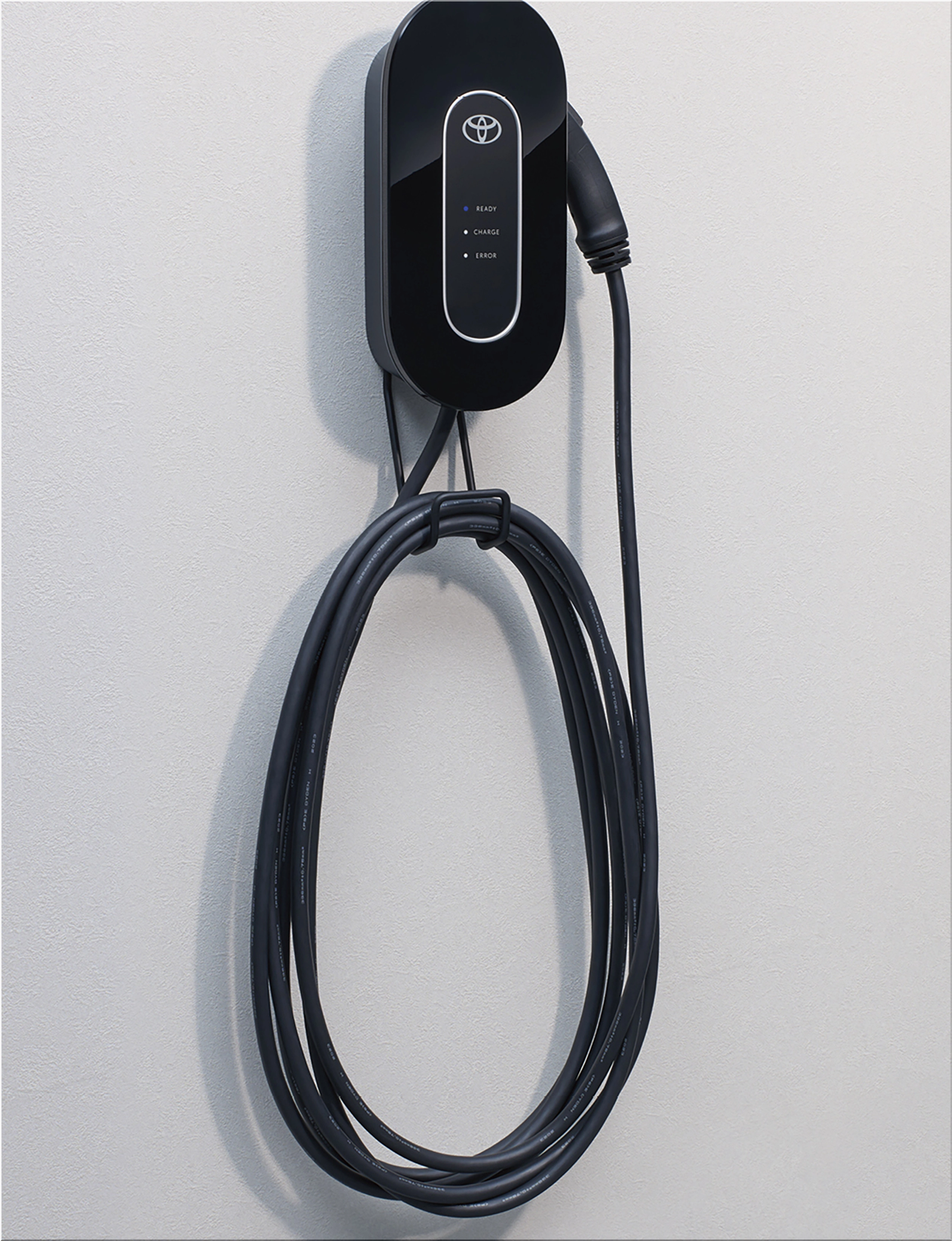
| Standard home charger option | 6 kW AC |
Consequently, the bZ4X Touring reads like a more serious long-distance EV than the standard body style. It does not rely on battery size alone. Toyota stacked thermal management, charger support, aerodynamic cleanup, and drivetrain efficiency improvements into the package.
Interior, Display, and Everyday Use
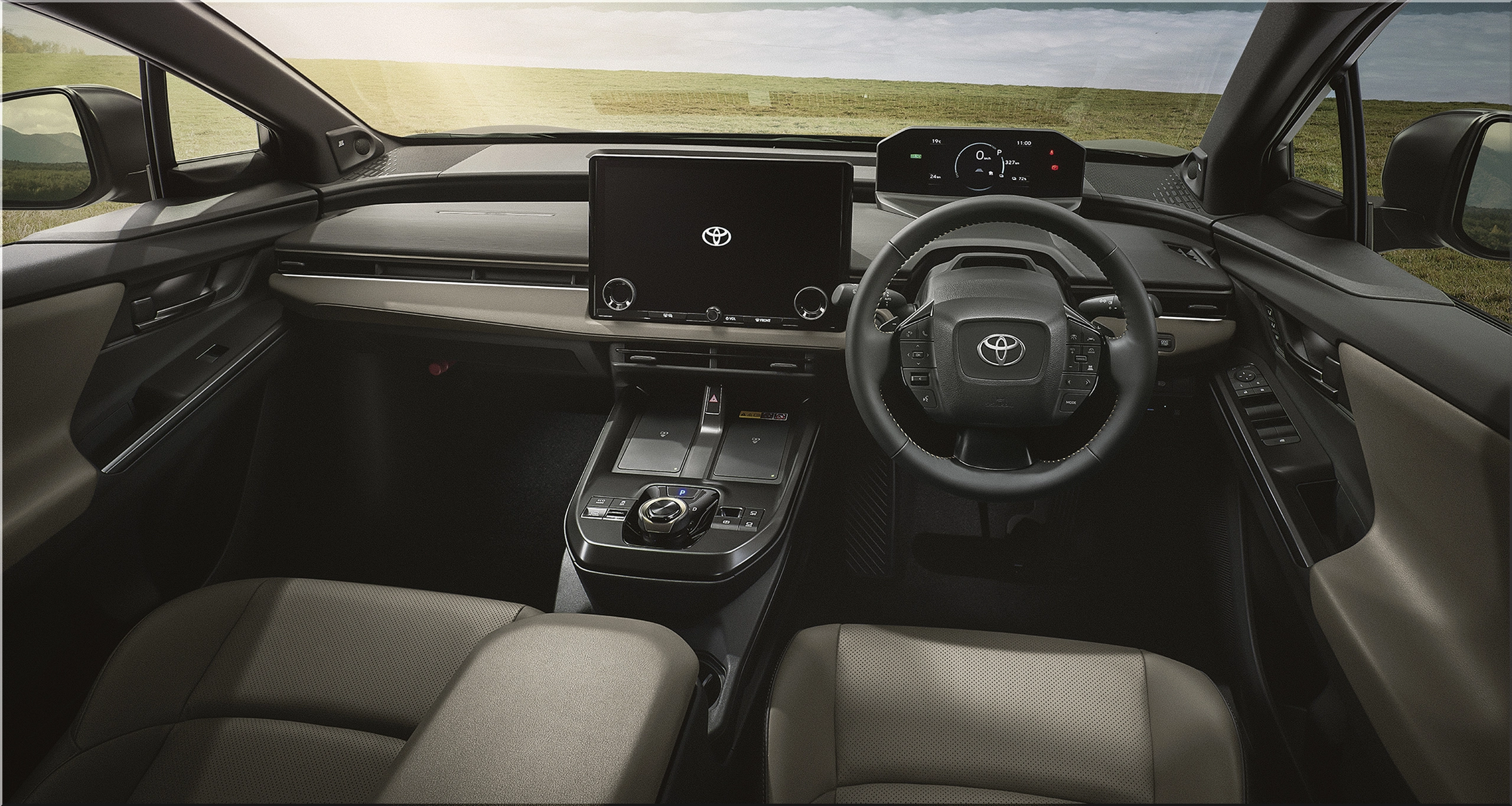
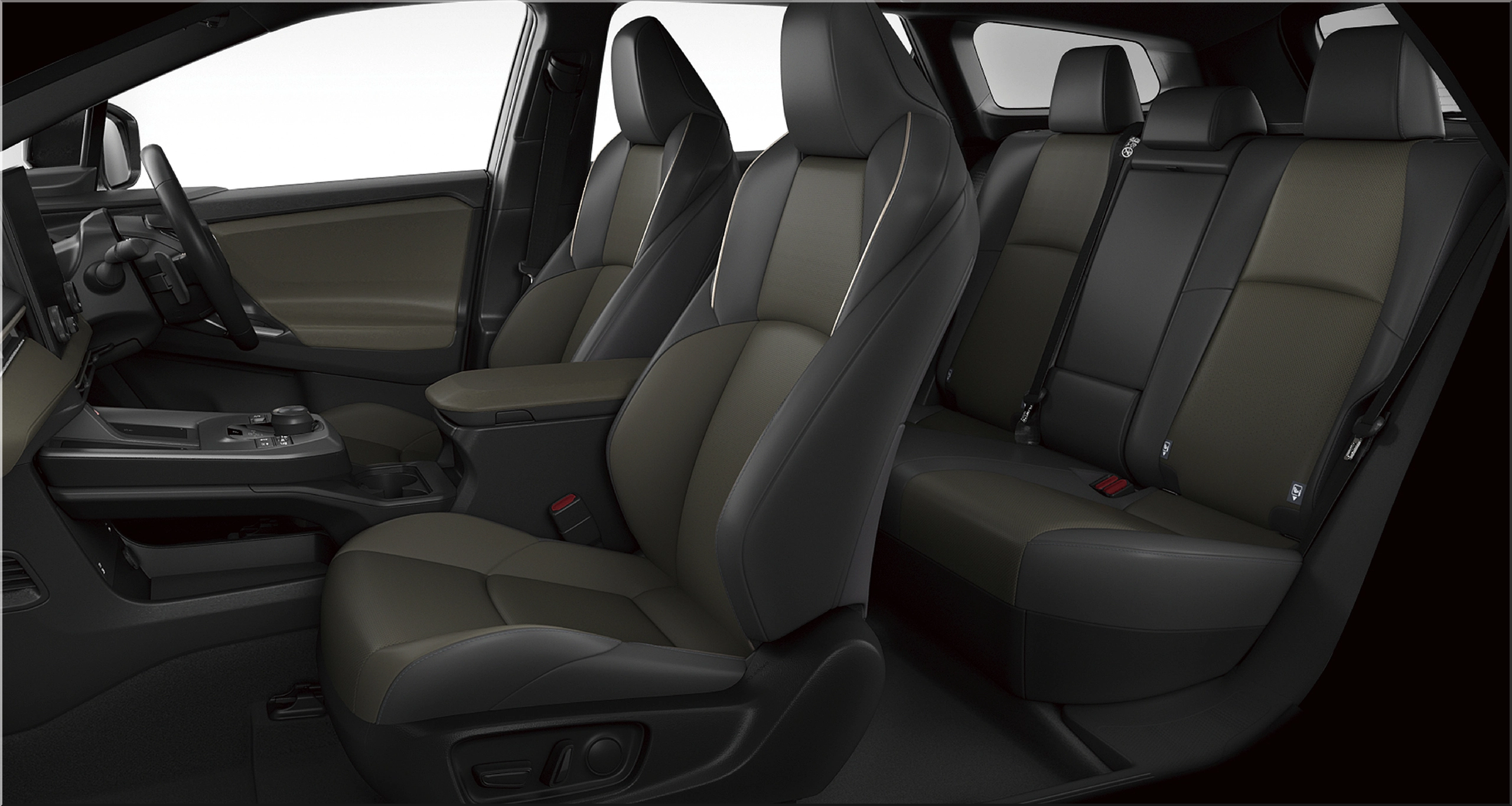
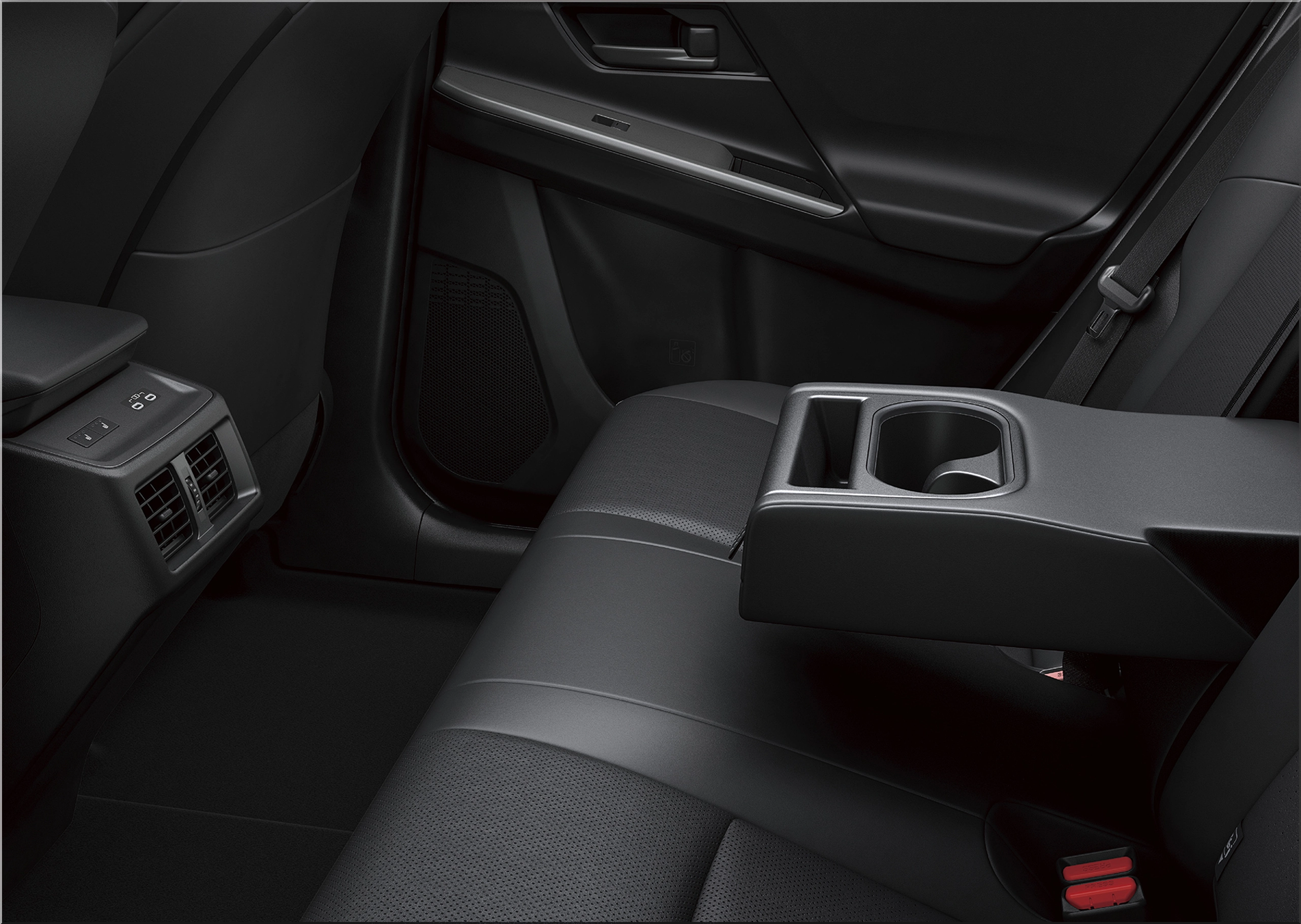
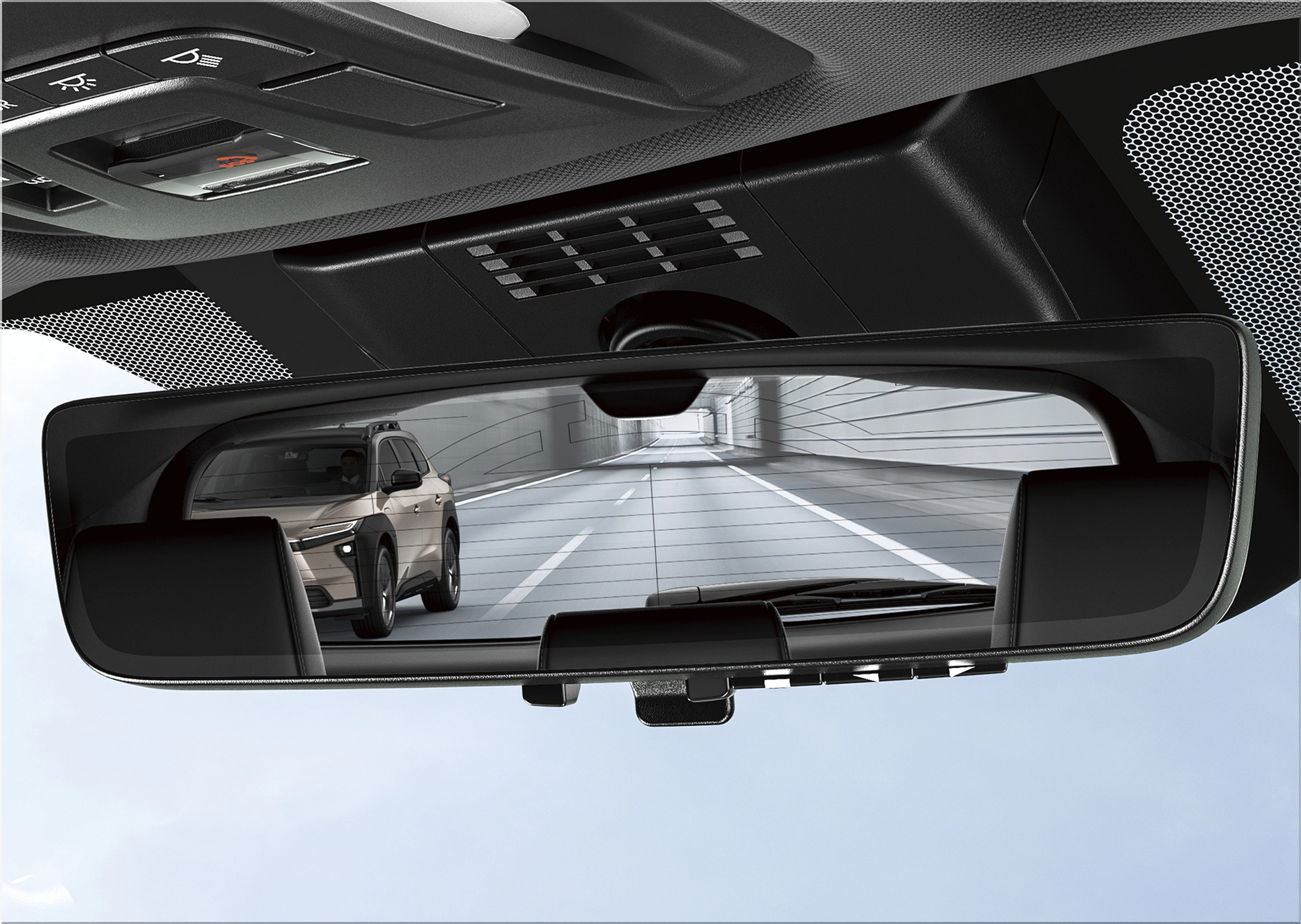
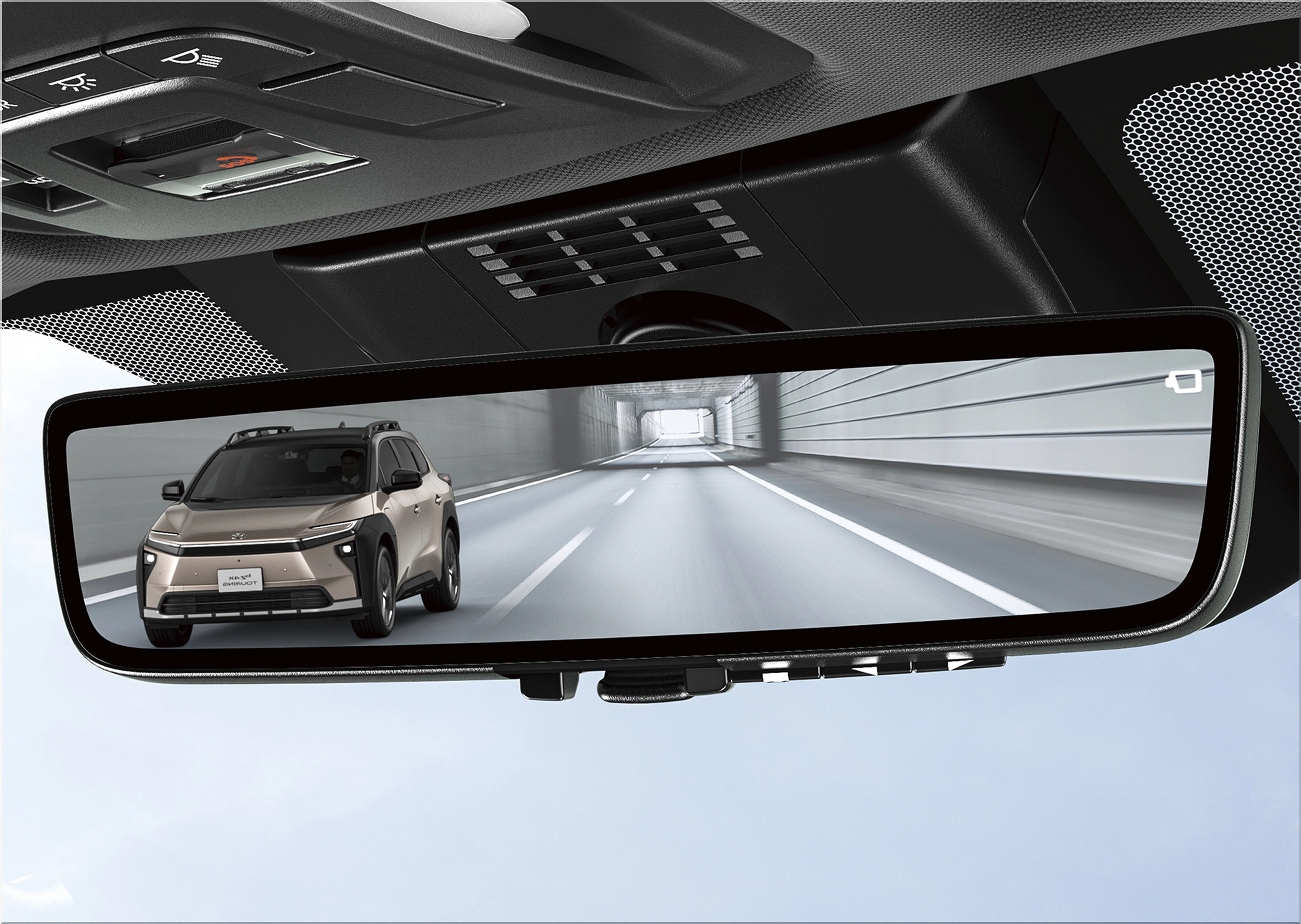
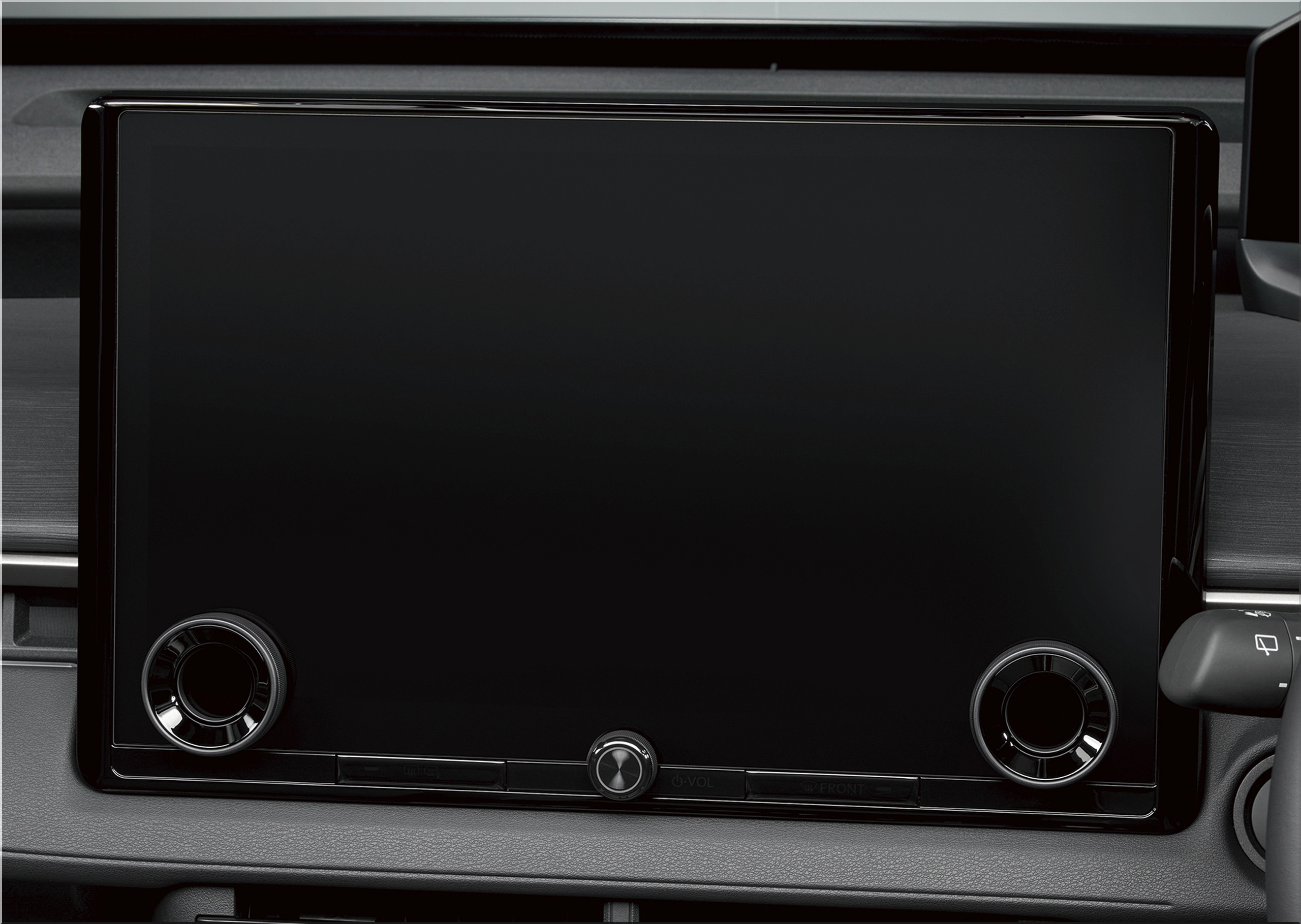
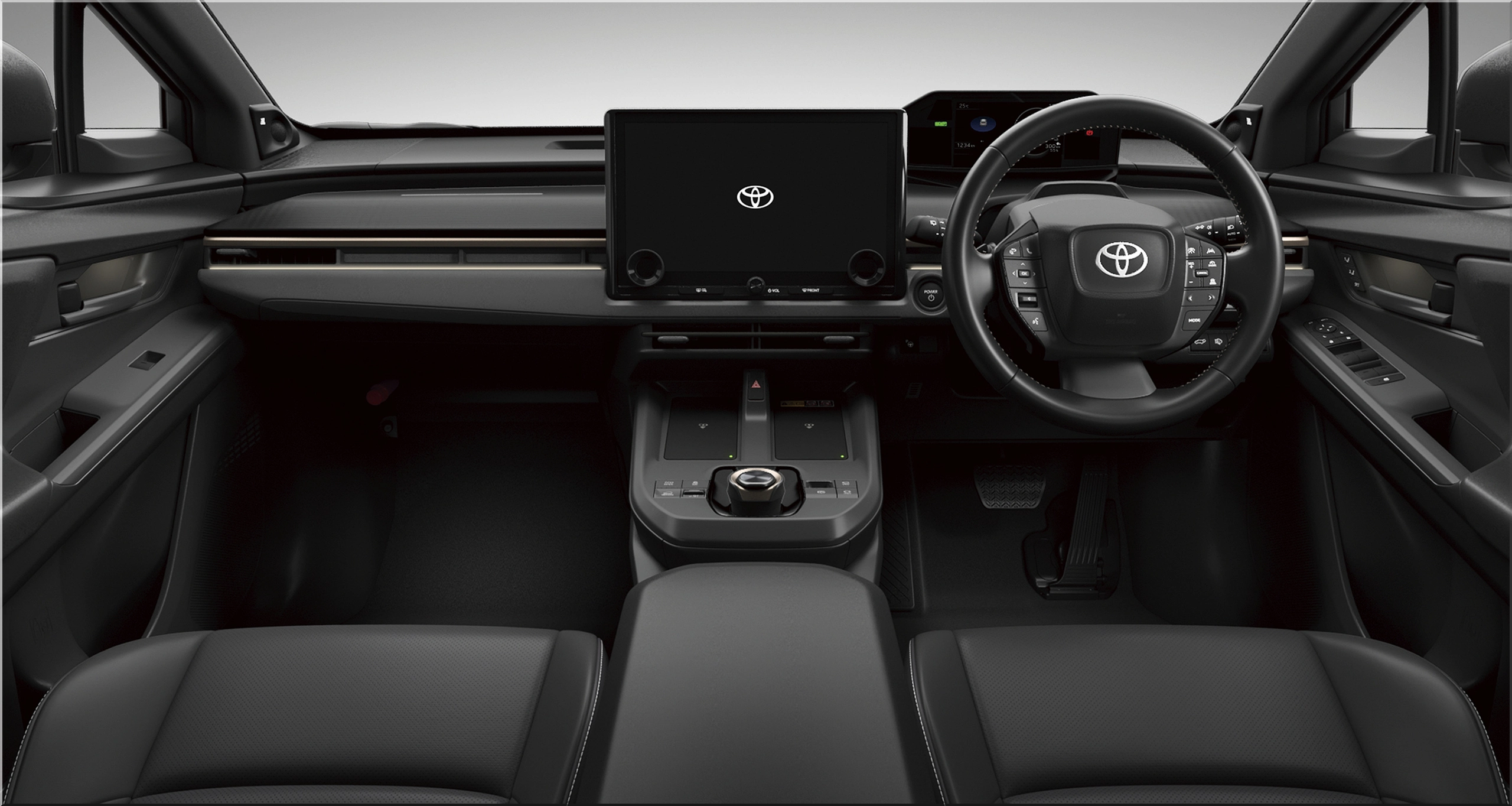
Inside, Toyota pushed the Touring toward clarity and convenience rather than gadget overload. A 14-inch center display now stands alone and groups navigation, climate control, audio, and related functions into one wide-format interface. That large screen matters in a utility-focused EV because it centralizes route planning and charging information in a format drivers can scan quickly.
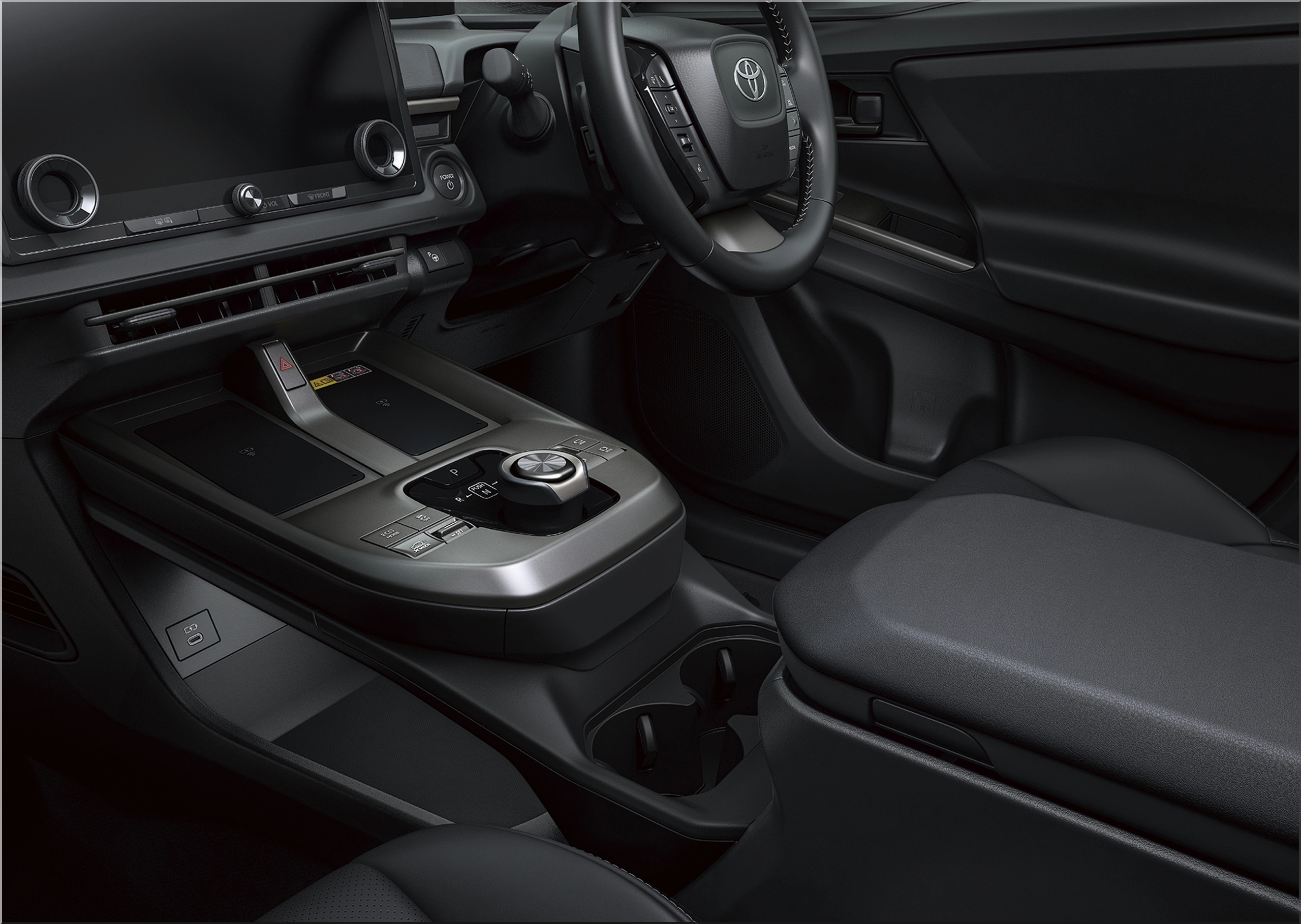
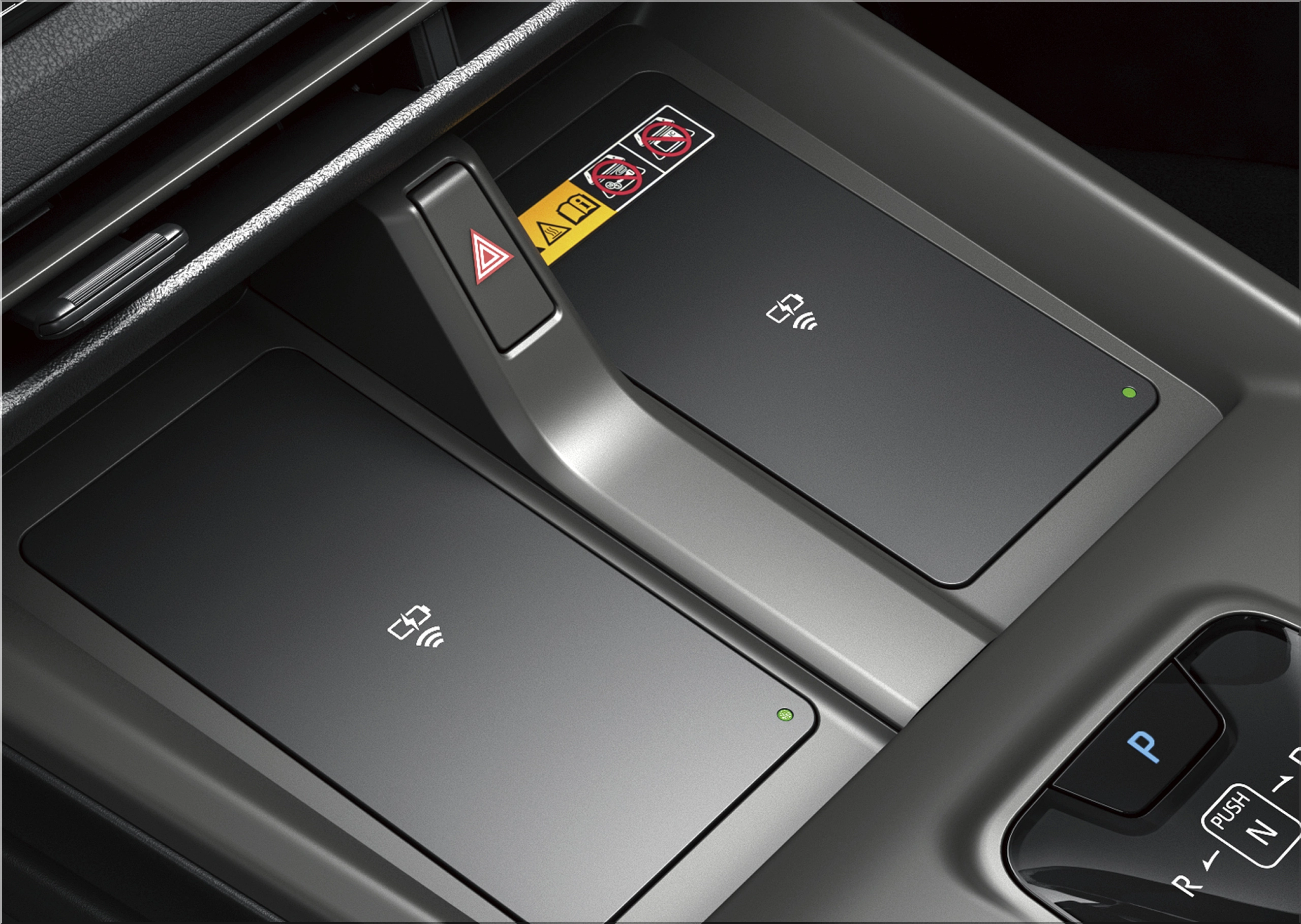
The dashboard also uses a low-profile horizontal layout, with a slim upper section and broad side-to-side visual span to improve outward visibility. Toyota adds wireless smartphone charging and smartphone-linking functions, which keeps the cabin aligned with buyer expectations in this price class.
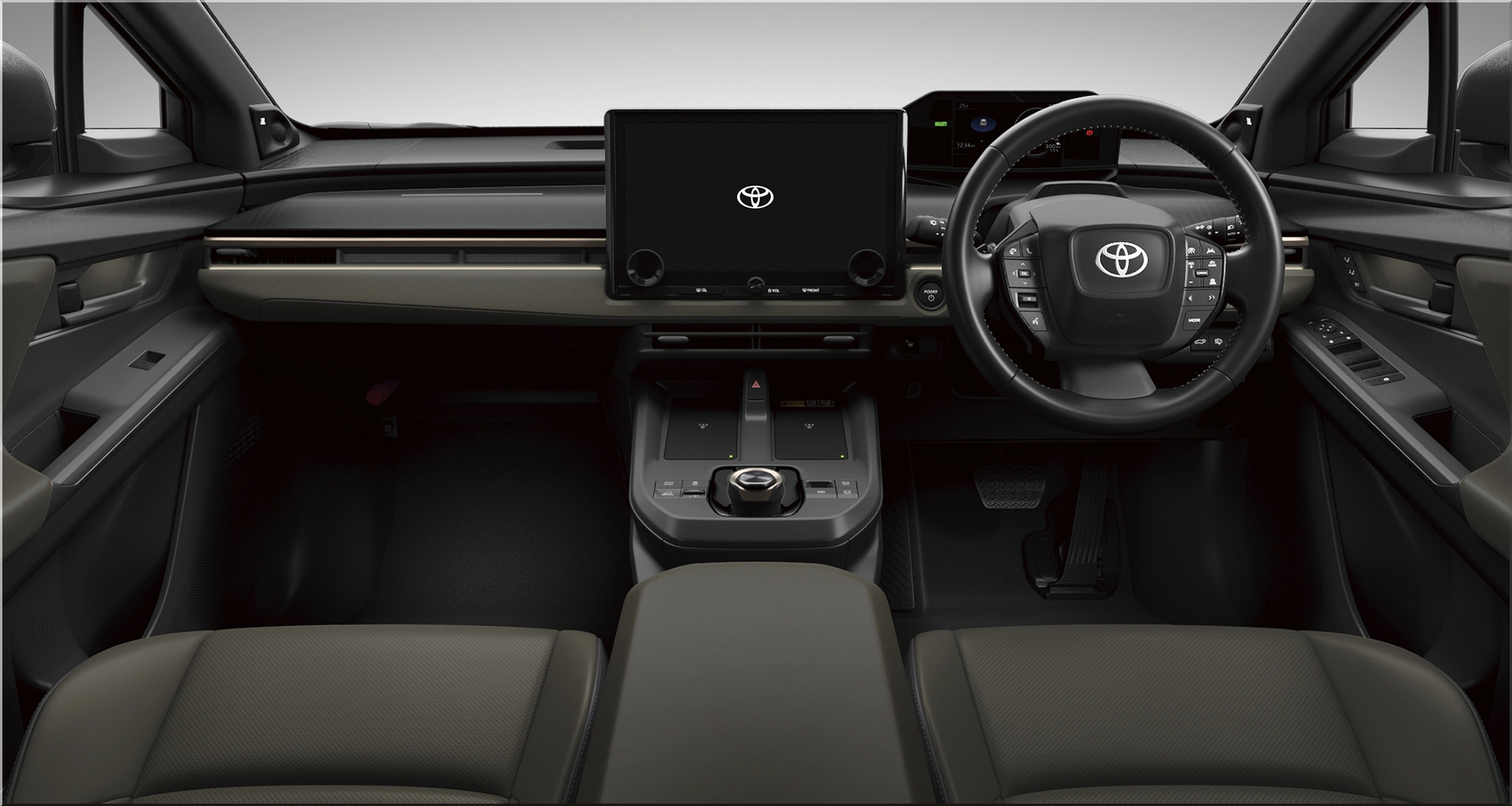
Interior color choices include Black and Khaki. The black cabin gives the Touring a more premium, technical feel, while the khaki trim pushes the model closer to the outdoor-lifestyle image Toyota is clearly chasing.
Definition
eAxle: An electric drive module that combines the motor, inverter, and transaxle into a compact unit. In a modern EV, that packaging improves efficiency, saves space, and supports tighter control over power delivery.
Safety and Driver Assistance
Toyota equips the bZ4X Touring with the latest Toyota Safety Sense suite as standard. The system includes Proactive Driving Assist, which can support deceleration and steering in situations like curves and preceding vehicles, plus pre-collision functions.
In addition, the Touring gets Advanced Drive for traffic-congestion support and Advanced Park for assisted parking. These systems reduce driver workload in the two environments that tend to wear people down fastest: slow urban traffic and tight parking areas.
From an expert perspective, that equipment list fits the car's mission. A family-oriented touring EV needs more than quick charging and a big trunk. It also needs to reduce fatigue over long periods behind the wheel.
Exterior Design and Utility Hardware
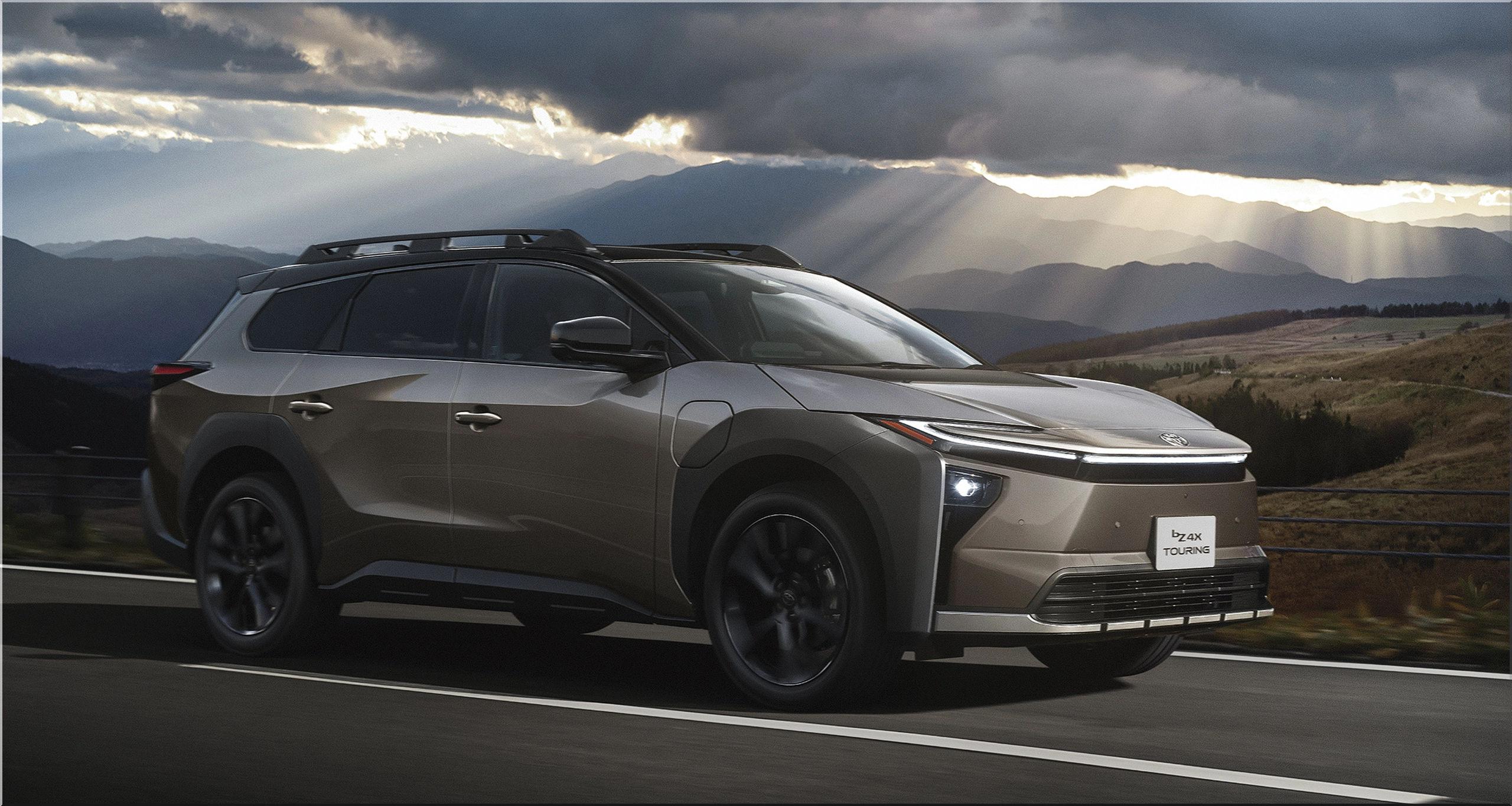
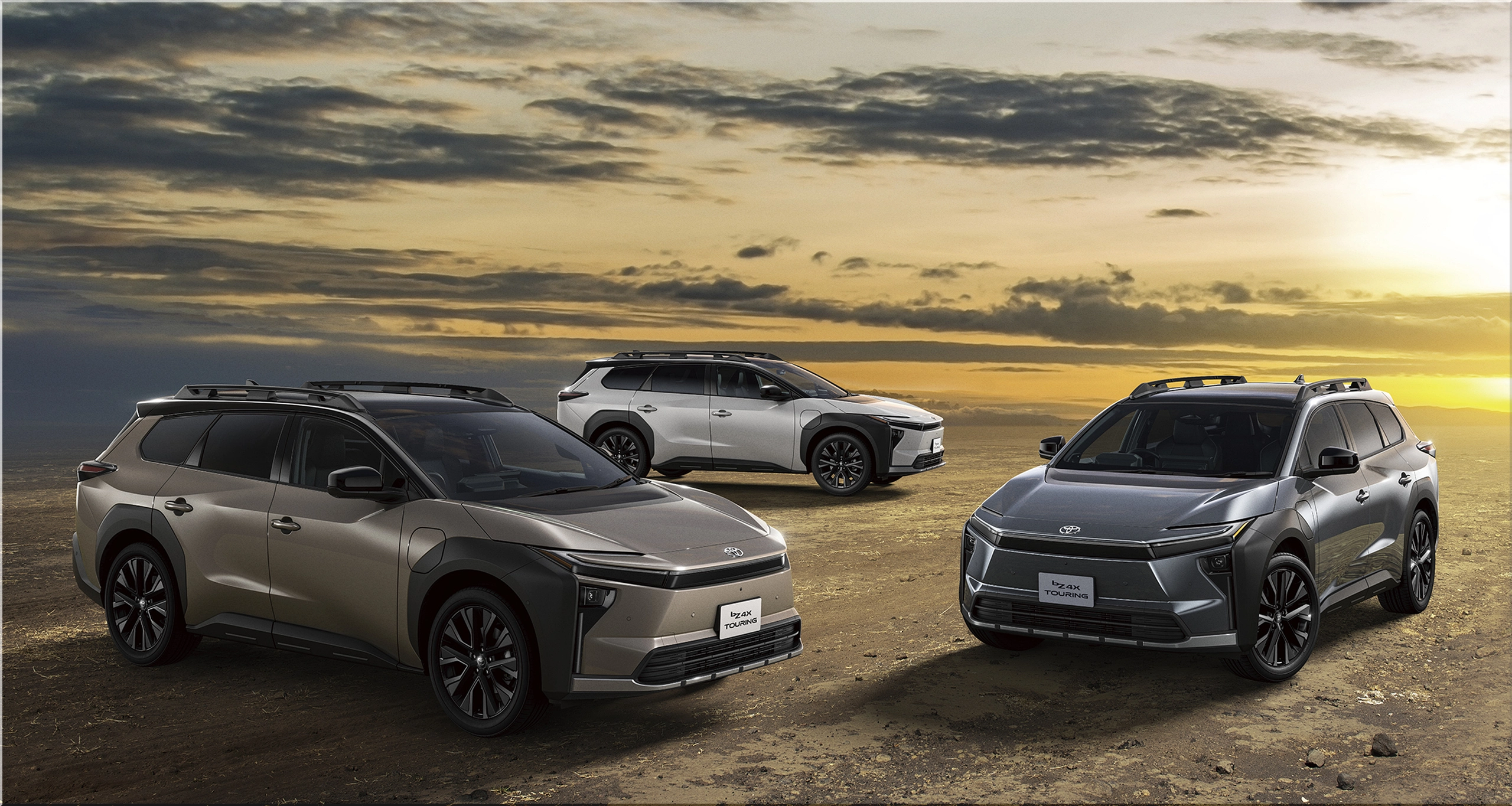
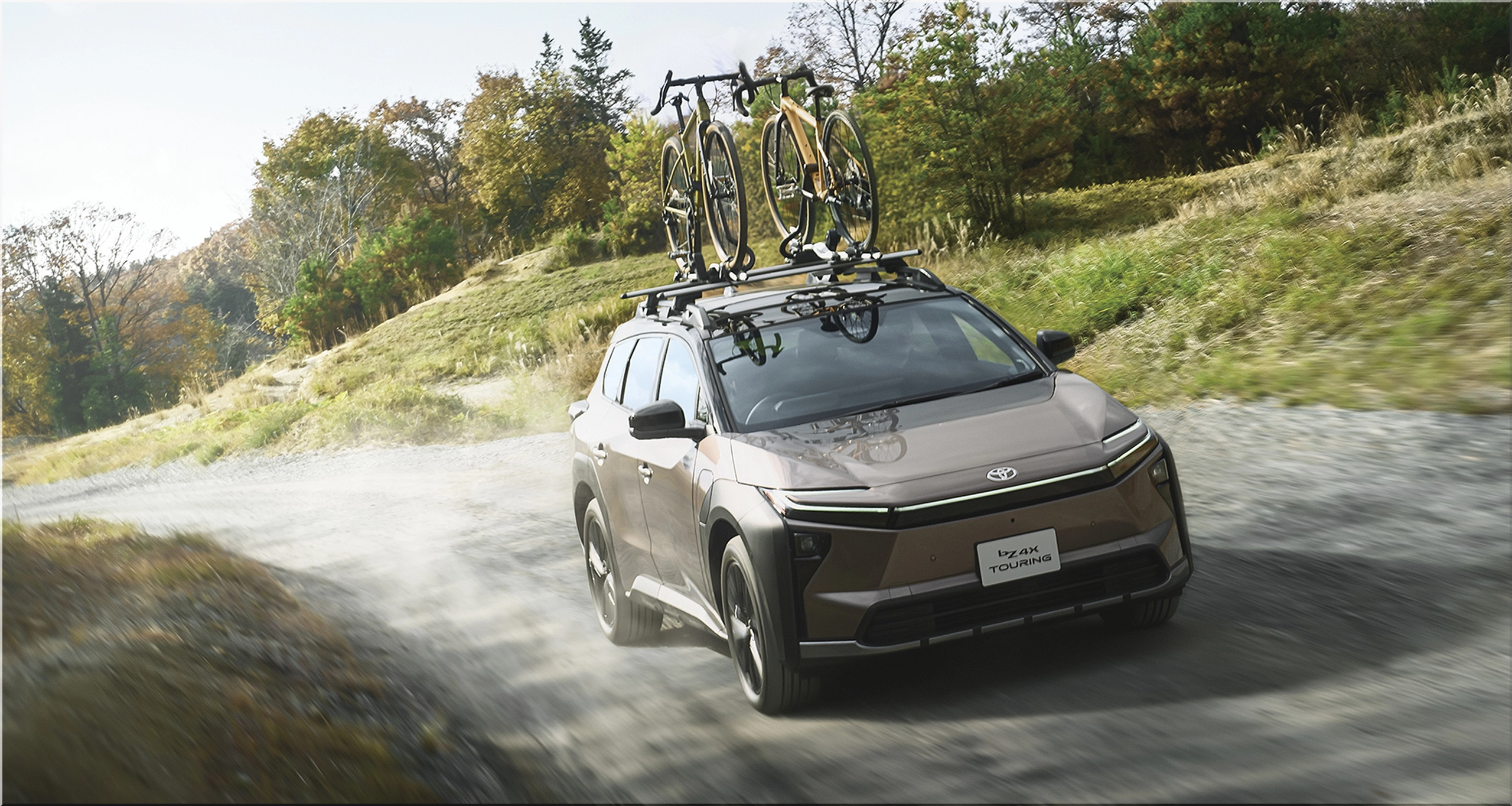
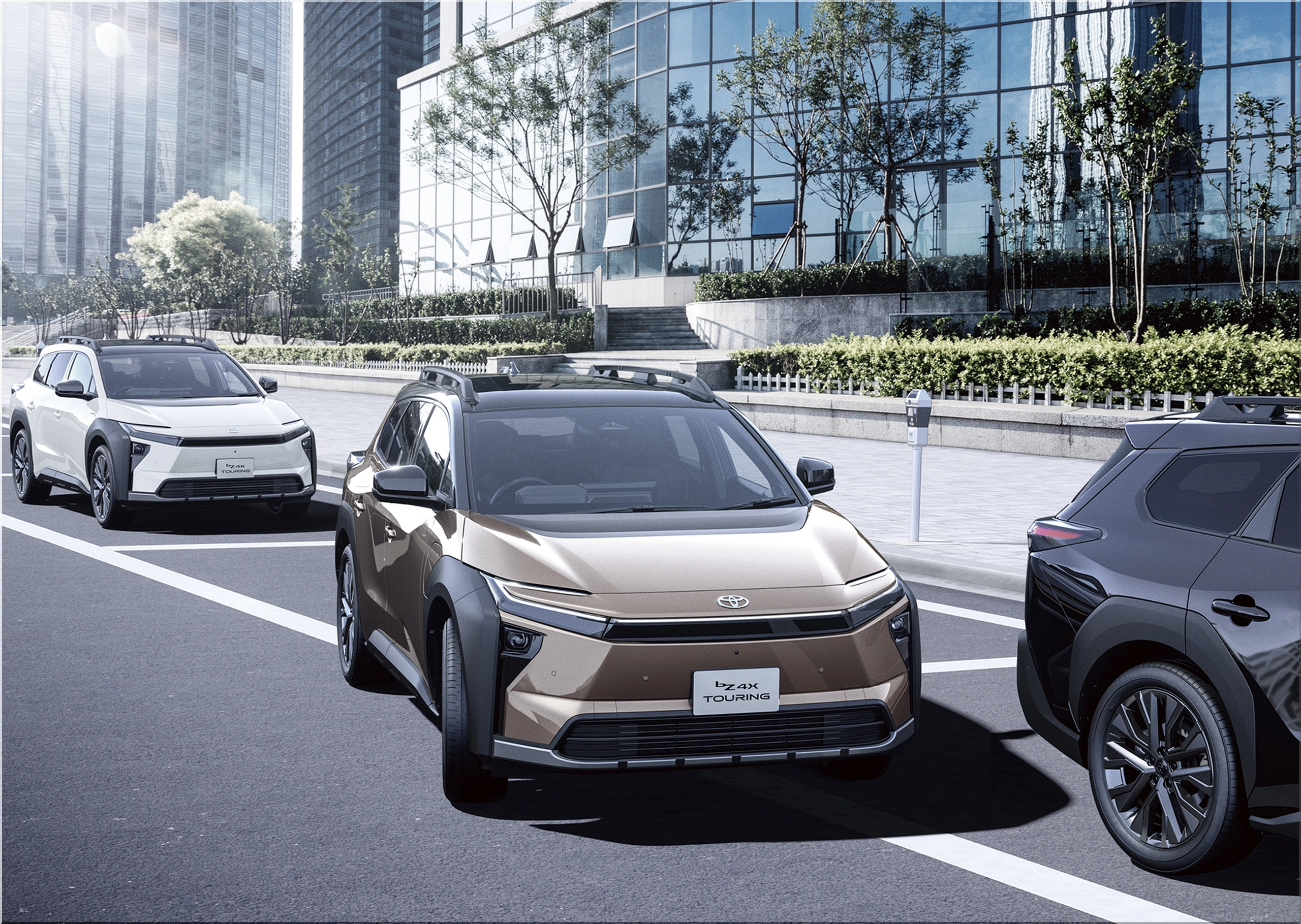
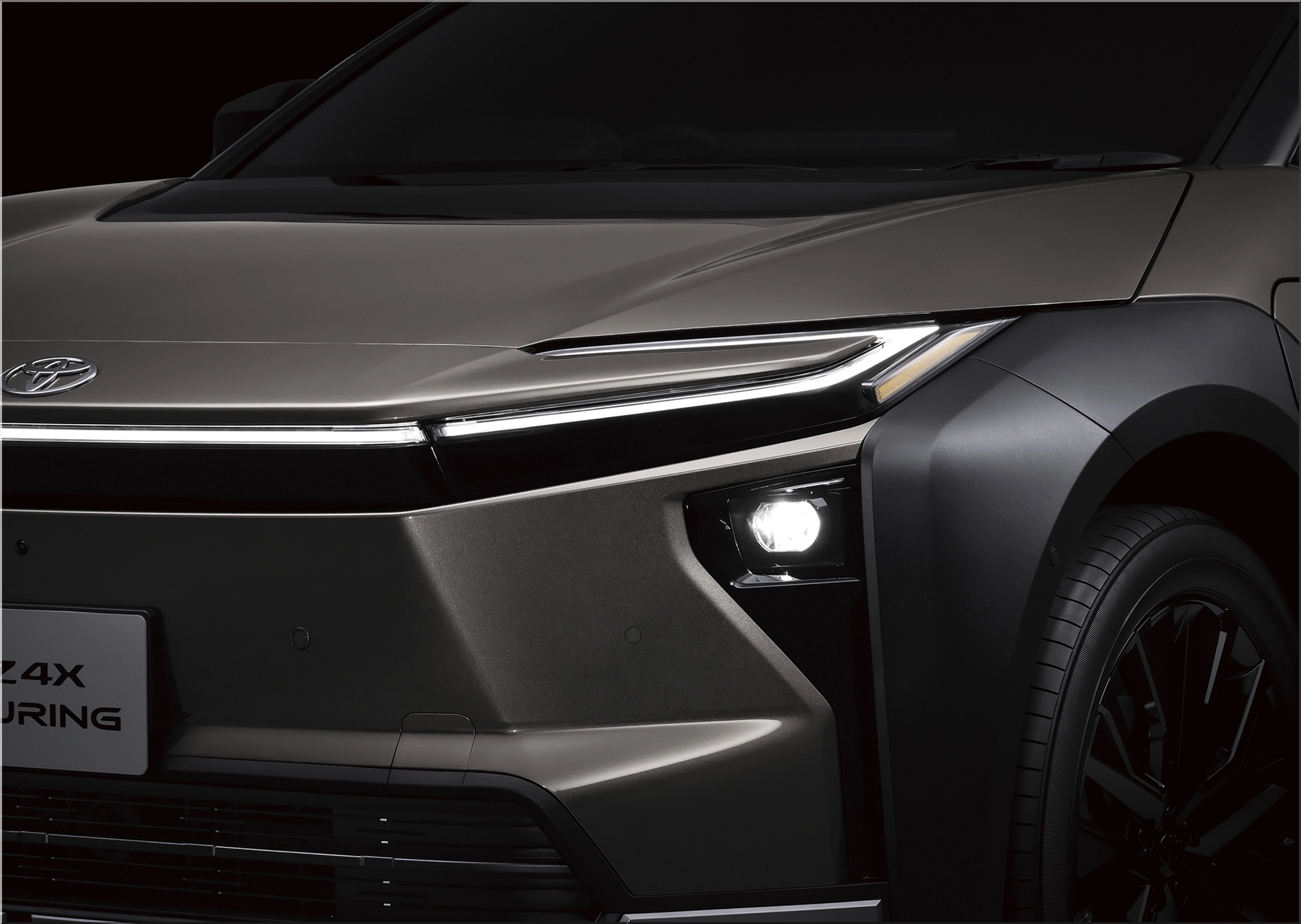
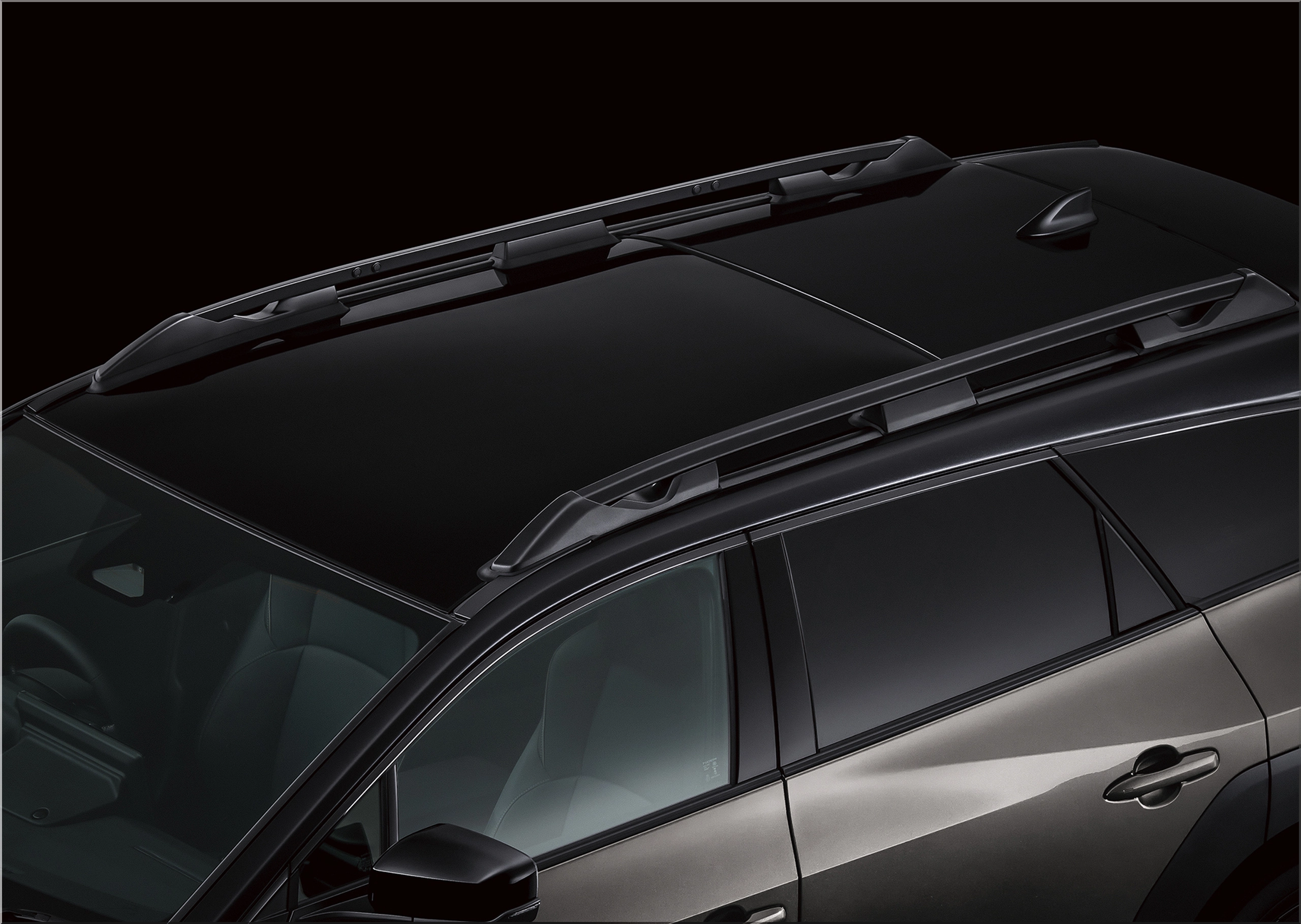
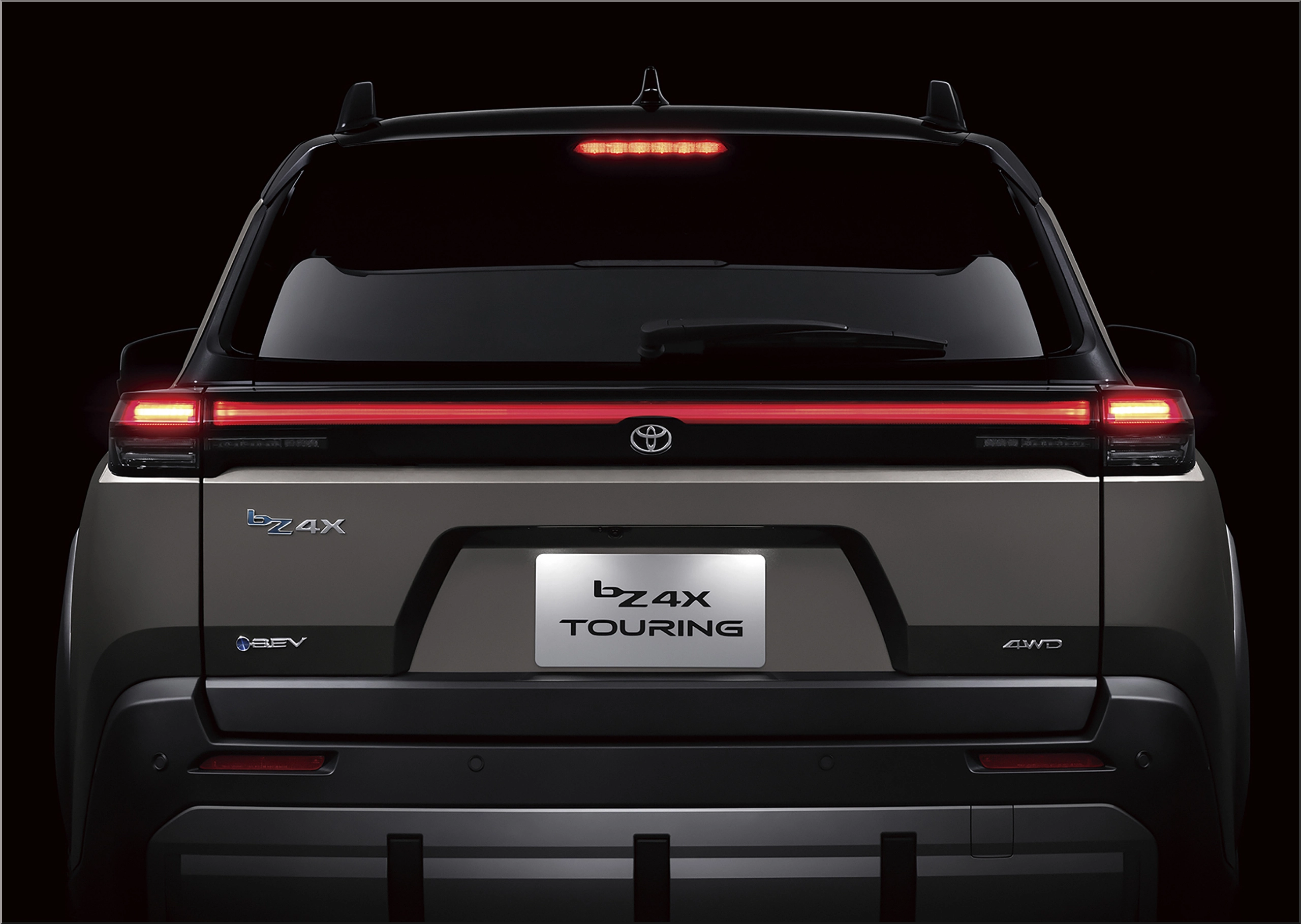
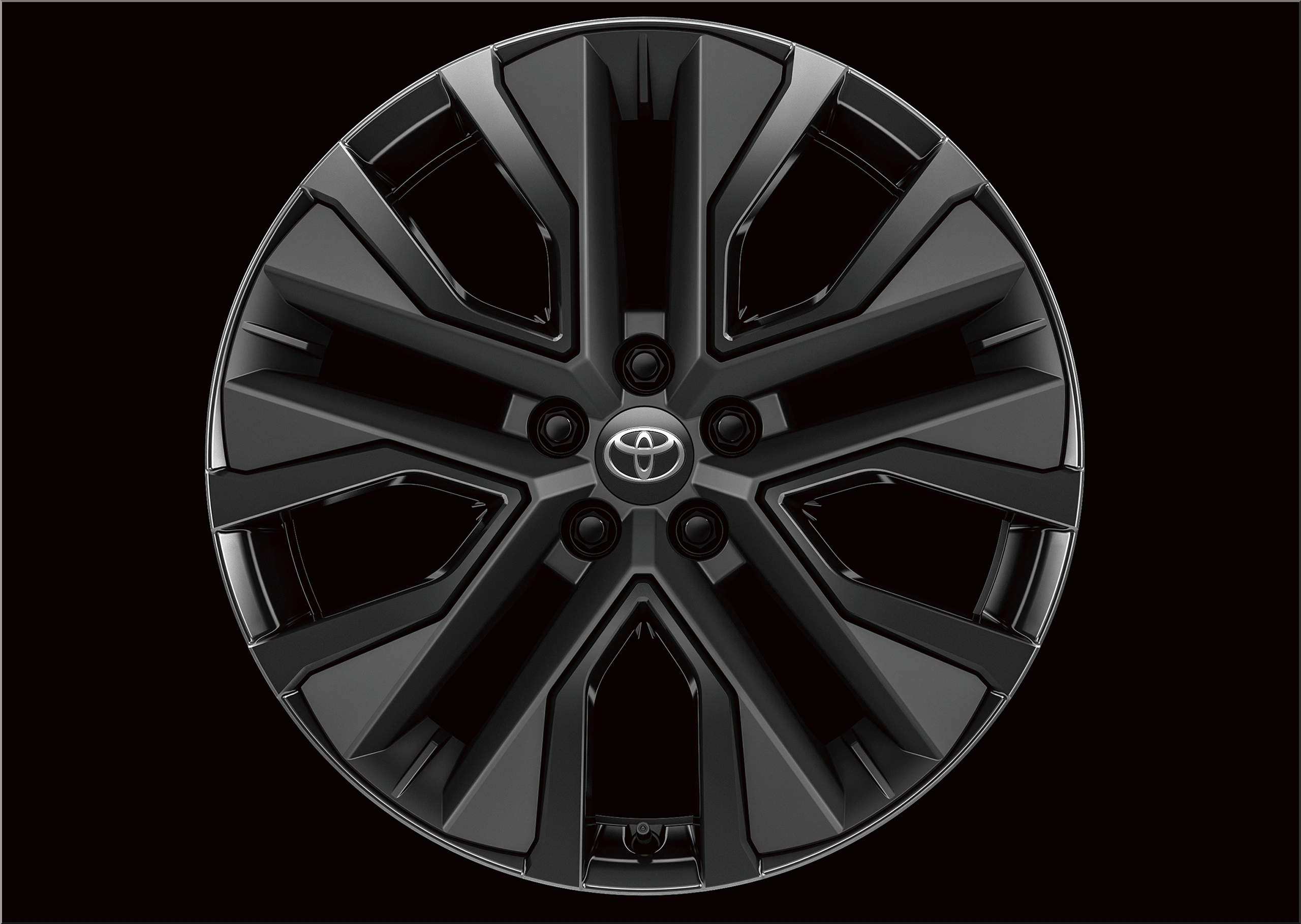
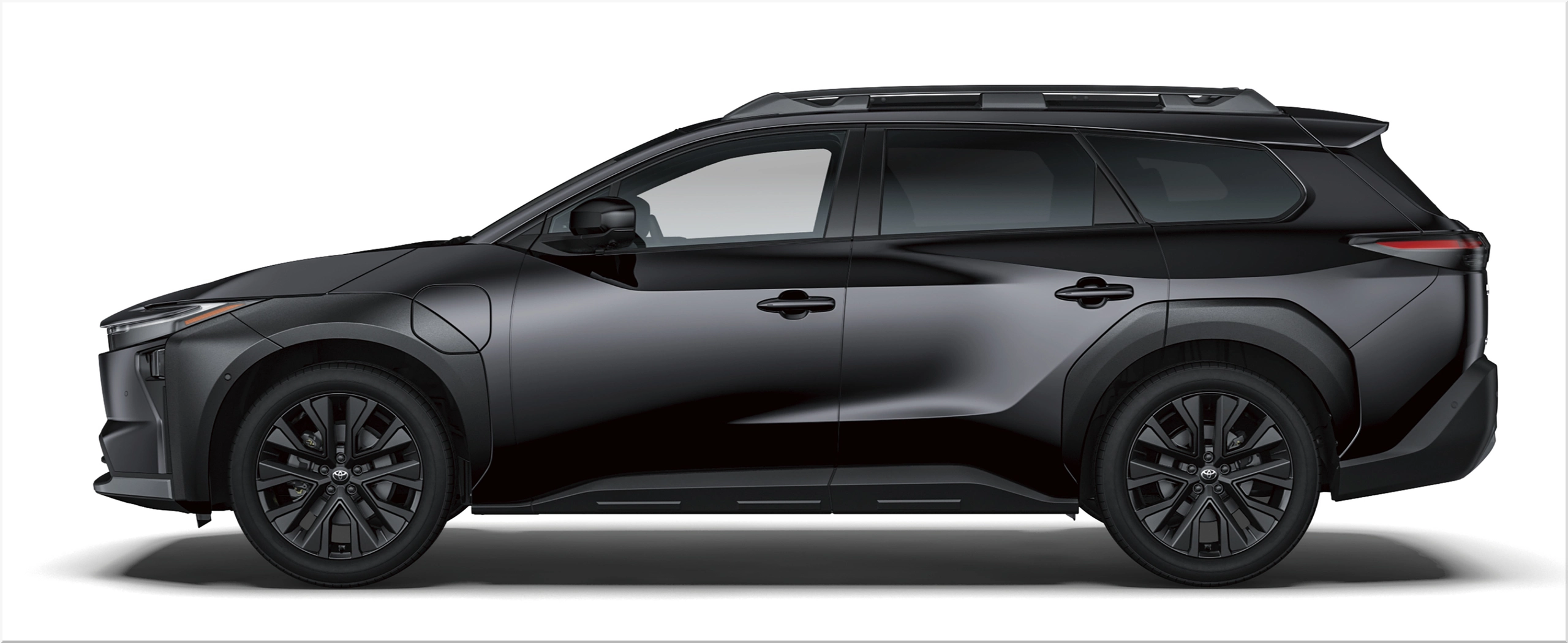
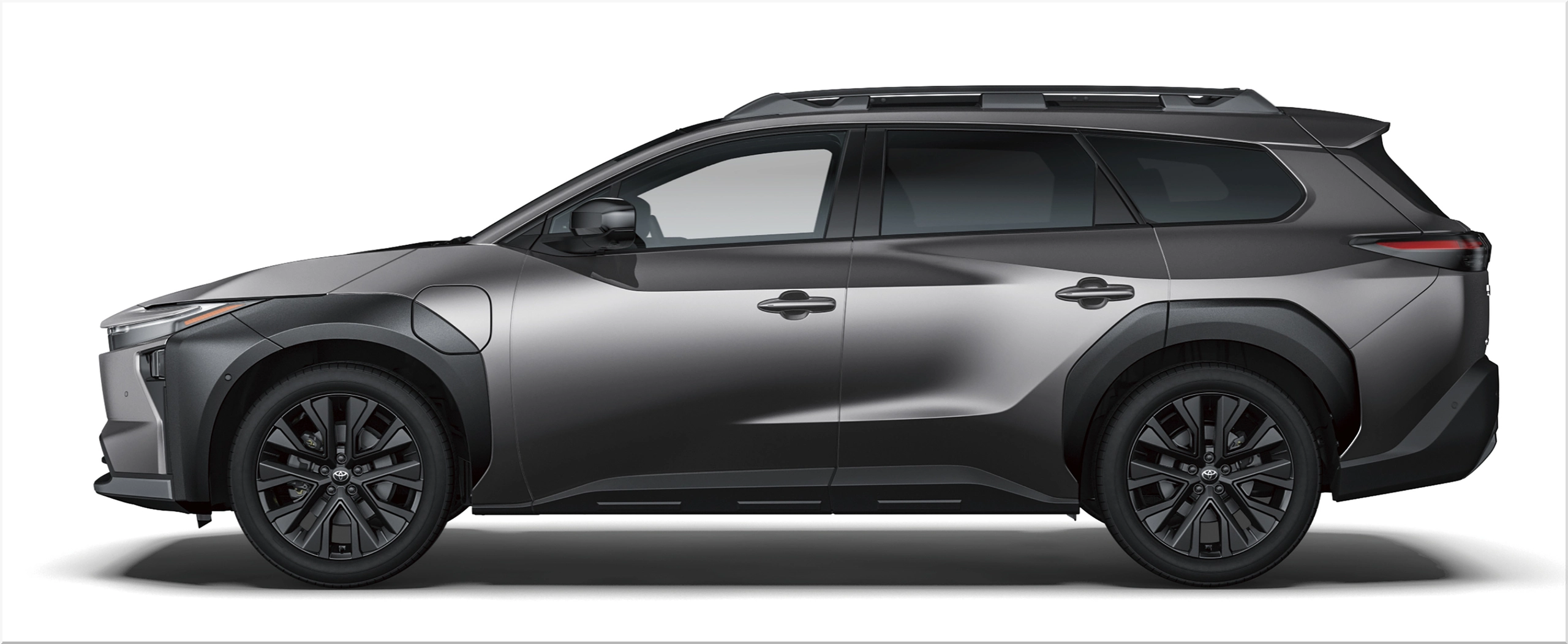
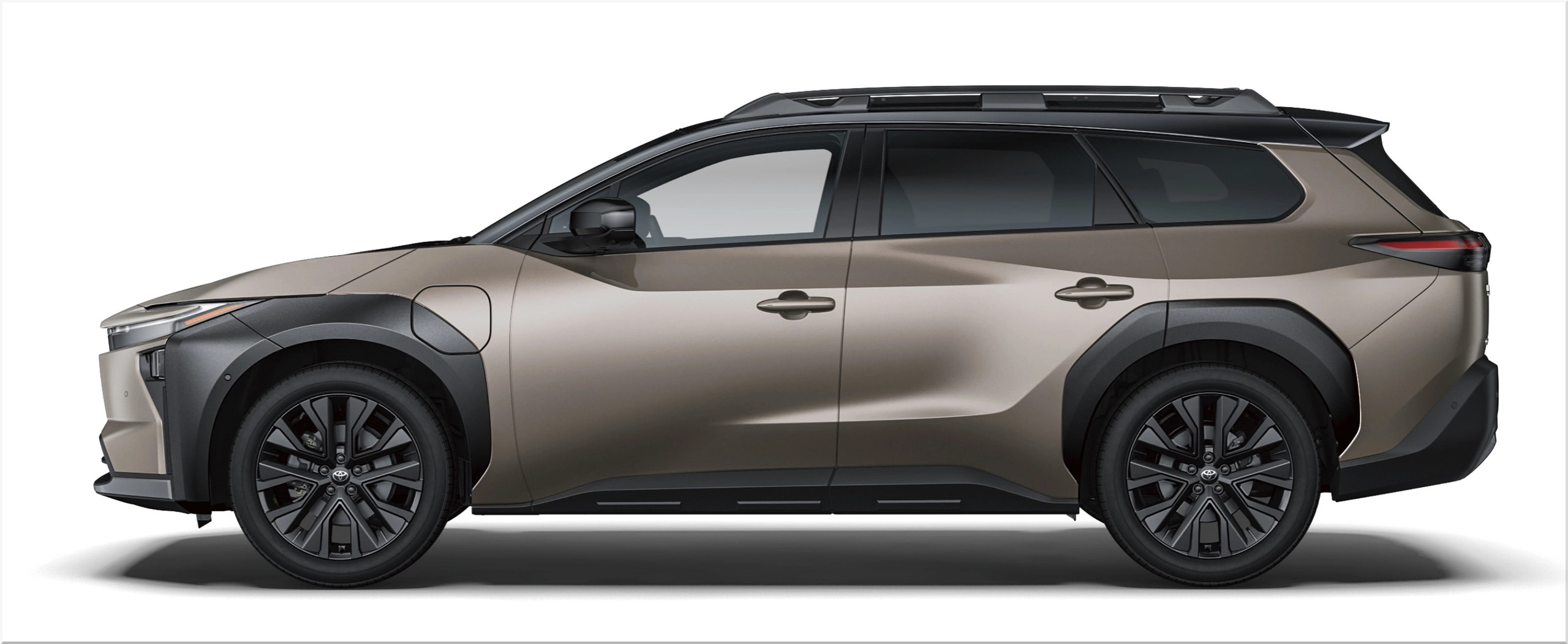
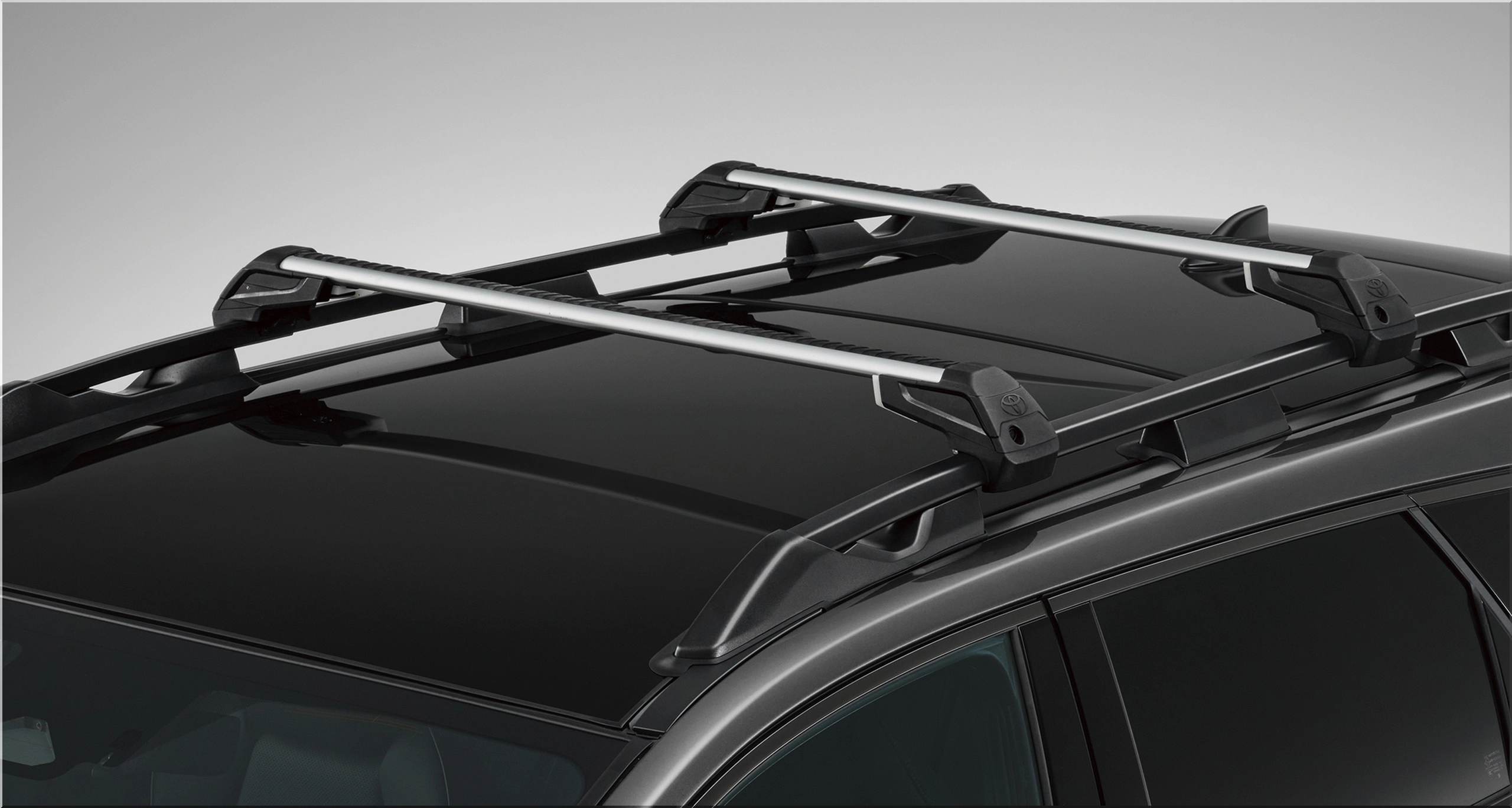
Toyota gives the Touring a stronger stance than the regular bZ4X by using black 20-inch aluminum wheels, large bridge-type roof rails, front and rear skid-plate detailing, and a full-width light signature. The rear lighting stretches across the tailgate to create a wider visual footprint, which suits the Touring's broader-shouldered body.
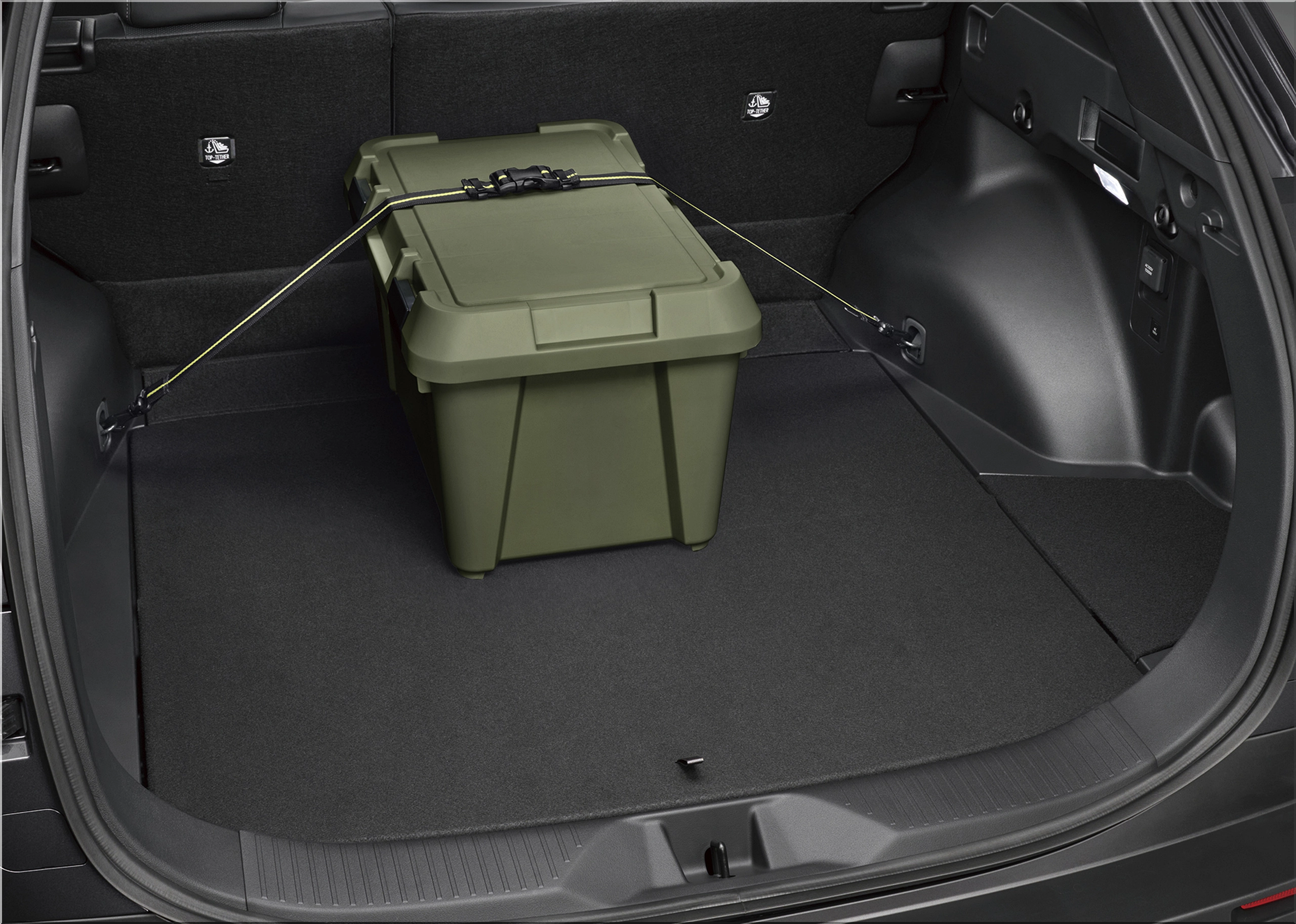
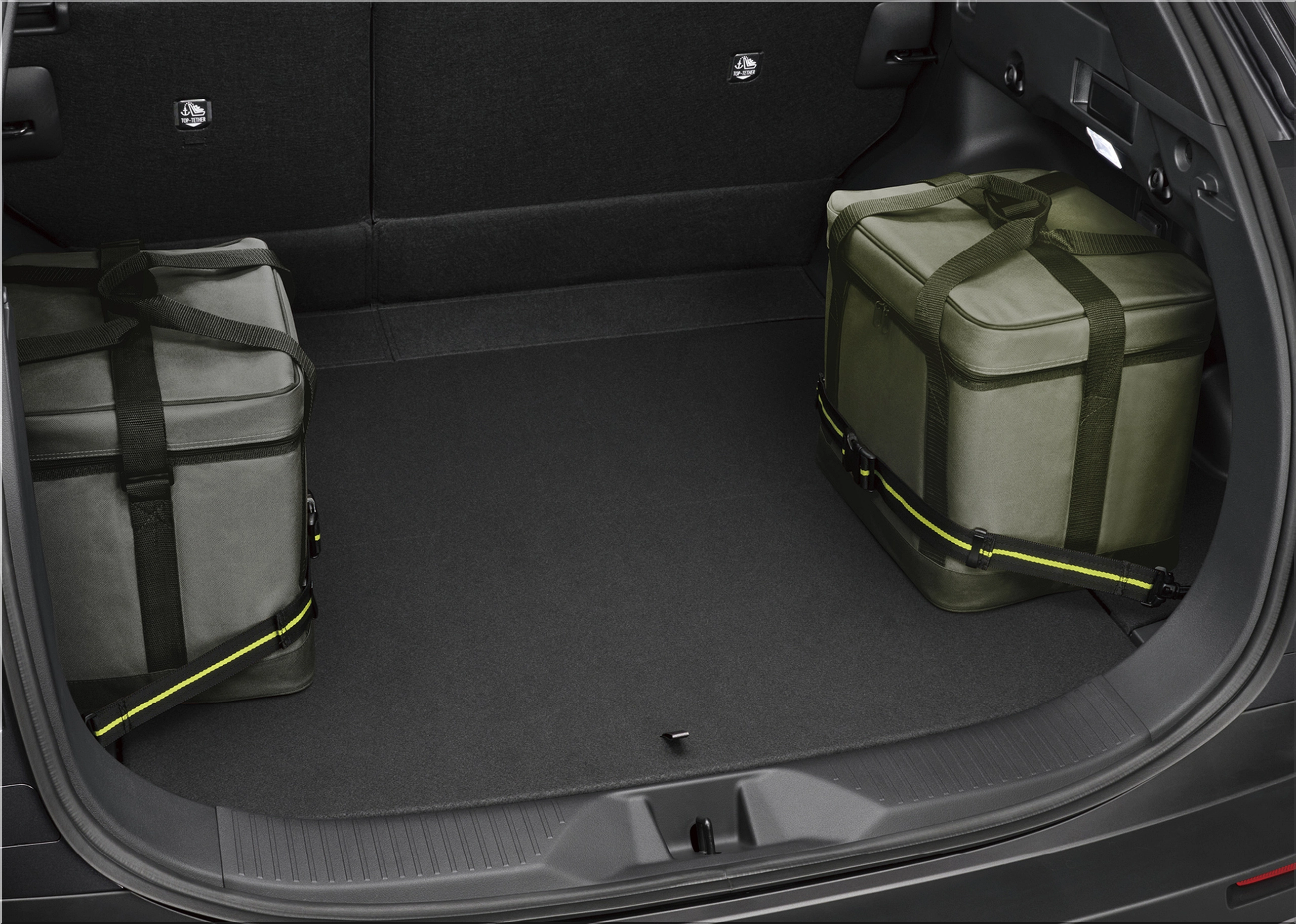
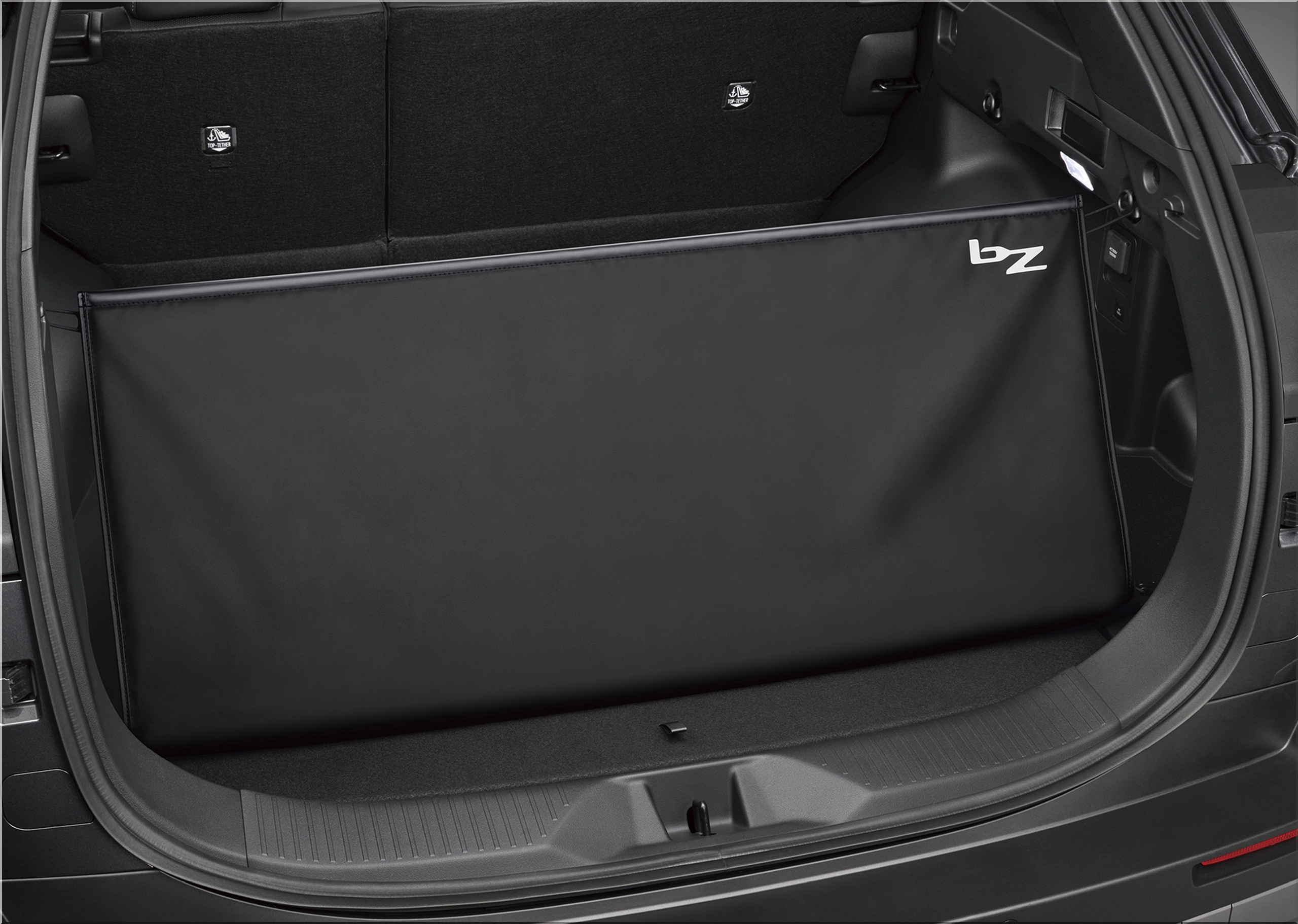
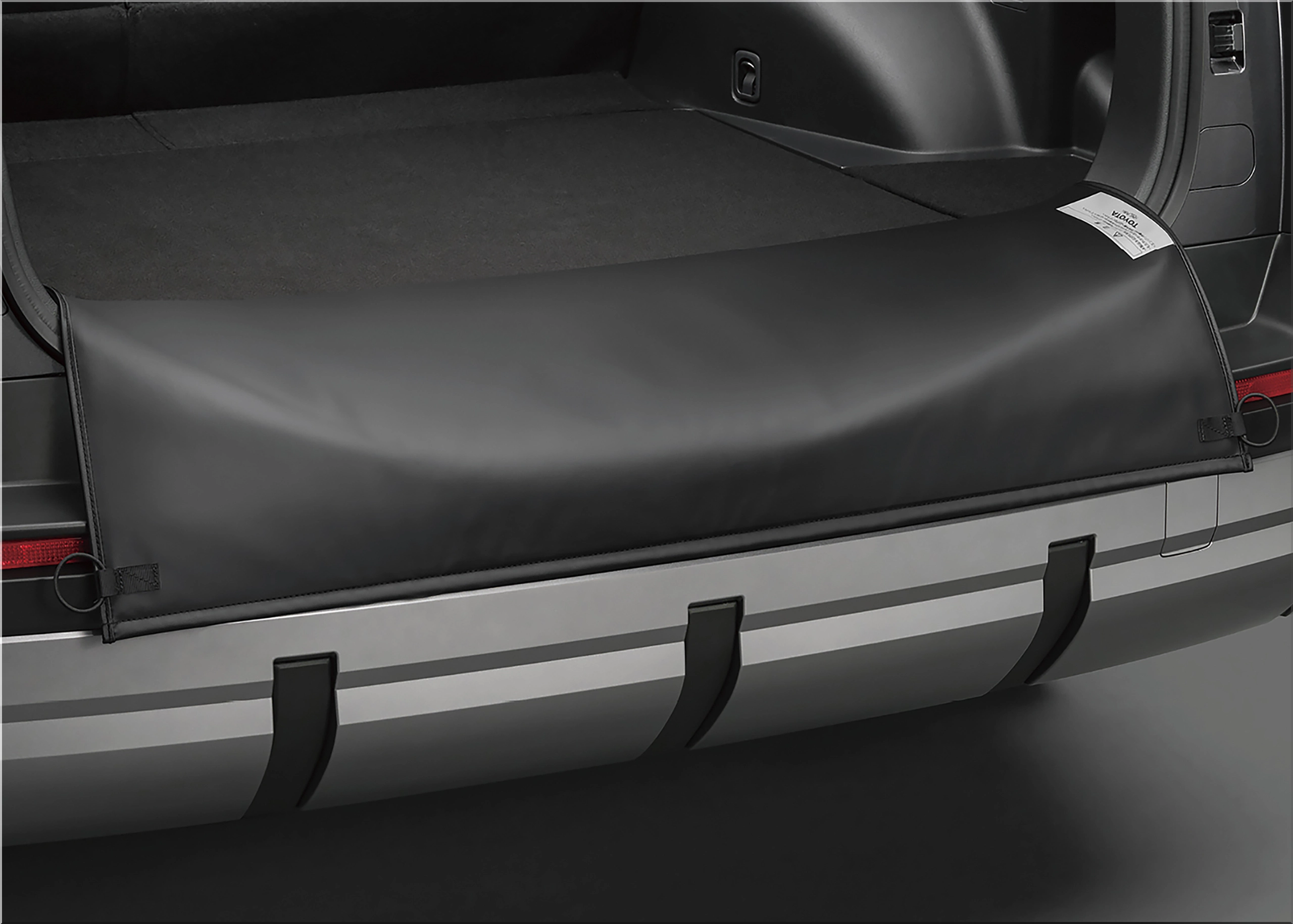
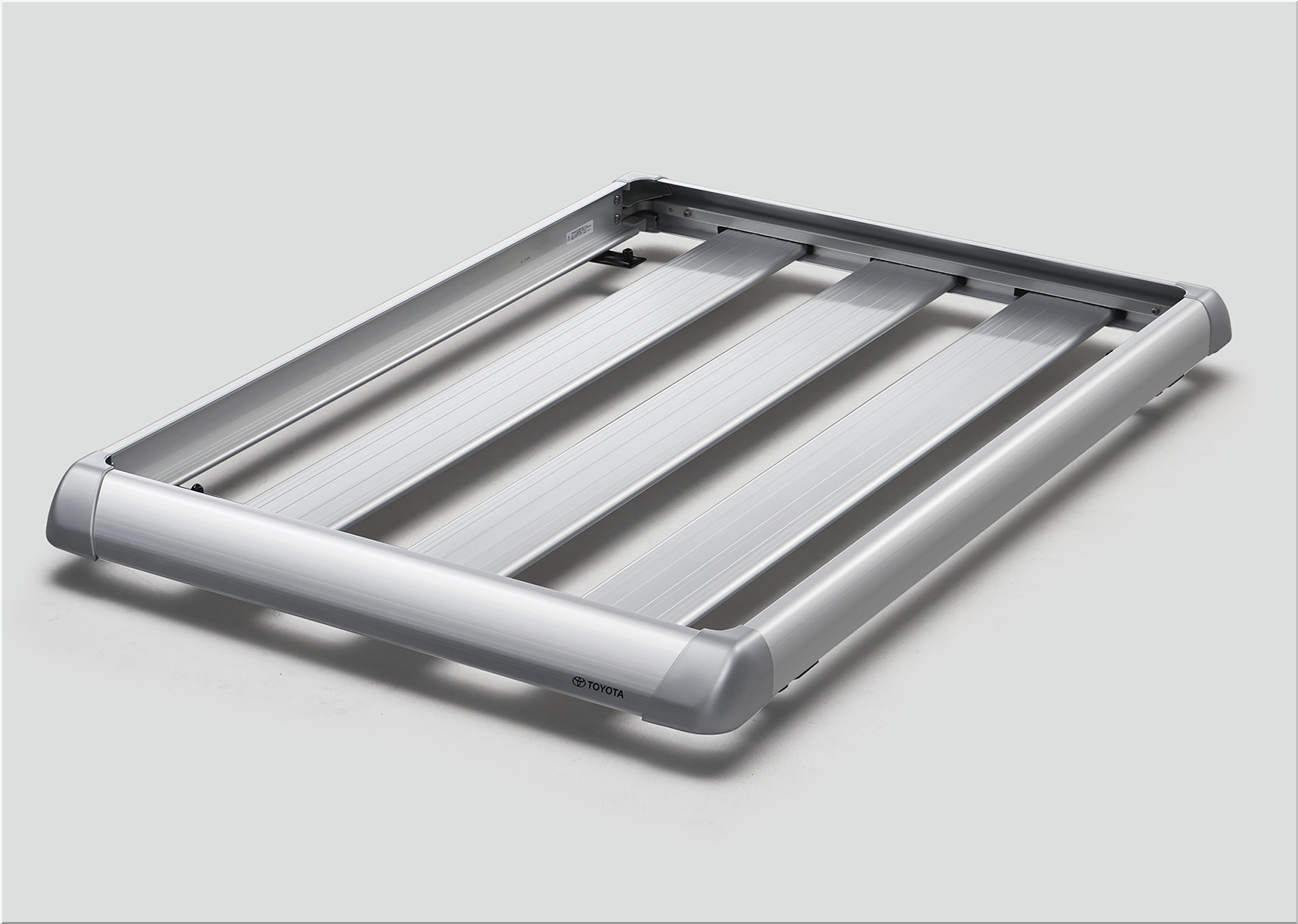
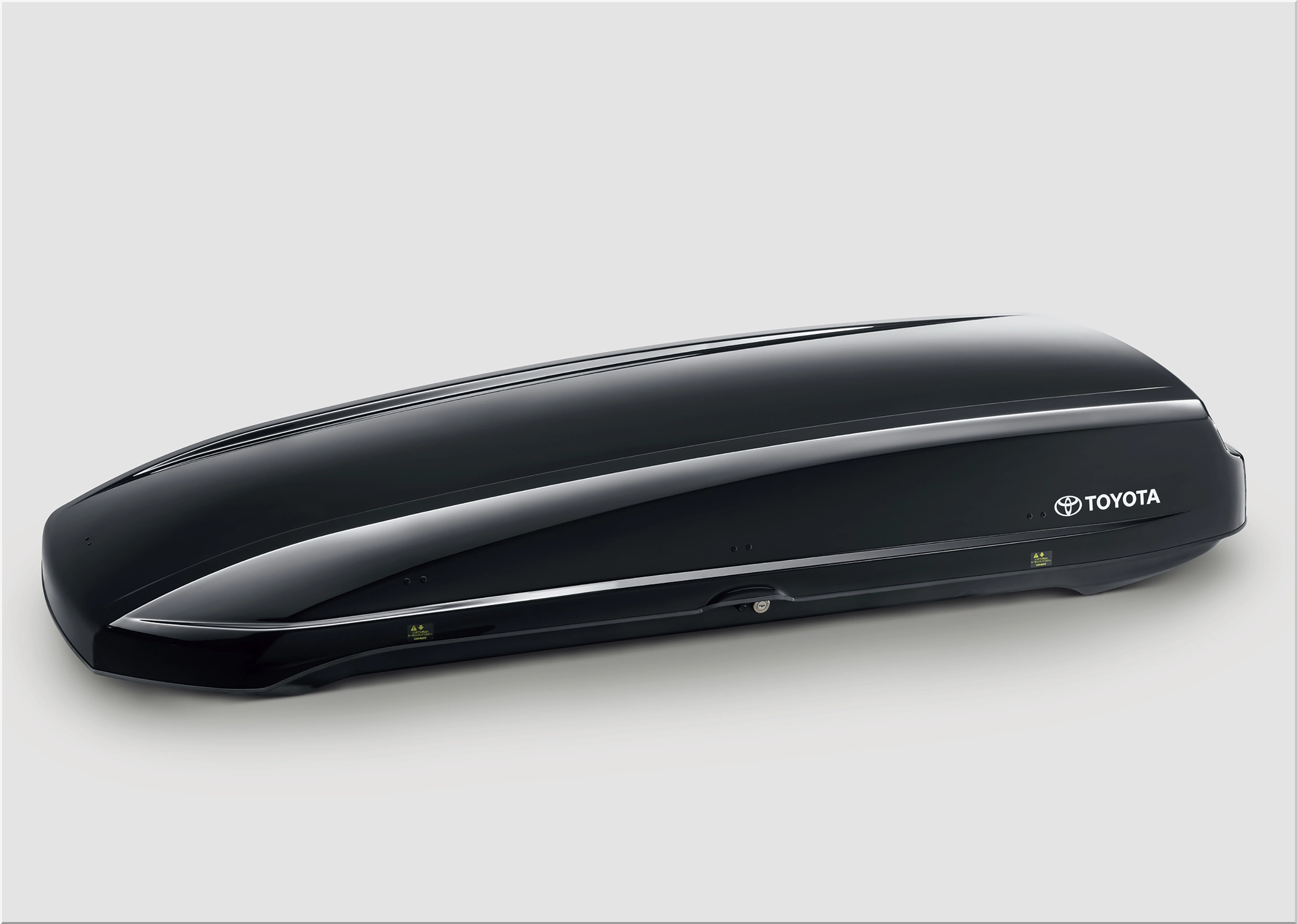
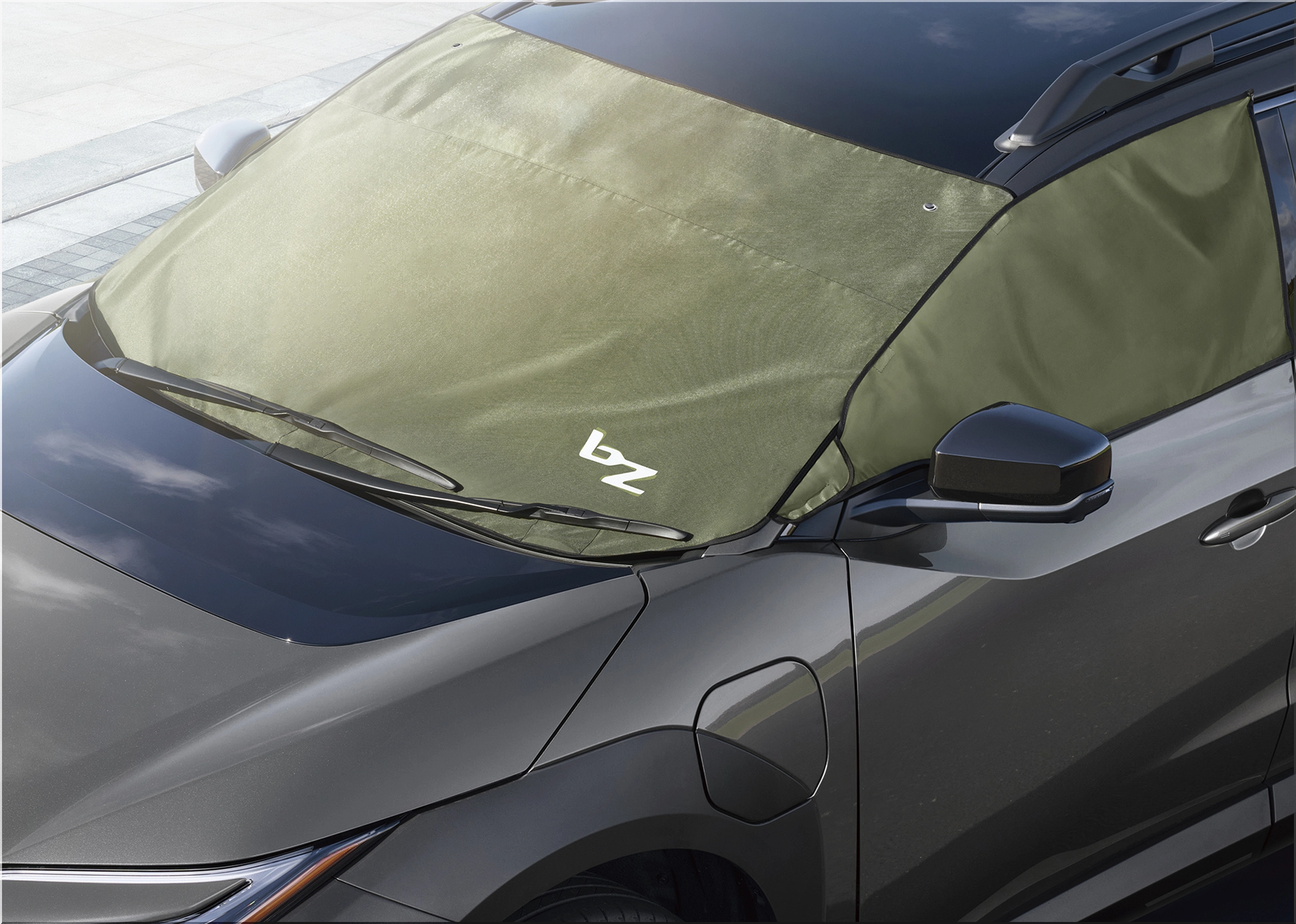
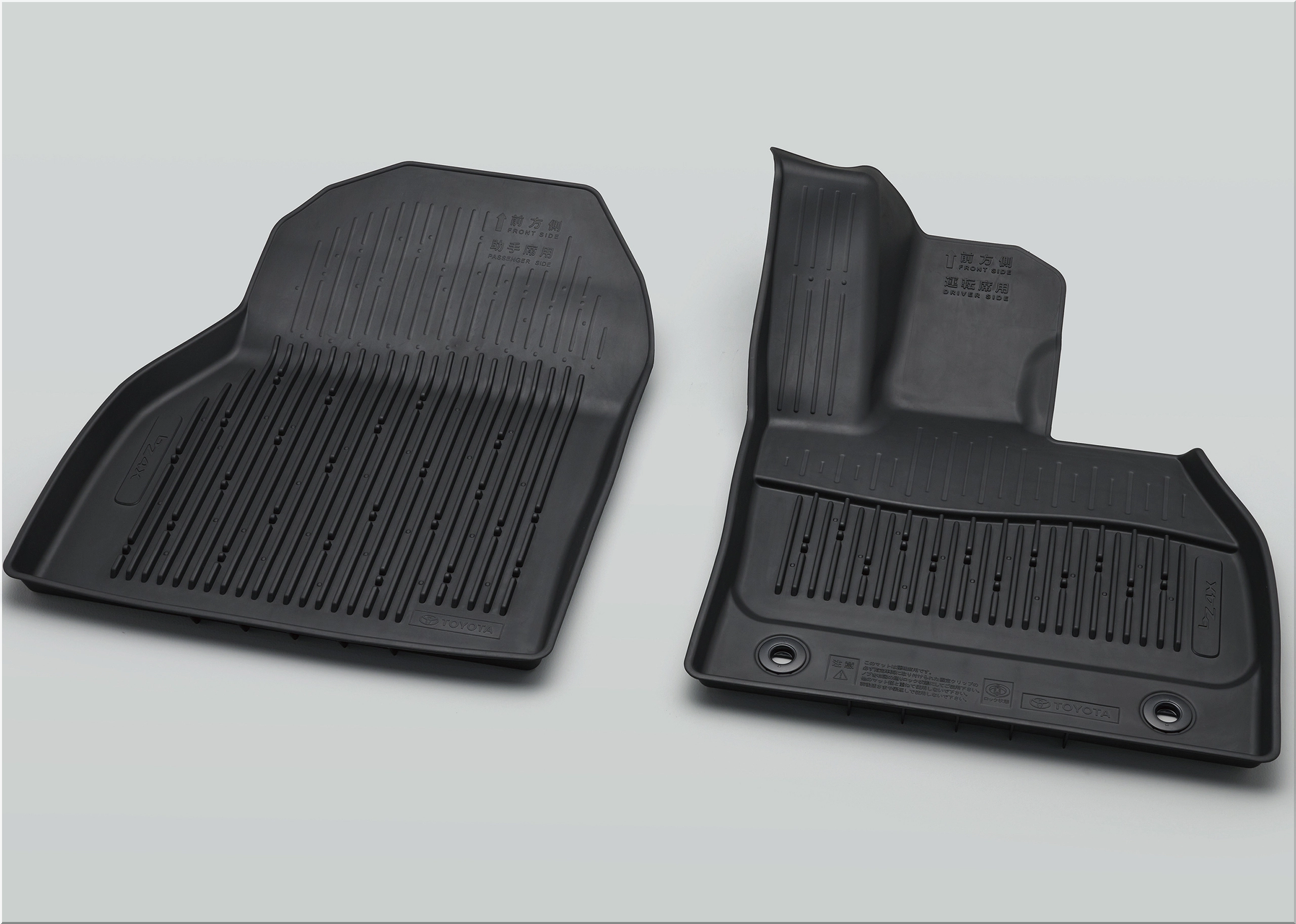
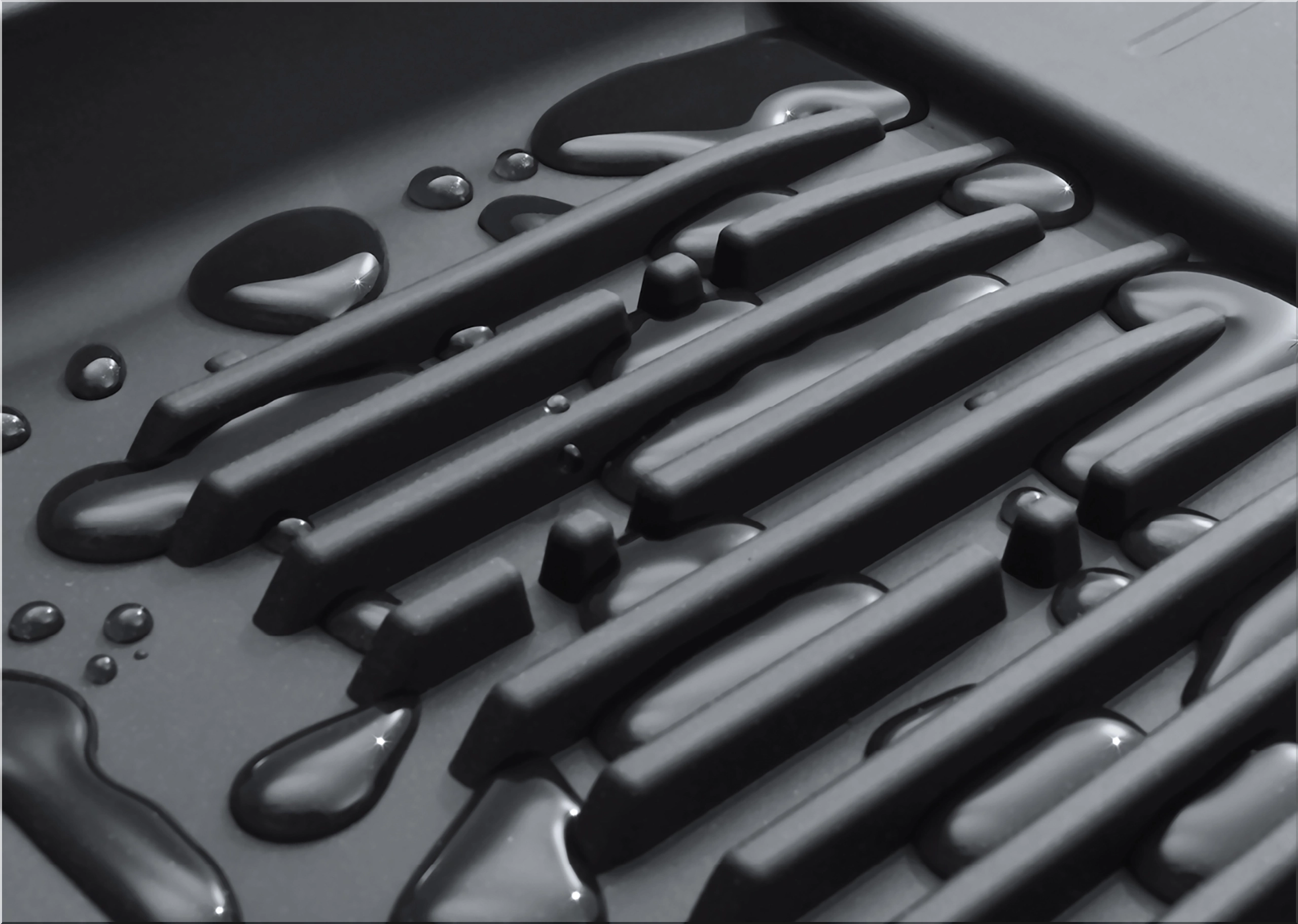
The hardware matters as much as the styling. Roof rails extend the vehicle's usable capacity without forcing buyers into an oversized SUV, and Toyota's dealer options show the intended use case clearly. Buyers can add cross bars, flexible cargo restraints, snow and leisure floor mats, and hatch-opening protection parts.
Pro-Tip
If you are evaluating the Toyota bZ4X Touring against a conventional compact SUV, focus on three points before anything else:
- Your real cargo shape, not only the quoted liters
- Winter charging speed and preconditioning support
- AWD control logic under mixed-grip conditions
Those three items will decide day-to-day satisfaction far faster than a flashy screen or a launch figure.
Price in Japan and Approximate USD Conversion
Toyota lists two grades in Japan under the Z trim:
| Grade | Driveline | Motor Layout | Price in JPY | Approx. USD at 150 JPY/$1 |
|---|---|---|---|---|
| Z | FWD | 2XM AC synchronous motor | 5,750,000 | $38,333 |
| Z | AWD | 2XM + 2XM AC synchronous motors | 6,400,000 | $42,667 |
These figures exclude some options and do not include recycling fees. They do include Japan's consumption tax. By comparison, the AWD premium over FWD comes to 650,000 yen, or roughly $4,333 using the same conversion basis.
Toyota also says the model will be available through the KINTO subscription service in Japan, with the FWD Z grade starting at 77,440 yen per month and the AWD Z at 77,440 yen per month or more, depending on package details released later.


What Now for Buyers and EV Watchers?
The Toyota bZ4X Touring Japan launch says a lot about where Toyota sees the next EV demand wave. Buyers still want range. They still want quick charging. But they also want a vehicle that swallows luggage, supports outdoor gear, and feels planted in poor weather.
If Toyota carries this formula into more markets, the Touring could turn into the more convincing version of the bZ4X family. It fixes the utility gap, gives the AWD model real punch, and adds the charging and thermal features that owners actually use.
Actionable Takeaways
- Watch for global-market timing if you want a roomier Toyota electric SUV with stronger utility than the standard bZ4X.
- Prioritize the AWD model if you value traction, acceleration, and rough-weather confidence.
- Prioritize the FWD model if maximum listed range sits at the top of your shopping list.
- Compare cargo floor length and rear opening size against rivals, not only headline cargo volume.
- If you live in a cold climate, place extra weight on the Touring's battery preconditioning and rapid-charge performance.
The short version? The Toyota bZ4X Touring BEV gives Toyota a more convincing family-use electric crossover. It brings the space. It brings the speed. More important, it brings a clearer reason to pick it over a standard-shape EV that runs out of room the moment real life shows up.

Toyota has made significant updates to its 2025 bZ4X electric SUV, improving its pricing, technology, and styling to attract more buyers. The updated model arrives with a lower starting price, new trim options, and… Continue reading
Toyota has been a pioneer in hybrid and fuel cell technology for decades, but it has been lagging behind in the electric vehicle (EV) market. That is about to change with the launch of the Toyota BZ4X, the first model in the new… Continue reading
The Toyota RAV4 is one of the most popular compact SUVs on the market, and for good reasons. It offers a spacious and comfortable interior, a smooth and efficient powertrain, and a range of features and options to suit different… Continue reading

The German automobile brand Volkswagen has started installing electric vehicle charging points in its German factories, a process through which it will launch 4,000 posts at its plants until 2025, the company said in a statement. The first 60… Continue reading