Bicycle helmets are designed to protect your head from injuries in case of an accident, but they are not always comfortable, stylish, or effective. That’s why a Swedish company called Hövding has developed a revolutionary alternative: a bicycle airbag that is worn around the neck and inflates in 0.1 seconds when it detects a crash.
The Hövding bicycle airbag is a collar-like device that contains sensors and an algorithm that monitors the cyclist’s movement patterns 200 times per second. Suppose the sensors detect an abnormal movement that indicates a crash. In that case, the device releases an airbag that covers the head and neck of the cyclist, providing superior protection and shock absorption.
The Hövding bicycle airbag has been proven safer than conventional helmets in independent tests conducted by researchers from Stanford University and the University of Strasbourg. The tests showed that the Hövding airbag reduced the risk of concussion by eight times compared to a traditional helmet and also prevented extreme neck movements that could cause spinal injuries.
The Hövding bicycle airbag also offers other advantages over conventional helmets, such as:
- It is more comfortable and convenient to wear, as it does not interfere with the cyclist’s vision, hearing, or hairstyle.
- It is more stylish and customizable, with different covers that match the cyclist’s outfit or mood.
- It is more adaptable and versatile, as it can fit different head sizes and shapes and can be used with different types of bicycles and accessories.
- It is more eco-friendly and sustainable, using a rechargeable battery that lasts up to 15 hours of active cycling and can be recycled after use.


The Hövding bicycle airbag is not without its drawbacks, however. Some of the disadvantages include the following:
- It is more expensive than conventional helmets, costing around £249 ($340) per unit.
- It is heavier than conventional helmets, as it weighs around 800 grams (1.8 pounds).
- It is single-use only, as it cannot be reused after it has inflated. However, a crash-replacement program offers a new device for £99 ($135).
- It can go off when you don’t want it to, as it may be triggered by sudden movements or vibrations that are not related to a crash. However, this can be avoided by following instructions on properly using and storing the device.
The Hövding bicycle airbag is an innovative device that could save your head and neck in a crash. It is currently available in Europe and Japan and has been used by over 300,000 cyclists since its launch in 2012. The company behind it hopes to expand its market to other regions and countries in the future.


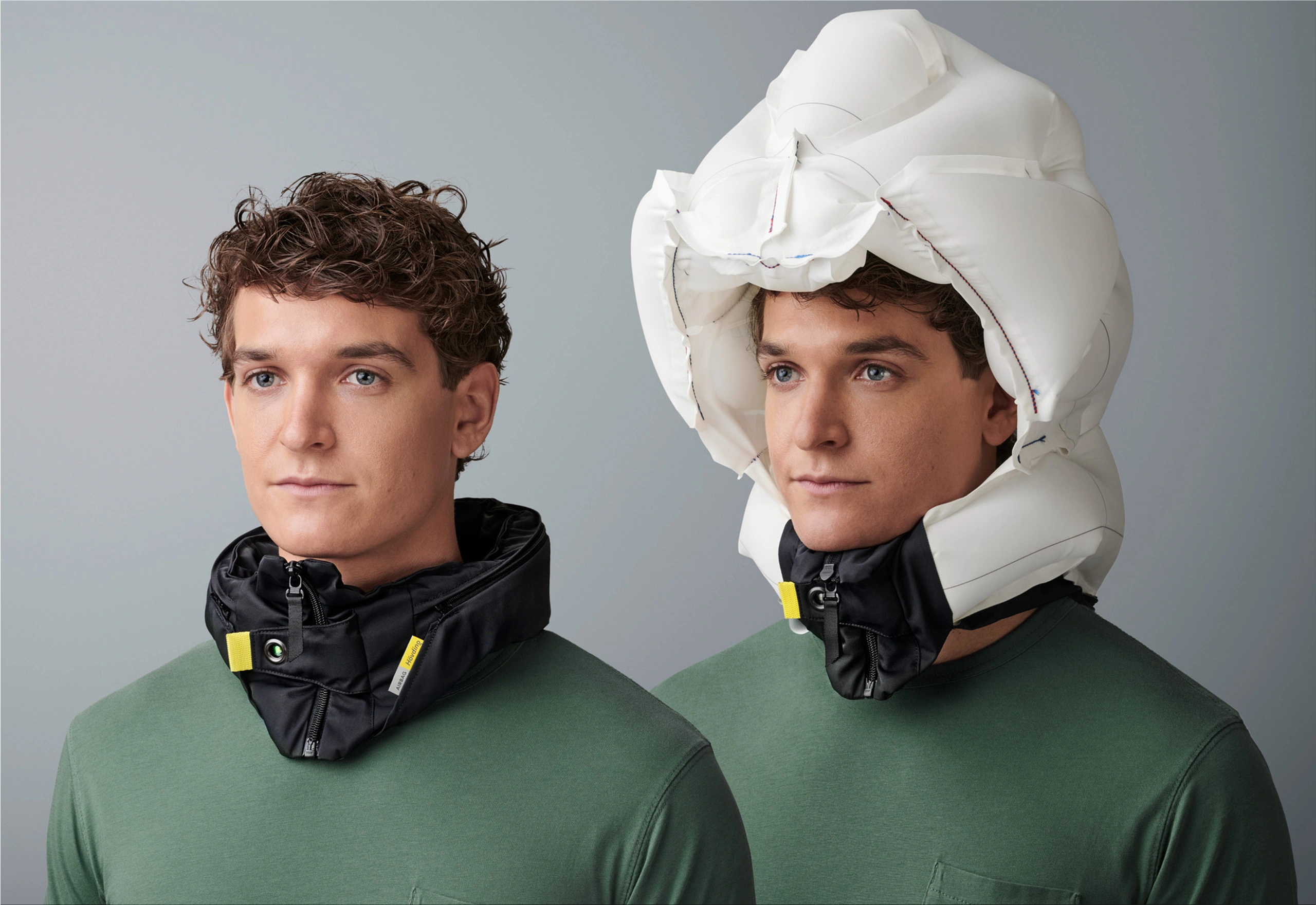
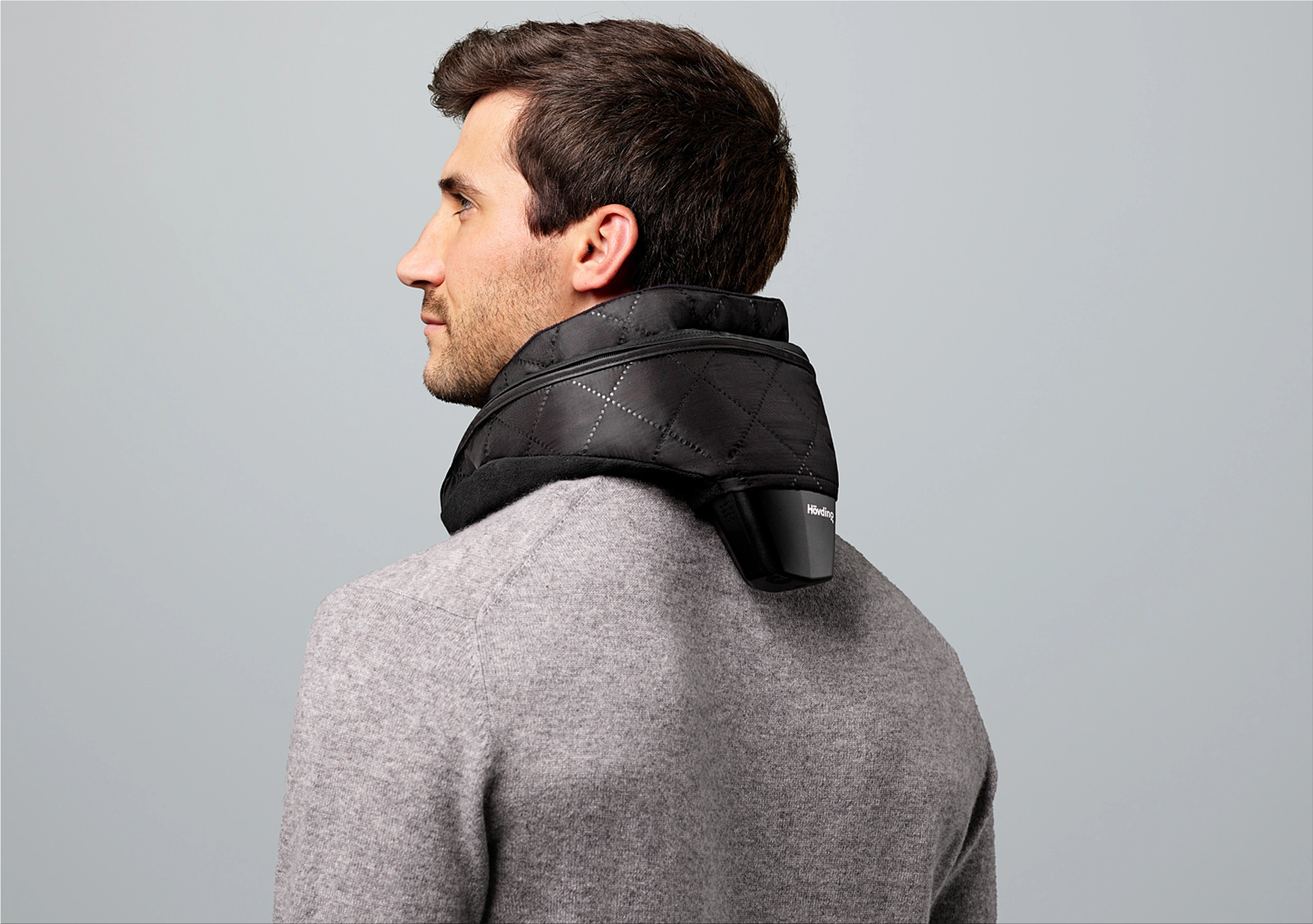
If you want to try out the Hövding bicycle airbag for yourself, you can visit their official website or find a retailer near you. You can also watch some videos of how the device works and how it has saved lives on their YouTube channel. Remember always to ride safely and responsibly, and enjoy your cycling experience with Hövding.

Mercedes-Benz Doubles Down on Electric Freight With eActros 600 Rigid Variants Mercedes-Benz Trucks, a division of Daimler Truck AG, is significantly expanding its battery-electric truck portfolio by… Continue reading

ES90 Volvo Cars has started production of the fully electric Volvo ES90, a sedan built on 800-volt architecture with a focus on fast charging, range, and software-driven updates. Positioned between sedans,… Continue reading

EV shoppers in 2026 want the same four things: low monthly cost, real-world range, painless charging, and confidence the car won’t turn ownership into a side quest. This guide ranks the 10 cheapest new EVs you can buy in 2026 (U.S.… Continue reading

The Renault 4 JP4x4 takes the production Renault 4 E-Tech electric and gives it the hardware Renault owners have wanted since the revived 4 arrived: rear-axle electric drive, higher ground clearance, wider tracks, open-air… Continue reading