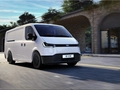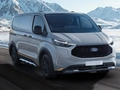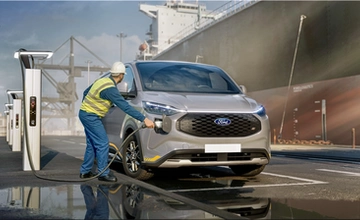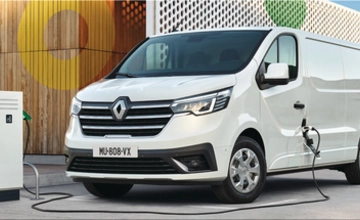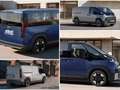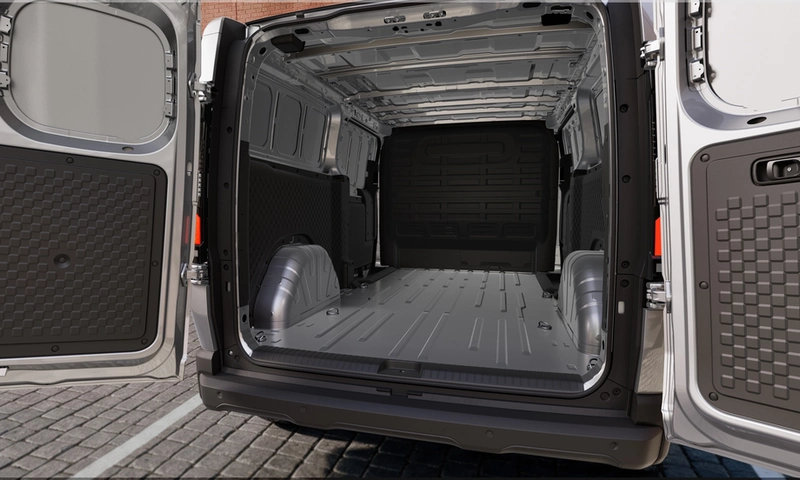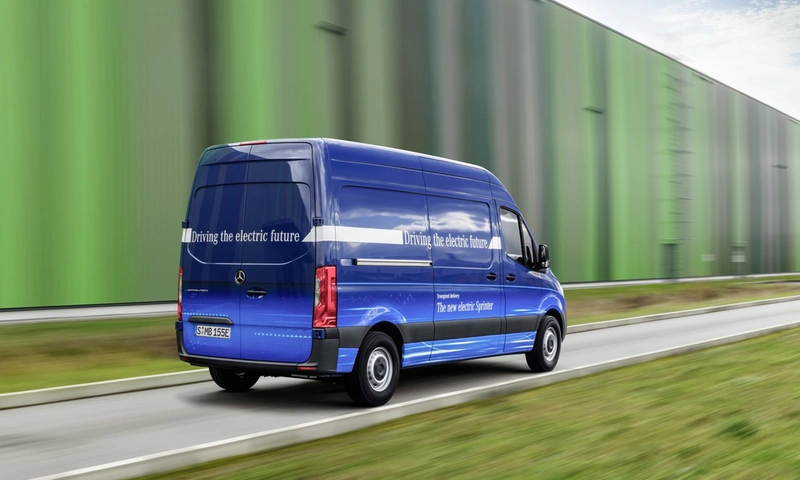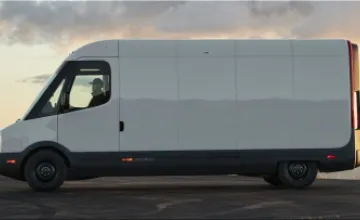

The Amazon distribution giant has pledged to comply with the Paris Agreement against climate change signed in 2015 ten years ahead of schedule and has ordered 100,000 fully electric vans, which will be manufactured by Rivian.
According to the company in a statement, this purchase is the largest order in the world of electric vehicles for package delivery. The vehicles will start operating in 2021.
Amazon expects to have 10,000 of its new electric vehicles circulating on the roads by 2022 and the rest by 2030, saving four million tons of carbon per year.
“We're done being in the middle of the herd on this issue—we’ve decided to use our size and scale to make a difference,” said Jeff Bezos, Amazon founder, and chief executive, in a statement. “If a company with as much physical infrastructure as Amazon—which delivers more than 10 billion items a year—can meet the Paris Agreement 10 years early, then any company can.”
Christiana Figueres, the former climate change chief and founding partner of Amazon’s collaborator on The Climate Pledge, Global Optimism: “With this step, Amazon also helps many other companies to accelerate their own decarbonization. If Amazon can set ambitious goals like this and make significant changes at their scale, we think many more companies should be able to do the same and will accept the challenge. We are excited to have others join.”
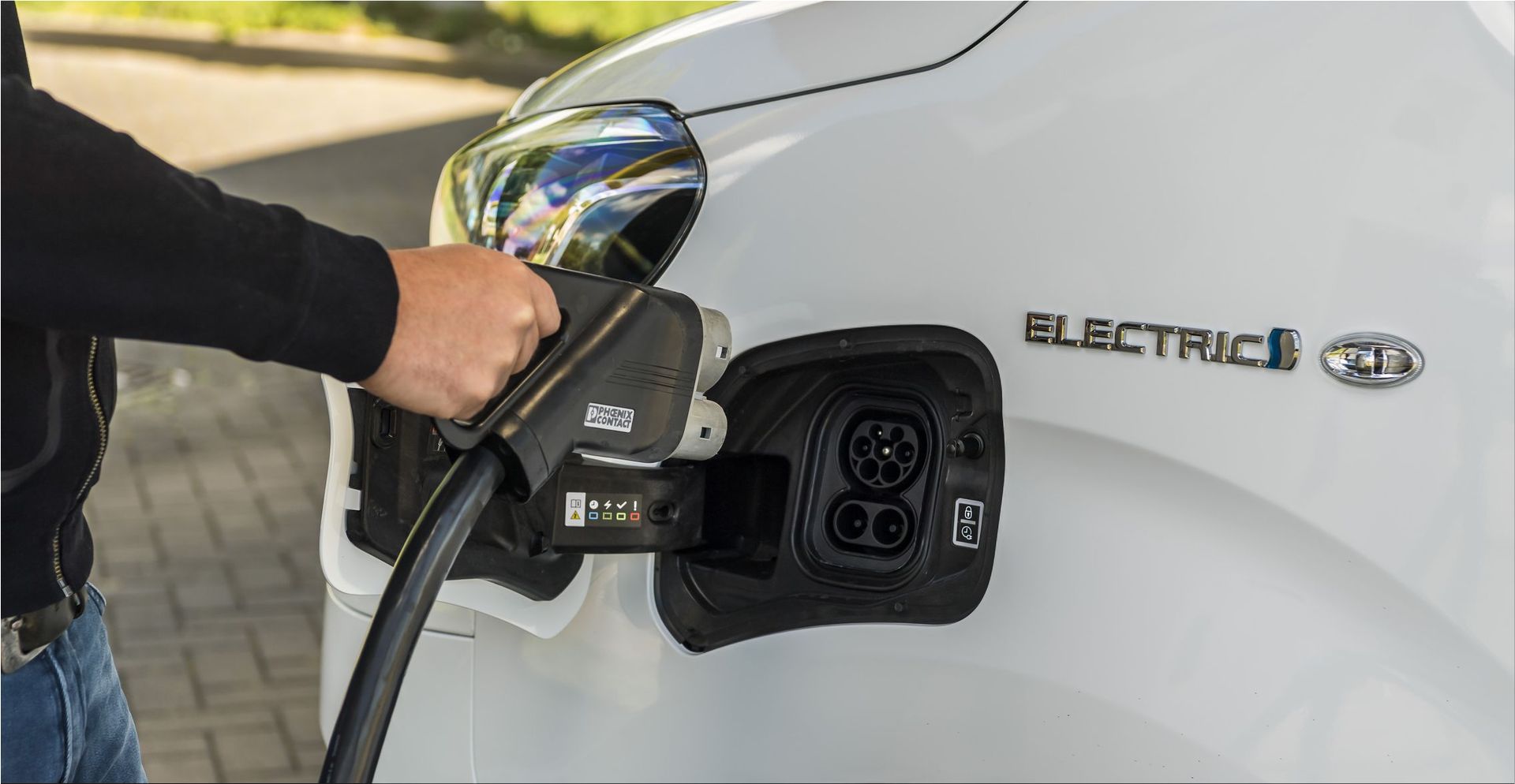
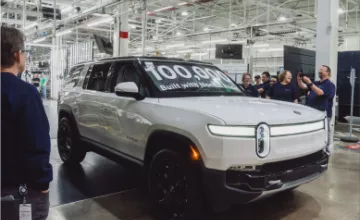
This Rivian had already received a $ 700 million investment in part from the giant e-commerce, announced earlier this year. No features for this model, just an image posted by Vice President of Operations Dave Clark.
On the sidelines of Amazon, Rivian also has an ally named Ford. Rather than running behind the Michigan firm's technological lead, the blue oval decided to invest and recover the technology for its future F-150 electric pickup.
Image gallery:
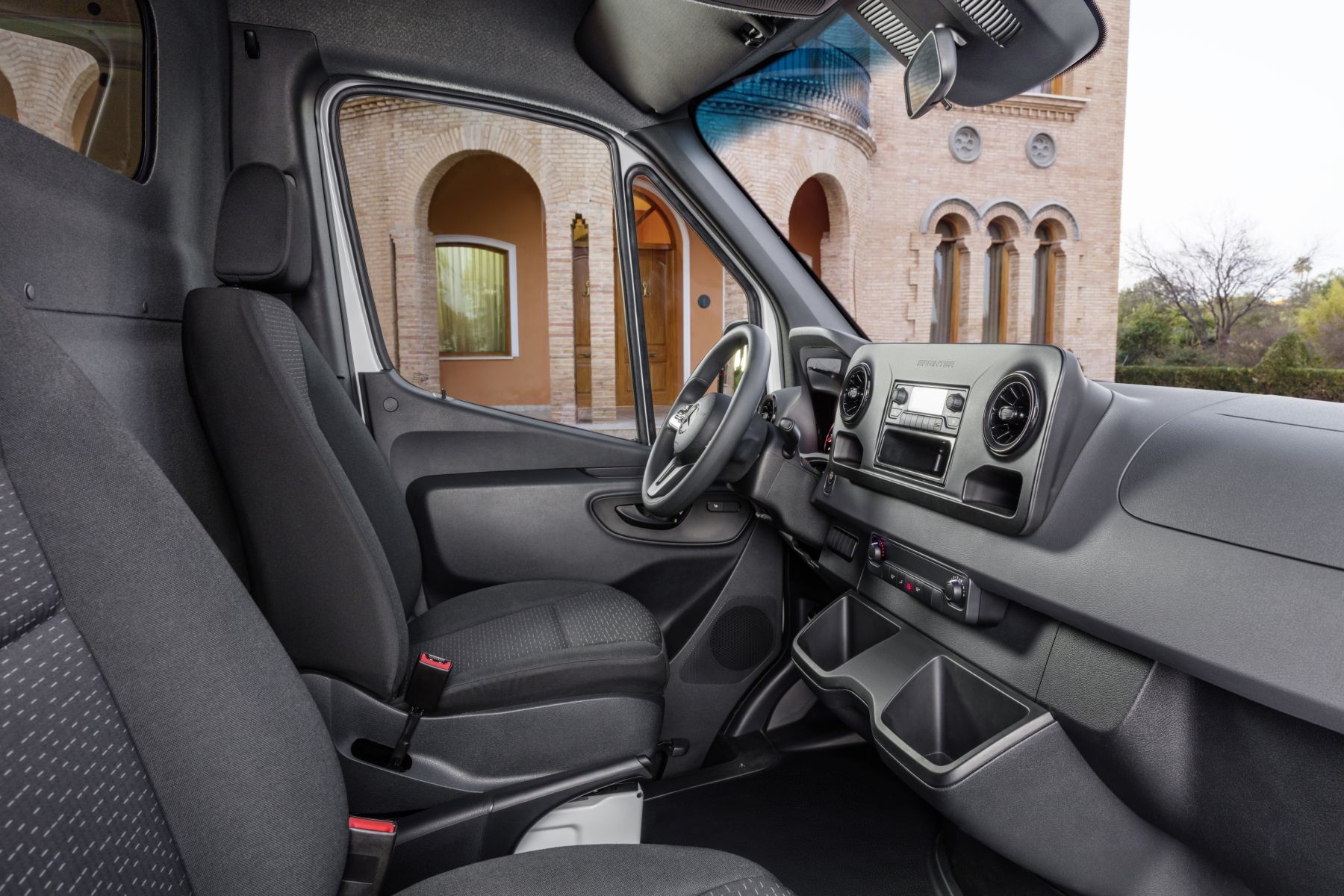
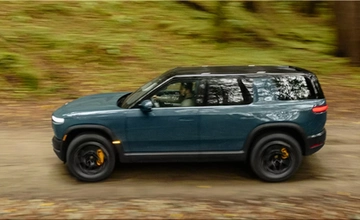
Rivian will produce its own models from the end of 2020. The electric pickup R1T, will have three sizes of batteries, from 105 to 180 kWh, whose autonomy will go from 390 to 640 km. A second model, the R1S SUV, will follow quickly.
- Add new comment
- 338 views