
Electric vehicles (EVs) are becoming more popular and affordable. But are they really cheaper to own and operate than gasoline-powered cars? The answer depends on several factors, such as the purchase price, fuel cost, maintenance cost, insurance cost, and depreciation rate. In this article, we will compare the total cost of ownership (TCO) of EVs and gasoline cars over a three-year period, using real-world data and examples.
Purchase Price
The purchase price is the most obvious and visible cost of owning a car. EVs tend to have higher sticker prices than gasoline cars, mainly because of the expensive batteries they use. However, EVs also benefit from various incentives and rebates that can lower the upfront cost significantly.
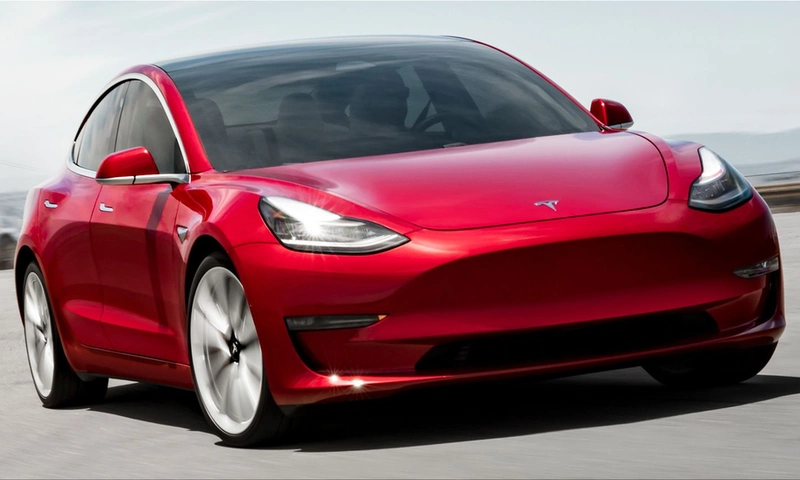
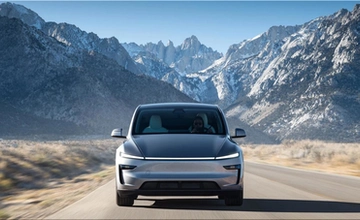
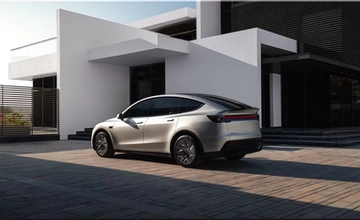
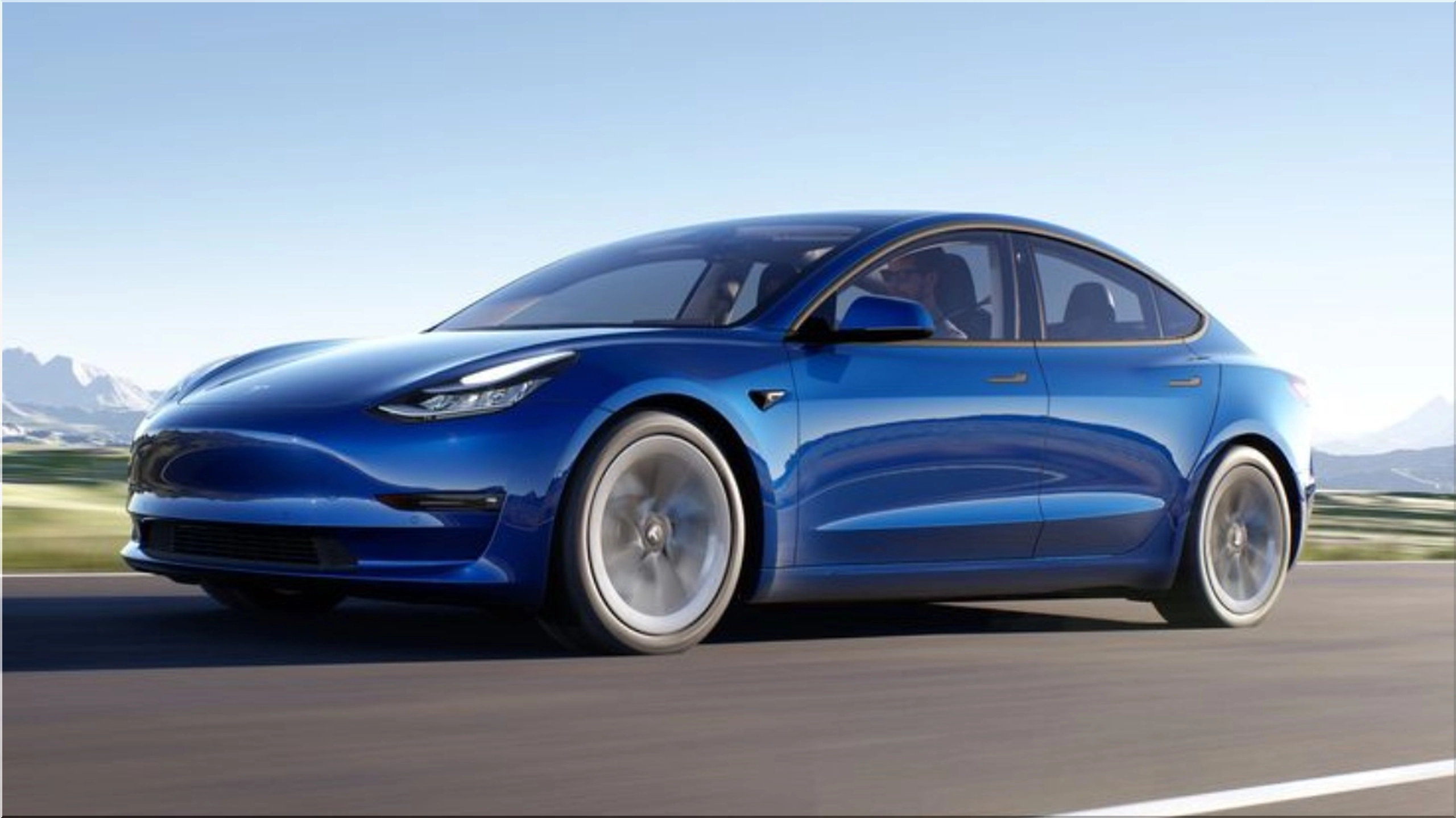
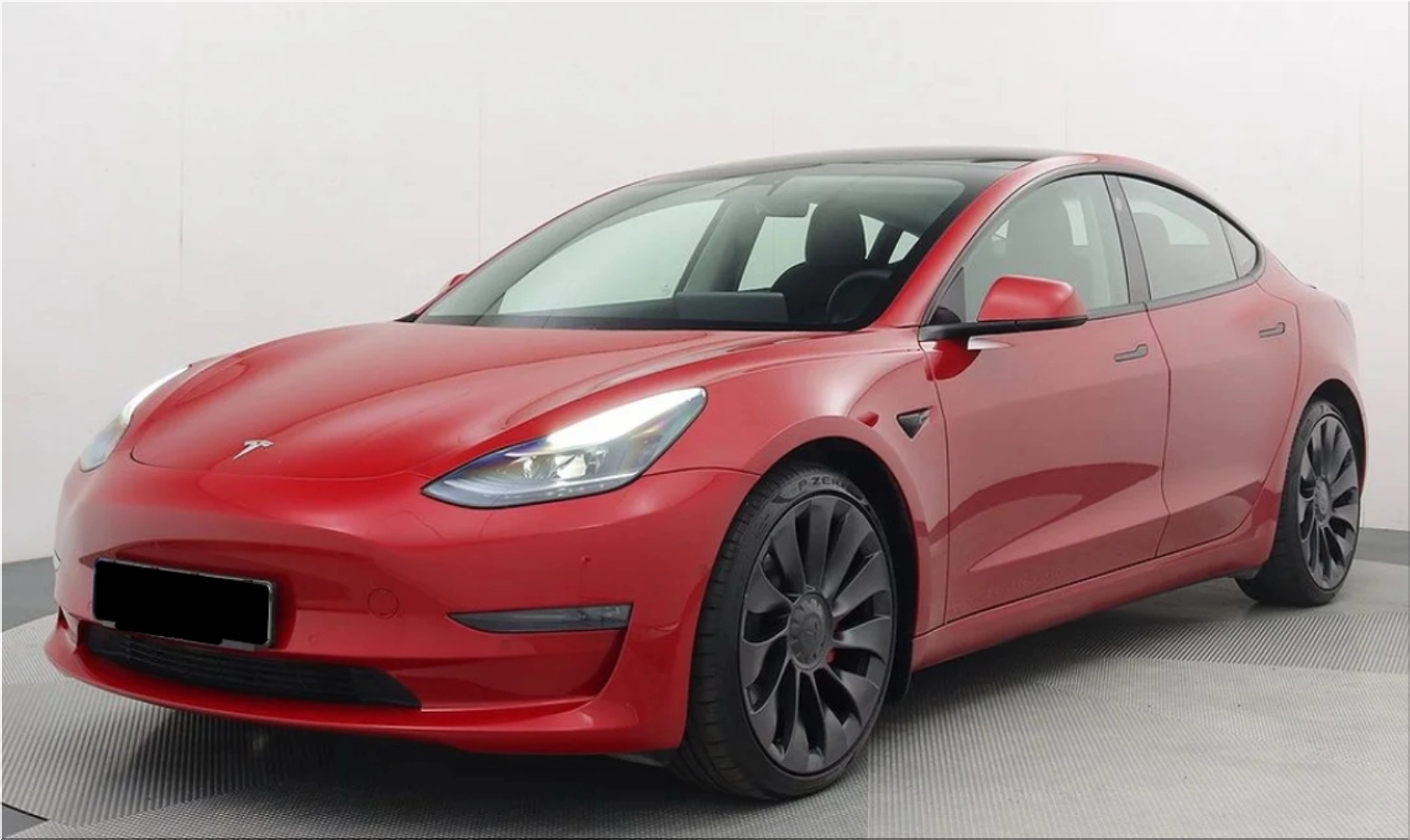
For example, the Tesla Model 3, one of the most popular EVs in the US, has a base price of $39,990. However, buyers can qualify for a federal tax credit of up to $7,500 and state and local incentives that vary by location. In some cases, the effective price of a Model 3 can be as low as $25,000.
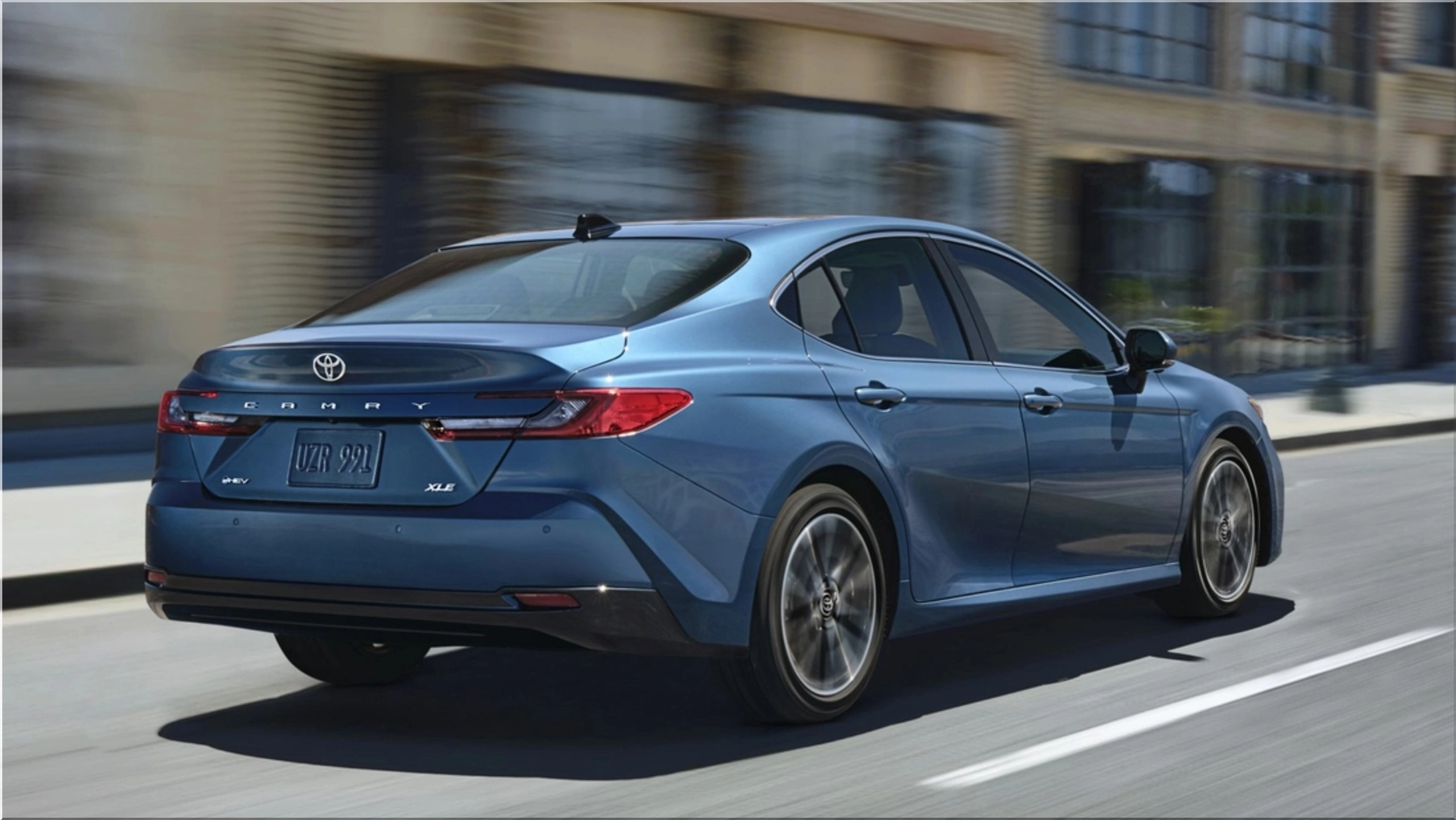
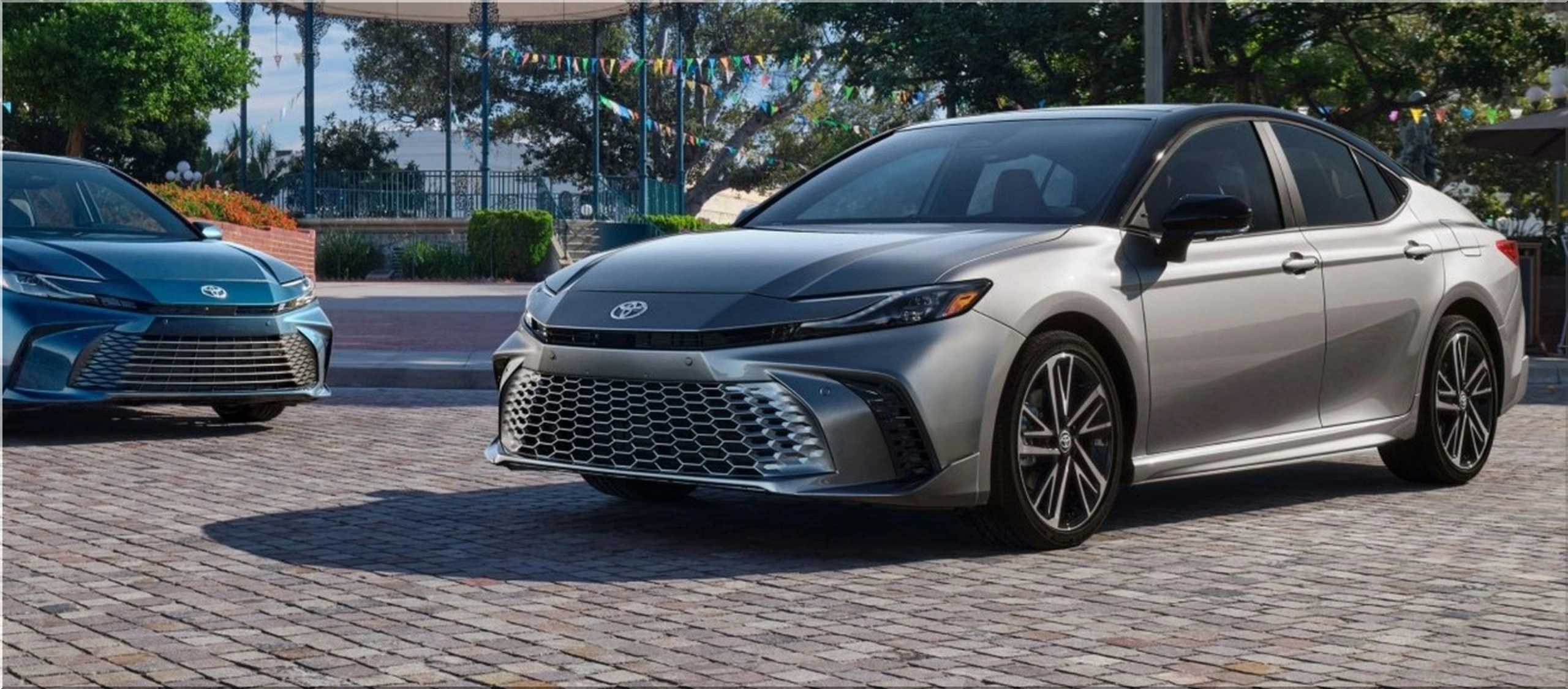
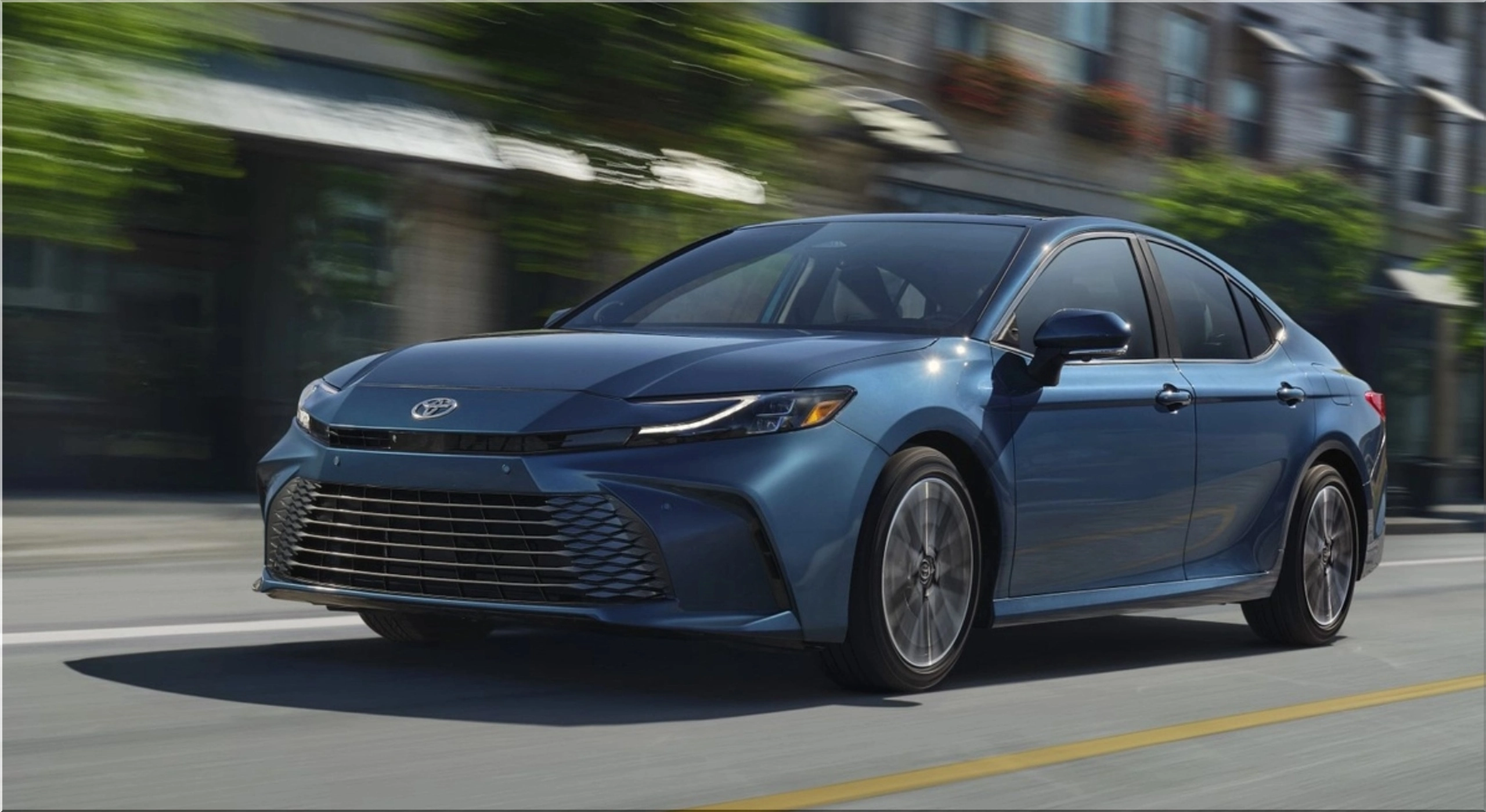
On the other hand, the Toyota Camry, one of the best-selling gasoline cars in the US, has a base price of $24,970. The Camry does not qualify for any tax credits or incentives, so the sticker price is the final price.
Based on these examples, we can see that the purchase price gap between EVs and gasoline cars can be narrowed or even eliminated by taking advantage of the available incentives. However, not all EVs qualify for the full federal tax credit, and some states have more generous incentives than others. Therefore, buyers should do their own research and compare the prices of different models and locations before making a decision.
Fuel Cost
The fuel cost is the amount of money spent on powering the car. EVs run on electricity, while gasoline cars run on gasoline. The cost of electricity and gasoline varies by region and time, but we can use some average figures to estimate the fuel cost over a three-year period.
According to the US Department of Energy, the average cost of electricity in the US in was $0.13 per kilowatt-hour (kWh). The average efficiency of EVs in the US in was 0.3 kWh per mile. Therefore, the average cost of driving an EV in the US in was $0.039 per mile.
The average cost of gasoline in the US in was $2.17 per gallon. The average fuel economy of gasoline cars in the US in was 25.7 miles per gallon (mpg). Therefore, the average cost of driving a gasoline car in the US in was $0.084 per mile.
Assuming that the average annual mileage of a car in the US is 13,500 miles, we can calculate the annual fuel cost of an EV and a gasoline car as follows:
- EV: $0.039 x 13,500 = $526.50
- Gasoline car: $0.084 x 13,500 = $1,134.00
Over three years, the total fuel cost of an EV and a gasoline car would be:
- EV: $526.50 x 3 = $1,579.50
- Gasoline car: $1,134.00 x 3 = $3,402.00
Based on these calculations, we can see that EVs have a clear advantage over gasoline cars in terms of fuel cost. EVs can save more than $1,800 in fuel cost over a three-year period, compared to gasoline cars. This is because electricity is cheaper and more efficient than gasoline, and EVs have fewer moving parts and less friction than gasoline cars.
However, these figures are based on national averages, and the actual fuel cost may vary depending on the specific model, driving style, and location. For example, some EVs have higher or lower efficiency than the average, and some regions have higher or lower electricity or gasoline prices than the average. Therefore, buyers should check the fuel cost of their preferred models and locations before making a decision.
Maintenance Cost
The maintenance cost is the amount of money spent on keeping the car in good condition. Maintenance includes routine services, such as oil changes, tire rotations, brake inspections, and fluid replacements, as well as repairs, such as replacing worn-out parts, fixing leaks, and addressing malfunctions.
EVs have lower maintenance costs than gasoline cars, mainly because they have fewer moving parts and fluids that need to be serviced or replaced. EVs do not need oil changes, spark plugs, air filters, or timing belts, which are common maintenance items for gasoline cars. EVs also have less wear and tear on their brakes, thanks to their regenerative braking system, which recovers some of the kinetic energy that would otherwise be wasted as heat.
According to a study by Consumer Reports, the average maintenance cost of an EV over a three-year period is $330, while the average maintenance cost of a gasoline car over the same period is $1,200. This means that EVs can save $870 in maintenance costs over a three-year period, compared to gasoline cars.
However, these figures are based on average estimates, and the actual maintenance cost may vary depending on the specific model, driving style, and usage. For example, some EVs may have higher or lower battery degradation rates than the average, and some gasoline cars may have higher or lower reliability ratings than the average. Therefore, buyers should check the maintenance cost and usage of their preferred models before making a decision.
Insurance Cost
The insurance cost is the amount of money paid to an insurance company to cover the risk of damage, theft, or liability related to the car. Insurance rates vary by model, driver, and location, but we can use some average figures to estimate the insurance cost over a three-year period.
According to a study by NerdWallet, the average annual insurance cost of an EV in the US in was $1,304, while the average annual insurance cost of a gasoline car in the US in was $1,427. This means that EVs have slightly lower insurance costs than gasoline cars, by about $123 per year.
Over a three-year period, the total insurance cost of an EV and a gasoline car would be:
- EV: $1,304 x 3 = $3,912
- Gasoline car: $1,427 x 3 = $4,281
Based on these calculations, we can see that EVs have a slight advantage over gasoline cars in terms of insurance cost. EVs can save about $369 in insurance cost over a three-year period, compared to gasoline cars. This is because EVs tend to have lower repair costs, lower theft rates, and higher safety ratings than gasoline cars.
However, these figures are based on national averages, and the actual insurance cost may vary depending on the specific model, driver, and location. For example, some EVs may have higher or lower repair costs, theft rates, or safety ratings than the average, and some drivers may have higher or lower driving records, credit scores, or discounts than the average. Therefore, buyers should check the insurance cost of their preferred models, drivers, and locations before making a decision.
Depreciation Rate
The depreciation rate is the percentage of value that the car loses over time. Depreciation is influenced by factors such as supply and demand, brand reputation, technological innovation, and market competition. Depreciation affects the car's resale value, which is the amount of money that the car can be sold for after a certain period of ownership.
EVs have higher depreciation rates than gasoline cars, mainly because of the rapid advancement and innovation in the EV industry. EVs tend to become outdated faster than gasoline cars, as newer models offer better performance, range, features, and design. EVs also suffer from battery degradation, which reduces their capacity and efficiency over time.
According to a study by iSeeCars, the average depreciation rate of an EV over a three-year period is 52.0%, while the average depreciation rate of a gasoline car over the same period is 39.1%. This means that EVs lose more value over time than gasoline cars by about 12.9%.
Assuming that the purchase price of an EV and a gasoline car is the same, we can calculate the resale value of each car after a three-year period as follows:
- EV: $39,990 x (1 - 0.52) = $19,195.20
- Gasoline car: $39,990 x (1 - 0.39) = $24,393.90
Over a three-year period, the total depreciation cost of an EV and a gasoline car would be:
- EV: $39,990 - $19,195.20 = $20,794.80
- Gasoline car: $39,990 - $24,393.90 = $15,596.10
Based on these calculations, we can see that EVs have a clear disadvantage over gasoline cars in terms of depreciation cost. EVs lose more than $5,000 in resale value over a three-year period, compared to gasoline cars. This is because EVs face more competition and innovation in the market, and their batteries degrade over time.

Total Cost of Ownership
The total cost of ownership (TCO) is the sum of all the costs associated with owning and operating a car over a certain period of time. TCO includes the purchase price, fuel cost, maintenance cost, insurance cost, and depreciation cost. TCO is a useful metric to compare the cost-effectiveness of different cars, as it reflects the true cost of ownership rather than the initial cost.
To compare the TCO of EVs and gasoline cars over a three-year period, we can add up the costs we calculated in the previous sections. Assuming that the purchase price of an EV and a gasoline car is the same, we can use the following table to compare their TCO:
| Cost Item | EV | Gasoline Car | Difference |
|---|---|---|---|
| Purchase Price | $39,990 | $39,990 | $0 |
| Fuel Cost | $1,579.50 | $3,402.00 | -$1,822.50 |
| Maintenance Cost | $330 | $1,200 | -$870 |
| Insurance Cost | $3,912 | $4,281 | -$369 |
| Depreciation Cost | $20,794.80 | $15,596.10 | $5,198.70 |
| Total Cost of Ownership | $66,606.30 | $64,469.10 | $2,137.20 |
Based on this table, we can see that the TCO of an EV over a three-year period is $66,606.30, while the TCO of a gasoline car over the same period is $64,469.10. This means that EVs have a higher TCO than gasoline cars by about $2,137.20.
This result may surprise some people, who may think that EVs are cheaper to own and operate than gasoline cars. However, this result is based on the assumption that the purchase price of an EV and a gasoline car is the same, which is not always the case. As we discussed earlier, EVs often have higher sticker prices than gasoline cars, but they also benefit from various incentives and rebates that can lower the upfront cost significantly. Therefore, the actual TCO of an EV and a gasoline car may vary depending on the specific model and location.
For example, suppose we use the effective price of a Tesla Model 3 ($25,000) and a Toyota Camry ($24,970) after applying the federal tax credit and the average state and local incentives. In that case, we can recalculate the TCO of each car over a three-year period as follows:
| Cost Item | EV | Gasoline Car | Difference |
|---|---|---|---|
| Purchase Price | $25,000 | $24,970 | $30 |
| Fuel Cost | $1,579.50 | $3,402.00 | -$1,822.50 |
| Maintenance Cost | $330 | $1,200 | -$870 |
| Insurance Cost | $3,912 | $4,281 | -$369 |
| Depreciation Cost | $13,000 | $15,596.10 | -$2,596.10 |
| Total Cost of Ownership | $43,821.50 | $49,449.10 | -$5,627.60 |
Based on this table, we can see that the TCO of an EV over a three-year period is $43,821.50, while the TCO of a gasoline car over the same period is $49,449.10. This means that EVs have a lower TCO than gasoline cars by about $5,627.60.
This result may confirm the expectations of some people, who may think that EVs are cheaper to own and operate than gasoline cars. However, this result is based on the effective price of a Tesla Model 3 and a Toyota Camry, which are specific models that may not represent the average EV and gasoline car. As we discussed earlier, not all EVs qualify for the full federal tax credit, and some states have more generous incentives than others. Therefore, the actual TCO of an EV and a gasoline car may vary depending on the specific model and location.
Image gallery:
Conclusion
In conclusion, the cost-effectiveness of EVs and gasoline cars depends on several factors, such as the purchase price, fuel cost, maintenance cost, insurance cost, and depreciation rate. EVs have lower fuel, maintenance, and insurance costs than gasoline cars, but they also have higher purchase prices and depreciation rates than gasoline cars. The total cost of ownership (TCO) of EVs and gasoline cars over a three-year period may vary depending on the specific model and location.
Therefore, there is no definitive answer to the question of whether EVs or gasoline cars are cheaper to own. Buyers should consider their own preferences, needs, and budget and compare the TCO of different models and locations before making a decision. EVs may offer more benefits than just cost savings, such as environmental friendliness, performance, and convenience, but they may also have some drawbacks, such as range anxiety, charging availability, and battery longevity. Ultimately, the choice between EVs and gasoline cars is a personal one that depends on the individual’s values and priorities. @via average cost of electricity in the US in 2020.
- Add new comment
- 519 views