Electric Hunter

Main navigation

  • 100% EVs
  • News
  • Wheelers
  • Commercial
  • Hybrid
User account menu
  • Contact

Breadcrumb

  1. Home
  2. E.V. News
  3. Electric vs. Gasoline: Which Cars Are More Cost-Effective?

Electric vs. Gasoline: Which Cars Are More Cost-Effective?

Electric vs. Gasoline: Which Cars Are More Cost-Effective?

Electric vehicles (EVs) are becoming more popular and affordable. But are they really cheaper to own and operate than gasoline-powered cars? The answer depends on several factors, such as the purchase price, fuel cost, maintenance cost, insurance cost, and depreciation rate. In this article, we will compare the total cost of ownership (TCO) of EVs and gasoline cars over a three-year period, using real-world data and examples.

Purchase Price

The purchase price is the most obvious and visible cost of owning a car. EVs tend to have higher sticker prices than gasoline cars, mainly because of the expensive batteries they use. However, EVs also benefit from various incentives and rebates that can lower the upfront cost significantly.

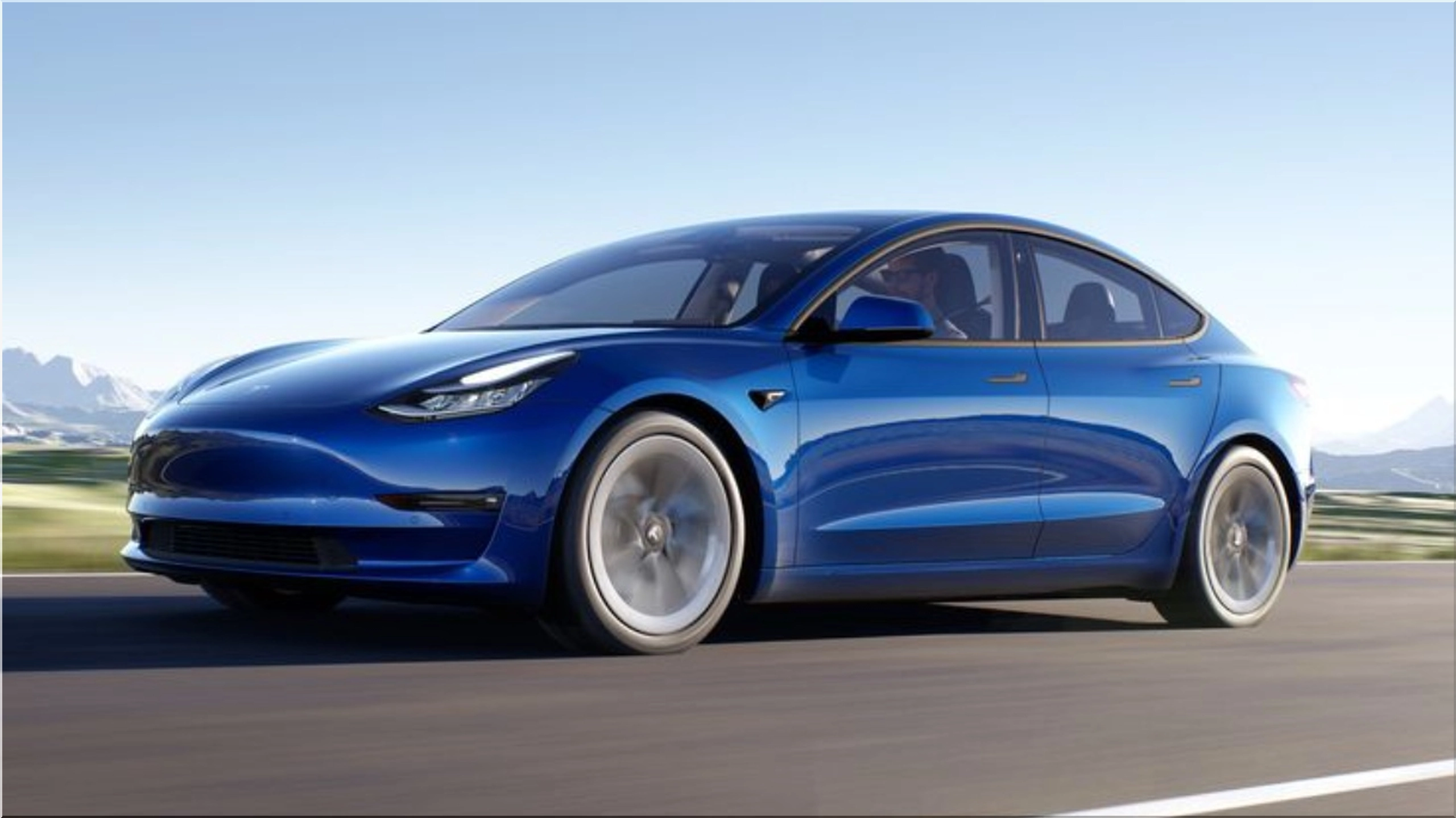
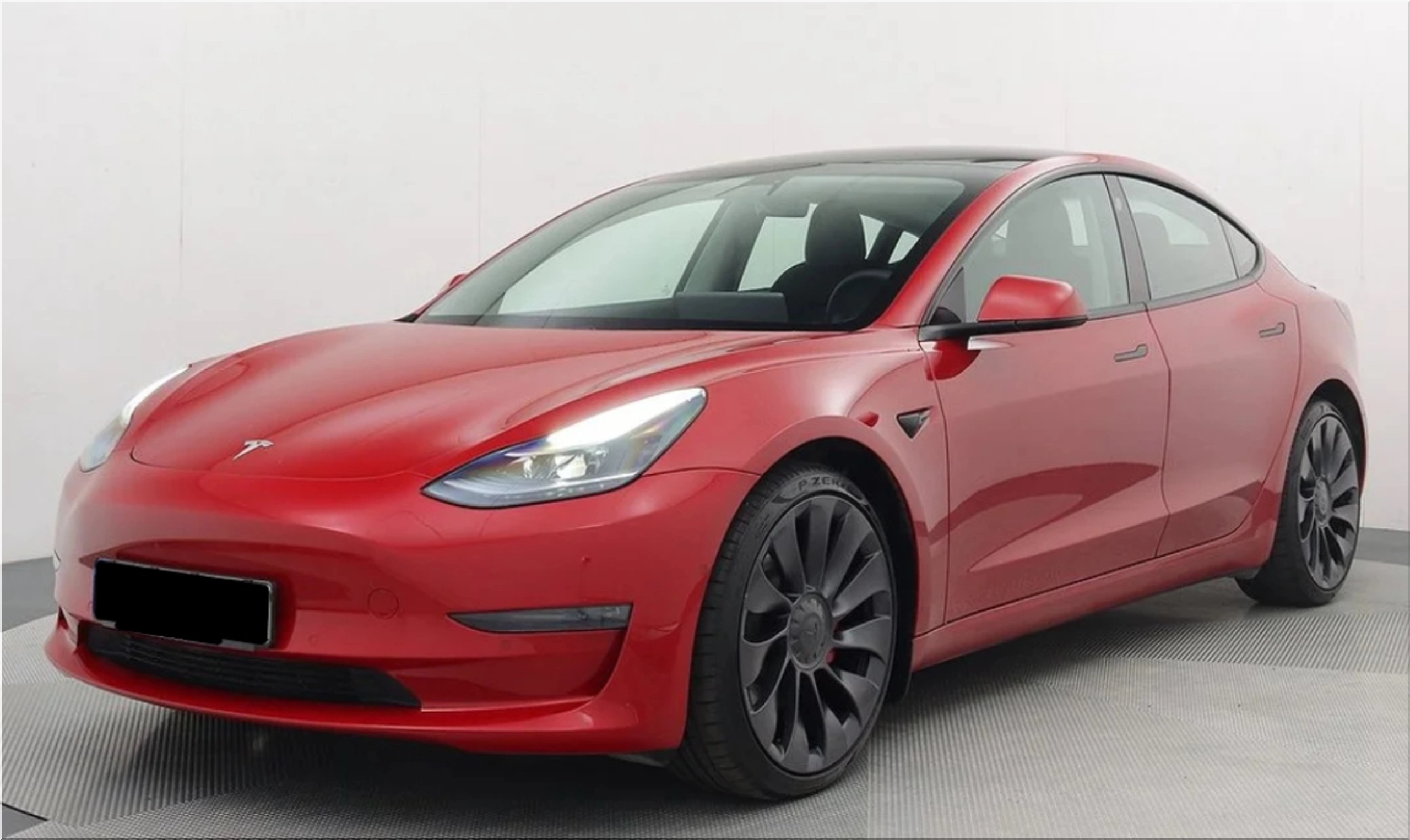
For example, the Tesla Model 3, one of the most popular EVs in the US, has a base price of $39,990. However, buyers can qualify for a federal tax credit of up to $7,500 and state and local incentives that vary by location. In some cases, the effective price of a Model 3 can be as low as $25,000.

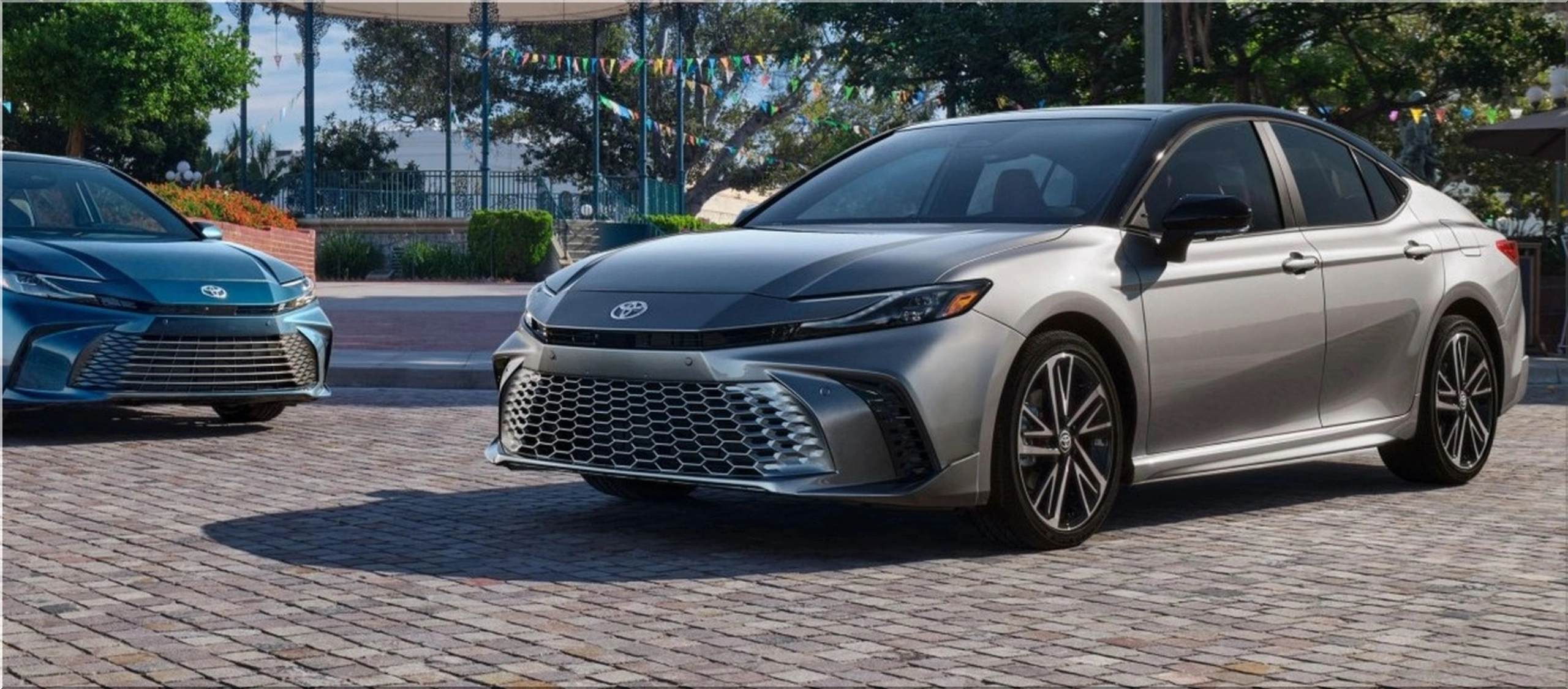
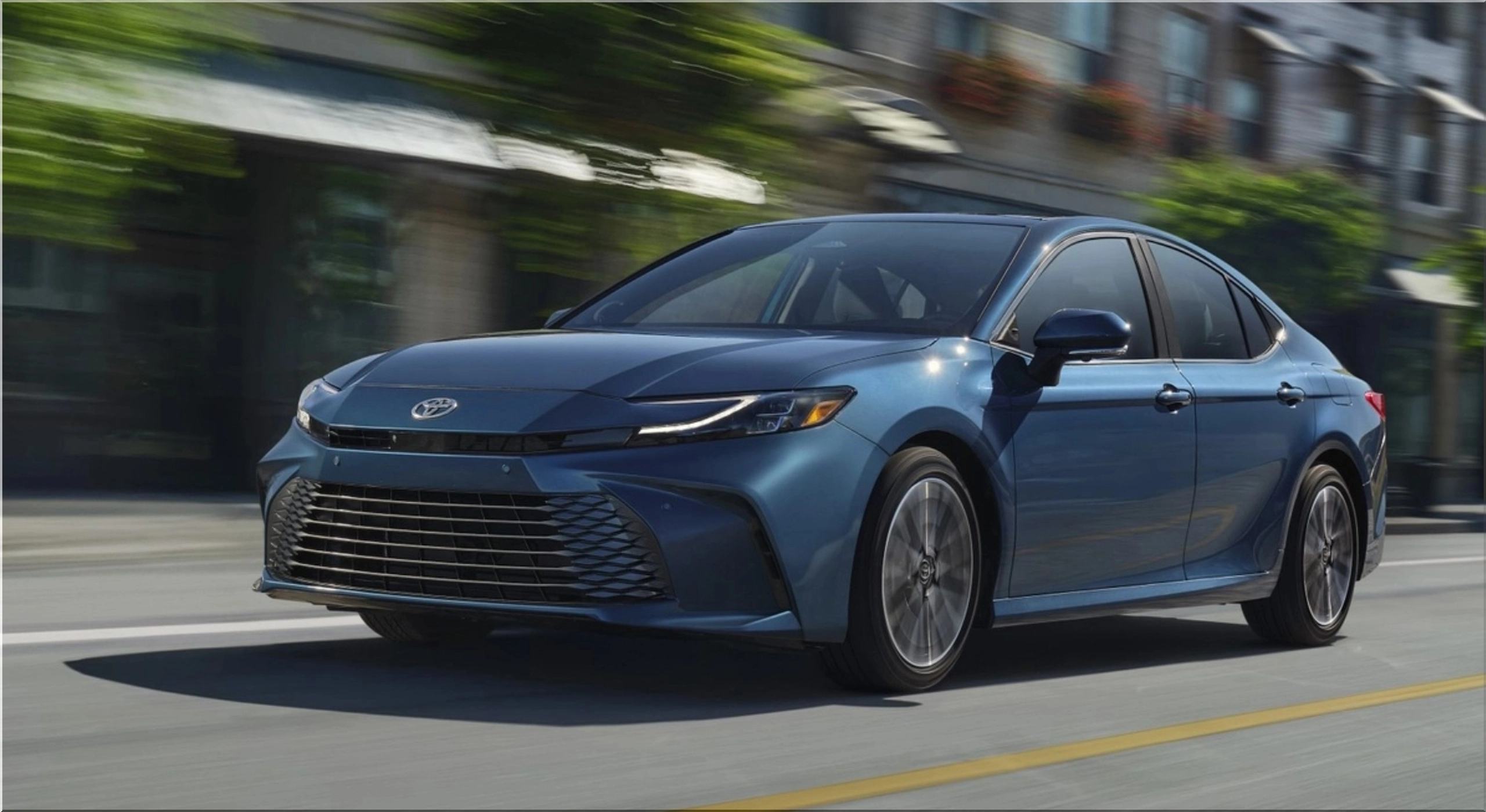
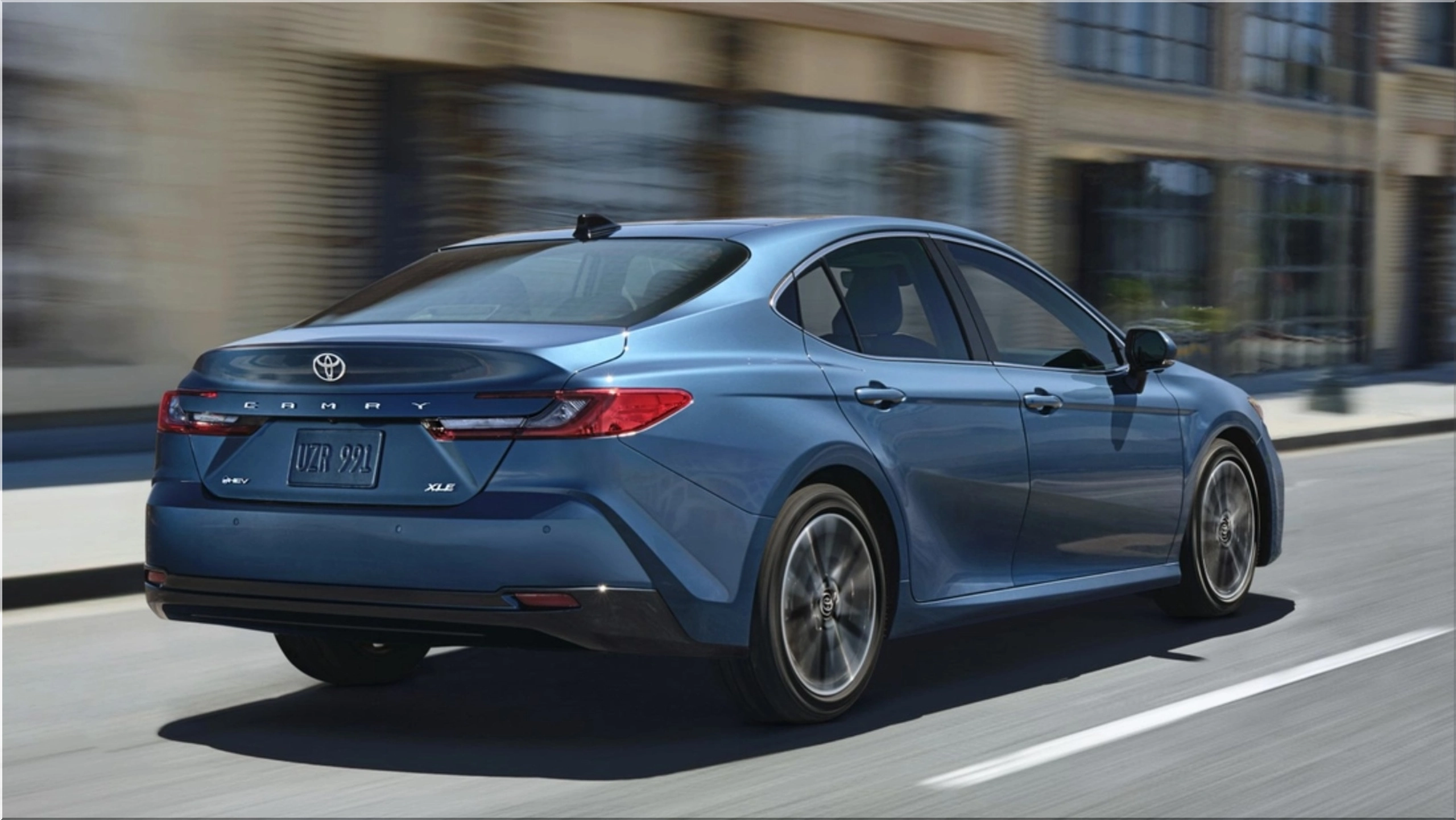
On the other hand, the Toyota Camry, one of the best-selling gasoline cars in the US, has a base price of $24,970. The Camry does not qualify for any tax credits or incentives, so the sticker price is the final price.

Based on these examples, we can see that the purchase price gap between EVs and gasoline cars can be narrowed or even eliminated by taking advantage of the available incentives. However, not all EVs qualify for the full federal tax credit, and some states have more generous incentives than others. Therefore, buyers should do their own research and compare the prices of different models and locations before making a decision.

Fuel Cost

The fuel cost is the amount of money spent on powering the car. EVs run on electricity, while gasoline cars run on gasoline. The cost of electricity and gasoline varies by region and time, but we can use some average figures to estimate the fuel cost over a three-year period.

According to the US Department of Energy, the average cost of electricity in the US in was $0.13 per kilowatt-hour (kWh). The average efficiency of EVs in the US in was 0.3 kWh per mile. Therefore, the average cost of driving an EV in the US in was $0.039 per mile.

The average cost of gasoline in the US in was $2.17 per gallon. The average fuel economy of gasoline cars in the US in was 25.7 miles per gallon (mpg). Therefore, the average cost of driving a gasoline car in the US in was $0.084 per mile.

Assuming that the average annual mileage of a car in the US is 13,500 miles, we can calculate the annual fuel cost of an EV and a gasoline car as follows:

  • EV: $0.039 x 13,500 = $526.50
  • Gasoline car: $0.084 x 13,500 = $1,134.00

Over three years, the total fuel cost of an EV and a gasoline car would be:

  • EV: $526.50 x 3 = $1,579.50
  • Gasoline car: $1,134.00 x 3 = $3,402.00

Based on these calculations, we can see that EVs have a clear advantage over gasoline cars in terms of fuel cost. EVs can save more than $1,800 in fuel cost over a three-year period, compared to gasoline cars. This is because electricity is cheaper and more efficient than gasoline, and EVs have fewer moving parts and less friction than gasoline cars.

However, these figures are based on national averages, and the actual fuel cost may vary depending on the specific model, driving style, and location. For example, some EVs have higher or lower efficiency than the average, and some regions have higher or lower electricity or gasoline prices than the average. Therefore, buyers should check the fuel cost of their preferred models and locations before making a decision.

Maintenance Cost

The maintenance cost is the amount of money spent on keeping the car in good condition. Maintenance includes routine services, such as oil changes, tire rotations, brake inspections, and fluid replacements, as well as repairs, such as replacing worn-out parts, fixing leaks, and addressing malfunctions.

EVs have lower maintenance costs than gasoline cars, mainly because they have fewer moving parts and fluids that need to be serviced or replaced. EVs do not need oil changes, spark plugs, air filters, or timing belts, which are common maintenance items for gasoline cars. EVs also have less wear and tear on their brakes, thanks to their regenerative braking system, which recovers some of the kinetic energy that would otherwise be wasted as heat.

According to a study by Consumer Reports, the average maintenance cost of an EV over a three-year period is $330, while the average maintenance cost of a gasoline car over the same period is $1,200. This means that EVs can save $870 in maintenance costs over a three-year period, compared to gasoline cars.

However, these figures are based on average estimates, and the actual maintenance cost may vary depending on the specific model, driving style, and usage. For example, some EVs may have higher or lower battery degradation rates than the average, and some gasoline cars may have higher or lower reliability ratings than the average. Therefore, buyers should check the maintenance cost and usage of their preferred models before making a decision.

Insurance Cost

The insurance cost is the amount of money paid to an insurance company to cover the risk of damage, theft, or liability related to the car. Insurance rates vary by model, driver, and location, but we can use some average figures to estimate the insurance cost over a three-year period.

According to a study by NerdWallet, the average annual insurance cost of an EV in the US in was $1,304, while the average annual insurance cost of a gasoline car in the US in was $1,427. This means that EVs have slightly lower insurance costs than gasoline cars, by about $123 per year.

Over a three-year period, the total insurance cost of an EV and a gasoline car would be:

  • EV: $1,304 x 3 = $3,912
  • Gasoline car: $1,427 x 3 = $4,281

Based on these calculations, we can see that EVs have a slight advantage over gasoline cars in terms of insurance cost. EVs can save about $369 in insurance cost over a three-year period, compared to gasoline cars. This is because EVs tend to have lower repair costs, lower theft rates, and higher safety ratings than gasoline cars.

However, these figures are based on national averages, and the actual insurance cost may vary depending on the specific model, driver, and location. For example, some EVs may have higher or lower repair costs, theft rates, or safety ratings than the average, and some drivers may have higher or lower driving records, credit scores, or discounts than the average. Therefore, buyers should check the insurance cost of their preferred models, drivers, and locations before making a decision.

Depreciation Rate

The depreciation rate is the percentage of value that the car loses over time. Depreciation is influenced by factors such as supply and demand, brand reputation, technological innovation, and market competition. Depreciation affects the car's resale value, which is the amount of money that the car can be sold for after a certain period of ownership.

EVs have higher depreciation rates than gasoline cars, mainly because of the rapid advancement and innovation in the EV industry. EVs tend to become outdated faster than gasoline cars, as newer models offer better performance, range, features, and design. EVs also suffer from battery degradation, which reduces their capacity and efficiency over time.

According to a study by iSeeCars, the average depreciation rate of an EV over a three-year period is 52.0%, while the average depreciation rate of a gasoline car over the same period is 39.1%. This means that EVs lose more value over time than gasoline cars by about 12.9%.

Assuming that the purchase price of an EV and a gasoline car is the same, we can calculate the resale value of each car after a three-year period as follows:

  • EV: $39,990 x (1 - 0.52) = $19,195.20
  • Gasoline car: $39,990 x (1 - 0.39) = $24,393.90

Over a three-year period, the total depreciation cost of an EV and a gasoline car would be:

  • EV: $39,990 - $19,195.20 = $20,794.80
  • Gasoline car: $39,990 - $24,393.90 = $15,596.10

Based on these calculations, we can see that EVs have a clear disadvantage over gasoline cars in terms of depreciation cost. EVs lose more than $5,000 in resale value over a three-year period, compared to gasoline cars. This is because EVs face more competition and innovation in the market, and their batteries degrade over time.

Tesla Model 3
Toyota Camry

Total Cost of Ownership

The total cost of ownership (TCO) is the sum of all the costs associated with owning and operating a car over a certain period of time. TCO includes the purchase price, fuel cost, maintenance cost, insurance cost, and depreciation cost. TCO is a useful metric to compare the cost-effectiveness of different cars, as it reflects the true cost of ownership rather than the initial cost.
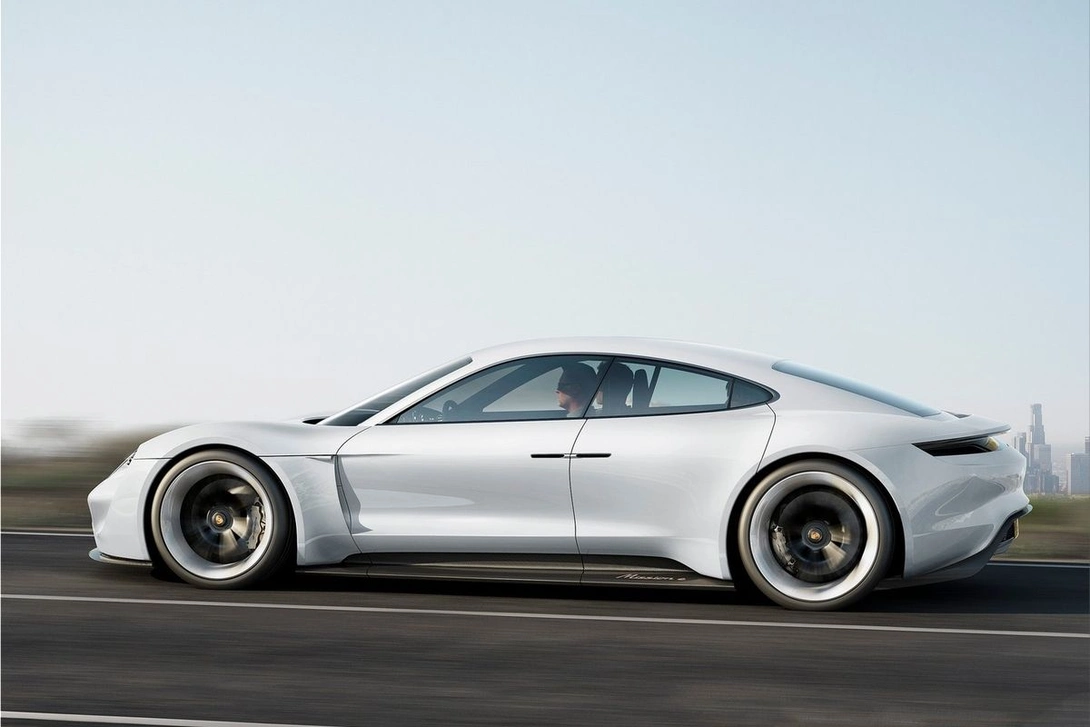
To compare the TCO of EVs and gasoline cars over a three-year period, we can add up the costs we calculated in the previous sections. Assuming that the purchase price of an EV and a gasoline car is the same, we can use the following table to compare their TCO:

Cost Item EV Gasoline Car Difference
Purchase Price $39,990 $39,990 $0
Fuel Cost $1,579.50 $3,402.00 -$1,822.50
Maintenance Cost $330 $1,200 -$870
Insurance Cost $3,912 $4,281 -$369
Depreciation Cost $20,794.80 $15,596.10 $5,198.70
Total Cost of Ownership $66,606.30 $64,469.10 $2,137.20

Based on this table, we can see that the TCO of an EV over a three-year period is $66,606.30, while the TCO of a gasoline car over the same period is $64,469.10. This means that EVs have a higher TCO than gasoline cars by about $2,137.20.

This result may surprise some people, who may think that EVs are cheaper to own and operate than gasoline cars. However, this result is based on the assumption that the purchase price of an EV and a gasoline car is the same, which is not always the case. As we discussed earlier, EVs often have higher sticker prices than gasoline cars, but they also benefit from various incentives and rebates that can lower the upfront cost significantly. Therefore, the actual TCO of an EV and a gasoline car may vary depending on the specific model and location.
For example, suppose we use the effective price of a Tesla Model 3 ($25,000) and a Toyota Camry ($24,970) after applying the federal tax credit and the average state and local incentives. In that case, we can recalculate the TCO of each car over a three-year period as follows:

Cost Item EV Gasoline Car Difference
Purchase Price $25,000 $24,970 $30
Fuel Cost $1,579.50 $3,402.00 -$1,822.50
Maintenance Cost $330 $1,200 -$870
Insurance Cost $3,912 $4,281 -$369
Depreciation Cost $13,000 $15,596.10 -$2,596.10
Total Cost of Ownership $43,821.50 $49,449.10 -$5,627.60

Based on this table, we can see that the TCO of an EV over a three-year period is $43,821.50, while the TCO of a gasoline car over the same period is $49,449.10. This means that EVs have a lower TCO than gasoline cars by about $5,627.60.

This result may confirm the expectations of some people, who may think that EVs are cheaper to own and operate than gasoline cars. However, this result is based on the effective price of a Tesla Model 3 and a Toyota Camry, which are specific models that may not represent the average EV and gasoline car. As we discussed earlier, not all EVs qualify for the full federal tax credit, and some states have more generous incentives than others. Therefore, the actual TCO of an EV and a gasoline car may vary depending on the specific model and location.

Image gallery:
Toyota Camry
Toyota Camry
Tesla Model 3
Tesla Model 3

Conclusion

In conclusion, the cost-effectiveness of EVs and gasoline cars depends on several factors, such as the purchase price, fuel cost, maintenance cost, insurance cost, and depreciation rate. EVs have lower fuel, maintenance, and insurance costs than gasoline cars, but they also have higher purchase prices and depreciation rates than gasoline cars. The total cost of ownership (TCO) of EVs and gasoline cars over a three-year period may vary depending on the specific model and location.

Therefore, there is no definitive answer to the question of whether EVs or gasoline cars are cheaper to own. Buyers should consider their own preferences, needs, and budget and compare the TCO of different models and locations before making a decision. EVs may offer more benefits than just cost savings, such as environmental friendliness, performance, and convenience, but they may also have some drawbacks, such as range anxiety, charging availability, and battery longevity. Ultimately, the choice between EVs and gasoline cars is a personal one that depends on the individual’s values and priorities. @via average cost of electricity in the US in 2020.

Category

  • E.V. News

Brand

  • Tesla
  • Toyota

Tags

  • Electric car vs Gas car
  • Electric car cost
  • Electric car maintenance
  • Electric car insurance
  • Car maintenance
  • Lower maintenance costs
  • Maintenance costs
  • Gasoline cars
  • Add new comment
  • 476 views
Profile picture for user electric cars
By electric cars, 31 December, 2023

Similar news

Electric buses: cheaper and more sustainable thanks to Nissan Leaf

Electric buses: cheaper and more sustainable thanks to Nissan Leaf

Electric buses
  • Nissan

  • Electric buses

The Nissan technology used for the Leaf will be used on Japanese electric buses . This was announced by the same car manufacturer, which announced the launch of an experimental project in Japan next month. The goal is to...

Volkswagen ID Buggy

Volkswagen ID Buggy - 204 horsepower and reaches 100 km / h in 7.2 seconds

Volkswagen ID Buggy
  • Volkswagen

  • Volkswagen ID Buggy

Volkswagen has unveiled an unprecedented electric concept in the form of a buggy. About 70 years after the launch of the first buggy on California beaches, Volkswagen introduced the Buggy ID concept to demonstrate that these vehicles can still be upgraded...

Impulse Nano-3

Impulse Nano-3 Review: A Fully Enclosed, Climate-Controlled Electric Runabout

Impulse Nano-3
  • Impulse Electromotive

  • Impulse Nano-3

The electric vehicle market is rapidly evolving, but not all innovation comes in the form of speed or size. The Impulse Nano-3 is a compact, fully enclosed, all-electric urban runabout that prioritizes logic, comfort, and value. With its...

Polestar 3 sets Guinness record

Polestar 3 sets Guinness record: 581 miles on one charge

Polestar 3 Long range Single motor
  • Polestar

  • Polestar 3

Record-Breaking Performance

The Polestar 3 Long range Single motor has set a Guinness World Record for the longest distance traveled by an electric SUV on a single charge....

Porsche Macan Turbo Electric: Winter Range, Charging, Real Roads

Porsche Macan Turbo Electric: Winter Range, Charging, Real Roads

Porsche Macan Turbo Electric
  • Porsche

  • Porsche Macan Turbo

Electric SUVs sell promises. Quiet power. Easy charging. Long range. The Porsche Macan Turbo Electric claims all three. A winter drive across Germanys Silberstrasse, a 140-kilometer route through Saxonys Ore Mountains, puts those claims...

800 Volt Polestar 3

800 Volt Polestar 3 Gets the Charging Fix It Needed

Polestar 3
  • Polestar

  • Polestar 3

The 800 Volt Polestar 3 turns Polestar's flagship electric SUV into a much sharper long-distance tool. The 2026 update adds up to 350 kW DC fast charging, a 10-80% charge time as low as 22 minutes, CATL...

Porsche Turns Old EV Batteries Into New Battery Cells

Porsche Turns Old EV Batteries Into New Battery Cells

Battery Cells
  • Porsche

  • Battery recycling

On September 17, 2026, Porsche and German recycler cylib announced test cells whose cathode active material comes entirely from recycled Porsche batteries. That is a real technical step, but it is still a pilot. No customer car uses these...

2019 Hyundai Kona Electric car

2019 Hyundai Kona Electric arrives with 250 miles of autonomy

Hyundai Kona Electric car
  • Hyundai

  • Hyundai Kona

The 2019 Hyundai Kona Electric will go on sale in the United States later this year, and if the manufacturer's estimates are correct, it will have more autonomy than the Chevrolet Bolt. Hyundai Kona crossover is fully battery...

Urban electric buses

180 million euros for the purchase of electric buses

Electric buses
  • Public transport

The Federal Ministry for the Environment in Germany is providing an additional 180 million euros for the purchase of electric buses in urban public transport. As a result of the extension, the ministry now intends to pay around € 300 million on the...

2026 Toyota RAV4 Hybrid

2026 Toyota RAV4 Debuts with More Power, 50-Mile EV Range, and All-New Software Platform

2026 Toyota RAV4 Hybrid
  • Toyota

  • Toyota RAV4 PHEV

Toyota has officially revealed the sixth-generation 2026 RAV4, confirming a complete shift to electrified powertrains, improved off-road performance, and the debut of its Arene software platform...

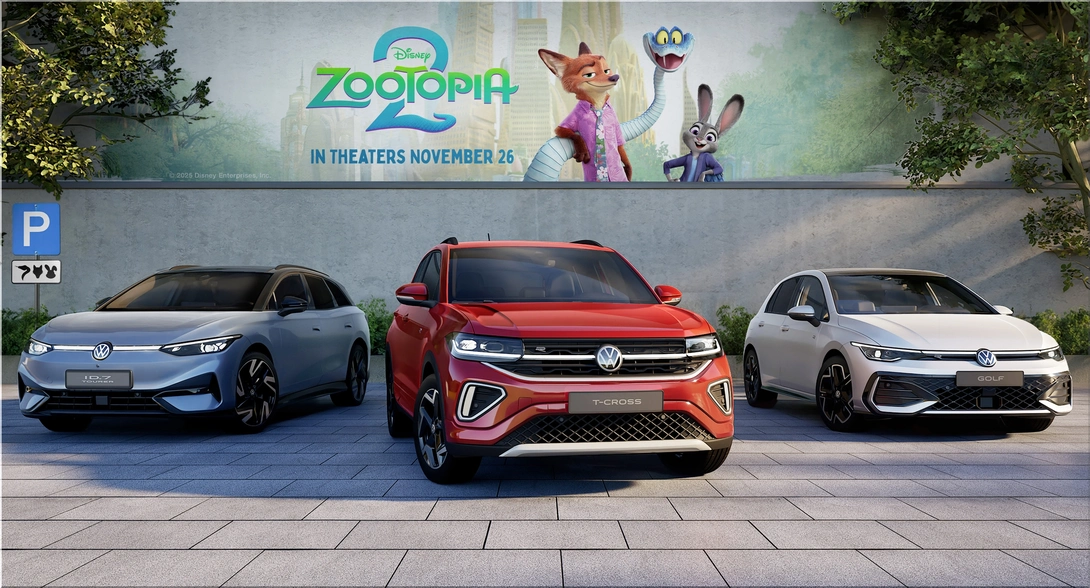
When Mickey Meets Wolfsburg: Grasping at Straws, but Make It Electric

When Mickey Meets Wolfsburg: Grasping at Straws, but Make It Electric

Volkswagen Disney partnership
  • Volkswagen

  • Disney

  • Volkswagen ID.3

Let’s call it what it is — Volkswagen and Disney are doing the corporate version of grasping at straws, only with billion-dollar smiles and CGI animals.

Electric Cars Meet Cartoon Foxes

When an...

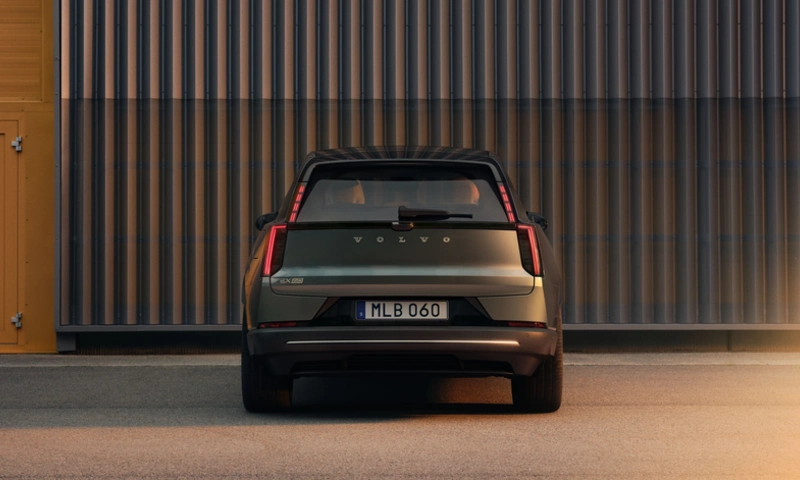
Volvo EX60: New 503-Mile Range Electric SUV & Google Gemini AI

Volvo EX60: New 503-Mile Range Electric SUV & Google Gemini AI

Volvo EX60
  • Volvo

  • Volvo EX60

The electric vehicle sector just witnessed a shift with the global debut of the Volvo EX60. This vehicle marks the commercial premiere of the SPA3 platform and effectively addresses the most significant hurdle for electric...

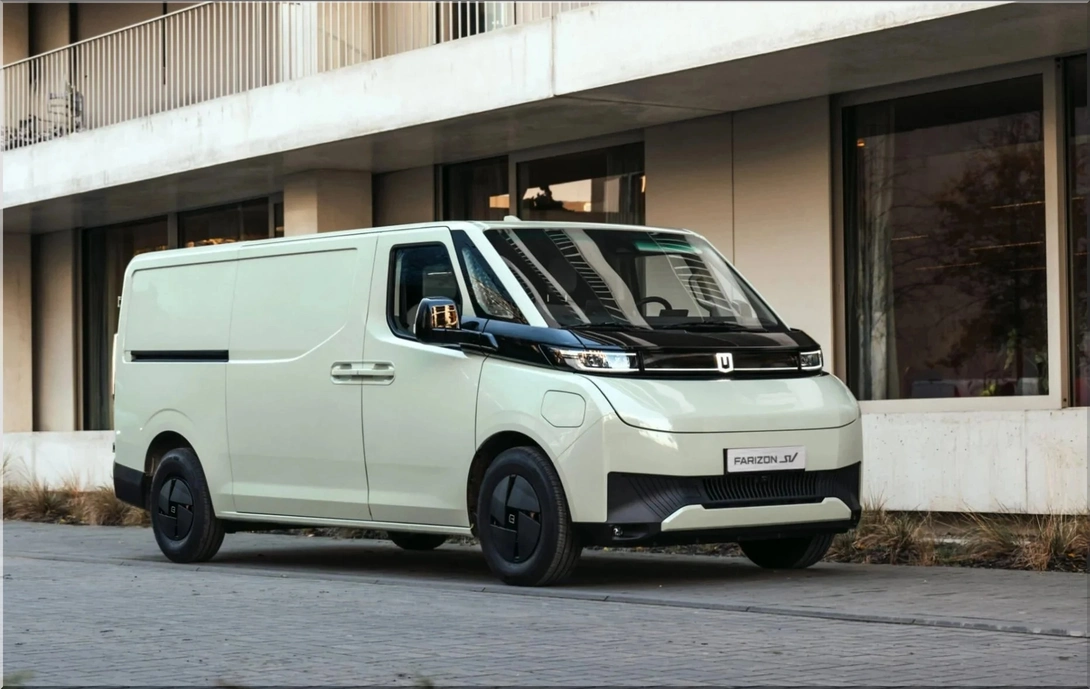
Farizon V7E electric van

Farizon V7E Brings 204-Mile Range To Low-Cost Electric Vans

Farizon V7E electric van
  • Farizon

  • Geely

  • Farizon V7E

The Farizon V7E targets urban delivery operators that need an electric van with useful payload, credible range, and a lower entry price than legacy-brand rivals. It brings up to 204 miles of WLTP combined range, almost 7...

Porsche Mission E

Porsche will double its investment in electric cars

Porsche Mission E
  • Porsche

  • Electric vehicles

The German brand Porsche announces that it will double its investment in the development of electric vehicles from this time until the year 2022: it will exceed 6,000 million euros.

The move to all-electric cars seems necessary for any car...

Mercedes-Benz eSprinter electric van

Mercedes-Benz reveals the technical data of the eSprinter, its new electric van

Mercedes-Benz eSprinter electric van
  • Mercedes-Benz

  • Mercedes-Benz eSprinter

After presenting the new range of Sprinter vans at the beginning of the year, which already included an all-electric version, Mercedes-Benz has revealed all the details of its new electric van for urban...

Fiat 500

The new electric Fiat 500 at the 2020 Geneva Motor Show

Fiat Centoventi
  • Fiat

  • Fiat Centoventi

Fiat is one of the few manufacturers that have not yet been actively involved in the electric car segment, but this is about to change.

At the Geneva Motor Show, the Italian builder announced that the future generation Fiat 500 will be...

2026 Nissan Leaf Delivers 303 Miles of Range

New 2026 Nissan Leaf Delivers 303 Miles of Range and NACS Charging

2026 Nissan Leaf
  • Nissan

  • Nissan Leaf

The 2026 Nissan Leaf is no longer a compact hatchback. It’s now a family-friendly electric crossover built for broader appeal. Nissan redesigned the Leaf with sharper aerodynamics, a sleeker SUV profile,...

Hyundai IONIQ 6 N

Hyundai IONIQ 6 N: 641 HP Electric Sedan with 800V Charging

Hyundai IONIQ 6 N
  • Hyundai

  • Hyundai IONIQ 6 N
Powertrains That Deliver Immediate Results

Hyundai built the IONIQ 6 N to push electric performance into new territory. The car uses a dual-motor setup that produces up to 641 HP and 568 lb-ft of torque...

2026 Xiaomi SU7

Xiaomi SU7 2026 Launches at $31,870: 680 HP and 902 km Range

2026 Xiaomi SU7
  • Xiaomi

  • Xiaomi SU7

Xiaomi came back to the electric sedan fight with a smarter move than a simple facelift. The updated Xiaomi SU7 keeps the same low, wide silhouette, but the real work happened underneath: higher-voltage electrical...

2026 Volkswagen ID. Polo

2026 Volkswagen ID. Polo 37 kWh Starts Near $29,000

2026 Volkswagen ID. Polo
  • Volkswagen

  • Volkswagen ID. Polo

Volkswagen has opened German orders for the 2026 Volkswagen ID. Polo EV with a 37 kWh usable LFP battery and a starting price near $29,000. The five-door hatchback delivers up to 207 miles on the WLTP cycle, offers two...

Like us!

ElectricHunter.com

Friends

»Spare Wheel  »Panorica  »Contact Us
RSS feed
Powered by Drupal