Home

Electric Hunter

Main navigation

  • 100% EVs
  • News
  • Wheelers
  • Commercial
  • Hybrid
User account menu
  • Contact

Breadcrumb

  1. Home
  2. E.V. News
  3. Porsche Turns Old EV Batteries Into New Battery Cells

Porsche Turns Old EV Batteries Into New Battery Cells


Porsche Turns Old EV Batteries Into New Battery Cells

Brand

  • Porsche

On September 17, 2026, Porsche and German recycler cylib announced test cells whose cathode active material comes entirely from recycled Porsche batteries. That is a real technical step, but it is still a pilot. No customer car uses these cells yet, and Porsche has not promised lower prices, longer range, or a production date.

What did Porsche achieve with recycled EV batteries?

Porsche recovered lithium, nickel, cobalt, and manganese from end-of-life high-voltage batteries, processed those metals into fresh cathode active material, and used it in new test cells. The recycled feedstock replaced newly mined versions of those four cathode ingredients. Porsche now tests the cells under operating conditions before it considers series production.

The wording deserves care. Porsche did not announce a battery pack made wholly from old packs. It announced cells whose cathode active material uses 100% recycled raw materials. That narrower claim still counts. Cathode material sets much of a cell's energy capacity, power behavior, cost, and resource demand.

The cells have reached a working-test phase, not a showroom. Porsche says early results support technical feasibility, with further findings due in the second half of 2026. The company has not released capacity retention, fast-charging, cycle-life, cold-weather, safety, or cost data.

That missing data is the line between an encouraging lab result and a bankable production process. Making one good batch proves chemistry. Making thousands of consistent batches at a competitive cost proves a business.

What is cathode active material?

Cathode active material stores and releases lithium ions on one side of a lithium-ion cell. In nickel-rich chemistry, it commonly contains lithium, nickel, cobalt, and manganese. Think of it as the chemically busy powder on the positive electrode, not the complete electrode, cell, module, or battery pack.

A cell also contains an anode, electrolyte, separator, copper and aluminum current collectors, binders, conductive additives, tabs, and a casing. A finished pack adds cooling hardware, wiring, sensors, controls, structural parts, and crash protection. Porsche's 100% figure does not cover all of those pieces.

How does Porsche's closed-loop battery process work?

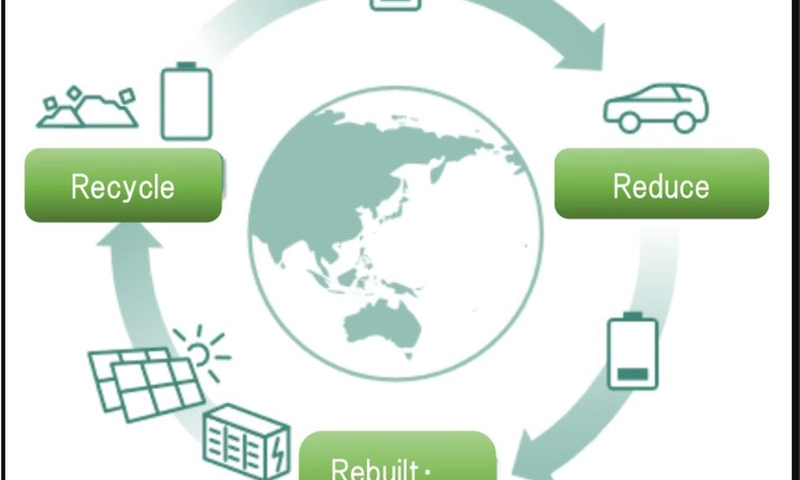
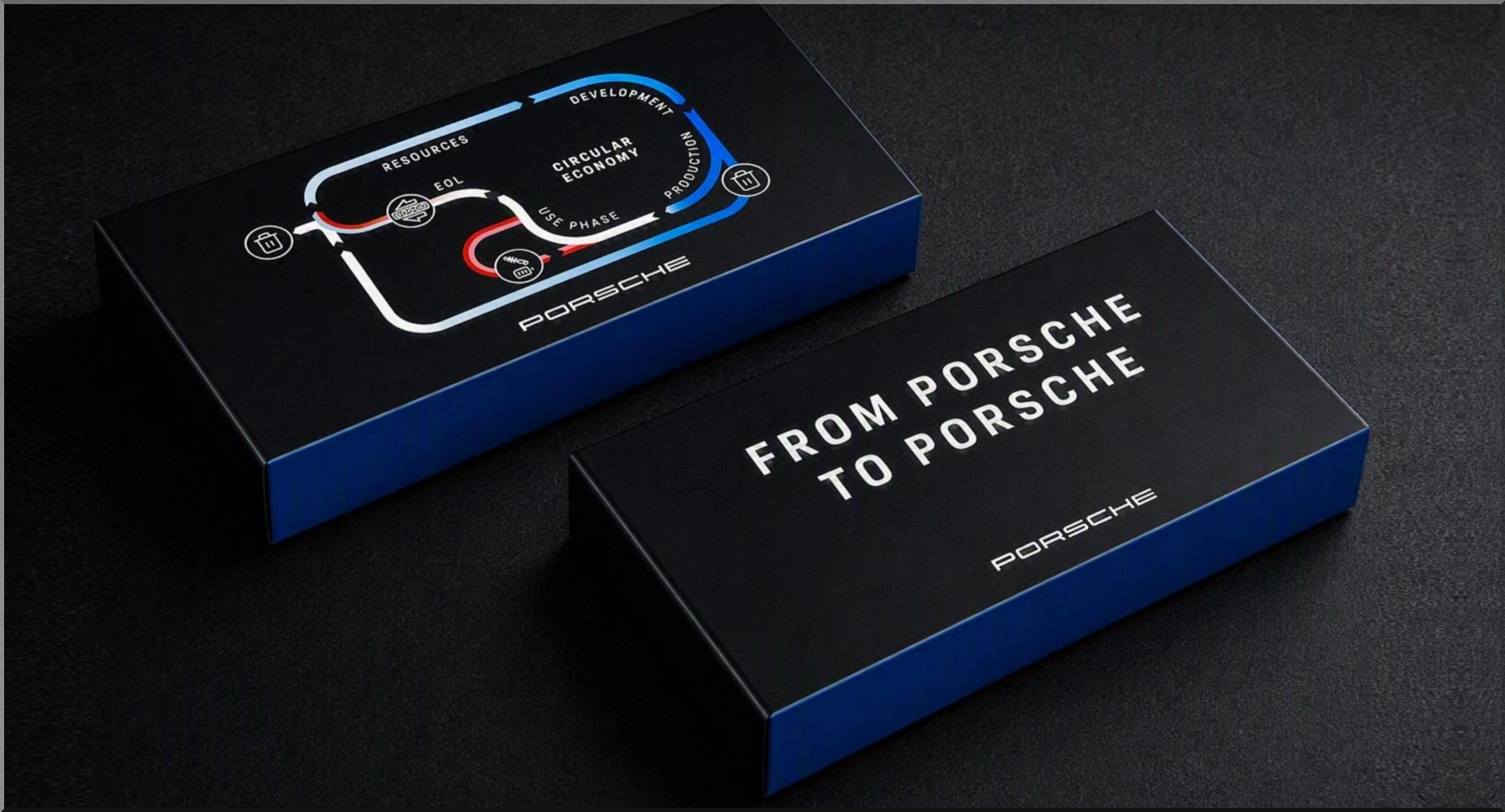
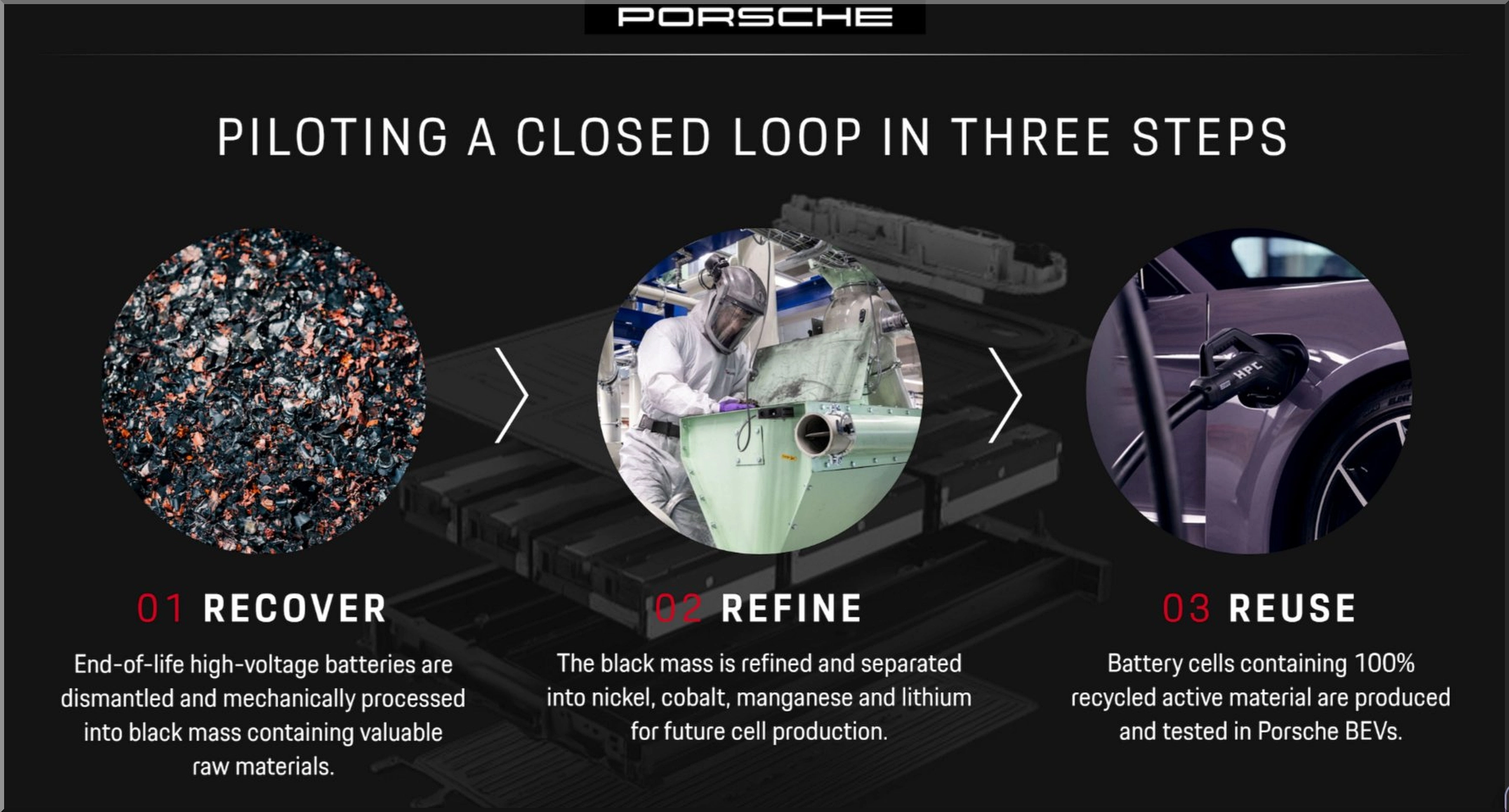
The pilot follows a six-stage loop: collect depleted Porsche packs, make them electrically safe, dismantle them, shred selected parts, recover metals from the resulting black mass, and rebuild those metals into cathode material for fresh cells. Each stage must protect purity, safety, traceability, and usable material yield.

  1. Collection: End-of-life high-voltage batteries enter the program through Porsche Centers in Germany.
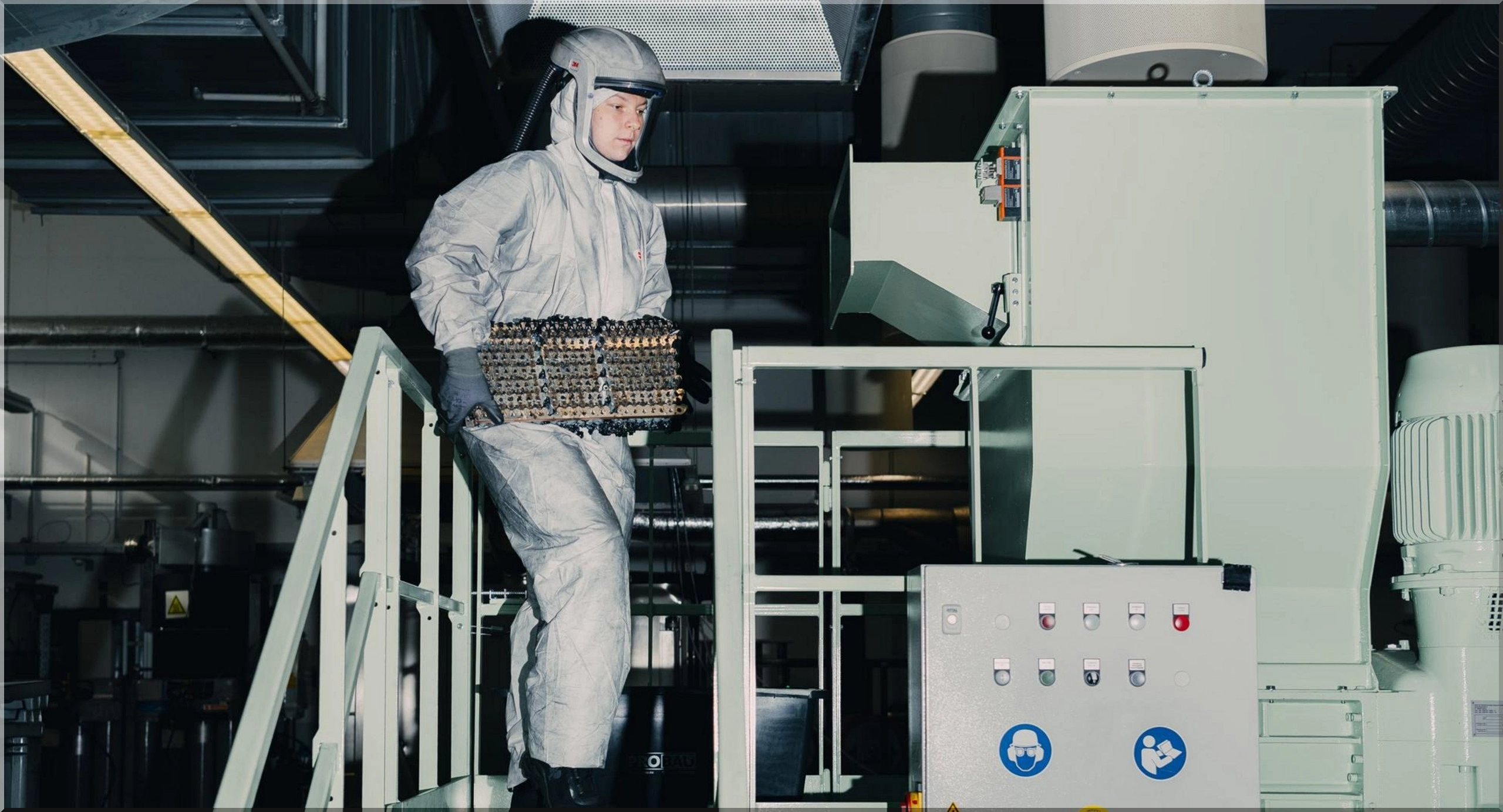
  2. Discharging: Technicians remove stored electrical energy so crews can handle the pack safely.
  3. Dismantling: Workers separate pack hardware and isolate the cell material destined for processing.
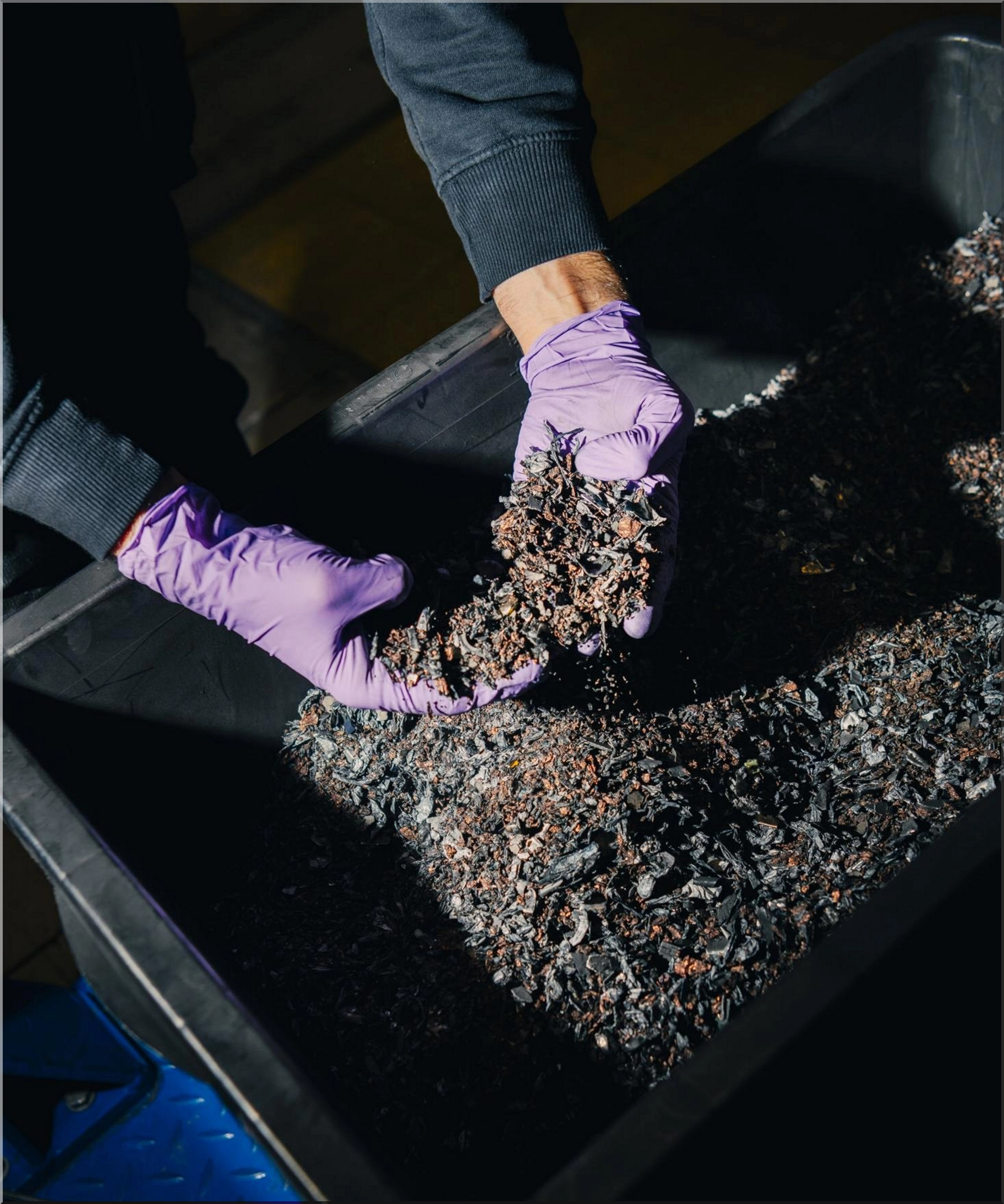
  4. Mechanical processing: Equipment shreds the battery material and produces a concentrated powder called black mass.
  5. Water-based recovery: cylib separates and refines lithium, nickel, cobalt, and manganese through its proprietary process.
  6. Cell production: Partners turn the recovered metals into new cathode active material and build test cells.

Black mass is not ready-to-use battery material. It is a mixed intermediate that still needs chemical separation, purification, and precise reprocessing. Tiny contaminants can hurt cell life, charging behavior, or safety. Battery-grade purity is where the clever recycling video meets the unforgiving factory specification.

cylib says its full process reaches 90% recycling efficiency and cuts the carbon footprint of recovered material by 80% versus primary extraction. It also says its operations use renewable electricity. Those figures describe cylib's process claims, not verified results for a future mass-produced Porsche pack.

Since May 2026, the partners have applied the recycling route to batteries collected through Porsche's German service network. A dedicated material account tracks the recovered resources. Porsche expects those credited materials to become available to the company and selected partners for battery-cell production from 2028.

What are the strongest pros and cons?

The main gain is technical: Porsche has shown that metals from its own retired batteries can return to new cathode material. The main limit is scale: the company has not published output, cost, yield by metal, or full test results. A closed loop only earns that name when it runs repeatedly at industrial volume.

Area Pro Con
Raw materials Recovers lithium, nickel, cobalt, and manganese Porsche has not disclosed metal-by-metal yield
Cell quality New test cells are working Full durability and safety results remain private
Carbon impact cylib reports lower emissions than primary extraction Porsche has not published a pack-level life-cycle study
Supply security Keeps valuable feedstock within Europe The present collection network covers Germany
Buyer cost Recovered metals may reduce exposure to commodity swings Porsche announced no vehicle-price saving

Our read is simple: this pilot solves a technical question, not the commercial one. Porsche and cylib have shown that recovered cathode metals can go back into a high-performance cell. They still need to prove repeatability, throughput, quality control, and cost when the incoming packs vary in age, chemistry, damage, and state of charge.

Image
Battery Cells

Will recycled cathode material make Porsche EVs cheaper?

Not soon, based on the information Porsche released. Recycling may cut exposure to imported raw materials and unstable commodity prices, but collection, hazardous-goods transport, disassembly, purification, cathode synthesis, testing, and certification all cost money. A pilot cell does not translate into a lower Porsche Taycan or Macan Electric sticker price.

For total cost of ownership, the near-term effect is close to zero. The project does not change charging costs, insurance, maintenance, range, repair pricing, depreciation, or warranty terms for current owners. A mature recycling market could support residual values by giving damaged or retired packs a clearer recovery value, but Porsche has published no buyer-facing estimate.

The smarter consumer question is not, 'Will this make my next Porsche cheap?' It is, 'Can this reduce supply risk and embedded emissions without weakening battery life or raising cost?' Porsche has answered only the first technical piece.

Why does this pilot carry weight in Europe?

Europe wants more battery materials recovered and reused inside its own industrial network. EU rules set minimum recycled-content shares for EV battery active materials from August 2031: 16% for cobalt, 6% for lithium, and 6% for nickel. Higher targets arrive in 2036, alongside tighter material-recovery goals.

Porsche's test cell goes much further within its cathode boundary, but readers should not compare the figures as if they measure the same thing. The EU targets apply by battery model, year, and manufacturing plant. Porsche's 100% figure describes the source of specific cathode ingredients in pilot cells. It does not prove future regulatory compliance.

For North American buyers, this remains a European project. Porsche identified German collection sites, European processing, and material availability from 2028. It announced no US battery-return program, US recycling partner, or North American vehicle application. That may change later, but the current facts stop at Europe's door.

Should an old EV battery go straight to recycling?

No. A battery that no longer suits a high-performance car may still serve in stationary storage. Repair, module reuse, and second-life use can preserve its remaining capacity before material recovery. Recycling should close the loop after useful service ends, not cut short a safe second life.

Porsche already offers a good example at its Leipzig plant. The company took 4,400 used Taycan modules from pre-series and test vehicles and built a 10-megawatt-hour storage system. It can deliver 5 megawatts, supports factory power management, and Porsche designed it for more than ten additional years of use.

That sequence makes practical sense:

  • Repair a pack when safe, economical work can return it to vehicle duty.
  • Reuse sound modules when the full pack no longer meets vehicle demands.
  • Repurpose capable modules for stationary storage with less punishing power needs.
  • Recycle the remaining material when another useful service no longer makes sense.

This order preserves the energy and labor already invested in the battery. It also delays shredding until the pack has delivered as much useful work as safety and economics allow.
Battery Cells

What should EV buyers watch next?

Buyers should watch for public test data, a production decision, annual processing capacity, actual recovery yield, and a named vehicle program. Those details will show if Porsche has built a scalable supply route or a polished pilot. Until then, read the announcement as credible progress with several hard gates still ahead.

Look for five proof points:

  • Cycle life: Do recycled-material cells retain capacity as well as cells made with primary metals?
  • Fast charging: Can they accept Porsche-level charging power without faster degradation?
  • Consistency: Can every batch meet tight purity and particle specifications?
  • Economics: Does the closed loop compete after transport, processing, and quality checks?
  • Scale: How many packs and gigawatt-hours can the network handle each year?

Pro-Tip: Read every recycling percentage carefully

Ask what the percentage measures. It may describe pack weight, process efficiency, recovery of one metal, or recycled content in one cell component. These figures answer different questions. A trustworthy claim names the boundary, chemistry, input source, test method, output purity, and production scale.

Image gallery:
Battery Cells

What is the practical verdict?

Porsche and cylib have cleared a meaningful technical gate: retired Porsche battery metals have returned to working cells as fully recycled cathode feedstock. The result deserves attention, not confetti. Production volume, durability, economics, and North American availability remain open. The next useful move is simple: publish the test data and name the first production program.

For shoppers, nothing changes today. Keep judging an EV by purchase price, insurance, real charging access, battery warranty, cold-weather range, repairability, and expected depreciation. For the industry, keep watching Porsche's 2028 material timeline. If the loop runs at scale, old packs may become useful supply assets instead of an expensive end-of-life problem.

Category

  • E.V. News

Tags

  • Battery recycling
  • Porsche battery recycling
  • Porsche recycled battery cells
  • Recycled battery cells
  • Battery cells
  • 100% recycled cathode material
  • EV battery recycling process
  • EV battery recycling
  • EV battery life
  • End-of-life EV batteries
  • Recycled lithium battery materials
  • recycled materials
  • EV battery raw material recovery
  • Material recovery
  • Battery technology
  • Add new comment
  • 205 views

Profile picture for user Electric Hunter
By Electric Hunter, 18 September, 2026

Similar news
2027 Porsche Cayenne Electric Adds 105 Colors and Powered Doors

2027 Porsche Cayenne Electric Adds 105 Colors and Powered Doors

2027 Porsche Cayenne Electric
  • Porsche

  • Porsche Cayenne Electric

The 2027 Porsche Cayenne Electric gains optional powered doors, upgraded massage seats with 4D audio, expanded interior trim, and 92 Paint to Sample finishes. Porsche keeps US base prices unchanged, from $109,000 for the...

Wireless Charging Arrives: Porsche Pushes Inductive Tech Forward in the Cayenne Electric

Wireless Charging Arrives: Porsche Pushes Inductive Tech Forward in the Cayenne Electric

Wireless charging technology
  • Porsche

  • Wireless charging technology

The Shift Toward Contactless Charging

Porsche moves fast when efficiency produces real gains. The Cayenne Electric adds wireless inductive charging to its options list. The system removes cables, cuts setup steps, and turns...

Toyota and Mazda Test Energy Storage Using EV Batteries

Toyota and Mazda Test Energy Storage Using EV Batteries

Toyota energy storage system
  • Toyota

  • Mazda

  • Energy storage

Building a Battery Ecosystem

Toyota and Mazda have begun field tests of an energy storage system that uses batteries from electrified vehicles. The trials take place at Mazda’s...

How to Charge Your EV Faster: Insider Advice from Porsche Taycan Engineer

How to Charge Your EV Faster: Insider Advice from Porsche Taycan Engineer

Porsche Taycan Engineer
  • Porsche

  • Porsche Taycan

Charging an electric vehicle (EV) is as much about smart habits as it is about advanced technology. According to Kevin Giek, Vice President of the Taycan model line at Porsche,...

Porsche Leipzig Builds Two Special Anniversary Cars for Australia

Porsche Leipzig Builds Two Special Anniversary Cars for Australia

Porsche
  • Porsche

  • Porsche Australia

Porsche did not mark 75 years in Australia with stickers and a press photo. It built two anniversary vehicles in Leipzig and used them to make a much harder point: one factory can now assemble combustion, hybrid, and fully electric Porsche models...

Vauxhall-Opel and Leapmotor Seal Deal for a 2028 Electric SUV

Vauxhall-Opel and Leapmotor Seal Deal for a 2028 Electric SUV

Leapmotor
  • Leapmotor

  • Opel

  • Opel Leapmotor €100 million contract

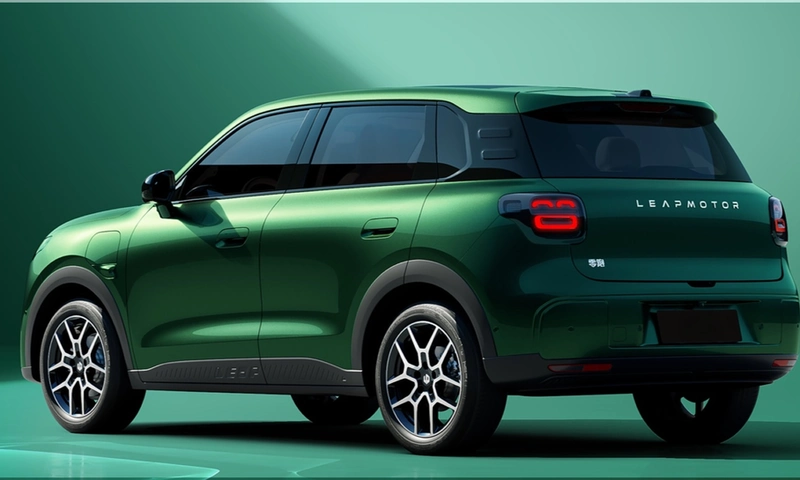
The Vauxhall-Opel and Leapmotor cooperation agreement sets out plans for a new compact electric SUV, with sales expected in 2028. The companies signed on November, 2026, and chose Zaragoza, Spain, for production. Leapmotor...

Hyundai Kona

Hyundai Kona electric: up to 470 km of autonomy

Hyundai Kona
  • Hyundai

  • Hyundai Kona

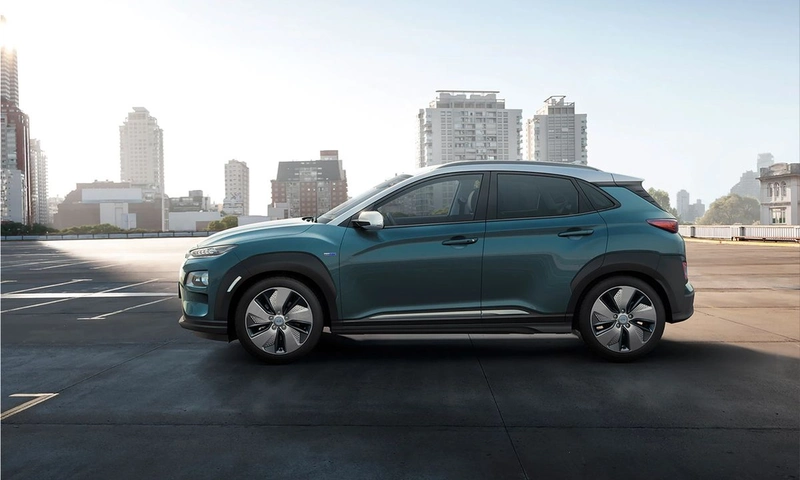
As announced a few days ago Hyundai has presented for everyone and through the Internet, the new Kona electric, a medium-sized SUV.

The fundamental characteristic of the Hyundai Kona electric are its two versions...

Honda Everus

Honda Everus Concept electric prototype

Honda Everus
  • Honda

  • Honda Everus

Honda has presented at the Beijing Motor Show the Everus Concept an electric SUV that will go into production later this year and will be the start of a new line of electric cars in China.

The transition from the concept to the...

Volkswagen ID ROOMZZ

Volkswagen ID ROOMZZ: 100% electric family SUV

Volkswagen ID ROOMZZ
  • Volkswagen

  • Volkswagen ID ROOMZZ

Volkswagen has presented at the Shanghai Salon a new member, in concept format, of its ID range of electric vehicles, the Roomzz, a large 4x4 SUV made to compete with the Tesla Model X.

Volkswagen ID. Roomzz is...

2026 Honda Prelude: Type R Chassis, Hybrid Power, and a Sharp GT Focus

2026 Honda Prelude: Type R Chassis, Hybrid Power, and a Sharp GT Focus

2026 Honda Prelude
  • Honda

  • Honda Prelude

Prelude Returns With Serious Hardware

Honda confirmed the 2026 Honda Prelude will ride on the Civic Type R’s advanced chassis architecture. That means the sixth-generation Prelude gets more...

Lexus LFA

Lexus LFA: Electric BEV Sports Car Built for Drivers

Lexus LFA
  • Lexus

  • Lexus LFA

A New Direction for Electric Performance Cars

Lexus revealed the LFA Concept, a BEV sports car built around low mass, high rigidity, and aerodynamic efficiency. Engineers used race programs such as the GR GT and GR GT3 as...

Mazda 6e Wins 2026 World Car Design of the Year

Mazda 6e Wins 2026 World Car Design of the Year

Mazda 6e
  • Mazda

  • Mazda 6e

Mazda now has a fresh trophy to hang on the studio wall. The Mazda 6e took 2026 World Car Design of the Year, adding another major design award to a brand that has made shape, proportion, and surface control part of its...

Range Rover Electric

2027 Range Rover Electric Debuts With 372-Mile Range and $207,750 Price

Range Rover Electric
  • Land Rover

  • Range Rover Electric

The 2027 Range Rover Electric pairs a 118.5-kWh usable battery with an 800-volt electrical system, dual motors, and serious off-road hardware. It delivers up to 372 miles of WLTP range, hits 60 mph in 4.3 seconds, and starts at...

Volkswagen ID VIZZION

Volkswagen I.D. VIZZION - level 5 autonomous driving

Volkswagen ID VIZZION
  • Volkswagen

  • Volkswagen I.D. VIZZION

Volkswagen has chosen the 2018 Geneva Motor Show for the official launch of the I.D. VIZZION electric sedan. This is the fourth vehicle of the line announced by the German company after the ID, the ID Crozz SUV and the ID Buzz...

Aptis electric bus

12 Aptis electric buses for the city of Strasbourg

Aptis electric bus
  • Aptis

  • Electric buses

These 12 Aptis will be the first electric buses that are incorporated into the vehicle fleet of the Strasbourg urban transport operator. The contract includes the purchase of 12 Aptis vehicles 12 meters long and equipped each with three...

2026 Toyota bZ Electric SUV

New Toyota bZ Electric SUV (2026): 314-Mile Range and 338 HP

Toyota bZ Electric SUV
  • Toyota

  • Toyota bZ

Toyota has updated its bZ electric SUV—formerly the bZ4X—with major performance, charging, and design improvements for the 2026 model year. The changes aim to increase EV appeal with...

Audi eMTB 2.0 by Fantic: Price, Specs, Range: Electric Mountain Bike Review

Audi eMTB 2.0 by Fantic: Price, Specs, Range: Electric Mountain Bike Review

Audi eMTB 2.0 by Fantic
  • Audi

  • Audi eMTB 2.0

Why Audi built a second-gen eMTB 2.0

Audi wants a stake in electric two-wheel mobility. The company now ships a second-generation Audi eMTB 2.0 through Audi Genuine Accessories. Deliveries start in...

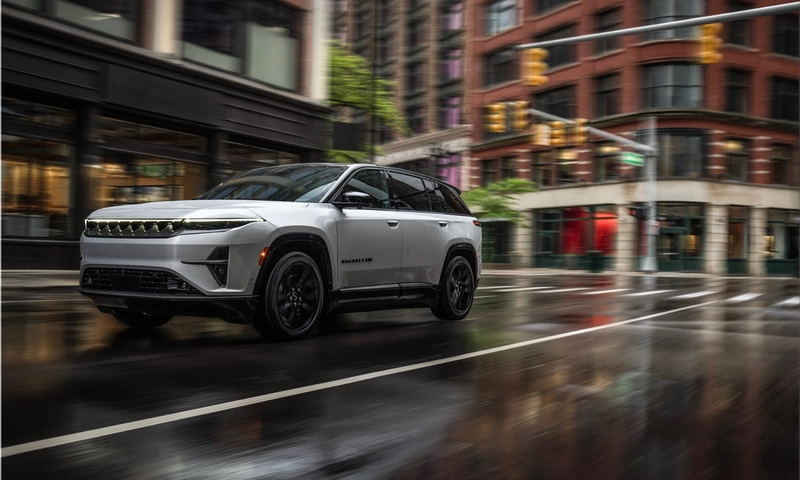
Jeep Wagoneer S Electric SUV Revealed: 600 HP and 3.5-Sec 0-62

Jeep Wagoneer S Electric SUV Revealed: 600 HP and 3.5-Sec 0-62

Jeep Wagoneer S
  • Jeep

  • Jeep Wagoneer S

Jeep arrived at the Brussels Motor Show with a message that landed clean and loud. The Jeep Wagoneer S defines the brand’s electric direction with numbers, not noise. This SUV targets buyers who care about acceleration,...

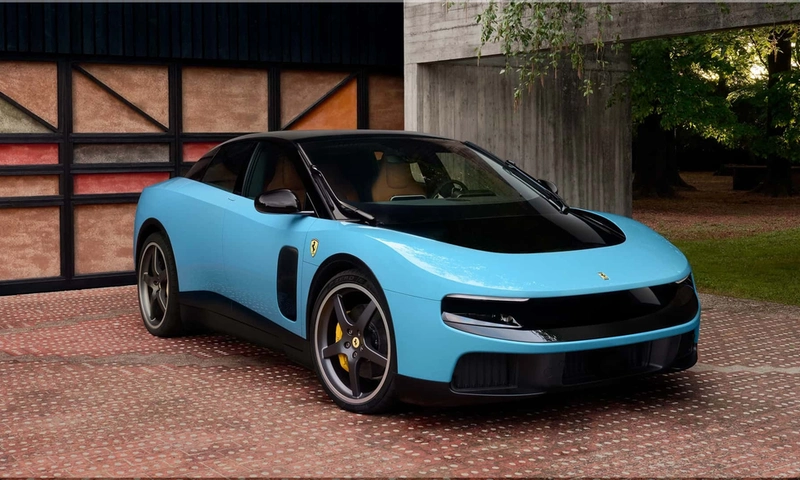
Ferrari Luce EV

Ferrari Luce: Ferrari's First EV Is a $640,000 Shock Built for a New Buyer

Ferrari Luce
  • Ferrari

  • Ferrari Luce

The new Ferrari Luce gives Maranello its first fully electric production car, but Ferrari avoided the obvious two-seat supercar route. Instead, the first Ferrari EV arrives as a four-door, five-seat electric liftback with...

Opel Corsa GSE Wins Carwow Award With Real Hot-Hatch Hardware

Opel Corsa GSE Wins Carwow Award With Real Hot-Hatch Hardware

Opel Corsa GSE
  • Opel

  • Opel Corsa GSE

The Opel Corsa GSE has won Carwow Germany's 2027 driving-fun award, pairing a 207 kW electric motor with a mechanical limited-slip differential and serious chassis changes. Opel claims 0–100 km/h in 5.5 seconds. That...

Porsche eBike Sport 2025
Porsche eBike Sport 2025: High-Performance Electric Bicycle with Cutting-Edge Tech
The new Porsche Taycan Sport Turismo from 86,400 euros
Porsche Taycan, the new 100% electric super sports car

Like us!

ElectricHunter.com


Latest news
2026 Ford E-Transit Custom AWD

2026 Ford E-Transit Custom AWD Review: Up to 230 Mile Range and 630 Nm Torque

2026 Lexus ES Electric Sedan
2026 Lexus ES Electric Sedan: Range, Charging, and DIRECT4 AWD Explained

Volvo EX90 Bi-Directional Charging Turns the SUV Into a Home Power Source

Volvo EX90 Bi-Directional Charging Turns the SUV Into a Home Power Source

RIZON Expands U.S. Electric Truck Dealer Network to Accelerate Class 4–5 EV Adoption

RIZON Expands U.S. Electric Truck Dealer Network to Accelerate Class 4–5 EV Adoption

Wireless Charging Arrives: Porsche Pushes Inductive Tech Forward in the Cayenne Electric

Wireless Charging Arrives: Porsche Pushes Inductive Tech Forward in the Cayenne Electric

Hyundai IONIQ 6 N

Hyundai IONIQ 6 N: 641 HP Electric Sedan with 800V Charging

2026 MG S6 EV

2026 MG S6 EV Delivers 329-Mile Range and Fast 150 kW Charging

Peugeot Polygon Unveils Hypersquare Steering for Future EVs

Peugeot Polygon Unveils Hypersquare Steering for Future EVs

Renault Trafic E-Tech Electric van

Renault Trafic E-Tech Electric Launches Mid-Size Van With V2G and 800 V Tech

Polestar 4 and Google Maps

Google Maps Live Lane Guidance Debuts in Polestar 4: What Drivers Must Know

Pagination

  • Previous page
  • 14
  • Next page

Friends

»Spare Wheel  »Panorica  »Contact Us

Popular news

RIZON: Daimler Truck's Electric Revolution Arrives in Canada

RIZON: Daimler Truck's Electric Revolution Arrives in Canada

BYD Tang L electric SUV

BYD Tang L Arrives: A 7-Seater EV With 1,086 HP and Lightning-Fast Charging

Range Rover Sport PHEV

The Range Rover Sport PHEV challenge at Tianmen Mountain

Renault Trafic Van E-Tech Electric

Renault Trafic Van E-Tech Electric: The Last Piece of the Puzzle

The new BMW iX xDrive50 electric SUV from 98,000 euros

The new BMW iX xDrive50 electric SUV from 98,000 euros

BYD electric bus

BYD, the Chinese manufacturer of electric vehicles, continues its expansion in Europe

CityQ - electric bike

CityQ - between the electric bike and the electric car

2025 Cadillac Escalade IQ: First All-Electric SUV Hits Auction to Benefit Detroit Children

2025 Cadillac Escalade IQ: First All-Electric SUV Hits Auction to Benefit Detroit Children

Jaguar I-Pace

Jaguar I-Pace - clean, smart and safe

Dacia Spring

Dacia Spring: 100% electric car with 44hp and 280km of autonomy

Pagination

  • Previous page
  • 14
  • Next page
RSS feed
Askoll eS3 Evolution electric scooter
Fiat Ducato MY2020 commercial car 2020
Mack Electric LR 100% electric garbage truck
Xiaomi Himo H1 Electric Bike
de Havilland Canada DHC-2 Beaver seaplane
Volkswagen e-Delivery
ECR25 Electric and L25 Electric
Harley-Davidson Livewire
Blacksmith B2 electric motorcycle
CityQ - electric bike
BYD Atto 3 Evo 2027
Audi eMTB 2.0 by Fantic: Price, Specs, Range: Electric Mountain Bike Review

· electrichunter.com · 2026 · Contact· Privacy Policy· Powered by Drupal