Trailer theft doesn’t always make headlines, but inside the logistics world, it’s a constant headache. Across the U.S., trailers go missing from yards, truck stops, job sites—sometimes in broad daylight, sometimes overnight. And the worst part? Most companies don’t even realize it’s gone until it’s already too late.
According to industry estimates, cargo theft costs U.S. businesses billions every year, and trailers are often the weakest link in the chain. Unlike trucks, trailers don’t have drivers assigned to them. They sit. They wait. They move between locations without much oversight. That makes them one of the easiest targets in any fleet operation.
For businesses running multi-state logistics, this isn’t just a security issue—it’s an operational one. Lost trailers mean missed deliveries, unhappy clients, insurance complications, and real financial damage.
This is exactly where fleet gps tracking and modern telematics start to change how companies protect their assets.
The Real Problem: Trailers Are the Most Exposed Asset in Any Fleet
If you look at how fleets are managed today, trucks get attention. Drivers are tracked. Routes are optimized. Vehicles are monitored through Fleet tracking software for companies.
Trailers? Not so much.
They’re often:
- Dropped off and picked up later
- Left in unsecured or semi-secured locations
- Shared across teams, routes, and even partners
That creates a situation where no one has full, real-time visibility.
Now layer in scale. A fleet operating across multiple states might have hundreds of trailers moving or sitting at any given time. Without proper Business fleet GPS tracking solutions, it becomes nearly impossible to know:
- Which trailers are active
- Which are idle
- Which are where they’re supposed to be
And that’s exactly the gap theft exploits.
Why Traditional Security Measures Don’t Hold Up Anymore
Most companies don’t ignore security—they just rely on methods that haven’t kept up.
Locks, yard checks, cameras—they all help. But they all share one flaw:
They work only when someone is physically present or watching.
A locked trailer can still be taken.
A camera only records what already happened.
Manual logs depend on someone remembering to update them.
None of these systems answer the one question that actually matters:
“Where is this trailer right now?”
And more importantly:
“Did it move when it wasn’t supposed to?”
Without real-time insight powered by Telematics solutions for fleets, you’re always reacting after the damage is done.
How GPS Tracking Changes the Entire Visibility Equation
This is where things get practical.
A properly installed trailer gps tracker doesn’t just show you a location—it gives you control across your entire operation.
You Know Where Everything Is — At All Times
Whether a trailer is:
- Parked in a yard
- Sitting at a delivery point
- Moving across state lines
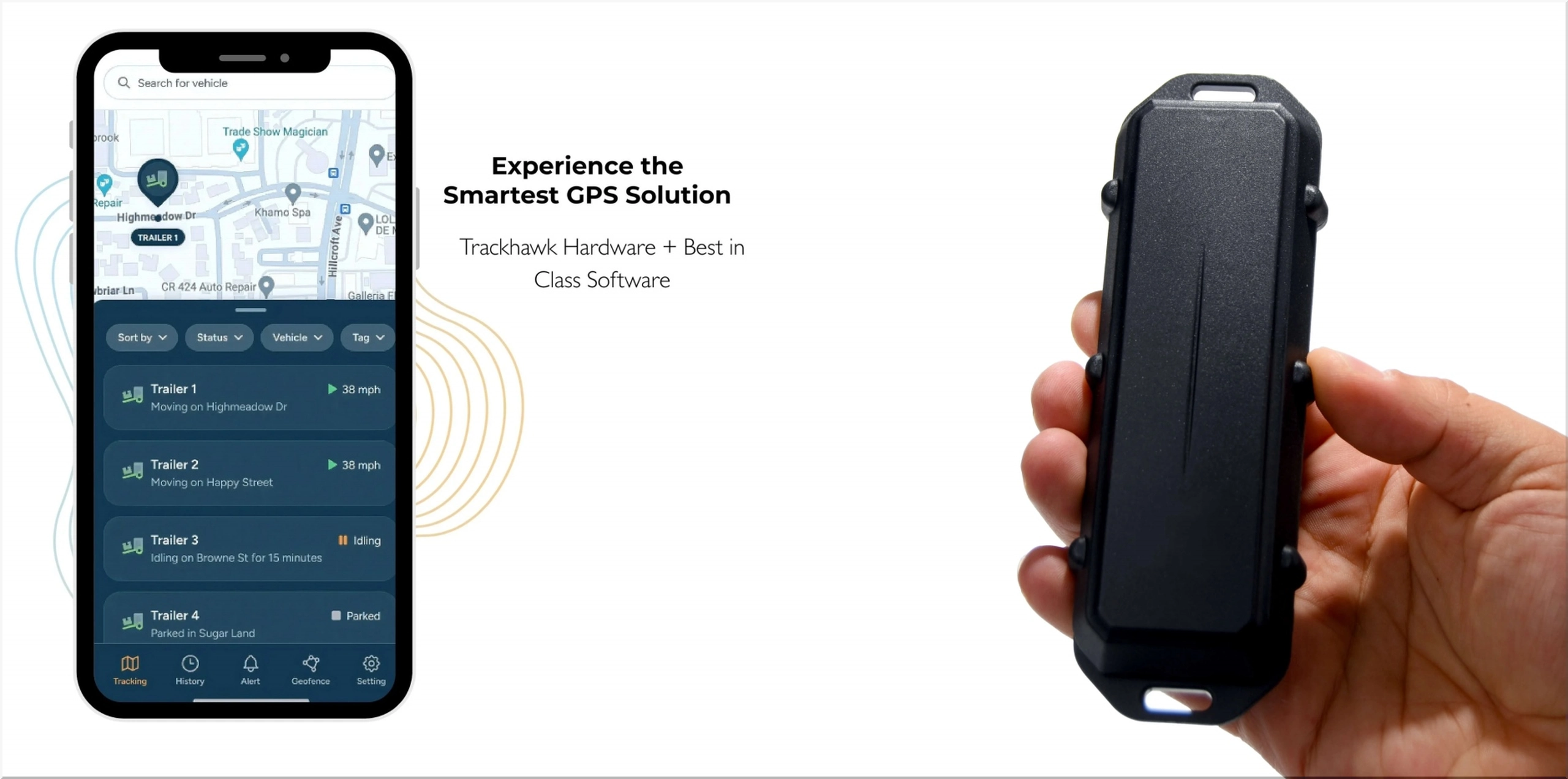
You can see it instantly. No calls. No guesswork. Platforms like Trackhawk Fleet GPS Tracking bring everything into one dashboard, making multi-location visibility actually manageable.
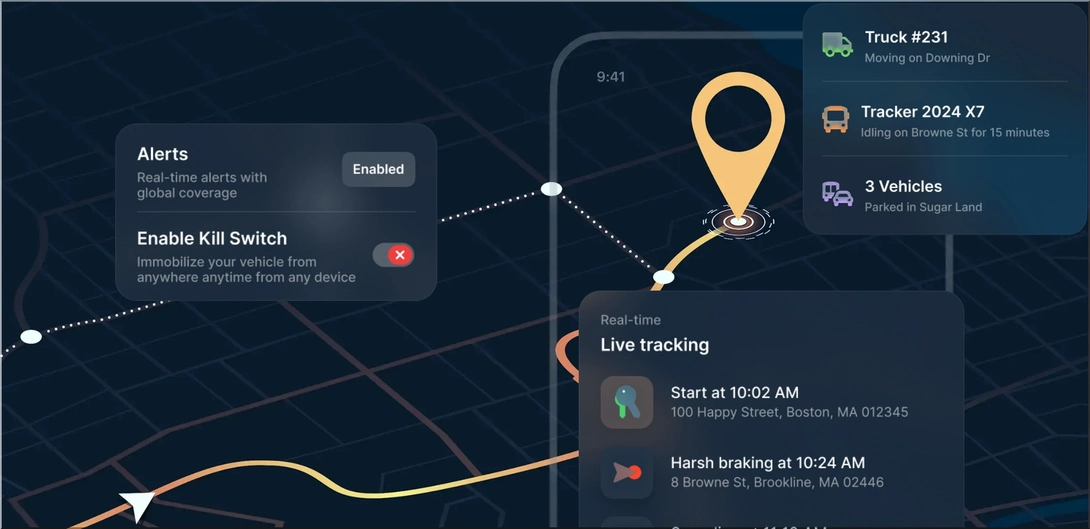
You Get Alerts When Something’s Off
Instead of discovering theft hours later, you can set up:
- Movement alerts
- Geofence boundaries
- Unauthorized relocation notifications
So if a trailer moves at 2 AM from a location it shouldn’t… you know right away.
That timing matters. Because in theft recovery, minutes matter more than hours.
It Works Even When the Trailer Isn’t Powered
This is critical.
Modern devices—like those used in Trackhawk GPS systems—are built with:
- Long battery life
- Smart reporting intervals
- Low maintenance requirements
So even if a trailer sits for weeks, it’s still visible when it matters.
You Start Seeing Operational Gaps Too
Here’s what most operators don’t expect:
Once fleet gps tracking is in place, it doesn’t just stop theft—it starts exposing inefficiencies.
You’ll notice:
- Trailers sitting idle longer than expected
- Bottlenecks at certain locations
- Underutilized assets
That’s where security turns into operational intelligence.
Beyond Trailers: A Bigger Shift in Fleet Security
What’s happening across the industry isn’t limited to trailers.
Companies are now integrating:
- gps tracker for rental cars to monitor temporary assets
- GPS Kill Switch systems to prevent vehicle theft entirely
- Cross-platform dashboards that unify trailers, vehicles, and equipment
For high-risk scenarios, combining tracking with a gps kill switch adds another layer of protection—allowing businesses to remotely disable a vehicle if unauthorized activity is detected.
This shift is turning basic tracking into complete asset control across fleets.
What This Means for Fleet Operators Running at Scale
For smaller fleets, losing one trailer hurts.
For larger operations, the real issue is lack of control at scale.
When you’re managing:
- Multi-state routes
- High-value cargo
- Dozens or hundreds of trailers
You need more than visibility—you need confidence.
That’s where Business fleet GPS tracking solutions step in by:
- Centralizing all asset data
- Removing reliance on manual updates
- Allowing faster, smarter decisions
It also changes how customers perceive your business.
When you can confidently say:
“We know exactly where your shipment is right now,”
—you’re not just improving operations, you’re building trust.
What to Look for in a Trailer GPS Tracker
Not every system is built for trailers. Choosing the wrong one can create more blind spots instead of fixing them.
Here’s what actually matters:
Reliable, Real-Time Data
You need consistent updates—not delayed pings or missing signals.
Battery That Matches Real Usage
Trailers sit. Your device should be built for that reality.
Smart Alerts That Help You Act
Not noise—actionable alerts that tell you when something is wrong.
Simple Deployment
Quick installation across large fleets without slowing operations down.
Scalable Platform
A system that grows with your fleet, not one you outgrow in months.
Businesses dealing with ongoing trailer exposure often explore solutions like a trailer gps tracker designed specifically for cargo trailer security and fleet-wide visibility, rather than adapting vehicle-based systems that don’t fully solve the problem.
Visibility Isn’t a Luxury Anymore — It’s Basic Control
Trailer theft isn’t going away. If anything, it’s becoming more organized, more targeted, and more frequent.
What’s changing is how businesses respond.
The companies staying ahead aren’t relying on better locks or more cameras.
They’re relying on real-time visibility powered by fleet gps tracking and modern telematics.
Because preventing theft isn’t about reacting faster.
It’s about knowing what’s happening before it turns into a problem.
And in fleet operations, that shift—from guessing to knowing—starts with one simple upgrade:
A smarter, purpose-built trailer gps tracker.
- Add new comment
- 110 views